Lelampahan saka Kathmandu kanggo Manaslu Circuit utawa Lembah Tsum/ Soti Khola/Machakhola minangka rute trekking populer ing Nepal. Perjalanan kasebut diwiwiti saka Kathmandu, ibukutha Nepal, ing ngendi sampeyan bisa nyopir utawa mabur menyang titik wiwitan Trek sirkuit lembah Manaslu lan Tsum ing Soti Khola. Pandu saka Kathmandu menyang Soti Khola mbutuhake udakara 8-10 jam lan ngliwati desa lan kutha sing apik banget. Jembaré 126 km/80 mi. Manaslu Circuit Trek -14 dina itinerary paling populer ing antarane kabeh trekkers.
Ana rong pilihan transportasi utama kanggo lelungan saka Kathmandu menyang Soti Khola / Machakhola jip pribadi lan bis umum.
Kendaraan Pribadi
Nyewa jeep pribadi minangka pilihan sing paling populer kanggo lelungan. Sampeyan bisa kanthi gampang nemokake layanan rental jeep ing Kathmandu sing bakal nggawa sampeyan menyang Soti Khola. Perjalanan njupuk 8-10 jam, gumantung saka kahanan dalan lan lalu lintas. Jip pribadi nyaman lan ngidini sampeyan mandheg ing dalan kanggo ngegungake sikil. Jep land cruiser / Scorpio biasane disewakake kanggo lelungan amarga dalane bergelombang.
Perjalanan njupuk 8-10 jam, gumantung saka kahanan dalan lan lalu lintas. Regane sekitar USD 300 kanggo nyewa jip menyang Soti Khola. Kendaraan bisa kanthi gampang nampung klompok 7. Biaya bisa luwih dhuwur nalika musim puncak wisata lan luwih murah nalika musim panas.
Nyewa kendaraan pribadi kanggo lelungan menyang Soti Khola akeh kaluwihan. Mobil pribadi lan jip luwih nyaman tinimbang bis umum.
Sampeyan duwe luwih akeh ruang kanggo nggedhekake sikil lan bisa nyetel suhu lan AC miturut pilihan sampeyan.
Mobil pribadi lan jip menehi penak lan keluwesan luwih saka bus umum.
Sampeyan bisa milih wektu budhal dhewe, mandheg kapan arep njupuk foto utawa ngaso, lan njupuk rute langsung menyang panggonan sing dituju.
Mobil pribadi lan jip umume luwih aman tinimbang bis umum.
Sampeyan bisa milih driver sing dipercaya lan berpengalaman sing ngerti dalan lan bisa nyopir kanthi aman ing kahanan dalan sing tantangan.
Nyewa mobil pribadi utawa jip nawakake privasi luwih akeh tinimbang bus umum.
Nanging, ana uga kekurangan,
Nyewa mobil pribadi utawa jip luwih larang tinimbang numpak bis umum. Iki bisa uga ora dadi pilihan sing paling apik yen sampeyan duwe anggaran sing sithik.
Kajaba iku, mobil pribadi lan jip mung kadhangkala kasedhiya, utamane nalika musim liburan puncak.
Sampeyan bisa uga kudu Book ing advance kanggo ngamanake kendaraan.
tips
Yen sampeyan lelungan dhewe utawa karo klompok cilik, coba bareng karo wong sing lelungan liyane. Iki bisa nyuda biaya trip.
Pilih pembalap sing wis pengalaman lan nduweni rekam jejak sing apik.
Kajaba iku, sadurunge miwiti lelungan, priksa kendharaan ing kondisi apik.
Bus Umum
Bus lokal kasedhiya nalika lelungan saka Kathmandu menyang Soti Khola / Machakhola. Nanging, bis lokal duwe transit ing Arughat ing ngendi sampeyan kudu njupuk kendaraan liyane - jip cilik sing dioperasikake sacara lokal utawa van lokal. Tiket bis lokal regane USD 15-20.
Bus lokal minangka pilihan sing paling umum lan paling murah kanggo lelungan. Bus iki biasane rame lan ora kepenak, nanging menehi pengalaman asli lelungan karo warga lokal. Bus iki biasane dilakokno saka Gongabu, kira-kira 15 menit numpak taksi saka Thamel.
Nalika lelungan ing bis lokal, disiapake kanggo lelungan sing rame, utamane yen sampeyan lelungan nalika musim puncak. Dheweke uga ora duwe wektu tetep kanggo operate lan ninggalake nalika kebak. Mula, teka awal ing stasiun bis kanggo mesthekake sampeyan entuk kursi. Kajaba iku, bis lokal bisa uga mandheg ing dalan.
kesimpulan
Lelungan saka Kathmandu menyang Soti Khola / Machakhola minangka petualangan dhewe. Ana rong cara kanggo lelungan menyang Soti Khola / Machakhola saka Kathmandu: kanthi kendaraan pribadi utawa bis. Nalika nyewa mobil pribadi utawa jip bisa luwih nyaman lan trep, bisa uga larang. Ing sisih liya, lelungan kanthi bis lokal minangka pilihan sing luwih terjangkau, nanging bisa uga rame. Preduli saka mode transportasi sing sampeyan pilih, penting kanggo siyap kanggo lelungan lan njupuk pancegahan sing perlu kanggo njamin pengalaman sing aman lan nyaman.
Mula, nyewa mobil pribadi utawa jip bisa dadi pilihan sing apik yen sampeyan nggoleki pilihan sing luwih nyaman lan trep. Yen sampeyan duwe anggaran lan ora ngelingi rasa ora nyaman, lelungan nganggo bis lokal bisa dadi pilihan sing luwih terjangkau.
Kanggo loro lelungan, barang-barang penting kayata botol banyu, cemilan, tabir surya, lan topi kudu digawa. Sandhangan lan sepatu sing nyaman dianjurake. Jaket utawa sweter uga dibutuhake amarga suhu gunung bisa adhem.
Sawise sampeyan tekan Soti Khola, sampeyan bisa miwiti Manaslu circuit trek/Manaslu tsum Valley trek, sing biasane njupuk 14-20 dina. Trek iki nggawa sampeyan liwat desa-desa sing apik, alas sing padhet, sawah bertingkat, lan lintasan gunung sing tantangan, nyedhiyakake pemandangan puncak Himalaya sing nggumunake lan macem-macem lanskap.
Pitakonan Umum
Carane pindhah saka Kathmandu menyang Manaslu/ Soti Khola/Machakhola?
Kathmandu menyang Soti Khola bisa lelungan kanthi rong cara utama: kanthi jip pribadi lan bis umum. Lelampahan dening jeep pribadi njupuk watara 8-10 jam, gumantung ing kahanan dalan lan lalu lintas. Jip pribadi nyaman lan ngidini sampeyan mandheg kanggo njupuk foto lan ngegungake sikil. Ing wektu sing padha, pilihan sing luwih ramah anggaran yaiku bis lokal.
Pira regane bis saka Kathmandu menyang Manaslu/ Soti Khola/Machakhola?
Gumantung saka jinis bis lan wektu taun, rega bis saka Kathmandu menyang Manaslu / Soti Khola bisa diganti. Tarif bis lokal bisa regane rata-rata USD 12. Kanggo rega paling anyar, verifikasi karo agensi perjalanan luwih disenengi.
Suwene suwene bis saka Manaslu/Soti Khola/Machakhola kanggo Kathmandu?
Wektu lelungan kanthi bis saka Manaslu / Soti Khola / Machakhola menyang Kathmandu bakal gumantung saka lalu lintas lan cuaca. Perjalanan biasane njupuk 8 nganti 10 jam. Iki bisa diganti lan luwih suwe sajrone wektu lelungan sing paling sibuk. Penutupan dalan amarga tanah longsor sing ora diantisipasi utawa bencana alam liyane sing ora diantisipasi uga bisa nyebabake keterlambatan.
Apa aku bisa nyopir saka Kathmandu menyang Manaslu/ Soti Khola/Machakhola?
Dalan saka Kathmandu menyang Soti Khola/Machakhola minangka dalan gunung sing atos lan berliku, lan bisa dadi tantangan kanggo navigasi kanggo pembalap sing ora duwe pengalaman. Nanging, yen sampeyan duwe pengalaman nyopir ing dalan pegunungan lan kepenak karo kahanan nyopir ing Nepal, sampeyan bisa nyopir menyang Soti Khola. Wigati dimangerteni yen kahanan dalan bisa ora bisa diprediksi lan owah-owahan amarga cuaca lan bencana alam kayata longsor. Mula, luwih becik nyewa sopir sing dipercaya lan berpengalaman sing ngerti dalan. Utawa, nyewa jeep pribadi karo sopir kanggo mesthekake lelungan aman lan nyaman.
Mardi Himal Base Camp Trek is relatively recent, as it gained popularity among trekkers in the past decade. Before that, the route was primarily used by local shepherds and villagers for grazing their livestock and accessing remote settlements. Mardi Himal Base Camp Trek route was officially opened for trekking in 2012, following its recognition as a viable alternative trekking destination in the wilayah Annapurna. Prior to its opening, the area was relatively unknown to the wider trekking community, overshadowed by more popular routes like the Annapurna Circuit and the Everest Base Camp trek.
The trek’s increasing popularity can be attributed to its stunning scenery, diverse landscapes, and relatively untouched trails. As word spread among trekkers about the beauty of the Mardi Himal region, more adventurers began to explore this hidden gem, contributing to its rise as a sought-after trekking destination.
Over the years, the infrastructure along the trekking route has improved, with the establishment of teahouses and lodges to accommodate trekkers. This development has made the trek more accessible to a wider range of travelers, further fueling its popularity.
Today, the Mardi Himal Base Camp Trek has become a favorite among trekkers seeking a unique and less crowded experience in the Annapurna region. While it may lack the historical significance of some other trekking routes in Nepal, its relatively recent emergence on the trekking scene has not diminished its appeal to those seeking adventure and natural beauty.
Mardi Himal Base Camp Trek is a relatively new and less crowded trekking route located in the Annapurna region of Nepal. This trek offers stunning views of the Annapurna range, including Machapuchare (Fishtail), Mardi Himal, and Hiunchuli. The trail takes you through lush forests, rhododendron groves, and traditional villages, providing a glimpse into the local culture and lifestyle. Mardi Himal Base Camp, situated at an altitude of around 4,500 meters, is the highlight of this trek, offering panoramic vistas of the surrounding peaks.
The Mardi Himal trek typically takes around 7-12 days to complete, depending on the chosen itinerary. It is considered a moderate trek, suitable for trekkers with a moderate level of fitness. The trekking route passes through various terrains, including steep ascents and descents, so prior hiking experience is recommended.
Highlights of the Mardi Himal trek include stunning mountain views, diverse landscapes, encounters with local ethnic communities such as Gurungs and Magars, and the opportunity to explore traditional villages along the way. The trekking trail is well-marked, making it relatively easy to navigate, and basic teahouse accommodation is available along the route.
To embark on the Mardi Himal trek, it is advisable to arrange a trekking permit through a registered trekking agency in Nepal. The best time to undertake this trek is during the spring (March to May) and autumn (September to November) seasons when the weather is favorable and the views are clear.
Mardi Himal trek offers a rewarding experience for nature enthusiasts and adventure seekers alike, with its breathtaking mountain scenery, cultural immersion, and relatively untouched trails in the heart of the Annapurna region.
Why Mardi Himal Base Camp Trek in 2026:
Mardi Himal Base Camp Trek might be popular in 2026 based on trends and factors that have made it a sought-after trekking destination:
Improved Accessibility: Ongoing improvements in transportation infrastructure and accessibility to the Mardi Himal region may make the trek more appealing to a wider range of travelers in 2026.
Growing Popularity: The Mardi Himal Base Camp Trek has been gaining popularity in recent years due to its stunning scenery, diverse landscapes, and relatively quieter trails compared to other popular treks in the Annapurna region.
Sustainable Tourism Initiatives: Increased focus on sustainable tourism practices and conservation efforts in the Annapurna Conservation Area, where the Mardi Himal Trek is located, may attract environmentally-conscious travelers in 2026.
Adventure Tourism Trends: As adventure tourism continues to grow globally, more travelers may seek out unique and off-the-beaten-path trekking experiences like the Mardi Himal Base Camp Trek in 2026.
Nguri-uri budaya: The opportunity to immerse oneself in the rich culture and traditions of the Gurung and Magar communities along the trekking route remains a significant draw for travelers interested in authentic cultural experiences.
Social Media Influence: Increased visibility of the Mardi Himal Trek on social media platforms and travel blogs may inspire more travelers to explore this picturesque destination in 2026.
Wellness and Outdoor Activities: With a growing emphasis on wellness and outdoor activities for health and relaxation, trekking in the Himalayas offers a unique opportunity for travelers to disconnect from the stresses of modern life and reconnect with nature.
Unique Scenery: The Mardi Himal Base Camp Trek offers stunning views of the Annapurna Range, including Machhapuchhre (Fishtail), which remains a major draw for photographers and nature enthusiasts.
Adventure Challenges: For adventure seekers looking for a challenge, the Mardi Himal Trek provides opportunities for trekking at higher altitudes and experiencing diverse terrain.
Bucket List Experiences: As travelers seek out unique and memorable experiences to add to their bucket lists, trekking to Mardi Himal Base Camp may become a must-do adventure for many in 2026.
The highlights of the Mardi Himal Base Camp trek can be summarized with the following:
Pemandangan sing apik: Stunning vistas of the Annapurna range, including Machapuchare (Fishtail), Mardi Himal, and Hiunchuli.
Varied Landscapes: Diverse terrain encompassing lush forests, rhododendron groves, and alpine meadows.
Nguri-uri budaya: Encounters with local ethnic communities such as Gurungs and Magars, offering insights into their traditional lifestyle and culture.
Mardi Himal Base Camp: The pinnacle of the trek, offering panoramic views of surrounding peaks from an altitude of around 4,500 meters.
Moderate Difficulty: A moderate trek suitable for individuals with a moderate level of fitness, featuring manageable ascents and descents.
Well-marked Trail: The route is well-marked, making navigation relatively easy for trekkers.
Teahouse Accommodation: Basic teahouse lodges along the trail provide comfortable accommodation for trekkers.
Trekking Seasons: Best undertaken during the spring (March to May) and autumn (September to November) seasons for favorable weather and clear views.
Mardi Himal trek offers a captivating journey through breathtaking scenery, cultural encounters, and a moderate hiking challenge, making it an ideal adventure for trekking enthusiasts seeking a memorable experience in the Annapurna region of Nepal.
Why Mardi Himal Base Camp Trek friendly for beginners?
Mardi Himal Base Camp Trek is often considered friendly for beginners due to several factors:
Moderate Difficulty: While trekking to Mardi Himal Base Camp involves ascending to altitudes of around 4,500 meters (14,764 feet), the trail is generally less strenuous compared to other popular treks in the region, like the Annapurna Circuit or Everest Base Camp. The ascent is gradual, allowing beginners to acclimatize more easily.
Short Duration: The trek can typically be completed in 4-7 days, depending on the route and pace chosen. Its shorter duration makes it more manageable for beginners who may not be ready for longer, more demanding treks.
Well-Defined Trail: The trail to Mardi Himal Base Camp is relatively well-defined and easy to follow. It’s not as rugged or challenging as some of the more remote treks in the region, which can be reassuring for beginners.
Kurang rame: Compared to more popular treks like the Annapurna Circuit or Everest Base Camp, Mardi Himal Base Camp tends to be less crowded. This means beginners can enjoy a quieter, more peaceful trekking experience without feeling overwhelmed by large crowds.
Stunning Scenery: Despite being less crowded, Mardi Himal Base Camp offers breathtaking views of the Annapurna Range, including iconic peaks like Machhapuchhre (Fishtail). The stunning scenery along the trail provides plenty of motivation for beginners to keep going.
Pengalaman Budaya: The trek also offers opportunities to experience the local culture and lifestyle of the Gurung and Magar communities inhabiting the region. This cultural immersion adds an enriching dimension to the trekking experience for beginners.
Availability of Facilities: Along the trail, there are teahouses and guesthouses where trekkers can rest, eat, and spend the night. This makes the trek more accessible to beginners who may not have extensive camping or outdoor experience.
Overall, while Mardi Himal Base Camp Trek still requires a reasonable level of fitness and preparation, its moderate difficulty, shorter duration, well-defined trail, and stunning scenery make it a relatively beginner-friendly trek in the Himalayas. However, it’s always important for beginners to adequately prepare, including physical conditioning and obtaining proper gear, and to trek with a reputable guide or group for safety and support.
Best features of Mardi Himal Base Camp Trek:
The Mardi Himal Base Camp Trek offers several outstanding features that make it a popular choice among trekkers:
Kaendahan Scenic: One of the most striking features of the Mardi Himal Base Camp Trek is its stunning scenery. Trekkers are treated to panoramic views of snow-capped peaks, including Machhapuchhre (Fishtail), Annapurna South, Hiunchuli, and Mardi Himal itself. The landscape varies from lush forests to alpine meadows, providing a diverse and breathtaking visual experience.
Off-the-Beaten-Path: Compared to more popular treks in the Annapurna region, such as the Annapurna Circuit or Annapurna Base Camp Trek, the Mardi Himal Base Camp Trek offers a quieter and less crowded experience. Trekkers can enjoy a sense of solitude and tranquility amidst the pristine mountain scenery.
Cultural Exploration: Along the trail, trekkers have the opportunity to interact with local communities, including Gurung and Magar villages. This cultural immersion allows trekkers to learn about the traditional lifestyle, customs, and hospitality of the local people, adding depth to the trekking experience.
Varied Terrain: The trek encompasses a variety of terrain, from terraced fields and rhododendron forests in the lower elevations to rocky terrain and snow-covered trails as you ascend towards Mardi Himal Base Camp. This diversity keeps the trek engaging and allows trekkers to experience different ecosystems and landscapes.
Wildlife Viewing: The region is home to a diverse array of flora and fauna. Trekkers may encounter various species of birds, including colorful pheasants and eagles, as well as wildlife such as Himalayan thars, musk deer, and even elusive snow leopards in the higher elevations.
Opportunities for Photography: With its dramatic mountain vistas, picturesque landscapes, and vibrant cultural scenes, the Mardi Himal Base Camp Trek offers ample opportunities for photography enthusiasts to capture stunning images at every turn.
Aksesibilitas: The trek is relatively accessible from Pokhara, one of Nepal’s major cities, making it convenient for travelers to reach. Additionally, the trek can be completed in a shorter duration compared to some other treks in the region, making it suitable for those with limited time or looking for a less physically demanding adventure.
Overall, the Mardi Himal Base Camp Trek combines breathtaking natural beauty, cultural immersion, and accessibility, making it a top choice for trekkers seeking an unforgettable Himalayan experience.
Major Attractions of Mardi Himal Base Camp Trek:
The Mardi Himal Base Camp Trek boasts several major attractions that draw trekkers from around the world:
Panoramic Mountain Views: Enjoy breathtaking vistas of the Annapurna Range, including Machhapuchhre (Fishtail), Annapurna South, Hiunchuli, and Mardi Himal itself.
Off-the-Beaten-Path: Experience a quieter and less crowded trekking route compared to other popular treks in the region.
Hutan Rhododendron: Trek through lush rhododendron forests adorned with vibrant blooms during the spring season.
Nguri-uri budaya: Immerse yourself in the rich culture and traditions of the Gurung and Magar communities by visiting traditional villages along the trail.
Mardi Himal Base Camp: Reach the base camp of Mardi Himal at an altitude of around 4,500 meters, offering stunning views of the surrounding peaks.
Varied Terrain: Trek through diverse landscapes, including terraced fields, alpine meadows, and rocky trails, providing a constantly changing scenery.
Wildlife Spotting: Encounter various species of birds and wildlife, such as Himalayan thars, musk deer, and colorful pheasants, along the trekking route.
Kesempatan Fotografi: Capture stunning images of snow-capped mountains, colorful landscapes, and traditional village life throughout the trek.
kurangCrowded: Enjoy a more peaceful and serene trekking experience with fewer fellow trekkers on the trail.
Crisp Mountain Air: Breathe in the fresh mountain air and immerse yourself in the tranquil surroundings of the Himalayas.
Best season and off-season for Mardi Himal Base Camp Trek:
The best season for Mardi Himal Base Camp Trek is generally considered to be during the spring and autumn months, which offer the most favorable weather and trail conditions. Here are the details:
Spring (March to May):
Spring is one of the most popular seasons for trekking in Nepal, including the Mardi Himal Base Camp Trek.
During this time, the weather is generally stable and mild, with clear skies and warmer temperatures.
The rhododendron forests along the trail come to life with vibrant blooms, adding a splash of color to the landscape.
Wildlife is also more active during this season, offering trekkers better opportunities for spotting various species along the trail.
Spring is an ideal time for photography enthusiasts, as the clear skies and blooming flowers create stunning vistas.
Autumn (September to November):
Autumn is another excellent season for trekking to Mardi Himal Base Camp, attracting large numbers of trekkers.
The weather during autumn is typically dry and stable, with clear skies and mild temperatures, making it perfect for trekking.
The visibility is excellent during this time, offering trekkers panoramic views of the surrounding mountains and landscapes.
The trails are generally in good condition, and the weather is conducive to comfortable trekking conditions.
Autumn is considered the peak trekking season in Nepal, so trekkers can expect to encounter more fellow travelers along the trail.
While spring and autumn are the best seasons for Mardi Himal Base Camp Trek, it’s important to note that trekking is still possible during other times of the year. However, the weather conditions may be more challenging during the monsoon season (June to August), with heavy rainfall and muddy trails, or the winter season (December to February), with colder temperatures and the possibility of snowfall at higher elevations. Trekkers should consider their preferences and priorities when planning their trek and choose the season that best suits their needs. Additionally, it’s always advisable to check the weather forecast and trail conditions before embarking on the trek.
Trekking the Mardi Himal Base Camp during the monsoon season (June to August) presents several challenges and considerations that make it less favorable compared to other seasons. Here are some reasons why trekking Mardi Himal Base Camp during the monsoon may not be ideal:
Heavy Rainfall: The monsoon season in Nepal brings heavy rainfall, particularly in the afternoons and evenings. The continuous rain can make trekking trails slippery, muddy, and potentially hazardous, increasing the risk of slips and falls.
Limited Visibility: The monsoon clouds and fog can obscure mountain views, limiting the scenic vistas that are one of the highlights of the Mardi Himal Base Camp Trek. Trekkers may miss out on the breathtaking panoramas of the Annapurna Range and surrounding landscapes.
Landslides and Avalanches: The heavy rainfall during the monsoon season increases the risk of landslides and avalanches along the trekking route, particularly in areas with steep terrain. These natural hazards can pose serious dangers to trekkers.
Leach Infestation: The wet and humid conditions during the monsoon season can lead to an increase in leach activity along the trekking trails. Leeches are blood-sucking parasites that can attach themselves to trekkers, causing discomfort and potential health risks.
Limited Accommodation and Facilities: While teahouses and guesthouses along the Mardi Himal Base Camp Trek route may still be open during the monsoon season, their availability and services may be limited due to decreased trekker traffic. Trekkers may encounter challenges in finding suitable accommodation and amenities along the trail.
Risk of Flash Floods: In certain areas, particularly near rivers and streams, there is a risk of flash floods during the monsoon season. Trekkers must exercise caution and avoid trekking near water bodies during periods of heavy rainfall.
While some adventurous trekkers may still choose to trek Mardi Himal Base Camp during the monsoon season to experience the lush greenery and quieter trails, it’s essential to be well-prepared and aware of the potential risks and challenges associated with trekking during this time. Additionally, it’s advisable to consult with local guides and authorities for updated information on trail conditions and weather forecasts before embarking on the trek.
Mardi Himal Base Camp Trek difficulty:
Altitude: Trekking to Mardi Himal Base Camp involves ascending to altitudes of around 4,500 meters (14,764 feet), which may cause altitude-related issues such as altitude sickness or difficulty breathing.
Steep Inclines: The trail includes sections with steep inclines and uneven terrain, requiring a moderate level of physical fitness and endurance.
Variabilitas Cuaca: Weather conditions in the Himalayas can be unpredictable, with changes in temperature, precipitation, and visibility. Trekkers may encounter rain, snow, or strong winds, particularly during the monsoon and winter seasons.
Syarat Trail: The condition of the trekking trail can vary, ranging from well-defined paths to rocky or muddy terrain. Trekkers should be prepared for uneven surfaces and potential obstacles along the way.
Long Trekking Days: Some days of the trek may involve long hours of walking, covering significant distances to reach the next stop. Trekkers should be prepared for full-day hikes and be able to maintain a steady pace.
Basic Accommodation: Along the trail is typically in basic teahouses or guesthouses, with simple amenities such as shared dormitory-style rooms and communal bathrooms.
Limited Facilities: Facilities along the trail may be limited, particularly in remote areas. Trekkers should be prepared for basic meals, limited access to hot water, and occasional power outages.
Remote Location: The trek takes place in a remote and mountainous region, far from urban centers or medical facilities. In case of emergencies, evacuation or medical assistance may be challenging to arrange.
Physical Fatigue: Trekking at high altitudes and navigating challenging terrain can be physically demanding, leading to fatigue and muscle soreness. Trekkers should ensure they are adequately prepared and physically fit for the trek.
Aklimatisasi: Proper acclimatization is essential to prevent altitude sickness and ensure a safe trekking experience. Trekkers should plan for acclimatization days and ascend gradually to higher altitudes.
Cost for Mardi Himal Base Camp Trek:
The cost of the Mardi Himal Base Camp Trek can vary depending on several factors, including the duration of the trek, the services included, the season of travel, and the trekking company or guide chosen. Here’s a general breakdown of the costs you might expect:
Annapurna Conservation Area Permit (ACAP): NPR 3,000 (approximately USD 25) for foreign nationals
Local entry fee for Mardi Himal: NPR 2,000 (approximately USD 17) for foreign nationals
Guide and Porter Costs:
Hiring a licensed guide can cost around USD 20 to USD 30 per day, depending on their experience and expertise.
Hiring a porter to carry your belongings typically costs around USD 20 to USD 25 per day, including their wages, meals, and accommodation.
Accommodation and Meals:
Accommodation costs in teahouses or guesthouses along the trekking route can range from USD 5 to USD 20 per night, depending on the quality and location of the lodging.
Meals (breakfast, lunch, and dinner) at teahouses or guesthouses usually cost between USD 10 to USD 20 per meal, depending on the menu items and portion sizes.
Transportasi:
Transportation costs to and from the trekking starting point (usually Pokhara) can vary depending on the mode of transportation chosen (bus, private vehicle, or flight). Budget for approximately USD 20 to USD 100 for round-trip transportation.
Trekking Gear:
If you need to rent or purchase trekking gear and equipment, such as trekking poles, sleeping bags, or down jackets, this will add to the overall cost. Rental fees vary depending on the item and duration of use.
Miscellaneous Expenses:
Miscellaneous expenses such as snacks, drinks, tips for guides and porters, internet access, and souvenirs should also be budgeted for.
Overall, the total cost for the Mardi Himal Base Camp Trek can range from USD 700 to USD 1,500 per person for a standard 7 to 10-day trek, depending on your preferences, itinerary, and level of comfort desired. It’s advisable to research and compare prices from different trekking companies, consider the services included, and budget accordingly to ensure a safe and enjoyable trekking experience within your financial means.
Mardi Himal Base Camp Trek itinerary:
Dina 01: Rawuh ing Bandara Kathmandu highlights: Warm welcome in the capital city of Nepal, traditional Nepali hospitality, and transfer to your hotel in the vibrant Thamel area. Explore the colorful streets, enjoy local cuisine, and prepare for your adventure. An optional evening briefing about the trek.
Day 02: Drive from Kathmandu to Pokhara (200 km / ~6-7 hours) highlights: Scenic drive along the Trishuli and Marsyangdi Rivers, with views of terraced fields and green hills. Arrival in Pokhara, a beautiful lakeside city with panoramic views of Annapurna, Dhaulagiri, and Machhapuchhre (Fishtail). Evening walk at Phewa Lake or the local market.
Day 03: Drive from Pokhara to Kande and Trek to Pitam Deurali (2100m) – 3-4 hours highlights: Short drive to the trailhead at Kande, gentle uphill hike through lush rhododendron forests and traditional Gurung villages—breathtaking views of Annapurna South and Hiunchuli from Deurali ridge. First night in the peaceful mountain environment.
Day 04: Trek from Pitam Deurali to Forest Camp at Kokar (2500m) – 5-6 hours highlights: A beautiful walk through dense forest rich in biodiversity, including rhododendrons, oak, maple, and moss-covered trees. A tranquil and less-crowded trail offering pure nature. Watch for birdlife and rare orchids along the route.
Day 05: Trek from Forest Camp to High Camp (3600m) – 5-6 hours highlights: Gradual ascent through alpine forest with emerging views of Machhapuchhre, Annapurna South, and Mardi Himal. As you reach High Camp, enjoy the spectacular panoramic Himalayan scenery. Sunset over the Himalayas is unforgettable from this altitude.
Day 06: Excursion to Mardi Himal Base Camp (4550m) and Return to Badal Danda (3250m) – 7-8 hours highlights: Early morning trek to Mardi Himal Base Camp, the ultimate viewpoint. Witness sunrise over Annapurna I, Machhapuchhre, and surrounding peaks. A thrilling experience above the clouds. Descent to Badal Danda through alpine meadows with prayer flags fluttering in the wind.
Day 07: Trek from Badal Danda to Siding (1850m) and Drive to Pokhara – 4-5 hours trek + 2.5-hour drive highlights: Descend through forested paths and rural villages to Siding, a traditional Gurung settlement. Experience local hospitality and lifestyle before returning to the comforts of Pokhara. Celebrate the end of your trek with dinner near Phewa Lake.
Day 08: Drive from Pokhara to Kathmandu – 200 km / ~6-7 hours highlights: A scenic return journey through river valleys and rolling hills. Optional stop at Manakamana Temple (via cable car) or local eateries for lunch. Evening at leisure in Kathmandu for shopping or rest.
Dina 09: Mangkat menyang Bandara Kathmandu highlights: Final day in Nepal. After breakfast, transfer to Tribhuvan International Airport. Take with you unforgettable memories of the Himalayas and the warm Nepalese culture.
This itinerary provides a balanced mix of trekking, sightseeing, and relaxation, allowing you to experience the beauty of the Mardi Himal region while also enjoying the cultural and natural attractions of Kathmandu and Pokhara. Adjustments can be made based on your preferences, available time, and fitness level. Additionally, it’s essential to consult with a local trekking agency or guide to ensure your safety and make necessary arrangements for permits, accommodation, and transportation.
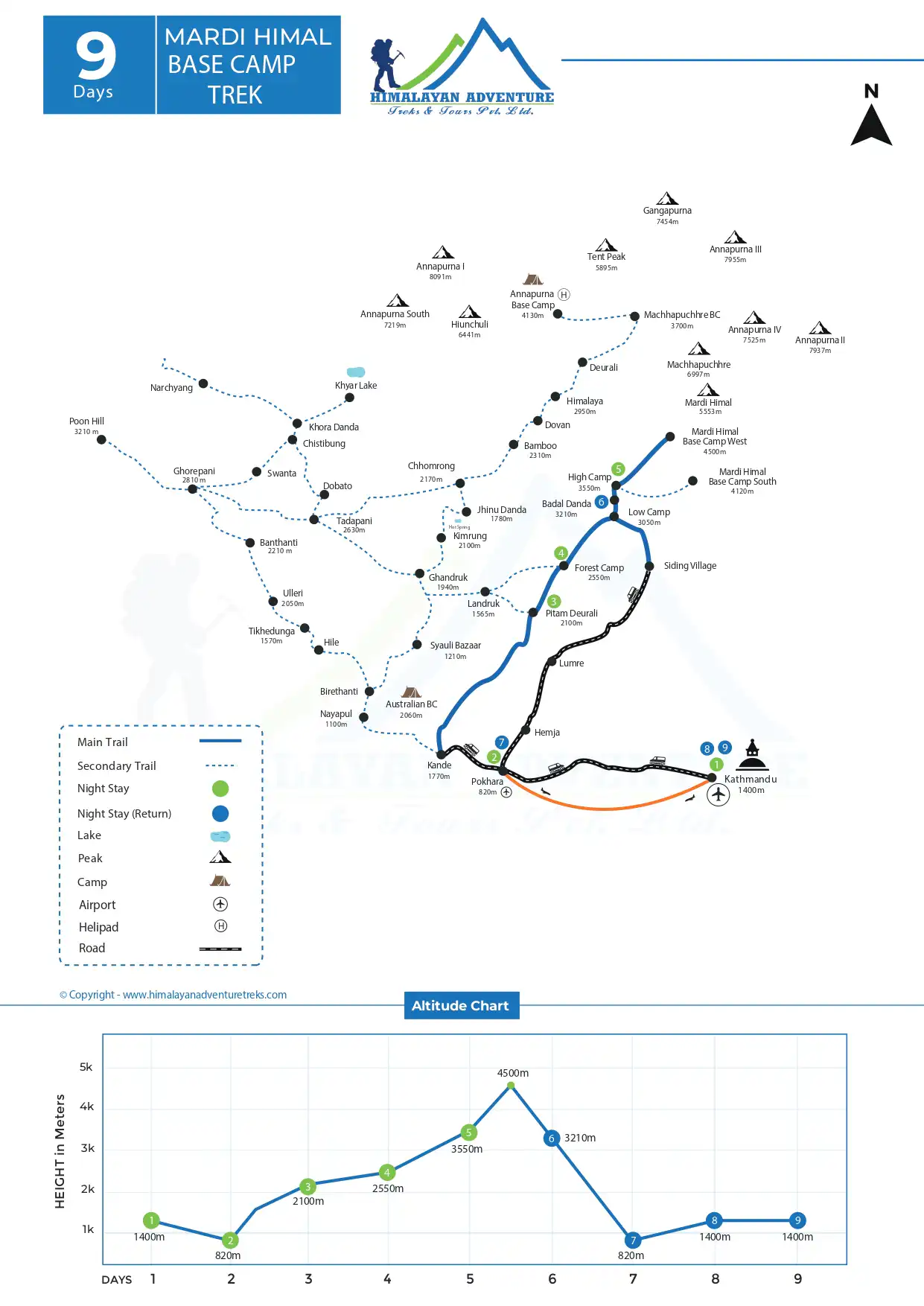
Mardi Himal Trek Map
Equipment List and Gears for Mardi Himal Base Camp Trek:
Busana:
Lapisan dhasar sing tahan kelembapan (ndhuwur lan ngisor)
Insulating mid-layers (fleece jacket, down jacket)
Jaket cangkang njaba anti banyu lan tahan angin
Waterproof and breathable trekking pants
Thermal underwear (for higher elevations and colder nights)
Kaos Trekking (lengan panjang dan lengan pendek)
Warm hat and sun hat
Gloves (liner gloves and waterproof outer gloves)
Scarf or neck gaiter
Hiking socks (wool or synthetic blend)
Trekking boots (broken in and waterproof)
Camp shoes or sandals (for wearing around teahouses)
Gear:
Backpack (35-45 liters)
Sleeping bag (3-season, rated for below freezing temperatures)
Sleeping pad or insulated mattress
Trekking poles (adjustable and collapsible)
Headlamp utawa senter karo baterei ekstra
Kacamata kanthi proteksi UV
Tabir surya (SPF dhuwur)
Lip balm karo SPF
Personal first aid kit (including blister treatments, pain relievers, antiseptic wipes, and any personal medications)
Water purification tablets or a filtration system
Lightweight towel or packable towel
Multi-alat utawa piso
Sitik
Duct tape or repair kit
Trekking guidebook and map
Lightweight daypack (for day hikes and excursions from teahouses)
aksesoris:
A camera or a smartphone with a camera
Pangisi daya portabel utawa bank daya
Trekking permit and identification (passport, copies of important documents)
Cash (Nepalese rupees) for purchasing snacks, drinks, and souvenirs along the trail
Gaiters (for keeping snow and debris out of boots)
Portable solar charger
Teropong
Lightweight camp stove and cookware (if planning to prepare meals)
Trekking umbrella (for sun and rain protection)
Lightweight down booties or insulated socks (for warmth in teahouses)
Personal snacks and energy bars
Before packing, consider the weather conditions and season of your trek, as well as your personal preferences and needs. It’s essential to pack light but also be prepared for a variety of conditions and situations you may encounter along the trail. Additionally, check with your trekking agency or guide for any specific gear or equipment recommendations they may have for the Mardi Himal Base Camp Trek.
Mardi Himal Trek: A Journey into Nepal’s Majestic Annapurna Region
Nestled within the captivating wilayah Annapurna of Nepal, the Mardi Himal Trek offers an unforgettable adventure through breathtaking landscapes, rich cultural encounters, and serene wilderness. Spanning over a course of around 7-11 days, this relatively new trekking route has swiftly gained popularity among adventurers seeking a less crowded alternative to the more frequented trails in the Annapurna Sanctuary. Let’s delve into the essence of the Mardi Himal Trek, exploring its key highlights, route, logistics, and experiences.
Introduction to Mardi Himal Trek:
The Mardi Himal Trek takes its name from the magnificent Mardi Himal, a peak situated to the east of the renowned Machhapuchhre (Fishtail) Peak, one of the most iconic landmarks of the Annapurna region. While the trek itself doesn’t ascend to the summit of Mardi Himal, it offers unparalleled views of this majestic peak, as well as panoramic vistas of other towering Himalayan giants such as Annapurna South, Hiunchuli, and Dhaulagiri.
Key Highlights of the Mardi Himal Trek -7 days:
Scenic Landscapes: The trek unfolds through diverse landscapes, including lush rhododendron forests, quaint Gurung villages, alpine meadows adorned with wildflowers, and rugged mountain terrain, offering a visual feast at every turn.
Cultural Encounters: Trekking through traditional Gurung villages such as Landruk, Pitam Deurali, and Siding provides a glimpse into the rich cultural heritage of the region. Visitors often have the opportunity to interact with locals, savor authentic Nepali cuisine, and learn about age-old traditions and customs.
Spectacular Views: Throughout the journey, trekkers are treated to breathtaking vistas of snow-capped peaks, deep valleys, cascading waterfalls, and terraced farmlands, creating picture-perfect moments that linger in the memory long after the trek is over.
Base Camp Experience: Although the trek doesn’t lead to the base camp of Mardi Himal itself, the High Camp (approximately 3,580 meters) offers a close-up view of the mountain and serves as the highest point of the trek. The sense of achievement upon reaching this vantage point is unparalleled.
Off-the-Beaten-Path Experience: Compared to more popular routes like the Annapurna Circuit trekor Trek Everest Base Camp, Mardi Himal offers a quieter and less crowded experience, allowing trekkers to immerse themselves fully in the tranquility of the Himalayan wilderness.
Ringkesan Rute:
The Mardi Himal Trek typically begins from the lakeside city of Pokhara, often regarded as the gateway to the Annapurna region. From Pokhara, trekkers embark on a scenic drive or short flight to the trailhead at Phedi or Kande, depending on the chosen itinerary. The trekking route then winds its way through a series of picturesque villages and pristine forests, gradually gaining altitude as it approaches the High Camp. Along the way, trekkers stay in teahouses or lodges, enjoying warm hospitality and hearty meals.
The typical itinerary for the Mardi Himal Trek includes stops at locations such as Dhampus, Forest Camp, Low Camp, High Camp, and Siding. While the duration and specific stops may vary depending on the chosen route and pace, most trekkers complete the journey in about a week, allowing ample time for acclimatization and exploration.
Logistics and Considerations:
Idin: As with any trekking adventure in Nepal, obtaining the necessary permits is essential for the Mardi Himal Trek. Trekkers are required to obtain the Annapurna Conservation Area Permit (ACAP) and the Trekkers’ Information Management System (TIMS) card before setting out on the trail.
Akomodasi: Accommodation along the Mardi Himal Trek is primarily in teahouses or lodges operated by local communities. While basic, these establishments offer comfortable lodging and delicious meals, providing a cozy retreat after a day of trekking.
Mangsa: The best time to undertake the Mardi Himal Trek is during the spring (March to May) and autumn (September to November) seasons when the weather is generally clear, and the views are at their most spectacular. During the monsoon season (June to August), heavy rainfall can make the trails muddy and slippery, posing challenges for trekkers.
Tingkat kebugaran: While the Mardi Himal Trek is considered moderately challenging, trekkers should have a reasonable level of fitness and stamina to tackle steep ascents, rocky terrain, and high altitude. Prior hiking experience and adequate preparation can enhance the overall enjoyment of the trek.
Altitude Considerations: Altitude sickness is a potential risk for trekkers ascending to higher elevations. It’s essential to acclimatize properly, stay hydrated, and listen to your body’s signals to prevent altitude-related complications.
Experiences along the Trail:
Hutan Rhododendron: The trekking route passes through enchanting rhododendron forests, especially vibrant during the spring season when the hillsides come alive with a riot of colors.
Local Hospitality: Interacting with the friendly locals, sampling authentic Nepali cuisine, and experiencing the warmth of Gurung hospitality are among the most memorable aspects of the trek.
Sunrise Views: Witnessing the sunrise from vantage points such as Pothana or High Camp offers a mesmerizing spectacle as the first rays of sunlight illuminate the snow-capped peaks in a dazzling display of light and shadow.
Kesempatan Fotografi: From sweeping mountain panoramas to quaint village scenes and cascading waterfalls, the Mardi Himal Trek presents endless opportunities for photographers to capture the beauty of the Himalayan landscape.
Mardi Himal Trek Difficulty:
Altitude: While not as high as some other treks in the region, Mardi Himal Trek still involves ascending to significant altitudes, reaching around 3,580 meters at High Camp. Altitude sickness can be a concern for some trekkers, so proper acclimatization and hydration are crucial.
Wilayah: The trail includes steep ascents, rocky paths, and sections with uneven terrain. Trekkers should be prepared for uphill climbs and downhill descents, which can be physically demanding, especially for those with limited hiking experience.
Cuaca: Weather conditions in the Himalayas can be unpredictable, with sudden changes in temperature, wind, and precipitation. Trekkers may encounter rain, snow, or fog, particularly during the monsoon season, which can make the trails slippery and muddy.
Remote Locations: Some parts of the trek pass through remote areas with limited access to medical facilities and amenities. Trekkers should be self-sufficient and prepared to deal with minor injuries, illnesses, or emergencies.
Mardi Himal Trek Cost, Budget:
The overall cost of the Mardi Himal Trek cost can vary depending on factors such as duration, accommodation preferences, transportation, and additional expenses. Here’s a rough breakdown of potential expenses:
Idin: Annapurna Conservation Area Permit (ACAP) and Trekkers’ Information Management System (TIMS) card: approximately $40-50 USD combined.
Akomodasi: Teahouse or lodge accommodation along the trek can range from $5-20 USD per night, depending on the level of comfort and facilities.
Panganan: Meals at teahouses or lodges typically cost between $5-15 USD per meal, depending on the menu items and location.
Transportasi: The cost of transportation from Pokhara to the trek starting point (Phedi or Kande) and back can vary but is usually around $20-30 USD for a private vehicle or $5-10 USD for a shared jeep or bus.
Guide lan Porter: Hiring a guide and/or porter is optional but recommended for those who prefer assistance with navigation, carrying gear, and cultural insights. Guide fees can range from $20-30 USD per day, while porter fees are approximately $15-25 USD per day, including meals and accommodation.
Liyane: Additional expenses may include snacks, drinks, souvenirs, and tips for guides and porters.
Overall, a conservative budget for the Mardi Himal Trek could range from $500 to $1000 USD per person for a standard 5-7 day trek, excluding international airfare and travel insurance.
Mardi Himal Trek Itinerary/ Map:
7 Days Mardi Himal Trek Itinerary and Cost:
Dina 1: Arrival in Pokhara
Dina 2: Drive from Pokhara to Kande (1-2 hours) and trek to Forest Camp
Dina 3: Trek from Forest Camp to Low Camp
Dina 4: Trek from Low Camp to High Camp
Dina 5: Acclimatization day at High Camp, optional hike to Mardi Himal Base Camp viewpoint
Dina 6: Trek from High Camp to Siding
Dina 7: Trek from Siding to Lumre, drive back to Pokhara
Mardi Himal Trek Map
Mardi Himal Trek 7 Days Fixed Departure, Cost 2024 and 2025:
No. of Pax Starting Price Inquiry
1 USD 899 Inquiry
2 to 4 USD 799 Inquiry
5 to 8 USD 699 Inquiry
9 to 12 USD 599 Inquiry
13 to 20 USD 499 Inquiry
This itinerary allows for a gradual ascent, adequate acclimatization, and exploration of key highlights along the trail. Trekkers can adjust the duration and pace according to their preferences and fitness level. It’s essential to factor in rest days and flexibility for unforeseen circumstances or changes in weather conditions. Additionally, some may choose to extend the trek or include side trips to neighboring attractions such as Ghandruk or Ghorepani.
Best Month/season for Mardi Himal Trek:
The best seasons for undertaking the Mardi Himal Trek are typically spring (March to May) and autumn (September to November). Here’s why:
Spring (March to May):
Cuaca: Spring brings mild temperatures and clear skies, making it an ideal time for trekking. The days are longer, allowing for more comfortable hiking conditions.
Flora: This season is renowned for its stunning rhododendron blooms, painting the hillsides with vibrant hues of red, pink, and white. The lush vegetation adds to the scenic beauty of the trekking route.
Ndeleng: Clear skies offer unobstructed views of the surrounding mountains, including Mardi Himal, Machhapuchhre (Fishtail), and other peaks of the Annapurna range. Sunrise and sunset views are particularly spectacular during this time of year.
Suhu: Although temperatures can vary depending on altitude, spring generally offers pleasant daytime temperatures, making trekking comfortable without the extreme cold of winter or the heat of summer.
Autumn (September to November):
Cuaca: Autumn is characterized by stable weather conditions, with minimal rainfall and clear visibility. Trekkers can expect sunny days and crisp, cool evenings, creating ideal trekking conditions.
Panorama: The post-monsoon period offers some of the clearest mountain views of the year, with crisp visibility and sharp outlines of the Himalayan peaks. Photographers and outdoor enthusiasts will appreciate the stunning panoramas.
Festival Budaya: Autumn coincides with various cultural festivals in Nepal, including Dashain and Tihar (also known as Diwali). Trekking during this time allows visitors to witness traditional celebrations and immerse themselves in the vibrant cultural atmosphere.
Syarat Trail: The trails are generally dry and well-defined in autumn, making trekking easier and more enjoyable. There’s less risk of encountering muddy or slippery paths compared to the monsoon season.
Both spring and autumn offer excellent conditions for the Mardi Himal Trek, each with its unique highlights and attractions. Trekkers can choose the season that aligns best with their preferences and schedule, ensuring a memorable and rewarding adventure in the heart of the Himalayas.
Guide and Porters for Mardi Himal Trek:
While hiring a guide and porter for the Mardi Himal Trek is optional, there are several reasons why many trekkers choose to enlist their services, especially for longer or more challenging itineraries like the one outlined above:
Navigation and Route Finding:
The Mardi Himal Trek route can be complex, especially for those unfamiliar with the terrain. A guide is experienced in navigating the trails, ensuring that trekkers stay on the right path and avoid getting lost, particularly in areas with minimal signage or diverging paths.
Safety and Emergency Preparedness:
Guides are trained to recognize and respond to potential hazards along the trail, including altitude sickness, adverse weather conditions, and natural obstacles. They can provide guidance on proper acclimatization, first aid treatment, and evacuation procedures in case of emergencies.
Cultural Insights and Language Support:
Guides often belong to local communities and possess valuable insights into the region’s culture, traditions, and history. They can facilitate interactions with local villagers, translate conversations, and provide meaningful cultural exchanges, enhancing the overall trekking experience.
Porter (Sherpa) Assistance:
Carrying a heavy backpack can be physically taxing, particularly at higher altitudes. Hiring a porter allows trekkers to lighten their load and focus on enjoying the journey without the burden of excessive weight. Porters are accustomed to carrying trekking gear and supplies, ensuring that belongings reach the destination safely and efficiently.
Logistics and Planning:
Organizing logistics such as accommodation, meals, permits, and transportation can be challenging, especially for first-time visitors to Nepal. Guides are adept at making arrangements, booking accommodations, and coordinating logistics, streamlining the trekking experience and reducing logistical stress for trekkers.
Support and Encouragement:
Trekking ing papan sing dhuwur bisa nuntut mental lan fisik, utamane ing bagean dalan sing tantangan. Panuntun menehi dorongan, motivasi, lan saran praktis, mbantu para trekker ngatasi alangan, njaga semangat, lan nggayuh tujuan trekking.
While trekkers with prior experience and navigation skills may opt for a self-guided approach, hiring a guide and porter can enhance safety, comfort, and cultural immersion, especially for those seeking a more enriching and hassle-free trekking experience in the Himalayas. Ultimately, the decision to hire support staff depends on individual preferences, trekking objectives, and the level of comfort with independent travel.
Mardi Himal Trek without a Guide:
Trekking the Mardi Himal route without a guide is feasible for experienced hikers who are well-prepared, physically fit, and have previous experience in high-altitude trekking. However, there are certain safety considerations to keep in mind:
Trail Navigation:
The Mardi Himal Trek route is generally well-marked, but there are sections where the trail may be less defined, especially in remote areas. Trekkers without a guide should have strong navigational skills and be able to read maps and follow trail markers confidently.
Penyakit Altitude:
Altitude sickness is a potential risk when trekking at higher elevations. Without a guide, trekkers must be vigilant in monitoring their own health and recognizing symptoms of altitude-related illnesses such as headaches, nausea, and dizziness. Proper acclimatization and hydration are crucial.
Emergency Response:
In the event of an emergency or medical issue, trekkers without a guide may face challenges in accessing assistance quickly. It’s essential to have a plan in place for communication and evacuation, as well as basic first aid knowledge and supplies.
Kahanan Cuaca:
Weather in the Himalayas can be unpredictable, with sudden changes in temperature, precipitation, and visibility. Trekkers should be prepared for varying weather conditions and carry appropriate gear for rain, snow, and cold temperatures.
Cultural Interaction:
While trekking independently allows for greater flexibility and solitude, it may also limit opportunities for cultural interaction and local insights. Trekkers without a guide may miss out on learning about the region’s history, culture, and traditions from a knowledgeable local perspective.
Personal Safety:
Trekking alone or without a guide carries inherent risks, including the potential for accidents, injuries, or encounters with wildlife. Trekkers should exercise caution, especially when traversing rugged terrain, crossing streams, or navigating steep ascents and descents.
Equipment and Supplies:
Without a guide or porter, trekkers are responsible for carrying all necessary gear, supplies, and provisions themselves. It’s essential to pack light but adequately for the journey, ensuring sufficient food, water, and emergency essentials.
While trekking without a guide offers a sense of freedom and self-reliance, it’s important to weigh the risks and benefits carefully and make an informed decision based on individual experience, skills, and comfort level. For those less experienced or unfamiliar with the region, hiring a guide or joining a guided trekking group can provide added safety, support, and peace of mind while exploring the Mardi Himal route.
Equipment (Gears) list for Mardi Himal Trek for all seasons:
Busana:
Moisture-wicking Base Layers:
Long-sleeve shirts (synthetic or wool)
T-shirts (synthetic or wool)
Thermal underwear (tops and bottoms)
Insulating Layers:
Jaket bulu utawa pullover
Insulated down or synthetic jacket (for colder temperatures)
Insulated pants or trekking pants (optional for colder months)
Outer Shell:
Waterproof and breathable jacket (Gore-Tex or similar)
Waterproof and breathable pants or rain pants
Headwear:
Wide-brimmed hat or cap for sun protection
Beanie or thermal hat
Buff or neck gaiter
Kacamata kanthi proteksi UV
Sandhangan tangan:
Lightweight gloves (for sun protection)
Insulated gloves or mittens (for colder temperatures)
Alas kaki:
Hiking boots or trekking shoes with good ankle support
Comfortable camp shoes or sandals
Hiking socks (synthetic or wool) and liners
Piranti:
Tas ransel:
Daypack (20-30 liters) for carrying essentials during daily hikes
Turu:
Sleeping bag suitable for temperatures encountered (down or synthetic, 0°F to 20°F/-18°C to -6°C)
Sleeping pad or inflatable mattress for insulation and comfort
Kutub Trekking:
Adjustable trekking poles for stability and reducing strain on knees during descents
Headlamp/Flashlight:
LED headlamp or flashlight with extra batteries for evening and early morning activities
Water Bottles/Hydration System:
Water bottles or a hydration reservoir (2-3 liters capacity) for staying hydrated along the trail
Personal Hygiene Kit:
Toothbrush, toothpaste, and dental floss
Biodegradable soap and shampoo
Hand sanitizer and/or wet wipes
Quick-drying towel
Perlindhungan srengenge:
Tabir surya SPF dhuwur lan lip balm
Sun hat with a wide brim
Kacamata kanthi proteksi UV
Kit Pertolongan Pertama:
Basic first aid supplies, including bandages, antiseptic wipes, adhesive tape, blister treatment, pain relievers, and any personal medications
Navigation: (Optional)
Detailed map of the trekking route and the surrounding area
Compass or GPS device (optional)
Repair Kit and Tools:
Multi-alat utawa piso
Duct tape for gear repairs
Trash Bags:
Ziplock bags or stuff sacks for organizing and waterproofing gear, as well as for carrying out trash and waste
Liyane:
Camera/Gear:
A camera or a smartphone for capturing memorable moments
Extra batteries or a portable charger
Guidebook/Reading Material:
Trekking guidebook or reading material for leisure time
Snacks/Energy Food:
High-energy snacks such as nuts, trail mix, energy bars, and chocolate for on-the-go fuel
Trekking Permit/Documentation:
Izin Kawasan Konservasi Annapurna (ACAP)
Kartu Trekkers' Information Management System (TIMS).
Passport and necessary identification
Awis:
Sufficient Nepalese rupees for purchasing meals, drinks, and souvenirs along the trek
It’s essential to pack lightweight and compact gear while ensuring that you’re adequately prepared for varying weather conditions and terrain challenges encountered during the Mardi Himal Trek. Adjustments to the gear list may be necessary based on individual preferences, season, and specific itinerary. Additionally, renting or purchasing gear in Pokhara is possible for those who prefer not to carry all the equipment from home.
kesimpulan:
The Mardi Himal Trek beckons adventurers with its pristine beauty, cultural richness, and sense of wilderness exploration. Whether you’re a seasoned trekker seeking new horizons or a first-time visitor to Nepal, this off-the-beaten-path trek promises an unforgettable journey through some of the most spectacular landscapes on earth. From panoramic mountain views to encounters with local communities, every step along the trail reveals a new facet of Nepal’s enchanting Annapurna region, leaving an indelible imprint on the soul of the traveler. Embark on this epic adventure and immerse yourself in the magic of the Himalayas on the Mardi Himal Trek.
Nalika kita miwiti lanskap petualangan 2026-2027, daya tarik kasebut Trek Everest Base Camp (EBC).tetep ora suda. Trek sing apik iki terus nggumunake para penggemar petualangan ing saindenging jagad, nawakake gabungan tantangan fisik, kasugihan budaya, lan lanskap sing nggumunake. Ing eksplorasi iki, kita delve menyang alasan multifaceted konco Trek Everest Base Camp 2026-2027, popularitas terus-terusan nggabungake tembung kunci sing berkembang kanggo njupuk tren sing berkembang ing pariwisata petualangan.
Petualang modern nggoleki luwih saka tantangan fisik; ana rasa napsu kanggo pengalaman holistik sing nyakup dimensi fisik, mental, lan spiritual. Trek Everest Base Camp nggambarake owah-owahan iki, nawakake perjalanan transformatif sing ngluwihi puncak sing bisa direbut. Ing taun 2026-2027, trek kasebut ora mung minangka uji ketahanan; iku kesempatan kanggo wisata experiential, ngidini trekkers kanggo nyemplungaken piyambak ing keagungan Himalaya nalika nurturing sing sakabèhé uga-kang.
Petualangan holistik ing jalur EBC digarisake dening biara-biara sing tenang, pemandangan sing nggumunake, lan interaksi budaya. Trekker melu pengalaman jero sing ngluwihi pangerten tradisional babagan petualangan, nggambarake pilihan sing berkembang saka generasi lelungan anyar.
Integrasi Kerja Jarak Jauh lan Nomadisme Digital (Karya Jarak Jauh, Nomadisme Digital, Kantor Seluler):
Pergeseran paradigma menyang kerja terpencil wis ngowahi pola lelungan, lan Everest Base Camp wis muncul minangka tujuan sing digoleki kanggo para nomad digital sing golek gabungan kerja lan petualangan sing unik. Kasedhiya konektivitas digital sing winates nanging nambah ing wilayah kasebut ngidini para trekker ngowahi jalur Himalaya dadi kantor seluler.
Ing 2026-2027, trek EBC ora mung lelampahan fisik nanging eksplorasi dinamis, ing ngendi trekker bisa tetep nyambung karo donya nalika diubengi dening kaendahan unparalleled wilayah Khumbu. Integrasi saka karya remot nambah lapisan anyar versatility kanggo pengalaman Everest Base Camp, narik kawigaten individu sing golek imbangan antarane kewajiban profesional lan sensai ngulandara dhuwur.
Keberlanjutan ing Wisata Petualangan (Pariwisata Lestari, Praktek Ramah Lingkungan, Konservasi):
Kanthi keprihatinan lingkungan ing ngarep kesadaran global, trek Everest Base Camp wis diadaptasi kanggo ngetrapake praktik pariwisata sing lestari. Trekker ing taun 2026-2027 saya akeh ditarik menyang tujuan sing prioritas langkah-langkah ramah lingkungan, lan trek EBC minangka mercusuar kanggo pariwisata petualangan sing tanggung jawab.
Upaya konservasi, inisiatif manajemen sampah, lan proyek keterlibatan masyarakat digabungake kanthi lancar ing pengalaman trekking. Komitmen kanggo kelestarian ora mung ngreksa ekosistem Himalaya sing rapuh nanging uga cocog karo nilai-nilai para trekker sing sadar babagan dampak lingkungane.
Immersion Budaya lan Pariwisata Etika (Cultural Immersion, Ethical Tourism, Community Engagement):
Wilayah Everest ora mung keajaiban geografis; iku minangka bandha budaya sing dienggoni dening masyarakat Sherpa. Ing taun 2026-2027, para trekker tambah akeh golek pengalaman budaya sing migunani, lan trek EBC nyedhiyakake platform kanggo pariwisata etis.
Ngluwihi tantangan fisik, trekker melu komunitas lokal, melu perayaan tradisional, lan entuk wawasan babagan warisan Sherpa sing sugih. Ijol-ijolan budaya iki nambahi perjalanan, nuwuhake hubungan sing luwih jero antarane para trekker lan wong-wong sing nyebut Himalaya minangka omah.
Everest Trekking Gateway (Bandara Lukla):
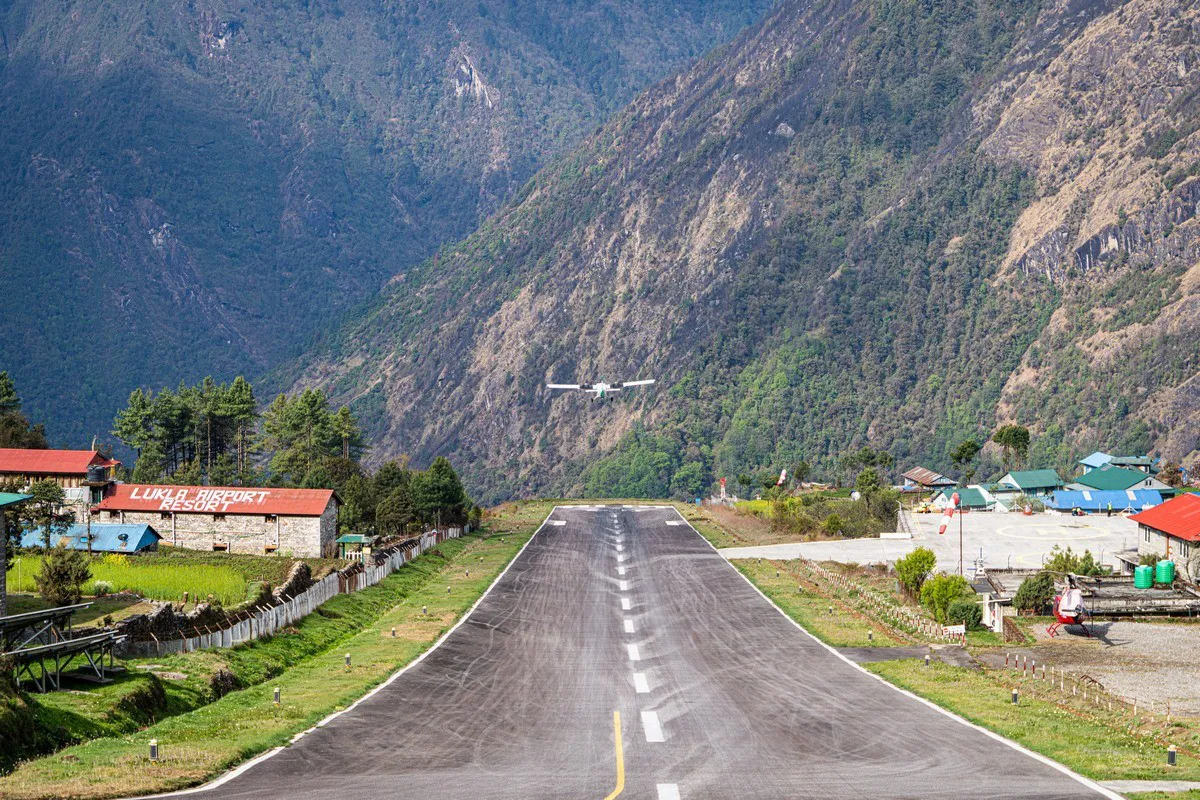
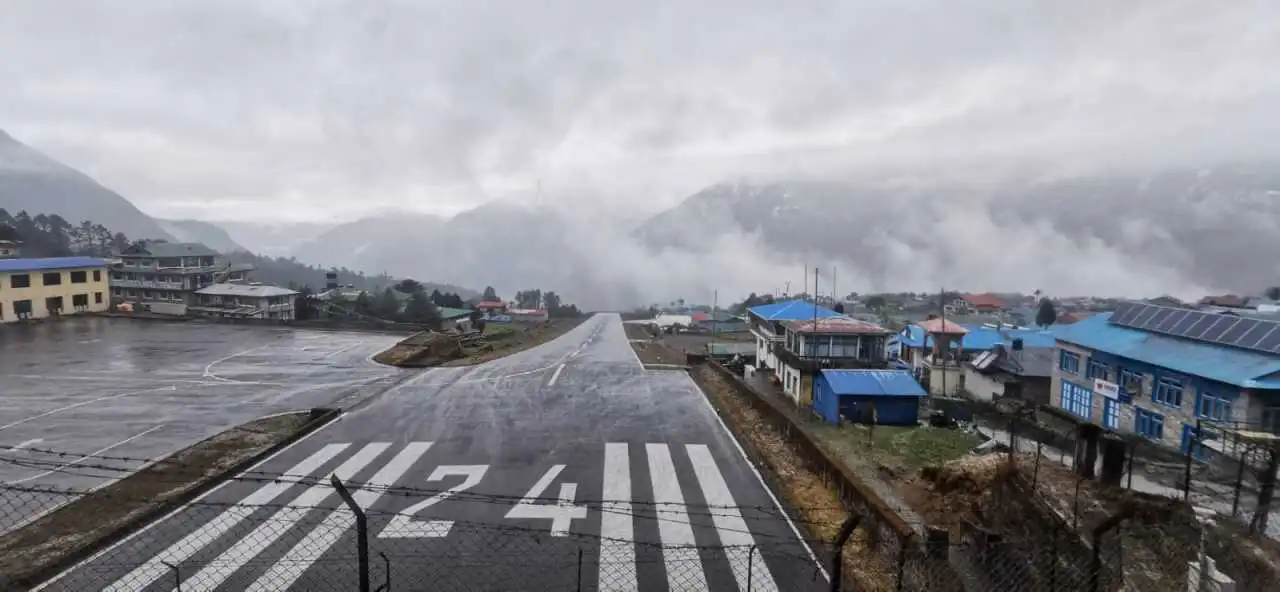
Bandara Lukla, uga dikenal minangka Bandara Tenzing-Hillary, dadi gerbang utama menyang trek Everest Base Camp (EBC) ing Nepal. Mangkene ringkesan Bandara Lukla lan pentinge minangka titik wiwitan kanggo trek EBC:
Lokasi:
Bandara Lukla dumunung ing kutha Lukla, ing wilayah Khumbu ing Nepal sisih lor-wétan. Dumunung ing elevasi kira-kira 2,860 meter (9,383 kaki) ing ndhuwur segara.
Aksesibilitas:
Bandara Lukla mung bisa diakses kanthi udhara, utamane saka Bandara Internasional Tribhuvan ing Kathmandu, ibukutha Nepal. Flights saka Kathmandu kanggo Lukla njupuk watara 25-30 menit lan nyedhiyani nggumunke aerial views saka Himalaya.
Medan Tantangan:
Landasan pacu sing cendhak lan sloping lan tlatah pegunungan ing saubengé ndadekake Bandara Lukla minangka salah sawijining bandara sing paling tantangan lan mbebayani ing donya. Pilot mbutuhake latihan lan pengalaman khusus kanggo navigasi pendekatan unik lan prosedur kebangkrutan bandara, sing melu mabur liwat lembah sing sempit lan nggawe mudhun sing curam menyang landasan pacu.
Wigati kanggo Trekkers:
Bandara Lukla dadi titik wiwitan kanggo trekker sing miwiti trek Everest Base Camp, uga trek liyane ing wilayah Khumbu. Trekker biasane mabur saka Kathmandu menyang Lukla kanggo ngirit wektu lan ngindhari perjalanan darat sing dawa menyang trailhead.
Saka Lukla, para trekker ngetutake dalan sing mapan sing ngliwati desa Sherpa sing apik banget, alas sing padhet, jembatan gantung, lan lanskap gunung sing kasar nalika lelungan menyang Everest Base Camp.
Fasilitas:
Bandara Lukla minangka fasilitas dhasar cilik kanthi fasilitas sing winates. Wis landasan pacu siji lan bangunan terminal cilik sing nangani penerbangan domestik menyang lan saka Kathmandu.
Wilayah bandara uga nduweni sawetara toko, omah teh, lan pondokan ing ngendi para trekker bisa ngaso, mangan, utawa nginep ing wayah wengi sadurunge miwiti trek.
Sakabèhé, Bandara Lukla dadi titik mlebu penting kanggo para trekker sing miwiti trek Everest Base Camp sing apik, nawakake wiwitan sing nyenengake nanging penting kanggo petualangan Himalaya.
Lukla uga nyebutake bandara paling mbebayani ing donya:
Bandara Lukla, uga dikenal minangka Bandara Tenzing-Hillary, asring diarani minangka salah sawijining bandara paling mbebayani ing donya amarga sawetara faktor:
Runway Singkat:
Bandara Lukla nduweni landasan pacu sing cendhak banget, dawane mung udakara 527 meter (1,729 kaki). Ruang sing winates iki ndadekake angel kanggo pilot kanggo ndharat lan lepas landas, utamane ngelingi kahanan cuaca sing dhuwur lan variabel ing wilayah kasebut.
Lereng curam:
Landasan pacu ing Bandara Lukla dumunung ing lereng sing curam, kanthi kemiringan kira-kira 12%. Miring iki luwih rumit prosedur landing lan lepas landas, mbutuhake pilot nglakokake maneuver sing tepat kanggo njamin touchdown utawa pendakian sing aman.
Medan Pegunungan:
Bandara Lukla diubengi dening medan pegunungan sing kasar, kanthi pucuk sing dhuwur lan lembah sing jero cedhak karo landasan pacu. Pilot kudu ngliwati lembah sing sempit lan ngubengi gunung-gunung sing dhuwur sajrone nyedhaki lan budhal, supaya ora ana kesalahan.
Cuaca sing ora bisa ditebak:
Kahanan cuaca ing wilayah Everest bisa owah kanthi cepet lan dadi ora bisa ditebak. Ketutupan awan, angin gedhe, pedhut, lan owah-owahan visibilitas dumadakan umume, sing nyebabake tantangan tambahan kanggo pilot sing nyoba ndharat utawa mangkat saka Bandara Lukla.
Instrumentasi winates:
Bandara Lukla duwe alat navigasi lan instrumentasi sing winates, saengga gumantung marang aturan penerbangan visual (VFR) kanggo umume operasi. Pilot kudu ngandelake pengamatan lan pengalaman visual kanggo navigasi medan sing tantangan lan nglakokake pendaratan lan lepas landas sing aman.
Dhuwur:
Dumunung ing elevasi kira-kira 2,860 meter (9,383 kaki) ing sadhuwure segara, Bandara Lukla beroperasi ing papan sing dhuwur. Kapadhetan udhara suda ing dhuwur iki mengaruhi kinerja pesawat, mbutuhake jarak lepas landas lan kebangkrutan sing luwih dawa lan menehi tantangan tambahan kanggo pilot.
Senadyan tantangan kasebut, Bandara Lukla tetep dadi gerbang penting kanggo para trekker lan pendaki gunung menyang wilayah Everest. Pilot sing trampil lan protokol safety sing ketat mbantu nyuda risiko sing ana gandhengane karo operasi ing bandara sing unik lan tantangan iki, supaya para wisatawan bisa miwiti petualangan Himalaya kanthi aman.
Biaya trek Everest Base Camp bisa beda-beda adhedhasar sawetara faktor, kalebu rute trekking, preferensi akomodasi, layanan guide lan porter, lan kabiasaan mbuwang pribadi. Mangkene risak komponen biaya utama:
Izin lan Fees (Biaya Izin, Biaya Entri):
Izin Taman Nasional Sagarmatha: Ijin iki dibutuhake kanggo mlebu menyang Taman Nasional Sagarmatha, ing ngendi Everest dumunung.
Biaya Entri Lokal: Sawetara wilayah ing sadawane trek bisa uga duwe biaya entri tambahan.
Penerbangan (Rega Pesawat, Biaya Penerbangan):
Round-trip Flights kanggo Lukla: Bandara Lukla minangka gerbang menyang wilayah Everest. Penerbangan saka Kathmandu kanggo Lukla penting lan bisa beda-beda regane.
Akomodasi (Biaya Pondok, Biaya Warung Teh):
Teahouse Lodging: Akomodasi ing sadawane trek biasane ing omah teh utawa pondokan. Biaya saben wengi bisa beda-beda adhedhasar lokasi lan layanan sing diwenehake.
Pandhu lan Porter (Sherpa) (Biaya Pandhuan, Layanan Porter):
Nyewa Pandhu Lokal: Akeh trekker milih pitulungan saka pandhuan lokal sing ngerti terrain, budaya, lan bisa menehi wawasan sing penting.
Layanan Porter: Trekker bisa milih nyewa porter kanggo nggawa tas ransel, sing bisa nyuda beban sajrone trek kasebut.
Rental Peralatan (Rental Gear, Biaya Peralatan):
Nyewa Perlengkapan: Perlengkapan trekking kayata tas turu, tiang trekking, lan peralatan liyane bisa disewa. Biaya bakal gumantung ing kualitas lan durasi rental.
Panganan (Biaya Pangan, Biaya Pangan):
Telung Pangan Sedina: Umume warung teh nyedhiyakake dhaharan minangka bagéan saka paket akomodasi. Budget cocog kanggo telung jajanan dina.
Aneka (Biaya Asuransi, Biaya Pribadi):
Asuransi Perjalanan: Asuransi perjalanan sing komprehensif penting banget, nyakup kahanan darurat medis, evakuasi, lan kahanan sing ora dikarepake.
Biaya Pribadi: Anggaran kanggo biaya pribadi, kalebu cemilan, cinderamata, lan layanan tambahan.
Cathetan: Rega bisa beda-beda, lan disaranake riset lan rencana adhedhasar tarif saiki. Biaya sakabèhé bisa uga saka $1,500 nganti $5,000 utawa luwih, gumantung saka faktor kayata tingkat kenyamanan, layanan, lan pilihan pribadi.
Kesulitan Trek Base Camp Everest:
Nalika trek Everest Base Camp pancen bermanfaat, ana sawetara tantangan sing kudu dingerteni para trekker:
Ketinggian (Altitude Sickness, AMS):
Tantangan: Acute Mountain Sickness (AMS) minangka risiko amarga papan sing dhuwur. Gejala kalebu sirah, mual, lan pusing.
Mitigasi: Dina aklimatisasi, hidrasi sing tepat, lan ketaatan menyang jadwal sing disaranake bisa mbantu nyegah AMS.
Variabilitas Cuaca (Cuaca Ora Diprediksi, Kondisi Trekking):
Tantangan: Kahanan cuaca ing Himalaya bisa uga ora bisa diprediksi, nyebabake owah-owahan lan tantangan dadakan kayata salju utawa udan.
Mitigasi: Fleksibilitas ing jadwal trekking, ngemas sandhangan sing cocog, lan tetep ngerti babagan ramalan cuaca penting.
Latihan Fisik (Kesiapan Fisik, Ketahanan Trekking):
Tantangan: Trek kasebut mbutuhake jam mlaku-mlaku, asring ing medan sing tantangan. Trekker kudu disiapake kanthi fisik kanggo tenaga sing terus-terusan.
Mitigasi: Latihan kebugaran pra-trek, istirahat biasa, lan pacing dhewe bisa mbantu ngatasi tantangan fisik.
Lokasi Terpencil (Fasilitas Medis Terbatas, Persiapan Darurat):
Tantangan: Trek kasebut ditindakake ing wilayah sing adoh kanthi akses terbatas menyang fasilitas medis.
Mitigasi: Asuransi perjalanan sing komprehensif, nggawa kit medis dhasar, lan trekking kanthi pandhuan sing mumpuni bisa nambah safety.
Akomodasi Teahouse (Fasilitas Dasar, Urip Pedesaan):
Tantangan: Fasilitas dhasar lan akomodasi sing dienggo bareng ing omah teh bisa dadi tantangan kanggo wong sing wis biasa karo kahanan sing luwih mewah.
Mitigasi: Trekker kudu disiapake kanthi mental kanggo akomodasi pedesaan lan ngrampungake kesederhanaan urip ing omah teh.
Sapa sing bisa nindakake Trek Everest Base Camp (EBC):
Trek Everest Base Camp (EBC) cocog kanggo macem-macem individu kanthi tingkat pengalaman trekking lan tingkat fitness sing beda-beda. Sanajan mbutuhake tingkat kebugaran fisik lan persiapan mental sing cukup, trek kasebut bisa rampung kanthi:
Trekker sing berpengalaman:
Trekker sing berpengalaman kanthi pengalaman trekking ing dhuwur sadurunge bakal nemokake trek EBC sing tantangan nanging bisa diatur. Dheweke wis biasa mlaku-mlaku kanthi dawa lan ngerti babagan risiko sing ana gandhengane karo ketinggian lan langkah-langkah keamanan.
Trekker anyar:
Trekker anyar kanthi pengalaman trekking sing winates uga bisa nindakake trek EBC kanthi persiapan, latihan, lan bimbingan sing tepat. Iku penting kanggo wong-wong mau kanggo mboko sithik nambah tingkat fitness lan acclimatize kanggo dhuwur dhuwur sak trek.
Penggemar Fitness:
Penggemar fitness sing njaga gaya urip aktif lan melu latihan aerobik biasa, kayata hiking, mlaku, utawa muter, bisa nyiapake trek EBC kanthi nggabungake rutinitas latihan khusus kanggo ningkatake daya tahan, kekuatan, lan kabugaran kardiovaskular.
Wisatawan petualang:
Wisatawan petualang kanthi ngelak kanggo eksplorasi lan kekarepan kanggo ngrampungake tantangan trekking ing dhuwur bisa miwiti trek EBC. Sanajan ora duwe pengalaman trekking sing ekstensif, semangat lan tekad bisa nyurung dheweke supaya bisa ngrampungake perjalanan kasebut.
Trekker utawa Grup Solo:
Loro trekker solo lan sing lelungan ing kelompok bisa nindakake trek EBC. Trekker solo kudu ngati-ati lan mesthekake yen dheweke duwe tuntunan lan dhukungan sing tepat sajrone lelungan, dene klompok bisa entuk manfaat saka pengalaman sing dienggo bareng, persahabatan, lan dhukungan bebarengan.
Pertimbangan Umur lan Kesehatan:
Nalika ora ana watesan umur sing ketat kanggo trek EBC, individu saka kabeh umur kudu netepake kesehatan, tingkat kebugaran, lan riwayat medis sadurunge miwiti lelungan. Disaranake kanggo wong diwasa lan wong sing duwe kondisi kesehatan sing wis ana sadurunge takon karo profesional kesehatan sadurunge nindakake trek kasebut.
Sakabèhé, trek Everest Base Camp minangka petualangan sing tantangan nanging bisa ditindakake kanggo individu sing wis siyap sacara fisik lan mental, ora preduli saka pengalaman trekking utawa latar mburi. Kanthi persiapan sing tepat, tekad, lan netepi pedoman safety, sapa wae sing duwe semangat eksplorasi bisa ngalami kaendahan Himalaya sing nggumunake ing trek EBC.
Wektu lan mangsa paling apik kanggo Trek Everest Base Camp (EBC):
Trek Everest Base Camp paling apik ditindakake nalika musim semi lan musim gugur, nyedhiyakake kahanan cuaca sing optimal lan pemandangan sing nggumunake.
Ing musim semi, saka Maret nganti Mei, para trekker disambut karo rhododendron sing mekar, nambah warna sing cerah ing lanskap. Suhu sing entheng, wiwit saka adhem nganti kepenak nalika awan, nggawe hiking dadi nyenengake. Langit umume cerah, nyedhiyakake pemandangan sing nggumunake saka puncak ing saubengé.
Kajaba iku, musim gugur, saka September nganti Nopember, minangka wektu sing cocog kanggo trek. Cuaca stabil kanthi langit sing cerah lan hawa sing asri, nyedhiyakake visibilitas puncak Himalaya sing megah. Suhu uga entheng, nggawe trekking nyaman, lan dalane kurang rame dibandhingake musim wisata puncak.
Musim semi lan musim gugur nyedhiyakake kahanan sing optimal kanggo para trekker kanggo lelungan sing ora bisa dilalekake menyang Everest Base Camp. Apa gumun karo flora sing mekar ing musim semi utawa ngrasakake kejelasan pemandangan ing musim gugur, para petualang mesthi bakal kepincut karo kaendahan wilayah Everest sajrone musim kasebut.
Cuaca ing wilayah Everest beda-beda sacara signifikan ing saindhenging taun, kanthi musim sing beda-beda saben nyedhiyakake kondisi trekking sing unik. Mangkene ringkesan cuaca ing wilayah Everest ing saindhenging taun:
Spring (March to May):
Musim semi minangka salah sawijining wektu paling apik kanggo trekking menyang Everest Base Camp. Cuaca umume entheng lan stabil, kanthi langit sing cerah lan suhu sing nyaman ing wayah awan.
Wulan musim semi nggawa rhododendron sing mekar lan kembang liar liyane, nambah warna ing lanskap.
Suhu awan ing elevasi ngisor kisaran saka 10°C nganti 20°C (50°F nganti 68°F), dene suhu wengi bisa mudhun nganti -5°C nganti 5°C (23°F nganti 41°F).
Musim Panas/Monsun (Juni nganti Agustus):
Sasi panas nggawa mangsa monsoon menyang wilayah Everest, ditondoi dening udan deres, langit mendhung, lan asor dhuwur.
Trekking sajrone wektu iki ora dianjurake amarga visibilitas sing ora apik, jalur sing lunyu, lan risiko longsor lan longsor.
Suhu awan ing elevasi ngisor bisa uga saka 15°C nganti 25°C (59°F nganti 77°F), nanging kahanan bisa uga ora bisa ditebak lan ora nyaman.
Autumn (September to November):
Autumn minangka musim trekking liyane sing populer ing wilayah Everest, nyedhiyakake langit sing cerah, cuaca sing stabil, lan pemandangan gunung sing nggumunake.
Cuaca umume garing lan adhem, kanthi suhu awan sing entheng lan bengi sing adhem.
Suhu awan ing elevasi ngisor kisaran saka 10°C nganti 20°C (50°F nganti 68°F), dene suhu ing wayah wengi bisa mudhun ing ngisor beku, utamane ing elevasi sing luwih dhuwur.
Winter (Desember nganti Februari):
Musim dingin ndadekke suhu sing adhem lan cuaca garing menyang wilayah Everest, nggawe trekking tantangan nanging menehi hadiah kanggo sing disiapake kanggo kahanan sing adhem.
Suhu awan ing elevasi sing luwih murah bisa beda-beda saka 5°C nganti 15°C (41°F nganti 59°F), nanging suhu mudhun banget ing elevasi sing luwih dhuwur, kanthi suhu sub-nol umum ing wayah wengi.
Langit sing cerah lan luwih sithik trekker ing jalur kasebut nggawe musim dingin dadi wektu sing luwih tenang lan luwih tentrem kanggo trek, nanging mbutuhake peralatan cuaca adhem sing tepat lan pancegahan saka frostbite lan hipotermia.
Sakabèhé, musim semi lan musim gugur minangka musim sing disenengi kanggo trekking menyang Everest Base Camp, nyedhiyakake kombinasi cuaca sing apik, pemandangan sing cetha, lan suhu sing nyaman. Trek musim dingin bisa ditindakake kanggo para petualang sing berpengalaman, dene musim monsun kudu dihindari amarga kahanan trekking sing angel.
Napa kita butuh Pandhuan lan Porter (Sherpa) kanggo EBC Trek:
Melu guide lan porter kanggo trek Everest Base Camp (EBC) nawakake keuntungan invaluable, nambah safety, penak, lan pangerten budaya saindhenging lelampahan.
Keahlian navigasi:
Pandhuan nduweni kawruh ekstensif babagan rute trekking, terrain, lan landmark lokal, njamin trekker tetep ing dalan sing bener lan navigasi kanthi aman liwat terrain Himalaya sing kasar.
Safety Assurance:
Pandhuan dilatih babagan pencegahan penyakit ketinggian lan prosedur darurat, nyedhiyakake dhukungan penting yen ana darurat medis. Pengalaman dheweke mbantu ngenali gejala penyakit altitude luwih awal lan njupuk pancegahan sing dibutuhake.
Wawasan Budaya:
Panuntun menehi wawasan babagan budaya, tradhisi, lan adat istiadat komunitas Sherpa sing manggon ing wilayah Everest. Dheweke nggampangake interaksi sing migunani karo warga lokal, nambah pengalaman budaya ing trek kasebut.
Dhukungan Logistik:
Porter ngenthengake beban fisik ing trekker kanthi nggawa beban sing abot, kayata tas ransel lan peralatan, saéngga para trekker bisa fokus kanggo nikmati perjalanan tanpa bobote.
Mitigasi alangan basa:
Panuntun asring dadi juru basa, nyepetake kesenjangan basa antarane trekker lan warga lokal, nggampangake komunikasi lan ningkatake pertukaran budaya.
Persiapan Darurat:
Panuntun lan porter dilengkapi kit pertolongan cemas lan duwe keahlian kanggo nangani ciloko lan kahanan darurat trekking sing umum, nyedhiyakake para trekker kanthi tambahan keamanan lan katentreman atine.
Sakabèhé, anané panuntun lan porter ing trek EBC ora mung nambah safety lan penak nanging uga nambah pengalaman trekking kanthi menehi wawasan budaya lan nggampangake logistik sing lancar, njamin para trekker bisa nyemplungake awake dhewe ing perjalanan sing nggumunake menyang Everest Base Camp.
Napa ora Trek EBC ing Musim Monsoon:
Mangsa muson, sing biasane wiwit wulan Juni nganti Agustus, ora cocog kanggo trek Everest Base Camp (EBC). Sajrone periode kasebut, wilayah kasebut ngalami udan deres, pedhut sing kandhel, lan katutupan awan, sing nyebabake visibilitas sing ora apik lan lunyu lan dalan sing lunyu. Udan monsoon uga bisa nyebabake longsor lan longsor, nyebabake risiko safety sing signifikan kanggo para trekker.
Kajaba iku, dalan lan omah teh ing sadawane rute EBC bisa uga ora bisa diliwati utawa ora bisa diakses amarga banjir lan bebaya cuaca liyane. Kajaba iku, udan lan kelembapan sing terus-terusan bisa nggawe trekking ora kepenak lan nambah risiko lintah lan nyamuk.
Mula, luwih becik ora trekking menyang Everest Base Camp nalika musim udan lan milih musim musim semi sing luwih apik (Maret nganti Mei) utawa musim gugur (September nganti Nopember), sing nyedhiyakake langit sing luwih cerah, kondisi cuaca sing stabil, lan visibilitas sing luwih apik kanggo nikmati pemandangan gunung sing nggumunake.
Dhaptar peralatan lan peralatan kanggo EBC Trek -14 Dina:
mesthi! Mangkene dhaptar lengkap peralatan lan peralatan sing dibutuhake kanggo trek Everest Base Camp (EBC):
Busana:
Lapisan dhasar sing tahan kelembapan (ndhuwur lan ngisor)
Insulating mid-layers (jaket bulu utawa jaket mudhun)
Jaket cangkang njaba anti banyu lan tahan angin
Celana hiking anti banyu lan breathable
Celana jero termal (kanggo wulan sing luwih adhem)
Kaos Trekking (lengan panjang dan lengan pendek)
Sarung tangan terisolasi utawa sarung tangan
Topi panas utawa beanie
Topi srengenge utawa topi
Kacamata kanthi proteksi UV
Kaos kaki hiking (wol utawa sintetis)
Alas kaki:
Boots hiking sing kuat kanthi dhukungan tungkak lan traksi sing apik
Sepatu kemah utawa sandal sing nyaman kanggo ngaso ing omah teh
Tas ransel:
Tas ransel gedhe (50-70 liter) kanthi tutup anti banyu
Daypack kanggo mbeta barang-barang penting nalika mlaku-mlaku
Piranti turu:
Kantong turu cocok kanggo suhu sing adhem (minimal -10°C/14°F)
Liner kantong turu kanggo nambah anget (opsional)
Peralatan Trekking:
Trekking cagak kanggo stabilitas lan imbangan
Headlamp utawa senter karo baterei ekstra
Botol banyu utawa sistem hidrasi (kapasitas paling sethithik 2 liter)
Tablet pemurnian banyu utawa saringan
Kit P3K pribadi kanthi barang-barang sing penting (perban, krim antiseptik, pereda nyeri, perawatan blister, lsp.)
Kertas toilet lan sanitizer tangan
Aneka Item:
Tabir surya kanthi SPF dhuwur
Lip balm karo SPF
Ngusir serangga
andhuk cepet garing
Perlengkapan pribadi (sikat untu, odol, sabun biodegradable, lsp.)
Cemilan trekking (bar energi, kacang, coklat, lsp.)
Ijin trekking lan dokumen sing dibutuhake
Kamera utawa smartphone kanggo njupuk kenangan
Pangisi daya portabel utawa bank daya
Gear Pilihan:
Jaket utawa rompi sing entheng kanggo anget ekstra
Gaiters kanggo njaga salju lan lebu saka boots
Trekking payung kanggo nglindhungi udan
Silinder oksigen portabel utawa obat penyakit dhuwur (konsultasi karo dhokter)
Buku kertas, jurnal, utawa dek kertu kanggo hiburan downtime
Sadurunge miwiti trek EBC, priksa manawa kabeh peralatan lan peralatan wis diuji, dipasang kanthi bener, lan ing kondisi apik kanggo nahan tantangan trekking ing dhuwur. Kajaba iku, bungkus kanthi wicaksana lan aja nganti bobot sing ora perlu kanggo nyuda ketegangan sajrone lelungan.
Durasi Trekking lan itinerary (Durasi Trek Lengkap, Ketahanan):
Tantangan: Trek kasebut kira-kira 14-18 dina, sing bisa nuntut fisik lan mental.
Mitigasi: Istirahat sing cukup, dina aklimatisasi, lan kesiapan mental sajrone trek kasebut penting banget.
Daya tarik trek Everest Base Camp ora mung ana ing popularitas nanging uga ing itinerary sing direncanakake kanthi teliti sing njupuk trekker liwat tapestry mujur nengen lan permata budaya. Ing ngisor iki minangka itinerary ringkes sing nyoroti tahapan utama trek kasebut:
Dina 01: Rawuh ing Bandara Kathmandu.
Dina 02: Mabur saka Kathmandu menyang Lukla (2860m) lan trek menyang Phakding (2610m) 3-4 jam.
Dina 03: Trek saka Phakding menyang Namche Bazaar (3446m) 6-7 jam.
Dina 04: Dina Aklimatisasi Ngunjungi Desa Khumjung, Hotel Everest View (3880m).
Dina 05: Trek saka Namche Bazaar kanggo Tengboche (3860m) 5 -6 jam.
Dina 06: Trek saka Tengboche kanggo Dingboche (4360m) 5 -6 jam.
Dina 07: Dina aklimatisasi ing Dingboche (4360m).
Dina 08: Trek saka Dingboche kanggo Lobuche (4910m) 5-6 jam.
Dina 09: Trek saka Lobuche menyang Gorakshep (5160m) lan EBC (5360m) 6-7 jam.
Dina 10: Trek saka Gorakshep menyang Kalapatthar (5545m) lan Pheriche (4371m) 4-5 jam.
Dina 11: Trek saka Pheriche menyang Namche Bazaar (3446m) 6-7 jam.
Dina 12: Trek saka Namche Bazaar menyang Lukla (2860m) 5-6 jam.
Dina 13: Mabur saka Lukla menyang Kathmandu.
Dina 14: Mangkat menyang Bandara.
Trek Base Camp Everest -Biaya budhal tetep 14 Dina kanggo 2024 & 2025:
Nomer Pax Wiwitan Price Wulan lan dina Inquiry
1 USD 1499 1 lan 13 Maret Inquiry
2 kanggo 4 USD 1199 1. April lan 13. Inquiry
5 kanggo 7 USD 1099 1 Mei lan 13. Inquiry
8 nganti 11 USD 999 1 September lan 13 Inquiry
12 kanggo 16 USD 899 1 Oktober lan 13 Inquiry
17 kanggo 22 USD 799 Nopember 1 lan 13 Enquiry
Pendakian Dhuwur (Kala Patthar Pendakian, Jangkauan Kamp Pangkalan Everest):
Tantangan: Pendakian menyang Kala Patthar lan tekan Everest Base Camp kalebu papan sing dhuwur lan pendakian sing curam.
Mitigasi: Pendakian bertahap, aklimatisasi sing tepat, lan nuruti tuntunan pandhuan sing berpengalaman mbantu ngatasi tantangan kasebut.
Pungkasane, trek Everest Base Camp, nalika menehi tantangan, minangka perjalanan seumur hidup sing menehi hadiah kanggo para trekker kanthi pemandangan sing nggumunake, kasugihan budaya, lan rasa prestasi. Persiapan sing tepat, aklimatisasi, lan pendekatan sing ngormati lingkungan lan komunitas lokal nyumbang kanggo trek EBC sing sukses lan ora bisa dilalekake.
Tamang Heritage Trail: Exploring Nepal’s Cultural and Natural Beauty
Nestled in the Langtang region of Nepal, the Tamang Warisan Trailminangka permata sing nunggu ditemokake dening trekker lan penggemar alam. Trail iki nawakake gabungan unik saka pengalaman budaya sugih lan kaendahan alam narik ati, nyediakake lelampahan iso lali liwat jantung Himalaya.
Geography and Location:
The Tamang Heritage Trail is situated to the northeast of Kathmandu, the capital of Nepal. This trekking route takes you through the Helambu region, an area renowned for its lush green landscapes, terraced fields, and traditional Tamang villages. The trail usually starts in Sundarijal, a short drive from Kathmandu, and meanders through various villages, forests, and highland terrains.
Tamang Culture:
Salah sawijining ciri khas saka Tamang Heritage Trail yaiku kesempatan kanggo nyemplungake dhewe ing tapestry budaya masyarakat Tamang. Tamangs minangka klompok pribumi kanthi warisan unik, lan desa-desa ing sadawane dalan kasebut nyedhiyakake gaya urip, seni, lan arsitektur tradisional.
The villages are adorned with intricately carved wooden houses, adorned with prayer flags fluttering in the mountain breeze. Trekkers often have the chance to interact with the locals, learning about their customs, rituals, and daily lives. The warmth and hospitality of the Tamang people add a special dimension to the trek, creating lasting memories for those who traverse this trail.
Kaendahan Scenic:
Tamang Heritage Trail mbukak ing tengah-tengah lanskap sing nggumunake, nyedhiyakake panorama puncak sing ditutupi salju, padang rumput alpine, lan alas rhododendron sing padhet. Minangka trekkers munggah liwat Trail, sesawangan berkembang, nyediakake pesta kanggo mata ing saben giliran.
One of the highlights is the Langtang Valley, which presents a breathtaking backdrop of peaks including Langtang Lirung, Dorje Lakpa, and Ganesh Himal. The trail also passes through the Langtang National Park, a sanctuary for diverse flora and fauna. Rare species such as the red panda, Himalayan tahr, and various species of pheasants call this region home, adding a touch of wildlife excitement to the trek.
The typical itinerary for the Tamang Heritage Trail spans around 7 to 10 days, depending on the starting point and trekking pace. The journey begins in Sundarijal, and the trail gradually ascends through villages like Chisopani, Kutumsang,Tharepati, Aama Yangri Base Camp and Aama Yangri Peak (3750m). Each day offers a new landscape and cultural encounter, making the trek an engaging and enriching experience.
Trekker nyabrang alas sing padhet, nyabrang kreteg gantung sing ana ing sadhuwure kali sing deres, lan munggah menyang pucuk gunung sing dhuwur, ing endi hawa dadi asri lan pemandangan dadi luwih spektakuler. Trek iki dianggep moderat, saengga bisa diakses dening akeh trekker, kalebu sing duwe pengalaman trekking sadurunge.
Seasonal Variations:
Wektu paling apik kanggo miwiti Tamang Heritage Trail yaiku musim semi (Maret nganti Mei) lan musim gugur (September nganti Nopember). Sajrone periode kasebut, cuaca umume stabil, lan langite cerah, nyedhiyakake kahanan sing optimal kanggo trekking lan nikmati pemandangan sing nggumunake.
In spring, the trail is adorned with blooming rhododendrons, adding vibrant colors to the already picturesque surroundings. Autumn, on the other hand, offers clear views of the mountain peaks, making it an ideal time for photographers and nature enthusiasts.
Cultural Highlights:
Apart from the natural beauty, the Tamang Heritage Trail is dotted with monasteries, chortens, and traditional Tamang gompas (monastic complexes). Trekkers often visit these sacred sites, gaining insight into the spiritual practices and religious traditions of the local communities.
One notable monastery along the trail is the Kyanjin Gompa, located in the upper reaches of the Langtang Valley. Biara kuno iki diubengi dening puncak sing nggumunake lan nyedhiyakake papan sing tenang kanggo refleksi lan meditasi.
Challenges and Rewards:
While the Tamang Heritage Trail is considered a moderate trek, trekkers should be prepared for varying weather conditions and altitudes. Acclimatization stops are strategically incorporated into the itinerary to minimize the risk of altitude-related issues.
The challenges of the trail are undoubtedly outweighed by the rewards. The sense of accomplishment upon reaching high mountain passes, the cultural exchanges with the Tamang people, and the awe-inspiring views of the Himalayan peaks make the journey truly unforgettable.
Tamang People and Culture:
Suku Tamang, sawijining klompok ètnis pribumi ing Nepal, duwé kabudayan sing sugih lan unik sing wis ana ing urip, ritual, lan tradhisi saben dina. Ing wilayah Helambu, sing dadi papan kanggo populasi Tamang sing akeh, sampeyan bakal nemokake kesempatan kanggo ngrasakake lan ngurmati semangat budaya Tamang.
Language and Identity: Wong Tamang duwe basa dhewe sing diarani basa Tamang. Nalika akeh wong Tamang sing dwibasa, uga nganggo basa Nepal, basa asline nggambarake identitas budayane. Basa kasebut, bebarengan karo busana lan adat istiadat, mbantu nemtokake komunitas Tamang ing lanskap etnis Nepal sing maneka warna.
Traditional Dress: Tamang men and women wear distinct traditional attire that reflects their cultural heritage. Tamang women often don vibrant, handwoven dresses with intricate patterns and adorn themselves with jewelry, while men may be seen in traditional outfits such as the ‘gunyu cholo’ and ‘bhoto.’ These garments are not only a display of cultural identity but also hold historical and symbolic significance.
Architecture: Desa Tamang ing sadawane Tamang Heritage Trail nduweni ciri arsitektur tradisional. Omah-omah kasebut biasane digawe saka watu lan kayu, kanthi jendela lan lawang sing diukir kanthi rumit. Struktur kasebut dirancang kanggo nahan iklim gunung sing atos nalika nampilake kerajinan wong Tamang.
Festivals and Celebrations: Tamang festivals are colorful and lively affairs, offering a glimpse into the community’s religious and cultural practices. One of the most important festivals is Sonam Lhosar, which marks the Tamang New Year. During this celebration, families come together, perform traditional dances, and exchange greetings. Another significant festival is Buddha Jayanti, celebrating the birth of Lord Buddha.
Agama lan Spiritualitas: The majority of Tamang people follow a syncretic blend of Buddhism and animistic beliefs. You’ll find numerous monasteries and gompas (Buddhist monastic complexes) along the Tamang Heritage Trail. These sacred sites are not only places of worship but also centers for cultural preservation and community gatherings. Kyanjin Gompa, situated in the Langtang Valley, is a notable monastery in the region.
Traditional Practices: Tamang culture is rich in traditional practices passed down through generations. These include unique forms of music, dance, and rituals that accompany various life events such as weddings and funerals. The Tamang Selo, a traditional form of song and dance, is often performed during celebrations.
Hospitality and Community Life: Hospitality is a hallmark of Tamang culture. As you trek through Tamang villages in Helambu, you’re likely to experience the warmth and friendliness of the locals. Tamang communities are closely knit, and communal activities are an integral part of their social fabric. Visitors often have the opportunity to participate in community events and gain insights into the daily lives of Tamang families.
Economic Activities: The Tamang people traditionally engaged in agriculture and animal husbandry. In the highlands of Helambu, you’ll see terraced fields where crops like barley, wheat, and potatoes are cultivated. Livestock, including yaks and dzos, are also integral to their way of life.
In summary, the Tamang culture in Helambu is a fascinating blend of tradition, spirituality, and community life. Trekking through this region not only offers breathtaking views of the Himalayas but also provides a unique cultural experience, allowing visitors to connect with the Tamang people and gain a deeper appreciation for their heritage.
kesimpulan:
In conclusion, the Tamang Heritage Trail stands as a testament to Nepal’s diverse offerings for trekkers. From the cultural immersion in Tamang villages to the breathtaking landscapes of the Langtang region, this trail provides a holistic trekking experience. Whether you seek adventure, cultural exploration, or simply a communion with nature, the Tamang Heritage Trail is a remarkable journey that captures the essence of the Himalayas.
Introduction: Kathmandu to Lukla Flight Timing and Cost
Trekking in the Himalayas is a life-changing experience that offers stunning mountain vistas, unique cultural encounters, and an opportunity to challenge yourself physically and mentally. Among the many popular treks in the region, the trek to Base Camp Everest stands out as one of the most sought-after, drawing thousands of adventurers each year from around the world.
But before starting the trek, you must fly from Kathmandu to Lukla. This short 30-minute flight is a crucial part of the journey. However, the flight can be affected by unpredictable weather conditions, making it important to plan and be prepared for any changes.
In this blog, we’ll cover everything you need to know about the timing and cost of a flight from Kathmandu to Lukla and some tips for booking your trip.
Kathmandu to Lukla Flight
To start, let’s take a closer look at the flight itself. The flight from Kathmandu to Lukla is often described as one of the most exhilarating flights in the world. You’ll board a small plane with only a handful of other passengers and fly through a narrow valley surrounded by towering mountains. It’s a thrilling and unforgettable experience that sets the tone for the adventure to come.
Once you land in Lukla, you’ll find yourself in a completely different world from Kathmandu. The town is situated at an elevation of 2,860 meters (9,383 feet) above sea level. It’s the starting point for the trek to Base Camp Everestand a hub for other popular treks in the Khumbu region.
The trek to Everest Base Camp is not for the faint of heart. It’s a challenging journey that takes you through rugged terrain, high altitudes, and ever-changing weather conditions. But for those willing to take on the challenge, it’s a rewarding and transformative experience. You’ll meet local Sherpas renowned for their mountaineering skills and hospitality. You’ll pass through quaint villages and monasteries, where you’ll learn about the unique culture and traditions of the region. And, of course, you’ll get to see some of the most breathtaking mountain views on the planet, including Mount Everest itself.
But before starting the trek, you must make your way to Lukla. The flight from Kathmandu to Lukla is the quickest and most convenient way. However, it’s important to keep in mind that the flight can be affected by weather conditions, particularly during the monsoon season (June to August) and winter months (December to February). Flights can be delayed or canceled due to fog, rain, or strong winds, so planning and preparing for any changes is important.
Flight Timing from Kathmandu to Lukla
The flight from Kathmandu to Lukla is a short but thrilling experience that offers stunning views of the Himalayas. Here’s what you need to know about the timing of the flight from Kathmandu to Lukla.
Flight Schedules
Flights from Kathmandu to Lukla typically depart in the early morning, between 6:00 am and 9:00 am. This is because the weather conditions are generally more favorable in the morning, with less wind and clearer skies. It’s important to arrive at the airport at least 1 hours before your scheduled flight, as there may be long lines for check-in and security.
The flight takes approximately 30 minutes, but it’s important to remember that the flight schedule can be affected by weather conditions. Flights may sometimes be delayed or canceled for several days, so planning and preparing for any changes is important.
Flight Availability
Flights from Kathmandu to Lukla are operated by several airlines, including Sita Airlines, Tara Air, Summit Airlines, and Goma Airlines. However, due to the popularity of the trek to Everest Base Camp, flights can often sell out quickly, especially during peak season.
Cost of Flights
The cost of a flight from Kathmandu to Lukla is US dollar 250 per person for one way, whereas US dollar 500 per person for two ways. Most airlines have a weight limit of 5 kg for hand luggage and 10 kg for checked baggage. If you exceed this limit, you may be charged an additional fee.
Duration
Early Morning
wektu
30 menit
Airlines
Sita Airlines, Tara Air, Summit Airlines, and Goma Airlines
biaya
US dollars 250 per person for one way
US dollars 500 per person for two ways
Tips for Booking Your Flight
To ensure that you have a smooth and hassle-free experience, here are some tips for booking your flight from Kathmandu to Lukla:
Book in advance: Flights can sell out quickly, especially during peak season, so booking your flight in advance is important to ensure availability.
Be flexible with travel dates: Book your flight a few days before departure. This will give you some flexibility in case of unexpected delays or cancellations.
Check the weather forecast: Keep an eye on the weather forecast in the days leading up to your flight. If the forecast is poor, you may need to consider changing your travel plans.
Pack light: Pack as light as possible to avoid excess baggage fees. Also, consider leaving some of your luggage in Kathmandu and picking it up on your return journey.
Confirm your flight: Make sure to confirm your flight the day before departure to ensure that there haven’t been any changes or cancellations.
Airport timing: Arrive at the airport at least 1 hours before your scheduled departure time to allow for check-in and security.
If you want to book a flight to Lukla, don’t hesitate to contact us.
In conclusion, flying from Kathmandu to Lukla is essential for those trekking to Everest Base Camp or other destinations in the Everest region. The flight offers stunning views of the Himalayas but can also be challenging due to weather conditions and limited availability. Planning, booking your flight in advance, and preparing for potential delays or cancellations can help ensure a smooth and enjoyable journey.
Ultimately, flying from Kathmandu to Lukla is an unforgettable experience that allows you to immerse yourself in the beauty of the Himalayas and start your journey to some of the world’s most magnificent destinations. Whether you’re a seasoned trekker or are embarking on your first adventure, the flight to Lukla will surely be a highlight of your trip to Nepal.
The Trek Base Camp Everest is one of the most popular treks in Nepal, attracting thousands of trekkers from all over the world each year. The trek to the base camp of the world’s highest mountain is challenging. Still, the stunning scenery and the opportunity to experience the unique Sherpa culture made it an unforgettable experience. Kathmandu to Lukla Helicopter Cost depends on the charter or sharing basis.
Key highlights of the Everest Base Camp Trek are:
The landing at the Bandara Lukla is a unique experience, as the airport is adventurous airport landings worldwide.
The Everest Base Camp Trek takes you through some of the most breathtaking landscapes in the world.
The trek provides an opportunity to experience the unique Sherpa culture and way of life.
One of the trek highlights is reaching the summit of Kala Patthar, a peak that offers incredible views of Mount Everest and the surrounding Himalayan mountains.
Visiting ancient Buddhist monasteries is a highlight of the trek. The Biara Tengboche is one of the most famous monasteries in the region.
The Everest Base Camp 14-day trek takes you through some of the most spectacular landscapes in the Himalayas. The trek begins in Lukla, a small town in the Khumbu region, and follows the Dudh Koshi River to Namche Bazaar, the gateway to the Khumbu region. From Namche Bazaar, the trek continues through the beautiful villages of Tengboche, Dingboche, and Gorakshep before reaching the base camp of Mount Everest.
Lukla is a small town located in the Khumbu region and is the starting point for most treks in the wilayah Everest. The town is home to a small airport that serves as the gateway to the Khumbu region. The airport is known for its short runway and is considered one of the most dangerous airports in the world.
The best and fastest way to reach Lukla is by flight, which saves time and effort. The flight takes around 30-40 minutes from Kathmandu to Lukla, making it the most popular way to reach the starting point of the Everest Base Camp trek. A one-way trip from Kathmandu to Lukla costs $600 USD per person, while a round-trip ticket costs around $1200 USD per person. It’s worth noting that airlines typically impose a weight restriction of 5 kg for hand luggage and 10 kg for checked baggage.
However, a helicopter flight is the best option if you are looking for a faster and more luxurious way to reach Lukla. The heli flight takes only 15-20 minutes, cutting your travel time in half. However, it does come with additional costs.
The experience of taking a helicopter flight to Lukla is unforgettable. The route takes you through the stunning Himalayan mountain range, offering breathtaking views of the surrounding landscapes. The flight starts from the Tribhuvan International Airport in Kathmandu and takes you on a scenic tour before landing in Lukla.
The experience of the Kathmandu to Lukla heli flight is;
The flight takes you on a scenic tour of the Himalayan mountain range, offering breathtaking views of the surrounding landscapes.
The heli flight takes only 40-50 minutes, cutting your travel time in half and allowing you to reach Lukla in a shorter period.
Heli flights are more comfortable and luxurious than regular flights, offering a more personalized experience.
The helicopter flight to Lukla lands at a high altitude, providing a unique and thrilling landing experience.
Kathmandu to Lukla Helicopter Flight Cost
A helicopter flight from Kathmandu to Lukla is a popular option for those looking for a faster and more comfortable way to reach the Everest Base Camp trek starting point. The cost of a helicopter flight can vary based on factors such as the type of charter (private vs. shared), time of year, availability, and type of helicopter.
A private helicopter charter can range from around $ 3000 to $ 3500 for a one-way flight. Private charter is usually more expensive than shared charter, as the entire cost of the helicopter is borne by a single party. Private charter flights offer more flexibility in terms of timing and can be tailored to the traveler’s needs. This is an excellent option for those who prefer privacy and have a bigger budget.
On the other hand, the cost for a shared heli flight can range from around $ 600 to $ 700 per person. The cost of a shared charter flight is split between multiple passengers, making it a more affordable option for those on a budget. The flight schedules are usually fixed, and the departure time may depend on the number of passengers. This is a great option for those who prefer to save money and do not mind sharing the flight with other trekkers.
The cost of a helicopter flight from Kathmandu to Lukla can also vary depending on the time of year. During the peak trekking seasons of spring (March to May) and fall (September to November), the cost of the flights may be higher due to the high demand. Conversely, the cost may be lower during the low season due to less demand. Therefore, booking in advance is advisable to secure the flight and avoid any last-minute price increases.
How to book a Kathmandu to Lukla sharing Heli Flight?
To look for a shared helicopter flight, you can contact a travel operator with Himalayan Adventure Trek who offers helicopter flights to Lukla. They can help you find a group of travelers looking to share a helicopter flight to Lukla. You can also look for online forums or social media groups where other travelers share their travel plans and are looking for travel companions.
Kesimpulane, a helicopter flight to Lukla is the best way to travel if you want a faster and more luxurious experience. Although it does come with additional costs, the experience is unforgettable, and the time saved is worth the extra expense. If you plan a trek to Everest Base Camp, a heli flight to Lukla should be on your bucket list.
Mount Everest Base Camp Trek iku salah siji saka treks paling apik ing donya. Trek biasane njupuk watara rong minggu kanggo rampung. Iku kalebu hiking liwat sawetara pemandangan gunung paling narik ati ing donya.
Lukla uga minangka titik wiwitan kanggo Trek Base Camp Everest. Dumunung ing elevasi 2,860 meter. Lukla misuwur minangka Bandara Tenzing-Hillary sing apik. Bandara iki dianggep minangka salah sawijining bandara paling mbebayani ing donya. Nanging, sanajan reputasi kasebut, Bandara Lukla tetep dadi hub trekking sing penting.
Mabur menyang Lukla saka Kathmandu minangka pilihan sing paling trep kanggo para trekker. Nanging, amarga kemacetan lalu lintas ing Bandara Internasional Tribhuvan (TIA) ing Kathmandu, penerbangan Lukla dialihake menyang Bandara Manthali.
Dadi, kanggo nyekel pesawat saka Bandara Manthali, sampeyan kudu lelungan menyang Manthali.
Bandara Manthali dumunung ing distrik Ramechhap ing Nepal. Kutha iki dumunung watara 137 kilometer sisih wétan Kathmandu. Bandara iki dumunung ing pinggir Kali Tamakoshi kanthi dhuwur 474 meter.
Bandara iki dibangun ing awal taun 1970-an. Iki minangka bandara cilik kanthi landasan pacu siji, dawane kira-kira 500 meter.
There are several ways to reach Manthali Airport, including by private vehicle, bus, or shared jeep.
By Private Vehicle: Cara sing paling trep kanggo tekan Bandara Manthali yaiku kanthi kendaraan pribadi. Sampeyan bisa nyewa mobil pribadi saka Kathmandu. Lelampahan njupuk 4-5 jam, lan dalan biasane apik.
Kanthi Bis: Sampeyan uga bisa njupuk bis umum saka Kathmandu menyang Manthali. Bus mangkat saka Koteshwor, Kalanki, lan Taman Bus Anyar lan njupuk 6-7 jam. Bus wisata kasedhiya saka Thamel lan mangkat esuk.
By Shared Jeep: Sampeyan bisa njupuk jeep sambungan saka Kathmandu kanggo Manthali, lan lelampahan njupuk watara 4-5 jam. Jep sing dienggo bareng rada luwih nyaman tinimbang bis lan minangka pilihan sing apik kanggo wong sing duwe anggaran.
Manthali minangka kutha cilik, mula pilihan panganan lan akomodasi diwatesi. Umume hotel lan omah tamu ing Manthali nawakake fasilitas dhasar kayata kasur sing resik lan nyaman lan Wi-Fi gratis.
Ing babagan panganan, Manthali duwe sawetara restoran sing nyedhiyakake masakan lokal lan kontinental. Turis bisa nyana kanggo nemokake masakan kayata Dal Bhat (sup lan sega lentil), MOMO (pangsit kukus), lan Chowmein (mie goreng).
Flying to Lukla from Manthali Airport
Flying from Manthali Airport to Lukla iku pengalaman luar biasa. Pesawat kasebut nggawa sampeyan liwat gunung sing apik lan nawakake pemandangan lanskap sing nggumunake. Ing ngisor iki sawetara sorotan utama babagan penerbangan kasebut:
Suwene penerbangan saka Bandara Manthali menyang Lukla kira-kira 15-20 menit. Nanging penerbangan saka Kathmandu menyang Lukla kira-kira 30-35 menit.
Penerbangan kasebut minangka pengalaman sing nyenengake nalika sampeyan ngliwati lembah sing sempit.
The flight offers stunning views of the Himalayan range.
Tara Air, Summit Air, and Sita Air operate the flights regularly.
The first flight departs early morning and the last in the afternoon.
Penerbangan saka Bandara Manthali (Ramechhap) menyang Lukla bisa nganti udakara USD 200 saben wong.
Penerbangan menyang Lukla saka Ramechhap bisa uga telat. Dadi, penting kanggo duwe rencana kontingensi yen ana telat, kayata dina ekstra kanggo itinerary sampeyan. Uga, pesenan penerbangan luwih dhisik dianjurake, utamane ing musim trekking puncak.
kesimpulan
Penataan anyar iki nambahake wektu lelungan kanggo trekker, amarga kudu lelungan menyang Ramechhap dhisik lan banjur numpak pesawat menyang Lukla. Nanging, pengaturan iki bakal mesthekake yen penerbangan bisa mlaku kanthi lancar.
Himalaya Adventure Treks & Tours wis nggawe kabeh pengaturan sing dibutuhake kanggo para klien kanggo njamin pengalaman sing ora repot.
Conceptual Foundations of Tourism: Sunlust and Wanderlust
In the early 1970s, sociologist Stanley C. Gray introduced a framework categorizing tourist motivations into two primary types: Sunlust lan Wanderlust.
Sunlust Tourism: This form is driven by the desire for relaxation and leisure in sunny destinations, often characterized by the “three S’s”: Sun, Sea, and Sand. Travelers seek environments that offer comfort and amenities not available in their usual surroundings.
Wanderlust Tourism: This type is motivated by a yearning to explore unfamiliar cultures, places, and experiences. It embodies a quest for knowledge, adventure, and personal growth through exposure to different ways of life.
Nepal predominantly appeals to Wanderlust tourists due to its rich cultural tapestry, diverse ecosystems, and opportunities for adventure.
Nepal’s Tourism Landscape
1. Adventure and Nature-Based Tourism
Nepal’s topography, dominated by the Himalayas, offers unparalleled opportunities for adventure tourism.
Trekking and Mountaineering: Home to eight of the world’s ten highest peaks, including Mount Everest, Nepal is a haven for trekkers and climbers. Routes like the Sirkuit Annapurna lan Trek Everest Base Camp are globally renowned.
Great Himalaya Trail (GHT): This extensive trail system spans the length of Nepal, offering both high and low routes that traverse remote villages, diverse landscapes, and cultural sites.
Olahraga Petualangan: Activities such as white-water rafting, bungee jumping, paragliding, and mountain biking are popular, especially in regions like Pokhara and the Trishuli River.
2. Cultural and Heritage Tourism
Nepal’s cultural diversity is reflected in its festivals, architecture, and daily life.
Historical Sites: Lembah Kathmandu nduweni pitung Situs Warisan Donya UNESCO, kalebu stupa Swayambhunath lan Boudhanath, lan Alun-alun Durbar ing Kathmandu, Patan, lan Bhaktapur.
Festivals: Events like Dashain, Tihar, and Indra Jatra offer insights into Nepalese traditions and communal celebrations.
Ethnic Diversity: With over 120 ethnic groups, visitors can experience a mosaic of languages, customs, and lifestyles.
3. Spiritual and Pilgrimage Tourism
Nepal is a significant destination for spiritual seekers.
Lumbini: Recognized as the birthplace of Siddhartha Gautama (Buddha), it attracts Buddhists worldwide.
Candhi Pashupatinath: One of the holiest Hindu temples, it draws devotees, particularly from neighboring India.
Muktinath and Janaki Temple: These sites are pivotal for both Hindu and Buddhist pilgrims.
4. Wildlife and Ecotourism
Nepal’s varied climates support a rich biodiversity.
Taman Nasional: Chitwan and Bardia National Parks are habitats for species like the Bengal tiger, one-horned rhinoceros, and various bird species.
Conservation Efforts: Community-based initiatives promote sustainable tourism and wildlife protection.
5. Culinary Tourism
Masakan Nepal nawakake campuran rasa sing dipengaruhi dening macem-macem budaya.
Traditional Dishes: Staples like dal bhat (lentil soup with rice), momo (dumplings), and sel roti (rice doughnut) are must-tries.
Food Tours: Urban centers like Kathmandu and Pokhara offer culinary tours, introducing visitors to local markets and traditional cooking methods.
Economic Impact of Tourism in Nepal
Tourism is a cornerstone of Nepal’s economy, contributing significantly to GDP and employment.
GDP Contribution: In 2022, the direct contribution of travel and tourism to Nepal’s GDP was NPR 101.0 billion (2.1% of GDP). This figure is projected to grow by 4.3% annually, reaching NPR 168.3 billion (2.4% of GDP) by 2033.
Gawean: The tourism sector supported 1.19 million jobs in 2023, accounting for 15.2% of total employment. This includes direct and indirect employment in areas such as hospitality, transportation, and tour operations.
Foreign Exchange Earnings: Tourism is a major source of foreign currency, aiding in balancing trade deficits and supporting economic stability.
Tantangan lan Kesempatan
tantangan
Development infrastructure: Remote tourist destinations often lack adequate infrastructure, including roads, healthcare, and communication facilities.
Keprihatinan Lingkungan: Increased tourist footfall can lead to environmental degradation if not managed sustainably.
Political Instability: Periodic political unrest can deter potential visitors and affect investment in the tourism sector.
Kesempatan
Sustainable Tourism: Implementing eco-friendly practices can preserve natural and cultural resources while attracting environmentally conscious travelers.
Community-Based Tourism: Engaging local communities in tourism can ensure equitable economic benefits and enhance authentic experiences for visitors.
Digital Promotion: Leveraging digital platforms for marketing can reach a broader audience and provide up-to-date information to potential tourists.
kesimpulan
Nepal’s multifaceted tourism offerings, rooted in its natural beauty, cultural richness, and spiritual significance, position it as a unique destination for travelers worldwide. By addressing infrastructural and environmental challenges and embracing sustainable practices, Nepal can further enhance its appeal and ensure that tourism continues to be a robust pillar of its economy.
The Trek Base Camp Everest minangka rute trekking populer sing nggawa sampeyan menyang base camp gunung paling dhuwur ing donya, Gunung Everest. Trek biasane diwiwiti ing Lukla, sawijining kutha cilik ing wilayah Khumbu, Nepal, lan mbutuhake wektu udakara 12 nganti 14 dina kanggo ngrampungake. Kita wis nggawe rencana kanggo Everest Base Camp Trek 2026-2027.
Trek kasebut kalebu akeh mlaku munggah lan mudhun, lan sampeyan butuh tingkat fitness lan stamina sing apik kanggo ngrampungake. Trek iki nggawa sampeyan liwat lanskap gunung, gletser, kali, lan alas sing apik, lan sampeyan bakal bisa nemu budaya lokal lan keramahan wong Sherpa sing manggon ing wilayah kasebut.
Sajrone trek kasebut, sampeyan bakal ngliwati sawetara desa, kalebu Namche Bazaar, gerbang menyang wilayah Khumbu, lan Gorak Shep, titik pungkasan sadurunge tekan base camp. Sampeyan uga bakal duwe kesempatan kanggo ngunjungi sawetara biara, kalebu biara Tengboche sing misuwur.
Penyakit altitude minangka risiko sing signifikan ing trek iki, amarga sampeyan bakal trekking menyang papan sing dhuwur ing ndhuwur 5,000 meter. Penting kanggo adaptasi kanthi bener kanthi ngaso lan ngombe banyu sing akeh. Yen sampeyan ngalami gejala penyakit altitude sing abot, sampeyan bisa uga kudu mudhun menyang papan sing luwih murah utawa golek perawatan medis.
Kanggo nindakake Trek Base Camp Everest, sampeyan kudu entuk ijin kanggo mlebu ing Taman Nasional Sagarmatha, ing ngendi base camp dumunung, lan kertu TIMS (Sistem Manajemen Informasi Trekkers). Disaranake nyewa agensi trekking, sing bakal menehi panuntun lan portir, ngatur akomodasi lan dhaharan, lan njamin keamanan sampeyan sajrone trek kasebut.
Overall, the Everest Base Camp Trek is a challenging and HimalayaTrek petualangan nanging pengalaman maringi hadiah sing nawakake views narik ati saka Pagunungan Himalaya lan kasempatan kanggo nyemplungaken dhewe ing budaya lokal lan Hospitality saka wong Sherpa.
Planning for the Everest Base Camp Trek in 2026-2027
Pilih wektu sing tepat: Wektu paling apik kanggo nindakake Everest Base Camp Trek yaiku saka Maret nganti Mei utawa saka September nganti Nopember. Sajrone sasi iki, cuaca umume garing lan cerah, dadi luwih gampang kanggo nikmati pemandangan Pegunungan Himalaya sing nggumunake.
Siapke fisik: Trek Base Camp Everest minangka trek sing tantangan sing mbutuhake tingkat fitness lan stamina sing apik. Penting kanggo melu olah raga biasa kayata hiking, mlaku, utawa sepedaan kanggo nambah daya tahan sadurunge trek.
Obtain necessary permits: Kanggo mlebu ing Taman Nasional Sagarmatha, ing ngendi Everest Base Camp dumunung, sampeyan kudu entuk ijin. Sampeyan uga mbutuhake kertu TIMS (Trekkers' Information Management System). Loro ijin kasebut bisa dipikolehi ing Kathmandu utawa ing titik mlebu taman nasional.
Hire a reputable trekking agency: Apike banget kanggo nyewa agensi trekking kanggo njamin keamanan lan trek sing lancar. Agensi kasebut bakal menehi panuntun lan portir, ngatur akomodasi lan dhaharan, lan njamin keamanan sampeyan sajrone trek kasebut. Pilih agensi sing biso dipercoyo karo panuntun pengalaman lan review apik.
Pack necessary equipment and gear: Sampeyan kudu nggawa sandhangan sing anget, sepatu trekking sing nyaman, tas ransel, lan peralatan lan peralatan penting liyane. Sing paling apik kanggo ngemas cahya lan mung nggawa barang sing dibutuhake.
Acclimate kanthi bener: Nalika sampeyan mlaku menyang papan sing luwih dhuwur, hawa dadi luwih tipis, lan penyakit ing dhuwur bisa kedadeyan. Penting kanggo adaptasi kanthi bener kanthi ngaso lan ngombe banyu sing akeh. Yen sampeyan ngalami gejala penyakit altitude sing abot, sampeyan bisa uga kudu mudhun menyang papan sing luwih murah utawa golek perawatan medis.
Dadi fleksibel: Kahanan cuaca ing gunung bisa uga ora bisa ditebak. Penting supaya fleksibel karo jadwal trekking lan ngidini dina ekstra yen ana telat utawa pembatalan amarga kahanan cuaca.
Everest Base Camp Trek Cost and itinerary.
Biaya Everest Base Camp Trek bisa beda-beda gumantung saka sawetara faktor, kayata durasi trek, agensi trekking sing sampeyan pilih, lan tingkat kenyamanan sing sampeyan senengi. Mangkene prakiraan kasar babagan biaya lan itinerary kanggo trek 12-14 dina:
Biaya:
Idin kanggo Taman Nasional Sagarmatha: USD 30 saben wong
TIMS card: USD 10 per person
Guide: USD 25-30 per day
Porter: USD 15-20 per day
Accommodation and meals: USD 25-30 per day
Flight saka Kathmandu kanggo Lukla lan bali: USD 300-400 roundtrip
Sakabèhé, biaya kanggo 12-14 dina Everest Base Camp Trek bisa sawetara saka USD 1,300 kanggo 2,500 saben wong.
Itinerary:
Dina 01: Rawuh ing Bandara Kathmandu.
Dina 02: Mabur saka Kathmandu menyang Lukla (2860m) lan trek menyang Phakding (2610m) 3-4 jam.
Dina 03: Trek saka Phakding menyang Namche Bazaar (3446m) 6-7 jam.
Dina 04: Dina Aklimatisasi Ngunjungi Desa Khumjung, Hotel Everest View (3880m).
Dina 05: Trek saka Namche Bazaar kanggo Tengboche (3860m) 5 -6 jam.
Dina 06: Trek saka Tengboche kanggo Dingboche (4360m) 5 -6 jam.
Dina 07: Dina aklimatisasi ing Dingboche (4360m).
Dina 08: Trek saka Dingboche kanggo Lobuche (4910m) 5-6 jam.
Dina 09: Trek saka Lobuche menyang Gorakshep (5160m) lan EBC (5360m) 6-7 jam.
Dina 10: Trek saka Gorakshep menyang Kalapatthar (5545m) lan Pheriche (4371m) 4-5 jam.
Dina 11: Trek saka Pheriche menyang Namche Bazaar (3446m) 6-7 jam.
Dina 12: Trek saka Namche Bazaar menyang Lukla (2860m) 5-6 jam.
Dina 13: Mabur saka Lukla menyang Kathmandu.
Dina 14: Mangkat menyang Bandara.
Itinerary iki bisa diowahi kanggo nampung preferensi individu lan kemampuan fisik. Penting kanggo njupuk dina istirahat kanggo aklimatisasi lan njamin trek sing aman lan nyenengake.
Tetep budhal menyang Everest Base Camp Trek kanggo 2026-2027
We have a fixed departure for Everest Base Camp Trek -14 Days saben sasi 1 lan 13 yaiku dina rawuh ing Kathmandu lan dina sabanjure kita bakal mabur menyang Lukla. Kita nawakake tarif paling apik US$ 1299/Wong kalebu dhaharan, Pandhuan, Warung Teh, Ijin, hotel bintang 3 Kathmandu karo sarapan lan Transportasi kalebu Kathmandu menyang Lukla lan Penerbangan Kathmandu.
Trek keberangkatan tetep iki biasane duwe itinerary lan ukuran klompok 2-16 wong.
Nggabungake trek keberangkatan tetep bisa dadi pilihan sing apik kanggo wong sing seneng lelungan utawa kelompok cilik sing pengin trek karo wong liya lan ngirit biaya. Nanging, iku penting kanggo riset lan milih agensi trekking biso dipercoyo sing nyedhiyani panuntun pengalaman, akomodasi apik lan dhaharan, lan njupuk safety serius.
Kajaba iku, penting kanggo dicathet yen trek keberangkatan tetep bisa uga ora fleksibel kaya trek pribadi lan bisa uga ora cocog karo pilihan individu. Nanging, bisa dadi pilihan sing apik kanggo wong-wong sing seneng jadwal terstruktur lan kesempatan kanggo ketemu lan trek karo wong liya.
Trek Base Camp Everest minangka rute trekking populer sing nggawa sampeyan menyang base camp gunung paling dhuwur ing donya, Gunung Everest. Trek biasane diwiwiti ing Lukla, sawijining kutha cilik ing wilayah Khumbu ing Nepal, lan mbutuhake wektu 12 nganti 14 dina kanggo ngrampungake.
Trek kasebut kalebu akeh mlaku munggah lan mudhun, lan sampeyan butuh tingkat fitness lan stamina sing apik kanggo ngrampungake. Trek iki nggawa sampeyan liwat lanskap gunung, gletser, kali, lan alas sing apik, lan sampeyan bakal bisa nemu budaya lokal lan keramahan wong Sherpa sing manggon ing wilayah kasebut.
Sajrone trek kasebut, sampeyan bakal ngliwati sawetara desa, kalebu Namche Bazaar, gerbang menyang wilayah Khumbu, lan Gorak Shep, titik pungkasan sadurunge tekan base camp. Sampeyan uga bakal duwe kesempatan kanggo ngunjungi sawetara biara, kalebu biara Tengboche sing misuwur.
Penyakit altitude minangka risiko sing signifikan ing trek iki, amarga sampeyan bakal trekking menyang papan sing dhuwur ing ndhuwur 5,000 meter. Penting kanggo adaptasi kanthi bener kanthi ngaso lan ngombe banyu sing akeh. Yen sampeyan ngalami gejala penyakit altitude sing abot, sampeyan bisa uga kudu mudhun menyang papan sing luwih murah utawa golek perawatan medis.
Kanggo nindakake Trek Base Camp Everest, sampeyan kudu entuk ijin kanggo mlebu ing Taman Nasional Sagarmatha, ing ngendi base camp dumunung, lan kertu TIMS (Sistem Manajemen Informasi Trekkers). Disaranake nyewa agensi trekking, sing bakal menehi panuntun lan portir, ngatur akomodasi lan dhaharan, lan njamin keamanan sampeyan sajrone trek kasebut.
Sakabèhé, Everest Base Camp Trek minangka pengalaman sing tantangan nanging bermanfaat sing menehi pemandangan sing nggumunake saka Pagunungan Himalaya lan kesempatan kanggo nyemplungake budaya lokal lan keramahan wong Sherpa.
Trek Base Camp Everest pantes dikunjungi ing 2026-2027
Pancen! The Everest Base Camp Trek minangka pengalaman sepisan ing seumur hidup lan petualangan dhaptar ember kanggo akeh wong. Trek iki nawakake pemandangan puncak gunung paling dhuwur ing donya, lanskap sing nggumunake, lan kesempatan kanggo ngalami budaya Sherpa sing unik.
Saliyane kaendahan alam sing nggumunake, Everest Base Camp Trek nawakake rasa prestasi lan kesempatan kanggo nantang awake dhewe kanthi fisik lan mental. Trekking menyang dhuwur luwih saka 5,000 meter ora gampang lan mbutuhake tingkat fitness, toleransi, lan kekuatan mental sing apik.
Kajaba iku, Everest Base Camp Trek minangka kesempatan kanggo medhot teknologi lan nyemplungake awake dhewe ing alam lan saiki. Trek bisa dadi pengalaman sing ngowahi urip, menehi perspektif anyar, wutah pribadi, lan kenangan sing ora bisa dilalekake.
Mesthine, penting kanggo ngrancang lan nyiapake kanthi bener, milih agensi trekking sing duwe reputasi, lan prioritas safety. Nanging kanthi pola pikir lan persiapan sing bener, Everest Base Camp Trek mesthi pantes dikunjungi ing taun 2026-2027.
Wektu paling apik kanggo nindakake Everest Base Camp Trek 2026-2027
Wektu paling apik kanggo nindakake Trek Base Camp Everest ing taun 2025-2026 yaiku ing mangsa pra-musim (Maret nganti Mei) lan mangsa pasca-musim (September nganti Nopember). Ing mangsa iki, cuaca umume cerah lan garing, nggawe kahanan trekking sing apik lan pemandangan puncak gunung sing nggumunake.
Ing mangsa pra-musim (Maret nganti Mei), hawane entheng lan garing, kanthi suhu antara 10 nganti 20 derajat Celcius. Langit umume cerah, lan pemandangan gunung sing apik banget. Nanging, iki uga wektu paling sibuk kanggo trekking, lan dalan bisa rame.
Ing mangsa pasca monsun (September nganti November), cuaca uga cerah lan garing, kanthi suhu antara 5 nganti 15 derajat Celcius. Langit umume cerah, lan pemandangan gunung sing nggumunake. Iki uga minangka wektu sing populer kanggo trekking, nanging jalur kasebut umume kurang rame tinimbang ing musim pre-monsun.
Wigati dicathet yen pola cuaca bisa uga ora bisa diprediksi, lan bisa uga ana udan utawa salju salju sanajan ing musim trekking sing paling apik. Penting kanggo siyap kanggo kabeh kahanan cuaca lan mriksa ramalan cuaca kanthi rutin.
Sapa sing bisa nindakake Everest Base Camp Trek ing 2026-2027
Trek Base Camp Everest minangka trek sing tantangan sing mbutuhake tingkat fitness, daya tahan, lan kekuatan mental sing apik. Nanging, kanthi persiapan lan pola pikir sing bener, umume wong sing sehat bisa nindakake trek kasebut.
Ora ana watesan umur kanggo Trek Base Camp Everest, nanging penting kanggo njaga kondisi fisik sing apik lan konsultasi karo dhokter sadurunge nindakake trek kasebut, utamane yen sampeyan duwe kondisi medis sing wis ana. Sampeyan uga penting kanggo njupuk wektu kanggo adaptasi kanthi bener ing dhuwur lan ngrungokake awak sajrone trek kasebut.
Trek Base Camp Everest minangka trek sing populer, lan sampeyan ora butuh pengalaman trekking sadurunge. Nanging, dianjurake kanggo nindakake sawetara latihan sadurunge, kayata hiking, mlaku, utawa latihan aerobik liyane kanggo nambah kabugaran lan daya tahan. Sampeyan uga penting kanggo ngemas kanthi tepat kanggo trek kasebut lan milih agensi trekking sing duwe reputasi sing nyedhiyakake panuntun berpengalaman, akomodasi lan dhaharan sing apik, lan njupuk safety kanthi serius.
Ing ringkesan, Trek Base Camp Everest minangka trek sing tantangan nanging bisa ditindakake kanggo umume wong sing sehat kanthi persiapan lan pola pikir sing tepat karo Adventurous ing Petualangan Himalaya.
kesimpulan
The Base Camp Everest Trek (2026–2027) minangka salah sawijining petualangan trekking paling ikonik ing donya, nawakake perjalanan sing ora bisa dilalekake liwat jantung Himalaya. Trek iki ngidini para wisatawan ngalami pemandangan sing nggumunake Gunung Everest lan akeh puncak megah liyane. Ing sadawane dalan setapak, para pendaki ngliwati desa-desa Sherpa sing ayu lan njelajah budaya unik ing wilayah Khumbu. Rute kasebut uga ngliwati lanskap sing nggumunake Taman Nasional Sagarmatha, Situs Warisan Donya UNESCO sing sugih karo satwa liar lan kaendahan alam.
Tekan Everest Base Camp dhewe minangka prestasi sing nyenengake sing menehi para pendaki rasa prestasi sing jero. Pemandangan panorama srengenge munggah saka Kala Pathar Asring dadi puncak perjalanan, menehi salah sawijining pemandangan cedhak gunung paling dhuwur ing donya. Sanajan pendakian bisa mbutuhake fisik amarga ketinggian lan dina mlaku sing dawa, aklimatisasi lan persiapan sing tepat ndadekake bisa ditindakake kanggo akeh wong sing seneng petualangan. Keramahan sing anget saka wong Sherpa lokal lan warung teh sing nyaman ing sadawane dalan nambah pengalaman sakabèhé.
Kesimpulane, Everest Base Camp Trek ora mung lelungan fisik nanging uga pengalaman budaya lan spiritual ing Himalaya. Iki tetep dadi petualangan sing ora bisa dilalekake maneh kanggo para pendaki sing nggoleki kaendahan alam, tantangan, lan inspirasi ing Nepal.
Pitakonan sing Sering Ditakoni babagan Perjalanan Base Camp Everest 2026-2027
Where is Everest Base Camp located? Base Camp Everest dumunung ing wilayah Khumbu, Nepal ing ketinggian kira-kira 5,364 meter (17,598 kaki).
Pira suwene wektu sing dibutuhake kanggo mendaki Base Camp Everest? Most trekkers complete the trek in 12-14 dina, kalebu dina aklimatisasi.
When is the best time to do the trek? Musim sing paling apik yaiku spring (March–May) lan autumn (September–November) for clear views and stable weather.
How difficult is the Everest Base Camp Trek? Iki dianggep a moderate to challenging trek due to long walking days and high altitude.
Do I need previous trekking experience? Previous trekking experience is helpful but ora wajib if you are physically fit.
Apa titik paling dhuwur saka trek kasebut? Titik paling dhuwur yaiku Kala Pathar (5,545 m), which offers the best close-up view of Gunung Everest.
How do I reach the starting point of the trek? Most treks start with a flight from Kathmandu kanggo Bandara Tenzing-Hillary.
What permits are required for the trek? You need a Izin Taman Nasional Sagarmatha lan Izin Kotamadya Desa Khumbu Pasang Lhamu.
Apa penyakit ketinggian dadi kuwatir? Yes, altitude sickness can occur, so proper dina aklimatisasi penting.
Are there teahouses on the route? Ya, dalane akeh banget teahouses lan lodges providing food and accommodation.
Can beginners do the Everest Base Camp Trek? Yes, beginners can complete it with persiapan sing apik, latihan, lan rencana perjalanan sing tepat.
Is it possible to take a helicopter from Everest Base Camp? Yes, trekkers can take a helicopter return flight kanggo Kathmandu or Bandara Lukla.
Apa Wi-Fi utawa internet kasedhiya sajrone trek kasebut? Wi-Fi lan data seluler kasedhiya ing umume desa nanging bisa uga slow and chargeable.
What kind of food is available on the trek? Teahouses serve a variety of meals including Dal Bhat, noodles, rice, pasta, soup, and pancakes.
Do I need a guide or porter? Pandhuan dianjurake kanggo keamanan lan kawruh lokal, lan porter can help carry your backpack.
✖
Pandhuan Wisata Gratis
Perjalanan Pribadi sing Sampurna Sampeyan Dienteni
Bhagwat SimkhadaPakar Perjalanan sing Berpengalaman Bertahun Pengalaman