


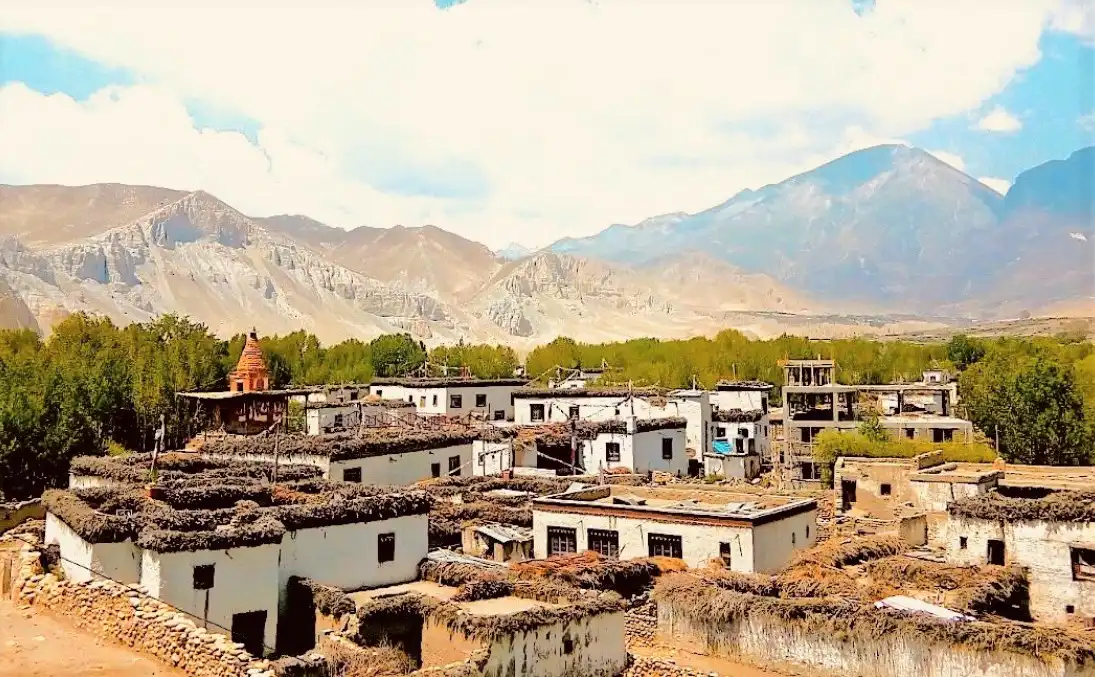
The Upper Mustang is a bucket list destination for many travellers due to its stunning scenery, its ancient Buddhist monasteries, cave settlements and the walled city of Lo Manthang. This area is in the rain shadow of the Himalayas and the region’s topography and culture are unique for trekking in Nepal. With the increasing curiosity of travelers to travel solo, many people wonder if it is legal to go on Solo Trekking to Upper Mustang in 2026.
Yes, but there are conditions. Currently, Nepal has revised its trekking rules so that individual trekkers can trek in restricted areas without having to find a group of people. But still in Upper Mustang there are some rules and it is an area of restricted access. It’s essential to know these rules ahead of time to avoid potential issues at permit checkpoints and make your trek smoother.
Can You Do Solo Trekking to Upper Mustang in 2026?
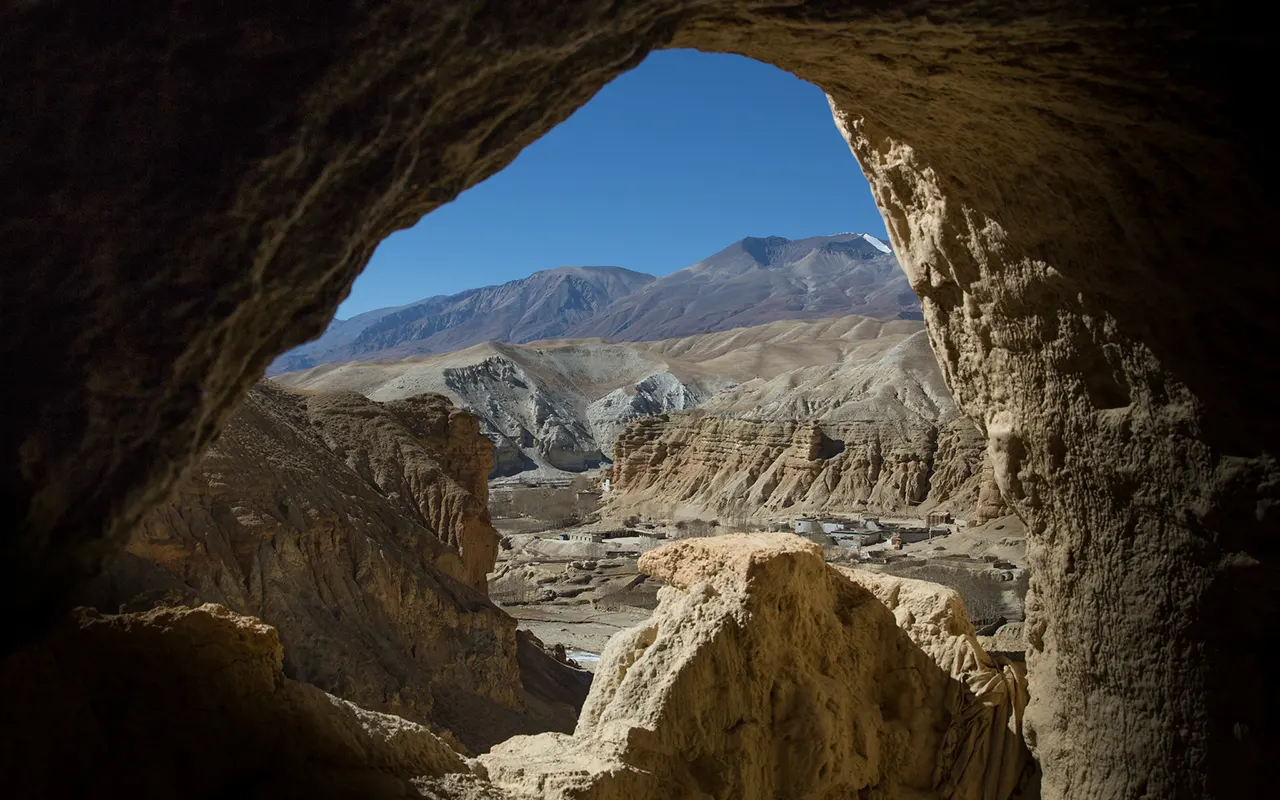
The biggest change in 2026 is that foreign travellers are no longer required to join a minimum group size, but instead can apply for a restricted area permit as an individual. This signals that the Nepalese government has now relaxed its regulations and Solo Trekking to Upper Mustang in 2026 is now allowed.
But you can’t be completely on your own. Upper Mustang is still under restriction and all foreign trekkers are obliged to take the help of a licensed Nepali guide. They also have to be processed by a government-registered trekking agency. Independent applications will not be accepted. The rules are enforced strictly at Kagbeni checkpoint and other inspection points en route.

Why Upper Mustang Has Special Rules
Upper Mustang is adjacent to Tibet and is said to be a sensitive region with a deep culture and nature. Until the early 1990s, no foreigners were admitted to the area, which helped to maintain its Tibetan Buddhist culture, historic villages and centuries-old monasteries.
Due to its limited access, the Nepal government has a special permit system in place to control visitor numbers. The guide requirement also enhances visitors’ safety and generates employment and compliance with visitors. Although Solo Trekking to Upper Mustang in 2026 is now allowed, these protections remain unchanged.
Permits Required for Upper Mustang
All foreigners wishing to enter the Upper Mustang need to have the proper permits before going on the journey.
The Restricted Area Permit (RAP) is the most important document. In addition, the permit fee has been adjusted from a flat-rate fee of 10 days to USD 50/day/per person, which in turn provides more flexibility when planning shorter trips since late 2025.
Also, you have to get a permission called Annapurna Conservation Area Permit (ACAP) since the trail goes through the non- restricted area of Annapurna Conservation Area before entering into the restricted area. This permit currently costs NPR 3,000 to foreigners.
These permits are usually arranged by your trekking agency once you provide your Passport details, Nepal visa, travel insurance details and itinerary.
Do You Still Need a Guide?
Yes. This is the number one rule travelers are going to want to know.
Solo Trekking in Upper Mustang in 2026 is legal, but all foreigners have to hire a licensed trekking guide in the restricted zone. Your guide’s license information is attached to your permit and is checked at checkpoints.
Attempting to access Upper Mustang without a guide may lead to cancellation of your trek, fines and possible future travel bans. Therefore, it is not just recommended but a legal requirement to hire a guide.
Where Does the Trek Begin?
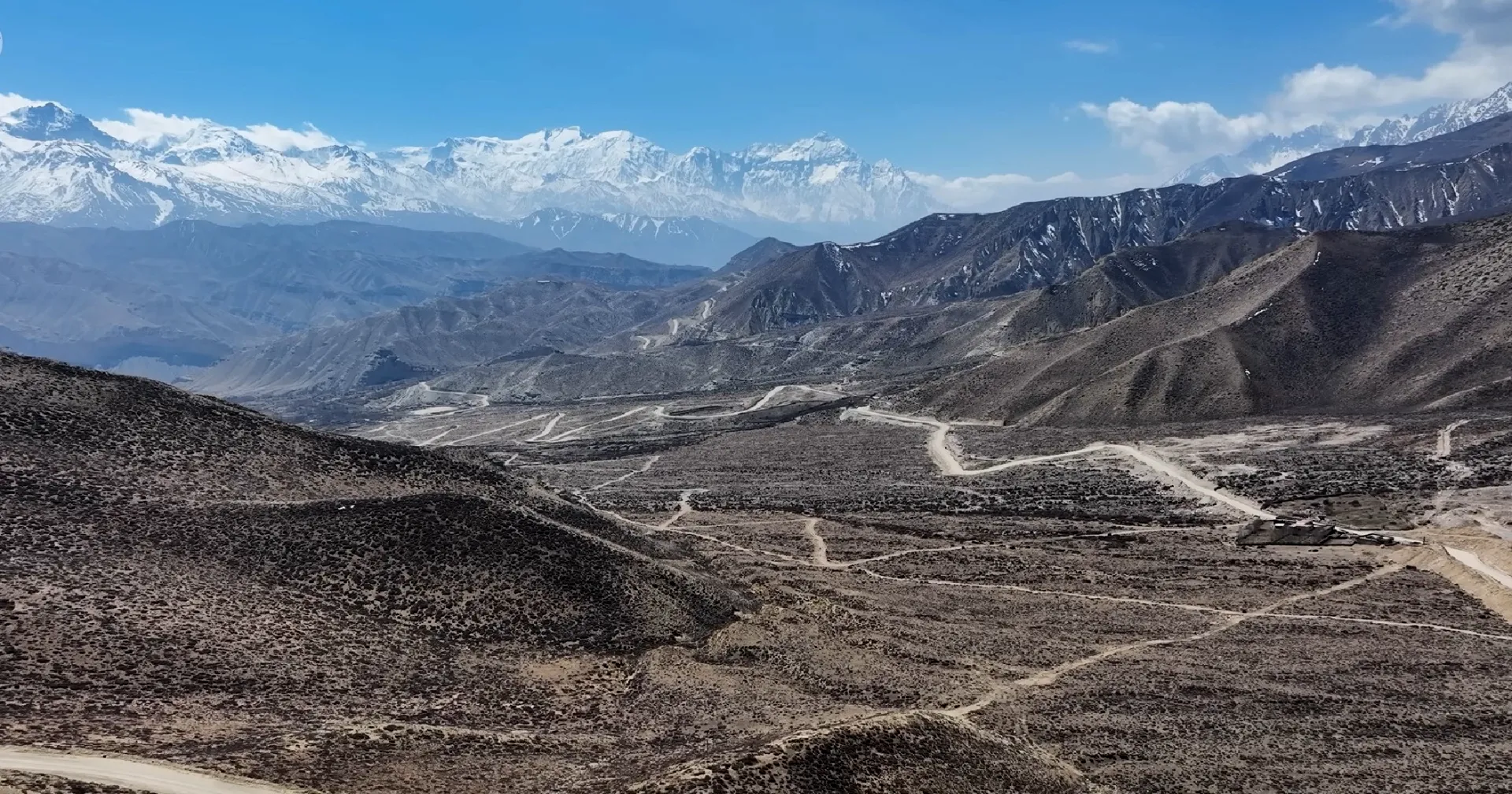
The trekking route starts from Jomsom, either by plane from Pokhara or road from Pokhara. The official beginning of the restricted section is at Kagbeni. The trail then passes through several villages including Chele, Syangboche, Ghami, Tsarang and eventually arrives at Lo Manthang at 3,840 m (12,598 ft).
Itineraries often also comprise a visit to Chhoser, where ancient caves and monasteries are found, before the departures go back along the same route. Some travellers do go on up to Korala near the Nepal-Tibet border, but which one and how much depends on the current rules and permissions.
Is Upper Mustang Difficult for Solo Travelers?
The Upper Mustang solo trek is of moderate difficulty. The difficulty isn’t so much on steep rock as it is on the number of walking days, the dry weather, high afternoon winds and isolation.
The standard route can be followed to the highest overnight stop of Lo Manthang at 3,840 m (12,598 ft). Some people may experience mild symptoms related to altitude on this trek, which is lower than some well-known treks of the Himalayas. The risk can be minimized by walking at a comfortable pace, drinking sufficient water and making adequate acclimatization.
Villages are dispersed and the weather may rapidly shift, so having a local guide can be useful for navigation, logistics and communications.
Best Time to Visit in 2026
Nepal’s Upper Mustang is famous for being one of the rare regions in the country where trekking is possible during the rainy season in the summer monsoon, because of its location in the rain shadow of the mountains of the Himalayas.
The months of March, April and May offer pleasant weather, lower valleys with blooming vegetation and high visibility.
The summer (June-August) is also a popular time to trek in Upper Mustang due to the low amount of rainfall compared to the rest of the trekking areas in Nepal.
In the autumn (September to November), the weather is fairly settled, the mountain views are clear and the trekking conditions are good.
The trail may be snowy at higher elevations for a while during winter (December to February) and is significantly colder. This is also the time when some lodges may be closed.
How Much Does the Trek Cost?
The costs are subject to the trip, transportation, guide fees, accommodation and permit length of stay.
The highest cost is the permit for the Upper Mustang, which is USD 50 per day in the restricted area. Additional travel costs to consider include the ACAP permit, guide fees, accommodations, food and transportation from Pokhara to Jomsom as well as optional porter fees.
A full 12 to 14 day trip is typically more expensive for most trekkers, due to the permit fees associated with this trip as well as the requirement of a trekking guide.
Tips for Solo Travelers
You will be accompanied by a licensed guide, but can have the freedom of travelling independently without being part of a large group.
Select an experienced and well-received trekking company and hire experienced licensed guides. Have travel insurance including high altitude trekking and helicopter evacuation. Bring enough cash as there is no point after Jomsom for ATM services. Bring layers for changing weather conditions, sun protection for the dry weather and bring reusable water bottles to cut down on plastic waste.
Respect local culture, do not take photographs of people or religious sites without permission. The local businesses and teahouses can also be supported, which will help in preserving the unique culture of the Upper Mustang.
Final Thoughts
If you are thinking about travelling to Upper Mustang in 2026 alone, you can, but not in the traditional way of doing it, which is to go on your own without any company. The new rules have taken away the need to secure a second trekker before applying for a restricted area permit, which is a major ease for solo travelers. Meanwhile, the required license system for both guide and agency continues to operate.
By being familiar with these regulations and making suitable preparations, solo trekking in Upper Mustang in 2026 will be a great chance of experiencing one of the most interesting regions of the Himalayas. The route is historic, spanning from Lo Manthang to centuries-old monasteries and through dramatic desert landscapes and is one of the most rewarding treks in the country, while respecting the environment and culture for generations to come.


