


OVERVIEW: JOURNEY TO THE LAST FORBIDDEN KINGDOM
The Upper Mustang Trek is not merely a walk in the Himalayas; it is a profound voyage into a lost world, a living museum of Tibetan culture preserved behind the rain-shadow of the Annapurna and Dhaulagiri massifs. Often called “Lo,” the “Forbidden Kingdom,” this remote region in north-central Nepal was closed to outsiders until 1992, and even today, access is tightly controlled by a special permit system, preserving its delicate cultural and environmental fabric.
Geographical & Historical Context:
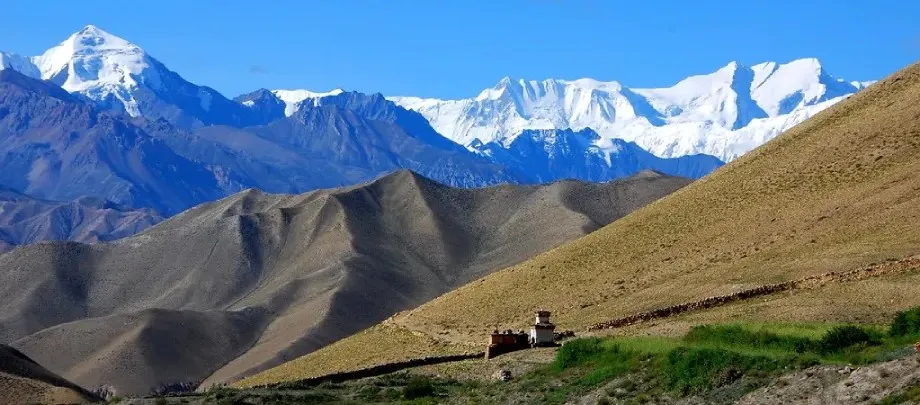
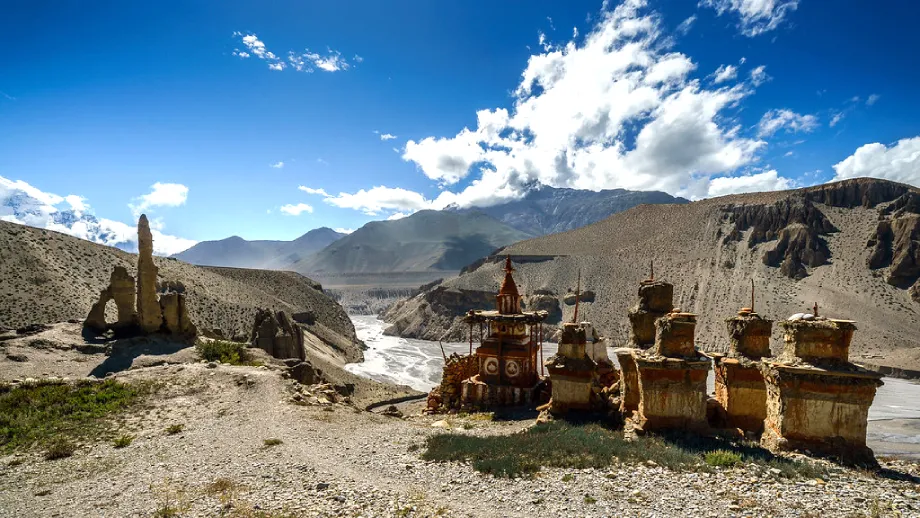
Upper Mustang is a high-altitude desert, an extension of the Tibetan Plateau, characterized by dramatic, wind-sculpted cliffs, deep canyons in shades of ochre, red, and brown, and surreal rock formations. It lies in the Mustang District of Gandaki Province, with the ancient walled city of Lo Manthang as its historic capital. For centuries, it was a vital salt-trading route between Tibet and the Indian subcontinent. The region was an independent kingdom with close ties to Lhasa, and while formally integrated into Nepal in the 18th century, the King of Lo retained his title and cultural authority until Nepal became a republic in 2008. The last king, Jigme Dorje Palbar Bista, passed away in 2016, but the royal lineage remains deeply respected.
The “Forbidden” Aspect & Modern Access:
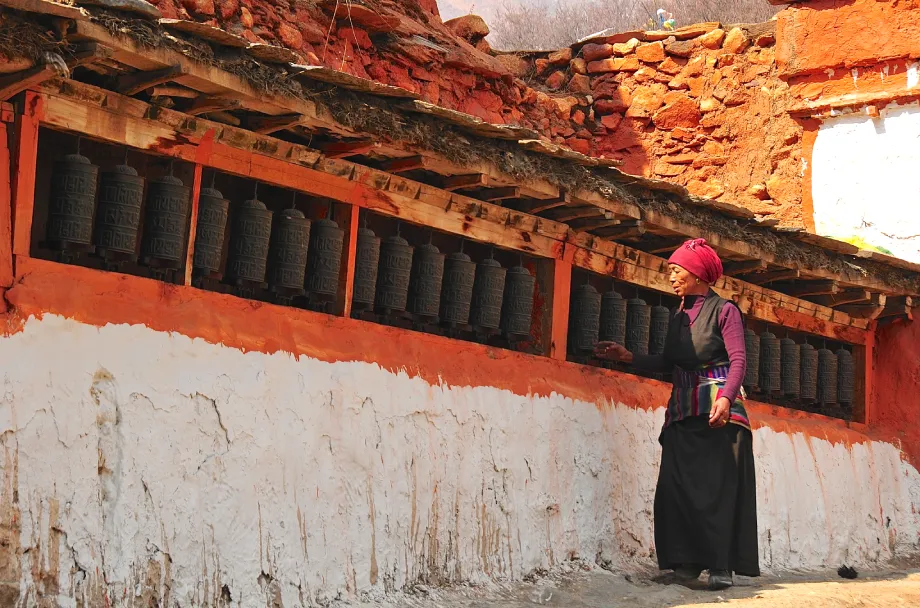
The “forbidden” tag stems from its historical isolation and the Nepalese government’s policy of restricting tourism to protect its unique Tibetan Buddhist culture from outside influence and to maintain control over a sensitive border area with China (Tibet). This very restriction is what makes the trek so special. Unlike the lush, populated trails of the Everest or Annapurna regions, Upper Mustang offers stark, silent, and expansive landscapes that feel untouched by time. The culture here is purer, less commercialized, with ancient monasteries (gompa), sky caves, and fortresses (dzong) dotting the landscape.
Cultural and Spiritual Significance:
This is a stronghold of the Sakyapa sect of Tibetan Buddhism. The Tiji Festival, a three-day ritual held in Lo Manthang every spring (usually May), is a major draw, symbolizing the victory of good over evil with elaborate masked dances. The people are predominantly of Tibetan origin (Loba), speaking dialects of Tibetan and maintaining traditions of polyandry (now rare) and intricate Tibetan art.
Trek Snapshot for Upper Mustang Trek:
-
Duration: Typically 10-17 days (including travel from Kathmandu).
-
Max. Altitude: 4,200m (13,780 ft) at the Dhakmar Pass or viewpoints above Lo Manthang. Note: The trek itself stays at a consistently high altitude, often above 3,500m.
-
Trek Style: Tea-house based, but more basic than popular routes. Camping is an option for larger groups. Kathmandu and Pokhara high-standard hotels are also available.
-
Best Seasons for Upper Mustang Trek: Late March to Early November. Prime months are May to October. The monsoon (June-August) has little effect here due to the rain-shadow, making it an ideal summer trek. Winters are extremely cold, and many passes are closed.
DETAILED ITINERARY (14 to 17 Day Standard Trek)
A classic Upper Mustang trek begins with a flight into the Himalayas.
Day 01: Fly from Pokhara to Jomsom (2,720m), Trek to Kagbeni (2,810m)
-
Upper Mustang Trek starts with a thrilling 20-minute flight between Annapurna and Dhaulagiri lands you in windy Jomsom. After a brief check-in at the ACAP checkpoint, you trek north along the Kali Gandaki River, the world’s deepest gorge, to Kagbeni. This medieval village with narrow alleyways is the gateway to Upper Mustang and your first taste of its arid landscape. Visit the 15th-century Kag Chode Thupten Samphel Ling Monastery.
Day 02: Kagbeni to Chele (3,050m)
-
Cross the official checkpoint into the restricted zone. The trail climbs steadily, leaving the Kali Gandaki and entering a stark, beautiful side canyon. Pass the distinctive Tangbe village with its whitewashed houses and apple orchards, then Chhusang village, before a steep climb to Chele.
Day 03: Chele to Syanbochen (3,475m)
-
A challenging day with two major passes. Climb to Taklam La Pass (3,624m) and Dajori La Pass (3,735m). The landscape is spectacularly barren. Descend to Saman, an important village for horse caravans, then climb again to Syanbochen.
Day 04: Syanbochen to Ghaymi (3,520m)
-
Cross the Yamda La (3,850m) and several smaller passes. Pass ancient chortens (stupas), mane walls, and caves. The trail offers views of Nilgiri and Tilicho peaks. Ghaymi is a large, walled village set below a massive red cliff.
Day 05: Ghaymi to Charang (3,500m)
-
A relatively easier day. Cross the Nyi La Pass (4,010m), the highest point so far. Descend to Charang (Tsarang), a large settlement with a spectacular five-story White Dzong (fortress) and a red gompa containing an excellent collection of thangkas and statues.
Day 06: Charang to Lo Manthang (3,810m)
-
A dramatic descent into the Charang River canyon, then a long climb up to the Lo La Pass (3,950m). Your first view of the walled city of Lo Manthang from the pass is unforgettable. Descend to the capital and enter through its main gate.
Day 07: Exploration Day in Lo Manthang
-
A full day to immerse in the capital. Key sites include:
-
The King’s Palace (Now Museum): A towering 4-story structure.
-
Thugchen Gompa: A 15th-century monastery with a huge assembly hall and exquisite murals.
-
Jampa Lhakhang (Champa Temple): The oldest monastery in the city, dating to the early 15th century.
-
Amitabha Buddha Monastery (New Gompa): Known for its detailed, modern wall paintings.
-
Optional day trip to the Chhoser Cave Complex, a labyrinth of ancient cave dwellings and monasteries carved into a cliff face.
-
Day 08: Lo Manthang to Drakmar (3,810m) via Ghar Gompa
-
Take an alternative southern route. Visit Ghar Gompa, one of the oldest and most sacred monasteries in Mustang, believed to have been founded by the great saint Padmasambhava (Guru Rinpoche). The trail then passes through stunning red and ochre cliffs to the small village of Drakmar.
Day 09: Drakmar to Ghiling (3,806m)
-
Climb from Drakmar, enjoying spectacular views of the unique red hoodoo formations, to the Dhakmar La Pass (4,200m). A long descent brings you back to the main trail at Ghiling.
Day 10: Ghiling to Chhusang (2,980m)
-
Retrace part of the inbound route, descending through the dramatic landscape back to the Kali Gandaki valley at Chhusang.
Day 11: Chhusang to Jomsom (2,720m)
-
The final trekking day follows the riverbed south, past Tangbe and Kagbeni, back to Jomsom. Celebrate the completion of your journey.
Day 12: Fly from Jomsom to Pokhara
-
Morning flight back to Pokhara. The remainder of the day is for relaxation.
*Note: Variations include shorter 10-day treks (using jeeps on the new road for parts) or longer 16-day treks starting from Pokhara or even including the Nar Phu Valley Trek.*
PERMITS & COSTS: THE RESTRICTED AREA PROTOCOL
This is the most critical administrative aspect of the Upper Mustang trek.
1. Restricted Area Permit (RAP) for Upper Mustang Trek:
-
Cost: USD $500 per person for the first 10 days. Then, USD $50 per person per day for additional days. This is a government-mandated fee, non-negotiable, and must be arranged through a registered Nepali trekking agency. Independent & solo trekking is NOT allowed in the Upper Mustang Trek.
-
Process: Your chosen agency will require a copy of your passport and will obtain the permit for you in Kathmandu. You must travel with a licensed guide.
2. Annapurna Conservation Area Permit (ACAP):
-
Cost: NPR 3,000 (approx. USD $23) for foreign nationals.
-
This permit is checked at the entry point in Jomsom or Tatopani.
3. Trekkers’ Information Management System (TIMS) Card:
-
While officially not required for restricted areas, many agencies still obtain it as a safety measure, or you may need it for the approach trek. Cost is around USD $20.
Total Trek Cost for Upper Mustang Trek (Approximate, 2026):
-
Package Cost (excluding international flights): $2,000 – $3,500+ per person.
-
This includes: Permits, Kathmandu-Pokhara-Jomsom flights, all meals and accommodation during the trek, guide/porter services, and agency support.
-
Excludes: Personal gear, travel insurance, tips, drinks, and extra hotel nights.
The “Road” Factor: A rough dirt road now connects Jomsom to Lo Manthang (Upper Mustang), used by local jeeps and motorcycles. While some purists bemoan it, the trekking trail largely remains separate and scenic. The road also offers options for jeep-supported treks or even an Upper Mustang motorbike tour, which are becoming popular search topics.
EQUIPMENT & PACKING LIST
Packing for Upper Mustang trek requires consideration for a high-altitude desert climate: intense sun during the day, freezing temperatures at night, and constant, often strong, winds.
Clothing (Layering System is Key):
-
Base Layers: Moisture-wicking thermal tops and bottoms (merino wool or synthetic).
-
Mid Layers: Fleece jacket or pullover, lightweight down or synthetic insulated vest/jacket.
-
Outer Layer: Hard-shell, windproof, and waterproof jacket and pants. A windproof layer is arguably more critical than rain gear here.
-
Trekking Pants: Convertible or lightweight pants.
-
Headwear: Warm beanie, sun hat with wide brim, buff/neck gaiter.
-
Handwear: Lightweight liner gloves and insulated trekking gloves.
-
Footwear: Well-broken-in, sturdy waterproof hiking boots. Comfortable camp shoes/sandals.
Essential Gear:
-
Backpack: A 40-50 liter pack for personal items if you have a porter.
-
Sleeping Bag: Rated to at least -10°C (14°F). Teahouse blankets are basic.
-
Trekking Poles: Highly recommended for steep, slippery descents.
-
Headlamp with extra batteries.
-
Water Purification: Bottled water is expensive and creates plastic waste. Use iodine/chlorine tablets, a SteriPEN, or a quality filter (note: filters can clog with silt in the Kali Gandaki).
-
Sunglasses: High UV protection is vital. Consider glacier glasses for increased protection.
-
Sun Protection: High SPF (50+) sunscreen and lip balm with SPF. The sun at altitude is brutal.
-
Dust Protection: A bandana or mask for windy, dusty sections.
Other Essentials:
-
Personal first-aid kit (blister care, painkillers, diarrhea medication).
-
Quick-dry towel.
-
Power bank/battery charger (charging costs extra in teahouses).
-
Toiletries, wet wipes (water is scarce).
-
A good book, a journal, and cards.
-
Cash (Nepali Rupees): There are NO ATMs beyond Jomsom. Carry enough for bottled drinks, snacks, hot showers, Wi-Fi, monastery donations, and tips.
DIFFICULTY & PHYSICAL PREPARATION
Difficulty Rating: Moderate to Strenuous.
-
Not Technically Difficult: No climbing or scrambling is involved.
-
High Altitude Challenge: While the maximum altitude (4,200m) is lower than Everest Base Camp (5,364m), the trek spends almost its entire duration above 3,000m, with constant ascents and descents over passes. Proper acclimatization is crucial.
-
Physical Demand: Long walking days (5-7 hours on average) with significant cumulative elevation gain/loss (often 500-800m per day). The terrain is rough and exposed.
-
Environmental Factors: The wind, dust, and intense sun can be taxing. The arid, cold air can dehydrate you quickly.
-
Remote & Basic Facilities: While not a camping trek, the teahouses are more rustic than on major routes. Mental preparedness for basic amenities is needed.
Preparation:
-
Cardiovascular Fitness: 8-12 weeks of training: focus on hiking, stair climbing, running, cycling. Aim for the ability to walk 5-7 hours with a daypack on consecutive days.
-
Strength Training: Legs (squats, lunges), core, and back.
-
Practice Hikes: Do full-day hikes in hilly terrain with your boots and loaded pack.
-
Altitude Acclimatization: The itinerary should be designed for gradual ascent. Listen to your body and communicate with your guide about any AMS symptoms (headache, nausea, dizziness, fatigue).

MORE ESSENTIAL INFORMATION
Accommodation & Food in Upper Mustang Trek:
-
Teahouses (Lodges): Simple but adequate. Rooms are usually twin-share with basic beds and thin mattresses. Shared toilets are the norm, becoming more basic as you go north.
-
Food: The menu is a subset of classic trekking fare: Dal Bhat (lentil soup with rice), noodles, pasta, potatoes, momos (dumplings), and Tibetan bread. Fresh produce is scarce and expensive. Apple products (pie, brandy, juice) from local orchards are a treat.
Communication & Connectivity:
-
Mobile Network: Nepal Telecom (NTC) has sporadic coverage in villages. Ncell coverage is very limited.
-
Wi-Fi/Internet: Available in most teahouses for a fee (NPR 300-500 per hour), but it is very slow and unreliable. Satellite internet is sometimes available.
-
Recommendation: Inform the family of limited contact. Consider purchasing a local NTC SIM in Kathmandu for the best chance of connection.
Health and Safety:
-
Acute Mountain Sickness (AMS): The single biggest health risk. A good itinerary includes acclimatization days. Carry Diamox (Acetazolamide) after consulting your doctor.
-
Water & Food Hygiene: Use purified water, even for brushing teeth. Eat well-cooked, hot food. Peel fruits.
-
Travel Insurance: This is non-negotiable. Your policy must cover emergency helicopter evacuation from high altitude (up to 5,000m) and trekking in remote regions above 3,000m. Also, ensure it covers trip cancellation.
-
Guides and Porters: Hiring through a reputable agency ensures qualified, insured staff. Tipping is customary (guide: $10-15/day, porter: $8-12/day, per group).
Cultural Etiquette:
-
Circumambulation: Always walk clockwise around chortens, mani walls, and monasteries.
-
Respect in Religious Sites: Remove shoes and hats before entering. Ask before taking photographs inside monasteries (a donation is often expected). Do not point your feet at altars or monks.
-
Left Hand Taboo: Use your right hand for giving/receiving items and eating.
-
Dress modestly, especially in villages and monasteries.
Environmental Responsibility:
-
Leave No Trace: Carry all trash out (including biodegradable). Use toilets where provided.
-
Water: Use purification methods to minimize plastic bottle use.
-
Support Local: Use local lodges, hire local staff, buy local crafts.
The Future of Upper Mustang Trek:
The construction of the road is a double-edged sword. It brings development, easier access to goods, and connectivity for locals. For trekkers, it means more jeep traffic and a changing landscape. However, the unique culture, the requirement for a guide and expensive permit, and the sheer grandeur of the landscape will ensure that Upper Mustang remains a premier destination for discerning adventurers seeking a true wilderness and cultural experience.
In conclusion, the Upper Mustang Trek is a significant investment of time, money, and physical effort. But it rewards the intrepid traveler with an experience unlike any other on Earth: a starkly beautiful, ancient, and spiritually resonant journey into the heart of a once-forbidden kingdom, where Tibetan culture thrives in its most authentic form, guarded by the mighty Himalayas. It is a trek that changes perspectives and leaves an indelible mark on the soul.
FAQ
1. What is the cost of the Upper Mustang Trek in 2026?
The total cost for a standard 14-day guided trek typically ranges from $2,000 to $3,500+ per person. This includes the $500 restricted area permit, Annapurna Conservation Area Permit (ACAP), flights (Kathmandu-Pokhara-Jomsom), all meals, teahouse accommodation, guide/porter services, and agency support. It excludes international flights, travel insurance, personal gear, and tips.
2. What permits are needed for the Upper Mustang Trek in 2026?
You need two main permits:
-
Upper Mustang Restricted Area Permit (RAP): $500 per person for the first 10 days, then $50 per day thereafter. It must be arranged by a registered Nepali trekking agency.
-
Annapurna Conservation Area Permit (ACAP): Approximately NPR 3,000 (around $23).
3. When are the Tiji Festival dates for 2026?
The Tiji Festival is held in Lo Manthang based on the Tibetan lunar calendar. The 2026 dates are tentatively projected for May 14-16, 2026. Dates are usually confirmed closer to the year, so check with trekking agencies in early 2025 for final confirmation.
4. How does the Upper Mustang Trek compare to the Annapurna Circuit?
-
Upper Mustang: A high-altitude desert trek in a culturally Tibetan, restricted area. Focus is on ancient culture, stark landscapes, and isolation. Requires a special permit and guide. Consistently high altitude (3,000m+). Best in spring/autumn.
-
Annapurna Circuit: A classic Himalayan trek with diverse landscapes—lush foothills, high passes (Thorong La, 5,416m), and villages. More physically demanding due to the higher altitude, but culturally a Hindu/Buddhist mix. No restricted permit needed for most parts. Best in spring/autumn.
5. Is the Upper Mustang Trek difficult?
It is rated Moderate to Strenuous. While not technically difficult, the challenge comes from long walking days (5-7 hours), constant ascents/descents over high passes (max 4,200m), and the effects of consistently high altitude, wind, and cold. Good fitness and acclimatization are essential.
6. Can you do a motorcycle tour in Upper Mustang?
Yes, motorcycle tours are an increasingly popular and thrilling way to explore Upper Mustang. They require the same Restricted Area Permit ($500) and must be arranged through a licensed tour operator who provides the bikes, support vehicle, and guide. The rough road from Jomsom to Lo Manthang makes it an adventurous off-road experience.
7. What is the weather like in Lo Manthang in October?
October offers excellent trekking conditions. Days are generally clear, sunny, and pleasant (10-15°C / 50-59°F). Nights are cold, dropping below freezing (0 to -5°C / 32-23°F). There is minimal precipitation, and visibility for mountain views is superb. It’s one of the busiest months.
8. What is the Upper Mustang restricted area permit?
It is a mandatory permit issued by the Nepali government to control tourism and protect the unique Tibetan culture and the sensitive border area of Upper Mustang. The high fee ($500/10 days) limits visitor numbers. Independent & Solo trekking is prohibited; you must travel with a registered agency and guide.
9. What is the best time for the Upper Mustang trek?
The best times are from late March to early November. The prime windows are:
-
Spring (March-May): Stable weather, blooming wildflowers, and the Tiji Festival (May).
-
Autumn (September-November): Clear skies, stable weather, and excellent mountain views.
-
Monsoon (June-August): A great summer option as the region lies in a rain-shadow, receiving little rain.
10. How does the flight to Jomsom for Upper Mustang work?
The trek starts with a scenic 20-minute flight from Pokhara to Jomsom. These small twin-engine aircraft (e.g., Yeti Airlines, Tara Air) are highly weather-dependent, especially in the morning due to wind. Flights are often scheduled for early morning, and delays/cancellations are common. The alternative is a long jeep/bus ride from Pokhara.
11. Where can I find a map for the Upper Mustang trek?
Detailed trekking maps are published by Himalayan Map House and Nepa Maps. Look for their “Mustang Trekking Maps.” These can be purchased in Thamel, Kathmandu, or from international retailers online. Digital maps are also available on apps like Maps.me (download the Nepal region offline).
12. What are the teahouse facilities like in Upper Mustang?
Facilities are basic and become more rustic as you go north. Expect simple twin-share rooms with wooden beds and thin mattresses. Shared squat or Western toilets are standard. Heating is only in the common dining room (usually by a stove). Charging electronics and Wi-Fi are available for an extra fee, but are slow and unreliable. Hot showers (bucket-style) are available for a cost.
13. Is Upper Mustang Trek suitable for trekking with kids?
It is generally not recommended for young children due to the high altitude, remote nature, long walking days, and basic facilities. It could be considered for experienced, resilient teenagers who are accustomed to trekking and camping, but careful planning, a longer itinerary for acclimatization, and consultation with a doctor are mandatory.
14. What makes the Upper Mustang a cultural trek?
It is a journey into a preserved Tibetan Buddhist kingdom. Highlights include visiting centuries-old monasteries (gompas) like Thugchen and Luri Gompa, exploring the medieval walled city of Lo Manthang, seeing ancient sky caves, witnessing traditional lifestyles of the Loba people, and potentially attending the vibrant Tiji Festival. The culture is less commercialized than in other trekking regions.
15. What is the impact of the new road in Upper Mustang?
The dirt road from Jomsom to Lo Manthang has a mixed impact:
-
Positive: Easier access to goods and healthcare for locals, provides jeep support options for trekkers, and enables motorcycle tours.
-
Negative: Some trail sections share the road, leading to dust and occasional traffic. Purists feel it diminishes the wilderness experience. However, the main trekking trails often run parallel and remain scenic, and the road does not lessen the region’s profound cultural value.


