


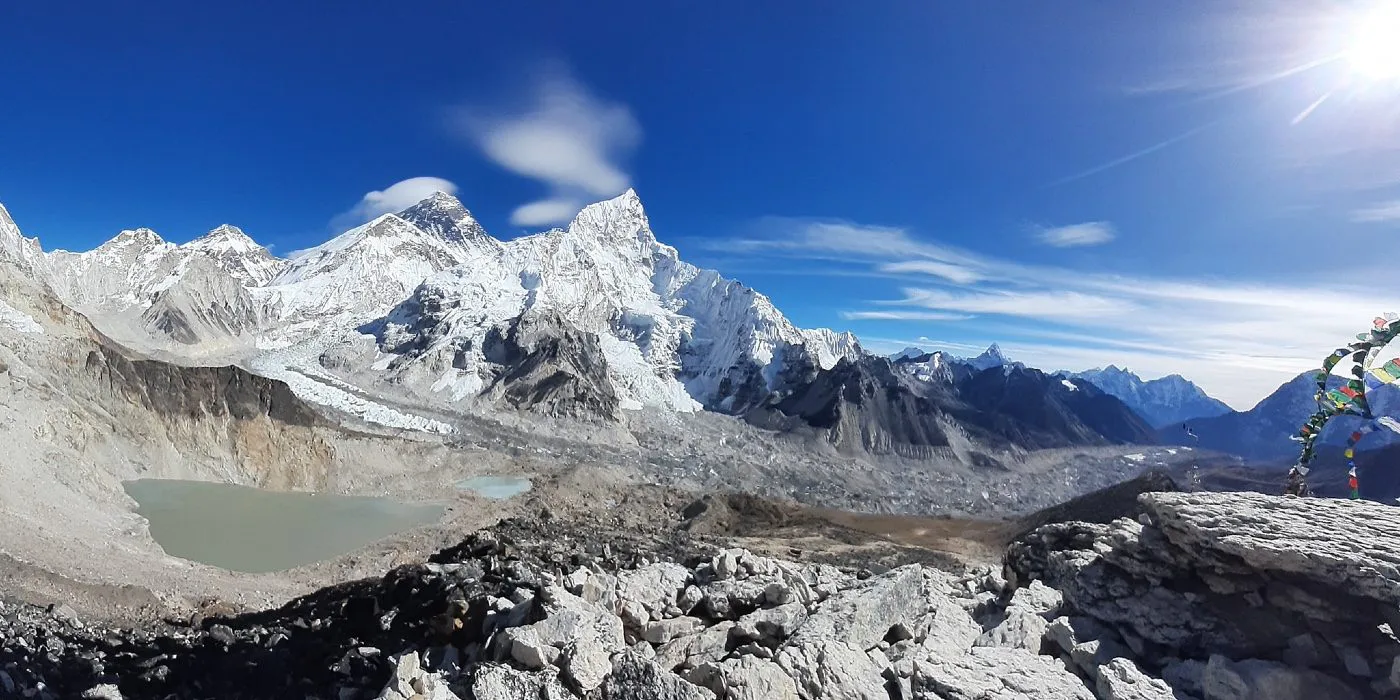

Nepal is an unrivaled destination for trekking, offering adventures that range from moderate to extremely challenging. For trekkers looking for more than just breathtaking views, the country’s high-altitude routes test both physical endurance and mental fortitude. If you’re seeking the ultimate challenge, here are the top difficult treks in Nepal for 2026-2027, where adventure awaits.
1. Everest Base Camp Trek
The Everest Base Camp Trek is one of the most iconic trekking routes in the world, offering adventurers the chance to experience breathtaking landscapes and the unique culture of the Khumbu region of Nepal. Here’s a detailed overview of what trekkers can expect:
Overview of the Trek
- Distance: Approximately 130 kilometers (80 miles) round trip.
- Duration: Typically lasts between 12 to 14 days, allowing for acclimatization and exploration.
- Starting Point: The trek usually begins in Lukla, which is accessible by a short flight from Kathmandu.
Highlights of the Trek
- Scenic Views: Trekkers are treated to stunning vistas of the world’s tallest mountain, Mount Everest (8,848 meters), along with other majestic peaks like Lhotse (8,516 meters) and Ama Dablam (6,812 meters). The changing landscapes, from lush green valleys to rugged mountain terrain, make for an unforgettable journey.
- Cultural Experience: The Khumbu region is home to the Sherpa people, known for their hospitality and rich cultural traditions. Trekkers have the opportunity to visit traditional villages, experience local customs, and learn about the Sherpa way of life.
- Notable Stops:
- Namche Bazaar: This vibrant market town serves as the gateway to the Everest region and is an excellent acclimatization stop. Here, trekkers can find shops, cafes, and even an internet café. The view of the surrounding peaks from Namche is breathtaking, making it a perfect place to rest.
- Tengboche Monastery: Situated at 3,867 meters, this important Buddhist monastery offers stunning views of Everest and Ama Dablam. It’s a spiritual center for the Sherpa community, and trekkers often stop here to attend prayer ceremonies and appreciate the intricate architecture and serene atmosphere.
- Gorakshep: This is the final stop before reaching Everest Base Camp, located at 5,164 meters. Trekkers often spend a night here before making the final ascent to Base Camp.
Physical Challenges
- Altitude: The trek reaches its highest point at Everest Base Camp, which sits at an altitude of 5,364 meters (17,598 feet). The thin air at such elevations can cause altitude sickness, which affects many trekkers. Symptoms may include headaches, nausea, dizziness, and fatigue. To mitigate these risks, it’s crucial to ascend gradually and allow for adequate acclimatization days, particularly in places like Namche Bazaar.
- Steep Ascents and Long Trekking Hours: The trek involves long daily hikes, often exceeding 6 to 8 hours. Trekkers face challenging ascents, particularly in the later stages of the trek as they approach higher elevations. The rugged terrain can also be physically demanding, requiring good stamina and physical fitness.
Preparation Tips
- Physical Fitness: Trekkers should be in peak physical condition to handle the steep ascents and prolonged trekking hours. A well-rounded training regimen focusing on cardiovascular fitness, strength training, and endurance can significantly improve performance on the trail.
- Acclimatization: It’s essential to listen to your body during the trek. Gradual acclimatization, staying hydrated, and eating well can help reduce the risk of altitude sickness. Trekkers should also be aware of the symptoms and ready to descend if necessary.
- Packing Essentials: Proper gear is crucial for a successful trek. This includes sturdy trekking boots, warm clothing for cold temperatures, a good sleeping bag, and necessary trekking poles. Other essentials include a first-aid kit, water purification tablets, and snacks to maintain energy levels.
Conclusion
The Everest Base Camp Trek is not just a physical challenge; it’s a journey through some of the most breathtaking landscapes on Earth and an immersion into the rich culture of the Sherpa people. With proper preparation and a spirit of adventure, trekkers can create memories that will last a lifetime as they stand at the foot of Mount Everest.
2. Annapurna Circuit Trek
The Annapurna Circuit Trek is one of the most celebrated trekking routes in the world, renowned for its stunning diversity of landscapes, rich cultural heritage, and breathtaking mountain views. Here’s a comprehensive overview of what trekkers can expect on this remarkable journey.
Overview of the Trek
- Distance: The trek spans approximately 160 to 230 kilometers (100 to 143 miles), depending on the specific route and side trips taken.
- Duration: The trek typically lasts between 15 to 21 days, allowing ample time for acclimatization and exploration of the surrounding areas.
- Starting Point: The trek usually begins in the town of Besisahar, which is accessible by road from Kathmandu.
Highlights of the Trek
- Diverse Landscapes:
- The Annapurna Circuit is celebrated for its incredible variety of landscapes. Trekkers will traverse lush subtropical forests, terraced rice fields, and dramatic alpine deserts. This diversity is one of the trek’s main attractions, offering a unique experience at each elevation.
- The trek features stunning views of snow-capped peaks, including Annapurna I (8,091 meters) and Dhaulagiri (8,167 meters).
- Thorong La Pass:
- Altitude: The highest point of the trek is Thorong La Pass, which stands at 5,416 meters (17,769 feet), making it one of the highest trekking passes in the world.
- Challenges: The ascent to the pass is challenging, with steep climbs, long trekking days, and often unpredictable weather. Snow-covered paths can make the journey particularly difficult, especially during the spring and autumn trekking seasons.
- The view from the pass is awe-inspiring, with panoramic vistas of the Annapurna and Dhaulagiri ranges, making the effort to reach it incredibly rewarding.
- Cultural Experience:
- The trek passes through several traditional villages, predominantly inhabited by the Gurung and Thakali communities. These villages, such as Manang and Jomsom, provide trekkers with a rich cultural experience, showcasing local customs, cuisine, and architecture.
- Trekkers can visit local monasteries, participate in cultural events, and enjoy traditional meals, immersing themselves in the local way of life.
- Scenic Highlights:
- Rice Terraces: In the lower elevations, trekkers will see beautiful rice terraces, especially around the villages of Chame and Tal, where farming practices are deeply rooted in the community.
- Rhododendron Forests: In the spring, the trek is adorned with vibrant rhododendron flowers, creating a colorful and fragrant atmosphere in the forests.
- High-Altitude Deserts: As trekkers approach Thorong La Pass, the landscape shifts to stark alpine deserts, characterized by barren yet stunningly beautiful vistas.
Physical Challenges
- Long Trekking Days: Trekkers can expect long daily hikes, often ranging from 6 to 8 hours or more. The trek requires good physical fitness and endurance, especially on the approach to Thorong La Pass.
- Steep Climbs: The terrain involves significant elevation gain, with steep ascents and descents that can be taxing on the body. Proper training and conditioning prior to the trek are essential for managing these challenges.
- Weather Conditions: The Annapurna region is known for its unpredictable weather. Trekkers should be prepared for rapid changes in temperature and conditions, especially at higher elevations. Rain, snow, and strong winds can occur, making proper gear and planning crucial.
Preparation Tips
- Physical Conditioning: It’s important to train and prepare physically for the trek. Cardiovascular exercises, strength training, and practicing on varied terrain will help build stamina and strength.
- Acclimatization: Proper acclimatization is critical to minimize the risk of altitude sickness, particularly when approaching Thorong La Pass. Trekkers should take rest days as needed and stay hydrated.
- Gear and Equipment: Essential gear includes sturdy trekking boots, warm and layered clothing, a high-quality sleeping bag suitable for low temperatures, trekking poles, and a good backpack. It’s also advisable to pack a first-aid kit, water purification tablets, and snacks for energy.
Conclusion
The Annapurna Circuit Trek offers an unparalleled adventure through one of the most beautiful and diverse regions in the world. With its breathtaking landscapes, cultural richness, and the challenge of crossing Thorong La Pass, this trek is a must for any avid trekker. With adequate preparation, determination, and a spirit of adventure, trekkers can create lasting memories as they traverse this iconic route.
3. Manaslu Circuit Trek
The Manaslu Circuit Trek is a stunning adventure that takes trekkers around Manaslu, the eighth-highest mountain in the world, and offers a unique combination of natural beauty and rich cultural experiences. Here’s an in-depth look at what trekkers can expect from this remarkable trek.
Overview of the Trek
- Distance: The Manaslu Circuit spans approximately 177 kilometers (110 miles) round trip.
- Duration: Trekkers typically spend between 15 to 20 days on the trek, allowing for acclimatization, exploration, and a more relaxed pace.
- Starting Point: The trek usually begins in the village of Soti Khola, which can be reached by road from Kathmandu.
Highlights of the Trek
- Remote and Less-Traveled Route:
- The Manaslu Circuit is considered a more remote and less crowded alternative to the Annapurna Circuit and Everest Base Camp treks. This solitude allows trekkers to connect more deeply with nature and the local culture.
- Larkya La Pass:
- Altitude: The highest point of the trek is Larkya La Pass, which stands at 5,106 meters (16,752 feet). Reaching this pass offers a breathtaking panoramic view of the surrounding Himalayan peaks, including Manaslu, Ganesh Himal, and the Annapurna range.
- Challenges: The ascent to Larkya La Pass involves steep climbs and can be physically demanding. The high altitude and potential for altitude sickness require careful acclimatization.
- Cultural Experience:
- The trek passes through traditional Tibetan-influenced villages such as Samagaon and Samdo. These villages showcase unique architecture, rich cultural traditions, and local customs that reflect the Tibetan Buddhist influence in the region.
- Trekkers will have opportunities to visit ancient monasteries, including the famous Pungyen Monastery in Samagaon, and participate in local festivals if timing allows.
- Scenic Highlights:
- The trek features spectacular views of the Himalayas, with close-up views of Manaslu dominating the skyline. The stunning landscapes include lush forests, terraced fields, and rugged mountain terrain.
- Trekkers will traverse diverse ecosystems, ranging from subtropical forests to alpine meadows, experiencing a rich variety of flora and fauna along the way.
Physical Challenges
- Steep Climbs: The trek involves significant elevation gain, particularly as trekkers approach Larkya La Pass. Steep ascents and descents require good physical fitness and stamina.
- High Altitude: The altitude can pose challenges for trekkers, especially those not acclimatized. Symptoms of altitude sickness can include headaches, nausea, and fatigue. It’s crucial to ascend gradually and allow for acclimatization days in places like Samagaon.
- Unpredictable Weather: The weather in the Manaslu region can be unpredictable, with rapid changes in temperature and conditions. Trekkers should be prepared for rain, snow, and strong winds, especially at higher elevations. Having the right gear is essential for staying comfortable.
- Limited Infrastructure: As a less-traveled route, the Manaslu Circuit has limited infrastructure compared to more popular treks. This means fewer tea houses and facilities, which can affect the availability of food, accommodation, and medical assistance. Trekkers should be prepared for basic living conditions and carry necessary supplies.
Preparation Tips
- Physical Training: Preparation for the trek should include cardiovascular training, strength building, and endurance exercises. Hikers should also practice trekking on uneven and steep terrain to simulate conditions they will encounter.
- Acclimatization: Proper acclimatization is vital to minimize the risk of altitude sickness. Trekkers should allow extra days for acclimatization, particularly in Samagaon, and be mindful of their body’s signals.
- Essential Gear: Necessary equipment includes sturdy trekking boots, warm layered clothing, a reliable sleeping bag suitable for cold temperatures, trekking poles, and a well-fitted backpack. A first-aid kit, water purification tablets, snacks, and energy-boosting food should also be included.
Conclusion
The Manaslu Circuit Trek is a captivating journey that offers a unique blend of stunning landscapes, cultural richness, and challenging trekking experiences. Its remote nature allows trekkers to experience the Himalayas away from the crowds, making it a true adventure for those willing to embrace its challenges. With adequate preparation and a sense of adventure, trekkers can create unforgettable memories while surrounded by some of the most beautiful scenery in the world.
4. Kanchenjunga Base Camp Trek
The Kanchenjunga Base Camp Trek is a challenging and remote adventure that leads trekkers to the foot of Kanchenjunga, the third-highest mountain in the world. This trek is ideal for those seeking an off-the-beaten-path experience in a breathtaking natural setting. Here’s a detailed overview of what trekkers can expect on this remarkable journey.
Overview of the Trek
- Distance: The Kanchenjunga Base Camp Trek covers approximately 220 kilometers (137 miles) round trip.
- Duration: The trek typically takes between 20 to 24 days, which allows for proper acclimatization, exploration, and a more leisurely pace to enjoy the stunning surroundings.
- Starting Point: The trek usually begins in the town of Taplejung, which is accessible by a combination of road and air travel from Kathmandu.
Highlights of the Trek
- Remote and Untouched Wilderness:
- The Kanchenjunga region is known for its rugged beauty and isolation. Trekkers will experience pristine landscapes, including lush forests, terraced fields, and high-altitude meadows, as they traverse this less-explored area of Nepal.
- North Base Camp:
- Altitude: The trek culminates at the North Base Camp, situated at an altitude of 5,143 meters (16,873 feet). The views from the base camp are awe-inspiring, with stunning panoramas of Kanchenjunga and its surrounding peaks.
- Challenges: The ascent to the base camp involves steep climbs and challenging terrain, requiring trekkers to be physically fit and prepared for high-altitude conditions.
- Biodiversity and Wildlife:
- The Kanchenjunga region is rich in biodiversity, making it a haven for wildlife enthusiasts. Trekkers may spot rare species such as red pandas, snow leopards, and various species of pheasants, as well as a variety of flora that thrives in this diverse ecosystem.
- The area is part of the Kanchenjunga Conservation Area, which is dedicated to preserving the unique wildlife and habitats found in the region.
- Cultural Experience:
- Trekkers will pass through traditional villages inhabited by the Limbu, Rai, and Sherpa communities, where they can experience local customs and hospitality. The vibrant culture of these ethnic groups is reflected in their festivals, cuisine, and lifestyle.
- Visitors can explore ancient monasteries and traditional homes, gaining insight into the local way of life.
Physical Challenges
- Isolation and Infrastructure: The Kanchenjunga region is one of the most remote trekking areas in Nepal, with limited infrastructure. This means fewer tea houses and basic facilities, which can make logistics more challenging. Trekkers should be prepared for basic living conditions and carry necessary supplies.
- Steep Ascents: The trek involves numerous steep climbs, particularly as trekkers approach the base camp. Maintaining physical fitness and stamina is crucial for navigating the challenging terrain.
- Unpredictable Weather: The weather in the Kanchenjunga region can be highly variable, with sudden changes in temperature and conditions. Trekkers should be prepared for rain, snow, and strong winds, especially at higher elevations. Having appropriate gear is essential to ensure comfort and safety.
Preparation Tips
- Physical Conditioning: Training is vital for this trek. Potential trekkers should engage in cardiovascular exercises, strength training, and endurance building to prepare for the challenging terrain.
- Acclimatization: Due to the high altitude, proper acclimatization is critical. Trekkers should plan for rest days and ascend gradually to reduce the risk of altitude sickness. Monitoring symptoms of altitude sickness and knowing when to descend is essential for safety.
- Essential Gear: Essential items include sturdy trekking boots, layered clothing suitable for varying temperatures, a quality sleeping bag rated for cold conditions, trekking poles, and a well-fitted backpack. A first-aid kit, water purification tablets, high-energy snacks, and a reliable map or GPS device should also be included.
Conclusion
The Kanchenjunga Base Camp Trek is an extraordinary journey that offers trekkers a chance to explore one of Nepal’s most remote and breathtaking regions. With its stunning landscapes, rich biodiversity, and cultural experiences, this trek is perfect for those seeking adventure and solitude. Adequate preparation, physical conditioning, and a spirit of adventure will ensure that trekkers can fully embrace the beauty and challenges of this remarkable route while creating memories that last a lifetime.
5. Makalu Base Camp Trek
The Makalu Base Camp Trek is a breathtaking and challenging adventure that takes trekkers to the base of Mount Makalu, the fifth-highest peak in the world. Known for its rugged terrain and stunning natural beauty, this trek is ideal for experienced trekkers looking for a remote and less-traveled route in the Himalayas. Here’s a detailed overview of what to expect on this remarkable journey.
Overview of the Trek
- Distance: The trek covers approximately 120 kilometers (75 miles) round trip.
- Duration: The trek typically takes between 16 to 22 days, allowing for proper acclimatization and exploration of the stunning surroundings.
- Starting Point: The trek usually begins in the small village of Tumlingtar, which can be reached by a short flight from Kathmandu or by a long drive followed by a trek to the starting point.
Highlights of the Trek
- Remote and Rugged Terrain:
- The Makalu Base Camp Trek is known for its rugged and remote landscapes, making it a perfect choice for trekkers seeking solitude and adventure away from the more popular trekking routes.
- Trekkers will navigate through steep ascents, rocky trails, and challenging terrain, requiring good physical fitness and technical trekking skills.
- Makalu Base Camp:
- Altitude: The trek culminates at Makalu Base Camp, located at an altitude of 5,250 meters (17,224 feet). This high-altitude environment offers breathtaking views of Mount Makalu and the surrounding peaks.
- Challenges: The ascent to the base camp involves strenuous climbs, often requiring trekkers to navigate through rocky and technical sections of the trail. Long trekking days, sometimes exceeding 8 hours, make this trek physically demanding.
- Barun Valley:
- One of the main highlights of the trek is the stunning Barun Valley, known for its diverse ecosystems and breathtaking landscapes. Trekkers will experience a mix of lush forests, alpine meadows, and dramatic mountain scenery.
- The valley is also home to a variety of flora and fauna, including rare species such as red pandas, Himalayan black bears, and several types of birds. The rich biodiversity adds to the trek’s appeal for nature lovers.
- Cultural Experience:
- The trek passes through several traditional villages inhabited by the Sherpa and Rai communities. Trekkers can experience local culture and hospitality, as well as visit traditional homes and monasteries along the route.
- Interaction with local communities provides insight into the unique lifestyles, customs, and traditions of the people living in this remote part of Nepal.
Physical Challenges
- Steep Ascents and Technical Terrain: The trek involves significant elevation gain and requires trekkers to tackle steep and rocky paths. This challenging terrain demands a high level of fitness and trekking experience.
- High Altitude: Reaching Makalu Base Camp involves acclimatization to high altitudes. Symptoms of altitude sickness can arise, including headaches, dizziness, and fatigue. It’s essential to ascend gradually, listen to your body, and allow for rest days to reduce the risk of altitude-related issues.
- Long Trekking Days: Trekkers can expect long hours on the trail, often requiring 6 to 8 hours or more of trekking each day. This level of exertion can be physically demanding and requires proper stamina and conditioning.
Preparation Tips
- Physical Fitness: Preparation for the Makalu Base Camp Trek should include cardiovascular training, strength building, and endurance exercises. Regular hiking on varied terrain can help simulate the conditions faced on the trek.
- Acclimatization: Proper acclimatization is crucial. Trekkers should plan for rest days and gradual elevation increases to minimize altitude sickness risks. Staying hydrated and maintaining a nutritious diet during the trek will also aid acclimatization.
- Essential Gear: Key equipment includes sturdy trekking boots, warm clothing suitable for cold temperatures, a high-quality sleeping bag rated for low temperatures, trekking poles, and a reliable backpack. It’s also advisable to carry a first-aid kit, water purification tablets, and high-energy snacks to sustain energy levels.
Conclusion
The Makalu Base Camp Trek is a spectacular journey that offers an exceptional wilderness experience in one of Nepal’s most remote regions. With its breathtaking landscapes, cultural richness, and challenging trekking conditions, this trek is perfect for experienced trekkers seeking adventure and solitude in the Himalayas. With proper preparation, physical conditioning, and a spirit of adventure, trekkers can create unforgettable memories while surrounded by some of the most stunning scenery in the world.
6. Dhaulagiri Circuit Trek
The Dhaulagiri Circuit Trek is a challenging and adventurous journey that encircles Dhaulagiri, the seventh-highest mountain in the world. This trek is renowned for its stunning landscapes, remote wilderness, and technical challenges, making it ideal for experienced trekkers seeking a truly rugged adventure. Here’s a detailed overview of what to expect on this remarkable trek.
Overview of the Trek
- Distance: The Dhaulagiri Circuit Trek spans approximately 160 kilometers (99 miles) round trip.
- Duration: Trekkers typically take between 18 to 21 days to complete the trek, allowing time for acclimatization, exploration, and recovery from long trekking days.
- Starting Point: The trek usually begins in the village of Darbang, which can be reached by a combination of road travel from Pokhara and a short trek to the starting point.
Highlights of the Trek
- Dhaulagiri Mountain Range:
- The trek provides stunning views of Dhaulagiri (8,167 meters), along with other impressive peaks such as Annapurna, Machapuchare, and Tukuche. The breathtaking scenery is one of the main attractions of the trek.
- French Pass:
- Altitude: The highest point of the trek is French Pass, which stands at 5,360 meters (17,590 feet). Reaching this pass rewards trekkers with spectacular views of the surrounding peaks and glaciers.
- Challenges: The ascent to French Pass involves steep and technical climbs, often requiring the use of hands and careful navigation over rocky and icy terrain.
- Glacial Landscapes:
- The trek features breathtaking glacial landscapes, including the Dhaulagiri Glacier. Trekkers will cross glacial moraines and navigate through icy paths, providing a unique and challenging trekking experience.
- The stark beauty of the glaciers, combined with the surrounding mountain scenery, creates an unforgettable wilderness experience.
- True Wilderness Experience:
- The Dhaulagiri Circuit is known for its remote and isolated nature. Trekkers can expect fewer fellow trekkers and limited infrastructure, enhancing the sense of adventure and connection with nature.
- The trek passes through beautiful forests, alpine meadows, and rugged mountain terrain, allowing trekkers to immerse themselves in the untouched beauty of the Himalayas.
Physical Challenges
- Technical Skills Required: The Dhaulagiri Circuit Trek demands a high level of fitness and technical skills. Trekkers should be comfortable with steep ascents, rocky paths, and navigating icy terrain. Prior experience with high-altitude trekking and glacier travel is recommended.
- Altitude Considerations: The high altitude poses challenges for trekkers, as symptoms of altitude sickness can develop. Proper acclimatization is essential, and trekkers should be aware of their bodies’ signals. It’s crucial to ascend gradually and allow time for rest days.
- Harsh Weather Conditions: The weather in the Dhaulagiri region can be unpredictable and harsh, with cold temperatures and the possibility of snow and rain. Trekkers must be prepared for changing weather conditions and bring appropriate gear to stay warm and dry.
- Limited Infrastructure: The remote nature of the trek means that infrastructure is minimal. Trekkers should be prepared for basic lodging conditions and limited food options in some areas. Carrying sufficient supplies and food is advisable.
Preparation Tips
- Physical Conditioning: Preparation should include cardiovascular training, strength-building exercises, and endurance workouts. Regular hiking with a weighted backpack on varied terrain can help simulate the conditions of the trek.
- Acclimatization Strategy: Proper acclimatization is key to avoiding altitude sickness. Trekkers should plan for gradual ascents, with rest days built into the itinerary, particularly at higher altitudes.
- Essential Gear: Important gear includes sturdy trekking boots, layered clothing for cold weather, a high-quality sleeping bag rated for low temperatures, trekking poles, and a well-fitted backpack. A first-aid kit, water purification tablets, and high-energy snacks should also be included.
Conclusion
The Dhaulagiri Circuit Trek is a spectacular and demanding adventure that offers an incredible opportunity to explore one of Nepal’s most remote and challenging regions. With its stunning glacial landscapes, breathtaking mountain views, and the thrill of navigating difficult terrain, this trek is perfect for seasoned trekkers seeking a true wilderness experience. With adequate preparation, technical skills, and a spirit of adventure, trekkers can create unforgettable memories while exploring the majestic beauty of the Dhaulagiri region.
7. Upper Dolpo Trek
The Upper Dolpo Trek is a unique and adventurous journey through one of Nepal’s most remote and culturally rich regions. Known for its breathtaking landscapes, traditional Tibetan culture, and stunning natural beauty, this trek provides trekkers with an unforgettable experience in an area that feels worlds apart from the hustle and bustle of modern life. Here’s a detailed overview of what to expect on this remarkable trek.
Overview of the Trek
- Distance: The Upper Dolpo Trek spans approximately 200 kilometers (124 miles) round trip.
- Duration: Trekkers typically spend between 24 to 30 days completing the trek, allowing ample time for acclimatization and exploration of the remote areas.
- Starting Point: The trek usually begins in the village of Jhuphal, which can be reached by a flight from Nepalgunj or a long journey by road.
Highlights of the Trek
- Numa La Pass:
- Altitude: The highest point of the trek is Numa La Pass, situated at an altitude of 5,190 meters (17,030 feet). The ascent to the pass offers breathtaking views of the surrounding peaks and valleys, providing a dramatic backdrop to the trekking experience.
- Challenges: The trek to Numa La Pass involves steep ascents and challenging terrain, requiring trekkers to be physically fit and prepared for high-altitude conditions.
- Cultural Immersion:
- The Upper Dolpo region is known for its rich Tibetan Buddhist culture. Trekkers have the opportunity to explore ancient monasteries, including the famous Shey Monastery and the crystal-clear Phoksundo Lake, which is revered in local culture.
- Traditional villages, such as Ringmo and Tarakot, showcase the unique lifestyles of the local communities, who have preserved their customs and traditions over centuries. Interaction with locals offers insights into their way of life, including traditional farming and animal husbandry practices.
- Remote and Untouched Wilderness:
- The trek takes you through some of the most remote and pristine landscapes in Nepal. Trekkers will navigate through rugged mountains, deep valleys, and vast, open spaces, providing a true wilderness experience.
- The area is less frequented by tourists, allowing trekkers to enjoy the solitude of nature and the serenity of the surroundings.
- Diverse Ecosystems:
- The Upper Dolpo region is characterized by a variety of ecosystems, ranging from lush green valleys to stark high-altitude deserts. This diversity allows trekkers to experience a wide range of flora and fauna, including rare species that inhabit this unique environment.
- The trek passes through beautiful landscapes, including pine forests, alpine meadows, and terraced fields, showcasing the region’s natural beauty.
Physical Challenges
- Long Trekking Days: Trekkers should be prepared for long days on the trail, often trekking 6 to 8 hours or more daily. The physical demands of long hours of walking require good endurance and stamina.
- Steep Ascents and High Altitude: The trek involves significant elevation gains, particularly as trekkers approach Numa La Pass. The high altitude can pose challenges, including the risk of altitude sickness. Proper acclimatization and gradual ascent are crucial.
- Isolation: The remote nature of Upper Dolpo means that trekkers may encounter few people and limited infrastructure along the route. This adds to the sense of adventure but requires trekkers to be self-sufficient and prepared for basic living conditions.
Preparation Tips
- Physical Conditioning: Adequate physical preparation is essential for this trek. Training should include cardiovascular exercises, strength building, and endurance workouts. Regular hiking on varied terrain can help simulate the conditions trekkers will face.
- Acclimatization: Proper acclimatization is vital to avoid altitude sickness. Trekkers should plan for rest days and gradual ascents, particularly at higher altitudes. Staying hydrated and maintaining a nutritious diet during the trek will support acclimatization.
- Essential Gear: Important gear includes sturdy trekking boots, layered clothing suitable for varying temperatures, a high-quality sleeping bag rated for cold conditions, trekking poles, and a reliable backpack. A first-aid kit, water purification tablets, and high-energy snacks are also essential.
Conclusion
The Upper Dolpo Trek is a captivating journey that offers trekkers an unparalleled combination of cultural immersion and rugged adventure. With its stunning landscapes, rich Tibetan Buddhist culture, and remote wilderness, this trek is perfect for those seeking a unique and transformative experience in the heart of the Himalayas. With adequate preparation, physical fitness, and a spirit of adventure, trekkers can create lasting memories while exploring one of Nepal’s most untouched regions.
8. Gokyo Lakes and Cho La Pass Trek
The Gokyo Lakes and Cho La Pass Trek is a stunning alternative to the more popular Everest Base Camp Trek, offering breathtaking views, unique landscapes, and a quieter trekking experience. Nestled in the heart of the Khumbu region, this trek takes trekkers through an array of scenic wonders, including the mesmerizing turquoise waters of the Gokyo Lakes and the challenging yet rewarding ascent to Cho La Pass. Here’s a detailed overview of what trekkers can expect on this remarkable journey.
Overview of the Trek
- Distance: The Gokyo Lakes and Cho La Pass Trek spans approximately 130 kilometers (81 miles) round trip.
- Duration: The trek typically takes between 14 to 16 days, allowing for acclimatization, exploration, and a leisurely pace to fully appreciate the stunning surroundings.
- Starting Point: The trek usually begins in the village of Lukla, which can be reached by a short flight from Kathmandu.
Highlights of the Trek
- Gokyo Lakes:
- The Gokyo Lakes are a series of stunning high-altitude lakes, renowned for their striking turquoise color, which is caused by the glacial silt and minerals in the water. The lakes are set against a backdrop of majestic peaks, including Mount Everest, Lhotse, and Makalu.
- The largest lake, Gokyo Lake, is a highlight of the trek and a popular spot for photography and relaxation. The scenic beauty of the lakes, especially with the reflection of the surrounding mountains, creates an unforgettable experience.
- Gokyo Ri:
- Altitude: The trek to Gokyo Ri culminates at an altitude of 5,357 meters (17,575 feet). The ascent to the summit offers one of the most breathtaking panoramic views in the region, with stunning vistas of Everest, Lhotse, Makalu, and the Gokyo Lakes below.
- The climb is steep and physically demanding, but the rewards are well worth the effort. Early risers can catch a spectacular sunrise over the Himalayas from the summit.
- Cho La Pass:
- Altitude: The trek includes a crossing of Cho La Pass, which stands at 5,420 meters (17,782 feet). This challenging section requires trekkers to navigate steep, rocky paths and sometimes icy conditions, making it one of the most demanding parts of the trek.
- The views from Cho La Pass are awe-inspiring, with dramatic mountain landscapes and glacial views. The sense of achievement upon crossing the pass is a highlight for many trekkers.
- Scenic Beauty:
- The trek provides a diverse range of landscapes, from lush green valleys and dense forests to alpine meadows and rugged mountain terrain. The contrast between the vibrant colors of the Gokyo Lakes and the stark, icy peaks of the Himalayas is a feast for the eyes.
- Trekkers will also encounter cascading waterfalls, glaciers, and picturesque villages along the route, adding to the trek’s scenic appeal.
- Less Crowded Alternative:
- One of the key advantages of the Gokyo Lakes and Cho La Pass Trek is the opportunity to experience the beauty of the Everest region without the crowds often found on the Base Camp Trek. This quieter route allows for a more intimate connection with nature and the local culture.
Physical Challenges
- Steep Ascents: The trek involves several steep ascents, particularly to Gokyo Ri and Cho La Pass. These sections require good physical fitness, stamina, and mental resilience to tackle the demanding terrain.
- High Altitude: The high altitudes can pose challenges for trekkers, with the risk of altitude sickness. Proper acclimatization is essential, and trekkers should be mindful of their bodies’ signals. Gradual ascent and adequate hydration are crucial for a safe trekking experience.
- Variable Weather Conditions: The weather in the Khumbu region can be unpredictable, with rapid changes in temperature and conditions. Trekkers should be prepared for cold temperatures, rain, and potential snow, especially at higher elevations. Proper gear and clothing are essential to stay warm and dry.
Preparation Tips
- Physical Conditioning: Preparation should include cardiovascular training, strength building, and endurance workouts. Regular hiking on varied terrain can help build the necessary stamina and skills for this trek.
- Acclimatization: Plan for adequate acclimatization days and gradual elevation increases to minimize the risk of altitude sickness. Listening to your body and resting when needed are key components of a successful trek.
- Essential Gear: Important gear includes sturdy trekking boots, layered clothing suitable for cold weather, a high-quality sleeping bag rated for low temperatures, trekking poles, and a well-fitted backpack. A first-aid kit, water purification tablets, and high-energy snacks are also essential for the journey.
Conclusion
The Gokyo Lakes and Cho La Pass Trek is a spectacular adventure that offers trekkers an incredible opportunity to explore the beauty of the Everest region while avoiding the crowds. With its stunning turquoise lakes, breathtaking mountain vistas, and unique cultural experiences, this trek is perfect for those seeking a rugged yet rewarding journey through one of the world’s most iconic landscapes. With adequate preparation, physical fitness, and a spirit of adventure, trekkers can create lasting memories while immersing themselves in the stunning beauty of the Himalayas.
9. Everest Three Passes Trek
The Everest Three Passes Trek is an exhilarating and demanding adventure that offers experienced trekkers the chance to explore some of the most breathtaking landscapes in the Khumbu region while crossing three high passes: Kongma La, Cho La, and Renjo La. This trek provides a comprehensive experience of the Everest region, combining stunning mountain views, cultural encounters, and the thrill of navigating high-altitude passes. Here’s a detailed overview of what trekkers can expect on this iconic trek.
Overview of the Trek
- Distance: The Everest Three Passes Trek spans approximately 166 kilometers (103 miles) round trip.
- Duration: Trekkers typically take between 18 to 21 days to complete the trek, allowing time for acclimatization, exploration, and rest days.
- Starting Point: The trek usually begins in Lukla, accessible via a short flight from Kathmandu.
Highlights of the Trek
- High Passes:
- Kongma La Pass:
- Altitude: At 5,535 meters (18,159 feet), Kongma La is the highest of the three passes. The ascent involves steep trails and rocky terrain, but the views from the top are breathtaking, showcasing the surrounding peaks and glaciers.
- Cho La Pass:
- Altitude: Cho La Pass stands at 5,420 meters (17,782 feet). The trek to this pass involves navigating a glacier, and while challenging, it rewards trekkers with stunning vistas of the Khumbu region, including views of the iconic Ama Dablam.
- Renjo La Pass:
- Altitude: Renjo La Pass is at 5,388 meters (17,644 feet). The ascent offers magnificent panoramic views of the Everest massif and the turquoise waters of Gokyo Lakes below. The descent leads into the peaceful Gokyo Valley.
- Kongma La Pass:
- Stunning Scenery:
- Throughout the trek, trekkers will be treated to incredible views of some of the world’s highest peaks, including Mount Everest (8,848 meters), Lhotse (8,516 meters), Makalu (8,485 meters), and Cho Oyu (8,188 meters).
- The landscapes vary dramatically, from lush valleys and dense forests at lower altitudes to rugged mountain terrain and glacial lakes at higher elevations. This diversity adds to the trek’s allure.
- Cultural Encounters:
- The trek passes through traditional Sherpa villages, providing opportunities to experience the rich culture and hospitality of the local communities. Trekkers can visit ancient monasteries, interact with locals, and learn about Sherpa customs and traditions.
- Key villages along the route include Namche Bazaar, Tengboche, and Gokyo, each offering a unique glimpse into the life of the Sherpa people.
- Gokyo Lakes:
- As part of the trek, trekkers visit the stunning Gokyo Lakes, a series of high-altitude lakes known for their vibrant turquoise color. The lakes are surrounded by towering peaks, creating a picturesque setting for rest and reflection.
- Climbing Gokyo Ri (5,357 meters) provides a rewarding vantage point to view the breathtaking landscapes, including a stunning sunrise over the Himalayas.
Physical Challenges
- High Altitude: The trek involves crossing three high passes above 5,000 meters, posing significant challenges related to altitude sickness. Proper acclimatization is essential, and trekkers should be vigilant about their health.
- Steep Ascents and Descents: The trek features steep and physically demanding trails, requiring good fitness levels and stamina. Trekkers should be prepared for long trekking days, often exceeding 8 hours on challenging terrain.
- Extreme Weather Conditions: The weather in the Everest region can be unpredictable and harsh, especially at higher elevations. Trekkers must be equipped with appropriate gear to handle cold temperatures, wind, and potential snowfall.
Preparation Tips
- Physical Conditioning: Adequate physical preparation is crucial for the Everest Three Passes Trek. Training should include cardiovascular exercises, strength training, and endurance activities. Regular hiking with elevation gain is highly recommended to simulate trekking conditions.
- Acclimatization: Plan for gradual ascents and include rest days in the itinerary to allow the body to acclimatize to higher altitudes. Listening to your body and recognizing signs of altitude sickness is vital for a successful trek.
- Essential Gear: Key gear includes sturdy trekking boots, layered clothing for varying temperatures, a high-quality sleeping bag rated for cold conditions, trekking poles, and a well-fitted backpack. A first-aid kit, water purification system, and high-energy snacks are also essential.
Conclusion
The Everest Three Passes Trek is an unforgettable adventure for trekkers seeking the ultimate challenge in the Himalayas. With its stunning mountain views, high-altitude passes, and cultural richness, this trek offers a comprehensive experience of the Everest region. Adequate preparation, physical fitness, and a spirit of adventure are key to successfully navigating this incredible journey through one of the world’s most iconic trekking destinations. Trekkers who complete this trek will leave with lasting memories of the majestic landscapes and the rich culture of the Sherpa people.
10. Tsum Valley and Manaslu Trek
The Tsum Valley and Manaslu Circuit Trek is a remarkable adventure that combines the stunning natural beauty of the Himalayas with a deep cultural immersion into the Tibetan Buddhist heritage of the Tsum Valley. This trek offers trekkers an opportunity to explore one of Nepal’s most picturesque and less-traveled regions while taking on the physical challenges of high-altitude trekking. Here’s a detailed overview of what to expect on this captivating journey.
Overview of the Trek
- Distance: The Tsum Valley and Manaslu Circuit Trek covers approximately 250 kilometers (155 miles) round trip.
- Duration: The trek typically takes between 21 to 25 days, allowing for ample time for acclimatization, exploration, and rest.
- Starting Point: The trek usually begins in the village of Soti Khola, which can be reached by road from Kathmandu.
Highlights of the Trek
- Larkya La Pass:
- Altitude: The trek reaches its highest point at Larkya La Pass, which stands at 5,106 meters (16,752 feet). The pass offers breathtaking views of the surrounding peaks, including Manaslu, Himlung, and Cheo Himal.
- The ascent to Larkya La involves steep trails and challenging terrain, making it a significant highlight of the trek. The stunning panoramas from the top are worth the effort.
- Tsum Valley:
- Known as the “Valley of Happiness,” Tsum Valley is a hidden gem that offers a unique glimpse into Tibetan Buddhist culture. The valley is home to ancient monasteries, vibrant prayer flags, and traditional stone houses.
- Trekkers will have the opportunity to visit monasteries such as Mu Gompa and Rachen Gompa, where they can witness rituals and interact with local monks, gaining insight into the spiritual practices of the region.
- Cultural Experience:
- The Tsum Valley is populated by the Tsumba people, who maintain a rich cultural heritage influenced by Tibetan Buddhism. The trek provides trekkers with the chance to experience the local lifestyle, including traditional farming, handicrafts, and festivals.
- Visitors can engage with locals, enjoy their hospitality, and learn about their customs, which adds a significant cultural dimension to the trekking experience.
- Diverse Landscapes:
- The trek features a wide variety of landscapes, from lush subtropical forests and terraced fields to high alpine meadows and rugged mountain terrain. The diversity of scenery enhances the overall trekking experience.
- Trekkers will traverse picturesque villages, vibrant rhododendron forests, and rocky trails with stunning views of snow-capped peaks, including the majestic Manaslu.
- Wildlife and Flora:
- The region is rich in biodiversity, and trekkers may encounter various wildlife species, including the elusive snow leopard and red panda, as well as a wide array of bird species. The flora includes a mix of subtropical and alpine vegetation, adding to the beauty of the landscapes.
Physical Challenges
- High Altitude: The trek involves significant elevation gains, particularly at Larkya La Pass. Trekkers should be prepared for the effects of altitude sickness and take precautions for proper acclimatization.
- Long Trekking Days: The trek requires trekkers to cover long distances each day, often trekking 6 to 8 hours or more. This requires good physical fitness and stamina to tackle the demanding terrain.
- Steep Ascents: The trail features steep ascents and descents, particularly when crossing the high passes. Trekkers should be prepared for rugged paths and varying trail conditions.
Preparation Tips
- Physical Conditioning: Trekkers should engage in physical training to build endurance and strength. This can include cardiovascular exercises, strength training, and regular hikes on varied terrain to prepare for the trek’s demands.
- Acclimatization: It’s essential to plan for acclimatization days in the itinerary to help the body adjust to higher altitudes. Listening to your body and staying hydrated are crucial for minimizing altitude sickness risks.
- Essential Gear: Key gear includes sturdy trekking boots, layered clothing for varying temperatures, a high-quality sleeping bag rated for cold conditions, trekking poles, and a well-fitted backpack. A first-aid kit, water purification system, and high-energy snacks are also essential for the journey.
Conclusion
The Tsum Valley and Manaslu Circuit Trek offers trekkers a unique blend of physical challenge and cultural enrichment. With its breathtaking mountain views, rich Tibetan Buddhist heritage, and diverse landscapes, this trek is perfect for those seeking an authentic Himalayan experience away from the more traveled paths. Adequate preparation, physical fitness, and an open mind for cultural immersion are key to making the most of this extraordinary journey through one of Nepal’s hidden treasures. Trekkers who embark on this adventure will leave with lasting memories of stunning scenery, spiritual encounters, and the warmth of local hospitality.
Preparation for Challenging Treks in Nepal
Preparing for challenging treks in Nepal requires careful planning and physical conditioning to ensure a safe and enjoyable experience. The diverse landscapes, high altitudes, and unpredictable weather can present significant challenges, so it’s essential to be well-prepared. Here’s a comprehensive guide on how to prepare for these demanding treks.
1. Physical Conditioning
a. Build Endurance:
- Cardiovascular Training: Engage in activities that enhance your cardiovascular fitness, such as running, cycling, swimming, or hiking. Aim for at least 3-4 sessions per week, gradually increasing intensity and duration.
- Long Hikes: Incorporate long hikes into your training regimen, ideally with a weighted backpack. This simulates the conditions you’ll face on the trek and helps build endurance.
b. Strength Training:
- Focus on strengthening your legs, core, and upper body. Exercises like squats, lunges, deadlifts, and planks can improve your overall strength and stability on uneven terrain.
- Include exercises that target specific muscle groups used in trekking, such as your quadriceps, hamstrings, calves, and lower back.
c. Flexibility and Balance:
- Incorporate stretching and yoga into your routine to improve flexibility and balance. This can help prevent injuries and improve your overall trekking performance.
2. Acclimatization
a. Understanding Altitude:
- Educate yourself about the effects of high altitude on the body. Recognizing symptoms of altitude sickness, such as headache, nausea, dizziness, and fatigue, is crucial for your safety.
b. Gradual Ascent:
- Plan your trek with gradual ascents, allowing your body to acclimatize properly. Avoid ascending more than 500 meters (1,640 feet) per day once you reach altitudes above 3,000 meters (9,843 feet).
c. Rest Days:
- Schedule rest days during your trek, particularly at higher altitudes. These days can help your body adapt and recover, reducing the risk of altitude sickness.
3. Gear and Equipment
a. Footwear:
- Invest in high-quality trekking boots that provide good ankle support, traction, and comfort. Break them in before the trek to avoid blisters.
b. Clothing:
- Dress in layers to accommodate varying temperatures and weather conditions. Essential layers include:
- Base Layer: Moisture-wicking materials to keep you dry.
- Insulation Layer: Fleece or down jackets for warmth.
- Outer Layer: Waterproof and windproof jackets to protect against rain and wind.
c. Essential Gear:
- Backpack: A comfortable and well-fitted backpack with sufficient capacity for your gear.
- Sleeping Bag: Choose a sleeping bag rated for low temperatures, as it can get cold at high altitudes.
- Trekking Poles: These can help reduce strain on your knees and improve stability on steep descents.
d. Safety Equipment:
- A first-aid kit, water purification system, sunscreen, sunglasses, and a headlamp are essential items to carry on your trek.
4. Mental Preparation
a. Positive Mindset:
- Prepare yourself mentally for the challenges ahead. Trekking in the Himalayas can be physically demanding, so maintaining a positive attitude and resilience is essential.
b. Familiarization:
- Research the trekking route, weather conditions, cultural aspects, and any potential challenges. Being informed can reduce anxiety and help you adapt to the conditions you’ll face.
c. Setting Realistic Goals:
- Set achievable goals for your trek. Focus on enjoying the journey and the natural beauty around you rather than merely reaching the destination.
5. Nutrition and Hydration
a. Balanced Diet:
- Prioritize a balanced diet rich in carbohydrates, proteins, and healthy fats to fuel your training and prepare your body for the trek. Foods such as whole grains, fruits, vegetables, lean meats, and nuts should be included.
b. Hydration:
- Stay well-hydrated during your training and throughout the trek. Dehydration can exacerbate the symptoms of altitude sickness, so drink plenty of water and consider using electrolyte-replenishing drinks.
6. Local Considerations
a. Travel Insurance:
- Obtain comprehensive travel insurance that covers trekking at high altitudes, medical emergencies, and evacuation.
b. Permits and Regulations:
- Ensure you have the necessary trekking permits for your chosen route, such as TIMS (Trekkers’ Information Management System) and national park permits. Familiarize yourself with local regulations and guidelines.
c. Cultural Sensitivity:
- Learn about the local culture and customs of the regions you’ll be trekking through. Being respectful and aware of local traditions enhances your experience and fosters positive interactions with local communities.
Conclusion
Preparation is key to successfully completing challenging treks in Nepal. By focusing on physical conditioning, acclimatization, proper gear, mental readiness, nutrition, and understanding local considerations, you can enhance your trekking experience and ensure a safer and more enjoyable adventure in the majestic Himalayas. Embrace the journey, stay adaptable, and immerse yourself in the beauty and culture of this incredible region.
Safety and Health Considerations
When embarking on adventure treks in Nepal, prioritizing safety and health is crucial to ensure a rewarding and enjoyable experience. The remote terrain, high altitudes, and varying weather conditions can pose significant challenges, making it essential for trekkers to be well-informed and prepared. Here’s a detailed guide on safety and health considerations for trekking in Nepal:
1. Altitude Sickness
a. Understanding Altitude Sickness:
- Altitude sickness, or acute mountain sickness (AMS), occurs when the body struggles to adapt to decreased oxygen levels at high altitudes, typically above 2,500 meters (8,202 feet).
- Symptoms can range from mild (headache, nausea, dizziness) to severe (shortness of breath, loss of coordination, confusion).
b. Prevention:
- Gradual Ascent: Ascend slowly, allowing your body time to acclimatize. Avoid climbing more than 500 meters (1,640 feet) in a single day above 3,000 meters (9,843 feet).
- Rest Days: Incorporate acclimatization days into your itinerary, especially when approaching high altitudes.
c. Recognition and Response:
- Be aware of symptoms and communicate with your group about how you’re feeling. If symptoms worsen, descend to a lower altitude immediately and seek medical assistance if needed.
2. Hydration and Nutrition
a. Hydration:
- Staying hydrated is vital, especially at high altitudes, where the body loses moisture more rapidly due to increased respiration.
- Drink plenty of water (2 to 3 liters daily) and consider electrolyte-replenishing drinks to maintain hydration.
b. Nutrition:
- A balanced diet with adequate carbohydrates, proteins, and healthy fats is essential to sustain energy levels during long trekking days.
- Carry high-energy snacks (nuts, dried fruits, energy bars) to replenish energy during the trek.
3. Weather Conditions
a. Check Weather Forecasts:
- Research and monitor weather conditions before and during your trek. Weather in the Himalayas can be unpredictable, with rapid changes in temperature and precipitation.
b. Dress Appropriately:
- Wear layered clothing to adapt to varying weather conditions. Include moisture-wicking base layers, insulating mid-layers, and waterproof outer layers to protect against rain and wind.
4. Personal Safety
a. Trekking with a Guide:
- Hiring a knowledgeable and experienced local guide is highly recommended, especially for challenging treks. They can navigate the terrain, provide cultural insights, and ensure your safety.
- Group trekking is safer than trekking alone, as it provides support and companionship in case of emergencies.
b. Navigation and Communication:
- Familiarize yourself with the trekking route using maps, GPS, or trekking apps. Ensure your guide carries a map and compass.
- Carry a fully charged mobile phone with emergency contacts and consider bringing a satellite phone for remote areas where signal is weak.
c. Emergency Protocols:
- Discuss and understand emergency procedures with your guide or group. Know the locations of nearby medical facilities and evacuation routes in case of emergencies.
5. First Aid and Health Supplies
a. First Aid Kit:
- Carry a well-stocked first aid kit containing essentials such as bandages, antiseptic wipes, pain relievers, altitude sickness medication (like Diamox), and any personal medications.
b. Vaccinations and Health Precautions:
- Consult with a healthcare provider about necessary vaccinations before traveling to Nepal. Common vaccinations include hepatitis A, typhoid, and tetanus.
- Carry any personal medications needed for chronic conditions and consider travel insurance that covers medical emergencies.
6. Wildlife and Environmental Hazards
a. Wildlife Awareness:
- Be aware of potential wildlife encounters. While attacks are rare, avoid attracting animals by securing food and trash properly.
- Stay cautious in areas known for leeches, snakes, or other wildlife, especially during monsoon season.
b. Environmental Hazards:
- Be cautious of falling rocks, especially in steep and narrow trails. Use trekking poles for stability.
- Stay on marked trails to minimize the risk of getting lost and to protect the environment.
7. Cultural Sensitivity
a. Respect Local Customs:
- Familiarize yourself with local customs and practices. Showing respect for cultural norms enhances your trekking experience and fosters positive interactions with local communities.
b. Responsible Trekking:
- Practice Leave No Trace principles by carrying out all trash and minimizing your environmental impact. This helps preserve the pristine landscapes of the Himalayas.
Conclusion
Safety and health considerations are paramount for a successful trekking experience in Nepal. By understanding the risks associated with altitude sickness, staying hydrated and nourished, preparing for varying weather conditions, prioritizing personal safety, carrying a comprehensive first aid kit, and respecting local customs, trekkers can enjoy the beauty and adventure of the Himalayas while minimizing potential hazards. Adequate preparation, awareness, and respect for the environment and local culture will lead to a memorable and enriching trekking experience in Nepal.
Environmental and Cultural Respect
Environmental and cultural respect are vital components of responsible trekking in Nepal, particularly given the region’s unique ecosystems and rich cultural heritage. Trekking can significantly impact both the environment and local communities, so it’s essential for trekkers to be conscious of their actions and promote sustainable practices. Here’s a detailed exploration of how to demonstrate environmental and cultural respect while trekking in Nepal:
1. Environmental Respect
a. Leave No Trace Principles:
- Pack Out What You Pack In: Always carry out all trash, leftover food, and any other waste. This helps keep the trails and campsites clean and prevents pollution of the natural landscape.
- Minimize Campfire Impact: Use a camp stove for cooking instead of building fires. If fires are permitted, use dead and downed wood rather than cutting live trees. Always ensure that fires are completely extinguished before leaving.
- Stay on Trails: Stick to established paths to minimize damage to vegetation and wildlife habitats. Widened paths can lead to soil erosion and loss of plant life.
b. Water Conservation:
- Use Water Responsibly: When trekking, be mindful of water usage. Treat water from streams and rivers rather than contaminating these natural sources with soap or waste.
- Dispose of Waste Properly: Use designated toilets when available. If no facilities exist, dig a cathole at least 200 feet away from water sources, trails, and campsites. Bury human waste at least 6 to 8 inches deep to prevent contamination.
c. Wildlife Protection:
- Observe Wildlife from a Distance: Avoid approaching or feeding wildlife. Disturbing animals can disrupt their natural behaviors and habitats.
- Secure Food and Trash: Store food securely to prevent attracting animals. Dispose of food scraps responsibly to avoid attracting wildlife to campsites.
d. Awareness of Local Ecosystems:
- Educate Yourself: Learn about the flora and fauna of the areas you are trekking in. Understanding the local ecosystem fosters appreciation and encourages protective behaviors.
- Avoid Introducing Invasive Species: Clean your gear and boots before and after your trek to avoid introducing non-native plants or organisms into the environment.
2. Cultural Respect
a. Understanding Local Cultures:
- Research Local Customs and Traditions: Familiarize yourself with the customs, traditions, and social norms of the communities you will encounter. This can enhance your interactions and minimize cultural misunderstandings.
- Respect Religious Sites: Many areas in Nepal contain religious sites such as monasteries, stupas, and temples. Always ask permission before taking photographs and follow any guidelines regarding dress codes and behavior.
b. Interaction with Locals:
- Greet and Acknowledge: A simple greeting in the local language (such as “Namaste” in Nepali) goes a long way in showing respect and openness.
- Be Mindful of Personal Space: Different cultures have varying notions of personal space. Observe local customs and adapt your behavior accordingly.
c. Supporting Local Economies:
- Buy Local Products: Purchase food, souvenirs, and handicrafts from local vendors to support the local economy. This helps sustain communities that depend on tourism for their livelihood.
- Stay in Locally-Owned Lodges: Choose accommodations that are locally owned and operated to ensure that the benefits of tourism support the local community.
d. Avoiding Exploitative Practices:
- Be Conscious of Cultural Sensitivity: Avoid engaging in behaviors that might be considered disrespectful or exploitative, such as photographing people without permission or participating in activities that undermine cultural traditions.
- Understand Economic Disparities: Be aware of the economic context of the areas you are visiting and approach interactions with sensitivity. Engage with locals in a way that respects their dignity and choices.
3. Promoting Sustainable Tourism
a. Educating Others:
- Share your knowledge about environmental and cultural respect with fellow trekkers. Encourage others to follow responsible practices during their adventures.
b. Participating in Conservation Initiatives:
- Look for opportunities to contribute to conservation or community development projects during your trek. Engaging in such initiatives can create a positive impact on the environment and local communities.
c. Supporting Eco-Friendly Trekking Companies:
- Choose trekking companies that prioritize sustainability and have a proven track record of promoting environmental and cultural respect. Verify their practices regarding waste management, local hiring, and community engagement.
Conclusion
Environmental and cultural respect is essential for responsible trekking in Nepal. By adhering to Leave No Trace principles, conserving natural resources, and fostering positive interactions with local communities, trekkers can minimize their impact and contribute to the preservation of both the environment and cultural heritage. Practicing respect not only enhances the trekking experience but also supports sustainable tourism, benefiting the natural landscapes and the people who call them home. By being mindful of our actions, we can ensure that the beauty and richness of Nepal’s trekking routes are preserved for future generations to enjoy.


