



Planning the Annapurna Base Camp trek is easier when you understand the weather first. Annapurna Base Camp, often called ABC, sits at around 4,130 m in the Annapurna Sanctuary, and that altitude has a big effect on temperature, snowfall, cloud cover, and trail conditions. Even when lower villages feel mild, the base camp area can still turn very cold, especially at night.
For most trekkers, the best months for Annapurna Base Camp are March, April, October, and November. These months usually bring more stable weather, clearer skies, and better trail conditions. The most difficult months are June to August due to monsoon rain, slippery trails, leeches and poor visibility. Possible between December and February is experienced trekkers but weather is colder and snow may cover the path.
This is a month-by-month guide to the weather of Annapurna Base Camp in plain English, to help you select the season that suits your comfort, budget, and trekking style.
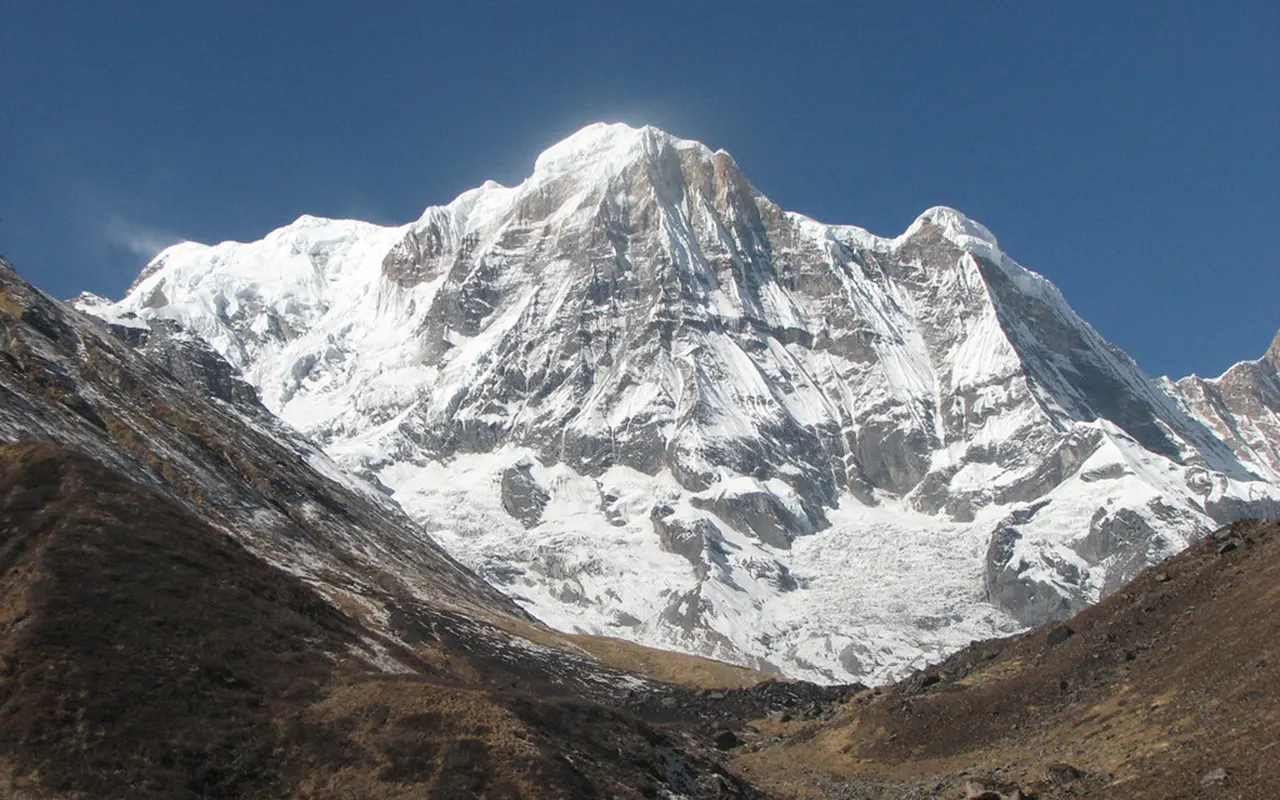
Annapurna Base Camp Climate Overview
Annapurna Base Camp weather changes quickly because the trek passes through different elevations, forests, river valleys, and open alpine terrain. That is why the weather in Jhinu Danda, Chhomrong, Deurali, and ABC itself can feel very different on the same day. This is also why trekkers often talk about microclimates in the Annapurna region.
At the base camp level, temperatures are much lower than in Pokhara or Kathmandu. In autumn, daytime temperatures at ABC are often around 5°C to 15°C, while nights can fall to around -5°C. In winter, temperatures can drop much lower, and snow becomes more likely. In spring, conditions are usually more comfortable, though mornings and nights are still cold.
The Annapurna region follows two broad weather patterns. Spring and autumn are the main trekking seasons because the weather is more stable and the views are usually clearer. Monsoon brings rain, wet trails, clouds, and a higher chance of landslides. Winter is drier than monsoon, but colder, and snow can make the upper section more difficult.
Annapurna Base Camp Weather by Month
January
January is one of the coldest months on the Annapurna Base Camp trek. At higher elevations, mornings and nights are very cold, and temperatures can drop well below freezing. Snowfall is possible around Deurali, Machhapuchhre Base Camp, and ABC, which may make the trail slower and more tiring.
The main advantage of trekking in January is the quieter trail. You may find fewer trekkers and a more peaceful teahouse experience. On clear days, mountain views can still be very good. The downside is the cold, the risk of snow-covered sections, and the need for better winter gear. January is usually better for trekkers who already have some mountain experience.
February
February stays cold, but it often feels slightly easier than January. Snow can still be present on upper sections, yet longer sunny periods begin to appear as winter slowly shifts toward spring. Clear views are common on good days, and the trail is usually less crowded than in peak months.
This month can work well for trekkers who want a quieter route and do not mind cold mornings and nights. You still need warm layers, gloves, a proper sleeping bag, and some flexibility in case snow affects the upper trail. February is not the easiest month, but it can be rewarding if you prepare well.
March
March marks the beginning of spring and is one of the most popular months for the Annapurna Base Camp trek. Temperatures start to improve, the days become more comfortable for walking, and the skies are often clear enough for very good mountain views. Rhododendron forests also begin to add more color to the trail in many sections.
March is a strong choice for trekkers who want a balance of comfortable weather and beautiful scenery. Nights are still cold at higher altitude, but overall trekking conditions are much friendlier than in deep winter. Because it is a popular month, booking teahouses and transport a bit earlier is a good idea.
April
April is often considered one of the best months for Annapurna Base Camp. The weather is usually stable, temperatures are moderate, and visibility is often excellent, especially in the mornings. The spring flowers are much more visible and the path seems alive without the rain that falls all the time in monsoon.
This month suits both first-time trekkers and experienced hikers. The trail is active, teahouses are open and functioning well, and daily walking conditions are generally pleasant. The only real drawback is that April is busy, so popular lodges can fill early in some villages.
May
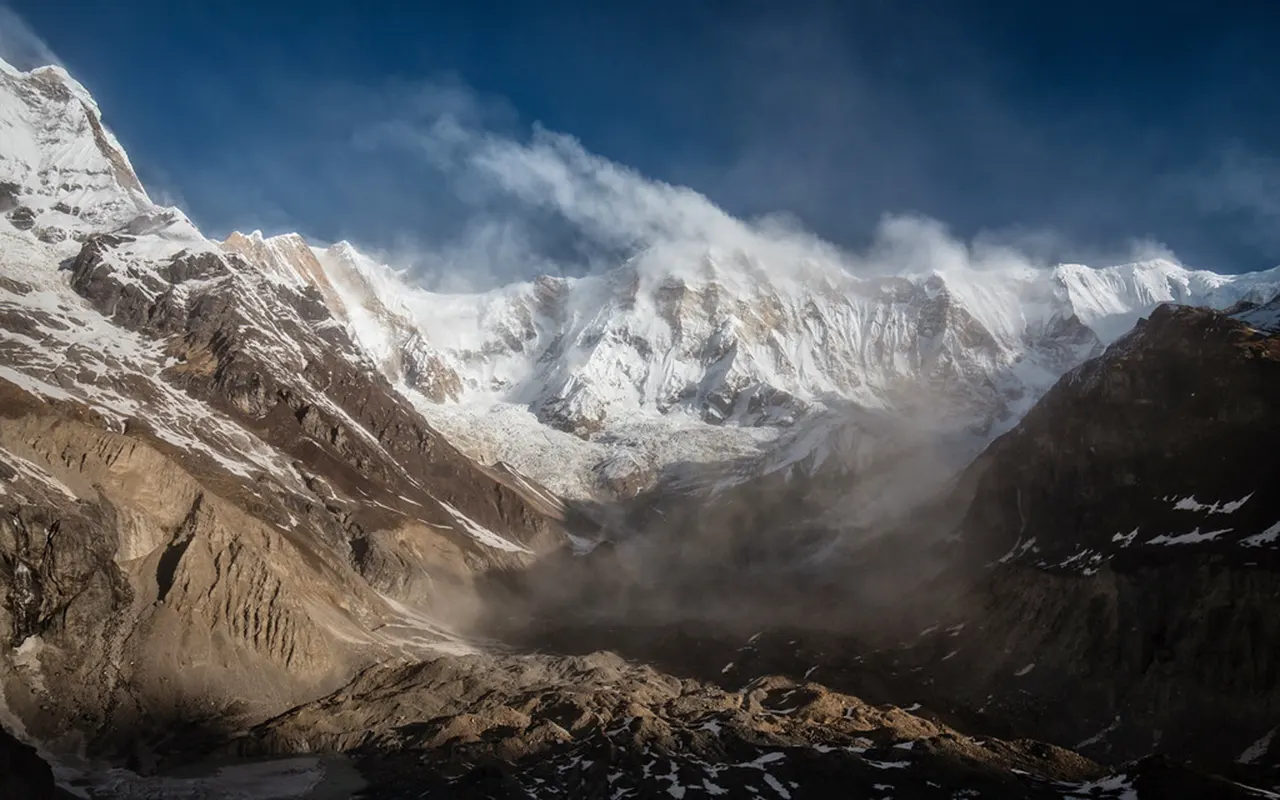
May is still a good month for trekking to ABC, especially in the first half. Temperatures are warmer, and the trail remains manageable, but signs of pre-monsoon weather usually begin to appear. As the month goes on, haze, cloud buildup, and occasional rain become more common, especially in the afternoon.
For trekkers who prefer slightly warmer conditions, May can be a practical option. Still, it is wise to start walking early each morning because weather often becomes less clear later in the day. Views may not stay open as consistently as in March or April.
June
June is the beginning of monsoon conditions in much of Nepal. Rain becomes more frequent, the trail gets muddy and slippery, and lower forest sections can have leeches. Clouds also reduce mountain visibility, which means you may trek for hours without seeing the peaks clearly.
There are some advantages. The route is greener, the crowds are lower, and the atmosphere feels quieter. But for most trekkers, June is not the ideal time for Annapurna Base Camp. Extra caution is needed because wet trails and unstable slopes can increase risk.
July
July is usually the wettest and most difficult month for the trek. Heavy rainfall, slippery stone steps, wet clothing, leeches, low clouds, and possible landslides make the trail more challenging. Visibility is often limited, so even if you complete the trek, you may not get the mountain views you hoped for.
This month is better avoided by beginners. Trekking is still possible in some cases, but the experience depends heavily on local conditions. If someone chooses July, they should be ready for delays, rain protection needs, and a flexible schedule.
August
August continues the monsoon pattern. The landscape is lush and green, and rivers and waterfalls are stronger, but rain and cloud remain common. Trail surfaces may still be muddy, and the chance of slipping stays high. Leeches are also still a concern in lower, humid sections.
Some trekkers like the quiet trail and green hills of August, but this month is still not ideal for clear views or easy walking. If your main goal is mountain scenery and stable weather, August is not the best fit.
September
September is a transition month. Early September can still feel like monsoon, but conditions often improve as the month moves forward. Trails begin to dry, the air becomes fresher, and visibility gradually gets better.
Late September can be a very good time to trek, especially for people who want to arrive just before the busiest autumn rush. It is smart to keep some itinerary flexibility in early September because leftover rain can still affect the trail.
October
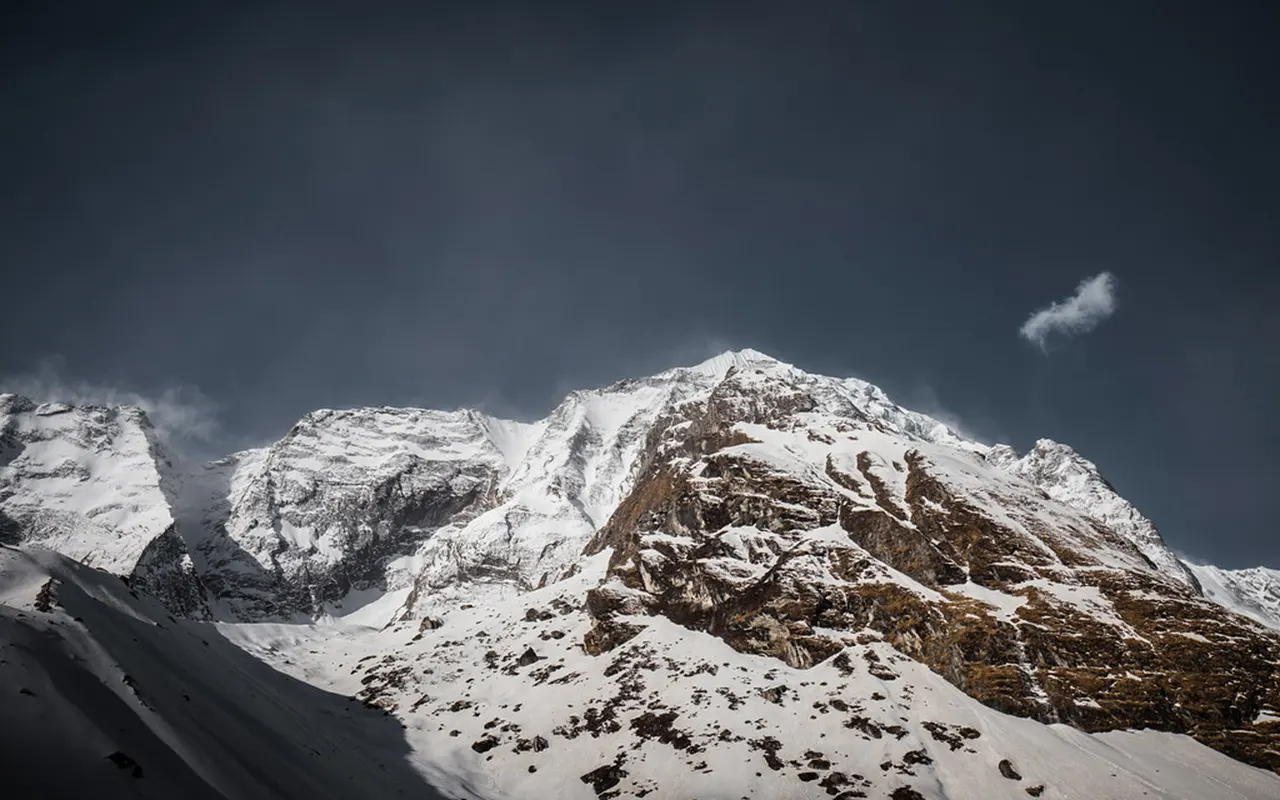
October is widely seen as the best overall month for Annapurna Base Camp. After the monsoon, the skies are often clear, the mountain views are usually at their best, and the trail conditions are generally dry and reliable. Temperatures are comfortable for walking, though nights at higher altitude remain cold.
Because of these conditions, October is one of the busiest months on the route. Teahouses, flights, and transport can fill quickly. Still, for many trekkers, the clear weather and steady conditions make October the top choice.
November
November is another excellent month for Annapurna Base Camp. The weather remains dry in many cases, visibility is often strong, and the air feels crisp and clean. Compared with October, some routes may feel slightly less crowded, which many trekkers appreciate.
As the month progresses, temperatures begin to drop more noticeably, especially in the early morning and after sunset. Even so, November remains one of the best times for trekkers who want clear views and stable weather without the full peak-season pressure of October.
December
December marks the start of the colder winter pattern. Early December can still offer decent trekking conditions, especially on clear days, but temperatures fall steadily. Higher sections become colder, and snow risk increases later in the month.
For trekkers who want quieter trails and are prepared for the cold, December can still be a reasonable option. However, winter gear becomes more important, and flexibility matters more in case upper trail conditions change.
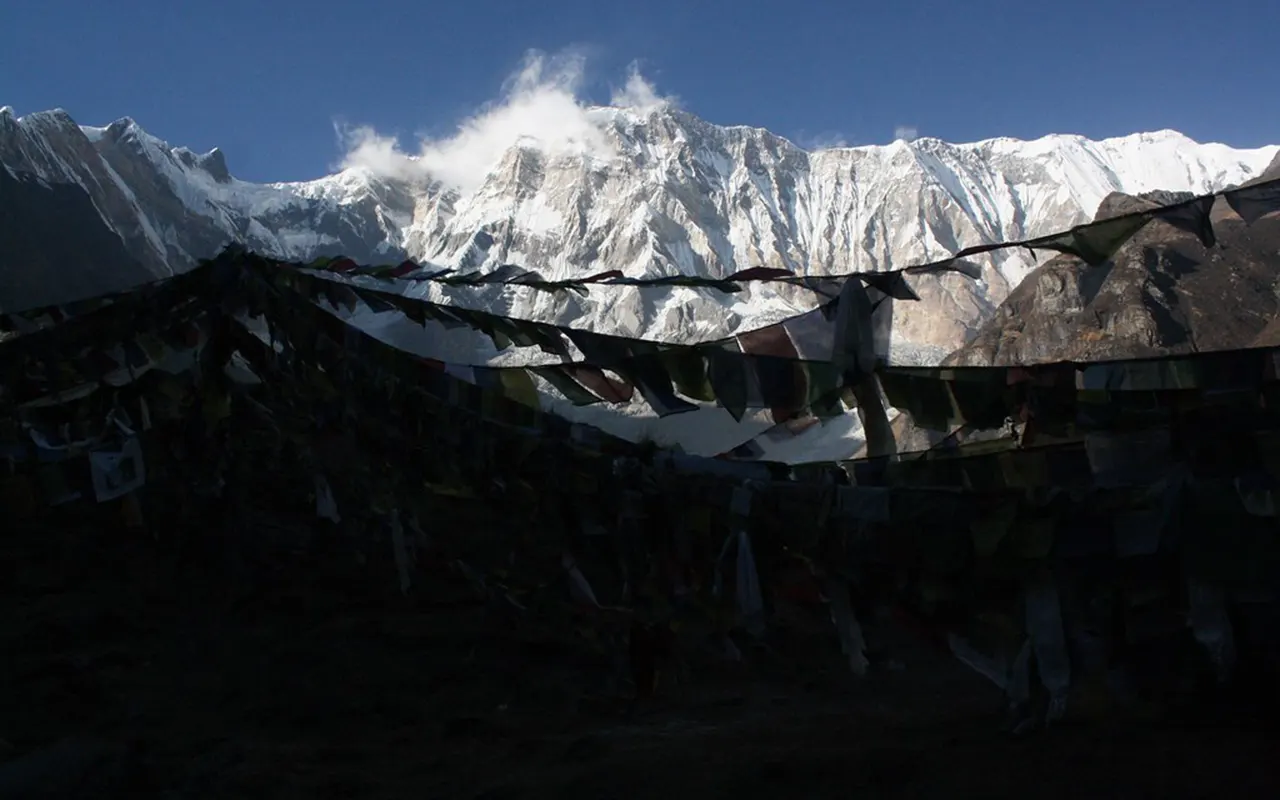
Seasonal Weather Summary
Spring (March to May)
Spring is one of the best seasons for Annapurna Base Camp. March and April are especially popular because the weather is usually stable, the temperatures are more moderate, and rhododendron forests add color to the route. May is still workable, but pre-monsoon haze and cloud become more common.
This season is a good choice for trekkers who want comfortable weather, colorful landscapes, and a lively trail atmosphere.
Monsoon (June to August)
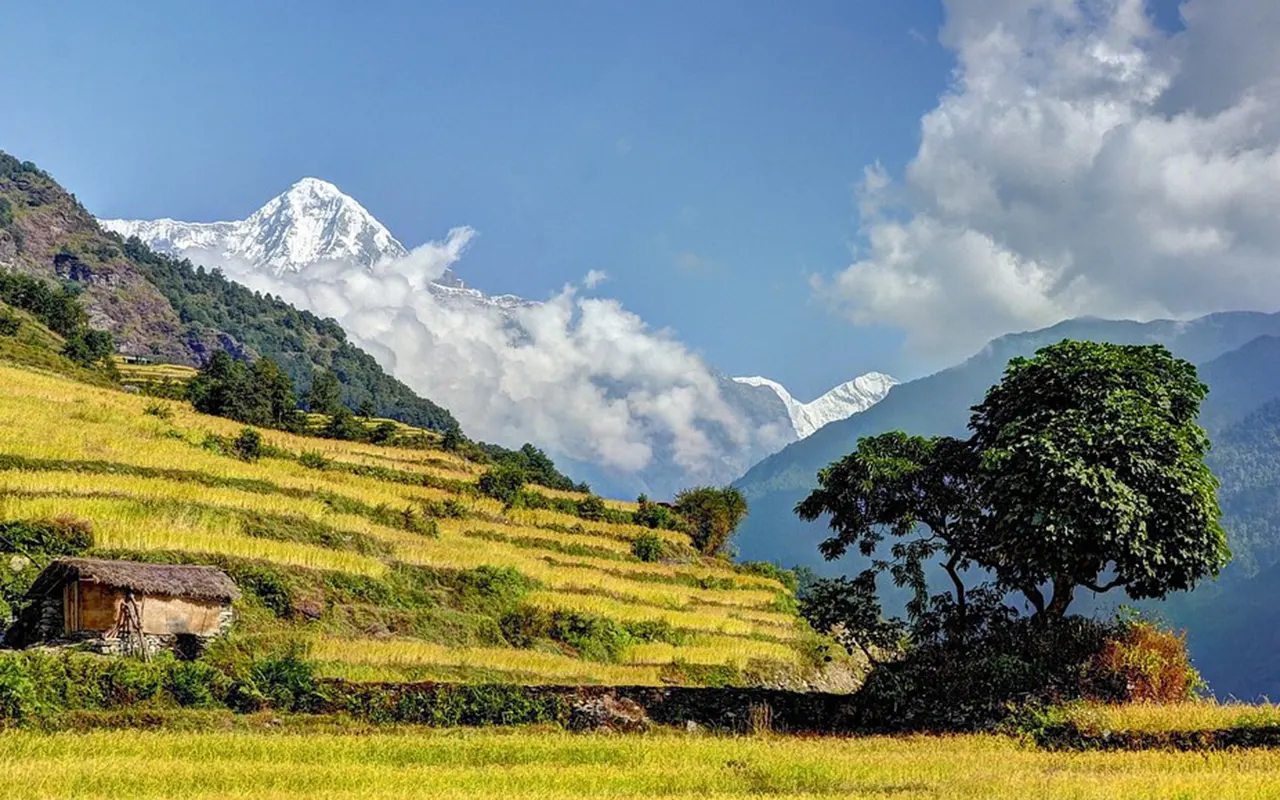
Monsoon is the least recommended season for most trekkers. The walk is more difficult and unpredictable due to rain, slippery trails, cloud cover, leeches and potential landslides. The scenery is green and fresh, whereas mountain views are far less reliable.
Experienced trekkers who are aware of the trade-off and do not mind wet conditions can enjoy this season.
Autumn (September to November)
Autumn is the best overall season for Annapurna Base Camp. Post-monsoon skies are usually clearer, temperatures are comfortable for trekking, and trail conditions are among the most reliable of the year. October and November are especially popular for these reasons.
If your main goal is clear mountain views and steady weather, autumn is the safest choice.
Winter (December to February)
During winter trekking is also possible, though it is colder and more challenging. Snow can affect upper sections, and nighttime temperatures drop sharply. The advantage is fewer trekkers and a quieter experience.
This season is better for trekkers who can handle cold weather and want a less crowded route.
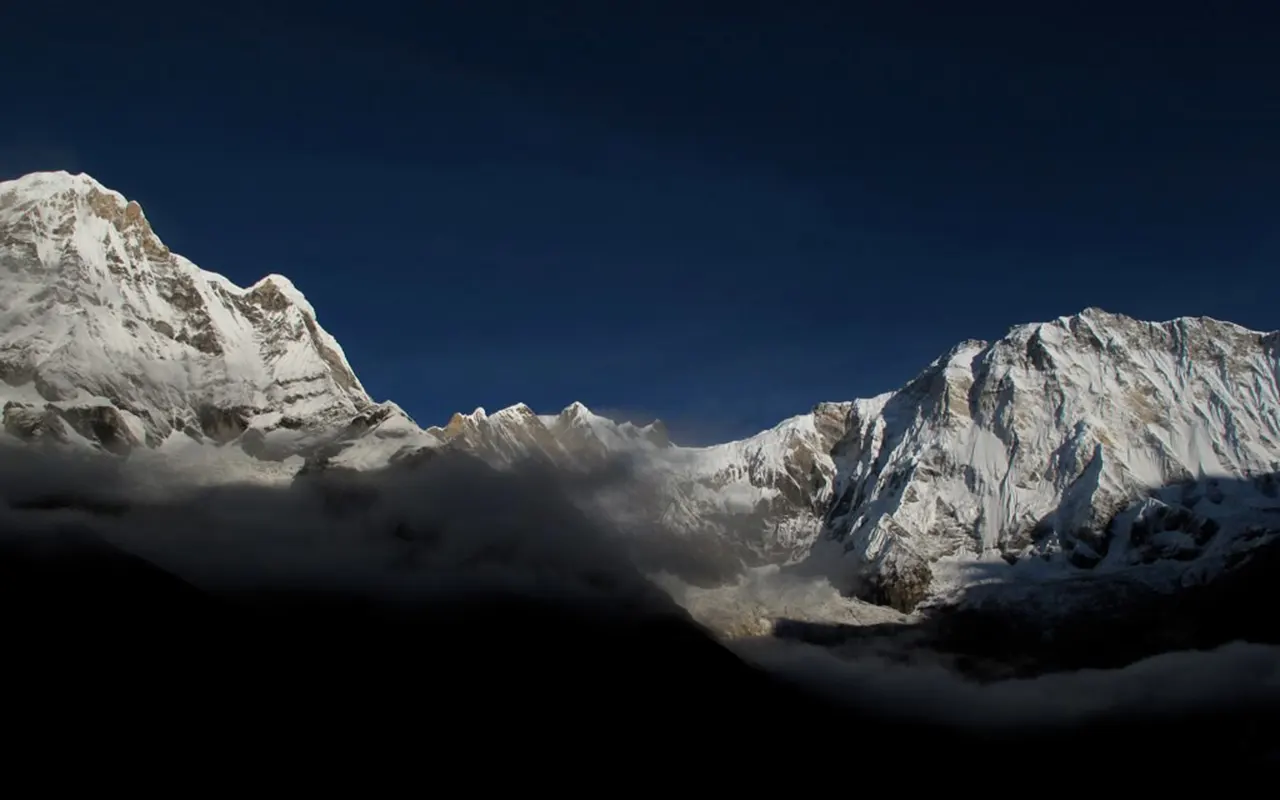
Temperature Chart by Month
Below is a simple travel-friendly temperature guide for Annapurna Base Camp. These figures are approximate because mountain weather changes quickly by altitude, time of day, and local conditions.
| Month | Approx. Day Temperature | Approx. Night Temperature | General Condition |
| January | 0°C to 5°C | -10°C or lower | Very cold, snowy |
| February | 2°C to 7°C | -8°C to -10°C | Cold, clearer days |
| March | 5°C to 10°C | -6°C to -2°C | Good spring weather |
| April | 7°C to 12°C | -2°C to 0°C | Stable and popular |
| May | 8°C to 15°C | 0°C to 5°C | Warmer, some haze |
| June | 10°C to 16°C | 5°C to 7°C | Rain begins |
| July | 10°C to 16°C | 6°C to 8°C | Wet monsoon weather |
| August | 10°C to 16°C | 6°C to 8°C | Rainy and humid |
| September | 8°C to 15°C | 3°C to 5°C | Improving conditions |
| October | 5°C to 15°C | Around -5°C | Clear and dry |
| November | 5°C to 12°C | -5°C to 0°C | Cool and clear |
| December | 2°C to 8°C | -8°C to -5°C | Cold and quieter |
The October daytime and nighttime range above is directly supported by recent trekking guidance, while the broader month-by-month pattern aligns with current seasonal trekking sources for ABC and Nepal trekking seasons.
Best Time to Trek Annapurna Base Camp
If you want the best balance of weather, trail condition, and visibility, the top three months are March, April, and October. These months stand out because they usually offer the most stable conditions and the clearest views.
March is a good choice for spring color and comfortable walking conditions. April is one of the most reliable months overall. October is often the best month for clear post-monsoon skies and dependable mountain views.
For fewer crowds, consider late February, May, late September, or November. They can be rewarding months nonetheless, though the weather can be colder, more hazardous, or even slightly less stable, depending on the particular week.
What to Pack Based on Weather
You should have a packing list that is seasonal. During winter, you require a warm down jacket, thermal base layers, gloves, warm hat, thick socks and a sleeping bag that fits cold nights. In spring and autumn, layering is still important, but the daytime walk usually feels more comfortable.
For monsoon and shoulder months, rain protection becomes very important. Carry a waterproof jacket, backpack cover, quick-dry clothing, and extra socks. Good trekking poles also help a lot on wet or uneven sections. Across all seasons, the best strategy is layering. That makes it easier to adjust to warm afternoons, cold mornings, and sudden weather changes.
Weather Challenges and Safety Tips
The biggest weather-related challenges on the ABC trek are cold nights, sudden cloud cover, wet trails during monsoon, and altitude effects. Because ABC is at 4,130 m, trekkers should not treat this as a simple low-hill walk. Slower pacing, proper rest, and watching your condition matter in every season.
During monsoon, slippery steps, leeches and landslide prone areas are the main hazards. During winter, the worry is about snow, ice and lower temperatures at night. In all seasons, it is wise to check local forecasts, ask guides or teahouse owners about upper trail conditions, and start walking early in the day when weather is usually more settled.
Pro Trekking Tips by Month
In peak months like March, April, October, and November, book transport and teahouses earlier if possible. These periods are popular, and good rooms can fill quickly in busy villages.
If you trek in May or September, start your daily walk early because cloud and weather changes often build later in the day. In monsoon months, allow extra buffer days in case rain affects your pace. During winter, it is better to bring warmer clothes than you believe you will need, particularly when it is night and you have to stop above lower villages.
A guide is recommended throughout all seasons but is more so during winter and monsoon when it is hard to predict the trail conditions. Current trekking guidance also recommends guides and proper preparation for safety and route awareness.
FAQs About Annapurna Base Camp Weather
- What is the coldest month at Annapurna Base Camp?
January is usually the coldest month, with freezing nights and a higher chance of snow on the upper trail. - Can you trek Annapurna Base Camp during monsoon?
Yes, but it is harder due to rain, muddy trails, leeches, cloud cover, and possible landslides. It is not ideal for beginners. - When is the clearest mountain view at ABC?
October and November are often best for clear views because the post-monsoon sky is usually cleaner and more stable. - Is winter trekking to ABC safe?
With proper gear, good planning, and safety it can be safe but cold and snow make it more challenging.
Conclusion
It is possible to go to Annapurna Base Camp at any month of the year, however, the experience varies significantly depending on the weather. March, April, October, and November are the most suitable months to be considered by the majority of people as they are clearer, have better conditions on the trail, and are more comfortable to trek. Monsoon months are greener but much wetter and riskier, while winter months are quieter but colder.
So the best time really depends on your goal. If you want the easiest weather, choose autumn or spring. If you want fewer crowds, look at November, late February, or early December. If you want to plan safely, match your season with the right gear, a realistic itinerary, and up-to-date local weather checks. That way, your Annapurna Base Camp trek is more likely to feel comfortable, smooth, and worth the effort.


