notification

Great News, From June 2025 Mount Kailash is open for individuals holding Indian Passports

Eco Tour in Nepal: Everything You Need to Know

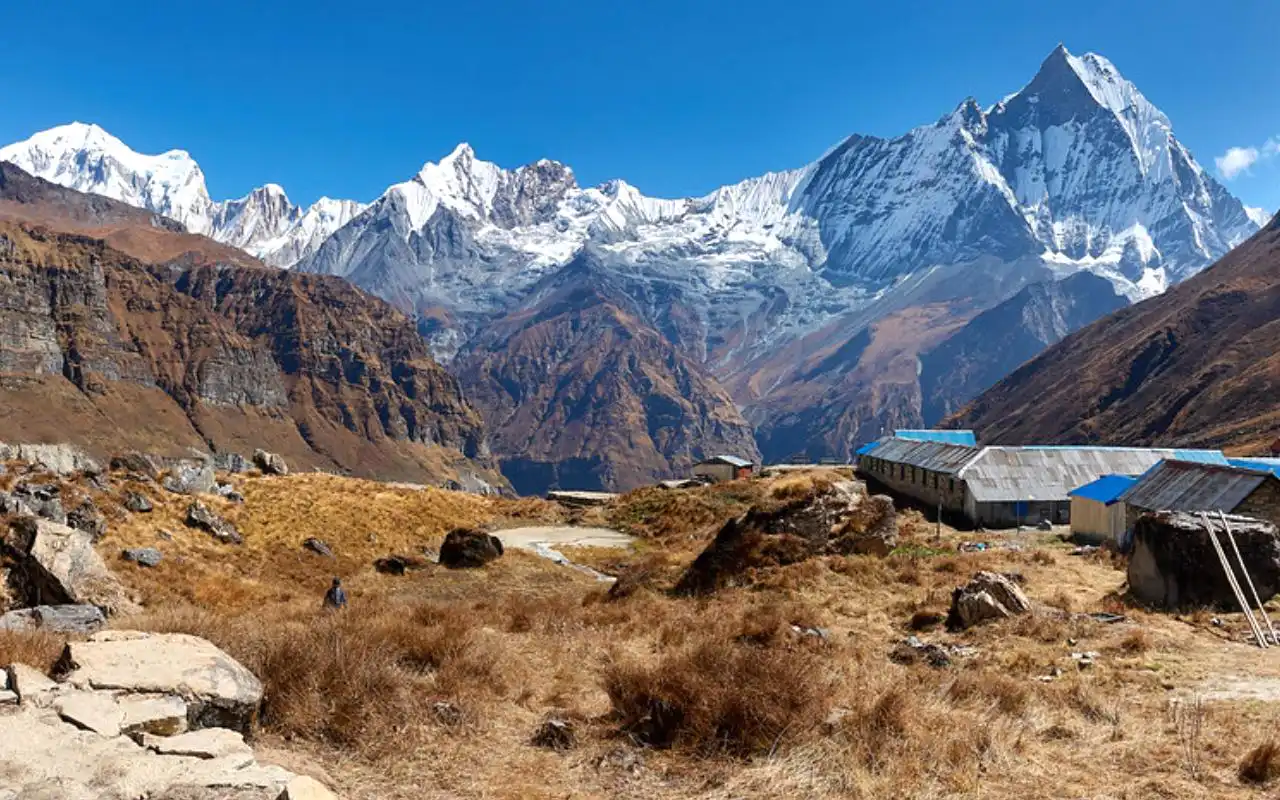
ABC Panorama
ABC Panorama

The country of Nepal, the country of sky-embracing mountain ranges, jungles, and living traditions, is a natural eco-tourist country. An eco tour in Nepal is a form of traveling that places the community and nature at the center stage. Rather than augmenting the others in the attraction sites, it is keen on responsible experiences that conserve the environment and sustain the people residing in it.

This in Nepal usually includes walking through untouched sceneries without footprints, staying in village homestays as opposed to big hotels, and appreciating culture in an appreciative and meaningful manner.

The country of Nepal is particularly apt for eco tours due to the stunning variety. You can travel from snow mountains to subtropics full of wildlife in a short distance. This Natural diversity is a source that attracts tourists who would like to enjoy nature and preserve it. The cultural diversity in the country is equally impressive.

There are over a hundred ethnic communities residing in Nepal, and many of them inhabit isolated areas where people still stick to their ancient ways of life. Eco tours will provide an opportunity to experience everyday life with these people, whether it is a local meal or a festival.

Nepal is focusing on sustainable tourism so that it preserves the environment and is conscious of cultural heritage and traditions being adopted, and tourism has a tangible advantage to the villagers. An eco tour, in this case, implies responsible traveling and possibly aiding in conserving the beauty of Nepal in the future.

What is eco tourism? (Concept & meaning)

Eco tourism is not just a trend in traveling. It is a conscious approach to the exploration of the world in a manner of taking care of nature and human beings that dwell near it.

Eco tourism is simply visiting the natural locations responsibly in such a way that ensures that the environment, the local community, and also provides education in the process. An eco-tour does not simply mean visiting beautiful places. It is about how you visit them.

Eco tourism promotes careful decisions, rather than concentrating on comfort or speed. This could involve staying in locally owned lodges, engaging in nature-friendly trekking methods, and getting to know your environment and culture as you enter it. Education plays a key role.

In contrast to mass tourism, which places a great emphasis on volume and profitability, eco-tourism appreciates balance. The point is easy: leave things better than you discovered them, and at least, undamaged.

Eco-tourism tries to uphold the following main principles:

  • Reduce impact: Travel so as to impact the natural environment minimally, including being mindful of where one walks, taking care of the waste, and not encountering wildlife due to carelessness.
  • Enhance environmental and cultural consciousness: Tracing local Biomes and cultures: experience the stories, the guides, and focus on precedent through shared experiences.
  • Conservation direct benefits: Contribute to conservation by means of park, forest, and wildlife protection fees, and responsible operators.
  • Bring economic gain and empowerment to locals: Guarantee the local families retain tourism income by way of guides, homestays, and local businesses.
  • Provide positive experiences to both the visitor and the host: Transform considerate, fulfilling interactions that will be mutually beneficial.

Why should we use an Eco tour in Nepal?

By opting to take an eco tour in Nepal, the rewards will be much more than sightseeing. It gives you the opportunity to explore the beauty and the richness of the country. This makes you aware of the fact that if you visit, you will be contributing to the good. Nepal is an ideal destination to visit in regard to sustainable tourism due to its diverse topography, traditional society, and excellent conservation activities.

Eco tours in Nepal done here are aimed at safeguarding delicate ecosystems and empowering the local people. Every time you trek through the highlands of the village in the mountains, or on your jungle ecology can contribute to conservation and community building. This means no huge resort, mass tourism, and instead a type of slower and more respectful traveling where being connected is more important than consumption.

The model of eco tourism in Nepal also helps to build a close connection between the visitors and locals. You are not merely looking into life. You are eating, trying out adventures, and living together. This brings respect to one another and long memories.

An Eco tour in Nepal is not merely a destination, but the experience that you have in detail.

  • Natural landscape and rich biodiversity: Nepal has a wide variety of ecosystems; whether it is the Himalayas or the Terai jungles, Nepal has it all, with the help of responsible tourism.
  • Cultural diversity and traditional ways of living: Get to know ethnic communities that do not abandon centuries-old traditions they keep, and which are connected closely with nature.
  • Support local communities: Travel on your part directly creates employment and income in comparison to local guides, homestays, and small businesses.
  • Environmental conservation benefits: The park fees and eco activities contribute to the conservation of the wildlife, forest, and sensitive mountain environment.

Ultimately, an eco-tour in Nepal will see you spending the right way, leaving more than footprints.

Nepal has a diverse number of eco-tourism sites at which the activities of conservation of nature and community co-exist. Eco travelers can enjoy Nepal in high Himalayan trails, low-lying jungles, and rural villages quietly with their travel, one that helps the locals earn a living.

Annapurna Conservation Area
Mt Annapurna
Mt Annapurna

The biggest conservation area in Nepal, as well as an international testament to community-based eco-tourism, is Annapurna. Trekkers explore forests, the Alps, and the traditional villages, and spend their time in the locally managed lodges and homestays. Permit fees help in conservation, schools, clean water projects, and garbage collection; hence, tourism is a plus to people and nature.

Langtang Region
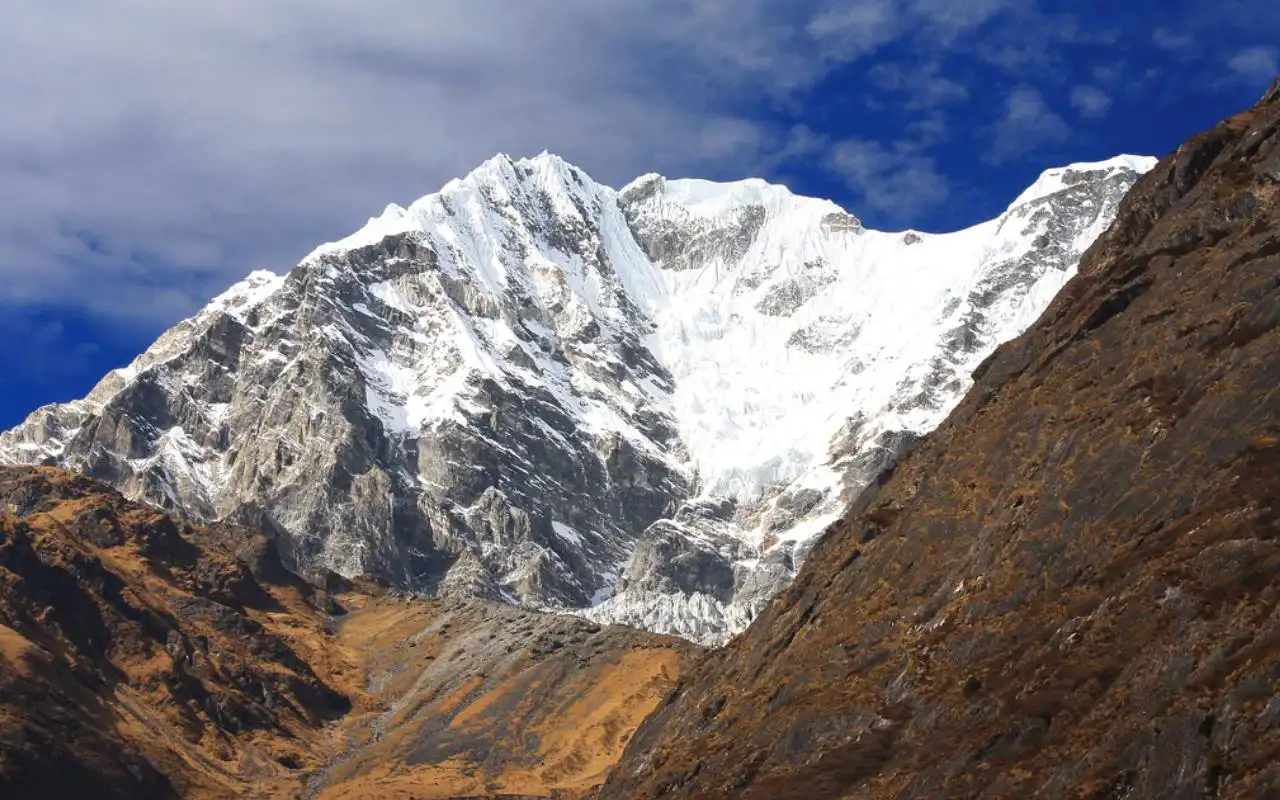
Langtang
Langtang

Langtang is north of Kathmandu, but it is serene, allowing mountain scenery with a good cultural immersion. The Tamang Heritage Trail emphasizes homestays, traditional food, monasteries, and life in the village. The area has also been able to rebuild and recover following the earthquake of 2015 through sustainable tourism.

Chitwan National Park
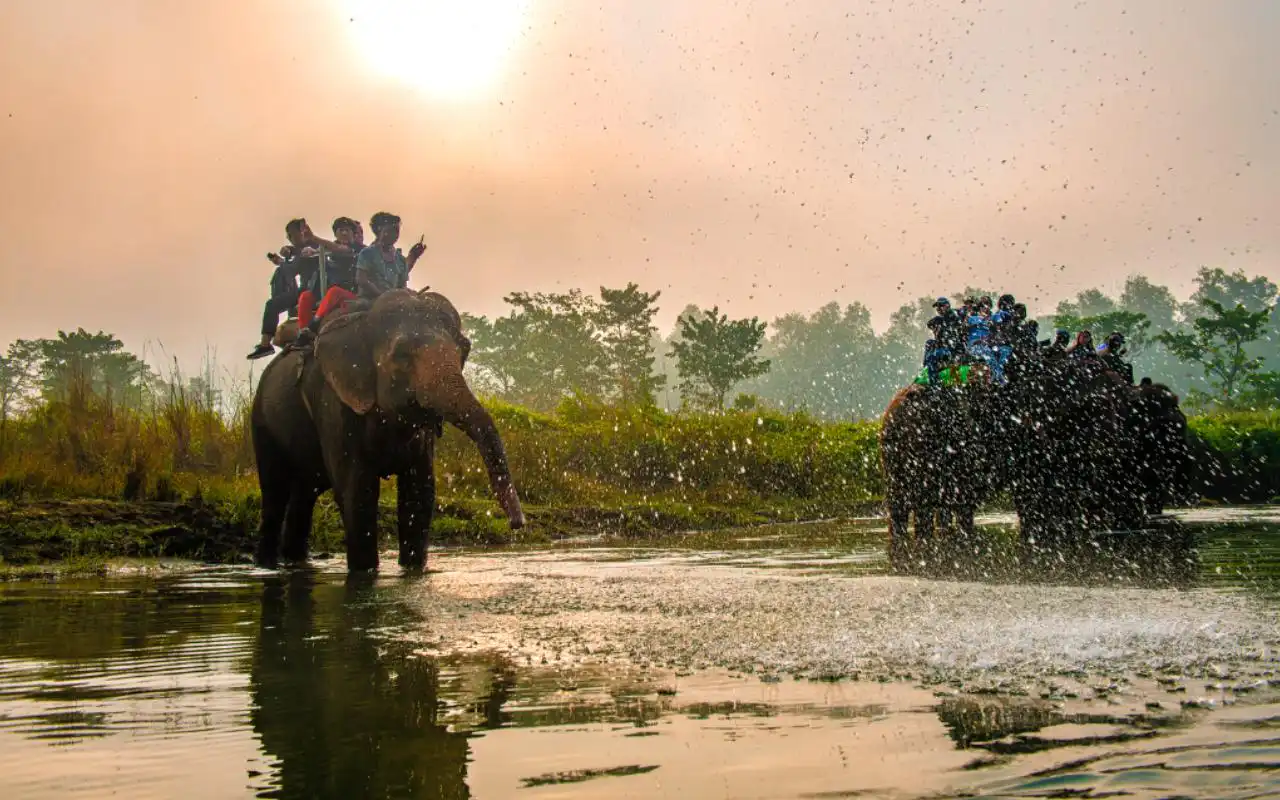
Elephant Safari in Chitwan National Park

One of the most popular eco tourism attraction sites in Nepal is Chitwan. The responsible safaris, jungle walks, and canoe rides are conservation-oriented, involving the local people, the Tharu, through the homestays and cultural programs.

Bardia National Park
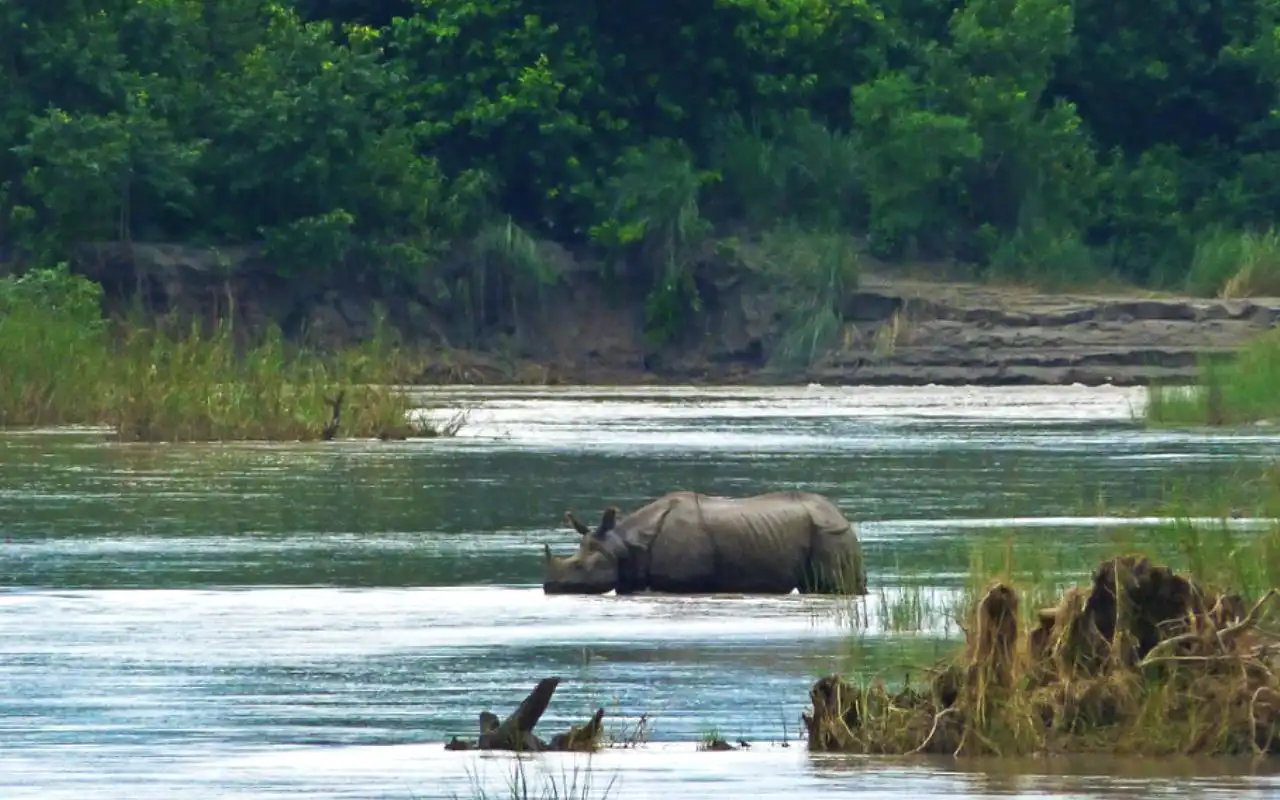
One Horned Rhino spotted in Bardia National ParkOne Horned Rhino spotted in Bardia National Park
One Horned Rhino spotted in Bardia National Park

Bardia is more secluded and peaceful in the jungle. Community homestays, small-group safaris, and walking tours offer in-depth wildlife experiences, as well as boost the strength of the local villages.

Rural Villages & Homestays
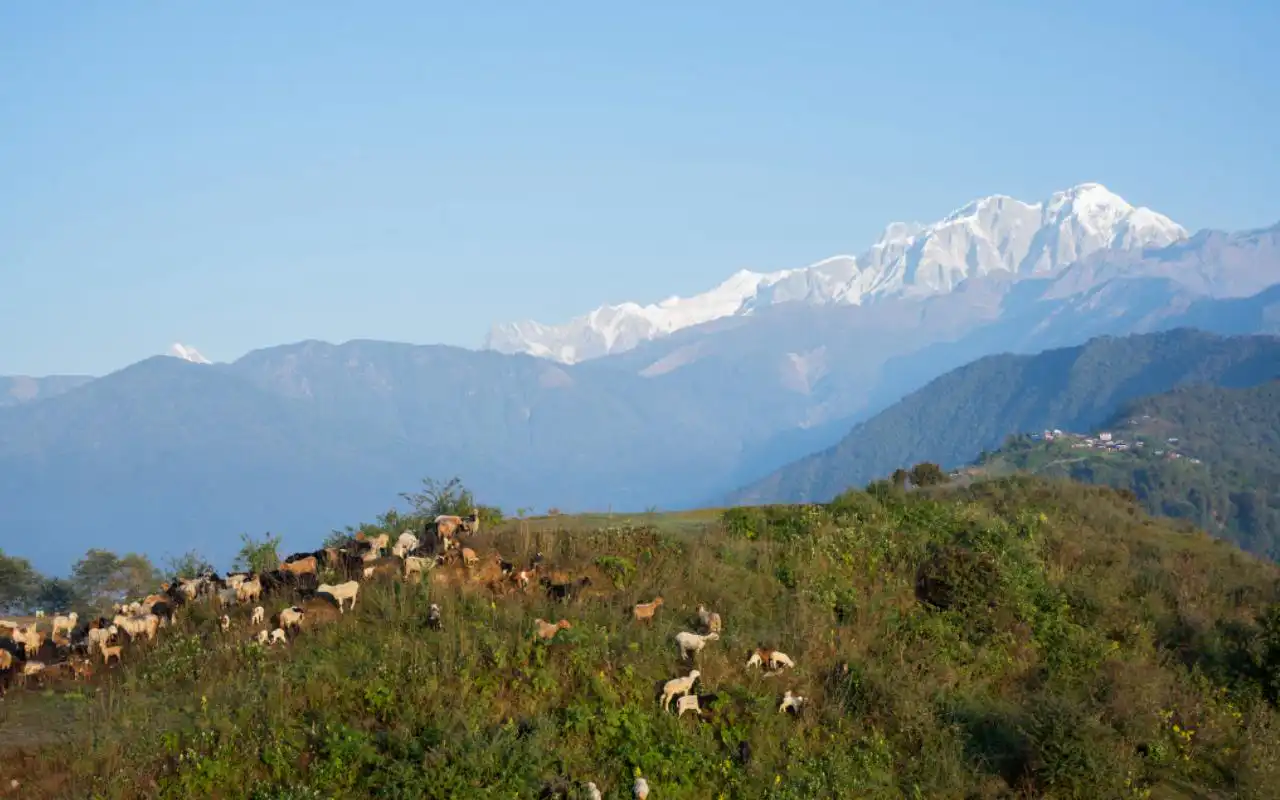
Ghale gaun, Eco tour in Nepal

Sirubari and Ghalegaun are two examples of village tourism that allow one to taste the real life of a rural setting. Homestays distribute revenue, save culture, and facilitate low-impact and sustainable travel throughout Nepal.

Eco-Friendly Activities in Nepal

The activity involved in an eco tour in Nepal makes it one of the best. Rather than inactive tourism, you are involved in activities that are eco-friendly to nature and promote local populations.

  • Eco Trekking and Hiking: Responsible trekking refers to following trails, not using plastic waste, staying in sustainable teahouses, and having small groups. Environmentally friendly tours encourage the use of reusable water containers, solar energy, and local guides. This type of mountain tour is meaningful and gratifying.
  • Homestay programmes in the community: The Level of cultural immersion is important in village homestays. You eat with families and assist them with their daily chores, you learn local cooking, and you can attend cultural events. The direct impact of your stay is brought to households and the preservation of traditions.
  • Wildlife viewing and bird watching: Guided walks, Jeep safari, Canoe Ride, in the forests such as Chitwan and Bardia are dedicated towards ethically responsible viewing of wildlife. The practice of bird watching in wetlands, forests, and hills is particularly low-impact learning and educational.
  • Cultural exchange programs: These involve monastery stay, village volunteering, cooking classes, weaving classes, and evenings of storytelling, which promote true cultural exchange.
    Agro-tourism and village tours: When you visit farms, tea gardens, coffee plantations, and orchards, you get to experience the agricultural life of Nepal and, at the same time, ensure sustainable farming.

The combination of these activities results in a meaningful, intimate, and strongly Nepalese travel.

Best Time for Eco Tour in Nepal

The climate of Nepal varies radically according to the altitude, and therefore, the season of your eco tour activities is what you are planning. Both seasons present different activities to nature enthusiasts and environmentally conscious visitors.

Spring season (March -May): The spring is lively and vibrant. Hills and hiking paths are covered with rhododendrons, forests are fresh, and wildlife becomes more active. In hills and mountains, it has moderate temperatures and hence a good season to go eco trekking and visit birds. Cultural festivals such as the Holi and Nepali New Year enhance the trip.

Autumn season (September-November): Autumn (September–November) is the most popular time of the year when people go on eco-tours. It is trekking and sightseeing because of the clear skies, good weather, and clear mountain views. Principal festivals such as Dashain and Tihar are more deeply cultural, but just in time trails are more popular.

Unique eco travel off-season: jungle safaris and quiet hikes (low altitude) are best in the winter (December-February) and rain-shadow areas and green havens in the monsoon (June-August). Off-season travel reduces crowding and enables the locals to earn a living throughout the year.

Altogether, eco-tourism does not have a bad season in Nepal. The optimal time is relative to your interests, speed, and the type of experience that you would want.

How Eco-tourism Benefits Local Communities

Eco-tourism in Nepal brings benefits to the local communities besides providing benefits via meaningful traveling.

Employment: It generates guides, porters, cooks, and hosts for the homestay. A locally owned project has the advantage of keeping income inside the community, which enables families to afford education, healthcare, and home improvements. In walking areas such as Annapurna, tourism part of a living for many.
Women’s empowerment: Income and confidence through the homestays and community tourism support women’s empowerment. They take care of reservations, prepare dishes, sell goods, and occasionally take the role of a guide. The money earned usually finances the education of children and the well-being of the family, which could slowly alter traditional functions.
Preservation of culture: Tourism also helps in preserving cultural practices among societies, such as dances, festivals, and handicrafts. The museums and cultural centers established through tourism funding assist in maintaining a pure heritage.
Local economy: Local products have their markets enforced through eco-tourism, including honey, tea, and farm produce. When properly managed, it will alleviate poverty, empower women, sustain culture, and ensure the boosting of economies, such that every visit will be a valuable input.

Environmental Impact of Eco-tours

Eco-tours in Nepal strive to do little harm and may do better for the environment.

  • Decreasing carbon footprint: Trekking, walking, cycling, and paddling will substitute vehicles and ensure a low emission level. Solar panels, biogas, and better cookstoves are being used by many lodges. Carbon is further reduced by slow travel, vegetarian meals, and public transport. Tourists can also contribute to planting trees or cancel flights.
  • Waste management: Eco-tours promote pack in, pack out. Overuse of single-use plastics by means of bans, reusable water bottles, and refill stations minimizes litter. Trekkers can also bring along trash bags that are very small, engage in cleaning activities, and contribute to composting and recycling activities within the villages.
  • Conservation awareness: Guides teach the wildlife, endangered species, climate change, and conservation initiatives in the locality to the traveler. Tourists tend to exchange information and go green in their home countries.

Eco-tours will achieve this by maintaining the environment of Nepal through low-impact travel, minimizing waste, using renewable energy, and educating people about the environment, encouraging people to establish a culture of environmental care.

How to plan an eco-tour in Nepal?

In Nepal, planning an eco-tour can be challenging, but it is highly rewarding. The first step would be to select a responsible tour operator or trekking agency. Raise the point of sustainability policy, treatment of guides and porters fairly, utilization of eco lodges, and the community. The locally owned agencies tend to guarantee better local benefits to villages.

The accommodation decisions are important. Use homestays, teahouses, or eco-lodges which are powered by the sun, composting, or by a low consumption of energy. Little guesthouses found in urban areas are preferable compared to large resorts, which are green. The use of camping must be environmentally friendly: one should not chop firewood, carry portable toilets, or pick up all waste.

The other issue is transportation. Prefer walking, cycling, trekking, or transport. It should never be used to take up helicopter flights unless there is some emergency, and the use of overland routes is needed in order to cut down the carbon emissions. Hitchhiking and using slow travel are also beneficial.

Lastly, comply with the following permits and local regulations. Conservation and protection of wildlife involve targeting TIMS cards, park permits, and community rules. Show respect to signs, dress, and policies on trash disposal.

You can be mindful of your footprint by making well-thought-out and considered decisions, which will enable you to be a sustainable tourist enjoying Nepal.

Eco Travel Tips for Visitors

Environmentally-friendly traveling in Nepal is primarily concerned with behavior. Begin by being respectful towards local culture and practices. Get to know some of the Nepali expressions, such as “Namaste,” dress simply, use shoes where they are not allowed, and ask people before you take their photos. Strictly adhere to the local etiquette concerning religious places and village conventions to demonstrate respect and build goodwill.

Reduce plastic use. Always come with reusable water bottles, purification solutions, single-use cups and bags, and always bring your toiletries. Minimize your impact at lodges or cafes. Refill bottles when at the lodge or cafes and pack out any trash you produce.

Other things to support local businesses include staying in family-owned lodges, dining in local restaurants, and purchasing handicrafts directly from the artisans. Get the local guides and use the Nepali travel agencies, and make your money work towards the community.

Adhere to the rules of leave no trace, follow trails, do not pick the vegetation, as well as disturb a creature, use a toilet where possible, and take away the trash. Remember to keep the noise to a minimum and do not take any plant, wildlife, or cultural artifacts.

The practices are designed to conserve the environment and culture of Nepal and add more flavor to your experience during the trip, which creates a positive experience among both the locals and the visitors.

Nepal Eco Tour vs Traditional Tour

Sustainability and Impact: Eco-tours reduce environmental degradation and help in the empowerment of the local communities, whilst traditional tours tend to emphasize comfort and speed.

An example is hiking to the lower trailheads, accommodation in solar-powered lodges, local food consumption, and participation in conservation efforts, all of which help lower the carbon footprint and positively impact villagers.

Experience and Engagement: Conventional tours are structured and lack interaction with local people. The eco-tours move at a slower pace, and they provide homestays, attend festivals, cook with locals, and volunteer. Tourists receive a better cultural understanding and experience.

Cost and Value: Eco-tours are often affordable, and sometimes it is cheaper than the traditional touring experience, and the money that is usually paid directly to guides, families, and conservation projects is the true value at a low price.

Long-Term Benefits: Eco-tourism conserves the environment and culture, making tourism sustainable. Visitors also go home with more experiences, and classical tourism may go to lengths of overstraining facilities and undermining authenticity.

Eco-tours in Nepal offer meaningful activities, sustainability, and fostering of the local community, therefore making them a better alternative that should be adopted by the travelers who wish to witness how the country survives.

Eco-tourism challenges in Nepal

The eco-tourism in Nepal is facing a number of challenges, even though it has potential. Poor roads, electricity, inconsistent communication, and insufficient healthcare in remote parts of these nations are limitations to infrastructure, which make it challenging to deliver comfortable and environmentally friendly experiences.

Another problem is the awareness of tourists; most of them do not follow the principles of eco-tourism, litter, or the desire to respect local culture, which in turn needs constant education and qualified guiding services.

Finding a balance between tourism and planned conservation is a fine task- congestion, trail destruction, deforestation, and wildlife disruption need to be controlled as the local income would need to be sustained.

The environment and weather patterns are also hazardous, like climate change, landslides, floods, and earthquakes, which present a threat to trails, heritage sites, and visitor safety, and require robust planning.

There are also barriers related to the economy and marketing; most treks and homestays are in communities and are not promoted, and tend to be hard to lure visitors during lean times, such as pandemics.

These problems can only be solved by the government, the community, the responsible traveler, and investment in sustainable infrastructure. Nevertheless, the eco-tourism in Nepal is changing with challenges, with innovation, and dedicated partnerships with the objective of realizing a sustainable future.

Future of Eco Tourism in Nepal

The future of eco-tourism in Nepal is a bright one because of the favorable government policies, empowerment of the community, and innovation. Environmental regulations, sustainable village tourism, carrying-capacity limits, and incentives for green businesses are government initiatives.

There is increasing community participation whereby local villagers are running homestays, guiding, and marketing with the majority of the women-led or youth-based ventures. Eco experiences are becoming more diversified than trekking to agro-tourism, wellness retreats, spiritual journeys, adventure sports, and cultural workshops.

The integration of technology will make the marketing, control, and monitoring of ecotourism, including apps, previews in VR, online booking, and GIS-controlled trails, accessible and maintain the human aspect as the fundamental one. Low-carbon treks, renewable-energy lodges, seasonal changes, and carbon offset programs will be steered by climate resiliency.

New locations such as Karnali, Rara, Dolpo, and Makalu-Barun will be developed sustainably, and international partnerships with such organizations as WWF and UNESCO will be involved in conservation-based tourism. The trends equip Nepal to be equipped to provide meaningful, responsible travelling experiences that see communities and nature flourish with tourism.

Conclusion

Eco tourism in Nepal is not just sightseeing, but is responsible and meaningful traveling. When you opt to do an eco tour in Nepal, you will not only be helping in conservation and empowering local communities, preserving culture, but also having a wonderful time of trekking, wildlife, and village life.

Your trip will have a direct impact on national parks, rural people, and the environmental initiatives that will impact positively, even as you go back home.

As difficult as this may seem, the collaboration between governments, communities, travel operators, and travelers can guarantee a successful, robust tourism model. Utilize homestays, employ local guides, and promote sustainability.

In Nepal, eco-tourism relates you not only to nature and culture, but to the purpose, and hence your travel not only to Nepal but to generations to come can have an enduring impact.

FAQs

Is Nepal’s eco-tourism costly?

Eco-tourism is generally affordable, and homestays and local guides can be cheaper than regular tours, but more specific experiences are expensive.

Do families fit well in eco-tours?

Yes, eco tours are suitable for family activities that can be enjoyed by children and elderly members as they get to explore nature, culture, and village life.

What can tourists do to help with eco-tourism?

Eco tourists can also contribute towards conserving the environment by selecting good operators, observing the locals, and giving back to the local societies, as well as embracing sustainability.

Is eco tourism safe in Nepal?

Of course, eco tourism is safe, but with the appropriate preparation, guides, and obedience to the rules of the locals, tourists can have a secure experience in the village, trends, and wildlife.
The Hillary Step: Mount Everest’s Legendary Final Obstacle

Mount Everest
Mount Everest

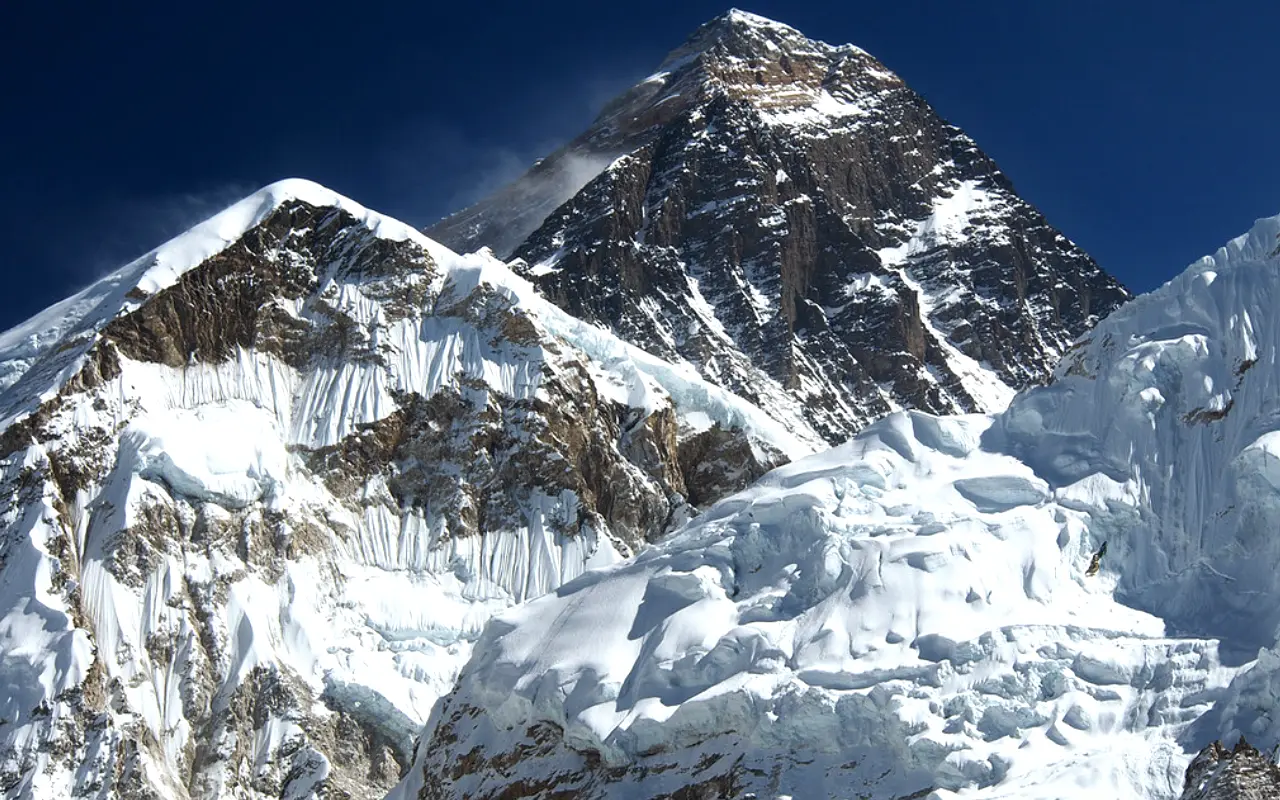
Mount Everest is known for its daunting challenges and iconic landmarks. Among these, one name stands out as particularly legendary: the Hillary Step. For decades, climbers spoke of the Hillary Step with a mix of reverence and apprehension. But what is the Hillary Step exactly? And why did it become such a famous and sometimes feared part of the Everest climb?

In this blog, we will be discussing the story of the Hillary Step. We will describe how it came to be named during the first successful ascent of Everest in 1953, and where it was found on the mountain. We will also see why it was so significant to the climbers and came to be referred to as the last challenge on the way to the summit.

Lastly, we will talk about the developments following the 2015 Nepal earthquake, the transformation or even evolution of the Hillary Step, and the implications of it to the present-day climbers. We will also tell you interesting stories and facts about Everest on the way in a very easy and understandable manner. We should discuss the history of the most popular step on Everest.

What Is the Hillary Step?

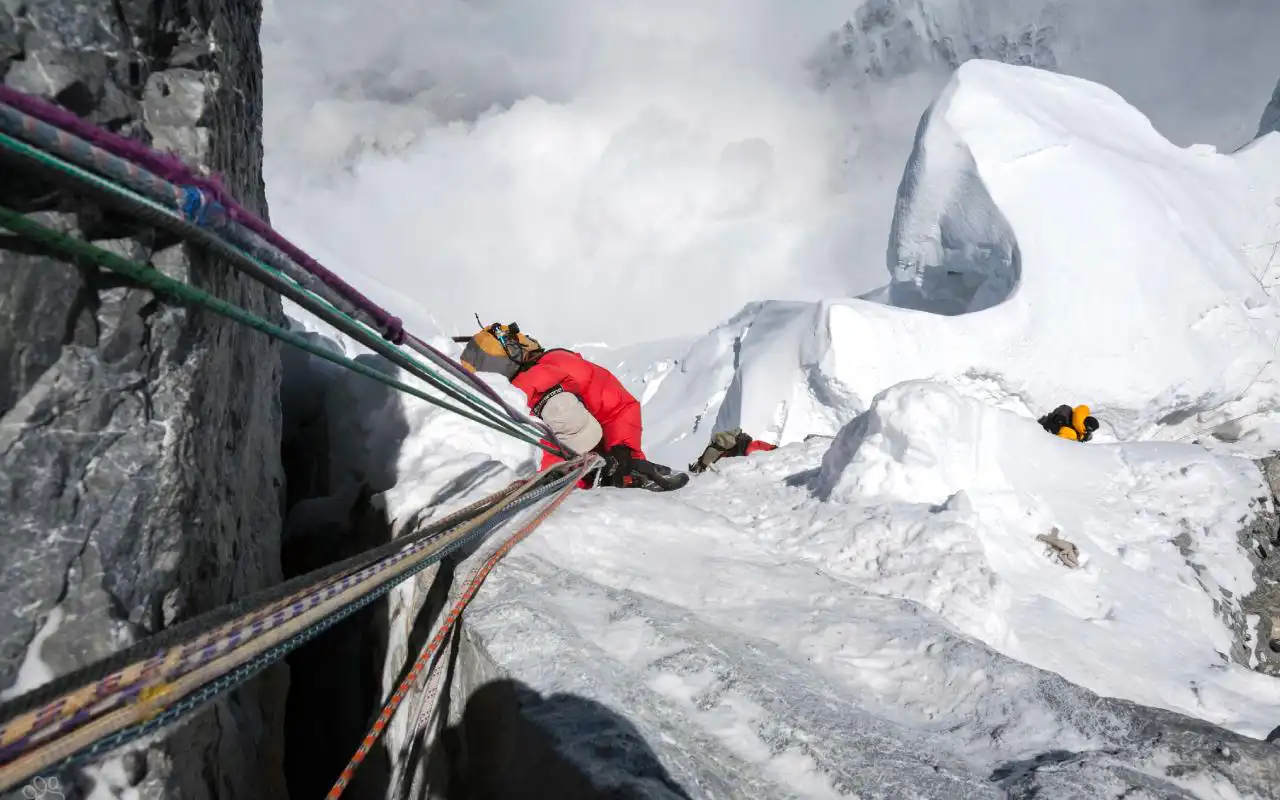
Put simply, the Hillary Step was a nearly vertical rocky outcrop high on Mount Everest, one of the last obstacles climbers faced before reaching the summit. It stood at an altitude of about 8,790 meters (around 28,840 feet) above sea level, just above the South Summit (~8,749 meters) and roughly 60 meters below Everest’s 8,849-meter summit. In mountaineering terms, it was a short rock wall (approximately 12 meters or 40 feet high), perched along the mountain’s southeast ridge.

The Hillary Step was situated between Everest’s South Summit (a secondary peak) and the true summit. On one side of this ridge is Nepal, and on the other side is Tibet; the Step itself was like a narrow gateway on this knife-edge ridge with dizzying drops on both sides.

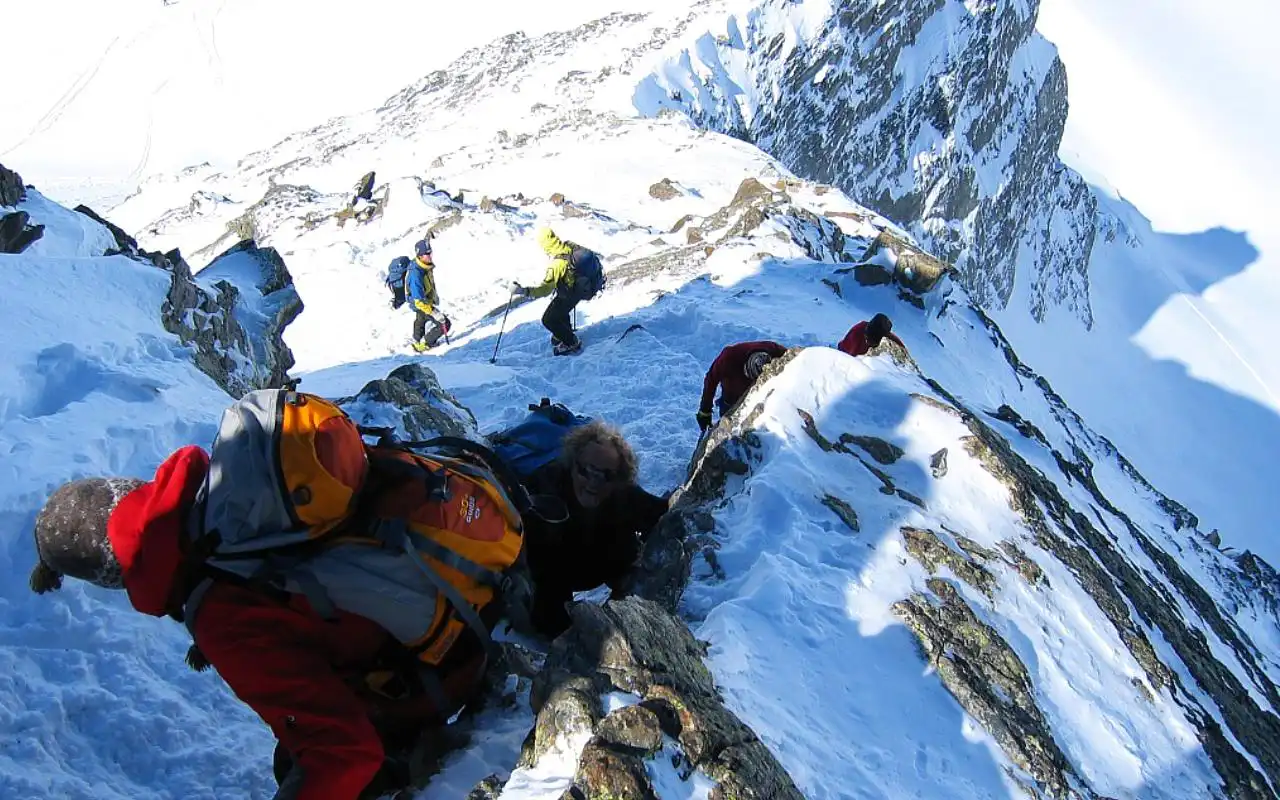
Climbers who approached the Hillary Step encountered a steep wall of rock and ice in front of them. Only one person at a time could climb up or down through this section, which meant it often turned into a climbers’ bottleneck during busy summit days.

Ascending the Hillary Step required care and a bit of nerve: you’d have to pull yourself up using whatever handholds and footholds you could find on the rock, often with the help of fixed ropes placed there by Sherpas.

At that extreme altitude – deep in Everest’s “death zone” where oxygen is scarce – even a relatively short climb like this feels exhaustingly difficult. The Hillary Step’s reputation grew because it was the final real test of a climber’s skill, strength, and determination right before gaining the rooftop of the world.

In case you are wondering how it came to be so named, it has everything to do with the first successful ascent of Mount Everest. The Hillary Step is named after Sir Edmund Hillary, a New Zealand mountaineer, who in 1953 became the first person to summit Everest alongside a Nepalese sherpa, Tenzing Norgay.

This was the final significant obstacle that Hillary and Tenzing had to overcome during that historic climb. The point on the mountain has ever since been referred to as the Hillary Step in recognition of the name of the man who was the first person to climb it. Even people who are not mountaineers tend to have heard of the Hillary Step – it’s a name that became synonymous with the final push to Everest’s summit.

Mountaineers from all over the world are no doubt drawn by the vertigo and unattainable height of Mount Everest. If […]
58 Days
Challenging

US$ 43000

View Detail

The First Ascent and Naming of the Hillary Step (1953)

The Hillary Step story indeed starts on May 29, 1953, when Sir Edmund Hillary and Tenzing Norgay made history in mountaineering by becoming the first to reach the summit of Everest.

When they were within reach of the summit on that last morning, they met with a magnificent obstruction: a wall forty feet of rock and ice crossing the passage along the small ridge.

It was an unforeseen difficulty so near the summit, and it must have seemed, for a moment, daunting. Hillary subsequently wrote that he spotted this steep rock buttress and knew that it was the final major obstacle between them and the peak of Everest.

Determined to press on, Hillary looked for any possible route up the obstacle. He noticed a small crack between the rock outcrop and a sheet of ice plastered on its side. With no time to waste at nearly 8,800 meters altitude, Hillary wedged himself into that crack and began to climb.

In classic climber’s style, he used a technique called “chimneying” – bracing his back against one side and his boots against the other – while also chopping steps in the ice with his axe.

It was an incredibly strenuous effort, made even harder by the thin air and exhaustion of the high altitude. Hillary managed to pull himself up this narrow gap bit by bit. Tenzing Norgay, right behind him, ascended using the rope Hillary fixed and the steps cut into the ice.

At the top of this rock face, they finally stood above the Hillary Step, with only a relatively easier slope ahead leading to the true summit. Overcoming that hurdle was a pivotal moment.

In fact, Sir Edmund Hillary later recounted that once he and Tenzing conquered this obstacle, he felt confident they would reach the summit. And he was right – shortly afterwards, at 11:30 am, the pair stood on the highest point on Earth.

News of their successful ascent spread around the world, and along with it the story of that tricky rock step they had overcome just below the summit. In the years that followed, climbers and expedition chroniclers began referring to that section of the climb as the Hillary Step, honoring the man who led the first ascent up it.

Hillary himself was a humble character, and he didn’t go around naming features after himself – but the mountaineering community bestowed the name in recognition of his achievement. So, the myth of the Hillary Step was created, along with the victory of the Everest conquest.

Why the Hillary Step Became Legendary

The Hillary Step
The Hillary Step

As decades passed, the Hillary Step became more than a physical feature; it became a symbol of the challenge of Everest. It was legendary to mountaineers for a number of reasons. Firstly, the historical aspect: this was precisely the point where the expedition of Hillary and Tenzing had culminated in 1953 and made the place a dramatic and glorious part of the story.

All of the climbers who came after them knew that when they reached the Hillary Step, they were following in the footsteps of Hillary and Tenzing, just a few meters from the summit themselves. It was a rite of passage into the journey to the summit of Everest – a place where every climber could place their mark against the mountain and history.

Secondly, the Hillary Step was known for its technical challenge and exposure. Even though, by rock climbing grades, it wasn’t extremely difficult (some experts rated it as a modest climb at sea level), at nearly 8,800 meters, it became an exhausting and dangerous challenge.

Climbers often arrived at the Step in a state of extreme fatigue and oxygen deprivation, with adrenaline running high due to the extreme conditions of the death zone. Facing a near-vertical rock section with a 10,000-foot drop on one side and an 8,000-foot drop on the other definitely focuses the mind!

Seasoned mountaineers would feel their hearts pound not just from the exertion but from the sheer exposure and consequence of every move at that spot. In short, it was intimidating – one of those sections where your brain is yelling, “Don’t look down!”

The narrowness of the Hillary Step added to its notoriety. Because only one climber at a time could go up or down, it naturally created a bottleneck. On crowded summit days (and Everest has experienced many crowded summit days in recent decades), climbers sometimes had to queue up below the Step, waiting their turn to ascend or descend.

These delays could become dangerous, since every minute spent waiting in the “death zone” saps energy and precious oxygen. In fact, the Hillary Step has been a factor in some of Everest’s most famous episodes.

The Everest disaster of 1996 was a tragic event where a combination of factors, including sudden storms, exhaustion, oxygen depletion, and delays at the Hillary Step, led to fatalities among climbers.

More recently, a widely-circulated photograph in 2019 showed a huge line of climbers snaking down from the summit ridge, many of them waiting at the Hillary Step area to either go up or come down. Those images underscored how this spot, although small in size, played an outsized role in the flow of climbers on Everest.

For many Everest aspirants, successfully climbing the Hillary Step was emotionally significant. It marked the moment of “I’m really going to make it.” When climbing the Everest slopes, it took weeks to endure the icefalls, camp, and high-altitude treks. Achieving the Hillary Step was the gateway to success.

A few more steps beyond it, and the loftiest goal in mountaineering – standing on the summit of Everest – would be within reach. This psychological boost was huge, but so was the risk: until you cleared the Step, you couldn’t quite celebrate.

It has been said by many climbers that the victory over the Hillary Step was one of the most memorable and rewarding moments of their climb, exactly because it required so much at the very end of their journey.

The 2015 Nepal Earthquake and the Fate of the Hillary Step

The Hillary Step remained the same silent challenge to every new generation of climbers over many years. But nature had a surprise. In April 2015, Nepal experienced a large 7.8 magnitude earthquake, which led to extensive destruction in the country and the Himalayas.

Mount Everest shook violently during that quake, triggering avalanches and sadly ending the climbing season that year. In the aftermath, climbers and scientists speculated that such a powerful event might have altered features high on the mountain. One particular question on the minds of the mountaineering community was: What happened to the Hillary Step?

When Everest expeditions resumed in 2016 (the year after the earthquake), whispers began circulating that the Hillary Step didn’t look the same anymore. Some climbers who summited in 2016 reported that the familiar rock step appeared altered or ‘gone’ – replaced by a slope of snow and broken rock, possibly due to the 2015 earthquake. This was met with a lot of curiosity and a bit of skepticism. Was the Hillary Step truly collapsed, or was it simply buried under heavy seasonal snow?

The high winds and heavy snowfall near Everest’s summit can sometimes pack snow into rocky sections, making them look different from year to year. Because 2016 had a lot of snow up high, it was hard to be certain.

Photographs taken that year were inconclusive; the spot where the Hillary Step should be looked smoother and more rounded, but it was hard to tell if the underlying rock was still intact underneath.

Then came May 2017, when clearer evidence emerged. During that spring’s climbing season, conditions allowed better looks at the area, and several mountaineers confirmed that the Hillary Step’s iconic rock structure had indeed been altered dramatically – essentially, the iconic rock outcrop had collapsed or been destroyed.

British climber Tim Mosedale, after summiting Everest again, announced that “the Hillary Step is no more,” sharing photographs showing the slope of snow and broken rocks where it once stood.

The large boulder that once jutted out as the key part of the Step wasn’t there; instead, there was a jumble of smaller rocks and a snow ramp. Mosedale’s revelation made international news. Many in the climbing world felt a tinge of sadness – an iconic piece of Everest (and mountaineering history) had literally crumbled, likely as a result of the earthquake’s tremors loosening the formation.

Initially, there was some confusion. Nepalese authorities and experienced Sherpas reported that the Hillary Step might still be intact but covered in snow, making it hard to confirm its status immediately.

It’s understandable – admitting that a famous part of the route had collapsed might worry future climbers, and the heavy snow did make it hard to see the rocks clearly. But over time, as more climbers went up and more photos came out, the reality became clear.

By the late 2010s, most experts and Everest guides agreed that the Hillary Step, as it existed for decades, was effectively gone or at least greatly changed. The likely scenario is that the earthquake dislodged the huge chunk of rock that formed the Step, sending it down the side of the mountain. What remained was a reshaped slope where that rock used to be.

How Climbing Everest Has Changed Without the Hillary Step

The Hillary Step ropes

With the Hillary Step’s transformation, climbers today have a somewhat different experience on the final leg of Everest’s South Col route. So, what is it like now? In simple terms, that once-vertical rock hurdle is now essentially a slope.

Instead of having to scale a sheer rock face using hands and feet, climbers can ascend more by walking or stepping up (often kicking steps in the snow) on an inclined surface. In 2017 and the years just after, many climbers noted that this section was physically easier to climb than before.

Without the big rock in the way, there was no need for the same kind of technical maneuvering – no chimney technique, no hoisting oneself over a ledge. This undoubtedly comes as a relief to less experienced mountaineers or those absolutely exhausted in the thin air. In that sense, the alteration of the Hillary Step has slightly “tamed” that particular crux of the climb.

However, easier does not always mean safer or better in the world of high-altitude climbing. One consequence of the Hillary Step’s disappearance is that the route can actually become more complicated in terms of traffic management.

When the Step was intact, guides often set up separate fixed ropes – one for ascending and one for descending – so that climbers could go up and down somewhat efficiently one at a time. With the Step gone, the terrain turned into an open snow slope, which sounds simple, but it also means there’s no obvious single choke-point to clip into.

Climbers still have to go one by one in many spots because the ridge is narrow, but establishing two distinct paths is trickier. The result? There can still be bottlenecks, and possibly even more confusion as people pick their way up or down the new slope. In seasons when the snow is not well-packed, that area might be littered with loose rocks from the collapsed Step, adding to the challenge and hazard.

There’s also the factor of stability. The Hillary Step in its rock form was solid (albeit demanding to climb). In its current form, depending on conditions, climbers might be dealing with deep snow or unstable debris.

If snow conditions are poor (imagine a sugary, unstable snowpack), climbers could expend a lot of energy wallowing up the slope, or even trigger a small avalanche. If the snow is melted or blown off, they might be scrambling over rock fragments that aren’t firmly attached. Some guides have expressed concern that the changed terrain could be dangerous, especially if climbers bunch up there in a queue.

Mentally and culturally, the change in the Hillary Step is a mixed bag for mountaineers. On one hand, a daunting obstacle has been removed, which might slightly increase summit success rates because one less technical barrier exists to turn people back.

On the other hand, many climbers feel a sense of loss that they didn’t get to climb the famous Hillary Step in its original form. For years, climbers would come home with tales of how they tackled the Hillary Step; now their stories are a bit different.

Regardless, every person who reaches that spot still knows they’re at the final gateway to the summit of Everest. Whether it’s a steep snow incline or a rock wall, at nearly 8,800 meters, it remains a serious endeavor.

Climbers must stay focused and patient, especially if they find themselves in a line of people in the cold dawn waiting to ascend that last stretch. In short, while the character of the climb has changed, the significance of that location – and the need for determination and care – is as strong as ever.

The Legacy of the Hillary Step

Today, when you ascend Everest by the Southeast Ridge, you find yourself going by the place where the Hillary Step was, though it is no longer quite the walk it was. Out of respect to history and habit, many climbers and guides refer to that section as the Hillary Step. The Hillary Step, in some sense, continues to exist as a concept and a place, though it may not refer to that physical feature.

Its history is included in all the tales of the Everest top since the year 1953 to date. Even those who make it today often repeat in their stories how the region once called the Hillary Step has tested them, in a friendly or unfriendly way.

This rocky part, or, more precisely, the memory of it, symbolizes the human struggle to overcome the barriers of nature. That it existed so long as an actual stepping stone to the summit of the world, and then vanished through the action of natural forces, is a reminder of the dynamism of the planet upon which we live.

The routes to Everest may vary, but the adventure and challenge remain the same. These slopes will keep being tested by future climbers as they get accustomed to new challenges that the mountain throws at them.

The tale of the Hillary Step makes an intriguing Everest history to the casual reader and mountain lover. It possesses all of them: historic victory, risk and adventure, the development of nature, and even a certain enigma.

Since Hillary and Tenzing first ascended it in 1953, through the mountaineers who followed and the earthquake that transformed the familiar face of Everest, the Hillary Step has been the center of it all.

It also reminds us of the fact that on Everest, as in life, the greatest of all things is achievable, and what we have today may be gone tomorrow. But the tales of our predecessors serve to direct our successors.

The Hillary Step is an interesting chapter in the history of Mount Everest, whether you are an aspiring climber, a student researching Everest, or simply someone who enjoys a good adventure story. Its rock may be gone, but its myth is still alive, still a source of wonder, respect, and awe of what it requires to be on top of the world.

Where to Stay in Kathmandu: Best Areas & Hotels for Every Type of Traveler

Kathmandu Valley
Kathmandu Valley

Kathmandu is a city of extreme contrasts. Some of the ancient temples and royal squares are located near major highways, contemporary cafes, and trekking agencies.

The main question that is very easy to ask many first-time visitors is the question of where to stay in Kathmandu. The city is broad and congested, and each space is a bit different. It may create confusion in the options, and it also provides you with an opportunity to make your trip your way.

There are sections of the city that are entirely filled with music, bars, and backpackers. The other areas are relaxed and religious, with monasteries, stupas, and narrow streets. There are historic towns with brick streets and carved windows, and there are modern zones with large hotels and shopping streets.

In this guide, you will see how the main areas of Kathmandu Valley are arranged, what kind of mood each one has, and what type of traveler may enjoy it most. You will also find simple hotel suggestions for different budgets in each place. The goal is to help you choose a neighborhood that feels right for you, so your days in Kathmandu start and end in comfort.

Kathmandu Overview: Geography, Culture & Vibe

Kathmandu is located in a deep valley with the shape of a bowl at a height of approximately one thousand four hundred meters above sea level. The valley is encircled by green hills, and when it is clear in the mornings, you might be able to see snowy Himalayan peaks on the horizon.

The city of Kathmandu is a constituent of a greater urban city that comprises the historic cities of Patan and Bhaktapur, too. To visitors, the entire valley can be considered a large cultural zone with a number of significant centers.

Within the city, there will be a blend of the old and the new. The older quarters are built on narrow streets of tall brick buildings. Little shrines are placed on crossroads, and people come to make a quick prayer or to light a lamp. In the other areas, there are modern glass buildings, intersections, cell phone shops, and coffee chains.

Kathmandu is a busy and even aggressive place to be. Motorbikes pass around buses, vehicles, and pedestrians. Fruits, clothes, tea, and snacks are sold by street vendors who have their carts or little shops. There are numerous scents in the air at the same time: incense in the temples, some spice in the kitchens, dust on the streets.

Religion is an important part of life. The main religion in the valley is Hinduism, but Buddhism is also very strong. Many families follow both traditions in a natural way.

The Newar community, who are native to the valley, has created a rich culture of art, dance, festivals, and food. Tibetan influence is also clear, especially in areas like Boudha, where you will see prayer flags, butter lamps, and people walking around stupas in meditation.

Even though the city can feel chaotic, local people are usually friendly and welcoming. There is a common idea that a guest should be treated with deep respect. You can feel this in many hotels, guest houses, and small restaurants, where staff often go out of their way to help. The city may shock your senses on the first day or two, but most visitors grow to enjoy its rhythm and warmth.

How the City is Laid Out

The international airport lies on the east side of the city. From there, the main tourist areas and heritage sites spread out in a rough circle toward the center and west of the valley.

Thamel is the main tourist district and sits close to the old royal square of Kathmandu. Lazimpat and Durbar Marg are just to the north. Boudha lies further east on the way to the airport. Patan is to the south across the Bagmati River. Bhaktapur is a separate town further east along the main highway out of Kathmandu.

Distances on the map may look small, but traffic is often slow. A drive of only a few kilometers can take a long time at busy hours. Because of this, it is wise to choose a place to stay that matches your main interests, instead of spending many hours each day in taxis.

Best Areas to Stay in Kathmandu

Thamel – Traveler Hub for Nightlife & Shopping

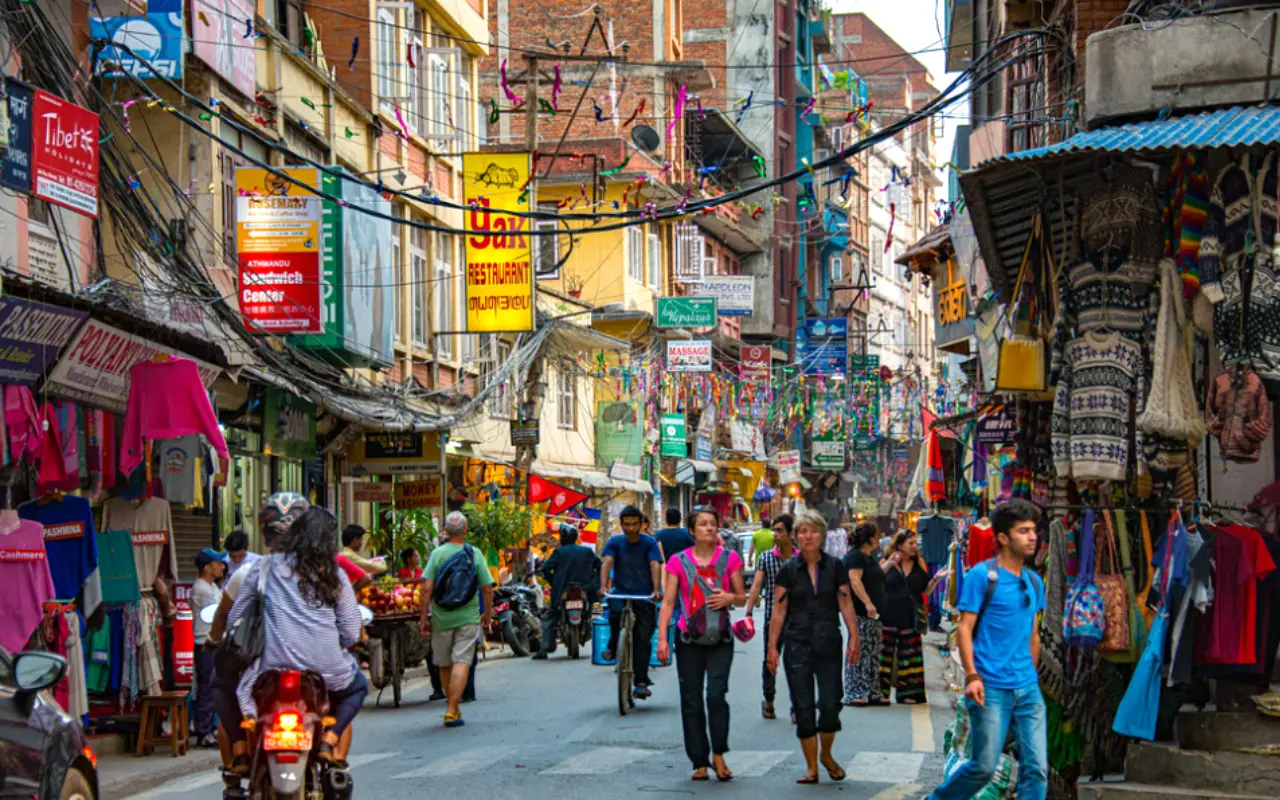
Thamel’s Colorful Streets

Thamel is the classic tourist hub of Kathmandu. It is usually the first answer people give when you ask where to stay in the city. The area is a compact maze of streets full of hotels, guest houses, hostels, tour agencies, trekking gear shops, money exchange counters, bars, cafes, and restaurants.

If you want to meet other travelers, find group tours, or enjoy a busy evening scene, Thamel is a perfect base. In the day, you can walk through the small lanes and shop for warm clothes, sleeping bags, hiking boots, singing bowls, prayer flags, T-shirts, or simple souvenirs.

You will also find bakeries, coffee shops, and rooftop restaurants. Kathmandu Durbar Square is just a twenty-minute walk, and taxis can be easily found to travel to other locations around the valley.

During the nighttime, Thamel is filled with music and lights. Live bands, sporting bars, and spots where the trekkers end their journey are available. It is fun as well as exciting to some individuals.

To other people, it might be noisy and tiresome. The streets are even narrower, and the motorbikes sometimes drive very near the pedestrians. Sellers might come to you frequently to take you on a tour, to a taxi, or so on.

In case you are a light sleeper, then you should select a hotel that occupies a less bustling street or the rooms have an inner yard. This reduces the sound of traffic and music.

Suggested places in Thamel:

  • Budget: Zostel Kathmandu. A social hostel with dorm beds and simple private rooms. The rooftop and common spaces are good for meeting other travelers.
  • Middle price: Kathmandu Guest House. A historic property in the heart of Thamel with a large garden that feels peaceful and green. It is a famous meeting point for trekkers and still one of the top central choices.
  • Higher comfort: Aloft Kathmandu Thamel. A modern full-service hotel with a pool, gym, and comfortable rooms, located in a shopping complex in the middle of the district.
  • Practical tips: Book a pick-up at the airport in case of late arrival at night, and also perform a recent review so as not to get a room above a loud music restaurant.

Boudha (Boudhanath) – Spiritual & Peaceful Haven

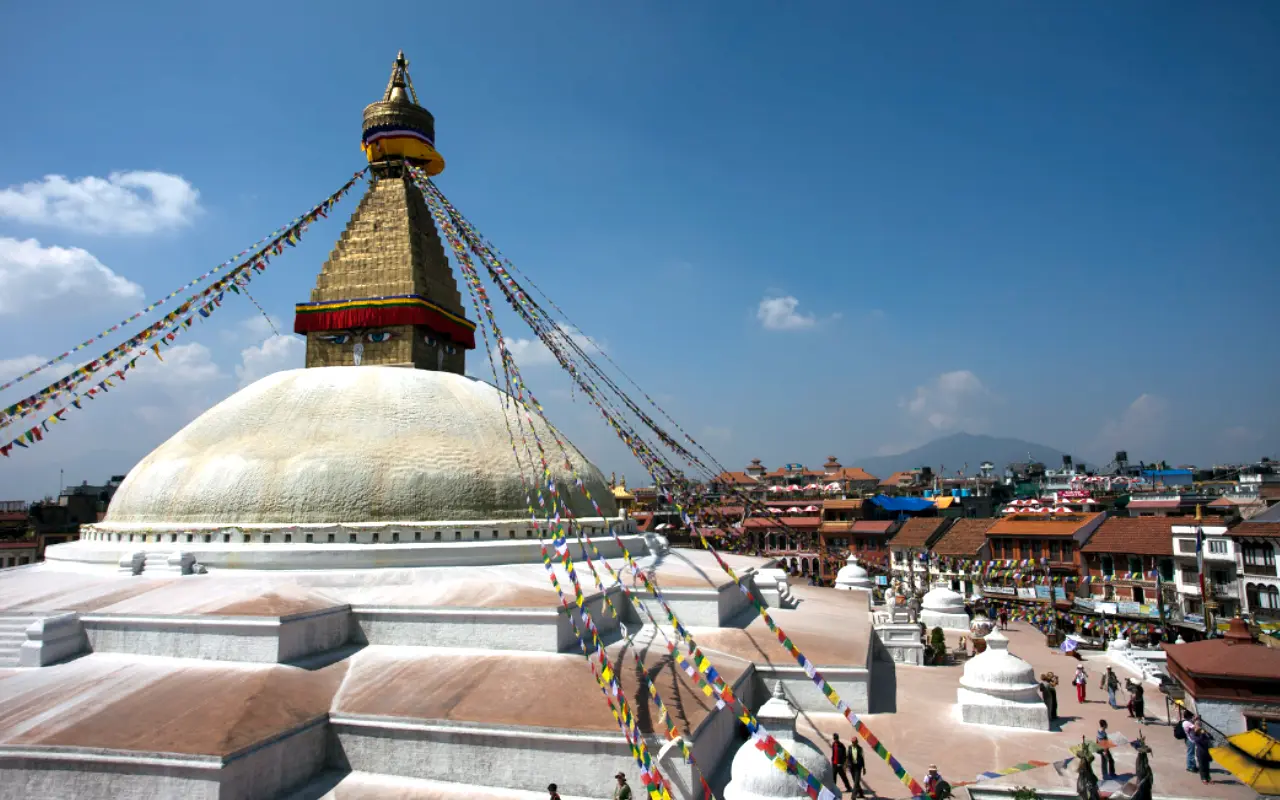
Boudhanath Stupa
Boudhanath Stupa

Boudha is centered on the Boudhanath Stupa, which is among the biggest Buddhist Stupas in the world and the spiritual center of the Tibetan community in Nepal. The atmosphere here is quite different from Thamel. The primary area surrounding the stupa is relatively traffic-free, peaceful, and concentrated.

In the morning and the evening, you can find people going round the stupa very slowly in a clockwise direction, making the prayer wheels and counting beads. Monks wearing red robes are whispering, and old Tibetans are sitting on benches talking to their friends.

Butter lights are lit in front of shrines, and the air is filled with incense. Many shops sell religious items, thangka paintings, books, and simple clothes. Cafes and rooftop restaurants look down on the stupa, giving wonderful views at sunset.

Staying in Boudha is ideal if you want a gentle, spiritual base. It is also good if you enjoy quiet early mornings and evenings, and do not care about nightlife. The area is about twenty to thirty minutes from Thamel by taxi, depending on traffic.

Once you are in Boudha, you might not feel much need to go elsewhere in the evenings, as the local restaurants and cafes give enough choice for dinner and a relaxed time.

Suggested places in Boudha:

  • Budget: Shechen Guest House. A simple, clean guest house inside a monastery compound, with gardens and a vegetarian cafe. It is perfect for travelers who want to be near monastic life and do not need luxury.
  • Middle price: Hotel Tibet International. A comfortable hotel with Tibetan-inspired design, only a short walk from the stupa. Rooms are spacious, and the rooftop restaurant gives a nice view over the area.
  • Higher comfort: Hyatt Regency Kathmandu. A large resort close to Boudha with extensive gardens, a big pool, spa, and sports facilities. There is a special path from the grounds that leads toward Boudhanath Stupa, which makes it very convenient for guests who want both quiet and easy access to the sacred site.

Patan (Lalitpur) – History, Artistry & Laid-Back Charm

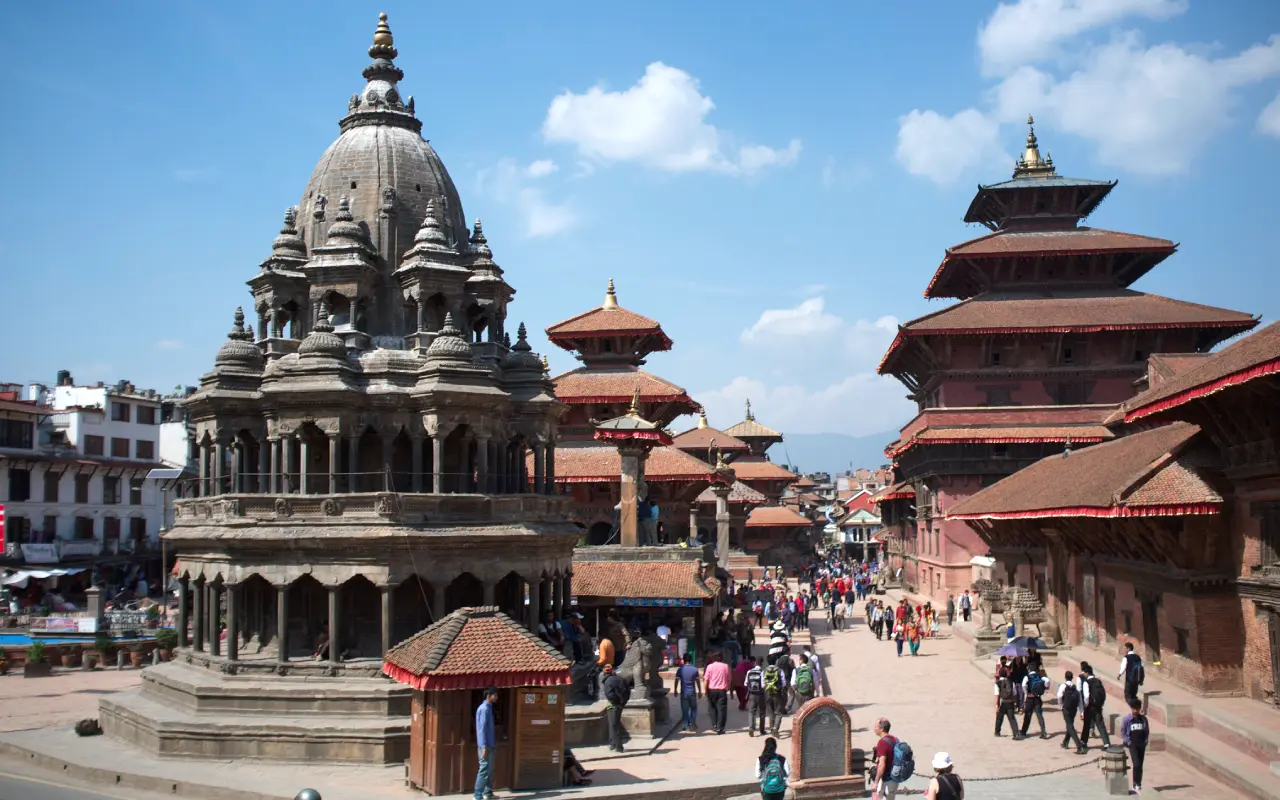
Patan Durbar Square
Patan Durbar Square

Patan, also known as Lalitpur, lies just south of central Kathmandu across the Bagmati River. It used to be a separate royal city, and it still retains a strong sense of identity. It has some of the most beautiful heritage sites in the valley, which include the Patan Durbar Square, a cluster of temples, courtyards, and a museum exhibiting good local art.

Patan is like a living museum. The old town is characterized by small streets that lead to neglected lanes, old-fashioned houses, and ancient monasteries. Metalworkers, woodcarvers, and painters are employed in small workshops, making statues, windows, and religious art.

The rate is usually not as high as in Thamel, and the tourist traffic is less the further one gets out of the centre. Patan is perfect for culture lovers, photographers, and travelers who enjoy wandering through historic neighborhoods.

Rooftop cafes and small restaurants overlook the temples and provide quiet spots to rest and watch daily life. Nightlife is soft, with a few nice bars and live music spots, but the overall feeling is more relaxed than party-focused.

Suggested places in Patan:

  • Budget: Newa Chen. A three-century-old Newar residence that has been carefully restored and turned into a small guest house near the main square. Rooms have carved wood columns, old-style windows, and traditional decor, along with modern bathrooms.
  • Middle price: Summit Hotel. A long-established hotel on a small hill with a garden, pool, and wide views over the city. It is popular with families and long-term visitors who enjoy space and greenery.
  • Higher comfort: The Inn Patan. A stylish boutique hotel in a restored heritage building just a few steps from Patan Durbar Square. Rooms open onto a peaceful courtyard and balance old brick and wood with modern comfort. It is especially suited to couples. Hotel Himalaya, a larger four-star property with a garden and pool, is another option in the broader Patan area if you prefer a more classic city hotel style.

Durbar Marg – Modern City Life & Upscale Stays

Durbar Marg, sometimes called King’s Way, is a broad avenue that runs past the former royal palace, now a museum. The area around this street is one of the most modern and upmarket parts of Kathmandu.

You will find international brand stores, banks, coffee shops, and popular restaurants here. The roads are a little wider, and the sidewalks a little smoother, than in many other parts of the city.

Durbar Marg is a good choice for travelers who like comfort and convenience. It is quite near Thamel, yet it is more refined and arranged. It is only a short walk there to the Garden of Dreams, the gorgeous historic garden where people go to relax, read, and have a peaceful, traffic-free break off the traffic.

The location is good in relation to business travelers or users who desire the convenience of easy access to cars, high levels of comfort, and good services, including internet access, and modern bathrooms. The local feel is less traditional than in Patan or Bhaktapur, but after a long day of sightseeing or trekking, many guests enjoy returning to a calm, clean, and modern hotel.

Suggested places near Durbar Marg:

  • Budget: Hotel Jampa in the nearby Jyatha area. It has modern, clean rooms with air conditioning and good sound control, and offers strong value while still being close to both Durbar Marg and Thamel.
  • Middle price: Hotel Royal Singi. A well-known four-star hotel just off the main street, with comfortable rooms, a decent breakfast, and a central location that makes it easy to reach many parts of the city.
  • Higher comfort: Hotel Yak and Yeti. A famous hotel that combines a historic palace building with a modern wing. It has gardens, a pool, tennis courts, and even a small casino. The interior has an old-world charm, while the rooms provide modern comfort and service. Nearby, Kathmandu Marriott in Naxal offers a very modern luxury experience with a rooftop pool and city views. Dwarika’s Hotel in Battisputali, a little further away, is built like a traditional palace with carved wood and brick and is often chosen for romantic or special stays.

Lazimpat – Quiet Comfort Close to the Action

Lazimpat lies just north of Thamel and Durbar Marg. In walking terms, it is quite close to both, yet it feels calmer and more residential. Many embassies, foreign offices, and international organizations are based here, and a number of top-end hotels sit along the main road and in the side streets.

The main Lazimpat road carries steady traffic, but once you step into the smaller lanes, you find a quieter world with trees, wall-enclosed houses, and cafes used by locals and expatriates. Because of the diplomatic presence, the area has a safe and orderly feeling.

Lazimpat is a great base if you want to enjoy the restaurants and shops of Thamel and Durbar Marg but prefer to sleep in a quieter place. You can walk or take a short taxi ride to the busy areas, then come back to gardens, pools, and peaceful rooms. Nightlife in Lazimpat itself is limited and tends to be low-key.

Suggested places in Lazimpat:

  • Budget: Lazimpat Guest House. A basic hotel with simple, clean rooms. It is fairly affordable for travelers who do not want to spend on larger hotels but still wish to stay in the Lazimpat area. The rooms are small and comfortable enough to stay, and the location is near shops and restaurants.
  • Middle price: Tings Tea Lounge and Hotel. A creative boutique bed and breakfast with individually designed rooms, a leafy courtyard, and an attached cafe. It feels like a small home rather than a formal hotel and suits travelers who enjoy art, books, and relaxed conversation.
  • Higher comfort: Hotel Shanker. A former royal residence from the nineteenth century that has been turned into a heritage-style hotel. It has a large facade with columns, an attractive interior, a garden pool, and comfortable rooms. It offers a touch of royal history with modern amenities. Other higher comfort options in Lazimpat include Shangri La Hotel, which is known for its garden, and Ambassador Hotel, which has a more modern design.

(Bonus) Bhaktapur – Medieval Atmosphere Outside the City

Bhaktapur
Bhaktapur

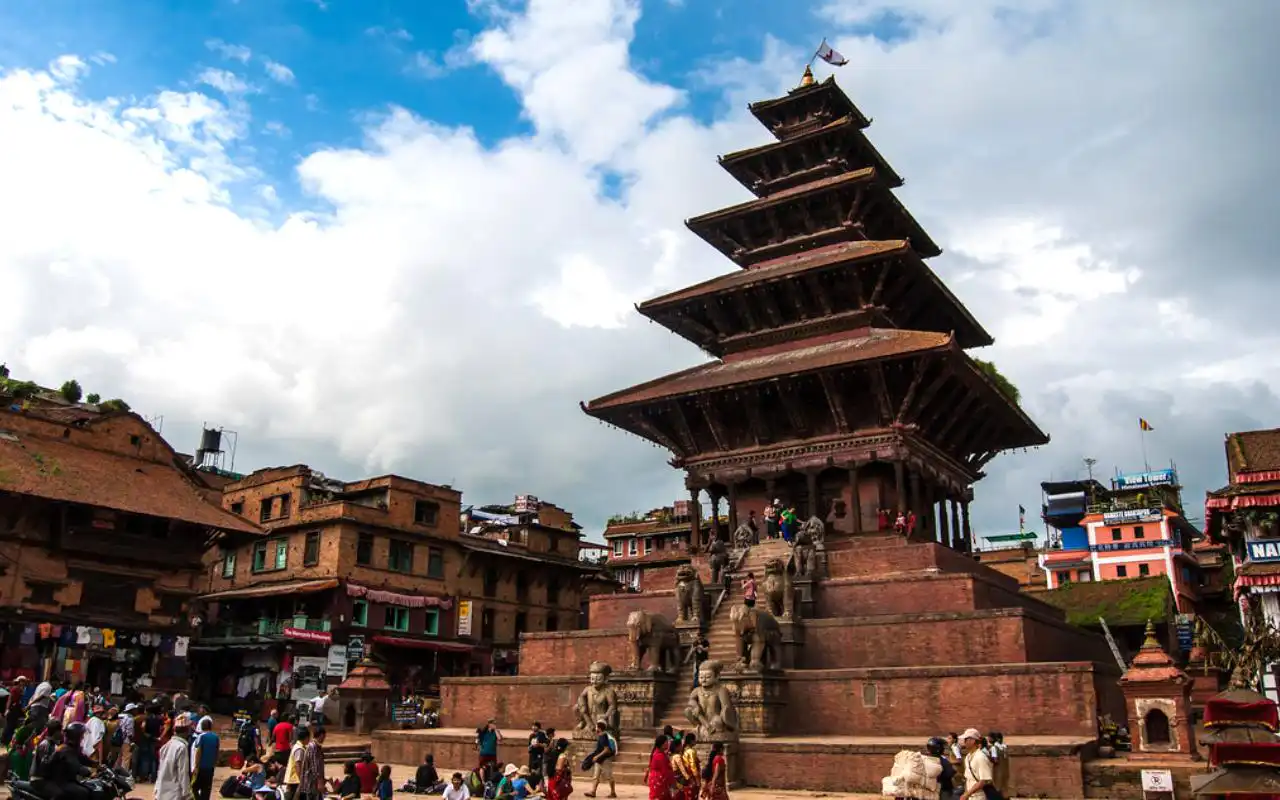
Bhaktapur is a separate town about twelve kilometers east of central Kathmandu, but it is one of the most rewarding places to stay if you love heritage and traditional life. The old city has three main squares filled with temples, courtyards, and historic buildings, and many of its streets are paved with stone or brick.

In the center, cars are limited, and many lanes are reserved for pedestrians. You can wander among tall brick houses, carved wooden windows, hidden courtyards, and small shrines. Potters dry their work in the sun, and locals carry offerings to shrines early in the morning.

Many tourists visit Bhaktapur for a few hours during the day. However, if you stay overnight, you see a quieter side of the town. Early mornings bring fresh light, temple bells, and local people going to market. Evenings are calm once day visitors leave, and the town takes on a soft, almost timeless mood.

The main drawback is distance. A drive between Bhaktapur and the center of Kathmandu can take forty minutes or more when traffic is heavy. Because of this, Bhaktapur is best used as an extra stay at the start or end of a Nepal trip, or as a special stop for travelers who focus mainly on culture and do not need to visit other parts of the city every day.

Suggested places in Bhaktapur:

  • Budget: Cozy Guest House Bhaktapur. A family-run guest house in a traditional house in the old quarter, with simple, clean rooms and very friendly hosts.
  • Middle price: Peacock Guest House. A beautifully restored house in Taumadhi Square, famous for its detailed carved windows. The rooms feel like part of a museum, and there is a good cafe on the ground floor.
  • Higher comfort: Hotel Heritage Bhaktapur. A boutique hotel on the edge of the old city, built in a traditional style with modern comfort. Spacious rooms, a quiet garden, and careful decoration make it a very pleasant base for exploring the town.

Tips for Choosing Accommodation in Kathmandu

Location and transport

Traffic in the valley can be slow and unpredictable, so location matters. If you want to visit many sites and join tours, staying in Thamel, Durbar Marg, or Lazimpat will reduce time in taxis. If you care more about peace and culture, you may be happier in Boudha, Patan, or Bhaktapur and accept a short ride when needed. Always think about how you will move around each day.

Safety and security

Kathmandu is generally safe, but small theft can happen in crowded streets and buses. Choose places that have good locks, twenty four hour reception, or security staff. Use room safes or lockers when available. In all areas, avoid flashing expensive jewellery or large amounts of cash. At night, use main streets or take a taxi if you feel unsure.

Power and water

Power cuts are less common than in the past, but they can still occur. Many middle and high-range hotels have backup systems for electricity and hot water. Lower-priced guest houses sometimes do not. If constant power or hot showers are important to you, check recent reviews or ask the hotel about backup arrangements and water storage.

Comfort and facilities

Think about what you truly need. Some travelers are happy with a basic clean room, while others want air conditioning, a strong shower, and a good mattress. If you plan to work online, you will need reliable internet and maybe a quiet space. If you want a pool, spa, or gym, you will be looking at larger international-style hotels. If you prefer character and local flavor, heritage guest houses in Patan and Bhaktapur or small boutique hotels in Boudha and Lazimpat may suit you better.

Read recent guest feedback

Hotel quality can change with time. Management may change, buildings may be renovated, or new construction next door may create noise. Reading recent guest comments will give you the latest picture of cleanliness, staff attitude, noise, and comfort. Reviews from the same season as your planned visit are especially useful.

Booking and prices

Room rates vary with the season. Spring and autumn are busy trekking months, so prices can rise and popular places may sell out. Winter and the rainy season are quieter, and you often find better deals. Booking in advance is wise for your first night, especially after a long international flight. Once you are in Nepal, you can sometimes compare places in person during the low season for better value.

Where to Stay in Kathmandu for Every Traveler Type

Solo travelers and backpackers

If you want company, easy tour bookings, and many food options, Thamel is the natural base. Hostels and budget guest houses here make it simple to meet others, share treks, or find last-minute deals. If you prefer a quieter solo experience with more reflection and spiritual energy, then a guest house in Boudha will feel better, with calm evenings around the stupa and peaceful cafes.

Couples and honeymooners

For romance and charm, Patan is a wonderful choice. Boutique heritage hotels near the main square allow evening walks among temples and rooftop dinners with views of old buildings and soft lights.

To spend a luxurious couple’s stay, you should consider hotels such as Dwarika, Hyatt Regency, or Kathmandu Marriott, as they have spa, wide beds, and quiet places where you can have a rest after you have spent time exploring the city.

Families

Families tend to value the space, the silence, and close proximity to shops and health facilities. Lazimpat can be used to fulfill such needs. The bigger hotels that have gardens and pools allow the children to play, and the area is secure and well planned. Patan also works for families who enjoy culture and are comfortable walking through historic streets with children.

Spiritual and wellness visitors

If your main focus is meditation, yoga, or spiritual study, Boudha is the best base. You can stay near monasteries, join classes or teachings, and eat simple, healthy food. A few days in places like Pharping or Nagarkot, which are outside the main city, can add quiet time with views of hills and mountains.

Culture and history lovers

Patan and Bhaktapur are the top choices if you love heritage, traditional art, and local life. Staying in a restored Newar house lets you experience living history every day. You can watch ceremonies in temples, see craftspeople at work, and take photos of streets and squares that look almost unchanged for centuries.

Luxury and business travelers

If you want smooth modern comfort, strong internet, and good meeting facilities, then Durbar Marg, Naxal, and Lazimpat are ideal. Hotels such as Yak and Yeti, Marriott, Radisson, and similar properties offer all the services you expect from international brands. They also provide an easy base for visiting offices, embassies, and main tourist sites.

Final Thought

Whatever your travel style, there is a corner of Kathmandu Valley that matches your needs. The busy lanes and bright lights of Thamel, the calm circle around Boudhanath Stupa, the brick temples of Patan, the modern comfort of Durbar Marg, the quiet streets of Lazimpat, and the timeless charm of Bhaktapur all show different sides of the same valley.

If you choose your area with care, based not only on budget but also on the experience you want, your stay in Kathmandu will feel smoother and more enjoyable. With this guide, you can now decide more confidently where to stay and look forward to stepping out of your door each morning, ready to enjoy this vivid and fascinating city.

Samdo Village: The Last Tibetan Settlement on the Manaslu Circuit

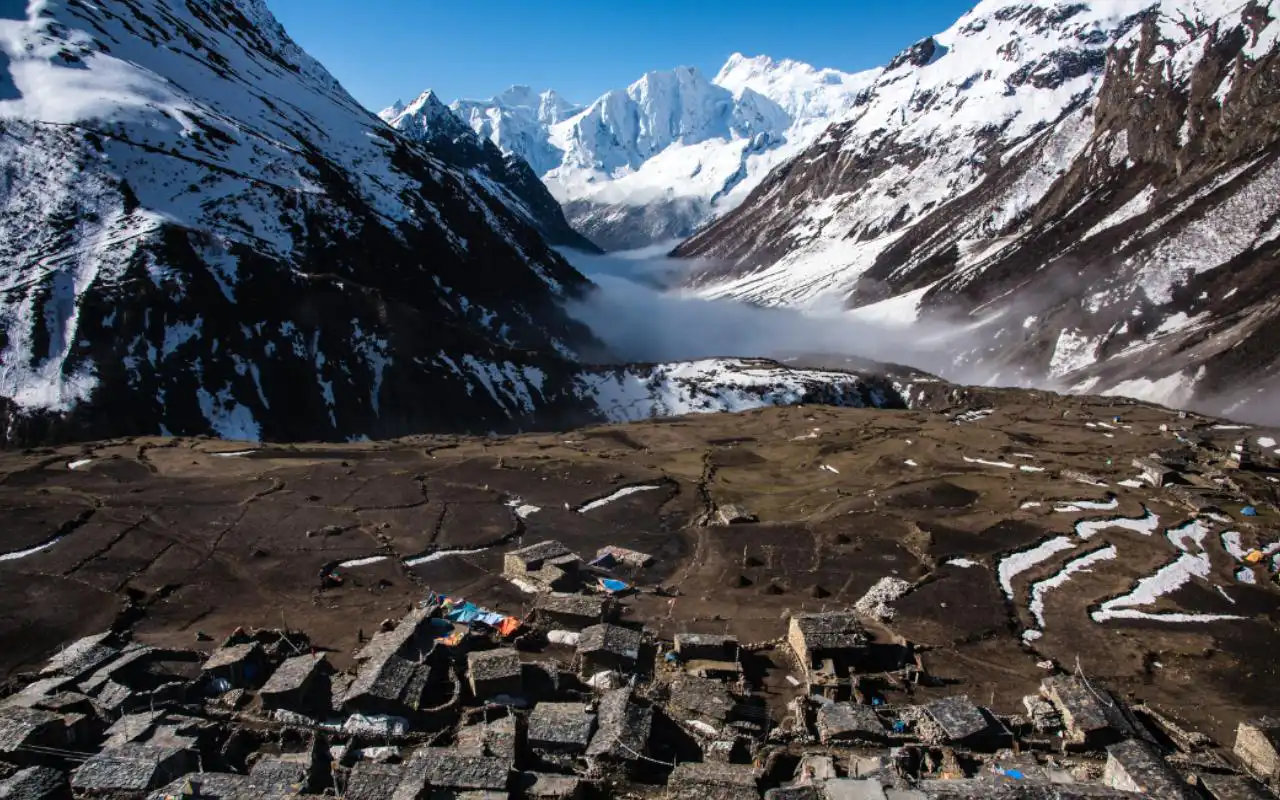
Samdo
Samdo

Nestled high in the Manaslu Conservation Area of Nepal, Samdo is a tiny, remote village that feels worlds away. Perched at about 3,875 meters (12,713 feet) above sea level, Samdo village is the final inhabited stop on the classic Manaslu Circuit trek before the Larkya La (5,106m) pass. Framed by the soaring ridges of the Manaslu Himalaya, the village consists of stone-built houses, fluttering prayer flags, and one small gompa (monastery).

As trekkers ascend through subalpine forests and meadows, Samdo suddenly appears across a broad valley – a “Himalayan natural gem” and a Tibetan cultural hub in the rugged Nepalese highlands. For many, reaching Samdo is a milestone: the last taste of village life before the truly high-altitude trails beyond.

Samdo is celebrated for its dramatic scenery and deep Tibetan Buddhist traditions. From the village, there are uninterrupted views of the massive snow-capped peaks around – not least Mount Manaslu (8,163m), the world’s eighth highest mountain, which towers overhead from the southeast. Ngadi Chuli (7,871m) and Himalchuli (7,893m) loom to the south, while Larkya Peak guards the approach to the pass.

The mighty ones below these are Alpine meadows in the beauty of spring, and surmounted by moraine ridges and mani walls of the Buddhists, and Samdo is one of the most spectacular outlooks of the trek.

It is against this striking backdrop of the native Tibetan-descended inhabitants of Samdo who continue with a genuine highland lifestyle, inclusive of prayer wheels, butter lamps, and livestock such as yaks and dzos tied outside their houses. The village feels like a living museum of Tibetan highland culture, an active settlement that keeps this culture alive at the very border of Nepal.

Historical and Cultural Heritage

The people of Samdo are primarily of Tibetan identity, and most of their families migrated to the Kyirong region in the 1950s and 1960s. Their Tibetan dialect is kyirong, and they practice traditional Tibetan Buddhism but centered around Samdo Gompa, which is surrounded by thangkas, statues, and juniper incense, where monks recite evening prayers.

Outside the monastery, there are long mani walls that are built with carved prayer stones. Trekkers also take a clockwise walk around them, which turns prayer wheels like the locals. These traditions remain authentic because of the remote location of Samdo: families spin yak wool, care for livestock, and live a lifestyle very similar to their ancestors.

Such festivals as Losar also include masked dances, music, and common meals, which are usually accessible to visitors. Samdo is a very real insight into the Tibetan culture of the high Himalayas.

Getting There: Route, Permits, and Difficulty

It takes at least 7–8 days of walking through the Budhi Gandaki valley to reach Samdo. Trekkers first travel by jeep or bus from Kathmandu to Soti Khola or Machha Khola — the drive takes about 7–9 hours to Soti Khola and 9–11 hours to Machha Khola, depending on the road and vehicle.

The Manaslu Circuit route begins at the trailhead and gradually climbs through forests, agricultural land, and river crossings toward key villages such as Jagat, Deng, Namrung, Lho, and Samagaon.

Permits are checked at Jagat. In order to walk to Samdo, you require the Manaslu Restricted Area Permit (RAP) and the Manaslu Conservation Area Permit (MCAP). You also need the Annapurna Conservation Area Permit (ACAP), which is checked at Dharapani.

This permit must be obtained in advance in Kathmandu or Pokhara. All permits have to be organized by a licensed trekking agency; it is not permissible under Nepali law to travel alone and unguided.

Teahouse lodging is basic, yet dependable on the track. There are simple rooms, shared bathrooms, and there could be little electricity or hot water. The meals are mostly warm Nepali or Tibetan cuisine with a central stove heating the dining room during the nights.

Difficulty:

The trek to Samdo is not technical but is moderately challenging due to long walking hours and steady altitude gain. Assume 6-8 hours daily walking on various surfaces, constant increase in level. Samdo is close to 3,900 m with Dharmasala (4,460 m) and Larkya La Pass (5,106 m) some distance ahead, hence acclimatization is required.

Here, lots of trekkers spend an additional day in Samdo or make brief acclimatization hikes prior to proceeding higher. Autumn and spring are the most favorable periods. Monsoon is accompanied by rain and landslides, and the winter snow may also block the trail. Most trekkers arrive in Samdo quite comfortably with moderate fitness and with reasonable acclimatization.

Landscape, Scenery, and Altitude

The terrain near Samdo varies rapidly with altitude. During spring and summer, the forests and terraced fields are utilized to open and alpine meadows sprinkled with wildflowers. Samdo is located beyond the tree line in a long and windy valley with clear, thin air and acute mountain scenes.

The Spring (March-May) is a sunny season, with rhododendrons in the lower hills beginning to bloom, and the Autumn (September-November) is a pleasant period with temperatures of 10–15°C in the daytime and nights freezing down.

The village is framed by gigantic hills on all sides. The Manaslu massif erects itself straight to the south and is united with Ngadi Chuli and Himalchuli, whose snowy mountains are gleaming in the sunlight. The trails around the village have mani stones, chortens, and lines of prayer flags, and the place is filled with the soothing spiritual air.

It is at this altitude that wildlife is sparse, although trekkers may still observe marmots and Himalayan choughs. Bar-headed geese appear occasionally during migration. Night is chilly and very clear, frequently showing a blazing Milky Way over the mountains. Samdo is a Tibetan world unto itself with its blue sky and white mountains and its silent Tibetan culture.

Samdo Village – Life and Traditions

Samdo peak and Pangbuche himal

It is as though Samdo is silent and lonely when you come in. The number of such families permanently residing here is but a few dozen, in close-built stone houses, with flat roofs, and yak barns under them.

The homes above are warmed with the smoke of dung stoves. The locals wear huge wool and fur hats, children are seen playing in the small lanes, and they are usually very inquisitive about other trekkers as they pass by.

Every day routine is done by the old routine. Families cultivate barley and potatoes, keep yaks at summer pastures, and make cheese and butter, as well as woolen products. You can find women spinning, older people grinding barley flour, or villagers hoarding yak dung to use during winter. These activities are evidence of a way of life that has not changed much across generations.

The people of Samdo are truly hospitable. There is a reduced number of tourists compared to other trails, and the interactions are natural and not in a hurry. Even a simple greeting or a cup of tea can lead to warm interactions with locals.

Evenings in the teahouses are gatherings of people around the stove, where the aroma of the yak butter tea and incense covers the room. These are some of the times that trekkers feel that Samdo is not a tourist destination but a living Himalayan village.

Samdo Monastery and Mani Walls

At the northern end of the village stands the Samdo Gompa – a small monastery built of stone and wood. The courtyard contains a statue and prayer wheels; a cylinder of butter lamps often burns in the dusk. It’s not a major pilgrimage site, but it’s the living religious center for villagers. When monks pray, they chant in Tibetan and strike long horns and cymbals, creating a solemn rhythm.

Visitors may slip inside the main hall (with permission) to see the colorful murals and hand-cast statues. A novice or nun may pour butter tea for trekkers, and you’ll likely be asked to spin prayer wheels placed along the wall.

Nearby are Samdo’s Big Mani Walls – walls of stacked stones carved with prayers. These are sacred and should be approached respectfully. The proper etiquette is to walk clockwise around them (a kora), spinning any wheels you can as you pass.

Local belief holds that each stone continuously radiates blessings, so even for a passerby, it is a quiet form of prayer to circle these walls. Take your time, move slowly, and soak in the murmuring mantra that each stone contains. These ancient mani walls, weathered by centuries of wind and sun, connect Samdo to the broader Himalayan Buddhist tradition.

Cuisine and Accommodations

Samdo has a few basic teahouses like Snowland Lodge, Samdo Peak Lodge, Yak Kharka, and Samdo Guest House. The rooms are simple and have common facilities, a scarcity of electricity, and use of squat toilets outside. Hot showers are not the norm, and therefore, a warm bucket wash is the order of the day.

The central Bukhari stove of the dining room provides most of the warmth, as trekkers sit around it at night. The accommodation is not luxurious, but rather clean and comfortable enough to have a good sleep.

Food is of Tibetan and Nepali traditions. The key components are Dal bhat, thukpa, momos, tsampa, and salty butter tea, and yak meat or dried sukuti is usually taken as an additional source of energy. Dinners are substantial and will help to warm up the chilly weather, yet it is better to have a few snacks on board.

The food is also served in a common manner, and trekking guests and villagers sit around the stove and observe life in the village outside, yaks, eagles, and children running between the prayer flags. These silent moments make dining in Samdo both realistic and unforgettable.

Trekking Around Samdo

Rest and acclimatization: The majority of Manaslu routes are designed to allow one or two nights at Samdo (3,875 m) to allow trekkers to become acclimated prior to the higher altitude climb to Larkya La. A rest day does not imply sitting around; however, the guides often propose little, easy walks to nearby ridges or yak pastures to aid acclimatization by the so-called hike high, sleep low rule.

Side trip – Samdo Ri: With a healthy dose of stamina, Samdo Ri is a great place to start and enjoy an enjoyable ascent of a non-technical peak of approximately 5,200 m. It is approximately a 6-8 hour round trip, with rocky areas (some may be snow-covered or scree-covered) that get steep towards the summit.

It is also at the summit where you can view Manaslu and its surrounding ranges in a spectacular 360-degree perspective. Only do this on a good day, when there are no altitude symptoms, and the conditions are favorable, then this can be a trip that is unforgettable and an acclimatization experience.

Exploring the village: The small lanes of Samdo and the river walk are the areas to explore on short walks to feel a quiet rhythm of everyday life. You are likely to come across monks doing puja, villagers preparing yak cheese, or prayer flags fluttering. Even a silent hour by the riverbank may be very soothing here in the high Himalayan environment.

Interactions with locals: The warm smiles are usually received through a polite Tashi Delek. Upon entering a house, take off your shoes, and please take tea. Ask permission before taking pictures, particularly in places of worship. Basic discussions- usually accompanied by signs- form important exchanges and understanding of life at high altitude.

The calmness of Samdo, the culture, and the dramatic view of the place have made it one of the most unforgettable places to visit on the Manaslu Circuit.

Practical Tips: Acclimatization and Ethics

Altitude instructions: It is important to be acclimatized at Samdo because of its elevation. The trip normally has rest days at Namrung and Samagaon before arriving in the village. When you get to Samdo, take your time, keep hydrated, and have plenty to eat. In case you have a headache, nausea, or dizziness, inform your guide in time.

It is very common to see many trekkers walking a short hike high, sleep low to the closest ridge or Samdo Ri, and then returning to sleeping in the village. Bring altitude medicine, such as Diamox, only if advised by a medical professional.

Essentials: Nights in Samdo can drop to around -3°C to -8°C in autumn and -10°C or lower in winter, so a warm sleeping bag (-15°C), thermals, a windproof jacket, hat, and gloves are necessary. Sunglasses, sunscreen, lip balm, and a water purification method are necessities. Trekking poles are used to assist on steep or icy paths. Packing out bags, extra bags, small snacks, and a headlamp will make your stay more comfortable.

Travel ethically: Use village lodges to eat and drink to support the local economy. Ask permission before taking photographs and observe the local tradition, e.g., walking clockwise around mani walls and prayer wheels. Dispose of all non-biodegradable materials and do not disturb the livestock or wildlife.

Use toilet lodges, disinfect your water, and avoid making noise in and around residential and religious places. Responsible travel challenges keep Samdo clean, peaceful, and see to visitation by local and future trekkers.

Samdo’s Role in the Manaslu Circuit

Samdo’s significance goes beyond its own borders. On the Manaslu Circuit, it serves as a crucial linchpin. First, in practical terms, it is the last village before Larkya Pass. There are no roads here – Samdo is only reachable by foot – so it is the final chance for trekkers to interact with settled life on the Nepal side.

The next settlements after Samdo are the seasonal camps at Samdo Phedi (Larkya Base) and then Dharamsala on the pass’s other side. In that sense, Samdo is both a gateway and a buffer: a place to acclimatize and prepare mentally for the pass, while also symbolizing the threshold between the gentle valley trek and the high, barren world above 5,000 meters.

Culturally, Samdo stands at the northern edge of Nepal’s Gurung and Tibetan regions. It lies on the old trade path toward Tibet, and retains a deep Tibetan Buddhist character. Walking into Samdo is like stepping through a time portal to Tibet – even though you are in Nepal, the atmosphere, language, and spirituality feel distinctly Tibetan.

For trekkers, Samdo’s Tibetan heritage is one of the most memorable parts of the Manaslu route. Many guides say that the combination of Samdo’s cultural richness, spectacular mountain vistas, and its essential acclimatization role makes it “one of the most memorable stops on the Manaslu Circuit Trek”.

As one of the travel authors stated, Samdo is the place that can be described in one word as overwhelming natural beauty and rich cultural heritage, which is why it has become famous due to its authenticity and scenery.

Lastly, Samdo is significant since it is a high-altitude community revealing how life continues to exist in extreme conditions. It is not just the mountains that make the Himalaya trek special, but the people who dwell around the mountains.

Samdo reminds us brightly that the path is not only a way to be linked with nature, but also with human experience: the family prayer in the morning, a welcome to a monk, or a harvest of a herder. In that sense, Samdo is significant to the Manaslu Circuit because it embodies the human heart of the trek.

Planning Your Visit: If you’re organizing a Manaslu Circuit trek that includes Samdo, remember that permits and guide arrangements must be arranged in advance. Trekking permits (RAP, MCAP, and ACAP) can only be obtained through a licensed Nepalese operator.

A TIMS card is not required for the Manaslu Circuit when you have a RAP. Sample itineraries typically spend 7–8 days reaching Samdo, followed by the Larkya pass, then descent via Bimthang and Dharapani to exit into the Annapurna area. Prepare for cold nights and sun-filled days, and pack layers accordingly.

Best time to go: The ideal seasons are spring (March–May) and autumn (September–November). Spring shows off blooming rhododendrons on the lower trail, and autumn has clear skies after the monsoon.

Summer is the wet monsoon (muddy and risky), and winter brings deep snow and extreme cold (which only expert trekkers attempt). Always check local conditions before setting out and heed your guide’s advice.

Conclusion: For trekkers interested in the Manaslu Circuit, Samdo is not just another waypoint – it’s the crown jewel of the high valley. It is a combination of history, culture, scenery, and challenge that will represent the Himalayan trekking experience.

Samdo makes an impression, whether you are rounding a mani wall, having a butter tea in front of a stove, or looking away at Manaslu mountain glowing at the sunset. It reminds us that despite such a torturous journey, there is always the next turn that holds with it moments of tranquility, spirituality, and human contact.

Tengboche Monastery: A Complete Guide for Trekkers and Spiritual Travelers

Tengboche Monastery
Tengboche Monastery

On the mountains of the Himalaya, the voices of chanting travel with the breeze. As you walk along the Everest Base Camp trail, you will be greeted by a huge monastery that is surrounded by bright white mountains. This is Tengboche Monastery, where mountain adventure and spiritual peace come together

Tengboche Monastery (also known as Thyangboche) is a Tibetan Buddhist gompa at an elevation of about 3,867 meters (12,687 ft). It stands on a ridge of a hill at the confluence of the Dudh Koshi and Imja Khola rivers, with the iconic Mt. Ama Dablam standing as a beautiful backdrop.

Strategically situated on the route to the Everest Base Camp, the monastery is both a sacred pilgrimage site and a spiritual stopover on the journey for trekkers and mountaineers to higher altitudes. For the people on the trail, this hilltop sanctuary is not only a place to see jaw-dropping mountain views, but also a place of peace to reflect and gain insight into the culture.

How to Get to Tengboche Monastery

Reaching Tengboche Monastery is an adventure in itself, involving a short flight and a multi-day hike. Most trekkers take the initial scenic 25–30 minute flight from Kathmandu to Lukla (Tenzing-Hillary Airport), a legendary airstrip hugging the mountains at 2,860m. From Lukla, it will normally take two to three days trekking to reach Tengboche, with an important acclimatisation stop in Namche Bazaar, on the way.

The route is Lukla – Phakding – Namche – Tengboche. Trekkers cross high suspension bridges draped with prayer flags and climb steep trail sections such as the “Namche Hill” and later the Tengboche Hill climb that gains over 600 m of height from the valley of the Dudh Koshi River.

Permits: In order to trek in the Everest region, you have to acquire two types of permits: the Sagarmatha National Park entry permit and the Khumbu Pasang Lhamu Rural Municipality entry permit. These can be acquired in Kathmandu or at checkpoints (Lukla or Monjo) on the trail.

As of recent years, the Sagarmatha National Park permit is NPR 3000 per person, and the local permit Khumbu is NPR 2000 (around $30 and $20 USD, respectively).

Be sure to carry these documents as they will be checked at park gates. While hiring a guide or a porter is not compulsory for the Everest Base Camp Trek route but it is highly recommended for the purpose of safety and to gain a rich understanding of local culture.

Alternate routes: For the really adventurous, you can also trek to Khumbu from roadheads such as Jiri or Phaplu, which was the classic approach before the Lukla airport. This adds a week or more walking through hill villages, and is rarely chosen today, but does give a taste of traditional trekking life. Most of the travelers are now preferring to fly to Lukla to save time.

History and Cultural Significance of Tengboche

Tengboche Monastery has a rich history intertwined with the Sherpa culture of Khumbu. Lama Gulu, who was a staunch Nyingma Buddhist monk, established it in 1916, after a prophecy, revealing that this would be a holy place.

In fact, according to a local legend, Lama Sangwa Dorje in the 17th century meditated on this ridge and is believed to have left his footprints on rocks in the future, predicting the establishment of the monastery.

Tengboche soon became the spiritual center of the Sherpa people, and monks of the neighboring villages began congregating there and got their religious education as well as the community ceremonies.

Moreover, Tengboche has also been subjected to a lot of suffering over the years. Earthquakes in 1934 and fire in 1989 both destroyed the monastery, which was each time restored by Sherpa people and foreign volunteers (such as the Himalayan Trust of Sir Edmund Hillary).

The modern building, including complex wood carving, a colorful prayer hall, and a big Buddha statue, can be regarded as living evidence of the power and belief. Culturally, Tengboche Monastery remains the heart of Sherpa Buddhism in the Everest region.

It is based on the old Nyingma tradition of Tibetan Buddhism and is even spiritually connected with the famous Rongbuk Monastery located on the Tibetan side of the Everest.

These days, there are approximately 50–60 monks (including young beginners) who live and train here. Several Sherpa families visit Tengboche to enjoy blessings, and monks with this gompa also tend to preside over spiritual rituals and festivals in Khumbu.

Notably, one of the first Everest summiteers, Tenzing Norgay Sherpa, spent part of his youth studying at Tengboche Monastery – highlighting the deep connection between this site and Sherpa heritage.

A visit to Tengboche is not merely a step into the realm of living history, but also an opportunity to have a glimpse of the religious-centered culture, which forms the backbone of life in these mountains.

Scenic Splendor on the Everest Trail

The location of Tengboche is far more spectacular than. This monastery is located on a high ridge within the Sagarmatha National Park, which is a UNESCO World Heritage because of its awe-inspiring views and biodiversity. Those who have trekked around the monastery are provided with a 360-degree view of the Himalayan peaks.

The pyramid of ice of Ama Dablam (6,812 m) stands tall above Tengboche, and this is among the most photographed Nepalese mountains. You will even be able to see the tip of the mountain Everest itself sticking out of the Nuptse ridge in the distance, which is quite an exciting sight for a trekker.

Lhotse, Nuptse, Thamserku, Kangtega, and others are other giants that can be seen on clear days. These mountains are painted by the sunset and sunrise with bright colors, which is why it is better to wake up early or stay during the night in the cold air to see the alpenglow.

Tengboche is as spellbound by the natural environment. The hillsides to the monastery are lined with Lush rhododendron and pine forests (particularly in spring when the rhododendrons bloom).

There is wildlife here, and trekkers occasionally see musk deer or Himalayan tahr (mountain goats) grazing on the slopes, and colourful pheasants (the Danphe, the national bird of Nepal) rustling in the undergrowth.

Eagles and lammergeyer vultures fly overhead on the thermals. Prayer flags fly around, and the wind blowing off the mountains often fills the air, promoting the feeling of tranquility and holiness.

Tengboche is a relief destination on the main Everest Base Camp (EBC) trail for the trekkers who are going further up. It has a large open area where trekkers can stretch out, relax, and acclimatize with breathtaking views.

Tengboche is regarded by countless expeditions and trekkers as a spiritual gateway, a place to rest and to prepare mentally for the things to come. Actually, the practice of climbers on their way to Everest or other mountains visiting Tengboche to burn incense or be blessed by a monk to have good luck and a safe journey is usually common. When you are surrounded by the grandeur of nature and the devotional ambiance, a sense of pilgrimage is certain here.

This trail in the Everest region of Nepal offers an insight into the vibrant cultural heritage and the deeply spiritual […]
11 Days
Moderate

US$ 1400

View Detail

Festivals and Spiritual Events at Tengboche

Each autumn, Tengboche Monastery bursts into color and song during the famous Mani Rimdu Festival. This is a rich Buddhist festival performed in October or November (dates are observable according to the Tibetan lunar calendar) and lasts 19 days, with three days of open celebrations.

To recreate ancient myths and the victory of the Buddhist religion over the evil spirits, monks engage in sacred Cham dance in full gear, costumes, and masks in the monastery yard.

The Tibetan horns, cymbals, and the chanting are heard against the mountain when the local Sherpa villagers and the curious trekkers flock to see the show. Tengboche is a cultural meeting point of Mani Rimdu: not only do visitors get an opportunity to observe Sherpa and Tibetan rituals close up, but locals are also given vital blessings.

It can be most rewarding to plan your trek to fall on the Mani Rimdu. The festival is usually held in the late month of October or early November when the post-monsoon trekking season is at its peak due to the excellent weather and sights.

Note that at this time lodge becomes very busy. In case you want to go there, you can reserve your hotel room, or you can always keep in mind to camp or stay in the villages nearby (Deboche or Pangboche) during the festival.

Aside from Mani Rimdu, Tengboche Monastery holds smaller ceremonies and daily prayers year-round. Those who come later in the afternoon may even silently watch the evening puja (prayer ritual) in the main hall, as deep-throated chants and drumming provide a hypnotic effect. Viewing these religious practices in such a location is usually the highlight of the whole walk.

Visiting the Monastery: Etiquette and What to Expect

Tengboche Monastery
Tengboche Monastery

Visiting Tengboche Monastery is a special experience, and a few simple guidelines will help ensure it remains respectful and peaceful for everyone. Visitors are normally allowed to visit the monastery at any given time during the daytime, except when the monastery is closed due to some personal ceremonies.

The entry fee is not high because no fee is paid, and the trekkers are free to get inside and view the courtyard and prayer hall of the monastery. It should be remembered that it is a living and breathing place of worship and is home to monks, hence one should be aware of the local practices.

Respectful Etiquette Tips:

  • Dress Modestly: Wear clothing that covers your shoulders and knees. Keep in mind that it is a religious place, rather than a tourist attraction.
  • Take off Shoes: Shoes or boots should not be worn inside the temple, as all shoes should be left at the doorstep. And take off any hats, that is a sign of respect.
  • Stay Quiet: Arrive unobtrusively and do not talk loudly or cause a commotion. Unless a prayer ceremony is in progress, sit or stand silently at the back.
  • No Photography Inside: Photography is typically not permitted in the interior of the prayer hall, particularly during services. Never point a camera at monks or religious objects; do so only with permission and never use a flash.
  • Hands Off Holy Objects: Do not touch statues, altars, musical instruments, or any other ritual objects. Not even the turning of prayer wheels within the monastery should be done without seeing locals.
  • Clockwise Circulation: As one goes round stupas or mani stone walls on grounds, one should do so in a clockwise fashion. This is based on the Buddhist tradition and is regarded as a respectful one.

In the central prayer hall (gompa), you may look forward to a big golden statue of Buddha calmly over the rows of cushions on which the monks sit in prayer. Colorful thangkas (holy paintings) and elaborate mandala murals are painted on the walls. Butter lamps are flickering before the altars, and the air usually has the vaguely burning smell of incense.

You can be fortunate enough to attend one of their prayer sessions and hear the monks reading and chanting Buddhist scriptures or playing traditional instruments such as long horns, drums a sort of goosebump-inducing noise in the quiet high mountain air.

These rituals are normally permitted such that a visitor can sit either to the side or back of the hall and quietly observe them. When nobody is praying, the atmosphere of the hall is still calm and allows one to meditate.

Among the special artifacts to observe right at the entrance to the monastery is the stone footprint that is supposed to have been left behind by Lama Sangwa Dorje centuries ago in a state of meditation. The monks are proud of this relic that was preserved through the 1989 fire (the crack in the rock is still visible as a result of the extreme heat).

A short stay in this sanctuary – in gawking at the painting, or rotating some prayer wheels outside, or merely taking in the quietness – may be a heartrending experience to a trekker.

You may drop by the little shop of the monastery, which sells prayer flags, beads, and a book; the proceeds go to the maintenance of the monastery. And there is usually a donation box in case you want to give something (completely optional).

Accommodation and Food in Tengboche

Although Tengboche is a small hamlet, trekkers will be able to find a few lodges and teahouses in this hamlet to stay. The accommodation is simple but comfortable for tired hikers. The teahouses usually have twin share rooms with bare beds (you will have to bring your sleeping bag to keep you warm) and a shared eating hall which is heated by a central yak-dung stove at night.

A comfortable option here is The Himalayan Luxury Lodges in Tyangboche and Phakding. These lodges offer warm rooms, ensuite bathrooms, and peaceful common areas where trekkers can relax. The Tyangboche lodge sits close to the monastery with beautiful mountain views, while the Phakding lodge has cozy riverside cottages. They provide a calm and comfortable rest before or after visiting the monastery.

One of the popular ones is Tengboche Guest House, and two other lodges are also available, all within one or two minutes of the monastery. Even a little bakery at Tengboche has let you indulge in surprisingly good apple pie and coffee at 12,000 feet! Spending days on trail food, it is pleasant to treat oneself to a pastry with an Everest view.

Remember that there are very few facilities. It does not heat bedrooms, and toilets are usually shared (voile squat or western), and hot showers (where possible) are also charged an extra fee. Electric power is most often solar-powered and utilized; charging units or Wi-Fi (assuming its availability) may carry a fee, and may not be reliable. Dining is in the dining room and off of an average teahouse menu – anticipate dal bhat (rice and lentils), noodle or potato dishes, momos (dumplings), soups, and lots of hot tea/coffee.

The food is nutritious and high in carbohydrates to restore energy to the trekkers, and food costs increase with the altitude, as it is challenging to carry food this high. Also, be sure that you have plenty of Nepali rupees because you will not find any ATMs past Namche Bazaar.

The lodges in Tengboche may be filled in the afternoons quite quickly during the high seasons of trekking, particularly in autumn. Big guided groups have a tendency to make advance reservations. In case you get there and no rooms, do not panic; but you can walk 20-30 minutes down the mountain to Deboche, which is a lower altitude village (3,820 m) that has other lodges and a serene nunnery.

The teahouses of Deboche (e.g., the Rivendell Lodge) have rooms in a remote forest environment. Also, when trekking around at the Mani Rimdu festival, it is always a good idea to book in advance since the number of lodges in Tengboche is small and could be occupied with monks, locals, and visitors attending the festival.

Best Times to Visit Tengboche

The selection of the season is sure to make your Tengboche experience enjoyable. A brief summary of what each season is like is as follows:

  • Spring (March-May): Spring is one of the most appropriate seasons to hike. It is mostly pleasant, the skies are clear, and the hills are alive with blooming rhododendrons in April and May. Spring is a wonderful season of pleasant weather and bright landscape, but towards the end of May, the climate may begin to get smoky due to the increase in pre-monsoon humidity.
  • Autumn (September-November): The high season of trekking – and with reason. Following the monsoon season, the atmosphere is clean and clear. Days are hot (but cold at night), and the paths are swarmed with foreign tourists. The Mani Rimdu festival is also held here during autumn (typically during the month of October/November), and this comes as a bonus to the culture. It will be busy in the most part, particularly in October, but the sight of Everest and Ama Dablam with spotless blue skies is unrivalled.
  • Winter (December-February): This is the off-season that is very cold (there is snow and nights are below zero), and some of the teahouses are closed. Nevertheless, the skies are exceptionally clear, and the trails are deserted; hence, adventurous trekkers will have the pleasure of being alone and enjoying the views without another soul in sight.
  • Monsoon (June-August): The undesirable period. The trails are slippery, and they are obscured by heavy rain and cloud cover. The weather also causes delays in flights to Lukla. The number of trekkers that visit during the summer is very limited, and those who visit should be prepared to walk muddy lanes and bring proper rainwear. The negatives are, on the positive side, the valleys are very green, and the waterfalls are very loud with rain, a different form of beauty, although difficult to capture the clear mountain scenes.

In most cases, late September to November and March to mid-May are said to be the best times to enjoy Tengboche. This is because these months present the most favorable weather conditions coupled with manageable conditions.

Assuming that you want to be in the Mani Rimdu festival to witness or take part, aim for the fall season. To see flowers blooming and have a somewhat warmer walk, target spring. Always check the weather before you go and have the right equipment.

If visiting the Everest Base Camp and taking a photo against the backdrop of the Everest, the very top of […]
11 Days
Moderate

US$ 4200

View Detail

Blending Spirituality with Adventure

Tengboche Monastery provides a chance for trekkers to nurture the spirit even as they challenge the body. The following are some of the tips that will assist you in carrying out spiritual exploration alongside your trekking adventure:

• Puja Ceremony: Attend a Puja service (prayer service) in the monastery and hope to arrive in time in the morning or evening when the monks are performing their puja. A quiet moment of standing somewhere in the corner when the horns are bellowing hard, and monks are loudly singing, can be an excellent experience, a moment of calmness in your physical process. As a visitor, you are welcome provided that you are respectful and a good listener. A resident lama might even take some time to bless you or pray to you during or after the ceremony.

• Meditate in Nature: Spend some minutes meditating or contemplating at Tengboche. Sit somewhere quiet on the edge of the valley or sit on the monastery steps at sunrise. The flapping prayer flags combined with the mountain silence and the chanting in the distance make an ideal mindfulness environment. A brief thoughtfulness on this side can be an indelible impression of calmness that you will take along the path.

• Ask a Blessing: Assuming you are on a big climb, or even just wish to have a special memory, ask a monk (or, hopefully, the Tengboche Rinpoche) to give you a blessing. A good deal of climbers who pass by Tengboche on their way to Everest and Ama Dablam make a stop in Tengboche to perform a ceremony or be given a sacred bracelet in the form of a string. A basic blessing can be given to calm your mind and have a stronger attachment to the mountains that you are going to tackle.

• Adopt Sherpa Culture: Spend your time in Tengboche to get familiar with the people and their culture of Sherpas and their religion. Talk to your guide/lodge owners about the significance of the prayers and festivals. Stroll in the monk yard and note the ways Buddhism is incorporated into daily life. Through the culture, you will not only be making it a walk, but you will be making it a richer experience in terms of spirituality.

Conclusion

Tengboche Monastery is far more than a scenic photo-stop on the way to Everest – it is often described as the spiritual heart of the Khumbu. Its rich history, the ability to rebuild after every disaster, and serving as the icon of Sherpa Buddhist culture make it a place to visit. Tengboche is a two-hour break with inspiring views where nature and Himalayan culture come together to delight adventure seekers.

Seeing the first light of the sun shining on Everest, almost to the monastery, or hearing the chants of the monks in the mountain wind, are things that linger with the travelers throughout their whole life.

Including Tengboche Monastery in your itinerary adds a layer of meaning to the trek. It serves as a reminder that the Himalayas are not only about standing on taller heights, but also about raising our level of awareness about other lifestyles.

The spinning prayer wheels and panorama of the Tengboche mountains will, perhaps, be among the most memorable moments of your adventure as you go on with your journey towards the Everest Base Camp or down to Namche.

Tengboche Monastery invites you to be not only a trekker conquering trails, but also a pilgrim discovering the quiet joy and inspiration found in these sacred heights.

Everest Base Camp Weather by Month: The Complete 2026 Guide for Trekkers

Tourist on the way to Everest Base Camp

Going on an Everest Base Camp Trek is the adventure of a lifetime. But the most important thing in making a successful trip is knowledge of the Everest Base Camp weather by month and season. The Himalayan weather is unpredictable and severe, as it goes between extreme cold in the winter and monsoon rains.

Everest Base Camp is approximately 5,364 meters (17,598 feet) in height, and hence, weather conditions at this height are much more severe when compared to the lower altitudes. At any given time of the year, trekkers should be ready to encounter any weather condition, such as sunny days, cold nights, rain, or snow.

This is a complete weather guide to Everest Base Camp by month or the weather at Base Camp by season that assists you in finding the best month to do your trek. We will discuss the special challenges and features of each era, so you can decide which window would best suit your adventure.

Since the autumn skies are crystal-clear one day and the snow covers the entire surrounding the next, knowledge about weather patterns will make you carry the appropriate equipment and walk safely. We are going to take a closer look at the month-by-month and season-by-season breakdown of the weather at Everest Base Camp.

Everest Base Camp Weather by Season (Overview)

There are four trekking seasons in Nepal: spring, summer (monsoon), autumn, and winter. Every season presents its climate features in the region of Everest. This is an overview of the weather at Everest Base Camp by season, in order to see the bigger picture before looking at each specific month:

Spring (March to May) – Mild, Blooming & Busy

Spring is one of the best times of year for Everest Base Camp treks. As we examine the Everest Base Camp weather by season, spring stands out as a favorable period. Temperatures begin to warm up after the winter chill: daytime highs at Base Camp can range from around 0°C to 10°C (32°F to 50°F) by late spring, and nights are cold but generally above -15°C (5°F).

It is dry and the skies are usually clear, particularly during the months of March and April, with excellent mountain views. The lower heights are worth the walk with the blooming rhododendrons and other wild flowers. Spring is also peak trekking season. In March, trails start reopening fully after winter, and by April, the route is full of trekkers from around the world.

The weather is relatively stable – very little rain or snow falls in these months. April tends to have near-perfect conditions: crisp mornings, bright sun, and not too cold. May remains a great time to trek, though late May can bring the first hints of the summer monsoon (a few more clouds or an isolated afternoon shower at lower elevations).

Overall, spring offers a wonderful balance: moderate temperatures, great visibility, and an energetic atmosphere with many fellow adventurers on the trail (and mountaineers gathering at Base Camp to prepare for Everest climbs).

Summer/Monsoon (June to August) – Warm, Wet & Tranquil

Summer in the Everest region coincides with the monsoon – a season of rain, clouds, and lush greenery. Everest Base Camp weather by season during summer is the most challenging, not because of the cold, but because of the rain and visibility. From June through August, the Nepal Himalayas receive the bulk of their annual precipitation.

In the lower valleys, expect frequent rain showers (especially in July and early August) and very high humidity. The trails become muddy and slippery; leeches thrive in the damp forests at lower altitudes. Landslides can occasionally occur on steep hillsides due to heavy rain, and flight schedules to Lukla (the trek’s starting point) are often disrupted by cloudy, foggy conditions.

At Base Camp’s elevation (~5,364 m), temperatures in summer are relatively warmer: daytime readings can reach about 8–12°C (46–54°F) on mild days, and nights hover around 0°C (32°F) or a bit above. The problem is, though, that the mountains are frequently covered with clouds. You may see very few trekkers, and often only catch brief glimpses of the peaks when the clouds part for an instant.

On the positive side, the scenery is bright green and covered with wildflowers because of the rain. Trekking numbers are also significantly lower as the monsoon is considered an off-season, meaning that the trail will be much quieter and calmer than in peak season.

In case you do not care about rain and can afford possible delays in traveling, summer trekking would be a choice that provides you with privacy and a special misty effect. All you need is a good rain suit, quick-drying clothes, and lots of patience with Mother Nature.

Autumn is the peak time for Everest trekking – many would argue it’s the very best season. As the monsoon retreats in early September, the air is left incredibly clear and clean. By late September, and especially throughout October and November, the Everest Base Camp weather by season is at its most stable. Days are typically sunny with brilliant blue skies, and nights are cold but not as extreme as deep winter.

Daytime temperatures at Base Camp in autumn often range from 5°C up to around 12°C (41°F–54°F) in early fall, gradually cooling in November. Night temperatures start out around -5°C (23°F) in late September/early October, dropping to about -10°C to -15°C (14°F to 5°F) by late November as winter approaches.

The key feature of autumn is minimal precipitation – rain is very rare after mid-September, and heavy snow is less common before late November, though occasional autumn storms can still bring significant snow at higher elevations. That means dry trails and excellent trekking conditions.

Visibility is outstanding; this is when you get those postcard-worthy views of Everest and the surrounding giants, sharp against the sky. It’s also a comfortable time to trek: not too hot, not too cold (at least until late fall), making it easier to walk for hours during the day.

Because of these factors, autumn (especially October) is the peak trekking season, rivaling April. Crowds are at their highest in October, when trekkers fill the lodges and trails. November sees fewer people, offering a bit more tranquility while still enjoying great weather. Autumn is also when many cultural festivals in Nepal occur (like Dashain and Tihar in October/Nov), which can add a rich cultural experience to your trip.

Winter (December to February) – Frigid, Clear & Quiet

The winter in the Everest area is very cold but mostly clear. During the day, the temperature at the base of Everest can range roughly between -15°C and 0°C depending on the sun and wind, and then drop below -20°C during the night, particularly in January. The climate is dry with normally bright and clear skies, which provide beautiful views of the mountains.

When western weather systems come, deep snow or icy tracks can be left behind as a result of a snowstorm. Certain high routes, such as the passes, are usually closed, and numerous teahouses above the lower altitude close down. Everest summit expeditions are extremely rare in winter, and there are far fewer trekkers, so Base Camp feels very quiet compared to spring or autumn.

To seasoned trekkers, winter is a quiet time in the wilderness where one can get to observe the local Sherpas’ life when there is no tourist season. The days are, however, short, and the cold is very intense, and conditions change very fast.

When you intend to trek during winter, then bring the right winter equipment, be adaptable to your time schedule, and be ready for the weather and elevation. Even a sunny day in winter at the Everest Base Camp can be a beautiful sight, with temperatures being very low. Snow, ice, and other extreme weather should be prepared for by trekkers.

From this Everest Base Camp weather by season overview, it’s clear that each time of year offers a very different trekking experience – from dry, frigid winters to warm, wet monsoons, to the mild and clear months in between. Next, let’s break down the Everest Base Camp weather by month to see how conditions change throughout the year.

Everest Base Camp Weather by Month (Detailed Breakdown)

View from Everest Base Camp

Every month in the Everest region has its own character. Below is a month-by-month guide for trekkers, covering typical temperatures, weather conditions, and what to expect on the trail in each month. (Note: Temperature ranges mentioned are for higher elevations near or at Everest Base Camp (5,364 m).

Lower villages on the approach, like Lukla (2,800 m) or Namche Bazaar (3,440 m), will be significantly warmer – often 10–15°C higher than Base Camp during the day – especially outside winter. Conversely, higher points like Kala Patthar or mountain passes will be colder.)

January – Coldest and Quietest

The month of January is among the toughest months in the EBC weather pattern. It is the season of winter, and the temperature is extremely low. Base Camp temperatures tend to stay in the -15 o C -10 o C range during the day, but at night they may drop to as low as -25 o C. There are a lot of areas of the trail covered with snow and ice that slow down and complicate walking.

The air is dry and the sky is crystal clear, and the views are fantastic of Everest and the surrounding peaks. Due to the extreme cold, most of the high-altitude teahouses shut down. The number of trekkers coming there is very low, making the whole region look serene and deserted. This may be an engaging, beautiful experience, but it takes a lot of winter trekking experience.

February – Freezing but Slightly Better

It is still deep winter in the Everest region in February. The Everest Base Camp Weather by Month pattern makes February feel a lot like January, with a bit more daylight and a bit warmer afternoons. The days at Base Camp are normally between -10°C and -5°C, and nights may be as much as twenty degrees below zero during the first half of the month. The climate is dry and the sky is mostly clear and providing a good sight of Everest and the mountains around it.

Snow may also block the route, and walking can be slow or slippery in certain areas. Even little storms have the power to drop fresh snow along higher routes. In between tempests is calmness and the peace of the weather. The number of trekkers is very low in February, making the route quiet and relaxed. A few teahouses are reopening towards the end of the month, and spring slowly approaches.

You may see very few trekkers, and often only catch brief glimpses of the peaks when the clouds part for an instant. February is a true winter month in the Everest Base Camp weather pattern. Trekkers should carry warm clothes and good boots, and ample time to acclimatize safely. In case you can bear the cold, February is a good month to walk calmly and enjoy the mountainous scenery.

March – Spring Awakening in the Khumbu

The spring trekking season starts in March. On the Everest Base Camp Weather by Month timeline, it is the first month that the conditions start to improve after winter. Days become longer and the sun is warmer. During the day, the temperatures at Base Camp are normally as low as minus five to zero degrees Celsius. It is cold, but the nights are now manageable than in January and February.

March is generally dry and stable. Still, it might experience light snowfall or windy days in early March, but massive winter storms become less frequent. The sky is either clear or slightly cloudy, and this also offers beautiful scenery of the mountains. Down below, the snow begins to melt, and tiny little flowers begin to emerge on the ground.

As the month goes on, more trekkers are attracted to the region. Teahouses are open, and the Khumbu area is active once again. The Everest Base Camp weather by season cycle. March is spring, and it is a very pleasant time to trek, in case you desire better weather and reduced crowds. Still, warm clothes are required, but most people are comfortable.

April – High Season with Good weather

The EBC weather cycle records April as one of the most favored months in the Everest Base Camp. The climate is predictable, cool, and tends to be very clear. The temperature of Base Camp during the day is approximately zero to five degrees Celsius. Nights are lower than in freezing yet not as severe as in winter. Further along the trail, it can be warm and pleasant in the afternoons.

In April, there is very little rain and snow. The majority of the mornings begin with blue sky and tremendous sights of Everest and Ama Dablam, and other mountains. The mid-altitude forests are full of blooming rhododendron flowers. The walking paths are comfortable and dry.

The month of April is the most active month of trekking. Lots of individuals come during this period, and tea houses may be crowded, particularly in major villages. Base Camp also has numerous climbing teams on the approach to the Everest summit season.

April falls in the spring season at Everest Base Camp, which is the core of the spring. It is ideal among trekkers, who like to count on reliable weather, colourful natural landscape, and vivid atmosphere in the mountains.

May – Warm Days with Pre Monsoon Hints

May is also a good month to go trekking, as well as the warmest month of spring in the Everest Base Camp Weather by Month guide. The temperature during the day in Base Camp goes up to five to ten degrees Celsius, with the nighttime temperatures remaining at the freezing point. Afternoons can be very hot at a lower altitude.

The beginning of May is quite similar to April, with sunny mornings and good conditions for walking around. The first light showers and the increase in the number of clouds in the afternoon may be seen as you pass through the weeks. This is referred to as the pre-monsoon season. The mornings are generally bright with splendid scenes of the mountains.

May is also the peak season for Everest climbers. Base Camp is crowded with colorful tents and busy crews who are planning to climb the summits. Trekkers usually like to watch the action and the excitement.

It is still early (the beginning of May), and crowds are still observed, although gradually reducing later in the month. The last phase of spring before the monsoon comes in the Everest Base Camp weather by the seasonal cycle of May. It is a good option when you prefer warm days and cannot be bothered by the possibility that the afternoon clouds may appear.

June – Monsoon Arrives Slowly

June is the beginning of summer rains and the end of spring. In the Everest Base Camp Weather by Month chart, it is the first real monsoon month. There might still be some clear mornings in early June, but clouds and showers become the norm in the middle of the month.

Base Camp has a daytime temperature ranging between 5-10 degrees Celsius. Night temperatures are between zero to five degrees. Further on the trail, it is hot and damp. There is a lot of rain usually in the afternoon and evening. Rain waters turn trails wet and muddy, and rivers are stronger.

The mountains are not seen properly as the clouds limit the view. But the landscape turns out to be green and fresh with numerous falls of water. In June, there are very few trekkers, and hence the trails are quiet and peaceful.

The early monsoon is in June in the weather by season cycle in the Everest Base Camp. Lukla flights are subject to delay caused by cloud and fog, thus trekkers need to be flexible. The month of June is a good choice for those who love to stay alone and do not mind the rain.

July – Wet, Lush, and Quiet

The monsoon season is at its peak in July. It is one of the wettest months of the year in the Everest region. There are clouds, mist, or rain most days, particularly in the afternoon.

During the daytime, temperatures on Base Camp are approximately ten to thirteen degrees Celsius, and at night they are slightly above the freezing point. Areas that are lower are humid and warm. There are muddy trails and occasionally slippery. The wet ground can result in leeches in the lower sections of the forest.

There are not many mountain views due to clouds, but the scenery is very green and alive. Waterfalls are robust, and the valleys appear green and beautiful. Almost no trekkers in July, hence you will be having very quiet tracks and lots of spacing in the teahouses.

July is the major monsoon season in the Everest Base Camp weather by season cycle. It is not the best place to view the mountains, but it can be nice for trekking people who enjoy walking in peace and do not mind the rain.

August – Late Monsoon with gradual improvement

August is a continuation of the monsoon, but the weather gradually becomes better toward the end of the month. Still, this is a wet month in the Everest Base Camp Weather by Month series with frequent afternoon showers and cloudy weather.

During the day, the temperatures are approximately ten to twelve degrees Celsius, and at night, temperatures usually remain a few degrees above the freezing point at Base Camp. Further down the road, it is hot and damp. Tracks are still wet and sloppy, and rivers are still high with precipitation.

In short intervals, the sky may also clear, particularly in the mornings or late in the month. Such scenes may provide lovely scenes of the mountains, following the rain. The scenery remains quite lush and flowery and full of birdlife. There are very limited trekkers between the months of August, and this makes the place peaceful and tranquil.

The weather cycle of the Everest Base Camp is still in the monsoon season, however, with a mild transition to autumn. Travellers who are interested in quiet trails and who can tolerate uncertain weather will best enjoy it.

September – the start of autumn is fresh and clear

The good trekking conditions are back in September. The Everest Base Camp Weather by Month pattern for September presents a distinct shift in the weather between wet and dry. In early September, there might be some rainfall, but the situation changes almost instantly as the month goes by.

In mid to late September, the mornings are bright and visibility is extremely high. The temperatures in the Base Camp during daytime range between five to ten degrees Celsius. It is rather chilly with nights below freezing. Lower levels are cool and pleasant.

The terrain remains green due to the monsoon rainfall. Spots become dry and strolls become simple. The Lukla flights are also more dependable than during the rainy seasons. The number of crowds is lower at the beginning of the month and is augmented at the end when the popular season of autumn arrives.

The Everest Base Camp weather by season, September is early autumn. It is a beautiful season to be hiking when you desire clean air, sunny skies, and a average number of people.

October – Optimal Weather and Numerous Trekkers

The month of October is regarded as the best month in the calendar of Everest Base Camp Weather by Month. It is very clear, dry, and stable. The mountain scenery is clear and stunning on nearly all days.

During the day, Base Camp temperatures range between five and twelve degrees Celsius. Night temperatures go down to about minus five to minus ten degrees. Farther down the road, days are pleasant and warm. Rain is very rare in October.

The great weather attracts numerous trekkers. The trail and the teahouse may be congested, particularly in well-visited villages. The environment is welcoming and vibrant with citizens of diverse nations.

The weather by season of the Everest Base Camp during the month of October is the center of autumn and offers almost ideal conditions. It suits both travellers who desire clear skies, dry roads, and good weather. In advance planning is beneficial due to the large number of visitors.

November – Clear, Dry, Growing Colder

The other wonderful month in the Everest Base Camp Weather by Month is November. The climate remains dry and sunny, though the air is colder in winter.

The temperature at the Base Camp during the day at the beginning of November is approximately zero to five degrees Celsius. During the nights, it comes down to minus ten, minus fifteen degrees, particularly towards the end of the month. Lower regions remain nice at the beginning but become steadily colder.

The skies are also clear with the beautiful scenery of Everest and the surrounding mountains. There may occur a light snowfall, but it does not normally result in serious issues, especially towards the end of the month. The first two weeks reduce the size of crowds gradually, and of course, the trail becomes quieter.

In the weather by season cycle of the Everest Base Camp, November is late autumn. It is an excellent option amongst trekkers wishing to see clear skies and fewer people, plus those who can manage cold nights.

December – Early Winter with clear skies

The winter season in the Everest region starts in December. The Everest Base Camp Weather by Month pattern. December is cold and dry, and has beautiful, clear views.

The temperatures in the Base Camp during the day are normally between minus five and zero degrees Celsius. By the end of the month, nights may go down to minus fifteen or even down to minus twenty degrees. The lower ones are cool in the daytime and extremely chilly at night.

It is normally sunny and clear, particularly during the first half of December. Light snowfall can be experienced in the high places, but heavy snow is not as frequent as in January. There are also quiet and peaceful trails since not many trekkers come there. Not all high tea houses are open throughout the winter, hence you need to plan what to visit.

Early winter in the Everest Base Camp weather by season cycle is in the month of December. It is also a good season when trekkers like peaceful walks along well-maintained trails and clear scenery, and are prepared for cold weather.

Everest Base Camp Trek is not an ordinary journey, and thus, you may have watched many films on YouTube about […]
14 Days
Moderate

US$ 1300

View Detail

Best Time for Everest Base Camp Trek & Final Tips

The best time to make your Everest Base Camp trek is based on what you would appreciate most: weather, views, the number of people at the time, or you would want a little bit of space to yourself. Regarding weather conditions in the Everest Base Camp by the season, spring (March- May) and the fall (September-November) are usually thought to be the best seasons.

These seasons are also characterized by moderate weather, low rainfall, and stable weather, thus making your trekking experience safer and enjoyable. During these seasons, April and October are the months when most trekkers aim to go, as they are ideal months with almost perfect weather.

• Spring (Mar-May): Temperatures are climbing, and the weather is mostly dry. You’ll enjoy blooming rhododendrons and clear mountain vistas, especially in March and April. This is a great time to go if you want lively trails with many fellow trekkers and climbers around. Just remember that late May starts getting a bit cloudy – aim for earlier in spring if possible to avoid pre-monsoon haze.

• Summer/Monsoon (Jun-Aug): These months are not typical for trekking due to heavy rain, clouds, and leeches. However, if you’re an experienced trekker seeking adventure and don’t mind getting wet, you’ll find lush landscapes and extremely quiet trails.

You must be flexible with plans (flights) and okay with potentially limited views. Many would say the monsoon is the “worst” time for the EBC trek, but it can reward those who embrace the challenge.

• Autumn (Sep-Nov): Often crowned the best overall season. From late September through early November, you have the best chances of clear weather and amazing scenery. Crowds are highest in October, so consider late November or late September for slightly fewer people. Autumn treks are reliable – you’re very likely to reach Base Camp without any weather holdups.

• Winter (Dec-Feb): A trek in winter is doable for well-prepared adventurers. You’ll battle extreme cold and possibly snowed-in trails, but you’ll also enjoy unparalleled peace and magnificent clear skies (on stable weather days). Early December and late February are “shoulder” winter periods that are a bit more forgiving. Deep January is for the truly bold (or those with prior high-altitude winter experience).

Final Tips for Trekkers Planning by Weather:

• Pack for the Conditions: Always tailor your gear to the coldest expected temperature of your trek. In spring and autumn, bring layers so you can adjust from warm days to chilly nights (thermal base layers, fleece, and a down jacket for evenings).

In winter, bring heavy-duty gear (expedition down jacket, extra insulation, and perhaps double boots or foot warmers). In monsoon, focus on waterproofing – a quality rain jacket, rain pants, poncho, and quick-dry clothing are essential, plus waterproof covers for your backpack.

• Stay Flexible: Weather in the mountains can change quickly, even in the best seasons. Build a buffer day or two into your itinerary for unforeseen delays (for example, flight cancellations to/from Lukla, or a day of rest if someone in your party feels unwell due to weather or altitude). If you have extra days, you can always explore side trips (like visiting Imja Tse base or a monastery) or just relax and enjoy a village.

• Acclimatize Properly Regardless of Season: Good weather might make you feel strong, but altitude is a constant challenge. Schedule acclimatization days (commonly one in Namche and one in Dingboche) and listen to your body. Cold or heat doesn’t directly cause altitude sickness, but they can weaken you, so take care of your health in extreme temperatures.

• Hydration and Nutrition: In dry seasons, the air can dehydrate you quickly, and in hot seasons you’ll sweat a lot – so drink plenty of water (aim for 3-4 liters per day). In cold weather, it’s easy to drink less because you don’t feel as thirsty, but you must consciously hydrate.

Also, eat well. Your body uses more energy in cold weather to stay warm, and in all seasons, you burn a ton of calories hiking. Enjoy those carbs at teahouses – dal bhat power 24 hours!

• Protect Yourself from the Sun: No matter the month, at high altitude, the UV radiation is intense, especially with snow reflection or when skies are clear. Wear a high SPF sunscreen, UV-blocking sunglasses (snow blindness is a risk on bright days, particularly if snow is on the ground), and a sun hat or buff. This is important even in winter or when it’s chilly – you can get a severe sunburn on a cold, sunny day without realizing it.

• Check Weather Forecasts and Local Advice: Before and during your trek, stay informed. In Kathmandu (or online), you can get a forecast for Everest Base Camp or Namche Bazaar, which gives a rough idea of conditions ahead.

Along the route, talk to lodge owners, guides, or park rangers about what weather to expect. They might know, for example, that a storm is coming in a couple of days. This can help you decide whether to push on, wait it out, or turn around a day early if necessary.

• Enjoy Each Moment: Lastly, keep in mind that all kinds of weather contribute to the adventure. And when it rains, or a sudden snow comes, don’t get discouraged, some of the best stories are written when you stand up against the elements. When you get stuck in a lodge waiting out the weather, then use it as a chance to get to know the other trekkers, learn more about Sherpa culture among local people, or just have a rest.

• If you have a bright sunny day, soak in every view and take lots of photos. If it’s freezing cold at Base Camp in the pre-dawn, remember that not everyone gets to see Everest’s summit glowing at sunrise with their own eyes – a little frostbite risk in your fingers while fidgeting with the camera is a small price for that once-in-a-lifetime sight!

Conclusion

Planning your trek around the Everest Base Camp weather by month will greatly enhance your experience, but with the right preparation and mindset, any month can be trekked. Most trekkers choose spring or autumn for good reason – these seasons maximize your chances of pleasant days and safe journeys.

If you go in the off-season (winter or monsoon), you trade ideal weather for solitude and a different kind of challenge. Both paths have their rewards. Finally, whether you are trekking under sunny blue skies or stormy clouds, you will be walking in one of the most beautiful spots on the planet. Join the adventure, appreciate the environment and local communities, and enjoy happy trekking in 2026.

Aama Yangri: The Holy Mountain of Helambu and Its Mythical Origins

Aama Yangri, or Ama Yangri, is a scenic hill over the green valley of Helambu. People living in the area feel that it safeguards their land. It lies about 80–90 km northeast of Kathmandu, in Sindhupalchok (Helambu). The path to Aama Yangri passes through serene Sherpa and Tamang villages around Helambu, which lies within or adjacent to the Langtang region; parts fall under Langtang National Park depending on the route.

Clear days usually show Langtang, Jugal, and Ganesh ranges; distant Annapurna, Manaslu, and even Everest are sometimes visible. It is called the Poon Hill of Kathmandu by many visitors due to its easy accessibility as well as its amazing views of the mountains. The name Aama Yangri itself tells the story. In the local language, “Ama” means “mother” and “Yangri” is a revered feminine title – together, the peak is the “Mother Protector” of Helambu.

Hyolmo tradition holds that the mountain is a concerned dakini (female deity), whose snowy form brings blessings and safety to those who dwell in her shadow. Sherpa villagers often begin journeys by gazing once more at Aama Yangri, believing even a last glimpse of the peak imbues them with long life and fortune.

Aama Yangri trek
Aama Yangri trek

Spiritual Significance to Helambu’s Sherpas

For the Sherpa (Hyolmo) and Tamang people of Helambu, Aama Yangri is not just a mountain peak – it is a living goddess. Everyone knows Aama Yangri as a protective mother figure: for them, she is a Dakini, “a goddess protector of the entire region” whose compassionate power shields the valley from misfortune.

In fact, a Sherpa guide once noted that “Yang” can mean “wealth” in their language, and “Ri” means “peak,” so Ama Yangri could also be read as the “Peak of Wealth and Prosperity.” Locals believe that as long as she watches over Helambu, the crops will grow, the weather will be gentle, and accidents will be rare.

This belief shapes daily life. Monasteries and stupas in the region often honor Aama Yangri as a local deity. Along the trail, colorful prayer flags and mani stones bear her name. Even the ordinary village festivals can have small offerings to the mountain.

The guides at Himalayan Adventure Treks underline the fact that respect and sacrifice to Aama Yangri is an entrenched idea: failing to serve her or righting the statues are said to invite bad weather and misfortunes, whereas incense and butter lamp offerings are said to bring good harvests and community good fortune.

This fusion of nature worship and Buddhism gives the trek a uniquely spiritual feel. The monks of local gompas (monasteries) occasionally lead pilgrims on morning-long pujas (prayers) dedicated to Aama Yangri, and villagers listen for her answer in the rising sun.

Simply gazing up at the mountain is considered a blessing – the Hyolmo say even the act of seeing Aama Yangri can grant you health and good luck. In brief, this is a holy mountain and the mother who takes care of Helambu in short ,and climbing to its top is more of a spiritual pilgrimage than a physical one.

Tradition and Mythical Tales

The experience around Aama Yangri is rich with myth. According to local legend, at the start, one myth tells of a mighty serpent dragon that lives in a small lake on the mountain’s western flank. Hyolmo storytellers describe it as a “fierce” creature, and indeed a mural in the Tarkeghyang monastery portrays Aama Yangri riding this dragon into battle. This story belongs to the Hyolmo oral tradition and appears in local community blogs and monastery folklore; it is not a verified historical event.

The dragon’s muddy lake supposedly fills only after the monsoon and is considered the goddess’s hidden water spirit. This tale echoes how the locals see Aama Yangri as powerful and protective – even the wildlife around her base is wrapped into mythology.

Locals say another legend centers on a weather frog at the summit. Local people tell this as a myth explaining sudden storms on the mountain, not a documented fact. Above the main chorten (stupa) atop Aama Yangri is a small meditation shrine set before a lone prayer-flagged bush. Encased within it is a stone said to form a frog shape. By legend, if a trekker were ever bold enough to touch this frog-stone, immediate storms and bad weather would descend to punish the act.

Aama Yangri

The villagers claim this stone’s water must never dry, or the rains will fail throughout the valley. These stories – of dragon guardians and mystical frogs – show how even the elements on Aama Yangri’s slopes are woven into its sacred aura. Centuries ago, local tradition tells of a monastery once standing at the summit.

According to Hyolmo oral legends, a tantric yogi named Meme Surya Seng-ge built a temple here around 1723, and lightning is said to have struck it seven times. These accounts come from oral history, not written records.

He and his followers consecrated the site, believing its energy so powerful that witnessing the rituals would free devotees from negative rebirth. Legend says that on the day of consecration, lightning struck the temple seven times, ultimately burning it down – but with the yogi still meditating unharmed inside.

The local stories suggest the mountain itself intervened to keep its powers pure. This lightning story is passed down in the Hyolmo oral tradition and is not supported by written historical records.

These mythical histories – protector dakini, dragon-entwined deity, living weather spirit – may sound fantastical, yet they embody Aama Yangri’s role in Helambu culture. They teach that this mountain is alive with its own spirit. Trekkers today may only see prayer flags and a crumbling chorten, but those symbols echo legends passed down through generations.

Pilgrimages and Rituals

To this day, Ama Yangri’s summit is a pilgrimage site. Every year on the full moon of Chaitra (around March/April), thousands of Sherpa and Tamang villagers make the trek to honor the “Mother Protector”. Predawn on that holy morning, torchlights snake up the mountain path as families carry butter lamps and offerings.

By sunrise, the summit is a festival: monks conduct hours-long pujas to greet Aama Yangri, and the community dances and sings in. Sherpa tradition pours out in local libations – chang (barley beer), raksi (corn or apple wine), and butter tea are shared freely as everyone soaks up the first rays of light. When the sun rises above the horizon, the mountain is bathed in gold, and the crowd cheers in unison, feeling the goddess’s blessing in the rosy dawn.

Even outside of the full-moon festival, the summit holds constant reminders of reverence. A white chorten (Buddhist shrine) crowns Aama Yangri’s highest point, circled by prayer flags left by pilgrims. Trekkers often add their own flag or kata (ceremonial scarf) before descending.

One local itinerary describes the summit chorten (shrine) – sometimes called Ama Yangri Zangdok Palri in local texts as a place “where the deity Ama Yangri protects the entire valley” and where wishes are believed to come true if prayed for at the top.

Through Himalayan Adventure Treks and local guides, visiting trekkers can sometimes participate quietly in these rituals – lighting incense or joining the morning chanting. Whether on festival day or a regular trek, the summit experience is solemn.

You might sip hot yak-tea as the sherpa owner tells tales of the mountain, or quietly stand among pilgrims in awe of the peaks. In either case, reaching Aama Yangri’s shrine feels like arriving at a natural temple, where the line between tourism and pilgrimage beautifully blurs.

Helambu trek is one of the most culturally rich and scenic destinations of Nepal, lying just north of Kathmandu. Helambu […]
9 Days
Moderate

US$ 800

View Detail

The Ama Yangri Trek: Route, Difficulty, and Highlights

The trek to Aama Yangri is often offered as a short 2–3 day trip from Kathmandu, making it accessible to many adventurers. Typically, day one begins early with a drive to Helambu. From Kathmandu’s Chuchhepati bus stand or KTM airport, travelers can take a jeep or local bus toward Melamchi.

The scenic 5–7 hour drive winds through terraced farms, villages of Sindhupalchok, the market town of Melamchi Bazaar, and finally to the Sherpa village of Tarkeghyang (2,600m). Many routes pause at Timbu, a halfway village, where one can trek in or catch a vehicle on a dirt road to Tarkeghyang. Tarkeghyang is the jumping-off point: it lies just under Aama Yangri and has lodges and tea houses for a night’s rest.

The core hike is usually done very early on day two. Start from Tarkeghyang (2,600 m); climb about 1,100–1,170 m to reach 3,771 m; allow 4–6 hours for the ascent depending on pace. It is a moderate to challenging climb: steep switchbacks gain roughly 1,100 meters over about 4–6 hours. The initial forest sections are cool and mossy, then above the tree line, you emerge into the open alpine zone.

Along the way, colorful prayer flags and chortens mark the path in true Himalayan style. By around mid-morning or noon, trekkers reach the bare summit ridge at 3,771m. Despite the strenuous final ascent, the reward is unforgettable.

From the peak, 360-degree panoramas stretch to the giants of the Himalayas. Langtang Lirung and the Langtang range dominate one side, Ganesh and Dorje Lakpa peaks lie another, and even distant Annapurna and Manaslu can be seen if clouds allow.

Many guides compare this view to the famed Poon Hill lookout, only closer to Kathmandu. At sunrise especially, the light dances on the snowy summits and prayer flags alike. After soaking in the scene, hikers usually circumnavigate the small summit chorten (completing the sacred kora) and spend a respectful moment by the shrine

Finally, the descent follows the same ridge back down to Tarkeghyang. Though your legs will be tired, the morning light will have illuminated trails and tea houses by then, making the return trip safe. By afternoon or early evening, you can retrace the drive back to Kathmandu. Overall, the trek is often listed as moderately hard, with a short but steep climb making it more challenging than a simple hike.

Good trekking shoes and sticks help here. But its short distance means many people turn it into a quick weekend getaway. Himalayan Adventure Treks notes that this trek’s “beginner-friendly” nature – unlike longer high-altitude climbs – still rewards with full Himalayan vistas and deep cultural immersion.

Highlights of the Ama Yangri trek include

  • Panoramic Himalayan vistas from the highest viewpoint near Kathmandu
  • A dawn sunrise over the peaks, often watched as a pilgrim
  • Dense rhododendron, oak, and pine forests that bloom with wildflowers in spring
  • Charming Tamang and Sherpa villages (like Tarkeghyang) with ancient monasteries and friendly locals
  • The summit chorten (shrine), prayer flags, and remains of earlier structures at the top — today, only a chorten/shrine stands on the summit; the monastery belongs to local oral history.
  • The land of Himalayan white browed rosefinch (Carpodacus thura)
  • A peaceful trail with fewer people than other popular treks

Flora, Fauna, and Scenic Beauty

Helambu’s forests and hillsides burst with natural beauty. The trail climbs through lush rhododendron groves and oak-pine forests, part of the Langtang National Park ecosystem. In spring (March–May), these rhododendrons blaze with red, pink, and white blossoms, making the woods glow.

Guides and locals say the trail looks unforgettable when the flowers are in bloom. Even outside of flowering season, the silent forest often reveals shy wildlife: Himalayan birds chorus in the morning, and one might glimpse a barking deer or langur monkey moving through the branches.

Because the trek skirts Langtang National Park, it’s an excellent chance to see exotic Himalayan fauna. Marvel Adventure notes that the region is home to red pandas, musk deer, Himalayan tahr, and even snow leopards.

While sightings of the rarer species are uncommon, trekkers often spot satyr tragopan pheasants darting through the underbrush or hear the wood snipe’s call. Himalayan Adventure Treks advises visitors to keep cameras ready and eyes peeled on the forest floor.

In late summer, the marshy pass below the summit can even attract yak herders with their herds feeding on alpine grasses. Above the tree line, the landscape turns to scrub and rocky slopes. Here, small shrubs, mosses, and the occasional juniper punctuate the granite.

The high ridge has its own stark beauty – rough ground strewn with prayer rocks and flags under an endless sky. From that height, on clear days, the view of Kathmandu Valley itself is almost surreal: the valley floor stretches southward. In all, Ama Yangri rewards not only with its peaks but also with the crisp mountain-air experience of Nepal’s highlands, where every turn offers a postcard vista of natural splendor.

Getting to the Trailhead from Kathmandu

Reaching Ama Yangri’s trailhead is an adventure in itself. Most itineraries start by heading to Timbu or Tarkeghyang on the Melamchi road. You can hire a jeep (shared or private) or take a local bus from Kathmandu to the outskirts of Helambu. The journey winds through the hills of Sindhupalchok: you drive past Khadichaur, over a ridge into the Melamchi Khola (river) valley, and then follow the river upstream.

About 5–6 hours out, the town of Melamchi Bazaar offers a lunch stop. Continuing uphill, you reach Timbu (1,600m), the last large village. From Timbu, the dirt road climbs more steeply and turns into a jeep trail through forests. Within 1–2 hours, you arrive at Tarkeghyang (also called Tarkeghyang) – a charming Sherpa village at 2,600m that sits below Ama Yangri’s western shoulder. Tarkeghyang is known for its red monastery and characteristic stone houses with prayer flags.

It has basic tea houses and lodges, making it a convenient base for trekkers. If you start early from Kathmandu (around 6 AM), you can comfortably reach Tarkeghyang by late afternoon, leaving time to explore the village and view nearby temples. For a bit more adventure, some groups choose to trek all the way from Timbu. A gentle footpath leads north from Timbu through terraced fields, offering a quieter, more scenic approach to Tarkeghyang over about 5 hours.

But regardless of whether by vehicle or foot, the key point is the same: Tarkeghyang is the jumping-off point. From here, your legs carry you up into the wilderness, and Himalayan Adventure Treks guides will have arranged permits like the Langtang National Park Entry Permit (foreigners NPR 3,000) + TIMS card. If entering via Shivapuri–Nagarjun NP, a separate entry fee applies.

A Spiritual and Visual Journey

Trekkers often describe the Ama Yangri experience as much a pilgrimage as a hike. Ascending the peak at dawn brings a quiet, otherworldly atmosphere. Below, the sleeping villages fade into mist; above, only the endless Himalaya. Many clients report feeling a palpable sense of calm and respect upon reaching the top.

At the summit, sticky prayer flags and the faded white chorten create a devotional shrine in the open air. Some close their eyes and offer silent wishes, mirroring the lamas they may have seen performing puja rituals. Visually, the trek is a constant succession of rewards. Walking through the bright forests, you catch glimpses of distant peaks framed between branches.

The steep slopes part to reveal sweeping valleys that seem to go on forever. Each ridge provides a grand vista – to the west the Annapurna range, to the north Langtang Lirung crowned in snow, to the east the Jugal and Gaurishankar massif. Trekkers with Himalayan Adventure Treks love to pause at these points for photos and to simply drink in the view.

One memorable highlight is the sunrise itself. If you time it right, you may reach the summit just as dawn breaks. The eastern sky turns pink and gold over the Himalayas, and the clouds lie low beneath you, transforming mountain peaks into islands in a sea of mist. Guides often remark that few places offer such a dramatic “motif” at sunrise, with prayer flags waving above the glowing clouds.

Down in the valley after sunrise, village rooftops and a winding river come into view as life wakes up. It is this blend of nature’s pageantry and spiritual calm that defines Aama Yangri: one moment you’re gazing at holy scripture in the sky, the next you’re snapping pictures of daisies underfoot on a quiet forest path.

The Panch Pokhari Trek is an easy and scenic trip into the Langtang Himalayas of central Nepal. It is a […]
7 Days
Moderate

US$ 700

View Detail

Best Time to Visit

The optimal seasons for Aama Yangri coincide with Nepal’s general trekking windows. Spring (March–May) and autumn (September–November) offer the clearest weather and most comfortable conditions. In spring, the days are warming, the skies are usually clear, and rhododendrons lining the trail burst into bloom.

This season is particularly magical for photographers, as wildflowers add color to the forest floor beneath the snowy peaks. Autumn brings stable skies and crisp air, ideal for unobstructed mountain views. Although autumn is slightly busier, Ama Yangri is still far less crowded than the big treks, so you usually feel like you have the trail to yourself.

Winter (December–February) is colder and riskier. The view can be stunning under fresh snowfall, but nights dip below freezing, and higher trails may accumulate deep snow. Only very experienced trekkers attempt Aama Yangri in winter.

Monsoon season (June–August) brings green lushness but frequent rain and fog, making the trail slippery and the summits often shrouded. For these reasons, Himalayan Adventure Treks recommends avoiding the monsoon for this trek.

In summary: plan the Aama Yangri trek for spring or autumn. Carry layers: days can be mild, but mornings on the summit are very cold. Guides advise plenty of sunblock and sunglasses (the sun is strong at altitude). Pack light rain gear even in drier seasons (mountain weather can change fast). Trek preparation and gear are keys to a smooth journey.

Gear Recommendations and Travel Tips

Packing wisely ensures your Ama Yangri trek is comfortable and safe. As a rule, Himalayan Adventure Treks suggests using good-quality trekking boots with a sturdy grip and breaking them in before the trip. Footwear is crucial when the trail gets steep or muddy. Trek poles are highly recommended for extra stability on the ascent and descent.

Bring layers for warmth: even if days are mild, early mornings and the summit can be well below freezing. A moisture-wicking base layer, a fleece or down jacket, and a waterproof outer shell are essentials. Don’t forget a warm hat and gloves, because you’ll likely be cold during the early-hour climb.

Sunglasses and a high-SPF sunscreen are also must-haves – the UV rays are intense with the snow glare. A compact water bottle or hydration system is important (stay hydrated on the trail), and consider water purification tablets if you’ll refill at streams. Energy snacks (nuts, chocolate, trail mix) will help on the steep parts.

For overnight stays, Himalayan Adventure Treks provides simple teahouses with basic bedding. However, it is a good idea to carry a sleeping bag that will withstand -5 o C at night, as mountain lodges are very cold. An additional layer of warmth and cleanliness may be a sleeping bag liner. Earplugs and a headlamp can come in handy during a stay at the lodges as well. A few practical tips:

Permits & Documents: Foreign trekkers need a Langtang National Park Entry Permit (USD 30, NPR 3,000 for adults; children under 10 free) and a TIMS card as per current Nepal Tourism Board rates. (See official NTB park-fee page for updates.). These will be assisted by Himalayan Adventure Treks. You should always have copies of permits and a passport.

Local Guide: Hiring a local guide is strongly recommended. Guides not only navigate, but they also explain cultural customs and translate Nepali terms. Our guides also arrange the festival timings if you hope to witness the full-moon ceremony.

• Respect Local Culture: Be Respectful to the Local Culture. Tarkeghyang and other villages are conservative. Wear plain (do not wear shorts), but seek permission to take photos of individuals, and graciously accept when one is invited to take tea or meals. Before, it was customary to take off shoes before entering monasteries. Keep it holy: remember that Aama Yangri is holy: be careful of noise on the summit, respect for prayer flags and shrines.

• Health & Safety: At 3,771 m, mild AMS is possible. Ascend slowly, stay hydrated, and consult a doctor before using acetazolamide (Diamox). Carry a basic first-aid kit. Action Excellent guide, heed his advice on paces and rests.

• Cash: There are no ATM in Helambu. Carry enough Nepalese rupees in small notes to feed, stay (tea houses take cash), and tip.

Connectivity: Limited mobile signal. It is helpful to have an offline map or notes of key landmarks. Electrical power is intermittent in the lodges – a power bank will be a savior.

By preparing well, you can focus on the trek’s joys. Himalayan Adventure Treks suggests packing light but smart: good clothing, reliable gear, and an open heart for the cultural immersion. And of course, don’t forget your camera (or smartphone)! You’ll want to capture the alpine skies, prayer flags, and that breathtaking peak sunrise.

Conclusion

Aama Yangri is not just a mountain; it is the holy Mother of Helambu, a living book of Nepali folklore. This hike combines beautiful Himalayan scenery with the vibrant Sherpa and Tamang culture. On your route, you will breathe mountain air fragranced with pine, be greeted with the laughter of the villages, and you will be where thousands of pilgrims have prayed.

Phobjikha Valley Travel Guide: A Complete Escape into Bhutan’s Nature

Phobjikha Valley is situated at the heart of central Bhutan, hidden within the folds of Black Mountains. Phobjikha, a glacier valley that is untouched by modernization, seems something out of this world. At first sight, the open field covered with forest ridges appears like a sanctuary in itself. Phobjikha Valley is more than just a glacier or Himalayan valley; it is the valley where culture, nature, fresh air, and spirituality blend to create a peaceful and harmonious environment.

This Valley is often regarded as the “Valley of the Black-Necked Cranes” because it is home to these gigantic migratory birds. These birds fly to Phobjikha during the month of October from the Tibetan Plateau.

Phobjikha valley
Phobjikha valley

This valley is world-renowned for being the winter home for Black-Necked cranes. There is a significant spiritual bond between the migration of birds and the culture; people celebrate the arrival of the crane as a blessing. This reflects the Bhutanese spirituality to the whole world.

For travelers, Phobjikha is unique and rare as they get a chance to experience the rich and authentic Bhutanese culture, rich biodiversity, nature surrounded by Pristine Landscapes, and spiritual as well as vibrant cultural heritage.

This valley will reward you with an unforgettable experience. Whether you are seeking bird watching, Bhutanese spirituality culture, or just there to escape this world and seek peace, Phobjikha offers you all.

If you are searching for a unique destination that offers natural beauty and ancient traditions at the same time, you […]
8 Days
Easy

US$ 2100

View Detail

Location of Phobjikha Valley

Phobjikha valley is nestled at an altitude of around 3000 meters (9800 ft.) and is located in Wangdue Phodrang District, around 135 kilometers east of the Bhutan capital, Thimphu. A valley that is slightly colder than other lower regions. Valley experiences a cold climate, which makes it a refreshing highland ideal for retreat.

Driving to Phobjikha Valley from Thimphu, it will roughly take 5-6 hours. Advantages of this drive include passing through the scenic beauty, scenic Dochula Pass, a pass known for 108 stupas, and scenic Himalayan view before reaching Wangdue.

Phobjikha Valley
Phobjikha Valley

From Punakha, the drive is comparatively shorter, taking roughly 3 to 4 hours. Phobjikha is the perfect addition for those who want to explore western Bhutan. The journey itself is as fruitful as the final destination, as the winding Himalayan roads reveal the terraced fields, traditional villages, and dense forests.

Phobjikha’s open valley, marshy landscapes, and country dominating steep mountainsides make it more unique compared to other valleys in Bhutan. Glacial terrain, which has created a wetland, serves as a critical habitat for black-necked cranes, an endangered species.

If you want a theme of your travel to be adventure and discovery, then look no further, for our Paradise […]
10 Days
Moderate

US$ 3000

View Detail

Best Time to Visit Phobjikha Valley

Phobjikha valley’s spark remains throughout the year, but there are some sort of seasons that bring out the charm of this valley.

Winter (October – February)

The winter season is the most popular season to visit Phobjikha Valley, as this season is the time for the Black-Necked cranes to migrate from Tibet. They spend the whole cold month here in the Phobjikha valley. Watching these birds slowly gliding over the wetlands is a soulful and thrilling experience. November brings the Crane festival, making this season a great opportunity to experience the culture and nature of this valley.

Spring (March – May)

Spring brings this valley to life with the blooming rhododendron all around the hillside. This is where the hillside looks like the art spreading with the shades of red, pink, and white. The weather is clear and the sky looks pleasant, making the spring season ideal for sightseeing, photography, and hiking.

Autumn (September – November)

Autumn season is also one of the excellent seasons, with moderate temperatures, several local festivals, and crisp blue skies. This season is busy for farmers as this season is a harvesting season. Valley looks golden under the sun of the autumn season.

Summer (June – August)

While monsoon is a risky season due to heavy rainfall, it doesn’t mean it’s not an ideal season for the Phobjikha valley. Rainfall makes this valley come to life as this valley turns into a lush green paradise. Summer brings fewer crowds. So, if you prefer a peaceful environment and enjoy rain, then the summer season will be ideal for you.

Major Attractions in Phobjikha Valley

Phobjikha is a remote valley, but the culture, natural attractions, and spirituality here are commendable. Here are some major attractions in Phobjikha Valley listed for you.

Gangtey Monastery (Gangtey Goemba)

Nestled on a hill overlooking the valley, this 17th-century monastery serves as the spiritual heart of the Phobjikha valley. This monastery belongs to the Nyingma School of Buddhism. This Gangtey monastery is not just a spiritual place, but it is also a piece of art. The architecture of this monastery is eye-catching. A monastery that is home to monks and religious ceremonies is a living center of Spirituality. Tourists can explore the country yard, soak themselves in panoramic views of the valley, and admire the murals.

Gangtey Monastery
Gangtey Monastery

Black-Necked Crane Information Centre

Phobjikha Valley is dedicated to the conservation of black necked cranes and their natural habitat, the wetlands. This center is educational. The guide educates the visitors about the birds through viewing platforms, documentaries, and an exhibition. From the exhibition center, tourist can take a look at the crane through a telescope without disturbing their natural habitat.

Crane Festival

Crane Festival specifically takes place in the month of November at Gangtey Monastery. This festival showcases masked dances, crane-themed cultural displays, and folk performances. Visitors can also take part and gather with the locals to celebrate the arrival of black necked cranes. The arrival of these cranes symbolizes good fortune and the interconnection between nature and humans.

Nature Trails

Phobjikha serves as a hiking destination for trekkers. It is a paradise for tourists who love hiking. The natural trails of Phobjikha that take around 2 hours are most popular among tourists. In these 2 hours, you will walk through meadows, pine forests, and villages. If you love longer routes Gangtey-Tabiting Trail is waiting for you. This serves tourists with equally beautiful landscapes, perfect for gentle walks. Slow walking through the trail enhances the viewing experience of tourists.

Phobjikha Valley View

Villages and Local Life

Exploring the traditional Bhutanese lifestyle. This is the major highlight of this tour. You can home-stay here, as many family offers homestays, allowing you to experience the rural lifestyle where you share meals, learn about traditional farming practices, and take part in local daily life.

Things to Do in Phobjikha Valley

Here are things mentioned below that you can do during the Phobjikha Valley visit.

Bird watching and Photography

Black-Necked Cranes migrate in the wetlands of Phobjikha Valley. This place is a heaven for the bird watchers. One can view this bird through a telescope without disturbing their natural habitat. Not only black necked cranes, you can also spot other Himalayan creatures such as ruddy shelducks, Himalayan monals, and yellow-billed blue magpies.

The chances of getting good pictures are high here, from nature to spiritual places, you get a whole bunch of scenarios to capture in your camera roll. Photography is one of the common things that nature lovers do to satisfy their tour.

Scenic Hikes and Short Treks

Phobjikha village offers both long and short treks. This valley is a paradise for trekkers who love hiking and nature. The trails are easy and moderate. For scenic hikes, one can enjoy meadows, prayer flags, yak pastures, and other Himalayan experiences.

Visit to Spiritual Monasteries and Temples

Gangtey Monastery is a major spiritual place to visit. Apart from this monastery, you can visit to small temples across the valley. This visit enhances the cultural experience and exploration.

Taste of Local Cuisine

Travelling is empty without tasting the local foods and cuisine. Taste the local foods like buckwheat pancakes (Khuli), Yak butter tea, and buckwheat noodles (puta). Having a stomach full of these dishes feels appetizing. These foods are mostly healthy and energy-giving. If you can take note of the recipe.

Cultural experience with Families

You can experience local culture and tradition if you do a homestay. Homestay allows you to engage with the local tradition and local lifestyle. Some practices you will get involved in are helping with farm work, learning the Bhutanese cooking style, and enjoying the warm hospitality of the people.

Accommodations in Phobjikha Valley

Phobjikha Valley has a variety of options when it comes to accommodation, each with different facilities and prices. Here are some of the accommodations listed below.

Luxury Lodges

Lodges like Amankora Gangtey and Gangtey Lodges offer you world-class luxury rooms and meal options. With facilities like spa treatments, fine dining, and stunning valley views. If you are seeking comfort in the wilderness, luxury lodges are a better fit for you.

Mid-Range Hotels

Some mid-range hotels offer you comfortable rooms, traditional Bhutanese interior, and architecture without a high price tag.

Homestays

This type of accommodation is best for those travelers looking for authenticity. These homestays are mostly family-run businesses. Homestays offer you cozy accommodation, homemade meals, and cultural exchange facilities.

Reaching Phobjikha Valley

Phobjikha Valley is accessible by road, which adds adventure to this peaceful journey. Driving from Thimphu, covering the distance of ~135 km, will barely take you 5 to 6 hours. Driving from Punakha, covering the distance of ~80 km, will shortly take you 3 to 4 hours, and lastly, from Wangdue Phodrang, covering the distance of ~45km, will take you ~1.5 to 2 hours to reach Phobjikha Valley.

Some parts of the roads are well developed. The condition of roads is well-paved in some of the stretches, but some parts of the roads are rough. It is best for you if you travel with the local driver who is familiar with the Bhutanese road conditions. There are no airports and railways in the region, but you can drive from the nearest airport at Paro.

Travel Tips for Travelers

Here are some travel tips for travelers who are visiting Phobjikha Valley.

Warm and Layered Clothes

Pack warm and layered clothes. Even in the summer night can be chill at an altitude of 3000 meters. Winters are colder, so proper layered clothing is essential. Pack warm jackets and thermal clothes for layering.

Bring Binoculars and a Camera

Phobjikha Valley is ideal for bird watching and capturing the valley’s natural beauty. Bring Binoculars so that you don’t have to wait for an exploration visit and telescope view. Bring a camera as this place is filled with eye-catching views.

Respect Local Culture

Avoid screaming and showing loud behavior. Always make sure you are dressed modestly while visiting spiritual places like temples and monasteries. Reduce the use of plastic and respect the sustainability of the environment.  Take permission if you are clicking pictures of local people. Your first impression is the last impression, so be respectful.

Support Sustainable Tourism

Reduce the use of plastics, respect the wetland ecosystem, and choose eco-friendly lodges. Your actions play a huge role. Consider the sustainability of Bhutan’s biodiversity.

Why Visit Phobjikha Valley?

Phobjikha Valley is a beautiful valley that stands apart from other Bhutan’s famous valleys like Paro and Punakha. Phobjikha is quite valley here you can find a few tourists and more opportunities. This destination balances nature, culture, and spirituality. Nature is protected for endangered wildlife.
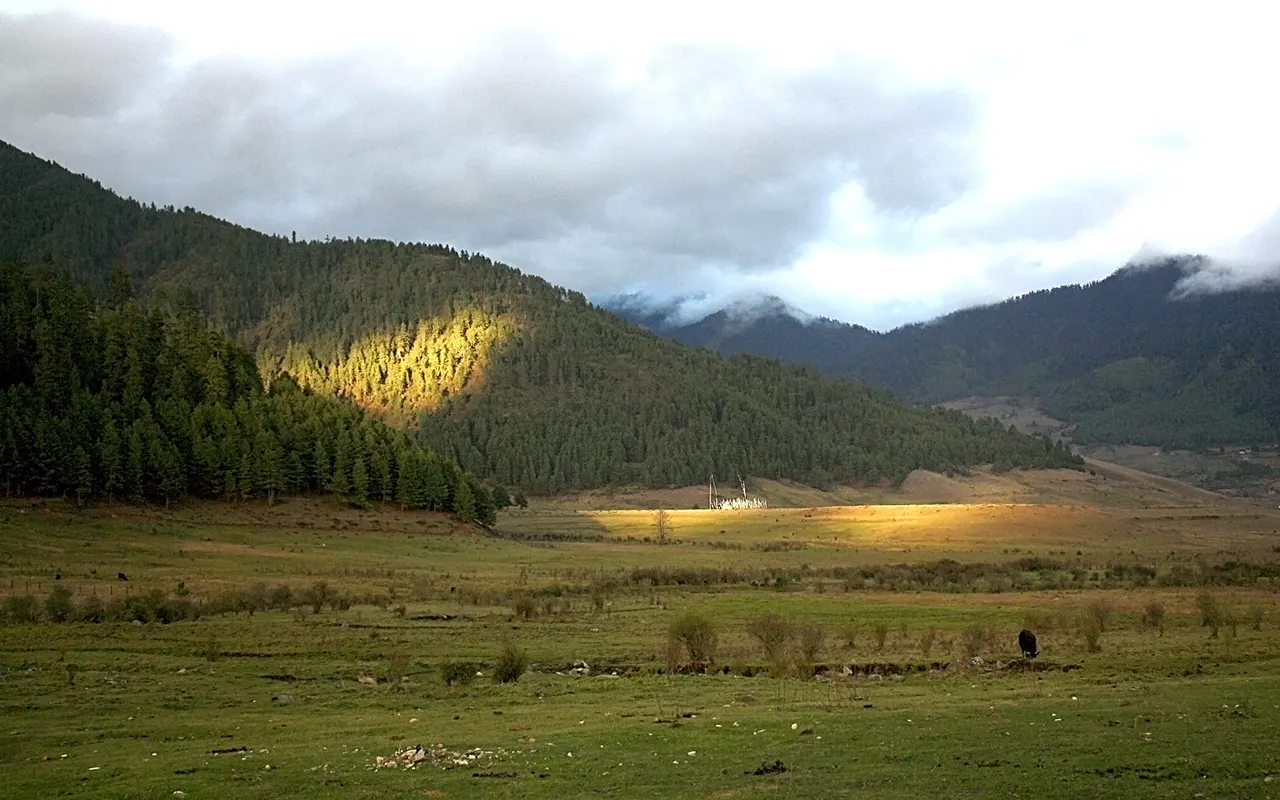
Culture is a major highlight of this valley as you get to visit monasteries, celebrate festivals with locals, and the tradition feels lively. This valley is the blend between harmony and spirituality. By visiting the Phobjikha Valley, you are directly contributing to sustainable tourism and crane conservation.

Conclusion

Phobjikha Valley is not just a resting spot or any stops in Bhutan; it is a journey to connect yourself with the harmony and spirituality in the land of Himalayan spirits. Here you can see why Phobjikha is very different than other parts of the world. Even the cranes are respected here; their arrival is looked at as the luck. Festivals are especially arranged to celebrate this moment. Both locals and tourists can take part in this holy festival. This valley is a quiet corner of Bhutan and ideal for all seasons. Get ready with your camera and binoculars.

Rainbow Valley Everest – A Colorful Name with a Dark Meaning

The snow-capped top of mountain Everest shines like a postcard to all who love adventure and enjoy glory. Behind the dazzling facade, there is another darker secret that very few climbers like to talk about until they face up to it: the so-called Rainbow Valley Everest.

In travel magazines, the name is a charismatic one, evoking images of a green alpine pasture or a rainbow of mountain light. The grisly part right below the top is known as Rainbow Valley since the jackets and equipment of fallen climbers are brightly colored and are well preserved in the ice there.

It is where the ambitious come into contact with the inhospitable environments of the Death Zone of Mount Everest. Such a contrast of beauty and horror summarizes the stakes of being at the top of the tallest mountain in the world.

Rainbow Valley Everest

The Rainbow Valley Everest has become a common term of conversation in the last few years due to viral images and terrifying stories of mountaineers. The tragedies in the Death Zone of Mount Everest (the altitude above 8,000 meters where the body fails to adapt) are ever-increasing as more individuals venture to the high mountain.

The scene of the multi-colored down suits put in ice on the mountainside is fascinating and morbidly heartbreaking. It makes climbers reckon with the cost of their fantasies and leads armchair adventurers to wonder: what is Rainbow Valley, why do the bodies remain there, and what do they say to us about the human endeavor?

This blog seeks to demystify Rainbow Valley Everest by discussing its location, its origin, the tragedies surrounding it, and the ethical issues it brings. We will consider why the nickname is so deceptive, how the Death Zone of Mount Everest creates a situation where the rescue is almost impossible, and what lessons this creepy area teaches the people who enter the thin air.

On our journey, we will also distinguish between myth and reality with the help of recollections of the survivors and specialists in the field of mountaineering to create a complete portrait of this morbid record. To everyone considering climbing Everest or just wanting to study the mountaineering industry, it is necessary to know the story of Rainbow Valley, not to romanticize the concept of death, but to honor those people who died there.

What is Rainbow Valley on Mount Everest?

Rainbow Valley Everest is a section of the upper part of the mountain close to the summit that has been transformed into a temporary cemetery of climbers. Rainbow Valley is not a lush valley, but a steep stretch on the South Col route just below the Hillary step and in the Death Zone of Mount Everest.

Geographically, it is approximately around 8,400 meters (27,560 ft) on the southeast ridge, beyond Camp I, V. The precise position is not indicated on official maps, but is an informal name of Sherpas and mountaineers. The hikers ascending the southeast route have to go through this area during their last ascent towards the peak.

The term Rainbow Valley was introduced on the basis of the dramatic contrast between the snow, which is white in the middle of the snow-white down, and the colorful down suits, tents, and climbing gear that are scattered on the mountainside. Those reds, blues, oranges, and greens chase the light and become rainbow-frozen in time.

Numerous of the bodies have been preserved so well that the jackets still have the brand names. That frozen look is a consequence of the extreme cold and absence of water in the Death Zone of Mount Everest, which stops decay. Rainbow Valley Everest is not featured in official maps or guidebooks.

Mount Everest
Mount Everest

Its location is no secret, which is transmitted through expedition after expedition, and the Sherpa guides often caution the clients against the bodies they might come across. According to accounts, the bodies are in the positions where the climbers fell, as the slopes are so steep, the ice is too hard, and the air is too thin to retrieve the bodies.

The fame of the valley has increased with social media, but seasoned mountaineers emphasize that it is not a holiday destination. It is a cheap lesson to remember that every colored jacket was that of a person who risked everything to climb to a summit which we often look at as a photograph.

Why is it called Rainbow Valley?

Rainbow Valley Everest may strike you as the image of a picturesque alpine meadow, but there is nothing romantic or idyllic about it. The nickname is quite literal and ironic: the rainbow is a big number of colorful jackets, sleeping bags, tents, and backpacks abandoned by the climbers who faced their deaths on this territory.

The reds, yellows, blues, and greens shine out on a white background amidst the snow- and rock-covered landscape, forming a surreal and hauntingly beautiful spectacle. The colors eventually combined into the Rainbow Valley name.

The valley was famous partly due to the colorful narratives of those who travelled through it. Climbers recount their feelings of stepping over or around bodies still wearing their gear and their heads covered by their goggles and oxygen masks.

Due to the extreme cold temperature in the Death Zone of Mount Everest, a lot of bodies take decades to decompose. In some cases, climbers may still be able to identify the brands or patches on the down suits, and this forms an eerie linkage between generations of expeditions.

At the last ascent, the climbers are aimed at survival, and when they cross Rainbow Valley Everest, the spectacle of those colors may be both motivating and terrifying. Most of the climbers have stated that the colors helped remind them of prayer flags or even hope, and why they went there.

Some of them are devastated by the thought of lost lives. Some climbers say they also remind us that the valley is not really a resting place but a consequence of tragedy; every color represents a man who was unable to be brought down because of the hazards of getting a body in the Death Zone of Mount Everest.

The Death Zone of Everest Explained

To have a feel of Rainbow Valley Everest, it is necessary to know what the Death Zone of Mount Everest. Any altitude above 8,000 meters (26,247 ft) where the quantity of oxygen in the air decreases to approximately a third of that of the atmosphere at sea level is referred to as the Death Zone of Mount Everest.

The human body will not be able to acclimatize at this height. Cells start dying, mental performance worsens, and other vital body organs fail. Climbers on supplemental oxygen find it hard to stay long, even with supplemental oxygen.

As one climber described, the clock begins to run the moment you enter the death zone, a combination of low oxygen and extreme cold (below -40 °C), high winds, and physical fatigue makes the Death Zone of Mount Everest extremely hostile.

The route of the death zone along the southeast ridge is steep and narrow, so the climbers have to go very slowly, queuing in single lanes.

In 2019, a photo of a queue of climbers on the Hillary Step went viral and turned into world news in this traffic jam. In this zone, the slightest mistakes can prove to be fatal. The trail, as detailed in the article of Marvel Adventure, is so narrow that it can only accommodate one individual; in case of a collapse, the person is moved aside to allow other people to go by.

The situation also does not allow for rescue and body recovery. At this altitude, helicopters are not in a position to fly safely because of the thin air and unstable wind flows. Transporting a dead body, more than 100 kg with frozen equipment, would take several people’s valuable oxygen and energy, and expose their lives to danger.

According to the Marvel Adventure site, retrieval of the deceased in the death zone would cost more than USD 70,000 and could even claim more lives. On this account, the majority of bodies are left on the spot where they dropped, or covered by the snow. With time, the glowing equipment of these mountaineers makes the region appear like a rainbow.

Tragic Stories Behind Rainbow Valley

Behind the colours of Rainbow Valley Everest are real people with names, dreams, and loved ones. More than 300 climbers have perished on Everest since the first effort was recorded in 1922, and most of the fatalities have been in the Death Zone of Mount Everest.

Some are still in the memory of every climber as those legendary cautionary stories that many only recall through the color of their jackets. Green Boots is considered to be one of the most famous bodies. A body with green climbing boots became a landmark over the decades, on the north side of Everest, in a small cave near the summit.

It is supposedly the body of Tsewang Paljor, one of the 1996 Indian Police party who disappeared in a blizzard. The unique pair of boots of the corpse was an effective landmark in navigation.

A second casualty was a British climber, David Sharp, who tried to reach the summit alone in 2006. Sharp fell dead in the same cave as the Green Boots and was confused with the previous dead person. More than forty climbers passed him as he sat, arms wrapped around his legs, still alive but barely conscious.

Francys Arsentiev, the so-called Sleeping Beauty of Everest, also gave another tragic twist. In 1998, she became the first American woman to summit using no supplemental oxygen, and she and her husband Sergei parted in an unsuccessful attempt to descend. She later died of exposure. The next day, Ay Sergei is killed in a search for her. Their narrative emphasizes the human will to gain at any cost.

The first woman to die on Everest was Hannelore Schmatz, who died in 1979 after declining to retreat in the case of exhaustion. Her body was kept up against a backpack for years with her eyes frozen open and hair blowing in the wind. Later, two Sherpa died while trying to recover her, which demonstrates the dangers of retrieval.

George Mallory, whose body was discovered 75 years after his disappearance in 1924. Behind every colored jacket in Rainbow Valley Everest, there is a story of aspiration, wrong computations, or pure ill fortune. These tragedies remind us of the fact that Everest does not care about human ambition.

Ethics and Controversy

The presence of Rainbow Valley Everest provokes hard moral issues: should the bodies be removed out of respect for the dead, or should they remain as warnings to future climbers? There is no consensus. The families of the dead people commonly desire closure and decent burial, yet the cost of the bodies’ retrieval in the Death Zone on Mount Everest is so high and risky.

In others, Sherpa crews have been able to retrieve bodies under extreme danger to themselves, including an expedition that successfully transported the body of Francys Arsentiev out of sight in 2007 by Ian Woodall. Nonetheless, the fact that most of the climbers are happy to die on Everest ensures that they would not return home.

There is an argument that it is disrespectful to leave bodies and that this is littering. Others refute this by saying that Everest is a natural graveyard and the bodies are meant to remind climbers about the dangers.

In Sherpa and Buddhist cultures, the act of preserving bodies on the mountain may be regarded as letting the soul stay near the holy peak. The local beliefs are that the mountain is a god and the bodies are incorporated into the realm of the mountain.

The other aspect of controversy is whether or not climbers ought to go to aid people who are in distress. The incident of David Sharp divided the mountaineering community: some said that those who passed him did so because they had no means to assist him; others said that human life must be prioritized above summit goals.

In the Everest Death Zone, assisting one person can put your life at risk. The answer to the ethical issues is not so simple; however, the discussion itself has brought improved protocols. The majority of business expeditions are now subject to tight turnaround periods and proper oxygen rations, and giving guides the authority to make choices about forfeiting summit bids to preserve life.
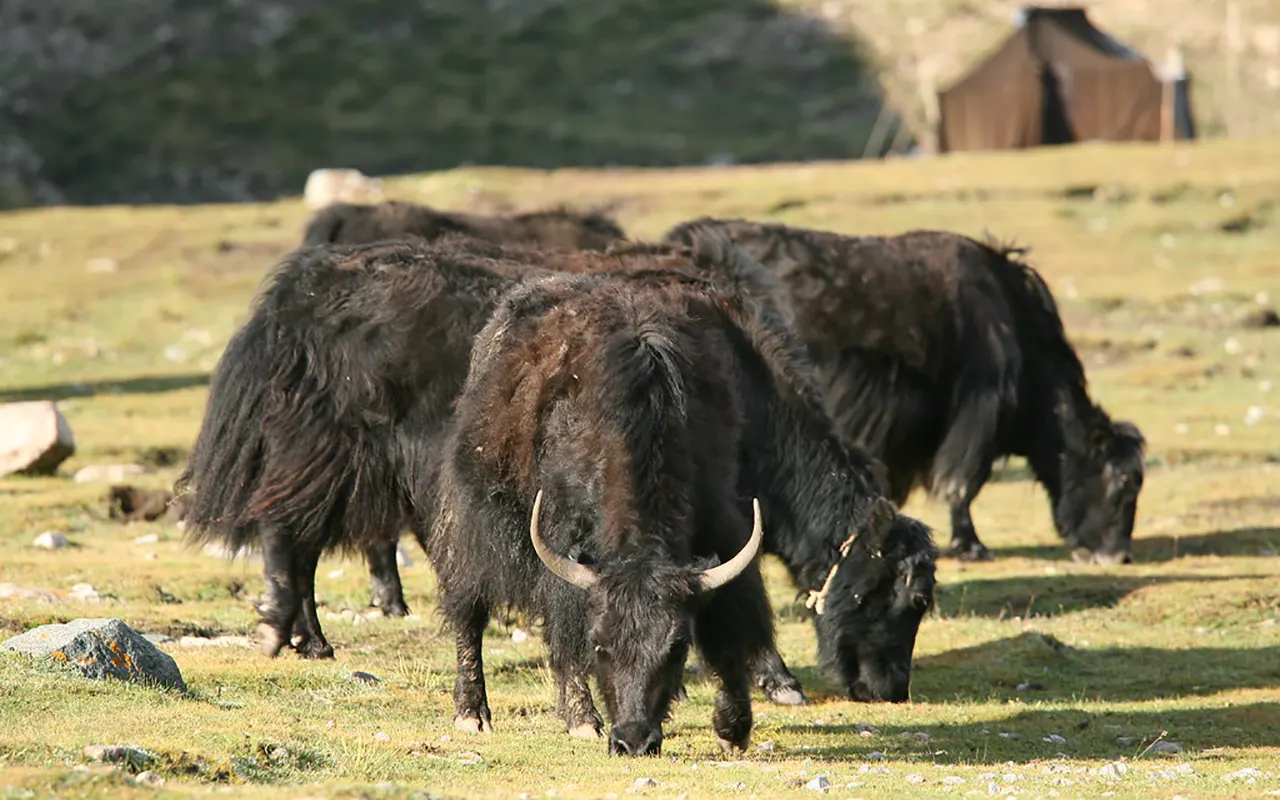
Mountaineers from all over the world are no doubt drawn by the vertigo and unattainable height of Mount Everest. If […]
58 Days
Challenging

US$ 43000

View Detail

Lessons for Climbers and Adventurers

Rainbow Valley Everest emphasizes the fact that climbing is not an adventure; it is a high-stakes venture. A good acclimatization is key to respecting the Death Zone, as altitude sickness is fatal. Important are physical training, high-altitude experience, and mental strength. Numerous fatalities are caused by the so-called summit fever. Retreat is knowledge that can save lives.

Climbers should know the path, weather conditions, and their own boundaries. Oxygen should be kept as a spare, because insufficiency generally results in a collapse in Rainbow Valley. It is imperative to have a competent expedition operator who has competent guides.

Rainbow Valley Everest makes us realize that ambition should not overpower human beings. Climbers have to be aware of those in distress and assist where safe to do so. Even such simple actions as encouragement or oxygen exchange are important. Connection with colleagues, base camp is critical. Through these tragedies, we learn humility, respect for nature, and the limits of human endurance.

Myths vs. Reality

Rainbow Valley Everest, with its dark name, invents myths. It is believed to be a man-made tourist attraction, but in fact, it is a hill on the southeast slope of the ridge where bodies are lying. It is not in trekking itineraries, or the view of Everest Base Camp. Climbers who climb through the South Col on their way to the summit see this very frequently without much notice.

Others think Rainbow Valley has its celestial colors as a result of minerals in the rock. The reality is that they are of down suits, boots, tents, and little, including oxygen bottles. This contaminant is environmental. Clean-up efforts seek to clean up litter, but a majority of corpses are left frozen in their positions where they fell. This is a tragic, as well as a colorful scene.

The other myth is that bodies are deliberately dumped there. As a matter of fact, it is close to impossible to recover in the Death Zone on Everest. Occasionally, fallen climbers are dragged out of slender routes or into crevasses to safety. This grim act isn’t disrespectful but necessary. With time, the remains can be moved or covered by the avalanches or winds.

Other stories glorify Rainbow Valley as a ghost town or a cursed area. Although it is spooky, there is no supernatural action. The ultimate risk is the ambition of the people, miscalculating, and overestimation Everest. The best safeguards against tragedy are respect, preparation, and responsible action, which ensure that climbers do not join this demented record.

Conclusion

Rainbow Valley Everest is paradoxical– a beautiful title as a monument to sorrow. In the Death Zone of Everest storybook landscapes are punctuated with the brightly colored gear of climbers that failed to make it home. Each item of clothing, tent, and boot chronicles acts of courage and strength. These fatalities are memorial objects, but were once human beings with dreams that expired without oxygen or energy.

Although the number of climbers to Everest is increasing, Rainbow Valley should be a cautionary symbol and not an aesthetically enticing one. Rainbow Valley emphasizes the deadly aspect of the Death Zone so that one is less likely to come through alive. Climbers must educate themselves, hear their guides, and be unafraid to turn back.

Frequently Asked Questions

Where is Rainbow Valley located on Everest?

Rainbow Valley Everest is an informal name for the slope just below the Hillary Step on the South Col route, at about 8,400 m. Rainbow Valley lies in the Death Zone of Mount Everest and is only encountered by climbers heading for the summit.

Why are bodies left in Rainbow Valley?

The risk and cost of recovering bodies in the Death Zone of Mount Everest are great. Helicopters cannot operate at these altitudes, and the hazards of carrying a frozen body can put rescuers’ lives in danger. Therefore, most people just leave the body where it falls.

Can trekkers visiting Everest Base Camp see Rainbow Valley?

No, Rainbow Valley Everest is on the summit route above Camp IV, infinitely higher than the hiking route to base camp. Only climbers heading for that last elusive summit pass through it.

How dangerous is the Death Zone?

The Death Zone of Mount Everest – the area above 8,000 m, has only one-third of the oxygen at sea level. The temperatures will regularly drop below -40 °C, and the person will be unable to acclimatize. More than 70–80 percent of Everest fatalities are in this zone.

Has anyone survived after collapsing in Rainbow Valley?

Once a climber collapses in Rainbow Valley, Everest, their chances of survival are extremely low because of the harsh conditions, and the retreat and rescue options are very limited. Therefore, most who die in this zone will never recover, and therefore it is deemed an “open graveyard” of Everest.

Animals That Live on Mount Everest and Their Survival Secrets

Introduction

Mount Everest, the highest mountain top in the whole world, is more than 8,848 meters above sea level. By its stature, it dares to defy every mortal who climbs to its heights. The mountain is known to have extreme environmental conditions, testing life.
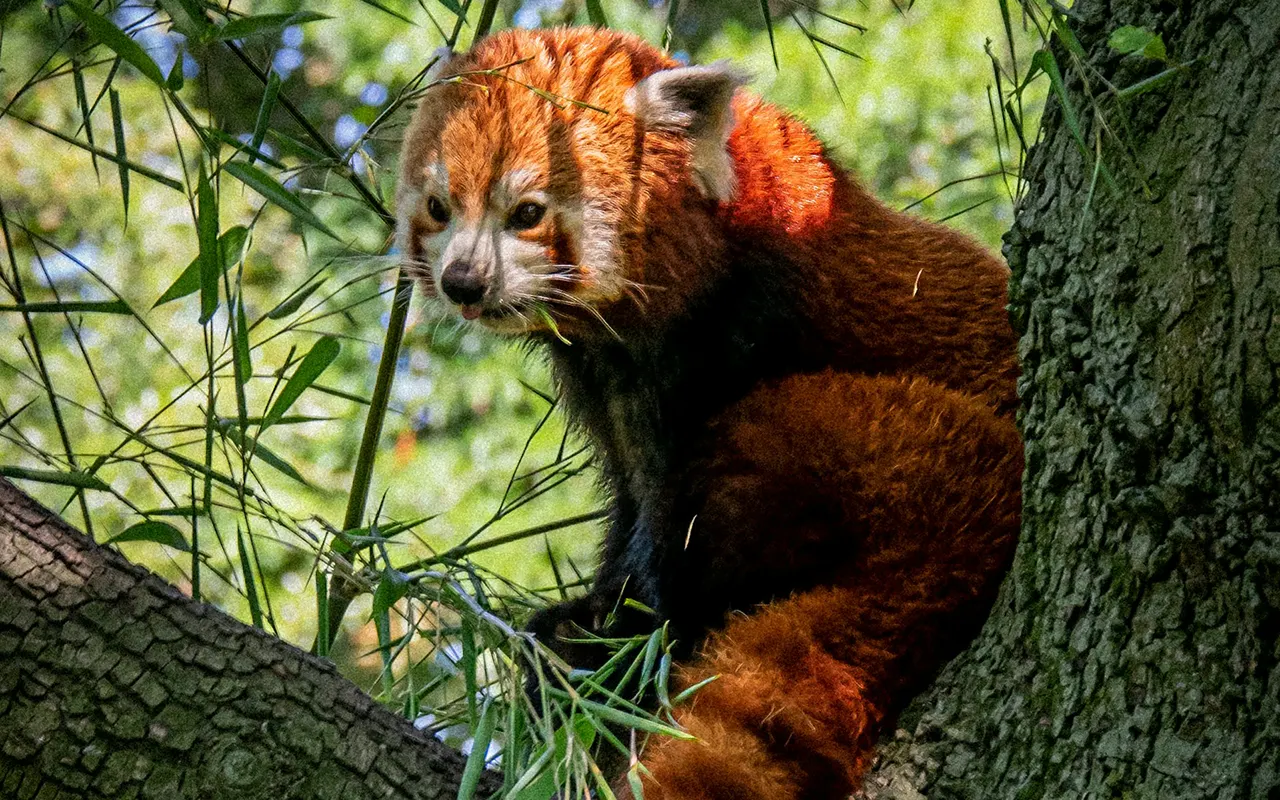
Temperature drops as low as -60 °C, where the air is very thin and oxygen is low. Scorching winds blow over its slopes, making its place very hostile to live in. Nevertheless, this has not been without its adherents, and some tough animals have adapted to these conditions perfectly.

Animals and plants on Mount Everest face constant stress but have developed remarkable adaptations. They survive by coping with low oxygen, extreme cold, and scarce food sources. These secrets of survival allow them to survive in such an extreme habitat.

This guide discusses what animals reside in Mount Everest and how they somehow survive there. These animals prove the exceptional strengths of nature at extreme elevations on the planet, which include tiny insects to large animals.

Comprehending these animals enables us to understand the beauty of the finesse of life within harsh conditions. Their presence on the Everest denotes extraordinary biological adaptations as well as stories of survival in one of the harshest locations on the planet.

Are you looking for something unique when going to the timeless Everest Base Camp? If yes, then come with us […]
12 Days
Moderate

US$ 2800

View Detail

The Harsh Environment of Mount Everest

The extreme altitude of Mount Everest, which stands at more than 8,848 meters, means that the oxygen content may plummet. Such conditions make it hard to breathe in this thin air, causing major problems to both human and animal life living at such altitudes. To avoid extinction, it has to adjust its special adaptations.

Everest temperatures fall to well below freezing temperatures to reach -60 degrees centigrade and below. The winds are so frozen and relentlessly blow across the slopes, adding to the coldness of the environment and increasing the hostile nature of the environment to living creatures trying to survive in such harsh environments.

Very little food is available at high altitudes of Everest, restrictions on food resources for animals. The tough terrain and rocky slopes also present a challenge to movement and access to resources. These challenges pose a threat that only a particular group of species with special survival skills can live in the environment.

Because of the hurdles at high altitude or extreme elevation, the only animals that persist at the top of the world are animals that have very specific adaptations to survive. Those adaptations provide them the ability to withstand coldness, limit energy expenditure, and find food. Animals that live on Mount Everest endure where other life forms cannot.

Animals That Live on Mount Everest

Snow Leopard

The snow leopard is one of the main predators among living beings on Mount Everest. It is a very elusive animal, and it dominates the Himalayan mountain ranges by its sharp hunting instincts and striking presence despite bad weather.

Thick fur keeps it warm against cold, and the large paws serve as snowshoes, preventing it from sinking in deep snow. A long tail gives stability on steep rock as well as warmth when resting or sleeping by hugging its body.

Snow Leopard
Snow Leopard

The secret to the survival of the snow leopard is to be invisible and patient. It preys on blue sheep or bharal with the help of camouflage and silent stalking in the rough and rocky mountains of Everest, so that it can be assured of being the superior predator at this high altitude.

Himalayan Tahr

The Himalayan tahr is a goat like herbivore that is common to the animals inhabiting Mount Everest. It lives in rocky cliffs and steep slopes, being able to handle these inhospitable environments that other animals can hardly dare to venture into

It has powerful, acute hooves, which give it good traction on rocks and cliffs and an ability to move easily uphill. The large, thick, woolly coat protects it against the cold conditions and the harsh winds at the high altitude areas, which are necessary as a means of survival.

Himalayan Tahr
Himalayan Tahr

What made the tahr survive is its ability to feed on the sparse vegetation of high altitude. It is a grass, shrub, and herbivore with the ability to survive during long winters. This diet enables it to last long on the energy provided, even though the surroundings of Everest are extreme.

Musk Deer

Musk deer are among the animals that habitat Mount Everest, but are very shy and elusive. They prefer not to get into contact with humans, making a silent walk through the forests and subalpine areas surrounding the low points of the mountain.

Their skins are camouflaged and of small size, thus giving them protection due to their ability to camouflage with bushes and grass. This cryptic color is necessary in the predator-saturated area of the Himalayan region.

The survival secret of musk deer is that they mainly feed in the morning hours (at dusk) when there is not much activity from the predators. This habit lowers their exposure to danger and supplies enough food to meet their needs.

Himalayan Monal (Danphe)

The Himalayan Monal is the national bird of Nepal that adorns the mountains of Everest with its colorful plumage. Males have colorful feathers and brilliant colors that reflect the contrast of the rough mountainous landscape around them, thus attracting mates and marking their territory.

Himalayan Monal (Danphe)

It can fly very rapidly due to its powerful wings over steep slopes and in valleys. The monal has such powerful muscles that can help this bird to escape danger and traverse the usually punishing and windy conditions present on the mountains of Everest with its alpine regions.

The Himalayan Monal’s survival trick is to dig into snow to feed on roots and insects. This type of foraging approach enables it to find food in winter, even though food is limited on Mount Everest.

Yak (Wild & Domestic)

The yak plays an essential role in the life of both animal and human on Mount Everest. Wild yaks live in mountainous areas, whereas domestic yaks serve the local people by helping them to transport heavy loads up in the mountains.

Large duvets are there to keep out the biting cold and harsh winds. Also, they have large lungs that can take up a lot of oxygen in the thin air, which is why yaks can reside and even flourish where other mammals would do poorly.

Yak
Yak

The key to the survival of the yaks is that they feed on the scarce alpine grass, and even while carrying heavy loads on behalf of human beings. This two-in-one role supports their nutrition needs and significance, which makes them of enigma to animals living on Mount Everest.

Red Panda (lower Himalayan forests)

Although red pandas do not inhabit the peak of Everest, they are seen in the lower forests of the Himalayas. This unknown animal is quite an interesting component of the Everest Mountains, as this animal is used to much cooler conditions and ways, and is found in the more forested areas around the base of the mountains.

The Red panda also possesses semi-retractable claws and an especially large, bushy tail. The claws can climb and grasp the slippery trees, and the tail offers balance and helps to keep the animal warm, a requirement to navigate through the cold, thick forests near Everest.

Red Panda
Red Panda

They have a survival secret that they eat a diet largely comprised of bamboo, and they are nocturnal creatures. Near-night feeding aids red pandas to avoid predation and competition, thus becoming effective stewards of the diversified habitat around Mount Everest.

Insects & Small Creatures

Jumping spiders have also been found near the summit (among the smallest living creatures that live on Mount Everest). Life at high altitude is tough, yet these minuscule arachnids find their path to existence in harsh conditions, where insects in general are rare.

They have a survival trick that helps them to escape their predators; this trick is shelter between rocks and crack crevices. These sheltered zones provide microhabitats that tend to be warmer, and the plants can survive the adverse conditions of the near-Everest peak.

Jumping spiders resort to capturing small insects that are blown by other elements or trapped in crevices. This diet of opportunity enables them to maintain energy levels despite the lack of food matter, and the size is one of the smallest yet fascinating inhabitants of Everest.

Survival Secrets of Everest’s Animals

Those that inhabit Mount Everest have thick fur and good layers to withstand the cold. Such adaptations help to keep body heat, avoid frostbite, and survive long, cold nights in one of the coldest regions of the planet.

Mount Everest presents low oxygen levels; therefore, specialized lungs and blood cells make animals that inhabit the mountain accustomed to this condition. The improved volume of their lungs and oxygen-bearing red cells enables them to breathe deeply and have the stamina in the thin air.

Most animals that inhabit Mount Everest have seasonal or nocturnal habits because it saves energy. Activities in the cooler or safer hours help them to avoid predators as well as dangerous weather, thus increasing their chances of survival throughout the year.

There are some animals that travel to lower altitudes during winter seasons when the environment is too harsh. The seasonal migration of animals that inhabit Mount Everest can reach food and warmer conditions and move to lower altitudes that are more favorable in other seasons.

Feeding modes are of great relevance to the animals inhabiting Mount Everest. They eat plants that are difficult to get in the mountains or kill their prey, especially in this harsh environment, which they frequently adjust to with specialized diets and effective foraging skills.

Everest Base Camp Trek is not an ordinary journey, and thus, you may have watched many films on YouTube about […]
14 Days
Moderate

US$ 1300

View Detail

Human & Animal Connection in the Everest Region

Yaks are one of the most significant animals that live on Mount Everest, and the species is essential to the existence of Sherpas. They pull heavy loads and transport supplies, provide milk and wool, and, therefore, support the economy of local people.

Reflectively, climate change is leading to increased challenges to the conservation of animals that live on Mount Everest. The change in temperature changes habitats, and increasing tourism brings in pollution and disturbance, thus threatening the sensitive balance of this very delicate and unique plant in the mountain.

Some animals migrate to lower altitudes in the winter season because conditions are harsh. This seasonal migration enables wildlife that inhabits the mountain Everest to have greater access to food and warmer conditions, moving back to higher altitudes in much more hospitable seasons.

Environmental awareness and sustainable tourism are perfect essentials in preserving the animals that inhabit Mount Everest. With reduced human activity and the introduction of environmentally friendly alternatives, we as individuals will be able to ensure that this famous region can be preserved into the future for people and the wildlife that lives there.

Frequently Asked Questions

What animals live on Mount Everest?

Mount Everest is home to snow leopards, Himalayan tahr, musk deer, yaks, and Himalayan monal, as well as a variety of insects.

How do snow leopards survive on Mount Everest?

They persist because of thick fur, large paws to help navigate snow, stealth hunting, and portability with a long tail.

Are there birds on Mount Everest?

Indeed, there are high-altitude birds, such as the Himalayan monal, that find their homes in the mountains of Everest, as well as in its forests.

Do yaks live on the summit of Everest?

No, yaks cannot stay at an extreme height like the summit of Everest because the conditions are extreme.

What insects live at the top of Mount Everest?

There are jumping spiders and some hardy insects that survive near the summit in crevices in rocks.

Are red pandas found near Everest?

Yes, red pandas inhabit the lower forest regions around Mount Everest, but not the peak.

Which is the most dangerous animal on Mount Everest?

The snow leopard is regarded as the most lethal predator in the Everest region.

How do animals adapt to low oxygen at high altitudes?

They are adapted to take full advantage of available oxygen because they possess specialized blood cells and lungs that ensure that they only use the available oxygen with great efficiency.

Do humans rely on animals in Everest expeditions?

Yaks and other animals are essential to humans to transport supplies and aid during the expeditions.

Is wildlife on Everest endangered?

Yes, a lot of the species high up in Everest are threatened by climate change, loss of habitats, and rising tourism.

Conclusion

Mount Everest is not simply a climbing problem; some very hardy animals have developed to live in this extreme environment. These animals can live in cold, sparse air and an impossible landscape.

The secret to the survival of animals on Everest brings out the amazing adaptability of nature. These adaptations include piles of fur and special lungs, as well as unique behaviors, so fascinating and much admired in their ability to survive in extreme environments.

It is necessary to guard the unique wildlife in Everest in order to maintain this delicate nature preserve. Sustainable actions will make sure that these miraculous animals will continue to live and preserve the natural heritage of the mountain to be appreciated by future generations.

Free Travel Guide
Your Perfect, Personalized Journey Awaits
profile
Bhagwat Simkhada Seasoned Travel Expert with Years of Experience