



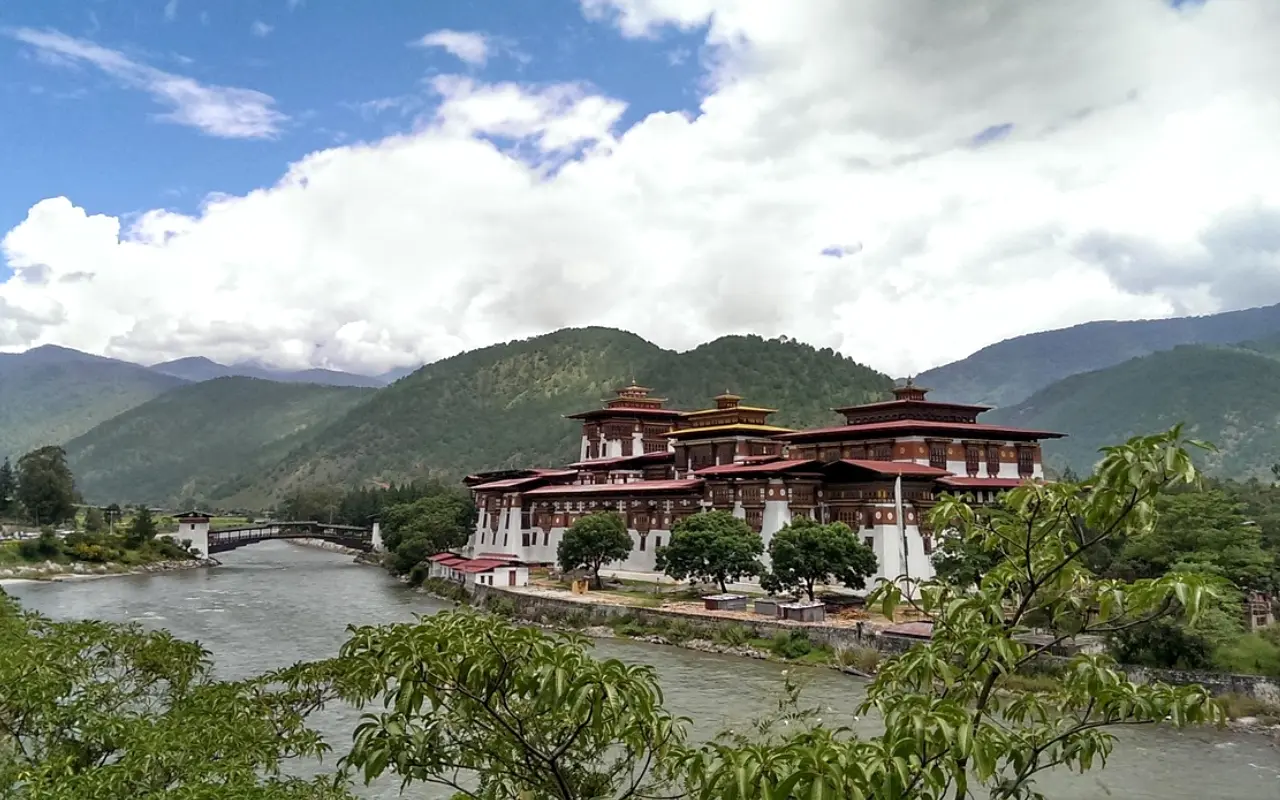
Bhutan in August greets tourists with dramatic mountains, lush valleys, and an astounding Buddhist culture. Nestled in the Eastern Himalayas, it offers stunningly pristine nature and a unique approach to Gross National Happiness, making certain that all visitors observe nature’s beauty, find peace, and enjoy adventure.
Bhutan in August invites the rain lover with beautiful scenery washed with rain and impressive flowers and plant growth. The vegetation and countryside are emerald green ribbons of valley and hills, and the waterfalls are rushing down the hillsides. The rain produces some incredible visual aesthetics that reveal the ferocious beauty of the Himalayan monsoon.
Bhutan in August is a good month for off-season travel, as it also caters to those interested in more natural experiences without crowds at a time when costs would be cheaper. Since most of Bhutan’s notable sites are less dense with people, it is much easier to see and experience local cultures, spiritualties, and natural wonders.
Bhutan in August appeals to cultural tourists as the rain is no barrier to participating in all of the religious festivals. Experience local masked dances at Buddhist sites throughout Bhutan, mindful ceremonies and celebrations initiated by local people that are untouched by the rain and weather, offer visitors an unbelievable and authentic opportunity to see Bhutanese life at its most magical, warts and all.
Bhutan Weather in August
Bhutan in August means varying daytime temperatures. You will experience around 19 to 26 °C in Thimpu, 18 to 27 °C in Paro, and 20 to 28 °C in Punakha. Monsoon in Bhutan is characterized by heavy rain, and 70 to 73% of total annual rainfall occurs during this time. In a month, some areas record up to 1000 mm of rainfall, which offers stunning greenery for which Bhutan is famous.
There are pros and cons to going to Bhutan in the monsoon period of June to September. The pros include fewer tourists, vibrant scenery, and culture, such as festivals where the rain will not affect the celebration. Cons include nearly daily heavy rain, frequent heavy rain, flooding, and landslides.
The heavy seasonal rain during the monsoon does not prevent roads from being slippery due to mudslides. High, heavy water levels in streams and rivers, and mudslides might provide some inconvenient transportation delays, but the rain feeds to other spectacular sites like waterfalls, as well as super lush vegetation, which is stunning in itself.
Why Visit Bhutan in August?
August marks the season of lush green landscapes in Bhutan. With fresh rainfall daily, the countryside is always rejuvenated during August, making the scenes dramatically vibrant. You are more likely to run into much fewer tourists, allowing for facilitated exploration and relationship building with nature and the diverse culture and communities present in Bhutan.
August also provides for serene moments in peace, especially within peaceful monasteries and tranquil dzongs. As the season involves fewer tourists and the hustle of the high season, the sacred spaces feel even more meditative, and the spiritual atmosphere becomes more personal for visitors and explorers alike.
August in Bhutan means off-season deals. You’ll get discounts on flights, accommodations, and tour packages. In Bhutan, August is the best time to relocate dramatic weather into unique photo opportunities: swirling mist, drifting clouds, rushing waterfalls, and shimmering green rice paddies, which will excite and please any photo buff or nature lover.
Festivals & Events in August
Bhutan in August is full of cultural celebrations, including Merak Tshechu in Trashigang and Matsutake Mushroom Festival in Ura, Bumthang. You can witness the masked dances, mushroom foraging, and cultural celebrations in villages.
If you are planning to visit Bhutan during a cultural celebration, you can contact a registered tour operator or tourism website to research travel schedules.
Top Places to Visit in Bhutan in August
In August, Thimphu is fantastic, with vibrant museums, beautiful eateries, and a busy weekend market. The monsoon has rejuvenated the city; you will find life is centered on the daily lives of local Bhutanese, with far fewer tourists around, and the city is incredibly green.
In August, travelling throughout Bhutan makes Paro spectacular: You can visit Paro Dzong, the holy Kyichu Lhakhang, and you can hike to Bhutan’s most famous monastic mountain retreat, Tiget’s Taktshang, when the conditions are suitable. The views may demonstrate a ‘mysterious’ allure when obscured with mist.
Visiting Bhutan in August highlights the exploreable tranquil riverside setting of Punakha Dzong and its day hikes. The rivers will swell during the summer monsoon rains, and are stunning alongside rice fields, while the superstar Punakha Dzong remains majestic in the monsoon.
You can also experience a homestay and the tranquil Haa Valley in August. The woods are misty, the meadows are wide, and the local warmth provides respite from the regional monsoon crowds.
August is a great time for adventure to explore Bhutan’s East, where the villages are secluded, the forests are pristine, and the festivals are colorful. You can explore off the beaten path, surrounded by scenic sights and surreal mountain air, bumping into people who accommodate without being accosted.
Best Activities to Do in Bhutan in August

Scenic drives through Bhutan in August are magnificent as once rolled, green houses and valleys sparkle with monsoon green. They are a treat while working your way around the kingdom to enjoy its phenomenal scenery as you pass flowing rivers, see mountains wrapped in mist, and catch glimpses of small rural villages that change quickly as you drive by.
Visiting dzongs, temples, and monasteries is a priority in Bhutan in August. These and many other spiritual sites can be crowded and sophisticated buildings, like Punakha Dzong or Kyichu Lhakhang, especially when the rain and mist create a magical calm in their interior spaces or sheltered courtyards.
Wellness is taken seriously in Bhutan in August. Taking part in a traditional hot stone bath or herbal wellness retreat is a type of deep-body and soul comfort. The hot stone baths with local medicinal herbs will relax your entire body and offer you a national flavor experience after a day spent discovering.
Sampling local foods, like Ema Datshi with red rice and butter tea, is a treat when you visit Bhutan in August. Indoors, you can also enjoy experiences like museum visits, handicraft workshops, or local textile weaving to offer you welcome distractions when the skies open and outdoor adventures are put on hold.
Trip not found.
Challenges & How to Prepare
In Bhutan, August is notoriously unpredictable in terms of rain, and if someone has travelled here, they’ll know it can change everything. Try to have waterproof gear and have a flexible itinerary, and check weather forecasts daily to ensure you are ready for changes.
In August, these rainfalls can lead to landslides, and because of the slippery roads, they can be a hazard, particularly in mountainous villages. It’s reasonable to ask local guides if certain routes are not safe, and always include extra time in case of disruptions.
In August, the clouds and mist can obscure the visibility of the magnificent Himalayas. Rather than feel disappointed, aim for the moody atmospherics of the day, and always plan for a day visit in clear visibility.
Some hiking trails can get muddy and slippery in Bhutan in August. Leeches and mosquitoes seem to thrive in wet forested areas. You can have success with repellent creams, and wear long socks and pants over trekking trousers when you are trekking to prevent insect bites.
Travel Tips for August Travelers
• Pack waterproof footwear, a rain jacket, and dry bags for essentials and electronics.
• For unpredictable weather, make a flexible travel plan.
• Consider hiring a guide for safety, trail navigation, and cultural insights.
• Get an early start – morning is when you face the best chance of clear skies for sightseeing and photos.
• Book hotels that include good indoor activities or good views for rainy weather.
• Keep your documents and electronics in a secure place.
• Wear clothes that cover your body and bring insect repellent with you.
What to Pack for Bhutan in August
Even in August, Bhutan rain gear should include an umbrella and a raincoat for daily showers. We would suggest bringing waterproof trekking boots or sandals for muddy trails.
Bring layering pieces to keep warm in the chilly high-altitude parts of the country. You will want to make sure you have a power bank, torchlight, and walking sticks.
You’ll also want to bring bug spray. When packing, don’t forget to check that your travel insurance policy covers any delays due to inclement weather.
Permits and Travel Requirements
If you are a traveler going to Bhutan in 2025 (excluding Indian, Bangladeshi, and Maldivian nationals), you will need a Bhutan visa. Visas can only be obtained by booking a tour or through a registered Bhutanese operator who will apply for the visa on your behalf to the Tourism Council.
Travel will only be possible by booking the travel through registered Bhutanese tour operators. This not only ensures that you will comply with Bhutan’s travel rules, for sustainable travel, and permits, but you will also be protecting the value of tours established without advancing the values of sustainable tourism. All tours must be prepaid before the issuance of visas.
All tourists will pay a Sustainable Development Fee (SDF) of $40 per day (added in 2023). When you are getting closer to your departure, you need to confirm any health or COVID requirements in advance from official Bhutan channels to help remain updated and prepared.
Trip not found.
Is Bhutan in August Right for You?
August in Bhutan is great for a cultural trip for those interested in tranquil temples and local festivals while admiring the lush green countryside. August will appeal to those looking to soak in a country’s culture without hiking mountains or physically taxing themselves.
Often, photographers will find August an excellent time to take pictures in Bhutan as the valleys are shrouded in mist and the scenery is colorful and lush. August tends to be a good time for couples and visitors, as places will have far fewer visitors, unique moods with the monsoon, and incredible cultural experiences.
August in Bhutan is discouraged for those who are high-altitude trekkers or travelers seeking sharp views of the Himalayas, as the rain and clouds hinder views, and the wet trail conditions render many of the hiking routes impassable. Those who wish for serious mountain exploration probably will not have their expectations met in August.
Conclusion
Bhutan is one of a kind in August with incredible green landscape, vibrant festivals, and a peaceful ambience. The monsoon brings life to nature, providing a different spirit to experience – conducive to peace and magic in a way that no other season presents.
Visiting Bhutan in August is quieter, so it is a great time to see Bhutan without others. Travelling in August will provide a sense of the character of the environment and a deeper experience with Bhutanese culture.
To travel in this peaceful, greener environment that has fewer tourists, work with a local operator who can develop your itinerary. They know the environment, the culture, and provide a level of safety while learning all about the unique charm that August in Bhutan provides.
FAQs
1. Will I see the Himalayas in August?
Yes, you can see the Himalayas in August, but they are frequently obscured by clouds and mist during the monsoon season.
2. Are roads safe to travel in Bhutan during the monsoon?
Yes, roads are safe to travel on in Bhutan, but you have to be careful of landslides and slippery roads.
3. Is the Tiger’s Nest hike possible in August?
If the weather allows you to walk, hiking to Tiger’s Nest is possible.
4. Do I need a guide for travel in August?
Yes, guides are highly recommended for safety, trail navigation, and cultural experience.
5. What’s the average cost of visiting Bhutan in August?
The expenses will depend on the nature of your tour package and the number of days you spend in Bhutan.
Quick Inquiry

Related Blogs


