notification

Great News, From June 2025 Mount Kailash is open for individuals holding Indian Passports

Why Everest Base Camp Trek

Everest Base Camp Trek always makes its way to the top of the list as one of Nepal’s best mountain adventures. It is one of the most sought out trekking destinations in the world. The trek’s main highlight is gazing at the striking beauty, which stands tall at the height of (8848.86m).

The beauty of the Khumbu Mountain Ranges is not all there is to this trek. It is also a thrilling mixture of breathtaking flora and fauna and the unique yet heartwarming culture of people who live in the Everest region. EBC Trek is the perfect embodiment of what a journey in Nepal’s rural mountain regions should be like.

Key Features of Everest Base Camp Trek

  • Stunningly beautiful view of Mt. Everest along with other Khumbu Giants.
  • Scenic and thrilling flight to Lukla from Kathmandu airport.
  • Thoroughly experience the rural mountain lifestyle and get the chance to understand the unique Sherpa Culture from up close.
  • The extremely breathtaking mixture of a large variety of flora and fauna surviving in the mystical mountain ecosystem.
  • The mystical view of mountains from Kalapatthar.

Everest Base Camp’s dream destination is the most sought out and one of the most recommended trips around the world. This is because the trails for Everest Base Camp have more infrastructure than other trekking trails in Nepal. After all, taking a glimpse of the highest mountains in the world is not a small thing.

In 2002, the BBC UK made a comprehensive list of “50 places to visit before you die,” among which the Everest Base Camp, including Gokyo Ri Trek of the Everest Region, was also one. Several other lists prepared by well-renowned sites like Lonely Planet will tell you the same. The reason for Everest Base Camp’s recommendation is not only for its natural beauty but also for its culturally rich environment. People who have already completed the trek talk about how eye-opening of an experience it was, urging people to visit the place at least once in their life.

In addition to Everest Base Camp Trek’s beauty, it is also one of the world’s cheaper trekking options. All the more reason to join the Everest Base Camp Trek today!

Seven key attractions of EBC Trek

Thrilling Kathmandu Lukla Flight

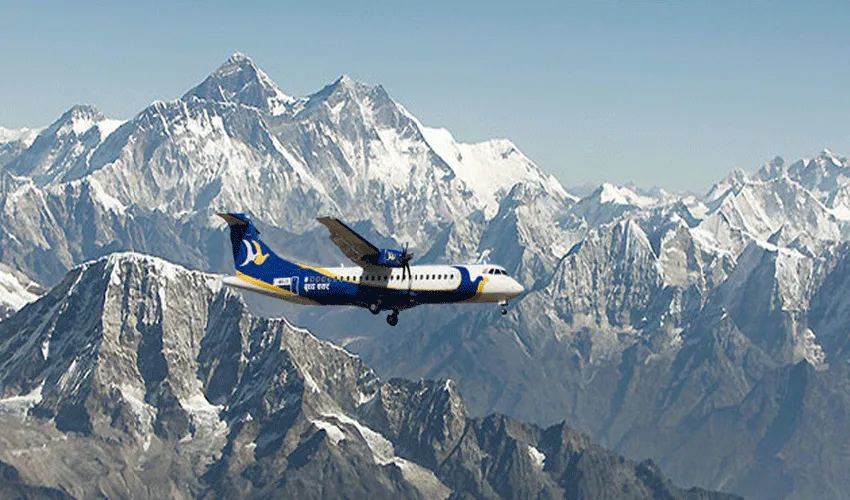
The thrilling flight from Kathmandu to Lukla is one of the most famous mountain flights in Nepal. The main reason for its popularity is the stunning rise and fall in Nepal’s topography, which will keep you on the edge of your seat throughout the ride. Throughout the flight, you can enjoy the picturesque view of lush green hills, terraced paddy fields, and of course, the breathtaking mountain ranges.

The 35 minutes flight takes off from Kathmandu (1300m) and ends at Tenzing-Hillary Airport (2860m). Lukla Airport is the starting point for all trekking adventures in the Everest Region. The short runway and the challenging topography is the reason why it is also known as the “world’s most dangerous airport.” While it is dangerous, a safe and secure flight is the top priority for the flight operators. This is the reason why there are frequent cancellations, even in the case of slightly lousy weather. Flying to Lukla through such challenging landscaped of Nepal is not for the faint of heart.

Many thrill-seekers worldwide join the Lukla flight for the adrenaline rush, while for many others, the spectacular scenery makes up for the adrenaline rush. It is also suitable for people of all ages; you can enjoy the flight even with your kids. On a sunny day, you can view the 18 highest mountain peaks, among which four are above 8000m. The most prominent ones are Mt. Dhaulagiri (8167m) in the east and Mt. Everest in the West, and many others in between.

Spring and autumn seasons are the best time for flights because of more clear weather conditions. Cancellation of flights and delays are common during monsoon. This is because of constant rainfall and foggy weather, making it harder to navigate through Nepal’s continually rising and falling topography.

Ancient Namche Bazaar

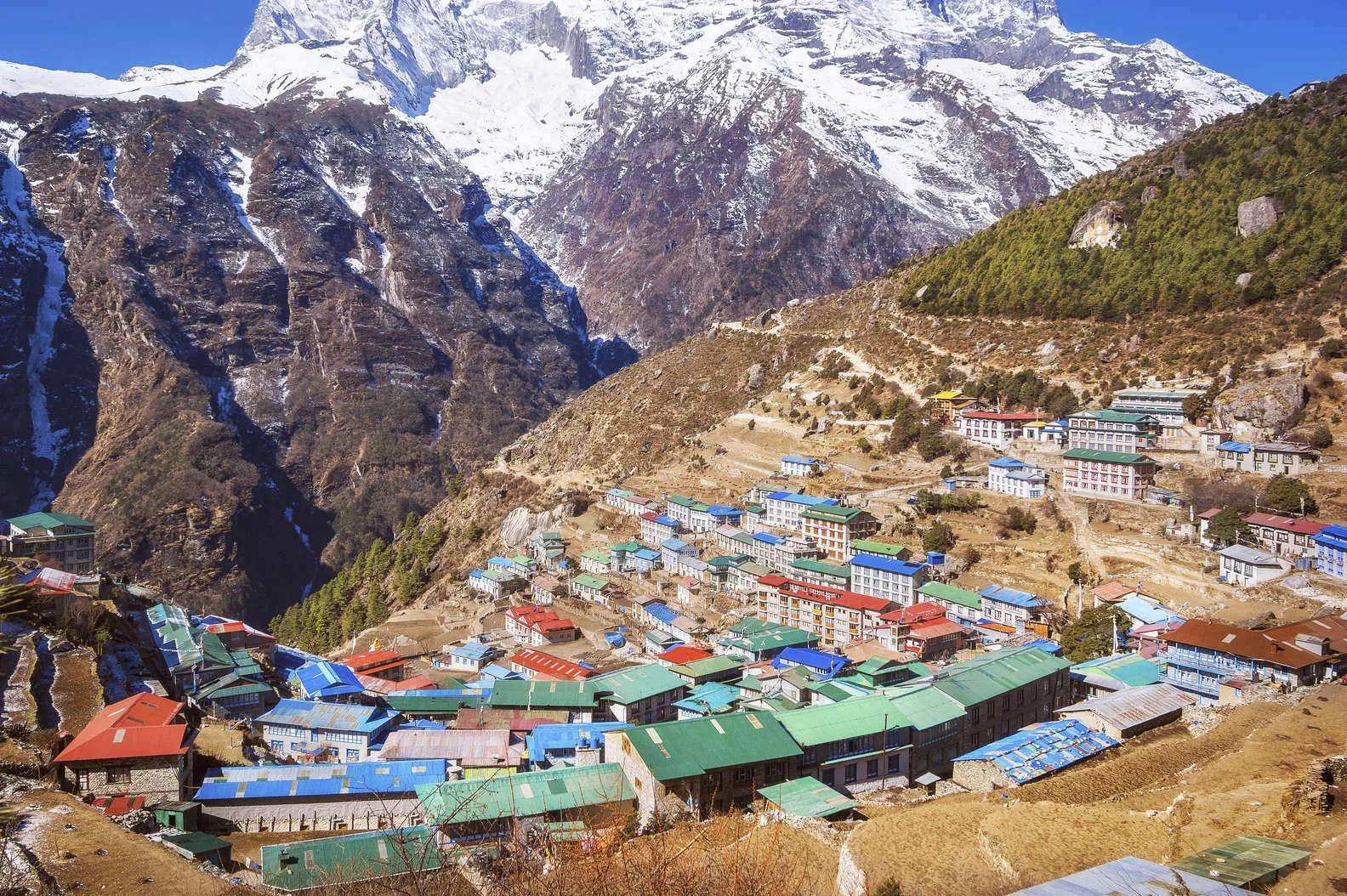
Namche Bazaar, standing at 3500m, is one of the most ancient Khumbu Region trading hubs. It is also a staging point for thrilling mountain expeditions in the Everest Region. It is popular among travelers. It is also the altitude acclimatization point as travelers spend one to two days in Namche Bazaar to get their bodies used to the air pressure.

The beautiful Namche Bazaar is located amid mountains. Immediately west of Namche Bazar is Kongde Ri (6187m), while in the east part stands Thamserku (6623m). You can also view the spectacular Mt. Everest from the Everest View Hotel, one of the hotels’ highest altitudes.

There are countless other things to do in Namche Bazaar except for viewing Mt. Everest. You can enjoy warm coffee in one of the German Bakeries, and smaller café’s in the place or even enjoy a nice beverage in the Irish Pub. If not, you can also enjoy Himalayan cuisines like Rigi Kur (Potato Pancakes), Tzen (millet roti), Thukpa (Noodles), Yak cheese, Butter, and so on. There is also a small Namche Monastery located at the Thame Trail made for the followers of Tibetan Buddhism, and you can visit the Namche Market as well.

The most striking feature of Namche Bazaar is its rich cultural presence and the people living in these harsh mountain conditions. The majority of the settlements are Sherpas, including a handful of other Hindu cultures. Tibetan Buddhism is the most prominent culture, followed by the people residing here. The Namche Bazaar still stands in time as it did several decades ago, mostly because of the harsh topography. It gives a perfect look into the intricate culture and lifestyle of people who have been residing here for generations.

Sacred Tengboche Monastery

Tengboche Monastery stands in the path of the Everest Base Camp trek at the height of 3867m. It takes trekkers about three days to reach the monastery from Lukla. Built in 1916 by Lama Gulu, the Tengboche Monastery originates from its mother monastery known as Rongbuk Monastery. The monastery is one of the sacred sites of Nepal, especially for people who follow Tibetan Buddhism.

Tengboche was one of the first celibate monasteries in the Everest region. The monastery gives travelers an outlook into the rich Tibetan Buddhism culture that has resided in the Everest Region for hundreds of years. Some of the temple Chortens and some smaller religious shrines around the monastery were built even as earlier as 1800.

Inside the monastery are rich paintings, murals, and structures that depict Tibetan culture. One of the most unique and eye-catching paintings is the Tarke-La’s wall paintings that show different Bodhisattvas (Different forms of Buddha). The religious room of Guru Rimpoche is another peaceful sight in the Tengboche Monastery. The areas surrounding the monastery are resided by the Sherpa Community.

Apart from the holy presence, the Tengboche Monastery also resides amid mystical mountain ranges.  The view of mountain ranges like Ama Dablam (6812m), Mt. Everest, Taboche (6367m), and other snow-covered giants of the Khumbu Region. The Himalayan backdrop from Tengboche Monastery is the most beautiful during the winter with the freshly snowed mountain ranges.

The peaceful structure and the beautiful lush forests with the mountain backdrop of Tengboche Monastery provide a perfect meditation place. The Tengboche Monastery not only provides a feast to the eyes but it is also a place for relaxation and soul searching. The Everest region’s peaceful terrains, combined with the monastery’s holy presence, make for a perfect place for meditation.

Rich Sherpa Culture

Sherpa is one of the native Tibetan ethnic groups whose presence you can find in Nepal’s mountain regions. A trek to the Everest Region is not complete without the presence of the Sherpas. The reason is that the majority of the residents of the Everest Region are Sherpas. As such, the culture of Sherpas is the most prominent in the Khumbu Region. Whether it may be tradition, dresses, language, to even festivities, the trail to Mt Everest contains a profound presence of Sherpa Culture.

The first nomadic settlement of the Solukhumbu region was that of the Sherpas. The name Sherpa is taken from the word Sherwa of the Sherpa Language, which loosely translates to “east people” (shyar means east and pa means people). More than 20 clans of Sherpas initially came from four fundamental clans, i.e., Mingyapa, Thimmi, Sertawa, and Chawa.

Throughout the Everest Base Camp Trek, you will get several chances to mingle with the Sherpa community’s people. People of this community run most of the lodges and homestays. There are also several gompas, Chortens, monasteries, and so on along the way that depict the Sherpas’ rich Tibetan roots. Among them, one of the most prominent monasteries is the Tengboche Monastery.

The older generation can be seen sporting traditional clothing like long-sleeved robes called Kitycow for men with a chuba tied around their waist. Women generally wear a long-sleeved dress called tongkok with a raatuk (blouse). These clothes are usually made from sheep wool. The Sherpa communities’ language is a mix of eastern and central Tibetan dialects that is generally unintelligible to Lhasa speakers.

The Sherpa community’s people live with the common Nepali motto that “guests are equivalent to god.” So, they are famous for being one of the most loyal, friendly, and welcoming people out there in the world. Living in these tough mountain conditions for centuries has also made them a perfect companion for thrilling mountaineering expeditions. A trek to the Everest Base Camp cannot be complete without experiencing the Sherpas’ challenging everyday life. Of course, it is also not complete without mentioning the heroic feat of Tenzing Norgay Sherpa.

Everest Base Camp

One of the most sought out destinations in the world is the Everest Base Camp. It is the starting point of an adrenaline-filled Everest expedition among many other expeditions and tours in the Sagarmatha mountain region. There are two base camps for Everest, among which the South Base Camp resides in Nepal, and the Northern one is in China. The South Base Camp of Nepal stands at the thrilling height of 5364m above sea level, overlooking many mountain panoramas.

The trek to reach the Everest Base Camp comes with the picturesque backdrop of mountains and a large stretch of forests. It is a once in a lifetime to truly live your life along with Nepal’s rural mountain ranges. Lukla takes trekkers nine days to reach the stunning destination of Everest Base Camp, and you will be back in Kathmandu in the time of 2 weeks. It is not only the Everest Base Camp destination you will enjoy as the whole journey leading up to it is even more exciting.

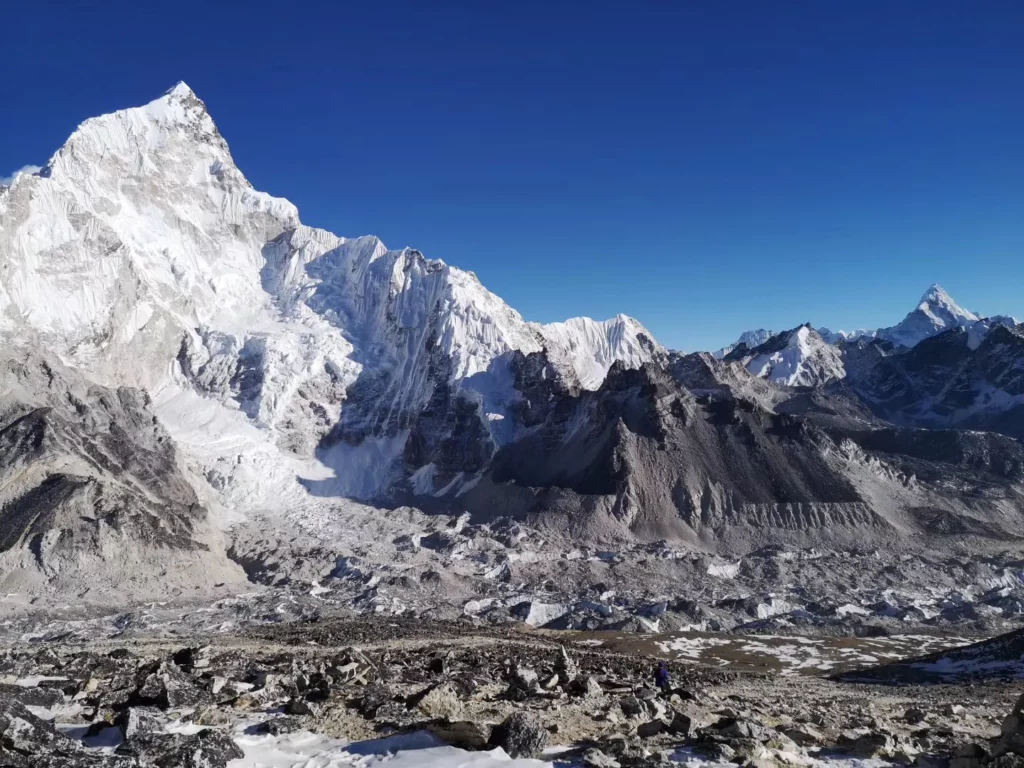
The stunning panorama as seen from the Everest Base Camp includes Mt. Everest (8848.86m), Lhotse (8501m), Nuptse (7879m), Pumori (7165m), along with countless smaller and larger peaks of the Khumbu Region. The Everest Base Camp’s dome view is one of the most sought out and breathtaking mountain views globally.

The best time for a perfect view of the mountains is in winter when the fresh snow has just landed in the mountains. However, the weather conditions during winter are tough to tackle. The Everest Base Camp thus welcomes the most travelers during the autumn and spring seasons.

Kalapatthar

Standing at the height of 5555m, Kalapatthar is also one of Nepal’s world-renowned destinations. It is also one of the most sought-after destinations after Everest Base Camp, mainly for its jaw-dropping view of mountain ranges.

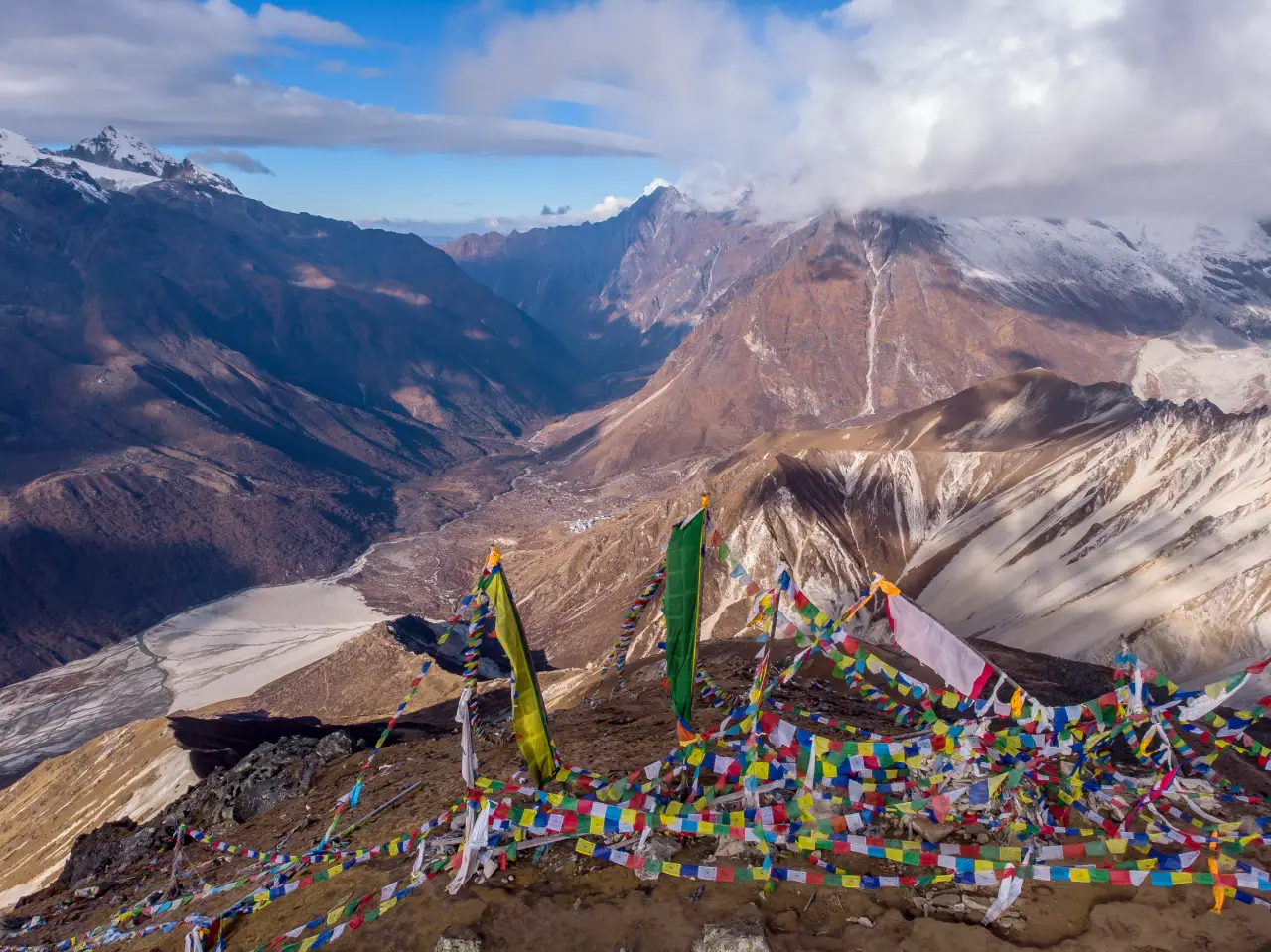
According to the Nepali Language, ‘Kala’ means ‘Black’ and ‘Patthar’ means ‘rock”. So, the direct translation of Kalapatthar is ‘Black rock,’ a name that was given courtesy of its geographical structure. It is a small ridge standing right at the start of Pumori. The rock in itself has prayer flags all around, making it easily recognizable from all the other peaks.

The marvelous sight from Kalapatthar is what people look forward to the most during the Everest Base Camp Trek. It is located perfectly on the south ridge of Pumori, above Gorakshep. The highlight view of Kalapatthar is, of course, the awe-inspiring close-up view of Mt. Everest. It also provides the most accessible view of Mt. Everest as the Everest Massif covers a large portion of Everest from the rest of the world. Along with Everest, you can also view other Khumbu structures like Nuptse, Changtse, and Lhotse. Kalapatthar is one of the best viewpoints in the Everest Region because of this magical view of mountains, which you will not find anywhere else.

Due to the constant steep inclines, Kalapatthar is also one of the hardest ridges to conquer. The winter and monsoon (summer) seasons are significantly more demanding because of the slippery paths and adverse weather conditions. The Autumn and spring seasons are more comfortable but still on a moderate difficulty level because of the rough topography of Kalapatthar. No matter what, you need not worry; the end destination with the stunning view is definitely worth the grind.

Sagarmatha National Park

The UNESCO World Heritage Site of Sagarmatha National Park is everything you can wish for and more in the Khumbu Region. Riddled with countless flora and fauna species, along with the mysterious Mt. Everest, it is an indispensable treasure of the world. It consists of numerous glaciers, deep valleys, high mountains, and different rare and almost-extinct wildlife species.

The Sagarmatha National Park came into prominence in 1976 with an area of 1148sq. Km. It later got titled UNESCO World Heritage Site in 1979. The terrain of the park follows the Dudhkoshi and Bhotekoshi rivers. It is also home to some of the world’s highest peaks, like Lhotse, Cho Oyu, Thamserku, and Nuptse.

The park’s lower altitude contains pine and hemlock forests, and as the height increases, fir, juniper, birch, rhododendron, and other alpine vegetation are more prominent. Several exotic animals like Red Pandas, Snow Leopard, Musk Deer, Himalayan Thar, Himalayan Mouse Hare, and so on take Sagarmatha National Park as their home. There are also over 118 species of birds, including Impeyan Pheasant, Snow Cock, Blood Pheasant, Red-Billed Cough, etc.

The park is also a religiously rich site. World-renowned monasteries and gompas like Tengboche, Khumjung, and Pangboche are present in Sagarmatha National Park. The majority of the population follows Buddhism and Hinduism. Sagarmatha National Park is one of the most popular parks in Nepal for its rich history and culture.

Conclusion

Everest Base Camp Trek is a mountain trekking endeavor and a once-in-a-lifetime experience for trekkers all over the world. It is the dream of every mountain trekker in the world. The mixture of a heavenly view of mountains, a breathtaking collection of flora and fauna, and the unforgettable mountain lifestyle experience is EBC trek’s specialty. There is a reason why Everest Base Camp Trek is one of the most sought-out destinations globally, and it is a cultural, spiritual, and physical experience all meshed into one trek. Not everyone can have the chance to say that they have gazed at the highest peak of the world with their own eyes.

Kathmandu to Ramechap Transportation

Kathmandu to Ramechap Transportation:

 Everest Base Camp Trek

The Everest Base Camp Trek is one of the most popular treks in Nepal. It takes you through some of the world’s most beautiful and challenging terrain, providing stunning views of the Himalayas, including Mount Everest. The trek typically takes around 12-14 days and covers a distance of approximately 130 kilometers. The key highlights of the Everest Base Camp Trek are, 

  • Breathtaking views of the Himalayan mountain range
  • Trekking through beautiful valleys and forests
  • Visiting Sherpa villages and learning about their culture
  • Reaching the base camp of Mount Everest
  • Climbing Kalapatthar for a panoramic view of Mount Everest and the surrounding peaks

The Everest Base Camp trek starts with a flight from Kathmandu to Lukla. Lukla is a small town in the Solukhumbu district of Nepal. It is the gateway to the Everest region, home to Mount Everest and other popular trekking destinations. Other popular treks in the Everest region are Everest View Trek, Gokyo Valley Trek, Everest Three Pass Trek, Everest Base Camp Helicopter Tour, and more.

The flight from Kathmandu to Lukla is considered one of the most scenic flights in the world. The flight takes around 30 minutes and offers stunning views of the Himalayan mountain range.

However, due to the increasing number of flights and congestion at the Tribhuvan International Airport, the Civil Aviation Authority of Nepal (CAAN) has shifted some of the Lukla flights to Ramechhap (Manthali) airport, which is located around 130 km east of Kathmandu.

Reaching Ramechap (Manthali)

Manthali is a small town located in the Ramechhap district of Nepal. It is situated around 1,000 meters and is known for its scenic beauty and cultural heritage.

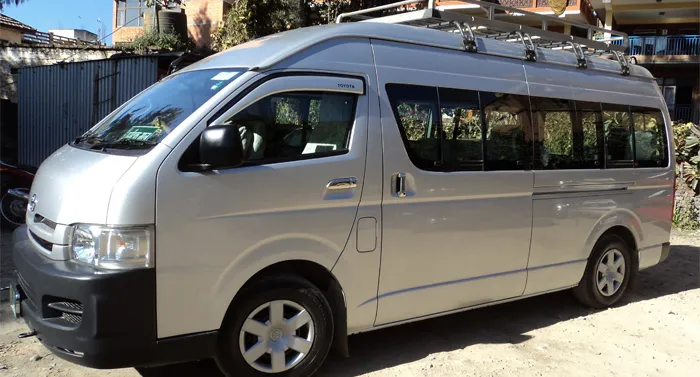
To reach Manthali, you can take different transportation methods, including a bus or a jeep. Both options have their advantages and disadvantages.

Tourist Bus to Ramechap (Manthali)

The tourist bus to Manthali from Kathmandu departs from Thamel. The road to Ramechap (Manthali) is mostly paved but can be bumpy and winding in some sections. The journey from Kathmandu to Ramechap (Manthali) by tourist bus takes approximately 5-6 hours, depending on traffic conditions and weather.

The bus ticket cost is around NPR 1200 (approximately $10). The bus departs early in the morning, and booking your ticket in advance is advisable. The advantage of taking a bus is that it is cheaper than a jeep, and you can interact with other travelers. However, the disadvantage is that the journey can be uncomfortable.


Service Type Tourist Bus
Service Area Kathmandu to Ramechap (Manthali)
Departure Time 1:00 AM
Departure Location Garden of Dreams
Arrival Time 6:00 AM
Cost $25

Jeep to Ramechap (Manthali)

Jeep is another option to reach Manthali. It takes 4-5 hours to reach Manthali from Kathmandu by jeep. The cost of the jeep ride is higher than the bus, and it can vary from NPR 25000 (approximately $ 200). But the jeep can only accommodate seven people.

The advantage of taking a jeep is that it is faster and more comfortable than the bus, and you can choose your travel companions. However, the disadvantage is that it is more expensive than the bus.

When choosing between the tourist bus and jeep, it is important to consider your budget, comfort level, and travel preferences. If you are on a tight budget, the bus is a good option, while if you want a more comfortable and private journey, the jeep is a better option. It is advisable to book your ticket in advance to avoid any last-minute hassle, especially during the peak season. Autumn (Sept-Nov) and Spring (March-May) are the peak tourist seasons in Nepal.


We arrange transportation services to Manthali from Kathmandu. So, how do I contact for tourist bus and jeep booking?

Himalayan Adventure Treks & Tours

Thamel Marg, Kathmandu, Nepal

Email: [email protected]

Phone: + 977-0142 29 672

Skype: bhagwat2006

Emergency Contact: +977- 98511 38 875 (Bhagwat)

Whatsapp: +977-9851138875


Kathmandu to Ramechap (Manthali) Jeep Sharing

There are two options for traveling by jeep – private jeep hire or sharing a jeep with other travelers.

If you hire a private jeep, you can set your schedule and travel at your own pace. The cost of hiring a private jeep to Ramechap (Manthali) from Kathmandu can vary depending on the type of jeep and the number of passengers. Still, you can expect to pay anywhere between NPR 3000 (approximately USD 25) for a one-way trip.


Pros Cons
  • More comfortable and spacious than a shared jeep
  • You can customize the travel itinerary and stops as per your preference
  • Flexibility to depart at a time convenient for you
  • You can travel with your family and friends only, which may be more convenient for some travelers


  • The cost of a private jeep is higher compared to a shared jeep
  • You will have to bear the entire cost of the jeep, even if you are traveling alone or with only a few people
  • There is no chance to experience local culture


If you share a jeep with other passengers, the cost will be significantly lower, but you must follow a fixed schedule. The cost of sharing a jeep to Ramechap (Manthali) can range from NPR 3000 (approximately USD 25) per person, depending on the number of passengers.


Pros Cons
  • Cost-effective, as you will be sharing the cost of the jeep with other travelers
  • A chance to meet and interact with other travelers, which can be a fun and enriching experience
  • Generally, they are more readily available than private jeeps.


  • Less comfortable and spacious compared to a private jeep
  • You will have less flexibility in terms of the itinerary and stops


Conclusion

The Everest Base Camp trek in Nepal starts with a flight to Lukla, but some flights have been shifted to Ramechhap (Manthali) airport due to congestion. To reach Manthali, tourists can take a bus or a jeep. The tourist bus departs from Thamel and takes 5-6 hours, while a jeep takes 4-5 hours but is more expensive. Private jeeps can also be hired, offering more comfort and customization but at a higher cost. Sharing a jeep is a cheaper option, but it follows a fixed schedule. It’s important to consider budget and ease when choosing transportation.

Langtang Region Trek

Trekking in the Langtang region of Nepal is a remarkable experience, offering breathtaking scenery, diverse landscapes, and cultural encounters. Here’s some essential information to help you plan your Langtang trek:

Highlights:

Langtang Valley Trek: This is one of the most popular treks in the region, offering stunning views of snow-capped peaks, lush forests, and traditional Tamang villages.

Gosaikunda Lake Trek: This trek takes you to the sacred Gosaikunda Lake, revered by both Hindus and Buddhists, amidst the backdrop of the Langtang Himalayas.

Langtang-Gosaikunda-Helambu Trek: This is a longer trek combining the Langtang Valley and Gosaikunda Lake treks, extending to the Helambu region, known for its scenic beauty and cultural richness.

Trekking Permits:

  • TIMS Card: Trekkers Information Management System (TIMS) card is required for all trekkers in the Langtang region.
  • Langtang National Park Permit: This permit is mandatory as the Langtang Valley lies within the Langtang National Park.

Best Time to Langtang Trek:

  • The best time for trekking in the Langtang region is during the spring (March to May) and autumn (September to November) seasons when the weather is generally clear, and the views are spectacular.

Difficulty Level:

  • Langtang treks vary in difficulty from moderate to challenging, depending on the route and altitude gain. Trekkers should be prepared for some steep ascents and descents.

Accommodation and Facilities:

  • Accommodation along the trekking routes ranges from basic teahouses to more comfortable lodges in popular areas like Langtang Village and Kyanjin Gompa.
  • Facilities such as food, water, and basic amenities are available at most teahouses, but it’s advisable to carry some snacks and water purification tablets.

Safety Tips:

  • Acclimatization is crucial to avoid altitude sickness. Plan your trek with ample rest days for acclimatization, especially if you’re ascending rapidly.
  • Stay hydrated and maintain a steady pace while trekking to prevent exhaustion.
  • Weather conditions in the mountains can change rapidly, so be prepared with suitable clothing layers and gear.
  • Always trek with a licensed guide for safety and to enhance your experience with local insights.

Cultural Etiquette:

  • Respect local customs and traditions, especially in villages and sacred sites.
  • Ask for permission before taking photographs of people, religious sites, or private property.

Why Langtang Valley Trek-10 Days

  1. Stunning Scenery: The Langtang Valley is renowned for its breathtaking mountain landscapes, including views of snow-capped peaks like Langtang Lirung, Langshisa Ri, Dorje Lakpa, and others. The trek offers diverse scenery, from lush forests of rhododendron and bamboo to high alpine meadows.
  2. Cultural Experience: The trek provides opportunities to interact with the local Tamang and Sherpa communities, experiencing their unique culture, traditions, and hospitality. You’ll pass through traditional villages, monasteries, and yak pastures, gaining insights into the way of life in the Himalayas.
  3. Accessibility: The Langtang Valley Trek is easily accessible from Kathmandu, making it a convenient option for trekkers with limited time. The trailhead at Syabrubesi can be reached by road in around 7-8 hours from Kathmandu, making it an attractive choice for those looking for a shorter trekking adventure.
  4. Less Crowded: While still popular, the Langtang Valley Trek is generally less crowded compared to the Everest and Annapurna regions, offering a quieter and more tranquil trekking experience. This makes it ideal for those seeking a more serene environment amidst nature.
  5. Variety of Trekking Routes: The Langtang region offers a variety of trekking routes catering to different preferences and fitness levels. Besides the classic Langtang Valley Trek, options include the Langtang-Gosaikunda-Helambu circuit, which combines the Langtang Valley with the sacred Gosaikunda Lake and the culturally rich Helambu region.
  6. Adventure and Challenge: The trek presents its own set of challenges, including steep ascents and descents, high altitude, and potentially adverse weather conditions. For adventure enthusiasts, conquering these challenges adds to the sense of accomplishment and adventure.

Overall, the Langtang Valley Trek offers a perfect blend of natural beauty, cultural immersion, accessibility, and adventure, making it a highly rewarding trekking experience in the Himalayas.

Langtang Valley Trek itinerary -8 Days:

Outline itinerary for the Langtang Valley Trek. Keep in mind that this is a basic outline, and actual itineraries may vary depending on factors such as trekking pace, acclimatization needs, and side trips. It’s also essential to be flexible and allow for extra days in case of unforeseen circumstances or to explore additional attractions along the way.

Day 1: Kathmandu to Syabrubesi

  • Drive from Kathmandu to Syabrubesi (7-8 hours)
  • Overnight stay in Syabrubesi

Day 2: Syabrubesi to Lama Hotel

  • Trek from Syabrubesi to Lama Hotel
  • Pass through forests and small villages
  • Overnight stay in Lama Hotel

Day 3: Lama Hotel to Langtang Village

  • Trek from Lama Hotel to Langtang Village
  • Pass through beautiful landscapes and small settlements
  • Overnight stay in Langtang Village

Day 4: Langtang Village to Kyanjin Gompa

  • Trek from Langtang Village to Kyanjin Gompa
  • Explore the monastery and surrounding areas
  • Overnight stay in Kyanjin Gompa

Day 5: Acclimatization Day in Kyanjin Gompa

  • Rest day for acclimatization
  • Optional hike to Tserko Ri for panoramic views
  • Explore the village and surrounding areas
  • Overnight stay in Kyanjin Gompa

Day 6: Kyanjin Gompa to Lama Hotel

  • Trek from Kyanjin Gompa back to Lama Hotel
  • Retrace your steps through Langtang Village
  • Overnight stay in Lama Hotel

Day 7: Lama Hotel to Syabrubesi

  • Trek from Lama Hotel back to Syabrubesi
  • Enjoy the last day of trekking
  • Overnight stay in Syabrubesi

Day 8: Syabrubesi to Kathmandu

  • Drive from Syabrubesi back to Kathmandu (7-8 hours)
  • Transfer to your hotel in Kathmandu
  • End of the Langtang Valley Trek

This itinerary provides a basic outline of the Langtang Valley Trek, covering the main highlights of the region. However, there are variations and side trips you can consider, such as visiting the Langtang Glacier, exploring nearby peaks, or extending your trek to include the Gosaikunda Lake or Helambu region. Be sure to consult with your trekking agency or guide to tailor the itinerary to your preferences and needs. Additionally, always prioritize safety and acclimatization during your trek.

Langtang is just 32 kilometers far from Kathmandu valley. It is one of the nearest trekking destinations from Kathmandu. Langtang region consolidates glorious social towns, Tamang heritage trek, and scenic Langtang valley with the heavenly lakes at Gosainkunda and the breathtaking Helambu valley.

The Langtang region trek is famous because of the Langtang national park which spreads around the territory of 1710 sq. km. trek to Langtang can begin either from Sundarijal or from Dhunche/Syabru Besi. Tamang valley trek, Gosainkunda trek, and Ganesh Himal trekking begin from Syabru Besi or Dhunche. Langtang national park is the second largest national park in Nepal. During trekking, Langtang Himal (6581m) Langtang Lirung (7234m), Mt. Gangchhempo, Langtang Ri (7246m.), Lakpha Dorje, Kimsung (6745m.) Ganesh Himal I (7406m.), Ganesh Himal II (7150m.), Ganesh Himal III (7130m.), Yala peak (5560m.), Gangala Chuli (5844m.), Langshisa Ri (6310m.), Morimoto crest (6750m), Pongen Dopku (5930m), Tembthang (5702m), Salbacchum (6707m), Kyungka Ri (6979m), Chusmodo (6508m), Manaslu (8163m), can easily be seen the most prominent trekking route in Langtang valley are:

1.Gosaikunda Lake Trek

2.Helambu Valley Trek

3.Ganjala Pass Trek

4.Tilman pass Trek

5.Langtang Valley Trek

6.Langtang Helambu Trek

7.Langtang valley Gosaikunda Lake Trek

8.Tamang Heritage Trek

Gosainkunda Lake:

One of the most famous pilgrimage destinations of Nepal is Gosainkunda Lake which is situated at an altitude of about 4,360m. Dhunche 132 km to the most north of Kathmandu is the gateway to Gosainkunda. There are other nice nine famous lakes such as Saraswati Kunda, Bhairav Kunda, Surya Kunda, Ganesh Kunda, Nag Kunda, Kal Kunda, etc. This lake is popular with the pilgrims as well as non-pilgrims. Pilgrims pay a visit as a sacred place of Lord Shiva whereas non-pilgrims visit the place for adventure trekking. The famous trekking route Langtang crosses Gosainkunda. This trail is also called the Tamang Heritage Trail. This lake is not only famous among the Nepali Pilgrimage but also popular for the foreigner.

Every year in the Nepali festival called Janai Purnima they have a huge number of people visit this lake and worship Lord Shiva. The man changes their Janai ( small rope on the body) they believe that this is the holy place and God will fulfill all the desire.

Reason to Choose Langtang Valley:

Langtang Valley Trek is the most beautiful alpine valley in the world, Langtang Valley is one of the best options for a short trek and a combination of natural sightseeing after a few hour’s drive from Kathmandu. Langtang Trek began from Syabrubesi which is a 6-7 hours drive from Kathmandu.

Panoramic views of Mountains:

Langtang valley is full of the scenic view of the great Himalayas panoramic view of mountains like Naya Kanga peak (5846m), Langsisa Ri (6427m), Langtang Lirung (7227m), Dorje Lakpa (6966m), Langtang Ri (7205m), Dragmarpo Ri (6578m), Yala Peak (5520m) and many more. Tamang Culture and their living lifestyle is also another attraction of this region.

Climbing Kyanjin Ri or Tsergo Ri:

Kyanjin Ri or Tsergo Ri is the best viewpoint to enjoy the amazing view in Langtang valley offering the nearest views of Changbu (6251m), Langtang Lirung (7227m), and other many peaks and extraordinary view of Langtang Lirung Glacier after a few hours hiking experience from the Kyanjin Gumba.

Good Accommodation facilities:

Langtang valley is one of the most popular trekking destinations in the world. The Tea houses/ lodges are providing the best service and always welcoming all the guests with smiling faces. Most of the guesthouses/ Lodges with twin sharing beds, enough blankets, gadget charging facilities, western-style toilets with a hot and cold shower, clean and commodious, and provide the service of basic needed.

Visiting Rhododendron forest:

Rhododendron is Nepal’s national flower. Basically in the Spring season i.e between the month of April and May. You can enjoy the beautiful view of blooming colorful rhododendron all over the Jungle which makes the jungle looks like a bride. View of colorful rhododendrons in the background of white snow Mountains would be a really worth view which makes memory unforgettable and a lifetime experience.

Local Food:

Mountain food is always organic and healthy. Organic Food above 2500 m made so unique and delicious. Vegetables from the local fields can enjoy the taste of mouthwatering and the warm hospitality, great service feel you 100% satisfied with the help of Himalayan Adventure Treks.

Conclusion:

Trekking in the Langtang region offers a perfect blend of natural beauty, cultural immersion, and adventure. With proper preparation, respect for local customs, and a spirit of adventure, your Langtang trek is sure to be a memorable experience.

Popular Trekking Routes in Nepal

Annapurna Region:

The Annapurna region was recorded as a conversation area in 1986. It covers a territory of 7600 sq. km.  Around 66% of total trekkers make their first choice in the Annapurna region because of its diversity and landscape. Annapurna region offers Gurung culture and a panorama of the majestic mountain vistas such as Dhaulagiri, Manaslu, Annapurna I, Machhapuchhre, Nilgiri, Tukuche peak, Annapurna south and various other mountains. The well-known Annapurna circuit trek, Annapurna sanctuary trek, Jomsom Muktinath trek, and the royal trek are the most renowned trekking trails inside the Annapurna region.

Annapurna-Region
Annapurna Region

Everest Region:

The Everest region has been a Mecca for climbers and trekkers. Mount Everest was the first summated in 1953 by Sir Edmund Hillary (Newzealand) and tensing Norgay Sherpa (Nepal). From that day it has become popular for the tourist who is willing to trek or climb the world’s highest mountain. It is situated in the eastern part of Nepal. The Sagarmatha National park spreads over a range of 1148 sq. km. and reaches from 3300m (11000 FT.) to 8848.86m (29029 ft.) which is the most elevated place on earth. It is the homeland of musk deer, drow, Ghoral, and Himalayan Thar and also red-charged chough, Impheyan fowl, blood bird and yellow charged though. It is an addition to Mt. Everest there are two eight thousand peaks Cho Oyu (8201m) and Lhotse (8526m). Trekking in the Everest region is a blend of simple and testing trek, such as Everest panorama view trek, Gokyo lake trek, Everest base camp trek, and Everest three high passes trek.

Everest-Region
Everest Region

Manaslu Region:

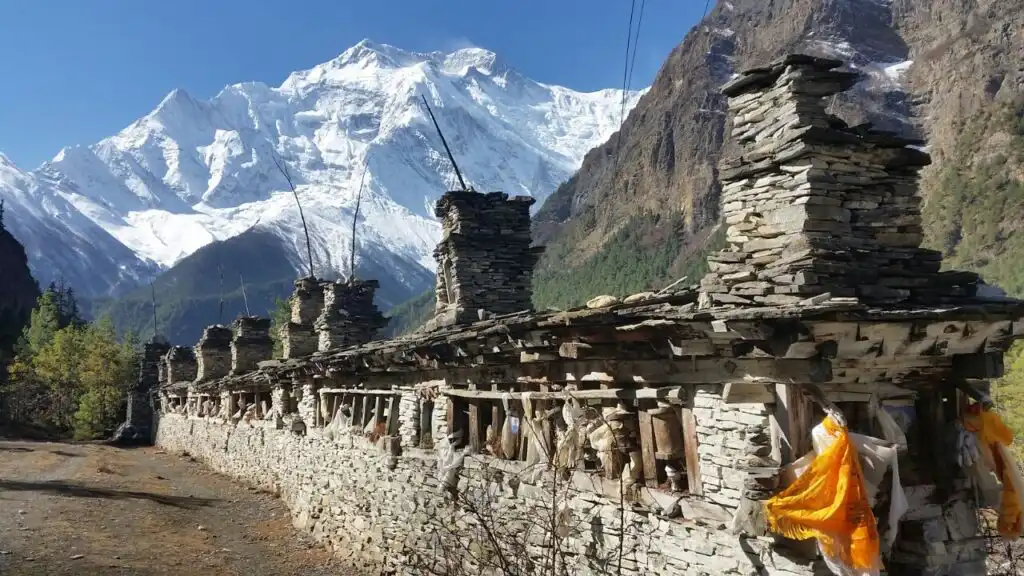
Manaslu region offers various trekking trails. Manaslu trekking route confined the Annapurna. The trekking trail takes after an old salt exchanging course along the Budhi Gandaki River. The most astounding point along the trekking course is the Larke pass at a height of 5100 meters (17175 ft.) Mt. Manaslu, Ganesh Himal range, Sringi Himal, Naike peak, Cheo Himal, Ratna Chuli; kangaroo Himal can be seen during trekking. Sama Gaun in the lap of Mount Manaslu, antiquated Buddhist monasteries, endless mani walls (STONE ENGRAVED WITH MANTRAS), Chorten or stupas and Kanis along the way (round religious structures in Tibetans Buddhism frequently lodging relics and encompassed by supplication plants.) are another the attraction of Manaslu trekking.

Manaslu-Region
Manaslu Region

Langtang Region:

Langtang is just 32 kilometers far from Kathmandu valley. It is one of the nearest trekking destinations from Kathmandu. Langtang region consolidates glorious social towns, Tamang heritage trek, and scenic Langtang valley with the heavenly lakes at Gosainkunda and the breathtaking Helambu valley.

Langtang-Region
Langtang Region

The Langtang region is famous because of the Langtang national park which spreads around the territory of 1710 sq. km. Trek to Langtang can begin either from Sundari Jal or from Dhunche/Syabru Besi. Tamang valley trek, Gosaikunda trek, and Ganesh Himal trekking begin from Syabru Besi or Dhunche. Langtang national park is the second largest national park in Nepal. During trekking, Langtang Himal (6581m) Langtang Lirung (7234m), Mt. Gangchhempo, Langtang Ri (7246m.), Lakpha Dorje, Kimsung (6745m.) Ganesh Himal I (7406m.), Ganesh Himal II (7150m.), Ganesh Himal III (7130m.), Yala peak (5560m.), Gangala Chuli (5844m.), Langshisa(RI 6310m.), Morimoto crest (6750m), Pongen Dopku (5930m), Tembthang (5702m), Salbacchum (6707m), Kyungka RI (6979m), Chusmodo (6508m), Manaslu (8163m), can easily be seen.


Mustang Region:

Mustang region of Nepal is considered as the forbidden city of Nepal. The region is inhabited by the Tibetan origin people with their own culture and traditions. The place is often described as the place beyond mountains. The mesmerizing landscape and unique culture of this Himalayan village never fail to hypnotize the visitors. The place beyond the Annapurna circuit trek route and requires a special permit to get admittance. The place is within the restricted region of Nepal. The government of Nepal has tried to protect the essence and the beauty of this place for the world. Therefore special permits and separate immigration visas should be required in order to enter the upper mustang region of Nepal. The place is famous for the TIJI festival, the world’s deepest gorge of Kali Gandaki and Lomanthang palace. The walled city is considered as the capital of this kingdom. Apart from the traditional and cultural aspects, the monasteries of upper mustang are awaiting Buddhist religious pilgrims.

Mustang Region
Mustang Region

Trekking Information of Nepal

What is Trekking?

Trekking is a form of outdoor adventure activity that involves traveling on foot through natural landscapes, typically over long distances and varying terrain. It is often associated with hiking, backpacking, and camping, and it’s a popular activity in mountainous regions, national parks, and wilderness areas around the world. Trekking can range from relatively easy walks on well-marked trails to challenging expeditions requiring technical climbing skills and equipment.

Here are some key features of Trekking in Nepal:

Walking: Trekking primarily involves walking long distances, usually over several days or weeks. Trekkers carry their backpacks containing essential gear, clothing, food, and water.

Exploration: Treks often take participants through diverse and remote landscapes, including mountains, forests, valleys, rivers, and high-altitude plateaus. Trekking routes may pass through villages, cultural sites, and areas of natural beauty.

Adventure: Trekking offers an opportunity for adventure, exploration, and discovery. Trekkers experience a sense of freedom and independence as they navigate the trail and overcome challenges along the way.

Physical Activity: Trekking requires physical exertion and endurance, as participants walk for extended periods, ascend and descend steep terrain, and adjust to changes in altitude and climate. It’s a great way to stay active and improve cardiovascular fitness.

Cultural Immersion: Many trekking routes pass through remote villages and ethnic communities, providing opportunities for cultural exchange and interaction with local people. Trekkers may learn about indigenous cultures, traditions, languages, and lifestyles.

Scenic Beauty: Trekking routes often offer breathtaking views of natural landscapes, including snow-capped mountains, lush forests, alpine meadows, waterfalls, and wildlife. The journey itself becomes as much a part of the experience as reaching the destination.

Challenge and Achievement: Trekking can be physically and mentally challenging, especially on difficult terrain or at high altitudes. Overcoming obstacles, pushing personal limits, and reaching the trek’s endpoint or summit provide a sense of accomplishment and satisfaction.

Environmental Awareness: Trekking promotes appreciation and respect for the natural environment. Trekkers learn about ecosystems, conservation efforts, and the importance of sustainable practices to minimize their impact on fragile ecosystems.

Here’s some essential information about trekking:

  1. Types of Treks:
    • Teahouse Treks: These treks involve staying in local teahouses or guesthouses along the trail, where basic accommodation and meals are provided.
    • Camping Treks: In remote areas with limited infrastructure, trekkers camp in tents and carry their own food and equipment. These treks require more logistical planning and support staff.
    • Tea House & Camping Combination Treks: Some routes combine both teahouse and camping accommodation options, providing flexibility and variety.
  2. Popular Trekking Destinations:
    • Nepal: Home to some of the world’s most iconic trekking routes, including the Everest Base Camp Trek, Annapurna Circuit, and Langtang Valley Trek.
    • Himalayas (India, Bhutan, Tibet): Other Himalayan regions offer stunning trekking opportunities, such as the Markha Valley Trek in Ladakh (India), the Druk Path Trek in Bhutan, and treks around Mount Kailash in Tibet.
    • Peru: The Inca Trail to Machu Picchu is one of the most famous trekking routes in the world, offering a blend of ancient ruins, mountain scenery, and cloud forest.
    • Nepal, India, Bhutan, Tibet, Peru: These destinations are known for their challenging high-altitude treks, including the Three Passes Trek in Nepal, the Chadar Trek in Ladakh (India), the Snowman Trek in Bhutan, and the Everest Base Camp Trek from Tibet.
  3. Best Seasons for Trekking:
    • Nepal, India (Himalayas): The primary trekking seasons are spring (March to May) and autumn (September to November), when the weather is generally stable, and skies are clear. These seasons offer the best views and comfortable temperatures.
    • Peru: The dry season from May to September is the best time for trekking on the Inca Trail, with sunny days and minimal rainfall.
    • Bhutan, Tibet: Similar to Nepal and India, the spring and autumn months are ideal for trekking, avoiding the monsoon and winter seasons.
  4. Altitude Sickness:
    • Altitude sickness, also known as acute mountain sickness (AMS), can occur when ascending to high altitudes too quickly.
    • Symptoms include headaches, nausea, fatigue, and dizziness. Severe cases can lead to life-threatening conditions like high-altitude pulmonary edema (HAPE) or high-altitude cerebral edema (HACE).
    • Proper acclimatization, hydration, and gradual ascent are essential to prevent altitude sickness. Trekkers should also be familiar with the symptoms and know when to descend if necessary.
  5. Permits and Regulations:
    • Many trekking routes require permits, which can be obtained from local authorities or national park offices.
    • Regulations may also apply to protect fragile ecosystems, wildlife habitats, and cultural sites. Trekkers should adhere to these rules and regulations to minimize their impact on the environment and respect local customs and traditions.
  6. Guided vs. Independent Treks:
    • Trekkers can choose between guided group treks led by experienced guides or self-guided independent treks.
    • Guided treks offer the expertise of local guides, logistical support, and safety backup, while independent treks provide more flexibility and freedom to explore at your own pace.
  7. Equipment and Gear:
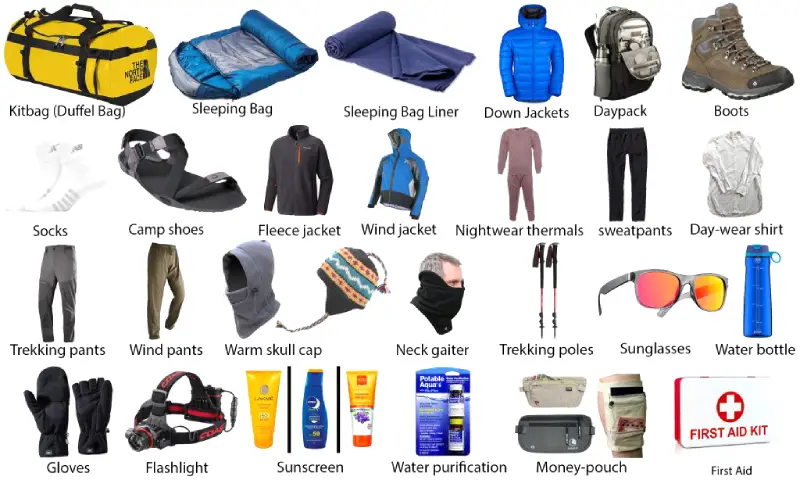
    • Essential trekking gear includes sturdy hiking boots, layered clothing for varying temperatures, a waterproof jacket, a comfortable backpack, a sleeping bag, trekking poles, and a first aid kit.
    • Depending on the trek, additional gear such as crampons, ice axes, and climbing harnesses may be required for high-altitude or technical routes.

Nepal is renowned worldwide for its diverse and breathtaking trekking routes, each offering unique landscapes, cultural experiences, and adventure opportunities. While there are many popular trekking regions in Nepal, some of the most well-known ones include:

  1. Everest Region:
    • Everest Base Camp Trek: One of the most iconic treks in the world, leading trekkers to the base camp of Mount Everest (8,848 meters). The route offers stunning views of Everest, Lhotse, Nuptse, and Ama Dablam.
    • Three Passes Trek: A challenging and adventurous trek that crosses three high mountain passes (Kongma La, Cho La, and Renjo La) and explores the remote valleys of the Everest region.
    • Gokyo Lakes Trek: This trek takes trekkers to the turquoise Gokyo Lakes and offers panoramic views of Everest, Cho Oyu, Makalu, and other Himalayan peaks.
  2. Annapurna Region:
    • Annapurna Circuit Trek: Known for its varied landscapes, including lush forests, terraced fields, high mountain passes, and traditional villages. The trek circles the Annapurna massif and offers stunning views of Annapurna, Dhaulagiri, and Manaslu.
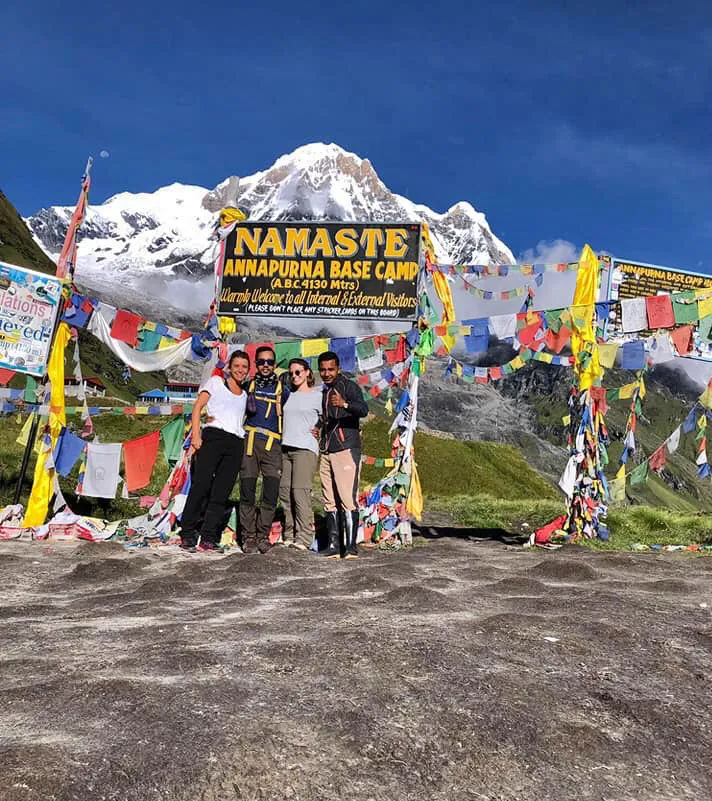
    • Annapurna Base Camp Trek: Leading trekkers to the base camp of Annapurna (8,091 meters), this trek passes through rhododendron forests, picturesque villages, and alpine meadows.
    • Mardi Himal Trek: A relatively new trekking route offering pristine mountain scenery, including views of Machhapuchhre (Fishtail), Mardi Himal, and the Annapurna range.
  3. Langtang Region:
    • Langtang Valley Trek: Known as the “Valley of Glaciers,” this trek takes trekkers through the Langtang Valley, offering views of Langtang Lirung and other Himalayan peaks. The route passes through Tamang villages, dense forests, and high-altitude meadows.
    • Gosainkunda Trek: This trek leads to the sacred Gosainkunda Lake, a pilgrimage site for Hindus and Buddhists. Trekkers can enjoy panoramic mountain views and experience the cultural richness of the region.
  4. Manaslu Region:
    • Manaslu Circuit Trek: A remote and less crowded trek circumnavigating Mount Manaslu (8,156 meters), the eighth highest peak in the world. The route offers diverse landscapes, traditional villages, and views of Manaslu, Ganesh Himal, and other peaks.
  5. Upper Mustang Region:
    • Upper Mustang Trek: Known as the “Forbidden Kingdom,” this trek offers a glimpse into the ancient Tibetan culture and landscape of the Mustang region. Trekkers explore medieval villages, Buddhist monasteries, and barren landscapes reminiscent of Tibet.

Trekking is immensely popular in Nepal for several reasons, making it one of the top trekking destinations in the world. Here are some key factors contributing to the popularity of trekking in Nepal:

Himalayan Landscapes: Nepal is home to some of the world’s highest mountains, including Mount Everest, the highest peak on Earth. The country’s diverse landscapes offer a stunning backdrop for trekking, with snow-capped peaks, deep valleys, rugged terrain, alpine meadows, and lush forests.

Variety of Trekking Routes: Nepal boasts a wide range of trekking routes catering to all skill levels, from beginner-friendly trails to challenging high-altitude expeditions. Whether you’re seeking a short and scenic hike or a multi-day adventure, Nepal has trekking options for everyone.

Cultural Diversity: Trekking in Nepal provides opportunities to experience the rich cultural heritage and traditions of the country. Trekkers pass through remote villages inhabited by diverse ethnic groups, including Sherpas, Tamangs, Gurungs, and Thakalis, each with its own unique customs, languages, and lifestyles.

Hospitality of Locals: Nepalese people are known for their warm hospitality and friendliness towards trekkers. Local communities along trekking routes welcome visitors with open arms, offering homestays, guesthouses, and hearty meals, providing a glimpse into rural life in Nepal.

Adventure and Challenge: Trekking in Nepal offers a sense of adventure and challenge, with opportunities to push personal limits, overcome obstacles, and achieve new heights. Trekkers can challenge themselves with high-altitude climbs, rugged terrain, and remote wilderness areas.

Spectacular Views: The trekking routes in Nepal offer breathtaking panoramic views of the Himalayas, including iconic peaks like Everest, Annapurna, Manaslu, and Langtang. Trekkers are rewarded with awe-inspiring vistas at every turn, making the journey a visual feast.

Cultural and Spiritual Significance: Many trekking routes in Nepal have cultural and spiritual significance, with sacred sites, monasteries, stupas, and pilgrimage trails along the way. Trekking becomes not only a physical adventure but also a journey of self-discovery and spiritual exploration.

Affordability and Accessibility: Compared to other trekking destinations, Nepal offers affordable trekking options, with a wide range of budget-friendly accommodations, meals, and transportation. The country’s well-developed trekking infrastructure, including teahouses, trails, and support services, makes trekking accessible to travelers of all budgets and experience levels.

Permits for Trekking Regions:

Trekking in Nepal often requires obtaining permits from local authorities or national park offices, depending on the region and specific trekking route. Here’s an overview of the permits required for different trekking regions in Nepal:

  1. Everest Region:
    • Sagarmatha National Park Entry Permit: Required for all trekkers entering the Everest region. This permit can be obtained from the Nepal Tourism Board office in Kathmandu or at the park entrance gate in Monjo.
    • Local Area Permit (Khumbu Pasang Lhamu Rural Municipality): In addition to the national park permit, trekkers heading to specific areas within the Everest region, such as Everest Base Camp or Gokyo Lakes, may need to obtain a local area permit. This permit can be obtained at the Monjo Checkpoint.
  2. Annapurna Region:
    • Annapurna Conservation Area Permit (ACAP): Required for all trekkers entering the Annapurna Conservation Area. This permit can be obtained from the Nepal Tourism Board office in Kathmandu or at entry checkpoints along the trekking routes.
    • Trekkers’ Information Management System (TIMS) Card: Until recently, all trekkers in the Annapurna region were required to obtain a TIMS card. However, as of 2020, the TIMS card system has been replaced by a new trekking information management system, and the requirements may vary. Trekkers should check the latest regulations.
  3. Langtang Region:
    • Langtang National Park Entry Permit: Required for all trekkers entering the Langtang National Park. This permit can be obtained at the park entrance gate in Dhunche or Syabrubesi.
    • TIMS Card: Similar to the Annapurna region, trekkers may be required to obtain a TIMS card or comply with the new trekking information management system regulations. It’s essential to check the latest requirements.
  4. Manaslu Region:
    • Manaslu Restricted Area Permit: Trekkers planning to trek in the Manaslu Conservation Area, including the Manaslu Circuit Trek, must obtain a special restricted area permit. This permit is issued by the Department of Immigration in Kathmandu or through authorized trekking agencies.
  5. Upper Mustang Region:
    • Upper Mustang Restricted Area Permit: Trekking in Upper Mustang requires a special restricted area permit due to its status as a restricted area. This permit is issued by the Department of Immigration in Kathmandu or through authorized trekking agencies.

Physical Fitness:

Before we do any kind of Adventurous tour we should go on the depth of the activities. Nepal is the Paradise of the mighty Himalayas. Most of the Trekking trails in Nepal are not easy and better to grab certain ideas about the trekking information from the website or directly contact the trekking agencies in Nepal. They are always ready to answer your questions. Here is the certain pointwise information about trekking in Nepal which helps you to complete your holiday successfully and memorable with a lifetime experience.

Many people have questions as to what level of physical fitness is required for trekking in Nepal and that is extremely reliant on what activity the visitor is engaging in Nepal With that said, for a standard easy trek to Extreme hard level of trekking. The daily activity (trek) would be 5-6 hours,(depend on the trekking trail) and elevation will generally not exceed 5,600 meters like Everest Base CampThrong la passesChola pass trek and other passes or Base Camp but some of them are less than 4000m. The trekking day is involving both long steep climbs, and descents with a variety of terrain underfoot from well-trodden paths, to rocks covered with ice or snow, depending on the season. Mostly a day would include a number of climbs or descents of 600 meters more or less, starting after the early morning breakfast, resting at a lunch place in the afternoon, then continuous trekking until arriving at the teahouse.

In preparation for trekking in Nepal, it is important, to begin with, the basic training requirement at least 2 months before departing for trekking in Nepal. Two to three hours of aerobic exercise like running, walking, swimming, cycling & some gym work per week is the minimum and most will find it beneficial to add some basic strength training to their physical fitness routine required for the hard trekking and for normal and easy trek just have some physical fitness is enough. One of the best ways to prepare is to take practice hikes with a daypack roughly the same weight as what you will be taking during the trek. Your calf should be enough fit and prepare for trekking. Mostly during the trekking calf painting or tired is the main issue. Do this only after a baseline of fitness has been reached. Moving fast is not our goal, will provide a more enjoyable and safe adventure trekking in Nepal for all easy and hard level.

Trekking Seasons in Nepal:

There are main two seasons in which Nepal where the most amount of visitors visit. (September, October & November) being the most popular season which is also called the peak season in Nepal, and spring (March, April & May) coming in close behind which is also called the mini-season in Nepal. The summer months of June, July, and August are the monsoon season and most of the time raining as such the trails are mostly washed out sometimes, and roads can sometimes be impassible due to landslide activates. Nevertheless, you can trek to rain-shadow regions like Upper Dolpo Shey Gompa Trek, Lower Dolpo Trek, and Upper Mustang Trek during the monsoon seasons. Nepal is a suitable destination for all seasons.

Winter is very dry & extremely cold and all the high passes become inaccessible due to ice and snow conditions. The temperature doesn’t usually fluctuate during the day time temperature is around 20-25 degrees. However, you gain altitude the temperature decreases. The temperature can drop to around 0 to -25 degrees at night when staying at tented camps in the Himalayan regions. Winter trek in higher altitudes is not advised due to the danger of avalanches and also altitude sickness. Although some may enjoy the sight of the snow-covered mountains as you reach your destination.  However, the temperature does not change as much in lower mountain regions the nights are slightly colder than days’ time.

Autumn & Spring is the best timing for trekking in Nepal because the weather is generally warm and dry, and flowers are in bloom in the lower elevations of the country on the same time you can see the many festivals during that period.

Trekking Day:

A typical trekking day begins with the early morning breakfast around 7 am in the hotel. (Depend on the trekking region). It would advise you to pack your trekking gears in a duffle bag and essential supplies in your day pack after having breakfast; we begin the trek and head along the trail at around 8 am. The morning walk is more energetic to be longer as we begin with refreshed bodies and enthusiasm.  A good morning’s walk, we make a stop for lunch at around 11-12 pm. The lunch involves group meals enjoying the vicinity around the stop & enjoys the organic & local food in the mountain. After resting for about an hour or two, we resume our trek to reach the teahouse or camp by 2-3 pm. The afternoon walk is relatively shorter and can involve games and side trips as organized by the trekking experienced guides. You also can enjoy breaks during the trek to relax, read, and stroll around the area or doing yoga. You can explore with the local people and observe their lifestyle & culture. Dinner is served around 7-8 in the evening to round off the day.

Meals and Accommodations:

During the trekking period, the accommodation is commonly referred to as teahouses. These are family-run basic lodges that fill the role of the restaurant, Dining hall, and boarding house for tourists. Now a day’s electricity can be found in the rooms, which means one light bulb, and one or two outlets for charging electronics. The common areas are also lit by electricity. Alternatively, teahouses may also use solar, hydroelectric, or have electrical lines running into the village, so the commonality and availability of electricity may vary. Still, a few of the trekking route electricity service is not available. Use the local traditional kerosene light.

Most of the teahouses have private rooms, though if the trek is in a more remote or high altitude place there are limited teahouses so season time dormitories are the norm. Most of the room has 2 single beds with basic bedding, and the bathroom is shared. Some of the places we can get the private bathroom also with a mix of western and squat style toilets in the bathrooms.

Breakfast and dinner are taken at the same teahouses and these lodges have large family-style dining rooms centered on a stove or coal to provide heat basically in mountain areas. Most of the area’s menu will have Nepali-style western foods such as Pancake, pizza, Burger, Tibetan bread, Musli, fries, etc. Also on the menu is the traditional Nepali food Dal Bhat set. This is a lentil soup with rice, vegetable, Pickle, or meat curry. Most menus will also offer a smattering of local cuisine.

Internal Flight Delays:

Nepal is an incredible and beautiful country mixed with the White Mountains, deep valleys, Landscape, rivers, and green rolling hills. With this incredible diversity of landscapes, road travel can be extremely time-consuming and flights within Nepal to reach popular trekking destinations is the easiest way. Not all the trekking destination has flight service, so road transportation is the only option. Mountainous terrain also comes with the possibility of in-climate weather. It mentions the incredibly high number of visitors during peak seasons makes internal flight delays a genuine possibility. To manage this situation, it may be helpful to have a few extras days on either end of your tour. If any cancellations or flight delays do occur (high chances of flight delays from around Kathmandu to Lukla, Everest region, Pokhara to Jomsom, Annapurna region), we also provide services to arrange chopper on the last stage to help you to be on your schedule on the premises of Civil Aviation Rules in Nepal which state that helicopters can fly if the visibility is 1500m. The cost ranges from USD400 to USD650 according to the number of passengers. The payment can be made either to the helicopter company or to us directly and can be made either by cash or using a credit card. It will be beneficial to purchase and review your insurance, the insurance companies may cover some of the alternative measures of travel. Flight insurance may cover changing your international flight if it is necessary.

Travel Insurance:

Most expeditions, Adventurous trekking, and tours require that travel insurance and it is purchased prior to arriving in Nepal, but other normal treks and tours may not require it. However, travel insurance is definitely an important consideration. There are a number of reasons to consider insurance. Firstly, it may be required, so check to see what is being asked for by the company. Second, Nepal is a landlocked country, and there are only a few direct flights. Travel in and out of the country can encounter some disruptions if purchasing insurance, make sure flight delays and cancellations also included. Always choose insurance that, though every safeguard is in place during your Holiday, there are always extenuating circumstances that may result in an accident during trekking & tours. Read carefully printout of insurance policies to ensure that the trekking or any other activity you are engaging in is covered or not, as some policies have stopped covering trekking in certain places. If you are going above 5000 m or high always mention the policies so it’s cover the chopper service in the last condition. It is very important that if you have the comfort of good insurance, so do the research and choose carefully which makes your trip relaxing and joyful.

Nepal Visa Entry Procedure:

There is only one International airport which is the Tribhuvan International Airport in Nepal. Immigration Office, TIA (Tribhuvan International Airport) under the Department of Immigration has been facilitating tourists flying to Nepal by providing visas on Arrival.

The ‘On Arrival’ visa procedure is very quick and simple. October, November, March, April can expect some queues during peak Tourist season and October is basically the Nepalese got the Main festival Dashain. You can also get Visa from Nepalese Diplomatic Missions stationed abroad prior to your arrival. The choice is yours.

Visa obtains from Nepalese Diplomatic Missions, and then you must enter Nepal within six months from the visa issued date. Your total stay is counted starting from the day you enter Nepal.

Visas obtained on Arrival at the Entry and Exit points are ‘Tourist Visas’. They bear multiple Re entry facilities. Tourist Visa ‘On Arrival’ is the only entry visa to Nepal. If you are visiting Nepal for purposes other than Tourism (sightseeing, tour, travel, mountaineering, trekking, visiting friends and families), you should still get a ‘Tourist Visa’ to get into the country. However, you must change the category of visa as per your purpose and length of stay in Nepal from the Department of Immigration by producing the required documents.

Please click below for the online Visa form.

http://online.nepalimmigration.gov.np/tourist-visa

The following visa rules apply for tourists:

For 15 days Multiple Entry Visa, the visa fee is US $30 or equivalent foreign currency.

For 30 days Multiple Entry Visa, the visa fee is US $ 40 or equivalent foreign currency.

For 100 days Multiple Entry Visa, the visa fee is US $ 100 or equivalent foreign currency.

According to the immigration regulations, a tourist is allowed to stay in Nepal only for 150 days a year. You can extend the visa up to another 90 days.

US$ 2 or equivalent Nepalese currency per day for extension.

Additional US$ 25 or equivalent Nepalese currency on visa fee, if Multiple Entry facility is required for the extended period

For more details please visit our FAQ link

http://himalayanadventuretreks.com/faq/

Acute Mountain Sickness (AMS):

Acute Mountain Sickness (AMS) is usually seen in un-acclimatized people shortly after ascent to high altitudes. The condition occurs due to the thinning of air as the altitude increases. The condition, if not taken seriously and treated immediately, can be life-threatening and its symptoms can be seen generally above 3200 meters. The symptoms of Acute Mountain Sickness are nausea, vomiting, tiredness, shortness of breath, and cerebral pain. The itineraries are designed to properly acclimatize you to the change in high altitude climate and sufficient precautionary measures too are taken to take utmost caution for our valuable guests. Our staff also equipped with cell phones and satellite phones (Option) in the occurrence of any emergency cases. We are greatly driven to keep the safety and security of our clients as our foremost concern.

Drinking-Water:

Water is essential for life, and clean water is imperative while on holiday. When visiting less developed countries like Nepal it is a concern that all travelers should consider. There are few options when trekking or traveling in Nepal that will mitigate any chances of drinking contaminated water. The first consideration to take into account is that tap water should not be ingested. That even means when brushing your teeth in an urban area. Most will choose to buy bottled water and if doing so make sure the cap has sealed properly. Plastic bottle reuse is a big problem, and with that being said there are other options on the market to assist in making water drinkable. Mountain spring water is drinkable but if you use the purified tablet. The conservation area project also sells this tablet to most of the trekking area. A guide will assist you to find out it also.

Arrival Instruction:

Upon your arrival at Tribhuvan International Airport (TIA) Kathmandu Nepal, our company representatives are stationed to welcome you to the country. We request you to carefully look for your and company name placard being held by our representatives following the events upon landing. Our representatives will be responsible to escort you up to your hotel in Kathmandu. There are many brokers, Taxi drivers, and troublemaker people offering you to carry your luggage and take you to your destination as you exit from the gate. We request you to pay no attention to these people and follow the company representatives and follow their instructions.

How to Book Your Tour:

Before booking any tour or trekking please read all the terms and conditions thoroughly and call or email the company representative with any questions prior to making any payments. Begin by filling out a booking form and pay the non-refundable deposit. Fill out the form completely and if any confusion contacts the company person so as not to disrupt the expediency of the process. The form may be submitted online or by downloading the form and mailing or Whatsapp the form to your company representative.

It is very important to understand all aspects of the chosen trip, from what’s included and excluded, to the level of service, or even what trip may be right for your level of experience and fitness. Take the time to get all the questions answered so that when booking the trip, it is without trepidation.
Imja Tse (Island Peak)

Imja Tse (Island Peak) is part of the Everest region which is one of the most famous adventure trekking destinations in the world. Nepal is also called the land of the mighty Himalayas. Imja Tse (Island Peak) (6189m) is located in the northeastern part of the country and is protected by the Sagarmatha National Park and Makalu Barun National Park in Khumbu Region.

Imja Tse (Island Peak) (6189m) is one of the most beautiful and popular peaks in the Khumbu. It is also, better known as Island Peak. The island peak was named by Eric Shipton 1951 a member of the British Mount Everest Expedition because it appears as an island in a sea of ice when viewed from Dingboche (4410m). The peak was renamed later in 1983 to Imja Tse but Island Peak remains the popular choice and easy to pronoun and spell. The peak is actually an extension of the ridge coming down off the south end of Lhotse Shar mountain. Imja Tse the first summit was climbed in 1956 by Hans-Rudolf Von Gunten and two Sherpas, who were the members of a Swiss team that went on to make the second ascent of Mount Everest Base Camp Trek and the first ascent of Mt.Lhotse (8516m). Tenzing Norgay sherpa was the first Nepali climber who climbed the Imja Tse with Charles Evans, Alfred Gregory, Charles Wylie, and seven other Sherpas. It is one of the most popular trekking peaks in Nepal and given its difficulty (alpine PD+) and accessibility especially when supported by a Nepalese climbing Sherpa guide.

Imja Tse, also known as Island Peak, is a popular trekking peak located in the Himalayas of Nepal. It rises to an altitude of 6,189 meters (20,305 feet) above sea level, making it one of the most accessible and sought-after climbing peaks in the Everest region. Here are some key points about Imja Tse (Island Peak):

Location: Imja Tse is situated in the Sagarmatha National Park, in the Everest region of northeastern Nepal. It lies between the Khumbu and Imja valleys, hence the name “Island Peak.”

Climbing Difficulty: While Island Peak is considered a technical climb, it is suitable for climbers with previous trekking experience and basic mountaineering skills. The ascent involves glacier travel, moderate snow and ice climbing, and the use of ropes and crampons. It is often chosen as an introductory peak for climbers aiming to gain experience in high-altitude mountaineering.

Base Camp: The typical starting point for climbing Imja Tse is the village of Chhukung, located at an elevation of around 4,730 meters (15,518 feet). From Chhukung, climbers trek to Island Peak Base Camp, situated at approximately 5,200 meters (17,060 feet), where they acclimatize and prepare for the ascent.

Summit Route: The ascent of Imja Tse follows a well-defined route, starting with a steep climb to the high camp at around 5,600 meters (18,373 feet). From the high camp, climbers ascend a glacier and negotiate a narrow ridge before reaching the summit. The final section involves a short but exposed climb on a steep snow slope.

Scenic Views: The summit of Imja Tse offers spectacular panoramic views of the surrounding Himalayan peaks, including Mount Everest (8,848 meters/29,029 feet), Lhotse (8,516 meters/27,940 feet), Nuptse (7,861 meters/25,791 feet), and Ama Dablam (6,812 meters/22,349 feet), among others.

Permit Requirements: Climbing Imja Tse requires obtaining a climbing permit from the Nepal Mountaineering Association (NMA) and a Sagarmatha National Park entry permit. Additionally, climbers are typically accompanied by experienced guides and support staff.

Season for Climbing: The primary climbing seasons for Imja Tse are during the pre-monsoon (spring) season from March to May and the post-monsoon (autumn) season from September to November. These periods generally offer stable weather conditions and clear skies, making them ideal for mountaineering activities.

Island peak climbing difficulties:

Climbing Island Peak (Imja Tse) is considered moderately challenging in terms of technical difficulty, but it requires a good level of physical fitness, proper acclimatization, and basic mountaineering skills. Here are some factors that contribute to the difficulty level of climbing Island Peak:

Altitude: Island Peak stands at an elevation of 6,189 meters (20,305 feet) above sea level. At such high altitudes, climbers are susceptible to altitude-related illnesses such as acute mountain sickness (AMS), high-altitude pulmonary edema (HAPE), and high-altitude cerebral edema (HACE). Proper acclimatization and gradual ascent are essential to minimize the risk of altitude sickness.

Technical Terrain: While Island Peak is classified as a trekking peak rather than a full-scale expedition peak, it still involves technical climbing skills. Climbers encounter steep snow and ice slopes, glacier travel, and potentially challenging sections with fixed ropes. Basic mountaineering skills such as proper use of crampons, ice axe, and roped travel are necessary.

Weather Conditions: Weather in the Himalayas can be unpredictable and harsh, especially at higher elevations. Climbers on Island Peak may encounter cold temperatures, high winds, and snowfall, which can significantly affect climbing conditions and safety. Choosing the right climbing season and being prepared for changing weather is crucial.

Physical Demands: Climbing Island Peak requires a good level of physical fitness and endurance. Climbers must be able to trek for several days at high altitudes while carrying a backpack with essential gear and equipment. The ascent to the summit involves long days of climbing, often starting before dawn to reach the summit and descend before adverse weather conditions set in.

Technical Gear and Equipment: Climbers need to have appropriate gear and equipment for mountaineering, including crampons, ice axes, harnesses, helmets, and clothing suitable for cold and windy conditions. Technical gear and proper clothing are essential for safety and comfort during the climb.

Guided Expeditions: Many climbers choose to join guided expeditions led by experienced mountaineering guides and support staff. While this can enhance safety and provide logistical support, climbers should still be prepared for the physical and technical challenges of the climb.

Overall, while Island Peak is considered a feasible objective for climbers with some prior trekking and mountaineering experience, it is essential to approach the climb with respect for its challenges and to be adequately prepared both physically and mentally. Proper training, acclimatization, and adherence to safety protocols are crucial for a successful and enjoyable ascent of Island Peak.

Here’s a typical itinerary for climbing Island Peak (Imja Tse) in Nepal:

Day 1: Arrival in Kathmandu

  • Arrive in Kathmandu, the capital city of Nepal.
  • Transfer to your hotel and rest.
  • Attend a pre-climbing briefing with your trekking agency or guide.

Day 2: Kathmandu Sightseeing and Preparation

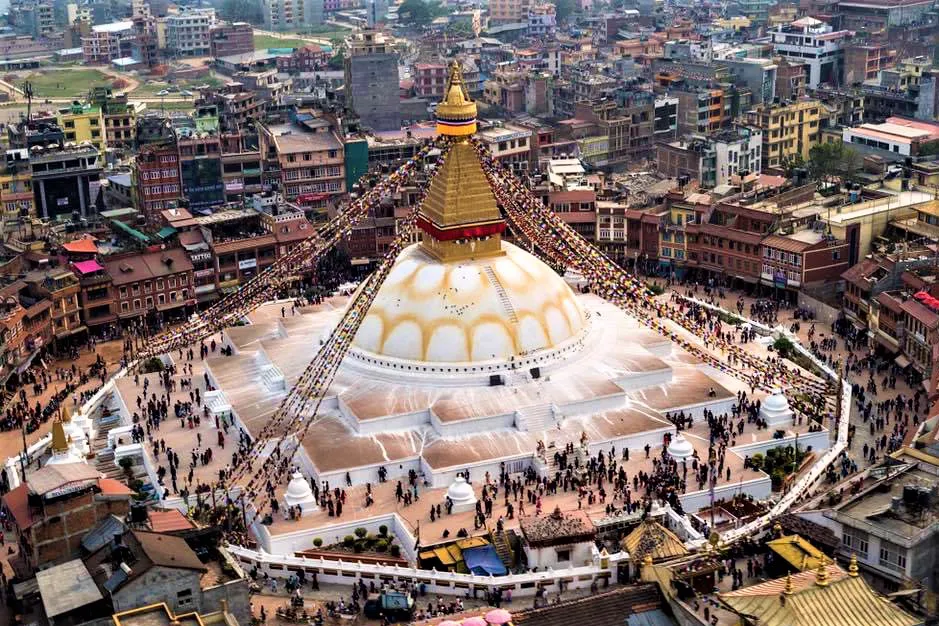
  • Visit Kathmandu’s UNESCO World Heritage Sites, including Durbar Square, Swayambhunath (Monkey Temple), and Boudhanath Stupa.
  • Finalize climbing permits and equipment preparations.
  • Meet your climbing guide and discuss the expedition plan.

Day 3: Fly to Lukla and Trek to Phakding

  • Take an early morning scenic flight from Kathmandu to Lukla (2,800 meters).
  • Begin trekking from Lukla to Phakding (2,652 meters), a small village along the Dudh Kosi River.
  • Overnight stay in Phakding.

Day 4: Trek from Phakding to Namche Bazaar

  • Trek from Phakding to Namche Bazaar (3,440 meters), the main trading center and gateway to the Everest region.
  • Cross several suspension bridges and ascend gradually along the trail.
  • Overnight stay in Namche Bazaar.

Day 5: Acclimatization Day in Namche Bazaar

  • Spend a rest day in Namche Bazaar for acclimatization.
  • Take a short hike to nearby viewpoints such as Everest View Hotel or Khumjung Village.
  • Explore Namche Bazaar’s markets, shops, and cafes.
  • Overnight stay in Namche Bazaar.

Day 6: Trek from Namche Bazaar to Tengboche

  • Trek from Namche Bazaar to Tengboche (3,860 meters), home to the famous Tengboche Monastery.
  • Enjoy panoramic views of Everest, Lhotse, Ama Dablam, and other peaks along the way.
  • Visit Tengboche Monastery and attend evening prayers.
  • Overnight stay in Tengboche.

Day 7: Trek from Tengboche to Dingboche

  • Trek from Tengboche to Dingboche (4,410 meters), a picturesque village nestled beneath Ama Dablam.
  • Cross the Imja Khola and ascend gradually through rhododendron and juniper forests.
  • Overnight stay in Dingboche.

Day 8: Acclimatization Day in Dingboche

  • Spend another day in Dingboche for acclimatization.
  • Take a day hike to Nagarjun Hill or Chhukung Ri for acclimatization and panoramic mountain views.
  • Rest and hydrate to prepare for the climb.
  • Overnight stay in Dingboche.

Day 9: Trek from Dingboche to Island Peak Base Camp

  • Trek from Dingboche to Island Peak Base Camp (5,200 meters), located above the moraine of the Imja Glacier.
  • Set up camp and prepare for the climb.
  • Rest and hydrate in preparation for summit day.
  • Overnight stay at Island Peak Base Camp.

Day 10: Summit Day – Island Peak Summit (6,189 meters) and Return to Base Camp

  • Start early in the morning for the summit push.
  • Ascend steeply towards the high camp (5,600 meters) and then to the summit.
  • Enjoy panoramic views from the summit, including Everest, Lhotse, Nuptse, and Ama Dablam.
  • Descend carefully back to Island Peak Base Camp.
  • Overnight stay at Base Camp.

Day 11: Reserve Summit Day and Return to Dingboche

  • Reserve an extra day for the summit attempt in case of unfavorable weather conditions.
  • Descend from Island Peak Base Camp to Dingboche.
  • Celebrate the successful climb with your team.
  • Overnight stay in Dingboche.

Day 12: Trek from Dingboche to Namche Bazaar

  • Trek from Dingboche back to Namche Bazaar, retracing your steps along the trail.
  • Enjoy the descent and panoramic views of the Himalayas.
  • Overnight stay in Namche Bazaar.

Day 13: Trek from Namche Bazaar to Lukla

  • Trek from Namche Bazaar to Lukla, the final day of trekking.
  • Reflect on your achievements and experiences during the trek.
  • Celebrate with your team upon reaching Lukla.
  • Overnight stay in Lukla.

Day 14: Fly from Lukla to Kathmandu

  • Take an early morning flight from Lukla to Kathmandu.
  • Transfer to your hotel in Kathmandu.
  • Rest and relax or explore the city’s markets and restaurants.
  • Overnight stay in Kathmandu.

Day 15: Departure from Kathmandu

  • Depart Kathmandu for your onward journey or extend your stay to explore more of Nepal.
  • Transfer to the airport for your flight back home.

Climbing Route:

To climb Imja Tse has few options climb one is starting from Base Camp at 5,087 meters (16,690 ft) called Pareshaya Gyab and starting to climb in the early morning between 2/3. Another popular option is to ascend to Island Peak High Camp at around 5,600 meters (18,400 ft) which helps to reduce and save the amount of effort and time needed for summit day. However, adequate water supply, Oxygen level, less high altitude sickness issue, and concerns about sleeping at a higher altitude may dictate starting from Base camp.

Island Peak climbing is one of the most Adventurous peak climbing in the Everest Region. At the top of the gully, old ice glacier travel begins and proceeds up to a steep snow and ice slope. From here, fixed ropes may be set up by the sherpa guides for the strenuous ascent to the steep slope of rocky mountains of nearly 100 meters (330 ft) to the summit ridge. The climbing up to the summit is somehow difficult due to steep climbing. On the top of the Imja Tse, Mount Everest saw very close not more than ten kilometres away to the north, the view will be blocked by the massive wall of Mt. Lhotse (8,516m)and Cho Oyu (8201m), towering 2,300 m (7,500 ft) above the summit.
Not only the high mountains view from the top of the Imja Tse, but Imja Glacier which originates on the western face of Kali Himal, 7,057 meters (23,153 ft), and skirts the southern slopes of Imja Tse or Island Peak, south-east of Mount Everest and Imja Tsho (5004m) or Imja lake is a glacial lake created after meltwater began collecting at the foot of the Imja Glacier on the lower part of the Imja Tse glacier in the 1950s.

Village Tourism in Nepal

Village tourism in Nepal refers to the practice of visiting and experiencing life in rural villages across the country. This form of tourism offers travelers an opportunity to immerse themselves in the traditional culture, lifestyle, and natural beauty of Nepal’s villages. Instead of focusing solely on popular tourist destinations like Kathmandu or Pokhara, village tourism encourages visitors to explore the less-visited rural areas, interact with local communities, and participate in various cultural activities.

Here are some key aspects and importance of village tourism in Nepal:

Cultural Immersion: Village tourism allows travelers to experience authentic Nepali culture by living with local families, participating in traditional ceremonies, and learning about indigenous customs, languages, and crafts.

Preservation of Traditional Lifestyle: By promoting tourism in rural areas, village tourism contributes to the preservation of traditional lifestyles and practices that are often threatened by modernization and urbanization.

Economic Development: Village tourism provides economic opportunities for local communities by generating income through homestays, local guides, handicraft sales, and other tourism-related activities. This helps to reduce poverty and create sustainable livelihoods in rural areas.

Environmental Conservation: Many rural villages in Nepal are located in ecologically sensitive areas with rich biodiversity. By promoting responsible tourism practices, village tourism can contribute to the conservation of natural resources and wildlife habitats.

Empowerment of Women and Marginalized Groups: Village tourism initiatives often focus on empowering women and marginalized groups by providing them with opportunities for entrepreneurship, skills training, and leadership roles in community-based tourism projects.

Promotion of Responsible Tourism: Village tourism encourages responsible travel practices such as respecting local customs and traditions, minimizing environmental impact, and supporting community-led initiatives for sustainable development.

Diversification of Tourism Products: Village tourism diversifies Nepal’s tourism offerings beyond the popular trekking routes and cultural heritage sites, attracting a different segment of travelers who seek authentic cultural experiences and off-the-beaten-path destinations.

Village tourism in Nepal can have several positive impacts on local communities:

Economic Development: Village tourism generates income for local communities through various means such as homestays, local guides, handicraft sales, and the sale of locally produced goods and services. This additional income can help improve the standard of living, provide better access to education and healthcare, and reduce poverty in rural areas.

Employment Opportunities: Village tourism creates employment opportunities for local residents, including guides, cooks, homestay hosts, artisans, and other service providers. This can help reduce unemployment and migration to urban areas in search of work.

Preservation of Traditional Culture and Heritage: Village tourism often involves showcasing traditional culture, customs, and heritage to visitors. By participating in tourism activities, local communities are motivated to preserve their cultural identity, language, rituals, and traditional crafts, thus safeguarding their heritage for future generations.

Infrastructure Development: Increased tourism activity in rural villages can stimulate the development of basic infrastructure such as roads, electricity, sanitation facilities, and telecommunications. These improvements benefit both tourists and local residents by enhancing accessibility and quality of life.

Community Empowerment and Participation: Village tourism projects are often community-driven initiatives that involve active participation and decision-making by local residents. This empowers communities to take ownership of their tourism development, manage resources sustainably, and address local priorities and concerns.

Environmental Conservation: Village tourism can promote environmental conservation by raising awareness about the importance of preserving natural resources and biodiversity. Local communities may implement eco-friendly practices, such as waste management, renewable energy initiatives, and conservation of forests and wildlife habitats, to protect their environment for future generations.

Cultural Exchange and Mutual Understanding: Village tourism fosters cultural exchange and mutual understanding between visitors and local residents. Interactions between tourists and hosts promote cross-cultural communication, appreciation of diversity, and tolerance, leading to enriched travel experiences and meaningful connections.

While village tourism in Nepal can bring numerous benefits to local communities, it may also pose some challenges and negative impacts:

Cultural Dilution: Intensive tourism activities can sometimes lead to the commodification of local culture and traditions. As communities cater to tourists’ expectations, there may be a gradual dilution or distortion of authentic cultural practices, rituals, and beliefs for commercial purposes.

Social Disruption: Increased tourism can disrupt traditional social structures and relationships within communities. For example, the influx of tourists may alter social norms, values, and behaviors, leading to conflicts or tensions between locals and visitors. Additionally, the introduction of new ideas and lifestyles may challenge traditional ways of life, causing generational or cultural conflicts.

Environmental Degradation: Uncontrolled tourism development in rural areas can put pressure on fragile ecosystems and natural resources. Deforestation, soil erosion, pollution, and habitat destruction are some of the environmental impacts associated with increased tourist activity, particularly if proper regulations and sustainable practices are not enforced.

Loss of Authenticity: As villages become more commercialized and dependent on tourism income, there is a risk of losing their authentic charm and character. Rapid infrastructure development, commercialization of local products, and the proliferation of souvenir shops may transform once-traditional villages into tourist-oriented destinations, erasing their unique identity and sense of place.

Overcrowding and Strain on Resources: Popular tourist villages may experience overcrowding during peak seasons, leading to congestion, strain on local infrastructure, and competition for limited resources such as water, electricity, and food. This can create tensions between tourists and locals and negatively impact the quality of life for residents.

Dependency on Tourism Revenue: Rural communities heavily reliant on tourism income may become vulnerable to fluctuations in tourist arrivals, economic downturns, or external shocks (e.g., natural disasters, political instability). Over-dependence on tourism can hinder diversification of livelihoods and economic resilience, leaving communities vulnerable to adverse impacts.

Cultural Appropriation and Exploitation: In some cases, village tourism may exploit local communities by commodifying their culture, traditions, and labor for commercial gain without equitable benefits for residents. This can perpetuate inequalities and contribute to the marginalization of vulnerable groups, such as indigenous peoples or ethnic minorities.

It’s important for stakeholders involved in village tourism development to address these negative impacts through sustainable planning, community engagement, responsible tourism practices, and cultural preservation efforts. Balancing the economic benefits of tourism with the preservation of local culture, environmental conservation, and social well-being is crucial for ensuring the long-term sustainability and resilience of village tourism initiatives.

 To truly experience Nepal, one has to try village tourism here. Nepal is predominantly rural, with 83% of the population residing in rural areas according to the population census of 2011. However, not all rural areas are equipped to host tourism, such as maintaining room quality, cleanliness, food hygiene, and security. With these in mind, some of the best village tourism in Nepal have been compiled below.

1. Sirubari village

Sirubari Village in Nepal

The village is located in Nepal’s western region at 1700 meters above sea level(masl) in the Syangja district. The trip starts with a drive or flight from Kathmandu to Pokhara. The next day after breakfast, a drive from Pokhara to Sirubarivis Bhatkhola with lunch at Darua and after a further few hours of the journey will finally arrive at Sirubari.

The village’s best features are the rich Gurung culture experience, farm experience, and Scenic Mountain views of Mt. Annapurna and Mt. Dhaulagiri. The Gurung ethnic group inhabits this village. Gurung cuisine consisting of Dhido or Ato (a porridge-like alternation of maize, buckwheat, barley, or millet), Sukuti (smoke-dried buffalo meat), among others, can be enjoyed in this village.

The popular activities include hiking, learning about the local culture and religion, and enjoying the scenic beauty. The iconic place consists of the Thumro and Dahare hills for views of the mountains and village scenery.

2. Dhola Nalang Village

Ganesh Himal Ranges
Ganesh Himal Ranges

The village is located in the central region of Nepal at 1210masl in the Dhading district. The trip encompasses a drive from Kathmandu to Dhading Bensi, followed by a trek to Dhola- Pursu Village.

The village’s best features are the cultural excursion, physical activities, and scenic beauty with views of the rhododendron-covered forest and the snow-capped views of Annapurna and Manaslu. About five ethnic groups inhabit this village: the Newar, Brahmin, Magar, Kami, and Damai. Traditional Nepali food is served here, consisting of Dal Bhat, which is a combination of rice and lentil soup served with a variety of side dishes.

The popular activities include hiking, wildlife watching, and mountain biking, learning about the local culture and religion, and enjoying the scenic beauty. The iconic place consists of the Nalang and Shreeban, which both consist of nature camps.

3. Ghalegaun and Ghana Pokhara Village

Gurung village in Annapurna region.

The villages are located in Nepal’s western region at 2016 masl and 2050 masl, respectively, in Lamjung district. The trip starts with a drive from Kathmandu to Besisahar and Khudi with a trek the next day to Ghalegaun. Alternatively, one can drive or fly to Pokhara from Kathmandu and tour the next day to Pakhrikot/Nandighar and then to Pasgaon and finally to Ghalegaun/Ghanpokhara, reaching in the third day of the trek.

The best features of the village are the rich Gurung culture experience accompanied by old cultural dances like Ghatu, Krishna Charitra, Sorathi, and Jhyaure Nach and an opportunity to know about their history along with the scenic beauty of rhododendron forest, waterfalls, and snow-capped peaks of Annapurna ranges, Lamjung Himal ranges and Manaslu mountain ranges. The Gurung ethnic group inhabits this village, and Gurung cuisine can be enjoyed in this village.

The popular activities include hiking, visiting honey-hunting sites, learning about the local culture and religion, and enjoying the scenic beauty. The iconic place consists of the Ghyabru Ghar and Kolasonthar, the ancestral home of traditional Gurung priests and Gurung kings’ ancestral homes.

4. Balthali Village

Popular tourist destination near Kathmandu.

The village is located in the central region of Nepal at 1730maslin Kavrepalanchok district. The trip starts with a drive from Kathmandu to Dhulikhel and then to Balthali. Alternatively, one can also take a 3-hour hike from Dhulikhel to Namo Buddha, followed by another 3 hours hike to Balthali. A brief stop to Changu Narayan Temple, a UNESCO World Heritage monument on the way to Dhulikhel, Namo Buddha could also be a worthy supplement.

The village’s best features are the scenic beauty of the Himalayan range of Manaslu, Langtang, and Everest in the north, the green forest of Mahabharat range in the South, and numerous rice terraces in the west. The Tamang ethnic group inhabits this village, and Nepali cuisine can be enjoyed in this village.

The popular activities include hiking, learning about the local culture, and enjoying the scenic beauty. The iconic place includes the Danda Gaon and Pada Gaon, where a Buddhist community inhabits and has a majestic view of the whole Himalayan ranges to the north and a beautiful green forest to the Mahabharat Range.

5. Chepang Village

Chepang Village after earthquake 2015 in Nepal.

The Chepang villages are located in Nepal’s central region at 1950masl (highest point of access) in the Chitwan district. The trip starts with a 3-hour drive from Kathmandu to Hugdi, followed by a 4 – 5 hour trek to Hattibang, where you will stay the night. The next day follows a trek to Jautesh – Changa – Dinglang and an overnight stay at Jyandala.

The village’s best feature is getting a glimpse of the Chepang ethnic groups that lead a nomadic life in different remote regions of Nepal. Various Nepali cuisine can be enjoyed in this village.

The popular activities include hiking, wildlife watching, learning about the local culture, and enjoying the scenic beauty. The iconic place includes the Siraichuli known for sunrise and sunsets, Shaktikhor known for Chepang Museum, and Sinti known for waterfall and Chepang cultural exchange.

 6. Tamang Heritage

Tamang village in Langtang Region.

The village is located in Nepal’s central region at 3165 masl (highest point of access) in the Rasuwa district. The trip starts with an 8-hour drive from Kathmandu to Syabrubensi. The next day a6-hour trek from Syabrubensi to Gatlang via Goljung ensues. Alternatively, a drive from Kathmandu directly to Gatlung through Chilime can also be arranged.

The village’s best features are exposure to rich Tamang culture and panoramic views of Langtang, Kerung, Ganesh Himal, and Sanjen ranges. The Tamang ethnic group inhabits this village, and various Nepali cuisine can be enjoyed in this village.

The popular activities include hiking, learning about the local culture, and enjoying the scenic beauty. The iconic place includes the Tatopani known for natural hot water springs, Thuman popular for its Shamanic performances and beautiful view of Langtang, Nagthali known for popular meditation center for the local monks and priests and Timure known for historical Rasuwagadhi, a fort as a historical reminder of the Nepal Tibetan relations that have existed for many centuries.

7. Bandipur Village

Bandipur  Old Newari town.

The villages are located in the western region of Nepal at 1030masl in Tanahudistrict. The trip starts with a 6-hour drive to Damauli, followed by a 3-hour hike to Bandipur village.

The village’s best features are the sightseeing, cultural excursion, and panoramic views of the mountains, including Dhaulagiri, Machhapuchhre, LangtangLirung, Manaslu, and Ganesh Himal. The Newar ethnic group inhabits this village. Various Newari cuisine can be enjoyed in this village, such as Choila, a spiced broiled meat, bhuttan, which are fried intestine and other abdominal parts, Samay Baji, a meal made up of spicy chicken, lentil pancake served with beaten rice, among others.

The popular activities include hiking through the orchid trail, learning about the local culture, and enjoying the scenic beauty. The iconic place includes the Siddhi cave known for stalactites and stalagmites and Bindabasini and Maha Laxmi temple.

8. Indigenous Peoples (IP) Trail

Indigenous Peoples (IP) Trail in Nepal.

The villages are located in Nepal’s central region at 3146masl (highest point of access) in Ramechhapdistrict. The trip starts with a 6 – 7 hour drive from Kathmandu to Kholakharka.

The trail’s best features are the traditional folk dances and music presented by the local people in their colorful traditional dresses. The trail is inhabited by six different ethnic groups in various locations: the Sherpa, Newar, Thami, Tamang, Yolmo, and Majhi. Diverse Nepali cuisine can be enjoyed along the trail.

The popular activities include hiking, learning about the local culture, enjoying the scenic beauty, among others. The iconic place includes Kholakharka known for Sherpa culture, Surkey known for Newari home-stay and Thami culture, Doramba know for Tamang culture, Khandadevi is known for Khandadevi Temple, animal sacrifices, scenic landscape, sunset/ sunrise view, Hiledevi known for Yolmo culture, monastery visit and wilderness walk and Lubughat known for Majhi culture and water sports such as fishing and rafting.

9. Ghandruk Village

Ghandruk Village
Ghandruk Village

The village is located in the western region of Nepal at 1940masl in the Kaski district. The trip starts with a drive or flight from Kathmandu to Pokhara. The next day after breakfast, a 1.5-hour drive from Pokhara to Nayapul, followed by a 6-hour hike, takes you to Ghandruk. Alternatively, one can take a 1-hour drive from Pokhara to Dhampus, followed by a hike to Landruk. The next day, Ghandruk can be reached from a 4-5 hour hike from Landruk.

The village’s best features are the rich Gurung cultural experience, where you also have a chance to wear traditional Gurung ethnic costumes. Likewise, scenic views of the snowcapped Himalayan range of Mt. Annapurna, Machhapuchhre (fishtail), Dhaulagiri, Nilgiri, Lamjung Himal, and Himchuli is also a major attraction to this place. Mostly, the Gurung ethnic group inhabits this village, and Gurung cuisine can be enjoyed in this village.

The popular activities include hiking, learning about Gurung culture, enjoying the scenic beauty, among others. The iconic place includes the Gurung museum, Gurung Cottage Ghandruk is the popular and traditional Gurung culture guest house. which includes a wealth of objects used by the Gurung people.

 10. Sikles Village

Gurung village in Annapurna Region.

The villages are located in the western region of Nepal at around 2000masl in the Kaski district. The trip starts with a drive or flight from Kathmandu to Pokhara. The next day a 30-minute drive to Bijayapur Khola followed by a 4-hour trek to Kalikasthan. The next day approximately a 4-hour hike to Lamakhet is conducted. Finally, the next day another 6 hours hike takes you to Sikles.

The village’s best features are the traditional Gurung village along with scenic views of the snowcapped Himalayan range Machhapuchhre (fishtail peak) and the Annapurnas. Mostly, the Gurung ethnic group inhabits this village, and Gurung cuisine can be enjoyed in this village.

The popular activities include hiking, learning about Gurung culture, enjoying the scenic beauty, among others. The iconic place includes the Sikles Park and Rising Dada, known for their mesmerizing mountain views, and Ice Lake – ‘Kapuche’ known for crystal clear blue water reflecting the shadow of the mountains and ice block floating along.

Conclusion

Hence, if you want to experience Nepal by immersing yourself with local customs and rituals, exploring the wilderness and natural beauty, enjoying local cuisine, and acquainting yourself with their lifestyle while directly supporting the local economy, village tourism should be on your bucket list. Each one of these villages offers unique prospects to experience rural life in Nepal. The villages offer different specialties in different climatic regions and various grades, providing ample opportunities to choose amongst the most suitable.

Everest Base Camp Trek Difficulty

Everest Base Camp Trek is one of the most sought out trekking routes in the world.  Its popularity is the eccentric beauty of Mt. Everest (8848.86m), also known as Sagarmatha. Gazing at the tallest mountains in the world and the surrounding mystifying Khumbu giants is the trek’s best moment.

The trek also is a perfect mix of nature and the fascinating yet rich culture of Nepal. The tranquil beauty of the Everest region and its thrilling topography is in a rank of its own. Not to mention the countless ancient stupas, Gumbas, and temples, which are of great importance to Nepal. Several small and large rural villages give an outlook to the people’s rural lifestyle surviving in Everest’s harsh conditions.

Everest Base Camp Trek difficulty count as a moderate-grade trek, but some find it challenging. This article discusses how hard the Everest Base Camp Trek is. Some of the important aspects to look into are the total length of the trek, altitude variation along the route, average walking hours each day, and many other aspects.

  • Length of the EBC Trek

The whole Everest Base Camp trekking route takes 12 days to complete. In these 12 days, you will walk a total of 120 km (about 75 miles) on foot. If you wish for a more leisurely pace, you can also increase the trek’s duration to 14 days.  You can also combine the Everest Base Camp Trek with Gokyo Valley Trek in the Everest region, which takes about 19 days to complete.

  • Altitude Profile of EBC Trek

The EBC trek starts after a flight to the Lukla airport, which stands at the height of 2860m. From here, you will need an ascent during the trek to the maximum height of 5640m at Kalapatthar. The altitude in the trek gradually increases from Lukla. Almost 6 out of the 12 days, you will be walking at an altitude of 4000m above sea level or even more than 4000m. On the other half of the trek, the altitude is around 3000m-4000m. The total ascent, which you will gain during the trek, is approximately 6015m starting from Kathmandu (1300m).

  • Walking hours during the trek

You will be walking for 4-5 hours every day on average while following the EBC trekking route. The longest waking duration will be about 8 hours on your trek from Lobuche to the Everest Base Camp and back to Gorakshep. You will have to walk long hours during descent from Everest Base Camp back to Lukla, which will be about 7 hours.

  • Weather along the EBC route

The EBC trekking route is famous for its changing weather conditions, especially in the higher altitudes. Not all seasons are suitable for a trek to the Everest Base Camp. During June- August (monsoon) and November-January (winter), the trail welcomes extremely adverse weather conditions along with cold temperatures. The trails are slippery because of constant rainfall, and there is the presence of thick fog throughout the day, making the visibility low.

In February-May (spring) and September-October (autumn), the weather is mostly stable. The days are longer, and the weather is also dry, so there are fewer rain chances. Because of the good weather condition, the flights also have lesser chances of cancellation. This is the time with the best visibility, where you can enjoy the fantastic view of mountains with the warm sun shining above your head.

  • Training required to do the EBC Trek

Anyone with a fit physique can take part in the EBC Trek. Prior experience in mountain treks can be beneficial. The trekking route is of great difficulty because of the changing weather condition at higher altitudes and challenging high passes. So, an excellent physical shape is a necessity for the trek. If you have not yet started training for the trek, you can take it up today!

A simple routine of jogging, swimming, cardio, or aerobic exercises mixed in your daily exercise routine can take you a long way. The most important thing is to build up endurance and strength as the walking hours in the EBC trek are 5-6 hours each day. You can also try taking short hikes around your community every weekend for about 5-6 hours. If outdoor exercises are not suitable, you can also try indoor exercises like running on the treadmill, swimming, or simply climbing up the stairs. A properly balanced diet mixed in with the daily workout is also best for building up strength.

  • Altitude Sickness during EBC Trek

The EBC Trek is prone to altitude sickness as almost the entire trek is at an altitude of over 3000m. So, proper acclimatization is the prerequisite of the trek. There are several acclimatization days in between so that you can gradually be accustomed to the changing air pressure.

The chances of getting Acute Mountain Sickness (AMS) are high in the EBC trek, especially if you do not take safety precautions. Thus, it is necessary for the trekker always to do not rush to reach the destination. You need to give your body enough time to be acclimatized to the changing altitude and be mindful not to take too much strain.

Remember to always be on the lookout for AMS symptoms, some of which are headache, nausea, shortness of breath, rapid heart rate, vomiting, sleeplessness, and so on. If you feel these symptoms, then the best option is to stop and rest or, better yet, climb down to lower altitudes. If the symptoms still do not subside, you will be evacuated promptly with emergency helicopter services.

The Everest Base Camp (EBC) trek presents several other difficulties that trekkers should be aware of before embarking on the journey:

  • Altitude: One of the most significant challenges of the EBC trek is the high altitude. Trekkers ascend to altitudes above 5,000 meters (16,400 feet), where oxygen levels are lower. Altitude sickness, including symptoms like headache, nausea, fatigue, and dizziness, can affect trekkers, especially if proper acclimatization is not observed.
  • Physical Demands: The trek requires a reasonable level of physical fitness. Trekkers need to hike for several hours each day over varied terrain, including steep ascents and descents. Carrying a backpack with essential items adds to the physical strain, particularly at higher altitudes.
  • Weather Conditions: Weather in the Everest region can be unpredictable and harsh, even during the main trekking seasons of spring and autumn. Trekkers may encounter cold temperatures, snow, rain, and strong winds. Proper clothing and gear are essential to stay warm and dry.
  • Trail Conditions: The trails to Everest Base Camp are often rugged and challenging. Trekkers navigate rocky paths, narrow ridges, and suspension bridges spanning deep gorges. Some sections of the trail may be slippery or icy, particularly in the early mornings or during inclement weather.
  • Altitude-Related Illnesses: In addition to altitude sickness, other altitude-related illnesses such as high-altitude pulmonary edema (HAPE) and high-altitude cerebral edema (HACE) are possible, although less common. These conditions can be life-threatening and require immediate descent and medical attention.
  • Logistical Challenges: Organizing permits, accommodations, and transportation can be challenging, particularly for independent trekkers. Hiring a guide and porter or joining a guided trek with a reputable trekking agency can help alleviate some of these logistical concerns.
  • Crowds: The popularity of the EBC trek means that trails and accommodations can be crowded during peak seasons. This can affect the overall experience and may require advanced booking for accommodations and permits.

 Conclusion

The trek to Everest Base Camp is not only a trek but an adventure. It is a once-in-a-lifetime chance to challenge the rugged yet thrilling terrains of the magical Everest Region. The splendid aura of the Khumbu Mountains is not something you get to experience every day. Neither is the essence of the rich culture of people who live among these silent hills something to miss. Everest Base Camp is simply the pinnacle of unforgettable Mountain adventures in Nepal.

Best Time to Trek in Nepal

Boasting eight of the top ten highest summits in the world with landscapes only reachable on foot, Trekking in Nepal is one of the most exhilarating experiences. Within the lowest point at Kechana Kawal at 58 m and Mt. Everest at 8848.86 m, Nepal features six distinct and diverse vegetation zones ranging from Tropical to Alpine with much trekking diversity to offer. So, the only question you need to ask is what kind of trek do you want? A backpack carrying the supplies you need and going into the wilderness will connect you to the natural world and gives you time away from the busy lifestyle.

The best features of trekking in Nepal

There are many reasons why trekking in Nepal will make the most exciting experience for you. Some of these reasons are:

Picturesque landscape: Nepal offers plenty of scenic landscapes along its trekking routes. From the mountains’ panoramic view, lush forests, and rhododendron bloom to quaint villages, plenty of trek to Nepal has to offer. Admire the mountain ranges up close, exploring pristine waterfalls and springs along the way. Why not peer into serene lakes or admire the spiritually rich and tranquil adventure adorned with many religious, cultural, and natural virtues.

Get acquainted with local culture: Nepal is home to unique cultures and customs. As you will be trekking through Nepal, you will be more aware of Nepal’s culture. Nepal is a multicultural, multiethnic, and multilingual country and presents the variation in culture and tradition on various trekking routes.

Just a simplistic example, trek in the high mountains and get exposed to a mixture of Buddhism and animism in the form of Sherpa culture, in the hills familiarize themselves to a fellow Gurung the brave soldiers serving the Gorkha battalion, in the plains blend yourself into the culture of the Tharu.

Local and affordable food: Dal Bhat and Tarkari is the staple food of Nepalese, but Nepal offers many food adventures. Various ethnic groups have food specialties. Enjoy Dhindo prepared from buckwheat or millet flour (also made with wheat and corn flour) and Gundruk; a fermented leafy green vegetable served as curry in the Dhindo. Or why not have a Newari Khaja set. The varieties offered are many that a separate blog for Newari food alone is required. Still, the typical food is Chiura (beaten rice), bhuttan (deeply fried gut), Kachila (raw marinated minced meat), Hakuchoila (grounded spiced and broiled meat), and Takhaa (jellied soup). There are so many culinary delights on offer here.

Design your own experience: Nepal offers many trekking routes, and there is always something new to try and see. You can take the road less traveled albeit with caution, or take popular trekking routes. Customize your treks as you desire, enjoy detours and side trips.

Main Trekking Areas in Nepal

Everest and Annapurna are the two most popular trekking regions in Nepal. The Everest region is famous for its highest peak in the world. Still, there are other alternatives here, such as the Gokyo Lakes TrekThree Passes Trek, and Arun Valley to Everest Base Camp Trek. The Annapurna boasts a lot of options for trekking, from easy to difficult grades. Take the easier treks to Ghorepani & Ghandruk or Khopra Danda or grade through Annapurna Base Camp Trek or the Annapurna Circuit Trek.

But other trekking areas have much to offer. Mustang trek offers a unique, dry high altitude landscape. The Langtang region takes you right to the mountains’ foot and provides a more cultural experience at relative ease.

The Far West offers very remote and unspoiled beauty, much like the Far Eastern region. Dolpo, Shey Phoksundo National Park, the Limi Valley, the Dhorpatan Hunting Reserve, and the Api Nampa Conservation Area are excellent trekking destinations in the Far West.

There are tea fields and gentle hikes in the Far East with bird watching around Ilam, the challenging treks to and around Kanchenjunga, the third-highest mountain in the world, or the Lumba Sumba Pass Trek.

The Kathmandu Valley itself also boasts trekking areas for a short time and ease. You will have distant views of the snowy Himalaya peaks and gain an excellent feeling for the local culture and villages.

Types of trekking in Nepal  

Tea house treks and camping treks are the two types of trekking available in Nepal. The tea house trek is the most popular form in which trekkers stay at a local lodge and have wholesome foods and a comfortable bed. The tea house treks are beneficial so that you can hike at your own pace and schedule and experience the life of a rural area through the arrangement of food and accommodation.

Team members fully support the camping trek, on the other hand, with the supply of all necessities from tents, sleeping mats, and food.  Tea House is mostly available in regular and most popular routes such as Annapurna, Everest, and Langtang. In places where there are no tea houses available, camp treks are the only option, such as in the Manaslu region.

Duration of Trekking in Nepal

The trek duration can vary, with the shortest treks taking around three days. The short treks are generally possible for tea house treks as food and lodging arrangements have been made. For instance, the Poon Hill trek takes 3-5 days to complete.

The camping treks are longer and mostly opted when tea house trek is not possible. The duration can vary on average 8-24 days. The Upper Dolpo Trek is an example of this trek. Here the tourism infrastructure is nearly non-existent, and visitors have to undergo a camping trek. Such treks help to experience the authentic real life of local inhabitants and raw natural beauty.

Food and accommodation during the trekking in Nepal

Nepali staple food as Dal Bhat and Tarkari is mostly served in the trekking trails. Many varieties of local/western cuisine are also served depending on where you have been trekking. Some tea house treks also serve local bakery items or Western food.

The accommodation is provided in a tea house trek. In the lower elevations, tea houses can be multi-story concrete buildings featuring private rooms and western-style bathrooms. As you trek at a higher elevation, the accommodation gets more basic. At the base camps themselves, dorm-style shared rooms are available. In the camping trek, however, an experienced cook is hired, and they can make food as per the desire, albeit limitations persist with what can be carried. In such treks, camps are set up for resting all by the staff hired.

Trekking Permits

A trekking permit is required to trek in Nepal. Depending on the area you have chosen to trek, various kinds of permits will be required. If trekking in a national park or conservation area, then a National Park Permit/Conservation Area Project Permit is required.

For trekking in all other areas except controlled areas, a permit known as the Trekkers Information Management System or, in short, TIMS is required. This permit has been implemented to ensure the safety and security of trekkers and to control illegal trekking. You can apply for both these permits in the Nepal Tourism Board office in Kathmandu or Nepal Tourism Board Service Center near the trek area.

If you have decided to trek in areas near the borders such as Mustang, Dolpo, Manaslu, then a special permit is required. At least two participants are required for this kind of trek accompanied by a licensed trekking guide. These permits must be acquired from the Department of Immigration, Kalikasthan Kathmandu. A newer kind of permit has also been recently introduced known as the Rural Municipality fees. This is issued by the designated area’s rural municipality and issued in the Everest and Makalu region. You can get this permit from the starting point of your trek.

Cost of trekking in Nepal

The cost of trekking in Nepal widely varies. You can trek on a budget in Nepal, but trekking in restricted areas can be very expensive. With budget treks, you are given a fixed schedule, and everything is pre-arranged upon your arrival. Camping treks are more costly than teahouse treks as more staff are required to carry tents, food, gears, etc.

Transportation in Nepal

For transportation, local buses, tourist buses, and local flights are available. Getting around Kathmandu, you can opt for local buses or taxis. Flights connect major cities in Nepal, although long-distance buses are also available. Flights are more expensive than buses, but it is a more convenient option. However, if you want to view different landscapes, chat with the locals, and familiarize yourself with Nepalese culture, then buses.

In the trekking route itself, you are mostly on your feet. Mules and horses are also available on some routes. Some horse riding treks are the trek to Everest Base Camp, Upper Mustang, Everest Panorama, Annapurna Panorama, and Langtang Valley.

Trekking Insurance

Trekking is an adventure of a lifetime, but you never know when a hazard strikes. It is better to be insured and compulsory in some cases. The insurance must cover the cost of helicopter evacuation and repatriation if necessary. You can be insured with global suppliers.

Altitude Sickness during trekking in Nepal

If you plan to trek at high altitudes generally above 3500 meters, you need to consider altitude sickness. As you trek to a higher altitude, the air pressure lowers so does the oxygen level. You might develop symptoms such as headache, fatigue, nausea, etc. however, some severe symptoms such as fluid buildup in the lungs or brain can also develop. These cases can be life-threatening.

So before your trek, you need your body to acclimatize to the surroundings, and in case you start developing these symptoms, you should move back to a lower altitude to rest. You can also take medications to help your body get used to a higher altitude. Ibuprofen is taken six hours before the climb and taken every six hours while climbing, for instance, known to prevent altitude sickness. But you should consult your doctor before taking any medication.

Trekking gears and other lists

You will need various items for trekking. You can either buy them or rent them. Almost anything you need for your trek can be found in Kathmandu, especially in Thamel, the city’s tourist hub. You can find internationally recognized brands or knock-off gears. The equipment you will need includes:

Trekking boots: Investing in the right trekking boot will serve you well for trekking, especially if you plan to trek in the snow.

Down Jackets: You cannot hike at high altitudes without a proper jacket. Down jackets are essential for cold weather. If you do not have these, they can be easily rented.

Trekking pants: Excellent lightweight zip-off trekking pants will make your trek a lot easier. If it gets hot or wet, choose to wear shorts or add base layer pants if it gets cold.

Waterproof jacket and pants: Trekking, especially at higher altitudes, can sometimes get windy, accompanied by snow or rain. So, to stay dry, you will need a waterproof jacket and pants.

Sleeping bag: A suitable sleeping bag will give you proper sleep and will keep your body warm in freezing temperatures. You can easily rent it in Nepal.

Sunglasses: Sunglasses are essential if you don’t want snow blindness.

Gloves: Fingers are particularly susceptible to cold. You can easily buy hand warmers in Thamel.

Hats: It is required for warmth in higher altitudes and for keeping the sun off your face.

Bottle, backpacking water filter, and tablets: Carrying a reusable water bottle with a filtration system will enable you to drink water straight from any source.

Trekking poles: As the ascent or descent gets steeper, the poles will help you take some stress off your joints.

Hand Sanitizer: Maintaining hygiene, especially in cold weather, can be difficult. So, it is wise to pack a hand sanitizer.

Medical Kit or First-aid Kit: If you are trekking through an agency, you will probably have a guide carrying a first aid kit, but it is advisable to carry a small supply of first aid items, including antiseptic creams, rehydration salts, etc.

Money and Exchange

You will need local currency to get by in Nepal. So you will need to exchange foreign currency for Nepalese Rupees. Money exchange is easy in Nepal. Kathmandu has a large number of exchange centers. You can also exchange your foreign currency at the airport itself or in banks. The easiest access is through ATMs.  The ATMs have maximum cash withdrawal limitations of approximately between USD 100 and USD 340. Each time you use your ATM cards, you will be charged an exchange rate and service charge. It is always wise to carry cash in a small denomination while trekking.

Health and hygiene during the trekking in Nepal

Hygiene is an important concern while trekking. Trekking in a cold climate makes it difficult to take showers every day, and not that hot water is available everywhere. In the tea house, toilets are available, especially squat toilets, and may not be flushable, so you might need to pour water to flush it manually.

With regards to drinking water, the trekking trails mostly have ample springs and rivers flowing by. But you should not drink the water directly. It is essential to buy water purification straws or tablets. In the tea houses, you can purify the water by boiling it. Most tea houses also sell bottled water, which is both bad for the environment and wasteful. So, it wise to carry a reusable water bottle.

Best time to trek in Nepal

The best time to trek in Nepal are autumn Sep-Nov and spring Mar-May. In the autumn, days are warmer, and the weather is stable and sunny with clear skies. But better weather also brings many travelers, so popular trails can get crowded during this time.

During spring trekking, the temperature is pleasant and warm. Winter snows have melted away, clearing paths for high mountain passes. The sky is clear, and there are much fewer chances of flight cancellations. However, as it gets closer to summer, trekking can get hot and sweaty at a lower altitude. Afternoon clouds can bring clouds and brief downpours.

Some trekking trails are available throughout the year, and there is something to be achieved while trekking in different seasons. For instance, summer or monsoon treks (June – August) can be fascinating for botanists for viewing the blooms of wild orchids.

Top 3 trekking in Nepal

Nepal’s top three trekking spots are the Everest Base Camp Trek, Annapurna Base Camp Trek, and Langtang Valley Trek. Each of these treks has unique features that make it appealing to different travelers.

The Everest Base Camp Trek is the most popular and iconic trekking destination in the Himalayas. Here you will explore challenging trekking routes, and you will get to experience high altitude trek. The thrill of getting close to the highest peak in the world is exceptionally enticing enough. The trek takes you through lush forests, alpine lakes, and glacial plains. Here you will get acquainted with the Sherpas and get a chance to explore Buddhist monuments. Along the way, you will encounter boulders etched with Buddhist mantras, spinning prayer wheels, and prayer flags at the backdrop of lofty snow-covered mountains.

The Annapurna Base Camp (ABC) Trek is famous for the view of Annapurna Massif. This trek is for low to moderate-grade trekkers traveling on a budget with time constraints. Here you will walk through the largest rhododendron forests in Nepal, cross numerous brooks and rivers through wooden bridges against the backdrop of the snow-covered peaks. You will encounter Gurung and Magar villages on your way. ABC region serves as a living museum of their culture and tradition. Additionally, you get to cover two base camps at the cost of one. You will also pass through Machhapuchhre Base Camp on your way to ABC.

The Langtang Valley Trek is famous for its expansive views with a relatively gentle pace and accessibility from the capital. It is one of the shorter hiking routes in Nepal. Here, Langtang Lirung, the Langtang Himal’s highest peak, dominates Kyanjin Gompa village’s skyline. You get to see snowcapped mountains from the first day of the trek. This trek can comb with the Tamang Heritage Trail. The trail offers trekkers an insight into ancient Tamang and Tibetan culture. Along this trail, you will find ancient Tibetan monasteries and Mani walls.

Conclusion

Trekking in Nepal will be one of the most exciting experiences in your life. You will cherish the memories you will make here, whether the view of the picturesque landscape during the day, the relief of watching a sunset at the end of your trek, or getting familiar with the local culture. But should always take safety and precaution, and insurance should be handy. Whether you decide on staying in a tea house or a camp, there is something serene about taking off-beaten roads or hiking trails under your energy to attain a goal.

Top 14 Festivals of Nepal

Nepal is a land of cultural wonder. People of different ethnicity have been living in Nepal since time immemorial. This has resulted in the celebration of various festivities. Some of these festivals are celebrated throughout Nepal, while some are celebrated in particular areas.

Astrologers fix the dates of most festivals following the lunar calendar. The festivals are celebrated with much enthusiasm, and with more than 50 festivals, Nepal can be called the land of festivals.

Some of the main festivals of Nepal are as follows:

Dashain:

Dashain Festival
Dashain Festival

Dashain is the biggest festival in Nepal and symbolizes the victory of good over evil. The festival is a time for family reunions, exchange of blessings and gifts, in addition to elaborate pujas.

It is the celebration of female power marked by the worship of Goddess Durga in her nine forms each day of the first nine days of the festival. The festival also marks the victory of Lord Ram over the king of demons, Ravana. Hindu mythology tells the victory of goodness, “Durga,” over a demon named “Mahisasur.” The Goddess killed this demon in a war that lasted for multiple days.

Dashain is celebrated for a total of 15 days, with each day having its significance. On the first day, “Ghatasthapana” literally means setting up the pot. The 10th day is marked by receiving Tika (a dab of red vermilion mixed with yogurt and rice, which is unique to Nepal), Jamara (young saplings of barley, maize, rice seeds), and blessings from elders.

Dashain occurs during the bring lunar fortnight till the full moon in October.

Tihar:


Tihar Festival
Tihar Festival

Tihar is the festival of lights and is unique because it shows reverence to both Gods and animals that have served humans well.

The celebration started with Yama, the god of death, and his sister, the Yamuna. She is said to have sent for him to visit him multiple times and, in the end, went to see her brother herself. She worshipped him with tika and flowers, circling with mustard oil and “Dubo” – a kind of grass and asked Yamaraj not to go till the oil, “Dubo,” and the flower had dried up, so every sister worshiped her brother wishing for his long life.

From the worship of crow, dogs, cows, and oxen to worship of Yama, the God of Death, Laxmi, Goddess of Wealth, and blessings for ones’ siblings, Tihar wraps it all up in a neat 5-day celebration. It is noted for lighting up homes with candles, oil-wick lamps, and electric lights. Playing caroling in the form of Deusi and Bhailo is also done during Tihar.

Tihar’s timing is based on the new moon, which can fall either in November or October.

Chhath:


Chhath Festival
Chhath Festival

Chhath Puja is a festival held to worship the sun deity, Surya, who is worshipped as the earth’s life force, and his sister Chhathi Maiya to wish for the protection of the protection one’s offspring and their longevity.

The festival involves rites and rituals that honor the sun in hopes of being granted long and healthy life to oneself and one’s loved ones. The celebration of Chhath has been found both in Ramayana and Mahabharata.

In Ramayana, the inception is said to begin with Lord Ram and his wife Sita, who upon returning from their exile are said to have observed a fast in honor of the Sun god and broke it only with the setting sun. This subsequently evolved in Chhath puja. While in Mahabharata, Lord Surya’s son Karna is credited with performing prayer to the Sun god standing in the water and offering offerings to the needy.

Whatever the origins, Chhath now includes a four-day festivity which includes holy baths, fasting, worshiping, and making offerings to the sun at sunrise and sunset. The festival typically falls sometime in October or November.

Maha Shivaratri:


Shivaratri Festival
Shivaratri Festival

Maha Shivaratri marks the celebration of the Hindu deity Shiva. The festival marks the remembrance of overcoming darkness and ignorance in life and the world. The day is also believed where Shiva performed Tandav – the cosmic dance.

There are several stories on the origin of the festival. One such story says that during Samudra Manthan – the churning of the celestial ocean of milk, a pot emerged from the ocean which consisted of poison. Thinking it would mark the end of the world, all the Gods and demons went to Lord Shiva, who drank it and held it in his throat. Hence, the day marks the end of Lord Shiva saving the world.

The festival is observed by remembering Lord Shiva and chanting prayers, fasting, and meditating. During this day, Pashupatinath Temple witnesses a large surge of holy sage and devotees on the premises to offer their worship.

It mostly falls at the end of February or the beginning of March.

Holi:


Holi Festival
Holi Festival

Holi is the festival of colors and marks the victory of goodness over evil. It celebrates spring, love, and new life. The celebration has come into being by the destruction of demoness Holika. Holika was on her quest to burn Prince Prahlad, an ardent devotee of Lord Vishnu but got burned herself into ashes. The prince was unscathed, and the people sprinkled him with colorful water to mark the celebration.

Holi is celebrated with playful indulgence with colored powder, colored water, and general merrymaking with dancing and singing. People also indulge in bhang – a mixture of cannabis, milk, and spices along with a variety of mouth-watering delicacies, such as Pakoras – spiced fritter, Thandai – sweet drink with milk base with ingredients such as almonds, saffron, and poppy seeds to enhance the mood of the festival.

It is celebrated on the last full moon day of the Hindu lunisolar calendar month, normally falling in early March.

Nepali New Year:


Happy New Year
Happy New Year

Nepal celebrates the new year at a completely different time from the rest of the world. Nepal follows a separate calendar system called Bikram Sambat, 56.7 years ahead of the solar Gregorian calendar. The origin of the Nepali New Year dates back to the era of Emperor Vikramaditya, who used lunar months and the solar sidereal year.

During the day, people socialize by visiting their relatives and having a get-together with friends. It is commemorated with the hopes of having a lot of blessings and prosperity. Joyful activities such as street dancing and parades are also conducted. Rituals such as the annual carnivals of Bisket Jatra and Bode Jatra are also carried out during the New Year. Events and parties are also organized at hotels and restaurants, especially at night.

This falls near mid-April.

Bisket Jatra:


Bisket Jatra
Bisket Jatra

Bisket Jatra is a local festival of Bhaktapur district and some local places in Nepal. It is marked by a weeklong festival marking the ancient solar New Year. The festival was started by King Jagajyoti Malla, who was fascinated by the folklore and myth about a cursed, beautiful princess, which caused her husband to die the next day. A brave man eventually freed her by killing the serpents responsible for the husband’s death. The story inspired the king so much that he decided to recreate it by celebrating Bisket Jatra.

The festival commences after a special Tantric ritual in the Bhairav temple in Taumadhi Tole in Bhaktapur. The festival encompasses the erection and downfall of Lingo, a pole signifying the downfall of one’s enemy. There is also the tug of war for deciding to drive the chariot of Lord Bhairav either to the upper or lower direction of the city.

Smearing of Sindoor (orange vermillion powder) during the chariot processing with singing and dancing to the tune of traditional music during the procession is also performed. A tongue-piercing event is also held by the Shrestha clan of the Bode area.

The festival is celebrated at the start of the Nepali new year, which falls around mid-April.

Buddha Jayanti:


Buddha Jayanti
Buddha Jayanti

Buddha Jayanti marks the birth of Buddha and is a special festival of both Hindus and Buddhists in Nepal. It celebrates the life of Lord Buddha in all stages – his birth, enlightenment, and death. It is said that Buddha was born, attained nirvana, and died all on the full moon of Baisakh – the first month in the Nepali calendar.

Devotees crowd Buddha’s birthplace in Lumbini on this day. A procession is held in the morning. During the day, cultural events take place. At night Maya Devi’s temple – the birth mother of Buddha is decorated with thousands of lamps. In Kathmandu Valley, an homage to Buddha is paid at the stupas, especially in Swayambhunath and Boudhanath. These stupas are ornate with lights that make for a peaceful sight, especially at night. Followers and monks offer candles, flowers, and different fruits to the status of Lord Buddha. Incense is also burned, which fills the air with a pleasant smell.

It is observed in May.

Janai Purnima:


Janai Purnima
Janai Purnima

Janai Purnima is a Hindi festival celebrated throughout Nepal by observing Hindu rites and rituals and Shaman culture. The festival initially began as a renewal of Janai – thread is worn diagonally, from the left shoulder to right waist, crossing the chest for men of Brahmin, Kshatriya, and Vaishya caste. Janai is believed to purify the soul and protect the body from evil.

This festival has since been adapted to various celebrations. Devotees also tie a sacred thread around their wrists in this day. The southern plain is celebrated as Rakshya Bandhan, a festival to celebrate the bond of love and affection between brothers and sisters. Shamans of Kathmandu valley and around Nepal also gather to perform their ancient rites. Residents of the Kathmandu valley also prepare a soup of a mixture of beans called Kwati as special food for the day.

It occurs during the full moon every August.

Gai Jatra:


Gai Jatra Festival
Gai Jatra Festival

Gai Jatra, literally meaning cow festival, is a celebration in Kathmandu Valley to commemorate the death of loved ones. The festival began when the Queen of Malla origin was mourning the untimely death of her son. In a bid to console her, the king asked every family that lost a loved one to come out in a procession to show the queen that she was not alone with her suffering.

During the festival, family members, mostly the deceased of the past year, send people, mostly children dressed as cows, to parade the streets. The streets become alive with disguises as cows or Jhankis – traditional healers wearing masks.  Sharing sorrows and taking comfort in knowing that the lost loved ones are safe is the main reason for celebrating this festival. It is also a tradition to break funny conversations, jokes, sarcasm, and even stand-up during Gai Jatra.

It generally falls in July or August.

Teej:


Teej Festival
Teej Festival

The Teej festival is the remembrance of the reunion of Shiva and Parvati, the day Shiva accepted her as his wife. It is a celebration by women asking for a special blessing by Lord Shiva to attain a good husband and to pray for their longevity and prosperity.

The celebration came into being when Parvati, the daughter of the King of Himalaya, fasted and lived an austere life for many years wishing to marry Shiva. So, this day is marked by women fasting and showing their devotion by dancing hours in the heat, rain and not even drinking water or eating food the entire day.

Married women are called by their parents to feast in an event called Dar. Women clad in red and green sari can be seen throughout Nepal, especially; long lines of women trying to worship in the Pashupatinath temple are a true sight to behold. On the third day, women satisfy seven saints by offering them food, money, and other offerings. Some bathe in red mud and brush their teeth with Datiwan – branches of a bush tree hoping for purification of soul and body.

It occurs around August.

Losar:

Lhosar festival
Lhosar festival

Losar is an important festival for all Buddhists as it is widely celebrated throughout the country. Losar means a new year and is celebrated in Nepal in three forms: the Tamu Losar, Sonam Losar, and Gyalpo Losar. Tamu Lhosar falls at the end of December or the beginning of January. Gyalpo Lhosar is celebrated in April, while Sonam Lhosar is celebrated in the new moon of March.

According to the Gurung calendar, Tamu Losar is celebrated by Gurung ethnic group in Nepal, marking the beginning of the Sambat Tamu. Cultural events are organized, and people wear traditional outfits to attend these programs. Also, on that day, they attend celebrations and festivities on Buddhist shrines.

Gyalpo Losar is celebrated by Sherpa ethnic group and marks the beginning of Tibetan New Year. The houses are cleaned, and especially the kitchen is the spot where the family eats. For the New Year celebration, several different dishes are served, such as Guthunk – a kind of dumpling, a special soup consisting of a combination of meat, yak cheese, rice, wheat, and vegetables.

Sonam Losar is celebrated by the Tamang ethnic group marking the beginning of the Tamang new year. On this day, the people clean and decorate their houses and visit monasteries to pray and hang flags. This day is further accompanied by the performance of Selo dances and ceremonies in Buddhist monasteries and stupas. This is done to win over the negative forces and provide positive support.

Indra Jatra:


Indra Jatra Festival

Indra Jatra is the biggest religious street festival in Kathmandu, marking the beginning of a month-long festival season of autumn. It marks the worship of the deity Indra, the king of heaven, and Kumari, the living Goddess.

King Gunakamadeva started the festival to commemorate the founding of Kathmandu city. The festival begins with the erection of Linga – a pole from which the banner of Indra is held. Masked dances with loud drums for music take place in the street almost every evening. There is also Kumari chariot possession during this festival.

The shrines and ancient palace buildings around Kathmandu Durbar Square are aglow with oil wicks during this festivity. In front of the temple of the Kumari, there is also an enactment depicting the ten earthly incarnations of Lord Vishnu.

It falls in September.

Ghode Jatra:

Ghode Jatra Festival

Ghode Jatra FestivalGhode Jatra is roughly translated as horse parade, and rightly, the festival consists of horse parades in Tundikhel, Kathmandu. Demon Tundi is said to have terrorized people for a long time. He was eventually slain, and people rejoiced by riding horses over his body. It is believed that the demon is still a threat, and every year, the clamor of horses’ hooves is needed to keep his spirits at bay.

During this day, army top brass, the top government officials, and diplomats come to Tundikhel to witness horse racing and acrobatics. It is believed that the faster the horses run, the quicker the demon’s spirit is subdued. The horseplay is demonstrated in a series of arts. The army also displays their skills as paratroopers with a plane flying close. Newar ethnic groups in Kathmandu Valley also mark the festival with a feast. They also carry the images of Goddess Bhadrakali and Goddess Kankeshwari over the narrowed streets of Asan just before the night of Ghode Jatra.

It is observed annually in mid-March or early April.

Finally,

Visiting Nepal during the festivities is an authentic way of getting cultural exposure in Nepal. If you plan to experience Nepal’s heritage and culture, it is a must to explore Nepal during these festivals. These festivals are spread throughout the year, so at your convenience, you can have a chance to encounter a piece of Nepal’s culture.

Free Travel Guide
Your Perfect, Personalized Journey Awaits
profile
Bhagwat Simkhada Seasoned Travel Expert with Years of Experience