



Introduction: The Call of the Himalayas
The Nepalese Himalayas, home to eight of the world’s fourteen 8,000-meter peaks, represent the ultimate pilgrimage for mountain enthusiasts. Two iconic treks dominate this landscape: Everest Base Camp (EBC) Trek and Annapurna Base Camp (ABC) Trek. Each offers a profoundly distinct experience, catering to different aspirations, fitness levels, and cultural appetites. Choosing between them is not merely selecting a route; it’s choosing a narrative—one of high-altitude grandeur and Sherpa culture, or one of breathtaking diversity and accessible beauty.
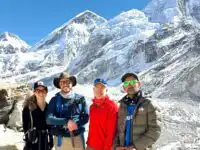
This analysis will dissect every facet of these legendary journeys, from geography and culture to logistics and personal challenge, culminating in a clear guide to help you decide which path is yours to walk.
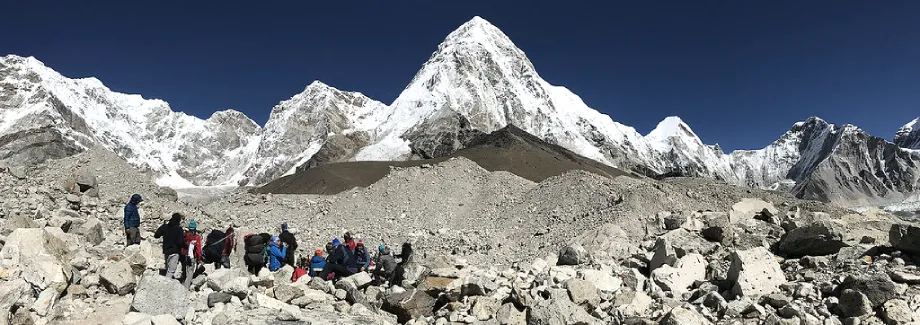
The Everest Base Camp (EBC) Trek – A Journey to the Roof of the World
Overview and Core Appeal
The EBC trek is more than a hike; it’s an iconic expedition to the foot of the world’s highest mountain, Sagarmatha (Mt. Everest – 8,848.86m). Starting with a thrilling flight into the Tenzing-Hillary Airport at Lukla, the trek traverses the heart of the Sagarmatha National Park (a UNESCO World Heritage Site), culminating at Base Camp (5,364m). The primary allure is monumental: standing in the shadow of Everest, surrounded by the giants of the Khumbu region—Lhotse, Nuptse, and Ama Dablam. It’s a test of endurance and acclimatization, steeped in the history of Himalayan climbing.
Detailed Route and Key Highlights
Standard Duration: 12-14 days (Lukla to Lukla).
Starting Point: Lukla (2,860m), reached by a dramatic 35-minute flight from Kathmandu or Ramechhap.
Key Stages & Highlights:
Phakding to Namche Bazaar (3,440m): The gateway to the high Khumbu, a bustling Sherpa hub with markets, museums, and the first breathtaking views of Everest.
Acclimatization at Namche: Essential rest day with hikes to the Everest View Hotel or the Sherpa Cultural Museum.
Tengboche (3,867m): Spiritual heart of the region, home to its most important monastery with a stunning backdrop of Ama Dablam.
Dingboche (4,410m) or Pheriche (4,371m): Second acclimatization stop, with hikes to Nangkartshang Peak for panoramic views.
Lobuche (4,940m) to Gorak Shep (5,164m): The final settlement, a stark, high-altitude landscape.
Everest Base Camp (5,364m): The goal—a surreal, rocky, glacial moraine beside the towering Khumbu Icefall (accessible only in pre-/post-monsoon seasons; not during climbing season for non-expedition members).
Kala Patthar (5,644m): The undisputed viewpoint highlight. A pre-dawn climb rewards the trekker with sunrise over Everest’s summit, illuminating the entire Himalayan panorama.
Return via Namche: Often includes a variation through the beautiful village of Khumjung.
Terrain, Altitude, and Difficulty
Terrain: A well-defined, often busy trail. It involves long, steady ascents and descents along river valleys, crossing numerous suspension bridges (including the famous Hillary Bridge). The final section to EBC is rocky and glacial.
Altitude: This is the defining challenge. The trek rapidly gains altitude, with sleeping above 5,000m at Gorak Shep. Proper acclimatization is non-negotiable. Acute Mountain Sickness (AMS) is a serious risk.
Difficulty: Strenuous. The combination of sustained altitude, long walking days (4-7 hours), and basic tea-house conditions demands excellent physical fitness, mental fortitude, and preparation.
Cultural and Scenic Immersion
Culture: Deep immersion into Sherpa culture. Pass countless Buddhist stupas, mani walls, and prayer wheels. Visit ancient monasteries like Tengboche and observe the profound influence of Tibetan Buddhism. Interact with the resilient Sherpa people, whose lives are intrinsically linked to the mountains.
Scenery: The scenery is epic and vertical. It’s a world of glacial valleys, colossal icefalls (like the Khumbu), and soaring peaks. The tree line is left behind early, leading to a majestic, alpine, and arctic landscape dominated by rock and ice.
Logistical Considerations
Access: The flight to/from Lukla is a crucial and weather-dependent element. Delays are common, requiring buffer days in Kathmandu.
Accommodation & Food: Basic tea houses with shared bathrooms (especially at higher altitudes). Menus are extensive but repetitive (dal bhat, noodles, soups, simple Western food). Prices increase exponentially with altitude.
Best Seasons: Pre-Monsoon (March to early June) and Post-Monsoon (late September to November). Winter (Dec-Feb) is possible but extremely cold. Monsoon (June-Sept) is not recommended.
Permits: Sagarmatha National Park Permit and Khumbu Pasang Lhamu Rural Municipality Entrance Permit (replacing the former TIMS).
The Annapurna Base Camp (ABC) Trek – A Symphony of Diversity
Overview and Core Appeal
The ABC trek, often called the Annapurna Sanctuary Trek, is a journey into the sacred amphitheater surrounded by a horseshoe of towering peaks. Its appeal lies in its incredible diversity—from lowland villages and rice terraces to dense rhododendron forests, and finally, a dramatic glacial basin beneath the icy flanks of Annapurna I (8,091m). It’s more accessible than EBC, offering a rich blend of nature and culture without the extreme altitude.
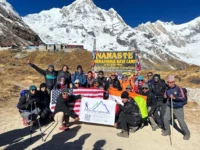
Detailed Route and Key Highlights
Standard Duration: 7-10 days (Pokhara to Pokhara).
Starting Points: Typically Nayapul (1-2 hour drive from Pokhara) or Phedi/Kande. The Ghorepani-Poon Hill route is a popular alternative start.
Key Stages & Highlights:
Tikhedhunga to Ghorepani (2,874m): A steep climb through beautiful forests to a major trail junction.
Poon Hill (3,210m): An optional but highly recommended pre-dawn detour for a 360-degree sunrise vista over the Dhaulagiri and Annapurna ranges.
The Modi Khola Valley: The trek’s core, leading from lush forests (Chhomrong) into the increasingly narrow and dramatic gorge.
Machhapuchhre Base Camp (MBC – 3,700m): The stunning vantage point directly beneath the iconic “Fishtail” mountain (Machhapuchhre, 6,993m), sacred and unclimbed.
Annapurna Base Camp (4,130m): The destination—a spectacular, open glacial basin surrounded by the near-vertical south face of Annapurna I, Annapurna South, Hiunchuli, and Machhapuchhre. The sense of enclosure by giants is profound.
Return via Jhinu Danda: Often includes a stop at the natural hot springs, a perfect post-trek reward.
Terrain, Altitude, and Difficulty
Terrain: Extremely varied. The trail involves countless stone steps (especially around Chhomrong), forest paths, riverbed walks, and a final ascent through a moraine valley. It feels more like a “mountain trek” in the traditional sense.
Altitude: The maximum altitude of 4,130m at ABC is significantly lower than EBC. While AMS is still a risk, it is less severe and more manageable with a sensible ascent profile.
Difficulty: Moderate to Strenuous. The challenge comes from the relentless ascents and descents (thousands of stone steps) rather than extreme altitude. It is physically demanding but achievable for well-prepared beginners.
Cultural and Scenic Immersion
Culture: A fascinating cultural mosaic. The trail passes through villages of the Gurung and Magar ethnic groups, known for their hospitality and distinct traditions (many Gurkha soldiers hail from these communities). The lower regions feature Hindu influences. The Sanctuary itself is considered a sacred place to the local people.
Scenery: The scenery is constantly evolving and lush from subtropical forests and cascading waterfalls to bamboo groves and blooming rhododendrons (spectacular in April), culminating in the stark, high-mountain grandeur of the Sanctuary. The variety is its greatest scenic asset.
Logistical Considerations
Access: The trek starts and ends near Pokhara, Nepal’s second city and a lakeside paradise of relaxation. Access is via a 25-minute flight or a 6-7 hour scenic drive/bus ride from Kathmandu, offering more flexibility than the Lukla flight.
Accommodation & Food: Tea houses are generally better developed and offer more comfort than on EBC, with a greater likelihood of attached bathrooms at lower altitudes. Food is similar but often perceived as slightly better and more varied.
Best Seasons: Same as EBC: Pre-Monsoon and Post-Monsoon. The rhododendron bloom in spring is a major attraction. The trek is also possible in winter, though the Sanctuary will be very cold.
Permits: Annapurna Conservation Area Permit (ACAP) and Trekkers’ Information Management System (TIMS) card.
Trip not found.
Head-to-Head Comparison of EBC & ABC Trekking
| Aspect | Everest Base Camp (EBC) | Annapurna Base Camp (ABC) |
|---|---|---|
| Core Appeal | Iconic high-altitude challenge; standing before Everest; mountaineering history. | Incredible ecological & cultural diversity; intimate peak immersion; accessibility. |
| Max Altitude | Kala Patthar (5,644m), Sleep at ~5,000m. | ABC (4,130m), Sleep at ~4,100m. |
| Primary Difficulty | Extreme Altitude. Risk of AMS is high and paramount. | Sustained Ascents/Descents. Thousands of stone steps; physically taxing. |
| Fitness Required | Very High. Excellent cardio, endurance, and mental resilience needed. | Moderate to High. Good general fitness and leg strength sufficient. |
| Typical Duration | 12-14 days (excluding int’l travel & buffers). | 7-10 days (excluding int’l travel). |
| Scenery | Epic, vertical, alpine/arctic. Grand vistas of the world’s highest peaks. | Diverse, intimate, lush. Forests, villages, waterfalls, culminating in an amphitheater of peaks. |
| Cultural Focus | Sherpa (Tibetan Buddhist) culture. Monasteries, prayer flags, stupas. | Gurung/Magar (Hindu & Animist influences) culture. Traditional villages, terraced farms. |
| Trail Condition | Well-trodden, often busy (especially in season). Long days between stops. | Well-defined but rugged with endless stone steps. Can be busy near Poon Hill/Chhomrong. |
| Logistics & Access | Dependent on Lukla flight (weather delays common). Starts from Kathmandu. | Accessible from Pokhara by road. More flexible, less prone to major delays. |
| Tea-house Comfort | Basic, especially at high altitudes. Shared facilities standard. Heating in dining room only. | Generally more comfortable. More options for attached bathrooms at lower elevations. |
| Crowds | Very high. One of the world’s most popular treks. | High, but the diversity of routes spreads people out. Poon Hill and ABC can be busy. |
| “Wow” Factor | The sheer scale of Everest and the Himalayas. Sunrise from Kala Patthar is unparalleled. | The dramatic entry into the Sanctuary and the 360-degree wall of peaks at ABC. Poon Hill sunrise. |
| Overall Cost | Higher. Due to longer duration, flight costs, and more expensive food/lodging in Khumbu. | Lower. Shorter duration, no internal flight required (if driving), cheaper overall costs. |
Critical Considerations for Your Choice of EBC VS ABC Trekking
Altitude Tolerance
This is the single most important factor.
Choose EBC if: You are confident in your body’s ability to acclimatize, understand AMS protocols, and are prepared for the physical and mental demands of high altitude. Do not choose EBC simply for bragging rights; respect the altitude.
Choose ABC if: You are uncertain about altitude, have had issues before, or prefer a trek where the primary challenge is physical exertion rather than hypoxia.
Time and Budget
EBC requires a minimum of 16-18 days total (including international flights, buffers, Kathmandu). It is more expensive.
ABC can be done in 10-14 days total. It is more budget-friendly and time-efficient.
Desired Experience
Seek the Ultimate High-Altitude Test & Iconic Goal: EBC.
Seek Variety, Cultural Richness, & a “Classic” Trekking Feel: ABC.
Physical Fitness vs. Acclimatization Capacity
A very fit person prone to altitude sickness might still struggle on EBC.
A person with good stamina and strong legs who acclimatizes well might find ABC physically tougher on the joints but easier to breathe.
The “X” Factors
Solitude: Neither trek offers true solitude, but ABC’s alternative routes (like starting from Landruk or via Mardi Himal) offer more chances for quieter trails than the classic EBC route.
Flexibility: ABC’s road access offers more itinerary flexibility and less anxiety about flight cancellations.
The Gateway Cities: Kathmandu (chaotic, historic, vibrant) vs. Pokhara (tranquil, scenic, relaxed). Your start/end point influences the overall trip vibe.
Beyond the Classic – Variations and Add-ons
EBC Variations: The Three Passes Trek (Kongma La, Cho La, Renjo La) is a far more challenging and remote circuit for experienced trekkers. The Gokyo Lakes trek offers an alternative with stunning turquoise lakes and a viewpoint (Gokyo Ri) rivaling Kala Patthar.
ABC Variations: Starting with the Ghorepani-Poon Hill loop is classic. The Mardi Himal Trek is a fantastic, less-crowded ridge-walk with phenomenal Machhapuchhre views that can be linked or done separately. The longer Annapurna Circuit (though now road-affected) is a totally different, epic journey around the massif.
EBC vs ABC Trekking (FAQs)
1. Which trek is easier: EBC or ABC?
The Annapurna Base Camp trek difficulty is generally considered easier than the Everest Base Camp trek difficulty due to its lower maximum altitude (4,130m vs 5,645m), making ABC better for beginners who are concerned about altitude sickness but still want a challenging and rewarding Himalayan experience.
2. Which trek is more expensive: EBC or ABC?
The EBC trek cost is typically higher than the ABC trek cost due to the expensive Lukla flight, longer overall duration (12-14 days vs 7-10 days), and pricier tea houses in the Khumbu region, making ABC the more budget-friendly trek in Nepal for most travelers.
3. Which has better scenery: Annapurna or Everest?
Both offer spectacular but different scenery: EBC trek views feature dramatic, high-altitude glacial landscapes with iconic peaks like Everest and Lhotse, while ABC trek scenery provides incredible diversity from rice terraces and rhododendron forests to the intimate amphitheater of the Annapurna Sanctuary.
4. How cold does it get at Everest Base Camp vs Annapurna Base Camp?
Temperature at EBC can drop to -10°C to -15°C (14°F to 5°F) at night during peak seasons, while ABC temperature is generally milder at -5°C to 5°C (23°F to 41°F) due to the lower altitude, making packing for EBC require warmer trekking gear for high altitude.
5. Which trek has better tea house accommodation?
ABC tea houses generally offer better facilities with more options for attached bathrooms at lower elevations, while EBC accommodation becomes increasingly basic at higher altitudes with shared facilities standard above Namche Bazaar, though both provide the essential tea house experience in Nepal.
6. Is altitude sickness worse on EBC or ABC?
Altitude sickness risk is significantly higher on the EBC trek due to sleeping above 5,000m at Gorak Shep versus ABC’s maximum sleeping altitude of 4,130m, making proper acclimatization for Everest Base Camp absolutely critical for all trekkers attempting this route.
7. Can I do EBC or ABC as a solo trekker?
Yes, both EBC solo trekking and ABC solo trekking are possible and common, with well-marked trails and frequent tea houses, though hiring a guide is now mandatory in some regions and provides valuable support for navigation, accommodation, and emergency situations.
8. What is the best time to trek to EBC vs ABC?
The best time for EBC trek and best season for ABC trek are identical: pre-monsoon (March to May) for warmer weather and rhododendron blooms, and post-monsoon (September to November) for stable conditions and clear skies, with both avoiding the monsoon months of June through August.
9. Which trek is less crowded: Annapurna or Everest region?
While both are popular, the Everest region trekking crowds tend to be more concentrated on the single main trail to base camp, whereas Annapurna region trails offer more route variations (like starting from Poon Hill or Landruk) that can provide quieter alternatives during peak seasons.
10. Do I need training for EBC or ABC trekking?
Yes, training for EBC should focus on high-altitude cardio endurance with significant elevation gain practice, while preparation for ABC requires strong legs for thousands of stone steps, making both treks demanding but achievable with proper physical preparation for Himalayan trekking.
Conclusion: Which Trek is Your Mountain Calling?
The choice between EBC and ABC is not about which is “better,” but which is better for you.
Choose the Everest Base Camp Trek if:
You are drawn by the legend of Everest. You are physically and mentally prepared to confront and respect extreme altitude. You wish to immerse yourself in the iconic Sherpa culture and follow in the footsteps of mountaineering history. You have the time, budget, and resilience for a demanding high-altitude expedition where the reward is standing in the planet’s most famous mountain shadow.
Choose the Annapurna Base Camp Trek if:
You seek a rich and varied introduction to Himalayan trekking. You want to experience a spectacular cross-section of Nepal’s landscapes and cultures within a shorter timeframe. You prefer a trek where the challenge stems more from muscle power than thin air. You desire the awe of being surrounded by towering peaks but from a more accessible and forgiving altitude.
Both treks are life-changing journeys that offer profound rewards. EBC delivers a powerful, awe-inspiring punch at the top of the world. ABC weaves a beautiful, intricate tapestry of all that makes Nepal magical. One is a summit of ambition; the other is a journey of discovery.
Listen to what you seek: the call of the highest peak, or the song of the hidden sanctuary. Your answer will guide your first, but likely not your last, steps into the heart of the Himalayas.


