



The Everest Base Camp Helicopter Trek is one of the most rewarding adventures in Nepal, combining the excitement of trekking through the Himalayas with the comfort and luxury of a scenic helicopter flight back to Kathmandu. Unlike the traditional Everest Base Camp Trek, which requires trekking both to and from the base camp, this itinerary allows trekkers to walk one way and return by helicopter, saving several days while enjoying breathtaking aerial views of the world’s highest mountain.
This adventure is perfect for travelers who want to experience the legendary Everest region but have limited time. It offers the opportunity to explore picturesque Sherpa villages, cross thrilling suspension bridges, walk through the beautiful forests of Sagarmatha National Park, and witness spectacular Himalayan scenery before concluding the journey with an unforgettable helicopter ride over the Khumbu Valley.
The trek combines physical achievement with comfort, making it an excellent choice for photographers, nature lovers, families, and adventure seekers. Along the route, you’ll visit famous destinations such as Lukla, Phakding, Namche Bazaar, Tengboche, Dingboche, Lobuche, Gorakshep, Everest Base Camp, and Kala Patthar, each offering unique landscapes and cultural experiences.
Whether you are planning your first Himalayan adventure or looking for a more luxurious trekking experience, the Everest Base Camp Trek with Helicopter Return provides an unforgettable journey filled with natural beauty, rich Sherpa culture, and panoramic mountain views.
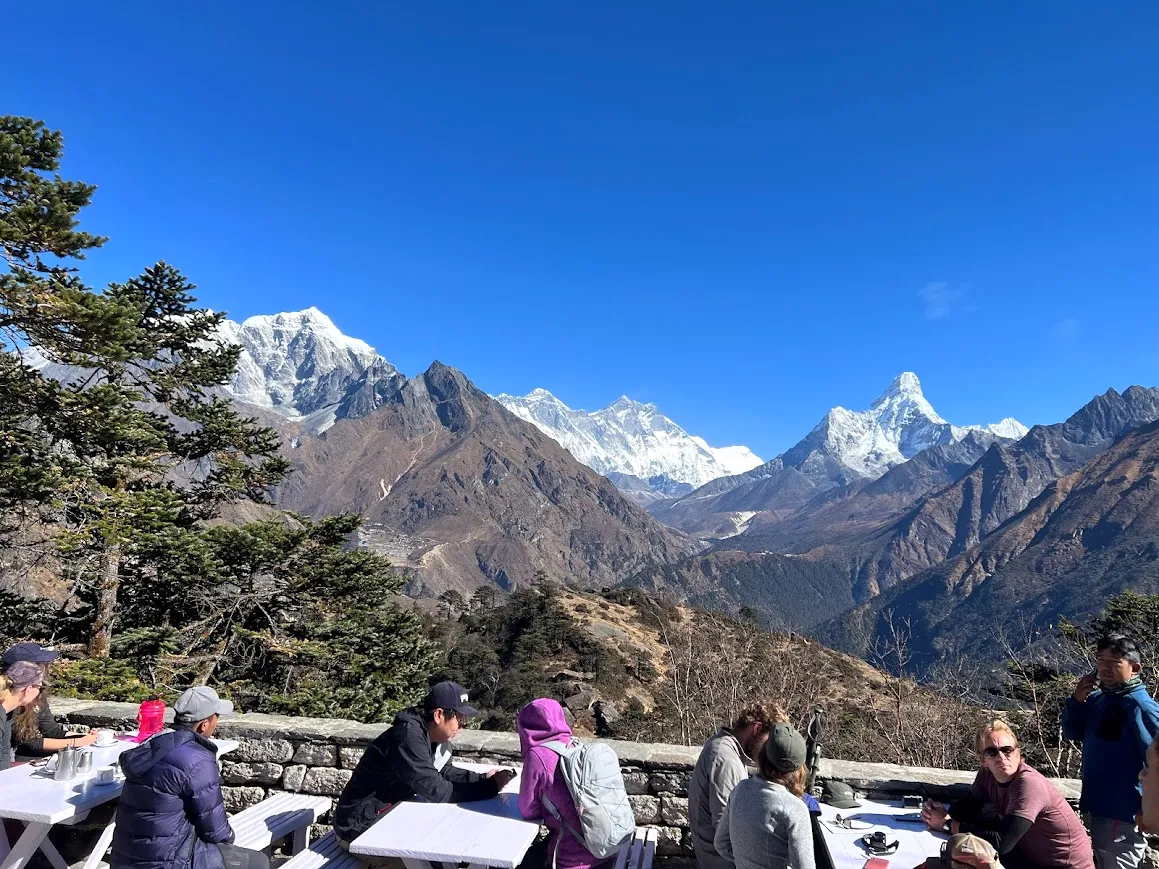
What is the Everest Base Camp Helicopter Trek?
The Everest Base Camp Helicopter Trek is a premium trekking package that combines the classic Everest Base Camp trekking route with a helicopter return from Gorakshep or nearby after completing the trek. Instead of retracing the same trail back to Lukla over several days, trekkers board a helicopter and enjoy a spectacular flight over glaciers, valleys, and snow-capped Himalayan peaks.
This unique itinerary typically lasts between 10 and 12 days, making it ideal for travelers with limited vacation time. The helicopter return significantly reduces the overall trekking duration while providing one of the most scenic mountain flights in the world.
Throughout the trek, visitors experience authentic Sherpa hospitality, ancient Buddhist monasteries, colorful prayer flags, and breathtaking landscapes. Every day brings new scenery, from lush pine forests to alpine meadows and glacial moraines, creating a constantly changing and inspiring trekking experience.
The final helicopter flight offers an entirely different perspective of the Everest region, allowing trekkers to admire the mountains from above while avoiding the long descent back to Lukla.
Why Choose the Everest Base Camp Trek with Helicopter Return?
Many travelers now prefer the Everest Base Camp Trek with Helicopter Return because it offers the perfect balance between adventure and comfort.
Save Valuable Time
The traditional Everest Base Camp Trek usually takes around 14 to 16 days. By returning via helicopter, you can complete the journey in approximately 10 to 12 days without missing the highlights of the trek.
Avoid Repeating the Same Trail
Instead of spending several days walking back along the same route, the helicopter flight allows you to enjoy a completely different perspective of the Khumbu region while saving energy.
Incredible Aerial Views
The helicopter journey showcases panoramic views of some of the world’s highest mountains, including:
- Mount Everest (8,848.86 m)
- Lhotse
- Nuptse
- Ama Dablam
- Thamserku
- Pumori
- Khumbutse
The bird’s-eye view of glaciers, icefalls, valleys, and mountain villages creates unforgettable memories and outstanding photography opportunities.
Less Physical Strain
Descending from high altitude can be demanding on the knees and ankles. Returning by helicopter reduces physical fatigue while maintaining the sense of accomplishment from reaching Everest Base Camp.
Luxury Adventure
The helicopter return transforms the classic trek into a premium Himalayan adventure, making it especially attractive for honeymooners, senior travelers, photographers, and those seeking a more comfortable trekking experience.
Major Highlights of the Everest Base Camp Helicopter Trek
One of the reasons why this trek remains among Nepal’s most popular adventures is the incredible variety of experiences it offers.
Scenic Flight to Lukla
Your adventure begins with one of the world’s most exciting mountain flights into Lukla Airport. Surrounded by dramatic Himalayan peaks, this short flight offers breathtaking views before the trek even begins.
Trek Through Sagarmatha National Park
The trail passes through the UNESCO World Heritage-listed Sagarmatha National Park, home to diverse wildlife, rhododendron forests, pine trees, and spectacular mountain scenery.
Explore Sherpa Culture
The Khumbu region is home to the Sherpa people, internationally respected for their mountaineering skills and warm hospitality. During the trek, visitors experience traditional villages, Buddhist customs, ancient monasteries, and local cuisine.
Visit Namche Bazaar
Namche Bazaar is the commercial and cultural center of the Everest region. The lively mountain town offers comfortable lodges, cafés, bakeries, gear shops, museums, and stunning viewpoints overlooking the surrounding peaks.
Tengboche Monastery
One of the spiritual highlights of the trek is visiting Tengboche Monastery, the largest Buddhist monastery in the Everest region. Set against the backdrop of Ama Dablam, the monastery provides a peaceful atmosphere and magnificent mountain scenery.
Reach Everest Base Camp
Standing at Everest Base Camp (5,364 meters) is the dream of countless trekkers. Although the summit of Everest remains far above, reaching base camp offers a tremendous sense of achievement and the chance to stand where legendary mountaineering expeditions begin.
Sunrise from Kala Patthar
Most trekkers hike early in the morning to Kala Patthar (5,545 meters), considered the best viewpoint for Mount Everest. As the sun rises, golden light illuminates Everest, Nuptse, Pumori, and the surrounding Himalayan giants, creating one of Nepal’s most iconic mountain panoramas.
Helicopter Flight Back
After completing the trek, the helicopter flight becomes the grand finale of the journey. Flying over glaciers, deep valleys, and picturesque villages provides a unique perspective that few trekkers ever experience.
Typical Everest Base Camp Helicopter Trek Itinerary
Although itineraries may vary slightly between trekking companies, a standard itinerary includes:
- Day 1: Arrival in Kathmandu.
- Day 2: Scenic flight to Lukla (2,860 m) and trek to Phakding (2,610 m).
- Day 3: Trek to Namche Bazaar (3,440 m).
- Day 4: Acclimatization day in Namche Bazaar.
- Day 5: Trek to Tengboche (3,860 m).
- Day 6: Trek to Dingboche (4,410 m).
- Day 7: Acclimatization day in Dingboche.
- Day 8: Trek to Lobuche (4,940 m).
- Day 9: Trek to Gorakshep (5,164 m), continue to Everest Base Camp (5,364 m), and return to Gorakshep.
- Day 10: Early morning hike to Kala Patthar (5,545 m) for sunrise, followed by a helicopter flight back to Kathmandu.
- Day 11: Departure to Kathmandu Airport.
This itinerary allows adequate time for acclimatization, helping reduce the risk of altitude sickness while maximizing your enjoyment of the trek.
The Everest Base Camp Helicopter Trek offers the perfect combination of adventure, comfort, and breathtaking scenery. By trekking to the foot of the world’s highest mountain and returning by helicopter, travelers can experience the very best of the Everest region in a shorter timeframe without compromising on unforgettable Himalayan memories.
Trip not found.
Best Time for the Everest Base Camp Helicopter Trek
Choosing the right season is one of the most important factors when planning an Everest Base Camp Helicopter Trek. Weather conditions in the Himalayas can change rapidly, affecting mountain visibility, trekking conditions, and helicopter operations. Fortunately, the Everest region offers excellent trekking opportunities during two main seasons each year.
Spring Season (March to May)
Spring is widely considered the best time for the Everest Base Camp Trek with Helicopter Return. During these months, temperatures become milder, skies are generally clear, and the trails are decorated with blooming rhododendron forests and alpine flowers.
Morning views are often crystal clear, providing spectacular panoramas of Mount Everest, Ama Dablam, Lhotse, Nuptse, and many other Himalayan peaks. Wildlife also becomes more active, making the trek even more enjoyable for nature lovers.
Average temperatures include:
- Lukla: 8°C to 18°C
- Namche Bazaar: 2°C to 15°C
- Dingboche: -3°C to 10°C
- Gorakshep: -8°C to 5°C
Spring is also the busiest climbing season on Mount Everest, giving trekkers the unique opportunity to witness international mountaineering expeditions preparing for summit attempts.
Autumn Season (September to November)
Autumn is another excellent season for the Everest Base Camp Trek Nepal. Following the summer monsoon, the air becomes exceptionally clean, resulting in outstanding visibility throughout the Khumbu region.
The weather remains stable with sunny days, comfortable trekking temperatures, and breathtaking mountain scenery. Since rainfall has washed away dust and pollution, photographs taken during autumn often feature vibrant blue skies and exceptionally sharp mountain views.
Autumn is also a festive period in Nepal, allowing visitors to experience local celebrations such as Dashain and Tihar while trekking through traditional Sherpa villages.
Winter Season (December to February)
Winter trekking offers a quieter experience with fewer trekkers on the trails. Snow-covered landscapes create magical scenery, and the mountain views remain spectacular on clear days.
However, temperatures can become extremely cold, especially above 4,000 meters. Night temperatures may fall below -15°C at Gorakshep, requiring proper winter clothing and equipment.
Helicopter flights generally continue operating during winter when weather conditions are favorable, making it an attractive season for experienced trekkers seeking peaceful trails.
Monsoon Season (June to August)
The summer monsoon brings frequent rain, cloudy skies, and occasional flight delays. Lower elevations become lush and green, but mountain visibility is often limited.
Trails may become muddy and slippery, while helicopter operations can occasionally be affected by poor weather. Unless you specifically enjoy off-season trekking, spring and autumn remain the preferred choices.
Everest Base Camp Trek Difficulty
Many people wonder whether the Everest Base Camp Helicopter Trek is suitable for beginners. Although it is considered a challenging trek, it does not require technical climbing skills or previous mountaineering experience.
The greatest challenge comes from the high altitude rather than difficult terrain.
Trekkers typically walk between 5 and 7 hours each day, gradually ascending through the Khumbu Valley. The trails consist of rocky paths, stone staircases, suspension bridges, glacial moraines, and alpine terrain.
Good physical fitness significantly improves the overall experience. Regular walking, hiking, cycling, swimming, or jogging for several weeks before the trip helps prepare your body for the demands of trekking at altitude.
The helicopter return offers a major advantage by eliminating the long descent back to Lukla, reducing overall physical fatigue and making the itinerary more comfortable.
Altitude and Acclimatization
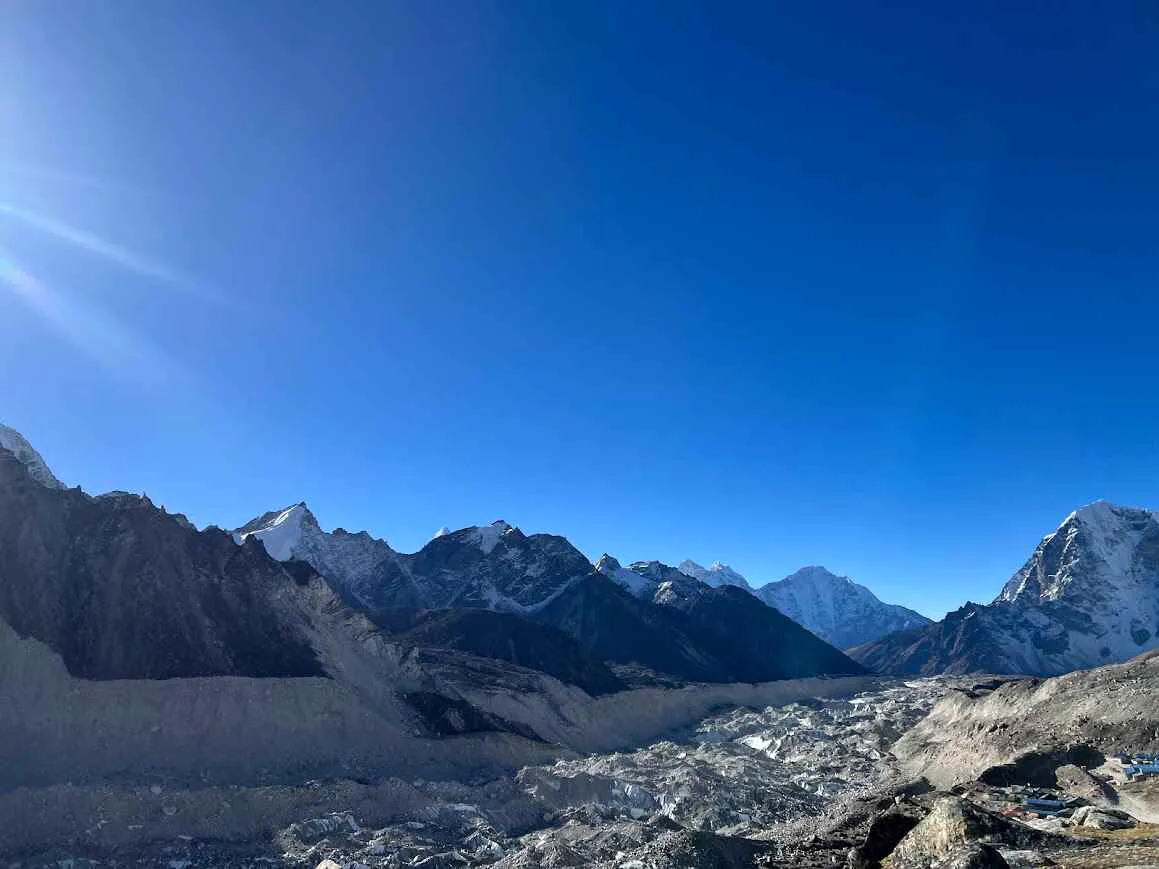
Altitude is one of the most important considerations during the Everest Base Camp Trek with Helicopter Return. As you ascend above 3,000 meters, oxygen levels gradually decrease, making proper acclimatization essential.
Major Altitudes Along the Route
| Destination | Altitude |
|---|---|
| Lukla | 2,860 m |
| Phakding | 2,610 m |
| Namche Bazaar | 3,440 m |
| Tengboche | 3,860 m |
| Dingboche | 4,410 m |
| Lobuche | 4,940 m |
| Gorakshep | 5,164 m |
| Everest Base Camp | 5,364 m |
| Kala Patthar | 5,545 m |
Most itineraries include two acclimatization days, usually in Namche Bazaar and Dingboche. These rest days involve short hikes to higher elevations before returning to sleep at a lower altitude, allowing your body to adapt naturally.
To reduce the risk of Acute Mountain Sickness (AMS), trekkers should:
- Walk slowly and maintain a steady pace.
- Drink at least 3–4 liters of water daily.
- Avoid alcohol and smoking during the trek.
- Eat nutritious meals regularly.
- Follow your guide’s instructions.
- Inform your guide immediately if symptoms such as headache, dizziness, nausea, or shortness of breath occur.
The helicopter return also provides a quick descent after reaching the highest point of the trek, minimizing prolonged exposure to extreme altitude.
Accommodation During the Trek
Accommodation along the Everest trail primarily consists of comfortable mountain teahouses operated by local Sherpa families.
Rooms are generally simple but clean, usually featuring twin beds with mattresses, pillows, blankets, and shared bathroom facilities. Higher elevations offer more basic accommodations due to the remote environment.
In popular villages like Namche Bazaar, trekkers can enjoy additional comforts including:
- Comfortable lodges
- Hot showers
- Wi-Fi (available for an extra charge in many places)
- Cafés and bakeries
- Gear shops
- Laundry services (limited)
As the altitude increases, facilities become more basic, but the warm hospitality of the local people creates a welcoming atmosphere throughout the journey.
Food and Drinks on the Everest Base Camp Trek
One of the pleasant surprises for many trekkers is the wide variety of meals available in Everest teahouses.
Popular breakfast options include:
- Porridge
- Pancakes
- Eggs
- Toast
- Muesli
- Tibetan bread
- Tea and coffee
Lunch and dinner menus commonly feature:
- Dal Bhat (traditional Nepali meal)
- Fried rice
- Vegetable curry
- Noodles
- Pasta
- Soups
- Pizza
- Momos (Nepali dumplings)
- Potatoes
- Omelets
Dal Bhat is often recommended because it provides a balanced combination of carbohydrates, protein, and vegetables, along with unlimited refills at many lodges.
Hot drinks include:
- Black tea
- Ginger tea
- Lemon tea
- Green tea
- Hot chocolate
- Coffee
It is advisable to avoid untreated tap water. Most trekkers use boiled water, water purification tablets, or reusable bottles with filtration systems to stay hydrated while reducing plastic waste.
Permits Required for the Everest Base Camp Helicopter Trek
Before entering the Everest region, trekkers must obtain the necessary permits. These permits help support conservation efforts, local infrastructure, and sustainable tourism.
The two primary permits required are:
Khumbu Pasang Lhamu Rural Municipality Entrance Permit
This local permit is required for all trekkers entering the Khumbu region. The collected fees contribute to maintaining trekking trails, community facilities, and local development projects.
Sagarmatha National Park Entry Permit
Since much of the trek passes through Sagarmatha National Park, this permit is mandatory. It supports wildlife conservation, environmental protection, and the preservation of the park’s unique Himalayan ecosystem.
Most trekking agencies arrange all required permits before the trek begins, allowing travelers to focus on enjoying their adventure.
Everest Base Camp Helicopter Trek Cost
The Everest Base Camp Helicopter Trek Cost depends on several factors, including group size, accommodation standard, season, and services included in the package.
A standard package generally includes:
- Airport transfers
- Domestic flights
- Helicopter return flight
- Trekking permits
- Experienced trekking guide
- Porter services
- Teahouse accommodation
- Breakfast during the trek
- Government taxes and service charges
Luxury packages may also include premium hotels in Kathmandu, upgraded lodges, private helicopter transfers, additional meals, and personalized services.
Although the helicopter return increases the overall cost compared to the standard trek, many travelers consider it worthwhile for the time saved, the added comfort, and the unforgettable aerial views of the Himalayas.
Why Choose the Helicopter Return?
The helicopter flight is more than just transportation—it is the perfect finale to your Everest adventure. After days of trekking through rugged mountain trails, you can relax and enjoy a spectacular aerial journey over glaciers, icefalls, and towering Himalayan peaks.
Instead of retracing the same route back to Lukla, the helicopter allows you to experience the Everest region from an entirely new perspective while reducing physical strain and saving several days of trekking. For many travelers, this unique combination of trekking and scenic flying makes the Everest Base Camp Helicopter Trek one of the most memorable adventures in Nepal.
Complete Packing List for the Everest Base Camp Helicopter Trek
Packing wisely is essential for a comfortable and successful Everest Base Camp Helicopter Trek. Weather conditions in the Himalayas can change quickly, with warm afternoons followed by freezing temperatures at higher elevations. Layering your clothing is the best way to stay comfortable throughout the journey.
Clothing
Bring moisture-wicking base layers, an insulating fleece or down jacket, and a waterproof outer shell to protect against wind and rain. Trekking pants, thermal leggings, warm gloves, a woolen hat, and a neck buff are highly recommended. A pair of comfortable hiking boots with good ankle support is one of the most important items, as the trail includes rocky paths and uneven terrain.
Daypack Essentials
Carry a lightweight backpack with a rain cover for your daily trekking needs. Pack a reusable water bottle or hydration bladder, sunglasses with UV protection, sunscreen, lip balm, snacks, a headlamp with spare batteries, trekking poles, and a basic first-aid kit. Personal medications, wet wipes, hand sanitizer, and a portable power bank are also useful, especially at higher elevations where charging facilities may incur an extra fee.
Documents
Keep your passport, travel insurance documents, trekking permits, flight tickets, and a few passport-sized photographs in a waterproof pouch. It is also advisable to carry some Nepalese currency, as ATMs are not available along most of the trekking route.
Packing light makes trekking easier, but make sure you have everything needed to stay warm and comfortable in the high-altitude environment.
Health and Safety Tips
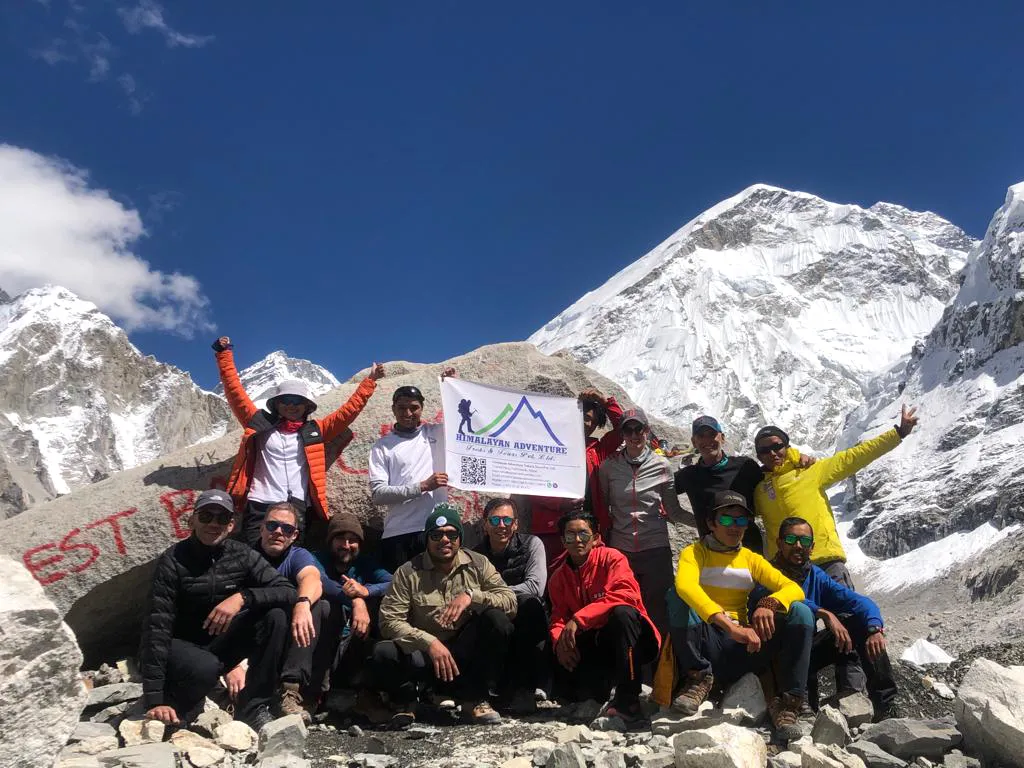
The Everest Base Camp Trek with Helicopter Return is a safe adventure when undertaken with proper preparation and a reputable trekking company. The most important safety consideration is altitude, so following your guide’s instructions and maintaining a steady pace are essential.
Drink plenty of water throughout the trek to stay hydrated and help your body adjust to the altitude. Eat nutritious meals, avoid excessive alcohol consumption, and get adequate rest each night. Never ignore symptoms such as persistent headaches, nausea, dizziness, or unusual fatigue, as these may indicate altitude sickness.
Weather in the Everest region can change rapidly, occasionally affecting domestic flights to and from Lukla as well as helicopter operations. It is always wise to keep one or two extra days in your travel schedule to accommodate possible delays.
Travel insurance is strongly recommended and should include coverage for high-altitude trekking and emergency helicopter evacuation. Although the helicopter return is part of your itinerary, insurance provides valuable protection in the event of illness, injury, or unexpected travel disruptions.
Experience the Unique Sherpa Culture
One of the highlights of the Everest Base Camp Helicopter Trek Nepal is the opportunity to experience the rich traditions of the Sherpa community. The Sherpas are renowned worldwide for their mountaineering expertise, resilience, and warm hospitality. Their villages, monasteries, and daily way of life add a meaningful cultural dimension to the trekking experience.
As you pass through villages such as Namche Bazaar, Khumjung, Tengboche, Dingboche, and Lobuche, you’ll encounter colorful prayer flags, carved mani stones, spinning prayer wheels, and traditional chortens. These sacred symbols reflect the deep influence of Tibetan Buddhism in the region.
Tengboche Monastery, the largest monastery in the Khumbu Valley, is one of the trek’s spiritual highlights. Many trekkers visit during the morning or evening prayer ceremonies to observe Buddhist rituals and enjoy the peaceful atmosphere surrounded by magnificent Himalayan peaks.
Interacting with local families, staying in Sherpa-owned teahouses, and sampling traditional dishes such as Dal Bhat, Tibetan bread, and Sherpa stew offer a genuine insight into the mountain lifestyle. Respecting local customs, asking permission before photographing people, and supporting local businesses contribute to responsible and sustainable tourism.
Flora and Fauna of the Everest Region
The trail to Everest Base Camp passes through Sagarmatha National Park, a UNESCO World Heritage Site recognized for its remarkable biodiversity and dramatic mountain landscapes. The park encompasses dense forests, alpine meadows, glaciers, and towering peaks, providing habitat for a wide variety of wildlife.
At lower elevations, trekkers walk through forests of rhododendron, pine, fir, birch, and juniper. During the spring season, blooming rhododendrons transform the hillsides into vibrant displays of red, pink, and white flowers.
Wildlife enthusiasts may spot Himalayan tahrs grazing on steep slopes, musk deer moving through the forests, or colorful Himalayan monals, Nepal’s national bird. Lucky visitors might even glimpse elusive species such as the red panda or snow leopard, although sightings are rare due to their secretive nature.
The diverse ecosystems of the Khumbu region make the trek rewarding not only for mountain lovers but also for photographers and nature enthusiasts.
The Unforgettable Helicopter Return Experience
After reaching Everest Base Camp and enjoying sunrise from Kala Patthar, the helicopter flight back to Kathmandu marks the perfect conclusion to your adventure. As the helicopter lifts off from the high-altitude landscape, you’ll gain a breathtaking bird’s-eye view of glaciers, icefalls, and the winding trekking trails you have just completed.
From the air, the grandeur of the Himalayas becomes even more apparent. Snow-covered peaks, deep valleys, turquoise glacial lakes, and picturesque Sherpa villages create a spectacular panorama that few travelers have the chance to witness.
The helicopter return also allows you to avoid several days of descending on foot, reducing physical strain while maximizing your time in Nepal. This combination of trekking and aerial sightseeing is one of the key reasons why the Everest Base Camp Trek with Helicopter Return has become increasingly popular among international travelers.
Responsible Trekking Practices
Protecting the pristine environment of the Everest region is the responsibility of every visitor. Sustainable trekking helps preserve the beauty of the Himalayas for future generations and supports local communities that depend on tourism.
Simple actions such as carrying a reusable water bottle, avoiding single-use plastics, disposing of waste responsibly, and respecting wildlife make a significant difference. Staying on marked trails minimizes environmental impact and helps protect fragile alpine vegetation.
Choosing locally owned lodges, hiring licensed guides and porters, and purchasing handmade products from local communities contribute directly to the region’s economy. Respecting cultural traditions and religious sites also enhances your travel experience while fostering positive relationships with local residents.

Frequently Asked Questions (FAQs)
How difficult is the Everest Base Camp Helicopter Trek?
The trek is considered moderately challenging. It does not require technical climbing skills, but good physical fitness and proper acclimatization are essential due to the high altitude.
How many days does the trek take?
Most itineraries range from 10 to 12 days, depending on the trekking schedule and weather conditions.
What is the highest point of the trek?
The highest point is Kala Patthar (5,545 meters), which offers the best panoramic view of Mount Everest and the surrounding Himalayan peaks.
Is the helicopter return guaranteed?
The helicopter return is included in the itinerary, but all flights depend on weather conditions and operational safety. In the Himalayas, weather can occasionally cause delays or changes to flight schedules.
Can beginners join the trek?
Yes. Beginners with a good level of fitness, determination, and adequate preparation can successfully complete the trek under the guidance of experienced trekking professionals.
What is the best time for the Everest Base Camp Helicopter Trek?
The best seasons are March to May and September to November, when the weather is generally stable and mountain views are at their finest.
Do I need travel insurance?
Yes. Comprehensive travel insurance covering high-altitude trekking and emergency helicopter evacuation is strongly recommended.
Is Wi-Fi available during the trek?
Many teahouses offer Wi-Fi for an additional fee, although the connection may be slower and less reliable at higher elevations.
Can I charge electronic devices?
Yes, most lodges provide charging facilities, usually for a small additional charge. Carrying a power bank is recommended.
What type of accommodation is available?
Trekkers stay in comfortable mountain teahouses with basic but clean facilities. Lodges in lower villages generally offer more amenities than those at higher elevations.
Conclusion
The Everest Base Camp Helicopter Trek is an extraordinary journey that combines the adventure of trekking to the foot of the world’s highest mountain with the comfort and excitement of a scenic helicopter return. It offers an ideal balance of challenge, luxury, and efficiency, making it one of Nepal’s most sought-after trekking experiences.
From the thrilling flight to Lukla and the warm hospitality of Sherpa villages to the peaceful atmosphere of Tengboche Monastery and the unforgettable sunrise from Kala Patthar, every day presents new experiences and breathtaking landscapes. Walking through the heart of the Khumbu region allows you to immerse yourself in the rich culture, natural beauty, and mountaineering history that have made Everest famous around the world.
The helicopter flight back provides a spectacular finale, offering panoramic views of glaciers, snow-covered peaks, and deep Himalayan valleys while saving valuable time and reducing the physical demands of the return journey. This unique combination of trekking and aerial sightseeing creates memories that last a lifetime.
Whether you are an experienced trekker or embarking on your first Himalayan adventure, the Everest Base Camp Trek with Helicopter Return is an unforgettable experience that showcases the very best of Nepal. With careful preparation, the right trekking team, and a spirit of adventure, you’ll discover why this remarkable journey continues to inspire travelers from across the globe. It is more than just a trek—it’s a once-in-a-lifetime opportunity to stand beneath Mount Everest and witness the majesty of the Himalayas from both the trail and the sky.


