


22 March 2024
By admin
The Everest Base Camp (EBC) Trek is one of the most iconic and sought-after trekking routes in the world. Here’s an overview of the Everest Base Camp Trek with key details highlighted:
Route Overview:
- Starting Point: The trek typically begins from Kathmandu to Lukla flight, a small airstrip in the Everest region.
- Trail: From Lukla, trekkers follow the well-marked trail that passes through picturesque Sherpa villages, rhododendron forests, suspension bridges, and high-altitude landscapes.
- Destination: The ultimate goal of the trek is to reach Everest Base Camp, located at an elevation of 5,364 meters (17,598 feet) on the Khumbu Glacier, at the foot of Mount Everest.
Key Highlights:
- Namche Bazaar: Known as the “Gateway to Everest,” Namche Bazaar is a bustling Sherpa town with markets, cafes, and stunning views of Everest and surrounding peaks.
- Tengboche Monastery: A significant Buddhist monastery along the trekking route, offering spiritual solace and panoramic views of Everest, Ama Dablam, and other peaks.
- Kala Patthar: A popular viewpoint near Gorak Shep (the final village before Everest Base Camp), offering unparalleled views of Mount Everest and the Khumbu Glacier.
- Everest Base Camp: The culmination of the trek, where trekkers can stand in the shadow of the world’s highest peak and witness the climbers’ preparations for their ascent.
Accommodation:
- Teahouses: Along the trekking route, there are numerous teahouses offering basic accommodation and meals. Trekkers stay in teahouses/guesthouses in villages such as Phakding, Namche Bazaar, Dingboche, Lobuche, and Gorak Shep.
- Basic Amenities: Teahouses typically provide shared dormitory-style rooms or private rooms with basic bedding. Common areas include dining halls where trekkers can enjoy meals and socialize with fellow trekkers.
Challenges:
- Altitude: The Everest Base Camp Trek involves gaining significant altitude, with the highest point reached at Kala Patthar (5,545 meters/18,192 feet). Acclimatization is essential to prevent altitude sickness.
- Weather: Weather conditions in the Everest region can be unpredictable and harsh, with temperatures dropping below freezing, especially at higher elevations. Trekkers should be prepared for cold temperatures, strong winds, and occasional snowfall.
- Physical Demands: The trek requires a good level of physical fitness and endurance due to long days of walking on uneven terrain, steep ascents and descents, and high-altitude conditions.
Permits:
- Sagarmatha National Park Entry Permit: Required for all trekkers entering the Everest region. This permit can be obtained at the park entrance gate in Monjo.
- Local Area Permit (Khumbu Pasang Lhamu Rural Municipality): In addition to the national park permit, trekkers may need to obtain a local area permit for specific areas within the Everest region.
Duration:
- Typical Duration: The Everest Base Camp Trek typically takes around 12-14 days to complete, including acclimatization days and rest days.
- Customization: The trek can be customized to suit different preferences and time constraints, with options for shorter or longer itineraries depending on trekker’s fitness level and schedule.
The Everest Base Camp Trek offers a once-in-a-lifetime opportunity to explore the majestic Himalayan landscapes, experience Sherpa culture, and stand in awe of the world’s highest peak. Trekkers should be prepared for the physical and mental challenges of the trek while embracing the beauty and adventure of the journey.
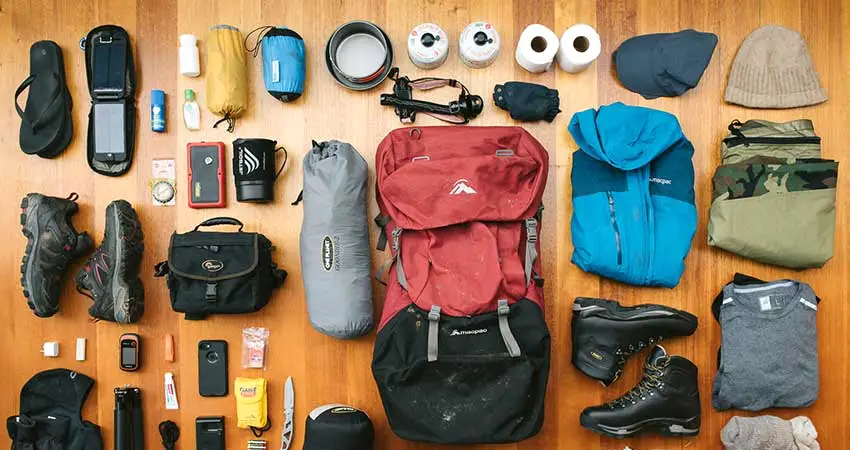
Packing list for the Everest Base Camp Trek, including key items you’ll need for a successful and comfortable trek:
Clothing:
- Base Layers:
- Moisture-wicking long-sleeved shirts (synthetic or merino wool)
- Thermal underwear (tops and bottoms)
- Insulating Layers:
- Fleece jacket or pullover
- Insulated down or synthetic jacket for colder temperatures
- Outer Layers:
- Waterproof and windproof jacket (Gore-Tex or similar)
- Waterproof and windproof pants (Gore-Tex or similar)
- Trekking Pants:
- Lightweight, quick-drying pants (convertible pants are versatile)
- Headwear:
- Warm beanie or hat
- Sun hat or cap with brim for sun protection
- Buff or neck gaiter for added warmth
- Handwear:
- Lightweight gloves for trekking
- Insulated gloves or mittens for colder conditions
- Footwear:
- Sturdy and comfortable trekking boots with ankle support
- Trekking socks (synthetic or wool-blend)
- Camp shoes or sandals for rest days
Gear and Equipment:
- Backpack:
- Large backpack (50-70 liters) for carrying your gear
- Daypack for carrying essentials during daily hikes
- Sleeping Gear:
- Sleeping bag rated for cold temperatures (down or synthetic, 0°F/-18°C or lower)
- Sleeping bag liner for added warmth and hygiene
- Trekking Poles:
- Adjustable trekking poles for stability and support
- Headlamp or Flashlight:
- Waterproof headlamp or flashlight with extra batteries
- Water Bottles or Hydration System:
- Insulated water bottles or hydration bladder (2-3 liters total capacity)
- Sun Protection:
- Sunglasses with UV protection and side shields
- Sunscreen (SPF 30+), lip balm with SPF, and sunblock lotion
- Personal Hygiene:
- Travel-sized toiletries (biodegradable soap, toothpaste, hand sanitizer)
- Wet wipes or baby wipes for quick cleaning
- Quick-drying towel or microfiber towel
- Medical Kit:
- Basic first aid kit (bandages, antiseptic cream, blister pads, pain relievers)
- Prescription medications (altitude sickness medication, antibiotics, etc.)
- Diamox (acetazolamide) for altitude sickness prevention (consult with a doctor)
- Miscellaneous:
- Lightweight multi-tool or knife
- Trekking permit and necessary documentation
- Camera or smartphone for capturing memories
- Travel journal and pen
Food and Snacks:
- High-Energy Snacks:
- Trail mix, nuts, energy bars, chocolate, and dried fruit
- Instant soup or noodles for quick meals
- Electrolyte Supplements:
- Electrolyte tablets or powder for rehydration
Important Documents:
- Passport:
- Valid passport with at least six months’ validity from the date of entry
- Travel Insurance:
- Comprehensive travel insurance covering trekking activities and medical emergencies
- Permits:
- Sagarmatha National Park Entry Permit
- Local Area Permit (Khumbu Pasang Lhamu Rural Municipality)
Start Planning Your Himalayan Adventure in Nepal!


