










Need help?
Talk to trip expert

Everest Region
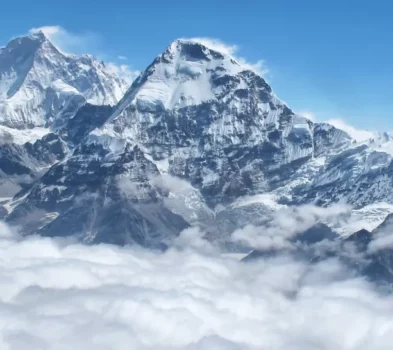
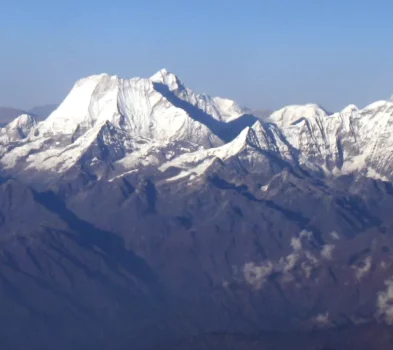
The Everest Region of Nepal or Khumbu area is located in the Solukhumbu district in the northeastern portion of the country. This region is known for Mount Everest which stands to 8848 meters and is the world’s highest mountain. Along with Everest, a number of other very high peaks are located here making the region one of the most special places for trekking in Nepal.
Much of the area is within a protected area (Sagarmatha National Park), famed for its mountains and forests and traditional villages. The trekking journey to this part typically starts from a short flight from Kathmandu to Lukla, a small mountain town at 2860 meters. From Lukla the trail slowly traverses through valleys, rivers, suspension bridges and peaceful settlements.
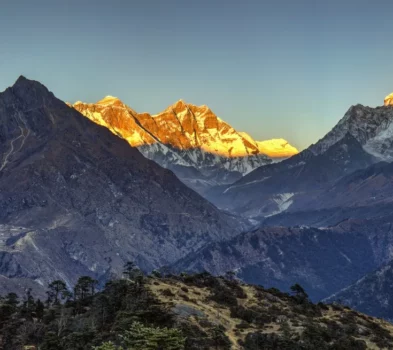
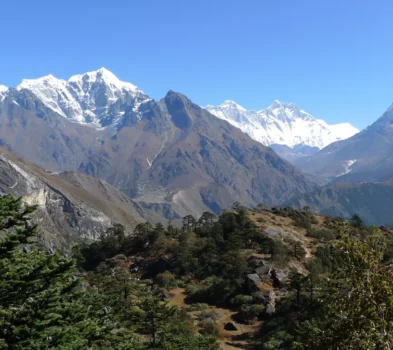
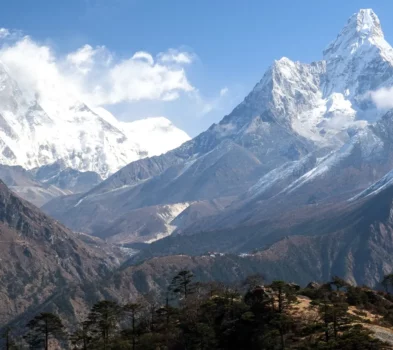
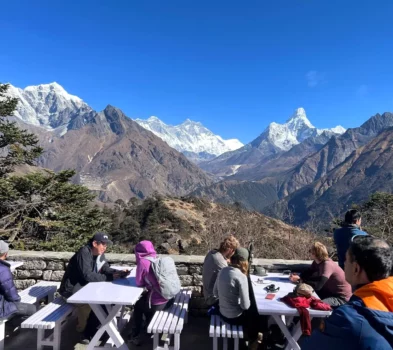
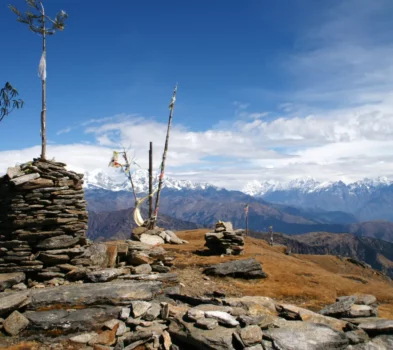
As trekkers make their way along the trail, they pass prayer wheels, stone walls and small monasteries that reflect the deep spiritual life of the local people. Snow-covered peaks like Lhotse, Nuptse and Ama Dablam are seen throughout the journey, so there is a great sense of connection with mountains.
One of the highlights of the region is Everest Base Camp where climbers prepare themselves for their climb of Mount Everest. Nearby, the Khumbu Glacier flows through the valley demonstrating the power of nature at high altitude. Even with its popularity, the Everest Region has a calm and remote feel, particularly in the early mornings and evenings.
Simple mountain teahouses, yak caravans, and quiet trails add to the pace of being far away from modern city life. Every day is a new view and experience and hence trekking in Everest Region holds a meaning and is memorable.
Geography and the Natural Features
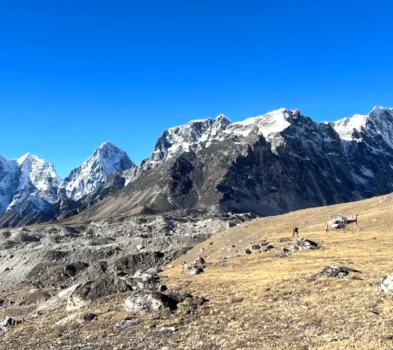
The Everest Region has wide range of landscapes and altitudes. The lower parts near Lukla are covered with the forests of pine, fir, and rhododendron trees. As the trail gets higher and higher the greenery gradually morphs into open alpine land, rocky trails, and ice covered land.
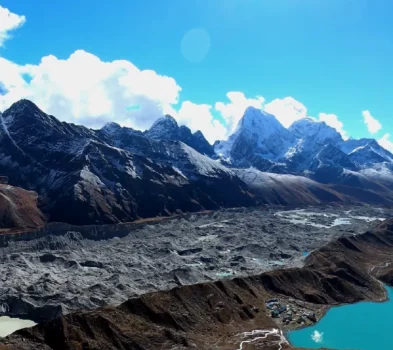
Sagarmatha National Park occupies a significant portion of the region and conserves numerous natural features, such as glaciers, rivers, and mountain slopes. One of the most famous glaciers is Khumbu Glacier which runs from Everest Base camp down to Gorakshep. Trekkers can view large ice formations and rocky moraines along this route.
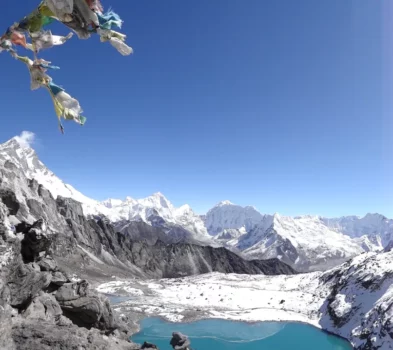
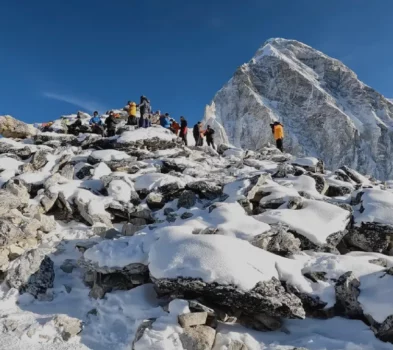
Another important part of the region is the Gokyo Valley. It is home to a group of high altitude lakes which are below GokyoRi. These lakes mirror the encircling peaks and provide tranquil spots to rest. Viewpoints like Kala Patthar will help trekkers get a close view of Mount Everest and surrounding mountains.
Wildlife is also in the area, although it can be hard to find. Animals such as Himalayan thar, musk deer, red panda and snow leopards reside in the forests and higher slopes. Birds such as the Himalayan monal may occasionally be spotted on the trail.
In the spring, the hillsides are full of blooming rhododendrons and in the fall the weather is dry and the skies are clear. These natural changes make each season special in its own way.
Culture and Local Life
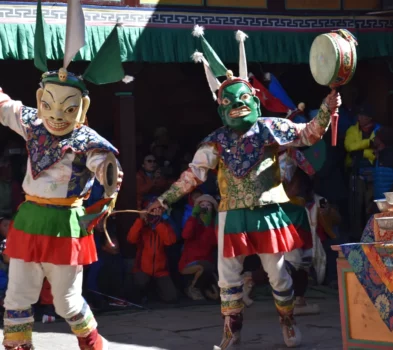
The Everest Region is the residence of the dominant Sherpa community. Sherpas are Buddhist Tibetans who are strongly attached to the mountains. There are monasteries, prayer flags and stone carvings depicting religious symbols and prayers in many villages.
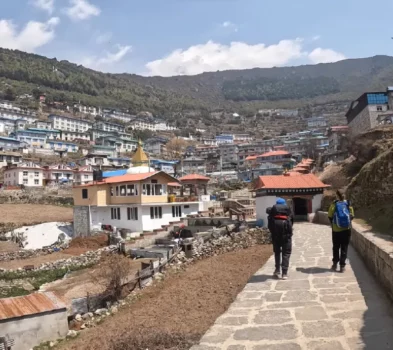
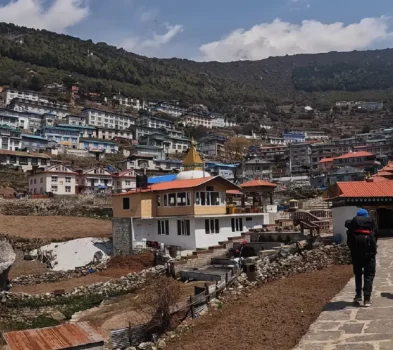
Villages like Namche Bazaar, Khumjung and Tengboche are important cultural centres. Tengboche Monastery is one of the most respected monasteries in the region and is visited by both trek route and local people. Religious festivals and daily ceremonies of prayer are an important part of life here.
Farming and the care of animals are still a part of daily life. Potatoes, barley, and vegetables are cultivated in small fields, yaks are raised for milk, transport and wool. Many families also operate teahouses that offer food and shelter to trekkers.
Traditional meals include rice, lentils, vegetables, noodles and simple breads. Butter tea is also common in upper villages. The clothing is usually of wool, suitable to cold climate found in the mountains.
Kids go to school in the village and the elders explain the stories about the spirits of the mountains and ancient traditions. Tourists are usually received very kindly and respectfully and most trekkers feel safe and at ease during their visit at Sherpa villages.
Accommodation and Tea House Experience
The Everest Region mostly provides accommodation through teahouses. These are small family owned teahouses which are almost in every village of the trail. Rooms are simple and in most cases have two beds, blankets and mattresses.
Dining is done in a shared dining room where trekkers can eat, rest, and converse with other trekkers. The food is simple yet satisfactory and is meant to provide energy in walking in high altitudes. Common meals are rice with lentils, soups, potatoes, noodles and eggs.
Toilets are generally communal and can be basic, especially in higher elevations. Some of the villages provide hot showers running on solar power for an additional fee. Electricity is scarce and may come from solar panels, so charging devices may incur a small fee.
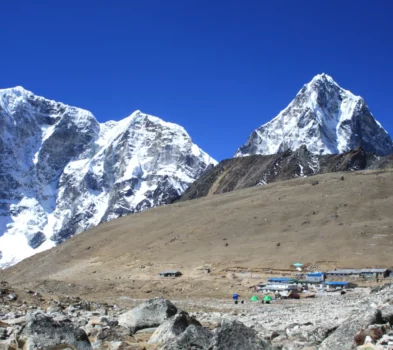
As altitude increases, facilities become more simple. In places such as Lobuche and Gorakshep the water might be cold and the rooms less insulated. Despite this, teahouses are a source of warmth, safety and rest after long days walking.
Staying in teahouses gives trekkers the chance to see the local lifestyle and personal contact with host families. This makes the trek more comfortable and more socially rewarding.
Reasons for Choosing the Everest Region
The Everest Region is one of the most popular trekking areas of Nepal for good reasons. It provides the opportunity to walk not far from the highest mountain on the earth and learn about the local culture and way of life.
The trails go through forests, villages, river valleys and high mountain landscapes and are varied during the journey. Well known routes like Everest Base Camp, Gokyo Valley receive good trekking facilities and easy to find.
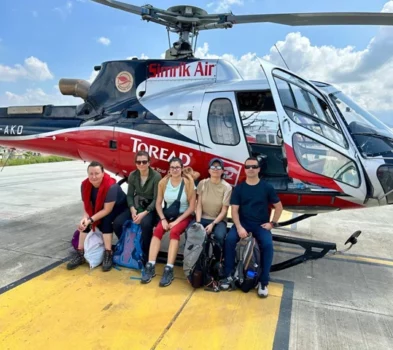
Transportation to the region is well organized with regular flights to Lukla during the trekking seasons. Teahouses, shops, and medical posts can be found in many villages so the trek is bearable for a wide variety of travelers.
Viewpoints such as Everest View Point and Kala Patthar offer clear views of Mount Everest and the neighboring peaks. These moments are often highlights for trekkers visiting the region.
For travelers seeking adventure, culture and mountain scenery all in one trip the Everest Region is a good option.
Trekking Routes in Everest Region
The Everest Region has various trekking routes depending upon the interest and time. The most popular route is the Everest base camp trek that follows a well marked trail through villages and forests and along high altitude valleys. Another popular option is the Gokyo Valley Trek that leads to high mountain lakes and quiet trails. Others choose to avoid the Base Camp and Gokyo Valley and instead take a more diverse route through the Everest Base Camp and Gokyo Valley.
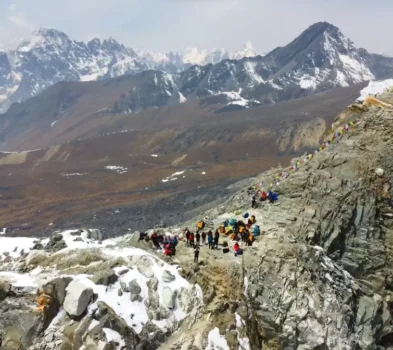
For those looking for less crowds, there are routes like Everest Three Passes Trek that are a tough way of traveling through high mountain passes. These routes are challenging in terms of fitness but reward trekkers with wide views and peaceful surroundings. Each trail in the Everest Region has a different way of experiencing the mountains and local life.
Best Time to Visit Everest Region
Spring and Autumn is the most appropriate time to trek to Everest Region. Spring lasts from March till May and brings mild temperatures and flowering flowers on the trail. Days are usually clear, and the conditions for walking are pleasant.
Autumn extends from September to November and is characterized by stable weather and clear mountain views. This season also includes the major local festivals that provide visitors with an opportunity to see traditional celebrations.
Summer months from June to August receive monsoon rain, which can make trails wet and cloudy. Trekking though is still possible but less popular in this time.
Winter months between December and February are very cold, especially at higher elevations. Trails can be blocked by snow and some teahouses can be closed. Winter trekking requires proper preparation and experience.
The spring and autumn seasons are in general the most favorable with regard to weather, trail conditions and visibility to trek in the Everest Region.


