



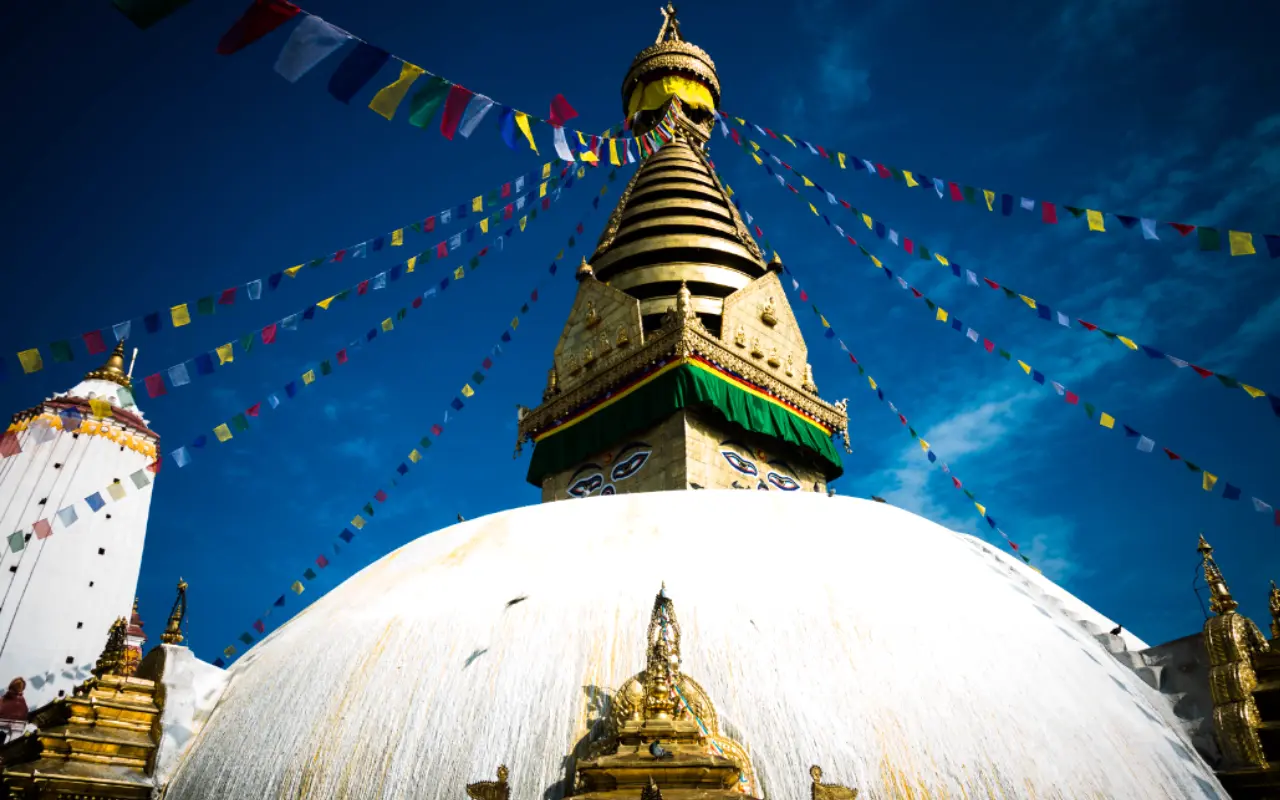
Nepal is a land of unparalleled diversity and the most captivating travel destination in South Asia, nestled in the lap of the Himalayas, rich in both geography and culture. From the world’s recorded highest mountain peaks to serene lakes, living heritage old cities to ancient temples, Nepal is a treasure house of both visible and spiritual collections. Nepal offers an immersive journey for adventure thrillers, spiritual and healing seekers, nature lovers, and history buffs alike.
The major attraction that draws travelers around the globe to Nepal landmarks is its vast collection of iconic and offbeat landmarks. Nepal’s landmarks are not just a travel destination but also a symbol of resilience, belief, and beauty that never fade. Many of the places in Nepal hold religious and historical importance for centuries, while others are filled with natural majesty.
Whether the spiritual energy that pulses through religious sites like Pashupatinath Temple (the temple of Lord Shiva), Bouddhanath Stupa with peace and acknowledgement, or the challenging Mount Everest Base camp, the tranquility found beside the shimmering blue water of Rara Lake, each landmark tells a story.
In the south and into the Kathmandu valley with its three royal cities—Kathmandu, Lalitpur, Patan, and Bhaktapur, you enter the heart of Nepal’s cultural and historical wealth. Kathmandu valley is a treasure trove of medieval architecture, intricate woodwork, and vibrant festivals, where one can walk through old Kingdom palaces from centuries, ancient durbar squares filled with ancient art and architecture, and witness living deities in sacred rituals.
Moving to the north from the valley, the snow-capped Himalayas dominate the skyline, offering both visual splendor and outdoor adventure. These trekking regions, like Everest and Annapurna, offer visitors the opportunity to connect with local mountain traditional communities as well as test endurance. This mountain region is not only a geological formation but also, they are revered and holds spiritual significance for local residents.
Nepal’s religious landmarks are equally compelling, spanning both Hindu and Buddhist traditions and cultures. The most visited and sacred sites in Nepal are Pashupatinath Temple, Bouddha, Janaki Mandir, and Maya Devi Temple in Lumbini, the birthplace of Gautam Buddha. These places not only reflect the religious devotion but also showcase the grand art, architecture, and local community life that have been unshakeable for generations.
Nepal boasts a range of biodiversity hotspots from the plain land and subtropical forest of the Terai region to alpine meadows in the north; the natural diversity of Nepal cannot be overstated. Chitwan National Park in the Terai region offers thrilling wildlife encounters, including Royal Bengal Tiger and one-horned rhinoceroses, while Gosaikunda Lake and Manakamana Temple in the Mountain region, amid tranquil alpine landscapes, are accessible to both trekkers and pilgrims.
This Blog on the Top 20 Nepal landmarks is designed to inspire travelers from around the world to explore both the off-the-beaten-paths and most celebrated jewels of the country. This travel guide covers all the natural wonders, spiritual sanctuaries, hidden retreats, and cultural hubs with detailed insights into each site. After reading this blog, you will find ideas for trekking, cultural immersion, pilgrimage, photography, and meditation for healing.
Let’s embark on a journey across the timeless landmarks of Nepal—a land where every step is a story, every mountain has a soul, and every temple echoes with the chants of centuries past.
Natural Nepal Landmarks
Home to the world’s highest mountains, serene lakes, and lush forests, Nepal’s natural beauty is unmatched. These natural Nepal landmarks draw thousands of adventure thrill seekers, spiritual and healing seekers, nature lovers, and history buffs alike every year.
1. Mount Everest:
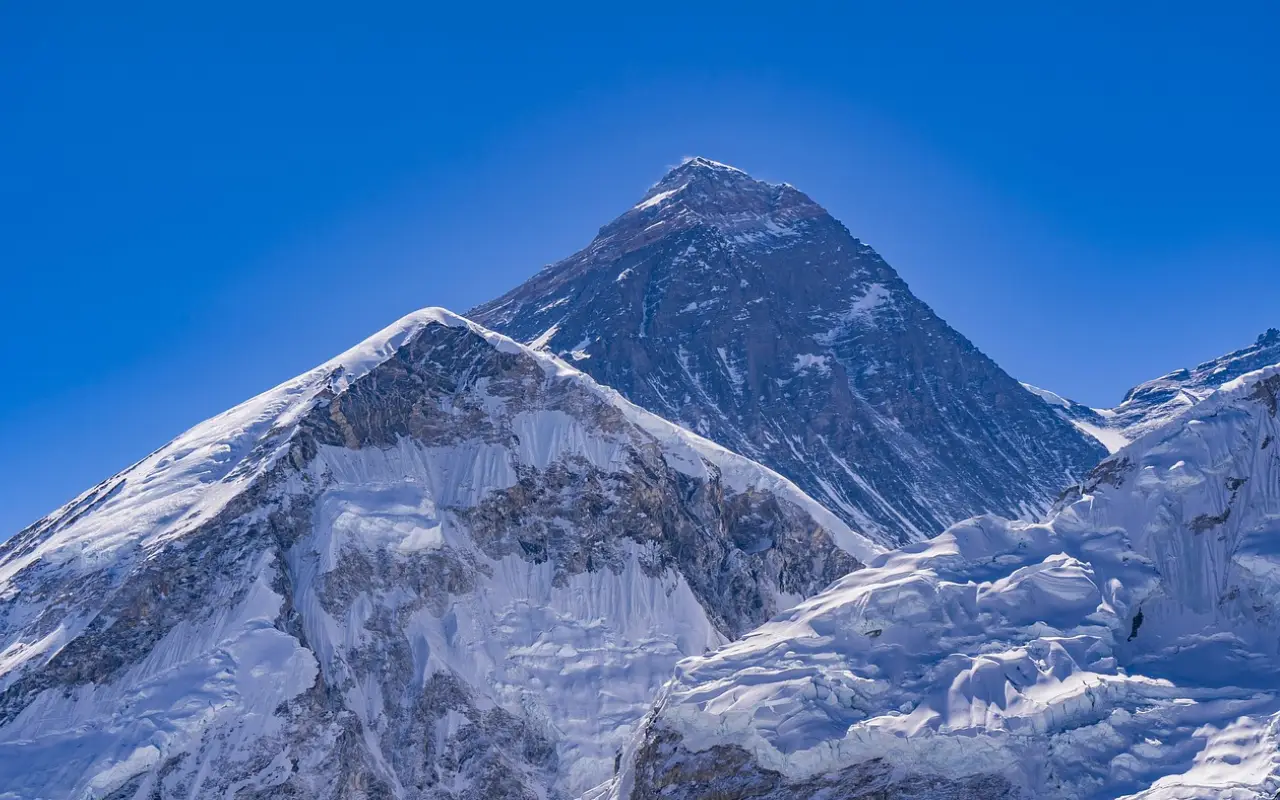
The crown jewel of Nepal stands at 8,848 meters, recorded as the tallest mountain on Earth, which is also known as Sagarmatha. Everest is revered both spiritually and geographically. Located within Sagarmatha National Park, a UNESCO World Heritage Site, which represents the ultimate challenge to the trekkers.
Trekking to Everest Base Camp is a once-in-a-lifetime adventure. The surrounding areas offer stunning glaciers, small Sherpa villages, and alpine forests, making it a cultural ecosystem, not just a peak, so this mountain holds religious significance among local Sherpas, who consider it sacred.
2. Annapurna Range:
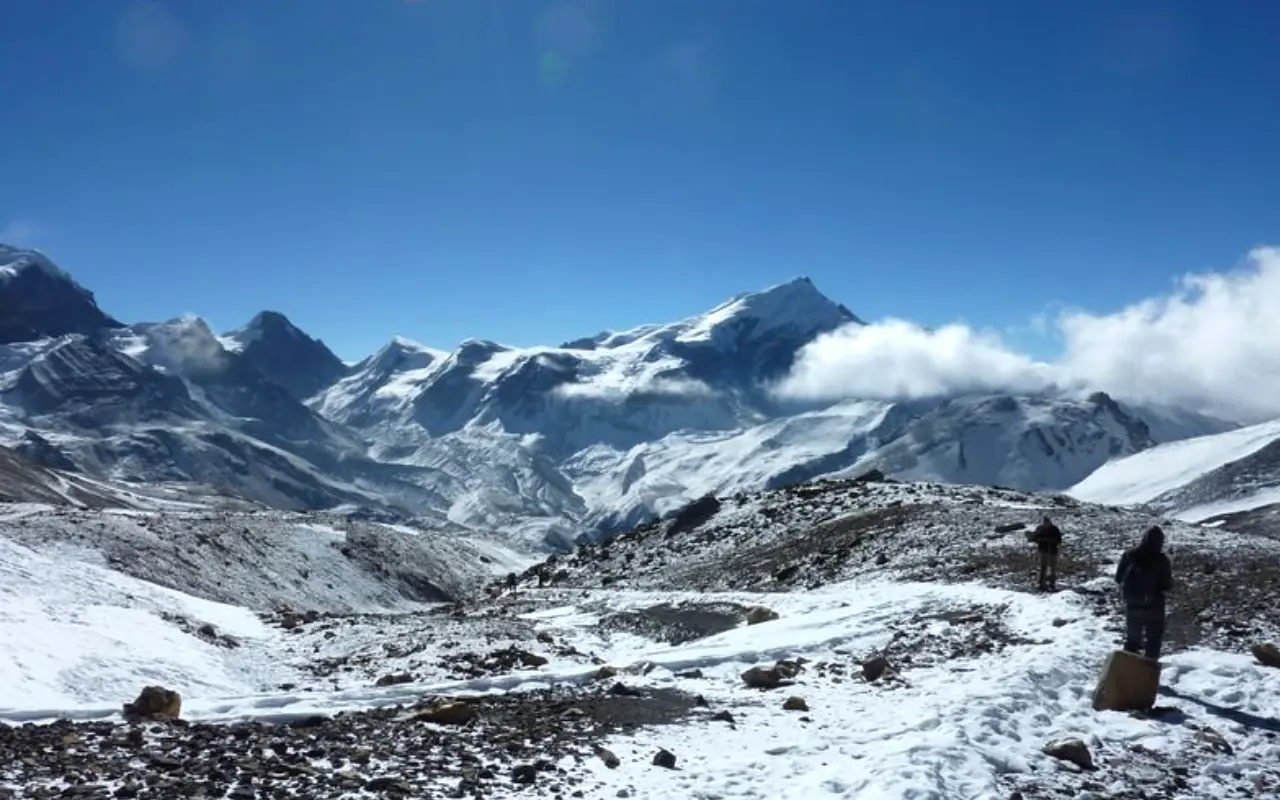
The Annapurna region in central Nepal is famed for its dramatic mountain scenery, deep gorges, and diverse flora and fauna, so this peak is often known as a trekkers’ paradise.
The Annapurna Circuit and Annapurna Base Camp treks are world-renowned, offering breathtaking views of peaks such as Annapurna I (8,091m), Machapuchare(6,993m), and Dhaulagiri (8,167 m). Passing through terraced farmlands, rhododendron forests, and quaint villages, the region is a celebration of both culture and nature.
3. Rara Lake:
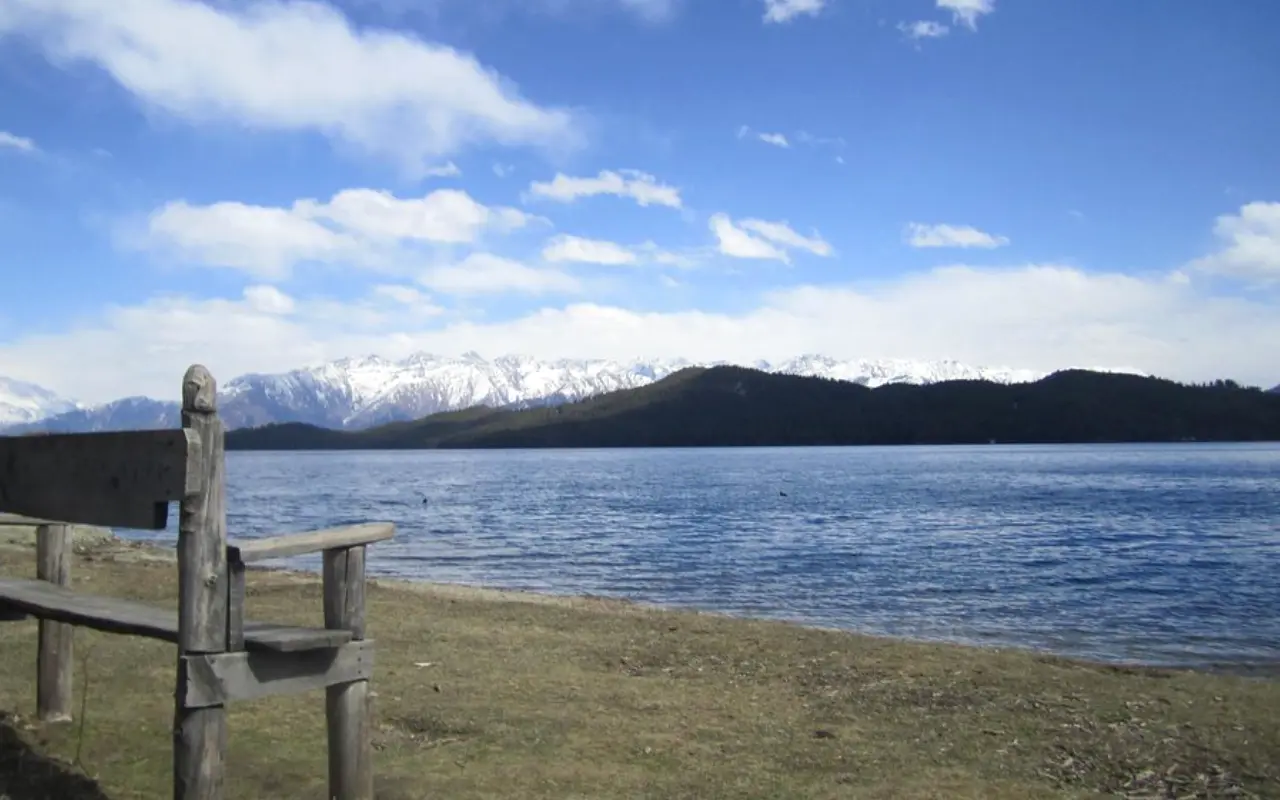
Nepal’s largest and deepest freshwater lake, that located in the northwest of Nepal’s remote Mugu District. Rara Lake lies within Rara National Park and is surrounded by forest hills and alpine meadows. It is often known as the most untouched and peaceful place in Nepal because of its remoteness, and only a few tourists venture here in a year.
The turquoise water of the lake reflects the snow-capped Himalayas and creates a surreal atmosphere. This place helps trekkers find solitude and inner peace. The silence in this lake is broken only by the sound of birds chirping, and the crystal-clear skies make everything perfect.
4. Phewa Lake, Pokhara:
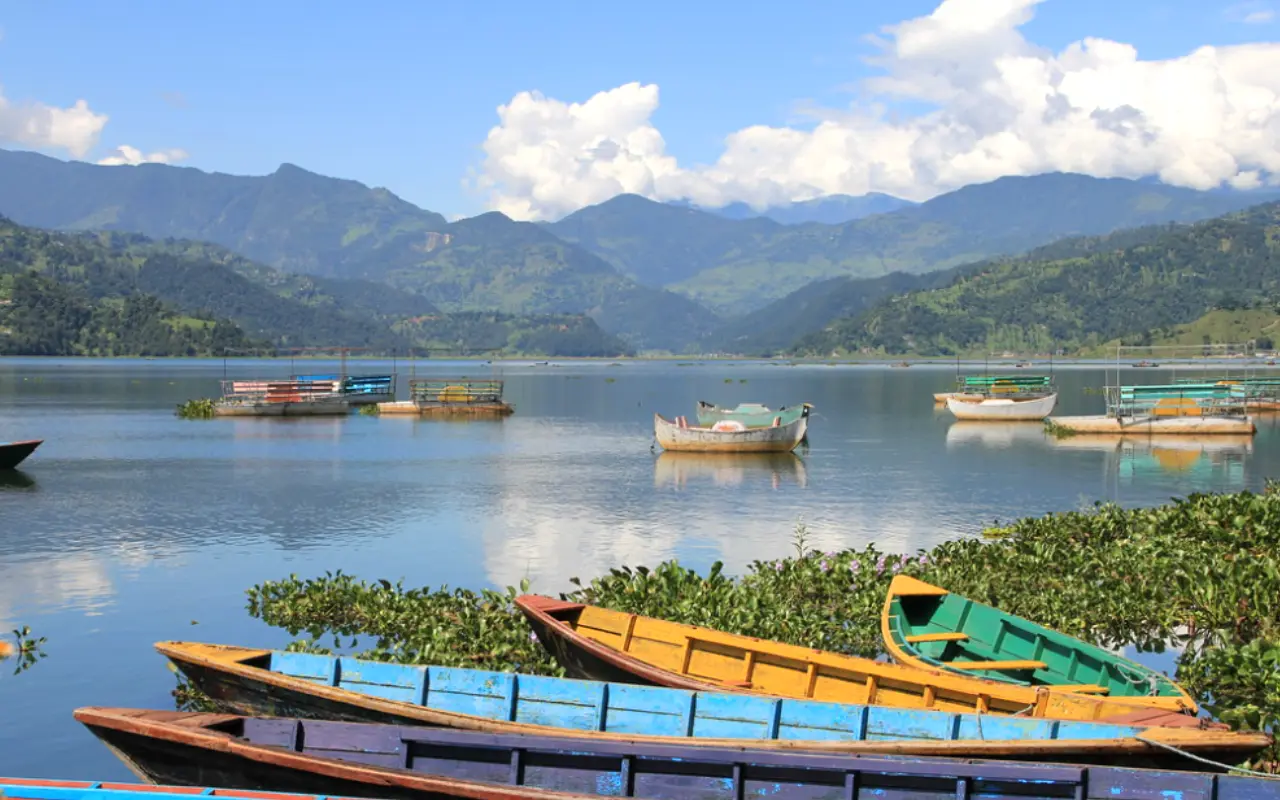
Phewa Lake is a serene freshwater lake in Pokhara, with millions of travelers a year. This is the second-largest lake in Nepal, nestled at the foot of the Annapurna range, offering water activities and kayaking.
The Tal Barahi Temple sits on a small island in the middle of the lake, adding a spiritual essence to the scenery. With stunning sunset spots, paragliding opportunities, and vibrant lakeside cafes, it remains one of the loved landmarks in Nepal for explorers.
5. Chitwan National Park:
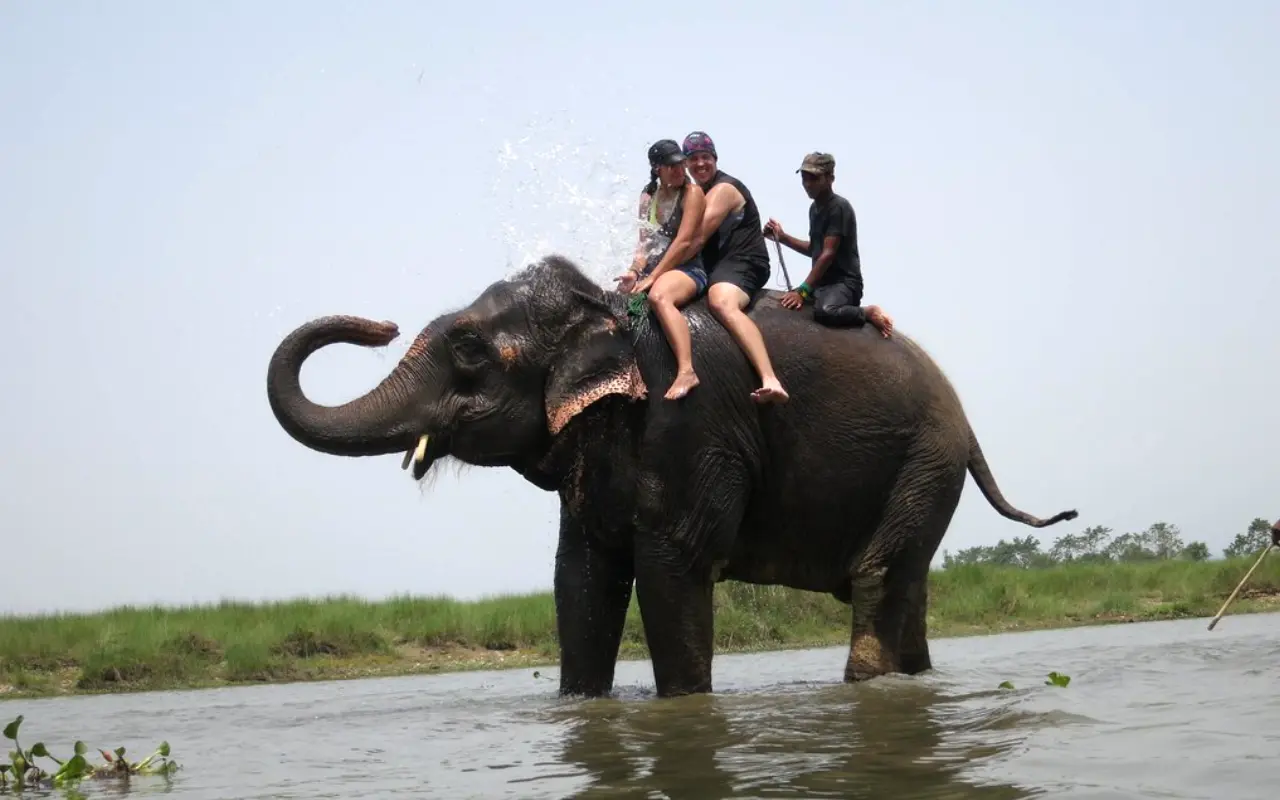
Chitwan National Park is a heaven for wildlife enthusiasts, lies in the southern part of Nepal. Chitwan National Park is listed as a UNESCO World Heritage Site, with the dense jungles and grassy plains contrasting beautifully with the mountainous north, Showcasing Nepal’s geographic diversity.
This park is home to endangered species like Royal Bengal Tigers, Gharials, One-Horned rhinoceros, and many more. This place offers an immersive experience of jungle safaris, bird watching, canoe rides, and Tharu Cultural performances (one of the ethnic groups of Nepal).
Religious and Spiritual Landmarks in Nepal
Nepal is a spiritual epicenter where two great world religions—Hinduism and Buddhism—intertwine in harmony. The following Nepal landmarks reflect the country’s deep devotion and sacred traditions, which make them significant not just for pilgrims but also for curious travelers seeking inner peace and insight.
6. Pashupatinath Temple:
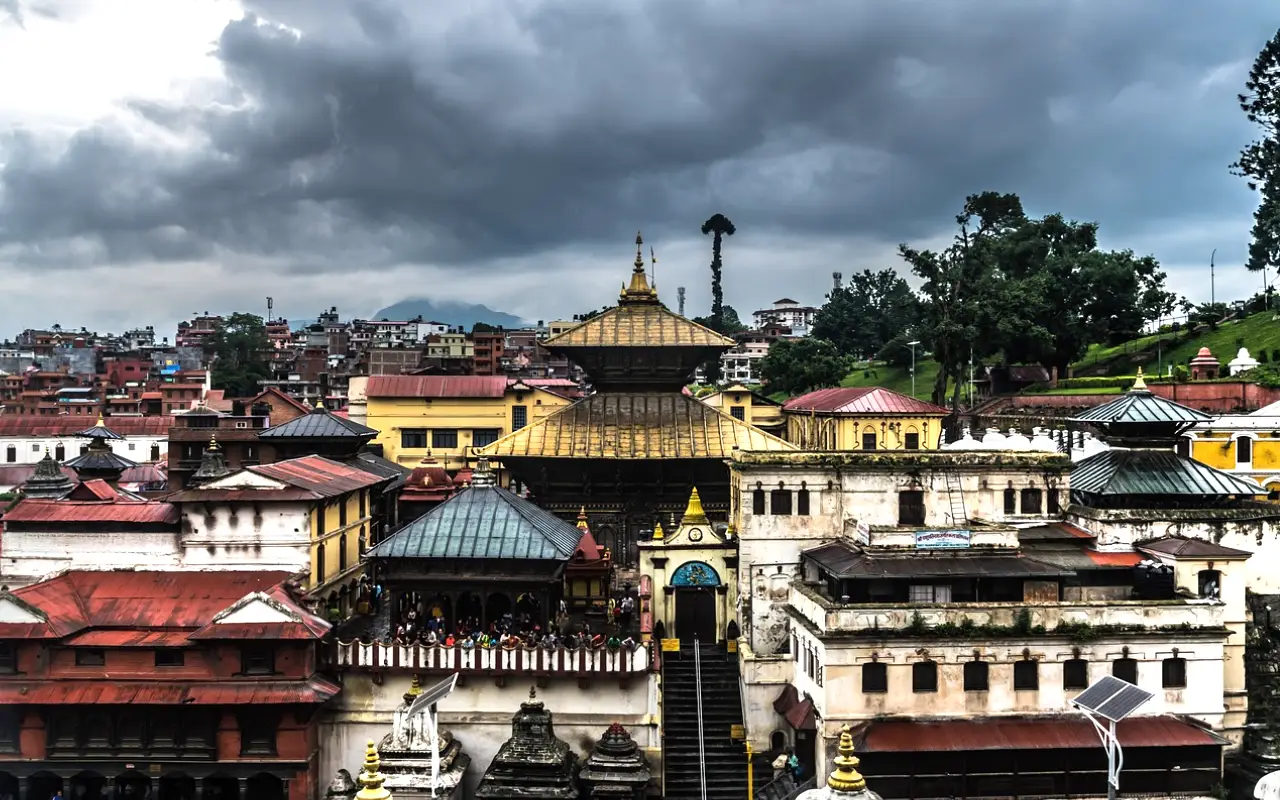
The temple of Lord Shiva, located on the bank of the Holy Bagmati River. This is the most sacred Hindu Temple in the world, a sprawling complex of shrines, ghats, and ashrams.
Non-Hindus are not allowed to enter the main temple, but the surrounding area offers a moving experience, especially when witnessing open-air cremations– a reflection of Hindu Philosophy on life and death. Thousands of devotees from Nepal and India gather in this temple during Maha Shivaratri, the biggest festival of Lord Shiva.
7. Boudhanath Stupa:
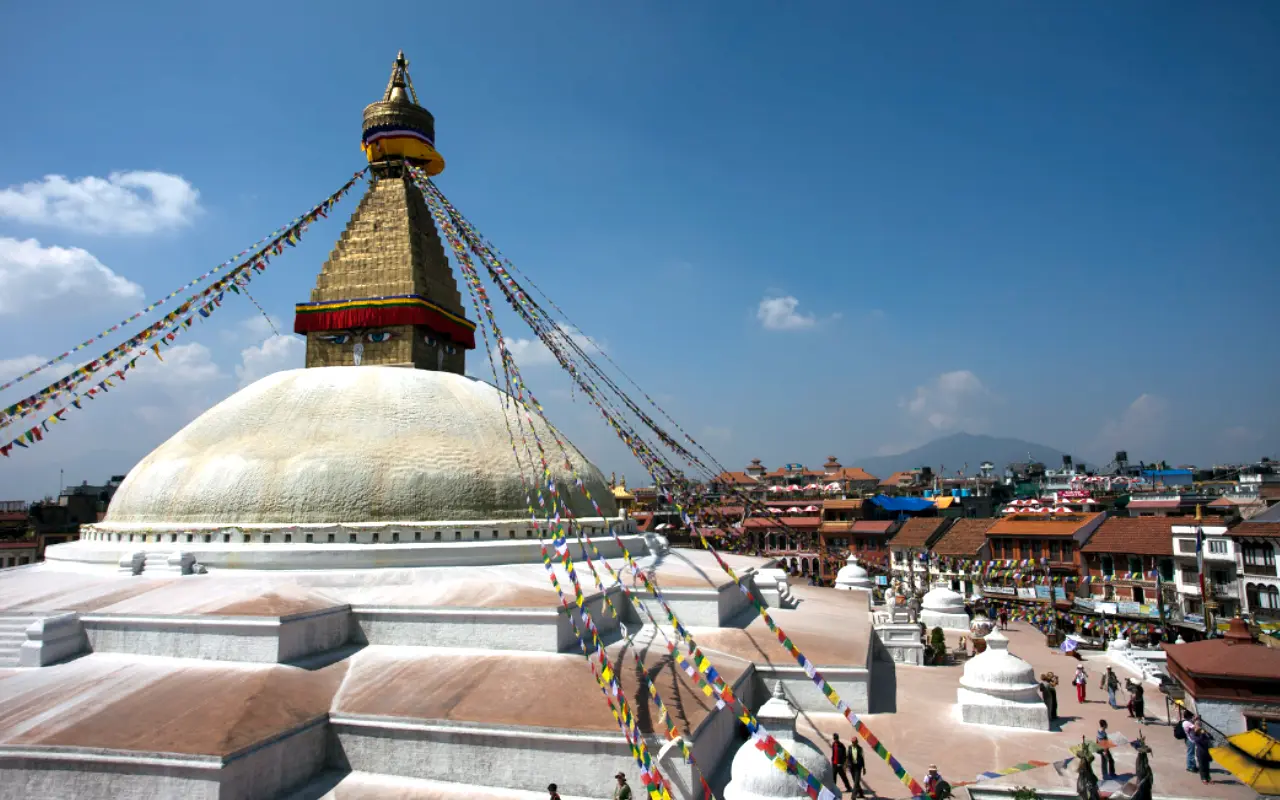
The biggest stupa in the world, located in Kathmandu, towers with serenity and symbolism. Its massive mandala and the ever-watchful eyes of Buddha make it a revered spot for Tibetan Buddhists. Bouddhanath is located in a Tibetan neighborhood, which used to be the Tibetan trade market center.
The area of this Stupa buzzes with monks in maroon robes, butter lamps, prayer flags, and chants of ‘Om Mani Padme Hum’. It is a living center of spiritual energy and Tibetan culture in Nepal, a predominantly Buddhist religious site.
8. Swyambhunath Temple:
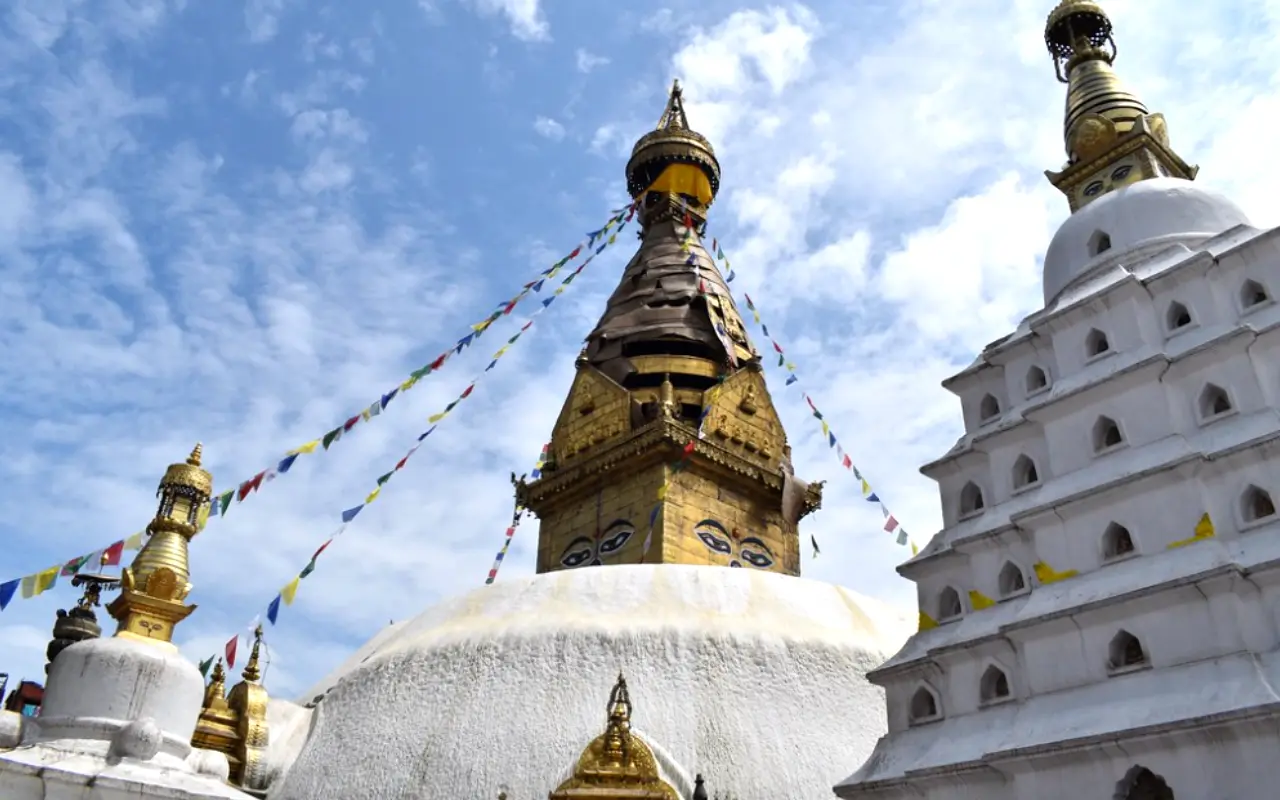
Swyambhunath Temple is also known as Monkey Temple, due to the many monkeys that inhabit the area. This temple is perched atop a hill overlooking the Kathmandu valley. It is an ancient stupa that blends both Hindu and Buddhist iconography.
The white dome, the gliding spire, and the painted eyes of Buddha create an aura of wisdom and timelessness. Climbing to the top of the temple rewarded with the magnificent views of the spiritual ambiance and stunning Kathmandu valley.
9. Janaki Temple:
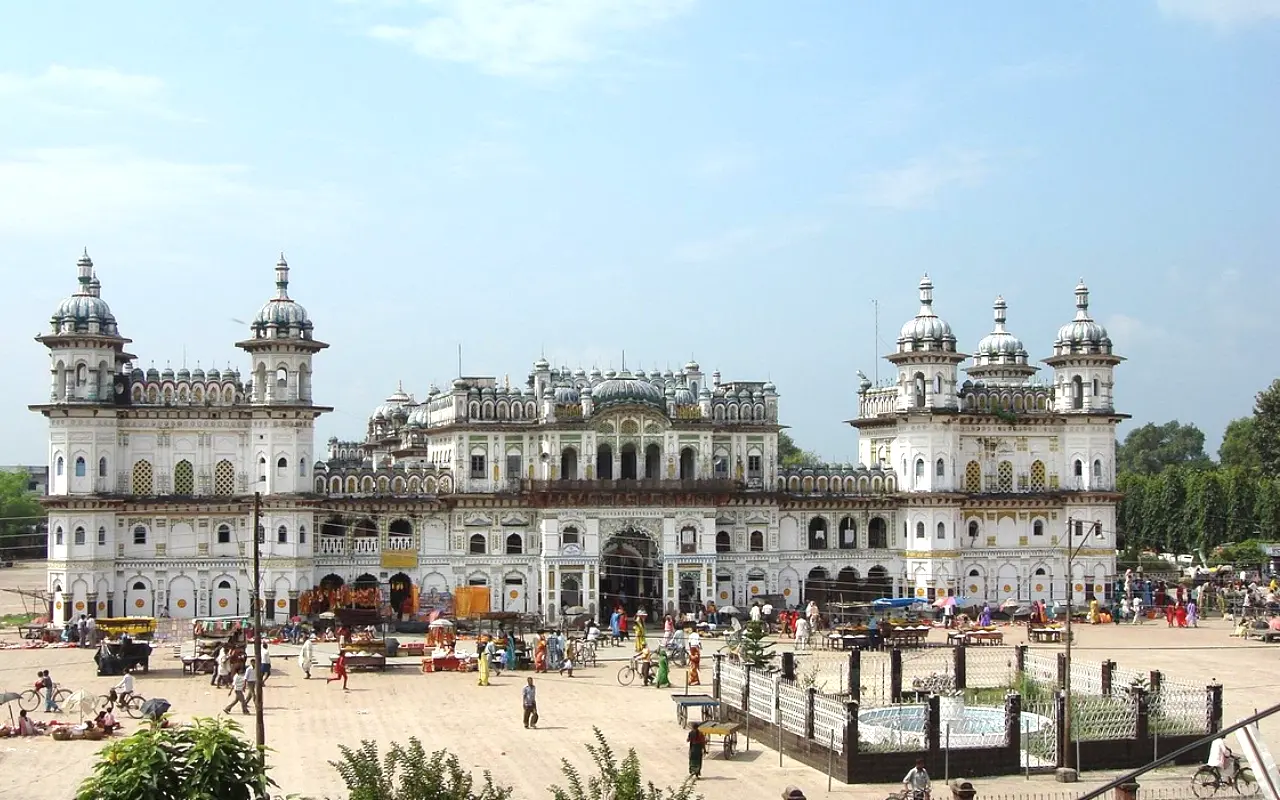
A grand Hindu temple dedicated to Goddess Sita, who is believed to have been born in Janakpur district, the southern plains of Nepal. This temple is made of white marble and boasts stunning latticework and domes in, elaborate Mughal and Rajput style.
The temple reflects devotion, mythology, and Madhesi culture. This place is a vital pilgrimage site during Bibaha Panchami, which reenacts the marriage of Lord Ram and Goddess Sita.
10. Maya Devi Temple:
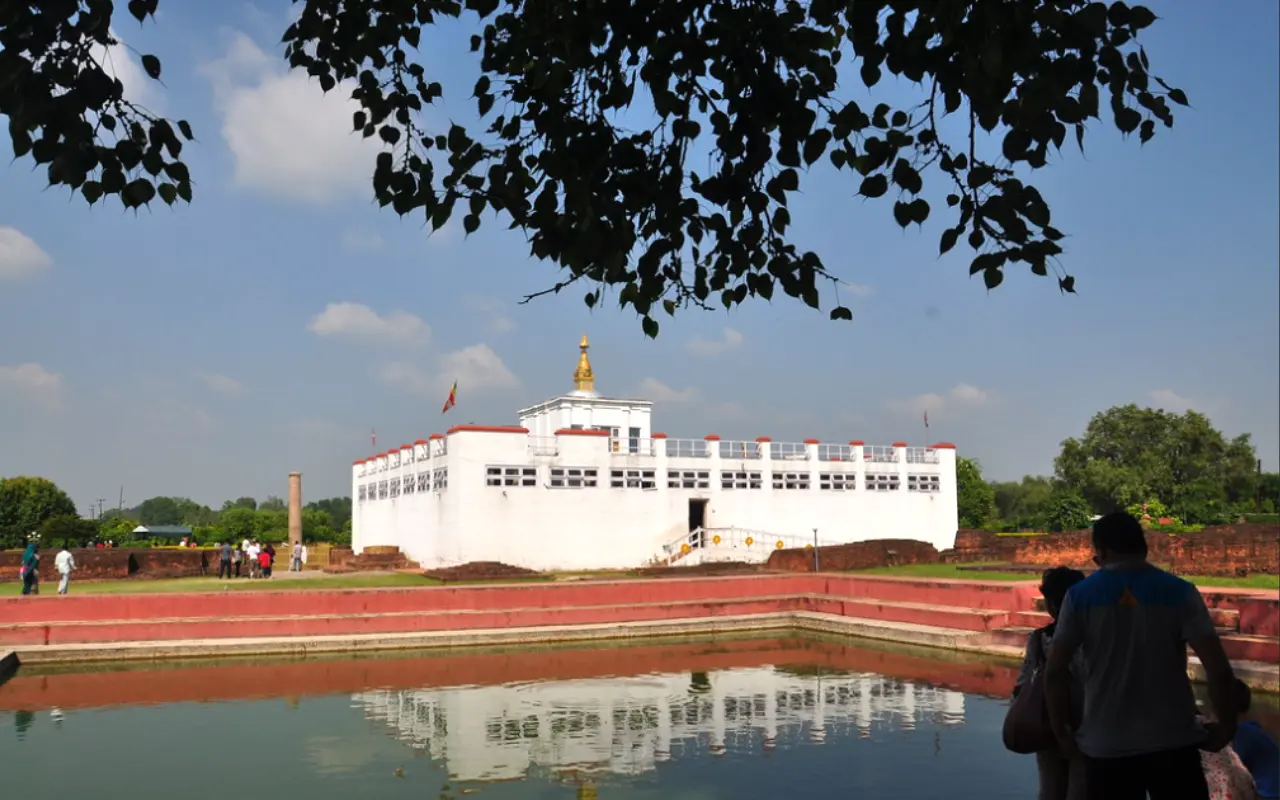
This sacred temple, located in Lumbini, marks the exact spot where Queen Maya Devi gave birth to Prince Siddhartha Gautama, who later attained enlightenment and became the Buddha. The temple is surrounded by monastic zones, Bodhi trees, and Ashokan pillars.
Lumbini is a tranquil UNESCO World Heritage Site, which attracts Buddhist pilgrims from around the world, offering an atmosphere of calmness ideal for reflection, meditation, and understanding of Buddhist philosophy.
Historical & Cultural Landmarks in Nepal
Nepal’s rich cultural history is evident in its traditional towns, royal palaces, and preserved architecture. These landmarks in Nepal reflect centuries of artistry, spiritual dedication, and community life.
11. Kathmandu Durbar Square:
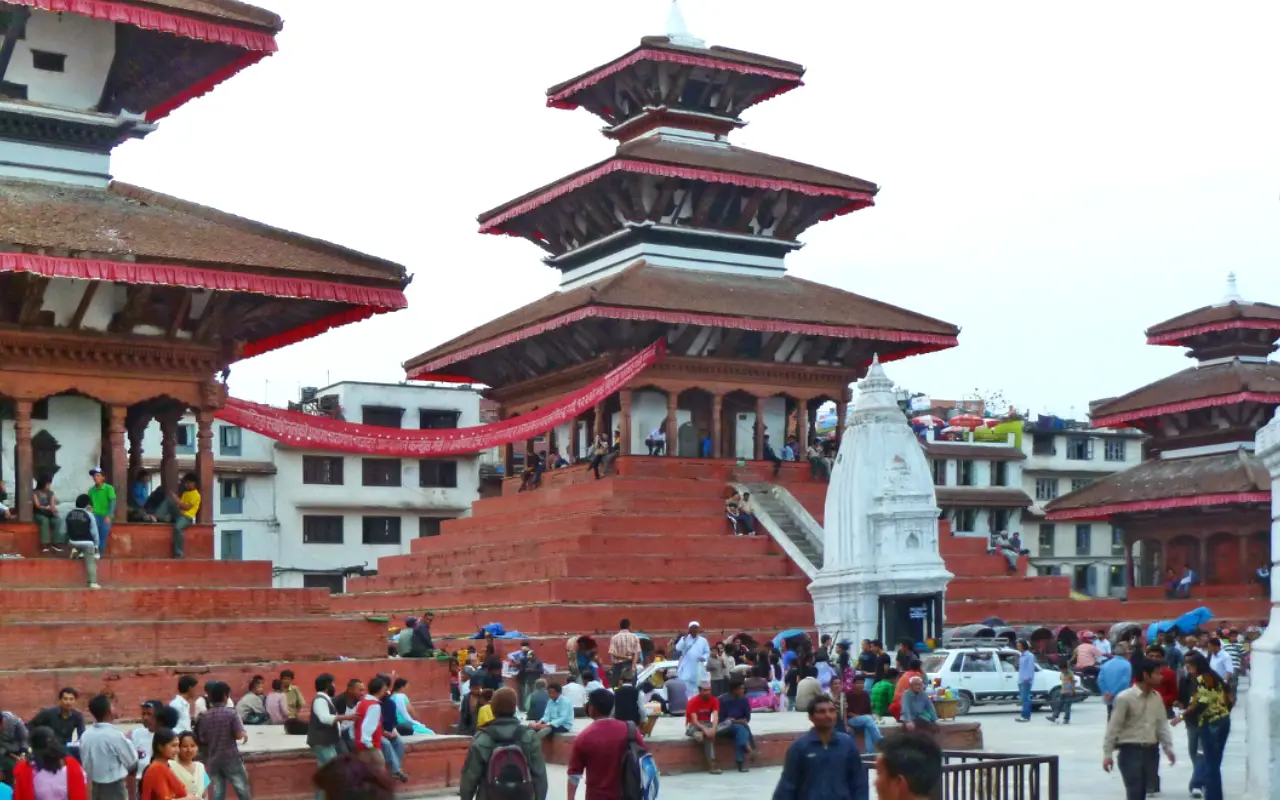
Kathmandu Durbar Square used to be the royal palace complex of the Malla Kings. This palace is located in the heart of the capital city; Kathmandu Durbar Square is a living museum of Nepalese heritage. The square is home to intricately carved temples, courtyards, and statues.
The major sites of this palace are the Hanuman Dhoka Palace, Taleju Temple, and Kumari Ghar, the house of the living Goddess Kumari. Despite earthquake damage in 2015, the square retains its regal charm. This square is the center hub of festivals, rituals, and daily life of the locals.
12. Patan Durbar Square:
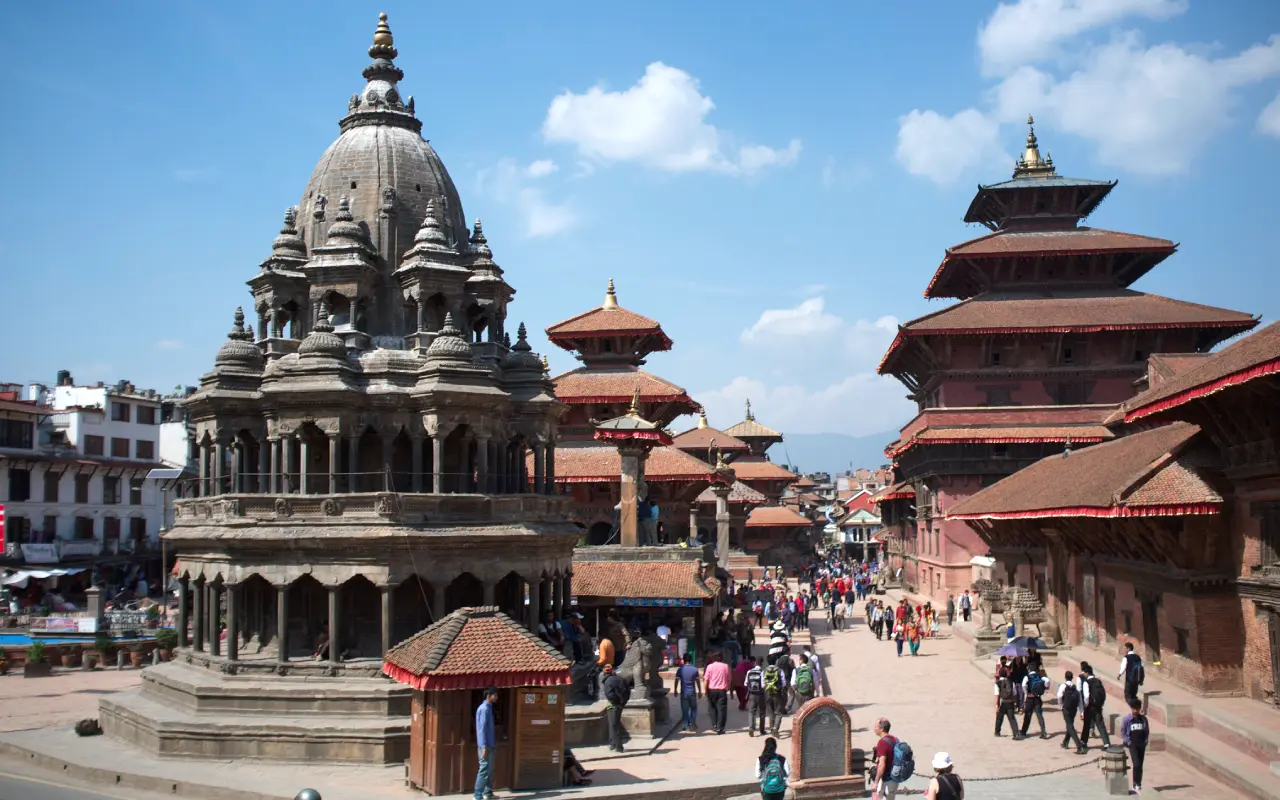
The palace, famed exquisite Newari art and architecture, is also known as the heart of Lalitpur, located just south of Kathmandu. This palace is smaller than its Kathmandu counterpart but even more artistically refined.
The square features temples like Krishna Mandir (built entirely of stone), Bhimsen Temple, and Hiranya Varna Mahavihar (Golden Temple). The history and art buffs will appreciate the Patan Museum, which houses an impressive collection of traditional Nepali art, metalwork, and iconography.
13. Bhaktapur Durbar Square:
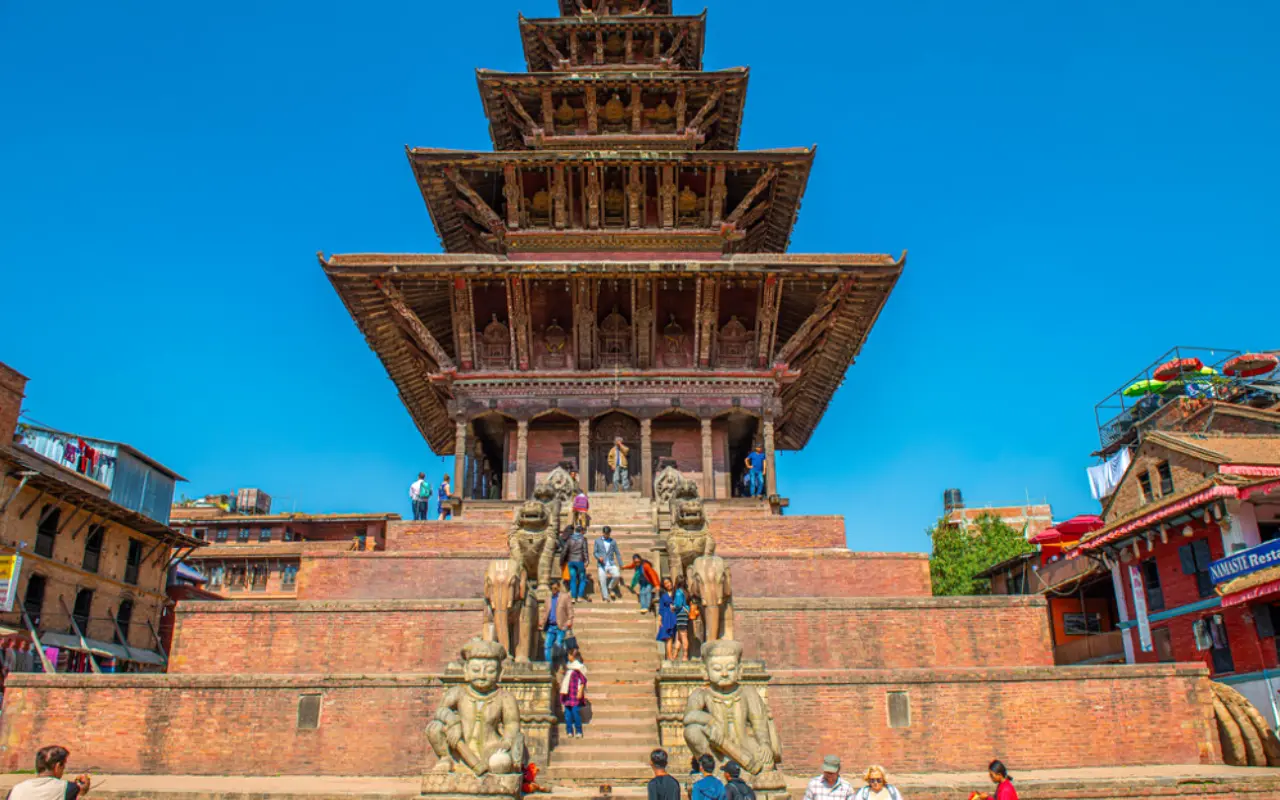
Bhaktapur Durbar Square, located in the Bhaktapur District of Nepal, just East of Kathmandu, is often known as the City of Devotees. This Square is arguably the most preserved and atmospheric of the three Valley Royal squares. The most highlighted area of this place is the 55-Window Palace, Nyatapola Temple (the tallest pagoda in Nepal), and Vatsala Temple.
It’s one of the most immersive cultural landmarks with Cobblestone streets, pottery squares, and artisans at work, making Bhaktapur a walkable time capsule of the past.
14. Tengboche Monastery:
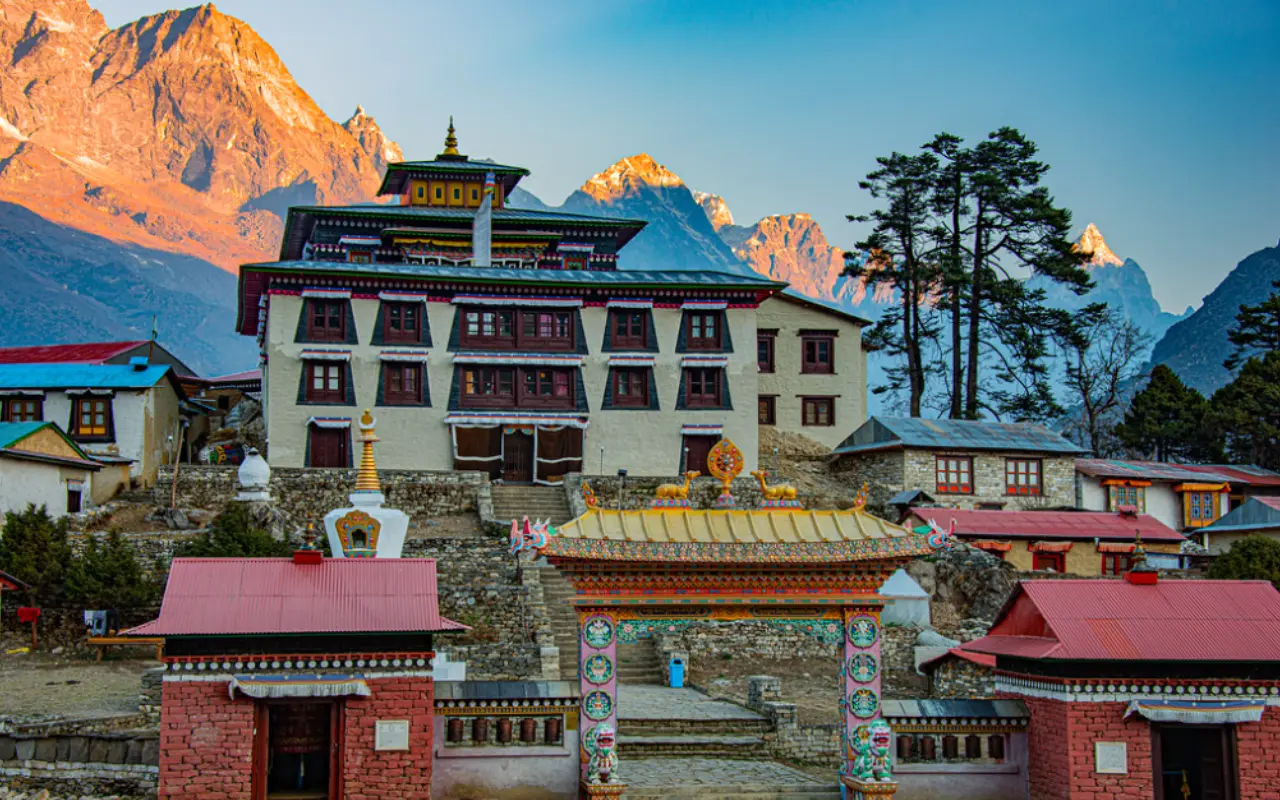
Tengboche Monastery is the most important Buddhist center in the Khumbu region, lies along the trail to Everest Base Camp. This monastery is one of Set against a breathtaking backdrop of Ama Dablam and other Himalayan peaks, it offers a deeply spiritual atmosphere. Trekkers often attend evening chants or morning prayers, soaking in the tranquility and timeless traditions of Sherpa Buddhism.
15. Bandipur:
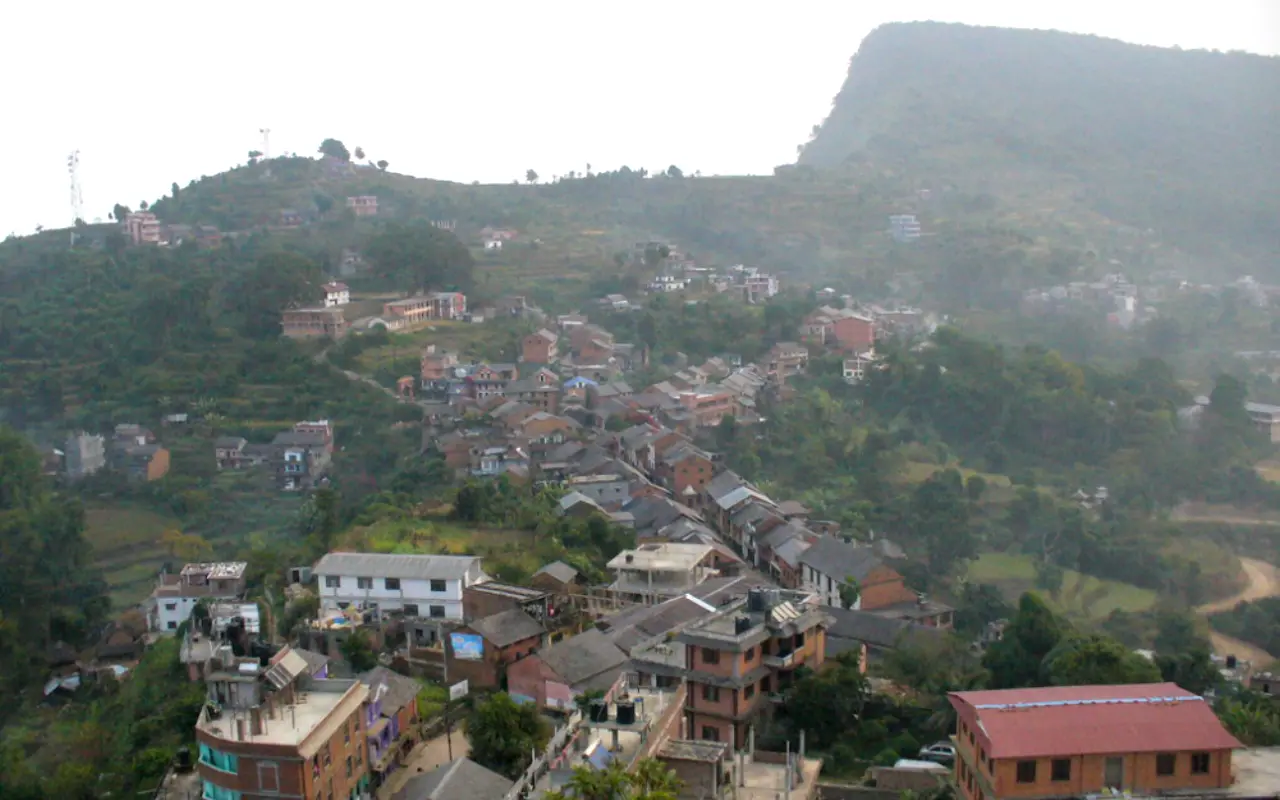
Bandipur is a hilltop settlement that seems untouched by time that perched on a ridge above the Marsyangdi River Valley. This is the town of preserved Newari culture, stone-paved streets, and restored buildings. This place used to be the trading hub between India and Tibet.
Travelers can witness incredible mountain views, explore caves like Siddha Gufa, or simply unwind in a culturally immersive setting. Explorers witness no cars in the main town area, enhancing the old-world charm
Off-the-Beaten-Path and Unique Landmarks in Nepal
While Nepal is globally renowned for Everest and the Kathmandu Valley, some of its most breathtaking experiences lie tucked away in less-traveled corners. These unique landmarks in Nepal offer solitude, spirituality, and a deep connection with local life and landscapes.
16. Manakamana Temple:
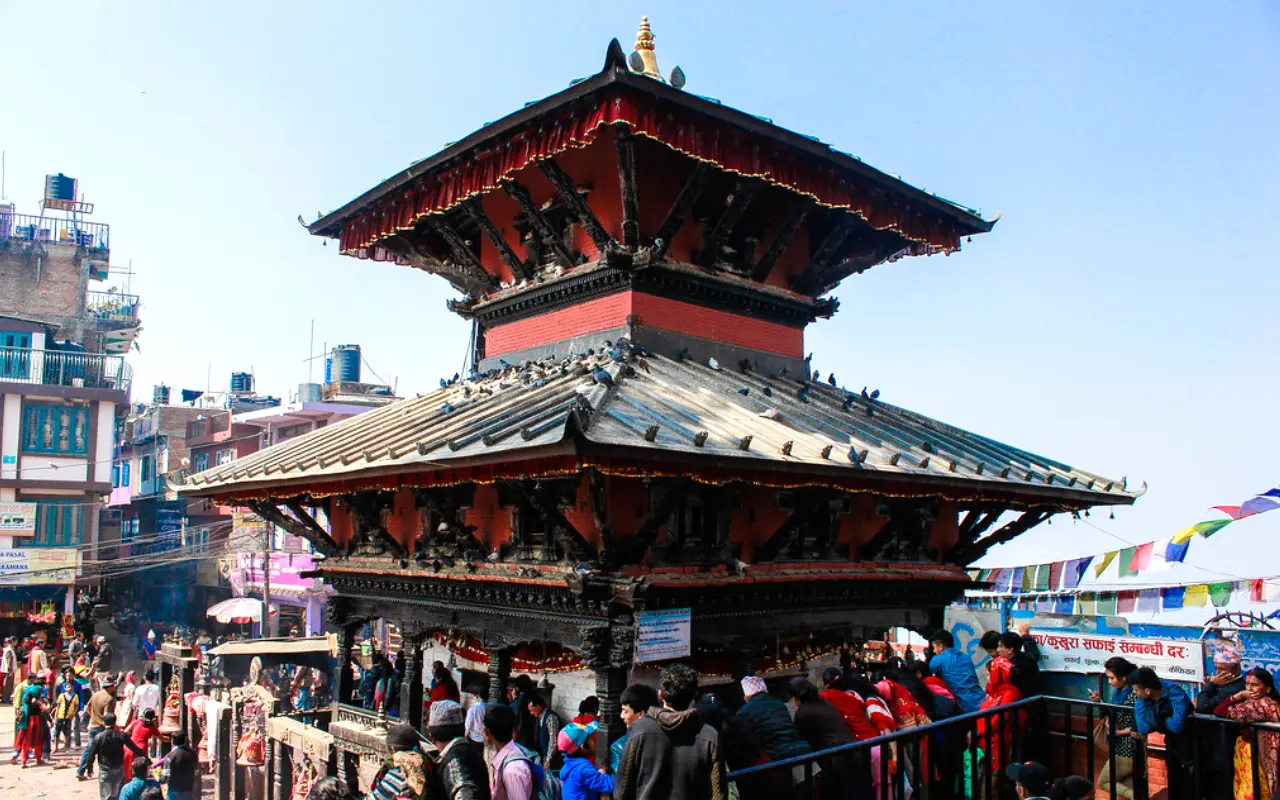
The temple dedicated to the Hindu goddess Bhagawati sits on a hilltop with panoramic views of the snowcapped Himalayas, located in the Gorkha district of Nepal. It is believed that if any devotee makes a wish, it will be granted by the goddess Bhagawati.
The accessibility of Nepal’s first cable car, offering a scenic ride over hills, rivers, and forests, makes this temple stand out. Manakamana is famous among Pilgrims and tourists for both spiritual reasons and the memorable journey to reach it.
17. Gosaikunda Lake:
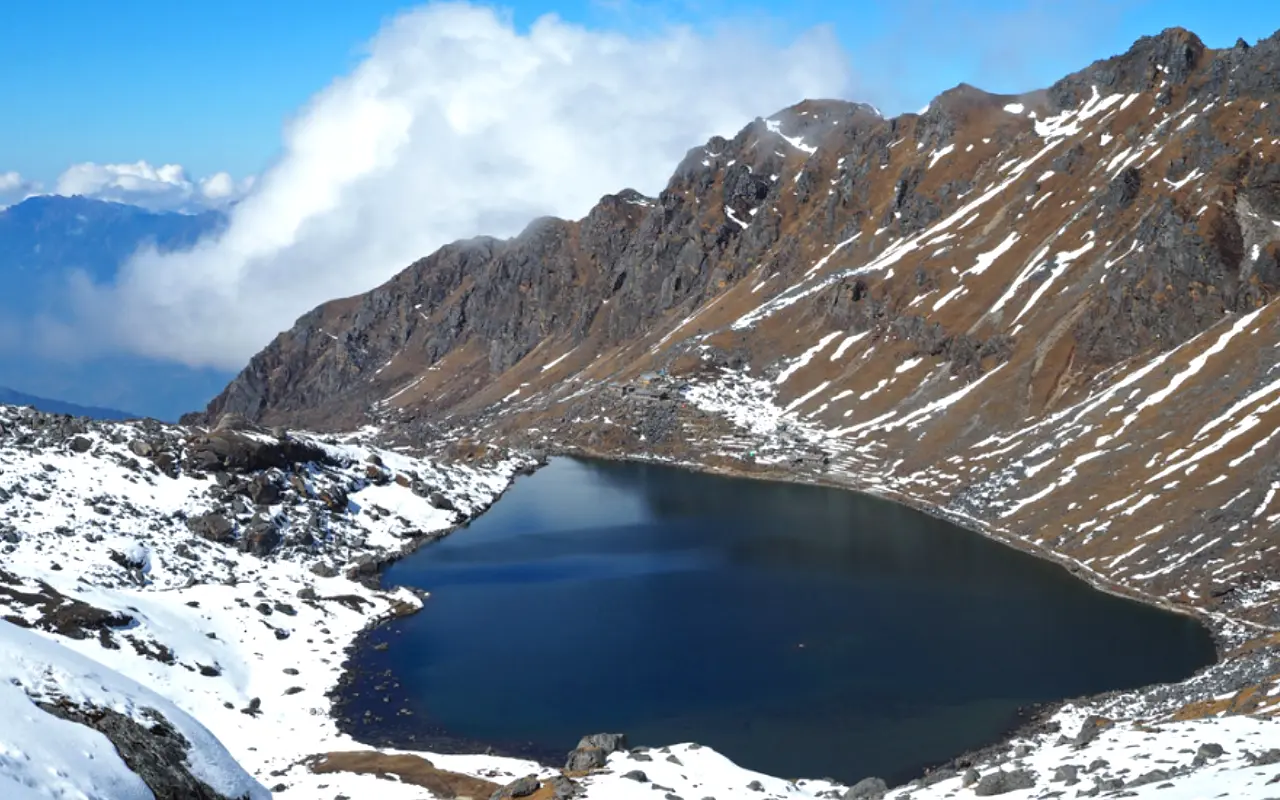
Gosaikunda is a sacred alpine lake revered by both Hindus and Buddhists, nestled at an altitude of about 4,380 meters in Langtang National Park. It is believed that Lord Shiva created this lake by thrusting his trident into a mountain to obtain water.
Thousands of pilgrims trek up to bathe in Gosaikunda Lake’s icy waters every year during Janai Purnima, seeking purification and release from sins. The surrounding Himalayan peaks and dramatic landscapes add to the mystical aura of this spiritual destination.
18. Upper Mustang’s Lo Manthang:
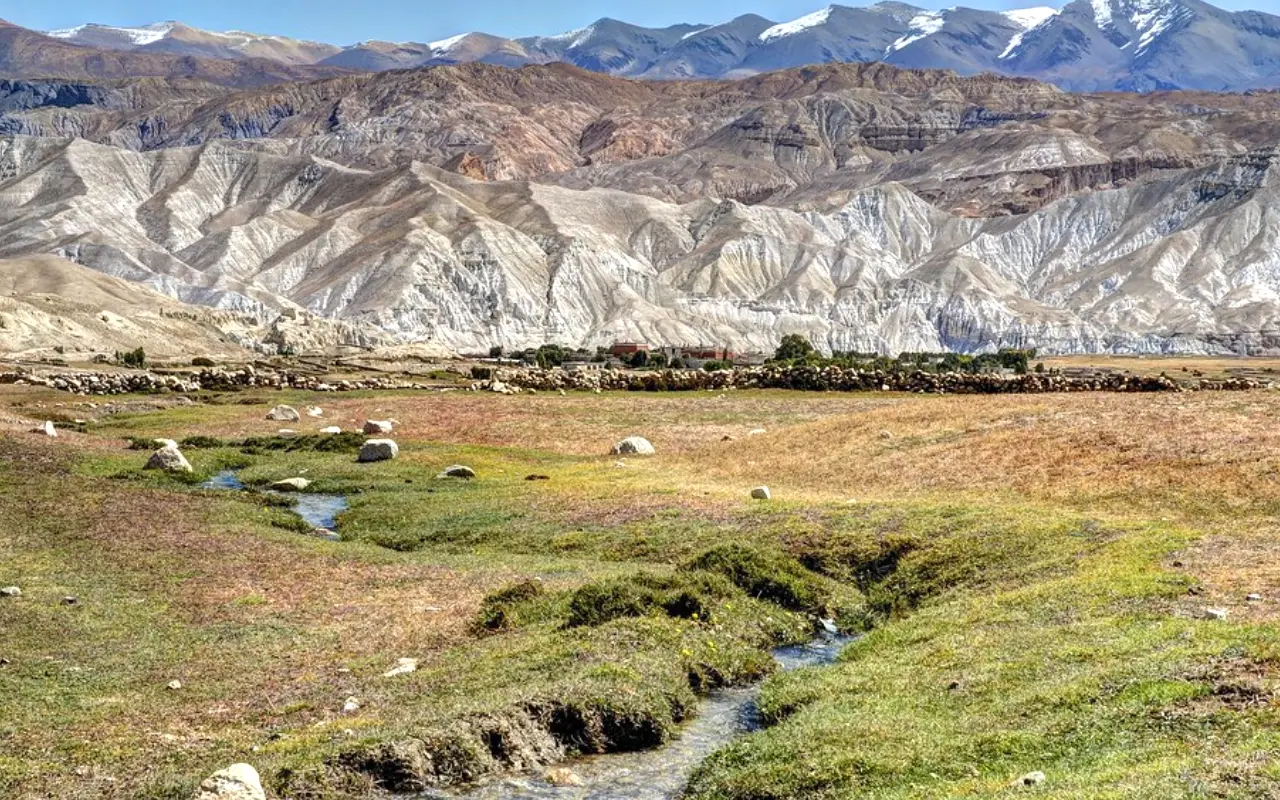
Upper Mustang is often referred to as the Last Forbidden Kingdom of Nepal, which is hidden in the rain shadow of the Himalayas. The walled city of Lo Manthang was once the capital of the Mustang Kingdom and still exudes Tibetan Buddhist culture and architecture.
Ancient caves, centuries-old monasteries, and barren yet beautiful terrain make this a dream for cultural adventurers. Reaching here requires a special permit, preserving its remoteness and authenticity.
19. Kopan Monastery:
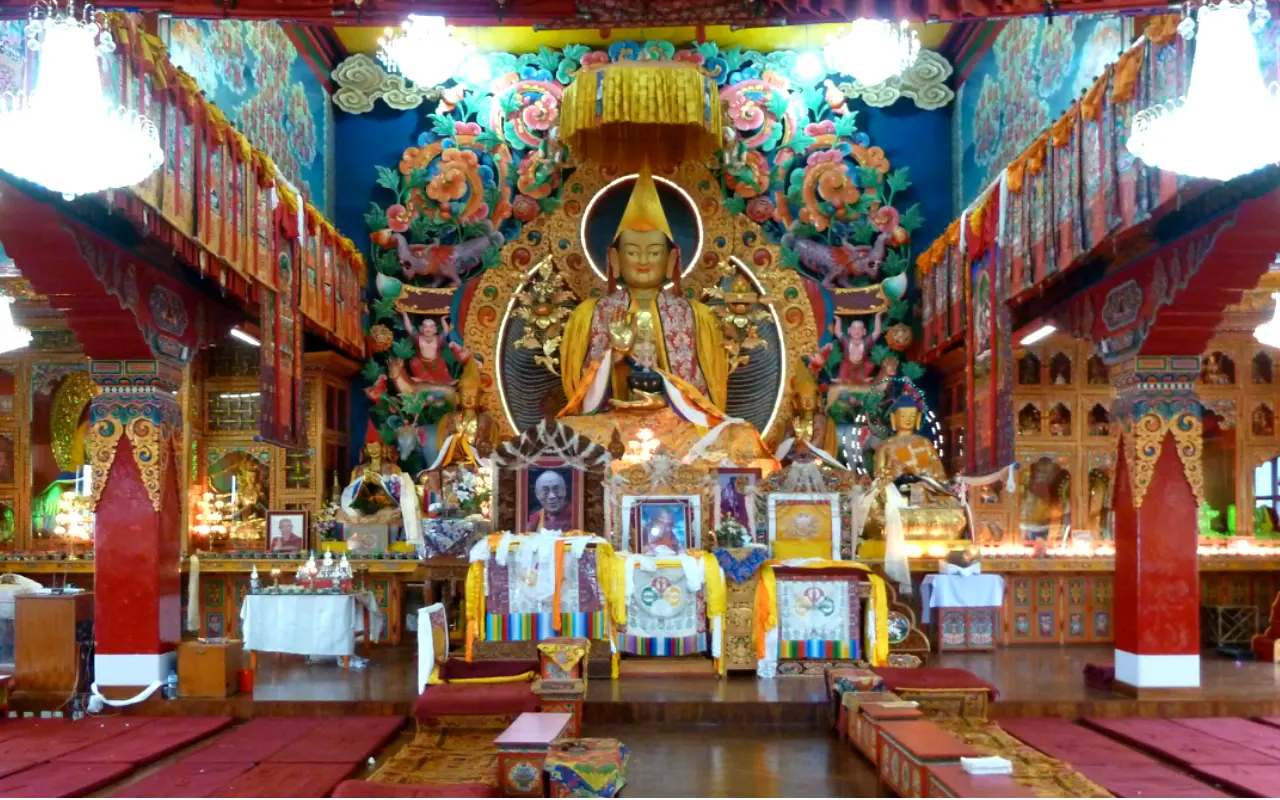
Kopan Monastery is a Tibetan Buddhist monastery known for its meditation retreats and spiritual teachings. Kopan Monastery is located on a quiet hill near Boudhanath in Kathmandu.
The monastery gardens, prayer halls, and panoramic views of the valley offer a calm sanctuary away from the city’s hustle. Kopan Monastery attracts visitors all over the world to witness Buddhism, meditate, or simply enjoy the peaceful surroundings.
20. World Peace Pagoda:
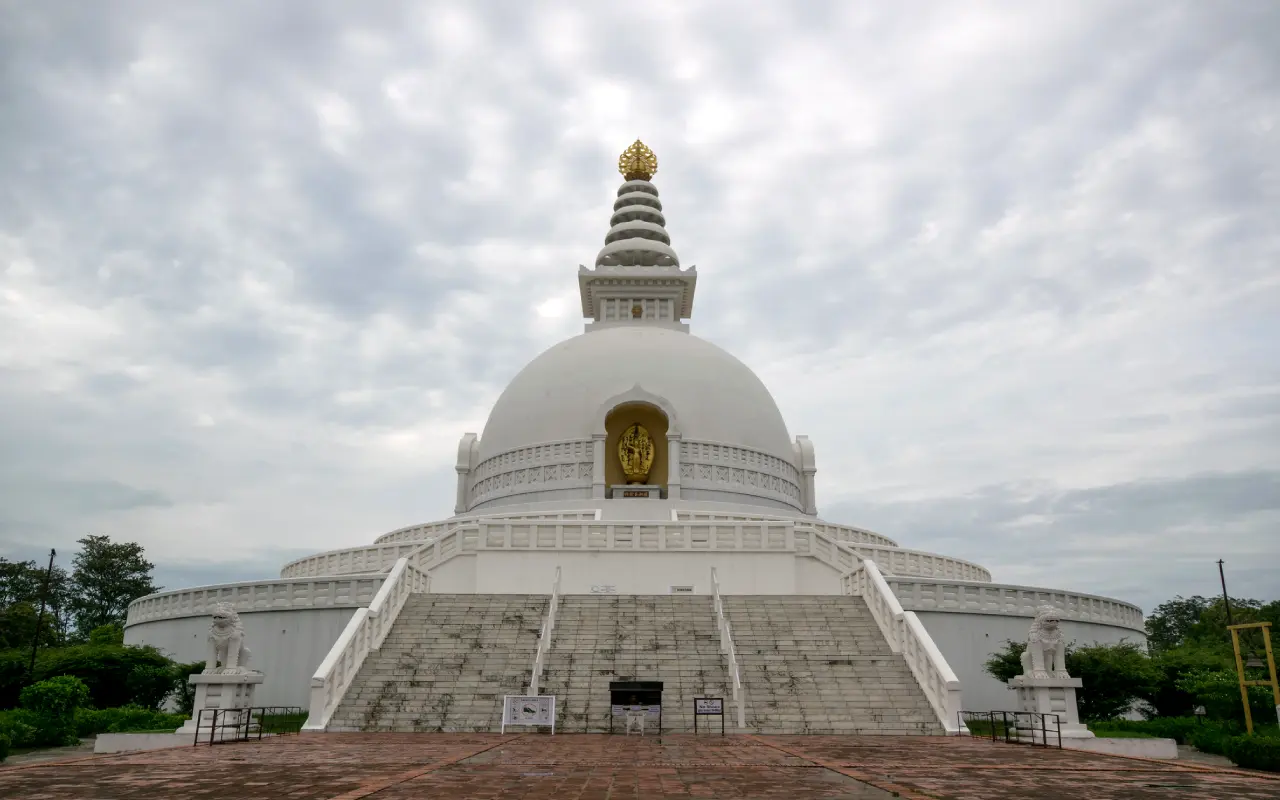
The World Peace Pagoda (Shanti Stupa) is a gleaming white monument built by Japanese monks to promote peace, located on the hilltop of Pokhara overlooking Phewa Lake. It is not just a spiritual site but also a scenic viewpoint.
A short hike or boat ride followed by a climb leads to the stupa, which offers one of the best panoramic views of Pokhara city, Phewa Lake, and the Annapurna and Dhaulagiri ranges. This serene and symbolic site beautifully combines natural and spiritual elements.
Travel Tips for Visiting Nepal Landmarks
Visiting the diverse and enchanting landmarks in Nepal is a dream for many, but knowing when to go, how to get around, and what to expect makes the journey smoother and more enjoyable.
Best Time to Visit:
The ideal months to explore Nepal landmarks are from October to April. This period offers clear skies, pleasant weather, and the best mountain views. Spring (March–May) brings blooming rhododendrons and colorful festivals, while autumn (September–November) provides stable weather and vibrant cultural events.
Getting Around:
Nepal’s terrain varies from flat plains to high Himalayan trails. For long distances, domestic flights are available to major cities like Pokhara, Lukla, and Bharatpur. Within cities and towns, taxis, rickshaws, and local buses are commonly used. Trekking regions have well-marked trails, and for remote landmarks, hiring a local guide is highly recommended.
Entry Fees and Permits:
Many cultural and natural landmarks in Nepal require entry fees. UNESCO World Heritage Sites in the Kathmandu Valley have standard fees for foreign nationals. Treks in regions like Everest, Annapurna, and Mustang need permits such as TIMS (Trekkers’ Information Management System) and national park entry passes. Always check the latest permit requirements before you travel.
Cultural Etiquette:
Nepal is culturally rich and diverse, and respecting local customs enhances your experience. Dress modestly, especially when visiting religious sites. Remove your shoes before entering temples or homes. Ask permission before photographing people or private property. Greet with “Namaste,” and show respect to elders and monks.
Conclusion
From the mighty Himalayas to peaceful lakes, ancient temples to sacred monasteries, the landmarks in Nepal reveal the incredible depth and diversity of this Himalayan nation. Each destination tells a story — of faith, history, nature, and human resilience. Whether you’re hiking to a remote spiritual retreat, standing before a centuries-old stupa, or simply marveling at the view of Everest, you’re witnessing pieces of Nepal’s soul.
Nepal landmarks aren’t just about sightseeing — they are gateways to experiences. Experiences that challenge, inspire, and connect us to something bigger than ourselves. This guide highlights 20 of the most unforgettable places to visit in Nepal, but there are countless others waiting for you to discover.
So, pack your bags, bring your sense of wonder, and get ready to experience the best of landmarks in Nepal. Whether you’re planning a spiritual retreat, a trekking adventure, or a cultural exploration, Nepal welcomes you with open arms and timeless stories.
Frequently Asked Questions (FAQs)
1. What are the most famous landmarks in Nepal?
Some of the most famous Nepal landmarks include Mount Everest, Pashupatinath Temple, Boudhanath Stupa, Kathmandu Durbar Square, and Chitwan National Park. These places highlight the country’s natural wonders, religious heritage, and historic charm.
2. Which is the highest natural landmark in Nepal?
Mount Everest, also known as Sagarmatha, is the highest natural landmark not only in Nepal but in the world, standing at 8,848 meters (29,029 feet).
3. Are Nepal’s landmarks open to tourists year-round?
Yes, most landmarks in Nepal are open to tourists year-round. However, accessibility to certain remote areas may vary depending on the season, especially during the monsoon (June–August) and winter months in high-altitude regions.
4. Do I need permits to visit cultural or natural landmarks in Nepal?
Yes. For many trekking areas and national parks, you’ll need permits such as TIMS, ACAP, or national park entry tickets. Urban cultural sites may charge entry fees, especially for foreign nationals.
5. What are the best cities in Nepal to explore landmarks?
Kathmandu, Pokhara, Lumbini, Bhaktapur, and Janakpur are some of the best cities to base yourself in for exploring various Nepal landmarks. Each offers a unique blend of cultural, spiritual, and natural attractions.
6. Are Nepal’s landmarks safe for solo travelers?
Yes, Nepal is generally safe for solo travelers. It’s recommended to stay in trusted accommodations, avoid isolated areas at night, and hire local guides when trekking or visiting remote sites.


