





Need help?
Talk to trip expert

Helambu Region
Introduction to Helambu Region
The Helambu Region lies just north of Kathmandu in central Nepal, and is one of the most accessible trekking regions in Nepal. This region consists of the beautiful Helambu Valley along with a number of ridges and forested hills.
Helambu historically lay along minor Himalayan trade routes connecting local communities with Tibet. The name Helambu is closely associated with the Hyolmo people, the indigenous inhabitants of the region.
Helambu is particularly famous for its easy trails and tranquil setting. The climb is not very steep, and the highest mountain, Tharepati Pass, reaches an altitude of approximately 3,650 meters.
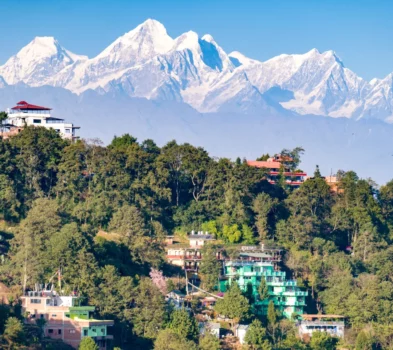
This is why it is convenient in case of a first-time traveler, family members, and travellers who want to have a comfortable Himalayan experience. During clear days, the trekkers are treated to the sights of the distant mountains, like snowcapped Langtang Lirung, Dorje Lakpa, and Ganesh Himal.
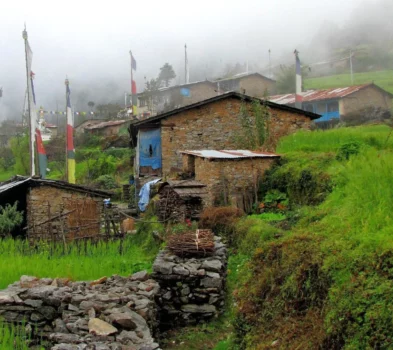
The trail goes through dense woods of pine, oak, bamboos and rhododendron. On the road, you will also meet some typical villages where Buddhist monasteries, prayer flags, and mani walls testify to the good spiritual culture of the area.
Simple accommodation with warm meals is available in local tea houses. Due to its proximity to Kathmandu, Helambu is the perfect option for a short yet meaningful Himalayan adventure.
Geography and Natural Wonders of the Helambu Region
The region that the trail passes through is a diverse geography that slowly transforms as the trail ascends. The subtropical forests, rich agricultural land, and terraced hillsides cover the landscape at the lower elevations.
Trekkers pass through shaded paths with groves of oak, maple, and bamboo trees. These lower areas are lush and green, providing a pleasant trekking experience year-round.
The higher you go, the thicker the forest grows with pine and rhododendron. In spring, these woods are covered with flowers of every color, which illuminate the entire path. Clear streams and small waterfalls often cross the way, offering fresh water and relaxing spots. The Melamchi River flows at depth below in a wide valley to add to the scenic beauty of the region.
Higher altitude areas such as Tharepati and Kutumsang offer amazing panoramic views of the surrounding mountains. Ganesh Himal towers along the western skyline with Langtang and Dorje Lakpa towering above it to the north.
During the clear days, the view is a long distance over rolling hills and distant Himalayan ranges. This mixture of forest, valleys, and viewpoints makes Helambu a rewarding place to be for nature lovers.
Culture and Local Communities in the Helambu Region
The Helambu Region consists of the communities of Hyolmo and Tamang, who have preserved their traditions and their way of life over the generations. Tibetan Buddhism has a very strong impact on their culture, and it is evident everywhere in the area.
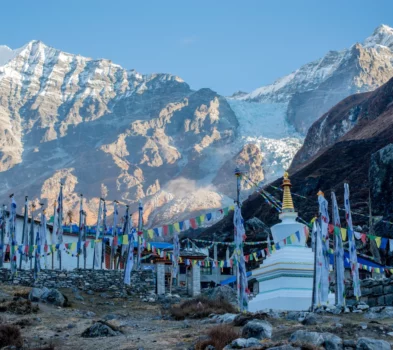
Prayer flags are blowing in the wind, mani walls are all over the trails, and chortens are an entry to the villages. Monasteries are spiritual locations where monks chant prayers and carry out rituals.
Locals depend on animal rearing and farming as the main source of their income. They cultivate such crops as corn, millet, barley, potatoes, and vegetables that grow seasonally in steep terraced fields. In the higher areas, the people raise yaks, sheep, and goats for milk, wool, and meat. Horses and mules are still in widespread use to transport goods on ancient trade routes.
Villages like Chisapani, Kutumsang, Tarkeghyang, and Sermathang are important cultural stops of the trek. Houses are constructed of stone and wood, and made to withstand the cold winters and the heavy rains. The villagers are known to be very warm and hospitable. Trekkers also tend to be invited to tea or a chat that gives a real understanding of life in the mountains.
Food and Accommodation Experience in the Helambu Region
Accommodation in the Helambu Region is simple, comfortable, and welcoming. Trekkers stay in small family-run tea houses that are found in almost all villages along the route. Rooms are usually equipped with twin beds, mattresses, blankets, and pillows.
Some lodges also provide solar-powered lighting as well as hot showers, at an extra fee. Nights can be cold, especially on higher elevations, so a warm sleeping bag is recommended.
Meals served in Helambu tea houses are nutritious and good for trekking. Dal bhat, a combination of rice, lentils, and vegetables, is the most common meal, and it is a great source of energy. Other popular dishes include noodle soup, dumplings, buckwheat bread, and roasted potatoes. Yak cheese is often used in soups or served with bread.
Hot drinks like milk tea, butter tea, black tea, and coffee are available in most of the lodges. Many meals are vegetarian, making it easy for vegetarian trekkers to eat comfortably. Meat is available in lower villages but becomes limited at high elevations. Dining areas are warm and social, giving trekkers the chance to unwind and bond after a day of walking.
Why Choose the Helambu Region
The Helambu Region offers trekkers a rewarding Himalayan experience without excessive difficulty. Its close proximity to Kathmandu cuts down on travel time and transportation costs. Most treks in this region can be done in five to seven days, making it ideal for travelers with limited time. The trails are well defined and do not require technical climbing skills.
The moderate altitude makes it much less likely to develop altitude sickness, making Helambu a safe choice for first-time trekkers. Tea houses are available along the entire route, and therefore it’s possible to be flexible with the itinerary and have a comfortable night. The region is suitable for families, older travellers, and those looking for a relaxed pace of trekking.
Helambu is also distinguished by its cultural richness and peaceful environment. The villages have not yet been extensively affected by the development of mass tourism, and they keep their traditional character.
Spring brings beautiful rhododendron blooms, and autumn brings both clear skies and mountain views. Helambu offers the perfect combination of nature, culture, and comfort in a quiet Himalayan environment.
Best Time to Visit Helambu Region
The best time to visit the Helambu Region is in spring and autumn. Spring lasts from March to May; it has mild temperatures and beautiful landscapes. Rhododendron forests are all over the hillsides, and it gives a vibrant atmosphere. The weather is fairly stable, and mountain views are often clear at this time of year.
Autumn is the period between September and November, which is regarded as the most popular trekking season. The air is crisp and dry, and the skies are usually clear. It is not too hot to walk around during the day, and nights are cool and refreshing. The golden hills and snow-topped peaks in the distance make for stunning scenery.
The monsoon season means heavy rains and cloudy conditions that can cause trails to become slippery and reduce visibility. Winter months can be cold, particularly at higher in elevation, though trekking is still possible with the right preparation. All in all, the best time of the year to do a Helambu trek in terms of weather, scenery, and also comfort would be during spring and autumn.


