


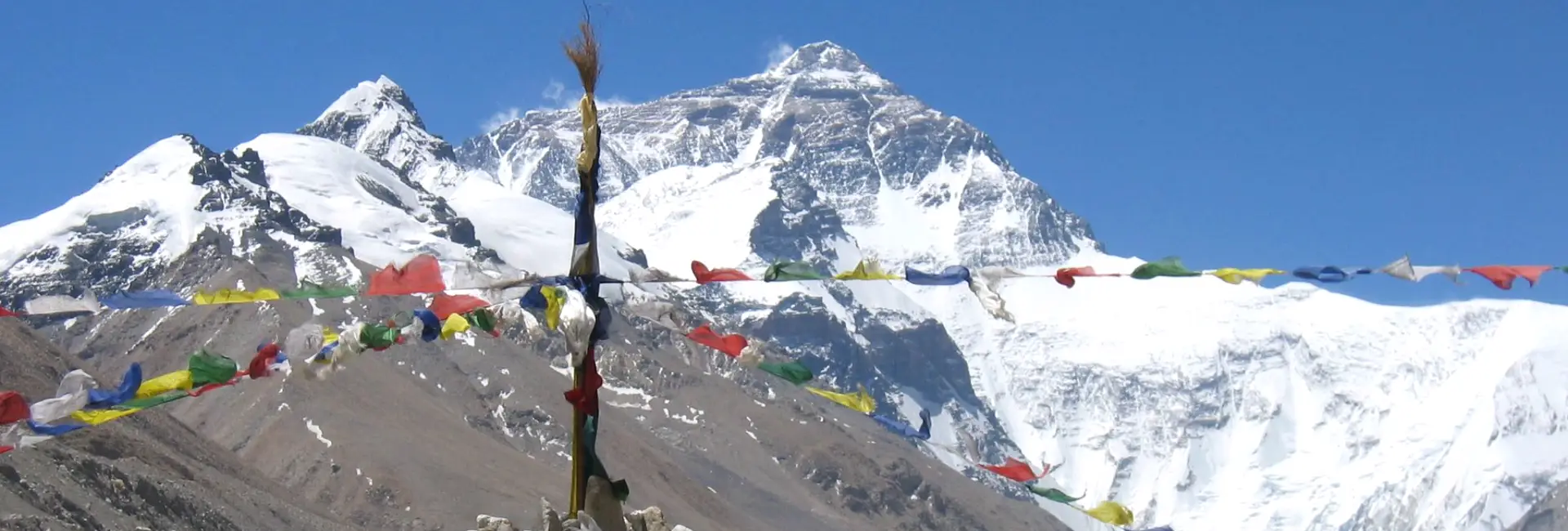

The Everest Base Camp (EBC) trek is one of the most iconic and sought-after treks in the world. It offers a combination of breathtaking scenery, rich cultural experiences, and a sense of achievement upon reaching the base camp of the world’s highest mountain, Mount Everest (8,848.86 meters). However, the trek is not without its challenges. The difficulty level of the EBC trek can be considered moderate to strenuous, depending on the trekker’s fitness level, altitude acclimatization, and experience with high-altitude trekking.
Overview of the Everest Base Camp Trek
- Difficulty Level: Moderate to Strenuous
- Duration: 12 Days (Lukla to Lukla)
- Total Distance: Approximately 130 km (80.7 miles)
- Maximum Altitude: 5,364 meters (17,598 feet) at Everest Base Camp
- Average Daily Walking Time: 5-8 hours
- Accommodation: Teahouses/Lodges
- Best Time to Trek: March to May and September to November
Detailed 12-Day Itinerary from Lukla to Everest Base Camp and Return
Day 1: Fly from Kathmandu to Lukla (2,800 meters/9,186 feet) and Trek to Phakding (2,652 meters/8,700 feet)
- Altitude: Start at 2,800 meters and descend to 2,652 meters
- Distance: 8 km (5 miles)
- Trekking Time: 3-4 hours
- Description: The adventure begins with a scenic flight from Kathmandu to Lukla, a small town nestled in the mountains. The flight offers stunning views of the Himalayas. After landing at Lukla, the trek starts with a gentle walk through picturesque villages and lush green landscapes. The trail descends to Phakding, where trekkers spend the night in a comfortable teahouse.
Day 2: Trek from Phakding to Namche Bazaar (3,440 meters/11,286 feet)
- Altitude: Gain of 788 meters (2,586 feet)
- Distance: 10-12 km (6.2-7.5 miles)
- Trekking Time: 5-6 hours
- Description: The trek to Namche Bazaar is more challenging as the trail includes several uphill climbs. Trekkers cross the Dudh Koshi River multiple times via suspension bridges. The final climb to Namche Bazaar is steep, but the reward is the vibrant town of Namche, the gateway to the Everest region, known for its markets, cafes, and stunning views of the surrounding peaks.
Day 3: Acclimatization Day at Namche Bazaar
- Altitude: Acclimatization at 3,440 meters
- Activities: Hike to Everest View Hotel (3,880 meters/12,729 feet) or explore Namche Bazaar
- Description: Acclimatization is crucial for a successful trek to Everest Base Camp. This day allows trekkers to adjust to the altitude. A popular short hike is to the Everest View Hotel, where trekkers can enjoy panoramic views of Everest, Lhotse, Ama Dablam, and other peaks. The day also provides an opportunity to explore Namche Bazaar.
Day 4: Trek from Namche Bazaar to Tengboche (3,860 meters/12,664 feet)
- Altitude: Gain of 420 meters (1,378 feet)
- Distance: 9 km (5.6 miles)
- Trekking Time: 5-6 hours
- Description: The trek to Tengboche is scenic, with magnificent views of Everest, Nuptse, Lhotse, and Ama Dablam. The trail descends to the Dudh Koshi River and then climbs steeply through rhododendron forests to reach Tengboche. Tengboche is home to the famous Tengboche Monastery, the largest in the Khumbu region, where trekkers can witness Buddhist rituals and enjoy the serene atmosphere.
Day 5: Trek from Tengboche to Dingboche (4,410 meters/14,469 feet)
- Altitude: Gain of 550 meters (1,805 feet)
- Distance: 10-11 km (6.8 miles)
- Trekking Time: 5-6 hours
- Description: The trail to Dingboche passes through charming villages like Pangboche and offers spectacular views of Ama Dablam. As the altitude increases, the landscape becomes more rugged and barren, with fewer trees. Dingboche is a picturesque village known for its stone-walled fields and stunning mountain views. This is the first night spent above 4,000 meters, so trekkers need to be mindful of altitude sickness.
Day 6: Acclimatization Day at Dingboche
- Altitude: Acclimatization at 4,410 meters
- Activities: Hike to Nangkartshang Peak (5,083 meters/16,625 feet) or explore the village
- Description: Another acclimatization day is necessary to prepare for the higher altitudes ahead. A recommended hike is to Nangkartshang Peak, which offers breathtaking views of Makalu, Lhotse, and other towering peaks. Alternatively, trekkers can take a shorter hike around Dingboche and enjoy the peaceful surroundings.
Day 7: Trek from Dingboche to Lobuche (4,940 meters/16,207 feet)
- Altitude: Gain of 530 meters (1,738 feet)
- Distance: 8-9 km (5.6 miles)
- Trekking Time: 5-6 hours
- Description: The trail from Dingboche to Lobuche is relatively challenging due to the altitude. The path passes through the rocky terrain of the Khumbu Glacier, with a significant uphill section leading to the Thukla Pass, where memorials for climbers who lost their lives on Everest can be found. The day ends at Lobuche, a small settlement with basic teahouses and incredible views of Nuptse and Pumori.
Day 8: Trek from Lobuche to Everest Base Camp (5,364 meters/17,598 feet) via Gorak Shep (5,170 meters/16,961 feet), then Return to Gorak Shep
- Altitude: Gain of 424 meters (1,391 feet) to Base Camp
- Distance: 12-13 km (8 miles) round trip
- Trekking Time: 7-8 hours
- Description: This is the most anticipated day of the trek. Trekkers start early and make their way to Gorak Shep, the last settlement before Everest Base Camp. After a brief rest, the trek continues to Everest Base Camp, where the landscape is dominated by the Khumbu Icefall and surrounding peaks. Reaching Everest Base Camp is a momentous achievement for many, though it is important to note that the views of Everest itself are better from other points on the trek. After spending some time at Base Camp, trekkers return to Gorak Shep for the night.
Day 9: Hike to Kala Patthar (5,545 meters/18,192 feet) and Trek to Pheriche (4,371 meters/14,340 feet)
- Altitude: Gain of 375 meters (1,230 feet) to Kala Patthar, then descend 1,174 meters (3,852 feet)
- Distance: 15 km (9.3 miles)
- Trekking Time: 7-8 hours
- Description: The day starts early with a hike to Kala Patthar, a renowned viewpoint for sunrise over Everest. At 5,545 meters, Kala Patthar offers one of the best panoramic views of Everest and the surrounding peaks. After soaking in the views, trekkers descend to Gorak Shep for breakfast before continuing the trek down to Pheriche, a village known for its aid post and stunning mountain vistas.
Day 10: Trek from Pheriche to Namche Bazaar
- Altitude: Descend from 4,371 meters to 3,440 meters
- Distance: 15 km (9.3 miles)
- Trekking Time: 6-7 hours
- Description: The return trek to Namche Bazaar involves a long day of walking, with much of the trail descending through familiar villages and landscapes. The lower altitude provides relief, and trekkers can enjoy the greenery and forests once more. Namche Bazaar, with its comforts and amenities, is a welcome sight after the rigorous days spent at higher altitudes.
Day 11: Trek from Namche Bazaar to Lukla
- Altitude: Descend from 3,440 meters to 2,800 meters
- Distance: 18-20 km (11-12.5 miles)
- Trekking Time: 6-8 hours
- Description: The final day of trekking takes trekkers back to Lukla, retracing the steps through the Sagarmatha National Park. The trail is mostly downhill, but there are some final uphill sections before reaching Lukla. Upon arrival in Lukla, trekkers can relax and celebrate the completion of the trek, reflecting on the journey and the incredible experiences along the way.
Day 12: Fly from Lukla to Kathmandu
- Altitude: Descend from 2,800 meters to 1,400 meters
- Flight Time: 30-40 minutes
- Description: The trek concludes with a flight back to Kathmandu. The flight offers one last chance to take in the majestic views of the Himalayas. Upon reaching Kathmandu, trekkers can enjoy the comforts of the city and the satisfaction of having completed the Everest Base Camp trek.
Altitude and Acclimatization
The Everest Base Camp trek 14 Days reaches a maximum altitude of 5,545 meters at Kala Patthar, with the base camp itself sitting at 5,364 meters. The high altitudes pose a significant challenge, as the air becomes thinner, making breathing more difficult. Altitude sickness, or Acute Mountain Sickness (AMS), is a common concern, and proper acclimatization is essential to minimize the risks.
The itinerary is designed with acclimatization days in Namche Bazaar and Dingboche to help trekkers adjust to the altitude gradually. It is crucial to stay hydrated, ascend slowly, and listen to the body’s signals. Symptoms of altitude sickness include headaches, nausea, dizziness, and shortness of breath. If symptoms worsen, it is important to descend to a lower altitude immediately.
Trekking Distance and Duration
The total distance of the Everest Base Camp trek is approximately 130 km (80.7 miles) round trip from Lukla. The daily trekking distances range from 8 km to 20 km, depending on the section of the trail. Trekkers should expect to walk for 5-8 hours each day, with some days being more strenuous than others.
The trail itself varies in difficulty, with sections of steep ascents and descents, rocky terrain, and suspension bridge crossings. The ascent to Everest Base Camp is gradual but challenging, especially as the altitude increases. The descent is quicker but still demanding, particularly on the knees and joints.
Teahouse Conditions
Accommodation along the Everest Base Camp trek is primarily in teahouses, which are basic lodges offering meals and a place to sleep. The quality of teahouses varies, with more amenities available in larger villages like Namche Bazaar and Lukla. In higher-altitude villages such as Gorak Shep and Lobuche, the facilities are more basic, with limited access to electricity, hot showers, and internet.
Teahouses typically provide twin-sharing rooms with simple beds, blankets, and pillows. Bathrooms are usually shared, and hot showers are available for an extra fee. Meals are served in a communal dining area, with a menu that includes local Nepali dishes like dal bhat (rice and lentil soup), as well as international options like pasta, noodles, and pancakes.
Despite the basic conditions, teahouses are warm and welcoming, offering a cozy environment to rest and socialize with fellow trekkers. It is advisable to carry a good-quality sleeping bag, as temperatures can drop significantly at night, especially at higher altitudes.
Physical and Mental Preparation
The Everest Base Camp trek is physically demanding, requiring a good level of fitness and stamina. Trekkers should prepare by engaging in regular cardiovascular exercise, strength training, and hiking with a backpack in the months leading up to the trek. Mental preparation is also important, as the trek can be mentally challenging due to the long days of walking, altitude, and unpredictable weather conditions.
It is essential to pace oneself, stay positive, and maintain a steady rhythm throughout the trek. Trekking with a group or a guide can provide additional support and motivation, making the journey more enjoyable and less daunting.
Key Challenges of the Everest Base Camp Trek
- Altitude: The primary challenge of the Everest Base Camp trek is the high altitude, which can lead to altitude sickness. Proper acclimatization, hydration, and pacing are crucial to minimize the risk.
- Physical Demand: The trek involves long days of walking, with significant ascents and descents. Trekkers need to be physically fit and prepared for the demands of the trail.
- Weather: The weather in the Everest region can be unpredictable, with sudden changes in temperature, snowfall, and wind. It is important to be prepared for all weather conditions and to carry appropriate clothing and gear.
- Accommodation: While teahouses provide basic accommodation, the facilities can be limited, especially at higher altitudes. Trekkers should be prepared for simple living conditions and the possibility of shared facilities.
- Mental Toughness: The trek can be mentally challenging due to the physical demands, altitude, and isolation. Staying motivated and maintaining a positive mindset is essential for completing the trek successfully.
Conclusion
The Everest Base Camp trek is a journey of a lifetime, offering an unforgettable experience of trekking through the heart of the Himalayas. While the trek is challenging, with high altitudes, long days of walking, and basic living conditions, the rewards are immense. The stunning views of Mount Everest and the surrounding peaks, the rich cultural encounters with the Sherpa people, and the sense of achievement upon reaching Everest Base Camp make the trek a truly remarkable adventure.
With proper preparation, acclimatization, and a positive attitude, trekkers of various fitness levels can successfully complete the Everest Base Camp trek. The challenges faced along the way are part of the adventure, making the journey to the foot of the world’s highest mountain an experience that will be cherished for a lifetime.
The key to a successful trek lies in respecting the mountain, understanding the risks, and being prepared both physically and mentally. The Everest Base Camp trek is not just a physical journey, but a spiritual and cultural exploration that leaves a lasting impression on those who undertake it. Whether it’s the awe-inspiring landscapes, the camaraderie with fellow trekkers, or the deep connection with nature, the Everest Base Camp trek is a transformative experience that will stay with you forever.


