


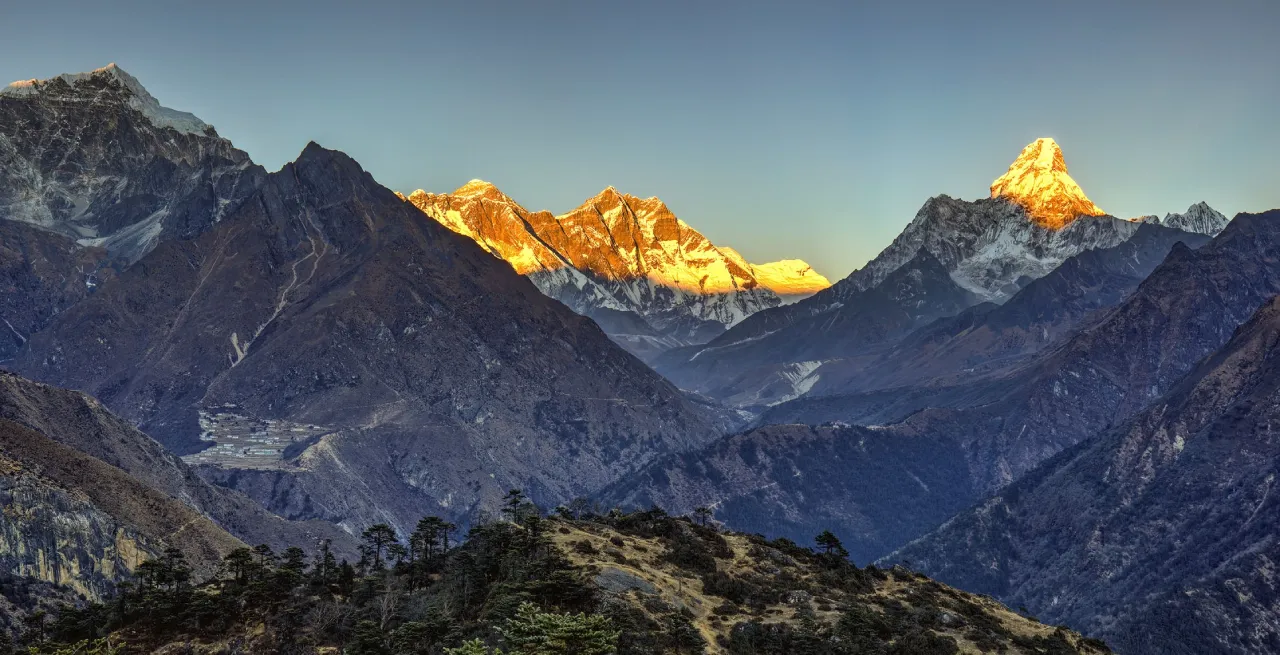

Mount Everest Base Camp Trek is a dream destination for trekkers and adventure seekers across the globe as it offers an amazing view of the world’s tallest mountain. Located at an elevation of 5,364 meters, the Everest Base Camp trek is the starting point for climbing the highest peak in the world.
Trekkers outside Nepal come to Kathmandu, which serves as an entry point for the Everest Base Camp Trek. After landing in Kathmandu, trekkers catch the next flight to Lukla, where they start their journey. Trekkers start ascending to Everest Base Camp while acclimatizing and resting.
To reach Everest Base Camp, trekkers will either fly from Kathmandu to Lukla or take road transportation. After resting in Lukla, they start their trek from there for several days through Sherpa Villages. Trekkers can also take a flight to Lhasa and travel overland to the North Base Camp to reach EBC, but this requires special permits and is a less-traveled route.
This guide will go over all of the travel options to reach Everest Base Camp from the city of Kathmandu, including route planning and tips that will help you safely and enjoyably make your trip to this remote and exhilarating part of the world.
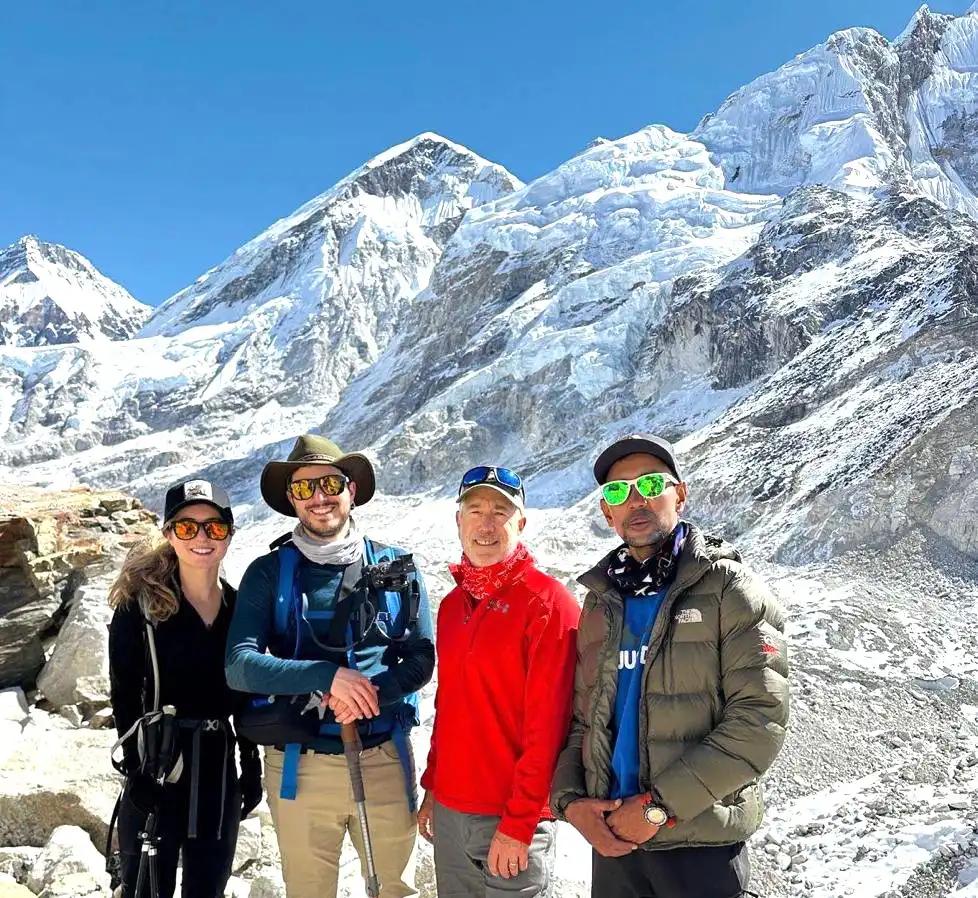
Step 1: Arrive in Kathmandu, Nepal
Tribhuvan International Airport (TIA) in Kathmandu stands as Nepal’s only international airport, located roughly 5.6 km from the city Centre at an elevation of 1,338 m. It connects Nepal to more than 40 destinations across 17 countries and is the prime route for people traveling to Nepal.
Upon arrival at TIA, most people can get a visa on arrival, which makes for an easier flow through immigration. Immigration has counters to issue visas and it involves checking the passport and paying the visa fee, making it easy for tourists to get through.
Kathmandu presents a lively cultural experience and offers a great deal of information and services to support Everest Base Camp trekkers. Travelers are well advised to spend at least 2-3 days in Kathmandu to rest, start acclimatizing, obtain permits, and get their gear sorted before trekking so that they will be ready for a safe and well-organized trek.
Recent upgrades to TIA include an extended runway and improved terminal facilities, which improve the experience of all passengers given the heavy traffic in Nepal. TIA is still the main point of entry and exit for all international travelers, and it continues to be essential for Nepal’s tourism and trekking industries.
Step 2: Fly from Kathmandu to Lukla (Gateway to the Everest Region)
Flying from Kathmandu to Lukla is the common and easiest way to start the Everest Base Camp Trek. Usually, flights depart in the early morning between 6:15 AM and 9:00 AM. Including Tara Air, Summit Air, and Sita Air, many airlines depart on a daily basis to Lukla. Depending on the airlines, flight time may vary from 30 to 40 minutes with an amazing aerial Himalayan view.
Due to unpredictable weather and air traffic in the Lukla air route, flights to Lukla will sometimes operate from Ramechhap-Manthali Airport instead of Kathmandu. This is common in busy trekking seasons of mid-March to mid-May and mid-September to mid-November. If your flight operates from Ramechhap, it will require a 3 to 4-hour transfer from Kathmandu.
These small aircraft have strict baggage allowances, usually ~15 kg per passenger, all in the name of safety because Lukla airport has a very short, steep runway and it is down to the pilots and safety officers not to exceed any weight restrictions. In addition to packing less, travelers should get ready for safety and boarding instructions.
Flight delays and cancellations in Lukla are common due to unpredictable mountain weather, so buffer days are recommended. Helicopter flights from Lukla to Kathmandu are more reliable and do not involve long waits, getting you there on time but at a higher cost.
It is important to book flights in advance since there are peak seasons when tourists are in need of flights. In general, the earlier the flights, the better the weather. Travelers also need to be flexible and ready for last-minute changes to keep their plans on track. Alternative plans will help keep things as smooth as they embark on their Everest adventure.
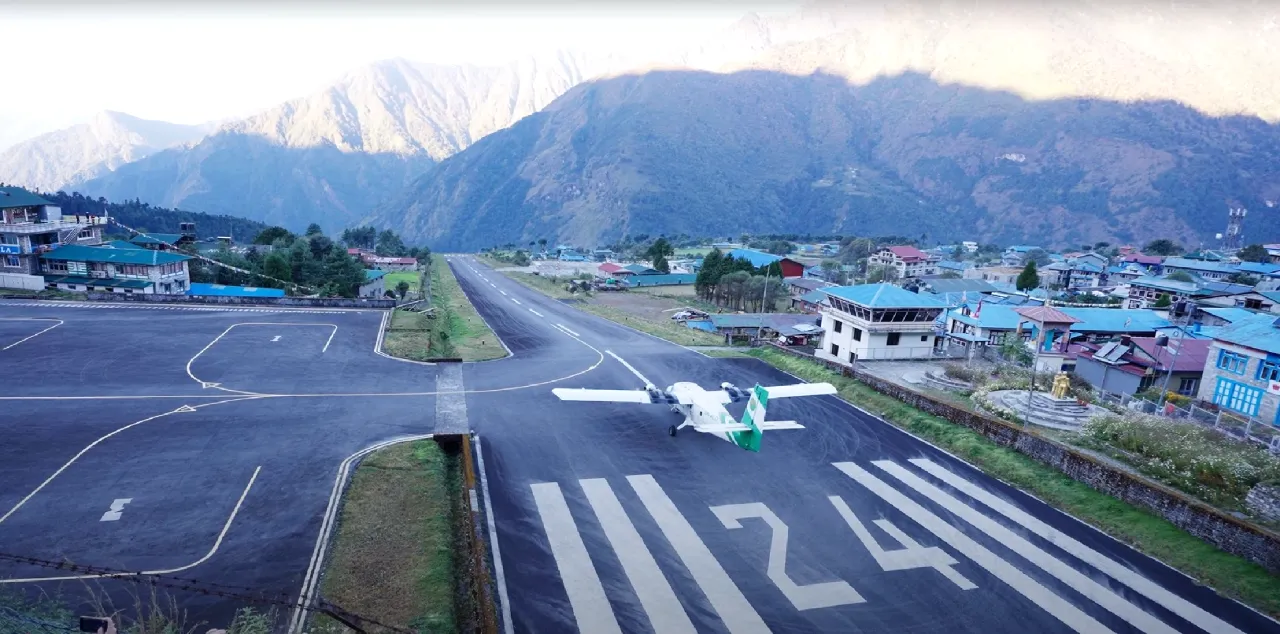
Step 3: Trek from Lukla to Everest Base Camp
The classical Everest Base Camp Trek starts in Lukla and traverses through Phakding, Namche Bazaar, Tengboche, Dingboche, Lobuche, and Gorakshep before heading to Base Camp.
These places along the way showcase all the scenery that the Himalayas have to offer, along with the vibrant Sherpa culture of Khumbu Valley. Bustling Namche Bazaar, the spiritually tranquil Tenboche Monastery, and spectacular vistas near Gorakshep and Kala Patthar are some Key highlights of the treks.
The trek starts out in lush forests and river valleys, then it gradually climbs up to alpine terrain through glacial moraines. You will get a chance to walk through notable suspension bridges and rugged mountain villages from where you can witness the soaring peaks of Ama Dablam, Lhotse, and Everest itself.
You will not only have stunning scenery to feast your eyes on while trekking but also an immersive cultural encounter along the way. For this reason, the Everest Base Camp trek is one of the most popular treks in the entire Himalayan region and the world.
The average round-trip hike duration is 12 to 14 days, with some of those days as resting and acclimatization. A few trekkers will spend roughly 9 to 10 days actually hiking, and the rest acclimatizing and doing activities in the area. This time schedule allows a careful pace of travel while still being safe and enjoying the trek.
During this type of trek, acclimatization is important because the elevation changes quickly while walking in a short period of time. In order to give their bodies time to acclimate to high altitude and prevent altitude sickness, trekkers typically acclimate at significant stops such as Namche Bazaar and Dingboche.
Acclimatization will ensure a safer and more enjoyable trek to Everest Base Camp.
Alternate Options to Reach EBC
Helicopter rides to Everest Base Camp can be taken straight from Kathmandu or from Namche or Gorakshep, depending on your travel preferences. The helicopter ride is a very quick and scenic flight with beautiful mountain views. This option complements the complete trek while bypassing the arduous trip. Nevertheless, helicopter rides are expensive and do not allow for the trek experience.
Driving from Kathmandu to Jiri or Phaplu adds several days of trekking before arriving at Lukla. This option is the classic route and provides for gradual acclimatization and deeper cultural exposure, but takes more time and physical effort. The adverse road conditions can make the journey longer; however, this option is rewarding for those looking for authenticity.
A comparison of the different options demonstrates that the helicopter choice is the fastest and easiest, but is not cheap. Driving and then trekking is the longest and most physically challenging option; however, the cultural experience is superb.
Flying to Lukla and then trekking allows for the best balance of time, cost, and difficulty and is the option most people choose when traveling to Everest Base Camp.
Permits Required for the Trek
In order to trek to Everest Base Camp, you will need to obtain two main permits: the Sagarmatha National Park Entry Permit and the Khumbu Pasang Lhamu Rural Municipality Entry Permit. These two permits ensure access to the protected Everest region and help conserve the region and local communities.
The Sagarmatha National Park Entry Permit can be obtained in Kathmandu at the either Nepal Tourism Board or Monju, which is the entrance of Sagarmatha National Park. The permit costs about NPR 3,000 for foreign nationals and NPR 1,500 for SAARC citizens. A UNESCO World Heritage Site, Sagarmatha National Park is accessible with this Sagarmatha National Park Entry Permit.
Trekking in the Khumbu region also requires a Khumbu Rural Municipality Permit, which is not available in Kathmandu. The Khumbu permit can be obtained after arrival in Lukla or Monjo. Alternatively, you can obtain the permit before travel through your trekking agency if you ask at the time of booking.
What to Pack & Prepare Before Leaving Kathmandu
Before heading off to Everest Base Camp from Kathmandu, pack essential items. Remember, you need warm clothing, durable trekking boots, a waterproof jacket and trousers, mid and base layers, warm gloves, sunglasses, a warm hat, trekking poles, and your 30L-40L day pack. You may also want to include a good sleeping bag liner and a water hydration system for extra comfort and peace of mind.
Kathmandu’s Thamel area is the best place to buy or rent anything you need in terms of trekking gear for a fraction of the price. Many stores will stock reasonably quality trekking boots, jackets, and gear suitable for Everest conditions. You can rent items like down jackets, sleeping bags, trekking poles, etc., to reduce the weight of your luggage and trekking costs.
Trekking agencies in Kathmandu can arrange experienced guides, porters, travel insurance, permits, and accommodation bookings. They may also even arrange your monkey surfboard rucksack if you would like.
Agencies generally have a good understanding of the difficulties and challenges involved and can provide ample support for first-time trekkers or those who want peace of mind for the greater trekking experience.
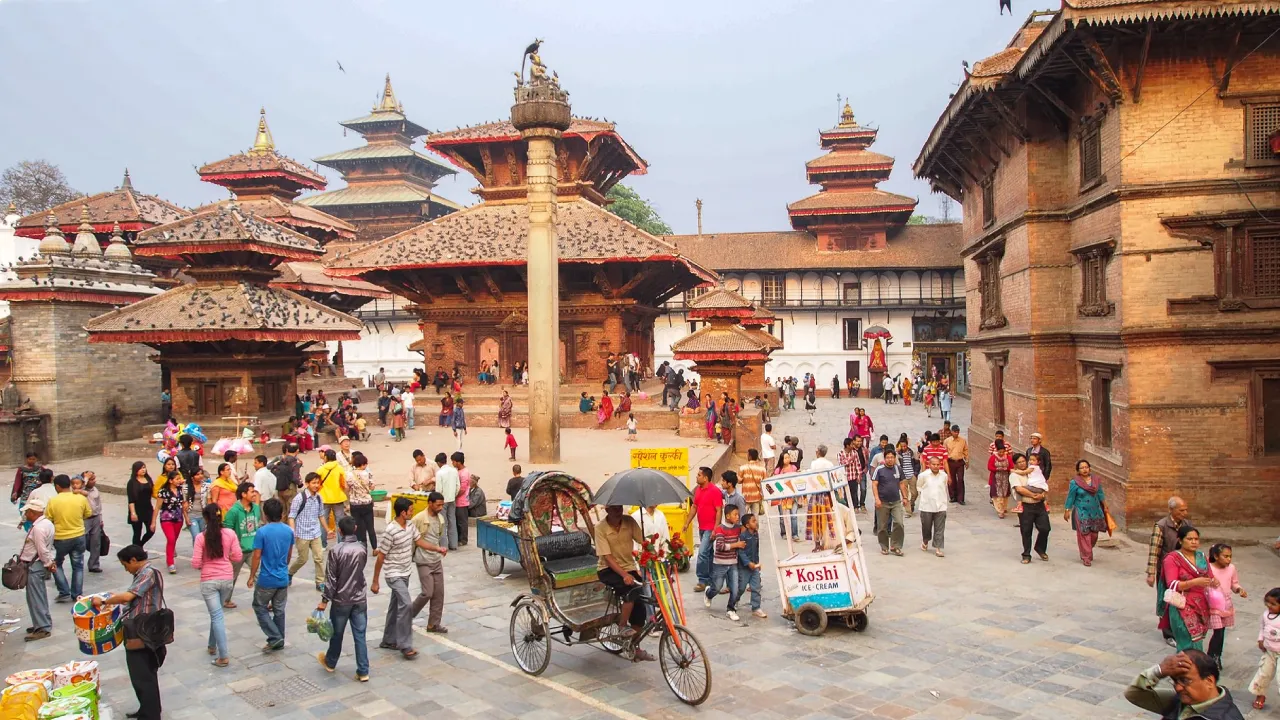
Accommodation and Food on the Trail
Teahouses are the primary lodging choice along the Everest Base Camp trek, ranging from basic to more comfortable lodges. They typically provide simple rooms with beds, blankets, and shared bathrooms. The common rooms are cozy and heated by traditional stoves, creating a welcoming atmosphere for trekkers to congregate.
Food is commonly typical hearty local fare, such as dal bhat, soups, noodles, and local Tibetan bread, with vegetarian options available in most teahouses. Meals are made fresh, so be prepared to refuel after a long day of trekking! Not all teahouses provide hot showers and electricity, but often they are available if atrocious; it all depends on the teahouse as the available amenities often vary from teahouse to teahouse.
Hygiene levels can be typically basic, so it is always smart to carry some hand sanitizer and wet wipes. All water should be purified – either by tablets, filters, or boiling- to avoid getting sick. Many trekkers take reusable water bottles and treat water at the teahouses to guarantee water safety and hydration.
Pro Tips for a Successful EBC Journey
If you’re hiking, then it is best to get on the trail early, usually 6 – 7 AM. This earlier start allows you to take advantage of better weather and light. If you delay until after breakfast to get on the trail, often you will run into afternoon clouds and wind in mountainous areas.
Where possible, I advise getting on the trail early to allow plenty of time to get to your destination safely and to avoid some of the poor weather conditions.
Another important key to avoiding altitude sickness is to drink 4 – 5 liters of water, depending on your size, while training at altitude. If you notice that you are developing a headache, dizziness, or nausea while you are hiking, then you must act immediately. You must immediately slow your pace, take rest days to acclimatize, and listen to your body to ensure a safe climb.
It is essential to be conscious of changes in weather in the Himalayas – weather can change dramatically and very quickly. Please have a flexible itinerary to accommodate any flight delays or rest days you consider suitable. Pack multiple clothes layers on each trip, and use waterproof gear to prepare for rain and snow, with sunny conditions in between, so that you are comfortable and safe hiking the trail.
Conclusion
In conclusion, the traveling distance from Kathmandu to Everest Base Camp is truly an admirable short trip that begins with a flight from Kathmandu. This journey is then followed by multiple days of treks through stunning Himalayan scenery and a beautiful Sherpa village. The trek can be safely enjoyed if you plan, get permits, pack appropriate gear, and prepare your body to acclimatize.
Planning and preparation are the greatest keys in creating the trek of a lifetime, and with good mental fortitude and hydration, and a little flexibility with your schedule, most people will be able to experience one of the most stunning places on the planet, as well as discovering the local culture in the Everest region.
So go ahead and get started; you’ll take care of the rest and enjoy the ride.


