How to Trek to Everest Base Camp (EBC): Comprehensive Guide for Beginners
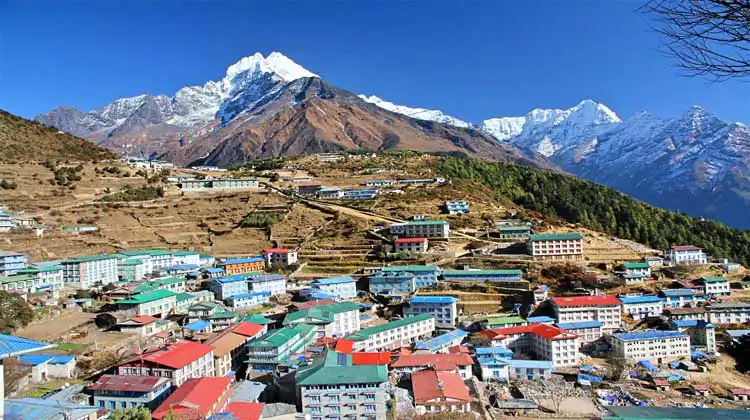
The Everest Base Camp (EBC) trek is a dream destination for many adventure enthusiasts and begins with a scenic 35-minute flight from Kathmandu to Lukla (2,860m), a small airstrip nestled in the Himalayas. This trek takes you through the heart of the Khumbu region, following a well-established route that meanders through Sherpa villages, alpine forests, glacial rivers, and high-altitude terrain. The trek involves gradual ascents with adequate time for acclimatization. The major checkpoints of the trek include Namche Bazaar, Tengboche, Dingboche, Lobuche, and finally, Gorak Shep, the last settlement before reaching the base camp. The trek usually spans 12-14 days, including acclimatization days, to ensure safety and enjoyment.
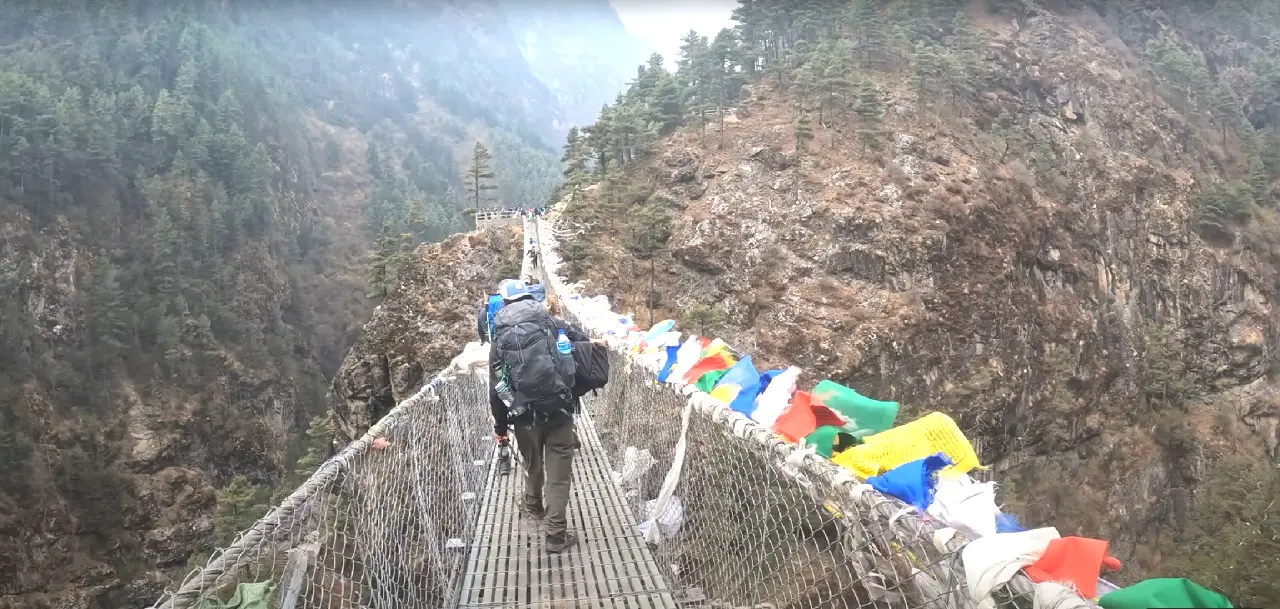
Suspension Bridge on the way to EBC
Why Trek to Everest Base Camp in Nepal?
Trekking to EBC is more than just an adventure; it’s an immersion into the awe-inspiring natural beauty and vibrant culture of the Himalayas. Nepal, known for its diverse landscapes and cultural heritage, offers trekkers a chance to experience the world’s highest mountain, Mount Everest (8,848.86m), up close. Along the route, trekkers can witness the remarkable hospitality of the Sherpa people, visit ancient monasteries such as Tengboche Monastery, and experience the tranquility of high-altitude landscapes. The journey to EBC offers panoramic views of other Himalayan giants like Lhotse, Nuptse, and Ama Dablam, making it a must-do trek for nature lovers and adventure seekers.
How Long Does the Everest Base Camp Trek Take?
The duration of the Everest Base Camp trek can vary depending on the itinerary chosen and the trekkers’ fitness and acclimatization needs. A typical EBC trek takes around 12-14 days, which includes two essential acclimatization days:
Day 1: Fly from Kathmandu to Lukla (2,860m) and trek to Phakding (2,610m) – 3-4 hours.
Day 2: Trek from Phakding to Namche Bazaar (3,440m) – 6-7 hours.
Day 3: Acclimatization day at Namche Bazaar, with a short hike to Everest View Hotel or Khumjung village.
Day 4: Trek from Namche Bazaar to Tengboche (3,860m) – 5-6 hours.
Day 5: Trek from Tengboche to Dingboche (4,410m) – 5-6 hours.
Day 6: Acclimatization day in Dingboche, hike to Nagarjun Hill or Chukhung.
Day 7: Trek from Dingboche to Lobuche (4,910m) – 5-6 hours.
Day 8: Trek from Lobuche to Gorak Shep (5,164m) and continue to Everest Base Camp (5,364m), then back to Gorak Shep – 7-8 hours.
Day 9: Early morning hike to Kala Patthar (5,545m) for sunrise views of Everest and then trek back to Pheriche (4,240m) – 7-8 hours.
Day 10: Trek from Pheriche to Namche Bazaar – 6-7 hours.
Day 11: Trek from Namche Bazaar to Lukla – 6-7 hours.
Day 12: Fly back to Kathmandu.
This itinerary allows for acclimatization and a steady pace, which is crucial for a successful and enjoyable trek.
What to Expect on the EBC Trek
Expect a mix of adventure, culture, and breathtaking landscapes on the EBC trek. The journey is filled with steep ascents and descents, suspension bridges adorned with prayer flags, and quaint Sherpa villages. Teahouses along the trail offer basic accommodations with shared bathrooms and dining areas. The food is simple yet hearty, with options like dal bhat, momos, pasta, and fried rice. The altitude and cold temperatures, especially above 3,500 meters, can be challenging, but the stunning views of Everest, Nuptse, Lhotse, and other peaks make it worthwhile. The trek also includes spiritual experiences, such as visiting Tengboche Monastery, one of the highest Buddhist monasteries in the world.
Is the Everest Base Camp Trek Hard?
The EBC trek is rated as moderately difficult, suitable for those with a good level of fitness and some trekking experience. It involves trekking for 5-7 hours daily, with significant altitude gain. The primary challenge is the altitude, as the trek ascends to over 5,000 meters, where the risk of Acute Mountain Sickness (AMS) increases. Proper acclimatization, hydration, and a slow, steady pace are essential. Physical preparation, including cardiovascular and endurance training, is recommended. The terrain can be rocky and uneven, especially near the base camp and Kala Patthar, so trekkers should be prepared for varied trail conditions.
Best Time to Trek to Everest Base Camp
The ideal times to trek to EBC are during the pre-monsoon (spring) and post-monsoon (autumn) seasons:
Spring (March to May): The weather is relatively stable, with moderate temperatures and blooming rhododendrons enhancing the landscapes. It’s a popular time for mountaineers, and the base camp is bustling with expedition teams.
Autumn (late September to early December): This is the peak trekking season with clear skies and unobstructed mountain views. The weather is cooler than in spring, but the visibility is excellent, making it perfect for photography.
Winter (December to February) is less crowded but extremely cold, with temperatures dropping significantly below freezing at higher elevations. **Monsoon (June to early September)** is not recommended due to heavy rainfall, slippery trails, and reduced visibility from clouds and mist. Trekking during these times is risky due to the increased chances of landslides and flight cancellations.
Practicalities for the Trek to Everest Base Camp
Accommodation: The EBC trek offers various teahouses and lodges with basic amenities. These include a bed, a blanket, and a shared bathroom. Hot showers and charging facilities are available but may cost extra as you ascend to higher altitudes. Rooms can fill up quickly during peak seasons, so booking in advance is advisable.
Food and Water: Expect a menu dominated by local and basic international dishes such as dal bhat (rice and lentils), pasta, noodles, soups, and pancakes. Trekkers should avoid meat at higher altitudes as it might not be fresh. Staying hydrated is crucial, so carry a reusable water bottle and use water purification tablets or a SteriPEN to treat water from local sources. Bottled water is available but expensive due to transport costs.
Health and Safety: The high altitude poses a significant risk of AMS. Symptoms include headaches, nausea, and dizziness. It’s vital to ascend gradually and take acclimatization days. Carrying a personal first-aid kit with medications like Diamox, ibuprofen, and blister treatment is recommended. Travel insurance that covers high-altitude trekking and emergency evacuation is essential.
Communication: Mobile networks, mainly Ncell and Nepal Telecom, are available in some places, but connectivity can be inconsistent. Some teahouses offer Wi-Fi for a fee, but it’s often slow and unreliable. Satellite phones are used in emergencies.
Permits and Paperwork
To trek to Everest Base Camp, you’ll need the following permits:
Sagarmatha National Park Permit: Required to enter the protected area of Sagarmatha National Park. This can be obtained at the Nepal Tourism Board office in Kathmandu or at Monjo at the entrance to the park.
Khumbu Pasang Lhamu Rural Municipality Permit: This is a local government permit for the Khumbu region. It replaced the TIMS card and can be purchased at Lukla or Monjo.
Documents Required: Carry multiple passport-sized photos and copies of your passport for obtaining these permits. Ensure you have travel insurance that covers trekking above 5,000 meters and includes emergency evacuation.
An Everest Base Camp Packing List
Clothing:
Base Layer: Moisture-wicking thermal tops and bottoms.
Insulating Layer: Fleece jacket or down jacket for warmth.
Outer Layer: Waterproof and windproof jacket and pants (Gore-Tex recommended).
Trekking Pants and Shorts: Lightweight and quick-dry material.
Gloves and Mittens: Inner liner gloves and insulated, waterproof gloves.
Hats and Buffs: Sun hat, warm beanie, and buff for wind protection.
Footwear:
Trekking Boots: Waterproof, high-ankle boots with good grip.
Trekking Socks: Moisture-wicking woolen socks.
Camp Shoes: Lightweight sneakers or sandals for evenings.
Accessories:
Sunglasses: UV protection to prevent snow blindness.
Sunblock and Lip Balm: High SPF for sun protection.
Trekking Poles: Adjustable, lightweight poles for stability.
Gear:
Backpack: 50-60 liters with a rain cover.
Daypack: 20-30 liters for daily essentials.
Sleeping Bag: Rated for -10°C to -15°C.
Water Bottles/Bladder: 2-3 liters capacity with purification tablets or SteriPEN.
Headlamp: With extra batteries for early morning or evening hikes.
Camera and Batteries: For capturing the stunning landscapes.
Toiletries and Personal Items:
Quick-dry Towel: Compact and lightweight.
Biodegradable Soap: For minimal environmental impact.
Toilet Paper and Wet Wipes: Not provided in most teahouses.
Hand Sanitizer: To maintain hygiene.
First-Aid Kit:
Medication: Diamox for altitude sickness, painkillers, antibiotics, and any personal medications.
Band-Aids and Blister Treatment: For foot care.
Antiseptic Cream and Tape: For minor cuts and injuries.
Electrolyte Tablets: To prevent dehydration.
Snacks and Energy Food:
Energy Bars and Gels: Quick energy boosts during long trekking days.
Nuts and Chocolates: High-calorie snacks for sustained energy.
Suggested Itinerary for Everest Base Camp Trek
Day 1: Arrival in Kathmandu (1,350m)
Arrival at Tribhuvan International Airport and transfer to the hotel. Prepare for the trek and meet the guide for a briefing.
Day 2: Fly from Kathmandu to Lukla (2,860m) and Trek to Phakding (2,610m)
A thrilling morning flight to Lukla, followed by a 3-4 hour trek to Phakding, passing through small villages and forests.
Day 3: Trek from Phakding to Namche Bazaar (3,440m)
A long, steep ascent to Namche Bazaar, the Sherpa capital, with spectacular views of Everest and Lhotse. Overnight in Namche.
Day 4: Acclimatization Day in Namche Bazaar
A day to rest and acclimatize. Optional hikes to Everest View Hotel or Khumjung village for stunning mountain views.
Day 5: Trek from Namche Bazaar to Tengboche (3,860m)
A scenic 5-6 hour trek with views of Ama Dablam and a visit to the Tengboche Monastery, the spiritual center of the Khumbu region.
Day 6: Trek from Tengboche to Dingboche (4,410m)
Trek through rhododendron forests and cross the Imja Khola river, with stunning views of Island Peak and Lhotse.
Day 7: Acclimatization Day in Dingboche
A rest day with an optional hike to Nagarjun Hill (5,100m) for acclimatization and panoramic views of the Himalayas.
Day 8: Trek from Dingboche to Lobuche (4,910m)
A gradual ascent through alpine terrain with stunning views of Pumori and the Khumbu Glacier. Overnight in Lobuche.
Day 9: Trek from Lobuche to Gorak Shep (5,164m) and Everest Base Camp (5,364m)
A challenging day, starting with a trek to Gorak Shep and then to Everest Base Camp. Return to Gorak Shep for the night.
Day 10: Hike to Kala Patthar (5,545m) and Trek to Pheriche (4,240m)
Early morning hike to Kala Patthar for sunrise views of Everest, then descend to Pheriche for overnight.
Day 11: Trek from Pheriche to Namche Bazaar
A long day descending back to Namche Bazaar, retracing the steps with a few ascents and descents.
Day 12: Trek from Namche Bazaar to Lukla
A 6-7 hour trek back to Lukla, passing through familiar terrain. Celebrate the completion of the trek.
Day 13: Fly from Lukla to Kathmandu
Morning flight back to Kathmandu. Transfer to hotel and free time to explore or rest.
Day 14: Departure from Kathmandu
Final departure or continue with other activities in Nepal.
Conclusion
The Everest Base Camp trek is a remarkable adventure that combines breathtaking natural beauty with rich cultural experiences. It allows trekkers to immerse themselves in the stunning landscapes of the Khumbu region, surrounded by some of the world’s highest peaks, including Mount Everest. With a well-planned itinerary that includes acclimatization days, trekkers can safely ascend to altitudes that challenge their endurance and physical fitness.
The trek provides a unique opportunity to engage with the warm and hospitable Sherpa communities, visit ancient monasteries, and witness the vibrant traditions that have developed over centuries in this region. While the trek can be physically demanding, it is accessible to those with a good level of fitness and a spirit of adventure. The camaraderie formed among fellow trekkers and guides adds to the overall experience, creating memories that last a lifetime.
Preparation is key for a successful trek, from obtaining the necessary permits to packing appropriate gear and clothing. The best times to embark on this journey are during the spring and autumn seasons, when the weather is favorable for trekking. Proper acclimatization and hydration are crucial for avoiding altitude sickness, and a well-stocked first-aid kit can help manage any minor injuries or ailments.
Ultimately, the journey to Everest Base Camp is not just about reaching a destination; it’s about the adventure, the challenge, and the personal growth that comes from stepping outside one’s comfort zone. The stunning vistas, unique cultural interactions, and the achievement of standing at the foot of the world’s highest mountain make the EBC trek an unforgettable experience that every adventure seeker should consider. Whether you’re an experienced trekker or a novice, the EBC trek offers a rewarding journey filled with inspiration and awe.