





























Need help?
Talk to trip expert

Nepal
Short Information of Nepal
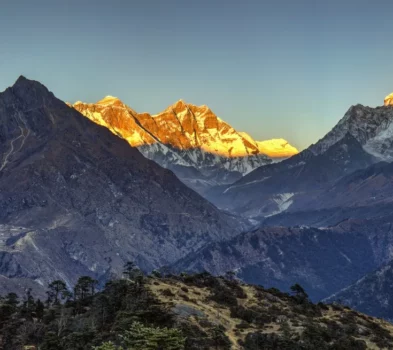
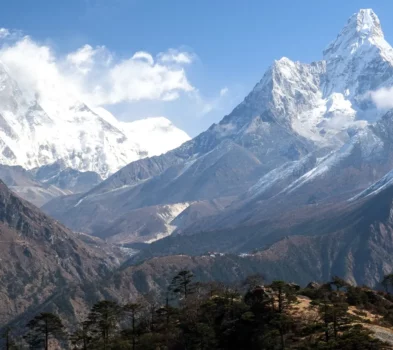
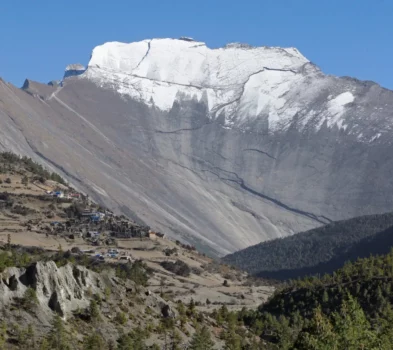
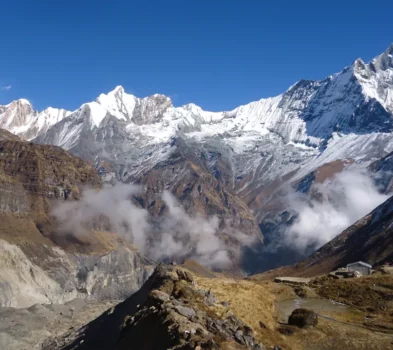
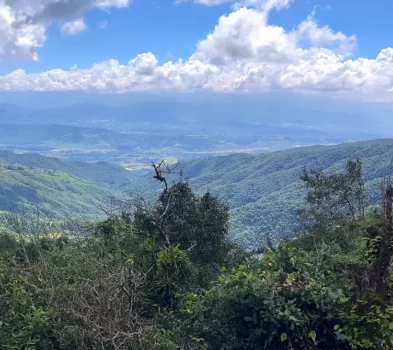
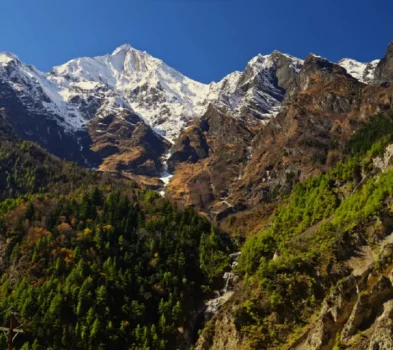
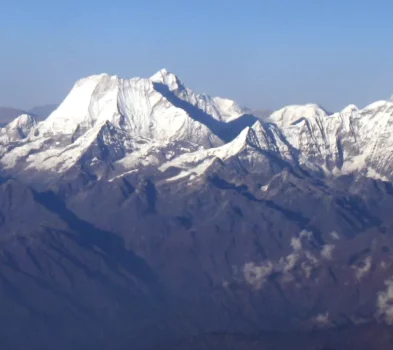
Nepal is a land where towering Himalayan peaks, vibrant cultural traditions, and exciting adventures come together to create a memorable journey. The Himalayas stand tall and green with the Terai plains that nestles in the middle of the country provides a wide variety of experiences to those who visit Nepal with any interest.
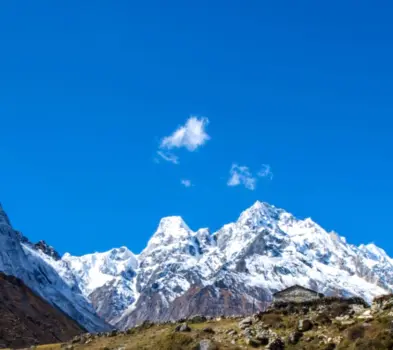
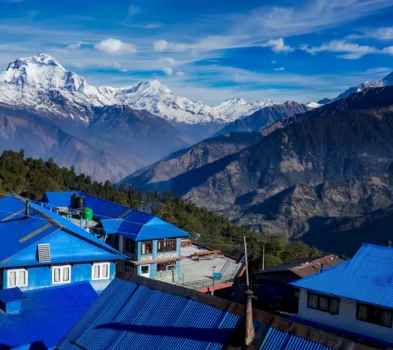
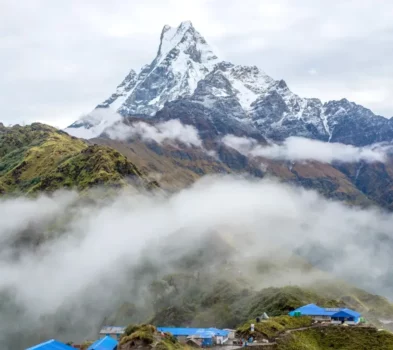
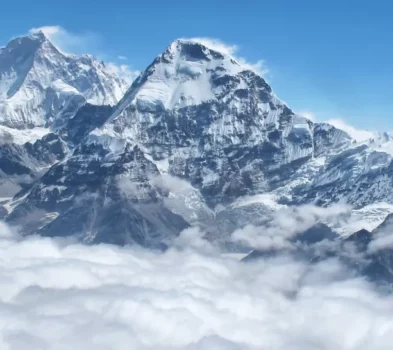
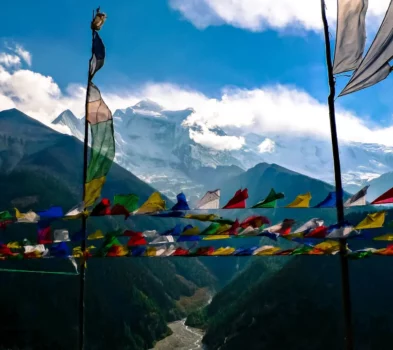
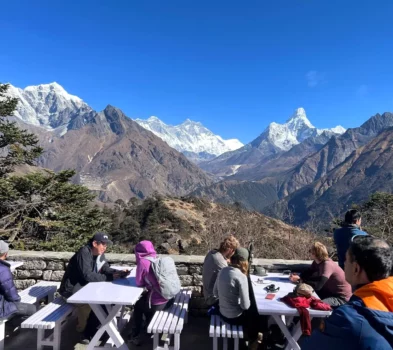
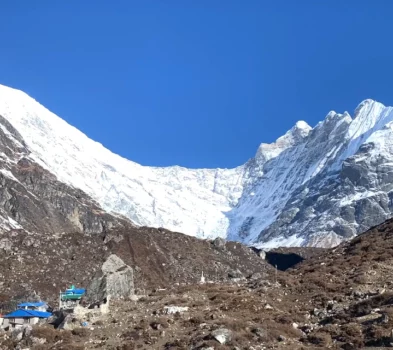
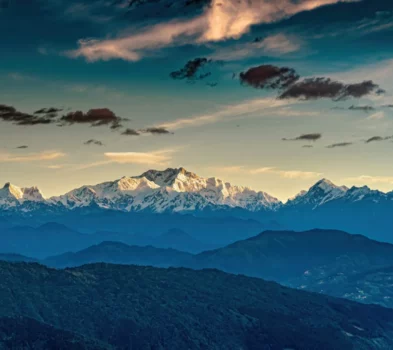
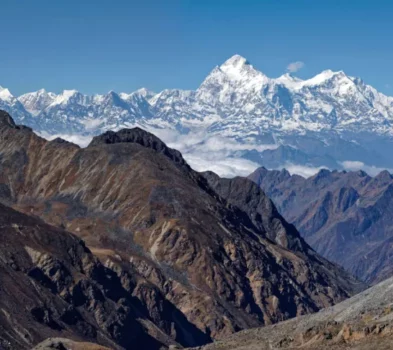
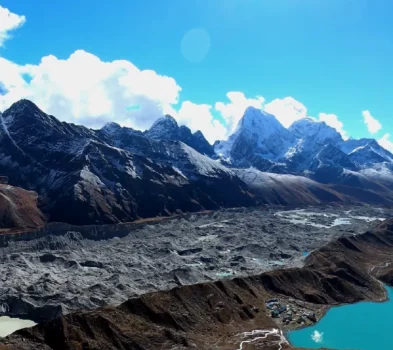
Mount Everest (8,848.86 m), Kanchenjunga (8,586 m), and Annapurna I (8,091 m) are among the world’s tallest mountains, attracting trekkers, climbers, and expedition teams from across the globe. Meanwhile, culture is a home to the cultural explorers of Nepal with its rich culture, ancient temples, traditional villages, and festivals. Nepal has something to offer whether you are an adventure seeker, nature lover or spiritual traveler.
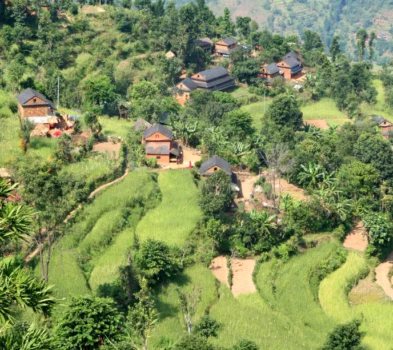
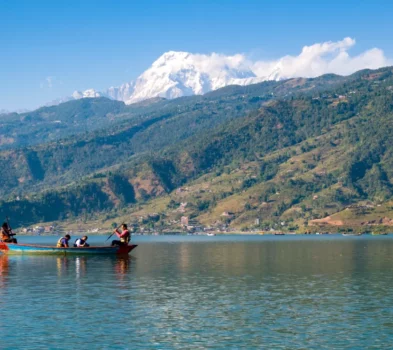
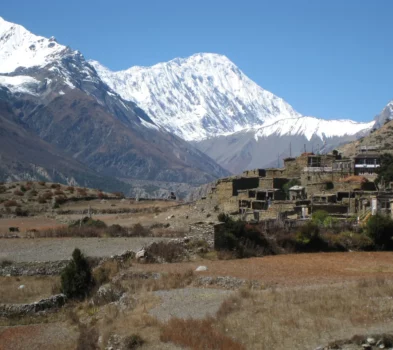
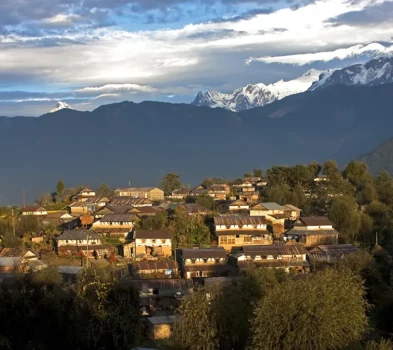
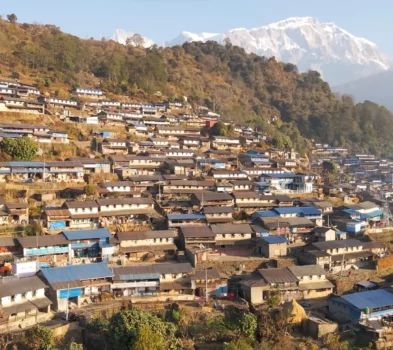
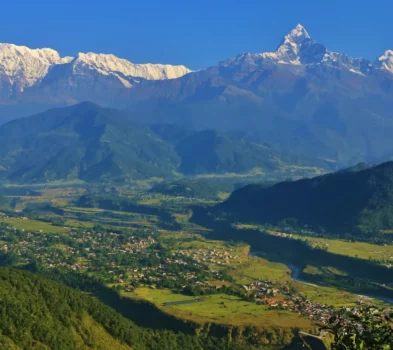
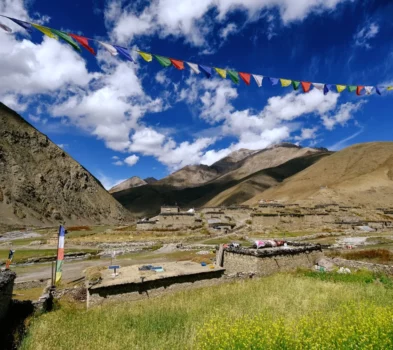
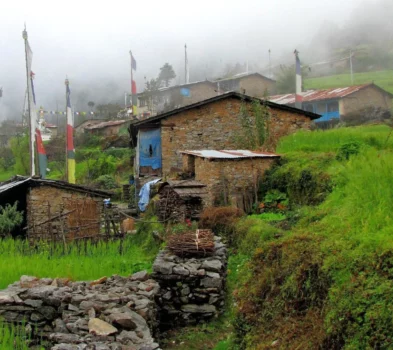
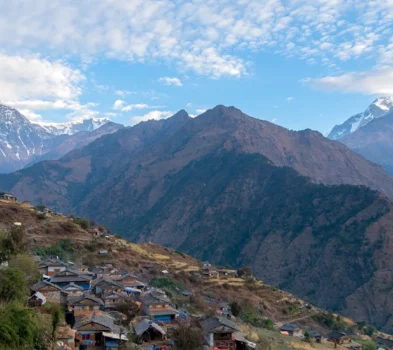
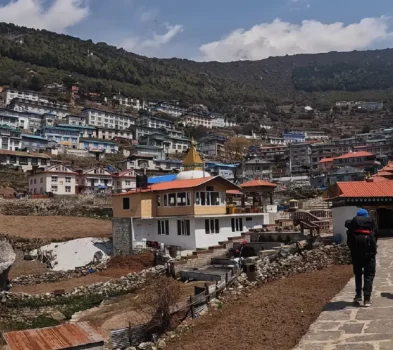
From the snow-capped Himalayas to the serene lakes of Pokhara, and from the historically rich Kathmandu Valley to the wildlife-filled jungles of Chitwan and Bardia, Nepal is a land of natural beauty and cultural diversity, making it a truly unique destina People visiting Nepal can get to know the true village life in villages on trekking paths, observe centuries-old customs and enjoy Nepalese hospitality.
Adventure and Trekking in Nepal
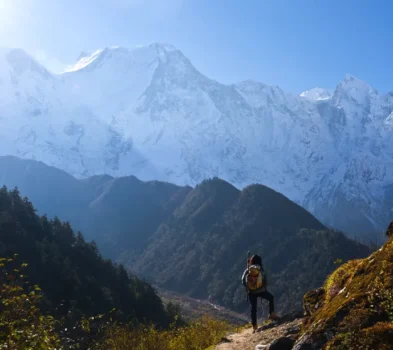
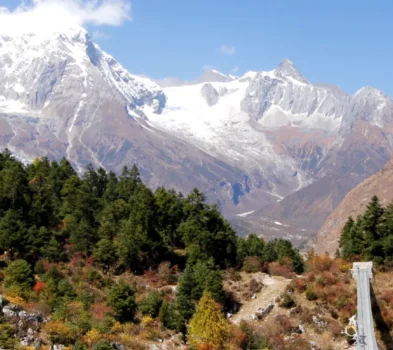
Nepal is one of the best places in the world where adventure lovers and trekkers can visit. The long system of trails and climbing paths in the country gives a chance to its visitors to discover not only difficult mountainous areas in the highlands but accessible and sightseeing walks as well.
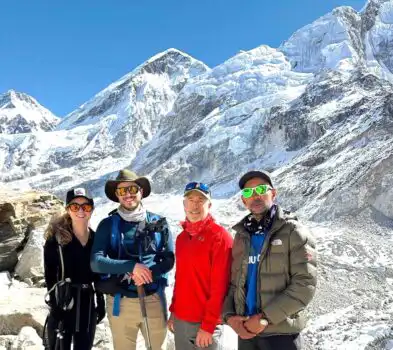
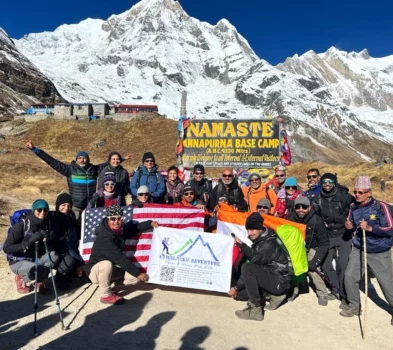
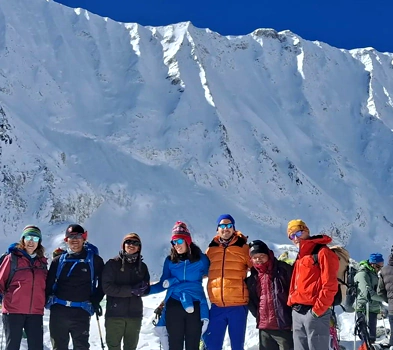
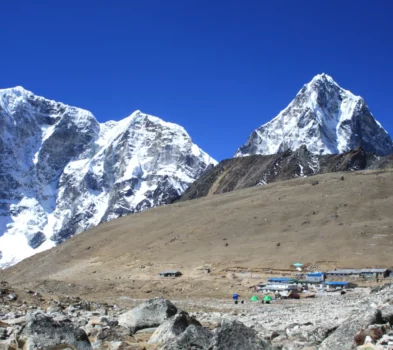
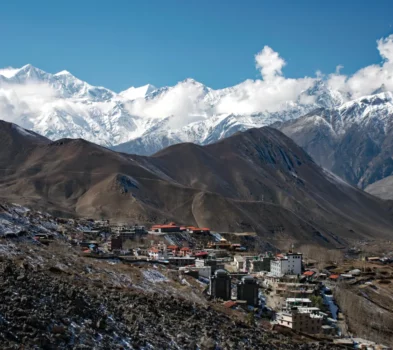
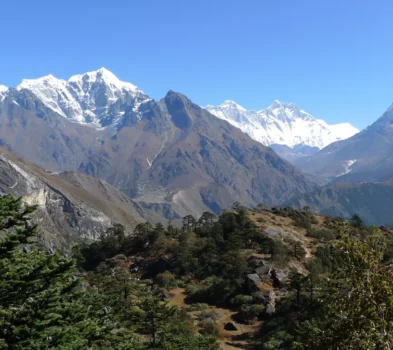
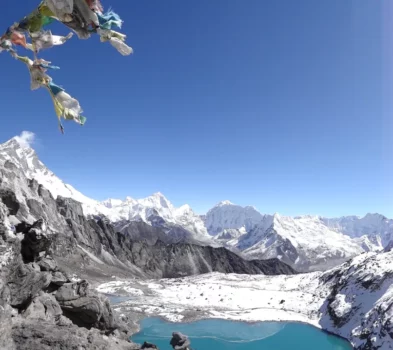
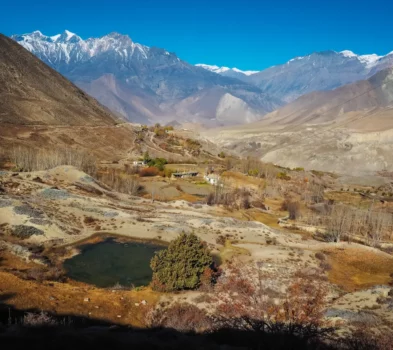
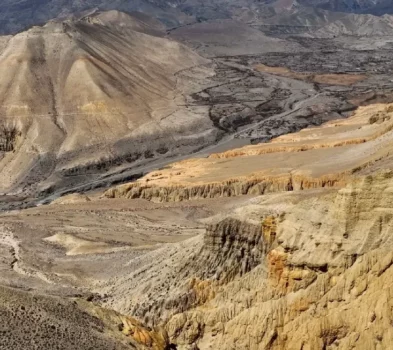
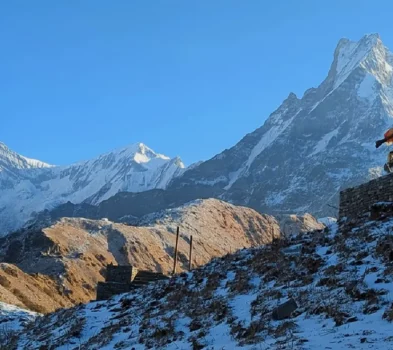
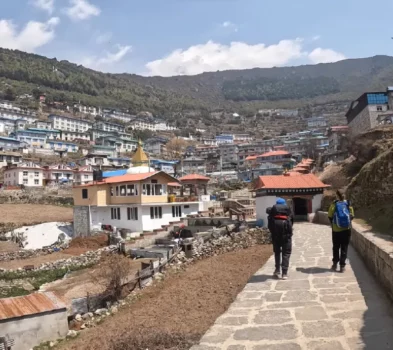
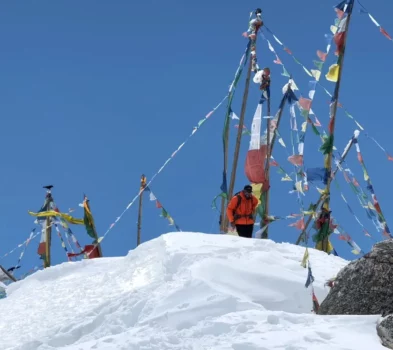
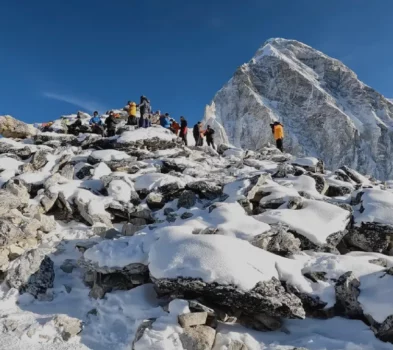
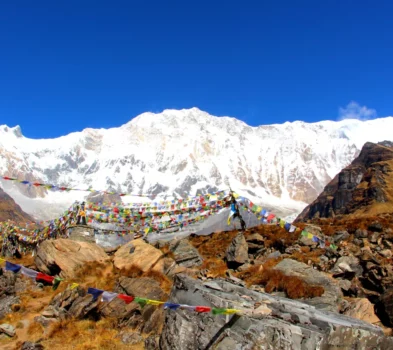
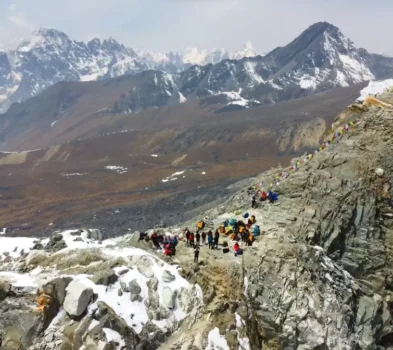
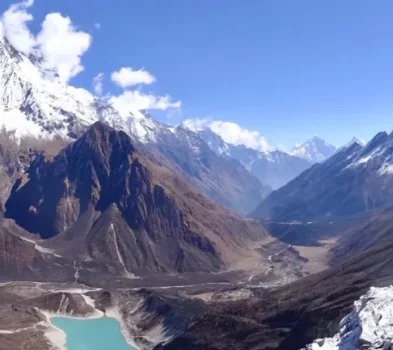
The most famous trekking destinations in the country like the Everest Base Camp Trek, Annapurna Circuit Trek, Annapurna View Short Trek, Langtang Valley Trek, Upper Mustang Trek and Manaslu Circuit Trek provide breathtaking Himalayan scenery, terraced hills, and the chance to experience the local communities.
Nepal offers some of the most desirable climbing experience to mountaineers worldwide. Mountains such as Island Peak, Mera Peak, Lhotse, Makalu, and the iconic Everest Expedition provide mountaineers with high-altitude and technical climbing challenges. These expeditions will involve preparation, physical health, and mental strength and yield unparalleled feeling of accomplishment and breathtaking scenery of the Himalayas.
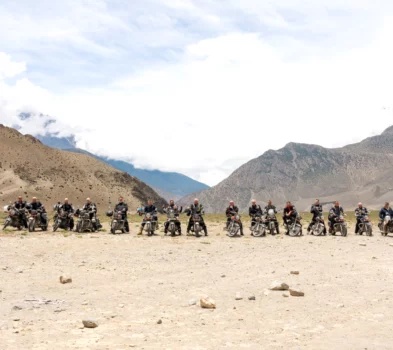
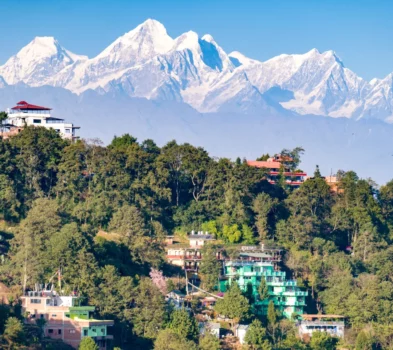
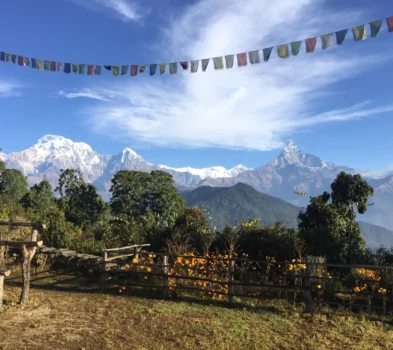
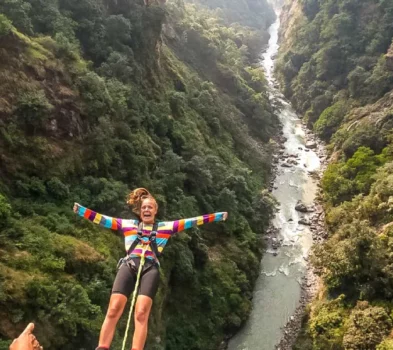
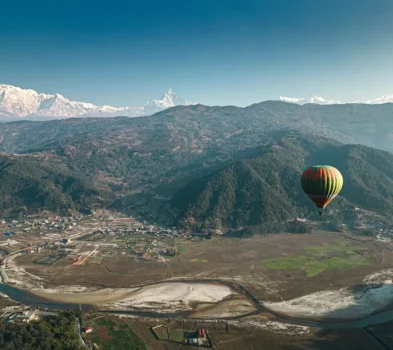
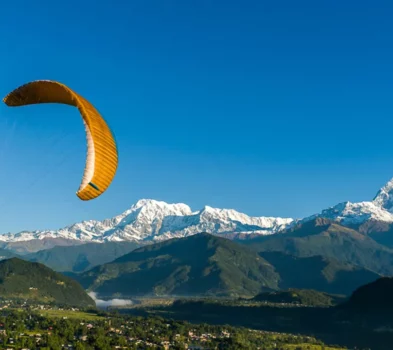
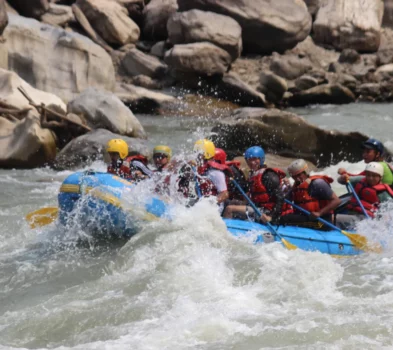
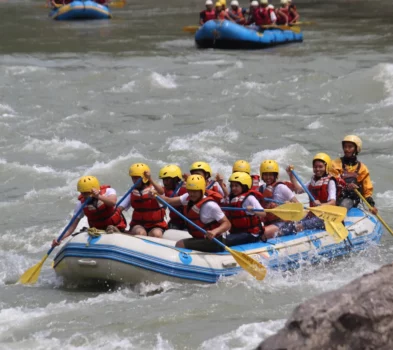
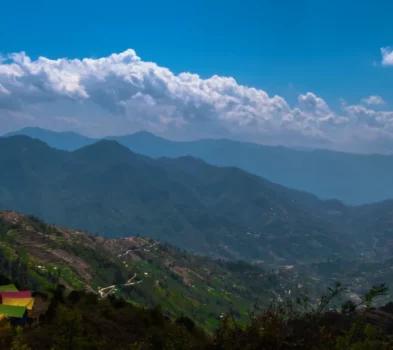
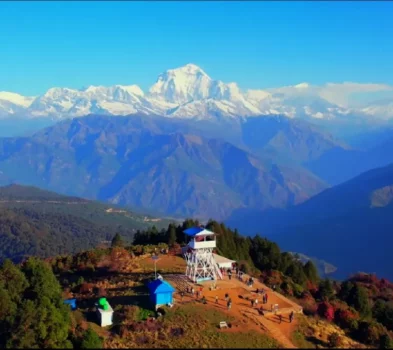
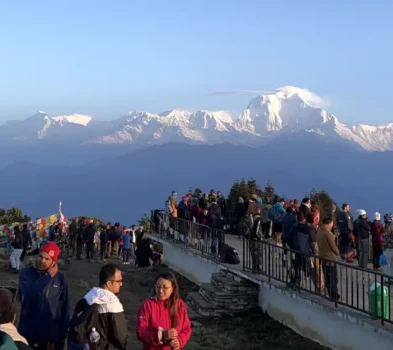
Nepal also offers several scenic hikes to tourists who want shorter or moderate experiences, such as Nagarkot Sunrise Hike, Poon Hill Trek, Dhampus Trek, and others, which are a mix of mountain views, local village experience, and forested route. Adventure sports such as paragliding at Sarangkot, bungee jumping at The Last Resort, zipping lines, mountain biking and white water rafting in rivers such as Trishuli, Bhotekoshi and Kali Gandaki all make any trip thrilling.
Cultural Heritage and Traditions
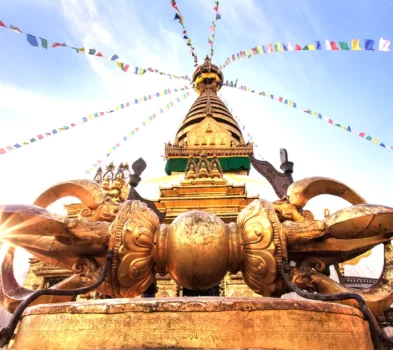
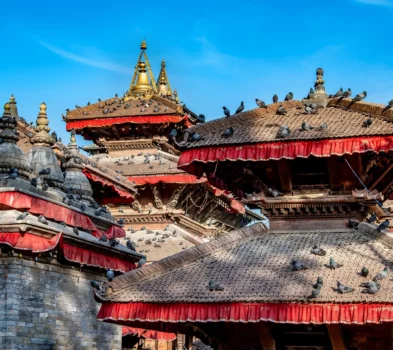
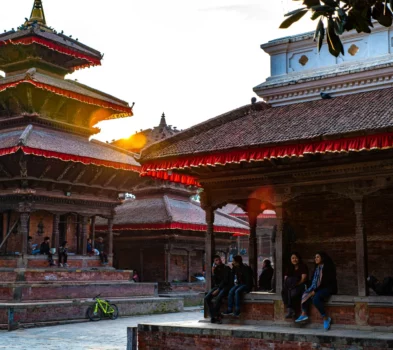
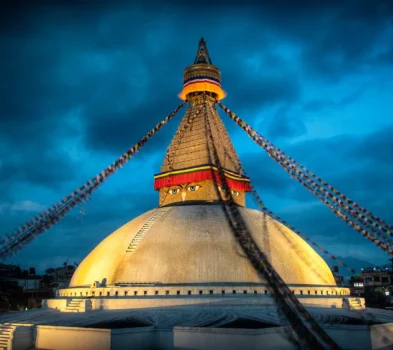
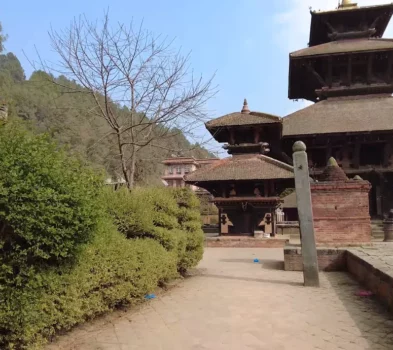
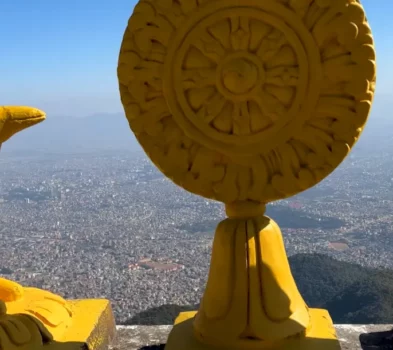
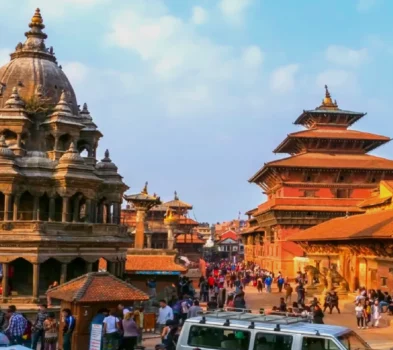
The country of Nepal is very rich and culturally the country has centuries of history depicted in the form of temples, palaces, festivals and day-to-day life. Seven UNESCO World Heritage sites are located there only in Kathmandu Valley: Pashupatinath Temple, Boudhanath Stupa, Swayambhunath (Monkey Temple), and old Durbar Squares of Kathmandu, Patan, and Bhaktapur. Those locations demonstrate the marvelous architecture, complicated wood carvings, and centuries of old art traditions.
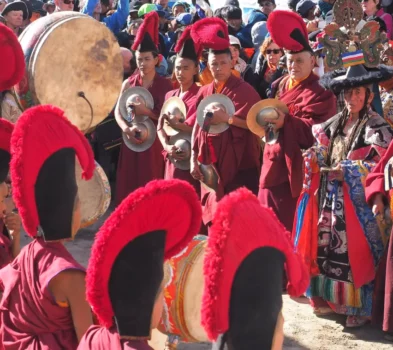
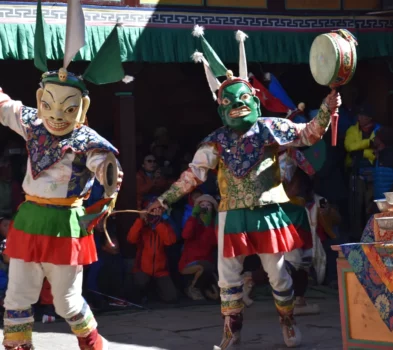
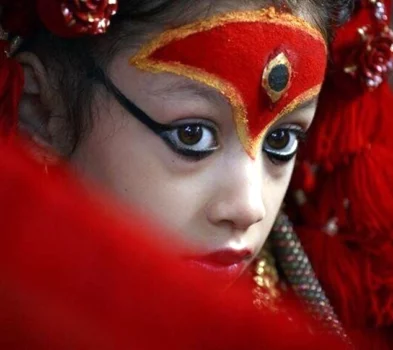
Nepalese culture is diverse, encompassing over 120 ethnic groups and more than 120 languages. There are distinct communities such as Sherpas, Gurungs, Tamangs, Newars and Tharus, with their own traditions, festivals and lifestyles. The Dashain, Tihar, Holi, Indra Jatra and Maghe Sankranti are major festivals that provide colorful exhibitions of music, dance, and religious practices. The visitors will have an opportunity to see cultural rites, dance performance, and the local crafts that will give the tourists a possibility to research the spiritual and social life of Nepal.
Guided cultural tours are made to offer in-depth information about myths of the past, architecture, and religion, offering the visitor more than an ordinary sightseeing experience. One of the most fascinating things during visiting Nepal is the cultural immersion, visiting old monasteries in Lumbini to the local festival in villages of the mountain.
Spiritual Journeys in Nepal
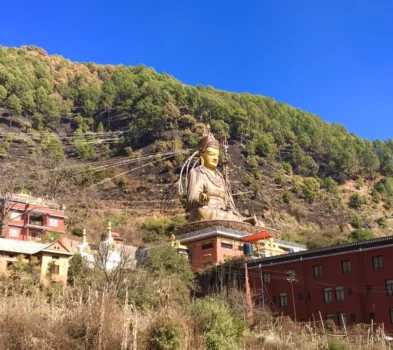
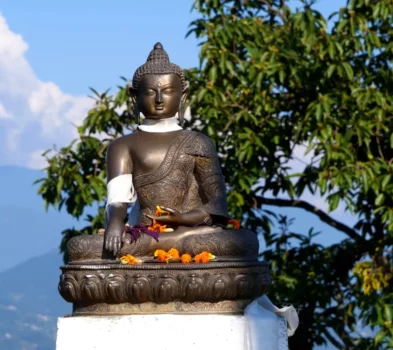
Nepal is a land of natural beauty and spiritual refuge. Spirituality is very strong in everyday life and travelers have meditation, rituals, and holy scenery that they can enjoy in the country. Lumbini, the birthplace of Lord Buddha, is a UNESCO World Heritage site comprising of monasteries, meditation gardens and temples constructed by Buddhist communities the world over. Guided visits describe the meaning of each monument and give a chance of reflection and learning.
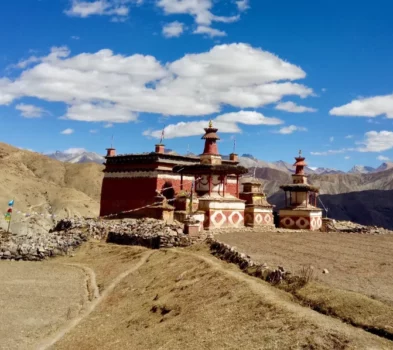
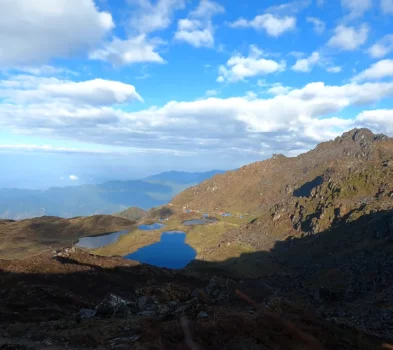
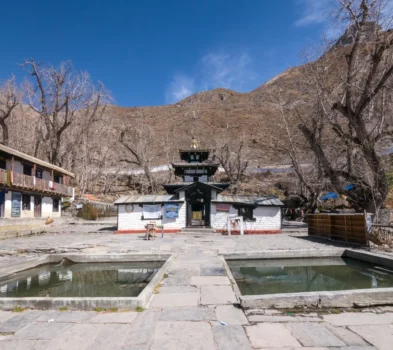
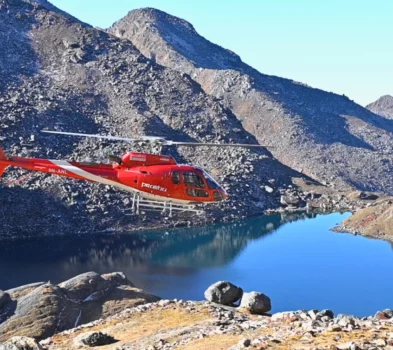
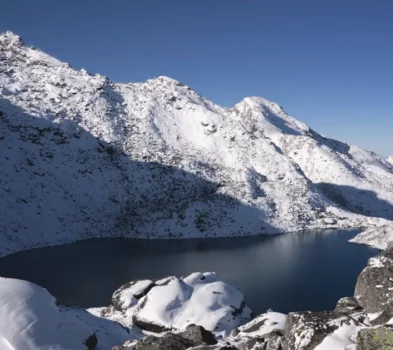
Trekking and spiritual explorations. Pilgrimages to Muktinath, Langtang, and Gosaikunda Lake allow a visitor to hike and explore spiritual places at the same time. The calmness of the monasteries and the mountain temples give an element of calmness and the journeys are perfect to those who require calmness and self-exploration. Even bustling cities like Kathmandu and Patan offer spiritual experiences through everyday rituals at temples, stupas, and shrines.
Wildlife and Nature Experiences
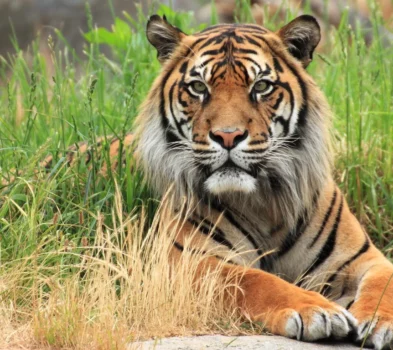
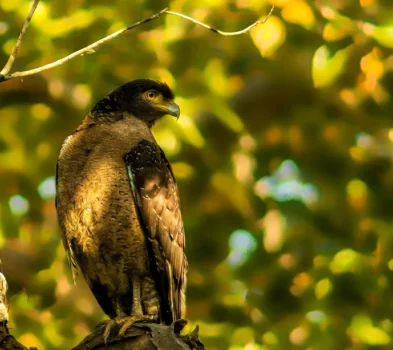
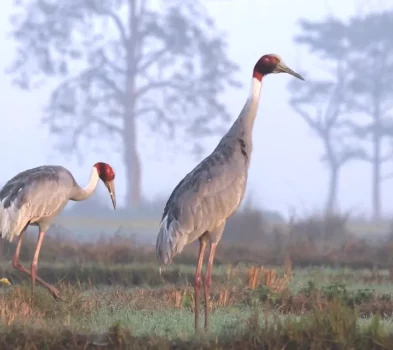
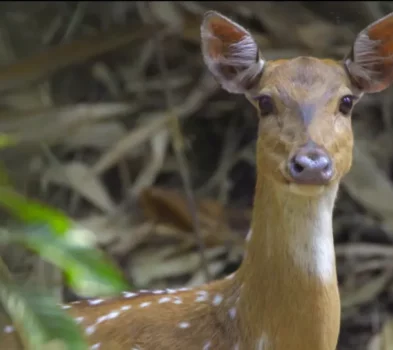
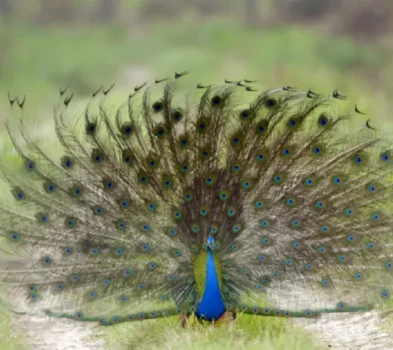
The natural diversity of Nepal spans subtropical plains to alpine forests and sustains a wide range of flora and fauna. Jungles safaris, wildlife viewing and bird watching can be done in Chitwan National Park, a UNESCO World Heritage site and Bardia National Park. One horned rhinoceroses, Bengal tigers, elephants and many exotic birds can be viewed in their natural habitats by visitors.
Rare species like Red Panda, Snow Leopard and Himalayan Black bear can be found in the alpine regions of the Himalayas and rivers like Kali Gandaki, Sun Koshi and Trishuli provide rafting and kayaking adventures in some of the most beautiful scenery. Responsible travel to the wildlife through eco-friendly lodges, guided safari, and nature walk enables the traveler to enjoy the wildlife and also aid in conservation.
Visa and Travel Guides
Individuals visiting Nepal need a Tourist Visa, which they can obtain once they arrive at Tribhuvan International Airport or Nepal-India or Nepal-Tibet borders. The visa fees vary with the stay period; USD 30 in 15 days, USD 50 in 30 days, and USD 125 in 90 days. Citizens of SAARC countries (except Afghanistan), Chinese nationals, Non-Resident Nepalis (NRNs), and children under 10 years of age may be eligible for a free visa on arrival.
The high-altitude areas of Nepal might cause altitude sickness whose symptoms include nausea, headache, loss of appetite, and shortness of breath. It must be acclimatized gradually in course of treks such as Everest Base Camp or Annapurna Circuit. Medical emergency, evacuation, and trekking risks travel insurance are highly advisable.
Accommodation and Dining
Nepal has a variety of accommodations including luxury hotels and resorts in Kathmandu, Pokhara and Chitwan and as well as simple lodges and tea houses in the trekking paths. Luxury hotels are equipped with modern facilities, spa, fine food whereas the tea houses serve local food like dal-bhat, soups, curries in a comfortable environment. Hiking trails in high altitude areas typically lack luxurious facilities but the mix of panoramic sights, exposure to villages and foods in the area makes the experience memorable.
Connectivity, Transport, and Internal Flight
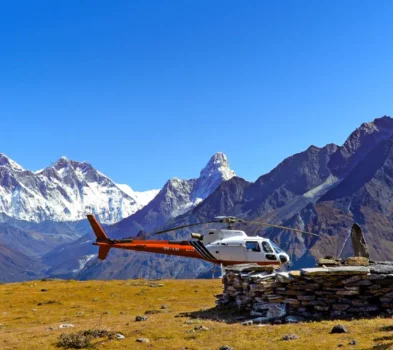
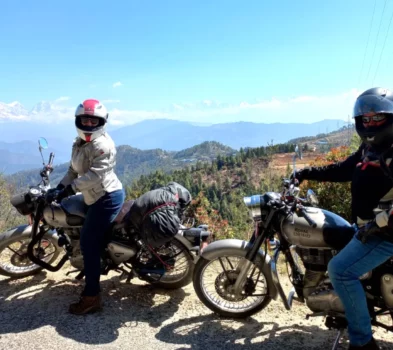
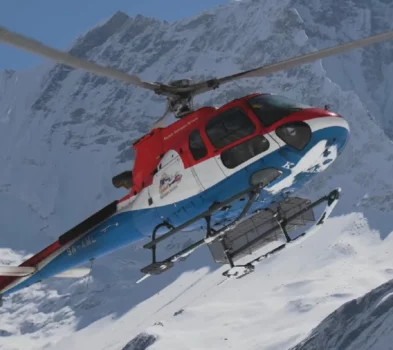
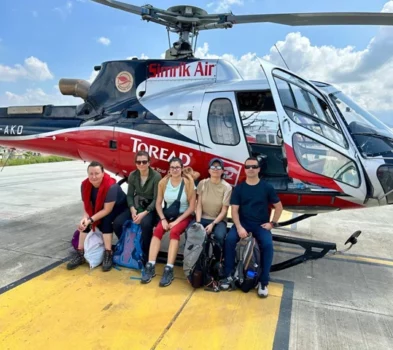
There are good domestic flights with Nepal to connect Kathmandu, Pokhara, Lukla and Jomsom which are entry points to the most popular treks. Most urban centers are connected with roads and flexibility to explore remote areas is offered by private vehicles and guided tours. Cities are well covered by mobile networks and mid-hill areas are well covered by local SIM cards, but high-altitude rural areas might lack coverage. Trekking or expeditions to remote areas should be planned by the travelers.
Weather, fog, or mountainous terrain are some of the reasons that delay internal flights, particularly during the monsoon or winter. Passengers must book flights with elastic schedules and consider potential modifications.
Festivals, People, and Lifestyle
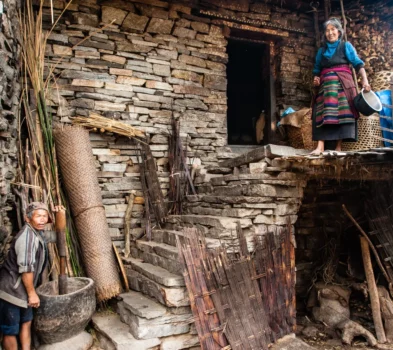
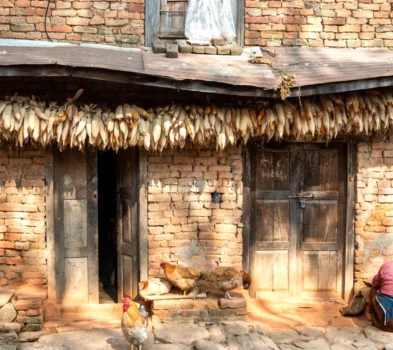
The people of Nepal are regarded as very hospitable, friendly and welcoming. The ethnic groups and communities in the country observe rich traditions, colorful festivals, and lifestyles. Great festivals such as Dashain, Tihar, holi, and Indra Jatra are a window of Nepal spiritual-cultural diversity. During the visit, travelers are able to experience the traditional crafts, music, dances and cuisine. The life of the villages in the hills or plains can provide a kind of glimpse of the ancient activities, agriculture methods, and community relationships, and cultural exploration is an inseparable part of visiting Nepal.
Why Nepal Should Be on Your Travel List
Nepal is an exclusive place where adventure, culture, spirituality, and natural beauty can be combined. Travelers will find everything they are interested in whether they walk to Everest Base Camp, the Annapurna Circuit or climbing Island Peak or Mera Peak, rafting along the Trishuli River or enjoying the colorful culture and festivals in Kathmandu. Nepal is a fascinating place to be because of its majestic mountain ranges, hospitable citizens, rich culture and landscape.
Nepal can offer adventure, culture, wildlife, spiritual experiences, in a combination that allows few countries to compete with it, and this makes it one of the best countries a traveler can find memorable and meaningful experiences. A trip to Nepal is a lifetime experience with the help of proper planning, preparation, and guidance.


