


Exploring the Majesty of Nepal: A Motorcycle Odyssey
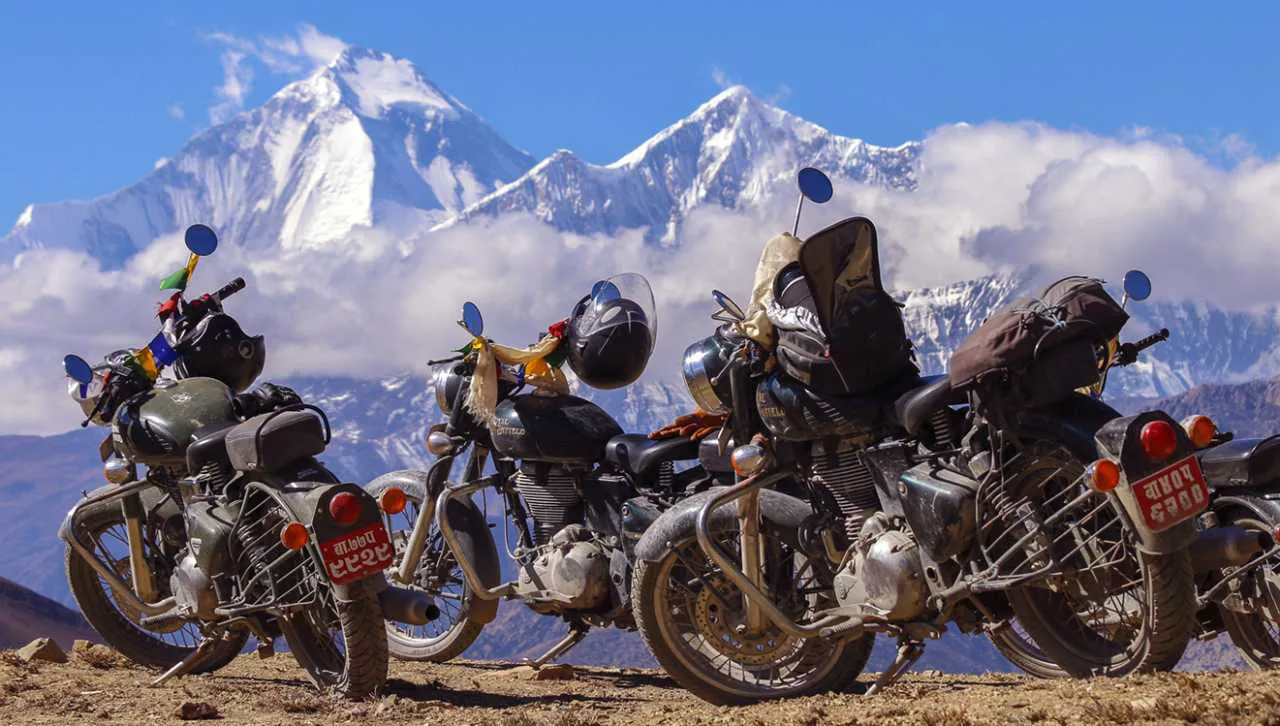
Nestled in the heart of the Himalayas, Nepal beckons adventurers with its stunning landscapes, rich culture, and timeless spirituality. While many travelers opt for conventional modes of exploration, embarking on a motorbike tour unlocks a unique perspective, allowing riders to immerse themselves fully in the country’s diverse tapestry. In this narrative, we delve into the intricacies of a motorbike tour through Nepal, capturing the essence of the journey through a kaleidoscope of experiences, from the rugged terrain of the Annapurna Circuit to the serene valleys of Kathmandu.
Introduction: Setting the Stage
Before the journey commences, it’s essential to understand the allure of Nepal and the profound impact it has on travelers. From the bustling streets of Kathmandu to the tranquil lakes of Pokhara, Nepal offers a juxtaposition of chaos and serenity, tradition and modernity. The decision to explore Nepal on a motorcycle stems from a desire to delve deeper into its soul, to traverse remote paths inaccessible to conventional tourists, and to forge a connection with the land and its people.
Gearing Up
Preparation is paramount for a successful motorbike tour in Nepal. This chapter delves into the logistics of planning, from selecting the right motorcycle to obtaining necessary permits and gear. Choosing the appropriate bike—whether it’s a rugged Royal Enfield or a nimble Honda CRF—is crucial for navigating Nepal’s diverse terrain. Additionally, acquiring the required permits, such as the TIMS (Trekkers’ Information Management System) card and Annapurna Conservation Area Permit, ensures compliance with local regulations. Finally, outfitting oneself with proper riding gear, including helmets, protective clothing, and navigation tools, is imperative for safety and comfort throughout the journey.
Kathmandu: Gateway to the Himalayas
The journey begins in Kathmandu, a city steeped in history and tradition. Amidst the chaotic streets and vibrant markets, riders embark on a cultural exploration, visiting ancient temples such as Swayambhunath and Boudhanath. The chapter highlights the sensory overload of Kathmandu—the bustling Thamel district, the aromatic street food, and the rhythmic chants emanating from centuries-old monasteries. Despite the frenetic pace of the city, riders find solace in its hidden gems, discovering quiet alleyways and hidden courtyards that offer respite from the chaos.
The Annapurna Circuit: A Test of Endurance
Leaving the urban sprawl behind, riders venture into the rugged terrain of the Annapurna Circuit, one of Nepal’s most iconic trekking routes. This chapter chronicles the adrenaline-fueled ascent through steep mountain passes, winding roads, and cascading waterfalls. Along the way, riders encounter remote villages inhabited by indigenous communities, each with its own distinct culture and customs. Despite the physical challenges posed by high altitudes and unpredictable weather, the breathtaking vistas of snow-capped peaks and pristine valleys make every twist and turn worthwhile.
Pokhara: Oasis of Tranquility
After conquering the Annapurna Circuit, riders descend upon Pokhara, a picturesque city nestled beside the serene Phewa Lake. Here, amidst the tranquil surroundings, travelers indulge in much-needed relaxation and reflection. From leisurely boat rides on the lake to paragliding adventures over the Pokhara Valley, this chapter explores the myriad recreational opportunities that abound in Pokhara. Additionally, riders immerse themselves in the local culture, sampling traditional Nepali cuisine and interacting with friendly locals eager to share their stories.
The Road Less Traveled: Off-the-Beaten-Path Adventures
Beyond the well-trodden tourist routes, Nepal offers a plethora of hidden gems waiting to be discovered. This chapter delves into the lesser-known regions of the country, from the remote villages of Mustang to the pristine wilderness of the Eastern Himalayas. Riding off the beaten path, travelers encounter untamed landscapes, ancient monasteries, and indigenous wildlife, forging unforgettable memories along the way. Whether navigating rocky trails or crossing suspension bridges suspended high above raging rivers, the spirit of adventure thrives in these uncharted territories.
As the motorbike tour through Nepal draws to a close, riders reflect on the transformative power of the journey. From the bustling streets of Kathmandu to the remote mountain passes of the Annapurna Circuit, each moment has left an indelible mark on their souls. Though the road may have come to an end, the memories forged and the friendships formed will endure long after the journey is over. And as they bid farewell to Nepal, riders carry with them a piece of its spirit—a reminder of the majesty and magic that awaits those who dare to explore its rugged terrain.
Most Popular Motorbike Routes:
Nepal boasts some of the most spectacular motorbike routes in the world, offering riders an exhilarating journey through diverse landscapes, from rugged mountains to lush valleys. Here are some of the most popular motorbike routes in Nepal, each with its own unique charm and challenges:
Kathmandu to Pokhara via Prithvi Highway
Route Overview: This classic route takes riders from the bustling capital of Kathmandu to the tranquil lakeside city of Pokhara, offering a perfect blend of scenic beauty and cultural immersion.
Highlights:
- Prithvi Highway: The journey begins on the Prithvi Highway, a well-maintained road that winds through lush hillsides and terraced farmland.
- Trishuli River: Riders can take a break and admire the scenic beauty of the Trishuli River, which flows alongside the highway, offering opportunities for river rafting and other water sports.
- Majestic Mountain Views: En route to Pokhara, riders are treated to breathtaking views of the Himalayas, including the iconic peaks of Annapurna and Machhapuchhre.
- Pokhara: The route culminates in Pokhara, where riders can unwind by the tranquil waters of Phewa Lake, explore the city’s vibrant markets, and embark on outdoor adventures such as paragliding and trekking.
Annapurna Circuit
Route Overview: Widely regarded as one of the most epic motorbike journeys in the world, the Annapurna Circuit takes riders on a high-altitude adventure through the heart of the Himalayas.
Highlights:
- Besisahar to Manang: The route begins in Besisahar and winds its way through remote villages, terraced fields, and pine forests, culminating in the picturesque town of Manang.
- Thorong La Pass: Riders face the ultimate challenge in crossing Thorong La Pass, the highest navigable pass in the world at an elevation of 5,416 meters. The ascent to the pass offers panoramic views of snow-capped peaks and rugged terrain.
- Muktinath Temple: After conquering Thorong La Pass, riders descend to the sacred pilgrimage site of Muktinath, where they can explore ancient temples and natural hot springs.
- Jomsom and Marpha: The route passes through the enchanting villages of Jomsom and Marpha, known for their apple orchards, Tibetan culture, and stunning mountain vistas.
Kathmandu to Nagarkot
Route Overview: Ideal for riders seeking a shorter excursion from Kathmandu, the route to Nagarkot offers panoramic views of the Himalayas and the Kathmandu Valley.
Highlights:
- Scenic Overlooks: Riders ascend from Kathmandu to Nagarkot, a hill station renowned for its panoramic views of the Himalayas, including Mount Everest on clear days.
- Sunrise and Sunset: Nagarkot is a popular destination for watching sunrise and sunset over the Himalayas, offering breathtaking vistas that captivate the soul.
- Hiking and Mountain Biking: Riders can explore the surrounding hillsides on foot or mountain bike, discovering hidden trails, terraced farms, and traditional villages along the way.
- Cultural Immersion: Nagarkot provides opportunities to immerse oneself in local culture, with visits to nearby monasteries, temples, and markets offering insight into traditional Nepali life.
Kathmandu Valley Circuit
Route Overview: For riders interested in exploring the cultural and historical treasures of the Kathmandu Valley, this circuit offers a comprehensive tour of the region’s UNESCO World Heritage Sites and ancient towns.
Highlights:
- Bhaktapur Durbar Square: Riders begin their journey in Bhaktapur, an ancient city renowned for its well-preserved architecture, intricate woodcarvings, and vibrant culture.
- Patan Durbar Square: The route continues to Patan, another UNESCO World Heritage Site known for its exquisite temples, palaces, and courtyards.
- Swayambhunath and Boudhanath: Riders can visit the iconic Buddhist stupas of Swayambhunath and Boudhanath, which offer panoramic views of the Kathmandu Valley and insights into Buddhist spirituality.
- Chandragiri Hills: The circuit culminates with a visit to Chandragiri Hills, where riders can enjoy sweeping views of the Himalayas and the Kathmandu Valley, as well as engage in outdoor activities such as zip-lining and hiking.
Ghorepani Poon Hill Motorbike Tour is a thrilling adventure offered by Himalayan Adventure Treks in Nepal. Here are the details of the tour:
Duration: The tour typically lasts around 9 days, including arrival and departure days.
Highlights:
- Ghorepani: Explore the picturesque village of Ghorepani, nestled in the Annapurna region, known for its stunning views of the surrounding mountains and lush forests.
- Poon Hill: Ride to Poon Hill, one of the most popular vantage points in Nepal, offering panoramic views of the Annapurna and Dhaulagiri mountain ranges at sunrise.
- Annapurna Region: Discover the beauty of the Annapurna region as you ride through charming villages, terraced fields, and rhododendron forests.
- Cultural Experience: Immerse yourself in the local culture by interacting with friendly villagers, visiting ancient temples and monasteries, and experiencing traditional Nepali hospitality.
- Adventure Riding: Experience the thrill of riding through diverse terrain, including winding mountain roads, rugged trails, and scenic valleys, with experienced guides leading the way.
- Accommodation: Stay in comfortable lodges and guesthouses along the route, providing a cozy retreat after a day of adventure.
- Support Team: Benefit from the support of experienced guides and a dedicated support team who ensure a smooth and memorable journey.
- Customization: The tour may be customizable to suit individual preferences and riding abilities, with options for shorter or longer itineraries and additional activities.
The World’s Highest Lake Motorbike Tour to Tilicho Lake is an exhilarating adventure offered by Himalayan Adventure Treks in Nepal. Here are the details of the tour:
Duration: The tour typically spans around 10 days, including arrival and departure days.
Highlights:
- Tilicho Lake: Explore Tilicho Lake, situated at an altitude of approximately 4,919 meters (16,138 feet), making it one of the highest lakes in the world. Marvel at its stunning turquoise waters surrounded by towering peaks, including Annapurna and Tilicho.
- Annapurna Circuit: Ride through the iconic Annapurna Circuit, one of the most renowned trekking and biking routes in the world, offering breathtaking views of the Himalayas and diverse landscapes.
- Adventure Riding: Experience the thrill of riding through challenging terrain, including rugged mountain roads, rocky trails, and high-altitude passes, with experienced guides leading the way.
- Cultural Immersion: Immerse yourself in the rich culture of the Himalayan region by visiting traditional villages, ancient monasteries, and historic sites along the route. Interact with friendly locals and experience their unique way of life.
- Natural Beauty: Witness the awe-inspiring beauty of the Himalayas, including snow-capped peaks, alpine meadows, pristine rivers, and cascading waterfalls, as you journey through remote and untouched landscapes.
- Accommodation: Stay in cozy lodges, guesthouses, or tented camps along the route, providing a comfortable retreat after a day of adventure.
- Support Team: Benefit from the support of experienced guides and a dedicated support team who ensure a safe and memorable journey, including vehicle support for luggage and emergencies.
- Customization: The tour may be customizable to suit individual preferences and riding abilities, with options for shorter or longer itineraries, side trips, and additional activities.
Need to know about Motorcycle Tour:
Embarking on a motorcycle tour in Nepal can be an exhilarating and unforgettable experience. Here are some essential things you need to know before you go:
- Research and Plan: Familiarize yourself with Nepal’s geography, road conditions, weather patterns, and cultural norms. Plan your route carefully, considering both popular tourist destinations and off-the-beaten-path locations.
- Permits and Documentation: Make sure you have all necessary permits for traveling in Nepal, especially if you plan to venture into restricted areas. Carry your passport, visa, driver’s license, and vehicle registration documents at all times.
- Motorcycle Rental or Bring Your Own: Decide whether you’ll rent a motorcycle in Nepal or bring your own. If renting, choose a reputable rental company with well-maintained bikes. If bringing your own, ensure your motorcycle is in good condition and meets any import requirements.
- Safety Gear: Invest in quality safety gear, including a DOT or SNELL-approved helmet, riding jacket, gloves, pants, and boots. Nepal’s roads can be challenging, so proper gear is essential for your safety.
- Road Conditions: Be prepared for varied road conditions, from smooth highways to rough, unpaved mountain roads. Expect narrow roads, steep inclines, hairpin bends, and unpredictable traffic.
- Altitude Considerations: Many of Nepal’s attractions, including popular destinations like Kathmandu and Pokhara, are located at high altitudes. Take your time to acclimatize to the altitude, especially if you’re coming from lower elevations.
- Weather Awareness: Nepal experiences diverse weather patterns depending on the region and time of year. While the lowlands can be hot and humid, mountainous areas can be cold, especially at higher altitudes. Check the weather forecast before setting out and be prepared for sudden changes.
- Fuel and Supplies: Carry sufficient fuel, especially if traveling in remote areas where gas stations may be scarce. Stock up on food, water, and basic supplies, as amenities may be limited in rural areas.
- Cultural Sensitivity: Respect local customs, traditions, and beliefs. Dress modestly, especially when visiting religious sites, and ask for permission before taking photographs of people.
- Emergency Preparedness: Have a basic understanding of first aid and carry a well-equipped medical kit. Know emergency contact numbers, including those for local police, hospitals, and your country’s embassy or consulate.
- Travel Insurance: Consider purchasing travel insurance that covers medical emergencies, trip cancellations, and motorcycle-related accidents.
- Group or Solo Travel: Decide whether you’ll travel solo or join a guided motorcycle tour. Traveling with a group can provide added safety and support, especially in remote areas.
- Respect the Environment: Practice responsible tourism by minimizing your environmental impact. Dispose of waste properly and respect wildlife and natural habitats.
- Language: While English is widely spoken in tourist areas, learning a few basic phrases in Nepali can enhance your interactions with locals and enrich your experience.
- Enjoy the Journey: Finally, embrace the adventure and soak in the breathtaking scenery, rich culture, and warm hospitality that Nepal has to offer. A motorcycle tour in Nepal is not just about reaching your destination but also about enjoying the journey along the way.
Riding Skill Required:
To fully enjoy a motorbike tour in Nepal, it’s advisable to have a certain level of riding skill and experience due to the varied terrain, challenging road conditions, and potential altitude changes. Here are some recommended riding skills:
- Basic Riding Proficiency: Ensure you have a solid grasp of basic motorcycle riding skills, including starting, stopping, accelerating, and braking smoothly. Practice proper body positioning and balance while riding.
- Cornering Skills: Develop confidence in cornering techniques, including leaning into turns and maintaining control on winding roads. Be prepared for tight hairpin bends and switchbacks, especially in mountainous regions.
- Braking Control: Master emergency braking techniques to stop quickly and safely in case of obstacles or unexpected situations. Practice using both the front and rear brakes effectively.
- Handling Different Road Surfaces: Familiarize yourself with riding on various road surfaces, including paved highways, gravel roads, dirt tracks, and uneven terrain. Adjust your riding technique accordingly to maintain stability and control.
- Navigational Skills: Improve your navigational skills to follow maps, GPS directions, and road signs effectively. Stay alert and aware of your surroundings to navigate through unfamiliar areas confidently.
- Riding in Traffic: Practice riding in traffic and busy urban areas, especially if you plan to explore cities like Kathmandu or Pokhara. Stay vigilant, anticipate traffic movements, and maintain a safe distance from other vehicles.
- Hill Riding Techniques: Learn how to ride on steep inclines and descents, including proper gear selection, throttle control, and maintaining momentum. Practice hill starts and stops to avoid stalling on uphill sections.
- Altitude Adaptation: Be prepared for riding at high altitudes, where oxygen levels may be lower and temperatures cooler. Acclimatize gradually to altitude changes and recognize the signs of altitude sickness, such as dizziness or shortness of breath.
- Mechanical Knowledge: Gain basic mechanical knowledge of your motorcycle, including how to perform routine maintenance tasks, check fluid levels, and troubleshoot common issues. Carry a basic tool kit and spare parts for roadside repairs if needed.
- Emergency Preparedness: Familiarize yourself with emergency procedures and know-how to handle breakdowns, accidents, or medical emergencies while on the road. Carry a first aid kit and have access to emergency contacts for assistance if required.
While you don’t need to be an expert rider, having a solid foundation in these skills will enhance your confidence and enjoyment during a motorbike tour in Nepal. It’s also beneficial to start with shorter rides to gradually build up your experience and comfort level before tackling longer journeys or more challenging terrain. If you’re unsure about your riding abilities, consider joining a guided motorcycle tour where experienced guides can provide support and guidance along the way.
Gear list of Nepal Motorbike Tour:
- Helmet: A DOT or SNELL-approved helmet to protect your head in case of accidents. Choose a full-face helmet for maximum coverage.
- Riding Jacket: A durable riding jacket with armor inserts for protection against abrasion and impact. Look for jackets with ventilation for breathability in warm weather and insulation for cold temperatures.
- Riding Pants: Pants specifically designed for motorcycle riding, preferably with reinforced knees and hips. Consider options with removable liners for versatility in different weather conditions.
- Riding Gloves: Sturdy, full-fingered gloves with armor and padding to protect your hands in case of falls or slides. Look for gloves with weatherproofing for rain or cold-weather riding.
- Riding Boots: High-quality motorcycle boots with ankle support, toe protection, and oil-resistant soles for optimal grip on the footpegs and the road. Choose waterproof boots for wet conditions.
- Base Layers: Moisture-wicking base layers to keep you dry and comfortable, especially during long rides or in hot weather. Consider thermal base layers for riding in cold temperatures.
- Rain Gear: Waterproof rain jacket and pants to keep you dry during sudden downpours or in rainy conditions. Look for lightweight, packable options for easy storage on your motorcycle.
- Body Armor: Additional body armor inserts for extra protection, especially if your riding jacket doesn’t come with built-in armor. This can include back protectors, chest protectors, and hip armor.
- Hydration System: A hydration pack or water bottle holder to stay hydrated during long rides, particularly in hot or high-altitude environments. Carry enough water to last between stops, especially in remote areas.
- Tool Kit: A compact tool kit with essential tools for roadside repairs and maintenance, including wrenches, screwdrivers, pliers, tire repair kit, and spare fuses. Familiarize yourself with basic motorcycle maintenance tasks before your trip.
- First Aid Kit: A comprehensive first aid kit with bandages, antiseptic wipes, pain relievers, blister treatments, and any personal medications you may need. Include a basic first aid manual for reference.
- Navigation: GPS device or smartphone with offline maps and a reliable mount for easy navigation. Carry a physical map as a backup in case of GPS signal loss or device malfunction.
- Luggage: Saddlebags, panniers, tank bags, or a tail bag to carry your belongings, spare parts, tools, and supplies. Choose luggage that is waterproof, secure, and evenly distributed to maintain balance while riding.
- Communication: A mobile phone with a local SIM card for communication with fellow riders, emergency services, and accommodations. Consider a Bluetooth headset for hands-free communication while riding in groups.
- Clothing: Pack appropriate clothing for varying weather conditions, including moisture-wicking shirts, breathable layers, a warm jacket or sweater, and a hat or beanie for cold weather. Pack light but versatile clothing that can be layered for warmth or removed for cooling.
- Personal Items: Sunglasses, sunscreen, insect repellent, lip balm, toiletries, and any other personal items you may need during your journey.
- Documentation: Passport, visa, driver’s license, vehicle registration, insurance documents, and any necessary permits or identification required for traveling in Nepal.
- Emergency Contacts: Carry a list of emergency contacts, including local emergency services, your country’s embassy or consulate in Nepal, and contact information for family or friends back home.
Best time for Motorcycle Tour:
The best time for a motorbike tour in Nepal largely depends on your preferences, the regions you want to explore, and the type of experience you’re seeking. However, generally, the most favorable seasons for motorcycle touring in Nepal are spring and autumn.
- Spring (March to May):
- Spring in Nepal brings mild temperatures, clear skies, and blooming flowers, making it an ideal time for motorcycle tours.
- The weather is generally stable, with minimal rainfall and comfortable temperatures, especially in the lowlands and mid-hills.
- Roads are in good condition, and mountain views are often crystal clear, offering breathtaking vistas of the Himalayas.
- This season is perfect for exploring popular destinations like Kathmandu, Pokhara, Chitwan National Park, and the Annapurna region.
- Autumn (September to November):
- Autumn is another excellent season for motorcycle touring in Nepal, characterized by dry weather, clear skies, and pleasant temperatures.
- After the monsoon season, the air is fresh and the landscapes are lush green, providing stunning scenery along the way.
- The visibility of the Himalayas is exceptional during autumn, offering unparalleled views of snow-capped peaks.
- This season is also ideal for embarking on adventurous rides to remote areas, such as the Everest region or the rugged trails of Upper Mustang.
Both spring and autumn offer optimal weather conditions for motorcycle touring, with comfortable temperatures, minimal rainfall, and clear skies. However, it’s essential to consider factors such as altitude, road conditions, and local festivals when planning your trip. Be prepared for colder temperatures at higher elevations, especially in the mornings and evenings, and check the weather forecast regularly for any unexpected changes. Ultimately, the best time for your motorbike tour in Nepal is when you feel most comfortable and ready to embrace the adventure.
Himalayan Adventure:
A motorcycle tour in Nepal offers a thrilling adventure through diverse landscapes, rich culture, and breathtaking scenery. Whether you’re cruising along winding mountain roads, exploring ancient temples, or soaking in panoramic views of the Himalayas, Nepal provides an unforgettable experience for riders of all levels. Here’s a conclusion highlighting key aspects of a Nepal motorbike tour:
Adventure: Nepal’s rugged terrain and challenging road conditions promise an exhilarating adventure for motorcycle enthusiasts. From navigating steep mountain passes to traversing remote villages, every twist and turn brings a new sense of excitement and exploration. Riders can expect to encounter diverse landscapes, including lush forests, cascading waterfalls, and snow-capped peaks, creating a truly immersive journey into the heart of the Himalayas.
Culture: Beyond its natural beauty, Nepal boasts a rich tapestry of culture and tradition waiting to be discovered. Along the way, riders will encounter ancient temples, ornate palaces, and vibrant markets bustling with activity. Interacting with friendly locals and experiencing traditional rituals offers a glimpse into Nepal’s unique heritage and way of life, leaving a lasting impression on visitors.
Scenery: One of the highlights of a Nepal motorbike tour is the stunning scenery that unfolds at every turn. Riders will be treated to unparalleled views of towering mountains, including Mount Everest, the world’s highest peak. Rolling hills, terraced fields, and picturesque valleys paint a mesmerizing backdrop, providing endless opportunities for scenic stops and photo opportunities.
Challenge: While rewarding, a Nepal Motorbike Tour presents its fair share of challenges, requiring riders to be skilled, adaptable, and prepared for the unexpected. From navigating narrow mountain passes to braving unpredictable weather, each day presents a new set of obstacles to overcome. However, overcoming these challenges fosters a sense of accomplishment and resilience, deepening the sense of adventure and camaraderie among riders.
Connection with Nature: Riding through Nepal’s unspoiled landscapes offers a profound connection with nature, allowing riders to disconnect from the hustle and bustle of modern life and reconnect with the natural world. The tranquility of remote mountain villages, the serenity of alpine lakes, and the awe-inspiring beauty of the Himalayas instill a sense of awe and wonder, reminding riders of the importance of preserving our planet’s natural treasures.
Community: Nepal Bike Tour is not just about the destination but also about the journey and the connections forged along the way. Whether riding solo or with a group, riders share a bond forged by the shared experience of exploration, adventure, and discovery. Exchanging stories around a campfire, sharing meals with locals, and lending a helping hand to fellow riders create memories that last a lifetime.
In conclusion, a motorbike tour in Nepal offers an unparalleled adventure through a land of contrasts, where ancient traditions coexist with modern-day life, and rugged mountains meet lush valleys. From the thrill of conquering challenging terrain to the awe-inspiring beauty of the Himalayas, Nepal captivates the hearts and minds of riders, leaving them with a profound sense of awe, inspiration, and gratitude for the journey of Himalayan Adventures.


