





Need help?
Talk to trip expert

Off the Beaten Treks
Introduction to Off-the-Beaten-Path Treks
Off the beaten treks in Nepal takes the traveler far from the trodden tourist routes, far into the deepest and purest corners of the Himalayan region. These trails illustrate landscapes and cultures largely untouched by the tourism of the modern day, offering trekkers a better and more intimate experience of the mountains.
Unlike the popular routes like Everest Base Camp or Annapurna, these treks are quiet and rarely crowded, and present an opportunity to enjoy solitude in breathtaking surroundings.
Some of the best highlighted off-the-beaten-path treks are Kanchenjunga Base Camp, Rara Lake, Upper Mustang, and Nar Phu Valley. Each has its own special combination of natural beauty and cultural richness.
Trails wind through lush rhododendron forests, rolling alpine meadows, high desert plateaus, and past hidden turquoise lakes. Travelers see dramatic mountain gorges, serene valleys, and mountains towering above that appear untouched by human hand.
These treks also offer a rare opportunity to see the traditional ways of life of remote Himalayan communities. From Buddhist monasteries on top of hillsides to villages of Gurung, Rai, Lobas, or Sherpas, every trail provides some insights into the culture.
Local customs, ancient festivals, and centuries-old practices form an integral part of everyday life. Visitors are often given a warm hospitality in the remote homes, making the experience adventurous and heart-warming.
These treks are remote, physically demanding, and often at high altitude; prior trekking experience and good fitness are recommended. Some areas, such as Upper Mustang or Kanchenjunga, are restricted to a special permit because the government has strict controls over access to these fragile areas.
With the right guidance from experienced staff, off-the-beaten-path treks reward travelers with an unparalleled sense of freedom, natural beauty, and cultural immersion. For adventurous souls who want to explore the Himalayas in more depth, these treks are an ideal choice.
Geography, off the beaten path, Natural Wonders of Treks
Off-the-beaten-path treks offer Nepal’s most diverse and dramatic landscapes. These routes lead from lush forests on the lower hills to high mountain deserts above the tree line. Each trek has a unique geography rarely found on typical trekking trails.
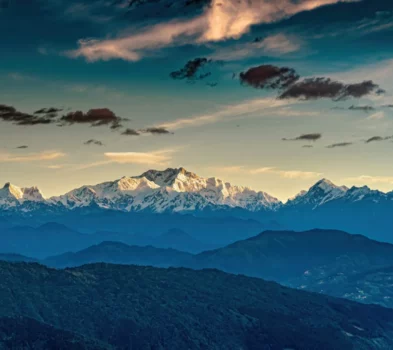
For instance, the Kanchenjunga area is covered with steep green valleys that are lined with colorful rhododendron woods, creating a stark contrast to the presence of the world’s third-highest peak.
The Rara Lake (altitude 2,990m) is known for its large turquoise waters, surrounded by pine forests and snow-capped mountains, making it a serene, almost mystical place. Treks into Upper Mustang or Dolpo take visitors into an arid Trans-Himalayan landscape with red rock canyons, sparse grasslands, and windswept plateaus that feel completely isolated.
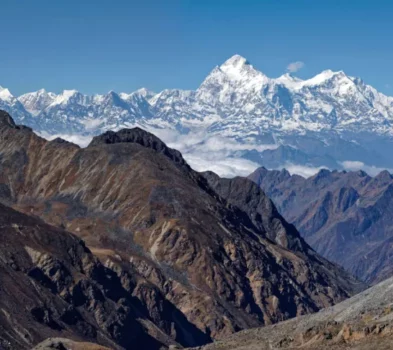
High mountain passes are a characteristic of off-the-beaten-path treks, often reaching elevations of over 5,000 meters. Crossing these passes, there are grand views of glaciers, jagged summits, and even distant valleys.
Many off-path routes encircle massive peaks, like the Dhaulagiri Circuit, which surrounds Dhaulagiri, an 8,167m peak, or the Kanchenjunga trek, which passes around the 8,586m peak. The trekkers will go through deep river gorges and waterfalls along the way, and during the warmer seasons, high alpine meadows are covered with colourful wildflowers.
These landscapes are interesting because they contain flora and fauna. Vegetation varies from subtropical riverine forests in the lower valleys to alpine tundra and sparse shrubs in the higher elevations.
Sightings of wild animals are prevalent, but elusive. You can see some of the rare animals like the snow leopard, the Himalayan wolf, or the blue sheep that graze on steep rocky cliffs.
You can see some endangered species of animals, such as the snow leopard, the Himalayan wolf, or the blue sheep, grazing on the steep cliffs. There is an abundance of birdlife, which includes eagles, vultures, pheasants, and other high-altitude species that enliven the trails with sound and color.
This, together with the isolated locality, rare wildlife, and unique vegetation, is what makes these expeditions one of the most rewarding treks in Nepal for the nature enthusiast.
Culture and Local Communities of Off-the-Beaten-Path Treks
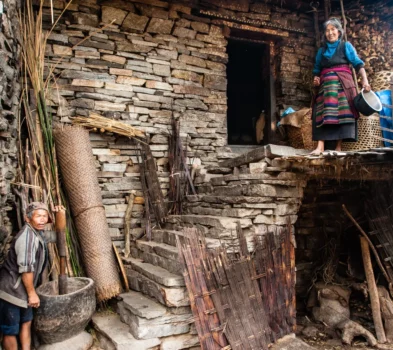
One of the most amazing things about off the beaten paths treks is the opportunity to interact with genuine Himalayan culture. Trekkers traverse villages of different ethnic groups: Gurung, Rai, Limbu, Sherpa, and Loba, each of which has their own traditions, costumes, and lifestyles.
On a Kanchenjunga trek, you might encounter Limbu or Sherpa communities, while in Upper Mustang, you encounter the Tibetan-origin Loba people. These communities have lifestyles that do not differ from their predecessors, farming terraced fields, raising yaks or goats, and trading along the traditional routes.
Local customs, festivals, and religious practices are also the core of daily life. Buddhist monasteries, prayer flags, chortens, and, occasionally, Hindu temples mark villages and sacred places along the way.
Evenings often offer a chance to experience local hospitality, with hosts inviting trekkers to enjoy butter tea, yogurt, or home-cooked meals. Festivals are colourful and interesting and involve the use of music, dances, and masked rituals which have been kept alive for generations.
Tamang Lhochhar, the local harvest festivals and other celebrations fill villages with joy and communal energy. These cultural exchanges are some of the highlights of off-path trekking and a personal glimpse into traditions largely unaffected by mass tourism.
Since there is not much tourism, every interaction is authentic. Travelers help to make contributions to local economies, and at the same time benefit from an actual cultural environment. Respectful engagement not only gives trekkers a chance to see life in the Himalaya as it’s been lived for centuries, but makes these journeys educational and inspiring.
Food and Accommodation Experience in Off-the-Beaten-Path Treks
Accommodations on off-the-beaten-path treks are basic but functional, reflecting the remote nature of these routes. In larger villages, trekkers stay in small lodges or tea houses run by families. There are simple wooden beds or thin mattresses with blankets in most of the rooms. It is not unusual to share rooms with other trekkers.
Electrical supply is limited, usually from solar panels or small generators. Bathrooms usually contain squat toilets, and showers are rare or non-existent. In the most remote areas, it becomes necessary to camp, and tents, sleeping bags, and cooking gear are usually provided by trekking companies.
Meals are simple, local, and designed to fuel long hiking days. A combination of rice and lentils with vegetables called dal bhat is served at most meals. Noodle soups, tsampa (barley porridge), Tibetan bread, chapatis, and momos are also common.
In the higher altitudes, food could be yak cheese or curd, and beverages in the form of butter tea or strong milk tea that help keep the trekkers warm. Fresh vegetables and meat are often in short supply at altitudes above 3,000 meters, and meals are based on dried produce, pulses, and dairy products.
Trekkers are advised to carry some extra snacks such as energy bars, chocolate, or biscuits. Despite the simplicity, the food is hearty, nutritious, and adequate to sustain the travellers during demanding days of trekking.
Accommodation and food in these regions are also an opportunity to interact with locals. Many lodges are family-run, and hosts often will go out of their way in order to make guests comfortable.
Sharing meals and stories with the local families adds a unique dimension to the trekking experience, offering a sense of both the culinary traditions and daily life of the remote Himalayan communities.
Why Choose Off-the-Beaten-Path Treks
Off-the-beaten-path treks are for those travellers who would like to experience more than the ordinary trek. One of the prime reasons for choosing these routes is the solitude offered by them. Trails are silent, campsites are peaceful, and trekkers can enjoy pristine wilderness without the crowds of popular trails.
Another reason is the scenery, which is the best of the best. Off-path treks pass through a variety of ecosystems and geologic formations ranging from alpine meadows and turquoise lakes to desert plateaus and towering peaks. These trails often involve high passes, dramatic gorges, and remote valleys rarely visited by outsiders.
Cultural immersion is an added attraction, too. Villages along these routes have traditions and lifestyles largely similar to those of their state hundreds of years ago. Trekkers may get an invitation into homes, witness real festivals, and participate in local rituals. Every village is small and personal and has meaningful human connections, rare on crowded trekking routes.
Off-path walks are also physically and mentally rewarding. Roads can be lengthy, steep, or rocky, and take perseverance and will. When such challenges are overcome, it feels like a lot of accomplishment. Besides this, trekking in these places is also a component of sustainable traveling.
Travelers also contribute to the local economies by visiting the less popular regions, so that they do not strain the already crowded locations. Simply put, these expeditions offer a mixture of pure natural beauty, cultural diversity, adventure, and impact, which makes them the best place to go when people are out on a mission to seek a deeper experience in the Himalayas.
Best Time to Visit Off-the-Beaten-Trek
The best trekking seasons for off-the-beaten-path routes are after the classic trekking seasons of Nepal, which are spring and autumn. Spring, from March to early June, mild weather, blossoming wild flowers, and warming temperatures in high meadows. Autumn, from late September to November, with blue skies, stable weather, and crisp air, is ideal for high altitude vistas and panoramic views.
Some regions have their own specific considerations. Upper Mustang and other Trans-Himalayan areas are extremely dry, so October and November are the best. Kanchenjunga, Nar Phu, and Dolpo also brighten up in autumn or spring and offer good views of the peaks and the best trekking conditions.
The monsoon season is between June and mid-September, when the lower hills receive heavy rains, making slippery trails and landslides possible. Winter, from December to February, can be very cold above 3,000 meters, and with heavy snow and frozen paths, trekking can be very difficult.
For the best combination of safety, weather, and visibility, plan off-the-beaten-path treks in the spring or in the autumn and always check the local conditions before beginning your journey. Clear skies, stable trails, and mild temperatures make for a much better trekking experience.


