





Need help?
Talk to trip expert

Peak Climbing in Nepal
Short Information of Peak Climbing in Nepal
Peak climbing is one of the most common adventure activities among the travelers who like to have a close look at the Himalayas in Nepal. Peak climbing is not as technical as high-altitude mountaineering and it is more accessible to many. The majority of the climbs are arranged on the mountains that are not higher than 6500 meters making them accessible to a beginner climber, intermediate climbers and the trekkers with some prior experience.
This category of climbs gives an opportunity to see distant parts of the nation, traverse glaciers, traverse river valleys and stroll across alpine meadows, whilst passing through ancient villages on the route. Peak climbing in Nepal lets travelers enjoy both nature and culture. Although the primary objective is to reach the summit, the process itself matters. Climbers can meet with a local population, get to know their way of life and enjoy the hospitality of people who reside in villages located at high altitudes.
The paths usually cross forests, terraced agricultural areas, and small villages and settlements where the traveler will observe the traditional houses and the local agriculture. Peak climbing in Nepal is an experience that entails adventure, culture as well as nature in a single experience and provides a better insight into the Himalayan region. There are many choices to satisfy the interests, times, and physical standards as over 400 peaks are officially available to climbing.
Famous Peak Climbing areas in Nepal
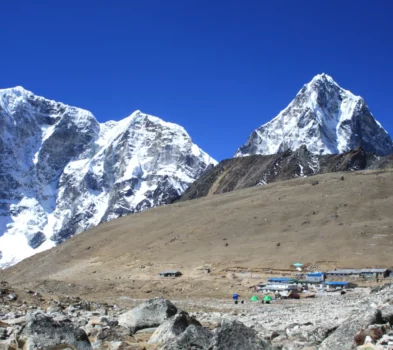
There are different areas in Nepal where peak climbing is popular, and they can be different in terms of experience and sightseeing. The most popular area is the Everest area and the popular peaks here include Island Peak (ImjaTse), the Mera Peak, the Lobuche Peak, the Pokalde and the KyajoRi. The area has trails through glaciers, mountain passes that are high and Traditional Sherpa villages.
In this case, climbers have an opportunity to feel the local culture, go to monasteries, and see the lifestyle in remote high-altitude settlements. Natural beauty and cultural experience makes the Everest region very attractive to climbers. The Langtang area, which is north of Kathmandu, offers a lower profile climbing experience.
The most popular ones here are Yala Peak, Naya Khang and Baden Powell Scout Peak. The Langtang region is characterized by the presence of green forests, alpine meadows, and quiet sceneries. Climbers have an opportunity to observe both the Tamang culture, go to monasteries, and cross small villages with simple stone houses. Langtang is less crowded than Everest, offering a peaceful environment and exciting climbs.
Chulu east, Mardi Himal, Pisang Peak, Dhampus, and Thorung peak are just some of the many climbing choices available in the Annapurna region of western Nepal. The scenery in Annapurna is part of the local culture since climbers go through terraced agricultural lands, rivers, and ancient villages. The region is rich in geographical features with lowlands of subtropical and mountainous heights, providing full Himalayan experience to the climbers. Every part has its individual character, routes and cultural experience, and it enables the tourists to select climbs of their mind and skill.
Preparation and Equipment for Peak Climbing
Even though the peak climbing is not as complicated as full-scale mountaineering, it must be carefully prepared. Climbers require proper gear and attire that may guarantee their safety and comfort on high altitudes. Essential gear includes climbing boots, ice axes, crampons, harnesses, warm clothing, gloves, and protective equipment.
Temperatures are low even in lower peaks, particularly at night and early mornings, therefore, layered clothes are advisable. The physical fitness is highly crucial and the climbers must be ready to walk and climb long distances. The Ministry of Culture, Tourism, and Civil Aviation issues permits to most peaks in Nepal. It is strongly advised to hire skilled guides and support staff.
Guides do not only assist in navigation, but offer great information about the region, the culture of the people and safety precautions. The heavy equipment can be transported by porters and the climbers can concentrate on climbing. Preparation is also not just about equipment and physical fitness, but it is also about psychological preparedness. To make the journey successful, climbers need to know the challenges, observe respect to the altitude, and adhere to safety rules.
Challenges in Peak Climbing
Peak climbing in Nepal has got its own challenges that make it hard to carry out without a careful planning. The altitude situation may cause altitude sickness to the climbers in case they ascend too fast. To prevent severe illnesses, it is necessary to properly acclimatize.
The weather in the Himalayas is unpredictable and any snow, rain or strong winds may occur suddenly, and hence climbers ought to be ready to adapt depending on the weather conditions. Trails may be slippery, rocky or steep and this demands strength, endurance and balance. These obstacles can be managed with proper physical and mental preparation.
The climbs can be challenging, but these are also satisfying. Peak climbing enables mountain climbing tourists to enjoy some of the remote sceneries, mountain tracks, and the feeling of achievement upon reaching the summit. The climber can take it easy by following the safety regulations, proper equipment and pacing to find the climb enjoyable. Hurdles are included in the process and add to the adventure and success.
Peak climbing best seasons in Nepal
Peak climbing in Nepal is best done during spring, between March and May and during the fall, between September and November. These seasons are characterized by clear skies, moderate temperatures and less dangerous climbing conditions. During spring, trails are adorned with green vegetation and blooming flowers and in autumn, there is fresh air, good visibility, and the weather is predictable.
During winter, the weather is extremely cold and there is a lot of snow which makes climbing in winter a hard task and restricts the supply of lodges and other amenities. The season is June to August, that is called monsoon, and it rains heavily, landslides occur, and trails become slippery making climbing dangerous. The right season is significant in terms of safety, comfort, and pleasure of the scenery. The best seasons to go on peak climbing trips are during spring and autumn.
Appropriate Climbers in Peak Climbing
Peak climbing in Nepal is appropriate to a broad category of travelers. Beginners can begin with lower elevations like the Yala Peak or Pokalde Peak, that is not as physically challenging but offers an authentic Himalayan experience. The more experienced climbers may have the chance to go on to more difficult peaks like Mera Peak or Island Peak. Peak climbing can be enjoyed by families with older kids, group of friends and adventure travelers; this is only possible with the appropriate support and guidance.
Climbers should be physically and mentally prepared and have a basic understanding of climbing skills. By employing a guide and a porter, it is safer and easier to climb. Peak climbing expeditions are dynamic and can be customized according to the fitness, experience, and preference of the climbers. It is an excellent method of sightseeing the high mountains of Nepal without having to be an extreme mountaineer.
Cultural and Scenic Experience
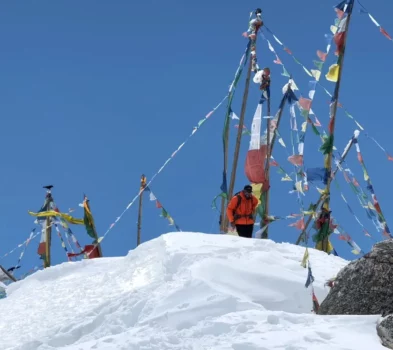
Peak climbing is not simply about getting up the mountain. The trails often pass through small villages, where the mountain climbers are able to observe the old stone houses, terraced land, and meet the locals. Most areas are dotted with monasteries, prayer flags and cultural sites along the way. This enables the climbers to get the Nepalese culture as well as adventure of climbing.
The landscape beauty in the trails is also amazing. The tourists will be able to see mountains, rivers, forests, glaciers, and alpine meadows, and mountains will be on the background. This blend of nature and culture makes peak hiking in Nepal Ana complete adventure, both physically and culturally.


