



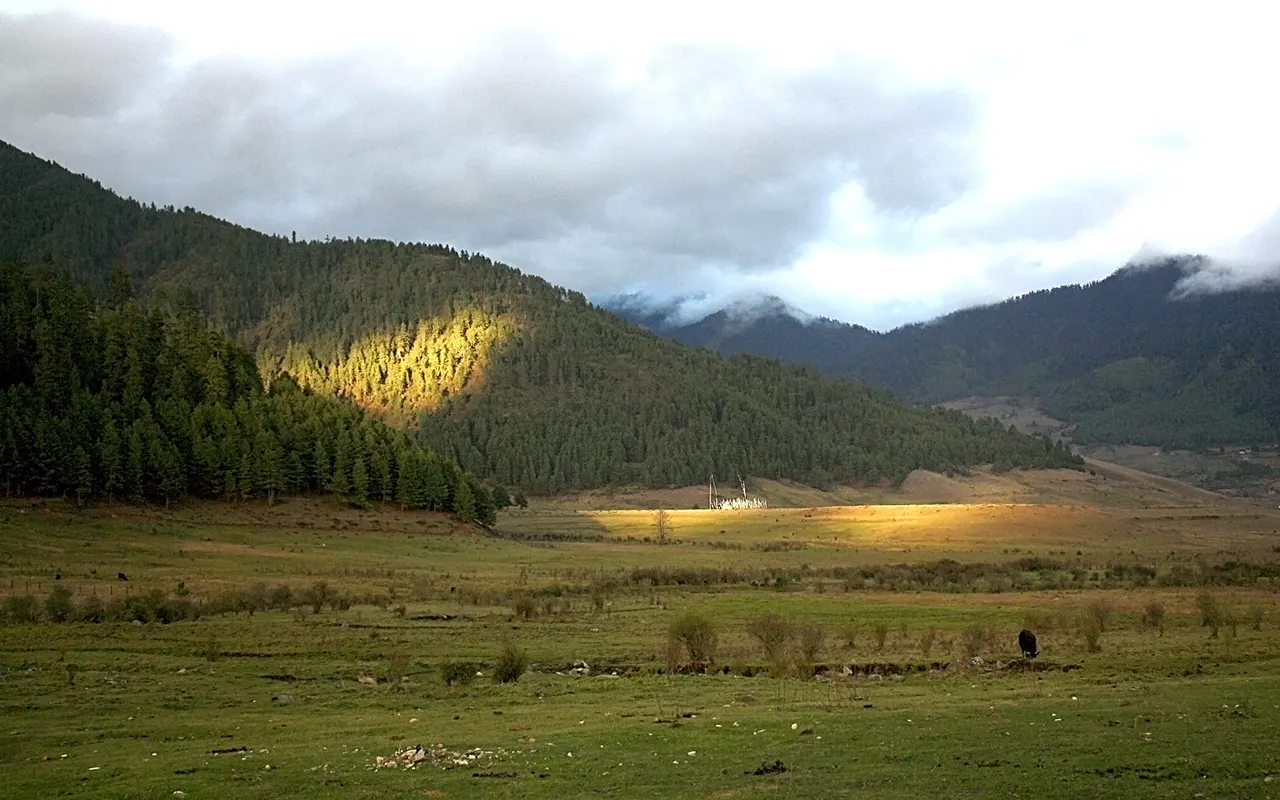
Phobjikha Valley is situated at the heart of central Bhutan, hidden within the folds of Black Mountains. Phobjikha, a glacier valley that is untouched by modernization, seems something out of this world. At first sight, the open field covered with forest ridges appears like a sanctuary in itself. Phobjikha Valley is more than just a glacier or Himalayan valley; it is the valley where culture, nature, fresh air, and spirituality blend to create a peaceful and harmonious environment.
This Valley is often regarded as the “Valley of the Black-Necked Cranes” because it is home to these gigantic migratory birds. These birds fly to Phobjikha during the month of October from the Tibetan Plateau.
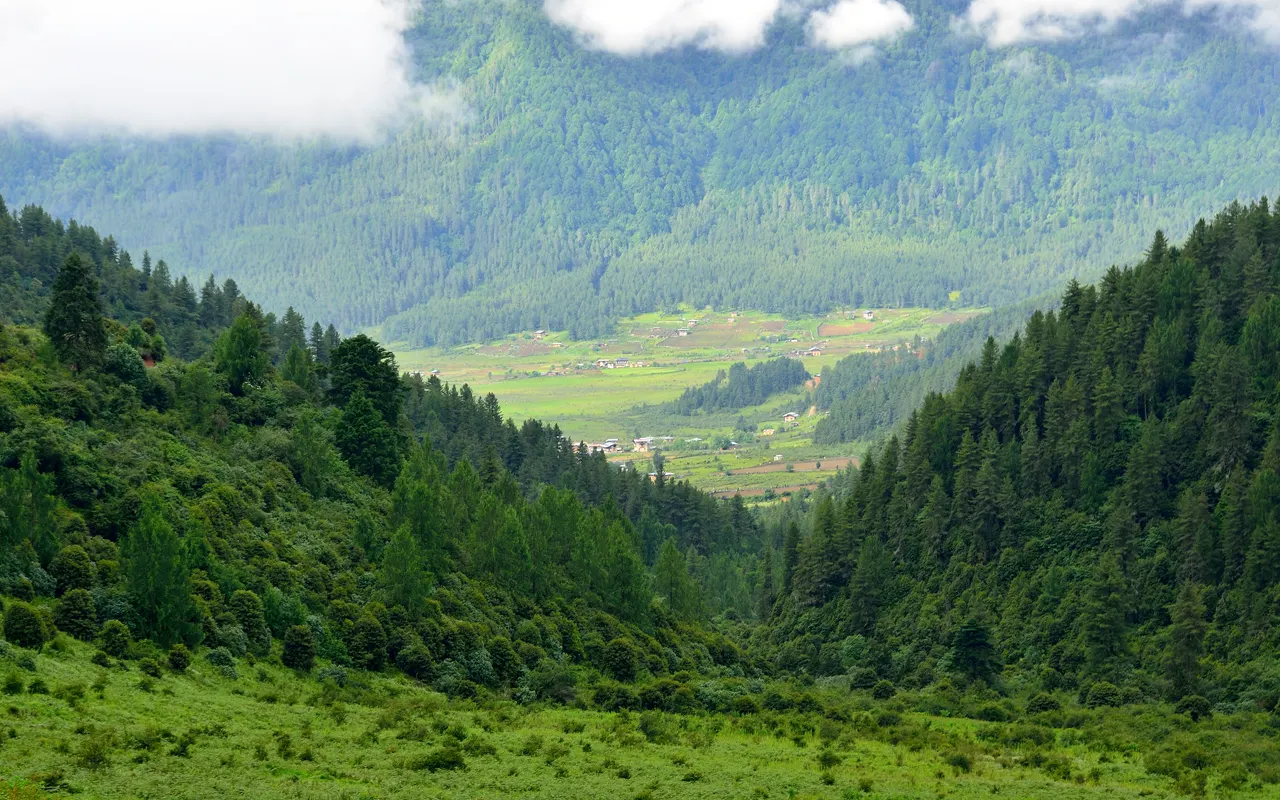
This valley is world-renowned for being the winter home for Black-Necked cranes. There is a significant spiritual bond between the migration of birds and the culture; people celebrate the arrival of the crane as a blessing. This reflects the Bhutanese spirituality to the whole world.
For travelers, Phobjikha is unique and rare as they get a chance to experience the rich and authentic Bhutanese culture, rich biodiversity, nature surrounded by Pristine Landscapes, and spiritual as well as vibrant cultural heritage.
This valley will reward you with an unforgettable experience. Whether you are seeking bird watching, Bhutanese spirituality culture, or just there to escape this world and seek peace, Phobjikha offers you all.
Location of Phobjikha Valley
Phobjikha valley is nestled at an altitude of around 3000 meters (9800 ft.) and is located in Wangdue Phodrang District, around 135 kilometers east of the Bhutan capital, Thimphu. A valley that is slightly colder than other lower regions. Valley experiences a cold climate, which makes it a refreshing highland ideal for retreat.
Driving to Phobjikha Valley from Thimphu, it will roughly take 5-6 hours. Advantages of this drive include passing through the scenic beauty, scenic Dochula Pass, a pass known for 108 stupas, and scenic Himalayan view before reaching Wangdue.
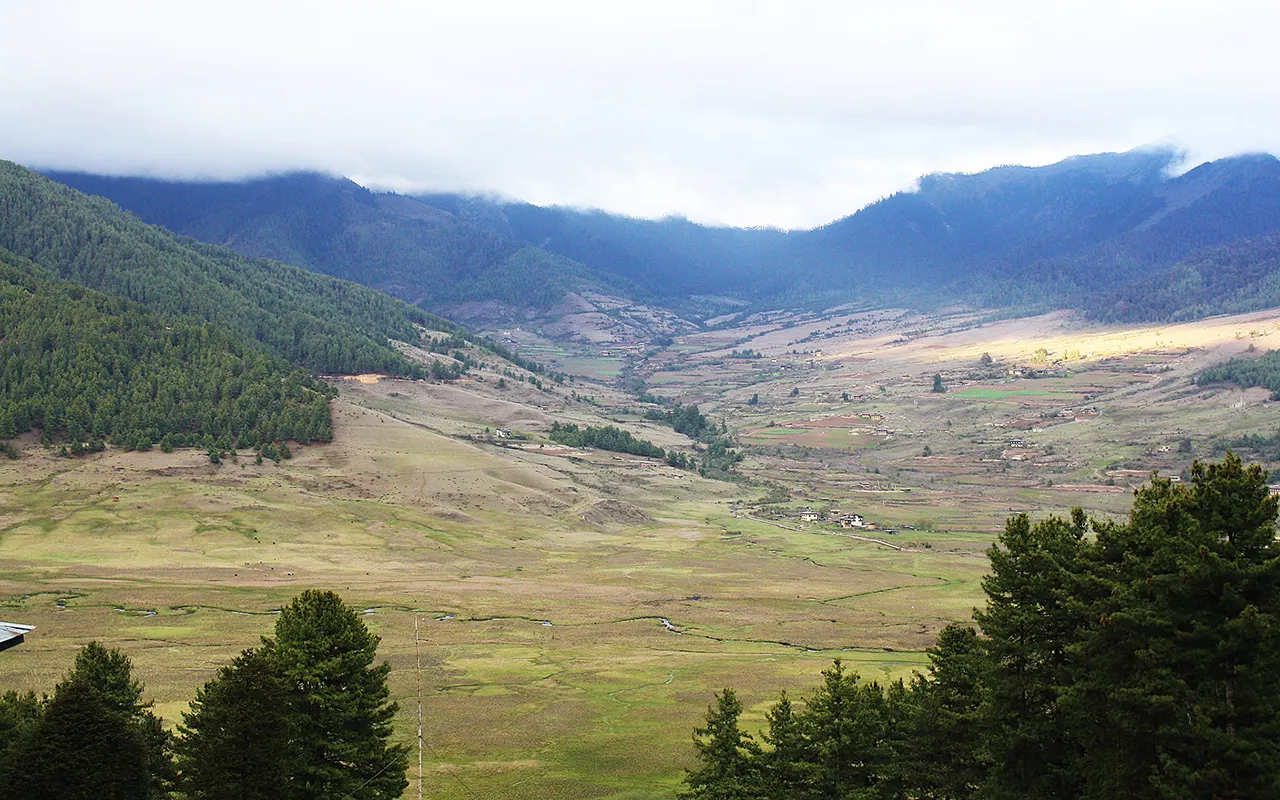
From Punakha, the drive is comparatively shorter, taking roughly 3 to 4 hours. Phobjikha is the perfect addition for those who want to explore western Bhutan. The journey itself is as fruitful as the final destination, as the winding Himalayan roads reveal the terraced fields, traditional villages, and dense forests.
Phobjikha’s open valley, marshy landscapes, and country dominating steep mountainsides make it more unique compared to other valleys in Bhutan. Glacial terrain, which has created a wetland, serves as a critical habitat for black-necked cranes, an endangered species.
Best Time to Visit Phobjikha Valley
Phobjikha valley’s spark remains throughout the year, but there are some sort of seasons that bring out the charm of this valley.
Winter (October – February)
The winter season is the most popular season to visit Phobjikha Valley, as this season is the time for the Black-Necked cranes to migrate from Tibet. They spend the whole cold month here in the Phobjikha valley. Watching these birds slowly gliding over the wetlands is a soulful and thrilling experience. November brings the Crane festival, making this season a great opportunity to experience the culture and nature of this valley.
Spring (March – May)
Spring brings this valley to life with the blooming rhododendron all around the hillside. This is where the hillside looks like the art spreading with the shades of red, pink, and white. The weather is clear and the sky looks pleasant, making the spring season ideal for sightseeing, photography, and hiking.
Autumn (September – November)
Autumn season is also one of the excellent seasons, with moderate temperatures, several local festivals, and crisp blue skies. This season is busy for farmers as this season is a harvesting season. Valley looks golden under the sun of the autumn season.
Summer (June – August)
While monsoon is a risky season due to heavy rainfall, it doesn’t mean it’s not an ideal season for the Phobjikha valley. Rainfall makes this valley come to life as this valley turns into a lush green paradise. Summer brings fewer crowds. So, if you prefer a peaceful environment and enjoy rain, then the summer season will be ideal for you.
Major Attractions in Phobjikha Valley
Phobjikha is a remote valley, but the culture, natural attractions, and spirituality here are commendable. Here are some major attractions in Phobjikha Valley listed for you.
Gangtey Monastery (Gangtey Goemba)
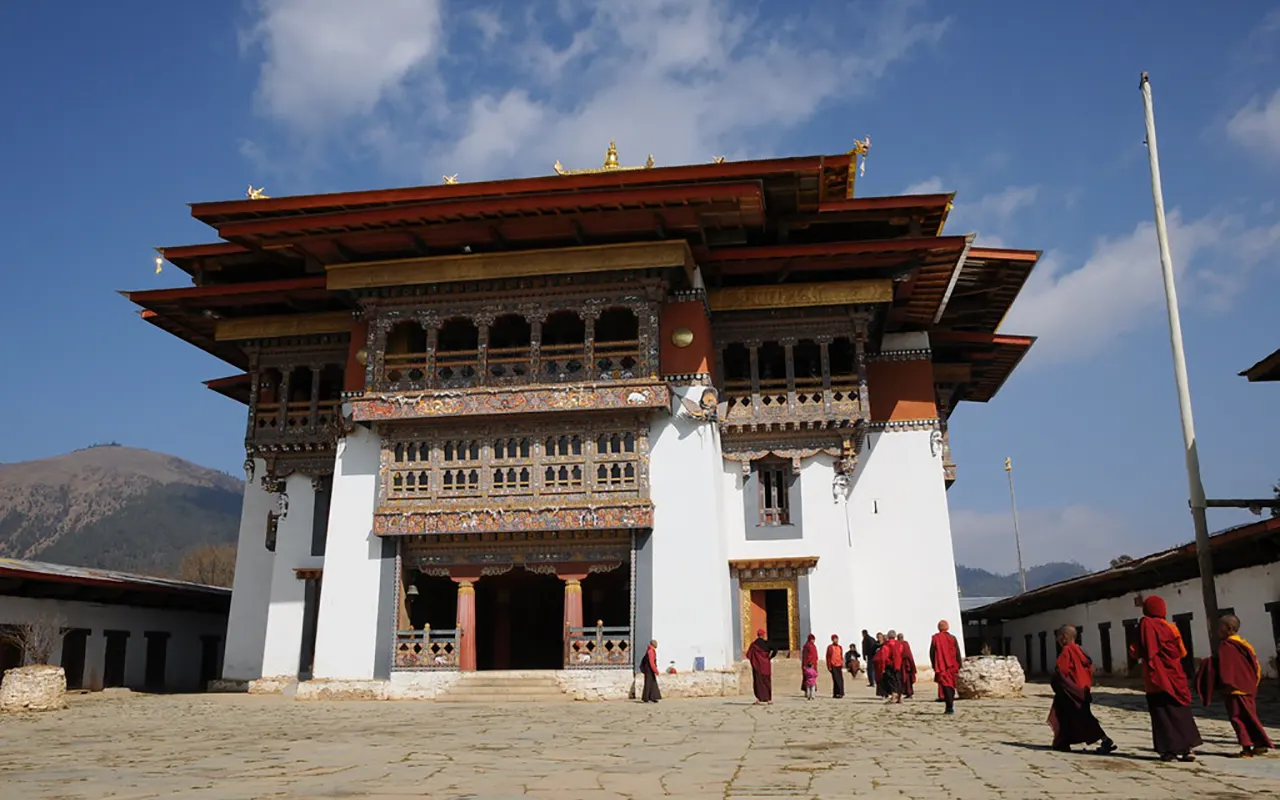
Nestled on a hill overlooking the valley, this 17th-century monastery serves as the spiritual heart of the Phobjikha valley. This monastery belongs to the Nyingma School of Buddhism. This Gangtey monastery is not just a spiritual place, but it is also a piece of art. The architecture of this monastery is eye-catching. A monastery that is home to monks and religious ceremonies is a living center of Spirituality. Tourists can explore the country yard, soak themselves in panoramic views of the valley, and admire the murals.
Black-Necked Crane Information Centre
Phobjikha Valley is dedicated to the conservation of black necked cranes and their natural habitat, the wetlands. This center is educational. The guide educates the visitors about the birds through viewing platforms, documentaries, and an exhibition. From the exhibition center, tourist can take a look at the crane through a telescope without disturbing their natural habitat.
Crane Festival
Crane Festival specifically takes place in the month of November at Gangtey Monastery. This festival showcases masked dances, crane-themed cultural displays, and folk performances. Visitors can also take part and gather with the locals to celebrate the arrival of black necked cranes. The arrival of these cranes symbolizes good fortune and the interconnection between nature and humans.
Nature Trails
Phobjikha serves as a hiking destination for trekkers. It is a paradise for tourists who love hiking. The natural trails of Phobjikha that take around 2 hours are most popular among tourists. In these 2 hours, you will walk through meadows, pine forests, and villages. If you love longer routes Gangtey-Tabiting Trail is waiting for you. This serves tourists with equally beautiful landscapes, perfect for gentle walks. Slow walking through the trail enhances the viewing experience of tourists.
Villages and Local Life
Exploring the traditional Bhutanese lifestyle. This is the major highlight of this tour. You can home-stay here, as many family offers homestays, allowing you to experience the rural lifestyle where you share meals, learn about traditional farming practices, and take part in local daily life.
Things to Do in Phobjikha Valley
Here are things mentioned below that you can do during the Phobjikha Valley visit.
Bird watching and Photography
Black-Necked Cranes migrate in the wetlands of Phobjikha Valley. This place is a heaven for the bird watchers. One can view this bird through a telescope without disturbing their natural habitat. Not only black necked cranes, you can also spot other Himalayan creatures such as ruddy shelducks, Himalayan monals, and yellow-billed blue magpies.
The chances of getting good pictures are high here, from nature to spiritual places, you get a whole bunch of scenarios to capture in your camera roll. Photography is one of the common things that nature lovers do to satisfy their tour.
Scenic Hikes and Short Treks
Phobjikha village offers both long and short treks. This valley is a paradise for trekkers who love hiking and nature. The trails are easy and moderate. For scenic hikes, one can enjoy meadows, prayer flags, yak pastures, and other Himalayan experiences.
Visit to Spiritual Monasteries and Temples
Gangtey Monastery is a major spiritual place to visit. Apart from this monastery, you can visit to small temples across the valley. This visit enhances the cultural experience and exploration.
Taste of Local Cuisine
Travelling is empty without tasting the local foods and cuisine. Taste the local foods like buckwheat pancakes (Khuli), Yak butter tea, and buckwheat noodles (puta). Having a stomach full of these dishes feels appetizing. These foods are mostly healthy and energy-giving. If you can take note of the recipe.
Cultural experience with Families
You can experience local culture and tradition if you do a homestay. Homestay allows you to engage with the local tradition and local lifestyle. Some practices you will get involved in are helping with farm work, learning the Bhutanese cooking style, and enjoying the warm hospitality of the people.
Accommodations in Phobjikha Valley
Phobjikha Valley has a variety of options when it comes to accommodation, each with different facilities and prices. Here are some of the accommodations listed below.
Luxury Lodges
Lodges like Amankora Gangtey and Gangtey Lodges offer you world-class luxury rooms and meal options. With facilities like spa treatments, fine dining, and stunning valley views. If you are seeking comfort in the wilderness, luxury lodges are a better fit for you.
Mid-Range Hotels
Some mid-range hotels offer you comfortable rooms, traditional Bhutanese interior, and architecture without a high price tag.
Homestays
This type of accommodation is best for those travelers looking for authenticity. These homestays are mostly family-run businesses. Homestays offer you cozy accommodation, homemade meals, and cultural exchange facilities.
Reaching Phobjikha Valley
Phobjikha Valley is accessible by road, which adds adventure to this peaceful journey. Driving from Thimphu, covering the distance of ~135 km, will barely take you 5 to 6 hours. Driving from Punakha, covering the distance of ~80 km, will shortly take you 3 to 4 hours, and lastly, from Wangdue Phodrang, covering the distance of ~45km, will take you ~1.5 to 2 hours to reach Phobjikha Valley.
Some parts of the roads are well developed. The condition of roads is well-paved in some of the stretches, but some parts of the roads are rough. It is best for you if you travel with the local driver who is familiar with the Bhutanese road conditions. There are no airports and railways in the region, but you can drive from the nearest airport at Paro.
Travel Tips for Travelers
Here are some travel tips for travelers who are visiting Phobjikha Valley.
Warm and Layered Clothes
Pack warm and layered clothes. Even in the summer night can be chill at an altitude of 3000 meters. Winters are colder, so proper layered clothing is essential. Pack warm jackets and thermal clothes for layering.
Bring Binoculars and a Camera
Phobjikha Valley is ideal for bird watching and capturing the valley’s natural beauty. Bring Binoculars so that you don’t have to wait for an exploration visit and telescope view. Bring a camera as this place is filled with eye-catching views.
Respect Local Culture
Avoid screaming and showing loud behavior. Always make sure you are dressed modestly while visiting spiritual places like temples and monasteries. Reduce the use of plastic and respect the sustainability of the environment. Take permission if you are clicking pictures of local people. Your first impression is the last impression, so be respectful.
Support Sustainable Tourism
Reduce the use of plastics, respect the wetland ecosystem, and choose eco-friendly lodges. Your actions play a huge role. Consider the sustainability of Bhutan’s biodiversity.
Why Visit Phobjikha Valley?
Phobjikha Valley is a beautiful valley that stands apart from other Bhutan’s famous valleys like Paro and Punakha. Phobjikha is quite valley here you can find a few tourists and more opportunities. This destination balances nature, culture, and spirituality. Nature is protected for endangered wildlife.
Culture is a major highlight of this valley as you get to visit monasteries, celebrate festivals with locals, and the tradition feels lively. This valley is the blend between harmony and spirituality. By visiting the Phobjikha Valley, you are directly contributing to sustainable tourism and crane conservation.
Conclusion
Phobjikha Valley is not just a resting spot or any stops in Bhutan; it is a journey to connect yourself with the harmony and spirituality in the land of Himalayan spirits. Here you can see why Phobjikha is very different than other parts of the world. Even the cranes are respected here; their arrival is looked at as the luck. Festivals are especially arranged to celebrate this moment. Both locals and tourists can take part in this holy festival. This valley is a quiet corner of Bhutan and ideal for all seasons. Get ready with your camera and binoculars.


