



Nepal, the holy land of Hinduism and Buddhism, exists in a special spiritual realm saturated with ancient mysticism and divine energy. Religious places in Nepal are a unique destination for people who are looking to experience religion and culture.
Nepal is the religious destination of South Asia. Two of the world’s most famous religious destinations both exist in Nepal: Lumbini, the birthplace of Buddha, and Pashupatinath Temple, which are places where people around the world travel to refill and rejuvenate their spirit within. The Himalayas provide the perfect backdrop, which creates another layer of mystique and highlights the significant journey.
This guide is for spiritual pilgrims, cultural seekers, and heritage tourists to immerse themselves in the rich religious traditions and sacred spaces of Nepal. Whether you are following a Hindu or Buddhist spiritual path, just seeking or yearning for spiritual truth, each journey will create a state of transformation in your being.
In the year 2025, Nepal continues to make travel easier and accessible with existing tourism infrastructure as well as smoother permits. This will promote various vibrant festivals like Maha Shivaratri and Buddha Jayanti that keep pilgrimage sites alive and in action.
Continuing a pilgrimage that draws us deep into sacred practices in some of the most beautiful temples, stupas, and mountains in Nepal includes walking ancient spiritual pathways. You are about to receive ancient and inspired forms of spirituality mixed with cultural heritage and gracious host communities along your whole journey.
Understanding Nepal’s Religious Landscape
Nepal has a majority of Hindus and Buddhists, where both religions influence cultural practices and daily life. The interaction displays the shared history and the respect they have for each other.
Both religions have deep respect for pilgrims who visit the sacred places such as Pashupatinath and Swayambhunath. This will help to foster spiritual growth while engaging with their religious identity.
In Nepal, Hindus and Buddhists co-occupy several sacred sites, demonstrating the harmony of civilizations. For instance, both Hindus and Buddhists go on pilgrimage to Swayambhunath Stupa, which is still syncretic by respect across religions involving similar ritual and revering the same deity in different forms.
In Nepal, co-harmony is promoted and accepted rather than just tolerated, in terms of festivals and temple activities blend together, as in many social situations. The diversity in Nepal brings about a syncretism that enriches spiritualism and promotes peace and harmony.
Top Hindu Pilgrimage Sites in Nepal
▸ Pashupatinath Temple (Kathmandu)
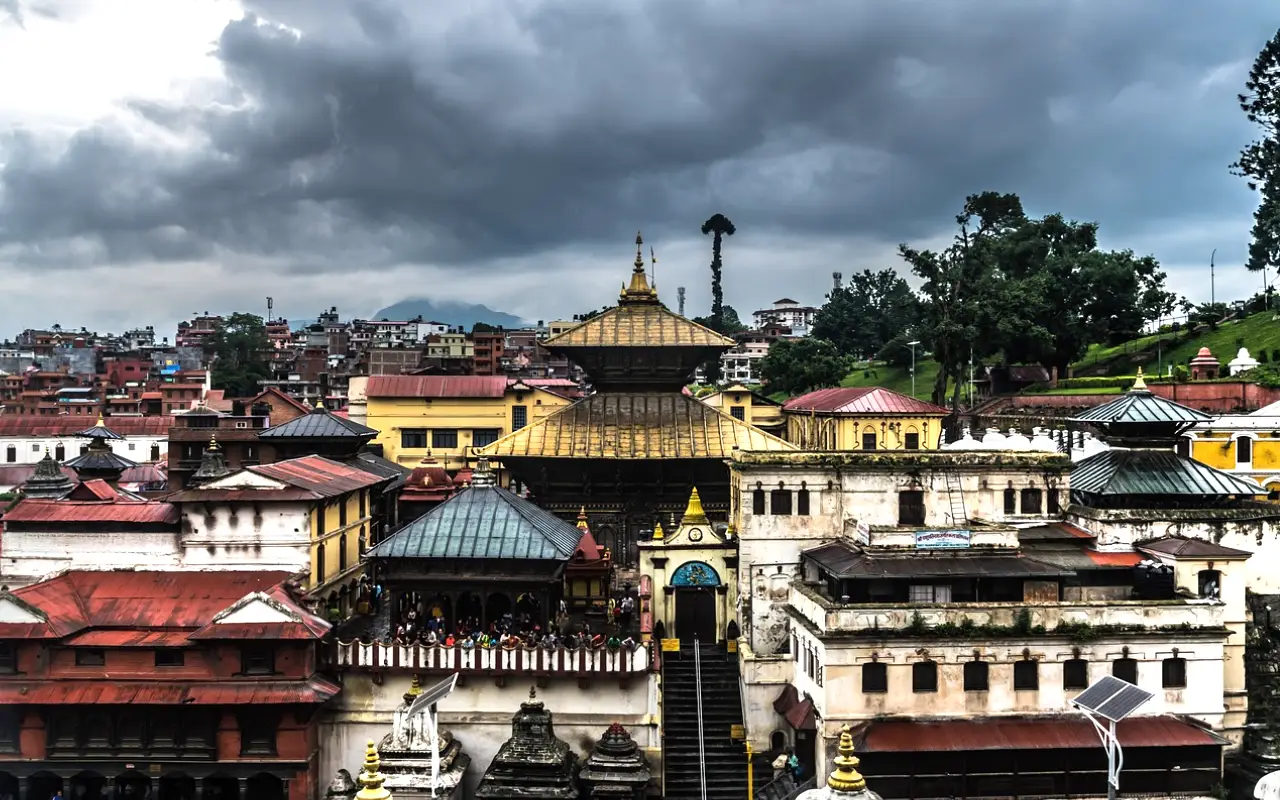
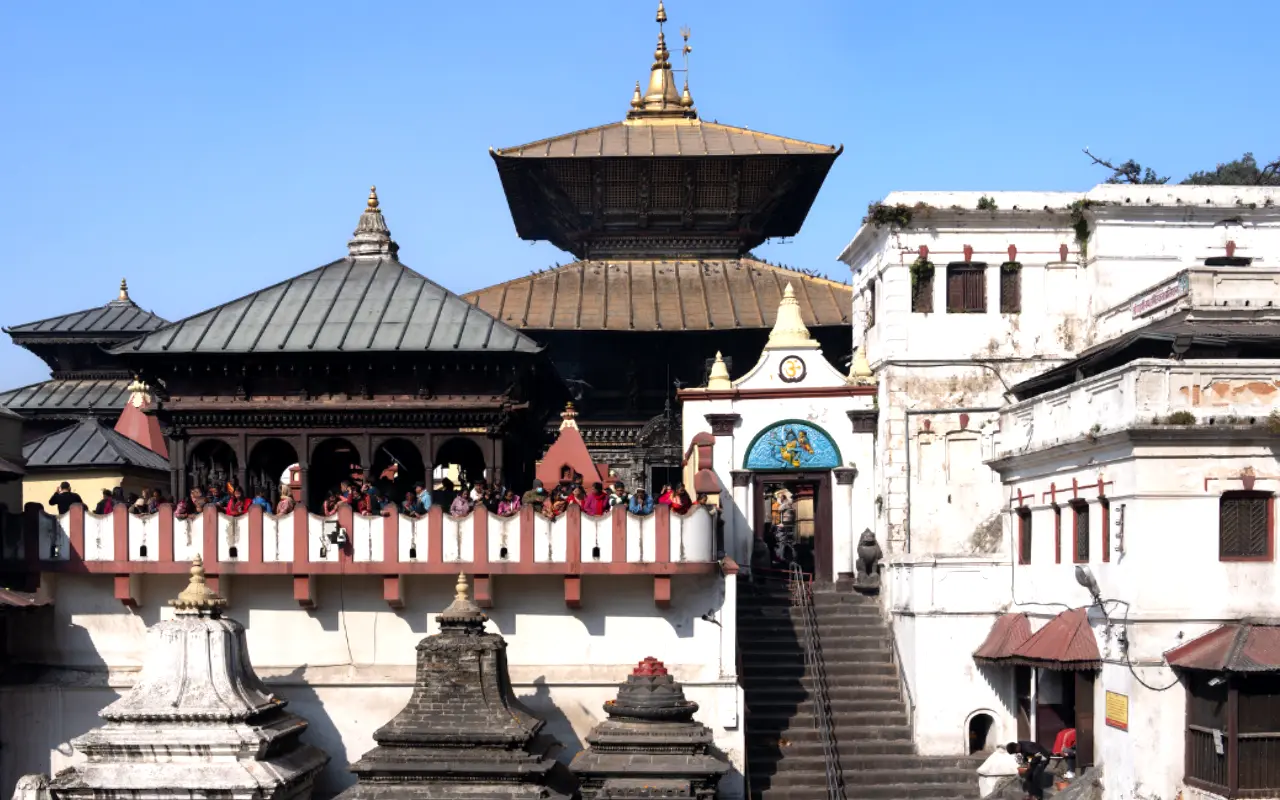
For Hindus, Pashupatinath temple is one of the religious places in Nepal because this place is dedicated to lord shiva, the protector of animals. It is believed to have originated during the fifth century CE, with the existing stone temple constructed in the 15th century CE.
The temple complex consists of alternate shrines and cremation ghats along the holy Bagmati River, where cremation in the river is considered to purify the soul. Of the temple events, Maha Shivaratri is the greatest festival celebrating the divine energy of Shiva and draws thousands of visitors to Kathmandu in February or March each year.
The inner sanctum is restricted to Hindus only, where they can have darshan, or sight, among the temples and participate in the daily rituals, including the evening aarati ceremony. Many foreign pilgrims and tourists can have darshan during the rituals or the temple activities that present a supremely spiritual experience.
▸ Muktinath Temple
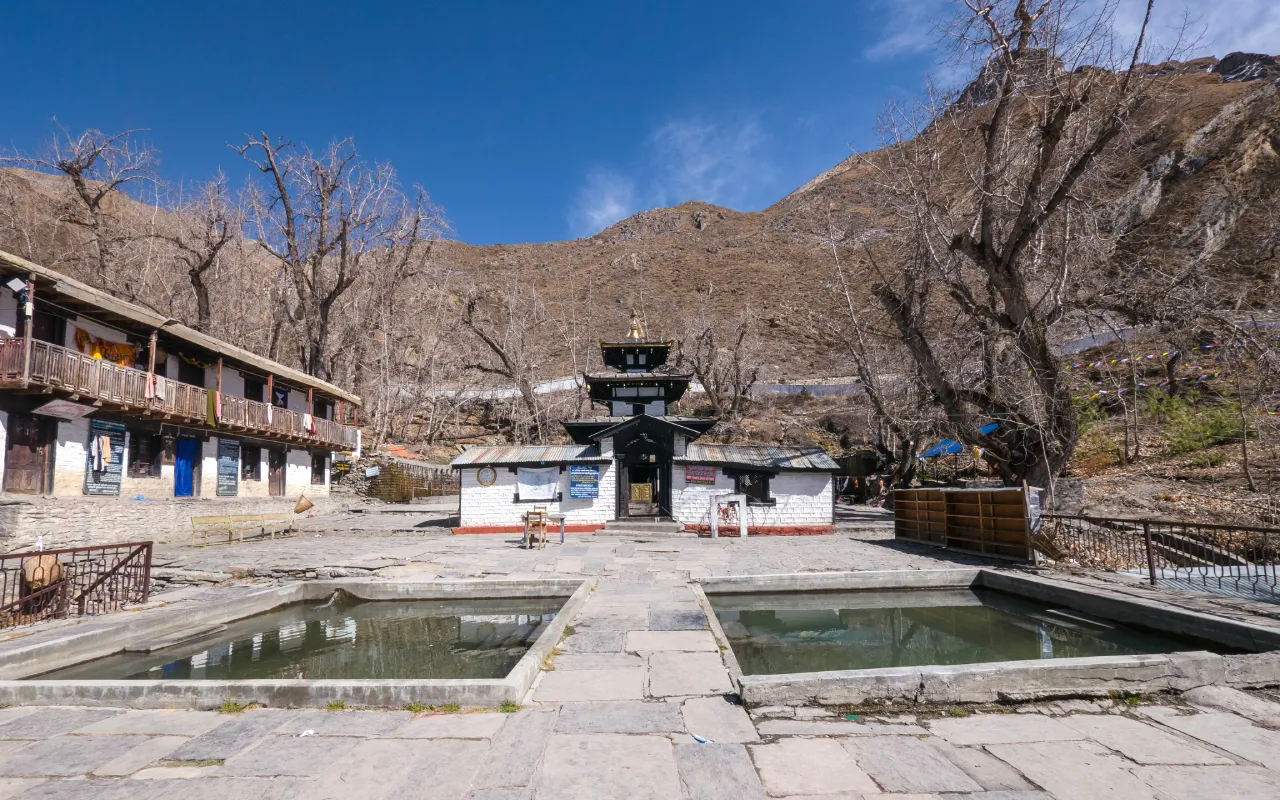
Muktinath temple, situated in the Mustang district, has great significance in Hinduism and Buddhism. Hindus call the temple “Mukti kshetra” while Buddhists call it “Chumig Gyatsa”.
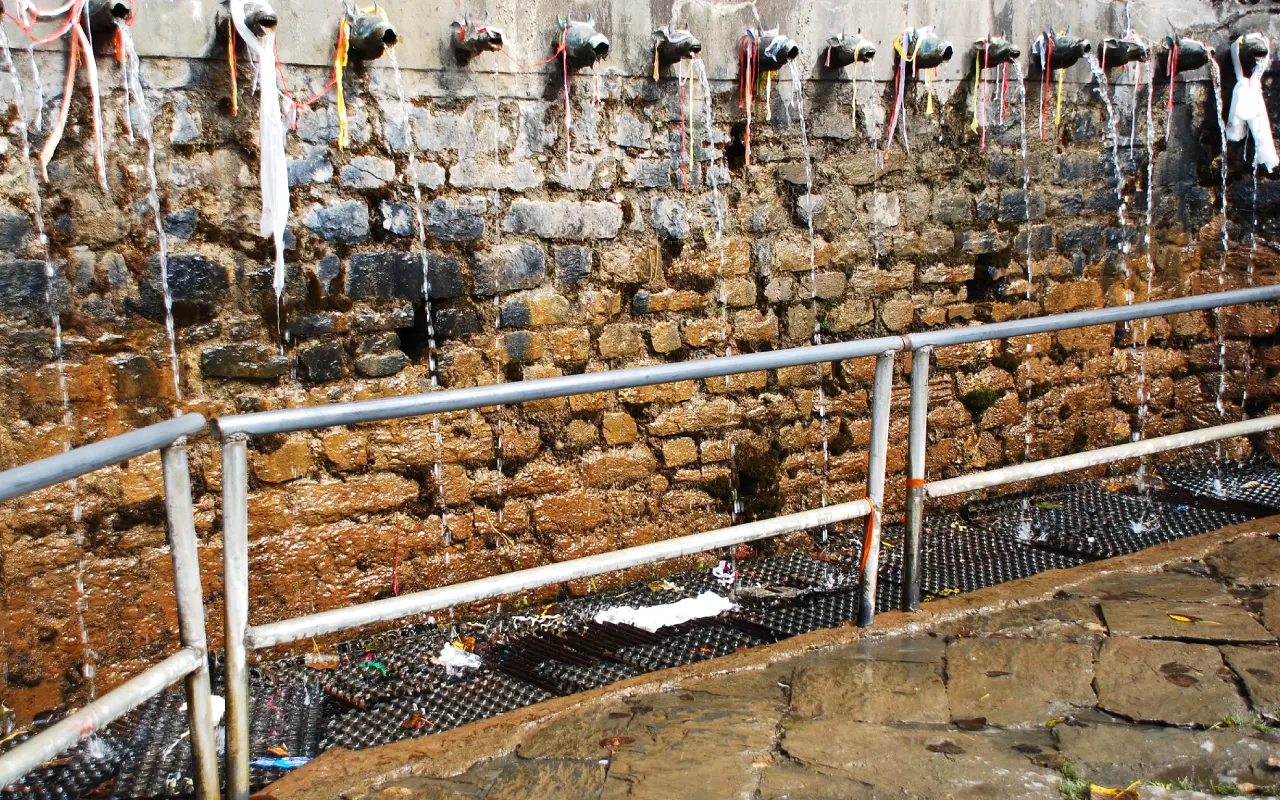
The temple contains about 108 natural spouts of water, where pilgrims take ritual baths and devotees communicate with the divine and are believed to purify themselves of all sins. This temple attracts a large number of pilgrims who are looking for ritual cleansing and liberation.
This temple is located in the most rugged mountain trails. The journey combines physical challenges and spiritual reward, making it an important stop for trekkers and devotees
▸ Janaki Temple (Janakpur)
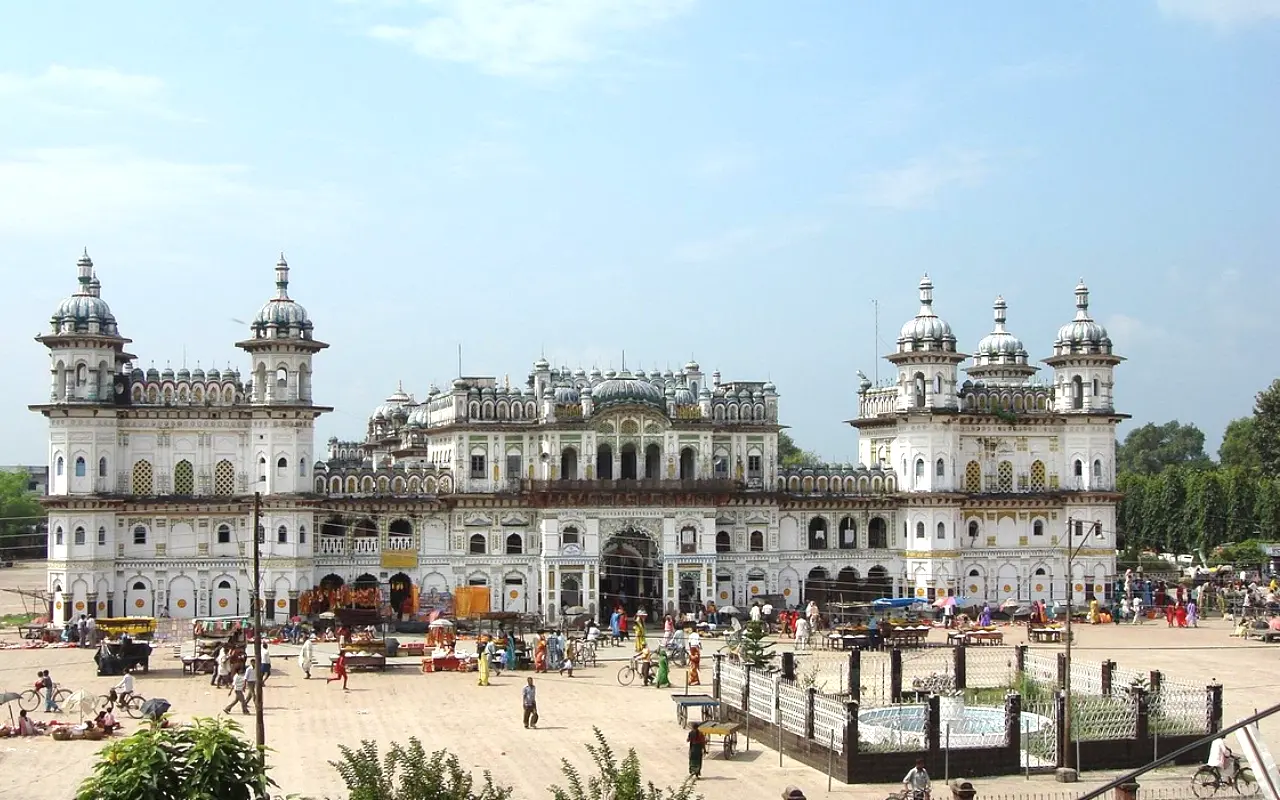
The Janaki Temple in Janakpur is dedicated to Goddess Sita (Janaki) and recognized as the consort of Lord Ram. This place holds deep, sacred value linked to the events in the life of Sita and provides an important spiritual landmark for devotees from Nepal and India.
The temple structure is a large mix of Mughal and Mithila architecture that is made of marble, featuring highly skilled carvings, and consists of 60 decorated rooms, decorated with colorful Madhubani paintings. The structure itself is of such a deep cultural reverence and showcases religious symbolism, which adds to the grand feeling associated with the temple.
The Janaki Temple gains popularity during the Bibaha Panchami festival as extreme celebrations are organized for the marriage of Sita and Rama, accompanied by divine ritualistic worship and festivities.
Many thousands visit the temple to celebrate the festival, and it is so valuable for devotees to feel the spiritual and religious culture that can only take place within the temple premises.
▸ Manakamana Temple
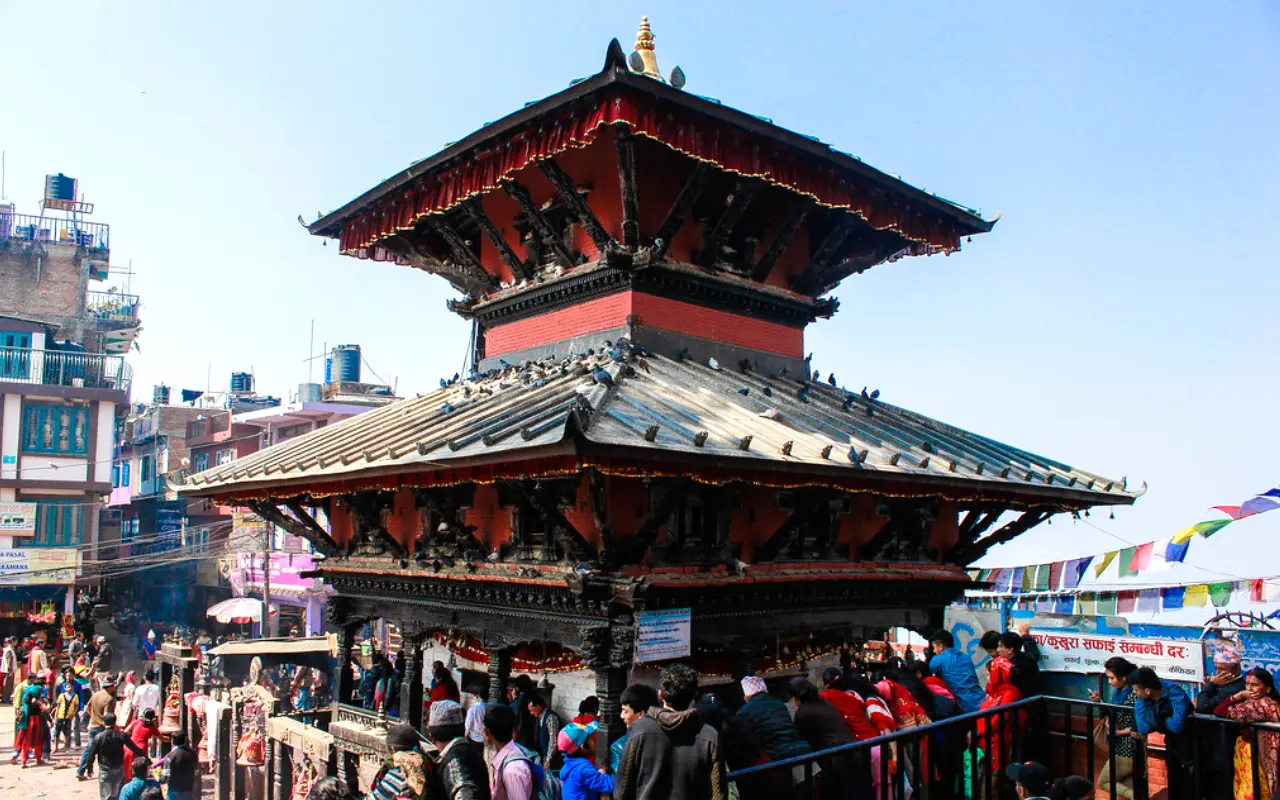
The Manakamana Temple in Gorkha is known as the “goddess of wishes” and attracts pilgrims hoping to receive blessings from the goddess and fulfill their wishes. The temple can only be accessed via a beautiful cable car from the nearby hub of Kurintar. Once you arrive at the top, you experience stunning views of the Himalayas and an incredible spiritual atmosphere.
Sacrificial rites and offerings are made at the temple in honour of the goddess, and daily prayers and blessings in front of the goddess are important parts of the daily ritual. Pilgrims should dress appropriately and respect local customs; bring a few snacks and try not to go during peak times (Saturdays), such as a normal day if that’s possible.
▸ Guhyeshwari Temple (Kathmandu)
Guhyeshwari Temple is a highly esteemed Shakti Peetha associated with Goddess Parvati, which is believed to indicate the location where Sati fell apart. Although the temple is highly revered in both Tantric and Hindu traditions, it is especially known amongst seekers who wish to obtain spiritual powers or blessings.
Guhyeshwari Temple is only 1 km away from Pashupatinath Temple, which makes it relatively easy to visit both temples on the same pilgrimage trip. The unique mysteries of Guhyeshwari Temple’s Tantric rites, architecture, and inscrutable ambiance also warrant it as a priority destination during the festivals of Navaratri.
Top Buddhist Pilgrimage Sites in Nepal
▸ Lumbini
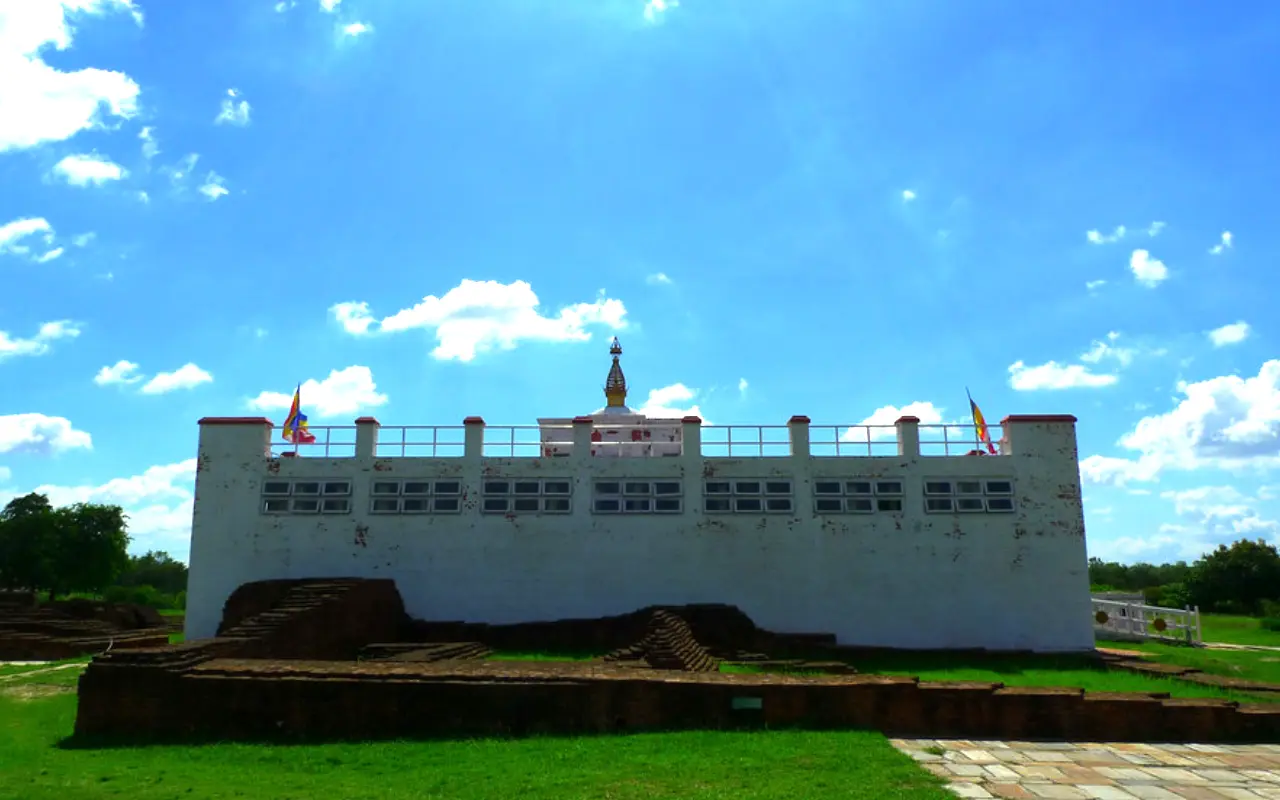
Lumbini is the birthplace of Lord Buddha. Many pilgrims draw to this place each year because this place is one of the most sacred sites for Buddhist pilgrimage in the world.
Lumbini has the Maya Devi temple, which is built in the same location where Queen Maya Devi gave birth to Siddhartha Gautama. The Ashoka Pillar nearby was inscribed a long time ago by Emperor Ashoka in 249 BC. It shows that Lumbini is at least 2500 years old and has a rich, historical Buddhist heritage.
The Monastic Zone of Lumbini has a large and diverse selection of different international monasteries, which all express beautifully the Buddhist architectural style from their respective countries, such as Thailand, Myanmar, and Germany. This Quiet Zone is an area where visiting pilgrims and tourists can spiritually uplift themselves, meditate, and experience different cultures.
▸ Swayambhunath Stupa
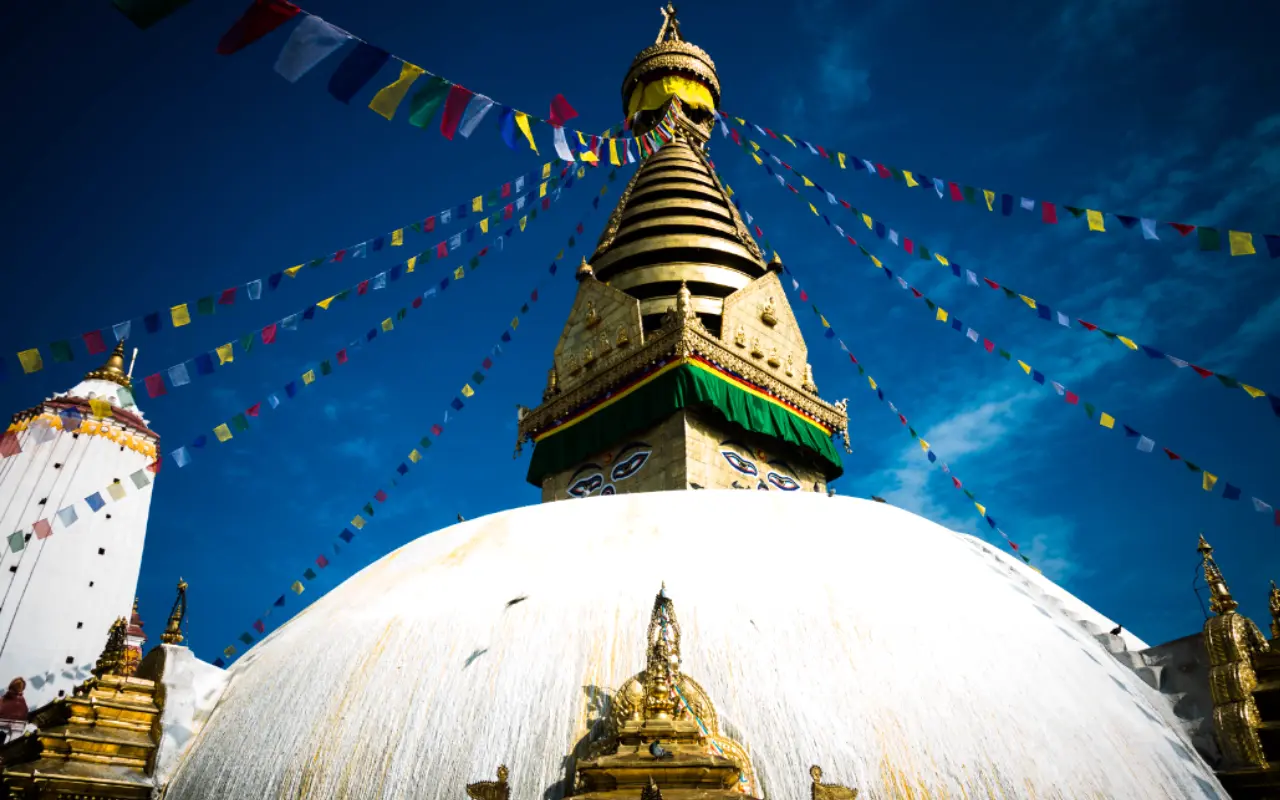
Swayambhunath Stupa, commonly referred to as the Monkey Temple, is located in the Kathmandu Valley on a hill. It is an important religious places in Nepal for both Hindus and Buddhists. This Stupa is filled with shrines, statues, prayer wheels, prayer flags, and monkeys, which show rare spiritual and cultural equilibrium.
The architectural forms include a highly symbolic structure. The stupa’s dome represents the earth, while its golden spire represents enlightenment. In addition to praying and spinning prayer wheels, devotees perform kora around the stupa.
The Kathmandu Valley was once a lake with Swayambhunath rising from a lotus that flowered in its waters, representing the creation of the valley. The stupa sits on top of a hill, providing views of Kathmandu that are expansive with a sense of timelessness – a beacon of faith and peace.
▸ Boudhanath Stupa (Kathmandu)
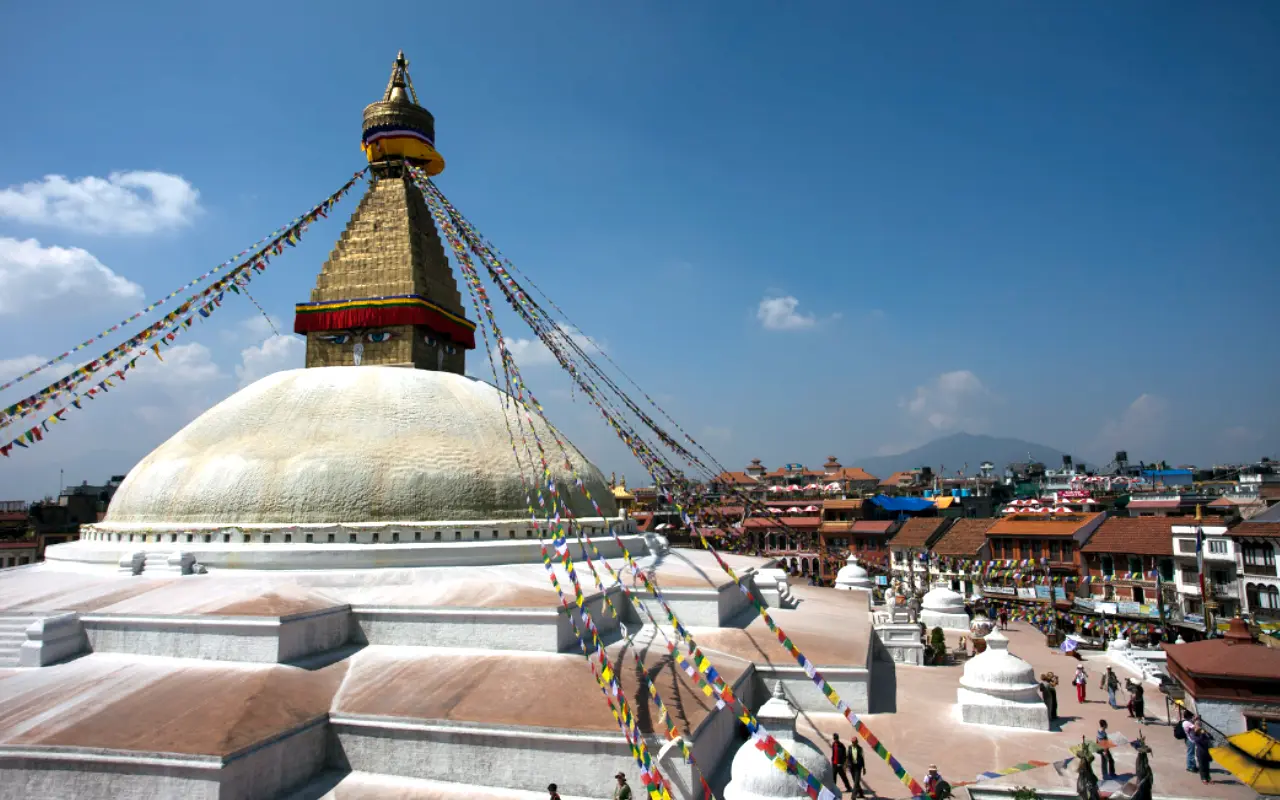
Boudhanath Stupa is the largest stupa in Nepal, and it serves as the spiritual centre for Tibetan Buddhism in Kathmandu Valley. The massive white dome and the Buddha’s all-seeing eyes create a sacred setting.
Monks and pilgrims walk around Boudhanath in a clockwise “kora” fashion daily. Each person sometimes spins prayer wheels and chants their mantras. The air fills with incense, and the collective hum of recitations becomes meditation for those absorbed within their “kora.” In Boudhanath, there is space for prayer, meditation, and creativity with positive intentions.
The monasteries near the Stupa attract visitors to watch, join the rituals, and learn about Buddhist practices. Visitors will find a peaceful and harmonious atmosphere that involves centuries of tradition available for tourists and spiritualists alike.
▸ Namo Buddha (Kavre District)
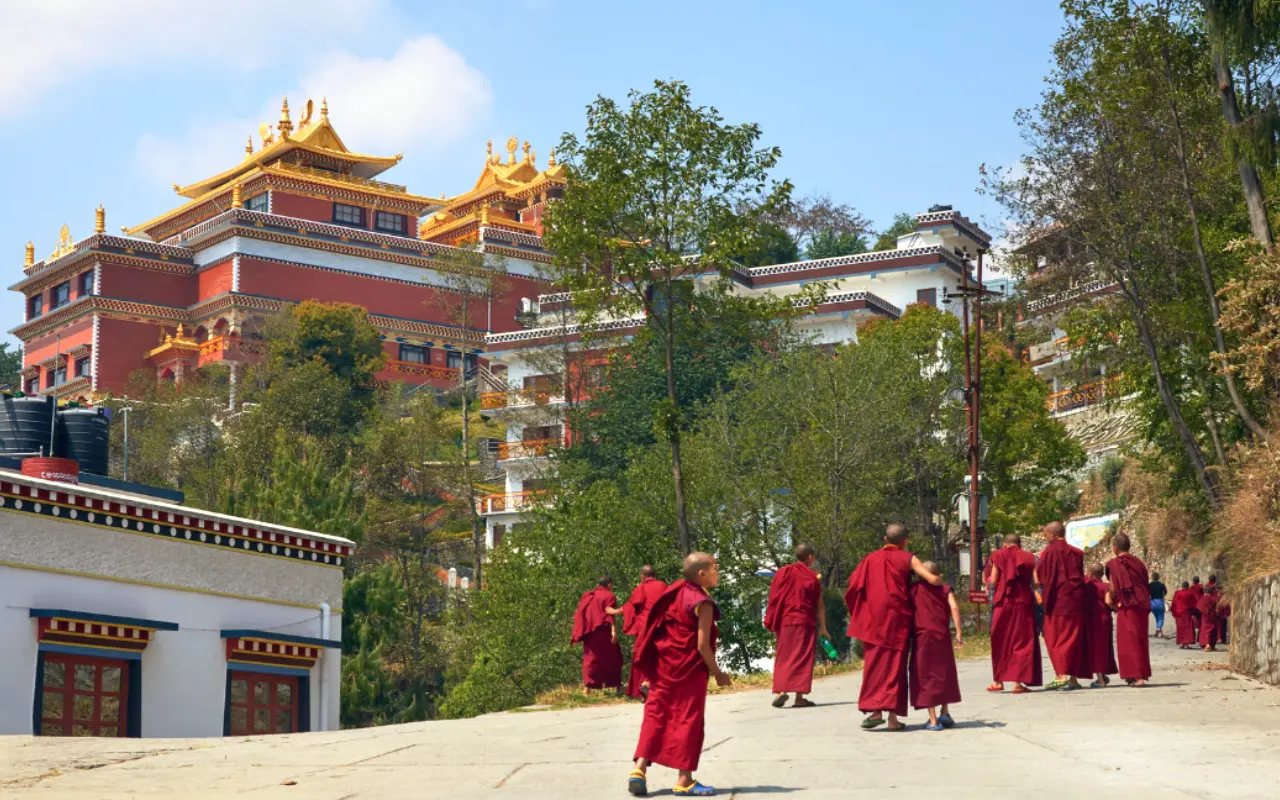
Namo Buddha in Kavre District is an important religious places in Nepal for Buddhists. It is believed that the place is where Buddha gave his life to save a starving tigress and her cubs.
Next to Stupa, Thrangu Tashi Yangtse Monastery sits on the hilltop, which draws a variety of visitors. It is also one of the hiking trails of Nepal that offers amazing views of the Himalayas, with the vivid day-to-day life of the monks. Annual rituals and festivals are celebrated in the monastery.
Namo Budhha trek provides an opportunity for meditation retreats, walking in tranquil trails, and enjoying the spiritual beauty. It is the best spot for peaceful spiritual rejuvenation.
Mixed-Faith Sacred Sites
▸ Muktinath Temple
Instinctively, we look for meanings that are derived from our experiences and attitudes toward life. From the outset, pilgrims identify with Muktinath as a common religious places in Nepal where faiths operate side by side.
Muktinath Temple is one of Nepal’s most prominent mixed-faith sacred places for practitioners of Hinduism and Buddhism. The accruing holy power of this site appeals to pilgrims who merge both traditions in this sacred landscape.
For the Hindus, Muktinath is “Mukti Kshetra,” a place of liberation associated with the god Vishnu; Buddhists see it as Chumig Gyatsa, paying homage to Avalokiteśvara and its associated “symbolism of compassion and enlightenment” through peculiar rituals.
The two faiths perform the ritual bathing at the 108 water spouts and venerate the eternal flame, emphasizing physical purification, spiritual purification, and the connection to merit salvation. Whether narrow-minded or open to more varied terms, dimensions, and perceptions, the multi-directional prism of Muktinath significantly influences various seeker groups into pilgrimage.
▸ Pathibhara Devi Temple (Taplejung)
The Pathibhara Devi Temple, located in Taplejung, is an important religious places in Nepal, primarily for Hindus, Buddhists, and Kiratis. Devotees believe that the goddess grants wishes, and the temple is regarded as one of the major Shakti Peeths of Nepal. The temple is deeply embedded as part of local legacies and spiritual traditions.
As it’s accessed on foot, the temple is reached by a wonderful trek offering both a religious engagement and scenic beauty that will stimulate your senses. The temple is located at 3,794 meters above sea level on the crest of a dramatic ridge, providing continuous mesmerizing scenes of Kanchenjunga as well as rich forests of rhododendron.
The rituals are ways of letting go in faith, whether it be through traditional Hindu-style sacrificial offerings, with Buddhist prayer flags, or Kirati tribal songs. You’ll experience a rich fabric of vibrant culture, shared worship, lively social engagement, and beautiful, serene mountain scenery. The sacred trek to Pathibhara Devi Temple is a once-in-a-lifetime experience.
Festivals That Enhance the Pilgrimage Experience
• Maha Shivaratri at Pashupatinath
During Maha Shivaratri, thousands of people spend the night worshiping Lord Shiva at Pashupatinath Temple. A vibrant atmosphere is created on the temple grounds through community rituals, religious observances, aartis which mesmerize, worship offerings, and chanting, all in a mystical ambiance, probably one of the best spiritual experiences on a pilgrimage.
• Buddha Jayanti at various sacred sites
The Buddha’s birth, enlightenment, and mahaparinirvana are commemorated on Buddha Jayanti. It is commemorated solemnly at Lumbini, Boudhanath, and Swayambhunath with visitors, candles, chants, sacred trees, and all in a congenial atmosphere with spiritual energy inscribing these three sacred sites.
• Ram Navami in Janakpur
In Janakpur, people celebrate Ram Navami, which commemorates the birth of Lord Rama. It turns the Janaki Temple into a colorful and vibrant hub of lights and flowers, allowing joyful devotees representing cultural richness to feast together, process together, or recite together.
• Chhath Puja in Janakpur & Terai
Chhath Puja is the most recognizable festival in the Terai, honoring the Sun God. Together at riverbanks at sunrise and sunset in ritual offerings and songs, devotees, made up of many sections of cultures and backgrounds, made this colorful aspect of pilgrimage just jaw-dropping yet comforting to see.
• Indra Jatra in Kathmandu
Indra Jatra turned Kathmandu into a huge celebration of extracting spiritual faith and energy with cultural resilience. The rituals and dances, the chariot procession, and showing off the living goddess Kumari transformed temples and squares of the old city into sites of bizarre fun that focus equally on both locals and welcoming pilgrims who come out to party.
Travel Tips for Spiritual Travelers in Nepal
- Always cover shoulders and knees; wear no shorts or sleeveless tops, which won’t show respect.
- Always remove your shoes before entering temples and holy places.
- Follow the temple requirements, like not bringing leather items and never touching sacred items.
- Always ask permission to take photos in temples or of worshippers.
- Offer small gifts like flowers, fruits, or some money ($1 to $2).
- Hire a local guide who can help you learn to participate in rituals and cultural contexts.
- Do not point at people with your fingers or feet, and do not touch other people’s heads.
Conclusion
Nepal holds a promise as a spiritual voyage far more than its reputational trekking paths. Religious places in Nepal welcomes pilgrims to a disposition of sacred sites, in which ancient significance, living traditions, and natural beauty encourage a passion for letting go and spiritual meaning.
Moving through sacred ground in Nepal means we must find humility and emotional mindfulness to afford respect. With each temple, stupa, and ceremony, approaching with an open heart allows for a true connection to local ways and the surrounding pilgrimage to prevail.
Value every chance for cultural exploration along with spiritual exploration. Meet local people and learn their stories; find pity in the diversity of practices, in the unity of devotion that shapes Nepal as a place for admirers of faith and wonder seekers.
FAQS
1. What are the most famous religious places to visit in Nepal?
The most visited religious places in Nepal are the Pashupatinath Temple, Lumbini, the Swayambhunath Stupa, the Boudhanath Stupa, the Muktinath Temple, and Janaki Temple.
2. Do I need to follow a religion to visit Nepal’s pilgrimage sites?
No, it’s not necessary to be associated with a religion to visit the pilgrimage sites in Nepal, as they invite people of all faiths and those who simply wish to travel.
3. What should I wear while visiting temples or stupas in Nepal?
Dress modestly by covering your shoulders and knees; it’s also a good idea to carry either a shawl or a scarf to use for additional respect at temples and stupas.
4. Are foreigners allowed inside all Hindu temples in Nepal?
Visitors can’t usually go into the main sanctum of some of the Hindu temples, like, for example, Pashupatinath, but you can enter the surrounding areas.
5. When is the best time to visit religious places in Nepal?
The best time for visiting the sacred places is during spring (March-May) and autumn (September-November), when the weather is generally more pleasant and there are many festivals to enjoy being part of.
6. Is it safe to travel alone for religious or spiritual tourism in Nepal?
It is generally safe to travel alone in terms of spiritual tourism in Nepal, but be respectful and mindful when planning your trip.
7. Are there any entrance fees or permits for pilgrimage sites in Nepal?
Some pilgrimage sites also have entry fees or require permits, particularly UNESCO sites like Lumbini, so check on travel restrictions for each location.
8. Can I attend religious festivals as a visitor?
Visitors can also attend religious festivals such as Maha Shivaratri, Buddha Jayanti, and Ram Navami with the intention of being respectful during this time as well.
9. What is the etiquette for making offerings or donations at temples?
You may make modest offerings such as flowers, fruits, or some money ($1 to $2).
10. Can non-Hindus enter Pashupatinath Temple?
Non-Hindus may not enter some parts of Hindu temples, such as the inner sanctum of Pashupatinath; however, you may go outside and petition from there.
11. Is a guide necessary for visiting spiritual sites in Nepal?
A good way to have an idea of the rituals, histories, and ways to be respectful at temples is to hire a local guide.
12. Are there spiritual retreats or meditation centers near pilgrimage spots?
Yes, many spiritual retreats and meditation centers are located near many religious places in Nepal, such as Namo Buddha and Lumbini, which allow for further contemplation and practice.
13. What should I know about photography rules at religious sites?
The rules of photography can vary, so always ask permission before you take a photograph of any person, and if you are inside the temple, you must ask before taking a photograph. Note that some sites prohibit photography altogether.
14. Which pilgrimage sites are suitable for elderly or physically limited travelers?
Sites such as Pashupatinath and Boudhanath are easy enough for older people and people with physical limitations, as there are easy paths for access and parking nearby.
15. Are religious sites in Nepal open year-round?
Religious places in Nepal can be visited year-round, although some people want to avoid the heavy monsoon season (June-August) as it may limit your travel options.


