


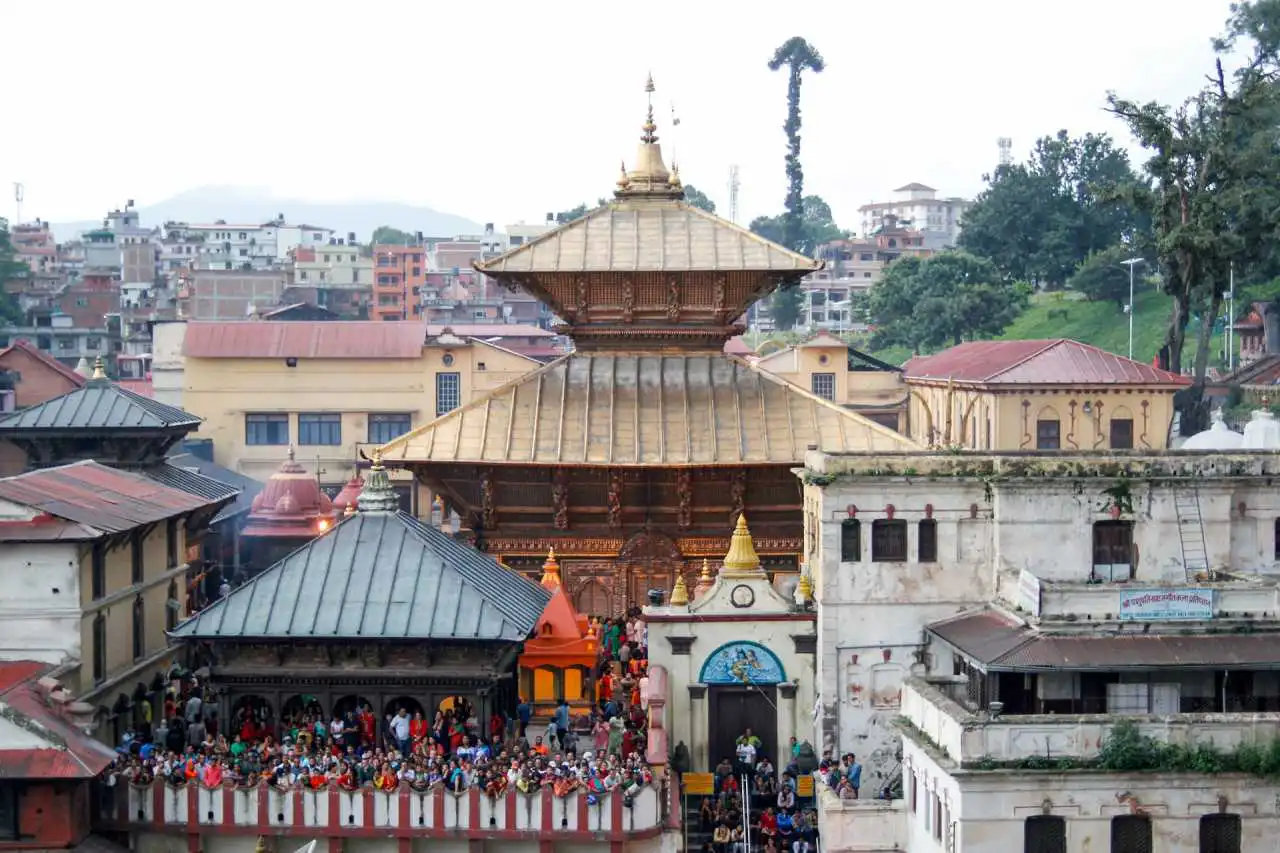

Shiva Ratri, also known as Maha Shivaratri, is one of the most significant Hindu festivals celebrated in Nepal and other parts of India. It is observed on the 13th night/14th day of the Hindu month of Phalguna, which falls in February. The festival is dedicated to Lord Shiva, one of the most important deities in Hinduism.
The word “Ratri” means “night” in Sanskrit, while “Shiva” refers to Lord Shiva. Thus, the festival’s name translates to “the night of Lord Shiva”. It is believed that on this night, Lord Shiva performed the “Tandava”, a cosmic dance that symbolizes the creation and destruction of the universe.
Shiva Ratri is a time for spiritual reflection, fasting, and devotion. People flock to temples dedicated to Lord Shiva to offer prayers, sing devotional songs, and perform rituals. The temples are decorated with flowers and lights, and the air is filled with the sound of bells and the chanting of mantras.
In Nepal, the festival is celebrated with great zeal and enthusiasm. People from all walks of life, regardless of caste, religion, or gender, come together to participate in the festivities. The biggest celebration takes place at the Pashupatinath Temple in Kathmandu, which is considered one of the holiest shrines dedicated to Lord Shiva. Thousands of devotees gather at the temple to offer prayers, perform rituals, and take a holy dip in the Bagmati River, which runs alongside the temple.
Another important tradition associated with Shiva Ratri is the all-night vigil, where devotees stay awake and offer prayers to Lord Shiva throughout the night. It is believed that doing so can help one attain blessings and absolve one of their sins.
In addition to the spiritual aspect, Shiva Ratri is also a time for cultural celebrations. In some parts of Nepal, traditional dances are performed to honor Lord Shiva. One such dance is the “Bhailini” dance, which is performed by women and symbolizes the creation of the universe through the cosmic dance of Lord Shiva.
In conclusion, Shiva Ratri is an important festival in Nepal that brings together people from all walks of life to celebrate the power and majesty of Lord Shiva. It is a time for spiritual reflection, devotion, and cultural celebration, and it continues to play a significant role in the lives of the Nepali people.
Pashupatinath Temple:
The Pashupatinath Temple is a Hindu temple located in Kathmandu, Nepal, and is dedicated to Lord Pashupatinath, an incarnation of Lord Shiva. The temple is considered one of the most sacred shrines for Hindu devotees and is one of the UNESCO World Heritage Sites in Nepal.
The temple complex, which covers an area of approximately 264 hectares, is located on the banks of the Bagmati River and features a number of shrines, temples, and monuments. The main temple is a pagoda-style structure with a golden roof, four silver doors, and intricate carvings covering its walls.
The Pashupatinath Temple is said to have been built in the 5th century, although the exact date is uncertain. Throughout its history, the temple has undergone several renovations and additions, with the current structure dating back to the late 17th century.
The temple is a major pilgrimage site for Hindus, particularly during the festival of Shivaratri. Thousands of devotees flock to the temple to offer prayers, perform rituals, and take a holy dip in the Bagmati River. The temple grounds also serve as a site for cremation ceremonies, and it is said that those who are cremated here attain liberation from the cycle of rebirth.
In addition to its religious significance, the Pashupatinath Temple is also known for its stunning architecture and intricate carvings. The temple’s pagoda-style roof, silver doors, and intricately carved walls are a testament to the skill and craftsmanship of the artists who created it.
The temple is surrounded by a number of smaller shrines and temples, as well as several Ghats (steps leading down to the river) for bathing and ritual purposes. The temple complex also features a number of museums and galleries, showcasing the rich cultural heritage of Nepal.
In conclusion, the Pashupatinath Temple is a testament to the rich cultural and spiritual heritage of Nepal. It is a major pilgrimage site for Hindus and attracts thousands of devotees each year, offering a glimpse into the rich history and traditions of the country. Whether you are a spiritual seeker or simply interested in the history and architecture of the temple, a visit to the Pashupatinath Temple is an unforgettable experience.


