


Nepal has long been a dream destination for trekkers from around the world. Its high Himalayan ranges, rugged roads, and ancient culture cannot be found elsewhere. Over the decades, explorers have arrived in Nepal to traverse isolated valleys, traverse high mountain areas, and explore local cultures in a different way.
Not every trekking path in Nepal has been so accessible, however. There are special areas, called restricted areas, which have always needed special permits and have had a lot of stricter rules. These are near or along the international boundaries, culturally sensitive or fragile environments.
Nepal has recently implemented a significant change in trekking rules to attract the attention of the world’s travel destinations. Solo travelers are now able to use closed zones, which were not previously possible. The update has provided new opportunities to independent trekkers and has not compromised safety or regulation.
The change is particularly significant to individual travelers who want to learn at their own pace without relying on a group. The Nepal trekking rule change 2026 allows remote adventures to be more accessible without compromising the safety of the trekkers since the trekkers will be under guidance.
Understanding Restricted Areas in Nepal
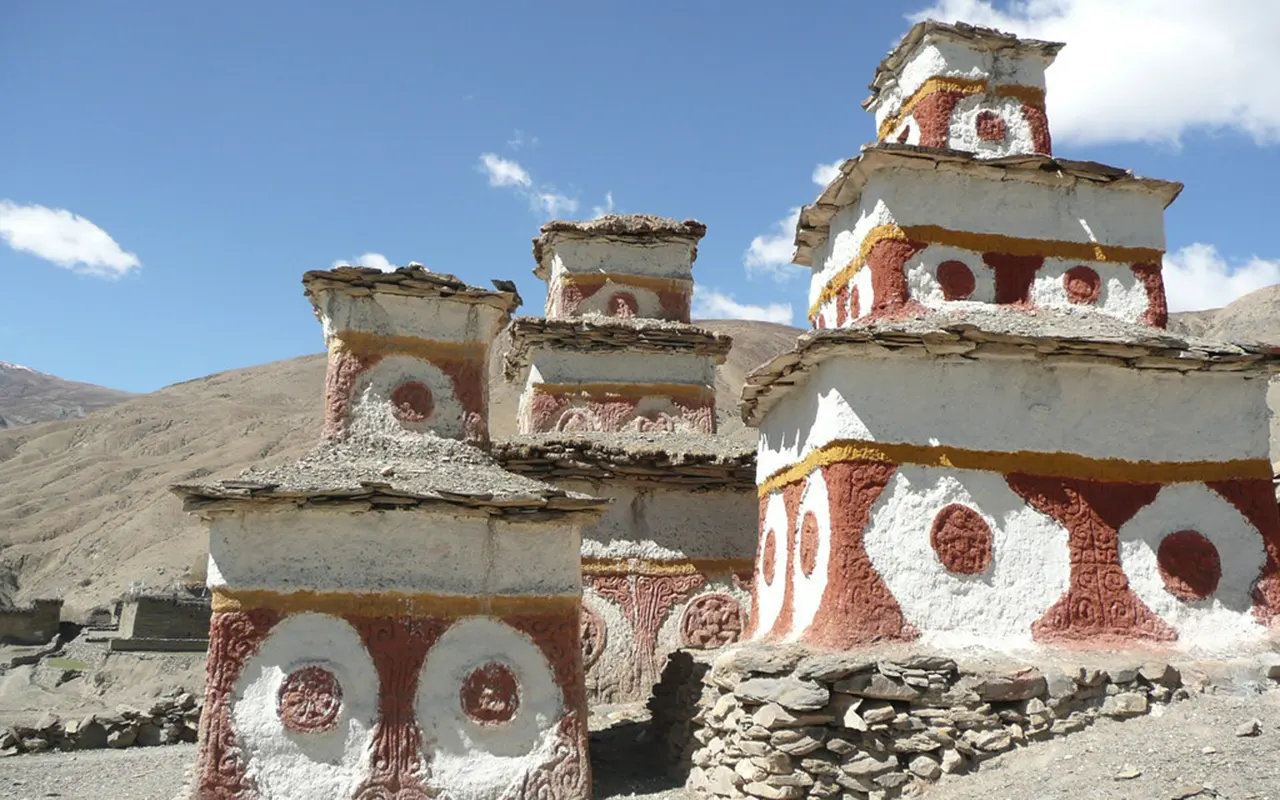
Special areas in Nepal are restricted trekking areas whose access is managed by the government. These are not open areas like popular trekking trails like the Everest Base Camp or the Annapurna Circuit. Rather, trekkers have to acquire special permits and adhere to special regulations.
There are a number of reasons why these restrictions are in place. Border security is one of the primary reasons. There are a large number of restricted zones on the borders of Tibet (China) and the movement in these areas is closely controlled by the government.
The other important reason is cultural preservation. Certain of these areas possess distinct traditions, languages and ways of life that have not changed in centuries. Nepal is aiding the protection of these cultures by controlling tourism so that the cultures are not disturbed.
It is also largely due to environmental protection. The ecosystems around these regions are usually delicate and are easily destroyed by uncontrolled tourism. Through restricting access, one can preserve the natural beauty and biodiversity of these areas.
Some of the popular restricted trekking areas in Nepal are the Upper Mustang, Upper Dolpo, Manaslu Region, Tsum Valley and Kanchenjunga. All these places are special in their own way, starting with desert-like scenery, to isolated villages in the Himalayas.
Previous Trekking Rules (Before 2026)
Before the change of the Nepal trekking rule 2026, there were strict conditions that accompanied trekking in restricted areas. The minimum group requirement was one of the most vital regulations. In order to get a permit, trekkers had to be in a group of at least two individuals.
Besides this, it was also obligatory to book the trek with a registered trekking agency. Independent planning was not permitted, and all permits needed to be dealt with by an authorized agency.
All the restricted area treks needed to have a licensed guide. This regulation was safe and helped control tourism in the isolated areas.
These regulations posed a number of problems to individual trekkers. The travelers could not easily get an equivalent to share trekking with, particularly when they were alone. Some were forced to be randomized into groups in order to satisfy the requirement, which diminished their flexibility and personal experience.
Planning was complicated. Solo travelers were less in charge of time and sometimes had to change plans depending on the availability of the group.
What Changed in 2026?
The trekking rule change of 2026 in Nepal introduced a huge change in the accessibility of restricted areas. The biggest change is the elimination of the minimum two-person requirement.
Individuals are now able to seek restricted area permits without necessarily having to become members of another trekker. With this change, people can now make their own arrangements to travel.
But not all has changed. Not all the rules have been abolished. The trekkers will need to reserve their tours with an authorized trekking agency. They also need to employ an authorized guide throughout the walk.
This is a policy that was implemented by the government in order to create a balance between liberty and security. Although individual travelers are now able to explore on their own, having a guide around guarantees that they are safe and that the local rules are observed.
Why Nepal Introduced This Rule Change
The reason behind the change of Nepal trekking rule 2026 is due to several reasons. Among the key reasons is the increase in solo travel around the world. An increasing number of people now choose not to travel with others, in search of self-development and exotic experiences.
Nepal has been aware of this trend and changed its policies to suit the evolving demands of travelers. The country will be able to serve more people by letting in individual trekkers.
The other reason is to increase tourism revenues. Restricted areas will have fewer visitors than popular routes, and their opening to individual travelers will encourage the growth of visitors.
The government is also determined to open up remote areas. These places frequently rely on tourism as a source of income, and more trekking will benefit local society.
Lastly, Nepal is competing with other world trekking destinations. It has achieved this by adjusting its policies to make it one of the best adventure travel destinations.
What This Means for Solo Trekkers
This rule change is a great benefit to individual travelers. It makes it easier to plan trips on their own. Trekkers do not have to find a partner or a group anymore to meet permit requirements.
This simplifies and expedites the permit process as well. Visitors would no longer have to rely on others when making their own plans.
Meanwhile, security is an issue. A licensed guide will accompany trekkers on their journey. Guides assist in navigation, communication, and any emergency.
The rule change 2026 of Nepal trekking provides a compromise between liberty and safety, which can be appealing to solitary travelers.
How to Get a Restricted Area Permit (Step-by-Step)
Avoiding the hassle of obtaining a permit is a simple affair with the new system. First, you have to select a trekking destination. Every restricted area has permit requirements and costs of its own.
This should be followed by calling a trekking agency in Nepal that is registered. Although solo travel is currently permitted, it is not yet possible to issue the permits directly to individuals.
You will be required to present some required documents, including a copy of your passport, details of your visa, and travel insurance. The following forms are needed to process your permit.
Then you will pay the permit fees, which are different based on the location and the time you want to do the trek.
You will then be assigned to a licensed guide by the agency. When everything is prepared, you will be given your permits and can set out on your trek.
Cost Breakdown for Solo Trekkers
The pricing of trekking in restricted zones is based on a number of factors. The highest cost is normally the permit fees that differ according to the region.
To take an example, the permit fee is relatively high in Upper Mustang because of its distinct cultural and geographical relevance. Manaslu Circuit tends to be cheaper and still involves a number of permits.
You will have to pay agency service charges in addition to permits. These include the expenses of planning your trek and paperwork.
Another cost is guide fees. It is compulsory to hire a licensed guide, and normally the fee does not include their salary, food, and accommodation.
You also need to allocate money to accommodation, meals, and transport.
Generally, trekking in restricted places is more costly than common treks; the experience is usually more exclusive and challenging.
Role of Trekking Agencies & Licensed Guides
Trekking agencies still have a significant role to play even after the Nepal trekking rule change of 2026. Their responsibility is to put permits in place, logistics, and to make sure that all the regulations are taken care of.
Certified guides are important. They are useful in following complicated paths, and particularly in remote areas where the paths are not well marked.
Safety support is also offered by guides. They are trained to act swiftly in case of emergencies or in case of altitude sickness.
They also provide a bridge to the culture, assisting the trekkers to appreciate the local culture and traditions. This improves the general trekking experience.
Hiring locals, as guides, also helps trekkers to contribute to the local economy and communities in remote regions.
Benefits of the New Rule
The Nepal trekking rule change 2026 has various obvious advantages, particularly to solo travelers. The greatest benefits are that it can enable one to trek without the need of seeking someone to join them. This simplifies the planning process and allows travelers to explore at their leisure.
It also enhances access to remote areas such as the Upper Mustang and the Upper Dolpo, which could be hard to reach by individual trekkers in the past. These exotic scenes and cultures can now be enjoyed by more travelers.
The Nepal tourism industry also benefits from the change. The increased tourist arrivals will benefit the local communities through the lodges, guides and small shops, among others, particularly in remote locations where tourism is a big contributor to income.
Meanwhile, safety is not compromised. The presence of a licensed guide is valuable in high-altitude and remote areas, as it ensures that trekkers have support on the way.
Limitations You Should Know
In spite of the advantages, the Nepal rule change for trekking in 2026 has certain limitations. Trekking is not totally autonomous and authorizations need to be registered via a registered trekking agency.
It is necessary to hire a licensed guide, which increases the final price. This is not always easy to afford among budget fliers as opposed to unrestricted fares.
Rules on permits are still in play, and some areas are still restricted. There are certain requirements that need to be adhered to in each region.
Planning is less flexible. Because you have to liaise with an agency and a guide, it can be harder to make impromptu changes to your itinerary.
Best Restricted Area Treks for Solo Travelers
One of the most suitable places to visit individually is Upper Mustang. It has its own desert-like features and a rich Tibetan culture. It is culturally important and scenic as the area is approximately 3,800 meters (12,467 ft) in elevation.
Another option is the Manaslu Circuit. It is a mix of long trekking paths and breathtaking mountainous landscapes. The Larkya La Pass is 5,160 meters (16,929 ft) and is a challenging and rewarding experience.
Tsum Valley is the place to go to experience a spiritual journey. It is characterized by its monasteries and tranquility, and its villages were found at an altitude of 3,700 meters (12,139 ft).
Upper Dolpo is an adventure lover’s paradise. It belongs to the most distant areas in Nepal, and the passes are over 5,000 meters (16,404 ft).
Essential Tips for Solo Trekking in Restricted Areas
- It is important to select a good trekking agency. Ensure that the agency is established and receives positive reviews.
- Ensure you check the license and experience of your guide. A well-versed guide can be of immense help in your quest.
- Equip yourself for remote conditions. There are a few facilities around a restricted area, and you must be physically and mentally ready.
- Be respectful of local customs and rules. These are culturally sensitive areas, and proper conduct matters.
- Proper and positive thinking will aid in making the trek an easy experience.
FAQs
Can I trek alone all the way now?
No, you cannot walk all alone. All treks in the restricted areas of Nepal still require the services of a licensed guide.
Is a guide still mandatory?
Yes, even with the Nepal trekking rule change of 2026, when Nepal opens up to solo travelers, employing a licensed guide is mandatory.
What is the duration of obtaining permits?
The process of permit processing normally requires one to three working days with a registered trekking agency, based on the destination.
What are the best restricted area treks to do for beginners?
Trekking in the Manaslu region is thought to be favorable to beginners because of the ease of access and the fairly well-developed trekking infrastructure.
Is it safe to solo trek in Nepal?
Yes, in most cases, it is safe under the guidance of a licensed guide, adequate preparation, and understanding of altitude, weather, and remote conditions.
Should I have a trekking agency do the work?
Yes, one needs a registered trekking agency to process permits; one cannot obtain permits for restricted areas without going through a registered trekking agency.
Is the permit fee the same for all locations?
No, permit fees vary based on the area, the period of stay, and other details set by the Government of Nepal.
Is it possible to customise my itinerary when on the trek?
Only small adjustments can be made, and there is not much flexibility, as the permits, guides, and logistics are predefined.
What documents do you need for restricted area permits?
If you are processing the permit, you require a copy of your passport, a valid visa, the details of your travel insurance, and passport-size photographs.
In what season should one trek the restricted regions of Nepal?
Most of the restricted areas provide the most favorable trekking conditions, clear views of the mountains, and better weather during spring and autumn.
Conclusion
The rule change of Nepal trekking 2026 is a big milestone in the history of Nepal trekking. The country has opened its remote areas to solo travelers, keeping the areas safe and controllable.
With this transformation, there exists a balance between freedom and responsibility. Trekkers now have more freedom as they can have the services of licensed guides.
Anyone who has decided to take an adventure in Nepal should not miss this chance of visiting these special places. Solo trekking in restricted locations can be an indelible experience when properly planned and with proper respect to the local culture.
When you are planning your next trek, this is the time you need to begin the planning, get in touch with one of the reliable trekking agencies, and enjoy the beauty of Nepal in a way you have never seen before.


