





Need help?
Talk to trip expert

Tibet
Short Information of Tibet
Short Information of Tibet
Tibet, also known as the Roof of the World, is a mystical land, located in the heart of the Himalaya, southwest of China. Tibet has an average height of more than 4,000 meters, providing the most unusual scenery, with snow-white mountains and hills, calm lakes, deep gorges, dense forests of alpine region, and the expansive Tibetan Plateau.
Tibet has become a dream destination for trekkers, adventure seekers, nature lovers, and spiritual travelers due to its extraordinary landscapes. In addition to its spectacular landscape, Tibet has been characterized by its rich culture and spiritual heritage. Tibetan Buddhism influences everyday life that manifests in monasteries, temples, prayer flags and traditional festivals.
Tourists have the opportunity to visit bustling Lhasa, the capital or small villages where the past centuries have gone by and the people still practice their traditions. Tibet is a combination of the spiritual, the adventurous, and the scenic, creating memories that every traveler will cherish.
Tibet Visa and Entry Process
Visiting Tibet is a destination that demands proper planning since the entry procedures are stricter than in other sites. Chinese tourists or Hong Kong residents require a Chinese visa, and foreign tourists entering via Nepal need a Tibet Travel Permit (TTP) as part of the required Tibet Group Visa process. Independent travel is not allowed; tourists must join a licensed tour with a fixed itinerary, transportation, and certified guides.
Besides the visa, every traveler requires a Tibet Tourism Bureau (TTB) Permit to board the train or flight to Tibet. To access Lhasa, Mount Kailash, and Everest Base Camp (North), tour operators provide both the travel information and itinerary to receive this permit and travel without difficulties. Tibetan adventure can be enjoyed hassle-free through proper planning of visas, permits, and guided tours.
Popular Destinations in Tibet
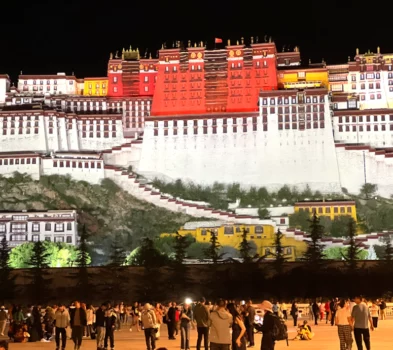
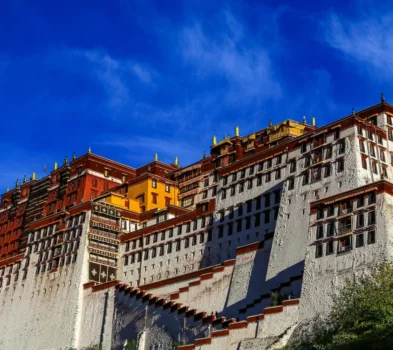
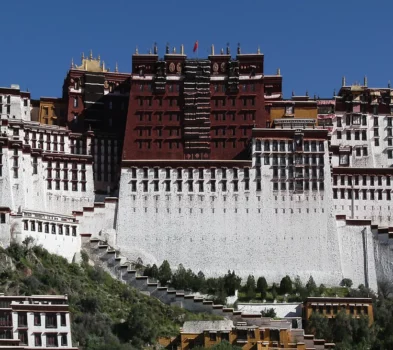
Tibet has numerous iconic natural and cultural attractions. The capital city Lhasa is the cultural center of the region, which reflects the glory of Tibetan architecture with such attractions as the Potala Palace, Jokhang Temple, Norbulingka and the busy marketplace of Barkhor Street.
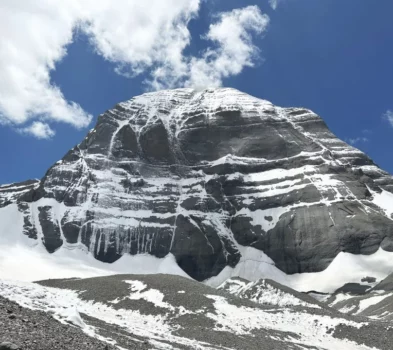
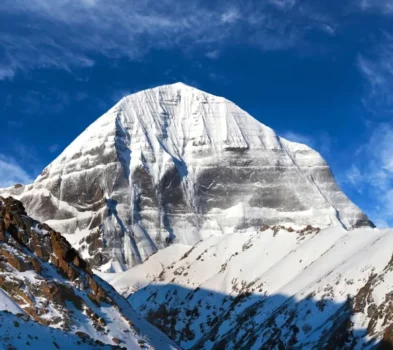
Mount Kailash and Lake Mansarovar contain strong spiritual values to both Hindus and Buddhists, and pilgrims worldwide visit the holy site to complete the sacred Kailash Mansarovar Kora, which is believed to wash away sins and offer spiritual merit. Adventure travelers will enjoy the ultimate Everest Base Camp (North Tibet) views of the tallest mountain in the world, Mount Everest, as well as Cho Oyu and Lhotse.
The Lulang Forest and Yamdrok Lake offer some tranquil scenery where one can enjoy a few walks and hiking tours, whereas Namtso Lake, or the Heavenly Lake, bewitches the photographers and travellers with its shinning waters. Yarlung Tsangpo Grand Canyon, considered the world’s deepest canyon, is a must-visit for adventure and nature enthusiasts. All of these places enable the tourists to have the unique mix of Tibet natural beauty, spirituality, and adventure.
Things to Do in Tibet
Tibet has varied experiences to a tourist who tries the country in terms of culture, adventure and spiritual enrichment. One of the most popular activities includes trekking, mountaineering that range to easy walks along Namtso Lake to the difficult experiences of Cho Oyu and Everest North which also has amazing views of the hills and an opportunity to visit remote villages.
Cultural exploration includes visiting local markets, monasteries, dzongs, and temples to learn about Tibetan Buddhism, while participating in festivals that bring the traditions to life. The Kailash Mansarovar Kora is a deep pilgrimage process to spiritual pilgrims, as they surround the mountain Kailash and Lake Mansarovar with the view to gaining purity and merit.
Scenic road trips around Lhasa offer panoramic views of lakes, mountains, and traditional Tibetan villages, blending adventure and culture seamlessly. Tibet is a place where natural beauty, religion and adventure meet.
Best Seasons to Visit Tibet
The climate is also a high altitude, which is important in planning a visit to Tibet. Spring, between March and May, when the weather is pleasant, skies clear, and flowers are in flower, are the best seasons to walk, as is the time to see the sights. The best seasons are autumn (September-November), which has cool weather, great visibility, and the Himalayas in sight to capture photographs and take high-altitude treks.
Between December and February, winter arrives with bitter cold, snow, and icy roads, thus preventing the trekking at high altitudes, however, sightseeing at low altitudes is still possible. From June to August, the monsoon brings heavy rainfall, slippery trails, and a higher risk of landslides, making travel in southern and central Tibet less safe.
Planning a trip based on these season trends is a sure way of being safe as well as experiencing Tibet in a more enjoyable way because of its breathtaking scenery.
Culture, Tradition, and People
Tibet has a rich cultural heritage and Tibetan Buddhism is heavily influenced by Tibetan Buddhism that influences art, architecture, music and life in general. The spiritual richness of the area is represented by colorful monasteries, prayer flags, butter sculptures, and sand mandalas. Tibetans are known for their warm hospitality, spirituality, and welcoming nature.
Visitors are also able to explore traditional crafts such as Thangka painting, wood carving and weaving and in some cases attend workshops, which will provide them with practical knowledge. The masked dances, ritual performances, and religious processions in the Tibetan festivals such as Saga Dawa and Shoton Festival help to understand the traditions that date centuries ago.
Tibetan food, including Tsampa, Momo (dumplings), Butter Tea, and Thukpa (noodle soup) is a product both of the mountain setting and cultural heritage. Interacting with the locals gives the tourists a greater understanding of the peaceful and long-lasting Tibetan lifestyle.
Health and Altitude Awareness
Tourists visiting Tibet should be sensitive to altitude illnesses since most parts of the location are above 4,000 meters. The most common side effects are nausea, headaches, dizziness, shortness of breath, and fatigue.
The preventive measures involve gradual ascent, not to strain, hydration, consume balanced meals, and carry medicines like Diamox in case advised. Proper acclimatization is crucial, especially on high-altitude treks like Everest Base Camp (North) or the Mount Kailash pilgrimage, to ensure safety and an enjoyable experience.
Travel Insurance and Safety
Travel insurance is necessary to visit Tibet as it includes emergency medical treatment coverage, evacuation with helicopters in case of high-altitude emergencies and trip cancellations or delays, loss or theft of property.
Independent travel is limited; therefore, all tours, treks, and expeditions must be accompanied by licensed guides. Tour operators handle permits and emergency services making sure that the journey in Tibet is safe and well-organized.
Meals and Accommodation
The concept of accommodation in Tibet differs with the location. Lhasa and Shigatse provide a variety of choices, including luxury hotels and comfortable lodges, and the trekking areas depend on either teahouses, lodges or tents higher up.
The food usually consists of typical Tibetan food like Tsampa, Momo, Butter Tea and Thukpa. The Chinese, Nepalese, and Indian cuisine is also available in cities. For high-altitude trips, most tour operators prearrange accommodation and meals, ensuring the journey is convenient, comfortable, and safe.
Money, Banking, and Connectivity
In Tibet, the official currency is Chinese Yuan (Renminbi) and foreign currencies are not usually accepted, it is important to change money at big cities such as Lhasa or Shigatse. Banks and ATM are present in the cities, but there is limited availability in isolated regions and credit card acceptance is limited in select luxury hotels.
Cities have internet access and Wi-Fi in hotels and restaurants, reflecting good coverage in lower altitudes but low coverage in remote areas. Mobile coverage is also good in the lower altitudes but poor in the remote regions. The Social media platforms like WhatsApp and Facebook are blocked, so it is advisable to install a VPN before entering Tibet.
Internal Transport and Flights
The major cities within Tibet are linked by internal flights, but due to weather conditions like fog, snow and heavy rain, delays/ cancellations may occur. The most reliable seasons of air travel are autumn and spring. Another way to explore Tibet is by road trips, which offer panoramic views of valleys, lakes, and mountain passes, while allowing travelers to experience Tibetan culture and village life.
Why Visit Tibet
Tibet is a spiritual, adventurous, and natural charm destination. Tourists have access to holy places such as Mount Kailash and Lake Mansarovar, high-altitude treks such as Everest Base Camp (North) and the Cho Oyu Expedition and the wonder of the Himalayan scenery.
The warm locals, colorful culture, and relaxing lifestyle make Tibet to be a one-in-a-lifetime trip to explorers, spiritualists and adventure travelers. Tibet is a place whereby culture, nature and spirituality all come together to live in harmony.


