



Nepal is a land of cultural wonder. People of different ethnicity have been living in Nepal since time immemorial. This has resulted in the celebration of various festivities. Some of these festivals are celebrated throughout Nepal, while some are celebrated in particular areas.
Astrologers fix the dates of most festivals following the lunar calendar. The festivals are celebrated with much enthusiasm, and with more than 50 festivals, Nepal can be called the land of festivals.
Some of the main festivals of Nepal are as follows:
Dashain:
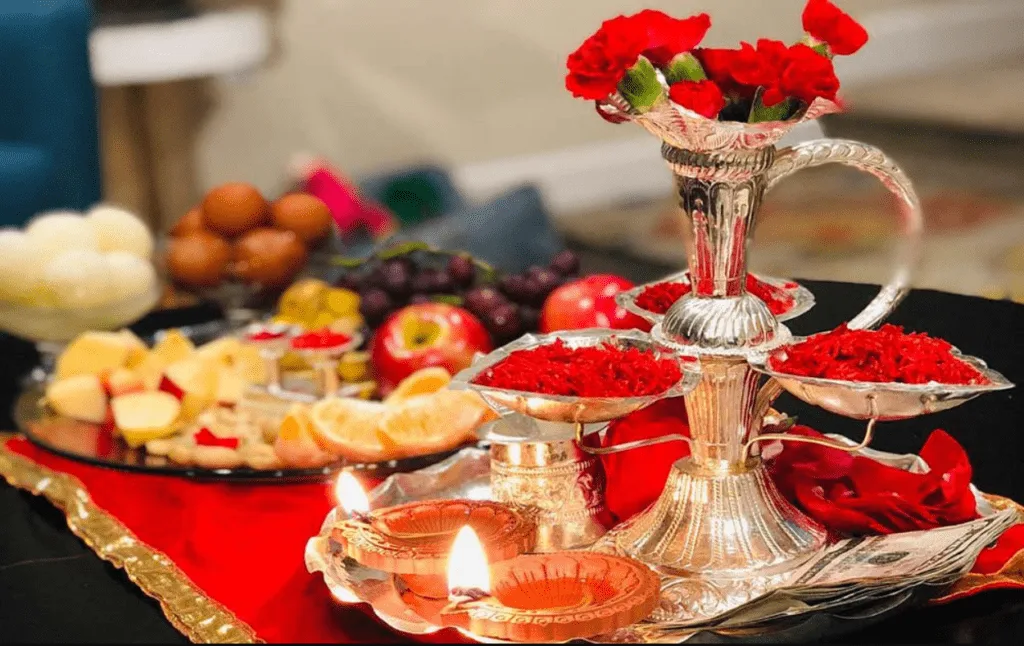
Dashain is the biggest festival in Nepal and symbolizes the victory of good over evil. The festival is a time for family reunions, exchange of blessings and gifts, in addition to elaborate pujas.
It is the celebration of female power marked by the worship of Goddess Durga in her nine forms each day of the first nine days of the festival. The festival also marks the victory of Lord Ram over the king of demons, Ravana. Hindu mythology tells the victory of goodness, “Durga,” over a demon named “Mahisasur.” The Goddess killed this demon in a war that lasted for multiple days.
Dashain is celebrated for a total of 15 days, with each day having its significance. On the first day, “Ghatasthapana” literally means setting up the pot. The 10th day is marked by receiving Tika (a dab of red vermilion mixed with yogurt and rice, which is unique to Nepal), Jamara (young saplings of barley, maize, rice seeds), and blessings from elders.
Dashain occurs during the bring lunar fortnight till the full moon in October.
Tihar:
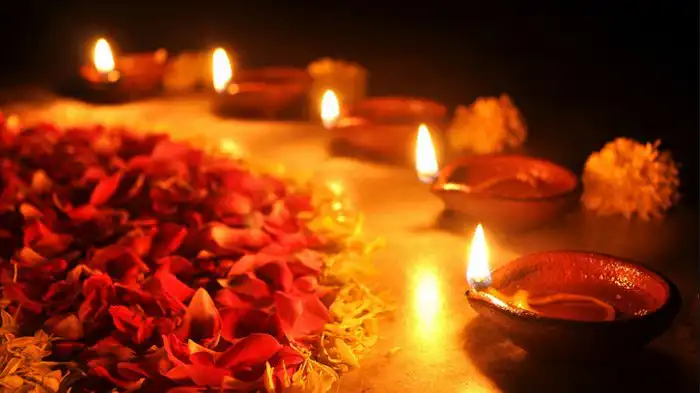
Tihar is the festival of lights and is unique because it shows reverence to both Gods and animals that have served humans well.
The celebration started with Yama, the god of death, and his sister, the Yamuna. She is said to have sent for him to visit him multiple times and, in the end, went to see her brother herself. She worshipped him with tika and flowers, circling with mustard oil and “Dubo” – a kind of grass and asked Yamaraj not to go till the oil, “Dubo,” and the flower had dried up, so every sister worshiped her brother wishing for his long life.
From the worship of crow, dogs, cows, and oxen to worship of Yama, the God of Death, Laxmi, Goddess of Wealth, and blessings for ones’ siblings, Tihar wraps it all up in a neat 5-day celebration. It is noted for lighting up homes with candles, oil-wick lamps, and electric lights. Playing caroling in the form of Deusi and Bhailo is also done during Tihar.
Tihar’s timing is based on the new moon, which can fall either in November or October.
Chhath:
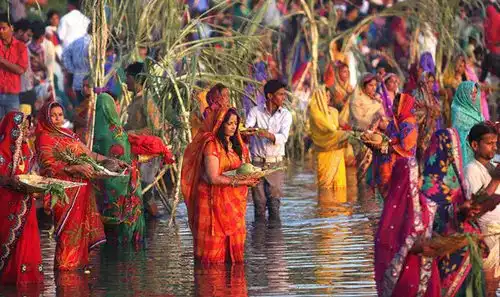
Chhath Puja is a festival held to worship the sun deity, Surya, who is worshipped as the earth’s life force, and his sister Chhathi Maiya to wish for the protection of the protection one’s offspring and their longevity.
The festival involves rites and rituals that honor the sun in hopes of being granted long and healthy life to oneself and one’s loved ones. The celebration of Chhath has been found both in Ramayana and Mahabharata.
In Ramayana, the inception is said to begin with Lord Ram and his wife Sita, who upon returning from their exile are said to have observed a fast in honor of the Sun god and broke it only with the setting sun. This subsequently evolved in Chhath puja. While in Mahabharata, Lord Surya’s son Karna is credited with performing prayer to the Sun god standing in the water and offering offerings to the needy.
Whatever the origins, Chhath now includes a four-day festivity which includes holy baths, fasting, worshiping, and making offerings to the sun at sunrise and sunset. The festival typically falls sometime in October or November.
Maha Shivaratri:
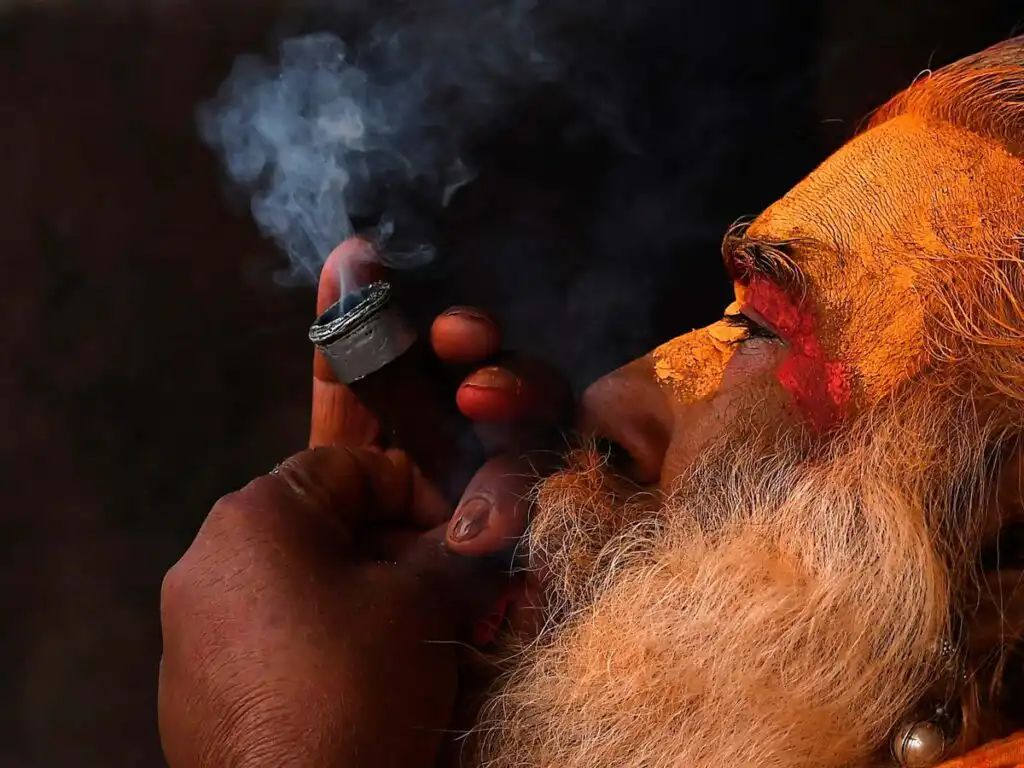
Maha Shivaratri marks the celebration of the Hindu deity Shiva. The festival marks the remembrance of overcoming darkness and ignorance in life and the world. The day is also believed where Shiva performed Tandav – the cosmic dance.
There are several stories on the origin of the festival. One such story says that during Samudra Manthan – the churning of the celestial ocean of milk, a pot emerged from the ocean which consisted of poison. Thinking it would mark the end of the world, all the Gods and demons went to Lord Shiva, who drank it and held it in his throat. Hence, the day marks the end of Lord Shiva saving the world.
The festival is observed by remembering Lord Shiva and chanting prayers, fasting, and meditating. During this day, Pashupatinath Temple witnesses a large surge of holy sage and devotees on the premises to offer their worship.
It mostly falls at the end of February or the beginning of March.
Holi:
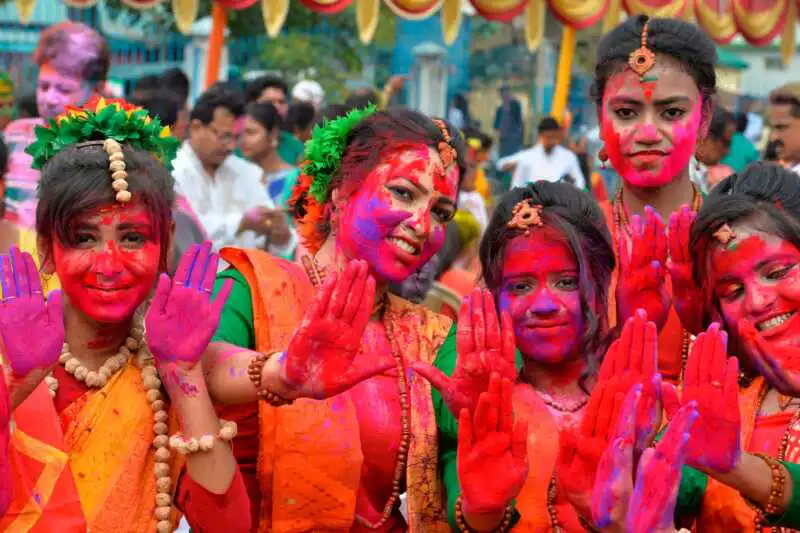
Holi is the festival of colors and marks the victory of goodness over evil. It celebrates spring, love, and new life. The celebration has come into being by the destruction of demoness Holika. Holika was on her quest to burn Prince Prahlad, an ardent devotee of Lord Vishnu but got burned herself into ashes. The prince was unscathed, and the people sprinkled him with colorful water to mark the celebration.
Holi is celebrated with playful indulgence with colored powder, colored water, and general merrymaking with dancing and singing. People also indulge in bhang – a mixture of cannabis, milk, and spices along with a variety of mouth-watering delicacies, such as Pakoras – spiced fritter, Thandai – sweet drink with milk base with ingredients such as almonds, saffron, and poppy seeds to enhance the mood of the festival.
It is celebrated on the last full moon day of the Hindu lunisolar calendar month, normally falling in early March.
Nepali New Year:
Nepal celebrates the new year at a completely different time from the rest of the world. Nepal follows a separate calendar system called Bikram Sambat, 56.7 years ahead of the solar Gregorian calendar. The origin of the Nepali New Year dates back to the era of Emperor Vikramaditya, who used lunar months and the solar sidereal year.
During the day, people socialize by visiting their relatives and having a get-together with friends. It is commemorated with the hopes of having a lot of blessings and prosperity. Joyful activities such as street dancing and parades are also conducted. Rituals such as the annual carnivals of Bisket Jatra and Bode Jatra are also carried out during the New Year. Events and parties are also organized at hotels and restaurants, especially at night.
This falls near mid-April.
Bisket Jatra:
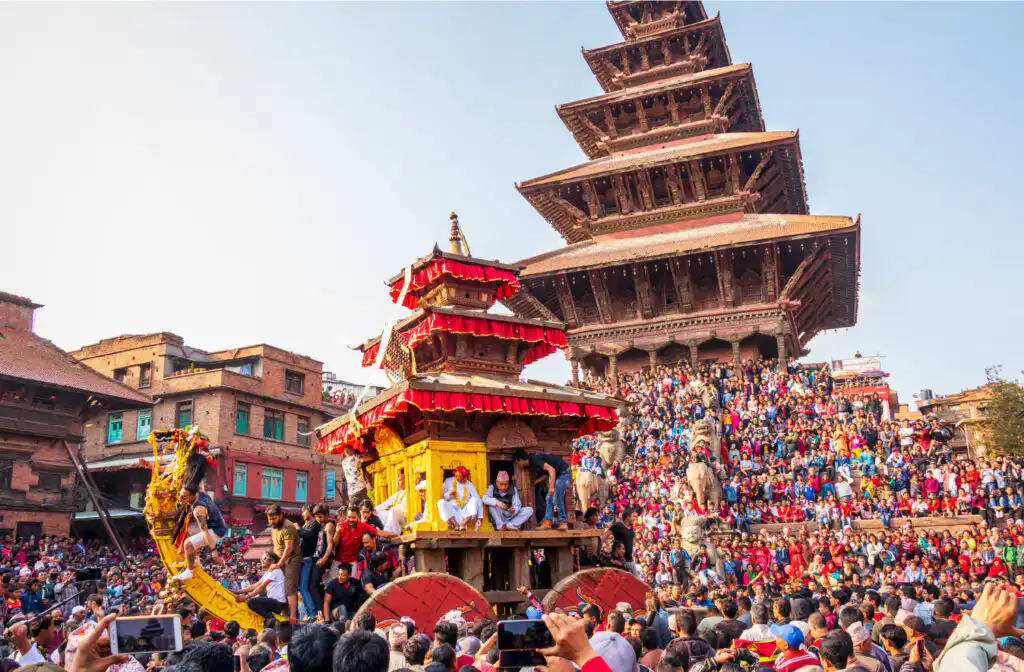
Bisket Jatra is a local festival of Bhaktapur district and some local places in Nepal. It is marked by a weeklong festival marking the ancient solar New Year. The festival was started by King Jagajyoti Malla, who was fascinated by the folklore and myth about a cursed, beautiful princess, which caused her husband to die the next day. A brave man eventually freed her by killing the serpents responsible for the husband’s death. The story inspired the king so much that he decided to recreate it by celebrating Bisket Jatra.
The festival commences after a special Tantric ritual in the Bhairav temple in Taumadhi Tole in Bhaktapur. The festival encompasses the erection and downfall of Lingo, a pole signifying the downfall of one’s enemy. There is also the tug of war for deciding to drive the chariot of Lord Bhairav either to the upper or lower direction of the city.
Smearing of Sindoor (orange vermillion powder) during the chariot processing with singing and dancing to the tune of traditional music during the procession is also performed. A tongue-piercing event is also held by the Shrestha clan of the Bode area.
The festival is celebrated at the start of the Nepali new year, which falls around mid-April.
Buddha Jayanti:
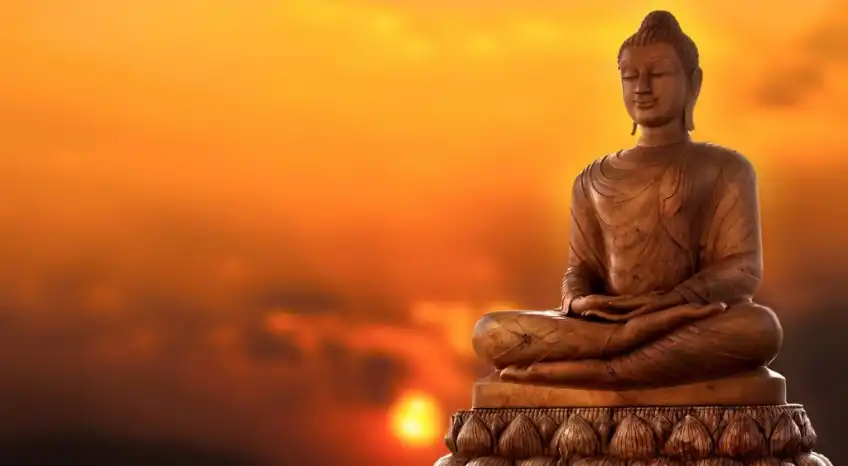
Buddha Jayanti marks the birth of Buddha and is a special festival of both Hindus and Buddhists in Nepal. It celebrates the life of Lord Buddha in all stages – his birth, enlightenment, and death. It is said that Buddha was born, attained nirvana, and died all on the full moon of Baisakh – the first month in the Nepali calendar.
Devotees crowd Buddha’s birthplace in Lumbini on this day. A procession is held in the morning. During the day, cultural events take place. At night Maya Devi’s temple – the birth mother of Buddha is decorated with thousands of lamps. In Kathmandu Valley, an homage to Buddha is paid at the stupas, especially in Swayambhunath and Boudhanath. These stupas are ornate with lights that make for a peaceful sight, especially at night. Followers and monks offer candles, flowers, and different fruits to the status of Lord Buddha. Incense is also burned, which fills the air with a pleasant smell.
It is observed in May.
Janai Purnima:
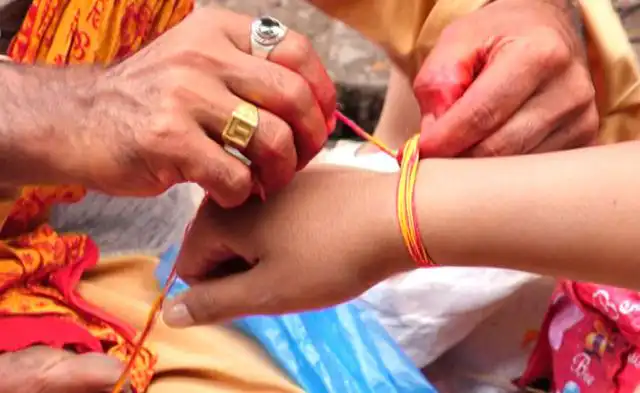
Janai Purnima is a Hindi festival celebrated throughout Nepal by observing Hindu rites and rituals and Shaman culture. The festival initially began as a renewal of Janai – thread is worn diagonally, from the left shoulder to right waist, crossing the chest for men of Brahmin, Kshatriya, and Vaishya caste. Janai is believed to purify the soul and protect the body from evil.
This festival has since been adapted to various celebrations. Devotees also tie a sacred thread around their wrists in this day. The southern plain is celebrated as Rakshya Bandhan, a festival to celebrate the bond of love and affection between brothers and sisters. Shamans of Kathmandu valley and around Nepal also gather to perform their ancient rites. Residents of the Kathmandu valley also prepare a soup of a mixture of beans called Kwati as special food for the day.
It occurs during the full moon every August.
Gai Jatra:
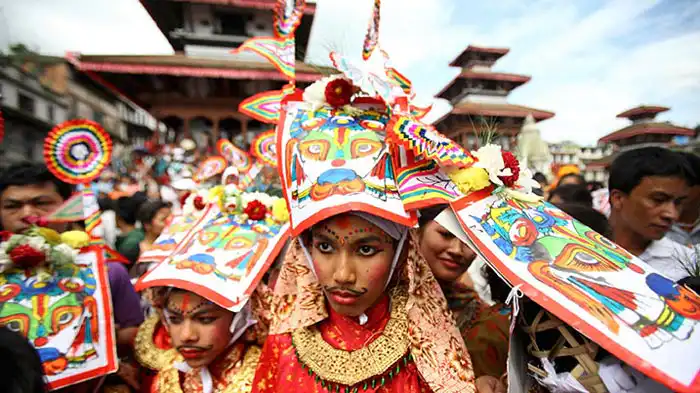
Gai Jatra, literally meaning cow festival, is a celebration in Kathmandu Valley to commemorate the death of loved ones. The festival began when the Queen of Malla origin was mourning the untimely death of her son. In a bid to console her, the king asked every family that lost a loved one to come out in a procession to show the queen that she was not alone with her suffering.
During the festival, family members, mostly the deceased of the past year, send people, mostly children dressed as cows, to parade the streets. The streets become alive with disguises as cows or Jhankis – traditional healers wearing masks. Sharing sorrows and taking comfort in knowing that the lost loved ones are safe is the main reason for celebrating this festival. It is also a tradition to break funny conversations, jokes, sarcasm, and even stand-up during Gai Jatra.
It generally falls in July or August.
Teej:
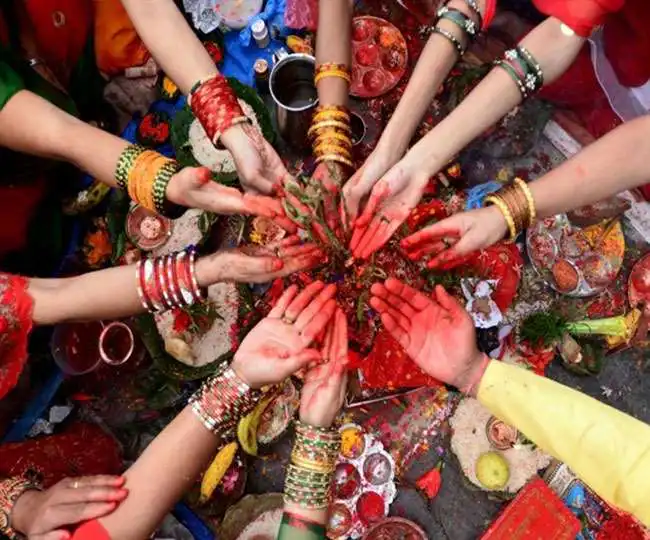
The Teej festival is the remembrance of the reunion of Shiva and Parvati, the day Shiva accepted her as his wife. It is a celebration by women asking for a special blessing by Lord Shiva to attain a good husband and to pray for their longevity and prosperity.
The celebration came into being when Parvati, the daughter of the King of Himalaya, fasted and lived an austere life for many years wishing to marry Shiva. So, this day is marked by women fasting and showing their devotion by dancing hours in the heat, rain and not even drinking water or eating food the entire day.
Married women are called by their parents to feast in an event called Dar. Women clad in red and green sari can be seen throughout Nepal, especially; long lines of women trying to worship in the Pashupatinath temple are a true sight to behold. On the third day, women satisfy seven saints by offering them food, money, and other offerings. Some bathe in red mud and brush their teeth with Datiwan – branches of a bush tree hoping for purification of soul and body.
It occurs around August.
Losar:
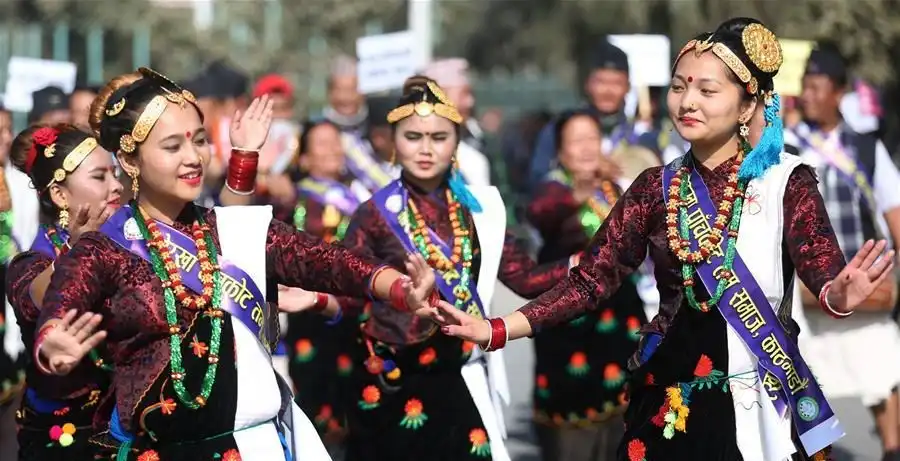
Losar is an important festival for all Buddhists as it is widely celebrated throughout the country. Losar means a new year and is celebrated in Nepal in three forms: the Tamu Losar, Sonam Losar, and Gyalpo Losar. Tamu Lhosar falls at the end of December or the beginning of January. Gyalpo Lhosar is celebrated in April, while Sonam Lhosar is celebrated in the new moon of March.
According to the Gurung calendar, Tamu Losar is celebrated by Gurung ethnic group in Nepal, marking the beginning of the Sambat Tamu. Cultural events are organized, and people wear traditional outfits to attend these programs. Also, on that day, they attend celebrations and festivities on Buddhist shrines.
Gyalpo Losar is celebrated by Sherpa ethnic group and marks the beginning of Tibetan New Year. The houses are cleaned, and especially the kitchen is the spot where the family eats. For the New Year celebration, several different dishes are served, such as Guthunk – a kind of dumpling, a special soup consisting of a combination of meat, yak cheese, rice, wheat, and vegetables.
Sonam Losar is celebrated by the Tamang ethnic group marking the beginning of the Tamang new year. On this day, the people clean and decorate their houses and visit monasteries to pray and hang flags. This day is further accompanied by the performance of Selo dances and ceremonies in Buddhist monasteries and stupas. This is done to win over the negative forces and provide positive support.
Indra Jatra:
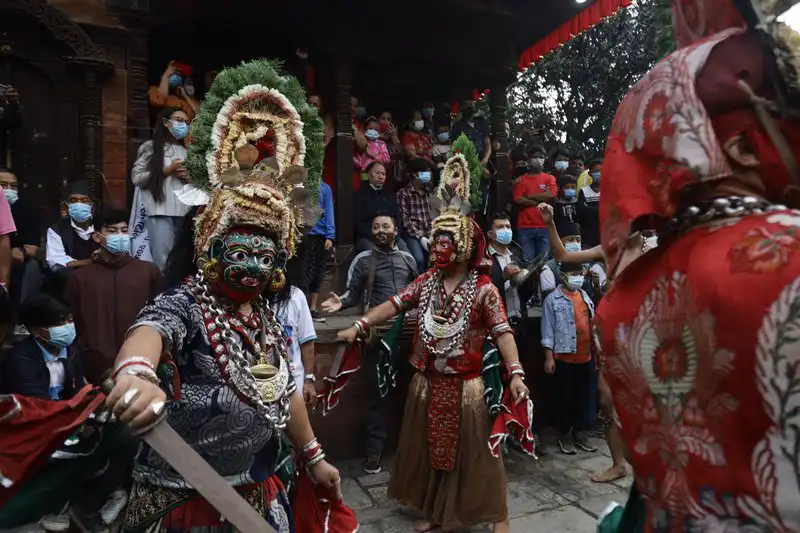
Indra Jatra is the biggest religious street festival in Kathmandu, marking the beginning of a month-long festival season of autumn. It marks the worship of the deity Indra, the king of heaven, and Kumari, the living Goddess.
King Gunakamadeva started the festival to commemorate the founding of Kathmandu city. The festival begins with the erection of Linga – a pole from which the banner of Indra is held. Masked dances with loud drums for music take place in the street almost every evening. There is also Kumari chariot possession during this festival.
The shrines and ancient palace buildings around Kathmandu Durbar Square are aglow with oil wicks during this festivity. In front of the temple of the Kumari, there is also an enactment depicting the ten earthly incarnations of Lord Vishnu.
It falls in September.
Ghode Jatra:
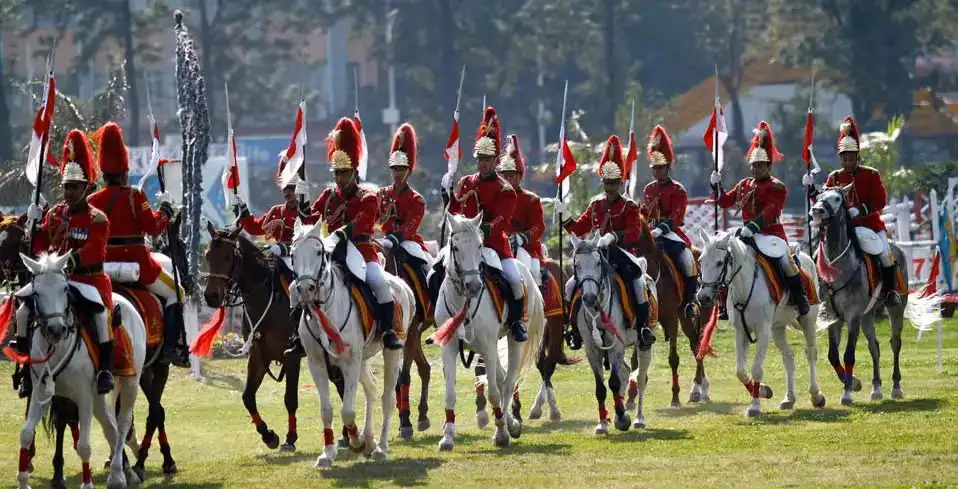
Ghode Jatra FestivalGhode Jatra is roughly translated as horse parade, and rightly, the festival consists of horse parades in Tundikhel, Kathmandu. Demon Tundi is said to have terrorized people for a long time. He was eventually slain, and people rejoiced by riding horses over his body. It is believed that the demon is still a threat, and every year, the clamor of horses’ hooves is needed to keep his spirits at bay.
During this day, army top brass, the top government officials, and diplomats come to Tundikhel to witness horse racing and acrobatics. It is believed that the faster the horses run, the quicker the demon’s spirit is subdued. The horseplay is demonstrated in a series of arts. The army also displays their skills as paratroopers with a plane flying close. Newar ethnic groups in Kathmandu Valley also mark the festival with a feast. They also carry the images of Goddess Bhadrakali and Goddess Kankeshwari over the narrowed streets of Asan just before the night of Ghode Jatra.
It is observed annually in mid-March or early April.
Finally,
Visiting Nepal during the festivities is an authentic way of getting cultural exposure in Nepal. If you plan to experience Nepal’s heritage and culture, it is a must to explore Nepal during these festivals. These festivals are spread throughout the year, so at your convenience, you can have a chance to encounter a piece of Nepal’s culture.


