

Duration
10 Days

Nepal Tour Package


Trip Grade
Easy
Group Size
1-16 People
Max Altitude
2,100m. / 6,890ft.
Best Season
Feb- May/ Sept- Nov
Activity
Long Tour
Meals
Breakfast, Lunch & Dinner
Accommodation
Hotels & Resorts
Transportation
Private Vehicle
Trip Customization
On request (click here)


Highlights of Nepal Tour Package
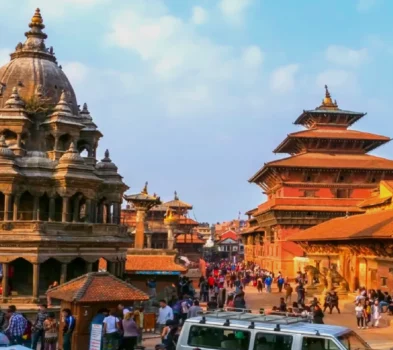
- Visit the world heritage sites in the Kathmandu Valley.
- Enjoy the beautiful sunrise view from Nagarkot.
- Exciting jungle safari in Chitwan National Park.
- Explore Pokhara and Bandipur; two popular tourist hubs in central Nepal.
Trip Introduction
Nepal Tour Package offers tours, sightseeing, and jungle safari around some of the famous tourist attractions in Nepal. The trip takes you around the Kathmandu valley and to Chitwan and Pokhara. All in all, this tour sums up the adventure and cultural aspects of the country. You can witness the sunrise, view the Himalayas, and explore the dense jungles in southern Nepal. Lastly, you also get to observe the lifestyle and culture of the Nepali people.
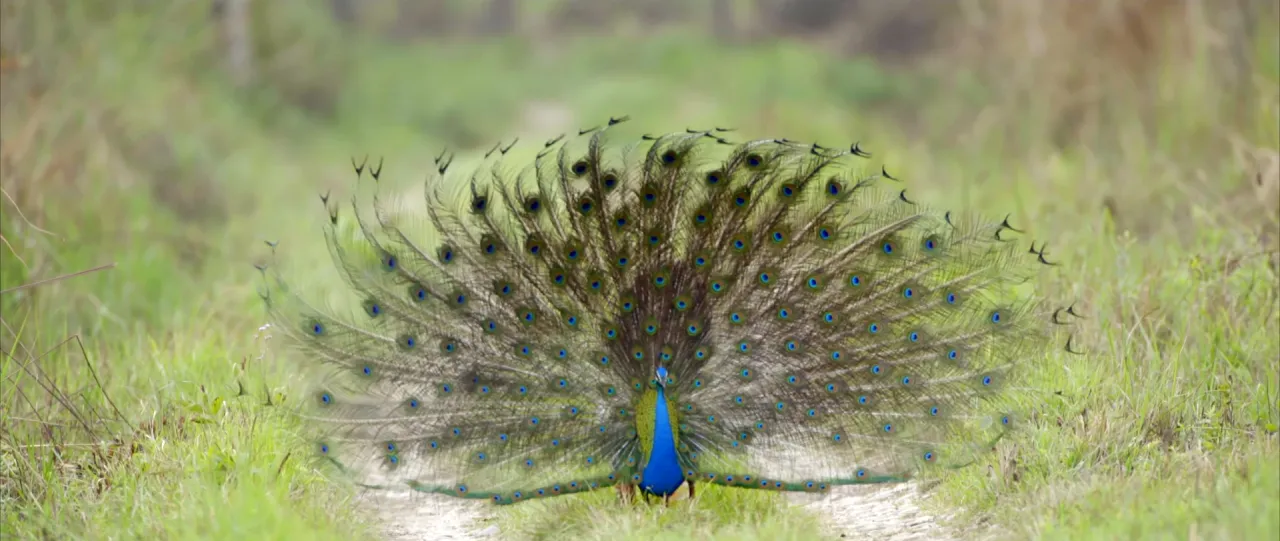
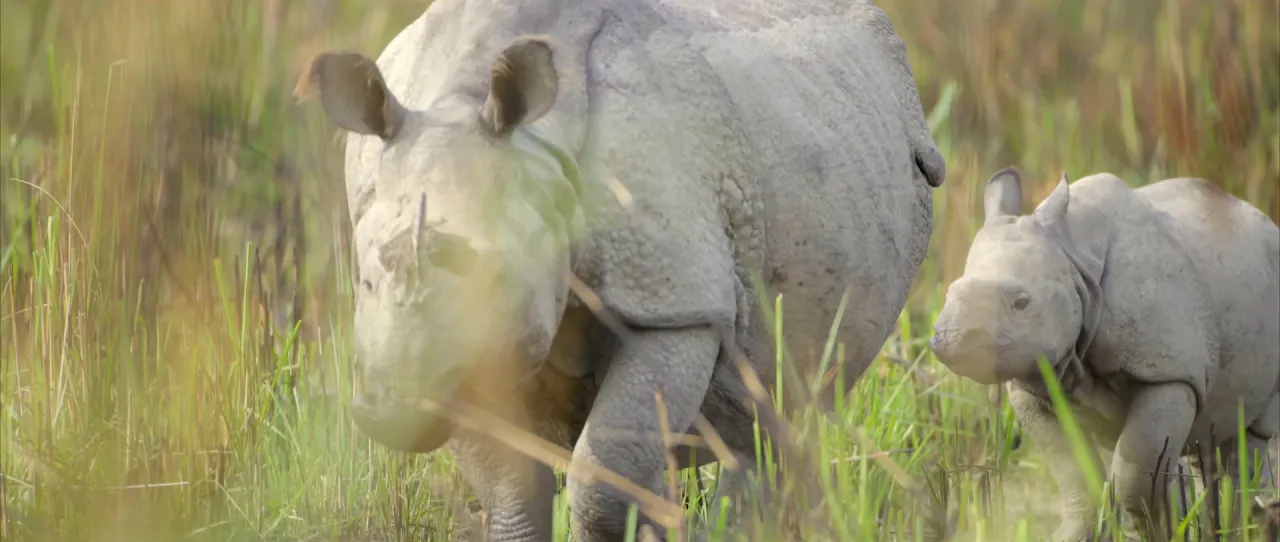
Your Nepal Tour Package journey starts with sightseeing inside the Kathmandu valley. You’ll visit Pashupatinath, Boudhanath, Monkey Temple, and the Kathmandu Durbar Square. Next, you head to the other popular UNESCO sites, Patan Durbar Square & Bhaktapur Durbar Square. You spend the day watching the Heritage sites and then head to Nagarkot. The next morning, you view the beautiful sunrise and then drive to Chitwan. Here, you’ll explore the Chitwan National Park on a jeep safari. You can witness a one-horned rhino, a Royal Bengal Tiger, deer, peacocks, bears, and many other wild animals and birds.
Then, you drive to Pokhara and explore the city. You visit Phewa Lake, Davis Falls, World Peace Pagoda, Pumdikot Shiva statue, and other popular places. The views of the Annapurna range and Mt. Machhapuchhre (6997m) are also surreal around the valley. Further, you’ll drive to Bandipur from Pokhara. Here, you observe the Newari culture and heritage. Lastly, you return to Kathmandu and end the trip.
Spring and autumn are the best seasons for this tour as the views are clear and the weather is fantastic. Also, the climate is neither too hot nor too cold. Likewise, any age group can be a part of this tour as it is easy and entertaining.
Himalayan Adventure Treks provides you with transport facilities and logistics on your trips. We also provide you with experienced guides along with other facilities. Moreover, we have other trips to the famous destinations in Nepal.
Outline Itinerary of Nepal Tour Package
Day 01: Arrival at Kathmandu Airport.
Day 02: Kathmandu Valley Sightseeing.
Day 03: Sightseeing Patan, Bhaktapur & overnight at Nagarkot.
Day 04: Drive from Nagarkot to Chitwan National Park.
Day 05: Jungle activities in Chitwan National Park.
Day 06: Drive from Chitwan to Pokhara.
Day 07: Sightseeing around Pokhara valley.
Day 08: Drive from Pokhara to Bandipur.
Day 09: Drive from Bandipur to Kathmandu via Manakamana Temple.
Day 10: Departure to Kathmandu Airport.
Our guests sharing their experiences (Photo/Video Gallery)
Detail itinerary of Nepal Tour Package
01
Day 01: Arrival at Kathmandu Airport.
Your arrival in Kathmandu will be marked by landing at the Tribhuvan International Airport (TIA). A company representative of Himalayan Adventure Treks & Tours will receive you and transfer you to your hotel. Evening you can meet the participants and the tour members.

Activity: Airport Pickup, 30 min

Max. Altitude: 1,400m/4,593ft. Kathmandu

Accommodation: Hotel
02
Day 02: Kathmandu Valley Sightseeing.
After breakfast, we start for the Kathmandu city tour which includes four of the UNESCO heritage site in the valley.
Pashupatinath Temple: The temple is one of the most sacred pilgrims’ sites for Hindus all over the world. It is the temple of Lord Shiva, the temple where the dead bodies are criminated on the bank of Bagmati River.
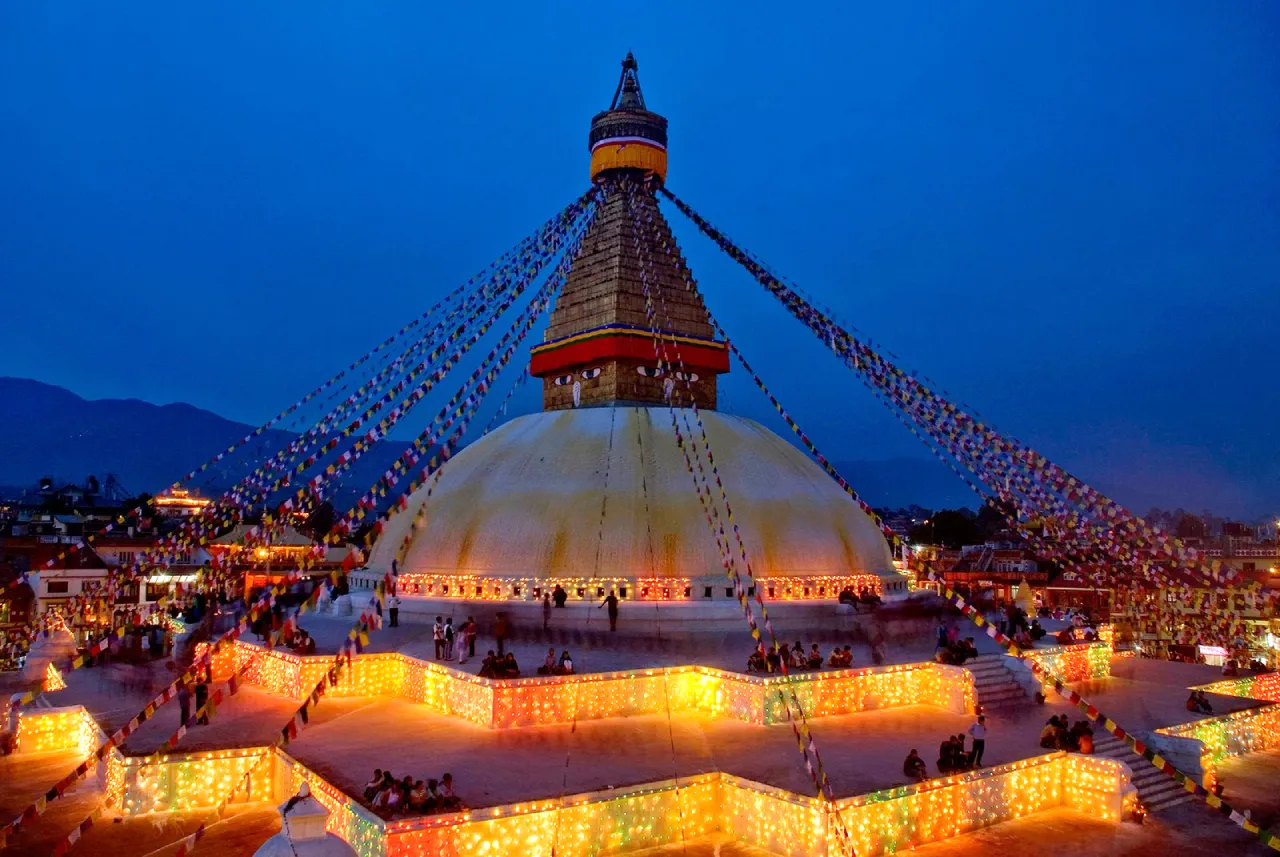
Boudhanath Stupa: which is one of the biggest stupas in Asia and the holiest Buddhist Pilgrims and famous tourist destination in Valley. It is also famous for over 50 Tibetan gompas or monasteries.
Kathmandu Durbar Square: It holds the places of the ancient king who ruled over the then Kathmandu Kingdom.
Swayambhunath(Monkey Temple): It is located in the heart of the valley. it is another famous tourist destination and holiest Buddhist pilgrims. it is also known as Monkey temple among tourists.
Activity: Sightseeing, 5-6 hours
Max. Altitude: 1,400m/4,593ft. Kathmandu

Meal: Breakfast
Accommodation: Hotel
03
Day 03: Sightseeing Patan, Bhaktapur & overnight at Nagarkot.
After breakfast, we start our tour which includes two of the UNESCO heritage site in the valley.
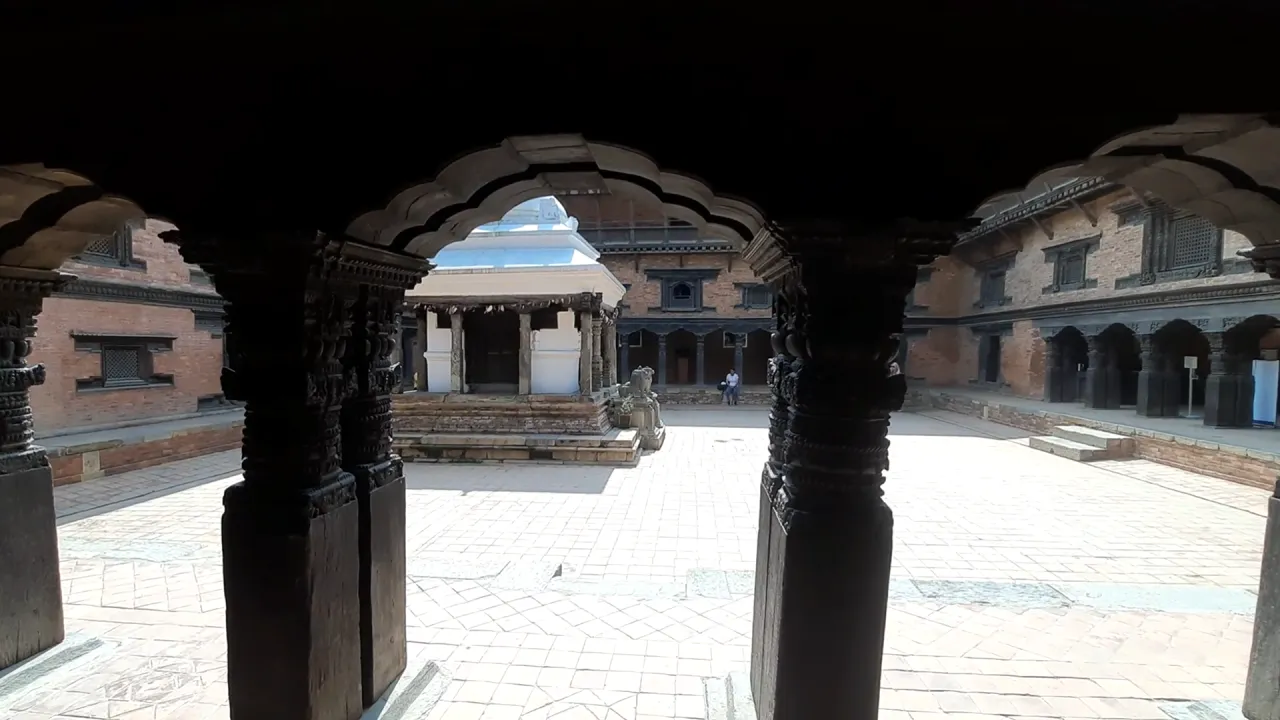
Patan Durbar Square: Explore the Mahaboudha Temple, Kumbeshwor temple, Krishna Temple, Golden Temple, and many other places of Patan, you feel as if Patan has been unveiled before you as an open museum showcasing intricately carved windows, intrinsic roof struts, statues of gods and goddesses, temples designed in pagoda style with erotic carvings and prepossess metalwork facades and many other exquisite facets. You will also get to see the handicraft center in Patan.
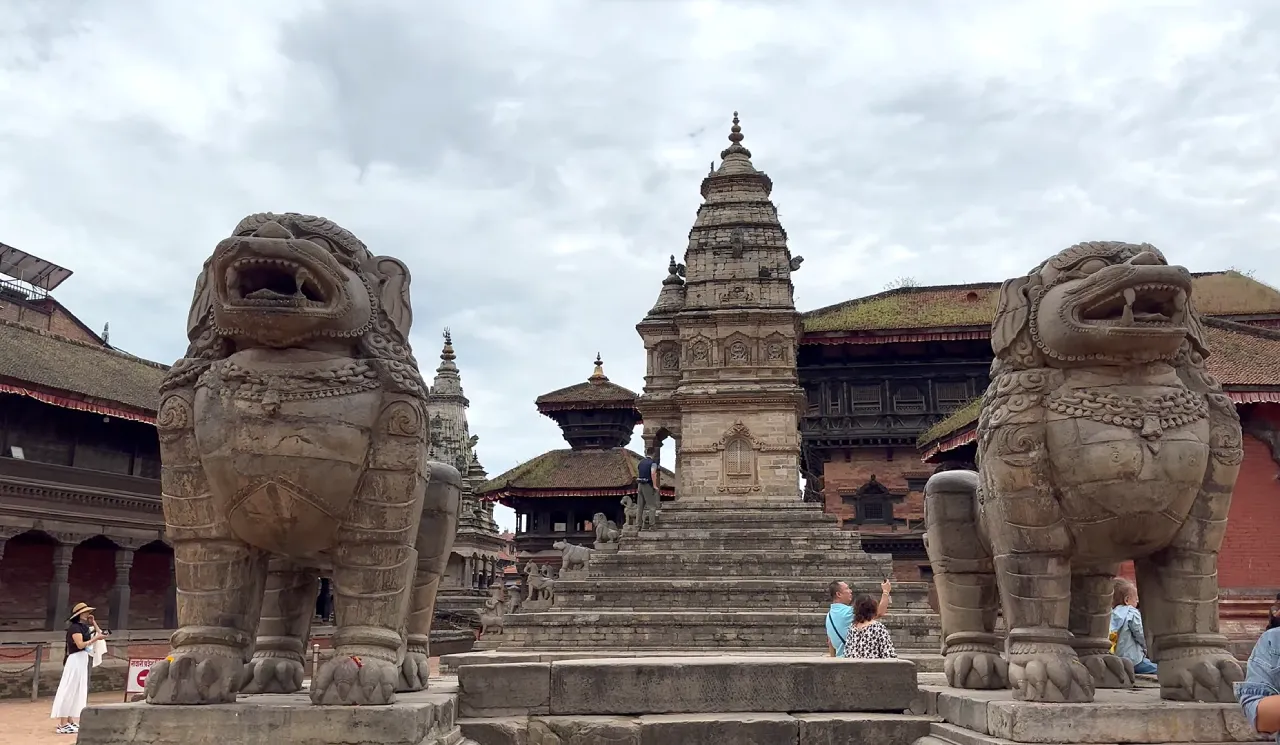
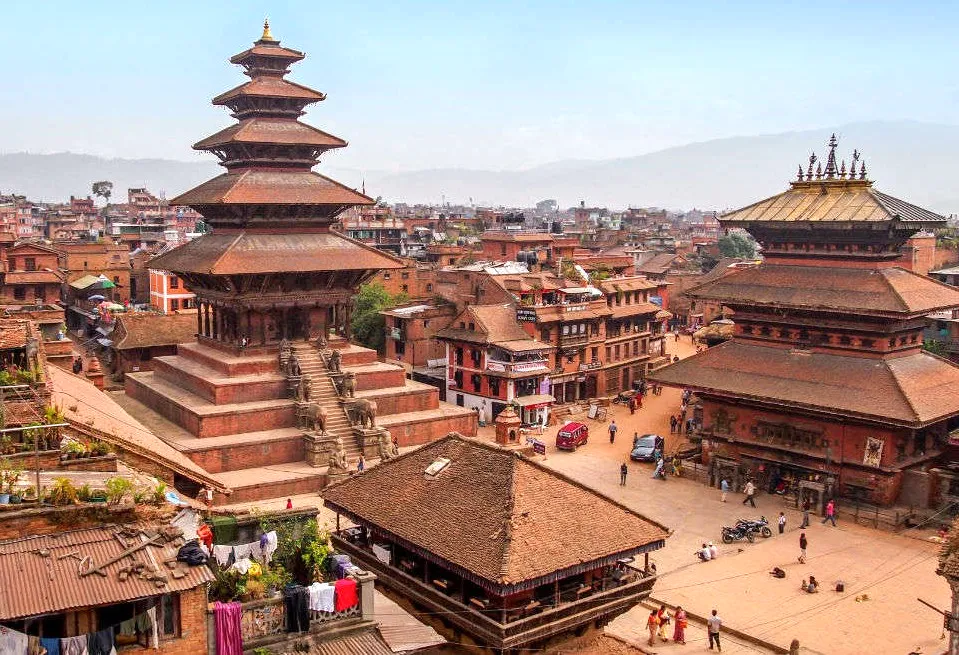
Bhaktapur Durbar Square: where you will witness unique culture and finest display of craftsmanship. Bhaktapur is the only place in Nepal that has remained untouched by western culture. Lion Gate, Golden Gate, Art Gallery, Statue of King Bhupatindra, Nyatapola Temple and fifty-five windowed Malla Palace are the living pride of Bhaktapur then drive you to Nagarkot. It is a very popular hill station near the Kathmandu valley. where you can enjoy the sunset and panoramic views of the Himalayas in Langtang, Jugal, and Rolwaling ranges.
Activity: Sightseeing, 6-7 hours
Max. Altitude: 2,170m/7,119ft. Nagarkot
Meal: Breakfast & Dinner
Accommodation: Resort
04
Day 04: Drive from Nagarkot to Chitwan National Park.
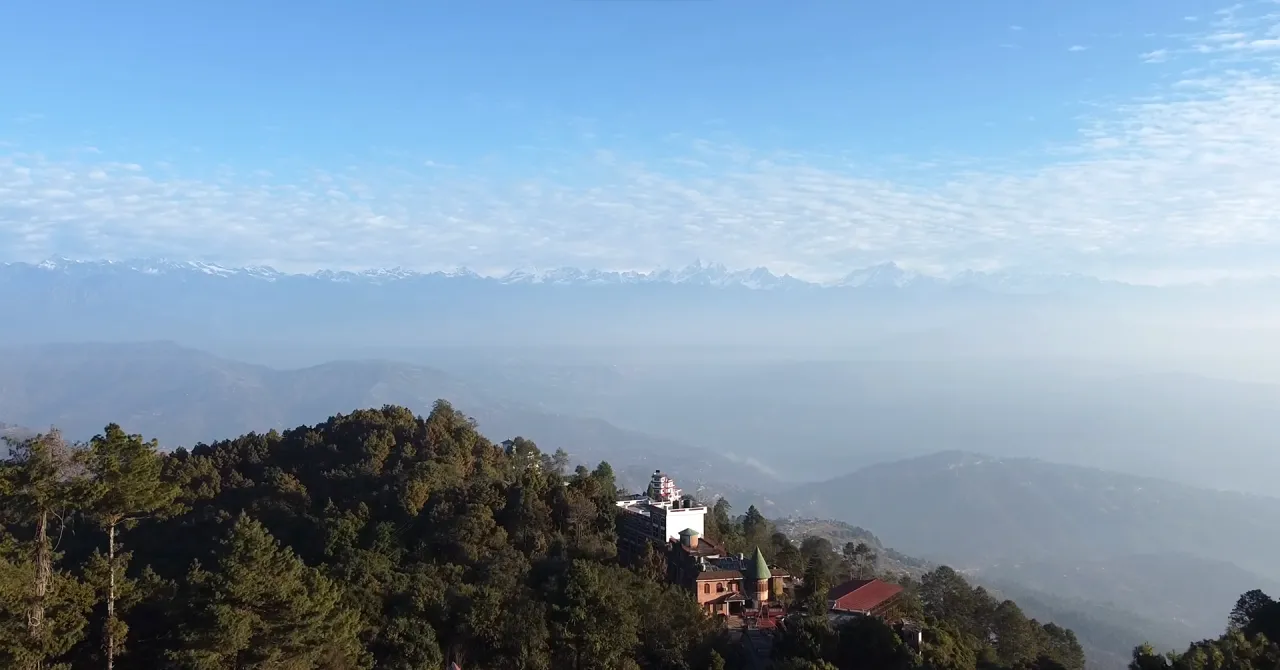
Early in the morning, we drive to Nagarkot (2,175m / 7,136 ft) to witness a breathtaking sunrise over the Himalayan range, stretching from Dhaulagiri in the west to Kanchenjunga in the east. On a clear day, we may even spot the distant peak of Mount Everest (8,848m) glowing in the morning light. The serene mountain atmosphere and panoramic views of snow-capped peaks make this an unforgettable experience.
After enjoying the sunrise, we return for breakfast and then embark on a 5-hour scenic drive to Chitwan National Park (415m / 1,362 ft), passing through lush hills, rivers, and picturesque villages. Upon arrival, we check into our jungle lodge and have a delicious lunch before beginning our adventure in the park.
In the evening, we explore Tharu Village, home to the indigenous Tharu people, known for their unique culture and lifestyle. We visit the Tharu Cultural Museum to learn about their history, traditions, and daily life. As the sun sets, we relax at the sunset viewpoint, enjoying a mesmerizing view over the Rapti River.
To conclude the day, we attend a traditional Tharu cultural dance program, where local dancers perform energetic stick dances and folk performances. This lively event offers a deeper understanding of the rich heritage and traditions of the Tharu community, making for a memorable evening in Chitwan.
Activity: Drive & Activities, 7-8 hours
Max. Altitude: 450m/1,476ft. Chitwan National Park
Meal: Breakfast, Lunch & Dinner
Accommodation: Resort
05
Day 05: Jungle activities in Chitwan National Park.
Early in the morning, after breakfast, we set off for a peaceful canoe ride along the Rapti River, lasting about one hour. This scenic boat ride offers a great opportunity to spot Gharial crocodiles, Mugger crocodiles, and various bird species, including kingfishers, egrets, and storks. The calm waters and the surrounding jungle create a serene and immersive wildlife experience.
After the canoe ride, we embark on a guided jungle walk, venturing deep into the dense forests of Chitwan National Park. Along the way, we may spot deer, wild boars, langurs, and even rhinos if we are lucky. The guide will help us identify different flora and fauna, providing insights into the rich biodiversity of Chitwan.
Next, we visit the Elephant Breeding Center, where we learn about conservation efforts to protect and nurture these gentle giants. Watching baby elephants play and interact with their mothers is a truly heartwarming experience. Afterward, we have a fun and refreshing elephant bathing session in the river, where you can join the elephants for a playful splash.
Following lunch, we embark on an exciting 4-hour Jeep safari or an elephant-back safari inside Chitwan National Park. As we explore the dense grasslands, riverbanks, and sal forests, we might encounter one-horned rhinoceroses, sloth bears, wild boars, spotted deer, and if we are lucky, the elusive Royal Bengal Tiger. The safari is a thrilling adventure, offering close encounters with diverse wildlife in their natural habitat.
As the day ends, we return to our jungle lodge, where we can relax and reflect on the amazing wildlife experiences of the day.
Activity: Jungle Safari, 8-9 hours
Max. Altitude: 450m/1,476ft. Chitwan National Park
Meal: Breakfast, Lunch & Dinner
Accommodation: Resort
06
Day 06: Drive from Chitwan to Pokhara.
After breakfast at the hotel in Chitwan, we begin our scenic drive to Pokhara (827m / 2,713 ft), which takes approximately 4-5 hours. The journey offers stunning views of rivers, deep valleys, lush hills, and towering Himalayan peaks such as Manaslu (8,163m), Ganesh Himal (7,422m), Dhaulagiri (8,167m), and the iconic Machhapuchhre (Fishtail Peak – 6,993m). The winding roads through picturesque landscapes make this drive a beautiful and memorable experience.
Upon arrival in Pokhara, we check into our hotel, where you can relax and freshen up after the journey. In the evening, we take a leisurely walk around Lakeside, enjoying the serene atmosphere of Phewa Lake with the Himalayan range reflecting on its calm waters.
For an even more immersive experience, we take a boating trip on Phewa Lake, visiting the Tal Barahi Temple, a sacred Hindu temple situated on a small island in the middle of the lake. The peaceful surroundings, cool breeze, and panoramic mountain views make this a perfect way to unwind after the day’s journey. The evening is free to explore the vibrant Lakeside area, where you can enjoy local cafes, restaurants, and live music, soaking in Pokhara’s lively yet tranquil ambiance.
Activity: Drive, 4-5 hours
Max. Altitude: 850m/2,789ft. Pokhara
Meal: Breakfast
Accommodation: Hotel
07
Day 07: Sightseeing around Pokhara valley.
Early in the morning, we drive to Sarangkot Viewpoint (1,600m / 5,250 ft), one of the best places to witness a breathtaking sunrise over the Annapurna mountain range. As the golden sunlight illuminates the peaks of Annapurna (8,091m), Machhapuchhre (6,993m), Dhaulagiri (8,167m), and Manaslu (8,163m), the scenery becomes truly magical. This is a perfect spot for photography, offering panoramic views of Pokhara Valley and Phewa Lake.
After enjoying the sunrise, we drive back to the hotel for breakfast and then set off for a Pokhara sightseeing tour. Our first stop is the Seti River Gorge, a deep and narrow gorge where the rushing white waters of the Seti River disappear mysteriously underground. Next, we visit Devi’s Fall, a spectacular waterfall that plunges into an underground tunnel, followed by a visit to the Gupteshwor Mahadev Cave, where a sacred Shiva temple lies deep inside the mystical cave.
We then continue to Pumdikot Shiva Temple, a recently built attraction featuring a massive 108-ft tall Shiva statue overlooking the valley. From here, we head to the World Peace Pagoda (Shanti Stupa), a stunning Buddhist stupa perched on a hilltop, offering 360-degree views of the Annapurna Ranges, Pokhara Valley, and Phewa Lake. The peaceful environment makes it a perfect place to relax and reflect.
In the evening, we enjoy boating on Phewa Lake, soaking in the tranquil surroundings and mountain reflections on the water. You can also visit the Tal Barahi Temple, located on a small island in the middle of the lake. The rest of the evening is free to explore Lakeside’s vibrant cafes, restaurants, and shops, making for a perfect end to the day.
Activity: Sightseeing, 6-7 hours
Max. Altitude: 850m/2,789ft. Pokhara
Meal: Breakfast
Accommodation: Hotel
08
Day 08: Drive from Pokhara to Bandipur.
In the morning, after breakfast, we drive from Pokhara to Bandipur (1,030m / 3,379 ft), a journey of approximately 3 to 4 hours along a scenic highway. As we travel, we enjoy beautiful views of the Marshyangdi River, lush hills, and distant snow-capped mountains. Bandipur is a hidden gem, known for its well-preserved Newari culture, traditional houses, and peaceful atmosphere.
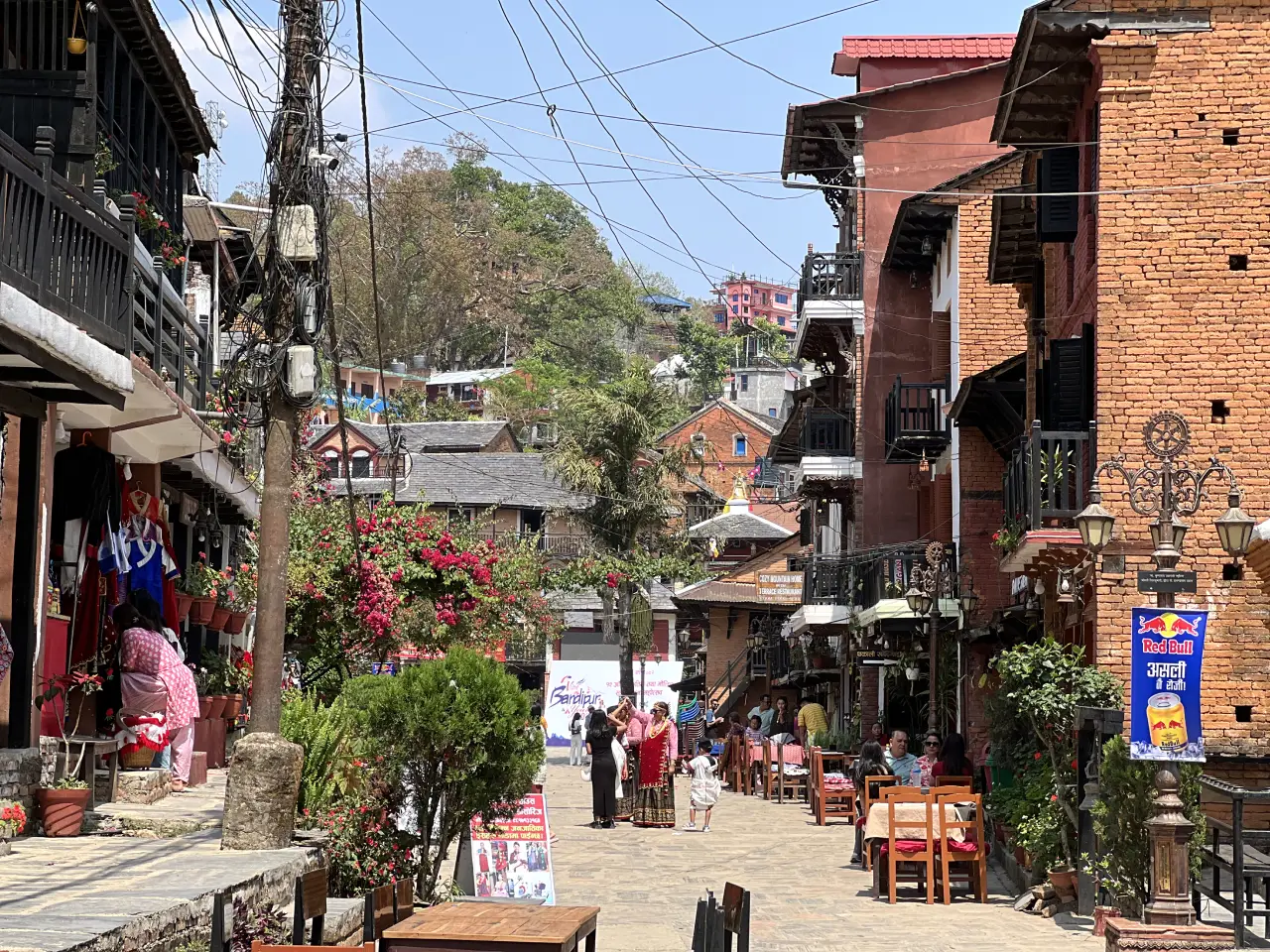
Upon arrival, we check in to our hotel or guesthouse and take some time to explore this charming hilltop town. Bandipur feels like a living museum, with its narrow stone-paved streets, wooden balconies, and temples reflecting centuries-old Newari architecture. You can see locals engaging in traditional crafts and daily activities, offering a unique glimpse into authentic Nepali heritage.
In the evening, we take a short hike around Bandipur village, visiting viewpoints that offer stunning sunset views over the Manaslu (8,163m) and Annapurna (8,091m) ranges. As the golden light touches the mountains and the green valleys below, the scenery is absolutely breathtaking. Bandipur’s peaceful environment, cool mountain air, and cultural richness make it a perfect place to relax and unwind before continuing our journey.
Activity: Drive & Hike, 3-4 hours
Max. Altitude: 1,090m/3,576ft. Bandipur
Meal: Breakfast & Dinner
Accommodation: Boquete Hotel
09
Day 09: Drive from Bandipur to Kathmandu via Manakamana Temple.
The journey from Bandipur to Kathmandu via Manakamana Temple is a scenic and culturally immersive experience, covering approximately 150 km (93 miles) in 5-6 hours. After breakfast in Bandipur, we begin our downhill drive to Dumre, where we join the Prithvi Highway, following the picturesque Marsyangdi and Trishuli rivers. Along the way, we pass through lush hills, terraced farmlands, and charming villages, offering a glimpse into rural Nepalese life.
A highlight of the journey is a stop at Manakamana Temple (1,302m / 4,272 ft), one of the most sacred Hindu temples in Nepal, dedicated to Goddess Bhagwati, the wish-fulfilling deity. To reach the temple, we take an exciting 2.8 km (1.7 miles) cable car ride over dense forests, steep hills, and deep river gorges. At the temple, devotees offer prayers, flowers, and traditional rituals, believing that their wishes will come true. After spending some peaceful and spiritual moments, we descend by cable car and continue our drive towards Kathmandu.
The final stretch of the journey takes us through Kurintar, Mugling, and Naubise, where we gradually leave the countryside behind and enter the bustling capital city. Upon arrival in Kathmandu, we check in to our hotel and freshen up.
In the evening, we enjoy a farewell dinner at an authentic Nepalese restaurant, where we experience traditional Nepali cuisine along with a cultural dance performance showcasing the diverse ethnic traditions of Nepal. This is a perfect way to celebrate the end of an incredible journey, filled with memorable adventures, cultural experiences, and breathtaking landscapes.
Activity: Drive & Cable car visit, 6-7 hours
Max. Altitude: 1,400m/4,593ft. Kathmandu
Meal: Breakfast & Dinner
Accommodation: Hotel
10
Day 10: Departure to Kathmandu Airport.
On the final day of your journey, a representative from Himalayan Adventure Treks & Tours will escort you to Tribhuvan International Airport, ensuring a smooth and timely departure. We will arrange your transfer approximately 3 hours before your scheduled flight, allowing ample time for check-in and security procedures.
As you bid farewell to Nepal, take a moment to reflect on the incredible experiences—from the majestic Himalayan landscapes to the rich cultural heritage, thrilling treks, and scenic drives. On your way home, you’ll have plenty of time to cherish these memories and perhaps even start planning your next adventure in this breathtaking country.
We hope you had an unforgettable journey with us and look forward to welcoming you back to Nepal for another exciting exploration! Safe travels!
Activity: Airport drop, 30 min
Max. Altitude: 1,400m/4,593ft. Kathmandu Airport
Meal: Breakfast

Note:
If you have your own private group and want to make your trip private, we can run the custom trip all the day as per your requirements and group size.
Includes and Excludes
What are included with package?
- Airport pickup and drop by private vehicle: You will be picked up at Tribhuvan International Airport upon your arrival and transferred to your hotel. The same private vehicle will be used for your drop-off at the airport when your tour concludes.
- Three Nights 3-star hotel in Kathmandu with Breakfast: Enjoy a comfortable stay in Kathmandu at a 3-star hotel, with breakfast provided each morning. This allows you to relax and explore the vibrant city at your own pace.
- One Night 3-star hotel in Nagarkot with Dinner & Breakfast: After your day of sightseeing, spend a night in Nagarkot, known for its stunning mountain views, with dinner and breakfast included during your stay.
- One Night 3-star Bouquet hotel in Bandipur with Dinner & Breakfast: Bandipur offers a glimpse into traditional Nepali life. Stay in a cozy 3-star hotel with both dinner and breakfast, offering you a restful stop with scenic views.
- Two Nights 3-star hotel in Pokhara with Breakfast: Enjoy the natural beauty of Pokhara, staying in a 3-star hotel with breakfast included. Pokhara is the gateway to the Annapurna region and offers beautiful views of the Himalayas.
- Two Nights 3-star hotel in Chitwan with full board meals: Immerse yourself in the wilderness of Chitwan National Park, with full board meals (breakfast, lunch, and dinner) provided, allowing you to enjoy the local cuisine during your wildlife adventure.
- National park fees for all activities in Chitwan National Park: Your package includes all necessary park entry fees for activities in Chitwan, such as jungle safaris, bird watching, and other wildlife experiences.
- All overland transfers using private vehicle: All overland transportation between destinations will be arranged via private vehicle, ensuring comfort and convenience throughout your tour.
- Kathmandu, Chitwan sightseeing tours accompanied by a local guide fluent in English: Explore the cultural and natural beauty of Kathmandu and Chitwan with the assistance of an experienced local guide who speaks fluent English, ensuring you understand the significance of each site.
- Last Night farewell dinner at an authentic Nepalese restaurant with a cultural performance: On your final night, you’ll enjoy a farewell dinner at an authentic Nepali restaurant, complete with a cultural performance showcasing traditional music and dance, a memorable end to your tour.
What are not included with package?
- Beverages and alcoholic drinks: Any drinks, including soft drinks, tea, coffee, or alcoholic beverages, are not included in the package. You will need to purchase these separately during your meals or at other locations.
- Entrance Fees: Entrance fees to various attractions, monuments, or temples in Nepal are not included unless specifically mentioned in your itinerary. You may need to pay for entry to places such as museums, historical sites, or special attractions.
- Extension of any other tours/accommodation: If you decide to extend your stay or add additional tours beyond what is mentioned in the itinerary, these costs will be extra and not covered by the package.
- All kinds of personal expenses: Personal expenses, such as phone calls, laundry, souvenirs, bar bills, extra snacks, or other personal purchases, are not included in the package and will be your responsibility.
Pick Your Suitable Date
US$ 1100
Book a Private Trip
Private & Group Discount Price
-
1 -
1 person
US$ 1500
-
2 -
2 people
US$ 1100
-
3 -
4 people
US$ 1000
-
5 -
10 people
US$ 850
-
11 + people
9999
US$ 750
1 Travelers x US $ 2000
Total Cost:
US$ 1500
Route Map & Altitude Chart
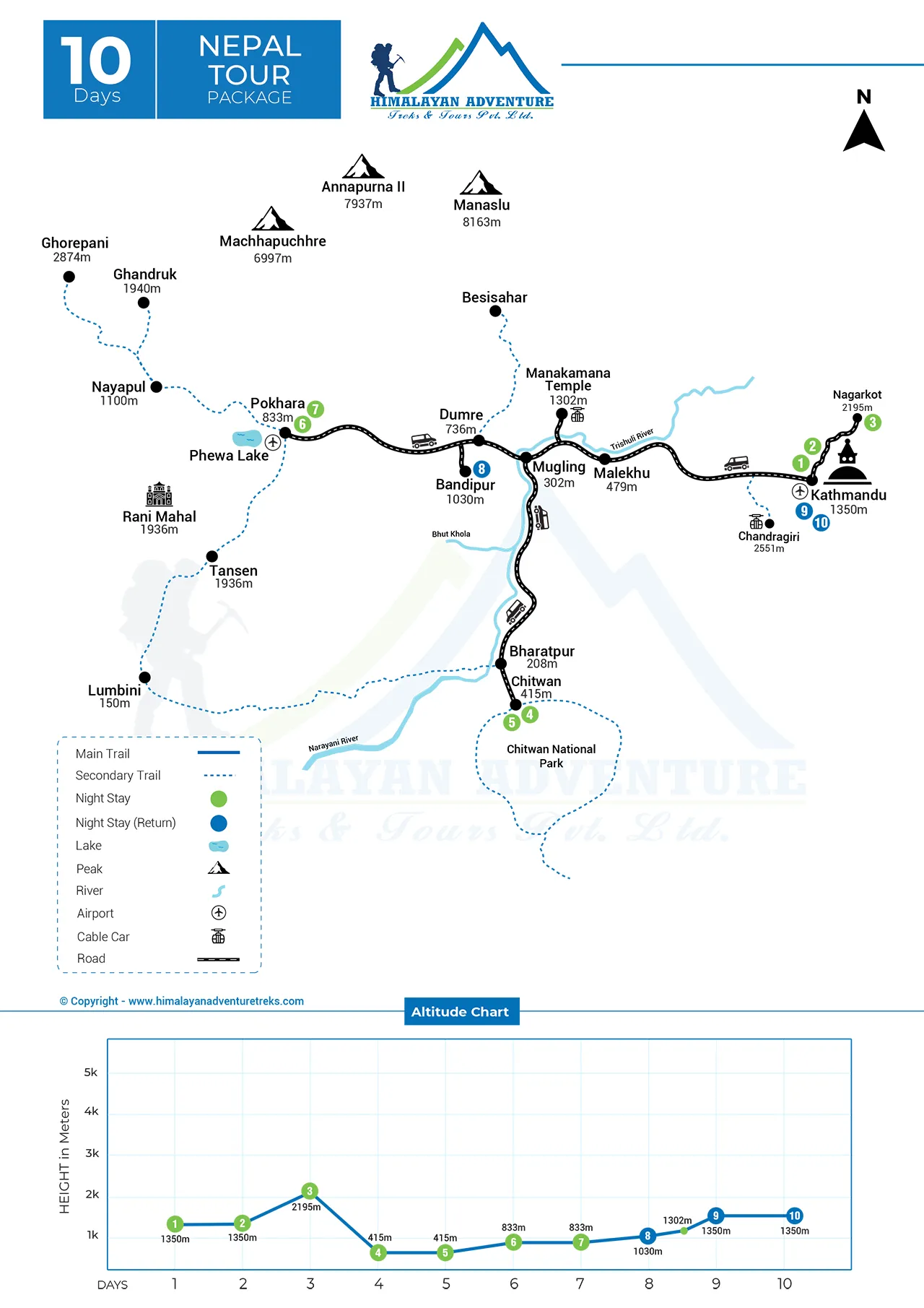
Kathmandu
Start/End point
Kathmandu
Trip Information
Entrance fees of Heritage Sites of Nepal:
Nepal is famous for world heritage sites, Tourist attractions places, and monuments areas. Tourism is the second income source of the country. Entrance fees, National park fees, climbing royalties are the backbone of the Nepalese economy. Foreigner tourists visiting heritage sites, attraction places, and monuments of the country and have to pay a certain entrance fee to get inside the area.
The people of South Asian countries (SAARC) have to pay fewer entrance fees in comparison to tourists from other countries. Many tourists want to see the typical Nepalese art and cultural places, happily paying the entrance fee because it is worth paying to visit.
The 7 heritage sites of Kathmandu valley are amazing. Boudhanath, Pashupatinath, Swayambhunath, Kathmandu Durbar Square, Patan Durbar Square, Bhaktapur Durbar Square, and Changunarayan have their own history. They are not only rich in art and architecture but also fountain spiritual places of Hinduism and Buddhism. Most of the constructions made have a tantric background and old history.
Not only the Kathmandu valley but other parts of the country are also rich in nature and history. Lumbini (Birth Place of Gautam Buddha) Chitwan National park, Pokhara, Nagarkot, Trekking trails, Peak climbing, Expedition are the main tourist destination in Nepal and main income sources of the country. It is the government that keeps the price of priceless monuments and makes some money from tourists who visit them.
Please find the attached PDF file for the Entrance fees of World heritage and other attraction places in Nepal.
Entrance Fees of UNESCO World Heritage Sites in Nepal
About Country
Popularly recognized worldwide for its majestic sky-dominating peaks, Nepal is one of the most sought-after nations for trekking and other adventure activities. This tiny Himalayan nation is home to eight of the world’s tallest peaks, including Mt. Everest (8848.86m)- the highest mountain in the world. Moreover, the rugged and rural trekking trails to the massifs along the dense forest which is filled with exotic floras and faunas instills excitement and adventures to the travelers.
However, traveling to Nepal is not only about the mountains and natural beauty. Unraveling the beauty that lies in the old monuments, palaces, and temples. Nepal has a diverse array of cultures, traditions, languages, and history which are reflected in the lifestyle of the people.
Key Facts
Location: Nepal is located in South Asia; between two great giants the Republic of China to the north and India to the south, east, and west.
Geography: A landlocked country, Nepal is divided into three geographical regions, namely, the Himalayas, the Hills, and the Terai.
Capital: The capital city of Nepal is Kathmandu.
Area: The total area of Nepal is 147,181sq km.
Population: The current population of Nepal is 29 million.
Political system: Nepal is a federal republic country with a multi-party system.
Major religion: Nepal is a secular state but the majority of people follow Hinduism, followed by Buddhism and Christianity.
Time zone: The time zone of Nepal is GMT +5:45.
Official Language: The official language of Nepal is Nepali.
Working hours: The working hours in Nepal are from 10 am to 5 pm.
Electricity: Currently, all the major cities have electricity while electricity supply in some rural areas is limited. The standard voltage of electricity in Nepal is 220V.
Visa Information
All tourists visiting Nepal except tourists from India should have a valid passport and visa. An On-Arrival visa to enter can be obtained at the Tribhuvan International Airport or any other land entry/exit points at the Nepal-Tibet and Nepal-India border. During the peak season, there will be a long line of tourists here trying to get their visas. So, to avoid the endless waiting you should visit the nearest Nepalese diplomatic missions stationed in your country before your arrival.
An On-Arrival Tourist Visa costs USD 30 for 15 days, USD 50 for 30 days, and USD 125 for 90 days. Find more information regarding the updated visa fees at http://www.nepalimmigration.gov.np/post/notice-regarding-visa-fee-updates.
You can also extend your visa within a valid period which will cost you USD 3 per day. However, if you are visiting Nepal from SAARC countries you don’t have to pay visa fees as gratis fee or free visa is applicable for 100 days. Regarding information about tourist visas, you can head to the information on the official website of the Department of Immigration at http://www.nepalimmigration.gov.np/page/tourist-visa.
How to reach the country
Nepal is very well accessible via air, rail, and road. Tribhuvan International Airport is the only international airport and the entry point for those arriving by air. Nepal Airlines is the main operator in the nation. Other international airlines here are Air Arabia, Air Asia, Etihad airlines, Fly Dubai, Jet Airways, Malaysia Airlines, Qatar Airways, Silk Air, and Thai air. The rail and road service can only be used by those arriving from India.
In terms of land transport, there are several land entry/exit points at the Nepal-Tibet and Nepal-India borders. Kerung and Kodari are the entry/exit points at the Nepal-Tibet border whereas
Janakpur-Jainagar railway is the sole railway that connects Nepal with India, several buses connect Delhi and Kathmandu.
Popular destinations to visit
There are many places you can visit in Nepal. Nepal is not only gifted with natural beauty but it is also culturally rich which means there are many heritages and sites you can visit. Kathmandu Valley is the first and foremost destination that you should not miss out on. The seven UNESCO world heritage sites in the valley, namely, Patan Durbar Square, Bhaktapur Durbar Square, Kathmandu Durbar Square, Pashupatinath, Swayambhunath, Boudhanath, and Changunarayan.
Other places you must visit while in Nepal are Pokhara, Chitwan, and Lumbini. Pokhara is a scenic lake city, located 6 hours’ drive away from Kathmandu city. There you will be able to enjoy the serene and peaceful nature with the Annapurna ranges in the backdrop. Lumbini, the birthplace of Lord Buddha, is a historic destination whereas the Chitwan National Park is a natural haven for exotic flora and fauna. Both of these are also enlisted as world heritage sites by UNESCO. Palpa, Bandipur, Bardia National Park, and Ilam are some of the popular destinations.
As for trekking and mountaineering activities, Annapurna, Everest, Langtang, Manaslu, Upper Mustang, and Dolpo regions are some of the most popular ones in Nepal.
Internet and Communication in the country
You do not have to worry about not getting communication service or Internet service in Nepal. In recent years, the internet and communication services have drastically progressed and developed. While in the major cities and tourist destinations, you can use free Wi-Fi including many of the cafes and restaurants. Similarly, almost every hotel and some public areas provide Wi-Fi services. However, Wi-Fi is not always available in remote areas in the Himalayas and rural Hilly regions.
In such situations, a cellular connection is the best option for both Internet access and communication. NTC and Ncell at two of the biggest telecommunication corporations and offer sim cards with various packages at a reasonable price. These service providers have a wide reach over many parts of Nepal. You will easily be able to purchase any sim card with your passport or identity card.
Local currency and foreign exchange
While in Nepal, you should use Nepali rupees (NRs) which is also the official currency of Nepal. You can easily exchange your currency into the Nepalese Rupee at the Tribhuvan International Airport or the exchange counters and banks around the major cities. Also, the major cities like Kathmandu, Pokhara, Chitwan, and Lumbini have a great availability of banks and ATMs. However, their availability becomes quite scarce when you head to the Himalayas and remote areas.
So, it is best if the travelers perform all their money-related activities while they are in the major cities.
Weather and climate
The climate in Nepal varies according to altitude and the current season. The lowland of the Terai region in the southern part of the country is very hot and humid during the summer. The temperature there can get as high as 45 degrees Celsius. The middle part is also known as the hilly region has a pleasant and bearable climate all year long. However, in winter the nights and early mornings can get quite chilly. The Himalayan region is the northernmost part of the country and is above 3300m. This region usually has alpine climatic conditions and during the winter season, it experiences adverse weather conditions.
Nepal generally has four seasons, namely, spring, summer, autumn, and winter. The spring here means every part of the country has flowers blooming and summer means a lot of humidity and rainfall. While the autumn is neither too hot nor too cold and the skies are always clear. The winter season brings snow in the Himalayan region and some parts of the hilly region as well. Finally, during the monsoon season, the entire country experiences heavy rainfall except in the rain shadow areas of Upper Dolpo and Mustang.
People, culture, and festivals
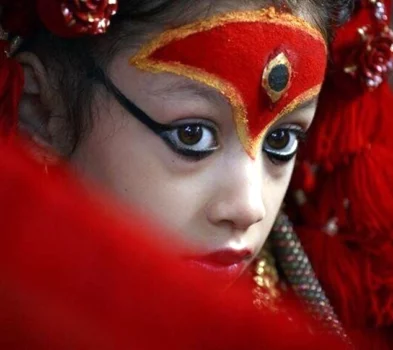
Nepalese are known to be one of the kindest people all over the world. With a smile on everyone’s face, you will be warmly welcomed and greeted. The word “Namaste” is used while they join their hands together which means a respectful greeting. Nepal is a culturally rich country with many different castes, languages, and traditions. The diverse culture and tradition result in many different festivals celebrated all around the nation.
The major festivals celebrated are Dashain, Tihar, Holi, Sonam Losar, Gyalpo Losar, and many more. Especially in Newari settlements, people celebrate many colorful and radiant festivals. You will be able to experience wonderful and lifelong memory if you visit Nepal during the time of festivals.
Checklist for Tour in Nepal
Nepal is not only famous for adventure trekking and expedition but also a popular destination for Cultural, Historical, and natural tours. Budget to luxury tours can be done in this beautiful Himalayan nation. Nepal’s towering great Himalayas range and ages of old temples monuments, it’s no surprise from any point of view that so many people have first choice, this small South Asian country on their travel bucket list. Dozens of best trekking trails in the world, Buddhist and Hindu famous religious sites, Natural, Cultural diversity, and delicious local food, travelers either young or old fall in love with Nepal every year. That’s what’s we can’t say that Nepal is not the best destination for the tourism hub. Either a short tour or long tour we always welcome the guest from all over the world.
Before you pop on the first plane to Kathmandu, Nepal, it’s important to think about what you’ll put on your backpack list for your amazing holiday. Any type of tour either private car tour, Luxury tour, Honeymoon tour, adventurous tour needs certain types of equipment to help you out, here’s a list of packing essentials for Nepal, as well as what you should buy or rent in Nepal.
What to Bring to Nepal for my Package Tour:
Passport:
This may seem obvious important documents, but don’t lose your passport! This is your ticket in and out of Nepal with min 6 months valid passport required. Bring along some photocopies of your main passport page too, just in case, and bring few Passport sizes photos for a trekking permit or for a local SIM card.
Guidebook for Nepal:
Lonely Planet guidebook to Nepal provides an excellent overview of different places to explore in Nepal, as well as essays on social and cultural norms, a few useful and common Nepali phrases, and tons of hotels, restaurants, and Places recommendations. A guidebook is a great way to learn more about the particular country you’re visiting, and it can help orient you when you’re feeling lost.
Camera and charger:
Photos make your memory recall after many years of your holiday. It keeps your past fresh and unforgettable. During the tour in Nepal, there are so many things that you should keep on your camera. Chances are that you’ll get mountains, Landscape, wild Animals, River and so many attractive views during your visit and you’ll want to have a camera at the ready to make sure you capture the scenery. The Canon EOS Rebel Digital T5 is a good option for beginning photographers who still want quality photos. Alternatively, you can take some pretty great photos with high mega pictures iPhone these days use whatever you’re comfortable with. All hotels during the tour can charge your camera cell.
Cell phone and charger:
Bring your cell phone with you, especially if you know that it’s unlocked (Verizon phones, for example, are generally unlocked). SIM cards in Nepal cost less than $3.00, and a data package is also relatively inexpensive. If you think being able to make calls and have data will be useful, I definitely recommend that you purchase a Local SIM to contact your friends & family. Wi-Fi is also available in most of the places in Nepal.
Travel insurance:
Travel insurance is important for anyone going overseas. Package Tour in Nepal also required travel insurance and it can be purchased prior to arriving in Nepal. World Nomads and other insurance companies offer excellent, affordable, and flexible travel insurance.
Water bottle or Camelbak:
Water is essential for life, and clean water is imperative during holidays. When visiting less developed countries like Nepal it is a concern that all travelers should consider. Camelbak’s water sack has come in handy countless times during my travels in Nepal. It’s important to carry potable water with you. Bottle water is the main option during the tour and available to all the destinations.
Water purification tablets or water filter:
Nepal does not have potable drinking water (although it’s much worse in urban areas than up in the mountains), so it’s important that you bring along a water filter or purification pills for the trekking but bottled water is also available during the tour, but I would recommend avoiding creating all that plastic waste!
Sandals:
Although most of the time we travel by private car even we need comfortable sandals. Sports sandals definitely come in handy in Nepal, particularly if you’re traveling during hot weather or the monsoon. You’ll be doing a lot of walking during the tour time, so you want something comfortable; Kathmandu is also quite dusty, so something that can be cleaned easily is important.
Non-hiking clothing:
You’re going to explore the sights and sounds of Pokhara, Kathmandu, Nagarkot, Lumbini, Chitwan, or whatever other places you’re visiting. Nepalis avoid dressing shabbily, and few wear athletic clothing on the street. You probably won’t need anything fancy, but I would highly recommend bringing one reasonably modest and nice outfit that you can wear out and the season-wise September to February winter clothes and March to August summer clothes.
Rain jacket/ Raincoat:
Bring a windbreaker/rain jacket to keep you warm and dry, particularly if you’re traveling between June to August when it rains more consistently. Monsoon season is more active these 2/3 months so a nice umbrella also works for the tour.
Credit and debit card:
While Nepal is a primarily cash-based society, ATM s are regularly available in Kathmandu, Pokhara, Chitwan, and other large towns. Bring a credit or debit card so you can withdraw cash when you’re in urban areas. I would recommend withdrawing some little expenses like water, entrance fee, souvenir, and meals amount in Kathmandu. Sometimes all the ATM doesn’t accept the international card. Max Rs 35000 per transaction and charge Rs 500 per transaction.
Money belt:
While petty thievery is not rampant in Nepal, it does happen but Protects yourself and your belongings by wearing a money belt, which you can use to conceal cash for your daily expenses and important documents like your passport. This particular belt also protects you from thieves who might try to scan your card electronically!
Shampoo and Soap:
Most of the hotels and resort provide the soap and shampoo during your tour but maybe less quality or you might have an allergy issue so highly recommend to bring your own and your favorite.
Power adapter:
Nepal uses plugs from India, Europe, and the United States, so it’s a good idea to bring a converter along with you to make sure you’re able to charge all of your devices without any trouble.
Personal medications:
It should go without saying that you should bring any prescription medication you use with you to Nepal. While certain pharmaceuticals are available at the small pharmacies commonly found in Kathmandu and other parts of the country.
Toiletries:
Razor, razor blades, shaving cream, aftershave toothbrush, toothpaste, dental floss, sunscreen, toilet paper, small towel, and period pads (for women).
Medication:
First Aid Medical Kit box also available on the tourist plate car/ jeep during the tour. Altitude Medicines (Diamox), Tylenol, aspirin, ibuprofen, Anti-diarrheic, Powerful antibiotics, and Nasal Spray or Drops can buy in Thamel or in Pokhara lakeside areas.
Sunscreen:
It’s likely that you’ll be spending a lot of time outdoors during your tour in Nepal, and it’s important to make sure that your skin doesn’t get burned. I like Neutrogena’s sunscreen because it’s creamy without being greasy, and at 85 SPF provides pretty strong protection. It is possible to buy sunscreen in Nepal tourist areas like Thamel, Pokhara, and Chitwan, but you may not be able to find higher-quality brands.
Power bank:
Until recently, power outages (referred to in Nepal as ‘load shedding’) were very common, particularly in Kathmandu and other parts of the country so it’s a good idea to keep your devices charged and to carry around a power bank just in case.
Other packing list items for Nepal:
- Sleep mask
- Scarf
- Sunglasses
- Travel-sized umbrella
- Flash drive
- Kindle or paperback novel
- Journal
- Small lock
- Toiletry bag
- Daypack
- Sewing kit
- Travel pillow
- Travel sheet/sleeping bag liner
- Photos from home
- Feminine products
- Laundry detergent
- Headphones
Essential Packing List for Nepal Tour Package
Traveling is mostly about enjoying and experiencing the destination, however, if you want to get the most from your little holiday, then appropriate travel gear is also a must.
It may seem a chore to you, but some of the items and equipment are such that you would hate to be without them. Here, we have listed some must-have gear that will take up very small space in your backpack and is also legal to travel with.
- Your Passport
- Visa
- Passport Photos
- Local Currency
- Credit or Debit Cards
- Emergency Contact Info
- Booking Information
- Health Insurance
- First Aid Kit
The backpack is a more comfortable, easy-to-carry, manageable, and convenient option than carrying a heavy suitcase when traveling abroad. You can carry almost all your gear in it without much load. We suggest you have one main and another secondary backpack: the main backpack will have large storage for all your equipment and belongings, and the secondary backpack will be used to travel light during the day.
- Main Backpack: Good quality waterproof lightweight with volume up to 45 to 60 L with a good hip-belt
- Secondary Backpack: Foldable, durable, lightest, and smallest
- Foldable Travel Toiletry Bag
- Carrying case or waterproof cover for your main and secondary backpack to protect from dust, water, and dirt
- Camera Backpack
- Document bag
- Waterproof Jacket
- Light Down Jacket
- Rain Coat
- T-shirts (long and half-sleeved) and Tank Tops for the hot days
- Fleece Jackets
- Hoodie
- Sweatshirts
- Wool sweater
- Durable, lightweight, quick drying Hiking Pants
- Some Jeans for a casual look
- Canvas or cargo pants with numerous pockets
- Shorts
- Leggings for women
- Skirt (long for visiting temples and monasteries for women)
- Long Dress for some formal occasions
- Bras (Sports bras would be preferable for comfortable traveling)
- Panties
- Briefs
- Boxers
- Socks (Cotton and woolen, quick drying)
- Flip-flops or sandals
- Canvas sneakers
- Trail shoes for light walking and touring
- Swimsuit
- Hat, cap
- Bandana and masks
- Scarf, shawl, or foulard
- Handkerchief
- Gloves
- Sleeping Bag, Hammock, Tent for nature trips ( Optional)
- Earplugs
- Inflatable pillow or cushion
- Sleeping or an eye mask
- Sunscreen or sunblock
- Sunglasses
- Chapsticks or Lip Balms
- Moisturizer
- Deodorant
- Light, quick-drying towel
- Phone with charger, headphones, memory cards
- Camera with replacement battery, memory cards, and charger
- Notebook computer, tablet
- GPS or GPS Watch
- Universal Adapter
- Power Bank
- Solar Charger
- Toothpaste
- Shampoo
- Toothbrush
- Comb
- Soap
- Hand sanitizer
- Sanitary Pads
- Padlocks
- Head torch
- Multipurpose knife
- Lighter or matches
- Whistle
- Thermal Blanket
- Flashlight
- Compass
- Mosquito spray or repellent
- Water Filter
- Antiseptics
- Painkillers such as Aspirin or Ibuprofen
- Bandages
- Tweezers
- Thermometer
- Disposable gloves
- Your prescribed medications
- Common medicines for diarrhea, nausea, and vomiting
- Anti-allergic medications
- Moleskin or blister pads
- Altitude sickness medication (Diamox)
- Eye and ear drops
- Safety Pins
- Gause Pads
- Scissors
Destinations in Nepal are also very child-friendly, so you may decide to join in with your kids as well. Traveling internationally with children, however, means an extra suitcase, extra space, and items. For your stress-free travel, we have listed some essential equipment when touring with children, whether they are older or newborn.
- Enough diapers and wipes
- Baby bottles and infant milk, if necessary
- Easy to put on and take off baby clothes
- Portable changing mat
- Lightweight folding stroller
- Insulated bag for storing meals
- Reading or coloring books, card games, board games, or cartoon games on an iPad
- Travel Potty
Equipment Note:
- We understand that not every item that we have listed here is essential. The traveling items depend on what you need, your destination, the type of tour, and a number of days you have allocated for your tour.
- So, review our list and pack only what is necessary for you. The main aim is to travel as light as you can and comfortably without the burden of extra luggage. Most of the items here can even be purchased in the major cities in Nepal, such as Kathmandu, Pokhara, and Chitwan, so there is no need to worry if you forget to pack something.
Frequently Asked Questions
What does the Nepal Tour Package include?
The Nepal Tour Package includes a complete exploration of Nepal’s major tourist hubs — Kathmandu, Chitwan, Pokhara, and Bandipur. It covers UNESCO World Heritage Sites, sunrise viewing in Nagarkot, a jungle safari in Chitwan National Park, Pokhara sightseeing, and Newari cultural exploration in Bandipur. It is ideal for those searching “best Nepal tour itinerary” or “Nepal sightseeing tour”.
What are the major attractions of the Kathmandu sightseeing tour?
In Kathmandu Valley, you’ll visit top-rated attractions like:
-
Pashupatinath Temple (Hindu pilgrimage site)
-
Boudhanath Stupa (largest stupa in Nepal)
-
Swayambhunath/Monkey Temple
-
Kathmandu, Patan, and Bhaktapur Durbar Squares
These are the most frequently searched sites under “Kathmandu sightseeing places” and “UNESCO heritage sites in Nepal”.
What can I expect during the Chitwan Jungle Safari?
The Chitwan Jungle Safari offers a jeep ride through Chitwan National Park, where you may spot:
-
One-horned rhinoceros
-
Royal Bengal Tigers
-
Spotted deer, sloth bears, peacocks, and over 500 bird species
Other activities include a Tharu cultural show, canoeing, and nature walks. People often search this under “Chitwan safari package” and “wildlife safari in Nepal”.
What are the best places to visit in Pokhara included in the tour?
In Pokhara, the tour takes you to:
-
Phewa Lake (boating and Tal Barahi Temple)
-
Devi’s Falls
-
Gupteshwor Cave
-
World Peace Pagoda
-
Views of Annapurna range and Mt. Machhapuchhre
These spots are popular under “Pokhara tourist attractions” and “things to do in Pokhara Nepal”.
What is special about the Bandipur visit in the tour package?
Bandipur is a charming hilltop town famous for its well-preserved Newari architecture, panoramic Himalayan views, and peaceful ambiance. You can explore traditional houses, temples, and local culture. This destination is frequently searched under “Bandipur Nepal tour” and “cultural village in Nepal”.
When is the best time to go on this Nepal tour?
The best time to take this Nepal tour is during spring (March–May) and autumn (September–November). During these seasons, the skies are clear, the weather is comfortable, and the Himalayan views are stunning. Travelers often search for “best time to visit Nepal” and “Nepal weather for sightseeing”.
Is this Nepal tour package suitable for families and elderly travelers?
Yes, this tour is suitable for all age groups, including families, seniors, and children. It involves easy travel, guided sightseeing, and no strenuous trekking. This is a top result under “family tour in Nepal” and “easy Nepal tour for elderly”.
How many days does this Nepal Tour Package take?
Typically, this tour lasts 8 to 10 days, allowing enough time to enjoy all destinations without rushing. You’ll have time to immerse in culture, enjoy nature, and relax. Many search for “Nepal 7 days tour itinerary” and “10 days Nepal package” when planning.
What kind of transportation is included in the tour?
Himalayan Adventure Treks provides private vehicles for city tours, long-distance drives, and airport transfers. All transport is well-managed and comfortable, suitable for families and group travelers. Related searches include “Nepal private tour with transport” and “comfortable travel in Nepal tour”.
Why should I choose Himalayan Adventure Treks for this tour?
Himalayan Adventure Treks ensures a well-organized, comfortable, and authentic Nepal experience. With professional guides, reliable transport, and customizable options, it’s perfect for travelers seeking a cultural, natural, and family-friendly trip. Many travelers search for “trusted Nepal tour operator” or “best tour company in Nepal”, and Himalayan Adventure Treks consistently delivers.
Related Blogs & Articles

Reviews on Nepal Tour Package

Related trips