












Need help?
Talk to trip expert

Trekking in Nepal
Short Information of Trekking in Nepal
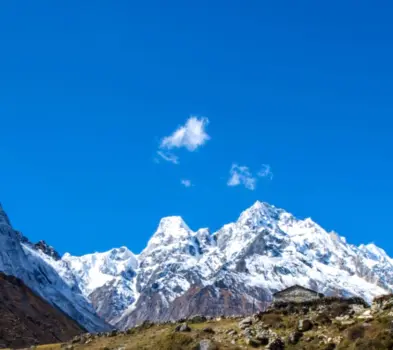
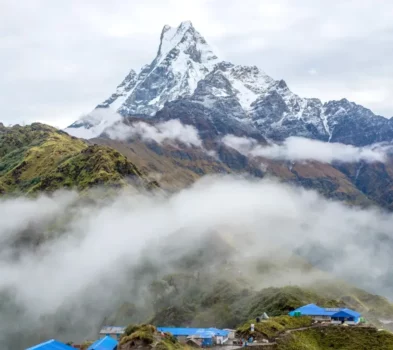
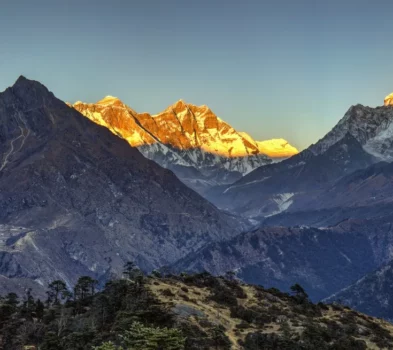
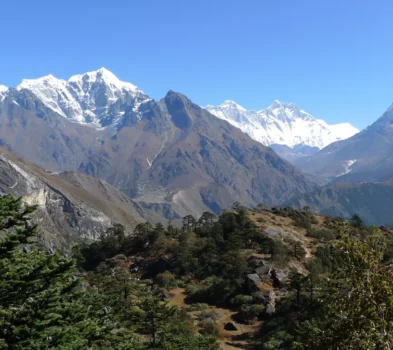
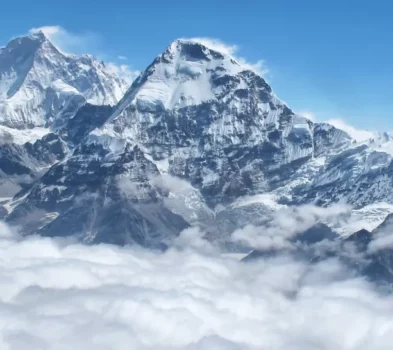
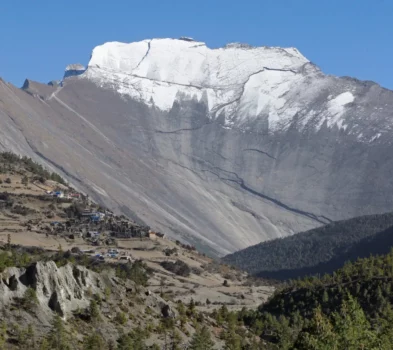
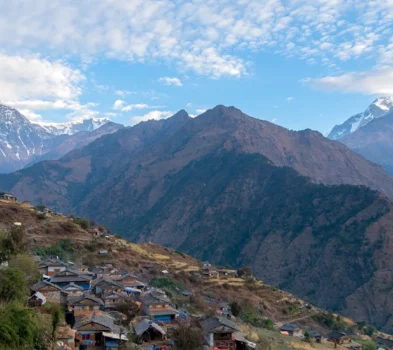
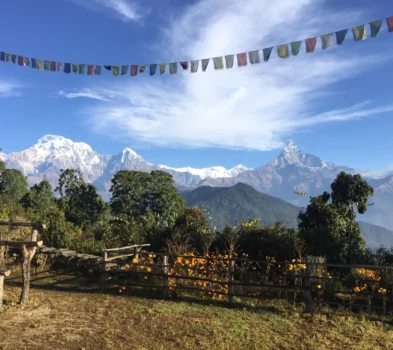
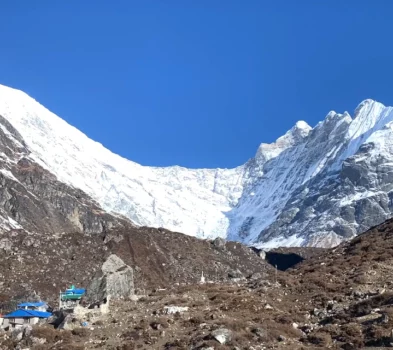
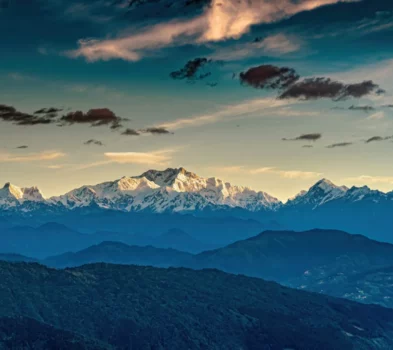
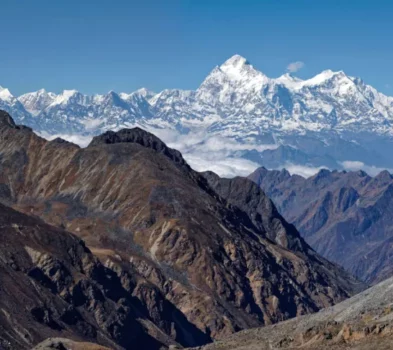
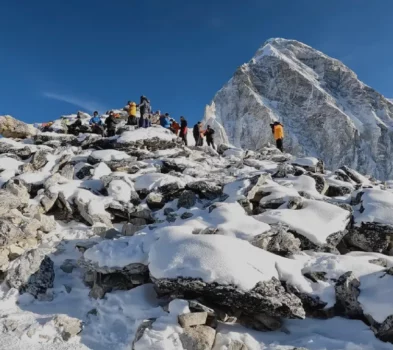
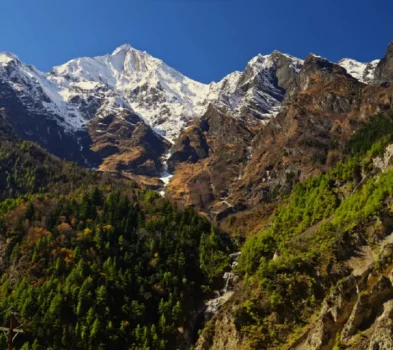
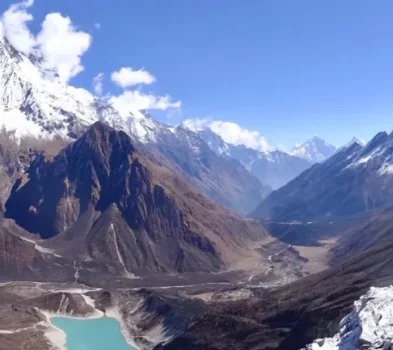
Nepal is a popular destination for all trekkers, travelers, and nature lovers from all around the globe. The country is home to the highest mountain on Earth, Mount Everest, at 8,848.86 meters; eight of the world’s top ten tallest mountains, such as Kanchenjunga at 8,586 meters, Annapurna at 8,091 meters, Lhotse at 8,516 meters, Makalu at 8,463 meters, Dhaulagiri at 8,167 meters, Cho Oyu at 8,201 meters, and Manaslu at 8,163 meters. These mountains are surrounded by wide valleys, clear rivers, waterfalls, and green forests, creating natural scenery that is very attractive to travelers.
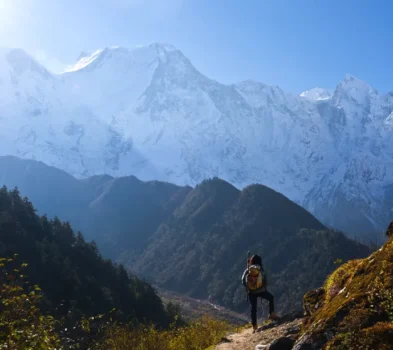
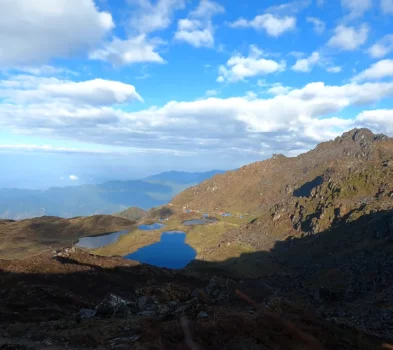
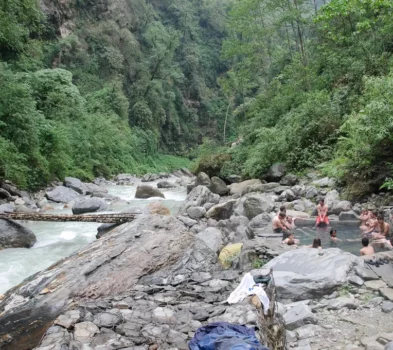
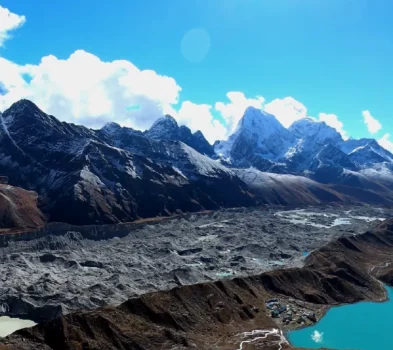
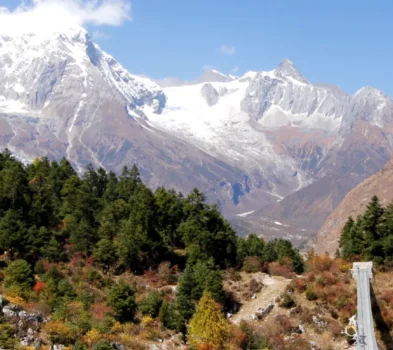
Trekking in Nepal is not only seeing mountains. Trekkers can walk through rhododendron forests, follow glacial trails and spend time in quiet meadows in the high mountains. Trails range from easy walks to longer and more challenging climbs, making each trek different and enjoyable. Along the way, travelers can visit local villages and meet different ethnic groups of people. They are able to learn about traditional ways of life, local festivals and customs which have continued for many years.
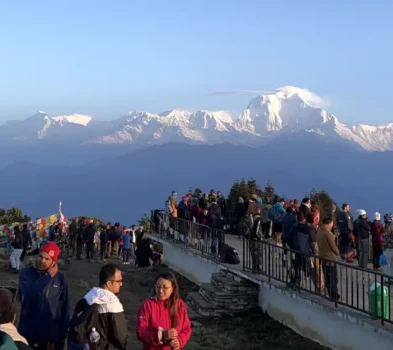
Watching the sunrise over snow-capped peaks, exploring hidden valleys and experiencing the friendly hospitality of local people make trekking in Nepal a memorable experience. Trails are available for all fitness and experience levels to enjoy the journey safely and comfortably.
Popular Trekking Regions
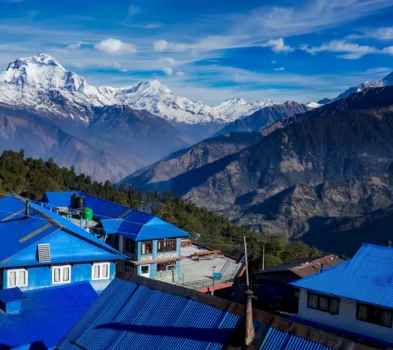
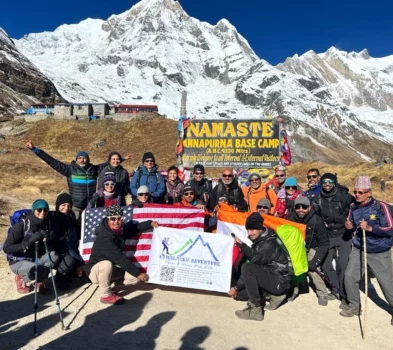
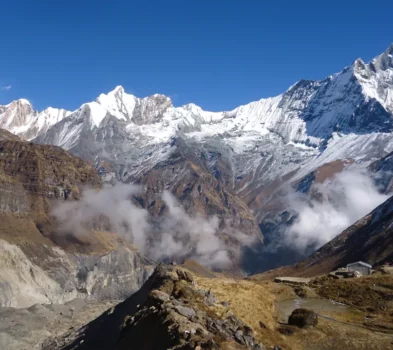
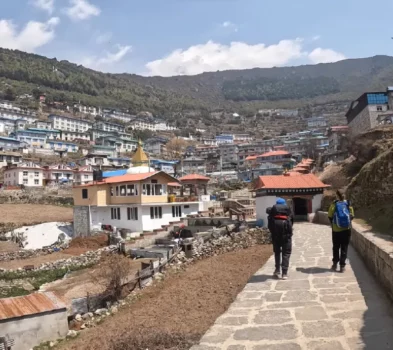
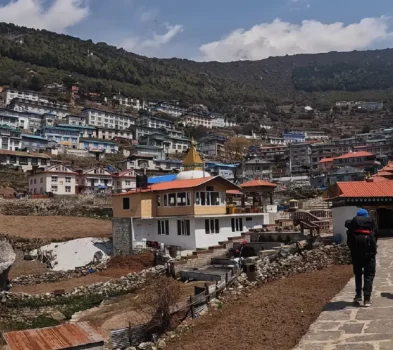
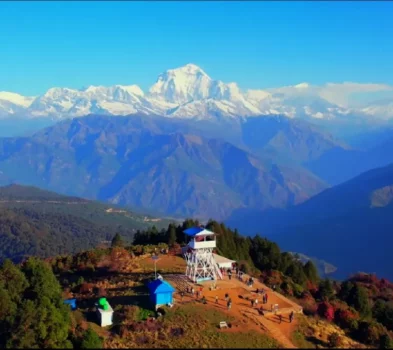
Nepal has several trekking routes, for all kinds of travellers. Everest, Annapurna and Langtang were the most visited Nepal trekking areas. Trekking activities in these areas are popular among the Annapurna Base Camp Trek, Ghorepani Poon hill trek, Everest base Camp Trek, and the Langtang valley trek, which are frequented by high numbers of trekkers every year. Most of these treks are teahouse treks, where travelers spend the night in local teahouses along the trail. Teahouses offer meals, basic rooms and occasionally hot showers, which make the trekking easier and more comfortable.
The popular trekking routes offer the travelers the opportunity to enjoy the views of the mountains, rivers, forests, and culture. Visitors are able to walk through the villages, view the local markets, and learn about the traditional ways of life. These routes are good for travelers who wish to have a mixture of adventure, nature and culture without traveling too much outside of the main path.
Off the Beaten Path Adventures
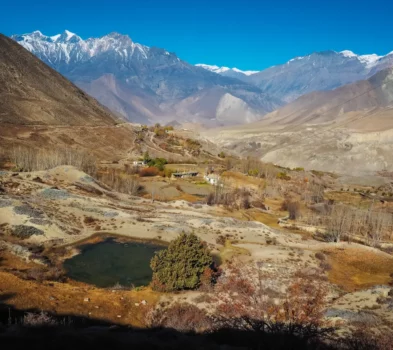
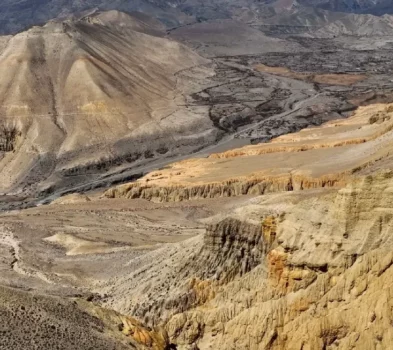
Nepal also has less crowded and more peaceful trekking routes. Lower Dolpo Trek, Kanchenjunga Circuit Trek, Rolwaling Valley Trek and Manaslu Circuit Trek are some of the trails that go through silent valleys and small villages. These treks usually include camping that enables the traveller to have a more personal feel of the nature and the mountains.
These off-the-beaten-path trails allow trekkers to experience a serene environment, fresh air, and scenic views away from large crowds of tourists. Tourists are able to observe the lifestyle of the locals, explore those villages that are hardly involved with the contemporary world, and experience the natural world in its raw form. These trekking trails are best suitable to individuals who want to do a tranquil and serene trekking.
Trek Duration & Difficulty
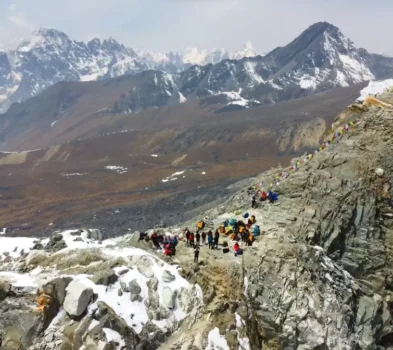
There are various routes of trekking with different lengths and difficulty levels in Nepal. Longer treks such as the Kanchenjunga Base Camp Trek, the Upper Dolpo Trek and the Limi Valley Trek are more challenging. These are treks that take good physical fitness, prior trekking experience and proper preparation. They can take several weeks, and often involve walking at high altitudes, climbing steep paths, and staying in remote areas.
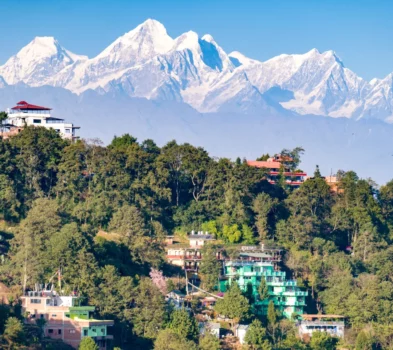
Shorter treks, such as the Ghorepani Poon hill Trek, Khopra Danda Trek, Chisapani Nagarkot Trek and Helambu Trek, are easier and for the beginners or those with average fitness levels. These treks usually last for a few days to a week. Trails like Lower Dolpo Trek, Kanchenjunga Circuit Trek, Rolwaling Valley Trek and Manaslu Circuit Trek move through silent valleys and little villages. These treks usually include camping experience that enables the traveller to experience more of nature and the mountains.
The remote paths will enable the trekkers to have peaceful environment, fresh air and scenic views without getting into the middle of a big crowd of tourists. Tourists get the opportunity to observe the life of the local population, explore a village with minimal connections to the world and nature in its original state. These walks are best suited to individuals in search of a serene and tranquil trek.
Accommodation and Food on the Trails
The majority of the most common trekking routes in Nepal are teahouse routes where trekkers merely spend their nights in small teahouses on the route. Teahouses do include simple housing, meals and sometimes hot showers. Food is also fresh and healthy, and there are traditional Nepali items, such as dal bhat (rice and lentils), vegetables, noodles, soups, eggs, and seasonal fruits.
In remote areas, accommodation is limited and as a result of this, travelers often go on camping treks. Trekkers carry their own tents and cooking equipment and cook their own meals or have guides and helpers to cook for them. Camping treks are more authentic and allow travelers to feel closer to nature.
Culture and the Local Experience
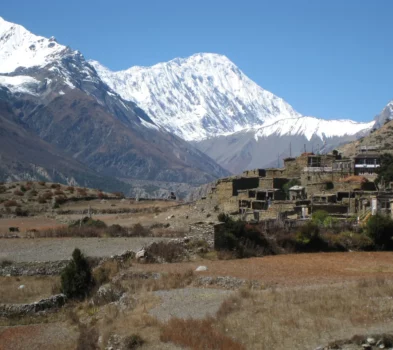
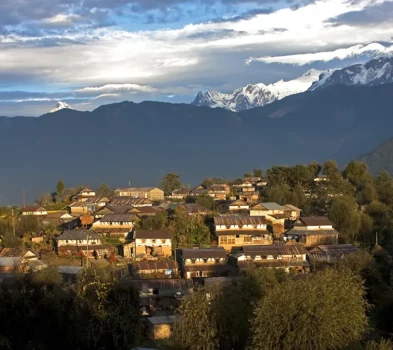
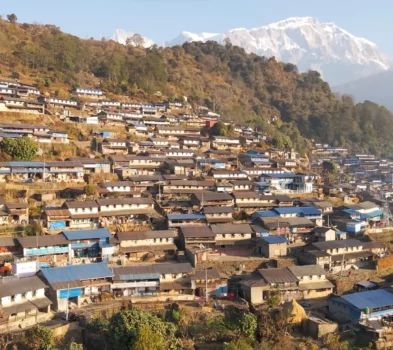
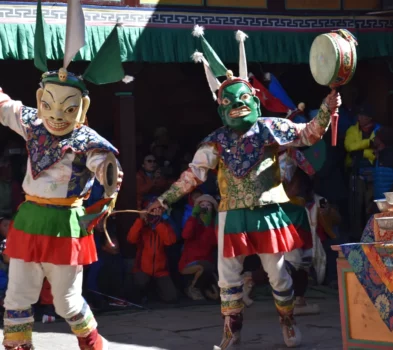
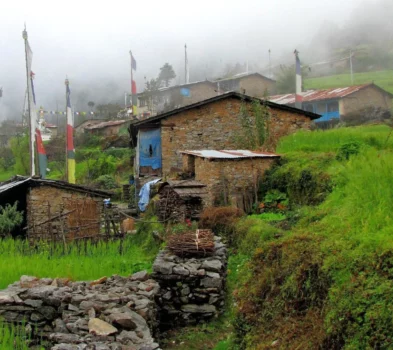
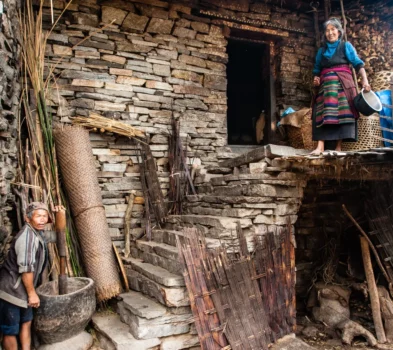
Trekking in Nepal is also a means of learning about the culture and traditions of this country. There are many ethnic groups such as Sherpas, Tamangs, Gurungs, and Magars that dwell in villages along the trekking routes. Travelers are able to see traditional houses, participate in local festivals and learn about customs that have been passed on from many generations. Meeting the local population and enjoying their hospitality often becomes one of the most special parts of trekking.
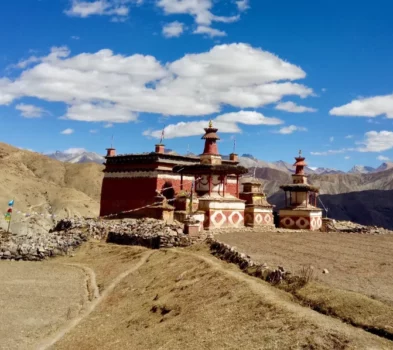
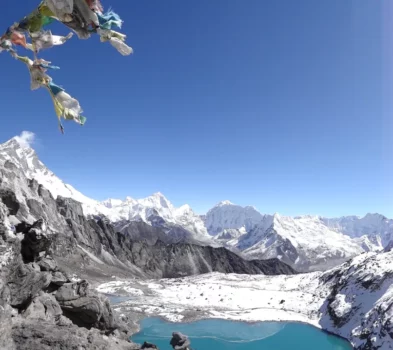
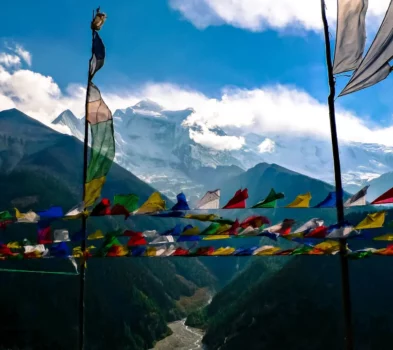
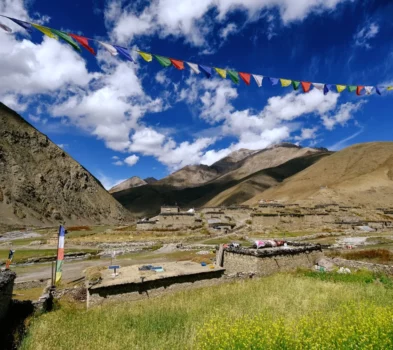
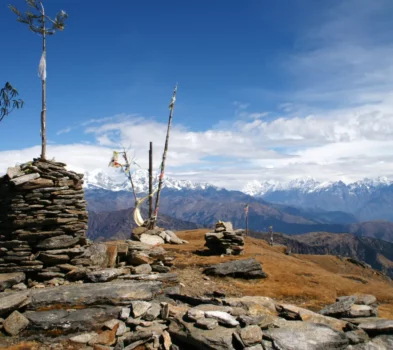
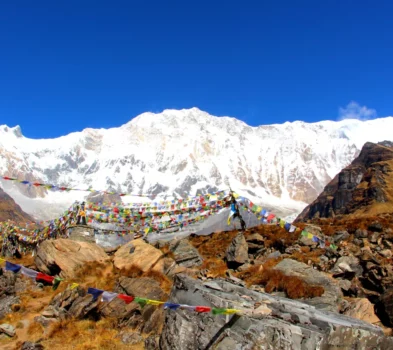
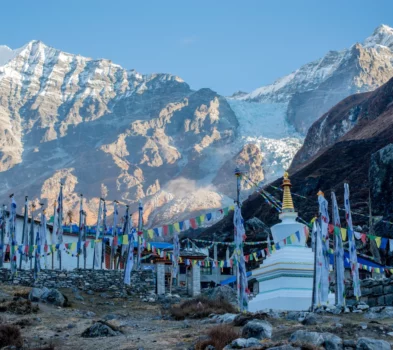
Many trails also pass Buddhist monasteries, prayer flags and stupas, so trekkers get a chance of a calm and spiritual experience, along with the adventure of trekking. Travelers can see how local people live simply and peacefully and enjoy the beauty of the mountains.
Best Seasons for Trekking
The best time to trek in Nepal is in the spring from March to May and autumn from September to November. During these months, the weather is clear, the temperature is mild and the mountains are clearly visible. Spring is also a particularly beautiful time as rhododendrons are flowering which provide bright colors along the trails.
Summer, from June to August is the rainy season. Heavy rains can cause trails to be slippery and unsafe and may even result in landslides. In winter, between December and February, it is cold, and some of the roads to the high places might be covered with snow, and then it becomes challenging to walk. The selection of the appropriate season contributes to a safe and enjoyable experience of travelers.
Why Trekking in Nepal is Special
Nepal is a nation of nature, adventures and culture in one. The trekkers may observe some of the tallest mountains across the world, silent valleys, and small villages and can experience the hospitality of the locals. Every trek is a chance to connect with nature and experience a healthy and active way of life. From easy treks for a day to long journeys of many weeks at high altitude, Nepal has routes for all kinds of travellers.
The range of trails, the friendly hospitality of the local people, and the beauty of the mountains make trekking in Nepal a truly unforgettable experience. Every traveler can find a trail based on their fitness, time and interest and thus Nepal is a destination that is welcoming and memorable for all.


