



Introduction
Yamdrok Lake, also known as Yamdrok Tso, is one of the most beautiful and sacred lakes in Tibet. This turquoise lake is about 100 kilometers southwest of Lhasa and lies calmly between high mountains, and has a profound spiritual significance.
According to Tibetan Buddhists, Yamdrok Lake is an active goddess and a source of strong life force. The lake is known to guard the land and the people of Tibet. It is visited by monks and pilgrims who pray, meditate, and offer offerings to the lake.
Yamdrok Tso is one of Tibet’s three sacred lakes, alongside Namtso and Lake Manasarovar, which lies near Mount Kailash. The lakes are very religious and reach the believers to their religion, blessings, and their ancient tradition, which still shape life in Tibet to date.
Yamdrok Lake is not only a sacred site but also a source of inspiration for all who visit. It has an idyllic scenery with its serene blue water, mountainous snowy white summits, and miniature islands, making it the most visited destination for nature lovers, photographers or cultural voyagers.
Geography and Natural Beauty
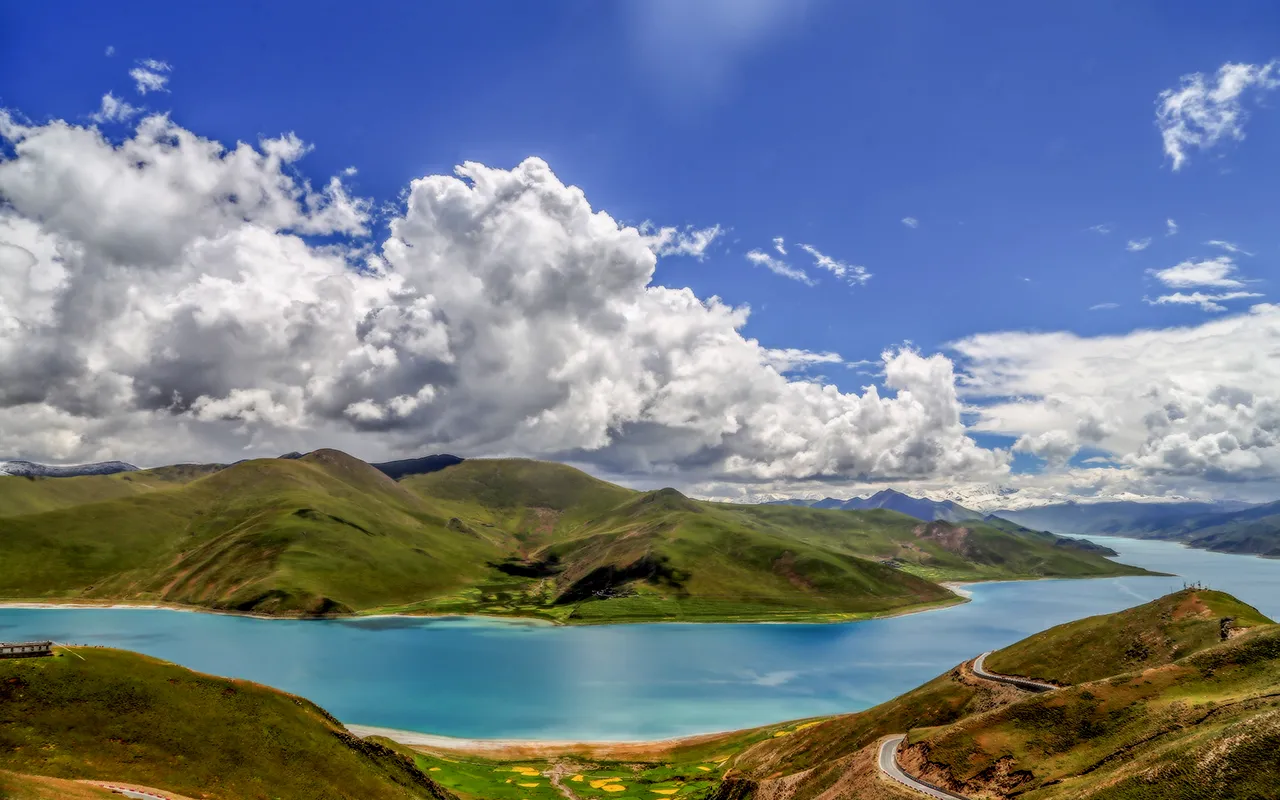
Yamdrok Lake rests at an impressive height of about 4,441 meters above sea level, making it one of the highest and most extraordinary lakes in Tibet. Its vast shape spreads across the plateau, winding between dramatic mountain valleys.
The lake is brilliantly colored in a turquoise that transitions softly with sunlight, and that looks like the jewel of the Himalayas. The water is enclosed by snow-capped mountains, and an unbroken scenery of quiet yak grazing and open grasslands has a calming effect on the scene.
Traditional villages and nomadic settlements are located around the lakeshore, inhabited by Tibetan families with their herds and practicing the ancient traditions there. Kamba La Pass is also one of the most popular perspectives, which provides an unbelievable panorama of Yamdrok Tso and the winding road beneath it.
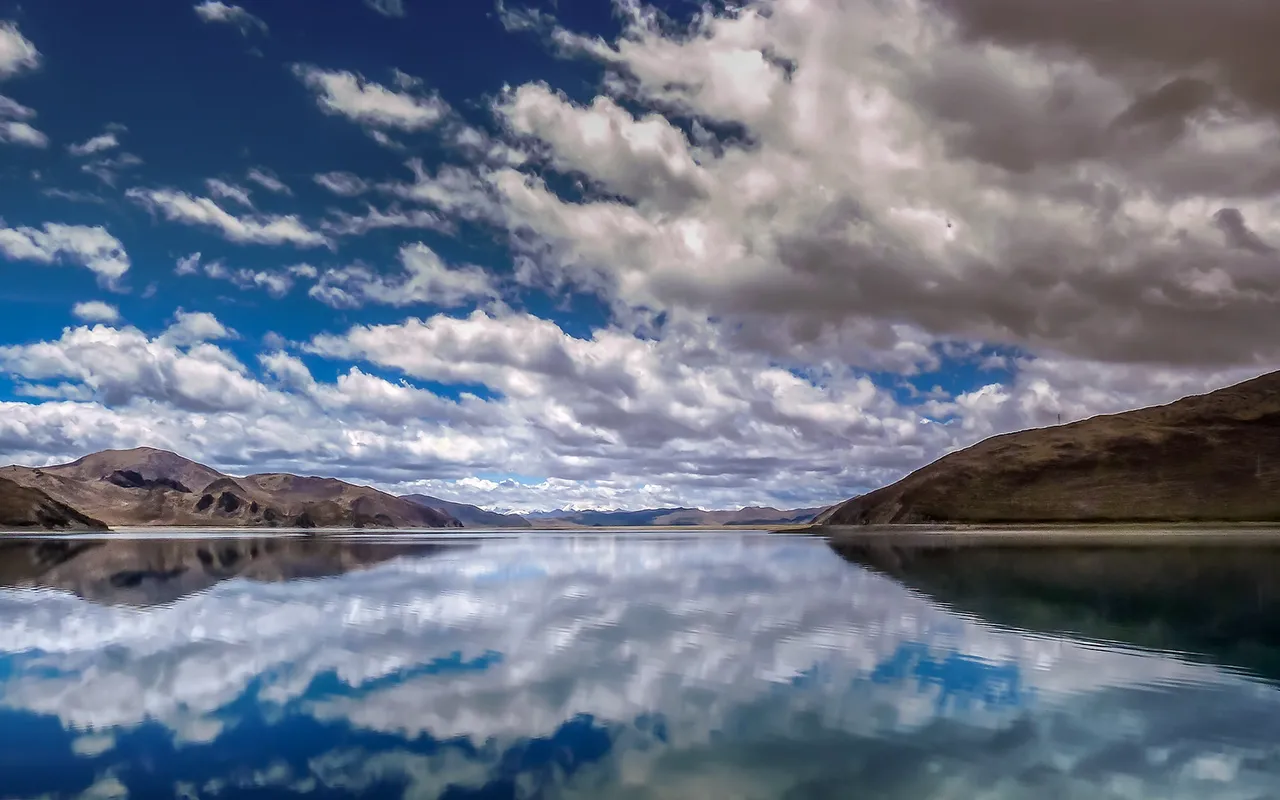
The Yamdrok Lake is charming in each season. During the summer months, the water shines through by blue skies, and in winter, the water is framed with white snow. Spring and autumn show soft colors and peaceful reflections.
Spiritual and Cultural Significance
Yamdrok Tso is an object of great reverence to Tibetan Buddhism, which is thought to be a living goddess and a source of life energy to Tibet. Most Tibetans hold that the existence of the lake guarantees peace, both fertility and security in the area.
The Buddhist lamas and pilgrims go to Yamdrok Lake in order to get blessed and make prayers. Monks usually undertake spiritual tours to the lake and recite mantras, offering butter lamps, to get purification, good luck, and spiritual power from the holy water.
According to the local legends, Yamdrok Lake was created by a goddess who turned herself into the water in order to defend the Tibetan land. Most people also think that the lake mirrors the life of Tibet.
The lakeside rituals and ceremonies are held all year round. Pilgrims are spinning prayer wheels, prayer flags of all colors, and laying stones or prayer scarves at the holy places along the shore, with an entreaty of blessings, peace, and longevity.
Local families go to the lake during special dates that are observed by religious people to give offerings of incense, grains, and prayer flags, as the lake is believed to be a source of good health and prosperity. These are the traditions that have been handed down through centuries and still help Yamdrok Tso to be spiritually alive and culturally significant.
Best Time to Visit Yamdrok Lake
The Yamdrok Lake is best visited between April and October when the weather is mostly clear, roads are open, and the lake is at its blue turquoise shade. These are the months of pleasant weather and splendid reflections of the nearby mountains.
Spring and fall are calm with gentle winds, soft light, and clear visibility, hence they are common times for photography and sightseeing. Summer is full of green meadows and warm days, but there are some rain showers that may occur in the plateau.
In winter, a different beauty is created at Yamdrok Tso, where some sections of the lake freeze, and the scenery is very silent and quiet. The views become clear and enchanted, with the temperature dropping sharply, and the wind can be strong.
For photography, sunrise and sunset are especially stunning moments, when golden light touches the snowy peaks and blue water. Pack warm clothes, sunglasses, and sunscreens since the weather is rapidly changing a high altitudes.
How to Get There
Yamdrok Lake is close to Lhasa at approximately 100 kilometers distance, thus an easy day trip for travelers. It normally requires two to three hours to get there, and the path goes through scenic mountain roads as well as traditional Tibetan villages along the route.
The road to Yamdrok Tso is also memorable at Kamba La Pass, which is a high point because of the panoramic view of the turquoise curves of the lake as well as its snow-covered mountains, and twisting roads. A lot of travelers visit this place in order to view and take pictures of the landscape.
The majority of tourists arrive by their own vehicle, or they join an organized group tour which has been organized by licensed Tibetan travel agencies. Those options are comfortable, reliable guides, and ensure that all necessary permits, all checkpoints are taken care of throughout the trip.
However, self-driving in Tibet is feasible, but it needs special permits, such as a Chinese driving license and vehicle permit. Due to the severe regulations and the road conditions in the mountainous areas, the majority of travelers choose to be guided by a vehicle in the mountain areas, which is safe and convenient.
Yamdrok Lake also needs official permits to travel to Tibet, including the Tibet Travel Permit. The foreign guests are not permitted to travel independently in Tibet and have to book permits with an authorized tour company.
Local Nomadic Way of Life around Yamdrok Lake
The nomadic families living near Yamdrok Lake rely on yak herding and seasonal mobility. Their way of life follows natural cycles, cattle rearing, religious land, and living in remote high-altitude grasslands with profound spiritual tendencies and low sophistication.
These nomads dwell in tents of yak wool and properly utilize natural resources. They make yak butter, cheese, and milk tea, hand-woven wool clothing, and safeguard grazing lands. Day-to-day work is centered on animals, weather, and religious practices.
The visitors can frequently observe the prayer flags near the nomadic tent, which indicate the unity of nature and faith. The encounter with these families provides an insight into the ancient life in Tibet. Their great hospitality, gentle smile, and tranquil rhythm portray the authenticity of their culture.
Photography and Viewpoints
The Yamdrok Lake is a paradise for photographers owing to its variable light, broad skies, and blue lake. The ideal natural frames are made up of snowy peaks, prayer flags, and winding roads. The sunrise and the sunset contribute warm golden tones.
Kamba La Pass provides glimpses of the lake winding through mountains in spectacular forms. Photographers tend to pause at this point to take prayer flags waving, vivid blue water in the bottom, and a boundary stretching to white mountains.
The cold due to high altitude would require warm clothes, a stable camera support, and additional batteries for the visitors. Won’t go in sacred places to take pictures, do not disturb animals, and be aware of pilgrims who may be praying or meditating before the water.
Wildlife and Ecology of Yamdrok Tso
Yamdrok Lake maintains an exclusive environment comprising transparent water, alpine grasslands, and mountain environments. There are free-roaming wild yaks, sheep, and numerous birds. The rare species, like the black-necked cranes and bar-headed geese, migrate there during migration seasons.
Although the lake is sacred, contemporary issues such as the littering of the lake by tourists and the environmental strain of road accessibility have been witnessed. The residents and guides encourage eco-tourism and prevent any form of pollution, harassment of the animals, and keep the surroundings of the sacred waters clean.
The delicate high-altitude ecosystem of the lake needs considerate actions among the visitors. By protecting the local environment, not using plastic, and keeping the natural habitats clean, it will be ensured that Yamdrok Tso will be clean, calm, and beautiful for generations to c, come and spiritual pilgrims.
Top Things to Do at Yamdrok Tso
Kamba La Pass has been among the most recognized places to view the Yamdrok Lake, where travelers can appreciate the extensive turquoise lakes with the snowy mountains. The viewpoint is perfect for photography, prayer flags, and relaxing scenes over the lake.
Short strolls along the lakeshore allow you to wander through peaceful sceneries and uninhabited routes where you could experience fresh mountain air and see yaks grazing. Friendly local villagers sometimes offer small souvenirs and allow cultural experiences.
Another highlight in Yamdrok Tso is watching birds, particularly around spring and summer when the migratory birds come. Black-necked cranes, bar-headed geese, wild yaks, and occasional Tibetan antelope can be seen around the open grasslands of the lake.
An interesting cultural experience is gained by encountering nomadic herders around Yamdrok Lake. Several families keep yaks and sheep, and they usually receive the guests with smiles. You can also observe old-fashioned tents, prayer flags, and ordinary village life.
There are a few small villages near the lake, which provide the best Tibetan hospitality. Travelers can taste butter tea, listen to folk tales, and learn about the local culture. These visits provide more insight into life in the rural highlands of Tibet.
A spiritual touch is also added to your visit by Samding Monastery near Yamdrok Tso, which is referred to as the only Tibetan monastery that has been traditionally headed by a female reincarnated lama. It provides a serene environment, holy places, and reclining time.
Travel Tips and Practical Information
Since Yamdrok Lake is beyond 4,400 meters, one should be properly acclimatized in Lhasa. Spend at least two days in the city before you visit, drink lots of water, walk slowly, and avoid heavy physical activity until your body adapts.
Wear multiple layers since the weather might change at any time in the Tibetan plateau. Things that are important are a warm jacket, windproof outerwear, gloves, a scarf, sunglasses, and sunscreen. It might be cold in the morning and evenings toward the lake, even during summer.
Bring basic travel necessities such as snacks, a reusable water bottle, tissues, lip balm, and basic medicines. Sun rays are intense at high altitudes; thus, cover your skin and eyes. Comfortable walking shoes help during short trails and lakeside strolls.
Respect local beliefs by not handling religious items unnecessarily, no loud behavior or disturbance of the yaks and wildlife. Never litter or encroach upon sacred water territory because the locals believe that the lake is sacred.
The majority of the tourists spend their time in Lhasa and visit Yamdrok Tso in a day. The accommodation available in the city is of all kinds, including budget guesthouses and luxury hotels; all of these have provided the comfort and ease of access to the guided tours and transportation services.
Conclusion
Yamdrok Lake is one of the most valuable spiritual and natural marvels in Tibet, with turquoise beauty, snowy mountain ranges, and serene grasslands. Its divine power, ancient myth, and beautiful scenery make anyone who visits it inspired and overwhelmed.
Yamdrok Tso is a place that should be given a special spot in your trip to Tibet, whether it is spiritual peace, culture, or the beautiful Himalayan view. When spent at this sacred lake, one is connected with nature, and experiences moments that last a lifetime.
The serenity of the water, waving flags of prayers, and quiet mountains make one feel something unimaginable. According to Tibetans, sky and soul meet perfectly in harmony, inviting you to pause, breathe, and feel the beauty of this sacred place.


