


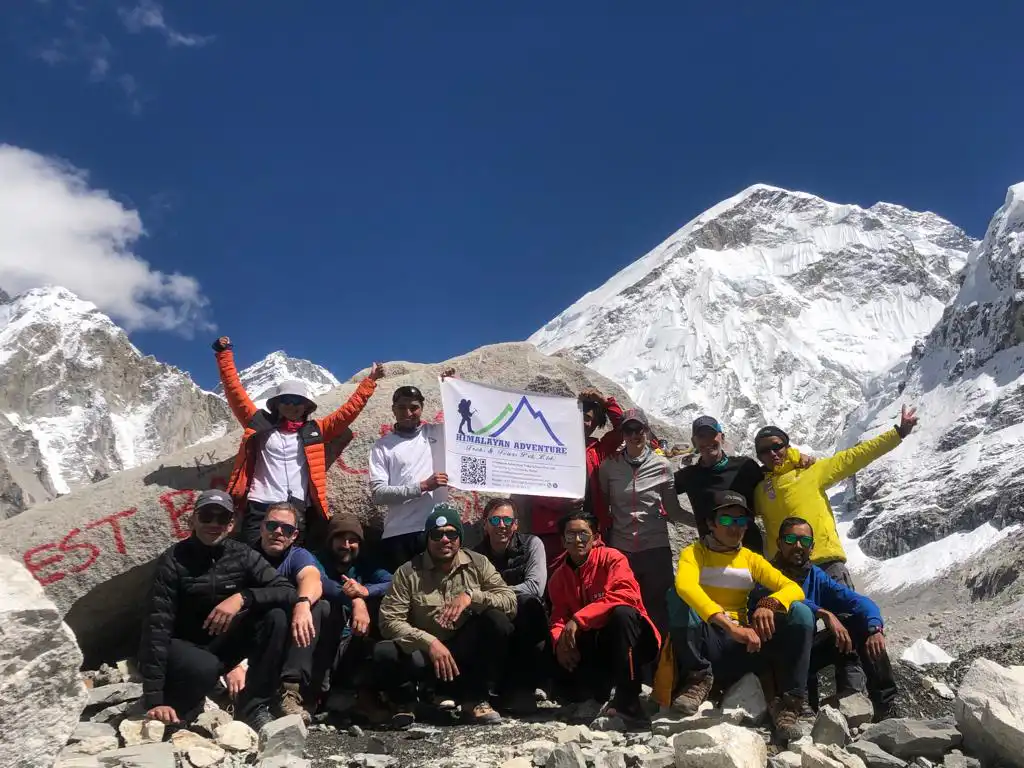

14 Days Everest Base Camp Trek: An Epic Journey in the Heart of the Himalayas
Nestled in the breathtaking expanse of the Himalayas, the Everest Base Camp Trek 14 Days stands as a beacon of adventure and discovery for trekkers worldwide. This iconic journey offers an unparalleled opportunity to immerse oneself in the awe-inspiring beauty of the world’s highest mountain range while experiencing the rich cultural tapestry of the Sherpa people.
Exploring the Origins:
The Everest Base Camp trek traces its origins back to the early 20th century when explorers and mountaineers began venturing into the remote reaches of the Himalayas in pursuit of adventure and conquest. Sir Edmund Hillary and Tenzing Norgay’s historic ascent of Mount Everest in 1953 further fueled the fascination with this majestic peak, inspiring countless adventurers to follow in their footsteps.
The Appeal of the 14-Day Everest Base Camp Trek:
What sets the Everest Base Camp trek apart from other trekking routes is its unique combination of natural beauty, cultural immersion, and unparalleled mountain vistas. Trekkers are drawn to the challenge of traversing rugged terrain, crossing suspension bridges spanning icy rivers, and ascending to dizzying altitudes, all while being rewarded with panoramic views of Everest and its neighboring peaks.
Key Highlights Along the Route:
- Namche Bazaar:
- Bustling Sherpa Capital: Namche Bazaar serves as the bustling heart of the Khumbu region, welcoming trekkers with its vibrant markets, cozy cafes, and lively atmosphere.
- Cultural Hub: The town is a melting pot of Sherpa and Tibetan cultures, offering visitors the opportunity to explore traditional Sherpa architecture, visit local monasteries, and interact with friendly locals.
- Acclimatization Stop: Situated at an elevation of 3,440 meters (11,286 feet), Namche Bazaar serves as a crucial acclimatization stop for trekkers, allowing them to adjust to the altitude before continuing their journey deeper into the Himalayas.
- Tengboche Monastery:
- Spiritual Sanctuary: Tengboche Monastery, nestled amidst the towering peaks of the Khumbu region, is one of the most important Buddhist monasteries in the area, offering stunning views of Everest and its surrounding mountains.
- Cultural Experience: Trekkers visiting Tengboche have the opportunity to witness daily prayers and rituals performed by resident monks, gaining insight into the spiritual traditions of the Sherpa people.
- Panoramic Views: The monastery’s strategic location provides trekkers with unparalleled panoramic views of Everest, Ama Dablam, and other iconic peaks, making it a must-visit destination along the trek route.
- Dingboche and Lobuche:
- High-Altitude Villages: Dingboche (4,410m/14,469ft) and Lobuche (4,910m/16,109ft) are situated at high altitudes, offering trekkers breathtaking views of the surrounding Himalayan peaks, including Nuptse and Lhotse.
- Acclimatization and Rest: These villages serve as important acclimatization stops, allowing trekkers to rest and acclimate to the thin mountain air before continuing their ascent towards Everest Base Camp.
- Sherpa Culture: Visitors to Dingboche and Lobuche have the opportunity to immerse themselves in Sherpa culture, exploring traditional stone houses, visiting local teahouses, and interacting with the friendly inhabitants of these remote mountain settlements.
- Gorak Shep and Everest Base Camp:
- Gateway to Everest: Gorak Shep (5,140m/16,863ft) is the final settlement before reaching Everest Base Camp, serving as a base for trekkers to acclimatize and prepare for the ascent to the iconic base camp.
- Khumbu Glacier: Gorak Shep is situated amidst the rugged terrain of the Khumbu Glacier, offering trekkers a glimpse into the majestic ice formations and crevasses that characterize this frozen landscape.
- Achieving the Dream: The journey culminates in reaching Everest Base Camp (5,364m/17,598ft), where trekkers stand in awe at the foot of the world’s highest mountain. Surrounded by towering peaks and fluttering prayer flags, this legendary site is a testament to the indomitable spirit of human exploration.
- Panoramic Views:
- Spectacular Scenery: Throughout the trek, trekkers are treated to breathtaking panoramic views of some of the world’s highest peaks, including Everest, Lhotse, Nuptse, and Ama Dablam.
- Photographic Opportunities: The trek route offers countless opportunities for photography, with each turn revealing new vistas of snow-capped mountains, turquoise glacial lakes, and verdant valleys dotted with colorful prayer flags.
- Sunrise at Kala Patthar: A highlight for many trekkers is the sunrise ascent of Kala Patthar (5,545m/18,192ft), a nearby viewpoint that offers unrivaled views of Everest bathed in the golden light of dawn.
- Sherpa Culture and Hospitality:
- Warm Welcome: Throughout the trek, trekkers are welcomed with open arms by the Sherpa people, renowned for their hospitality and kindness towards visitors.
- Cultural Immersion: Trekkers have the opportunity to immerse themselves in Sherpa culture, participating in traditional ceremonies, sampling local cuisine, and learning about the customs and traditions of the indigenous mountain communities.
- Teahouse Experience: Accommodation along the trek route is provided by traditional teahouses, where trekkers can enjoy hearty meals, cozy accommodations, and warm hospitality after a day of trekking.
- Flora and Fauna:
- Biodiversity: Despite the harsh conditions of the Himalayan environment, the Khumbu region is home to a surprising variety of flora and fauna, including rhododendron forests, alpine meadows, and elusive wildlife such as snow leopards, Himalayan tahrs, and musk deer.
- Birdwatching: Birdwatchers will delight in the opportunity to spot a wide range of Himalayan bird species, including colorful pheasants, majestic eagles, and elusive Himalayan monals.
- Cultural Experiences:
- Monastic Life: Along the trek route, trekkers have the opportunity to visit ancient Buddhist monasteries, where they can witness monks performing religious ceremonies and gain insight into the spiritual traditions of the region.
- Traditional Festivals: Depending on the timing of their trek, visitors may have the chance to participate in traditional Sherpa festivals and celebrations, such as Mani Rimdu, a colorful Buddhist festival held annually at Tengboche Monastery.
Best Time to Trek to Everest Base Camp:
The Everest Base Camp trek is a remarkable journey that offers trekkers the chance to experience the majestic Himalayas and stand in awe of the world’s tallest peak, Mount Everest. Choosing the right time to undertake this adventure is crucial for maximizing enjoyment and minimizing risks. The best time to trek to Everest Base Camp depends on several factors, including weather, visibility, and trail conditions. The two primary trekking seasons for Everest Base Camp are:
- Pre-Monsoon Season (Spring):
- Timing: March to May
- Weather: Spring brings mild temperatures and stable weather conditions to the Everest region. Days are generally sunny and clear, with minimal precipitation and relatively low wind speeds.
- Temperature: Daytime temperatures range from 10°C to 20°C (50°F to 68°F) in lower elevations and may drop to below freezing at higher altitudes. Nights are colder, with temperatures dipping below freezing.
- Visibility: The clear skies of spring offer excellent visibility of the surrounding mountain peaks, making it an ideal time for photography and enjoying panoramic views.
- Flora and Fauna: Springtime brings the awakening of the Himalayan landscape, with rhododendrons in bloom, lush greenery, and abundant wildlife.
- Post-Monsoon Season (Autumn):
- Timing: September to November
- Weather: Autumn is considered the best time to trek to Everest Base Camp, offering crisp, clear days and stable weather conditions. The monsoon rains have subsided, leaving behind fresh air and pristine views.
- Temperature: Daytime temperatures range from 10°C to 15°C (50°F to 59°F) in lower elevations, while higher altitudes may experience temperatures below freezing. Nights are colder, with temperatures dropping significantly.
- Visibility: The dry, clear skies of autumn provide exceptional visibility of the Himalayan peaks, including Everest, Lhotse, and Ama Dablam, making it an ideal time for trekking and mountain viewing.
- Trail Conditions: The trails are well-defined and dry during the autumn season, making trekking more comfortable and enjoyable. River crossings are generally easier, and there is minimal risk of landslides or washouts.
Factors to Consider:
- Altitude: Regardless of the season, trekkers must be prepared for high altitude and the associated risks of altitude sickness. Proper acclimatization, hydration, and awareness of symptoms are essential.
- Crowds: Both the spring and autumn seasons are popular times for trekking to Everest Base Camp, so expect moderate to high numbers of trekkers on the trail, especially during peak months like April and October.
- Weather Variability: While spring and autumn offer the best weather conditions for trekking, weather in the Himalayas can be unpredictable. Be prepared for sudden changes in weather, including snowstorms, high winds, and temperature fluctuations.
- Personal Preferences: Consider your personal preferences and priorities when choosing the best time to trek. Some trekkers prefer the vibrant colors of spring, while others enjoy the clear skies and cooler temperatures of autumn.
Challenges and Considerations:
While the Everest Base Camp trek offers a once-in-a-lifetime adventure, it is not without its challenges and considerations. Trekkers must be prepared for:
- Altitude: The high altitude of the Himalayas presents a significant challenge, with trekkers ascending to elevations exceeding 5,000 meters (16,400 feet). Acclimatization is essential to prevent altitude sickness and ensure a safe journey.
- Physical Fitness: The trek requires a good level of physical fitness, as trekkers can expect long days of hiking over rugged terrain and steep ascents. Cardiovascular endurance and strength training are recommended to prepare for the rigors of the trek.
- Weather: The weather in the Himalayas can be unpredictable, with conditions ranging from clear skies to snowstorms. Trekkers should be prepared for sudden changes in weather and pack accordingly with appropriate clothing and gear.
- Altitude Sickness: Acclimatization is paramount to mitigate the risks of Acute Mountain Sickness (AMS). Slow ascent, hydration, and recognizing AMS symptoms are vital.
- Permits: Securing permits like the Sagarmatha National Park Entry Permit and TIMS Card is mandatory, ensuring compliance with conservation regulations.
- Guide and Porter: Hiring experienced guides and porters enhances safety and eases logistical challenges, enabling trekkers to focus on the journey.
Cost of Everest Base Camp Trek -14 Days:
- Permits:
- Sagarmatha National Park Entry Permit: Required for all trekkers entering the Sagarmatha National Park, where Mount Everest is located.
- TIMS (Trekkers’ Information Management System) Card: Mandatory for all trekkers in Nepal to ensure safety and security.
- Cost: The combined cost of these permits typically ranges from $40 to $60 USD per person.
- Transportation:
- Flight to Lukla: The trek usually starts with a scenic flight from Kathmandu to Lukla, the gateway to the Everest region.
- Cost: The round-trip flight from Kathmandu to Lukla costs approximately $320 to $350 USD per person, depending on the airline and season.
- Accommodation:
- Teahouse Lodges: Along the trekking route, accommodation is provided in traditional teahouse lodges, which offer basic yet comfortable rooms with shared facilities.
- Cost: The average cost of accommodation in teahouses ranges from $5 to $20 USD per night, depending on the season and location. Higher altitudes may have slightly higher prices.
- Meals:
- Three Meals a Day: Trekkers typically enjoy three meals a day (breakfast, lunch, and dinner) at teahouse lodges or local eateries along the route.
- Cost: The average cost of meals ranges from $5 to $15 USD per meal, depending on the menu items and location. Prices may be higher at higher altitudes due to transportation costs.
- Guide and Porter:
- Guide: Hiring a licensed trekking guide is optional but highly recommended, especially for first-time trekkers or those unfamiliar with the region. Guides provide valuable insight, navigation assistance, and safety support.
- Porter: Many trekkers opt to hire porters to carry their heavy backpacks, allowing them to trek more comfortably and enjoy the journey without the burden of a heavy load.
- Cost: The daily cost of hiring a guide ranges from $20 to $40 USD, while porters typically charge $15 to $25 USD per day. Trekkers are also responsible for their guides and porters’ accommodation and meals.
- Additional Expenses:
- Equipment Rental: Trekkers may need to rent or purchase additional trekking gear and equipment such as sleeping bags, trekking poles, and down jackets.
- Medical and Travel Insurance: It’s essential to have comprehensive medical and travel insurance that covers emergency evacuation and medical expenses in case of illness or injury during the trek.
- Tipping: It’s customary to tip guides and porters as a gesture of appreciation for their hard work and assistance during the trek. The recommended tipping amount varies but is typically around 10% of the total trek cost.
Total Cost:
- The total cost of the Everest Base Camp trek can vary depending on factors such as the trekking season, level of comfort desired, and additional services opted for. On average, trekkers can expect to spend approximately $1000 to $2000 USD per person for a 14-day trek, including all necessary permits, transportation, accommodation, meals, and guide/porter services. This detailed breakdown provides a comprehensive overview of the cost of the Everest Base Camp trek, allowing trekkers to budget and plan accordingly for their adventure in the Himalayas.
Map, Route of Everest Base Camp Trek – 14 Days
Day 1: Kathmandu to Lukla (2,860m/9,383ft) to Phakding (2,610m/8,563ft)
- Kathmandu (1,400m/4,593ft)
- Lukla (2,860m/9,383ft): Start of Trek
- Phakding (2,610m/8,563ft)
- Distance: Approximately 9 kilometers (5.6 miles)
- Time: 3-4 hours trekking
Day 2: Phakding to Namche Bazaar (3,440m/11,286ft)
- Monjo (2,835m/9,301ft)
- Namche Bazaar (3,440m/11,286ft)
- Distance: Approximately 10 kilometers (6.2 miles)
- Time: 5-6 hours trekking
Day 3: Acclimatization Day in Namche Bazaar
- Explore Namche Bazaar
- Hike to Everest View Hotel for acclimatization
- Optional activities: Visit Sherpa Museum, Khumjung Village
Day 4: Namche Bazaar to Tengboche (3,860m/12,664ft)
- Phunki Tenga (3,250m/10,662ft)
- Tengboche (3,860m/12,664ft)
- Distance: Approximately 10 kilometers (6.2 miles)
- Time: 5-6 hours trekking
Day 5: Tengboche to Dingboche (4,410m/14,469ft)
- Pangboche (3,930m/12,894ft)
- Dingboche (4,410m/14,469ft)
- Distance: Approximately 11 kilometers (6.8 miles)
- Time: 5-6 hours trekking
Day 6: Acclimatization Day in Dingboche
- Explore Dingboche
- Hike to Nagarjun Hill for acclimatization
- Optional activities: Visit Dingboche Monastery, enjoy panoramic views of Ama Dablam
Day 7: Dingboche to Lobuche (4,910m/16,109ft)
- Dughla (4,620m/15,157ft)
- Lobuche (4,910m/16,109ft)
- Distance: Approximately 11 kilometers (6.8 miles)
- Time: 5-6 hours trekking
Day 8: Lobuche to Gorak Shep (5,140m/16,863ft) to Everest Base Camp (5,364m/17,598ft) and back to Gorak Shep
- Gorak Shep (5,140m/16,863ft)
- Everest Base Camp (5,364m/17,598ft)
- Gorak Shep (5,140m/16,863ft)
- Distance: Approximately 15 kilometers round trip (9.3 miles)
- Time: 7-8 hours trekking
Day 9: Gorak Shep to Kala Patthar (5,545m/18,192ft) to Pheriche (4,240m/13,911ft)
- Kala Patthar (5,545m/18,192ft)
- Pheriche (4,240m/13,911ft)
- Distance: Approximately 14 kilometers (8.7 miles)
- Time: 6-7 hours trekking
Day 10: Pheriche to Namche Bazaar
- Pangboche (3,930m/12,894ft)
- Namche Bazaar (3,440m/11,286ft)
- Distance: Approximately 20 kilometers (12.4 miles)
- Time: 7-8 hours trekking
Day 11: Namche Bazaar to Lukla
- Monjo (2,835m/9,301ft)
- Lukla (2,860m/9,383ft)
- Distance: Approximately 20 kilometers (12.4 miles)
- Time: 7-8 hours trekking
Day 12: Fly from Lukla to Kathmandu
- Lukla Airport (2,860m/9,383ft)
- Kathmandu (1,400m/4,593ft)
- Flight Duration: Approximately 30 minutes
Day 13: Reserve Day (Contingency for Weather or Acclimatization)
- Rest day or exploration in Kathmandu
Day 14: Departure from Kathmandu
Conclusion:
The 14-day Everest Base Camp trek is a journey of a lifetime that immerses trekkers in the awe-inspiring beauty of the Himalayas and the rich cultural heritage of the Sherpa people. Over the course of two weeks, adventurers embark on an epic odyssey through rugged terrain, ancient monasteries, and picturesque villages, culminating in the iconic base camp of the world’s highest peak, Mount Everest.
Achievement and Adventure: Completing the Everest Base Camp trek is a testament to the indomitable spirit of human exploration and endurance. Trekkers push their physical and mental limits as they ascend to dizzying altitudes, cross suspension bridges spanning icy rivers, and navigate challenging terrain. With each step, they inch closer to their ultimate goal: standing at the foot of Everest and witnessing its towering summit piercing the sky.
Natural Splendor: Throughout the trek, trekkers are treated to breathtaking vistas of snow-capped peaks, pristine glaciers, and verdant valleys. The ever-changing landscape unfolds before their eyes, revealing the raw beauty and majesty of the Himalayas in all its glory. From the vibrant rhododendron forests of spring to the golden hues of autumn, each season offers a unique perspective on this spectacular wilderness.
Cultural Immersion: The Everest Base Camp trek is not just about the destination; it’s also about the journey and the people encountered along the way. Trekkers have the opportunity to immerse themselves in Sherpa culture, learning about traditional customs, visiting ancient monasteries, and forging connections with the friendly inhabitants of remote mountain villages. Each encounter is a reminder of the warmth and hospitality that define the Sherpa way of life.
Personal Growth: Beyond the physical challenges and natural beauty, the Everest Base Camp trek is a journey of personal growth and self-discovery. Trekkers confront their fears, push through obstacles, and emerge stronger, more resilient individuals. The sense of accomplishment that comes with reaching Everest Base Camp is unparalleled, instilling a newfound confidence and appreciation for the wonders of the natural world.
Memories and Reflections: As trekkers bid farewell to the towering peaks of the Himalayas and descend back to civilization, they carry with them memories that will last a lifetime. The laughter shared around the teahouse fireplace, the camaraderie forged on the trail, and the sense of awe inspired by the majestic mountains—all serve as reminders of the transformative power of adventure and exploration.
Looking Ahead: While the 14-day Everest Base Camp trek may come to an end, the memories and experiences gained along the way endure forever. For many trekkers, this epic journey is just the beginning of a lifelong love affair with the mountains. Whether they return to the Himalayas or seek out new adventures around the world, the spirit of adventure ignited on the Everest Base Camp trek lives on, inspiring new dreams and aspirations.
In conclusion, the 14-day Everest Base Camp trek is an unforgettable adventure that challenges, inspires, and transforms those who undertake it. As trekkers gaze upon the towering peaks of Everest and reflect on their journey, they are reminded of the boundless beauty and endless possibilities that await in the mountains. This conclusion summarizes the profound impact and lasting memories of the 14-day Everest Base Camp trek, capturing the essence of the adventure and the transformative experience it offers.


