notification

Great News, From June 2025 Mount Kailash is open for individuals holding Indian Passports

Nepal’s Big Trekking Rule Change 2026 : Solo Travelers Can Now Access Restricted Areas

Nepal has long been a dream destination for trekkers from around the world. Its high Himalayan ranges, rugged roads, and ancient culture cannot be found elsewhere. Over the decades, explorers have arrived in Nepal to traverse isolated valleys, traverse high mountain areas, and explore local cultures in a different way.

Not every trekking path in Nepal has been so accessible, however. There are special areas, called restricted areas, which have always needed special permits and have had a lot of stricter rules. These are near or along the international boundaries, culturally sensitive or fragile environments.

Nepal has recently implemented a significant change in trekking rules to attract the attention of the world’s travel destinations. Solo travelers are now able to use closed zones, which were not previously possible. The update has provided new opportunities to independent trekkers and has not compromised safety or regulation.

The change is particularly significant to individual travelers who want to learn at their own pace without relying on a group. The Nepal trekking rule change 2026 allows remote adventures to be more accessible without compromising the safety of the trekkers since the trekkers will be under guidance.
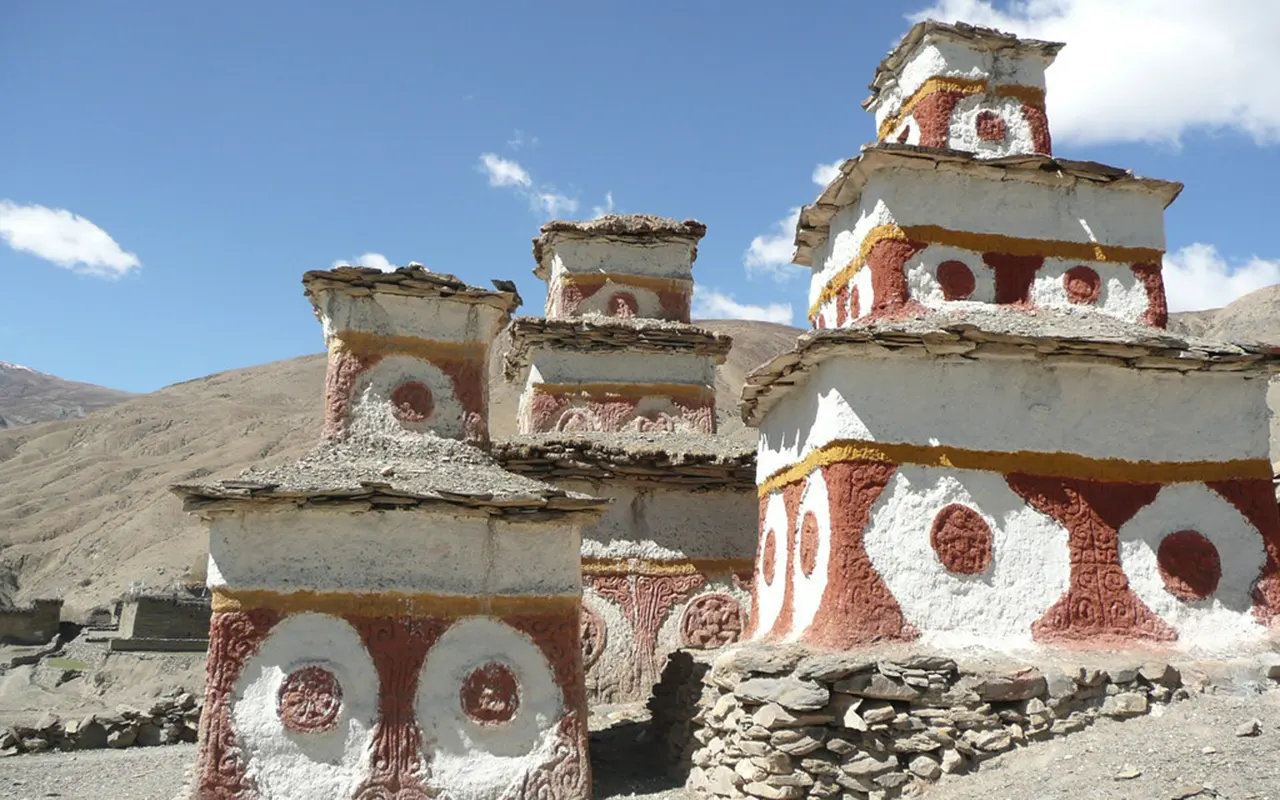
Access Restricted Areas

Understanding Restricted Areas in Nepal

Special areas in Nepal are restricted trekking areas whose access is managed by the government. These are not open areas like popular trekking trails like the Everest Base Camp or the Annapurna Circuit. Rather, trekkers have to acquire special permits and adhere to special regulations.

There are a number of reasons why these restrictions are in place. Border security is one of the primary reasons. There are a large number of restricted zones on the borders of Tibet (China) and the movement in these areas is closely controlled by the government.

The other important reason is cultural preservation. Certain of these areas possess distinct traditions, languages and ways of life that have not changed in centuries. Nepal is aiding the protection of these cultures by controlling tourism so that the cultures are not disturbed.

It is also largely due to environmental protection. The ecosystems around these regions are usually delicate and are easily destroyed by uncontrolled tourism. Through restricting access, one can preserve the natural beauty and biodiversity of these areas.

Some of the popular restricted trekking areas in Nepal are the Upper Mustang, Upper Dolpo, Manaslu Region, Tsum Valley and Kanchenjunga. All these places are special in their own way, starting with desert-like scenery, to isolated villages in the Himalayas.

Previous Trekking Rules (Before 2026)

Before the change of the Nepal trekking rule 2026, there were strict conditions that accompanied trekking in restricted areas. The minimum group requirement was one of the most vital regulations. In order to get a permit, trekkers had to be in a group of at least two individuals.

Besides this, it was also obligatory to book the trek with a registered trekking agency. Independent planning was not permitted, and all permits needed to be dealt with by an authorized agency.

All the restricted area treks needed to have a licensed guide. This regulation was safe and helped control tourism in the isolated areas.

These regulations posed a number of problems to individual trekkers. The travelers could not easily get an equivalent to share trekking with, particularly when they were alone. Some were forced to be randomized into groups in order to satisfy the requirement, which diminished their flexibility and personal experience.

Planning was complicated. Solo travelers were less in charge of time and sometimes had to change plans depending on the availability of the group.

What Changed in 2026?

The trekking rule change of 2026 in Nepal introduced a huge change in the accessibility of restricted areas. The biggest change is the elimination of the minimum two-person requirement.

Individuals are now able to seek restricted area permits without necessarily having to become members of another trekker. With this change, people can now make their own arrangements to travel.

But not all has changed. Not all the rules have been abolished. The trekkers will need to reserve their tours with an authorized trekking agency. They also need to employ an authorized guide throughout the walk.

This is a policy that was implemented by the government in order to create a balance between liberty and security. Although individual travelers are now able to explore on their own, having a guide around guarantees that they are safe and that the local rules are observed.
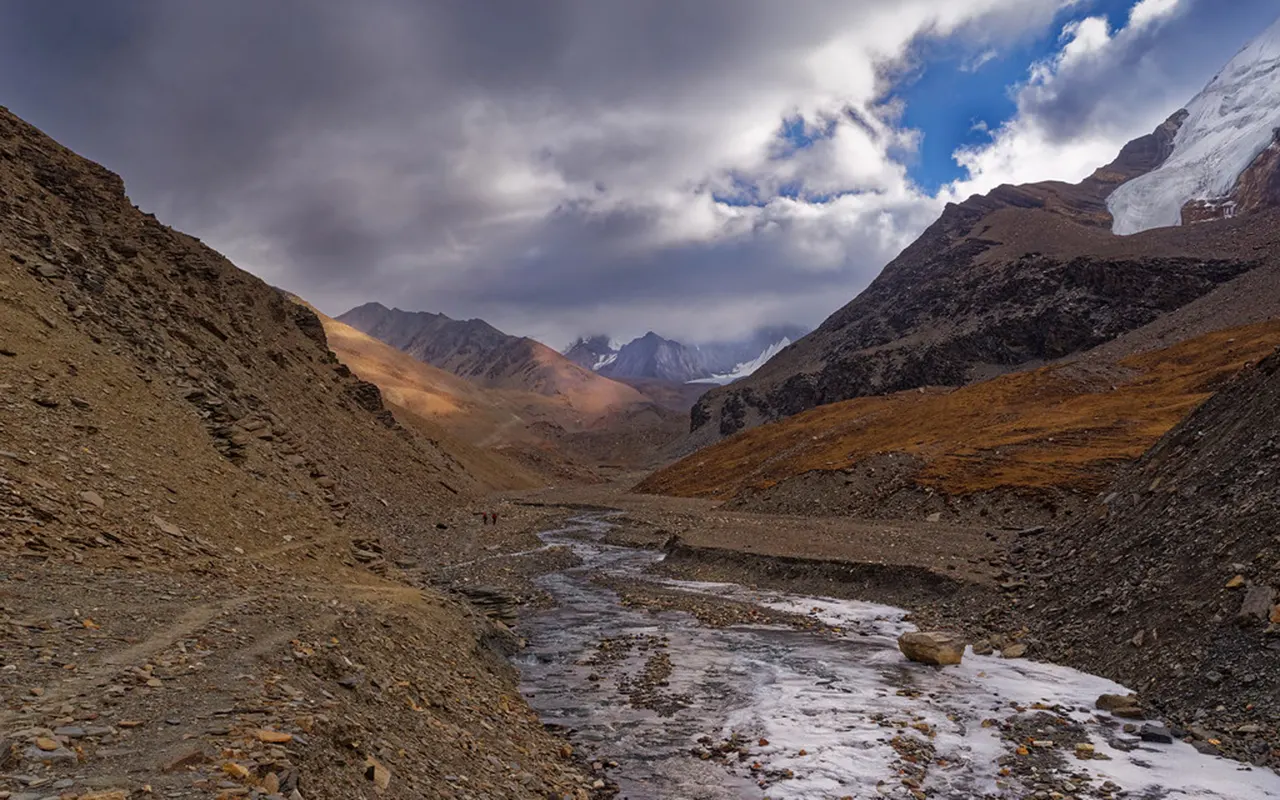
Solo Travelers

Why Nepal Introduced This Rule Change

The reason behind the change of Nepal trekking rule 2026 is due to several reasons. Among the key reasons is the increase in solo travel around the world. An increasing number of people now choose not to travel with others, in search of self-development and exotic experiences.

Nepal has been aware of this trend and changed its policies to suit the evolving demands of travelers. The country will be able to serve more people by letting in individual trekkers.

The other reason is to increase tourism revenues. Restricted areas will have fewer visitors than popular routes, and their opening to individual travelers will encourage the growth of visitors.

The government is also determined to open up remote areas. These places frequently rely on tourism as a source of income, and more trekking will benefit local society.

Lastly, Nepal is competing with other world trekking destinations. It has achieved this by adjusting its policies to make it one of the best adventure travel destinations.

What This Means for Solo Trekkers

This rule change is a great benefit to individual travelers. It makes it easier to plan trips on their own. Trekkers do not have to find a partner or a group anymore to meet permit requirements.

This simplifies and expedites the permit process as well. Visitors would no longer have to rely on others when making their own plans.

Meanwhile, security is an issue. A licensed guide will accompany trekkers on their journey. Guides assist in navigation, communication, and any emergency.

The rule change 2026 of Nepal trekking provides a compromise between liberty and safety, which can be appealing to solitary travelers.

How to Get a Restricted Area Permit (Step-by-Step)

Avoiding the hassle of obtaining a permit is a simple affair with the new system. First, you have to select a trekking destination. Every restricted area has permit requirements and costs of its own.

This should be followed by calling a trekking agency in Nepal that is registered. Although solo travel is currently permitted, it is not yet possible to issue the permits directly to individuals.

You will be required to present some required documents, including a copy of your passport, details of your visa, and travel insurance. The following forms are needed to process your permit.

Then you will pay the permit fees, which are different based on the location and the time you want to do the trek.

You will then be assigned to a licensed guide by the agency. When everything is prepared, you will be given your permits and can set out on your trek.

Cost Breakdown for Solo Trekkers

The pricing of trekking in restricted zones is based on a number of factors. The highest cost is normally the permit fees that differ according to the region.

To take an example, the permit fee is relatively high in Upper Mustang because of its distinct cultural and geographical relevance. Manaslu Circuit tends to be cheaper and still involves a number of permits.

You will have to pay agency service charges in addition to permits. These include the expenses of planning your trek and paperwork.

Another cost is guide fees. It is compulsory to hire a licensed guide, and normally the fee does not include their salary, food, and accommodation.

You also need to allocate money to accommodation, meals, and transport.

Generally, trekking in restricted places is more costly than common treks; the experience is usually more exclusive and challenging.

Role of Trekking Agencies & Licensed Guides

Trekking agencies still have a significant role to play even after the Nepal trekking rule change of 2026. Their responsibility is to put permits in place, logistics, and to make sure that all the regulations are taken care of.

Certified guides are important. They are useful in following complicated paths, and particularly in remote areas where the paths are not well marked.

Safety support is also offered by guides. They are trained to act swiftly in case of emergencies or in case of altitude sickness.

They also provide a bridge to the culture, assisting the trekkers to appreciate the local culture and traditions. This improves the general trekking experience.

Hiring locals, as guides, also helps trekkers to contribute to the local economy and communities in remote regions.

Benefits of the New Rule

The Nepal trekking rule change 2026 has various obvious advantages, particularly to solo travelers. The greatest benefits are that it can enable one to trek without the need of seeking someone to join them. This simplifies the planning process and allows travelers to explore at their leisure.

It also enhances access to remote areas such as the Upper Mustang and the Upper Dolpo, which could be hard to reach by individual trekkers in the past. These exotic scenes and cultures can now be enjoyed by more travelers.

The Nepal tourism industry also benefits from the change. The increased tourist arrivals will benefit the local communities through the lodges, guides and small shops, among others, particularly in remote locations where tourism is a big contributor to income.

Meanwhile, safety is not compromised. The presence of a licensed guide is valuable in high-altitude and remote areas, as it ensures that trekkers have support on the way.
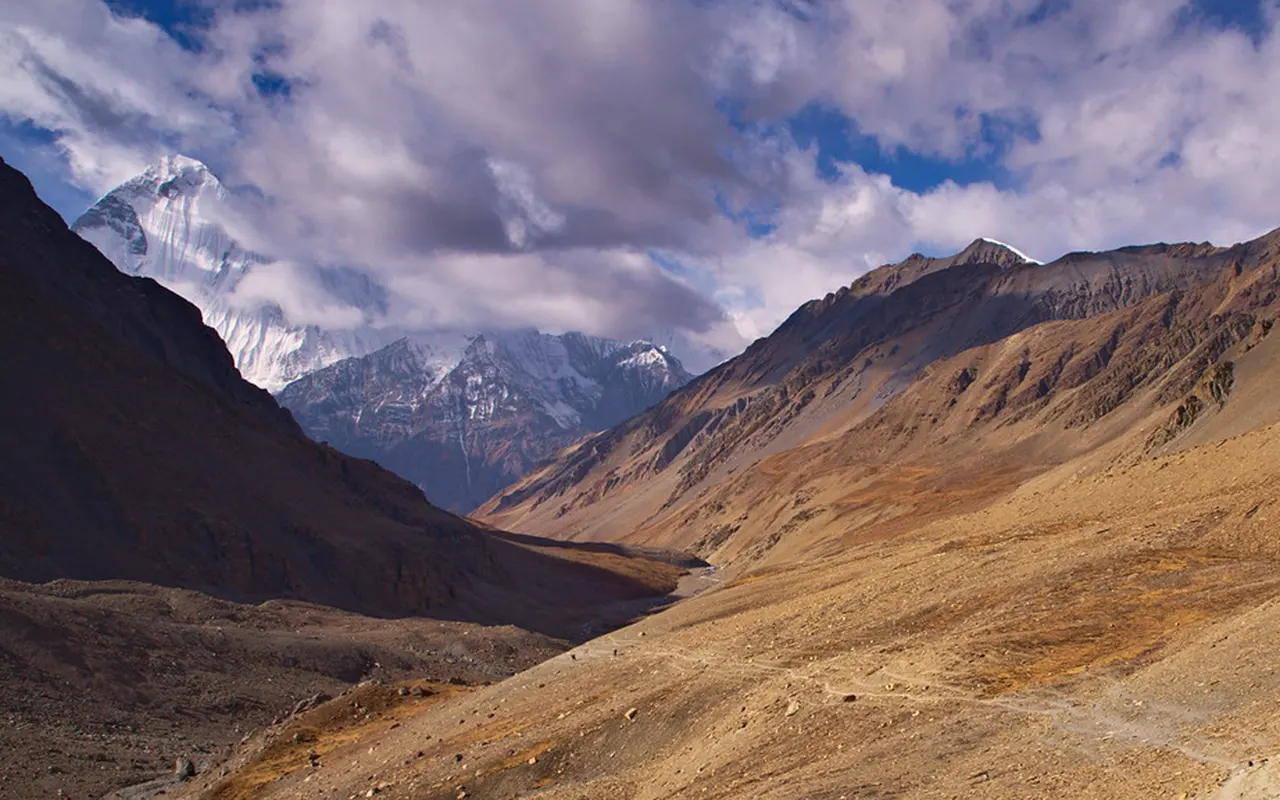
Nepal’s Big Trekking Rule Change

Limitations You Should Know

In spite of the advantages, the Nepal rule change for trekking in 2026 has certain limitations. Trekking is not totally autonomous and authorizations need to be registered via a registered trekking agency.

It is necessary to hire a licensed guide, which increases the final price. This is not always easy to afford among budget fliers as opposed to unrestricted fares.

Rules on permits are still in play, and some areas are still restricted. There are certain requirements that need to be adhered to in each region.

Planning is less flexible. Because you have to liaise with an agency and a guide, it can be harder to make impromptu changes to your itinerary.

Best Restricted Area Treks for Solo Travelers

One of the most suitable places to visit individually is Upper Mustang. It has its own desert-like features and a rich Tibetan culture. It is culturally important and scenic as the area is approximately 3,800 meters (12,467 ft) in elevation.

Another option is the Manaslu Circuit. It is a mix of long trekking paths and breathtaking mountainous landscapes. The Larkya La Pass is 5,160 meters (16,929 ft) and is a challenging and rewarding experience.

Tsum Valley is the place to go to experience a spiritual journey. It is characterized by its monasteries and tranquility, and its villages were found at an altitude of 3,700 meters (12,139 ft).

Upper Dolpo is an adventure lover’s paradise. It belongs to the most distant areas in Nepal, and the passes are over 5,000 meters (16,404 ft).

Essential Tips for Solo Trekking in Restricted Areas

  • It is important to select a good trekking agency. Ensure that the agency is established and receives positive reviews.
  • Ensure you check the license and experience of your guide. A well-versed guide can be of immense help in your quest.
  • Equip yourself for remote conditions. There are a few facilities around a restricted area, and you must be physically and mentally ready.
  • Be respectful of local customs and rules. These are culturally sensitive areas, and proper conduct matters.
  • Proper and positive thinking will aid in making the trek an easy experience.

FAQs

Can I trek alone all the way now?

No, you cannot walk all alone. All treks in the restricted areas of Nepal still require the services of a licensed guide.

Is a guide still mandatory?

Yes, even with the Nepal trekking rule change of 2026, when Nepal opens up to solo travelers, employing a licensed guide is mandatory.

What is the duration of obtaining permits?

The process of permit processing normally requires one to three working days with a registered trekking agency, based on the destination.

What are the best restricted area treks to do for beginners?

Trekking in the Manaslu region is thought to be favorable to beginners because of the ease of access and the fairly well-developed trekking infrastructure.

Is it safe to solo trek in Nepal?

Yes, in most cases, it is safe under the guidance of a licensed guide, adequate preparation, and understanding of altitude, weather, and remote conditions.

Should I have a trekking agency do the work?

Yes, one needs a registered trekking agency to process permits; one cannot obtain permits for restricted areas without going through a registered trekking agency.

Is the permit fee the same for all locations?

No, permit fees vary based on the area, the period of stay, and other details set by the Government of Nepal.

Is it possible to customise my itinerary when on the trek?

Only small adjustments can be made, and there is not much flexibility, as the permits, guides, and logistics are predefined.

What documents do you need for restricted area permits?

If you are processing the permit, you require a copy of your passport, a valid visa, the details of your travel insurance, and passport-size photographs.

In what season should one trek the restricted regions of Nepal?

Most of the restricted areas provide the most favorable trekking conditions, clear views of the mountains, and better weather during spring and autumn.
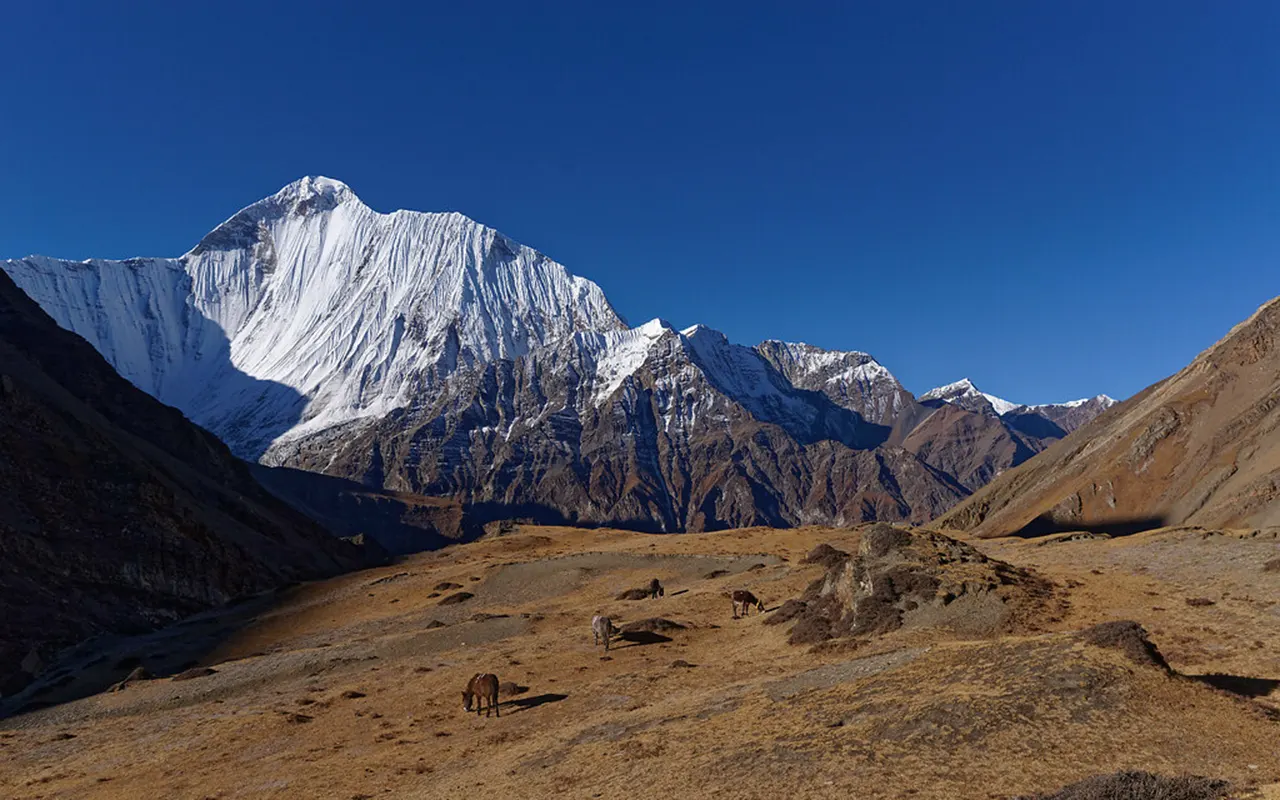
Solo Travelers Can Now Access Restricted Areas

Conclusion

The rule change of Nepal trekking 2026 is a big milestone in the history of Nepal trekking. The country has opened its remote areas to solo travelers, keeping the areas safe and controllable.

With this transformation, there exists a balance between freedom and responsibility. Trekkers now have more freedom as they can have the services of licensed guides.

Anyone who has decided to take an adventure in Nepal should not miss this chance of visiting these special places. Solo trekking in restricted locations can be an indelible experience when properly planned and with proper respect to the local culture.

When you are planning your next trek, this is the time you need to begin the planning, get in touch with one of the reliable trekking agencies, and enjoy the beauty of Nepal in a way you have never seen before.
Culture Experience Trekking in Nepal : A Complete Guide for First-Time Travelers

Introduction

Nepal is always known for its nature and ethnic diversity. It opened a gate to explore an authentic experience through Trekking in Nepal. Due to its cultural richness and merging nature, it is always an attractive aspect for travel enthusiasts. The trekking trails for you to explore different cultural destinations are all over the Himalayas.

Cultural trekking offers an enriching journey covering the rich cultural and traditional practices that live in the corners of the Himalayas. Unlike standard trekking, it gives travellers and trekkers an opportunity to explore and to know about the traditions and cultures that have lived back for centuries.

Nepal is a great destination for culturally focused trekking, with dozens of trekking routes that especially offer the cultural and traditional aspects during the journey.

Here, we are about to talk about the cultural trekking experience in Nepal. We will provide the insight about it, which will be helpful for first-time travellers, cultural explorers and those who seek soft adventures.

Village

What is Culture Experience Trekking in Nepal?

The cultural trekking in Nepal is a journey which takes you through the traditional trails and through the original habitat of ethnic people.

It combines with the landscapes of mountains, beautiful villages, traditional practices and daily life experience.

It is a bit different from classical trekking as it offers trekkers a different taste with authentic cultural aspects, which are mostly focused and designed to cover most of the cultural destinations. It also gives a chance to interact with locals and have a primary experience from the in-person experience.

Why Choose Culture Experience Trekking in Nepal?

As we know, Nepal is a diverse country in terms of ethnicity and has a huge collection of culture and traditions that have been practised for centuries.

The ethnic groups, like Gurung, Tamang, Sherpa, Thakali, Rai, Limbu, etc. These ethnic groups are themselves culturally diverse. The languages, cultural attire, architecture, traditions and even unique rituals each of them practices offer an ultimate experience.

Living Traditions and Ancient Heritage

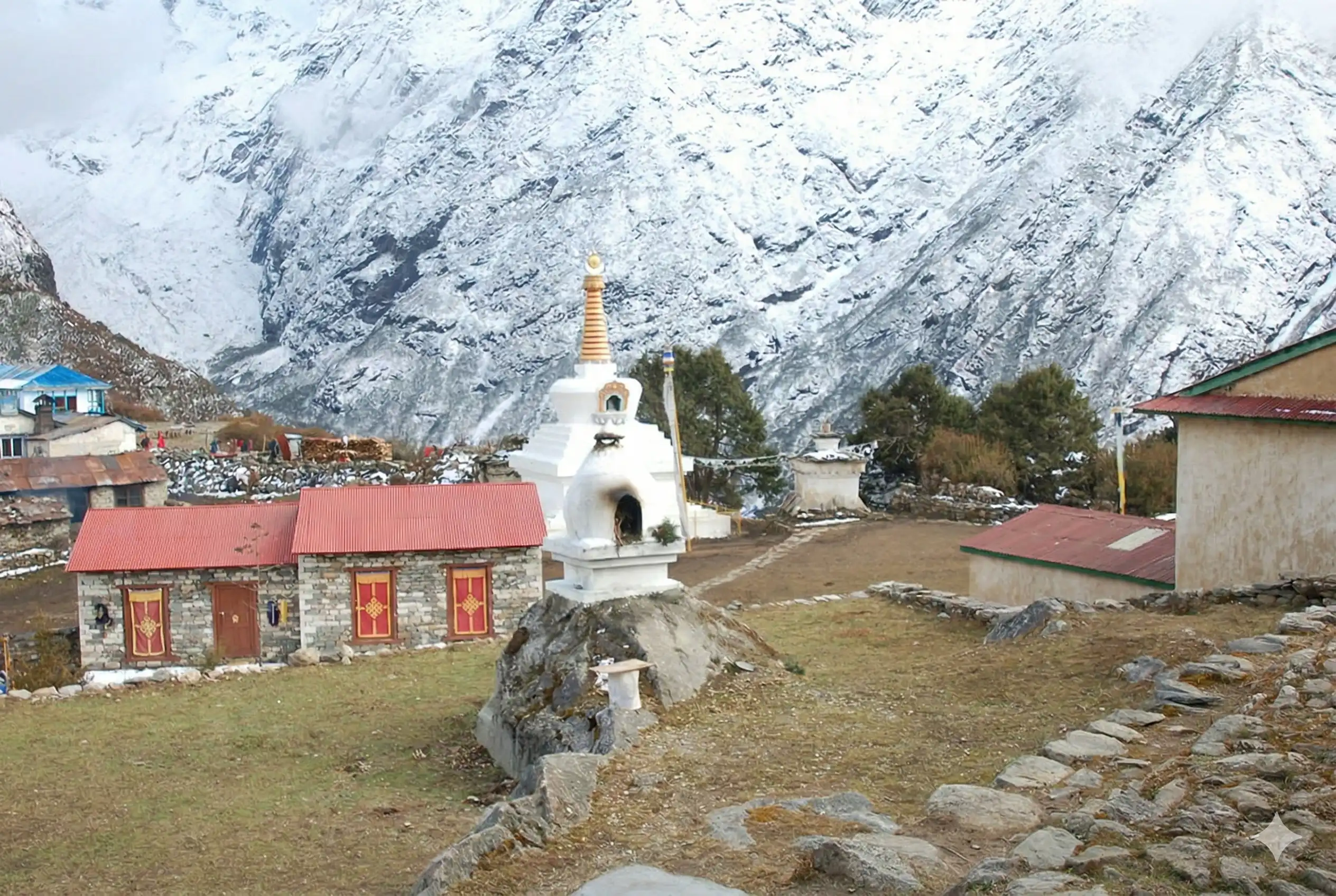
Heritages like Buddhist monasteries, Hindu temples, prayer flags and mani walls reflect the living tradition and the amazing beauty of ancient heritage.

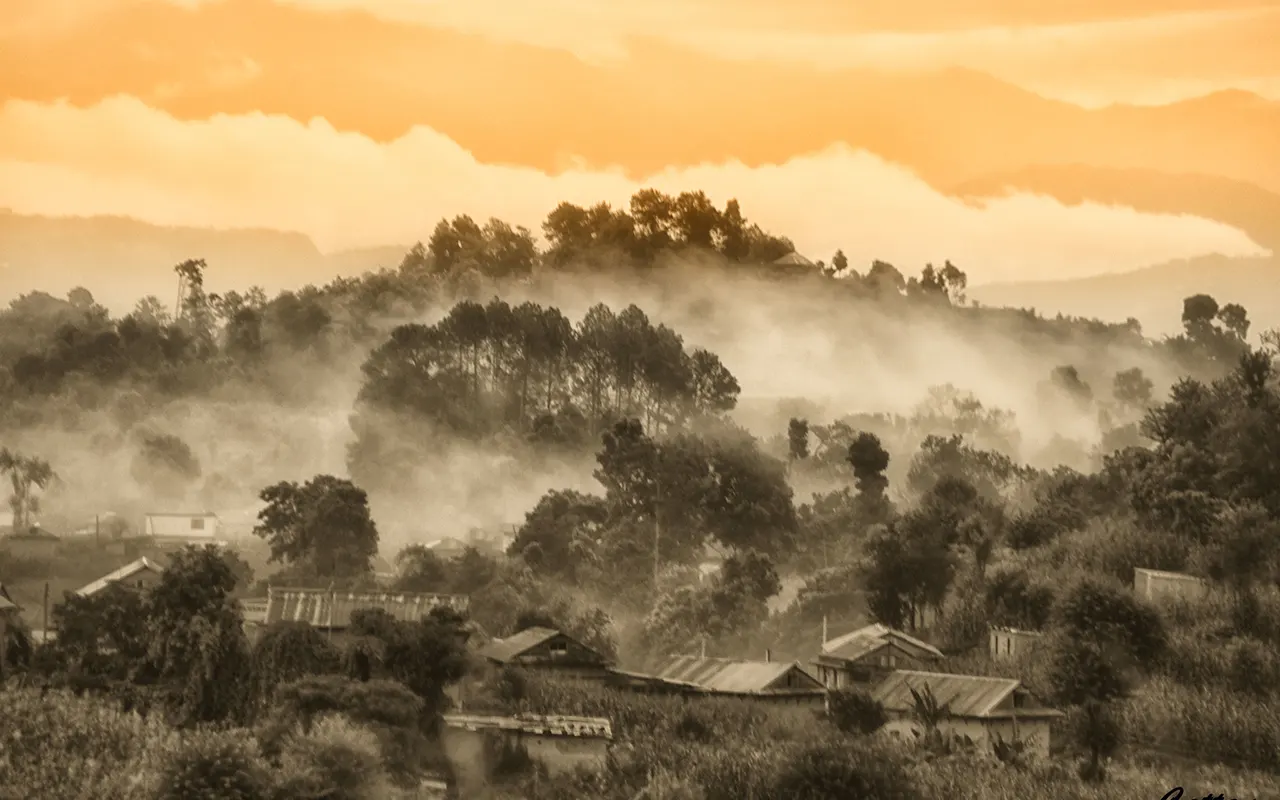
Most of the ethnic communities and people in remote areas and hilly parts still live with traditional farming lifestyles, as well as very vibrant village systems. It makes Nepal more feasible for a cultural trekking experience.

Warm Hospitality and Homestay Experiences

The hospitality of people in Nepal is always considered the best, with their cultural meaning too.

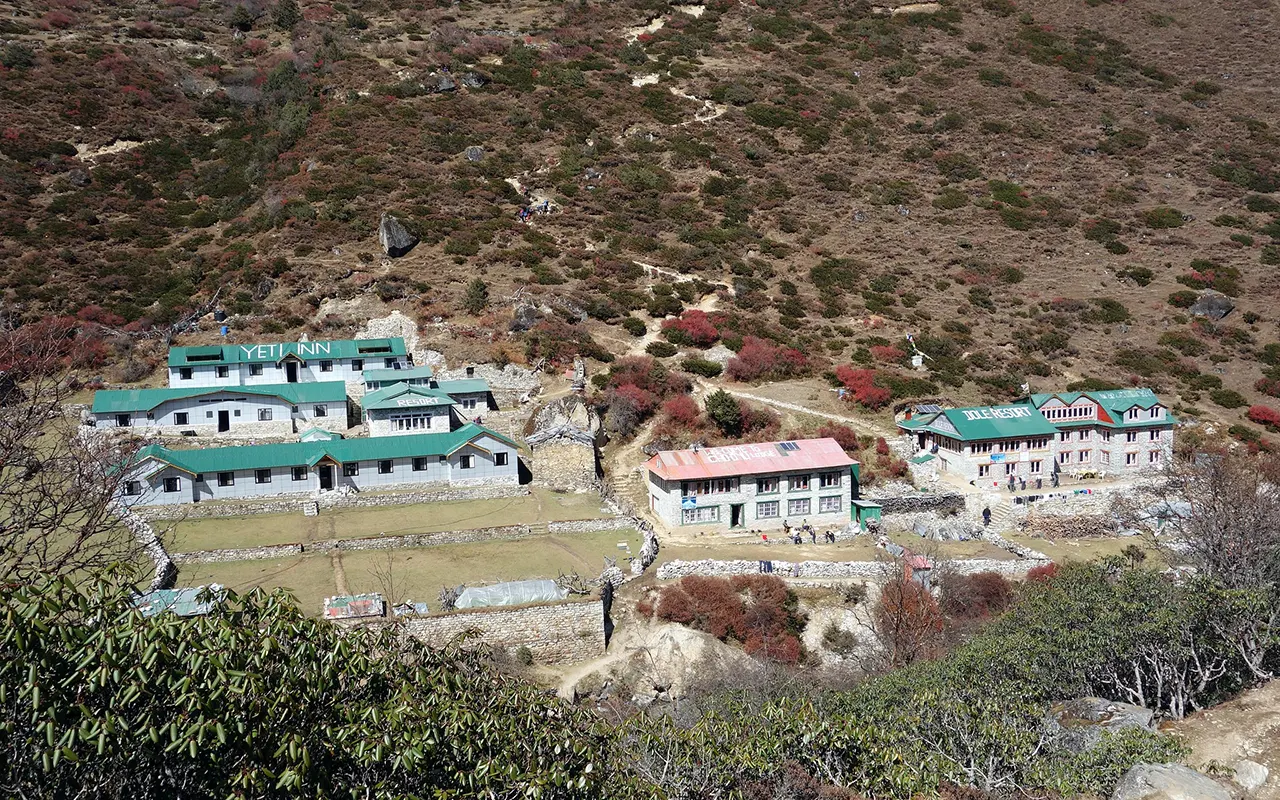
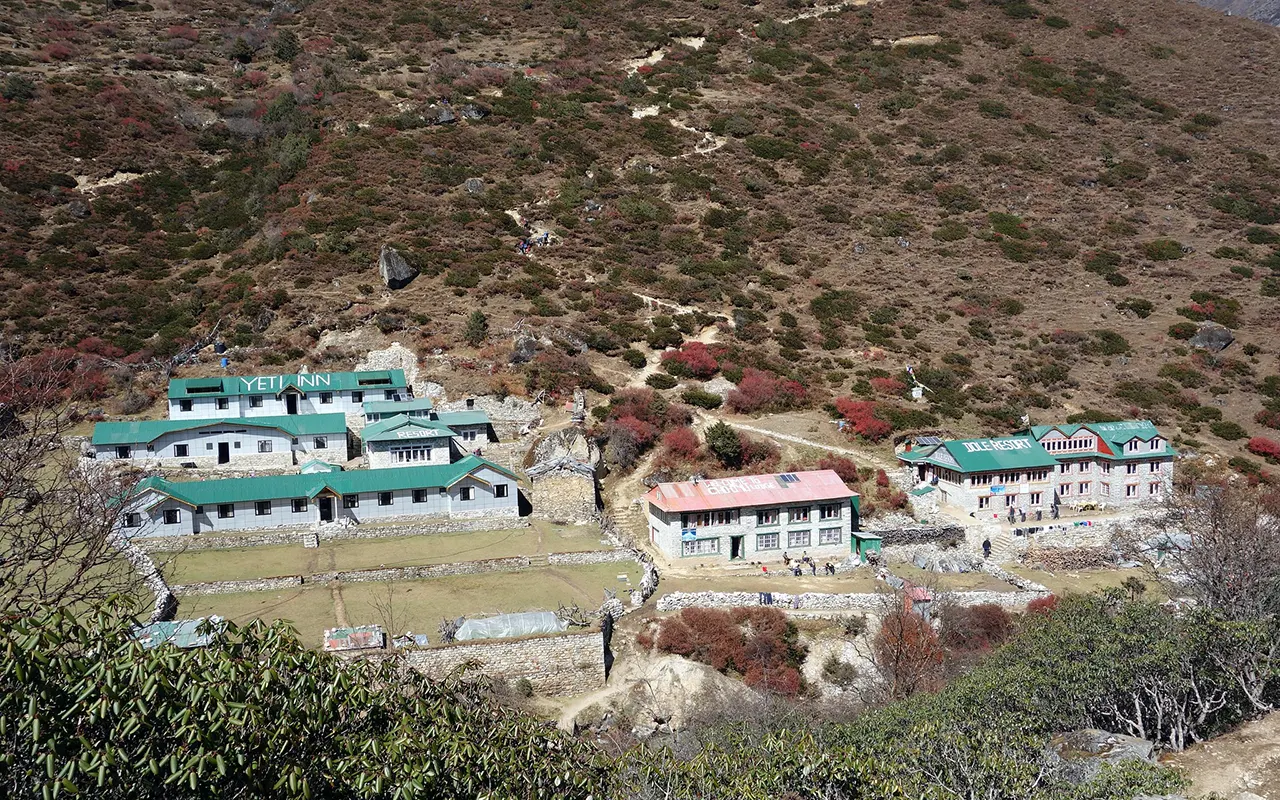
Among them, the teahouse culture in Nepal is a blooming cultural practice for travellers to stay and to offer services with traditional taste and styles.

As well, community-based tourism is now one of the most chosen bases for cultural experience in Nepal while on a trek.

Family-run lodges are also popular as they offer authentic village meals which are prepared with locally produced ingredients and traditional methods.

Teahouse

Best Regions for Culture Experience Trekking in Nepal

Annapurna Region

Besides the spectacular beauty, the Gurung and Magar communities, which are the majority of the ethnic community living in the region, make it an authentic cultural experience.

Destinations like Ghandruk village offer key features of Gurung cultural and traditional aspects, which are in practice with the majestic beauty of the snow-capped mountain range and terraced farms.

As well, the Annapurna region is known for its cultural festivals. So, good timing can make a better experience.

Langtang Valley

The Langtang Valley trek is popular for its Tamang heritage with Tibetan influence. It is full of monasteries which are significant for Buddhist flowers and traditions. The yak culture in there is also one of the most talked about.

Also, the unity of the community also has a strong presence. They proved it by rebuilding the heritages and villages which were damaged during the massive earthquake back in 2015.

Everest Region

Being the home of Everest, the highest peak in the world, it also holds the majestic beauty of nature and the Sherpa culture, which are mostly influenced by the Buddhist traditions.

The monasteries like Tengboche, which is one of the oldest and the largest monasteries, highlight the influence of the cultural and traditional lifestyle of people living there. The traditional lifestyle in the high-altitude stands the Everest region as a great region to travel for cultural experience.

Upper Mustang

Upper Mustang is an ancient Tibetan-influenced kingdom. Upper Mustang, also known as the forbidden kingdom, is a hidden gem inside the mountainous desert.

It consists of caves, monasteries, as well as amazing desert landscapes. The geography also offers a unique experience of the Himalayan desert at high altitude. It keeps the preserved culture and traditions. It is also a restricted area, which enhances the cultural trekking experience more.

Ghorepani Poon Hill Trek

Ghorepani Poon Hill Trek is a short and sweet trekking experience focused on cultural villages and is popular for its beauty. It lies inside the Annapurna region, which itself is considered a gem in the Himalayas for nature and scenic enthusiasts.

Tamang Heritage Trail

It is more focused on the Tamang culture and takes you through the Tamang villages.  The scenery, landscapes, nature, and tranquillity offer favour to cultural experience. It is also a less crowded trail, unlike what you see in Annapurna or in Everest, making it ideal for people who seek a silent journey.

Trekking in Nepal

Mardi Himal Trek with village extensions

Mardi Himal trek is a short trek which offers a massive altitude gain from 1000m to 4000m in just 3 days. And with the beauty as well, cultural villages, mostly admired for their teahouse experience, offer an authentic lifestyle experience very similar to the Himalayan people.

Everest Panorama Trek

Everest panorama circuits the Everest sanctuary and offers a scenic experience. It provides an opportunity to experience several Sherpa settlements and communities along the trail, making it one of the most diverse cultural trekking.

Helambu Cultural Trek

Another Helambu cultural trek, which follows the traditional trail that has been in use since ancient times, is the key feature of this trekking journey. The untouched nature and cultural combination offer a very unique and ultimate experience to remember.

What to Expect on a Cultural Trek?

Expect basic accommodations and challenges during the cultural trek if you seek adventure and an authentic experience.

Different trekking routes vary in duration. Most routes involve daily walks of about 5 to 6 hours.

Accommodations are typically teahouses and homestays, offering basic services and an authentic taste of traditional lifestyles.

It offers foods like dal bhat, momo, yak cheese, butter tea, and local cuisines, which are mostly produced locally.

These regions have rich cultural traditions, so show respect for local customs. Interact with villagers for insight, and meet monks for wisdom and blessings.

Best Time for Culture Experience Trekking in Nepal

Spring and Autumn are the best seasons for cultural experience trekking in Nepal, offering favorable conditions and aligning with most travelers’ preferences.

During the season of Spring, trekkers get stable weather and clear visibility. Longer days to enjoy the pace. Blossoming flowers all over landscapes. Refreshing atmosphere and much greenery. Overall, trekkers will enjoy the scenic trails and refreshing journey during the spring season. It is also a great time to attend the festival.

During Autumn, the weather will be at its most stable stage of the year. The trails will get colourful due to the falling season of dry leafs. The mesmerizing journey with warm hues, as well as the clearest visibility of the year, offers a vibrant journey during this season.

During winter, it is also considered due to the festival charm. Various festivals, which are mostly celebrated in the Himalayas by different communities, fall during the winter. Monsoon can also be taken as the best time if trekkers want to have a rainy journey with a cultural experience.

Safety Tips for First-Time Cultural Trekkers

Safety and precaution are crucial during trekking. Always follow safety measures to enhance your cultural experience.

Altitude sickness is a very necessary factor to consider and to keep safe from. The altitude sickness is vital after 3000m of eleveati6form the sea level. It can cause vomiting, nausea, headaches, etc. So, prefer not to do any activities that can trigger altitude sickness, like running, jumping, or any other activities that require frequent body movement.

Travel insurance is another important key to follow if you want to ensure your safety. The Himalayas are always uncertain about incidents. So, a good travel insurance can be helpful for safety, rescue coverage, and in any uncertain incidents.

Hydration and pacing are also important factors to keep yourself safe from altitude sickness and to ensure your body’s reaction. Keeping yourself hydrated and maintaining the pace during your journey can help you to avoid various risks.

Choosing a reliable trekking company is a necessary step if you want a guided, safe, navigated, and well managed journey. Always choose a trusted, well-certified, government-licensed, and reliable trekking company like ……..

Culture Experience Trekking in Nepal

FAQs

  • Is culture trekking suitable for beginners?

Yes, it is suitable for beginners, and it enhances the journey mostly for first-timers, if they want to have an authentic journey in the beginning.

  • Do I need prior trekking experience?

In most cases, you do not need to have prior experience for cultural trekking unless it’s a long trekking journey, such as a trek like ABC or EBC, and with a similar duration journey. The trekking, like Ghorepani Trek, Mardi Himal  Base  Camp Trek, Helambu, etc., can be more feasible.

  • Can I trek solo?

With some recent changes in rules and regulations in trekking, solo trekking is banned, ensuring the safety and safe navigation of the trekking journey for trekkers. There are very few trekking trails that do not require a guided journey.

  • Is it safe for female travelers?

Yes, it is safe for female travelers. You do not need to worry about your safety during your travel in the Himalayas. Also, people there are great and friendly with warm hospitality and supportive behaviour.

  • What level of fitness is required?

A good physique and basic fitness can be best for better results. You can also do some basic breathing exercises if you want your experience to be more enjoyable and at your own pace.

Final Thoughts: Why Culture Experience Trekking in Nepal is Life-Changing

Cultural trekking in Nepal is not just about understanding and exploring the cultural side of Nepal, but also helps with personal growth.

During your journey, you get to experience meaningful connections with nature that local people practice. The authentic taste of local culture and tradition is a big advantage. The local foods, too, are an ultimate experience to have, which are prepared with locally produced ingredients in untouched nature.

Cultural trekking in Nepal is not just about a lifetime experience but also a connection and a journey beyond the mountains.

Nepal Tea House Trek: Complete Guide for First-Time Trekkers (2026)

Trekking in Nepal is a widely done outdoor activity. The diverse Himalayan geography offers various trekking trails all across the mountain region. With a huge number of trekking trails across Annapurna, Everest, Manaslu, and other trekking regions, Nepal stands out as a trekking hub in the tranquil nature. In such a diverse nature trail, the tea house trek is now becoming a very vibrant choice among trekkers and travellers.

Teahouse Trek is basically a trek, where a trekker does trekking activity with the accommodation relying on teahouses or lodges across the routes. These teahouses provide basic services, but with a very close immersion in local lifestyle and an authentic taste of Himalayan life.

It is considered ideal mostly for beginners due to its flexibility as well as affordability. These teahouses in tea house treks are mostly owned and run by the local community and provide very affordable pricing in services, food, and lodging. It is also considered best for beginners because it provides an authentic taste of the local lifestyle during the trekking journey.

In this guide, we will talk about the Nepal Teahouse trek and provide you with some insights about its features and aspects. You will explore the idea and the taste of teahouse treks in Nepal before you plan to do one by yourself. Stick in here to get the proper insight.

What is Nepal Tea House Trek?

Briefly, the Tea House Trek is actually an old form of trekking, which includes the local teahouses and lodges as accommodation during long duration journey. Due to its traditional form and authentic taste, connecting the local lifestyle, it is now a popular option among travellers and trekkers, as well as those who seek to explore culture and traditions during their travel.

The history of the teahouse trek starts with the traditional routes, which were once used by the forefathers of the Himalayas for travelling across the hills for different purposes. Later same trail was followed by the first arrival of trekkers, who wanted to explore the Himalayas of Nepal, but added local stays as an option for accommodation. Later trend into teahouses and hence the teahouse trek begins.

It is a bit different from a camping trek, where you need to carry a bunch of trekking gear as well burden of spotting the proper spot for camping. While in teahouse trekking, you will find them across the trails and provide more than what you need to compromise with camping. Also, you will be free from unusual weight when you are on steep climbs.

Teahouses during the teahouse trek are mostly owned by the local community, as mentioned above and provide basic services. Most of the food menu consists of local dishes and cuisines with locally produced ingredients. As well as the lodging, it provides basic yet clean, simple bedroom services, sometimes shared.

Why choose a Nepal Tea House Trek as a Beginner?

Nepa tea house trek is considered an ideal choice for beginner trekkers. Unlike camping, you do not need to carry heavy camping gear and equipment. You will get comfortable accommodations along the route, which also come with traditional and authentic tastes.

The Teahouse trek is also more affordable compared to other trekking styles. It also provides trekkers a flexibility of itineraries as well socail and cultural experience along with the journey.

Best Routes for Nepal Tea House Trek

Inside the wide range of trekking trails in the Himalayas, there are several best routes for the teahouse trek in Nepal. Some of them are as follows,

Everest Base Camp Tea House Trek

Everest Base Camp Tea House Trek

Duration: 12 to 14 days

Difficulty Level: Moderate

Highlights

  • Scenic trail with sherpa villages and teahouses across the trail
  • Namche Bazar, a prime Himalayan Town located in the middle of the Himalayas
  • Moderate yet challenging trekking journey
  • Tranquil nature, cultural immersion and high-altitude trekking experience

Annapurna Circuit Tea House Trek

Annapurna Circuit Tea House Trek

Duration: 7 to 12 days

Difficulty Level: Moderate

Highlights

  • Spectacular scenery and majestic views
  • High-altitude trekking experience along with Thorang La Pass
  • Traditional villages with traditional lifestyles

Langtang Valley Tea House Trek

Langtang Valley Tea House Trek

Durations: 7 to 10 days

Difficulty Level: moderate

Highlights

  • Short-duration trek with diverse aspects
  • Fewer crowds and empty trails than Annapurna and Everest
  • Cultural Experience and traditional immersion

Short and Easy Tea House Treks

Ghorepani Poon Hill Trek

Shorter and ideal for a short vacation or for budget travel. Even in a short duration, the trail goes through the most scenic traditional villages surrounded by farming terraces. Within just 5 days of the trekking journey, it covers and passes through rhododendron forest, villages, and ridges with scenic landscapes.

Mardi Himal trek

Mardi Himal trek is another short-duration trek which is popular for its altitude gain from 1000 to 4000m in just 4 days of trekking journey. It is also one of the less-travelled trekking routes, which makes it an ideal choice if you like to have a more tranquil journey with a teahouse experience.

Helambu Trek

This heritage trek also offers a very vibrant cultural trekking journey with a teahouse experience. The trekking trails of Helambu pass through mostly Tamang villages.

What to Expect in Tea House

Teahouse trek is a traditional style trekking experience. It provides basic services with basic logistics. With affordable pricing, it comes with the traditional taste of living in the Himlayas.

Rooms and Facilities

As mentioned above, the rooms will be basic with simple facilities. You will get a twin-sharing room in most of the teahouses. A common dining area as well sharing toilets and showers. Some teahouse provides the room with a private bathroom at an additional cost. You will also get charging and WiFi availability.

Ghorepani Poon Hill Trek

Food on a Nepal Tea House Trek

The menu for food will consist of basic and mostly local items like Dal Bhat, noodles, eggs, as well as other snack items like noodles, pasta and a variety of soups. The meals will be available as breakfast, which mostly consists of noodles, bread, tea and coffee. As well as drinking water from spring which are mostly filtered later.

Best Time For a Nepal Tea House Trek

Trekking in Nepal is mostly welcoming for trekkers all around the year. Trekkers get to choose which features come along with the season they want to enjoy and embark on a journey with. Considering the choice of trekkers and most of the travelers the time of Spring and Autumn can be liked as the best Time for trekking in Nepal.

During spring, you will get a blossoming landscape as well as very stable weather. The visibility will be clearer due to pre-monsoon rain, as well as the greenery at lunch. You will also get longer days to have your trekking journey in slower pace, enjoying the daytime. And scenic trails will be the bonus feature during this time. You will get to enjoy a scenic and refreshing journey during spring.

In Autumn, the weather gets its finest stable stage as well as the clearest visibility of the yr. The trail gets colourful due to the falling season of dry leaves. You will get a picturesque and mesmerising journey if you choose to go trekking during Autumn.

During winter, some trekkers who seek an adventurous journey prefer to have it during the freezing season. The trails will be empty, and off-season brings some features like discount in accommodation, and transportation will be available. But also, the snow-covered trails, extreme cold and low availability of teahouses at higher altitudes can be challenging.

How difficult is a Nepal Tea House Trek?

Nepal Teahouse Trek and its difficulty depend upon the trail. Different trails have their own difficulty levels and factors accordingly.

You need to have good physical fitness for most of the trekking trails, more of its high altitude treks. Precautions and awareness about altitude can be more helpful.

It also depends upon the ability, experience and walling speed to consider the difficulty level for you.

Altitude considerations and acclimatisation in any trekking trails with different difficulty level plays different roles in this factor.

Essential Packing List for Nepal Tea House Trek

The packing for the Nepal Tea House Trek is also a necessary and important aspect to consider. And if you are doing long duration journey in diverse trail, then it is very important to follow proper preparation and packing essentials.

Here are some packing checklist for you.

  • Clothing (layered preferred)
  • Trekking Poles
  • Sleeping Bags
  • Trekking Boots
  • Glasses and Caps(optional)
  • Toiletries
  • Water Bottle
  • First Aid Kit
  • Backup battery charger
  • Documents and permits

Helambu Trek

Permits Required for a Nepal Tea House Trek

You will need to have some permits and entry permission to get access to the trekking trails of Nepal Teahouse treks. There are specif and trekking region-related permits you need to have during your journey. They are,

  • TIMS(Trekking Information Management System )
  • National Park Permits(rated region)
  • Restricted Area Permits(if applicable)

You can obtain them from the Nepal Tourism Board with your personal ID or legal documents like a valid visa.

Do you need a Guide for a Nepal Tea House Trek?

Yes, you need to have a trekking guide, not just for the regulation of the van on solo travelling in some regions, but for your own safety and proper guidance.

Hiring a Guide or porter is always beneficial for you during long-duration treks. Not just to navigate properly but also to understand the culture and traditions you will encounter during your journey.

Safety Tips for First-time Trekkers

Yes, you need to have some safety tips to follow during your journey. During long journeys or high altitude trekking, it is a very necessary precaution to take for your safety and health factors, as well to avoid unfortunate incidents.

Having altitude sickness awareness and being conscious about it’s precaution and safety can help you to avoid any kind of altitude issues during your trek. Always keep hydrating yourself and avoid any kind of activities that can trigger altitude sickness, like running, jumping or any activities which need you to have frequent body movements and require more respiration mostly in high altitudes.

Having travel insurance is also another important precaution to follow and to have  during your journey. Keeping a first aid kit and emergency contacts are always essential steps to follow before you head on your journey. Also, keep some awareness and stay conscious about weather changes and weather updates.

Culture Etiquette in Nepal Tea House

Culture immersion in teahouse treks in Nepal is a vibrant experience to have. You will encounter diverse cultural and traditional aspects of the ethnic people of the Himalayan regions.

So, you too can immerse yourself in it and experience it with closeness. Keeping cultural respect is always a good image of real travellers. Greeting locals is always a gesture of respect and connection. Always ask for permission before entering locals’ houses and religious sites, and asking before taking photographs of people can be a very kind gesture too. And recommending to support local businesses as well as with conservation initiatives will be even more appropriate.

Mardi Himal trek

Final Tips for Planning Your First Nepal Tea House Trek

Here are some final tips which you can follow before your journey to make your trekking experience more enjoyable and joyful.

Booking strategy

Ways to book a pioneer for your journey. Last-minute booking can be frustrating and can ruin your whole experience as well, during peak seasons like Autumn and Summer, it can also create issues.

Cash vs Card

Always carry Nepalese cash. It is more flexible in remote areas and can reduce the problem leaded from card, as there is always uncertainty about them.

Buffer Days

During buffer days, you can visit the heritage sites in Kathmandu and immerse yourself in historic and religious sites. So, during acclimatisation and gap days, you can explore more about the villages and people where you stay and make such a day into another great memory of your journey.

Mental preparation

This is also a very important aspect before you head on your journey. You need to have your mind made up for the whole journey. Most of the teahouse treks consist of remote areas, which means basic services, basic foods and low connectivity. Also, difficulty during steep climbs and longer walks can be challenging. So, mental preparation is a necessary step.

FAQs

  • Is the Nepal Tea House Trek suitable for beginners?
    Yes, teahouse trek is suitable for beginners, mostly the short ones like Ghorepani poon hill trek, Mardi Himal or Helambu Trek. Due to its affordability, flexibility and presence in a wide range across the Himalayas makes it even more ideal for beginners.
  • What food is available during the Nepal Tea House Trek?
    During the Nepal Teahouse trek, the food menu consists mainly of local dishes and foods that are locally prepared, including Dal Bhat Tarkari, Eggs, noodles, soups, roti and other local cuisines from different ethnic communities.
  • Can you do a Nepal Teahouse Trek without a Guide?
    With recent updates in regulations, solo trekking is banned in most of the best trekking trails due to trekkers’ safety and for proper navigation. So, without Guide it is not possible in the current scenario.
  • Is WiFi available during the Nepal Teahouse Trek?
    Yes, most Teahouse and lodges provides connectivity to Wi-Fi. But also one needs to know the speed could be a bit slower than in cities, as well could need to pay an extra charge or fee, which are basically cheap compared to the maintenance in such remote areas.
  • What is the best time for the teahouse trek in Nepal?
    The best time for the teahouse trek in Nepal is spring and autumn. During these times, you will get stable weather, better visibility, and scenic trails. These features enhance the trekking experience and can make your journey more memorable.

Best Time to Visit Bhutan : A Month-by-Month Travel Guide

Bhutan is a peaceful Himalayan kingdom that is characterised by festivals, ancient monasteries, colourful landscapes, and a beautiful atmosphere. It is important to make a correct decision on the best time to visit Bhutan due to the fact that the weather varies considerably throughout the year.

Every season features a new experience of travelling, with its mountain views and flowers in blossom, and cultural holidays and snow-covered winters. This monthly travel guide will help you realise what to anticipate in each season to be able to prepare the best trip.

Bhutan’s climate is largely determined by season and elevation. There are months of sun, blue skies and air, and those when downpour comes and fills all the gullies.

Some of the reasons why travellers visit Bhutan are to do trekking, sightsee, take photos, fish, and attend local festivals known as Tshechus. Depending on the things you wish to engage in, the most appropriate time may vary. Knowing the timestamps of weather, temperature, and the festival seasons will enable you to make the right choice depending on your interests.

This guide will take you through the months one by one in clear and easy-to-understand language that will help you make your decision when to make the memorable trip to Bhutan.

January

It is deep winter in Bhutan in January. The climate is arid and chilly, and most of the days have clear blue skies. In high mountainous regions, snow is present, and in low valleys, it is sunny but cold. During the day, Thimphu and Paro are cool, although nights regularly drop below freezing point. Punakha Valley is warmer; thus, it is more comfortable in the daytime. Even better is Southern Bhutan, which is a good getaway from the cold.

manas national park


It is quiet and peaceful in January, as there are no large national festivals. There are some minor local religious ceremonies that allow the visitor the opportunity to observe the basic village customs in small groups.

The month is the most appropriate to explore lower regions such as Punakha, Wangdue, and the southern national parks. The mountainous view is amazing and can be photographed in the clear air.

Wildlife tours in Royal Manas National Park are good in the sense that animals move about during the colder seasons. Light hiking, bird watching in Phobjikha Valley, and cultural sightseeing are pleasant. Evening is too chilly, thus spending time in a hotel and enjoying a traditional hot stone bath is an ideal winter adventure.

February

It is still winter, but the weather is gradually becomingwarmer in February. Days are sunnier, and the cold is not as harsh as in January, particularly in lower valleys. Even now, it is cold at night in such areas as Thimphu and Paro, whereas Punakha and southern Bhutan are pleasant in the daytime. There is no cloudy weather, and so the mountain views are beautiful.

It is the time of the festival season. Punakha has significant festivals such as Punakha Drubchen and Punakha Tshechu, during which the masked dances of the monks and the locals are held. Such festivals are not overcrowded or too colourful. It is also during this period that the families observe the Losar, the Lunar New Year, when they feast and pray.

Punakha is the most suitable place to visit during the month of February due to the warm climate and celebrations. In Paro and Thimphu, cultural tourism is comfortable. The climb to the Nest Monastery of Tiger can also be done, but it is still cool. Phobjikha Valley can be used to view black-necked cranes before they go. Sightseeing with short and low-altitude walks and village walks is also good.

A combination of culture, scenery, and serene travellingis available during February, and the spring season is yet to start the rush.

March

Bhutan’s winter ends in March and spring begins. The climate warms up, and nature starts to blossom. It is still cold at the beginning of March, yet in the middle of the month, the weather is pleasant and sunny during the day. The valleys such as Punakha are warm, whereas the valleys such as Paro and Thimphu have clean air. The skies are mostly clear with excellent mountain scenery.

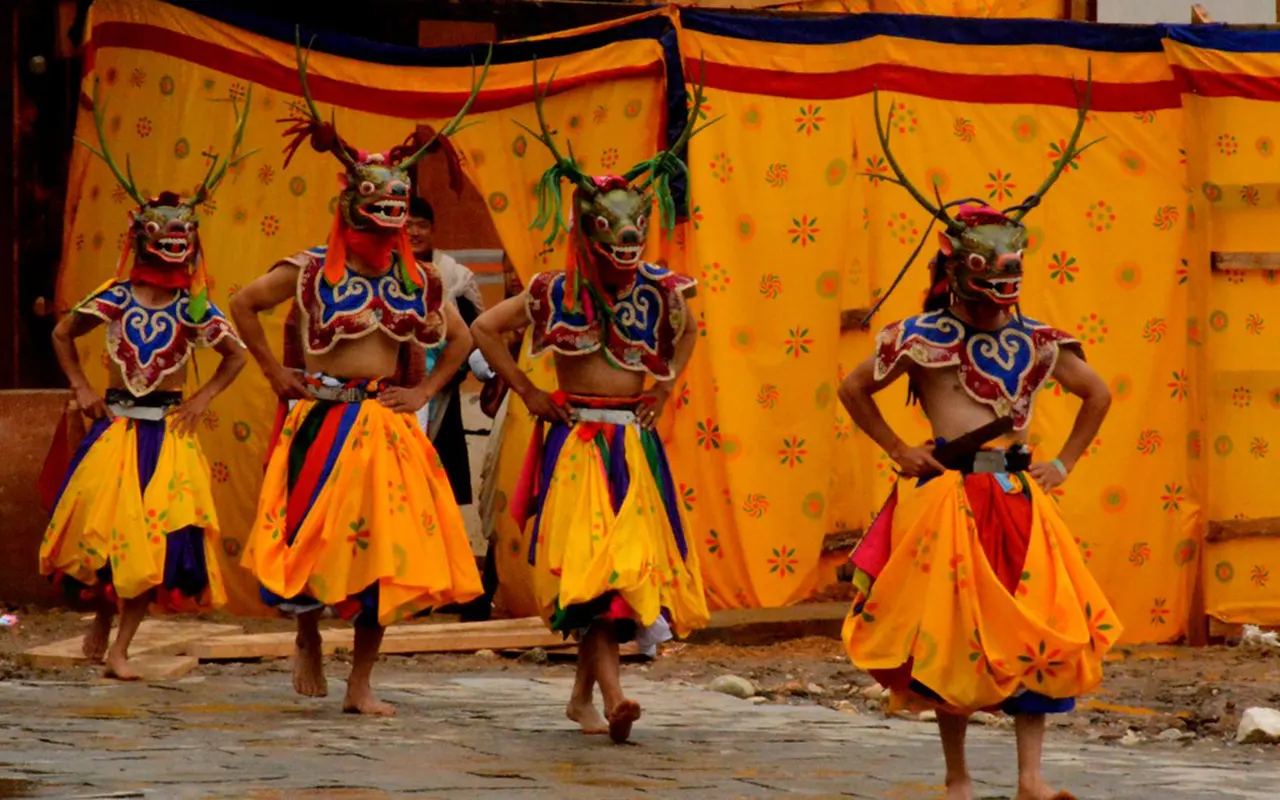
It is a season of vibrant festivals. One of the largest religious festivals in Bhutan is known as Paro Tschechu which is usually held in March. The sacred mask dances are done by monks, and the locals come together in traditional attire. It is a vivid and religious festival, and various tourists take pleasure in it.

It is also the start of the trekking season in March. The trails become parched, and the rhododendron in the hills begins to bloom. Demandingtreks and day hikes are once more available. In Thimphu, Paro, and Punakha, the cultural tours are comfortable during the mild weather. Birdwatching is also good because the migratory birds pass through the valleys.

March is a perfect season with good weather, natural beauty, and rich culture.

April

April is also one of the months when one should visit Bhutan. It is the month of spring, and it is hot in the daytime and cool at night. The air is normally clear, particularly at the beginning of the month, thus mountain views are bright and clear. The valleys are green, and flowers are on the hillsides.

In April, festivals are typical. This month is sometimes during which Paro Tshechu is celebrated with big mask dances and religious ceremonies. Another event is the Rhododendron Festival, which is the festival of the colourful spring flowers of Bhutan, accompanied by music, food, activities, and nature walks.

Paro Trekking


The travel conditions in the country are excellent everywhere. The roads are clear, and the trekking paths are in excellent shape. The best months to visit are in April, when one can engage in trekking, hiking, bicycle riding and sightseeing. It is not hard to get to popular destinations such as Paro, Thimphu, Punakha, Bumthang, and even eastern Bhutan.

This is the favourite period of photographers who deal with landscapes and cultures. The only disadvantage is that it is a peak season, hence it is essential to plan. All in all, April promises to be ideal in terms of weather, nature, and cultural life.

May

It is late spring in May and approaches the rainy season. The beginning of the month remains hot and mostly sunny; however, in the latter part of the day, it gets more humid and is occasionally accompanied by rain. It gets hot, particularly in Punakha and the southern Bhutan. The mountain views are also clear in the mornings, but can be obscured by clouds later.

Big festivals are not as numerous, and May is less tense. Other religious rituals and local customs are still practised in monasteries and villages in silence.

Nature appears to be so green due to early rains. Landscapes are clean, and waterfalls are more powerful. The season is still pleasant in early May, though later on the trails may turn muddy.

Cultural touring in Paro, Thimphu, and Bumthang is still good with fewer tourists. Visiting villages, observing everyday life, including farming activities are also a good time. The South has wildlife parks that are active yet warm and moist. May suits are for those who like greenery and peaceful travelling before the onset of heavy monsoon rains.

June

The monsoon season starts in June in Bhutan. It is followed by very common rain, particularly during afternoons and evenings. It is a warm and humid climate, especially in the lower valleys and the south. There are frequently cloudy skies, and mountain vistas are not very common. Nevertheless, the rural setting is extremely green and natural, and the rice fields are sparkling, with forests alive.

Local religious events are also held in central Bhutan, with only a couple of festivals. These minor festivals are non-crowded and are mainly attended by the locals.

June needs flexibility as far as travel is concerned. The roads are often muddy, and travel may be delayed due to heavy rain. Trekking is discouraged since the paths are very slippery and there is not much scenery.

Nevertheless, at times, between rain, it is possible to do cultural sightseeing in some of the towns, such as Paro and Thimphu. It is not a bad idea to visit monasteries, museums, and markets. When it is lightly raining over valleys, nature can be magical because of the mist and the fresh air.

The time in June is not busy, and the number of tourists is minimal, which is why it is the time when the person prefers to be alone and realise the beauty of the surrounding world despite the downpour.

July

The monsoon in Bhutan occurs in July. It is the most humid and wet month of the year. Rain is abundant, and it may also take hours or even days. The roads are likely to be muddy, rivers full, and mountain scenes generally concealed under clouds and mist. Temperatures stay warm. Thimphu and Paro are mild and humid, whereas Punakha and the south of Bhutan are hot and tropical. Due to rain and landslides, travelling may be slow.

Tourism is extremely minimal, and thus, locations are serene and calm. It is primarily the Haa Summer Festival in which local people demonstrate traditional foods, music, dances, and the culture of yak.

Haa Festival

Cultural sightseeing is a better thing to do in the month rather than trekking. Excursions to museums, dzongs, monasteries, and cafes in Paro and Thimphu. Punakha Valley appears quite green with scenes of rice farming.

July is a good month to travel to when you like nature, greenery, and fewer people around; however, you should be flexible with your plan and prepared for rain.

August

August is a month in the monsoon season, and the rain gradually becomes lighter at the end of the month. The climate is hot, humid and usually cloudy. The showers are common, particularly at the beginning of the month. By the end of August, it is possible that some mornings are clearer, with the sky possibly opening briefly. The rural landscape is extremely green and damp following the rain. Strong rivers and beautiful fallscan be seen.

One of the events is the Mushroom Festival in Ura, Bumthang, which occurs in August. The locals feast on wild mushrooms through food, music, and cultural performances. Tourists will be able to learn about the gathering of mushrooms and sample local foods. It is an original village experience.

Travel is based on cultural visits and strolls. Good overnight places are Paro and Thimphu, which have museums, temples, and markets. Bumthang is serene and full of history. Even trekking is not the best choice because of the wet trails.

The month of August has a few tourists and also less cost of travelling. It is suitable fortravellers who prefer nature and a local lifestyle, and who do not want to travel in large crowds.

September

In Bhutan, the autumn begins in September. At the beginning of the month, there might be some rain, but by mid-September, there is a clear sky. It becomes fresh, the humidity is decreased, and mountain landscapes start revealing themselves. Days are warm and pleasant, and nights are cold. Fields are green, though they gradually turn to a golden colour as the harvest time approaches. The conditions of travelling are much better.

Festival season begins. The popular Thimphu Tshechu usually takes place at the end of September. There are colourful masked dances by monks, and people are assembled in traditional clothing. It is a dynamic and spiritual affair. Other valleys also have smaller festivals.

It is an excellent month in September to go sightseeing, hiking, and taking photographs. The hike to Tiger Nest in Paro is again made fun with better views. Punakha Valley is in a beautiful state, and Bumthang opens. The season of trekking begins, and all the trails become dry. The number of tourists rises at the end of the month.

September is a great combination of both culture, scenery, and good weather, which makes it one of the most even seasons to visit Bhutan.

October

October is said to be the best month to visit Bhutan. It is sunny, dry, and clear. The skies are deep blue, and the mountain sceneries are sharp and beautiful. The weather is pleasant by day and cool by night. Rain is very rare. During harvest times, the rice fields are golden, and the landscape appears to be bright and cheery.

This is the month of many significant festivals. Jambay Lhakhang Drup and fire ceremony are held in Bumthang. Smaller festivals take place at such places as Gangtey and eastern Bhutan. The events demonstrate the rich spiritual practices of Bhutan through music, masked dances and rituals.

Jambay Lhakhang Drup

Travelling is convenient to all parts of the country. Excellent activities are hiking, trekking, cycling, and sightseeing. Tiger Nest, high mountain passes, and Punakha Dzong are beautiful. Hiking trails are in ideal conditions. Tourists are also present during October, and therefore, prior planning is very crucial.

The experience is memorable even with an increased number of visitors. The month of October is the perfect combination of ideal weather, clear sightseeing, vibrant culture, and outdoor adventure.

November

The month of November is the continuation of the season of autumn; this period is cool, dry and sunny. Days are good, mornings and nights are colder, particularly in Thimphu and Paro. The skies are extremely clear and provide spectacular Himalayan scenery. Rain is rare. Harvests are done, and landscapes appear to be peaceful and transparent.

One of the special occasions is the Black-Necked Crane Festival in Phobjikha Valley on November 11. The children of the schools and village people dance the crane dance to attract the rare birds that come to this country in the winter. It is a festive occasion that is nature-oriented and conservation-oriented. There are also some regional festivals held in eastern Bhutan.

Sightseeing and photography are good. Phobjikha Valley is serene and scenic. Paro and Thimphu are not as crowded as they are in October. Day hikes and walks in nature are great, and camping is not very pleasant at night.

November is ideal as a vacation destination when people prefer to see clear mountain views, cultural sites, and fewertourists before the winter season sets in.

December

In Bhutan, winter begins in December. The weather gets cold, particularly during the night, but days are frequently dry and sunny. During the day, cities such as Thimphu and Paro are approximately 11-15 °C in temperature, and the daytime temperatures usually drop below the freezing point.

Places further up, such as Bumthang, are considerably colder in the morning. In thelower valleys, such as Punakha, the days will remain pleasant at 20 °C. The sky is extremely clear, and the mountain scenery is as sharp as possible in the year. The days are not long, and therefore, there is less time to sightsee.

There are significant events in December. On December 13 the Dochula Druk Wangyel Festival, mask dances are performed by the soldiers at one of the high mountain passes. The Bhutan National Day takes place on December 17 and is followed by parades and celebrations. The Trongsa Tschechu is also held at the end of December.

The month is quiet and has very few tourists. Punakha is a better place to stay during warmer seasons. It is not impossible to have the Tiger Nest hike in Paro, provided that you wear warm clothing. Wildlife trips are also good in Southern Bhutan.

Tourists need to be prepared for cold weather, short days, and the snow on mountain roads.

What is the Best Time to Visit Bhutan?

Autumn (September to November) and spring (March to May) are the most appropriate seasons to visit Bhutan. These are the best seasons because they present the best weather, clear skies, and comfortable weather conditions that would make sightseeing, trekking, and exploring cultures easy.

The spring is particularly beautiful because valleys and hillsides are filled with flowering rhododendrons, magnolias and wildflowers. It is not hot, and those who love nature will see colourful scenery and various active birds. It is also a very good time to make short hikes and participate in outdoor activities.

Best Time to Visit Bhutan

The season of autumn is regarded as the most important travel season. The clouds are bright and clear, with a beautiful view of the Himalayas, with snow-white peaks. The most significant festivals in Bhutan, like Thimphu Tshechu and Paro Tshechu, are held during this period, and visitors have the opportunity to witness the traditional music, dance and rituals.

During winter, it is cold and quiet, and during summer, there is monsoon rainfall, so it is not so easy to get anywhere.

Conclusion

In conclusion, the time to visit Bhutan is indeed up to you and what experience you want to get. The Himalayan country is a serene place that has something to give in all seasons. The spring can be described with flowers, warm weather, and the fall can be characterisedby the view of the clear mountains and colourful festivals. These are the most popular months since the conditions of the travel are good, and nature is at its best.

The rainy summer season makes Bhutan greener and much quieter, and thus it is a good destination for the traveller who is fond of an ambience of peace and less congestion. It is cold in the winter but offers good, clear skies, mountain scenery, and cultural shows, which are rare in other seasons, particularly in the lower valleys where the climatic conditions are milder. Every month is beautiful, with its festival parties and quiet village life.

Knowing the weather of every month, festivals, and travelling conditions, you can organise a trip that suits you best: want to go trekking, take photos, explore the culture, or just relax in nature. Bhutan is not a place to visit only one season; it is a full year-long unforgettable experience with exotic nature, religious heritage, and homeland hospitality.

Free Travel Guide
Your Perfect, Personalized Journey Awaits
profile
Bhagwat Simkhada Seasoned Travel Expert with Years of Experience