

Introduction
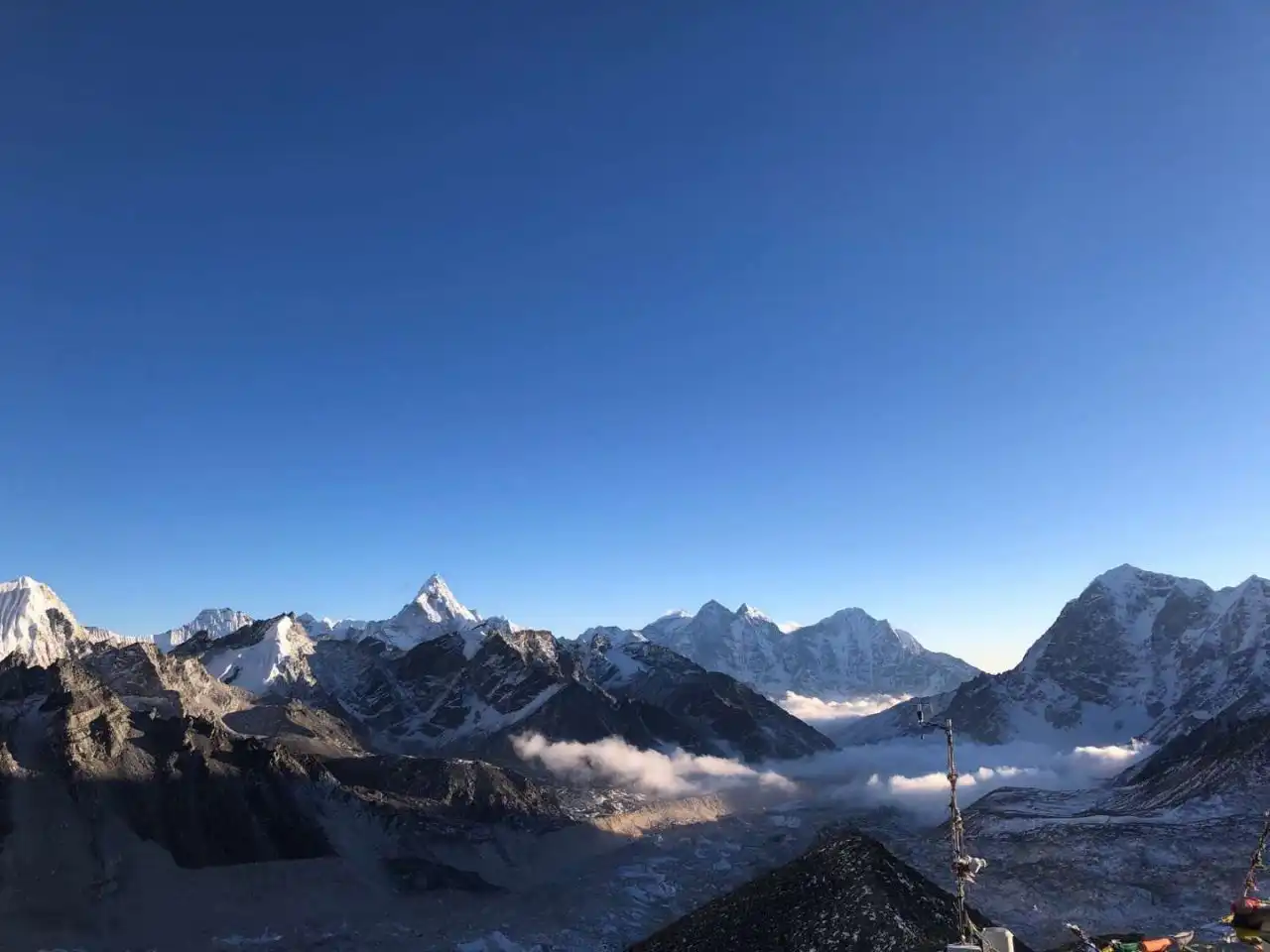
Nepal, officially known as the Federal Democratic Republic of Nepal, is a landlocked country situated between two giant neighbors, China to the north and India to the south, east, and west. Despite its small geographical size, Nepal is world-renowned for its breathtaking landscapes, cultural diversity, and especially its majestic Himalayan mountains. The country stretches from the flat Terai plains in the south to the towering peaks of the Himalayas in the north, offering incredible variations in climate, geography, and biodiversity. Nepal is often called the “Land of the Himalayas” because it is home to eight of the world’s 14 highest mountains, all above 8,000 meters (26,246 ft).
The crown jewel of Nepal is Mount Everest, known locally as Sagarmatha in Nepali and Chomolungma in Tibetan, which stands at 8,848.86 meters (29,031.7 ft), making it the tallest mountain in the world. Everest attracts climbers, trekkers, and adventurers from all over the globe, symbolizing both challenge and triumph. Apart from Everest, other iconic peaks include Kanchenjunga (8,586 m), the world’s third-highest mountain; Lhotse (8,516 m); Makalu (8,485 m); Cho Oyu (8,188 m); Dhaulagiri (8,167 m); Manaslu (8,163 m); and Annapurna I (8,091 m). Each of these mountains carries its own story, culture, and mountaineering history.
The Himalayas are not just about their height; they are also sacred to the people of Nepal. Many of the peaks are considered holy and are associated with deities in Hinduism and Buddhism. For example, Machhapuchhre, or “Fishtail Mountain,” near Pokhara, is believed to be sacred to Lord Shiva and remains unclimbed out of respect for its spiritual significance. Similarly, Mount Kailash, though technically in Tibet, holds deep cultural and spiritual connections with Nepalese people.
The mountain regions of Nepal are also the source of major rivers such as the Koshi, Gandaki, and Karnali, which sustain life and agriculture in the plains. The Himalayas contribute to the country’s rich biodiversity, hosting rare animals such as the snow leopard, red panda, and Himalayan monal, the national bird of Nepal. The varied altitude—from 60 meters above sea level in the Terai to the world’s highest peak in the north—creates unique ecosystems within a relatively small area.
Culturally, the mountains are home to diverse ethnic groups such as the Sherpas, Gurungs, Tamangs, and Magars, who have adapted to the high-altitude lifestyle. Sherpas, in particular, are famous worldwide for their incredible mountaineering skills and contributions to Himalayan expeditions. These communities preserve unique traditions, festivals, and practices that enrich Nepal’s cultural tapestry.
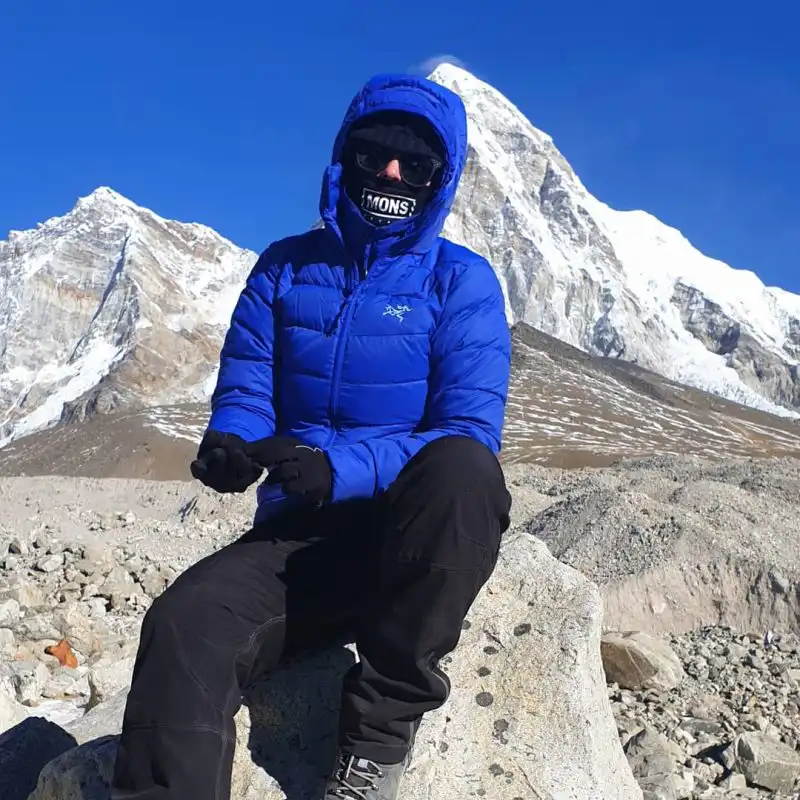
Tourism in Nepal is largely driven by its mountains. Treks like the Everest Base Camp Trek, Annapurna Circuit, Langtang Valley Trek, and Manaslu Circuit attract thousands of trekkers each year. The mountains not only provide adventure but also serenity, with breathtaking landscapes, ancient monasteries, and picturesque villages along the trails. Mountaineering in Nepal is both an opportunity and a challenge, as climbers face harsh weather, avalanches, and high-altitude sickness while pursuing their dreams.
Economically, the Himalayas are vital to Nepal. Mountain tourism provides jobs for guides, porters, hotel owners, and countless locals, contributing significantly to the national economy. Hydropower projects in mountain rivers also provide energy for development. However, climate change has emerged as a serious threat, causing glaciers to melt, creating glacial lake outburst floods (GLOFs), and altering the lives of mountain communities.
Beyond adventure and economy, the mountains hold symbolic meaning for Nepalese people. They represent resilience, spirituality, and pride. They are seen as guardians of the nation, providing natural beauty and drawing global attention. Mount Everest, in particular, has become a symbol of Nepal’s identity in the world.
In essence, Nepal and its mountains are inseparable. The towering Himalayas shape the country’s culture, economy, environment, and global recognition. They attract adventurers seeking challenge, pilgrims seeking spirituality, and travelers seeking beauty. Despite modernization, the mountains remain a timeless presence—silent, majestic, and eternal witnesses to Nepal’s journey through history.
Autumn (September- November) and spring (March-May) are the best Seasons in Nepal to visit. You will be greeted with clear skies and cool breezes during these seasons. The trekking routes are mostly dry except few unexpected drizzles. There are also fewer chances of flight delays and cancellations, so you can enjoy your time in Nepal without worrying. However, these are peak tourist seasons so, you will probably be met with a lot of traffic, especially in major tourist destinations.
Winter trek in higher altitudes is not advised due to the danger of avalanches and also altitude sickness. Although some may enjoy the sight of the snow-covered mountains as they reach their destination. Monsoon (May-August) is one of the worst times for trekking because of heavy rain, frequent cancellation of flights, and slippery trekking routes, which serve as a travel hazard. Nevertheless, you can trek to rain-shadow regions like Upper Dolpo, Lower Dolpo, and Upper Mustang (lo-Manthang) during the monsoon season.
What is Trekking?
Trekking is a form of adventurous walking journey undertaken on foot, usually over multiple days, through natural landscapes such as mountains, forests, valleys, and rural villages. Unlike simple hiking, which is often a short one-day activity, trekking involves longer routes, diverse terrains, overnight stays, and deeper immersion in culture and nature. It is one of the most popular outdoor activities in Nepal and other mountainous regions of the world.
Here’s a detailed explanation of trekking:
1. Meaning of Trekking
-
The word trekking generally refers to multi-day walking journeys in areas where modern transportation is not easily available.
-
It is not just about walking but also about experiencing the local environment, landscapes, and lifestyles along the way.
-
Trekkers usually pass through villages, forests, rivers, and high passes while enjoying breathtaking mountain views.
2. Difference between Trekking and Hiking
-
Hiking is usually a short, easy walk (a few hours or one day) on well-marked trails.
-
Trekking, on the other hand, is more challenging, lasts for several days or weeks, and often includes rough, remote, and high-altitude trails.
3. Purpose of Trekking
-
Adventure: To explore remote and wild areas.
-
Nature: To experience mountains, rivers, forests, and wildlife.
-
Culture: To meet local people, learn about their traditions, and experience rural life.
-
Health & Fitness: Trekking is excellent physical exercise, improving stamina and endurance.
-
Spiritual & Mental Peace: Many trekkers find a sense of calm and mindfulness in nature.
4. What Trekking Involves
-
Walking Routes: Usually 4–8 hours of walking per day on varying terrains such as rocky trails, forests, and steep climbs.
-
Accommodation: Overnight stays in teahouses, lodges, or tents, depending on the trekking region.
-
Food: Local meals, often simple but nutritious, are provided along the way.
-
Guides & Porters: In places like Nepal, professional guides lead trekkers, and porters help carry heavy loads.
-
Altitude: Many treks go to high elevations, sometimes above 5,000 meters (16,400 ft), where trekkers need to acclimatize to avoid altitude sickness.
5. Types of Trekking
-
Tea House Trekking: Staying in small lodges/guesthouses along the trail (common in Nepal).
-
Camping Trekking: Trekking with tents, cooks, and full camping gear in remote areas.
-
Homestay Trekking: Staying in local houses to experience authentic village life.
-
Expedition-style Trekking: More technical treks involving mountaineering elements.
6. Trekking in Nepal (as an example)
-
Nepal is one of the world’s top trekking destinations, with routes like Everest Base Camp, Annapurna Circuit, Langtang Valley, and Manaslu Circuit.
-
Trekking here combines spectacular Himalayan views with rich cultural encounters, as trails often pass through villages of Sherpa, Gurung, Tamang, and other ethnic communities.
-
Trekkers not only see snow-capped peaks but also monasteries, temples, farmlands, and traditional lifestyles.
7. Challenges of Trekking
-
Altitude sickness at high elevations.
-
Physical demands, since trekking requires good fitness and endurance.
-
Weather changes, which can make trails slippery or difficult.
-
Limited facilities in remote areas.
8. Benefits of Trekking
-
Improves physical health (strength, stamina, cardiovascular fitness).
-
Provides mental relaxation and stress relief.
-
Offers cultural understanding and connection with local people.
-
Creates lifelong memories with stunning natural views.
-
Encourages adventure spirit and personal growth.
Seasonal Highlights:
1. Spring:
The Spring season starts from March to May in Nepal. The temperature is about 22℃ +- with slight rainfalls at night and a clear sky in the morning. This is the time for new buds and all kinds of flower blossoms.
You can enjoy adventure activities like Paragliding, Bungee, Rafting, Trekking in spring weather, and an expedition is the best time. Different colours of Rhododendron flowers bloom with exuberant beauty in the high hilly area will leave you spellbound. It is also one of the major tourist seasons in Nepal. This is also the beginning of festivals in Nepal.
2. Summer:
Summer starts from June to August in Nepal, and the temperature is 30℃ +-. It is the time of monsoon rain in Nepal, and it is mainly a farming season for corn and rice.
Paddy plantations are the main attraction during this time of the year. Ashad 15 is the rice cultivation day in Nepal, with Spectacular views of lush and green hills, big waterfalls, washed by rainwater, are soothing to look at.
3. Autumn:
Autumn starts from September to November with temperatures ranging from 10℃ to 25℃ +-. It is a pleasant time for celebrating the biggest Hindu festivals, Dashain and Tihar (Lighting festival).
During the Autumn season is the paddy harvest time is, and nature ripens in yellow colour. Autumn is the best time after the monsoon rain washes the whole surrounding. You can enjoy panoramic, clear mountain views during this time. It is the peak trekking season in Nepal, where the sky is clear and blue, and the weather is perfect for all kinds of activities.
4. Winter:
The chill winter star from December to February in Nepal, and the temperature falls below 0℃. It is the dry season with bare mountains. Midwinter offers the clearest view of snow-capped mountains covered with white snow looks amazing view. But the temperature at high altitude is very low and the few visitors, even some of the people of the mountain, come to a low level of the country.
Nepal is also called the nonstop festival country. If you are planning to visit Nepal during December Christmas time then you can plan the tour to the Kathmandu valley, basically in Thamel, or in Pokhara (lakeside). Or, you can do short tours like the Ghandruk village trek, the Ghorepani (Poonhill) trek, Namche Bazaar (Syngboche) Trek. Or, short and easy treks like the Chisapani Nagarkot trek, around Kathmandu Valley. Besides, if you can tolerate extreme cold, then the Nepalese mountains are always calling you.