


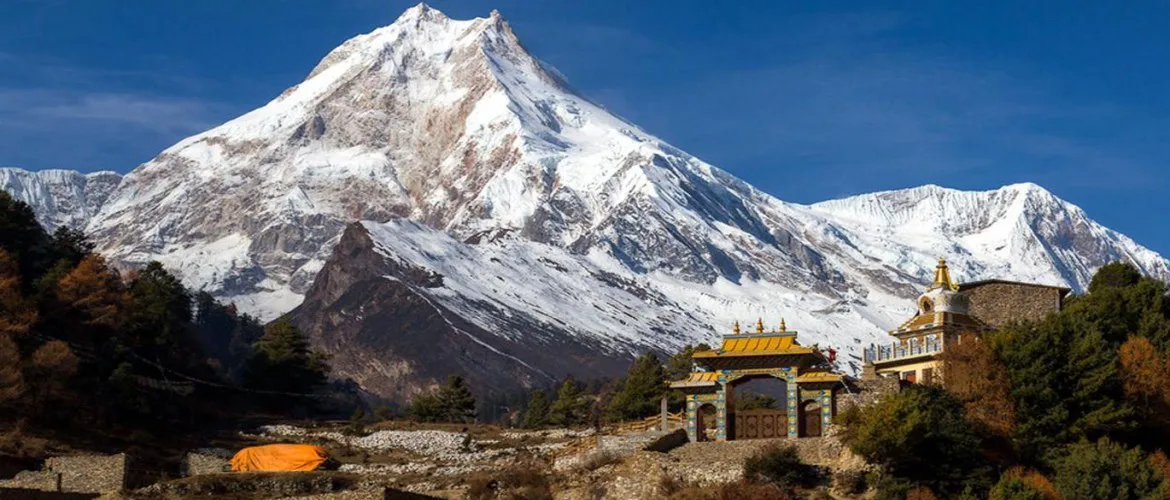

Manaslu Circuit Trek: Comprehensive Guide
The Manaslu Circuit Trek is a hidden gem among Nepal’s trekking routes, offering an enthralling combination of high-altitude landscapes, culturally rich villages, and spectacular views of the eighth-highest peak in the world, Mount Manaslu (8,163 meters/26,781 feet) in the Manaslu Region. This guide provides a detailed account of the trek, covering the itinerary, costs, difficulties, best trekking time, necessary equipment, and essential tips.
Detailed Itinerary (14 Days)
Day 1: Kathmandu to Soti Khola (700m)
- Travel Time: 8-9 hours by bus or private jeep
- Highlights: A scenic drive through rural Nepal, featuring views of lush hills, terraced fields, and small villages.
- Route: From Kathmandu, head west through Dhading Besi and Arughat, following the Buri Gandaki River to reach Soti Khola.
- Overnight: Lodge in Soti Khola
- Tips: Start early to avoid traffic and prepare for a bumpy ride, especially if traveling by public bus.
Day 2: Soti Khola to Machha Khola (869m)
- Trek Distance: Approximately 14 km (6-7 hours)
- Elevation Gain: 169 meters
- Highlights: Trails through dense Sal forests, rice paddies, and alongside roaring waterfalls.
- Route: Follow the riverbank, cross a suspension bridge, and pass through small settlements like Liding and Khursane.
- Overnight: Lodge in Machha Khola
- Tips: Wear sturdy shoes as the trail can be rocky and uneven.
Day 3: Machha Khola to Jagat (1,340m)
- Trek Distance: Approximately 22 km (6-7 hours)
- Elevation Gain: 471 meters
- Highlights: Soak in the natural hot springs at Tatopani and explore the narrow, picturesque gorge.
- Route: The trail crosses several streams and suspension bridges, leading through Khorla Besi and to the stone-paved village of Jagat.
- Overnight: Lodge in Jagat
- Tips: Enjoy a relaxing dip in the Tatopani hot springs to soothe sore muscles.
Day 4: Jagat to Deng (1,860m)
- Trek Distance: Approximately 19 km (6-7 hours)
- Elevation Gain: 520 meters
- Highlights: Experience the Buddhist influence in villages like Sirdibas and the scenic beauty of gorges and terraced fields.
- Route: Cross the Budhi Gandaki River multiple times and pass through villages like Philim.
- Overnight: Lodge in Deng
- Tips: Carry extra water as the trail involves steep climbs and descents.
Day 5: Deng to Namrung (2,660m)
- Trek Distance: Approximately 20 km (6-7 hours)
- Elevation Gain: 800 meters
- Highlights: Walk through rhododendron forests and encounter Mani walls and chortens, marking Tibetan Buddhist influence.
- Route: The trail ascends and descends through forests and across streams, passing through villages like Ghap.
- Overnight: Lodge in Namrung
- Tips: Take time to acclimatize as you’re gaining significant altitude.
Day 6: Namrung to Lho (3,180m)
- Trek Distance: Approximately 18 km (5-6 hours)
- Elevation Gain: 520 meters
- Highlights: Spectacular views of Manaslu and its neighboring peaks. Visit the Ribung Gompa in Lho.
- Route: The trail ascends through lush forests and farmlands, passing through villages like Lihi and Sho.
- Overnight: Lodge in Lho
- Tips: Early morning is the best time for clear mountain views.
Day 7: Lho to Samagaun (3,530m)
- Trek Distance: Approximately 17 km (4-5 hours)
- Elevation Gain: 350 meters
- Highlights: The majestic sight of Manaslu and exploration of the Tibetan-influenced village of Samagaun.
- Route: Follow a well-maintained path through pine forests and enjoy the stunning mountain vistas.
- Overnight: Lodge in Samagaun
- Tips: Explore the village in the afternoon and acclimate to the altitude.
Day 8: Acclimatization Day in Samagaun
- Activities: Hike to Manaslu Base Camp or visit the serene Pungen Gompa.
- Elevation Gain: Base Camp (4,800m) and Pungen Gompa (4,030m)
- Highlights: Close-up views of glaciers and high peaks, experience high-altitude conditions.
- Overnight: Lodge in Samagaun
- Tips: Use this day to rest, hydrate, and prepare for higher altitudes.
Day 9: Samagaun to Samdo (3,875m)
- Trek Distance: Approximately 10 km (4-5 hours)
- Elevation Gain: 345 meters
- Highlights: Views of Samdo Peak and the Tibetan plateau. Encounter yak herders and Tibetan refugees.
- Route: A gradual ascent with expansive views of the surrounding mountains.
- Overnight: Lodge in Samdo
- Tips: Take it slow to avoid altitude sickness.
Day 10: Samdo to Dharamsala (4,460m)
- Trek Distance: Approximately 12 km (4-5 hours)
- Elevation Gain: 585 meters
- Highlights: Scenic views of Larkya Glacier and Larkya Peak. Stay at the last lodge before the pass.
- Route: A steady climb past ancient trading posts and ruins at Larkya Bazaar.
- Overnight: Lodge in Dharamsala
- Tips: Pack extra warm clothes as temperatures drop significantly at this altitude.
Day 11: Dharamsala to Bhimtang (3,720m) via Larkya La Pass (5,106m)
- Trek Distance: Approximately 24 km (8-9 hours)
- Elevation Gain: 646 meters to the pass, then descent
- Highlights: Crossing the highest point of the trek, Larkya La Pass, with panoramic views of Himlung Himal, Cheo Himal, and Annapurna II.
- Route: An early start is crucial; the trail is steep and often covered in snow.
- Overnight: Lodge in Bhimtang
- Tips: Be prepared for a long and strenuous day; pack enough food and water.
Day 12: Bhimtang to Tilije (2,300m)
- Trek Distance: Approximately 21 km (6-7 hours)
- Elevation Loss: 1,420 meters
- Highlights: Descend through pine and rhododendron forests, crossing streams and enjoying waterfalls.
- Route: The trail gradually descends, with picturesque scenery and small settlements.
- Overnight: Lodge in Tilije
- Tips: Enjoy the more comfortable temperatures and lower altitudes.
Day 13: Tilije to Tal (1,700m)
- Trek Distance: Approximately 19 km (5-6 hours)
- Elevation Loss: 600 meters
- Highlights: Walk through the Marsyangdi Valley, and witness transitioning landscapes from alpine to subtropical.
- Route: Cross several villages, including Dharapani, where the Manaslu trek joins the Annapurna Circuit.
- Overnight: Lodge in Tal
- Tips: Appreciate the mix of cultures as you pass from the Manaslu to Annapurna regions.
Day 14: Tal to Besisahar (760m) and Drive to Kathmandu
- Trek Distance: Approximately 15 km (5-6 hours trek)
- Elevation Loss: 940 meters
- Travel Time: 7-8 hours drive to Kathmandu
- Highlights: Last day of trekking through lush landscapes and a scenic drive back to Kathmandu.
- Route: Trek to Besisahar, then take a bus or jeep back to Kathmandu.
- Overnight: Hotel in Kathmandu
- Tips: Pre-arrange your transportation from Besisahar to Kathmandu to ensure a smooth journey.
Cost Breakdown
Permits and Fees
- Manaslu Conservation Area Permit (MCAP): USD 30 per person
- Annapurna Conservation Area Permit (ACAP): USD 30 per person
- Restricted Area Permit:
- September to November: USD 100 per person for the first week; USD 15 per day thereafter.
- December to August: USD 75 per person for the first week; USD 10 per day thereafter.
- Additional Fees: Potential local fees or charges for special areas or conservation projects.
Transportation
- Kathmandu to Soti Khola (public bus): USD 10-20 per person
- Besisahar to Kathmandu (public bus): USD 10-20 per person
- Jeep option (both ways): USD 150-200 per trip, offering more comfort and flexibility.
- Domestic Flights (Optional): Consider flights to nearby cities for convenience (e.g., Pokhara to reduce driving time).
Guide and Porter
- Guide: USD 25-30 per day
- Porter: USD 20-25 per day
- Combined (Guide-Porter): USD 35-45 per day if hiring a multi-role guide.
- Tipping: A common practice, typically 10-15% of the total cost.
Accommodation
- Teahouses/Lodges: USD 5-10 per night per person
- Hotels in Kathmandu: USD 30-100 per night, varying by comfort and location
- Lodging Variations: Basic teahouses at higher altitudes, more comfortable lodges at lower altitudes.
Food and Drinks
- Meals: USD 20-30 per day
- Typical Meals: Dal Bhat (rice and lentils), momos (dumplings), noodle soups, and pasta.
- Bottled water: USD 1-3 per liter (consider using water purification tablets to save costs).
Miscellaneous
- Travel Insurance: USD 100-150 (ensure it covers high-altitude trekking and helicopter evacuation).
- Gear rental (if needed): USD 50-100 (for items like down jackets, sleeping bags, etc.)
- Wi-Fi and Charging: USD 1-5 for Wi-Fi access and charging electronics in teahouses.
- Souvenirs and Personal Expenses: Additional for local crafts, tips, and personal use items.
Total Estimated Cost:
- Budget Trek: USD 700-900 per person
- Mid-range Trek: USD 1,000-1,200 per person
- Luxury Trek: USD 1,500+ per person (includes better accommodation and more comfortable transport options).
Difficulties
Altitude
- Max Altitude: Larkya La Pass (5,106m)
- Symptoms of Altitude Sickness: Headache, nausea, dizziness, and fatigue.
- Prevention: Acclimatize properly by spending extra days at high altitudes, ascend gradually, stay hydrated, and avoid alcohol.
- Emergency Measures: Descend to a lower altitude if symptoms persist; carry altitude sickness medication.
Terrain
- Varied Terrain: Includes rocky paths, forest trails, river crossings, and steep ascents/descents.
- Challenges: Uneven surfaces, potential for landslides, and icy conditions near the pass.
- Preparation: Trekking poles, good footwear, and physical fitness are essential.
Weather Conditions
- Temperature: Ranges from pleasant at lower altitudes to below freezing at higher altitudes, especially at night.
- Weather: Can be unpredictable, with potential for rain, snow, and strong winds.
- Preparation: Always carry layers of clothing and rain protection.
Isolation
- Remoteness: Fewer amenities compared to popular trekking routes; expect basic facilities and less frequent medical aid.
- Preparation: Carry a first aid kit, and essential medications, and ensure your guide has knowledge of emergency procedures.
Physical Fitness
- Daily Walking: 5-9 hours with a loaded backpack; prepare for long days of hiking.
- Preparation: Cardiovascular training, strength training, and previous trekking experience are recommended.
Route
The Manaslu Circuit Trek offers a diverse range of landscapes and cultural experiences. Starting in the lowlands at Soti Khola, the trek ascends through the Budhi Gandaki River Valley, traversing lush forests, terraced fields, and traditional villages in the Manaslu region.
- Budhi Gandaki River Valley: This river is your constant companion for the first few days, with trails hugging its banks and crossing suspension bridges.
- Lho: A village that provides the first clear views of Manaslu and houses Ribung Gompa, a stunning Buddhist monastery.
- Samagaun: A large Tibetan village at the base of Manaslu, offering side treks to Manaslu Base Camp and Pungen Gompa.
- Larkya La Pass: The trek’s highest point, providing unparalleled views of the surrounding peaks and glaciers.
- Descent through Marsyangdi Valley: Transitioning from alpine to subtropical environments, the descent offers a rich mix of flora and fauna.
Best Time for Manaslu Circuit Trek
Autumn (September to November)
- Advantages: Stable weather, clear skies, and the best mountain views.
- Crowds: Moderate, as this is the peak trekking season.
- Temperatures: Daytime: 10-20°C; Nighttime: -5 to -10°C at higher altitudes.
- Preparation: Book accommodations and permits in advance due to higher traffic.
Spring (March to May)
- Advantages: Blooming rhododendrons, vibrant landscapes, and pleasant temperatures.
- Crowds: Moderate.
- Temperatures: Daytime: 15-25°C; Nighttime: 0 to -5°C at higher altitudes.
- Preparation: Expect warmer weather and prepare for occasional spring showers.
Winter (December to February)
- Advantages: Fewer trekkers and a more serene trekking experience.
- Challenges: Very cold temperatures, especially at night, and snow-covered trails.
- Temperatures: Daytime: 0-10°C; Nighttime: -10 to -20°C at higher altitudes.
- Preparation: Pack extra warm clothing and be prepared for potential trail closures due to snow.
Monsoon (June to August)
- Advantages: Lush green landscapes, fewer trekkers.
- Challenges: Heavy rainfall, leeches, muddy and slippery trails, and potential landslides.
- Temperatures: Daytime: 20-30°C; Nighttime: 5-15°C.
- Preparation: Waterproof gear is essential; trails may be challenging and isolated.
Equipment List
Clothing
- Base Layers: Thermal tops and bottoms that wick moisture away.
- Insulation: A Fleece jacket and a down jacket for warmth.
- Outer Layer: Waterproof and windproof jacket and pants.
- Trekking Pants: Lightweight, quick-drying options.
- Trekking Shirts: Long-sleeved and short-sleeved, made of quick-drying material.
- Hiking Socks: Wool or synthetic, multiple pairs.
- Gloves: Warm and waterproof.
- Hat: A warm hat for cold weather and a sun hat for sunny days.
- Scarf or Buff: For warmth and dust protection.
Footwear
- Trekking Boots: Sturdy, comfortable, and waterproof, with good ankle support.
- Camp Shoes: Lightweight shoes for use in lodges and camps.
Accessories
- Backpack: 40-60 liters, with a rain cover.
- Daypack: 20-30 liters for carrying essentials during the day.
- Sleeping Bag: Rated for -10°C to -15°C, suitable for high-altitude cold.
- Trekking Poles: Adjustable, for support on varied terrain.
- Water Bottles/Bladder: Total capacity of 2-3 liters, or use a hydration system.
- Headlamp: With extra batteries for night use.
Personal Items
- Sunglasses: With UV protection for high-altitude glare.
- Sunscreen: High SPF to protect against strong UV rays.
- Lip Balm: With SPF to prevent chapping.
- First Aid Kit: Including basic medications, bandages, blister treatment.
- Water Purification: Tablets or a portable filter for safe drinking water.
- Hygiene Supplies: Biodegradable soap, toothbrush, and toothpaste.
- Toiletries: Wet wipes, hand sanitizer, and personal hygiene items.
- Cash: For teahouse expenses, permits, and emergencies, as ATMs are unavailable.
Documentation
- Permits: All necessary trekking permits (MCAP, ACAP, Restricted Area Permit).
- Identification: Passport and a few passport-sized photos for permits.
- Travel Insurance: Ensure it covers high-altitude trekking and emergency evacuation.
Essential Information
Permits and Regulations
- Restricted Area: Manaslu is a restricted trekking region; permits are required.
- Guide Requirement: Hiring a licensed guide is mandatory for the Manaslu Circuit.
- Permits: Can be obtained in Kathmandu through a trekking agency or the Department of Immigration.
Safety
- Altitude Awareness: Acclimate properly to avoid altitude sickness. Know the symptoms and be ready to descend if necessary.
- Emergency Procedures: Familiarize yourself with the trek’s evacuation routes and have a plan for contacting emergency services.
- Communication: Limited; satellite phones are useful for emergency contact.
Health
- Water Safety: Always purify drinking water to avoid waterborne illnesses.
- Food Safety: Stick to well-cooked meals in teahouses and avoid raw foods.
- Sanitation: Use hand sanitizer and practice good hygiene to prevent illness.
Communication
- Network Availability: Cellular networks are sparse; consider renting a satellite phone.
- Wi-Fi: Available in some lodges but can be slow and expensive; don’t rely on it for essential communication.
Culture and Etiquette
- Respect Local Customs: Dress modestly, ask permission before taking photos, and show respect at religious sites.
- Environmental Responsibility: Follow “Leave No Trace” principles, dispose of waste properly, and avoid single-use plastics.
Preparation
- Physical Fitness: Engage in cardiovascular and strength training at least 2-3 months prior to the trek.
- Gear Check: Ensure all your equipment is in good condition before departure.
- Pre-trek Briefing: Discuss the itinerary and emergency procedures with your guide.
Currency and Expenses
- Local Currency: Nepalese Rupee (NPR); bring cash as credit cards are not accepted in most remote areas.
- Budgeting: Plan for daily expenses on food, accommodation, and personal needs, along with unexpected costs.
The Manaslu Circuit Trek is a thrilling and fulfilling adventure that offers trekkers a glimpse into some of the most unspoiled natural and cultural landscapes of Nepal. Preparation and understanding of the route, costs, difficulties, and necessary equipment will ensure a safe and enjoyable experience. As one of Nepal’s less-traveled paths, it provides a unique and rewarding journey through the majestic Himalayas.
Conclusion: An Unforgettable Journey Through the Manaslu Circuit
The Manaslu Circuit Trek presents an unparalleled adventure that weaves through the raw beauty and cultural depth of the Nepalese Himalayas. From the verdant valleys of the Budhi Gandaki River to the challenging heights of the Larkya La Pass, this trek offers an immersive experience into both natural splendor and traditional lifestyles untouched by time.
Scenic Beauty and Cultural Immersion
The trek is a visual feast, offering panoramic views of towering peaks like Manaslu and Annapurna, tranquil glacial lakes, and vibrant rhododendron forests. Each step through this diverse landscape is a step back in time, where ancient Buddhist monasteries, Mani walls, and chortens stand as silent guardians of spiritual and cultural heritage. Villages like Lho and Samagaun provide trekkers with a window into the Tibetan-influenced way of life, showcasing rich traditions, warm hospitality, and enduring resilience amidst rugged terrains.
Challenges and Triumphs
While the trek is richly rewarding, it is not without its challenges. Trekkers must be prepared to navigate high-altitude conditions, rugged terrain, and varying weather patterns. The physical demands of long daily hikes and significant altitude gain require thorough preparation and acclimatization. Yet, overcoming these obstacles leads to personal triumphs and a profound sense of achievement. The crossing of the Larkya La Pass, standing at a formidable 5,106 meters, is a testament to the trekker’s perseverance and the ultimate reward for their effort.
Practical Considerations
Planning and preparation are crucial for a successful trek. Understanding the itinerary, securing necessary permits, budgeting costs, and equipping oneself appropriately are essential steps. The cost of the trek, ranging from a budget-friendly USD 700-900 to a more luxurious experience, depends on various factors including guide and porter services, accommodation, and personal preferences.
The best times to undertake this trek are in the Autumn (September to November) and Spring (March to May), when the weather is most favorable, offering clear skies and comfortable temperatures. Trekkers should also be aware of the limited amenities in remote areas and prepare accordingly with essential equipment and a focus on health and safety.
A Unique Experience
The Manaslu Circuit Trek stands out as a less-traveled route compared to the popular Everest and Annapurna circuits, providing a unique and less commercialized trekking experience. Its remoteness and the relatively fewer trekkers on the path ensure an intimate connection with nature and culture, making each moment on the trail more personal and impactful.
This journey not only challenges the body but also enriches the soul, leaving trekkers with indelible memories of majestic mountains, serene landscapes, and the heartfelt smiles of the people who call these heights their home. Whether it’s the thrill of the pass or the serenity of a remote monastery, the Manaslu Circuit Trek is a transformative experience, promising both adventure and reflection.
In essence, the Manaslu Circuit Trek is more than a trek; it is a profound exploration of the human spirit’s capacity to connect with nature, history, and culture. For those who seek a path less traveled, filled with stunning vistas and authentic encounters, the Manaslu Circuit awaits as an enduring and remarkable journey. Embark on this trek with preparation and respect, and you will be rewarded with a lifetime of memories and the serenity of the Himalayas’ hidden trails.


