

Duration
15 Days

Arun Valley Trek


Trip Grade
Moderate
Group Size
1-16 People
Max Altitude
3,000m. / 9,843ft.
Best Season
Mar- May/ Sept- Nov
Activity
Trekking and Hiking
Meals
Breakfast, Lunch & Dinner
Accommodation
Hotels & Teahouses
Transportation
Private Vehicle & Flight
Trip Customization
On request (click here)


Highlights of Arun Valley Trek
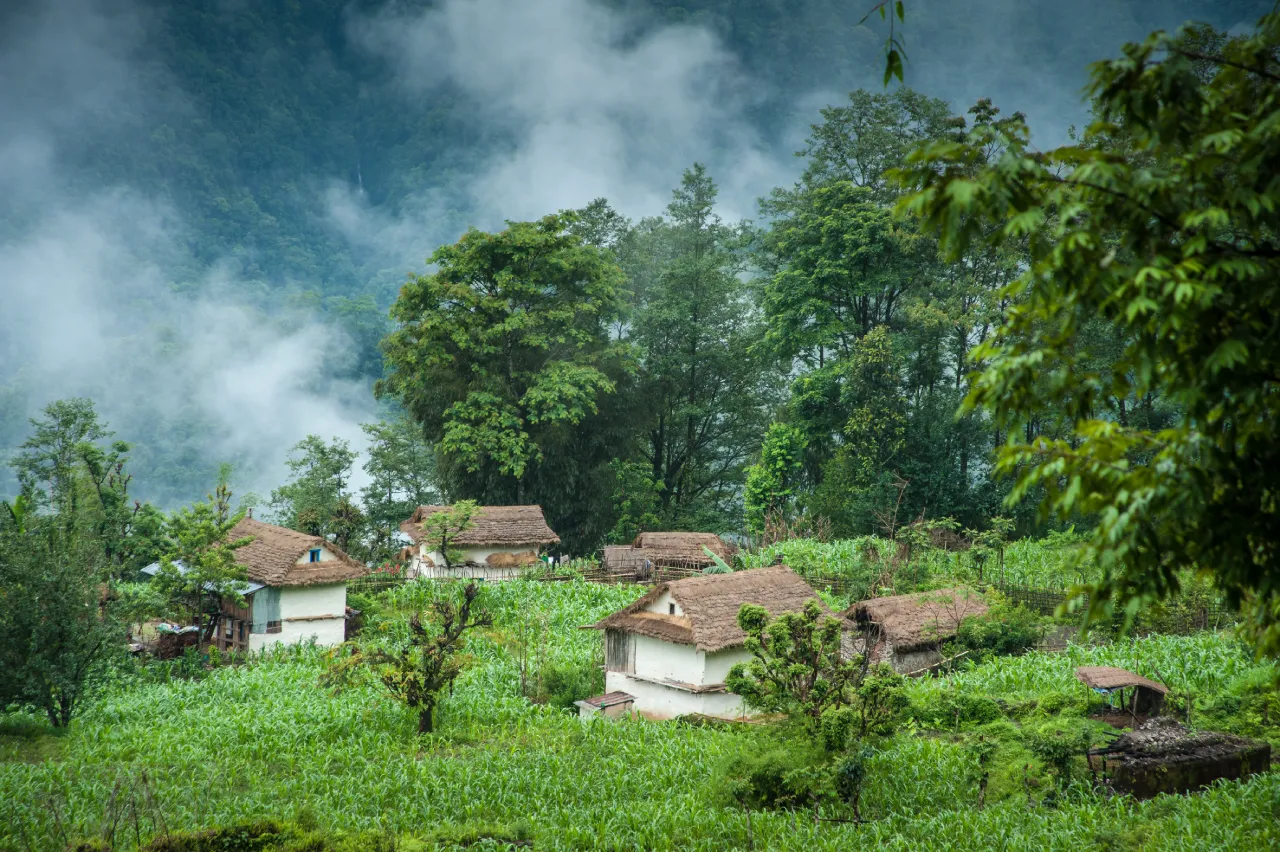
- Walk on off-beatenHimalayan trails that are serene, natural, and unspoilt as compared to more popular trekking areas.
- Explore Rai, Sherpa, and mixed ethnic villages and enjoy the reality of the local life, traditions, and hospitality.
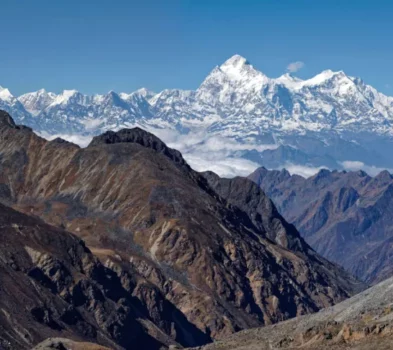
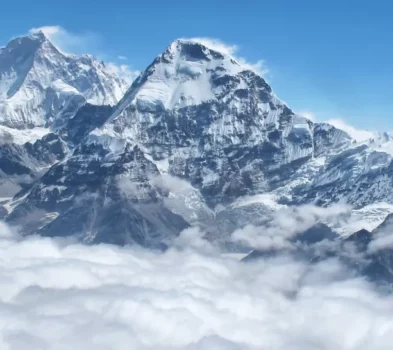
- See beautiful views of Mera Peak and other Himalayan ranges
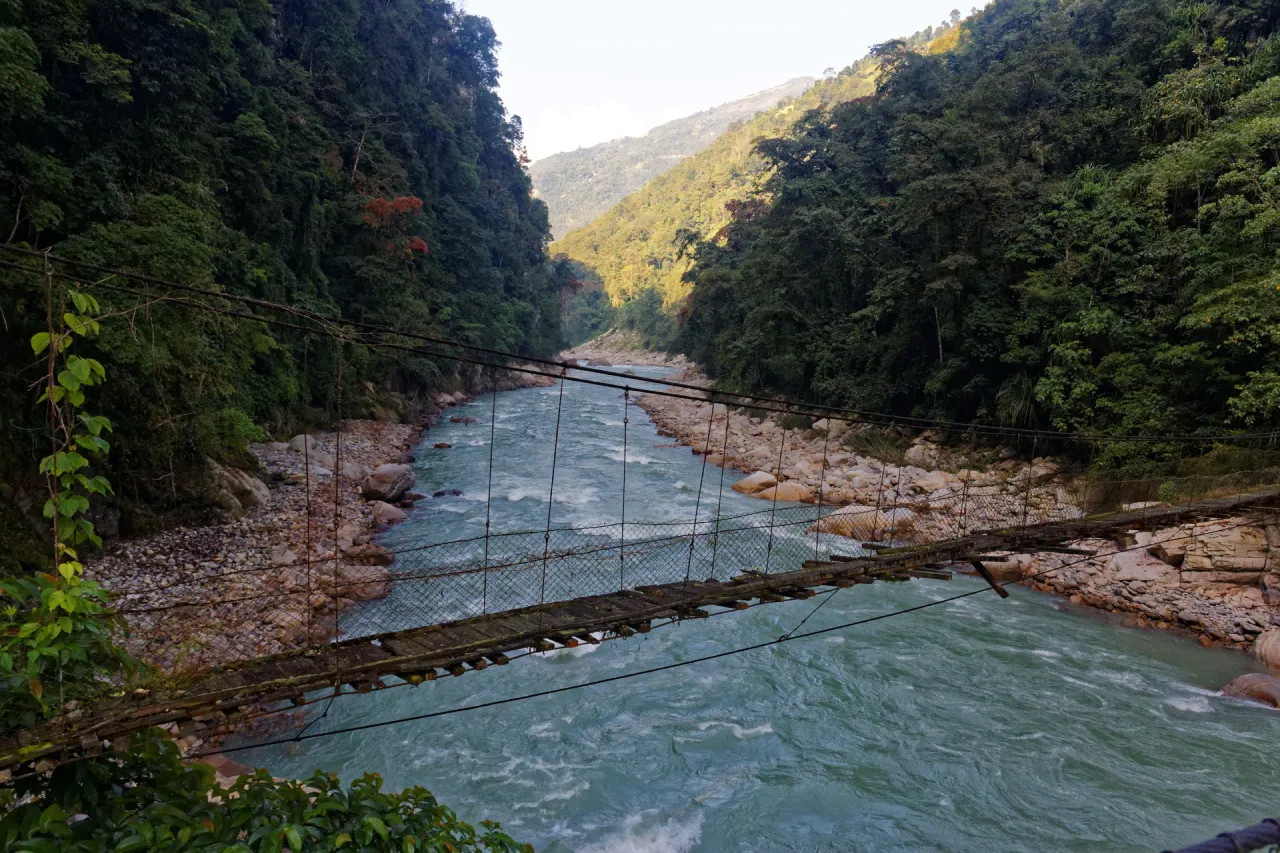
- Walk along the Arun River, cross suspension bridges, and explore breathtaking terraced hillsides.
- Hike across the Makalu-Barun National Park, consisting of forested areas and bird life.
- Reach Lukla at 2,860 m / 9,383 ft on foot and bring a special and satisfying conclusion to your trek.
Trip Introduction
The Arun Valley Trek is a unique 15-day journey through eastern Nepal that combines culture, nature, and quiet mountain trails. This trip starts at Kathmandu, which is 1,400 m / 4,593 ft above sea level, and then proceeds to Tumlingnar, 518 m / 1,699 ft above sea level, where the trekking adventure actually begins.
The Arun Valley Trek is peaceful and has village trails, river valleys, forest trails, and terraces on the hills, unlike other busier trekking areas. You visit Rai and Sherpa villages, pass over suspension bridges, and live an ordinary daily life way out of tourist paths.
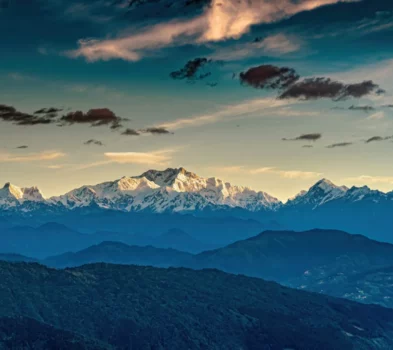
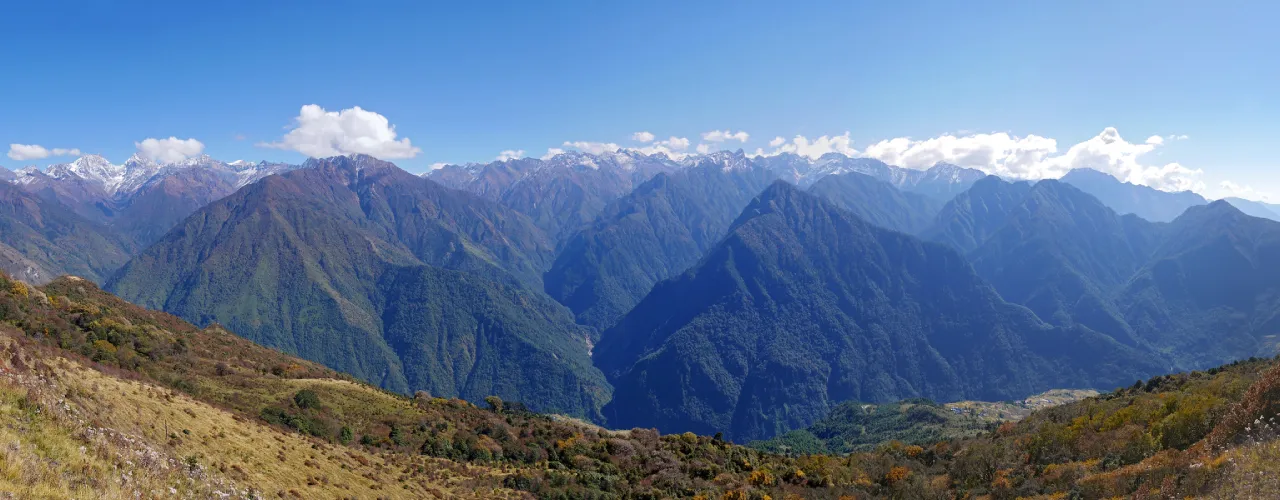
The landscape is slowly transformed as the trek goes by. You ascend warm lowlands through cooler hills to the highest point of overnight stay at Guranse at 3,000 m / 9,843 ft. Here, the panorama of hills and the Himalayan Mountain ranges can be seen. This path is then followed into beautiful settlements such as Sanam 2,840 m / 9,318 ft, Pangum 2,850 m / 9,350 ft, and lastly Lukla 2,860 m / 9,383 ft, as most trekkers only reach Lukla by air.
The Arun Valley Trek is amoderate level. The walking trail is usually on mixed terrain, 5-7 hours a day, with forest paths, rocky steps, and small ridges. The altitude is not that extreme, and most fit travelers can manage; still, it is necessary to move slowly and prepare simply.
Throughout the trip, there are teahouses where one can get basic and comfortable accommodation along with warm meals. Dal bhat, noodles, soups, and hot tea will ensure that you are lively to spend long walking days.
This is a journey that is culturally rich. You go by monasteries, chortens, terraced farms, and traditional villages where the locals speak local languages and traditions are one of their daily lives. Since it is not as commercial, the local people are sincere and easy-going. The last leg of the trip is a picturesque flight back to Kathmandu from Lukla, with a final view of the mountains that you have traversed.
The Arun Valley Trek is ideal for people who want to experience the authenticity of the village, a moderate level of altitude, and a variety of scenery without the presence of extreme crowds. This itinerary is designed to be a cultural discovery, adventure, and safety-balancing program, which makes a meaningful Himalayan experience throughout the trek, arranged by Himalayan Adventure Treks.
Outline Itinerary of Arun Valley Trek
Day 01: Arrival in Kathmandu
Day 02: Kathmandu sightseeing and trek preparation
Day 03: Fly from Kathmandu to Tumlingtar and trek to Kariki Ghat
Day 04: Trek from Kariki Ghat to Goethe Bazaar
Day 05: Trek from Goethe Bazaar to Salpa Phedi
Day 06: Trek from Salpa Phedi to Guranse
Day 07: Trek from Guranse to Sanam
Day 08: Trek from Sanam to Gudel
Day 09: Trek from Gudel to Kiraunle Gompa
Day 10: Trek from Kiraunle Gompa to Sibuje
Day 11: Trek from Sibuje to Pangum
Day 12: Trek from Pangum to Painya
Day 13: Trek from Painya to Lukla
Day 14: Fly from Lukla to Kathmandu
Day 15: Depart Nepal
Our guests sharing their experiences (Photo/Video Gallery)


Detail itinerary of Arun Valley Trek
01
Day 01: Arrival in Kathmandu
As you arrival at Tribhuvan International Airport in Kathmandu at 1,400 m / 4,593 ft, you are welcomed by a representative from Himalayan Adventure Treks and transported to a hotel. Driving covers a distance of approximately 30 minutes.
Once checked in, you can rest or have a quick walk around Thamel, which is a bustling locality with cafes, small shops, and trekking shops. You get briefed by your guide in the evening on the trek, the flight schedule, the packing list, and what to do on the trail. This gathering makes you feel ready and self-confident.
Have lots of water and sleep early so that you can become accustomed to the new time before the adventure starts.

Activity: Airport pickup and trip briefing, 30 min

Max. Altitude: 1,400m/4,593ft. Kathmandu

Meal: Lunch and Dinner

Accommodation: Hotel
02
Day 02: Kathmandu sightseeing and trek preparation
You start a guided sightseeing journey of the most well-known cultural sites of the valley after having breakfast at your hotel in Kathmandu at an altitude of 1,400 m / 4,593 ft. You go to ancient temples, courtyards, and stupas with prayer flags and spinning prayer wheels. Your guide tells you the history and religious significance of every place in a simple manner.
You get to have a local life, art, and architecture during the day. You go back to your hotel in the afternoon to get ready for the trek. You check your equipment, pack your duffel bag, and verify domestic flight details. This is the day before going to the mountains, when everything is prepared.
Activity: Guided sightseeing and trek preparation, 5-6 hours
Max. Altitude: 1,400m/4,593ft. Kathmandu
Meal: Breakfast, Lunch & Dinner
Accommodation: Hotel
03
Day 03: Fly from Kathmandu to Tumlingtar and trek to Kariki Ghat
In the morning, you do a scenic flight out of Kathmandu on 1400m / 4593ft to Tumlingtar on 518m / 1699ft. The landing has spectacular scenes of hills and river valleys.
Upon arrival, you start hiking to Kariki Ghat, 351 m / 1,152 ft. The road cuts across hot and green rural areas and small agricultural villages. You walk up and down local roads and over rivers on suspension bridges. The air is warmer and a bit moist due to the low altitude.
The initial hiking day will allow your body to get used to backpack walking. Five or six hours later, you arrive at Kariki Ghat and take a rest in a teahouse.
Activity: Flight & Trek, 5-6 hours
Max. Altitude: 351m/1,152ft. Kariki Ghat
Meal: Breakfast, Lunch & Dinner
Accommodation: Teahouse
04
Day 04: Trek from Kariki Ghat to Goethe Bazaar
You start by taking the trek to Goethe Bazaar at 685 m / 2,247 ft after having your breakfast at Kariki Ghat at 351 m / 1,152 ft. The route runs along the Arun River and goes through tiny villages like Balwa Besi.
You traverse the Irkhuwa River via suspension bridges and pass-through forest with uphill climbs. The trail is not overly steep and is not that challenging to hike on. You can see local farmers in the fields and children going to school.
Goethe Bazaar is an active village unifying the surrounding communities. Once you arrive at your lodge, you unwind by taking a hot meal and then going to sleep.
Activity: Village trekking with river crossings, 5-6 hours
Max. Altitude: 685m/2,247ft. Goethe Bazaar
Meal: Breakfast, Lunch & Dinner
Accommodation: Teahouse
05
Day 05: Trek from Goethe Bazaar to Salpa Phedi
You set off today from Goethe Bazaar, 685 m / 2,247 ft, towards Salpa Phedi, 1,520 m / 4,987 ft. The path goes through Lankuwa and Dhobani villages. You pass bamboo trees, terraces and forested hills. The ascent increases with the elevation.
The atmosphere is colder than in the lower valleys. You walk in a moderately slow, steady manner with attention paid to even breathing and walking. On the way, there are houses with traditions and hospitable locals. 5-6 hours of trekking lead to Salpa Phedi. It is a chilly evening and some warm clothes can help.
Activity: Forest trekking and gradual altitude gain, 5-6 hours
Max. Altitude: 1,520m/4,987ft. Salpa Phedi
Meal: Breakfast, Lunch & Dinner
Accommodation: Teahouse
06
Day 06: Trek from Salpa Phedi to Guranse
The day starts with a longer ascent after breakfast from Salpa Phedi at 1,520 m / 4,987 ft up to Guranse in 3,000 m / 9,843 ft. It is considered one of the hardest days of the trek. The path is ascending through thick woods and mountainous tracks. With increased elevation, you are blessed with expansive sceneries of stratified hills and valleys in between.
You go through the Jau Bari village and can also come across a small Sherpa monastery. Go step by step to save on energy. It is colder towards Guranse. On arriving at your lodge, you are able to rest and have the serene mountain environment of this elevated location.
Activity: Long climbing day with mountain views, 6-7 hours
Max. Altitude: 3,000m/9,843ft. Guranse
Meal: Breakfast, Lunch & Dinner
Accommodation: Teahouse
07
Day 07: Trek from Guranse to Sanam
You begin your day in Guranse at 3,000 m 9,843 ft and hike to Sanam 2,840 m 9,318 ft. The path passes through quiet woodland and through little streams. On the walk, you have a view of Karylang Peak and other nearby ridges.
As you enter the Solukhumbu area, the landscape starts to display more Sherpa culture. The path consists of moderate slopes and hilly areas, and the day is pleasant following the former ascent.
Sanam is a small traditional village that is situated in the mountains. It takes 5-6 hours of hiking before you reach and spend your time in your teahouse, enjoying the serene environment.
Activity: Trekking toward the Solukhumbu border and Sherpa village experience, 5-6 hours
Max. Altitude: 2,840m/9,318ft. Sanam
Meal: Breakfast, Lunch & Dinner
Accommodation: Teahouse
08
Day 08: Trek from Sanam to Gudel
On this day, you start on a trek at 2,840 m / 9,318 ft from Sanam and go towards Gudel at 1,965 m / 6,447 ft. The road slowly winds down and curves around the green mountains.
On the trail, you can pass Nimtsola, where you observe a small gompa, and, looking at the culture, you can see that it is gradually acquiring Sherpa rather than Rai traditions. It is a landscape leading to broad expanses of terraces and farm and buffalo sheds.
You pass by small villages and encounter people toiling on their farms. During a clear day, it is possible to see the mountains in the distance, such as Mera Peak.
Gudel is located on a sunny hill and is serene and natural. Upon arrival, you will have time to visit the village and have a good evening meal in your teahouse.
Activity: Cultural and village exploration, 5-6 hours
Max. Altitude: 1,965m/6,447ft. Gudel
Meal: Breakfast, Lunch & Dinner
Accommodation: Teahouse
09
Day 09: Trek from Gudel to Kiraunle Gompa
You go out of Gudel today and walk to Kiraunle Gompa. The path passes through terraced fields and villages. You cross little streams and woodland and the landscape becomes still more distant.
The nature of the walk is peaceful because of the bird sounds and the fragrance of the forest. The higher you go, the colder and fresher the air appears.
You reach Kiraunle Gompa in the afternoon. This stop is unique because of the peaceful environment. Visit the monastery, take photos, and enjoy the peaceful atmosphere of the mountains before dinner and sleep.
Activity: Forest trekking and monastery visit, 3-4 hours
Max. Altitude: 2,540m/8,333ft. Kiraunle Gompa
Meal: Breakfast, Lunch & Dinner
Accommodation: Teahouse
10
Day 10: Trek from Kiraunle Gompa to Sibuje
On this day, you hike to Sibuje at 2,686 m / 8,812 ft, after having breakfast at Kiraunle Gompa. The path ascends gradually until it reaches a ridge with chortens and mani walls. The path is surrounded by rhododendron forests, particularly in spring.
You head on intoSurke La, with clear views of the ridges. On sunny days, one can view mountains like Karylung, Khatang, and Numbur in the background. The path is smooth with slight rises and falls, yet easy to follow.
The day is rewarding with fresh mountain air and extensive landscapes. Several hours later, you get to Sibuje and relax in your teahouse. The day is finished in a peaceful way with a warm meal and mountain views.
Activity: Ridge trekking with forest and mountain views, 5-6 hours
Max. Altitude: 2,686m/8,812ft. Sibuje
Meal: Breakfast, Lunch & Dinner
Accommodation: Teahouse
11
Day 11: Trek from Sibuje to Pangum
You leave Sibuje at 2,686 m / 8,812 ft in the morning and start to go to Pangum at 2,850 m / 9,350 ft. The path passes through a series of hills and is close to Gai Kharka. During clear days, Mera Peak will shine in the distance once again. The path has forested areas and the classical villages that are affected by the Tibetan culture.
The gradual path allows one to walk easily without having to take extensive, steep ascents. You will have an opportunity to take pictures and take brief breaks along the route.
Pangum is a friendly village that has simple teahouses and nice people. Once you get to your lodge, you rest, have dinner, and prepare for the next phase towards Lukla.
Activity: Pass trekking and cultural village walk, 5-6 hours
Max. Altitude: 2,850m/9,350ft. Pangum
Meal: Breakfast, Lunch & Dinner
Accommodation: Teahouse
12
Day 12: Trek from Pangum to Painya
After breakfast in Pangum, at 2,850 m / 9,350 ft, you start walking towards Painya at 2,730 m / 8,957 ft. It is a path that proceeds to Kharte village and reaches Khari La pass, then descends further. The trail goes through woods, rocky areas, and open horizons.
In the hills, you can see such distant villages as Bupsa and Karikhola. The landscape is also quite diversified, and the day is not monotonous, as there are both upward and downward slopes. The surrounding nature is not noisy and congested as it is in other trekking spots.
On arriving at Painya, you are able to relax and enjoy the rural village environment. In case it is a clear night, you might see beautiful stars over the hills in the sky.
Activity: Pass crossing and forest trail trekking, 5-6 hours
Max. Altitude: 2,730m/8,957ft. Painya
Meal: Breakfast, Lunch & Dinner
Accommodation: Teahouse
13
Day 13: Trek from Painya to Lukla
You leave Painya at an altitude of 2,730 m / 8,957 ft and head towards Lukla at an altitude of 2,860 m / 9,383 ft. The foot trail uses sandy tracks and hills. The walking distance is not very long, but some sections are steep and require careful steps. The views of the hills and mountains pay off at the end of the trek.
It is thrilling to get to Lukla since this is the end of your journey. The fact that the moment is special is due to arriving on foot on this less-traveled path. Having been accommodated in your lodge, you can visit Lukla Bazaar, go to the little shops, and rest. During the evening, a number of the trekkers have a final dinner together and reminisce on the trip.
Activity: Trek completion and Lukla exploration,1-2 hours
Max. Altitude: 2,860m/9,383ft. Lukla
Meal: Breakfast, Lunch & Dinner
Accommodation: Teahouse
14
Day 14: Fly from Lukla to Kathmandu
The day starts in the morning when a short scenic flight is undertaken from Lukla at 2,860 m / 9,383 ft to Kathmandu at 1,400 m / 4,593 ft on this day. The last aerial views of the mountains and ridges that you have traversed during the trek are provided by the flight.
Upon landing, you check into your hotel. The remaining part of the day is at your liberty to shop, relax, or have a hot shower. This is followed by a farewell dinner in a traditional Nepali restaurant in the evening. You feast to celebrate your accomplished trip with local food and music, with cultural dance.
And it is a good and joyous way of bringing your adventure in the Himalayas to an end.
Activity: Scenic flight and farewell dinner, 30 min
Max. Altitude: 1,400m/4,593ft. Kathmandu
Meal: Breakfast & Dinner
Accommodation: Hotel
15
Day 15: Depart Nepal
This is your final day of the Arun Valley Trek.You pack your bags after breakfast and check your travel documents. You are picked up by a representative from Himalayan Adventure Treksand transferred to Tribhuvan International Airport, three hours before the flight.
Throughout the ride, you can remember the villages, forests, passes, and mountains that you were in during the Arun Valley Trek. This journey along the eastern Nepal is accompanied by the feeling of accomplishment. The experience provided cultural exploration, tranquil sceneries, and substantive local experiences.
At the airport, you bid your farewells to your team and Nepal. You go away with great memories and even an intention to go back to the Himalayas adventure sometime again.
Activity: Airport transfer and final departure, 30 min
Max. Altitude: 1,400m/4,593ft. Kathmandu
Meal: Breakfast

Note:
If you have your own private group and want to make your trip private, we can run the custom trip all the day as per your requirements and group size.
Includes and Excludes
What are included with package?
- Airport Pick-up and Drop-off by Private Vehicle: Transportation to and from the airport is included with a private vehicle for convenience and comfort.
- Three Nights 3-star Hotel in Kathmandu with Breakfast: Accommodation for three nights in a 3-star hotel in Kathmandu, including breakfast, is provided.
- Lunch, Dinner, and Breakfast During Trekking: All meals during the trek (lunch, dinner, and breakfast) are included to ensure a comfortable trekking experience.
- Kathmandu Sightseeing by Private Vehicle with an Experienced Tour Guide: A guided sightseeing tour of Kathmandu’s heritage sites with transportation provided by a private vehicle.
- All Necessary Paperwork and Conservation Entry Permits: Includes permits for the trek and any necessary documentation, including conservation entry permits.
- Flight from Kathmandu/Tumlingtar/Lukla/Kathmandu with Airport Tax: Domestic flights to and from the trekking starting points (Tumlingtar and Lukla), including airport tax, are covered.
- All Accommodations in Lodges/Tea Houses During the Treks: Accommodation during the trek is provided in comfortable lodges or tea houses along the route.
- Trekkers’ Information Management System (TIMS) Permit: TIMS permits are included for registration and protection of trekkers during the journey.
- Trekking Park Permit: The required permits for trekking in national parks or conservation areas are included.
- Experienced, Helpful, and Friendly Guide, Porters (1 Porter for 2 People): The package includes an experienced guide and porters, with one porter shared between two trekkers.
- Salary, Food, Drinks, Accommodation, Transportation, and Insurance for the Guide and Porter: The cost of the guide’s and porter’s salary, meals, accommodation, transport, and insurance is all covered.
- Medical Supplies (First Aid Kit Available): A basic first aid kit will be available throughout the trek for emergencies.
- All Government Taxes: All applicable government taxes and charges are included.
- Last Night Farewell Dinner at an Authentic Nepalese Restaurant with a Cultural Performance: On the last night of the trip, a traditional Nepalese dinner accompanied by a cultural performance is included as a part of your farewell.
What are not included with package?
- Nepal Entry Visa Fee: The visa fee for entry into Nepal, which can be obtained easily at the Kathmandu airport, is not included in the package.
- Travel and Rescue Insurance: Travel and rescue insurance is your responsibility and is not included in the package. It is highly recommended for your safety during the trek.
- Entrance Fees in Kathmandu: Any additional entrance fees for sightseeing or visiting specific locations in Kathmandu are not included.
- Personal Expenses: Expenses for personal items, such as phone calls, laundry service, bar bills, battery recharges, extra porters, bottled or boiled water, and hot showers, are not included in the package.
- Alcoholic Drinks and Bar Bills: All alcoholic beverages and bar bills are not included and will be at your own expense.
- International Airfare and Airport Departure Tax: The cost of international flights to and from Kathmandu, as well as any departure taxes, are not included.
- Extra Hotel Accommodation in Kathmandu: If you arrive early or depart later than the scheduled itinerary, or if you return early from the mountain due to unforeseen circumstances, the additional hotel accommodation in Kathmandu will be at your own expense.
Pick Your Suitable Date
US$ 1500
Book a Private Trip
Private & Group Discount Price
-
1 -
1 person
US$ 2500
-
2 -
2 people
US$ 1500
-
3 -
5 people
US$ 1400
-
6 -
10 people
US$ 1200
-
11 + people
9999
US$ 1100
1 Travelers x US $ 2000
Total Cost:
US$ 2500
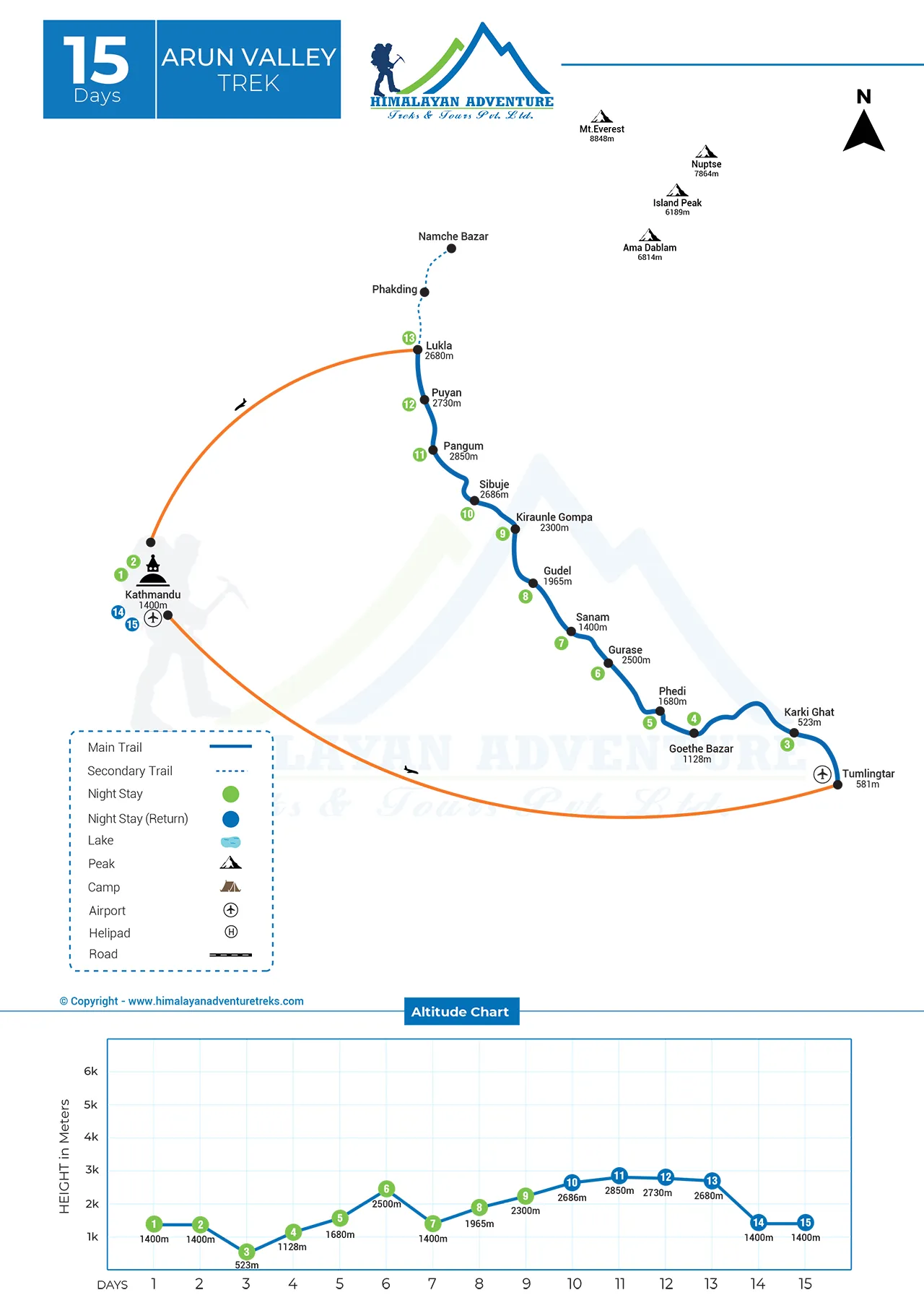
Route Map & Altitude Chart
Kathmandu
Start/End point
Kathmandu
Trip Information
How Difficult is Arun Valley Trekking
The Arun Valley Trek is a medium-level trek that is done by most physically fit adventure seekers. You walk for several days, mostly 5-7-hour days in the mountainous trails. The highest point of the trek is Guranse, 3,000 m / 9,843 ft, and this elevation is easy for many hikers, but it still needs stamina.
Continuous walking is more difficult than extreme altitude. Trails are village roads and forest trails up to rocky and uneven ones, particularly nearer to Lukla at 2,860 m / 9,383 ft. There can also be weather-related changes in difficulty, such as when it is raining, and the trails become slippery.
Most trekkers can complete the Arun Valley trek successfully with simple endurance training and a steady pace. Himalayan Adventure Treks offers well-trained guides and porters, which will make the trek more convenient.
Weather and Best Season for This Trek
The Arun Valley Trek is enjoyable when one makes the right choice of the season. The mountain views and the comfortable temperature during walking are best viewed and enjoyed during autumn (September to November) and spring (March to May).
In these months, the skies are clear, and trails are dry. Rhododendron flowers bloom in spring, especially in higher villages like Guranse at 3,000 m / 9,843 ft and Pangum at 2,850 m / 9,350 ft.
During the monsoon period (June to September), there is heavy rain, dirty tracks and leeches in the forest regions. The winters (December to February) are colder, especially at elevations beyond 2,800 m / 9,186 ft, yet the trails are less busy.
Arun Valley Trek is possible throughout the year, but spring and autumn offer the most optimal weather and visibility.
Food & Drink During the Trek
Foods during the Arun Valley Trek are made up of simple, fresh, and filling foods. Teahouses have three meals a day: breakfast, lunch and Dinner. Rice and lentils (dal bhat), noodles, soups, potatoes, eggs, and vegetables are some of the common foods.
Dal bhat is famous because it gives constant energy to cover long walks. Hot beverages and warm meals are particularly relaxing at higher villages such as Guranse at 3,000 m / 9,843 ft.
Hydration is highly essential. Drink boiled or treated water to prevent water-borne diseases. Ginger tea, lemon tea, and soups keep you warm and help you stay hydrated. Bring snacks like nuts or power bars so that you can get a snack on between meals on the trail.
Himalayan Adventure Treks provides full board meals on the trekking days to maintain your strength and recovery.
Altitude Sickness and Suggestions
The highest sleeping point of the Arun Valley Trek is approximately 3000m / 9843 ft at Guranse. It is not a particularly high altitude when compared to more Himalayan passes, but some people may experience altitude sickness. It can have such symptoms as headache, nausea, dizziness, and tiredness. Risksare minimized by walking slowly and being hydrated.
Climb slowly and do not hurry during the Arun Valley Trek. In case of symptoms, inform your guide. Going to a lower altitude can help improve mild symptoms. Take a rest, take fluids, and eat well.
Your health is observed by the Himalayan Adventure Treks guides, and the walking speed is modified in case of necessity. It is also a good idea to seek the advice of your doctor before traveling.
Preparation and Fitness
The best way to enjoy the Arun Valley Trek is with good preparation. Do endurance training for a couple of weeks before arrival. Leg and core strength exercises, as well as walking, hiking, climbing stairs, and frequent walking, would be beneficial. The trek consists of long days and gradual ascents to such destinations as Pangum at 2,850 m / 9,350 ft, and therefore, stamina will be more important than speed.
Test the boots and the backpack you will be using when trekking. Also, bring a light but well-packaged daypack for water, snacks, sun protection, and a warm layer.
Be psychologically ready to teahouse living, particularly in more elevated destinations such as Guranse at 3,000 m / 9,843 ft. Positive attitude and flexibility of mind make the Arun Valley Trek more enjoyable.
Visa and Permits
A tourist visa is required for most of the travelers to enter Nepal. It is available on arrival at Tribhuvan International Airport in Kathmandu at 1,400 m / 4,593 ft or any other overland border. Visa duration options usually match the 15-day itinerary of the Arun Valley Trek.
In the case of trekking permits, you will require TIMS cards (Trekkers’ Information Management System) and entry permits to Makalu Barun National Park. The route is associated with landscapes around Makalu-Barun National Park and ends near Lukla at 2,860 m / 9,383 ft; hence, proper documentation is necessary.
All the necessary permits are organized by Himalayan Adventure Treks, and the present trekking regulations are observed. All those permit fees and processes can vary, which is why it is important to be sure about everything before going away.
Health & Safety
The Arun Valley Trek depends on daily habits to stay safe and for a successful trek. Walk at a slow pace, drink sufficient water and have balanced meals. Use trekking poles on steep or slippery parts, particularly nearer higher villages such as Sibuje at 2,686 m / 8,812 ft. Carry a headlamp and basic first aid.
Respect local culture and ask for permission to take pictures. Store valuables and extra luggage in Kathmandu, at 1,400 m / 4,593 ft. Mountain weather can change quickly, so you should carry extra layers of clothing.
Himalayan Adventure Treks has trained guides and basic first-aid services, which serve to keep the trek safe and in order.
Transportation
Arun Valley Trek involves transportation, and all of it is included in your package. You start with a domestic flight from Kathmandu at 1,400 m / 4,593 ft to Tumlingtarat 518 m / 1,699 ft.
Once the trek is over, you fly out of Lukla at 2,860 m / 9,383 ft and land in Kathmandu. These flights save time on traveling and give more days on the trail.
Flight to the mountains may be delayed due to weather, particularly in Lukla. It is nice to be flexible in your schedule. Baggage limits are usually strict, so pack light.
The Himalayan Adventure Treks also make the airport transportation and flight backup, so the whole trip becomes easy and orderly, starting with the arrival and even the departure.
Travel Insurance
Travel insurance is a vital component of the preparation for the Arun Valley Trek. It must not be like an option. Although the journey takes a moderate elevation of some 3,000 m / 9,843 ft, you will be trekking for several days in isolated locations with no major hospitals.
An effective insurance should include trekking, emergency medical, and evacuation by helicopter in case of necessity. It must also cover the cancellation of the trip, along with flight delays, especially those on sectors such as Lukla, which is 2,860 m / 9,383 ft.
Himalayan Adventure Treks does not cover insurance in the package, and therefore, you should not forget to take care of it before arrival. Always have a copy of your policy, both electronically and in hard copy, and provide the information to your guide to ensure extra security and comfort.
Alternative Routes
The Arun Valley Trek has one strength, which is flexibility in routing. In any case, the trek can be extended in various forms since it links the eastern parts of Nepal with the Everest area.
Everest trails start from Lukla at 2,860 m / 9,383 ft. Depending on whether you want to fly back or not, you can proceed to the classic Everest trails. You may venture further into deeper regions around the Makalu-Barun scenery in case you prefer more wilderness.
Some people choose to replace the flight to Tumlingtar at 518 m / 1,699 ft with road travel for a slower journey. Other people take additional nights in some villages to integrate into the culture.
Himalayan Adventure Treks is able to design custom itineraries so that you can customize the Arun Valley Trek and retain the original route. This adaptability makes the trip appropriate for various forms of travel.
Your Extra Expenses
Although the Arun Valley Trek package includes major trekking expenses, you need to budget for personal expenses. Typical extras are Nepal visa charges at Kathmandu (1,400 m / 4,593 ft), travel insurance, beverages and snacks, hot showers, charging batteries, laundry, and shopping. In the remote villages, the teahouses do not commonly accept cards, and hence, bring Nepali rupees in cash.
You might spend more money if you are fond of hot drinks or desserts more often. In some villages, such as Pangum at 2,850 m / 9,350 ft, alcohol is available, but it is better saved for celebrations in Kathmandu.
Tips for guides and porters are also expected. Tipping at the end of the trek is an appreciation of their effort. Sensible budgeting will make you enjoy the Arun Valley Trek with pleasure.
Language & Communication
The Arun Valley Trek goes through the culturally rich areas with a number of languages spoken. Kathmandu is in the English-speaking region. Nepali and Rai, Sherpa, and other local languages will be heard on the trail. Your guide acts as an interpreter and translator of conversations and cultural customs.
Exchange of even basic Nepali phrases, such as Namaste (hello) and Dhanyabad (thank you), forms cordial ties. Discuss the dietary requirements in Kathmandu before the trek. This assists hosts of teahouses to make appropriate meals, particularly in upper villages like Guranse at 3,000 m / 9,843 ft. Effective communication eliminates confusion and enhances the overall experience of the Arun Valley Trek.
Mobile Network, Internet & Charging Facilities
On the Arun Valley Trek, the level of connectivity is not the same everywhere. The Wi-Fi and mobile data are reliable in Kathmandu. There are a few teahouses that offer paid Wi-Fi, although the speed and connection can be slow and unreliable.
Charging your electronic devices typically costs a fee, particularly in higher communities such as Sibuje at 2,686 m / 8,812 ft, where power could be solar-powered. Carry a battery pack and leave a phone in airplane mode to conserve battery.
Cold weather can drain batteries faster, so keep your electronics inside your sleeping bag at night. Enjoy the digital disconnection as one of the elements of the experience and concentrate on the beauty of the Arun Valley Trek in its natural form.
Don’ts on This Trip
In the Arun Valley Trek, it is best not to hurry. If you go too fast, you will feel more tired and enjoy the trek less, especially at higher elevations.
Respect local culture. Do not behave loudly, and always ask for permission before taking photos of people.
Do not litter. Always bring all the trash until it can be properly disposed of. The use of unfiltered water sources should be avoided at all times; purification should be done, or boiled water should be used.
Another type of error is overpacking, especially when traveling to Lukla at 2,860 m / 9,383 ft, where baggage restrictions are strict. These are just a few steps that will keep you comfortable and also safeguard the immediate surroundings.
Photography & Drone Rules
One of the activities in the Arun Valley Trek is photography. Terraced villages all the way to ridges, above 2,800 m / 9,186 ft, the landscape provides great photography prospects. In monasteries, you should never take close-up portraits without permission and should never use flash. Honor rituals and religious places.
The operation of drones in Nepal is not allowed without the government’s permission. Flying a drone in the vicinity of airports like Lukla, which is 2,860 m / 9,383 ft, is not allowed. Additional authorization to restricted zones might also be required.
Arrange a drone permit with Himalayan Adventure Treks before going with a drone. Adherence to regulations is a way of being safe and not being fined. Conscientious photography contributes to the preservation of the serene mood of the Arun Valley Trek.
Tips for First-Time Visitors
The Arun Valley Trek is rewarding for first-time trekkers since it has a combination of culture and moderate altitude. The highest elevation for overnight, Guranse, with a height of 3,000 m / 9,843 ft, is difficult to climb, but at a slow pace, you can do it. Plan and pack your backpack well in advance, and keep the things of daily use close at hand.
Drink lots of water, consume a balanced diet, and go to sleep early. Teahouses are a basic comfort but not a luxury, so lower the bar. Follow the recommendations of your guide and be flexible in case of weather impacts on the flights at Lukla, elevation of 2,860 m / 9,383 ft.
Himalayan Adventure Treks supports first-time visitors with proper planning and helpful local guidance. It is a trip to be remembered, and your Arun Valley Trek will be an important journey with patience and inquisitiveness.
Essential Packing Gear List for Arun Valley Trek
If you have decided to go on the Arun Valley Trek in Nepal, we assure you that you will have a fantastic time ahead. But what should you pack for your Adventure? What will be the right gear to make your trip more fabulous? To help you with this, we have compiled a packing list of essential items that you mustn’t forget to bring along.
- Passport ( min 6 months valid)
- Cash, credit card
- List of important addresses and contact details
- 2-3 passport photos (optional)
- Copies of all important travel documents (passport, visa, airline ticket, insurance policy, etc.)
- A sturdy 70 L trekking backpack which will be carried by your porter (please note that our assigned 1 porter will carry 2 clients’ luggage up to 20-25 kg.
Note: We will provide each participant with a spacious 70 to 75 L Company logo duffle bag to conveniently carry your trekking gear, which you have to return once the trek is complete. - A 30 L Daypack that has room for your essentials such as camera, mobile, Passport, important documents, water bottle, day-useable medicine, chocolate bars, raincoat, etc., which will be carried by you.
- Protective cover for a backpack or travel bag.
- Hiking Boots: Preferably ankle-high boots to prevent ankle sprain
- Regular Shoes: For small strolls and exploration around the city
- Crampons: During the winter, December- March
- Second, a light pair of shoes and possibly sandals
- Micro Spikes or Ice Cleats for the winter trekking over snow and ice
- Gaiter for added protection in snow
- A rain and wind-resistant, lightweight down jacket for warmth, with a good helmet hood
- Summer-light, as well as winter warm clothing
- Quick-drying shirts made of synthetic fabrics
- Warm and cool vests or T-shirts
- Functional synthetic underwear
- Sports Bra for Female Trekker
- A waterproof pair of trousers
- Regular trousers of quick-drying fabric
- Hiking shorts
- Cargo Pants with multiple pockets to hold your small items, such as knives or chocolates
- Woolen or fleece pants
- Trekking socks, both thick and woolen fabric, and lighter wool socks
- Wool hat, gloves, and scarf
- A light cotton scarf or a bandanna for protection of your head, neck, ears, and mouth
- Sun hat, and sunglasses with 100% UV protection (for trekking trips, even with stray light and nose protection)
- Sunscreen cream or lotion with a high sun protection factor (at least 15, for trekking trip,s even at least 30)
- Sunscreen lipstick with a high SPF (at least 20, for trekking trips, even at least 30 or sunblock)
- Mosquito repellent (Optional)
- Comfortable light night clothes and shoes
- A drinking bottle that can be used as a hot water bottle on frosty nights
- Flip-flops or bathing shoes for using the showers
- Water purifiers: if you need to refill water from the tap or stream en route
- Headlamp: for a midnight or pre-dawn trip towards the viewpoint
- Quick-drying towel and sample-size toiletries for washing your feet and face
- Your Personal first-aid kit: with basic medical supplies such as bandages for sprains, antidiarrheal and antibiotics, iodine wipes for scrapes and cuts, plasters, aspirin, or ibuprofen, moleskine for preventing blisters, Diamox (acclimatizing medicine), and your Personal medication
- Sleeping bag appropriate for all-season treks (we can hire in Kathmandu)
- Waterproof money belt, chest bag, leg bag, or belt bag for storing important travel documents or valuables
- Toothpaste, Toothbrush, and soap
- Deodorants
- Moisturizer
- Nail clippers
- Feminine hygiene products (Sanitary Pads)
- Small mirror
- Wet wipes
- Hand sanitizer
- Comb
- Camera with sufficient memory cards and spare batteries or battery charger
- Small padlock for your travel bag
- Crampons ( during winter, Dec- Feb)
- Thermos flask
- Water bag
- Toilet paper (2-3 rolls without)
- Ear Plugs
- Matchbox, or lighter
- Compass or GPS
- Map
- Alarm clock
- Multi-tool kit
- Binoculars
- Books
- Whistle
Equipment Note:
- Please note that there is no need for you to bring all these heavy items, such as a Sleeping bag, a down Jacket, Trekking Poles, and items from your home. You can easily rent or purchase high-quality to standard-quality items in Kathmandu.
- Items are available from international brands such as The North Face, Sherpa Adventure, Marmot, Mountain Hardware, Black Yak, Karma Gear, and local brands like Goldstar and locally made products etc.
- Plus, we will also gift you a company logo T-shirt as a token of your experience in Nepal with us.
Renting Cost:
- Sleeping Bag & Down Jacket (-10-20 degree Celsius), Per Piece per day US$ 1.5
Frequently Asked Questions
Why is the Arun Valley Trek any different than the Everest Base Camp routes?
The Arun Valley Trek follows less-traveled trails, passing through authentic villages before reaching Lukla by a quieter and uncommon route.
Isprior high altitude trekking experience necessary for this trek?
Prior mountain trekking experience at high altitudes is desirable but not compulsory since the highest point of stay is at 3,000 m / 9,843 ft.
How reliable are flights to Tumlingtar and Lukla?
The mountain flights are frequent, though subject to weather conditions, hence itineraries flexibility and buffer days are highly encouraged.
Does it have ATM facilities on the trail?
There are no ATMs after Kathmandu, which means that some Nepali rupees will be needed to cover personal costs during the trek.
Is it possible to customize the itinerary for private groups?
Yes, walking, rest day, or village stops can be modified for the private groups, keeping the basic route of the Arun Valley Trek.
What cultural experiences can I expect during the Arun Valley Trek?
The trek passes through traditional Rai, Limbu, Kirat, and Sherpa settlements, allowing trekkers to experience local customs, festivals, monasteries, and unique architecture. You’ll also explore remote Buddhist monasteries and witness the fusion of Hindu and Buddhist traditions around Salpa Pokhari.
What kind of accommodation should I expect?
Accommodationis in simple teahouses with basic rooms, shared bathrooms in some villages, and minimal heating.
Can this trek be done inthe monsoon season?
It can, but is likely to be muddy and have leeches, covered with clouds, and the mountain not visible much in monsoon months.
Do the routes have medical facilities?
In certain villages, there can be health posts, but severe health-related cases have to be evacuated to Kathmandu to get appropriate medical care.
How strenuous is the climb to Guranse?
The ascent to Guranse at 3,000 m / 9,843 ft is not only lengthy but also gradual, and needs a lot of stamina and pacing restraint.
Does the trail have easy access to safe drinking water?
The tea houses have boiled water, but it is safer and more convenient to carry purification tablets or filters along with reuseable water bottle.
What are the ethnic groups that I will meet during the trek?
You will meet Rai, Sherpa, and other eastern Nepal communities with their own traditions, architecture, and language.
Is it possible to extend the journey to the Everest region?
Yes, you can go to Everest trails instead of flying back once you reach Lukla, which is at 2,860 m / 9,383 ft.
What wildlife would we expect to see on the trek?
Makalu-Barun landscapes include beautiful forests where you may see Himalayan plants, small animals, and different types of birds.
Makalu-Barun landscapes include beautiful forests where you may see Himalayan plants, small animals, and different types of birds.
Yes, electricity is frequently reliant on solar systems, and thus, one should anticipate occasional outages or limited hours of charging.
Do I need to tip guides and porters?
Tipping is optional, but it is well-received as an appreciation of the help that the guide and porter have provided.
Can I do solo trekking in the Arun Valley Trek?
The existing laws state that one must go on treks with a licensed guide and a registered agency to cover the trekking areas.
What is the normal time of departure of domestic flights?
Flights in both Tumlingnar and Lukla are done in the early morning,when the weather conditions are more stable in the mountains.
Does it have seasonal festivals on the way?
Yes, there are local festivals in the Rai and Sherpa communities, particularly in spring and autumn according to the lunar calendar.
Is this trek crowded during its peak season?
The Arun Valley Trek is not as busy as the routes of Everest, even during the off-peak months of spring and autumn trekking.
Does this trek have suspension bridges?
You pass a few suspension bridges across rivers with scenic views and a typical Himalayan trekking experience.
Is it possible to cater diet restrictions in isolated villages?
Guides can advise teahouses in advance of vegetarian, vegan, or allergy-related food requirements.
Is this trek appropriate for photographers?
Yes, the Arun Valley Trek offers terraced landscapes, mountain views, village life, and rich cultural scenery that create excellent opportunities for photographers.
What is the average number of walking hours a day?
The average trekking houris 5 to 6 hours a day, depending on the length as well as the nature of the trails.
Is the itinerary inclusive of rest days?
The standard Arun Valley Trek itinerary includes walking days without extra rest days, but it is possible to have additional rest days in a private trek.
What kind of terrains are in this route?
It consists of forest trails, rocky steps, ridge lines, terraced hillside, and a sandy section close to Lukla.
Related Blogs & Articles

Reviews on Arun Valley Trek

Related trips