

Duration
19 Days

Kanchenjunga South Base Camp Trek


Trip Grade
Difficult
Group Size
1-16 People
Max Altitude
5,400m. / 17,717ft.
Best Season
Mar-May/Sep-Nov
Activity
Trekking & Hiking
Meals
Breakfast, Lunch & Dinner
Accommodation
Hotels & Teahouses
Transportation
Private vehicle, Flight & Van
Trip Customization
On request (click here)


Highlights of Kanchenjunga South Base Camp Trek
- See Oktang perspective with close proximity of Mount Kanchenjunga and glaciers.
- Take time to have a relaxing trek on a less busy trail.
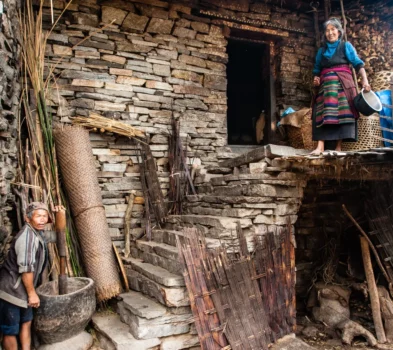
- Go through Rai and Limbu villages and taste the local culture.
- Stroll around woods, streams and shifting alpine sceneries.
- Proper acclimatization and follow a well-planned itinerary.
- Get a glimpse of the mountain ranges in the Kanchenjunga region.
- Accommodate simple teahouses to get a real trekking experience.
Trip Introduction
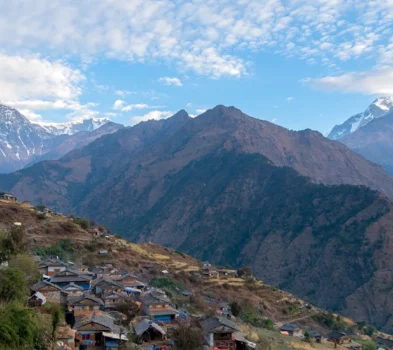
The Kanchenjunga South Base Camp Trek is a 19-day journey into the remote eastern region of Nepal, taking you close to the southern face of Mount Kanchenjunga, the third-highest mountain in the world. This hike suits individuals who like less popular hiking routes and a calmer trekking experience. On the way, you will pass through the traditional villages, forest routes, and various shifting landscapes that culminate into high alpine terrain.
With Himalayan Adventure Treks, the Kanchenjunga South Base Camp Trek is planned with a steady pace and proper acclimatization. The trip starts with a flight to the eastern part and continues with a walk through the villages populated by the communities of Rai and Limbu. In the route you will find local culture, plain hospitality, and day-to-day life on the mountain. The second half of the trail is through forests of rhododendron and other native plants, and so the first part of the walk is more comfortable and pleasant.
The Kanchenjunga South Base Camp itinerary is designed to support gradual altitude gain, helping you adjust properly as you move higher. The average time of walking is about 5-7 hours a day, which depends on the terrain and the height. As the walk continues, hills with a green color and fields are replaced with plain valleys and rocks. This is a natural transition which allows you time to get used to it as well as making the journey interesting.
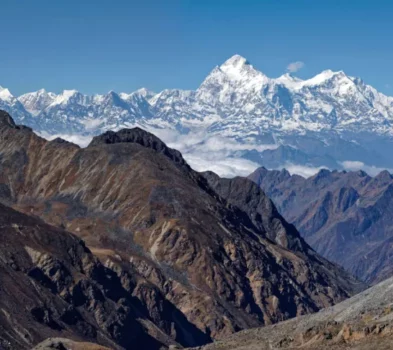
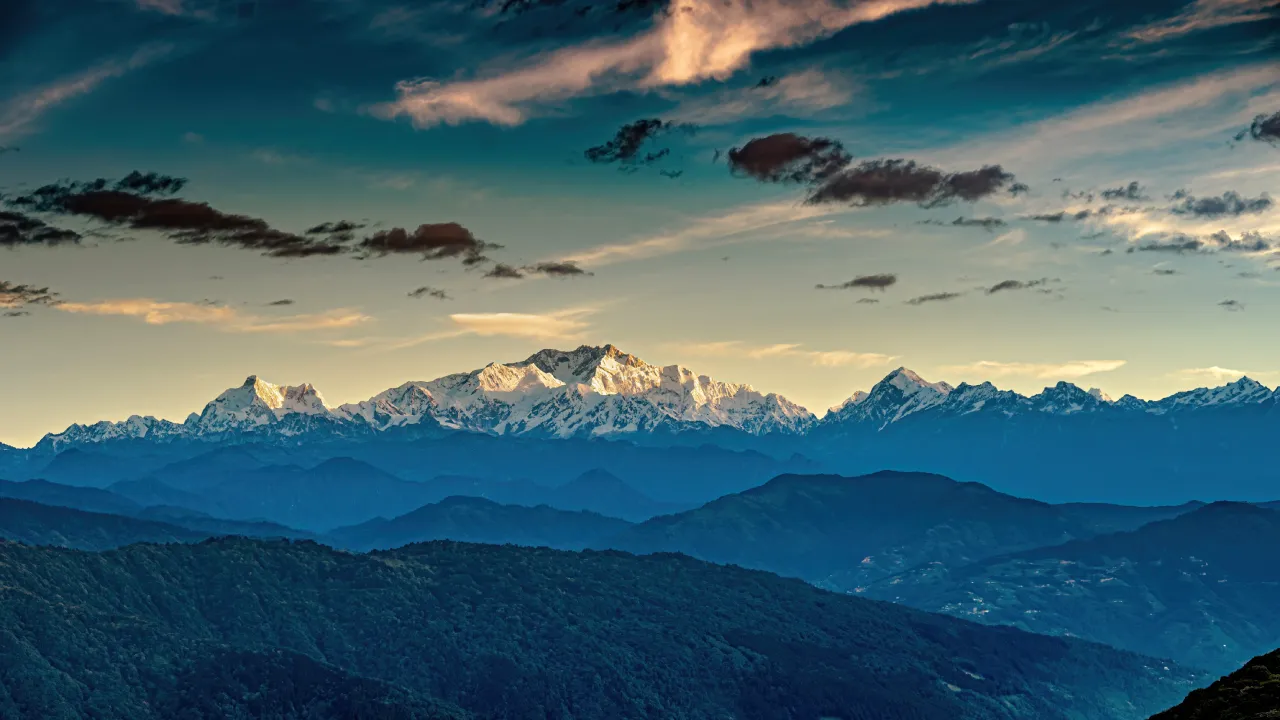
Following the Kanchenjunga South Base Camp route, you will reach Oktang, which is the main viewpoint for the south base camp. Here you will get close shots of the Mount Kanchenjunga as well as the Himalayan peaks and glaciers. This section of the walk provides a rewarding experience after a few days of constant strolling.
Overall, the Kanchenjunga South Base Camp Trek offers a mix of natural scenery, cultural experience, and a quieter trekking environment. It is suitable when trekkers are ready to have more primitive facilities and more days walking and seek a more genuine Himalayan experience.
Outline Itinerary of Kanchenjunga South Base Camp Trek
Day 01: Arrival at Tribhuvan International Airport - Kathmandu
Day 02: Fly from Kathmandu to Taplejung/Suketar (2300 m) via Biratnagar
Day 03: Trek from Suketar to Kunjari (1928 m)
Day 04: Trek Kunjari to Mamangkhe (1785m)
Day 05: Trek from Mamangkhe to Yamphudin (2080 m)
Day 06: Trek from Yamphudin to Omje Khola (2460 m)
Day 07: Trek from Omje Khola to Tortong (2890m)
Day 08: Trek, Tortong to Tserma (3870 m)
Day 09: Trek from Tserma to Ramche (4580m)
Day 10: Hike from Ramche to Oktang Viewpoint / Kanchenjunga South Base Camp (4730 m)
Day 11: Rest and acclimatization day at Ramche after the south base camp hike
Day 12: Trek from Ramche to Tortong (2890 m.)
Day 13: Trek from Tortong to Omje Khola (2460 meters)
Day 14: Trek from Omje Khola to Yamphudin (2080m)
Day 15: Trek from Yamphudin to Mamangkhe (1785 m)
Day 16: Trek from Mamangkhe to Keswa (2120m)
Day 17: Trek from Keswa to Suketar (2300m)
Day 18: Fly from Suketar to 2nd Biratnagar to Kathmandu
Day 19: Departure from Kathmandu
Our guests sharing their experiences (Photo/Video Gallery)


Detail itinerary of Kanchenjunga South Base Camp Trek
01
Day 01: Arrival at Tribhuvan International Airport - Kathmandu
Upon your arrival at Tribhuvan International airport at Kathmandu, we will warmly welcome you and transfer you to your hotel. After check-in you will have time to rest and recover from your journey. Later on, we will gather for a brief briefing where we will explain trek plan, permits and other important things.
We will also check your gear and ensure that everything is ready for the coming days. If you feel comfortable we can go for a short walk around the nearby area so that we know the surroundings. This day is mainly for rest, preparation and get ready for trek.

Activity: Airport Pickup, 30 min

Max. Altitude: 1,400m/4,593ft. Kathmandu

Accommodation: Hotel
02
Day 02: Fly from Kathmandu to Taplejung/Suketar (2300 m) via Biratnagar
Today, we will take a scenic flight from Kathmandu to Suketar via Biratnagar. During the flight, we will have views on hills, rivers and scattered settlements. Once we have landed, we will transfer to our lodge and settle in. We will spend some time organizing our trekking gear and making last-minute checks for our trek ahead.
Depending on the time of arrival, we may go on to explore the nearby area and observe local village life. This day assists us in slowly getting used to the surroundings, the altitude and thus start the trek in a comfortable and prepared manner.
Activity: Flight & Trek, 6-7 hours
Max. Altitude: 2,300m/7,546ft. Taplajung/Suketar

Meal: Breakfast, Lunch & Dinner
Accommodation: Teahouse
03
Day 03: Trek from Suketar to Kunjari (1928 m)
We will start our trek from Suketar with a slow descent through farmland and small villages. The trail is easy and we can walk at an easy pace and adapt to the trekking routine. Along the way, we will pass by terraced fields, cross small streams, and see local life in the villages.
The path is well defined and not too demanding and is a good start to the trek. This day helps us to get used to walking for several hours with the help of the enjoyment of the natural surroundings and peaceful environment.
Activity: Trek, 6-7 hours
Max. Altitude: 1,928m/6,325ft. Kunjari
Meal: Breakfast, Lunch & Dinner
Accommodation: Teahouse
04
Day 04: Trek Kunjari to Mamangkhe (1785m)
Today, we will continue trekking on a route consisting of uphill and downhill. The trail winds through forest areas, small settlements and alongside rivers. We will cross suspension bridges and walk through quiet villages where we can see the local daily life.
The path is moderate and we are able to keep up a steady pace without too much trouble. As we progress we will slowly feel more connected to the remote environment. Mamangkhe is a peaceful village, where we will spend an overnight stay and rest after the day’s walk.
Activity: Trek, 6-7 hours
Max. Altitude: 1,920m/6,299ft. Mamangkhe
Meal: Breakfast, Lunch & Dinner
Accommodation: Teahouse
05
Day 05: Trek from Mamangkhe to Yamphudin (2080 m)
We will follow the trail along Kabeli Khola and pass through forested trails and cultivated land. The route involves several ascents and descents, and therefore the day is a little more active than the previous ones. Along the way, we will pass small villages and have opportunities to interact with the local people.
As you get further along the trail the scenery starts to open up. Yamphudin is a bigger settlement and we will stay overnight. This day helps us to increase stamina and gets us ready for higher sections ahead.
Activity: Trek, 5-6 hours
Max. Altitude: 2,080m/6,824ft. Yamphudin
Meal: Breakfast, Lunch & Dinner
Accommodation: Teahouse
06
Day 06: Trek from Yamphudin to Omje Khola (2460 m)
Today, we will leave Yamphudin and take a trail where it is more remote and less populated. The path is a series of ups and downs as we pass through woodlands and along narrow ridges. We will cross minor streams and suspension bridges along the way.
The trail gradually gets quieter and we will not see as many settlements as we did before. This section helps us to go deeper into the Kanchenjunga region adjusting to the changing terrain. Omje Khola is a simple stop where we will spend the night.
Activity: Trek, 6-7 hours
Max. Altitude: 2,460m/8,071ft. Omje Khola
Meal: Breakfast, Lunch & Dinner
Accommodation: Teahouse
07
Day 07: Trek from Omje Khola to Tortong (2890m)
We will continue our trek through dense areas of forest populated with rhododendron and bamboos. The trail slowly goes uphill and gets more picturesque as we increase elevation. We may also be seeing signs of wildlife along the way.
The path consists of a steady climb with some steep sections, but we will keep the pace a comfortable one. As we move up, the environment becomes cooler and more peaceful. Tortong is a small settlement surrounded by forest where we will stay for the night.
Activity: Trek, 5-6 hours
Max. Altitude: 2,890m/9,482ft. Tortong
Meal: Breakfast, Lunch & Dinner
Accommodation: Teahouse
08
Day 08: Trek, Tortong to Tserma (3870 m)
Today, we will begin to gradually move out of the forest and into more open country. The trail goes uphill and has broader views of the surrounding mountains. As we ascend, the vegetation is limited and the landscape is transformed into alpine landscape.
We will walk at a steady pace so as to allow proper acclimatization. Tserma is a high altitude campsite area in which we will camp overnight. This is a very important day as we head towards the base camp region.
Activity: Trek, 5-6 hours
Max. Altitude: 3,870m/12,697ft. Tserma
Meal: Breakfast, Lunch & Dinner
Accommodation: Teahouse
09
Day 09: Trek from Tserma to Ramche (4580m)
We will continue trekking through high alpine terrain with good views of the mountains. The trail is gradual but is at higher altitude so we will walk slowly and steadily. Along the way we will see glacial landscapes and open valleys.
The air gets thinner so we will take regular breaks to adjust properly. Ramche is a high altitude halt point, where we will stay overnight. This day is important in acclimatization before the base camp viewpoint.
Activity: Trek, 5-6 hours
Max. Altitude: 4,580m/15,026ft. Ramche
Meal: Breakfast, Lunch & Dinner
Accommodation: Teahouse
10
Day 10: Hike from Ramche to Oktang Viewpoint / Kanchenjunga South Base Camp (4730 m)
Today is among the great highlights of the trek. We will hike from Ramche to Oktang viewpoint (Kanchenjunga South Base Camp) and return along the same trail. It is a steep ascent on an open alpine trail that is rising with more and more views over the nearby mountains.
With increased elevation the terrain becomes more rugged and glacial and broad valleys. The central position of the south base camp is the Oktang, which has close and clear scenery of the mountain Kanchenjunga and other nearby mountains and glaciers.
We will spend some time here enjoying the views, take pictures and have rest before we begin our descent. After spending enough time at the viewpoint, we will return along the same trail back to Ramche.
Activity: Trek, 6-7 hours
Max. Altitude: 5,400m/17,717ft. Yalung Base Camp
Meal: Breakfast, Lunch & Dinner
Accommodation: Teahouse
11
Day 11: Rest and acclimatization day at Ramche after the south base camp hike
After finishing south base camp hike the day before, we will spend this day at Ramche to rest and give our body proper time to recover. This is an important acclimatizing day once we arrive at higher altitude to enable us to adjust to the altitude and regain our energy before continuing with the trek.
We will do short walks around the surrounding area and have close views of the mountains, and spend some time relaxing in such a peaceful alpine environment. Since we now have already got to the main viewpoint at Oktang, there is no need to rush, and this rest day means that we can better prepare for the descent ahead.
We will also use this time for proper hydration, eating and checking physical condition. Staying an extra night at this altitude helps in reducing fatigue and makes the return journey more comfortable and safe. We will stay overnight at Ramche.
Activity: Trek, 6-7 hours
Max. Altitude: 4,580m/15,026ft. Ramche
Meal: Breakfast, Lunch & Dinner
Accommodation: Teahouse
12
Day 12: Trek from Ramche to Tortong (2890 m.)
Today, we will start our trek down to lower altitude. The trail takes you back through alpine terrain along the same path and gradually comes back into forested areas. As we descend the air gets thicker and it is easier to walk.
We will pass through Tserma and continue down towards Tortong. The path has some steep parts so we will walk very carefully. This day brings a noticeable change in the landscape as we return to more green surroundings. Tortong will be our one night stop.
Activity: Trek, 5-6 hours
Max. Altitude: 2,890m/9,482ft. Tortong
Meal: Breakfast, Lunch & Dinner
Accommodation: Teahouse
13
Day 13: Trek from Tortong to Omje Khola (2460 meters)
We will keep on descending through dense forests with rhododendron and bamboos. The trail is quite a steady downhill with a few short uphill sections. We will cross streams and walk in areas of quiet forests. This portion of the trek is more peaceful and offers the opportunity to enjoy the natural surroundings.
As we lose altitude, breathing is easier and the temperature is warmer. Omje Khola is a simple halt where we will stay for an overnight stay and rest.
Activity: Trek, 6-7 hours
Max. Altitude: 2,460m/8,071ft. Omje Khola
Meal: Breakfast, Lunch & Dinner
Accommodation: Teahouse
14
Day 14: Trek from Omje Khola to Yamphudin (2080m)
Today, we will take the trail back towards Yamphudin. The path consists of both uphill and downhill sections, however it is overall easier in comparison to the ascent. We will pass through trails in forests and cross suspension bridges and walk alongside rivers.
On the way, we may again encounter local people and see village life. The trail seems more familiar as we return on the same path. Yamphudin will be our overnight stop.
Activity: Trek, 4-5 hours
Max. Altitude: 2,080m/6,824ft. Yamphudin
Meal: Breakfast, Lunch & Dinner
Accommodation: Teahouse
15
Day 15: Trek from Yamphudin to Mamangkhe (1785 m)
We will keep descending along Kabeli Khola passing through the cultivated land and forested sections. The trail features a number of gentle rises and falls, and is therefore a moderate walking day.
As we move downwards the landscape becomes greener and more populated. We will go through small settlements and farmland on the way. Mamangkhe is a sleepy village where we will spend the night and recuperate at the end of the day’s walk.
Activity: Trek, 5-6 hours
Max. Altitude: 1,441m/4,728ft. Mamangkhe
Meal: Breakfast, Lunch & Dinner
Accommodation: Teahouse
16
Day 16: Trek from Mamangkhe to Keswa (2120m)
Today, we will continue our trek through a combination of forest trails and small settlements. The route consists of a number of ups and downs, so it is a moderately active day. We will walk through cultivated land and cross small streams and pass through villages where we can observe local life.
As we continue the trail becomes more familiar and easier when compared to the higher sections of the trail. The environment is greener while it is more comfortable in terms of temperature. Keswa is a quiet village where we will spend the night and rest after the day’s walk.
Activity: Trek, 6-7 hours
Max. Altitude: 2,120m/6,955ft. Keswa
Meal: Breakfast, Lunch & Dinner
Accommodation: Teahouse
17
Day 17: Trek from Keswa to Suketar (2300m)
We will continue our trek back towards Suketar following a well-defined trail up through villages and farmland. On the way, the route contains gradual ascents and descents and we can walk at a constant and comfortable pace.
Along the way, we will pass through local settlements and enjoy views of the overlying hills. This is our last day of trekking so we will take time to enjoy the walk and reflect on the journey. After arriving at Suketar we will rest and get ready for return flight.
Activity: Trek, 6-7 hours
Max. Altitude: 2,300m/7,546ft. Suketar
Meal: Breakfast, Lunch & Dinner
Accommodation: Teahouse
18
Day 18: Fly from Suketar to 2nd Biratnagar to Kathmandu
Today, we will take a flight from Suketar to Kathmandu via Biratnagar. After reaching the airport we will get on the connecting flight and head back to Kathmandu. During the flight, we will again have the views of hills and landscapes from above. After your arrival in Kathmandu we will take you to your hotel.
The rest of the day is free to rest, shop or explore the city at your own pace. This day is the last day of trekking of the journey.
Activity: Flight, 45min
Max. Altitude: 1,400m/4,593ft. Kathmandu
Meal: Breakfast & Dinner
Accommodation: Hotel
19
Day 19: Departure from Kathmandu
On your last day, we will transfer you in Tribhuvan international airport for the departure. Depending on the time of your flight you may have some free time in the morning for last minute shopping, or a short walk around the city. We will ensure that we transfer you to the airport in time and help you with departure procedures if required. This marks the end of your Kanchenjunga South Base Camp Trek with us, and we hope you leave with good memories of the journey.
Activity: Airport drop, 30 min
Max. Altitude: 1,400m/4,593ft. Kathmandu Airport
Meal: Breakfast

Note:
If you have your own private group and want to make your trip private, we can run the custom trip all the day as per your requirements and group size.
Includes and Excludes
What are included with package?
- Pick up from Airport and Transfer to the Hotel: Upon arrival in Kathmandu, you’ll be picked up from the airport and transferred to your hotel for check-in.
- Two Night 3-star Hotel in Kathmandu with Breakfast: Enjoy two nights of accommodation in a comfortable 3-star hotel in Kathmandu, including daily breakfast.
- Lunch, Dinner, and Breakfast During Trekking: All meals (lunch, dinner, and breakfast) are provided during the trekking portion of your journey, ensuring you stay fueled for your adventure.
- National Park Permit: The necessary permits for entry into national parks, ensuring you can trek in the protected areas legally, are included in the package.
- Trekkers’ Information Management System (TIMS) Permit: A TIMS permit is included, which is required for all trekkers to ensure your safety and legal access to trekking routes.
- All Necessary Paper Work: The required paperwork and permits for the trek and climbing activities will be managed on your behalf, ensuring all formalities are taken care of.
- Domestic Airport Picks Up and Drops by Private Vehicle: Transport between the domestic airports and hotels or trek starting points will be provided via a private vehicle for convenience and comfort.
- Flight Ticket Kathmandu/Biratnagar/Suketar/Kathmandu/Domestic Airport Tax: Domestic flights from Kathmandu to Biratnagar and Suketar, including the necessary domestic airport taxes, are included in the package.
- All Accommodations in Lodges/Tea Houses During the Treks: During your trek, you’ll stay in locally operated lodges or tea houses, offering a comfortable and authentic experience.
- An Experienced, Helpful, and Friendly Guide, Porter (1 Porter for 2 Clients): A professional guide will lead your trek, providing expert knowledge and support, along with a porter to carry your personal gear (one porter for every two clients).
- Travel and Rescue Arrangements: The package includes provisions for travel and emergency rescue arrangements in case of unforeseen circumstances.
- Medical Supplies (First Aid Kit Available): A first aid kit is included in case of minor injuries, ensuring you have access to basic medical supplies during the trek.
- Last Night’s Farewell Dinner at an Authentic Nepalese Restaurant with a Cultural Performance: To conclude your trip, you’ll enjoy a farewell dinner at a local restaurant, complete with cultural performances, giving you a memorable end to your journey.
What are not included with package?
- Nepal Visa Fee You May Obtain Easily in Kathmandu Airport: You can easily obtain a visa for Nepal upon arrival at Kathmandu Airport. The visa fee is not included in the package and must be paid directly.
- International Airfare to and from Kathmandu: The cost of international flights to and from Kathmandu is not included in the package and should be arranged separately by the traveler.
- Extra Night Hotel Accommodation in Kathmandu Due to Early Arrival, Late Departure, or Early Return from Mountain: If your arrival is early, your departure is delayed, or you return from the mountain ahead of schedule, extra accommodation in Kathmandu will be required at your own expense.
- All Meals in Kathmandu (Including in Case of Early Return from Mountain): Meals in Kathmandu are not included in the package. If you return early from the mountain, any additional meals will be at your own cost.
- All Expenses in the Mountain Beyond the Scheduled Itinerary: Any unexpected expenses incurred while on the trek, such as delays due to bad weather or flight cancellations, will be your responsibility. Additional costs can arise in such cases, like extended stays or alternative arrangements.
- Travel and Rescue Insurance: Travel and rescue insurance is not included in the package. You must arrange for comprehensive travel and emergency evacuation insurance before the trek.
- Personal Expenses (Phone Calls, Laundry, Bar Bills, Battery Recharge, Extra Porters, Bottle or Boiled Water, Hot Shower, Etc.): Any personal expenses such as phone calls, laundry, beverages, battery charging, extra porters, water, and hot showers will be at your own cost during the trip. These are not covered in the package price.
Pick Your Suitable Date
US$ 3500
Book a Private Trip
Private & Group Discount Price
-
1 -
1 person
US$ 4000
-
2 -
2 people
US$ 3500
-
3 -
5 people
US$ 3400
-
6 -
10 people
US$ 3200
-
11 + people
9999
US$ 3000
1 Travelers x US $ 2000
Total Cost:
US$ 4000
Route Map & Altitude Chart
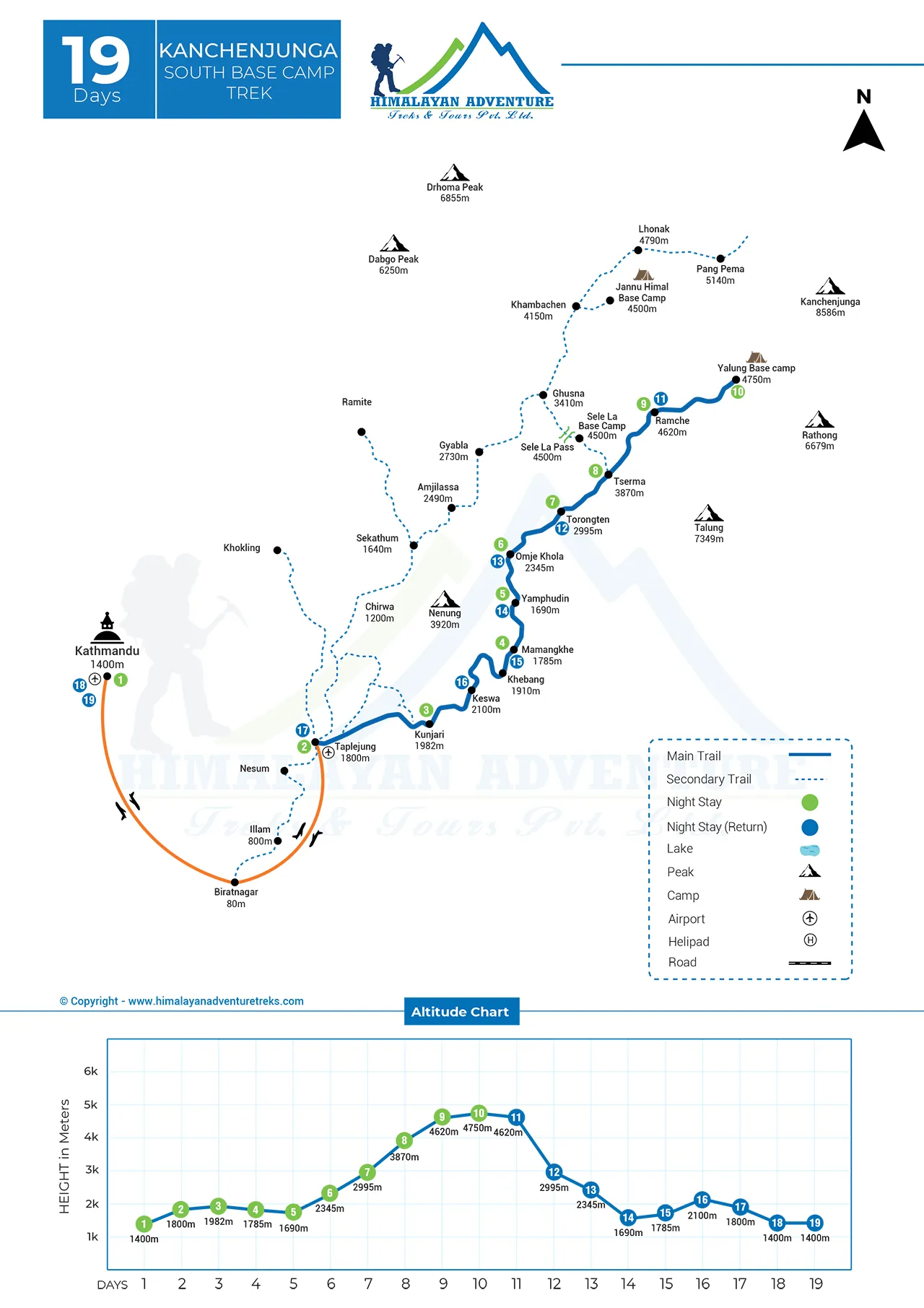
Kathmandu
Start/End point
Kathmandu
Trip Information
How Difficult is Kanchenjunga South Base Camp Trek?
The Kanchenjunga South Base Camp Trek is considered a moderate to challenging trek because of its duration, remote location, and increasing altitude. We will be walking about 5 to 7 hours a day and a few longer days as we make our way closer to higher elevations. The trail is a mixture of easy uphill climbing, steep ascents and uneven walks, especially towards the top of the trail. While the trek is not technically demanding in terms of climbing skills, the constant walking and the height of the trek makes it physically demanding over time.
The Kanchenjunga South Base Camp itinerary is designed with gradual ascent to altitude gain to get proper adaptation to altitude. Previous experience of trekking is helpful but not essential and fit beginners are able to complete the trek with good preparation. We will be walking at a steady pace and taking regular breaks and be hydrated throughout the journey. With proper guidance, pacing and rest, the trek can be successfully and comfortably done.
Weather and Best Time
The Kanchenjunga South Base Camp Trek is best done during spring (March to May) and autumn (September to November). These seasons generally provide stable weather, moderate temperatures and clearer skies. In the spring the lower areas are warmer and the track is through green forests and villages. The weather during the day is good for walking along but evenings get cooler as we climb higher.
The Kanchenjunga South Base Camp route is also very suitable in autumn, when the air is fresh after the monsoon season. Skies are usually clear and offer a better view of the mountains throughout the trek. Days are still pleasant but nights can be cold, especially at the higher altitudes. Monsoon season brings a lot of rain and slippery trails while winter can be very cold with snow in higher regions. For a most comfortable trekking experience, spring and autumn are the best times.
Food and Drink
During the Kanchenjunga South Base Camp Trek, we will have three meals a day at local teahouses along the route. Meals are simple, fresh and prepared as per trekking conditions. The most common meal is dal bhat which consists of rice, lentils, vegetables and pickles. This meal is found throughout and is a good source of constant energy for long walking days.
The Kanchenjunga South Base Camp itinerary includes stops at villages where other food options are also available. These include noodles soup, fried rice, potatoes, eggs and sometimes pasta or dumplings. Vegetarian meals are usual and often recommended in the remote areas. Safe drinking water is important so we will boil water or use purification methods. Tea, coffee and other hot drinks are served in most of the teahouses. Eating regularly and drinking water will help keep your energy up throughout your trek.
Altitude Sickness
The Kanchenjunga South Base Camp route reaches high altitude, so understanding altitude sickness is important. The highest point of the trek is usually reached at Oktang, the main viewpoint for Kanchenjunga South Base Camp, at around 4,730 meters. At this height some trekkers will experience some symptoms such as headache, dizziness, loss of appetite or difficulty sleeping. These are typical manifestations as the body adapts to the reduced oxygen levels.
The Kanchenjunga South Base Camp Trek is planned with gradual ascent to help reduce the risk of altitude sickness. We will walk slowly and take regular breaks and drink enough water on the way. It is important to listen to your body and not hurry. If there are symptoms, then we will rest and not gain any more altitude. In more serious situations, it is safest to descend to a lower altitude. With good care and guidance, most of the people who do the trek don’t have any major problems.
Preparation and Fitness
Good preparation will make your Kanchenjunga South Base Camp Trek more comfortable and enjoyable. This trek takes a lot of steady endurance and not speeds, because we will be walking several hours each day. You do not have to be an athlete, but physical preparation on a regular basis before the trip is highly advised to help build strength and stamina.
The Kanchenjunga South Base Camp itinerary comprises of long walking days, therefore it is useful to train your body beforehand. Activities such as hiking, walking, stair climbing and cycling can help you improve your fitness level. Practicing with a light backpack can also help you to prepare for trekking conditions. Mental preparation is also very important, since the trek is about simple accommodation and remote environment. Breaking in your trekking shoes before the trip can help prevent any discomfort and help you walk more confidently.
Visa and Permits
For the Kanchenjunga South Base Camp Trek, trekkers need specific permits because this route lies in a restricted and protected area. You will require Kanchenjunga Restricted Area Permit, and Kanchenjunga Conservation Area Permit (KCAP). These permits are checked at various checkpoints on the trail so it is important to have them arranged for prior to starting of the trek.
The Kanchenjunga South Base Camp itinerary cannot be done independently, as this is a restricted region. Trekkers have to go through a registered trekking agency and a licensed guide. We will secure all the necessary permits before the trek starts so that you need not worry about the process. You will only need to provide a copy of your passport and passport size photos. Having the proper permits ensures a smooth travel, while also maintaining regulations in the region.
Health and Safety
During the Kanchenjunga South Base Camp Trek, your safety is an important priority throughout the journey. We will have experienced guides with us that are trained in first aid and know the route. They will keep an eye on your condition and help you if you have any health problems. It is important to inform your guide if you feel unwell or have any unusual symptoms during the trek.
The Kanchenjunga South Base Camp route includes uneven trails and remote sections, so walking carefully is important. We will ensure that hygiene is maintained by encouraging regular cleaning of hands and drinking safe water. Meals are freshly made in teahouses and it is suggested to eat right and keep hydrated. By following some basic precautions and advice, however, the trek is safe and easy for most trekkers.
Transportation
Transportation for the Kanchenjunga South Base Camp Trek begins with a flight from Kathmandu to Suketar via Biratnagar. This flight takes you to the eastern region of Nepal where the trekking journey starts. The route offers picturesque views of hills, rivers and rural landscapes in the flight.
The Kanchenjunga South Base Camp itinerary includes trekking by foot between villages as the road access is very limited in this region. At the end of the trek, we will do the return flight back to Kathmandu via the same route. All transportation is arranged ahead of time to make things go smoothly. During the trek, your main luggage will be carried by your porters, and you will carry a small daypack with essential items to make walking a breeze on a daily basis.
Alternative Routes
The Kanchenjunga South Base Camp Trek can be adjusted depending upon your time and interest. Some trekkers prefer to make the journey longer by putting in additional days of rest or exploration along the journey. This can be useful for better acclimatization, and to have more time to enjoy the surroundings.
The Kanchenjunga South Base Camp route can also be combined with the North Base Camp for a longer and more complete experience. In some cases parts of the trek can be reduced if you only have a short amount of time, however this may have an impact on acclimatizing. Any amendments to the itinerary should be planned carefully with your guide. Each variation offers a slightly different experience but the main journey is still focused on the culture, nature and high altitude trekking.
Travel Insurance
Travel insurance is a must for Kanchenjunga South Base Camp Trek due to its remote location and its high altitude. Your insurance policy should cover high altitude trekking, at least 5,500 meters and emergency evacuation by helicopter. This is important since medical facilities are very limited on the route.
The Kanchenjunga South Base Camp itinerary takes place in a remote region where unexpected situations like altitude sickness, injury, or weather delays can occur. Helicopter evacuation in Nepal can be costly, so it is financially safe to have proper insurance. It is also handy if your policy includes trip delays or cancellations. Before you begin the trek you need to share your insurance details with your trek agency for safety purposes.
Language and Communication
During the Kanchenjunga South Base Camp Trek, you will experience a mix of languages and cultures along the route. In the lower regions, they also speak Nepali and as we pass through villages you might hear some local dialects of Rai and Limbu people too. In more remote areas communication may become limited but people are generally friendly and welcoming to the trekkers.
The Kanchenjunga South Base Camp itinerary includes guidance by experienced trekking guides who are able to communicate in basic to good English. This is helpful to make the journey easier, particularly when interacting in the teahouses or settlements. We will assist you with communication where required so that you will be comfortable during the trek. Learning some easy local greetings like “Namaste” can be helpful as well as appreciated by the local people. Even little efforts towards communication can lead to positive interactions and make your trekking experience more meaningful.
Internet and Charging Facilities, Mobile Network
Connectivity during the Kanchenjunga South Base Camp Trek is limited, especially as we move into remote sections of the trail. Mobile networks like Nepal Telecom may work in lower villages but signal gets weaker or unavailable with increasing altitude. In more elevated areas communication is often not stable, and it is best to be prepared for limited connectivity.
The Kanchenjunga South Base Camp route includes teahouses that may offer Wi-Fi services for an additional cost, but the connection is usually slow. Charging facilities are available in most villages, often solar powered or running on small generators, and may have a small charge per device. Carrying a power bank is recommended in order to ensure that your gadgets are charged through the trek. You can also consider notifying your family at an earlier time that there might be periods during the journey when communication will not be possible.
Photography and Drone Rules
The Kanchenjunga South Base Camp Trek offers many opportunities for photography, including mountain views, landscapes, and local village life. When capturing photographs, you should be mindful of local culture and traditions. We will advise you to seek the permission to take pictures of people and of villages and religious places particularly.
The Kanchenjunga South Base Camp itinerary passes through conservation areas where the use of drones is regulated. In most cases, it is not allowed to fly drones without proper permission from authorities. Some monasteries and religious sites may also have rules about photography and flash should not be used for photography during a ceremony. Being able to bring a camera or a smartphone is normally enough to record your adventure without being a bother. It is best to respect the local guidelines to ensure that there is a good relationship with communities along the trail.
Your Extra Expenses
In the Kanchenjunga South Base Camp Trek, a majority of the essential services like accommodation, meals on the trek, permits, guide and transportation are generally part of your package. Some personal costs are necessary though you should plan them in advance. The Kanchenjunga South Base Camp route includes additional costs such as drinks like bottled water, tea, coffee, and snacks along the trail.
In addition, you may have to pay extra for charging devices, for Wi-Fi and for taking a hot shower in some teahouses. Tipping guides and porters is also a common and appreciated custom. It is suggested to carry the necessary amount of Nepali currency before embarking on the trek as ATM facilities are not available in most of the remote areas. These additional expenses will also require you to plan on how to deal with your budget more easily.
Don’ts on This Trip
The Kanchenjunga South Base Camp Trek should be under respectful and responsible conduct during the trek. The local culture and tradition must always be respected. We will encourage you to ask permission to take photos of people or to enter religious sites. When visiting monasteries, shoes should be removed and you should adhere to the local customs. It is also part of local tradition to walk around mani walls and chortens in a clockwise direction.
The Kanchenjunga South Base Camp schedule is remote and delicate, which is why littering should be avoided and instead, a traveler should bring their rubbish along. And you must never disregard any signs of illness, particularly the ones that pertain to elevation and you must report to your guide when you are feeling bad. You should not walk alone in lonely areas and it is safer to remain with the group. Being a good citizen when it comes to trekking, you should also respect the porters and not overload them.
Extension of Kanchenjunga South Base camp Trek
Most of the trekkers decide to go further and explore more of Nepal after they have finished Kanchenjunga South Base Camp Trek. There are several alternatives depending on your time and interest. You may spend some more days in Kathmandu in exploring cultural sites like Bhaktapur and Patan. This will help you find time to rest after walking with the trek as you get to learn more about the history and traditions of the locals.
Other travelling experiences can also be added to Kanchenjunga South Base Camp route. A visit to Pokhara is a popular choice for those who wish to soak in a more relaxed environment with lakeside views. You may also consider adding a short trek in the Annapurna region if you are looking to continue walking. For wildlife, Chitwan National Park is one of the good options. Extending your trip helps you to experience different parts of Nepal apart from trekking area of Nepal.
Tips for First-Time Visitors
If this is your first time doing the Kanchenjunga South Base Camp Trek, a few simple tips can make your journey more comfortable. We will advise the use of walking at a constant speed but not quickly, especially at higher altitudes. Eating regular meals and drinking enough water will help keep up your energy back on the trek. Taking proper rest is also important to recovery.
The Kanchenjunga South Base Camp itinerary includes remote areas where facilities are basic, so it is important to be prepared. Carry small denominations of money, in case the change is not always available in villages. Accommodation is easy so it’s best to keep expectations realistic so that you will enjoy your experience more. Learning a few basic greetings, such as “Namaste” can make it more friendly to interact with local people. Staying flexible with travel plans is also helpful, as the weather and conditions may change.
Essential Packing Gear List for Kanchenjunga South Base Camp Trek
If you have decided to go on the world’s third-highest base camp trek, Kanchenjunga South Base Camp Trek in Nepal, we assure you that you will have a fantastic time ahead. But what should you pack for your Adventure? What will be the right gear to make your trip more fabulous? To help you with this, we have compiled a packing list of essential items that you mustn’t forget to bring along.
- Passport ( min 6 months valid)
- Cash, credit card
- List of important addresses and contact details
- 2-3 passport photos (optional)
- Copies of all important travel documents (passport, visa, airline ticket, insurance policy, etc.)
- A sturdy 70 L trekking backpack which will be carried by your porter (please note that our assigned 1 porter will carry 2 clients’ luggage up to 20-25 kg.
Note: We will provide each participant with a spacious 70 to 75 L Company logo duffle bag to conveniently carry your trekking gear, which you have to return once the trek is complete. - A 30 L Daypack that has room for your essentials such as camera, mobile, Passport, important documents, water bottle, day-useable medicine, chocolate bars, raincoat, etc., which will be carried by you.
- Protective cover for a backpack or travel bag.
- Hiking Boots: Preferably ankle-high boots to prevent ankle sprain
- Regular Shoes: For small strolls and exploration around the city
- Crampons: During the winter, December- March
- Second, a light pair of shoes and possibly sandals
- Micro Spikes or Ice Cleats for the winter trekking over snow and ice
- Gaiter for added protection in snow
- A rain and wind-resistant, lightweight down jacket for warmth, with a good helmet hood
- Summer-light, as well as winter warm clothing
- Quick-drying shirts made of synthetic fabrics
- Warm and cool vests or T-shirts
- Functional synthetic underwear
- Sports Bra for Female Trekker
- A waterproof pair of trousers
- Regular trousers of quick-drying fabric
- Hiking shorts
- Cargo Pants with multiple pockets to hold your small items, such as knives or chocolates
- Woolen or fleece pants
- Trekking socks, both thick and woolen fabric, and lighter wool socks
- Wool hat, gloves, and scarf
- A light cotton scarf or a bandanna for protection of your head, neck, ears, and mouth
- Sun hat, and sunglasses with 100% UV protection (for trekking trips, even with stray light and nose protection)
- Sunscreen cream or lotion with a high sun protection factor (at least 15, for trekking trip,s even at least 30)
- Sunscreen lipstick with a high SPF (at least 20, for trekking trips, even at least 30 or sunblock)
- Mosquito repellent (Optional)
- Comfortable light night clothes and shoes
- A drinking bottle that can be used as a hot water bottle on frosty nights
- Flip-flops or bathing shoes for using the showers
- Water purifiers: if you need to refill water from the tap or stream en route
- Headlamp: for a midnight or pre-dawn trip towards the viewpoint
- Quick-drying towel and sample-size toiletries for washing your feet and face
- Your Personal first-aid kit: with basic medical supplies such as bandages for sprains, antidiarrheal and antibiotics, iodine wipes for scrapes and cuts, plasters, aspirin, or ibuprofen, moleskine for preventing blisters, Diamox (acclimatizing medicine), and your Personal medication
- Sleeping bag appropriate for all-season treks (we can hire in Kathmandu)
- Waterproof money belt, chest bag, leg bag, or belt bag for storing important travel documents or valuables
- Toothpaste, Toothbrush, and soap
- Deodorants
- Moisturizer
- Nail clippers
- Feminine hygiene products (Sanitary Pads)
- Small mirror
- Wet wipes
- Hand sanitizer
- Comb
- Camera with sufficient memory cards and spare batteries or battery charger
- Small padlock for your travel bag
- Crampons ( during winter, Dec- Feb)
- Thermos flask
- Water bag
- Toilet paper (2-3 rolls without)
- Ear Plugs
- Matchbox, or lighter
- Compass or GPS
- Map
- Alarm clock
- Multi-tool kit
- Binoculars
- Books
- Whistle
Equipment Note:
- Please note that there is no need for you to bring all these heavy items, such as a Sleeping bag, a down Jacket, Trekking Poles, and items from your home. You can easily rent or purchase high-quality to standard-quality items in Kathmandu.
- Items are available from international brands such as The North Face, Sherpa Adventure, Marmot, Mountain Hardware, Black Yak, Karma Gear, and local brands like Goldstar and locally made products etc.
- Plus, we will also gift you a company logo T-shirt as a token of your experience in Nepal with us.
Renting Cost:
- Sleeping Bag & Down Jacket (-10-20 degree Celsius), Per Piece per day US$ 1.5
Frequently Asked Questions
Do I need a guide for the Kanchenjunga South Base Camp Trek?
Yes, it is a must to have a guide as this trek is restricted area. We will make the arrangements with a licensed guide to ensure we are safe, navigating, and not breaking the local rules.
Is this trek suitable for solo travellers?
Solo travellers can do this trek, but it must be arranged through a registered trekking agency and you must travel with a licensed guide.
How remote is the Kanchenjunga South Base Camp Trek?
This trek is one of the wilder routes in Nepal with less infrastructure. Villages are small and basic and services not as developed as in the more popular trekking regions.
What sort of accommodation should I expect?
Accommodation is largely in fairly basic teahouse rooms with communal facilities. Rooms usually feature twin beds and facilities become less basic the higher you go.
Are there any hot showers available during the trek?
Hot showers are available in some of the lower villages at an extra cost. In the higher areas, facilities are limited, and hot water may not be available all of the time.
Can I charge my electronic devices on the trek?
Yes charging is available in most villages but it may cost extra. It is advice to carry a power bank as charging is not always reliable.
Which kind of bag is appropriate on trek?
A small daypack with your daily necessities like water, snacks, and personal stuff should be present. Porters will transport your main luggage on the trek.
Is it normal to tip in the trek?
Yes, it is a usual habit to tip guides and porters in Nepal. This is not a requirement, but it will be valued because of their contribution and effort in the trek.
Are there ATM on the trekking?
No, there are none on the trek path. Before starting the trek it is essential to carry enough cash back in Kathmandu.
What sorts of clothes should I pack for this trek?
You should pack layered clothing that could be worn in both warm and cold weather. This includes trekking clothes, warm jacket, gloves and proper foot wear for varying weather.
When should I make a reservation of the Kanchenjunga South Base Camp Trek?
It is also advisable that you make reservations at least a few weeks beforehand, especially during the high seasons. This assists in securing permit arrangements, direction to availability and adequate planning.
Is it possible to rent trekking gears in Kathmandu?
Yes, trekking equipment (jackets, sleeping bags and poles) may be rented out in Kathmandu. It is an excellent alternative when you wish not to bring with you a lot of homely equipment.
Which type of shoes do you wear to this trek?
On this trek, good quality trekking boots with ankle support are advised. Make sure they are well broken in before the trip so that they won’t be uncomfortable.
Are sleeping bags needed for the trek?
Yes, it is recommended to carry a sleeping bag, particularly in higher altitudes. Teahouse blankets might not be sufficient to keep you warm in the colder areas.
Is it possible to do laundry on the trek?
Laundry facilities are quite rare on the way. It is better to carry sufficient amount of clothing or quick dry ones for the entire trek.
What are the toilets like in the trek?
Toilet facilities are simple and shared mostly in most teahouses. In remote locations, the squat style of toilets is widely used.
Can the itinerary be personalized?
Yes, the itinerary can be changed according to your time and various desires. We may include some rest days or we can vary the pace where it is necessary.
What is the maximum weight that a porter can carry?
A porter will carry about 20-25kg that will be shared between two trekkers. We recommend keeping your personal load for comfort down.
Are there medical facilities along the way?
Medical facilities are extremely scarce in this region. It is important to carry a personal first aid kit and basic medicines.
What in case of delays in flight to Suketar?
Flights to Suketar sometimes are delayed because of weather conditions. In such cases, we will modify the plan and help make other arrangements if necessary.
Related Blogs & Articles

Reviews on Kanchenjunga South Base Camp Trek

Related trips