



Nestled in the heart of the Himalayas, the enchanting kingdom of Bhutan remains one of the world’s most fascinating travel destinations. Known as the “Land of the Thunder Dragon,” Bhutan is famous for its pristine environment, vibrant Buddhist traditions, ancient monasteries, colorful festivals, and breathtaking mountain landscapes. Among all destinations in Bhutan, the valleys of Paro and Thimphu are the most visited places, offering travelers a perfect introduction to Bhutanese culture, heritage, spirituality, and natural beauty.
For travelers planning a Paro and Thimphu Sightseeing 2026-2027, exploring Paro and Thimphu is an unforgettable experience. These two valleys showcase the country’s living traditions, sacred monasteries, magnificent fortresses, vibrant festivals, and warm hospitality. Whether you are interested in a Bhutan cultural tour, Bhutan monastery tour, Bhutan festival tour, or simply wish to discover authentic Himalayan traditions, Paro and Thimphu provide endless opportunities for exploration.
Introduction to Paro Valley
Paro is one of the most beautiful valleys in Bhutan and serves as the primary gateway for international travelers. Home to Bhutan’s only international airport, Paro welcomes visitors with stunning views of snow-capped Himalayan peaks, lush green valleys, and traditional Bhutanese architecture.
The picturesque Paro Valley lies at an altitude of approximately 2,280 meters above sea level. Surrounded by pine forests, terraced farmlands, and towering mountains, Paro offers visitors an exceptional blend of natural beauty and cultural heritage. A Paro sightseeing tour introduces travelers to ancient monasteries, sacred temples, traditional farmhouses, and vibrant local markets.
Paro is often considered the spiritual heart of Bhutan because it houses some of the country’s oldest and most sacred Buddhist monasteries. The valley played a significant role in the spread of Buddhism throughout Bhutan and continues to preserve centuries-old religious traditions.
Introduction to Thimphu – The Capital City of Bhutan
Located about 55 kilometers from Paro, Thimphu is the modern capital and largest city of Bhutan. Despite being the political and economic center of the country, Thimphu remarkably retains its traditional character and cultural identity.
Unlike many Asian capitals, Thimphu does not have traffic lights. Traditional Bhutanese architecture dominates the city’s skyline, and local people continue to wear national dress known as Gho and Kira in daily life.
A Thimphu sightseeing tour offers visitors a fascinating mix of ancient traditions and modern development. The city is home to impressive monasteries, museums, handicraft centers, memorial chortens, monasteries, monasteries, and government institutions that preserve Bhutan’s unique heritage.
For those searching for the best places to visit in Bhutan, Thimphu stands out as a cultural treasure where visitors can witness traditional arts, religious ceremonies, and Bhutanese lifestyles.
Bhutanese Culture: A Living Heritage
One of the main reasons travelers choose a Bhutan cultural tour is to experience the country’s well-preserved traditions. Bhutan’s culture is deeply rooted in Mahayana Buddhism, which influences every aspect of daily life.
Religion plays a central role in Bhutanese society. Prayer flags flutter from mountain passes, prayer wheels spin continuously in monasteries, and monks perform daily rituals in temples throughout the country.
Traditional Bhutanese architecture is another remarkable aspect of Bhutanese culture. Houses, monasteries, dzongs, and government buildings feature intricate wood carvings, colorful paintings, and distinctive designs that reflect centuries-old artistic traditions.
Bhutanese people are known for their hospitality and strong sense of community. Festivals, religious gatherings, and social events bring families and villages together throughout the year.
Visitors participating in a Bhutan cultural experience often enjoy:
- Traditional Bhutanese cuisine.
- Folk dances and music performances.
- Visits to local farmhouses.
- Archery demonstrations.
- Traditional hot stone baths.
- Handicraft workshops.
- Buddhist rituals and blessings.
Sacred Monasteries in Paro
1. Tiger’s Nest Monastery
No Bhutan tour package is complete without visiting Tiger’s Nest Monastery, officially known as Taktsang Monastery. Perched dramatically on a cliff approximately 900 meters above Paro Valley, this sacred monastery is Bhutan’s most iconic landmark.
According to legend, Guru Rinpoche flew to this cliff on the back of a tigress and meditated here during the 8th century.
The hike to Tiger’s Nest Monastery is one of the highlights of every Bhutan trekking tour. The journey typically takes four to six hours round trip and rewards visitors with spectacular views and spiritual inspiration.
The monastery consists of several temples, meditation caves, and sacred shrines interconnected by stairways carved into the mountainside.
2. Kyichu Lhakhang
Kyichu Lhakhang is among Bhutan’s oldest temples, dating back to the 7th century. It was built by Tibetan King Songtsen Gampo to subdue a giant demoness believed to obstruct the spread of Buddhism.
Today, Kyichu Lhakhang remains an active place of worship and pilgrimage. Visitors can admire ancient murals, sacred statues, and serene gardens surrounding the temple.
3. Drukgyel Dzong
Drukgyel Dzong was constructed in 1649 to commemorate Bhutan’s victory over Tibetan invasions. The fortress once protected the valley from northern threats.
Recently restored, Drukgyel Dzong offers panoramic views of the majestic Himalayan peak Jomolhari.
Important Monasteries and Temples in Thimphu
1. Tashichho Dzong
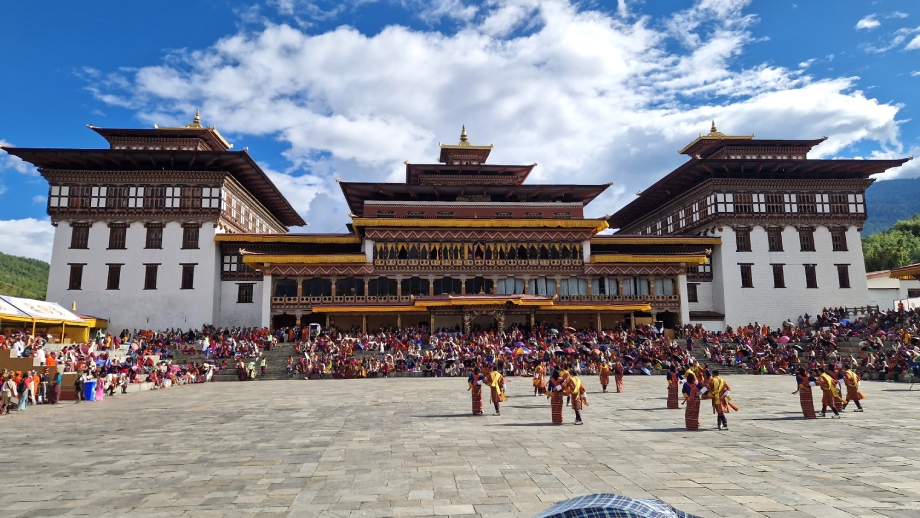
Tashichho Dzong is one of Bhutan’s most important religious and administrative centers. The fortress houses government offices, the throne room of the King, and the summer residence of the Chief Abbot.
This magnificent structure exemplifies traditional Bhutanese architecture and serves as the venue for the famous Thimphu Tsechu festival.
2. Memorial Chorten
Built in memory of the Third King of Bhutan, Memorial Chorten is one of the most visited religious sites in the capital.
Every day, local residents gather here to circumambulate the stupa, spin prayer wheels, and offer prayers. Visitors gain valuable insight into daily spiritual practices during their Bhutan monastery tour.
3. Changangkha Lhakhang
Situated on a hilltop overlooking Thimphu Valley, Changangkha Lhakhang dates back to the 12th century. Families frequently visit this temple to seek blessings for newborn children.
4. Buddha Dordenma
Towering above Thimphu Valley, Buddha Dordenma is among the largest Buddha statues in the world. Standing at 51.5 meters, this colossal bronze statue contains thousands of smaller Buddha images inside.
The site offers panoramic views of the valley and has become one of the most photographed attractions during a Bhutan sightseeing tour.
Bhutan Festivals: The Soul of Bhutanese Culture
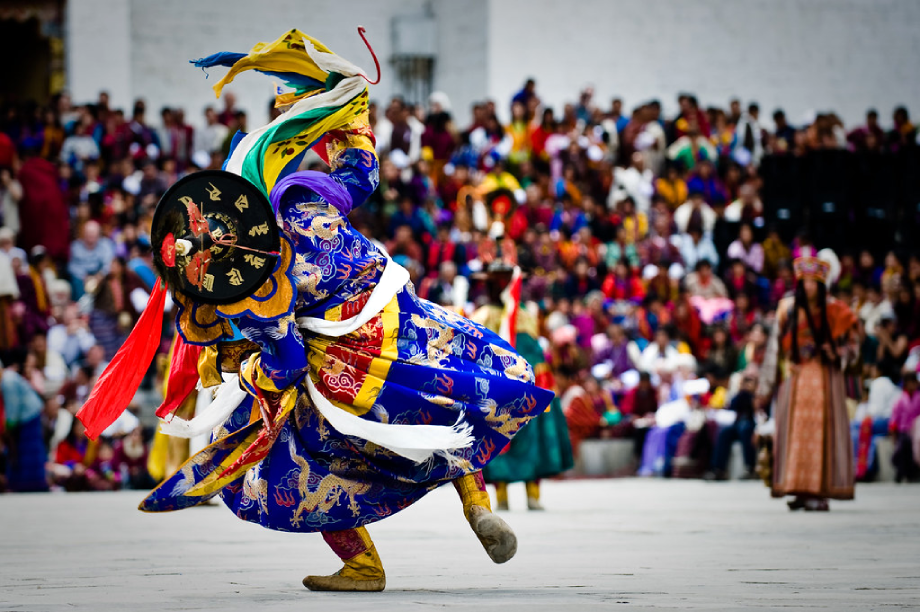
Festivals, locally known as Tsechus, represent the most vibrant expression of Bhutanese culture.
A Bhutan festival tour allows visitors to witness sacred mask dances, religious ceremonies, colorful costumes, and community celebrations.
Paro Tsechu
Paro Tsechu is among Bhutan’s largest and most famous festivals. Held every spring, the festival attracts thousands of pilgrims and international visitors.
Monks and lay performers present sacred Cham dances wearing elaborate masks representing deities, animals, and spiritual beings.
The unveiling of the giant religious scroll known as Thongdrel is considered especially auspicious.
Thimphu Tsechu
Thimphu Tsechu takes place annually within Tashichho Dzong. Thimphu Tsechu festival is scheduled to be held in 2026 from 21st to 23rd September. The festival celebrates the teachings of Guru Rinpoche and showcases traditional dances performed by monks and local communities.
Attending Thimphu Tsechu provides a unique opportunity to experience authentic Bhutanese traditions firsthand.
Other Important Festivals
- Punakha Drubchen
- Jambay Lhakhang Drup
- Black-Necked Crane Festival
Other Attractions in Paro
National Museum of Bhutan
National Museum of Bhutan houses extensive collections of religious artifacts, traditional costumes, weapons, paintings, and historical treasures.
The museum provides excellent insight into Bhutan’s history and cultural evolution.
Rinpung Dzong
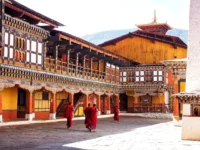
Rinpung Dzong is one of Bhutan’s finest examples of fortress architecture. The dzong serves both administrative and religious functions.
Intricate woodwork, beautiful courtyards, and sacred temples make this fortress a must-visit destination.
Chele La Pass
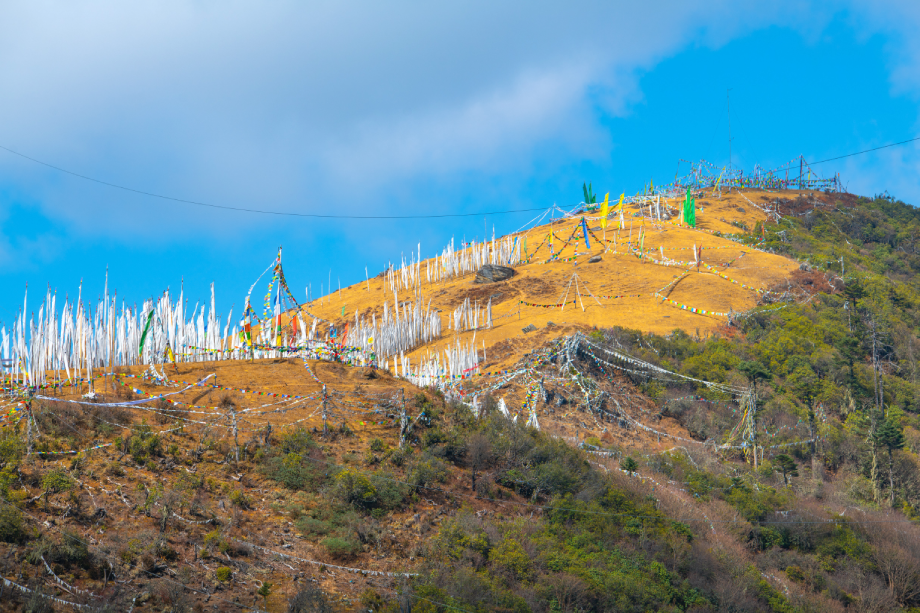
Chele La Pass is Bhutan’s highest motorable pass at approximately 3,988 meters.
Travelers enjoy spectacular Himalayan panoramas, colorful prayer flags, and excellent photography opportunities.
Other Attractions in Thimphu
Motithang Takin Preserve
Motithang Takin Preserve protects Bhutan’s national animal, the Takin.
Visitors can observe these rare animals while learning about Bhutanese wildlife conservation efforts.
Folk Heritage Museum
Folk Heritage Museum showcases traditional rural lifestyles, farming tools, household items, and Bhutanese customs.
National Institute for Zorig Chusum
National Institute for Zorig Chusum preserves Bhutan’s thirteen traditional arts and crafts.
Visitors can observe students practicing painting, sculpture, embroidery, and wood carving.
Weekend Market
Thimphu’s bustling weekend market offers fresh produce, handicrafts, spices, textiles, and local delicacies. It is an excellent place to interact with local residents and experience everyday Bhutanese life.
Traditional Bhutanese Cuisine
Food forms an integral part of every Bhutan travel experience.
Popular dishes include:
- Ema Datshi.
- Phaksha Paa.
- Momos.
- Red rice.
- Suja (butter tea).
Bhutanese cuisine is characterized by generous use of chilies, cheese, and locally grown ingredients.
Best Time for Paro and Thimphu Sightseeing 2026-2027
The best seasons for a Bhutan holiday package are spring (March to May) and autumn (September to November).
Spring offers blooming rhododendrons, pleasant weather, and major festivals such as Paro Tsechu.
Autumn provides crystal-clear mountain views, comfortable temperatures, and vibrant cultural celebrations including Thimphu Tsechu.
Winter is ideal for fewer crowds and cultural exploration, while summer offers lush landscapes despite occasional rainfall.
Why Visit Paro and Thimphu 2026-2027?
A journey through Paro and Thimphu offers far more than ordinary sightseeing. Travelers encounter living Buddhist traditions, ancient monasteries, spectacular Himalayan scenery, and authentic cultural experiences rarely found elsewhere in the modern world.
Whether you choose a Bhutan luxury tour, Bhutan cultural tour, Bhutan monastery tour, or Bhutan festival tour, the experiences found in Paro and Thimphu will leave lasting memories. From the iconic Tiger’s Nest Monastery to vibrant Tsechu festivals, these destinations perfectly capture the essence of Bhutan’s timeless charm and spiritual heritage.
For anyone seeking meaningful travel experiences in 2026, Paro and Thimphu remain among the most rewarding and inspiring destinations in the Himalayas.
In conclusion, a Bhutan tour to Paro and Thimphu Sightseeing 2026-2027 offers an extraordinary opportunity to experience the country’s unique blend of spirituality, culture, and natural beauty. From the iconic Tiger’s Nest Monastery in Paro to the majestic Buddha Dordenma in Thimphu, every destination reveals the rich heritage of the Kingdom of Bhutan.
Travelers seeking a memorable Bhutan cultural tour will be fascinated by ancient monasteries, traditional villages, and authentic Bhutanese lifestyles. Attending colorful festivals such as Paro Tsechu and Thimphu Tsechu provides a deeper understanding of Bhutanese Buddhism and local traditions. A well-planned Bhutan sightseeing tour allows visitors to explore historic dzongs, sacred temples, and breathtaking Himalayan landscapes.
Whether you choose a Bhutan luxury tour, Bhutan family holiday, or Bhutan honeymoon package, Paro and Thimphu promise unforgettable experiences for every traveler. The country’s pristine environment and commitment to sustainable tourism make it one of the best destinations for an authentic Himalayan adventure. With stunning mountain views, warm hospitality, and vibrant traditions, Bhutan continues to rank among the world’s top travel destinations in Asia.
For those searching for the best places to visit in Bhutan, Paro and Thimphu should undoubtedly be at the top of the list. A journey through these remarkable valleys will leave travelers with lifelong memories and a profound appreciation for Bhutan’s timeless charm.


