



The Manaslu Circuit Trek 2027 is an outstanding Himalayan adventure for trekkers who want to explore the remote mountain landscapes of Nepal, traditional villages, Buddhist monasteries, glacial valleys and spectacular views of Mount Manaslu. Located in the Gorkha district of Nepal, the Manaslu trekking route circles Mount Manaslu, the world’s eighth-highest mountain at 8,163 metres, and crosses the challenging Larkya La Pass at approximately 5,106 metres.
For travellers searching for the Manaslu Circuit Trek in Nepal, this journey offers an opportunity to experience Himalayan culture, natural beauty and less-commercialised mountain settlements. The route follows the Budhi Gandaki River through forests, deep gorges and traditional villages before climbing into the high-altitude landscapes around Samagaun, Samdo and Dharamsala.
However, travellers planning the Manaslu Circuit Trek in 2027 should pay particular attention to the recent flood damage reported in northern Gorkha. A flash flood in October 2026 affected parts of the Budhi Gandaki corridor, with reports of damage to bridges, trekking trails, homes and other infrastructure. These developments make the latest Manaslu flood update an important consideration for anyone planning a future trekking holiday.
The actual condition of the trekking route can change as authorities assess the damage and repair affected infrastructure. Therefore, trekkers should confirm the latest trail conditions, road accessibility and official travel advisories before departure.
Himalayan Adventure Treks recommends planning your Manaslu Circuit Trek 2027 with a flexible itinerary, appropriate travel insurance and a trekking company that prioritises safety. The following guide explains the flood situation, trekking seasons, permits, estimated expenses, safety precautions and a detailed 14-day Manaslu Circuit Trek itinerary.
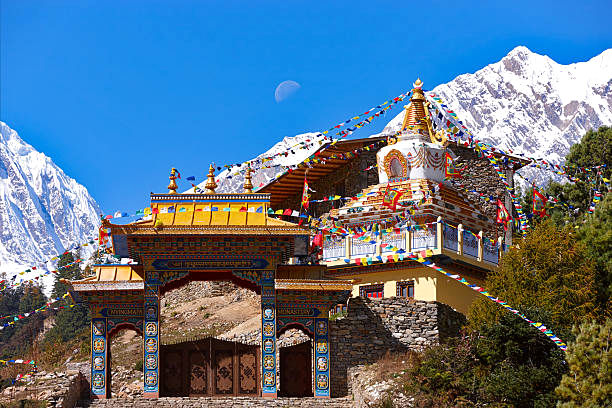
1. Latest Manaslu Circuit Trek Flood Update: October 2026
The recent Manaslu Circuit Trek flood update is particularly important for travellers preparing for the 2027 trekking season. Reports published in October 2026 described a destructive flash flood affecting communities along the Budhi Gandaki River in northern Gorkha.
Initial reports indicated that a landslide obstructed a watercourse before a sudden release of water and debris caused damage downstream. Bridges, homes and sections of trekking infrastructure were reported affected, disrupting access in parts of the Manaslu region.
The Nepal Tourism Board also issued safety guidance advising trekkers to avoid unsafe river crossings and follow instructions from local authorities. Travellers should consult the latest official notices because the extent of damage and reopening arrangements may change.
Which Areas of the Manaslu Trekking Route May Be Affected?
The Budhi Gandaki Valley forms a major section of the Manaslu Circuit Trek. The traditional route passes through several settlements and river crossings before ascending towards the higher Himalayan villages.
Travellers should verify the condition of the following areas before starting their trek:
- Soti Khola and Machha Khola: Check road accessibility, trail conditions and river crossings near the lower trekking approach.
- Jagat and Philim: Confirm the safety of bridges and connecting trekking trails.
- Lokpa and surrounding junctions: Check access restrictions and route conditions.
- Deng and Namrung: Confirm the status of connecting trails and available accommodation.
- Samagaun and Samdo: Verify access to the upper valley and any local restrictions.
- Dharamsala and Larkya La Pass: Check weather, snow conditions and the availability of safe overnight accommodation.
These locations are checkpoints for route verification, not a claim that every village sustained direct flood damage. Each section must be assessed using reliable, current information.
Is the Manaslu Circuit Trek Open for 2027?
The Manaslu Circuit Trek may be possible during the 2027 spring and autumn seasons, but future access cannot be guaranteed while flood recovery and infrastructure assessments are ongoing.
The reopening of one bridge or trail section does not necessarily mean that the entire Manaslu Circuit trekking route is safe. Travellers must confirm the approach road, connecting trails, accommodation stops, high-altitude sections and exit route.
For anyone searching online for “Is Manaslu Circuit Trek open?” or “Manaslu trekking route latest update,” the most responsible answer is to check current official information rather than rely on older travel blogs.
Before confirming a departure, contact your trekking agency and review the latest information from the Nepal Tourism Board and relevant local authorities.
Will the October 2026 Flood Affect Manaslu Circuit Trek 2027?
The October 2026 flood may influence trekking arrangements during the 2027 season, particularly if bridges, roads and trails require extensive repairs. However, it would be premature to assume that the entire Manaslu Circuit Trek will remain closed throughout 2027.
The actual impact will depend on reconstruction work, weather conditions, local access and official safety assessments.
Trekkers should allow additional time for possible transport delays, changes to the itinerary and unexpected overnight stays. A flexible Manaslu Circuit Trek package is especially valuable when planning travel through a remote mountain region affected by natural disasters.
For the latest information, visit the Nepal Tourism Board and check for official Manaslu trekking route advisories before travelling.
2. Manaslu Circuit Trek 2027 at a Glance
The Manaslu Circuit Trek is a challenging Himalayan trekking adventure that combines natural beauty, cultural experiences and high-altitude walking.
- Destination: Manaslu Conservation Area, Gorkha, Nepal.
- Duration: 14 days, including arrival and departure in Kathmandu.
- Highest point: Larkya La Pass, approximately 5,106 metres.
- Mountain highlight: Mount Manaslu, 8,163 metres.
- Trek difficulty: Challenging.
- Best trekking seasons: Spring and autumn, subject to current conditions.
- Accommodation: Hotels in Kathmandu and teahouses or lodges along the trekking route.
- Main attractions: Budhi Gandaki Valley, traditional mountain villages, monasteries, Mount Manaslu views and Larkya La Pass.
- Main safety consideration for 2027: Verification of flood-affected roads, trails and bridges before departure.
If you are researching the Manaslu Circuit Trek itinerary, these details provide a useful starting point for planning your journey.
3. Why Choose the Manaslu Circuit Trek in Nepal?
Spectacular Mount Manaslu Mountain Views
One of the main reasons travellers choose the Manaslu Circuit Trek is the opportunity to enjoy spectacular views of Mount Manaslu and its surrounding Himalayan peaks. At 8,163 metres, Mount Manaslu dominates the landscape and provides a dramatic backdrop throughout much of the upper trekking route.
The scenery changes as you ascend from green river valleys to alpine terrain, glacial landscapes and snow-covered mountain viewpoints. For travellers searching for the best Himalayan trekking experience in Nepal, the Manaslu region offers a memorable combination of scenery and adventure.
Traditional Villages and Tibetan Buddhist Culture
The Manaslu Circuit Trek passes through traditional villages such as Lho, Samagaun and Samdo. These settlements reflect Tibetan Buddhist cultural influences through their monasteries, prayer flags, mani walls, chortens and traditional architecture.
Walking through these villages allows trekkers to learn about mountain life, local customs and the cultural heritage of the Himalayan region.
Responsible travellers should respect religious traditions, ask permission before photographing residents and follow local guidance when visiting monasteries.
A Remote Himalayan Trekking Experience
Compared with some of Nepal’s busier trekking routes, the Manaslu Circuit is often selected by travellers looking for a more remote mountain adventure. Restricted-area regulations and the region’s geography help preserve its distinctive character.
The Manaslu Circuit Trek is suitable for travellers who appreciate natural scenery, cultural encounters and the challenge of walking through isolated Himalayan landscapes.
Crossing Larkya La Pass
Larkya La Pass is one of the main highlights of the Manaslu Circuit Trek. At approximately 5,106 metres, the pass offers panoramic views of surrounding mountains and glaciers when the weather is favourable.
Crossing the pass requires physical preparation, appropriate clothing, acclimatisation and careful attention to weather conditions. Snow, strong winds and low visibility can make the crossing difficult.
If the pass is unsafe, trekkers should follow their guide’s advice and official restrictions rather than attempt to complete the itinerary at any cost.
4. Manaslu Circuit Trek 14-Day Itinerary for 2027
The following Manaslu Circuit Trek 14-day itinerary is a planning outline for travellers who want to experience the classic route. Walking times, road transfers and overnight locations may change depending on trail conditions, flood recovery, weather and transport availability.
Important: This is not confirmation that every section of the route is currently passable. The final itinerary should be confirmed before departure.
Day 1: Arrival in Kathmandu (1,400 m)
Arrive at Tribhuvan International Airport in Kathmandu, where a representative from Himalayan Adventure Treks & Tours can welcome you and transfer you to your hotel. After checking in, take time to rest and recover from your international journey. Depending on your arrival time, you can explore the nearby streets or prepare for your upcoming Himalayan trekking adventure. Your trekking team can review your equipment, travel documents, permits and Manaslu Circuit Trek itinerary.
Day 2: Drive from Kathmandu to Machha Khola (approximately 870 m)
Travel from Kathmandu towards the Gorkha region through Nepal’s scenic hills, riverside settlements and rural landscapes. The journey to Machha Khola generally takes a full day, depending on traffic, road conditions and the selected transport route. Machha Khola is a traditional starting point for the Manaslu Circuit Trek, although the starting location may change if flood damage or road restrictions affect access. Before leaving Kathmandu, confirm the current road situation with your trekking agency.
Day 3: Trek from Machha Khola to Jagat (approximately 1,340 m)
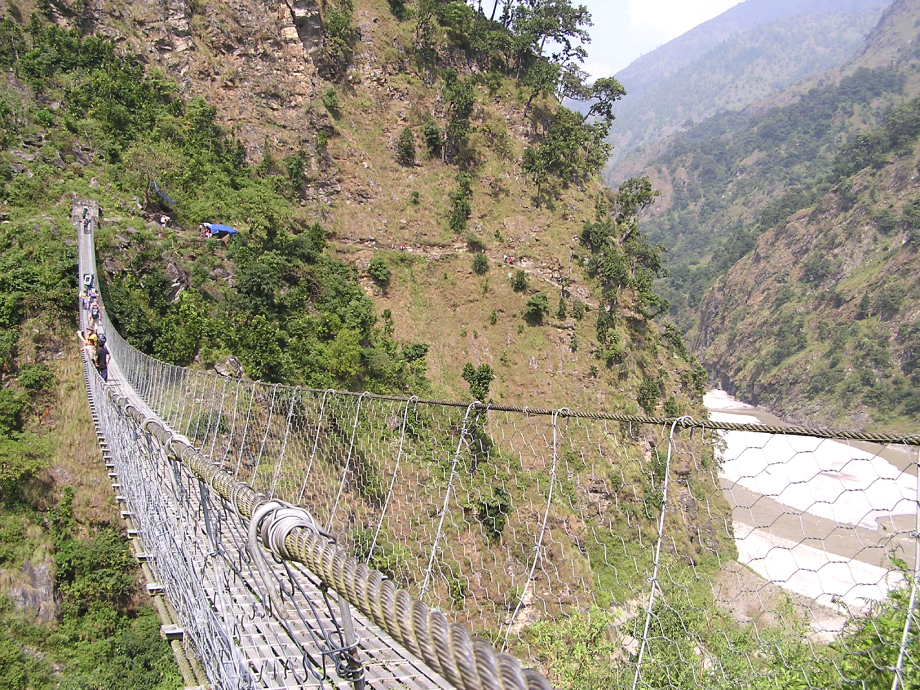
Begin trekking through the Budhi Gandaki Valley, following the traditional route through small settlements, forested sections and rocky riverbank trails. The route includes uneven paths, stone steps and suspension bridges as you gradually gain elevation. Because the October 2026 flood affected parts of this river corridor, this stage must only be attempted after the route has been checked and confirmed safe. If access is restricted, postpone the trek rather than attempt an unsafe river crossing.
Day 4: Trek from Jagat to Deng (approximately 1,860 m)
Continue through the Manaslu trekking region towards Philim and the higher settlements of the Budhi Gandaki Valley. The trail follows steep hillsides and narrow gorges, with views of traditional villages and forested mountain slopes. As you gain elevation, the landscape becomes increasingly rugged and the cultural character of the region becomes more noticeable. Your guide should confirm that the bridges and connecting trails are safe before starting this stage.
Day 5: Trek from Deng to Namrung (approximately 2,630 m)
Walk through forested valleys and traditional mountain settlements on the way to Namrung. The trail gradually climbs through a changing landscape, with increasingly impressive mountain scenery and signs of Tibetan Buddhist cultural influence. Namrung is an important stop on the Manaslu Circuit Trek, providing accommodation and an opportunity to rest before continuing to higher elevations. Maintain a steady pace, drink sufficient water and monitor your body’s response to the increasing altitude.
Day 6: Trek from Namrung to Samagaun (approximately 3,530 m)
Continue through villages such as Lihi, Sho and Lho, depending on the exact route and accommodation arrangements. The surrounding scenery opens up to reveal impressive views of Mount Manaslu and neighbouring Himalayan peaks. As you approach Samagaun, you enter one of the main settlements in the upper Manaslu region, known for its traditional architecture and Buddhist heritage. Because this stage involves a significant elevation gain, walk slowly and follow your guide’s acclimatisation advice.
Day 7: Acclimatisation Day in Samagaun (approximately 3,530 m)
Spend an acclimatisation day in Samagaun to help your body adjust to the altitude before continuing towards Samdo and Larkya La Pass. Depending on your fitness, health and weather conditions, you may explore the village, visit a monastery or undertake a short walk recommended by your guide. More demanding excursions should only be considered when your guide confirms that the route is safe and you are adequately acclimatised. Rest, hydration and monitoring for symptoms of altitude sickness are important parts of a safe Manaslu Circuit Trek.
Day 8: Trek from Samagaun to Samdo (approximately 3,875 m)
Leave Samagaun and follow the high valley towards Samdo, passing open mountain terrain and enjoying wide views of the surrounding landscape. This is generally a shorter trekking day, allowing you to continue acclimatising before reaching higher elevations. Samdo is a traditional Himalayan settlement with cultural links to the Tibetan border region. Even though the walking distance is relatively short, take your time and report any unusual symptoms to your guide.
Day 9: Trek from Samdo to Dharamsala / Larkya Phedi (approximately 4,460 m)
Continue towards Dharamsala, also known as Larkya Phedi, which is the traditional overnight stop before crossing Larkya La Pass. The trail climbs through rugged high-altitude terrain with limited vegetation and views of the surrounding mountains and glaciers. Arrive early enough to rest, organise your equipment and prepare for the following day’s challenging crossing. Accommodation and food facilities can be basic at this elevation, and cold temperatures are common.
Day 10: Cross Larkya La Pass and Trek to Bimthang (approximately 3,720 m)
Start early with your guide and climb towards Larkya La Pass at approximately 5,106 metres, the highest point of the Manaslu Circuit Trek. When the weather is clear, the pass offers impressive views of snow-covered Himalayan peaks and glacial landscapes. After crossing the pass, descend carefully towards Bimthang, where the terrain gradually changes as you lose elevation. This is a demanding trekking day that can take eight to ten hours or longer, especially when snow or difficult weather affects the route.
Day 11: Trek from Bimthang to Dharapani (approximately 1,860 m)
Descend through alpine meadows and forested trails towards Dharapani, enjoying changing views of the surrounding mountains and valleys. As the route loses elevation, the landscape becomes greener and the air generally feels warmer. Dharapani connects with the wider Annapurna trekking network and is a traditional point on the Manaslu Circuit exit route. Take care on steep or slippery downhill sections, particularly if rain has affected the trail.
Day 12: Trek or Travel to a Lower Road Access Point
Continue towards a lower trailhead or road access point, depending on the condition of the trail and the transport arrangements available at the time. The exact walking distance and overnight location should be confirmed by your trekking agency because landslides and road restrictions can affect the exit route. After completing the high-altitude section, take time to rest and recover before a long road journey. If access is disrupted, an additional overnight stay may be necessary.
Day 13: Drive to Pokhara or Kathmandu
Travel by road towards Pokhara or return directly to Kathmandu, depending on the agreed itinerary and available transport. Pokhara provides a relaxing lakeside atmosphere and views of the Annapurna range when the weather is clear. A direct return to Kathmandu may be more practical for travellers following a strict 14-day schedule. Because road conditions can change after heavy rainfall or flood damage, allow flexibility for delays and unexpected overnight stays.
Day 14: Return to Kathmandu and Departure
Transfer to Tribhuvan International Airport for your international departure, subject to your arrival time in Kathmandu and flight schedule. If your return from the mountains is delayed, you may need an additional hotel night, so a flexible international ticket is helpful. Travellers with early international flights should ideally plan to reach Kathmandu the previous day. Your trekking company can help coordinate final transport and departure arrangements.
Itinerary planning note: This is a standard planning outline, and the lower exit and return transport may require adjustments to fit a safe 14-day trip. A confirmed programme should specify the exact overnight stops, transport arrangements and contingency days. Never shorten essential acclimatisation or attempt Larkya La Pass in unsafe conditions just to maintain a fixed schedule.
5. Manaslu Circuit Trek Difficulty and Physical Preparation
The Manaslu Circuit Trek is considered a challenging Himalayan trek because of its long walking days, high altitude, remote location and demanding pass crossing. Trekkers do not need technical mountaineering skills for the standard route, but they should be comfortable walking for several hours on uneven mountain trails.
The route becomes more demanding as you approach Samagaun, Samdo and Dharamsala. At these elevations, lower oxygen levels can make ordinary physical activities more difficult, and cold temperatures may affect your comfort and energy.
Main Challenges of the Manaslu Circuit Trek
High altitude: Larkya La Pass reaches approximately 5,106 metres, where altitude sickness and exposure to cold weather are important concerns.
Long walking days: The pass-crossing day may require eight to ten hours or longer, depending on weather, snow and walking pace.
Remote terrain: Medical services, road access and emergency evacuation may be limited.
Changing weather: Rain, snowfall, strong winds and low visibility can affect trekking conditions.
Floods and landslides: Damaged bridges, unstable slopes and blocked roads can disrupt the itinerary.
Basic accommodation: Higher mountain villages generally offer simpler facilities than hotels in Kathmandu.
How to Prepare for the Manaslu Circuit Trek
Start physical training two to three months before departure if possible. Hill walking, stair climbing, cardiovascular exercise and hikes with a loaded daypack can help improve endurance.
If you have limited trekking experience, consider training with consecutive days of walking and practising with your trekking boots. Choose a suitable guide, follow a gradual acclimatisation schedule and avoid rushing through the itinerary.
Your preparation should include checking the latest Manaslu trail conditions and carrying suitable clothing for both warm lower valleys and cold high-altitude sections.
6. Best Time for Manaslu Circuit Trek 2027
Choosing the right season is important when planning the Manaslu Circuit Trek in Nepal. Spring and autumn are traditionally the most popular trekking seasons, but weather conditions and the condition of flood-affected infrastructure must also be considered.
Spring: March to May
Spring is a popular time for the Manaslu Circuit Trek because lower elevations become warmer, forests begin to blossom and mountain views can be excellent. However, high-altitude areas may still experience snow, cold nights and challenging conditions around Larkya La Pass.
For the 2027 spring season, check whether the flood-affected trails and bridges have been repaired and officially reopened before confirming your departure.
Autumn: September to November
Autumn is another popular season for trekking in the Manaslu region. The weather often provides clear mountain views, and conditions can be favourable for crossing high passes.
However, late-monsoon rainfall and landslides can affect access in September and early October. Following the October 2026 flood, travellers should verify the status of the Budhi Gandaki corridor before booking an autumn 2027 departure.
Can You Trek Manaslu During Winter or the Monsoon?
Winter trekking may be possible for experienced trekkers under suitable conditions, but snow, cold temperatures and high-pass closures can make the upper route difficult.
The monsoon season brings a greater risk of heavy rainfall, landslides, muddy trails, swollen rivers and road disruption. These conditions can make the Manaslu Circuit Trek particularly challenging.
For most travellers, spring and autumn are practical seasons to consider, provided that the latest weather forecasts and route conditions support safe travel.
7. Manaslu Circuit Trek Permits for 2027
The Manaslu Circuit Trek passes through a restricted trekking area, so travellers must obtain the required permits and follow the applicable government regulations.
Common permit categories for the standard Manaslu Circuit include:
- Manaslu Restricted Area Permit (RAP): Required for the designated restricted area.
- Manaslu Conservation Area Permit (MCAP): Required for the Manaslu Conservation Area.
- Annapurna Conservation Area Permit (ACAP): Commonly required for the standard exit route through the Annapurna Conservation Area.
Travellers who include Tsum Valley in their itinerary may need additional permit arrangements.
Manaslu Restricted Area Permit Fees
The currently published permit schedule lists the following reference fees for the Manaslu restricted area. These rates should be verified before booking because government fees and regulations may change for 2027.
| Season | First week | Additional days |
|---|---|---|
| September–November | US$100 per person | US$15 per person per day |
| December–August | US$75 per person | US$10 per person per day |
These figures apply to the relevant restricted-area permit category. Conservation-area permits are separate.
Is a Guide Required for the Manaslu Circuit Trek?
Manaslu is a restricted-area trekking destination with specific permit and trekking regulations. The standard arrangement is to book through a registered trekking agency with a licensed guide and the required documentation.
Before travelling, confirm the current rules that apply to your nationality, itinerary and permit category. Using a registered trekking company also helps coordinate accommodation, transport and route information.
8. Manaslu Circuit Trek Cost 2027
The cost of the Manaslu Circuit Trek in 2027 depends on the group size, accommodation, meals, permits, transport, guide and porter services, insurance and contingency arrangements.
A 14-day Manaslu Circuit Trek package should clearly explain what is included in the price. Following the October 2026 flood, travellers should also ask how road diversions, additional accommodation and changes to transport will be handled.
Main Expenses for the Manaslu Circuit Trek
| Expense | What to consider |
|---|---|
| Restricted-area permit | Seasonal fee and number of days covered |
| Conservation permits | Required permits for the selected route |
| Transport | Kathmandu to the trailhead and return journey |
| Accommodation | Kathmandu hotels and mountain teahouses |
| Meals | Included meals and personal purchases |
| Guide and porter | Service days, wages, insurance and equipment |
| Travel insurance | High-altitude trekking and emergency evacuation |
| Trekking equipment | Boots, clothing, sleeping bag and daypack |
| Contingency expenses | Delays, additional accommodation and road diversions |
How Much Does Manaslu Circuit Trek Cost in 2027?
There is no single reliable price for every traveller because costs depend on the group size, itinerary, service level and route conditions.
For an accurate Manaslu Circuit Trek cost estimate, contact Himalayan Adventure Treks & Tours and request a personalised quotation based on your preferred dates and number of participants.
Before confirming your booking, review the included services, exclusions, permit fees and arrangements for unexpected delays. A transparent quotation helps you understand the actual cost of trekking in the Manaslu region.
9. Is the Manaslu Circuit Trek Safe After the Flood?
Safety is one of the most important considerations for the Manaslu Circuit Trek 2027. The October 2026 flood demonstrated how rapidly conditions can change in steep Himalayan river valleys.
Flooding can damage bridges, undermine trails, deposit debris and leave slopes unstable even after the water level falls. Therefore, the absence of rain does not automatically mean that a trekking trail is safe.
Essential Safety Tips for Manaslu Trekking
Confirm trail conditions before departure. Obtain current information about roads, bridges, trails and accommodation from your trekking agency and local authorities.
Never cross a flooded river. Do not attempt to cross swollen streams or rivers, even when the water appears shallow. Avoid damaged bridges and follow official instructions.
Monitor weather forecasts. Check current forecasts and warnings before each trekking stage, especially after heavy rain or snowfall.
Avoid unstable slopes. Do not cross fresh landslide debris or newly damaged trails without a reliable safety assessment.
Maintain communication. Your guide should have an emergency communication plan and know how to contact local authorities and emergency services.
Follow altitude safety advice. Report headaches, nausea, dizziness, unusual fatigue or other symptoms promptly. Severe altitude sickness may require immediate descent and medical assistance.
What Should You Do if a Flood Occurs During the Trek?
If you receive a flood warning while trekking in the Manaslu region, follow your guide’s instructions and move away from riverbanks and low-lying areas when it is safe to do so.
Do not approach damaged bridges or attempt to cross a river to maintain your original itinerary. If your group becomes stranded, remain in a safe location and contact your guide, local administration or emergency services.
A responsible trekking company should prioritise evacuation, relocation or postponement when a route is unsafe.
Travel Insurance and Emergency Evacuation
Choose travel insurance that explicitly covers trekking at your planned maximum altitude and emergency helicopter evacuation where available.
Review policy exclusions carefully, including restrictions related to high-altitude trekking, weather events and emergency transport. Helicopter evacuation is not guaranteed because weather, visibility and operational restrictions may prevent flights.
Appropriate insurance and an emergency plan are essential for remote Himalayan trekking.
10. Manaslu Circuit Trek Packing List
Packing the right equipment helps you prepare for changing temperatures and demanding mountain conditions. Lower elevations may be relatively warm, while the area around Larkya La Pass can be extremely cold.
Recommended equipment includes:
- Moisture-wicking base layers.
- Fleece or insulated mid-layer.
- Waterproof and windproof jacket.
- Warm down jacket.
- Trekking trousers and thermal leggings.
- Warm hat, gloves and neck warmer.
- Waterproof trekking boots.
- Trekking poles and a comfortable daypack.
- Sleeping bag suitable for expected sub-zero temperatures.
- Headlamp and spare batteries.
- Water bottles and water purification supplies.
- Sunscreen and sunglasses.
- Personal first-aid kit and prescribed medication.
- Travel insurance documents and emergency contacts.
- Waterproof bags for documents and electronics.
- Power bank, snacks and emergency cash.
For the Manaslu Circuit Trek 2027, it is also sensible to carry extra snacks and maintain a flexible schedule in case flood-related damage or road closures delay your journey.
11. Responsible Tourism in the Manaslu Region
The Manaslu region is home to communities whose livelihoods depend on agriculture, livestock, small businesses and tourism. Trekking supports local employment through guides, porters, lodge owners, cooks and transport operators.
Responsible tourism becomes particularly important after a natural disaster. Communities affected by flooding may need time to repair homes, restore infrastructure and resume normal business operations.
Trekkers can contribute positively by using legitimate local services, paying fair prices, respecting community restrictions and following guidance about which areas are ready to receive visitors.
Choose licensed guides, reduce plastic waste, respect monasteries and local customs, and avoid spreading unverified reports about flood damage or reopening dates.
A responsible trekking company should work with local partners and make decisions that protect both travellers and local communities.
12. Why Book Your Manaslu Circuit Trek with Himalayan Adventure Treks & Tours?
Himalayan Adventure Treks & Tours Pvt. Ltd. provides trekking and adventure travel services in Nepal, helping travellers plan Himalayan journeys with arrangements for guides, permits, transport and accommodation.
For the Manaslu Circuit Trek 2027, careful planning is particularly important because of the recent flood damage and the possibility of changing access conditions.
Our team can help you review your preferred itinerary, discuss acclimatisation, coordinate permit arrangements and assess which services can be confirmed for your departure date.
Our Approach to Manaslu Trekking
Personalised itinerary planning: We can discuss your travel dates, group size, experience and preferred trekking arrangements.
Trekking support: Appropriate guide services help with navigation, daily planning, cultural interpretation and monitoring the group’s condition.
Permit and logistics assistance: We can help coordinate the relevant restricted-area and conservation-area permits, subject to current government requirements.
Transparent communication: Travellers should receive clear information about inclusions, exclusions, additional expenses and potential changes.
Safety-first decisions: If an official closure, damaged bridge, unsafe river crossing or dangerous weather prevents travel, the priority should be a safe alternative or postponement.
No trekking company can guarantee that natural hazards will not occur. A responsible operator should explain how risks are assessed and how changes are communicated.
Visit our website to learn more about our trekking services and Nepal adventure packages:
Website: https://himalayanadventuretreks.com/
Email: [email protected]
WhatsApp: https://wa.me/9779851138875
13. Frequently Asked Questions About Manaslu Circuit Trek 2027
1. Is the Manaslu Circuit Trek open in October 2026?
Reports from October 2026 describe serious flooding and damage to trekking infrastructure along parts of the Budhi Gandaki corridor. Travellers should check the latest Nepal Tourism Board advisory and obtain confirmation from their trekking operator before entering affected areas.
2. Is the Manaslu Circuit Trek safe in 2027?
The trek may be possible in 2027, but safety depends on infrastructure repairs, trail conditions, weather and official access decisions. Verify the complete route before departure.
3. Did the 2026 flood damage the Manaslu trekking trail?
Reports published in October 2026 described damage to bridges and trekking routes in the Budhi Gandaki region, along with damage to homes and other infrastructure. The condition of individual trail sections must be checked separately.
4. When will the Manaslu trekking route reopen?
A confirmed reopening date cannot be guaranteed without updated information from the authorities assessing the affected area. Follow official notices rather than relying on estimated reopening dates.
5. What is the highest point of the Manaslu Circuit Trek?
The highest point is Larkya La Pass, approximately 5,106 metres above sea level.
6. How many days are required for the Manaslu Circuit Trek?
A 14-day itinerary is a popular planning option, including arrival and departure in Kathmandu. Some itineraries require additional time for acclimatisation, transport and contingency arrangements.
7. What is the best time for Manaslu Circuit Trek 2027?
Spring, from March to May, and autumn, from September to November, are traditional trekking seasons. However, flood recovery, road access and weather conditions should determine the final travel dates.
8. Can beginners complete the Manaslu Circuit Trek?
Fit beginners with suitable preparation may be able to complete the trek, but the altitude and Larkya La crossing make it challenging. Previous multi-day trekking experience is beneficial.
9. Is a guide required for the Manaslu Circuit Trek?
The Manaslu restricted area has specific permit and trekking requirements. The standard arrangement is to organise the trek through a registered trekking agency with a licensed guide. Verify the current rules before travelling.
10. How much does the Manaslu Circuit Trek cost in 2027?
The cost depends on group size, permits, accommodation, meals, transport, guide and porter services, insurance and contingency expenses. Request a detailed quotation based on your travel dates.
11. Is the Manaslu Circuit Trek affected by monsoon floods?
Heavy monsoon rainfall can increase the risk of landslides, high river levels, damaged bridges and road closures. Flood-related disruptions may continue after rainfall ends if infrastructure needs repairs.
12. Can I combine Manaslu Circuit Trek with Tsum Valley?
Yes, a combined itinerary is possible when access, time and fitness allow. Tsum Valley requires additional permit arrangements and generally increases the duration of the trek.
13. Do I need to cross Larkya La Pass?
Yes, crossing Larkya La Pass is part of the standard Manaslu Circuit route. If the pass is closed or unsafe, follow professional advice and official restrictions.
14. Is helicopter evacuation available in Manaslu?
Helicopter evacuation may be possible depending on weather, visibility, landing conditions and operational restrictions. It is not guaranteed, so appropriate insurance is essential.
15. Can I book the Manaslu Circuit Trek for 2027 now?
You can enquire about dates, prices, permits and a provisional itinerary. Before confirming your departure, request the latest assessment of the flood-affected route and discuss what happens if access is delayed.
16. Does the Manaslu flood mean all trekking in Nepal is closed?
No. The reported flood affected parts of the Budhi Gandaki corridor in northern Gorkha. Other trekking regions have their own conditions, so their accessibility should be checked independently.
14. Official Resources for Manaslu Circuit Trek Flood Updates
Before starting your Manaslu Circuit Trek, consult reliable sources for current weather forecasts, permit rules and official travel advisories.
Nepal Tourism Board: Check travel advisories and Manaslu trekking route updates.
https://ntb.gov.np/en/latest-travel-updates
Department of Hydrology and Meteorology: Review weather forecasts and official weather bulletins.
Department of Tourism: Check trekking regulations and permit information.
https://tourismdepartment.gov.np/pages/trekking-routes/
These resources should be reviewed close to your departure date because trail and road conditions may change.
Conclusion: Plan Your Manaslu Circuit Trek 2027 Responsibly
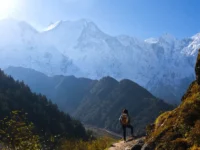
The Manaslu Circuit Trek is one of Nepal’s most rewarding Himalayan adventures, offering spectacular mountain views, traditional villages, Buddhist heritage and the challenge of crossing Larkya La Pass at approximately 5,106 metres.
However, the October 2026 flood has raised serious concerns about access and infrastructure along parts of the Budhi Gandaki corridor. Travellers should not assume that older itineraries or previous reopening announcements reflect current conditions.
For the Manaslu Circuit Trek 2027, plan ahead, choose an appropriate trekking season, prepare physically, arrange the required permits and insurance, and allow enough time for possible delays.
Before departure, confirm the condition of the approach road, bridges, trails, accommodation and Larkya La Pass with reliable local sources.
Himalayan Adventure Treks & Tours welcomes enquiries for a Manaslu Circuit Trek 2027 package with a personalized 14-day itinerary, subject to confirmed route access and safety conditions.


