



The Everest Base Camp Trek 2027 is one of the most popular trekking adventures in Nepal, offering travelers an unforgettable opportunity to explore the spectacular Himalayan region surrounding Mount Everest, the world’s highest mountain at 8,848.86 meters. Organized by Himalayan Adventure Treks, the Everest Base Camp Trek takes you through beautiful Sherpa villages, ancient Buddhist monasteries, lush forests, dramatic river valleys, and magnificent snow-covered mountain landscapes. During this 14-day Everest Base Camp trekking adventure, you will visit famous destinations such as Lukla, Phakding, Namche Bazaar, Tengboche, Dingboche, Lobuche, Gorakshep, and Everest Base Camp at approximately 5,364 meters. You will also hike to Kala Patthar at approximately 5,545 meters, one of the most famous viewpoints for enjoying panoramic views of Mount Everest and the surrounding Himalayan peaks.
The Everest Base Camp Trek 2027 is ideal for adventure lovers, nature enthusiasts, photographers, and travelers who want to experience authentic Himalayan culture. Although the trek does not require technical mountaineering skills, it involves long walking days, high-altitude conditions, and proper acclimatization. With an experienced local trekking guide, careful preparation, and a well-planned itinerary, you can enjoy a rewarding journey through Nepal’s beautiful Khumbu region.
Whether you are planning your first trekking holiday in Nepal or returning to explore the Himalayas again, this comprehensive Everest Base Camp Trek guide explains the itinerary, trekking cost, best seasons, permits, accommodation, food, fitness requirements, packing list, altitude safety, and booking information for 2027.
Why Choose Everest Base Camp Trek in 2027?
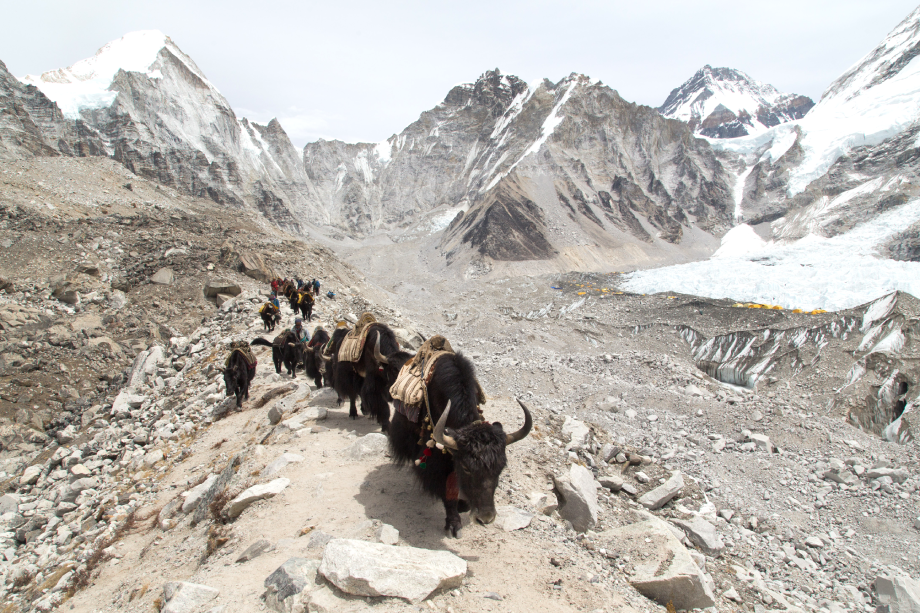
The Everest Base Camp Trek 2027 offers a unique combination of natural beauty, cultural experiences, and personal achievement. Walking through the legendary Everest region allows you to experience the landscapes that have inspired trekkers and mountaineers from around the world for generations.
One of the main attractions of the Everest Base Camp trekking route is the opportunity to experience breathtaking views of Mount Everest, Lhotse, Nuptse, Ama Dablam, Thamserku, and other Himalayan peaks. As you travel through Sagarmatha National Park, the scenery changes from green forests and rushing rivers to alpine valleys, rocky landscapes, and enormous glaciers.
Another highlight of the Everest Base Camp Trek is the opportunity to discover Sherpa culture and Buddhist traditions. Namche Bazaar is a lively mountain town where trekkers can explore local markets, cafés, bakeries, and cultural attractions. Tengboche Monastery provides insight into the region’s spiritual traditions, while traditional villages along the route offer opportunities to experience local hospitality and mountain lifestyles.
The Everest Base Camp Trek 2027 is also a rewarding personal challenge. Reaching Everest Base Camp and hiking to Kala Patthar require determination, endurance, and patience. The journey allows you to disconnect from everyday routines, enjoy the peaceful Himalayan environment, and create unforgettable memories in one of the world’s most extraordinary mountain regions.
Everest Base Camp Trek 2027 Overview
The Everest Base Camp Trek is a 14-day Himalayan trekking adventure that begins and ends in Kathmandu. The standard itinerary includes arrival arrangements, domestic flights, trekking through the Khumbu region, acclimatization days, a visit to Everest Base Camp, a hike to Kala Patthar, and a return journey to Kathmandu.
- Trip duration: 14 days
- Destination: Everest region, Nepal
- Maximum elevation: Approximately 5,545 meters at Kala Patthar
- Everest Base Camp elevation: Approximately 5,364 meters
- Starting point: Kathmandu
- Main trekking gateway: Lukla
- Trek difficulty: Challenging
- Best trekking seasons: Spring and autumn
- Accommodation: Hotels and mountain teahouses
- Transportation: Domestic flights and road transfers when required
- Trekking style: Guided teahouse trekking
- Required technical climbing skills: Not normally required for the standard trekking route
The Everest Base Camp Trek itinerary is designed to allow gradual altitude gain, although the schedule must be adjusted if weather, health, or trail conditions require it. Trekkers should prepare for approximately four to eight hours of walking on many trekking days, with some days requiring longer walks.
Best Time for Everest Base Camp Trek 2027
Choosing the best time for the Everest Base Camp Trek 2027 is essential for enjoying mountain views, comfortable walking conditions, and a safer trekking experience. Spring and autumn are generally the most popular seasons because they often offer favorable weather and good visibility.
Spring Season: March to May
Spring is one of the best seasons for the Everest Base Camp Trek in Nepal. During March, April, and May, temperatures gradually become warmer, and the lower trekking trails may feature blooming rhododendrons and other mountain flowers. The mountain scenery is impressive, and April and May are particularly popular months for Everest climbing expeditions.
The spring season is ideal for travelers who want to experience the Everest Base Camp trekking route with longer daylight hours and generally favorable walking conditions. However, weather conditions can still change quickly, and clouds or snowfall may affect mountain visibility and flights.
Autumn Season: September to November
Autumn is another excellent season for the Everest Base Camp Trek 2027. After the monsoon season, the skies often become clearer, and the mountain views can be spectacular. October and November are especially popular months for trekking in the Everest region because of the generally pleasant daytime conditions and impressive Himalayan scenery.
Since autumn attracts many international trekkers, it is advisable to book your Everest Base Camp Trek package in advance. Early reservations can help secure preferred flight arrangements, accommodation, and guide services during busy periods.
Winter Season: December to February
Winter trekking to Everest Base Camp is possible for well-prepared travelers, but temperatures can become extremely cold, particularly at night and above 4,000 meters. Snowfall may affect trails, and some mountain lodges may close temporarily. Travelers choosing a winter Everest Base Camp Trek should bring suitable cold-weather clothing and maintain flexibility in their itinerary.
Monsoon Season: June to August
The monsoon season brings frequent rainfall, cloud cover, and potentially difficult road conditions in parts of Nepal. Although trekking in the Everest region is possible, mountain views may be less predictable, and flight delays can occur. Travelers planning an Everest Base Camp Trek during the monsoon should consider the additional challenges and allow enough time for unexpected disruptions.
Recommendation: For the Everest Base Camp Trek 2027, March to May and September to November are generally the preferred periods. However, no season guarantees clear weather or uninterrupted flights.
Everest Base Camp Trek 2027 – Detailed 14-Day Itinerary
The following Everest Base Camp Trek itinerary provides a day-by-day description of the journey from Kathmandu to Everest Base Camp and Kala Patthar. Walking times and distances are approximate and depend on individual fitness, weather, trail conditions, and the location of overnight accommodation.
Day 01: Arrival in Kathmandu (1,400 m)
Upon arrival at Tribhuvan International Airport in Kathmandu, a representative from Himalayan Adventure Treks will welcome you and transfer you to your hotel. After checking in, you can relax after your international journey or explore Thamel, a popular tourist district known for trekking shops, restaurants, and travel services. Your guide will provide an introduction to the Everest Base Camp Trek 2027, including the itinerary, equipment, transportation, and safety considerations. Depending on your arrival time, you can check your trekking gear and purchase any missing essentials. Overnight stay at a hotel in Kathmandu.
Day 02: Fly to Lukla (2,860 m) and Trek to Phakding (2,610 m)
After an early breakfast, you will travel to the airport for your flight to Lukla, the main gateway to the Everest Base Camp trekking route. Depending on seasonal flight operations, your flight may depart from Kathmandu or Ramechhap, requiring an additional road transfer. After arriving in Lukla, you will meet your local trekking team and begin walking through Sherpa settlements, pine forests, and scenic valleys. The trail follows the Dudh Koshi River and crosses suspension bridges before reaching Phakding. The walk generally takes three to four hours, and you will spend the night at a mountain teahouse.
Day 03: Trek from Phakding to Namche Bazaar (3,440 m)
After breakfast, you will continue trekking along the Dudh Koshi River through beautiful villages, forests, and suspension bridges. The trail passes Monjo, where your permits are checked before entering Sagarmatha National Park. After crossing the famous high suspension bridge near the confluence of the rivers, you will begin the challenging uphill climb towards Namche Bazaar. On a clear day, you may catch your first glimpse of Mount Everest along the trail. After approximately five to seven hours of walking, you will reach Namche Bazaar, the main commercial center of the Khumbu region, and spend the night at a teahouse.
Day 04: Acclimatization Day at Namche Bazaar (3,440 m)
Today is an important acclimatization day during your Everest Base Camp Trek, allowing your body time to adjust to the increasing altitude. After breakfast, you can take a gradual hike towards the Syangboche area, the Everest View Hotel, or the traditional Sherpa villages of Khumjung and Khunde, depending on your fitness and weather conditions. These excursions provide spectacular views of Ama Dablam, Thamserku, and other Himalayan peaks. You can also explore Namche Bazaar, visit local shops, and learn about Sherpa culture and mountaineering history. Returning to sleep at Namche Bazaar helps you follow the principle of climbing higher during the day while returning to a lower elevation to rest.
Day 05: Trek from Namche Bazaar to Tengboche (3,860 m)
After breakfast, you will leave Namche Bazaar and follow a scenic trail overlooking the Himalayan valleys and surrounding mountain peaks. The route passes through forested sections and small settlements, offering beautiful views of Everest, Lhotse, Nuptse, and Ama Dablam when the weather is clear. After descending towards Phunki Tenga, you will cross the river and climb through pine and rhododendron forests to Tengboche. Here, you can visit Tengboche Monastery, one of the most important Buddhist monasteries in the Everest region. The trek generally takes five to six hours, followed by an overnight stay at a mountain teahouse.
Day 06: Trek from Tengboche to Dingboche (4,410 m)
Today, you will continue your Everest Base Camp Trek through beautiful Himalayan landscapes, passing Deboche and traditional Sherpa settlements. The route crosses the Imja Khola and gradually ascends towards Pangboche, where you can observe traditional stone houses and Buddhist cultural landmarks. As you approach Dingboche, the landscape becomes more open, with stone-walled fields, alpine vegetation, and spectacular mountain views. Ama Dablam, Lhotse, and other Himalayan peaks dominate the surrounding scenery. After approximately five to six hours of trekking, you will arrive at Dingboche and spend the night in a local teahouse.
Day 07: Acclimatization Day at Dingboche (4,410 m)
This second acclimatization day is important before continuing towards Lobuche and the higher elevations of Everest Base Camp. After breakfast, you may take a gradual hike above Dingboche towards Nangkartshang Hill, provided your guide considers the weather and your physical condition suitable. The hike offers beautiful views of the Imja Valley and surrounding mountains, but it can be strenuous because of the altitude. After returning to Dingboche, you can rest, eat nutritious meals, drink safe water, and prepare your clothing and equipment for the colder days ahead. Overnight stay at a mountain teahouse.
Day 08: Trek from Dingboche to Lobuche (4,910 m)
After breakfast, you will leave Dingboche and follow the trail towards Dughla, gradually gaining elevation through the high-altitude landscape. From Dughla, the trail climbs towards the memorial area dedicated to climbers and mountaineers who lost their lives in the Everest region. You will have time to rest and reflect before continuing along rocky terrain near the Khumbu Glacier’s moraine. As you gain altitude, the landscape becomes more dramatic, with glaciers, rocky slopes, and towering Himalayan peaks surrounding the route. After approximately five to six hours of walking, you will arrive at Lobuche and spend the night at a teahouse.
Day 09: Trek from Lobuche to Gorakshep (5,164 m) and Visit Everest Base Camp (5,364 m)
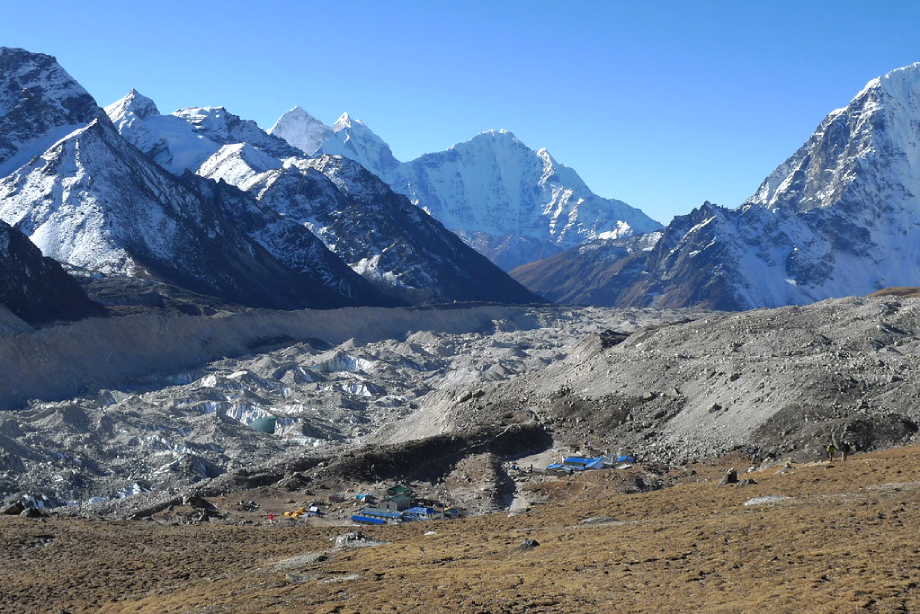
Today is one of the highlights of the Everest Base Camp Trek 2027. After breakfast, you will walk across rugged glacial terrain towards Gorakshep, the last settlement commonly used as an overnight stop on the classic Everest Base Camp route. After checking into your teahouse and taking a short rest, you will continue towards Everest Base Camp, following the rocky trail beside the Khumbu Glacier. At Everest Base Camp, you can experience the remarkable high-altitude surroundings, enjoy the dramatic glacier scenery, and take photographs to remember your achievement. Since the summit of Mount Everest is not fully visible from the base camp area, many trekkers also consider Kala Patthar the most rewarding viewpoint of the journey. After the visit, you will return to Gorakshep for an overnight stay.
Day 10: Hike to Kala Patthar (5,545 m) and Trek to Pheriche (4,240 m)
You will start early in the morning for the hike to Kala Patthar, one of the most famous viewpoints in the Everest region. The steep ascent is physically demanding because of the altitude, but clear weather can reward you with breathtaking views of Mount Everest, Nuptse, Pumori, and the surrounding Himalayan mountains. After enjoying the panorama, you will descend to Gorakshep for breakfast and continue downhill towards Lobuche and Dughla. You will then proceed towards Pheriche, a lower-altitude settlement where you can rest after the challenging days at higher elevations. This is a demanding trekking day, and your guide may adjust the schedule according to your health, weather, and walking pace.
Day 11: Trek from Pheriche to Namche Bazaar (3,440 m)
After breakfast, you will descend through the Khumbu Valley, retracing sections of the trail through Pangboche and the Tengboche area. As you lose altitude, walking generally becomes easier, and you will gradually return to greener landscapes and forested trails. Along the route, you can enjoy the final views of Ama Dablam and observe the daily life of local Sherpa communities. You will continue through Phunki Tenga before climbing towards Namche Bazaar. Depending on your pace and trail conditions, the journey may take approximately six to eight hours, followed by an overnight stay at a teahouse.
Day 12: Trek from Namche Bazaar to Lukla (2,860 m)
Today, you will complete the final trekking stage of your Everest Base Camp adventure by following the trail downhill through Monjo, Phakding, and other settlements along the Dudh Koshi River. The route crosses suspension bridges and passes through familiar villages, forested sections, and riverside paths. Although much of the trail descends, several short uphill sections make this a substantial walking day. Upon arriving in Lukla, you can relax at your lodge, enjoy dinner with your trekking team, and celebrate the completion of your Himalayan journey. Overnight stay in Lukla.
Day 13: Fly from Lukla to Kathmandu or Ramechhap
After breakfast, you will head to Lukla Airport for your return flight, subject to weather conditions and airline operations. The flight offers impressive views of the Himalayan hills and valleys when visibility is clear. Depending on the seasonal flight schedule, you may arrive directly in Kathmandu or travel via Ramechhap and continue by road to the capital. Upon arrival, you will transfer to your hotel and have free time to relax, explore Thamel, or shop for souvenirs. Overnight stay at a hotel in Kathmandu.
Day 14: Final Departure from Kathmandu
Your 14-day Everest Base Camp Trek concludes today with unforgettable memories of Nepal’s Himalayan scenery, Sherpa culture, and the achievement of visiting Everest Base Camp. Depending on your international flight schedule, you can enjoy breakfast at your hotel and spend some time relaxing before departure. A representative from Himalayan Adventure Treks & Tours will arrange your transfer to Tribhuvan International Airport with sufficient time for check-in and departure formalities. We hope you have enjoyed your Everest trekking experience and look forward to welcoming you back to Nepal for another adventure.
Important planning note: The 14-day itinerary is an active schedule and provides limited flexibility for unexpected flight delays or health-related changes. If possible, add a buffer day before your international departure, as flights to and from Lukla can be affected by weather.
Everest Base Camp Trek Cost 2027
The Everest Base Camp Trek cost in 2027 depends on group size, travel dates, domestic flights, accommodation standards, meals, trekking permits, guide and porter services, and the overall package arrangement.
Himalayan Adventure Treks & Tours offers an indicative starting price of US$1,499 per person for a standard 14-day Everest Base Camp Trek package, based on a minimum of two participants. This figure is a planning reference and should be confirmed with the company before booking because 2027 rates, flight prices, and service costs may change.
Factors Affecting Everest Base Camp Trek Price
Group size: Private treks and small groups may have a different per-person price from larger groups because guide, porter, and transport costs are shared differently.
Domestic flights: Flights to and from Lukla are an important part of the trekking budget. Seasonal flight arrangements and airport transfers may affect the final price.
Accommodation: Standard teahouses, upgraded mountain lodges, and Kathmandu hotel categories can influence the package cost.
Meals and beverages: Some packages include meals throughout the trek, while others may cover only selected meals or accommodation. Hot drinks, bottled beverages, snacks, and additional items may cost extra.
Guide and porter services: Experienced guides and porter support contribute to safety, comfort, and local employment. Staffing arrangements depend on group size and the selected package.
Permits and insurance: National park and local entry fees are usually included in organized packages, but personal travel insurance is normally the traveler’s responsibility.
What Is Included in the Everest Base Camp Trek Package?
Depending on the selected package, inclusions may cover airport transfers, Kathmandu accommodation, domestic flights, ground transfers when necessary, an experienced trekking guide, porter support, required trekking permits, mountain accommodation, and meals during the trek.
Before confirming your Everest Base Camp Trek booking, request an itemized quotation that clearly identifies included services, excluded expenses, cancellation terms, and arrangements for flight delays.
What Is Excluded from the Trekking Cost?
International flights, Nepal visa fees, travel insurance, personal trekking equipment, snacks, additional drinks, hot showers, charging fees, Wi-Fi, tips, and unexpected expenses may be excluded. Extra hotel nights or alternative transport caused by flight disruptions can also incur additional charges.
For an accurate Everest Base Camp Trek 2027 quotation, contact Himalayan Adventure Treks & Tours with your preferred dates, number of travelers, accommodation requirements, and service preferences.
Everest Base Camp Trek Permits for 2027
Trekkers following the standard Everest Base Camp route generally require two main entry permits: the Sagarmatha National Park entry permit and the Khumbu Pasang Lhamu Rural Municipality entry permit.
The Sagarmatha National Park permit allows access to the protected area surrounding Mount Everest, while the local municipality permit applies to trekking in the Khumbu region. Permit fees and administrative arrangements can change, so the latest 2027 requirements should be confirmed before departure.
Under current local arrangements, a TIMS card is not generally required for the standard Everest Base Camp route, but travelers should verify the latest rules before travelling. An experienced local trekking agency can help arrange the required permits and explain the documents you need to carry.
Your passport should be valid for your travel dates, and you should keep copies of important travel documents and insurance details readily accessible throughout the journey.
Everest Base Camp Trek Difficulty and Fitness Requirements
The Everest Base Camp Trek is considered challenging because of its high altitude, long walking days, steep uphill and downhill sections, and changing weather conditions. Although technical mountaineering skills are not normally required for the standard trekking route, good physical preparation and mental determination are important.
Many trekking days involve approximately four to eight hours of walking, while the Everest Base Camp visit and Kala Patthar hike can require particularly long or strenuous days. The route reaches approximately 5,364 meters at Everest Base Camp and 5,545 meters at Kala Patthar, where the reduced oxygen availability makes physical activity more difficult.
To prepare for the Everest Base Camp Trek 2027, begin regular exercise at least eight to twelve weeks before departure if practical. Walking on hills, climbing stairs, cycling, swimming, and cardiovascular training can help build endurance. Practicing with a light backpack and wearing your trekking boots before the trip can also improve comfort.
Good fitness does not eliminate the risk of altitude sickness. Gradual acclimatization, appropriate rest, and following your guide’s advice remain essential for a safe trekking experience.
Altitude Sickness and Safety on the Everest Base Camp Trek
Altitude sickness is one of the most important safety considerations during the Everest Base Camp Trek. As you ascend above 2,500 meters, your body must adjust to lower oxygen availability, and symptoms can develop even in physically fit travelers.
Common symptoms of acute mountain sickness include headache, nausea, dizziness, unusual fatigue, and reduced appetite. Severe symptoms such as confusion, difficulty walking straight, or breathlessness at rest require urgent medical attention and immediate descent with assistance.
To reduce the risk of altitude-related illness, follow the planned acclimatization schedule, ascend gradually, walk at a comfortable pace, drink safe water, and eat regular meals. Avoid alcohol and sedatives while acclimatizing, and tell your guide immediately if you feel unwell.
Never continue ascending when altitude sickness is suspected to be worsening. Your guide should prioritize your health over reaching the planned destination, and the itinerary should be changed if necessary.
Travel insurance should explicitly cover high-altitude trekking at your planned maximum elevation and emergency helicopter evacuation where applicable. Helicopter rescue is subject to weather, aircraft limitations, and operational availability, so it should not be considered guaranteed.
Accommodation and Food During the Everest Base Camp Trek
Accommodation on the Everest Base Camp Trek generally consists of hotels in Kathmandu and teahouses in mountain villages. Teahouses usually offer simple rooms with twin beds, blankets, and basic facilities, although accommodation standards vary by location. At higher elevations, rooms can be cold, and bathrooms may be shared.
Hot showers, charging facilities, and internet access may be available for additional fees, particularly at higher elevations. A suitable sleeping bag is recommended because nighttime temperatures can become very cold.
Meals along the Everest Base Camp trekking route commonly include dal bhat, noodle soup, fried rice, potatoes, eggs, porridge, pasta, Tibetan bread, and other familiar foods. Dal bhat is particularly popular among trekkers because it provides energy for long walking days.
Eating regular meals and drinking safe water can help you maintain energy during the trek. Your guide can help you choose suitable meal options and identify available vegetarian or other dietary choices, although options may be more limited in remote mountain villages.
Everest Base Camp Trek Packing List for 2027
Packing suitable equipment is essential for a comfortable Everest Base Camp Trek. Temperatures can vary considerably between lower villages and high-altitude settlements, so wearing layers helps you adapt to changing conditions.
Essential Clothing
- Thermal base layers
- Fleece jacket and insulated down jacket
- Waterproof jacket and trousers
- Trekking trousers and shirts
- Warm hat, gloves, and neck covering
- Trekking socks and comfortable evening clothes
Footwear and Trekking Equipment
- Comfortable, broken-in trekking boots
- Camp shoes or sandals
- Trekking poles
- Daypack with rain cover
- Headlamp and spare batteries
- Sleeping bag suitable for cold conditions
Personal and Medical Items
- Sunscreen and UV-protection sunglasses
- Personal medication and basic first-aid supplies
- Water bottles and water purification equipment
- Toiletries and quick-drying towel
- Power bank and charging cables
- High-energy snacks
Documents and Valuables
- Passport and visa documents
- Travel insurance details
- Permit documents
- Nepalese rupees for personal expenses
- Emergency contact information
- Mobile phone or camera
Pack essential medication, travel documents, valuables, and items you may need during the day in your personal daypack. Check your airline’s baggage allowance and your trekking agency’s porter weight limit before departure. Down jackets and sleeping bags may be available for rent in Kathmandu if you do not wish to purchase them.
Lukla Flights and Transportation for Everest Base Camp Trek 2027
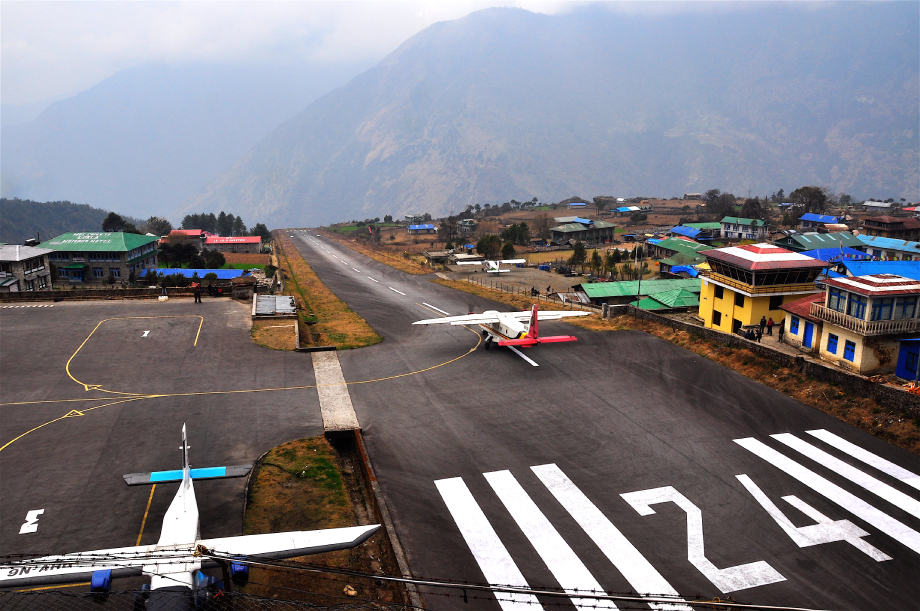
Flights to Lukla are an essential part of the Everest Base Camp Trek itinerary. The flight is relatively short, but operations depend on weather, visibility, and airport conditions.
During some trekking seasons, flights may operate from Ramechhap rather than Kathmandu. This requires an additional road transfer, so travelers should confirm their departure airport and transportation arrangements with their trekking agency before travelling.
It is advisable to arrive in Kathmandu at least one day before the trek begins and maintain flexibility around the return flight. An additional buffer day before your international departure can help reduce the impact of delays.
Helicopter transfers may sometimes be available as an alternative, but they involve additional costs and depend on weather and operational conditions. Travelers should not assume that helicopter transport will always be possible during a flight disruption.
Responsible and Sustainable Trekking in the Everest Region
The Everest region is an extraordinary natural and cultural destination, and responsible tourism helps preserve its beauty for future generations. Trekkers can contribute to sustainable tourism by respecting local customs, supporting local businesses, and minimizing environmental impact.
During the Everest Base Camp Trek, carry a reusable water bottle, use safe water-refilling or purification options, and avoid leaving waste along the trail. Respect Buddhist monasteries, prayer flags, mani walls, and traditional customs. Ask permission before photographing local residents, and follow the rules of Sagarmatha National Park.
Supporting local teahouses and businesses helps provide economic opportunities for mountain communities. Following established trails and listening to your guide also helps protect the environment and contributes to a safer trekking experience.
FAQ About Everest Base Camp Trek 2027
How much does the Everest Base Camp Trek cost in 2027?
The cost depends on group size, accommodation, flights, meals, permits, and guide and porter services. Himalayan Adventure Treks & Tours has an indicative starting price of US$1,499 per person for a 14-day package based on a minimum of two participants. Contact the company for a current quotation and a detailed list of inclusions and exclusions.
How many days are required for the Everest Base Camp Trek?
A 14-day itinerary from Kathmandu is a popular option. It typically includes arrival arrangements, flights to and from Lukla, trekking days, acclimatization, the Everest Base Camp visit, and the Kala Patthar hike. An additional buffer day is recommended when possible.
Is the Everest Base Camp Trek suitable for beginners?
Yes, beginners with appropriate fitness and preparation can complete the Everest Base Camp Trek. Technical mountaineering skills are not normally required, but trekkers should be prepared for long walking days, cold weather, basic accommodation, and high-altitude conditions.
What is the highest point of the Everest Base Camp Trek?
Everest Base Camp is approximately 5,364 meters above sea level. Kala Patthar, at approximately 5,545 meters, is the highest point on this itinerary and offers one of the most famous viewpoints of Mount Everest.
Can I see Mount Everest from Everest Base Camp?
The scenery at Everest Base Camp is dominated by the surrounding glacier, icefall, and nearby mountains. The summit of Everest itself is not as clearly visible from the base camp area as it is from Kala Patthar, which is why many trekkers include the Kala Patthar hike in their itinerary.
Do I need a guide for the Everest Base Camp Trek?
Trekking regulations and permit requirements should be checked before departure because rules can change. Booking through a registered trekking agency provides assistance with route planning, logistics, permits, local knowledge, and safety. An experienced guide can also help manage the itinerary when weather or health conditions require adjustments.
What permits are required for the Everest Base Camp Trek?
The standard route generally requires a Sagarmatha National Park entry permit and a Khumbu Pasang Lhamu Rural Municipality entry permit. Confirm the latest 2027 fees and administrative requirements with your trekking agency before travelling.
Is travel insurance necessary for the Everest Base Camp Trek?
Yes. Travel insurance should specifically cover high-altitude trekking at your planned elevation, emergency medical treatment, and helicopter evacuation where applicable. Check policy exclusions carefully before purchasing insurance.
Can I trek to Everest Base Camp in December?
Yes, winter trekking is possible, but very cold temperatures, snowfall, shorter daylight hours, and flight disruptions can make the journey more challenging. Travelers should be properly equipped and maintain flexibility in their itinerary.
What happens if my Lukla flight is cancelled?
Your trekking agency can help coordinate alternative arrangements, such as waiting for the next available flight or considering other practical transport options. Extra accommodation, meals, and alternative transport may involve additional costs, so a buffer day and suitable insurance are recommended.

Book Your Everest Base Camp Trek 2027 with Himalayan Adventure Treks & Tours
Make 2027 the year you experience the legendary Himalayas with Himalayan Adventure Treks. Our team helps travelers plan their Everest Base Camp Trek with local guidance, trekking arrangements, accommodation, permit assistance, and practical preparation for high-altitude conditions.
Whether you are travelling alone, with friends, as a couple, or in a private group, we can help you select a suitable departure date and understand the services included in your Everest Base Camp Trek package. Booking in advance is recommended for popular spring and autumn departures, particularly if your international travel dates are fixed.
Our goal is to provide a memorable trekking experience through professional local support, responsible tourism, and genuine Himalayan hospitality. From your arrival in Kathmandu to your return after the trek, we aim to make your journey comfortable, well organized, and rewarding.
Conclusion: Plan Your Everest Base Camp Trek 2027 with Himalayan Adventure Treks
The Everest Base Camp Trek 2027 is an unforgettable Himalayan adventure that combines spectacular mountain scenery, authentic Sherpa culture, ancient Buddhist monasteries, and the personal achievement of reaching the base of the world’s highest mountain. During this 14-day Everest Base Camp trekking journey, you will explore the beautiful Khumbu region, walk through traditional mountain villages, experience the hospitality of local communities, and enjoy breathtaking views of Mount Everest, Ama Dablam, Lhotse, and other magnificent Himalayan peaks. Visiting Everest Base Camp at approximately 5,364 meters and hiking to Kala Patthar at approximately 5,545 meters will be among the most memorable highlights of your Nepal trekking holiday.
Choosing the right trekking season, preparing physically, carrying suitable equipment, and allowing sufficient time for acclimatization are important steps towards a successful Everest Base Camp Trek in 2027. Traveling with an experienced local trekking company can also help you manage permits, accommodation, transportation, and changing mountain conditions. Himalayan Adventure Treks & Tours Pvt. Ltd. is committed to helping travelers experience Nepal through well-organized trekking arrangements, knowledgeable local guides, responsible tourism, and warm Himalayan hospitality.
Whether you are planning your first Himalayan adventure, traveling with friends, or organizing a private trekking holiday, our team can help you plan an Everest Base Camp Trek package that suits your travel dates, budget, and preferences. We recommend booking in advance for the popular spring and autumn seasons and confirming the latest package price, flight arrangements, and trekking requirements before departure.
Make 2027 the year you turn your Himalayan dream into reality. Contact Himalayan Adventure Treks to plan your Everest Base Camp Trek 2027 and discover the extraordinary beauty of the Everest region in Nepal.


