


The Mustang region of Nepal provides two different Himalayan experiences: Lower Mustang with its traditional villages and sacred pilgrimage places and Upper Mustang with its dramatic desert terrain, ancient monasteries and Tibetan influenced-culture. The two destinations are covered by the rain shadow of the Annapurna and Dhaulagiri ranges and are the best places to visit in search of mountain scenery, cultural tours and trekking.
There are differences in access and prices, and in hiking and travelling conditions in the two areas. Lower Mustang is a bit cheaper and is the path that is suggested in shorter treks whereas Upper Mustang offers a more secluded trek experience at the cost of additional permit needs.
This is a comparison of Lower Mustang vs. Upper Mustang Trek, highlighting the main highlights, price, permit, best seasons, sample itinerary of the tours and popular tour packages to enable you to choose the trek.
Overview of Lower Mustang and Upper Mustang
Lower and Upper Mustang are regions in Mustang District in northern Nepal, near the Tibetan border. They do have similar dry mountain habitats, but are very different, with their own unique appeal and culture.
Lower Mustang is home to the destinations of Muktinath, Kagbeni, Marpha and Jomsom. It is the favourite area for apple orchards, traditional Thakali villages, mountain views and religious sites.
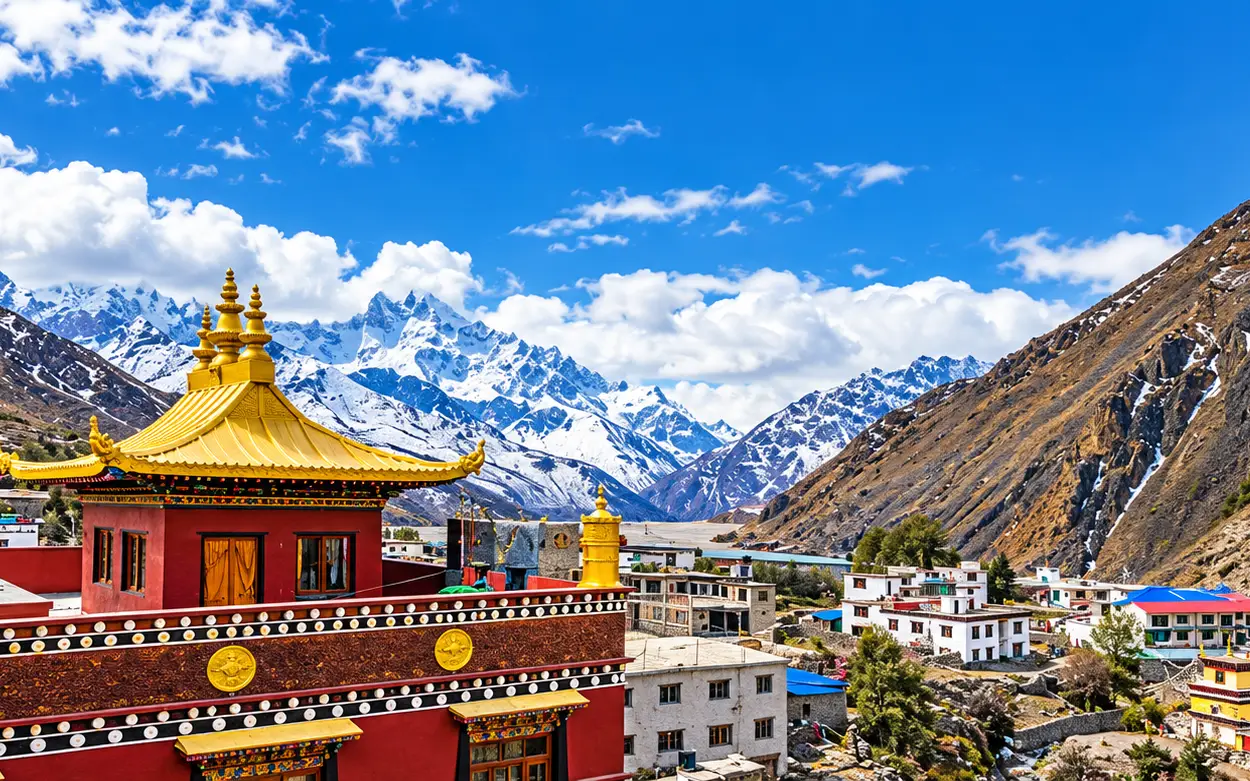
Lo Manthang, ancient cave settlements, historic monasteries and centuries of erosion have made Upper Mustang well-known for its landscapes. It is designated as a restricted area, which not only contributes to its cultural heritage conservation but also manages tourism.
| Feature | Lower Mustang | Upper Mustang |
| Main destinations | Jomsom, Marpha, Kagbeni, Muktinath | Lo Manthang, Tsarang, Ghami |
| Typical trip duration | 4–7 days | 10–14 days |
| Highest major destination | Muktinath, 3,800 m (12,467 ft) | Lo Manthang, approximately 3,840 m (12,598 ft) |
| Trekking difficulty | Easy to moderate | Moderate |
| Restricted-area permit | Not normally required | Required for foreign visitors |
| Typical guided package | NPR 65,000–145,000 | US$1,500–2,800 |
| Main attraction | Mountain villages and pilgrimage sites | Ancient culture and high-altitude desert scenery |
| Best suited for | Short holidays and budget travelers | Cultural explorers and longer trekking trips |
The above figures are indicative planning figures. The actual cost, elevation and duration of the trips will vary by route and trip arrangements.
Landscape and Scenery
There is a significant difference between the Upper Mustang vs Lower Mustang Trek in terms of the terrain.
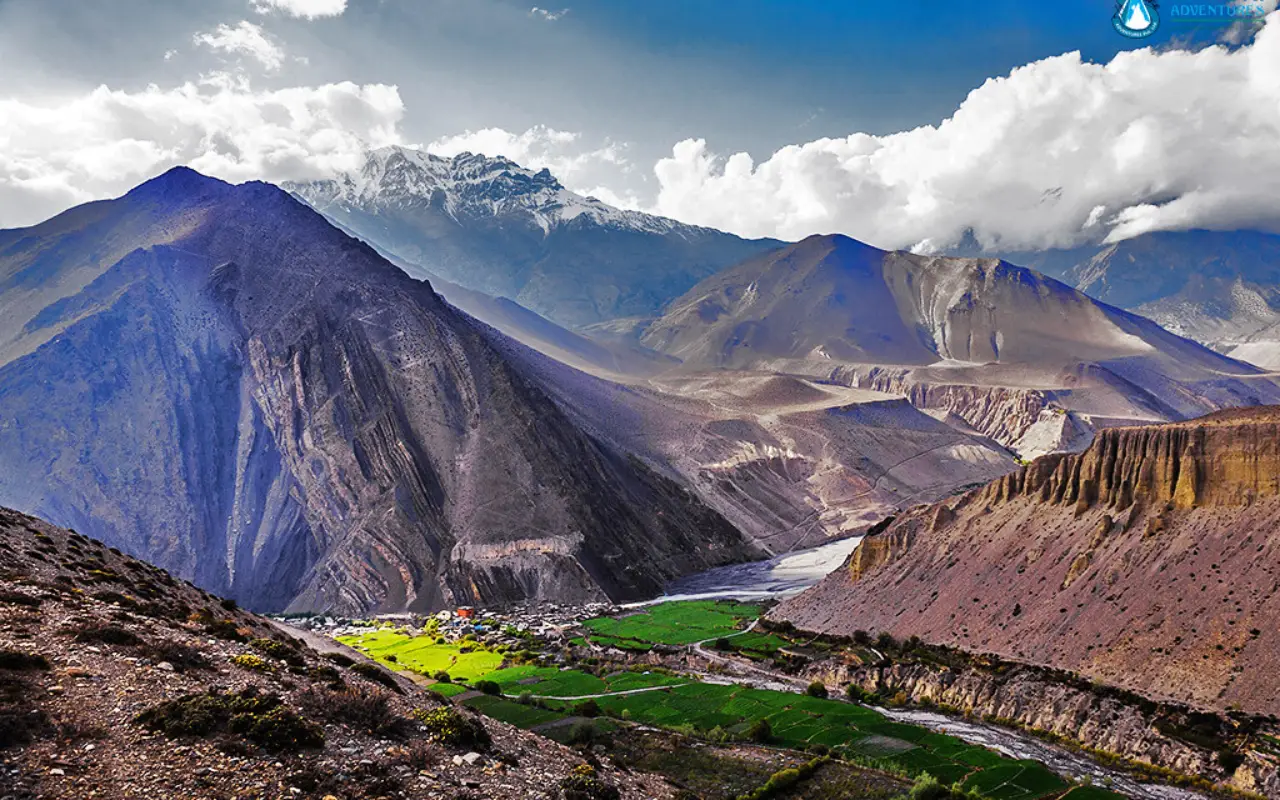
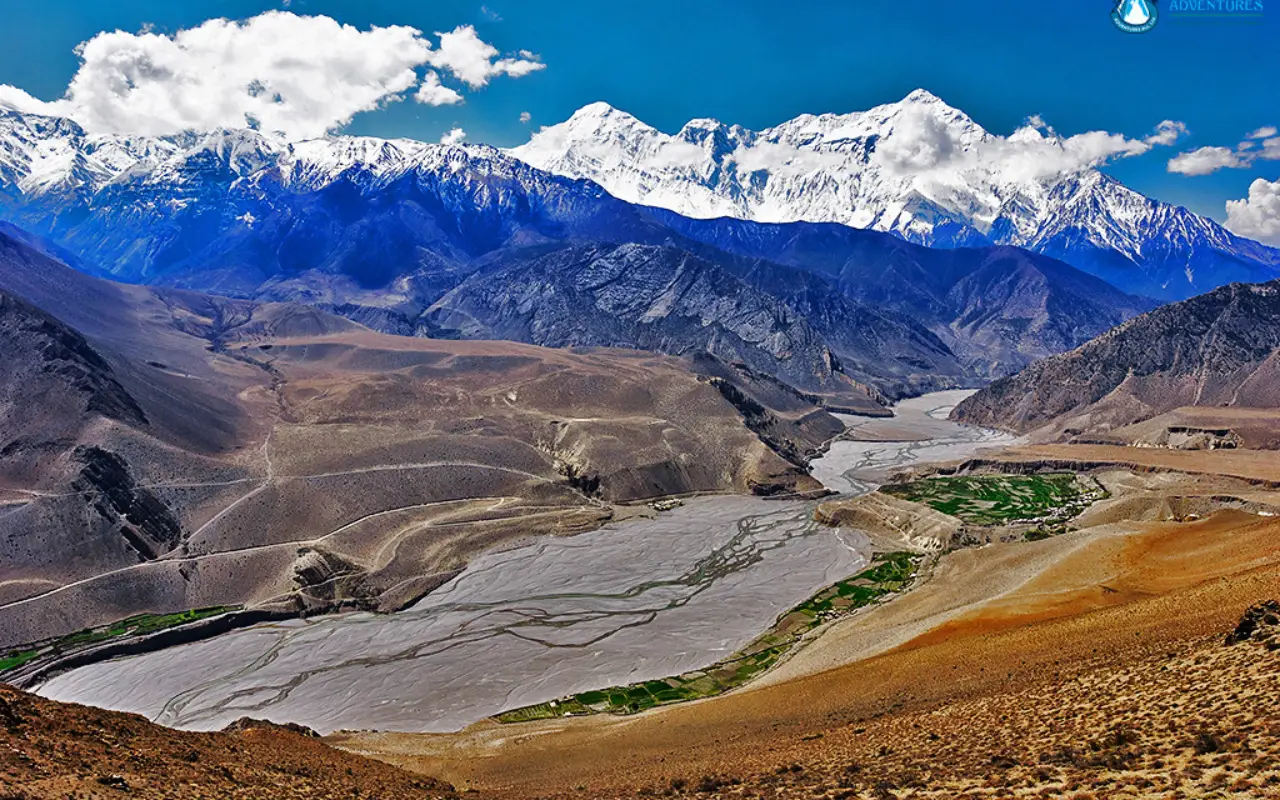
Lower Mustang is the area of the valley of the Kali Gandaki River, with traditional stone houses, apple orchards, rocky hills and the mountain ranges of the Annapurna and Dhaulagiri ranges. Marpha and Kagbeni villages offer great experiences of local life in the surrounding mountains.

Another highlight is the town of Muktinath, which is not only breathtakingly beautiful, but also a significant religious center for both Hindus and Buddhists.
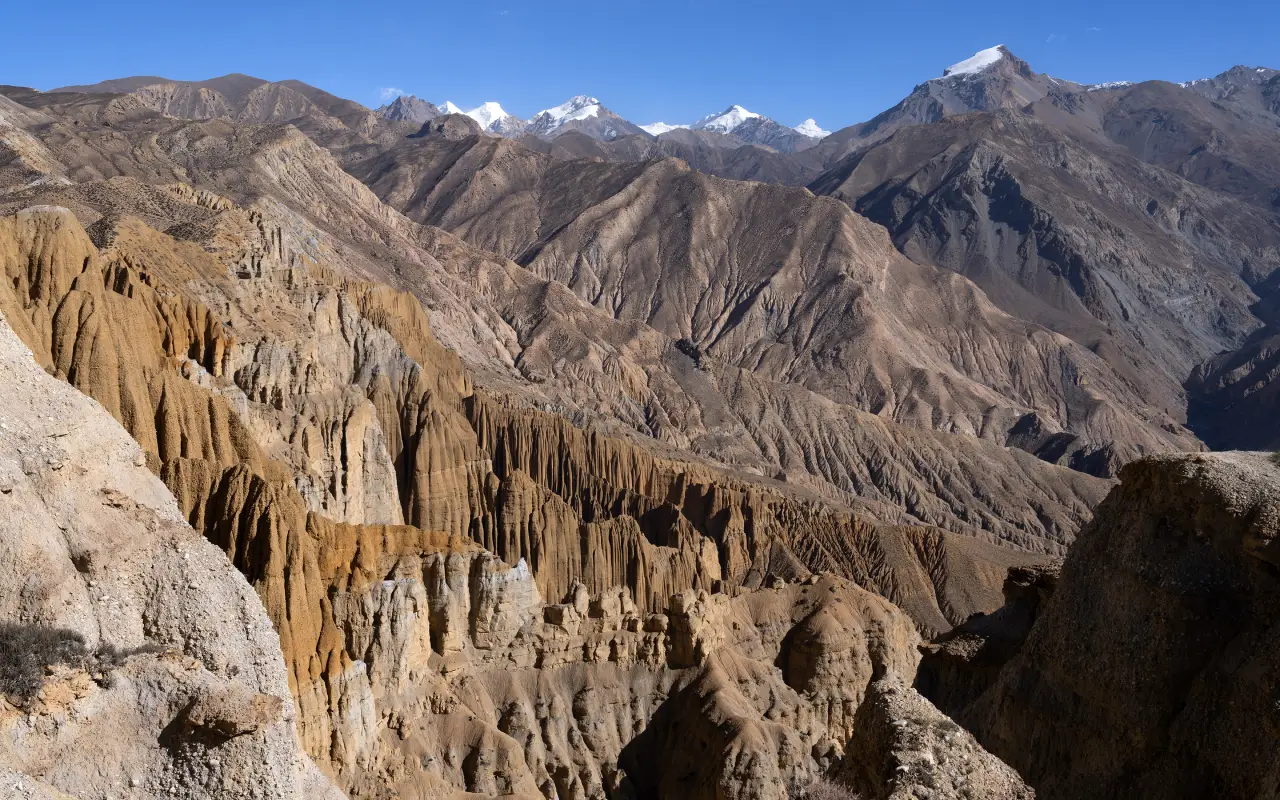
The topography of Upper Mustang is starker and more dramatic. It has wide valleys, red cliffs and other rock formations and dry hills, making the environment look like a desert. The attractive historic villages and cave dwellings make it unique.
Lo Manthang, the former capital of the Kingdom of Lo, is a highlight of the journey. The traditional architecture, its narrow streets and monasteries give some idea of the long cultural history of the area.
While both are stunning, Lower Mustang is more for those looking for diverse village scenery and Upper Mustang for those interested in remote valleys and unusual geological features.
Culture, Religion and Local Experiences
The Thakali culture is closely related to Lower Mustang. Tourists can visit the religious sites, sample Thakali meals, learn about local customs and explore the traditional villages.
Muktinath Temple is of special significance for both the Hindus and the Buddhists. The temple complex is a popular tourist destination and is visited by pilgrims all year round.
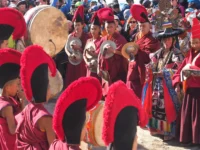
The culture of Upper Mustang is influenced by Tibet. Its monasteries, prayer walls, traditional houses and Buddhist practices are rooted in its spirit of cultural exchange that has spanned centuries in the Himalayan region.
Lo Manthang is home to historic monasteries, such as Jampa and Thubchen, that have a religious and artistic heritage. Travelers can also visit Tsarang and Lo Gekar Monastery if they have an itinerary and access to these places.
Another popular feature is the annual Tiji Festival. The festival is typically held in May and is known for its traditional dances and religious ceremonies that are part of the Buddhist tradition in the region. Anyone interested in visiting around the festival should make sure to know the dates beforehand.
In terms of cultural experiences, Lower Mustang is accessible to offer an introduction to the local culture, whereas Upper Mustang will allow more time to be spent on exploring historic settlements and Tibetan-influenced culture.
Trekking Difficulty and Altitude
Lower Mustang is a bit more convenient to set up since there are some routes that can be taken via road. Assists travelers who use a walker in conjunction with vehicle transportation, so it can be used by those who cannot walk as much as they’d like but can do so enough to get to their destination.
Upper Mustang is deemed a moderate trek. There are no technical routes involved in the standard routes, although some days of walking, exposed trails, dry conditions and high passes can make for a physical challenge.
| Factor | Lower Mustang | Upper Mustang |
| General difficulty | Easy to moderate | Moderate |
| Typical daily walking | Around 3–6 hours | Around 5–7 hours |
| Trail conditions | Village paths, walking trails and roads | Dry trails, dusty roads and mountain passes |
| Fitness level | Basic to good | Good fitness recommended |
| Accommodation | More options in major villages | Basic to comfortable lodges |
| Altitude concerns | Important near Muktinath | Important throughout the higher route |
In both areas, travelers may be susceptible to altitude sickness. Take a comfortable-paced walk, take time to get used to it and stop going up if symptoms get worse. If there are serious symptoms, it’s important that they descend quickly and get medical attention.
New hikers should make a sensible plan for their trip and not try to do too much.
Lower Mustang vs Upper Mustang Trek Cost
One of the most important factors to consider is the overall cost of the option. The main reason for the lower Mustang being cheaper is that it doesn’t typically need the special restricted area permit that is required in the Upper Mustang.
These estimates are for the 2026-2027 travel period. These are not fixed prices; these are just guidelines and may change based on group size, accommodation, transport and package contents.
Estimated trekking costs
| Expense | Lower Mustang | Upper Mustang |
| Guided package | NPR 65,000–145,000 per person | US$1,500–2,800 per person |
| Annapurna Conservation Area Permit for foreign nationals | Around NPR 3,000 | Around NPR 3,000 |
| Restricted-area permit for foreign visitors | Not normally required | US$50 per person per day |
| Guide and support | Depends on package | Licensed guide and authorized agency arrangement required |
| Transport | Bus, jeep, or domestic flight | Bus, jeep, or domestic flight |
| Meals and accommodation | Often included in guided packages | Often included in guided packages |
| International airfare | Usually excluded | Usually excluded |
For planning purposes, US$1 is approximately NPR 145, although exchange rates change.
Upper Mustang permit costs
Restricted Area Permit is required for tourists entering Upper Mustang. Under the revised fee structure introduced in late 2025, the permit costs US$50 per person per day spent in the restricted area.
| Days inside the restricted area | Permit cost |
| 4 days | US$200 |
| 7 days | US$350 |
| 10 days | US$500 |
| 12 days | US$600 |
| 14 days | US$700 |
The Annapurna Conservation Area Permit is separate. Foreign trekkers should budget around NPR 3,000, subject to the applicable official rate. Permit arrangements vary from country to country; please check before booking.
Additional expenses
- Return flights between Pokhara and Jomsom may cost approximately US$120–160, depending on availability and season
- This is possible to cut airfare costs, although it typically requires more time as a transportation mode
- Personal spending on snacks, drinks, charging, hot showers and souvenirs may add US$10–25 per day
- The travel insurance should include trekking at the intended height and cover for emergency evacuation
- Additional hotel nights, equipment and tips may require an additional operating expense
When comparing prices, always read the fine print. A lower-cost package might not include permits, transport, meals, or guide fees.
Best Time to Visit Mustang
Mustang receives relatively less rainfall than many other trekking destinations in Nepal, due to it being in the Himalayan rain shadow. Both areas can be explored throughout a few seasons; however, weather and transportation still play a role.
Spring: March to May
The season of spring is a popular time to travel because of better weather for trekking and visibility of the mountains. It’s good to look at villages, monasteries and landscapes around the region.
Summer and monsoon: June to August
The upper Mustang is beautiful during the monsoon season due to the relatively low amount of rainfall. Lower Mustang can also be explored, but you may need to cancel your road and flight trips if it rains in other parts of Nepal.
Autumn: September to November
In autumn, the sky is mostly clear and the mountains are visible to a good extent. Both areas are a good time to visit, so if you’re traveling during busy seasons, you should make reservations for transportation and lodging.
Winter: December to February
The winter season is cold; there is a chance of snow and there is the possibility of disruption of transport. Limited services may be available in some remote lodges, especially in the Upper Mustang. For anyone intending to travel in the winter months, please check for conditions and accommodations in the area.
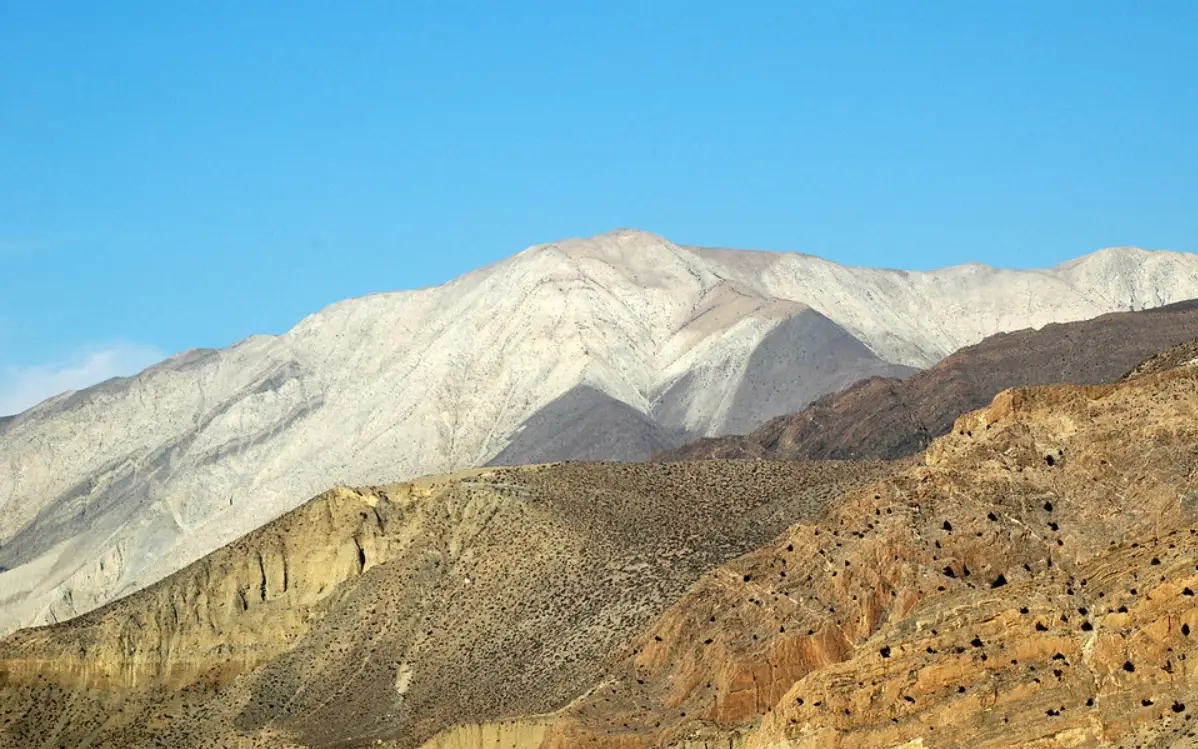
The spring and autumn seasons are good for most visitors and Upper Mustang is especially attractive for those wishing to find a relatively dry place to trek during the monsoon season.
Lower Mustang Trek Itinerary: 5 Days
This 5-day Lower Mustang tour is ideal for people who wish to see all the major sights without going on a long trek. It is based on travel from Pokhara and involves road transport wherever feasible.
| Day | Route | Activities |
| 1 | Pokhara to Jomsom, approximately 2,720 m (8,924 ft) | Travel by flight or road and explore Jomsom |
| 2 | Jomsom to Kagbeni, approximately 2,800 m (9,186 ft) | Walk along the Kali Gandaki valley and explore the old village |
| 3 | Kagbeni to Muktinath, approximately 3,800 m (12,467 ft) | Visit Muktinath Temple and enjoy mountain views |
| 4 | Muktinath to Marpha, approximately 2,670 m (8,760 ft) | Travel through traditional settlements and explore Marpha |
| 5 | Marpha to Pokhara | Return by road or connect through Jomsom for a suitable flight |
This is a suggested course of action and can be modified based on the availability of transportation and walking preferences. Those wishing to walk the entire section should expect to spend more time.
Popular Lower Mustang treks and tour packages
Jomsom Muktinath Trek: A brief tour to the mountain scenery, traditional villages and a popular pilgrimage site.
Kagbeni Muktinath Trek: A walking tour in a cultural context that includes the historic settlement of Kagbeni and the surrounding landscapes of Muktinath.
Jomsom Marpha Village Tour: A relaxed option focused on Thakali culture, local food, apple products and traditional architecture.
Lower Mustang and Annapurna Circuit Combination: A longer adventure combining Mustang’s villages with a wider Himalayan trekking route.
Pokhara Muktinath Jeep Tour: A road-based alternative for travelers who prefer sightseeing without several days of walking.
For a five-day guided trip, budget approximately NPR 65,000–145,000 per person. This may be raised by better transport, improved lodging and other services.
Upper Mustang Trek Itinerary: 12 Days
The classic route from Kagbeni leads up to the former Kingdom of Lo, which is regarded as the home of the Sherpas. This is a sample route for exploring Lo Manthang and surrounding villages en route to the south.
| Day | Route | Activities |
| 1 | Kathmandu to Pokhara | Travel and prepare for the trek |
| 2 | Pokhara to Jomsom, approximately 2,720 m (8,924 ft) | Fly or drive to Jomsom |
| 3 | Jomsom to Kagbeni, approximately 2,800 m (9,186 ft) | Explore the village and prepare for the restricted-area journey |
| 4 | Kagbeni to Chele, approximately 3,050 m (10,007 ft) | Pass traditional settlements and enter Upper Mustang |
| 5 | Chele to Syangboche, approximately 3,800 m (12,467 ft) | Walk through dry hills and cross mountain passes |
| 6 | Syangboche to Tsarang, approximately 3,560 m (11,680 ft) | Explore villages and the surrounding landscapes |
| 7 | Tsarang to Lo Manthang, approximately 3,840 m (12,598 ft) | Reach the historic walled city |
| 8 | Explore Lo Manthang | Visit monasteries, traditional streets and nearby settlements |
| 9 | Begin the return journey | Retrace the route or follow an arranged alternative |
| 10 | Continue toward Jomsom | Explore villages along the return route |
| 11 | Jomsom to Pokhara | Return by flight or road |
| 12 | Pokhara to Kathmandu | Complete the journey |
The walking times, overnight stops and transport arrangements vary from route to route. Additional days may be added to this 12-day trip if flights are delayed or roads are not available.
Popular Upper Mustang treks and tour packages
Upper Mustang Trek to Lo Manthang: The classic guided journey through ancient villages, monasteries and desert landscapes.
Upper Mustang Jeep Tour: A road touring experience to explore the villages of Lo Manthang and beyond that is suitable for those who don’t have much walking time.
Upper Mustang and Tiji Festival Tour: A cultural journey planned around the festival’s confirmed dates.
Upper and Lower Mustang Combined Tour: A longer trip covering Jomsom, Marpha, Kagbeni, Muktinath and Lo Manthang.
Upper Mustang Photography and Cultural Tour: A flexible itinerary focused on landscapes, traditional architecture and local culture.
A guided Upper Mustang package typically costs around US$1,500–2,800 per person. The final cost will be determined by the number of restricted days, group size, transport, overnight accommodation and services included.
Permits, Guides and Travel Requirements
Another key difference between the two destinations is the permit requirements.
In general, foreign visitors require an Annapurna Conservation Area Permit for Lower Mustang. Additional documentation may depend on the selected route and current regulations.
Foreign tourists require a Restricted Area Permit from an authorized trekking company for Upper Mustang. Use of a licensed guide is required. Consult the existing regulations for travelers regarding their route and nationality.
Before traveling:
- Bring the necessary permit papers and a passport
- Check up-to-date permit fees with a registered trekking operator
- See if any extra permits are needed for your trip
- Buy trekking and emergency evacuation insurance
- Bring adequate Nepali currency as ATMs and/or card payment facilities may not be available in the remote settlements
- Be prepared for extra time due to weather-related flight delays and road closures
Accommodation, Food and Transportation
There are more accommodations available in major settlements of Lower Mustang, including Jomsom, Marpha and Muktinath. Local lodges, guesthouses, traditional Thakali food, dal bhat, noodles, soups and products made from apples will be available for travelers.
There are teahouses and lodges on the main trekking route of Upper Mustang, but the facilities may be simpler in smaller settlements. Lo Manthang is a good location for traveling around the area, but don’t expect to find the same services in the city.
Generally, people use airplanes or road transport between Pokhara and Jomsom. Travel by air can save time, but is subject to wind and weather delays. Mountain roads are rough and the routes are long, but Jeeps are more flexible.
When planning either trip, compare the total travel time rather than looking at the distance alone.
Which Trek Should You Choose?
The right destination depends on your time, budget, fitness and interests.
Choose Lower Mustang if you:
- Have approximately four to seven days available
- Prefer a more affordable Himalayan holiday
- Desire to see traditional villages and religious sites
- Eat local food, enjoy mountain views and have easy access to hiking trails
- Looking for a short trip along with a bigger Nepal tour
Choose Upper Mustang if you:
- Can allocate approximately 10-14 days
- Are interested in discovering Lo Manthang and old villages
- Have an interest in Tibetan Buddhist culture and history
- Be able to afford more permits and guided trips
- Like to explore landscapes from a distance and enjoy a longer trek
If you have adequate time and funds try both areas for a wider Mustang experience. Before heading further north into Upper Mustang’s historic landscape, you can visit Lower Mustang villages.
Frequently Asked Questions
Is Lower Mustang easier than Upper Mustang?
Generally, yes. Lower Mustang has more flexible routes and road access, while Upper Mustang has more walking stages, remote terrain and more planning required.
How much does the Upper Mustang Trek cost in 2026?
A guided package generally costs around US$1,500–2,800 per person. The final cost is dependent on the trip, group size, transport, lodging and permit inclusions.
Can beginners trek in Upper Mustang?
Yes. A standard route is accessible to beginners if they are fit, have a licensed guide, take time to acclimatize themselves and have a realistic plan.
Is Upper Mustang suitable during the monsoon?
Yes. It is relatively dry in the rainy season, thanks to its rain-shadow position, but there is still a risk of road closures and air flight interruptions.
How many days are enough for Lower Mustang?
Depending on transportation and walking ability, 4-7 days is a typical time frame to explore Jomsom, Kagbeni, Marpha and Muktinath.
Conclusion
The comparison between Lower Mustang and Upper Mustang is a matter of two rewarding trips in the Himalayas, but they’re different. Lower Mustang is a less difficult and more budget-friendly way to pass through villages, mountain valleys and sacred pilgrimage destinations. Upper Mustang offers a more in-depth cultural experience, with its ancient settlements, Tibetan-influenced traditions and dramatic desert landscapes.
Lower Mustang is a great destination for those seeking a brief getaway or their first trek in the Himalayas. If you have the time and money and have an interest in history and out-of-the-way mountain culture, Upper Mustang is well worth the extra money.
Regardless of where you go, map out your plan, check up on permit requirements and give yourself time for conditions to change in the mountains. Both of these trips can be a great introduction to Mustang’s unique landscape and culture with some preparation.


