notification

Great News, From June 2025 Mount Kailash is open for individuals holding Indian Passports

Planning a trip to Nepal? These 10 interesting facts about Nepal will inspire you.

Nepal has always been at the top of the bucket list of natural lovers, adventure seekers, and cultural enthusiasts alike. One of the interesting facts about Nepal is that it is situated in the Himalayas, where you can see stunning landscapes and vibrant customs, making it a more special place to visit.

Additionally, Nepal has it all, as it is home to eight of the fourteen highest peaks in the world, including Mount Everest. The landscapes are playgrounds for adventure, which attract trekkers and adventurers from every corner of the world. Nepal is guaranteed to inspire the imagination of adventurers and travelers alike, from the Annapurna Circuit to ancient temples.

Although over 70% of Nepal is a geological marvel in the form of mountain ranges, jungles, lakes, and wildlife, along with nature, there are other fun things that nature lovers can appreciate. Amazing jungle safaris, beautiful national parks to observe and experience wildlife, or colorful festivals featuring local heritage are available.

The 10 interesting facts about Nepal shared here demonstrate what makes this land of the Himalayas remarkable. These ten facts will inspire travelers to experience the mountains, culture, and adventure, and to add wonder to their journey.

Top 10 Interesting Facts about Nepal

1. Nepal Is Home to the Majestic Mount Everest
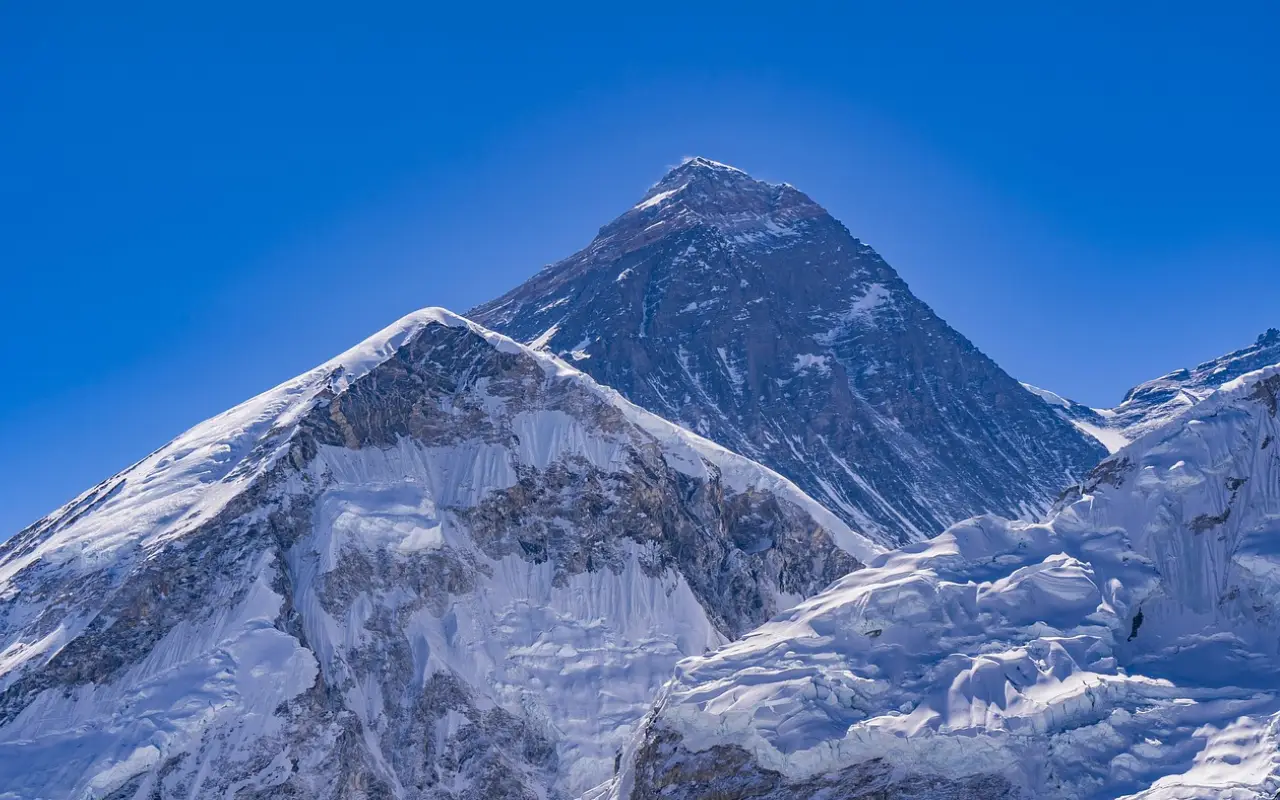
Mount Everest
Mount Everest

Nepal is home to many towering peaks, including Mount Everest, which is the tallest Peak in the world with an elevation of 8,848 meters. This towering peak offers a great source of adventure and scenery for climbers all around the world. It stands for true nature’s magnificence; all thrill-seeking nature lovers and true adventurers need to visit this natural wonder.

Another interesting fact about Nepal is the Everest Base Camp Treks, which pass Sherpa villages. This trek can be made shorter by combining a helicopter trek, making it accessible to a wide range of travelers. This can be a perfect adventure for anyone seeking to go on foot in the Mountains.

The Everest area is not only for experienced hikers but also for inexperienced hikers who want to see the close-up view of the Himalayas, one of the interesting facts of the Nepal trek. For those who want to go for the Everest Base Camp trek, you will have to cross three high passes to witness an amazing panoramic view of Everest.

This trek is more challenging as you will have to be fit and have endurance; however, the views and scenery of the Himalayas will be worth all the effort, and you will have unforgettable experiences.

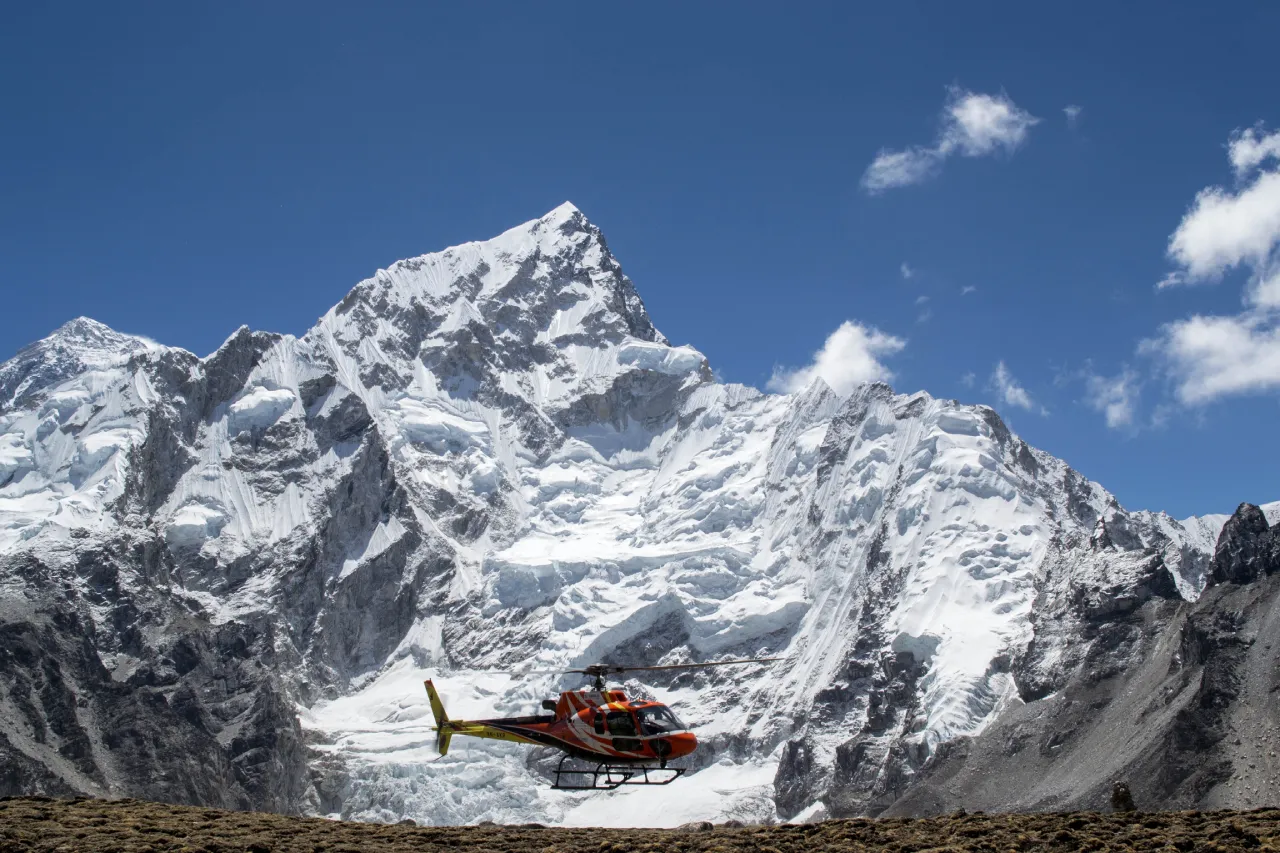
Another option to see Everest Base Camp is by helicopter. Helicopter tours to Everest Base Camp offer a unique perspective of Everest and the surrounding area from the air.

If you are short on time and still want to see Everest, then the helicopter and trekking combination is great because of its exciting and memorable experience. Mount Everest in Nepal continues to inspire and attract adventurers and mountain climbers from all over the world.

2. It’s the Birthplace of Lord Buddha

Lumbini is where Lord Buddha was born and is a UNESCO World Heritage Site, known to be one of the holiest spiritual places in Nepal. Lumbini has different monuments, and the beautiful garden attracts many tourists and pilgrims from all over the world, and has some interesting facts about Nepal to share.

As one of the major spiritual pilgrimage sites, Lumbini has high religious importance to Buddhists all around the world. This area has monuments like Mayadevi Temple and Ashoka Pillar, which distinguish Nepal for its historical and archeological background, among many interesting facts about Nepal.
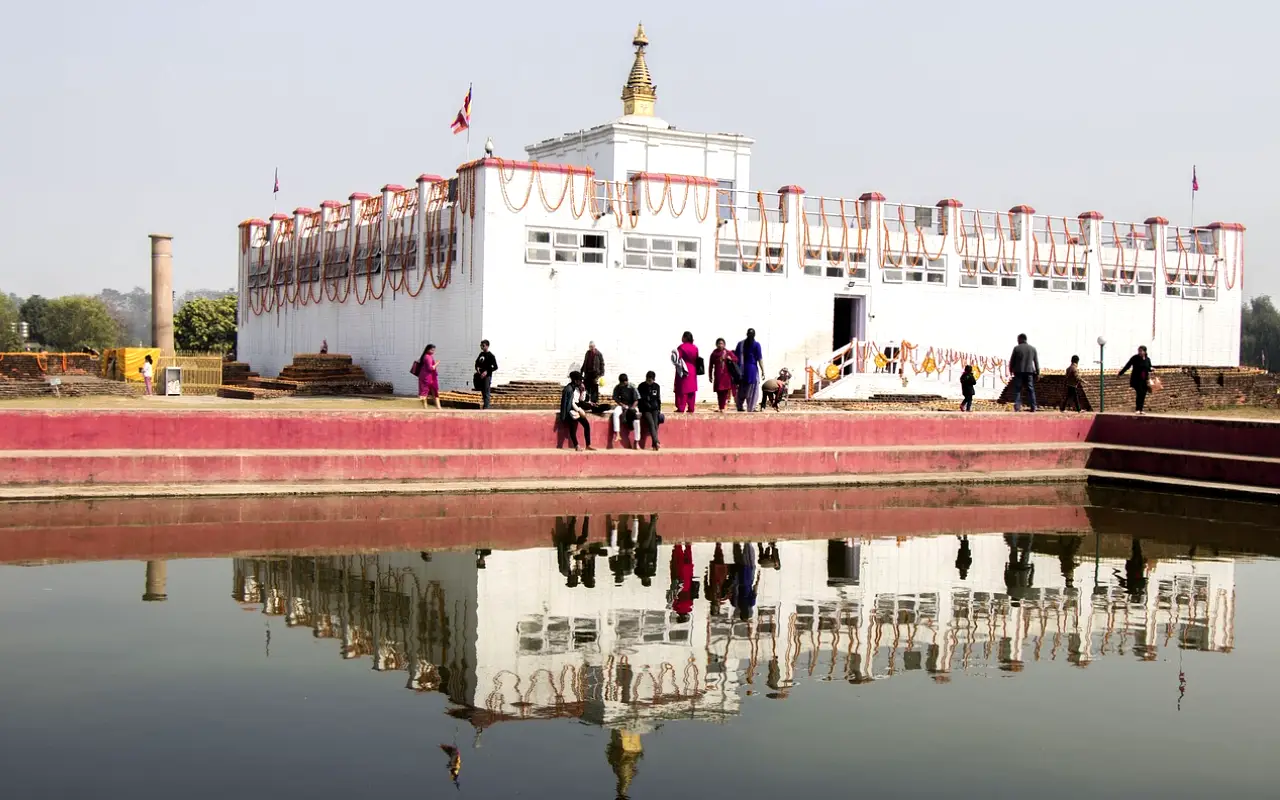
Lumbini, birth place of Gautam Budhha

The Sacred Garden is surrounded by monasteries that represent a range of Buddhist traditions, creating a serene atmosphere for meditation and worship. It is this combination of spirituality and history that is a key contributor to formulating the interesting facts about Nepal that encourage travelers to visit.

There have been and continue to be several ongoing conservation and sustainable tourism projects run by the Nepalese government and non-governmental organizations that ensure the preservation and protection of Lumbini’s heritage as a living spiritual center and valuable component of the construction of interesting facts about Nepal to receive pilgrims and travelers alike.

3. Eight of the World’s 14 Highest Peaks Are in Nepal

Nepal is a country with eight of the world’s 14 tallest mountains, including:

  • Mount Everest
  • Kanchenjunga
  • Annapurna I
  • Dhaulagiri
  • Lhotse
  • Makalu
  • Cho Oyu
  • Manaslu

No wonder these remarkably high peaks make Nepal a mountaineer’s dream, and it wouldn’t be one of the most interesting facts about Nepal to share with an adventure seeker.
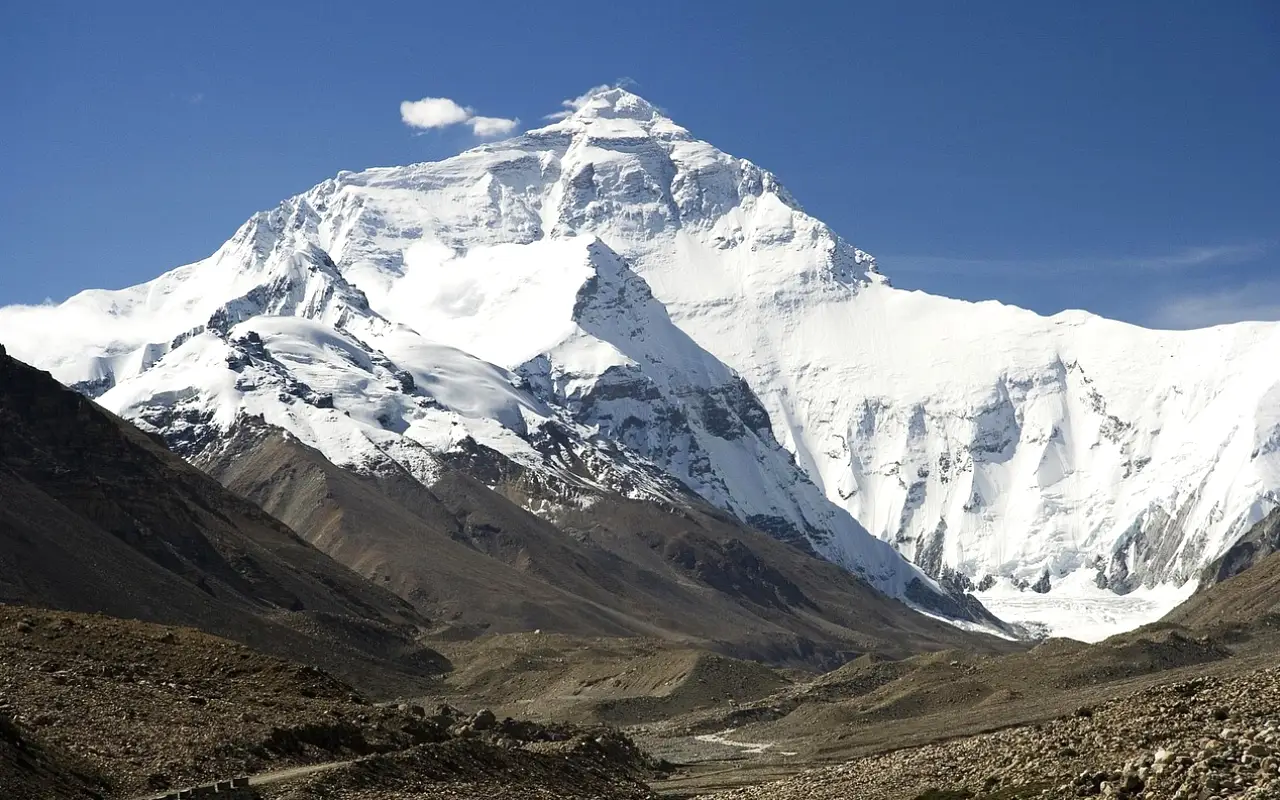
Mount Everest, Nepal

Mount Everest is certainly Nepal’s crown jewel at 8,848.86 meters, but there are other equally interesting peaks like Annapurna (8,091m) and Dhaulagiri (8,167m). These peaks represent some interesting facts about Nepal’s high mountain nature.

Unsurprisingly, for adventure enthusiasts and photographers, the high mountains in Nepal offer stunning landscapes and unique cultural experiences. The collapse of incredible mountain scenery and the local Sherpa culture make for one of the unique and interesting facts about Nepal, which inspires many travelers across the world.

Beyond climbing Nepal’s eight tallest peaks, they also provide populations of varied ecosystems and trekking routes in Nepal. This blend of adventure and natural beauty makes Nepal one of the best places to visit on the planet, and adds to the many interesting facts about Nepal that all travelers and lovers of nature alike should experience

4. Nepal Has Never Been Colonized

Nepal is unique in South Asia as it has never been colonized, making it a very unique and special place that lends itself to a strong cultural identity. That sovereignty has allowed Nepal to maintain its traditions and heritage, which makes these interesting facts about Nepal a point of pride for Nepalese and visitors alike.

Since Nepal was never colonized, its cultural heritage is culturally authentic. The civilizational customs, languages, and religious traditions of Nepal have been preserved for centuries. There are rich and diverse interesting facts about Nepal that appeal to travelers.

This pride of sovereignty is demonstrated through Nepal’s many festivals, traditions, and arts, which thrive without foreign influence; their preservation enables a clear prism reflecting the aspects of a culture. Above all, this brings meaning to Nepal being one of the most interesting facts about Nepal for all cultural explorers.

Nepal’s history of non-colonialism and commitment to a national identity that values freedom and cultural preservation uniquely contributes to its national resilience.

This legacy allows visitors to experience a world with a shared heritage and where traditions are displayed, which makes these interesting facts about Nepal necessary to incorporate into understanding the spirit of Nepal as a remarkable nation.

5. It’s a Biodiversity Hotspot

Nepal is a recognized part of the biodiversity hotspot globally and is home to some of the world’s most iconic species of wildlife, such as Rhinos, Tigers, Elephants, and the elusive Red Panda.

The interesting species are all part of the wonderful biodiversity of Nepal and demonstrate why these interesting facts about Nepal are of importance to nature lovers and conservationists.

Various National parks such as Chitwan National Park, Bardiya National Park, Dhorpatan Hunting Reserve, etc., serve as a crucial habitat for endangered species and show Nepal’s commitment to preserving the natural heritage of its country. All of the interesting facts about Nepal allow eco-tourists to see the biodiversity hotspot of Nepal.
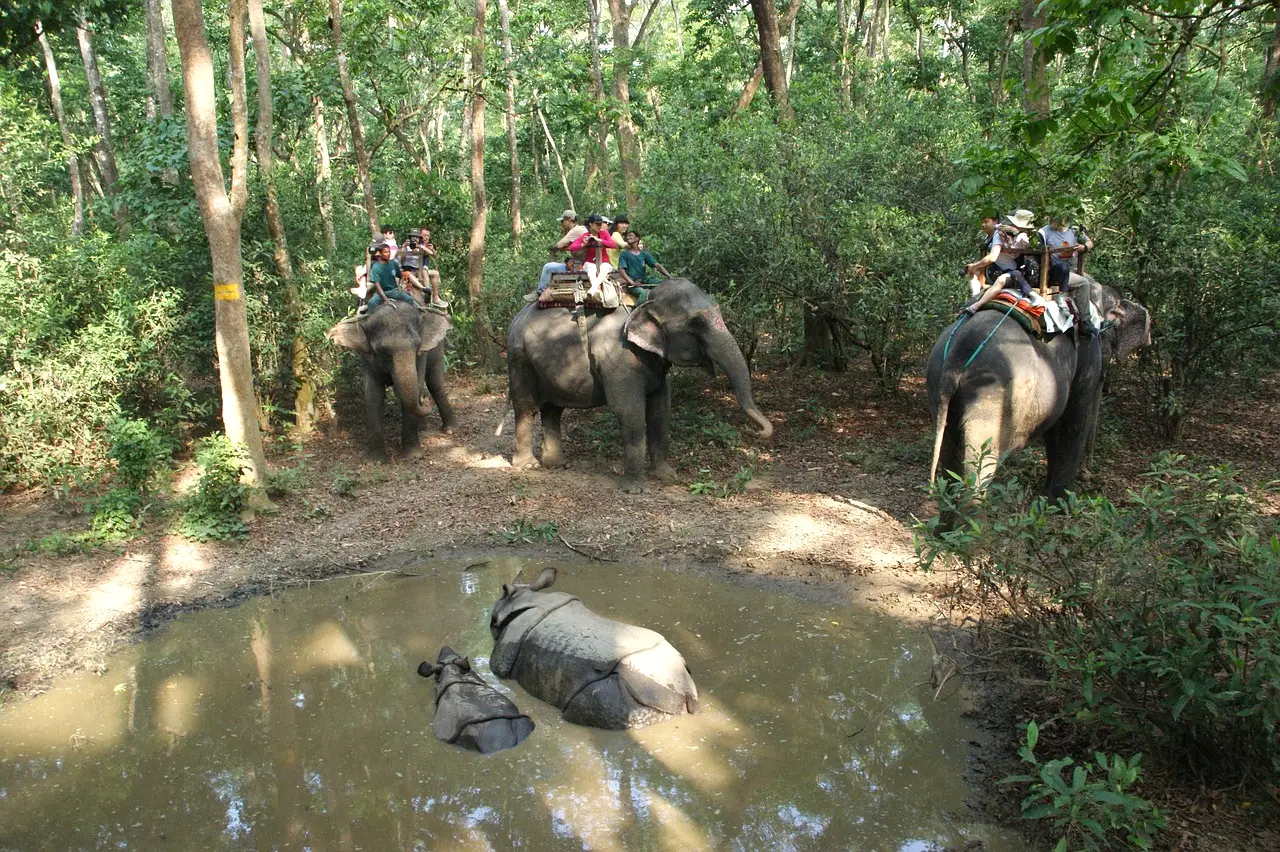
Chitwan Elephant Safari

Jungle safaris in the Chitwan National Park offer thrilling opportunities for adventurers and wildlife observers to observe wildlife in their natural habitat.

As visitors travel through the dense forests of the pothole jungles, they will have opportunities to see rare wild animals in their natural habitat and additional wildlife while birdwatching.

Nepal is the ideal destination to create incredible experiences in advanced wildlife photography, as there is a wealth of opportunities for animal, environmental adventure, and nature photography. All the interesting facts about Nepal often lead many travelers to visit and explore.

6. Kathmandu Valley Boasts 7 UNESCO World Heritage Sites

The Kathmandu Valley is home to 7 UNESCO World Heritage Sites where ancient temples, stupas, and royal palaces exemplify the country’s rich history. They also represent some of the more interesting facts about Nepal, where the exploration of medieval art and architecture attracts eager travelers.
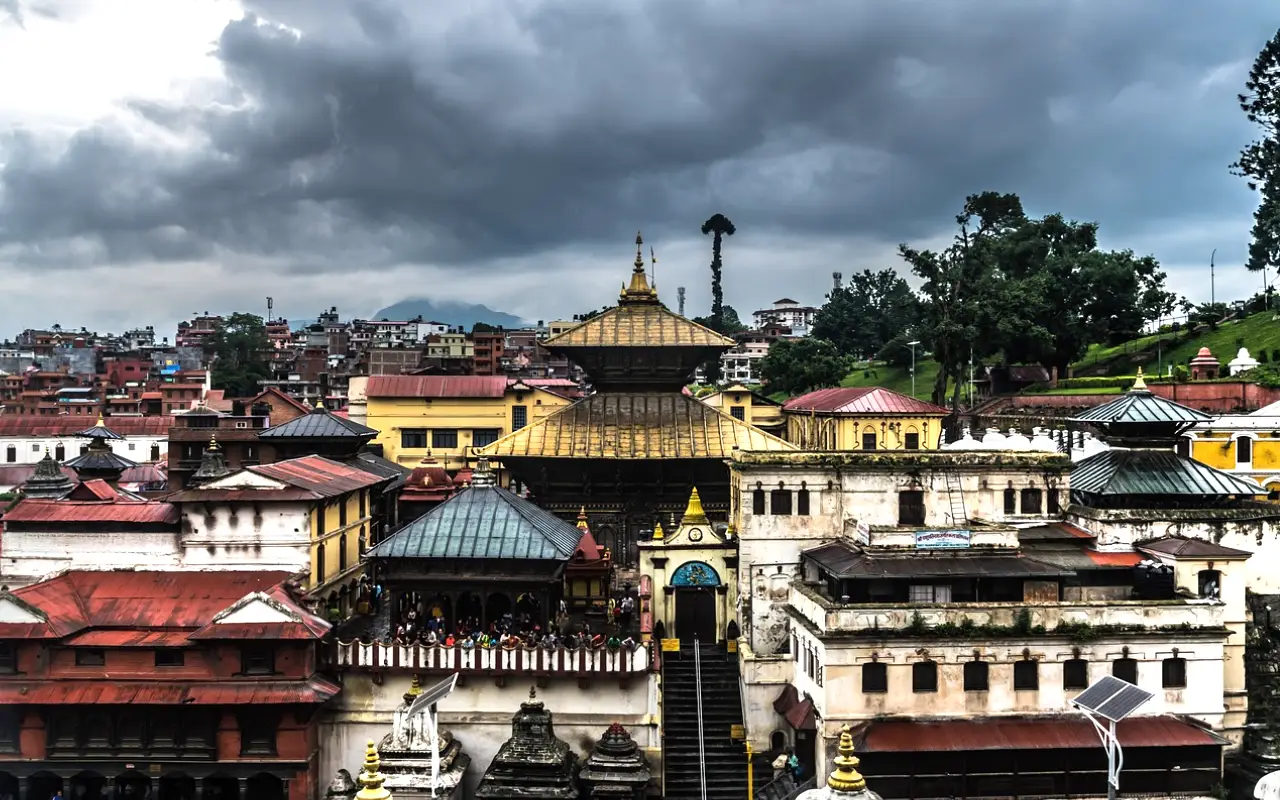
Pashupatinath Temple

Highlights of the heritage sites, to name a few, include Pashupatinath Temple, Swayambhunath Stupa (Monkey Temple), Boudhanath Stupa, and Bhaktapur Durbar Square, all of which offer one-of-a-kind spiritual and historical experiences that exemplify the depth of Nepalese culture, with More interesting facts about Nepal motivating cultural tourism.

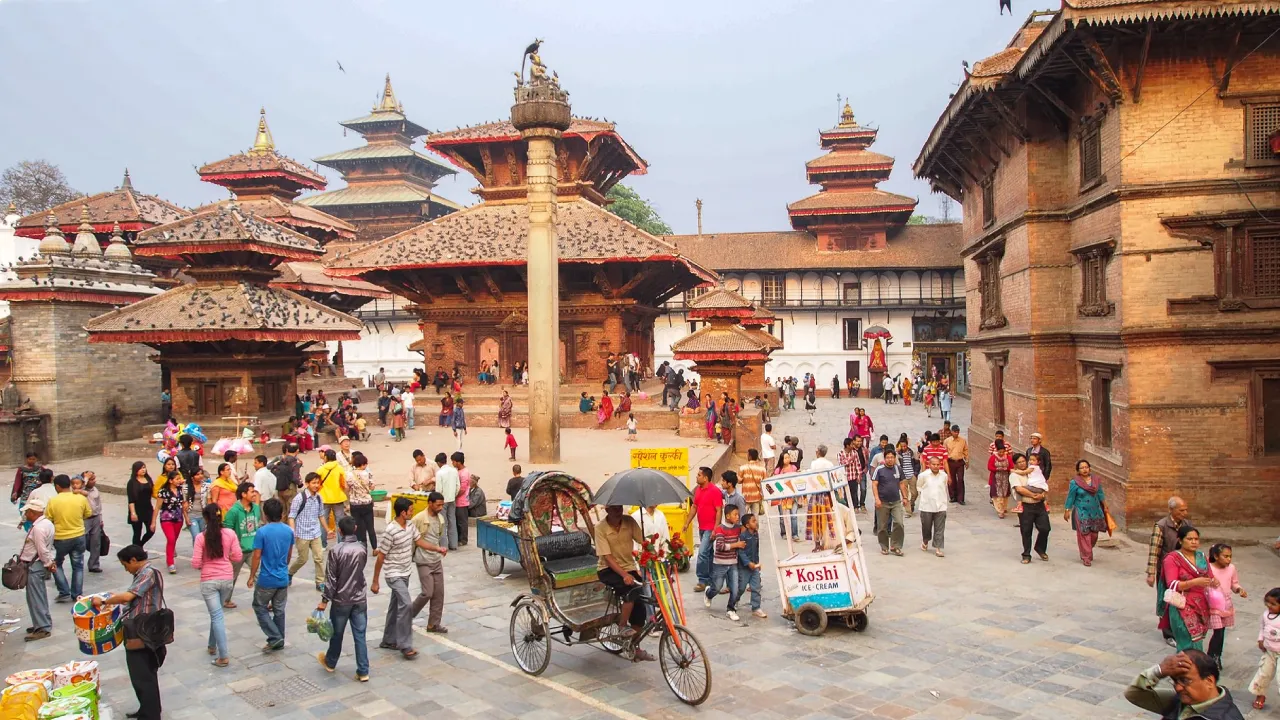
Three important Durbar Squares: Kathmandu Durbar Square, Patan Durbar Square, and Bhaktapur Durbar Square, used to be royal palaces in the Malla region.

Now, they are lively cultural centers filled with amazing intricate carvings and are also lined with the full energy and life of street stalls and shops. This also contributes to more interesting facts about Nepal’s context of living traditions.

If you are interested in exploring Nepal’s ancient history, wooden crafts, and historical temples, then you can choose the Kathmandu valley. This will help you gain a deeper understanding of this beautiful valley.

7. A Global Hub for Spiritual Retreats and Yoga

Nepal is a world destination for spiritual retreats and yoga. Throughout the country, there are many meditation centers and monasteries in mountain areas dedicated to helping practitioners find serenity and peace and recover from or process life’s difficulties.
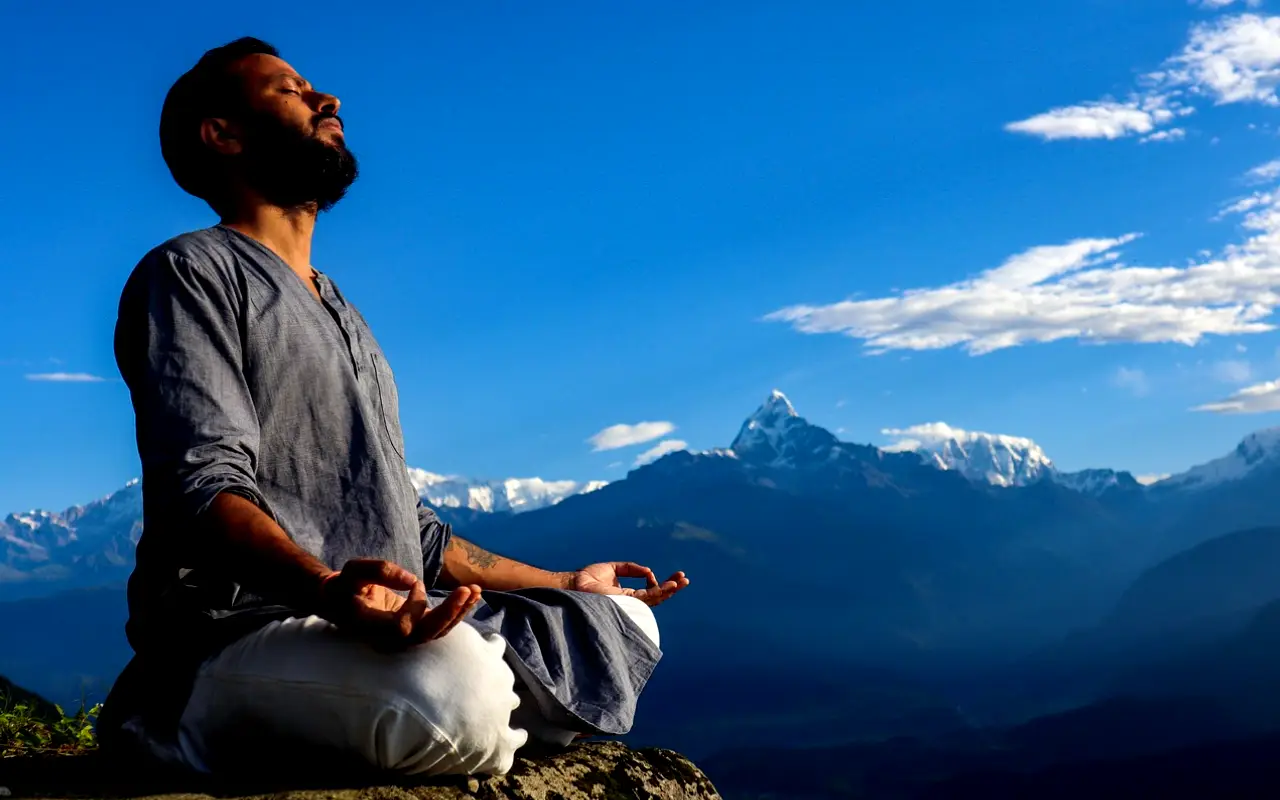
Meditation
Meditation

You can see many tours in Nepal that combine yoga, such as the Mardi Himal Yoga Trek, the Everest View Yoga Trek, and the Langtang Yoga Trek. You can choose these tour packages if you want to experience the relaxation of body and mind in the foothills of the Himalayas.

These peaceful, amazing places are worthy of consideration by our global community of spiritual seekers and contribute to interesting facts about Nepal. Many of the retreat centers will run programs with formal schedules that combine meditation, yoga, and mindfulness workshops.

This mix of retreat-based practices can nurture inner peace and self-development. These interesting facts about Nepal are, of course, even more compelling against the backdrop of gorgeous landscapes. The compatibility of Buddhist and Hindu cultures likewise informs the spiritual experience visitors will have in Nepal.

You can visit ancient temples and engage in rituals that highlight this particular compatibility. You can visit the museums of Kathmandu Durbar Square and Patan Durbar Square to blend spirituality into your tour. It should be noted that this is also a part of the interesting facts about Nepal’s various religious traditions.

Whether your travel will take you to Kathmandu, Pokhara, or remote mountain retreats, there are transformative experiences available to you if you seek healing or spiritual personal development. These interesting facts about Nepal’s spirituality are elevated by the startlingly peaceful atmosphere and longstanding traditions available to you on your visit.

8. Nepal Offers Treks for All Levels

Nepal has treks for everyone, from short scenic walkways to challenging high-altitude treks. This meant trekking is one of the most sought-after activities here, and one of the many interesting facts about Nepal that attracts novices to experts.

Easily accessed routes like Poon Hill Trek, Mardi Himal Base Camp Trek, and Langtang trek, are popular beginner-friendly treks that have amazing scenery without having to work too hard. These treks are a showcase of teahouse trekking culture, and the many interesting facts about Nepal are great for first-time trekkers or families.
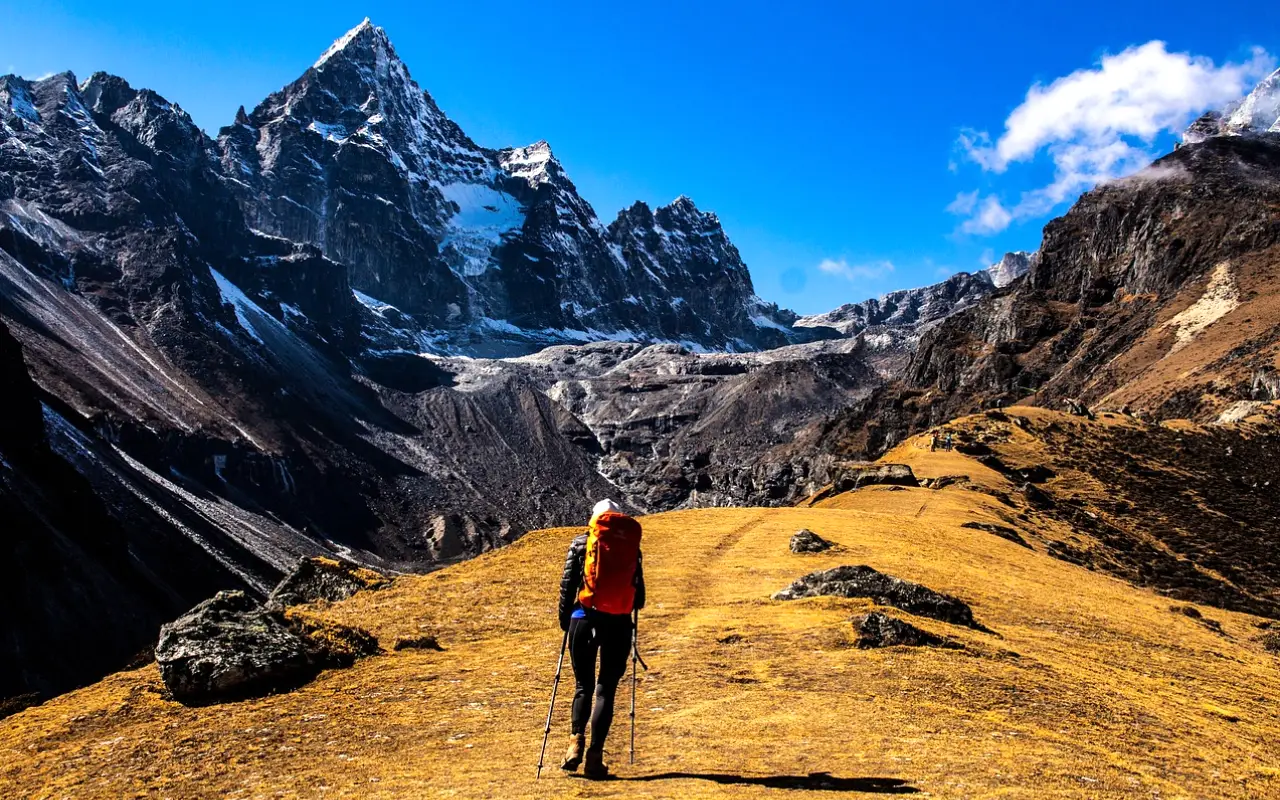
Tourist on the way to Everest Base Camp

Trekkers can also witness the challenging Everest base camp trek, the Annapurna base camp trek, to bike riding in the Mustang area of Nepal. Where the way of living has been preserved from generation to generation, which is also an interesting fact about Nepal.

The teahouse trekking culture permits trekkers to stay in local lodges along the way, which offers trekkers the opportunity to experience Nepali hospitality and food, whilst trekking.

This system supports local communities whilst making the experience better for trekkers, and is probably one of the most interesting facts about Nepal for today’s travelers. For seasoned adventurers, treks like Everest Base Camp and Annapurna Circuit are far more demanding and will require capacity, stamina, and endurance.

These are not only some of the more demanding, but also offer spectacular views of the majestic Himalayas, and help to further cement some of the interesting facts about Nepal that outdoor enthusiasts have worldwide.

9. Nepalese Hospitality Is Warm and Welcoming

The Nepalese are very, very hospitable, based on the concept of “Atithidevo bhava,” which means “The guest is god”. This wonderful cultural value creates respect and kindness for their guests and is one of the fascinating facts about Nepal.

Local people are friendly to travelers, offering homestays and personalized guided tours in a community spirit that creates sincere connections – another interesting aspect of Nepal that elevates your journey.
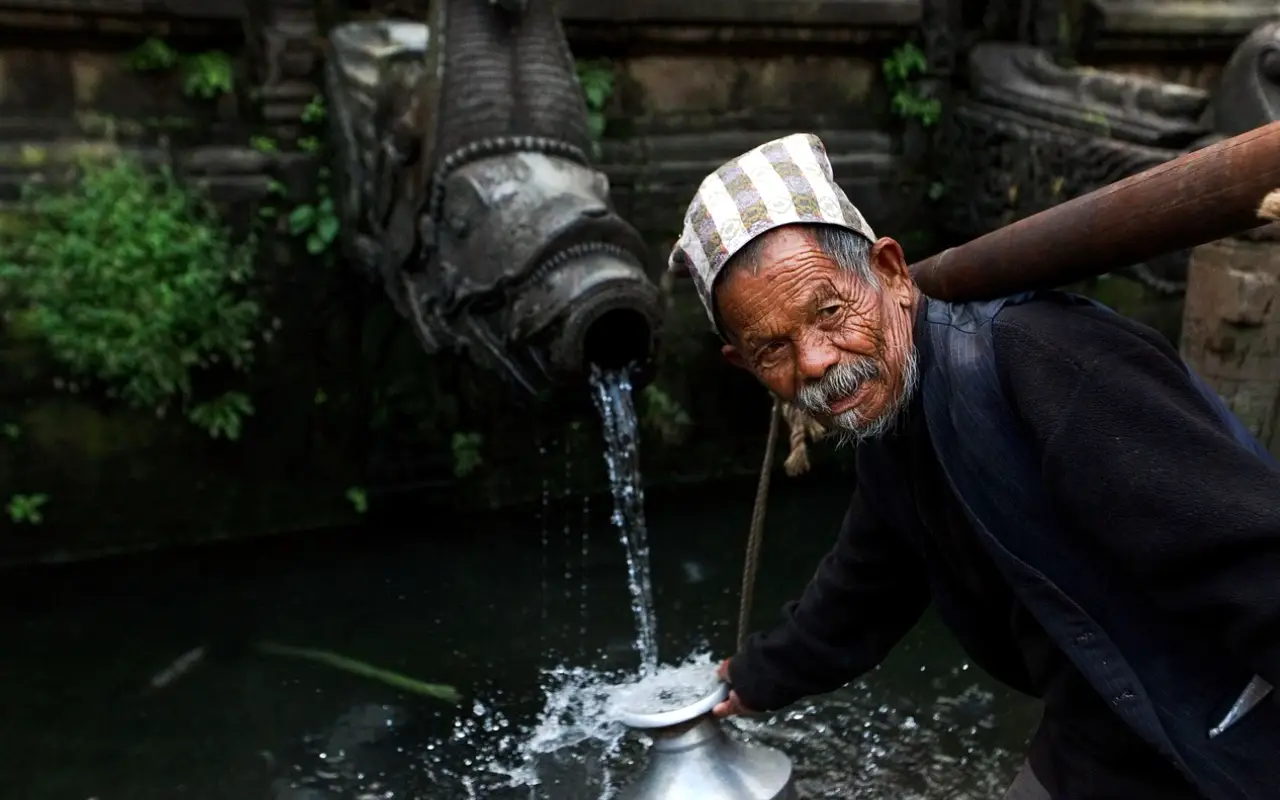
Elderly Nepali man
An elderly Nepali man

Nepal has a strong guiding culture, and having expert and supportive guides boosts safety and enjoyment. Guides assist visitors through urban and remote environments, connecting visitors to important and interesting facts about Nepal and tourism.

Solo travelers, particularly women, often feel safe and welcomed in Nepal. The culture in Nepal and warm local customs make it easy to feel safe, an easy one to call one of the noteworthy and interesting facts about Nepal for independent travelers.

10. It’s one of the Most Affordable Travel Destinations

Nepal is one of the cheapest travel destinations in the world, and one of the best fun facts about Nepal for backpackers on a budget. With cheap accommodation, food, and transportation, travelers can visit many places without going over budget.

Nepal has a wealth of luxury options that are cheaper than other countries and regions. There are premium lodges, guided walks, and exclusive treks that offer luxurious comfort and adventurous activities. This expands the range of Kathmandu fun facts for all types of travelers.
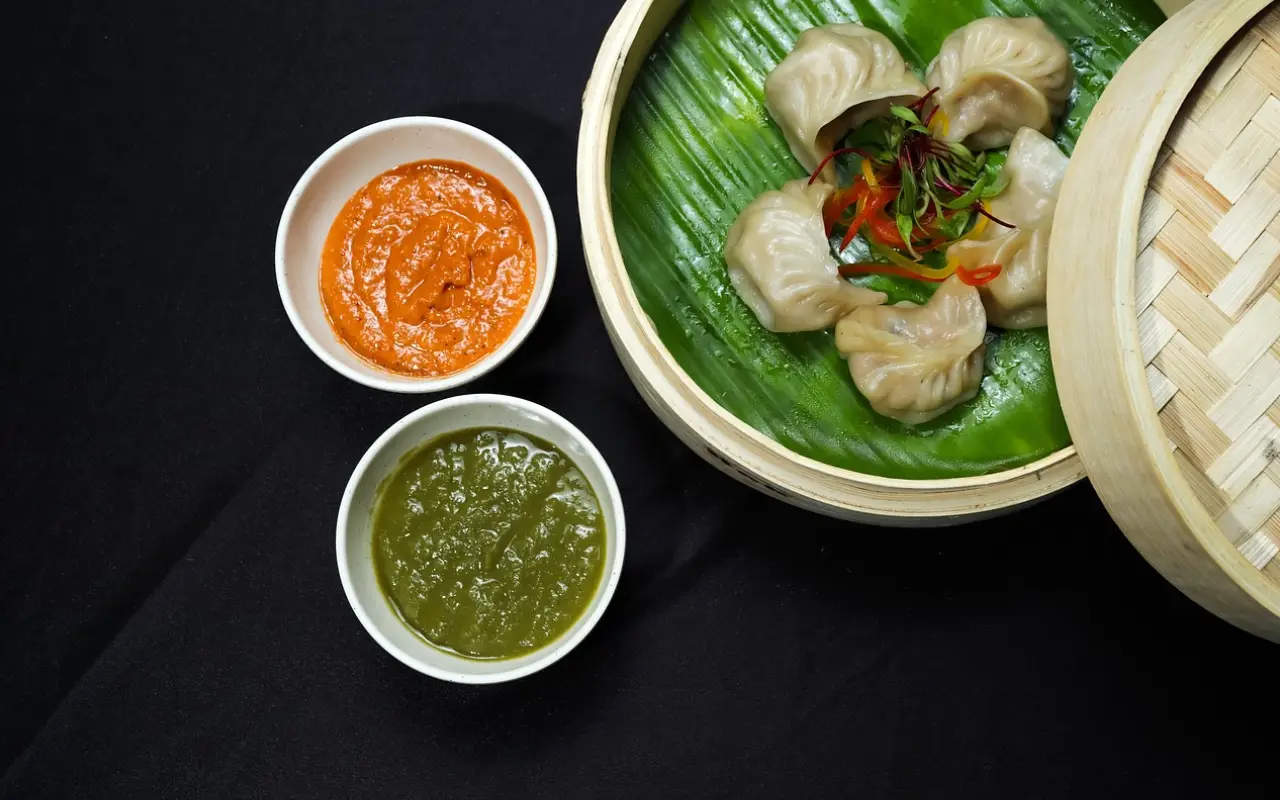
Momo: Nepal’s Favorite Dumpling Dish You Must Try

Nepali food is not only delicious but also affordable. Nepal’s rich culinary heritage includes two iconic dishes: Dal Bhat and Momo. There are lots of local places serving authentic meals at a very low price. The same affordability applies to modes of transport, such as buses, jeep sharing, and other forms of travel, all of which are among the best facts about Nepal you can share.

Tours and adventure activities, including trekking and wildlife safaris, are priced reasonably, allowing visitors to have rich experiences at a fraction of the cost of other parts of the world. This combination of affordability and a rich experience creates more interesting and fun facts about Nepal for travelers from all over the world.

Conclusion

Nepal is an incomparable journey of adventure, spirit, serenity, and beautiful culture. A small country tucked away in the heart of the Himalayas, Nepal embraces every traveler in its unique way with amazing places to see, mountains, monasteries, temples, and colorful traditions.

You may be surprised how this relatively small country can have such a big character as well as boundless wonders to experience. The wondrous landscapes, exotic wildlife, and welcoming people make incredible memories that bring these interesting facts about Nepal alive for visitors.

What are you waiting for? Plan your amazing trip to Nepal today! Whether it’s exotic adventures, transcendental experiences, or cultural exchanges, the opportunity will abound on the perfect booming journey waiting for you! Don’t miss the chance to appreciate Nepal as one of the most truly magnificent destinations in the world.
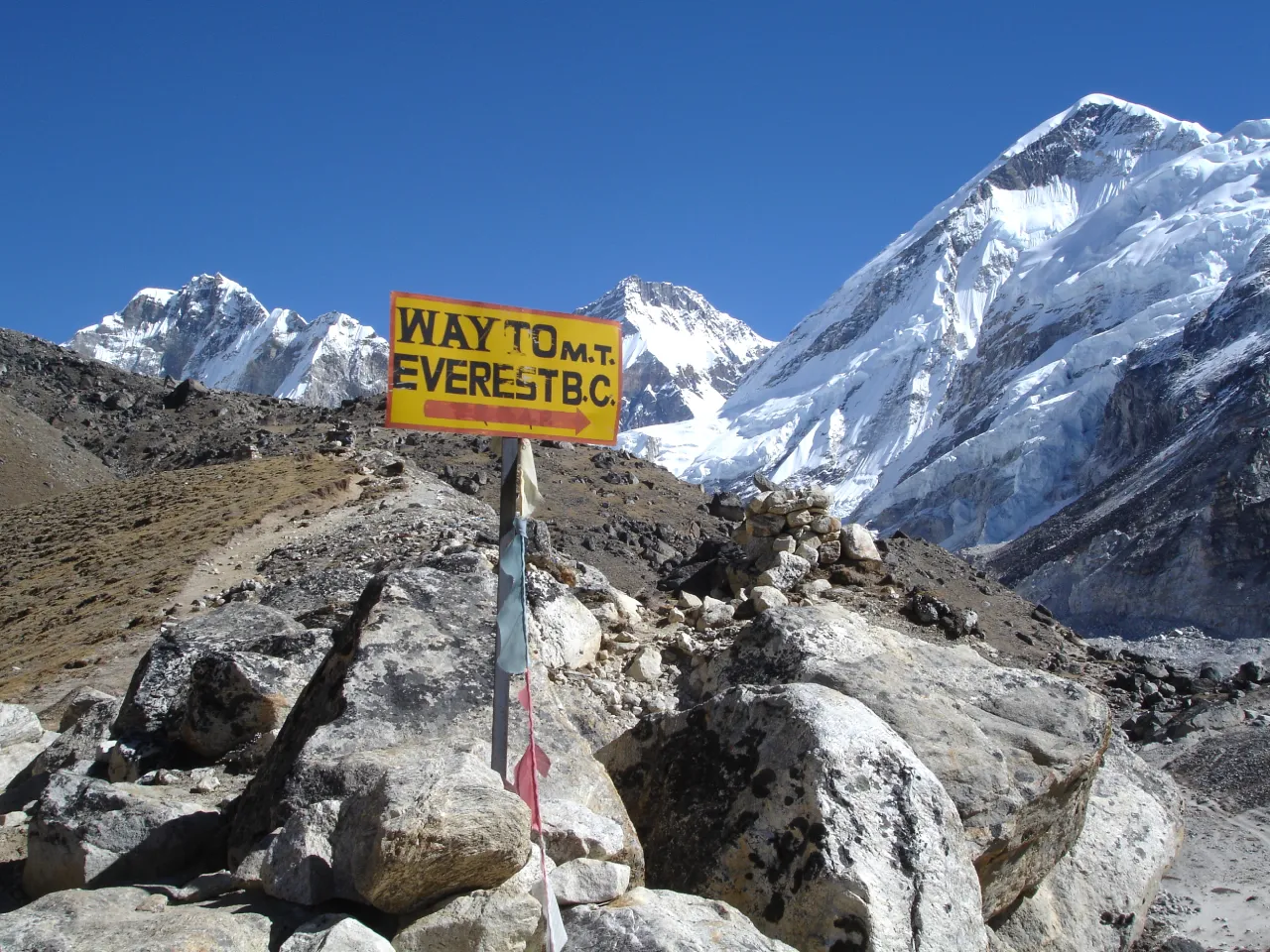
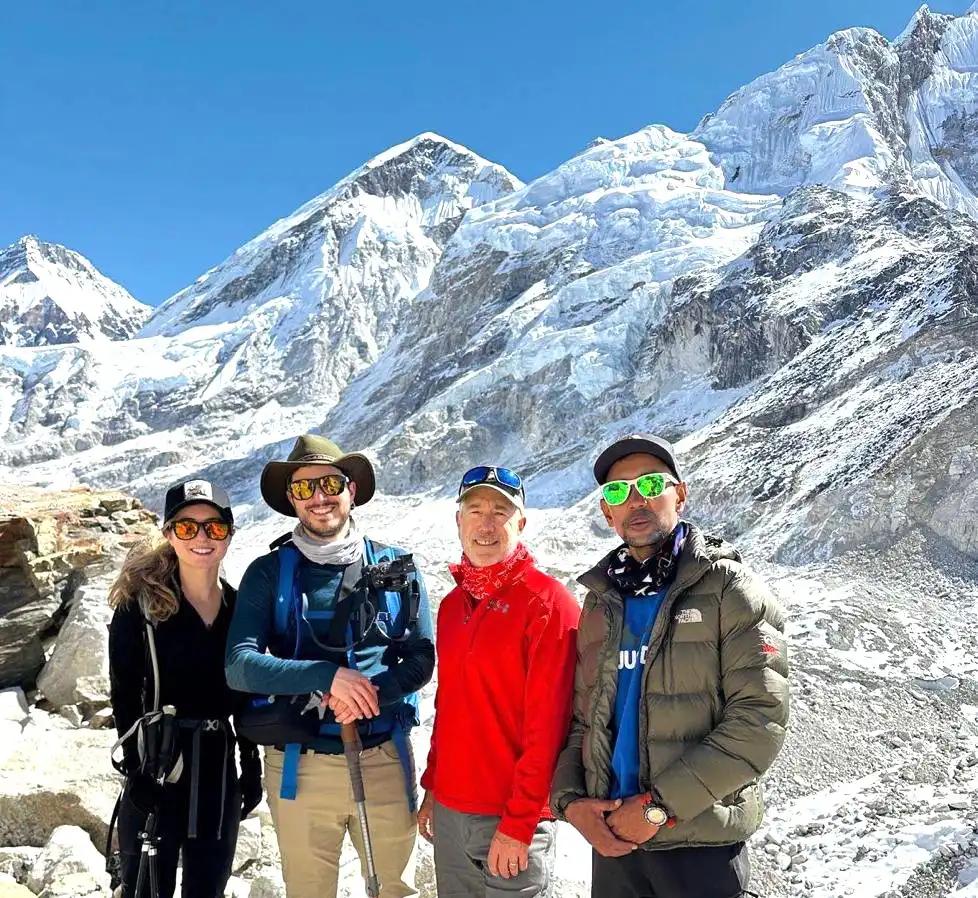
How to Reach Mount Everest Base Camp: Complete Travel Guide from Kathmandu

Mount Everest Base Camp Trek is a dream destination for trekkers and adventure seekers across the globe as it offers an amazing view of the world’s tallest mountain. Located at an elevation of 5,364 meters, the Everest Base Camp trek is the starting point for climbing the highest peak in the world.

Trekkers outside Nepal come to Kathmandu, which serves as an entry point for the Everest Base Camp Trek. After landing in Kathmandu, trekkers catch the next flight to Lukla, where they start their journey. Trekkers start ascending to Everest Base Camp while acclimatizing and resting.

To reach Everest Base Camp, trekkers will either fly from Kathmandu to Lukla or take road transportation. After resting in Lukla, they start their trek from there for several days through Sherpa Villages. Trekkers can also take a flight to Lhasa and travel overland to the North Base Camp to reach EBC, but this requires special permits and is a less-traveled route.

This guide will go over all of the travel options to reach Everest Base Camp from the city of Kathmandu, including route planning and tips that will help you safely and enjoyably make your trip to this remote and exhilarating part of the world.

Everest Base camp Trek
Everest Base Camp Trek

Step 1: Arrive in Kathmandu, Nepal

Tribhuvan International Airport (TIA) in Kathmandu stands as Nepal’s only international airport, located roughly 5.6 km from the city Centre at an elevation of 1,338 m. It connects Nepal to more than 40 destinations across 17 countries and is the prime route for people traveling to Nepal.

Upon arrival at TIA, most people can get a visa on arrival, which makes for an easier flow through immigration. Immigration has counters to issue visas and it involves checking the passport and paying the visa fee, making it easy for tourists to get through.

Kathmandu presents a lively cultural experience and offers a great deal of information and services to support Everest Base Camp trekkers. Travelers are well advised to spend at least 2-3 days in Kathmandu to rest, start acclimatizing, obtain permits, and get their gear sorted before trekking so that they will be ready for a safe and well-organized trek.

Recent upgrades to TIA include an extended runway and improved terminal facilities, which improve the experience of all passengers given the heavy traffic in Nepal. TIA is still the main point of entry and exit for all international travelers, and it continues to be essential for Nepal’s tourism and trekking industries.

Step 2: Fly from Kathmandu to Lukla (Gateway to the Everest Region)

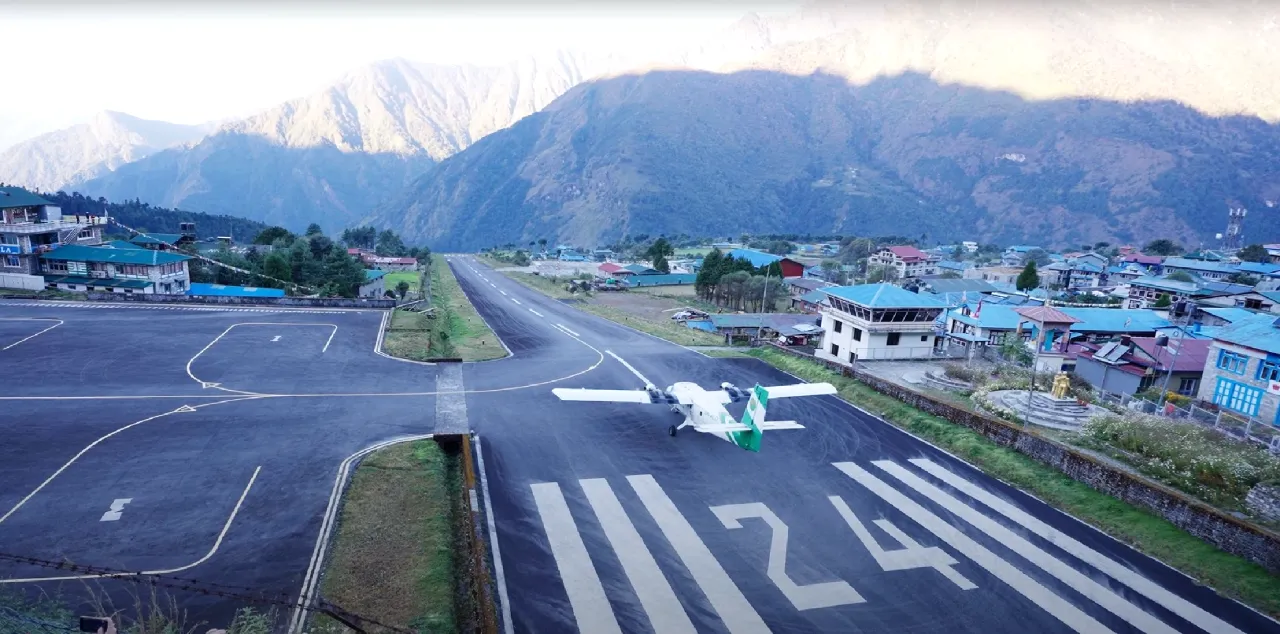
Flying from Kathmandu to Lukla is the common and easiest way to start the Everest Base Camp Trek. Usually, flights depart in the early morning between 6:15 AM and 9:00 AM. Including Tara Air, Summit Air, and Sita Air, many airlines depart on a daily basis to Lukla. Depending on the airlines, flight time may vary from 30 to 40 minutes with an amazing aerial Himalayan view.

Due to unpredictable weather and air traffic in the Lukla air route, flights to Lukla will sometimes operate from Ramechhap-Manthali Airport instead of Kathmandu. This is common in busy trekking seasons of mid-March to mid-May and mid-September to mid-November. If your flight operates from Ramechhap, it will require a 3 to 4-hour transfer from Kathmandu.

These small aircraft have strict baggage allowances, usually ~15 kg per passenger, all in the name of safety because Lukla airport has a very short, steep runway and it is down to the pilots and safety officers not to exceed any weight restrictions. In addition to packing less, travelers should get ready for safety and boarding instructions.

Flight delays and cancellations in Lukla are common due to unpredictable mountain weather, so buffer days are recommended. Helicopter flights from Lukla to Kathmandu are more reliable and do not involve long waits, getting you there on time but at a higher cost.

It is important to book flights in advance since there are peak seasons when tourists are in need of flights. In general, the earlier the flights, the better the weather. Travelers also need to be flexible and ready for last-minute changes to keep their plans on track. Alternative plans will help keep things as smooth as they embark on their Everest adventure.

Lukla Airport
Lukla Airport

Step 3: Trek from Lukla to Everest Base Camp

The classical Everest Base Camp Trek starts in Lukla and traverses through Phakding, Namche Bazaar, Tengboche, Dingboche, Lobuche, and Gorakshep before heading to Base Camp.

These places along the way showcase all the scenery that the Himalayas have to offer, along with the vibrant Sherpa culture of Khumbu Valley. Bustling Namche Bazaar, the spiritually tranquil Tenboche Monastery, and spectacular vistas near Gorakshep and Kala Patthar are some Key highlights of the treks.

The trek starts out in lush forests and river valleys, then it gradually climbs up to alpine terrain through glacial moraines. You will get a chance to walk through notable suspension bridges and rugged mountain villages from where you can witness the soaring peaks of Ama Dablam, Lhotse, and Everest itself.

You will not only have stunning scenery to feast your eyes on while trekking but also an immersive cultural encounter along the way. For this reason, the Everest Base Camp trek is one of the most popular treks in the entire Himalayan region and the world.

The average round-trip hike duration is 12 to 14 days, with some of those days as resting and acclimatization. A few trekkers will spend roughly 9 to 10 days actually hiking, and the rest acclimatizing and doing activities in the area. This time schedule allows a careful pace of travel while still being safe and enjoying the trek.

During this type of trek, acclimatization is important because the elevation changes quickly while walking in a short period of time. In order to give their bodies time to acclimate to high altitude and prevent altitude sickness, trekkers typically acclimate at significant stops such as Namche Bazaar and Dingboche.

Acclimatization will ensure a safer and more enjoyable trek to Everest Base Camp.

Alternate Options to Reach EBC

Helicopter rides to Everest Base Camp can be taken straight from Kathmandu or from Namche or Gorakshep, depending on your travel preferences. The helicopter ride is a very quick and scenic flight with beautiful mountain views. This option complements the complete trek while bypassing the arduous trip. Nevertheless, helicopter rides are expensive and do not allow for the trek experience.

Driving from Kathmandu to Jiri or Phaplu adds several days of trekking before arriving at Lukla. This option is the classic route and provides for gradual acclimatization and deeper cultural exposure, but takes more time and physical effort. The adverse road conditions can make the journey longer; however, this option is rewarding for those looking for authenticity.

A comparison of the different options demonstrates that the helicopter choice is the fastest and easiest, but is not cheap. Driving and then trekking is the longest and most physically challenging option; however, the cultural experience is superb.

Flying to Lukla and then trekking allows for the best balance of time, cost, and difficulty and is the option most people choose when traveling to Everest Base Camp.

Permits Required for the Trek

In order to trek to Everest Base Camp, you will need to obtain two main permits: the Sagarmatha National Park Entry Permit and the Khumbu Pasang Lhamu Rural Municipality Entry Permit. These two permits ensure access to the protected Everest region and help conserve the region and local communities.

The Sagarmatha National Park Entry Permit can be obtained in Kathmandu at the either Nepal Tourism Board or Monju, which is the entrance of Sagarmatha National Park. The permit costs about NPR 3,000 for foreign nationals and NPR 1,500 for SAARC citizens. A UNESCO World Heritage Site, Sagarmatha National Park is accessible with this Sagarmatha National Park Entry Permit.

Trekking in the Khumbu region also requires a Khumbu Rural Municipality Permit, which is not available in Kathmandu. The Khumbu permit can be obtained after arrival in Lukla or Monjo. Alternatively, you can obtain the permit before travel through your trekking agency if you ask at the time of booking.

What to Pack & Prepare Before Leaving Kathmandu

Before heading off to Everest Base Camp from Kathmandu, pack essential items. Remember, you need warm clothing, durable trekking boots, a waterproof jacket and trousers, mid and base layers, warm gloves, sunglasses, a warm hat, trekking poles, and your 30L-40L day pack. You may also want to include a good sleeping bag liner and a water hydration system for extra comfort and peace of mind.

Kathmandu’s Thamel area is the best place to buy or rent anything you need in terms of trekking gear for a fraction of the price. Many stores will stock reasonably quality trekking boots, jackets, and gear suitable for Everest conditions. You can rent items like down jackets, sleeping bags, trekking poles, etc., to reduce the weight of your luggage and trekking costs.

Trekking agencies in Kathmandu can arrange experienced guides, porters, travel insurance, permits, and accommodation bookings. They may also even arrange your monkey surfboard rucksack if you would like.

Agencies generally have a good understanding of the difficulties and challenges involved and can provide ample support for first-time trekkers or those who want peace of mind for the greater trekking experience.

Kathmandu Durbar Square

Accommodation and Food on the Trail

Teahouses are the primary lodging choice along the Everest Base Camp trek, ranging from basic to more comfortable lodges. They typically provide simple rooms with beds, blankets, and shared bathrooms. The common rooms are cozy and heated by traditional stoves, creating a welcoming atmosphere for trekkers to congregate.

Food is commonly typical hearty local fare, such as dal bhat, soups, noodles, and local Tibetan bread, with vegetarian options available in most teahouses. Meals are made fresh, so be prepared to refuel after a long day of trekking! Not all teahouses provide hot showers and electricity, but often they are available if atrocious; it all depends on the teahouse as the available amenities often vary from teahouse to teahouse.

Hygiene levels can be typically basic, so it is always smart to carry some hand sanitizer and wet wipes. All water should be purified – either by tablets, filters, or boiling- to avoid getting sick. Many trekkers take reusable water bottles and treat water at the teahouses to guarantee water safety and hydration.

Pro Tips for a Successful EBC Journey

If you’re hiking, then it is best to get on the trail early, usually 6 – 7 AM. This earlier start allows you to take advantage of better weather and light. If you delay until after breakfast to get on the trail, often you will run into afternoon clouds and wind in mountainous areas.

Where possible, I advise getting on the trail early to allow plenty of time to get to your destination safely and to avoid some of the poor weather conditions.

Another important key to avoiding altitude sickness is to drink 4 – 5 liters of water, depending on your size, while training at altitude. If you notice that you are developing a headache, dizziness, or nausea while you are hiking, then you must act immediately. You must immediately slow your pace, take rest days to acclimatize, and listen to your body to ensure a safe climb.

It is essential to be conscious of changes in weather in the Himalayas – weather can change dramatically and very quickly. Please have a flexible itinerary to accommodate any flight delays or rest days you consider suitable. Pack multiple clothes layers on each trip, and use waterproof gear to prepare for rain and snow, with sunny conditions in between, so that you are comfortable and safe hiking the trail.

Conclusion

In conclusion, the traveling distance from Kathmandu to Everest Base Camp is truly an admirable short trip that begins with a flight from Kathmandu. This journey is then followed by multiple days of treks through stunning Himalayan scenery and a beautiful Sherpa village. The trek can be safely enjoyed if you plan, get permits, pack appropriate gear, and prepare your body to acclimatize.

Planning and preparation are the greatest keys in creating the trek of a lifetime, and with good mental fortitude and hydration, and a little flexibility with your schedule, most people will be able to experience one of the most stunning places on the planet, as well as discovering the local culture in the Everest region.

So go ahead and get started; you’ll take care of the rest and enjoy the ride.

Exploring the Lower Mustang on Two Wheels: A Biker’s Dream Journey

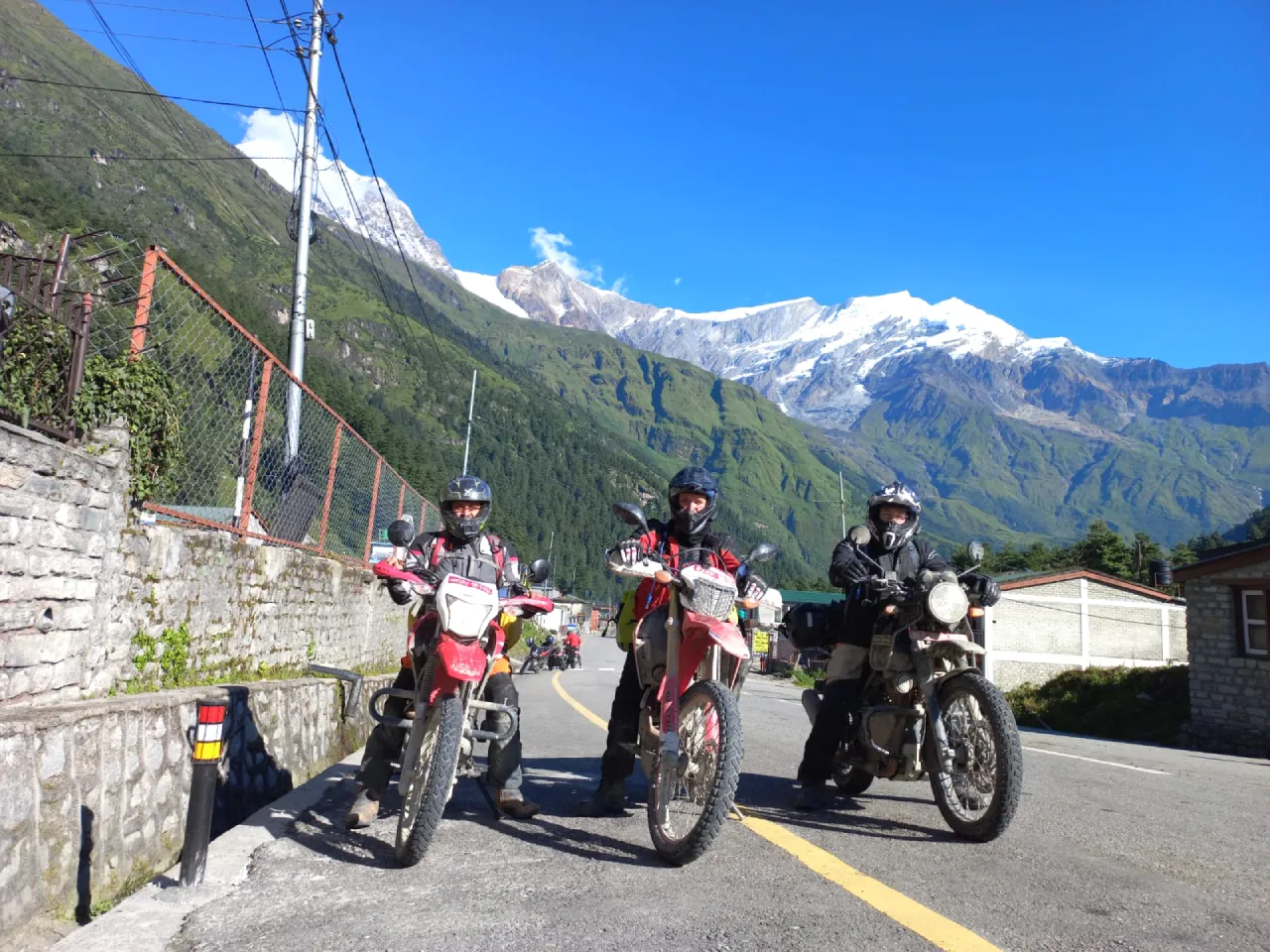
Lower Mustang , located in the northern region of Nepal is framed by the Tibetan Plateau, the Annapurna Mountain range, and Dhaulagiri Mountain. This Mustang region attracts thousands of visitors each year due to its beautiful steep, rugged mountain terrain and distinct culture.

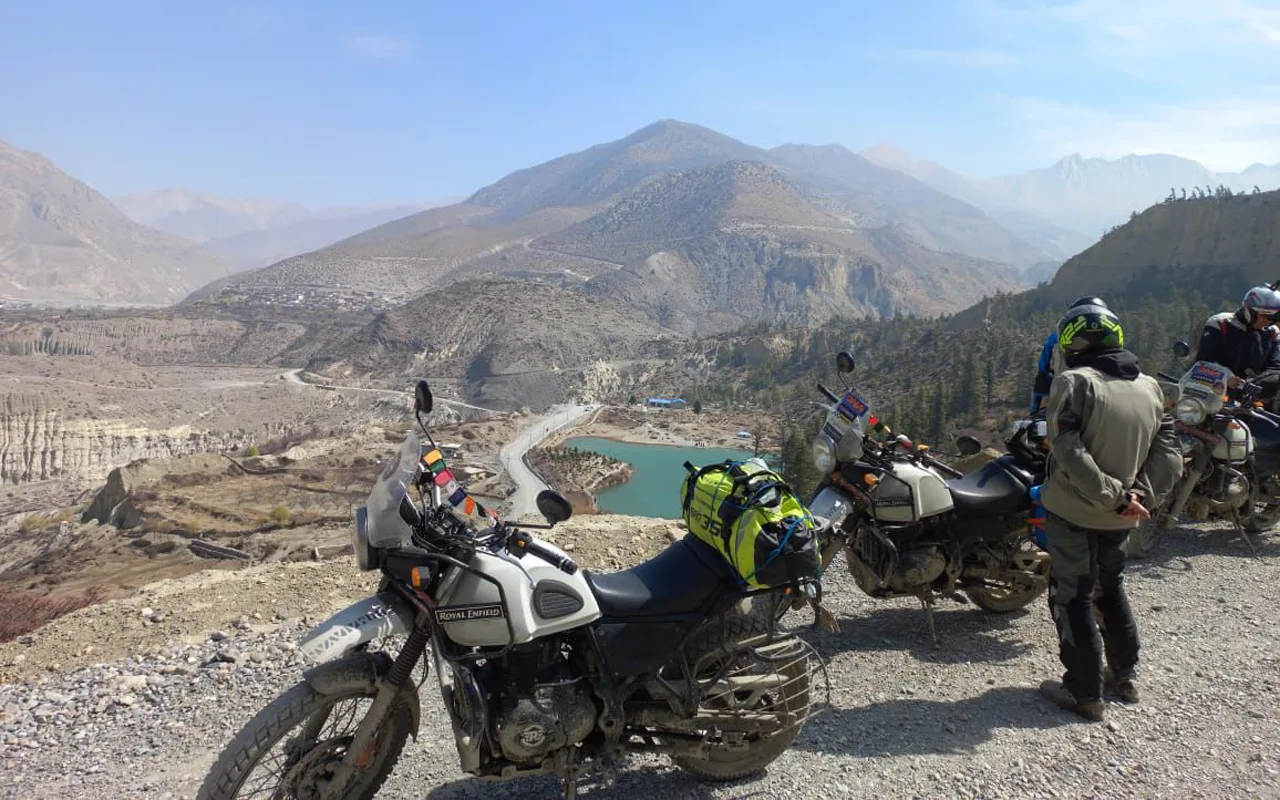
Lower Mustang Motorbike Tour

These villages and monasteries of Lower Mustang are home to Tibetan culture that has been preserved for hundreds of years. It is truly a live museum of Himalayan culture. Lower Mustang offers visitors a rich cultural experience which is something that bikers will enjoy collecting as memories.

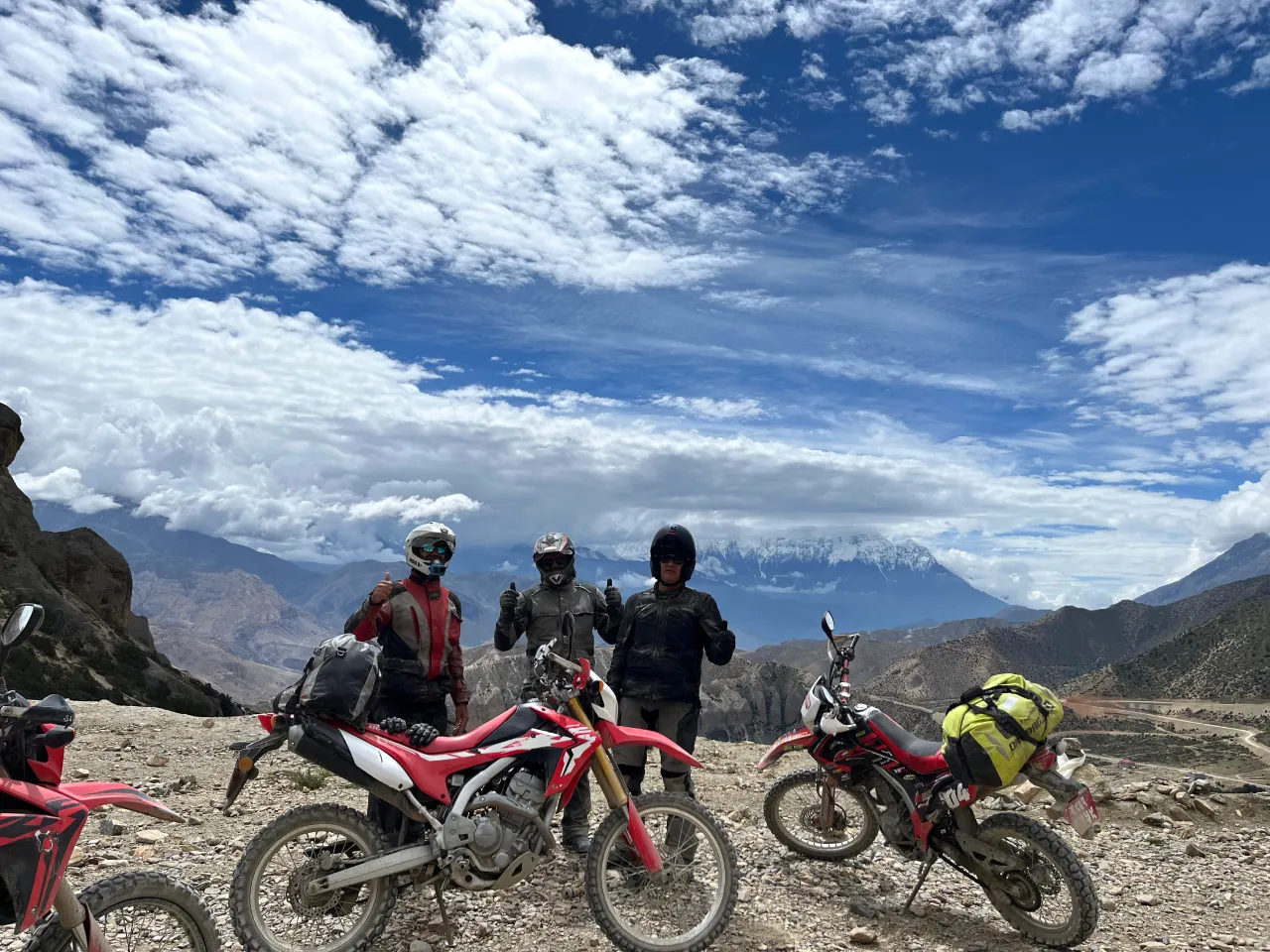
Lower Mustang Motorbike Tour is the experience of a lifetime and provides visitors the rare opportunity to experience wonderful landscapes uniquely. The rocky trails, deep winding gorges, and Mars-like deserts in the area create the ultimate playground for an adventure on two wheels.

By riding a motorcycle in Lower Mustang, visitors will experience freedom on a scale that is unmatched by any other form of travel. Riding a Lower Mustang Motorbike Tour provides a type of adventure found nowhere else with its remote hamlets, cultural heritage, ancient monasteries, and astonishing mountain vistas.

Lower Mustang Motorbike Tour is more than just a trip through challenging terrain. It is about embracing the local culture of Thakali and Tibetan peoples. It is also about watching the sunset as you relax in some authentic food or meditating in the serene, spiritual embodiment of sacred places like Muktinath. The journey will offer multiple moments of solitude, companionship, and revelation. Each twist in the road presents something new to explore.

Why Lower Mustang is Perfect for Motorbike Touring

Lower Mustang presents a striking geographical diversity with semi-arid valleys, craggy cliffs, and ancient villages caught in a time warp. The area’s terrain varies from fertile riverbeds to desolate high-altitude desert, offering the bikers every conceivable geographical backdrop, immersing you even more in Lower Mustang.

Lower Mustang Motorbike Tour

Lower Mustang Motorbike Tour creates a sense of exploration and adventure like nowhere in Nepal. The trails can be unpredictable, often unpaved, winding alongside sheer cliff faces and deep gorges. They offer varying levels of challenging terrain while offering only scenic views. The peace and beauty of conquering Nepal’s most remote and wild terrain is a riding experience.

Despite Lower Mustang’s abundance of natural beauty, the cultural experience is one of the main contrasts. From 1000-year-old monasteries to the unique Thakali, Magar, and Tibetan settlements along the route to sacred sites like Muktinath, you have the opportunity to discover cultural richness. You can feel it in the memories that local hospitality and festivals create each time you stop along the way.

For bikers in Lower Mustang, it is not merely a destination; it is also a sensory and cultural journey. The combination of stark Himalayan scenery, difficult rides, and experiences of ancient lifestyles and traditions, creates an adventure that is not easily forgotten. Riding Lower Mustang is a rare glimpse into a world where culture and nature are blissfully intertwined.

The Route and Highlights

  • Pokhara to Jomsom

The Lower Mustang motorbike adventure usually starts in Pokhara, a lovely city next to Phewa Lake and near the Annapurna range. From there you will ride along the Kali Gandaki Valley with major waypoints such as Kalopani and Jomsom.

There is a mixture of paved and dirt roads along the route with amazing views of mountains and deep intimidating gorges, which is a great way to set the stage for a Himalayan ride.

  • Jomsom to Tatopani

From Jomsom, the route goes along with Kali Gandaki River to Tatopani. Tatopani is another stop on the journey and is world-famous for its natural hot springs.  You should soak in the soothing, warm aqua-thermal waters after a long day of riding.

The natural hot springs are said to be remedial and serve as not only the best place to rest but also to replenish before going deeper into the wild Mustang terrain.

  • Tatopani to kagbeni

During the ride from Tatopani to Kagbeni, the route along the way transits from a lush low valley to a desert-like landscape. Tatopani to Kagbeni is a 60-kilometer journey. Often referred to as the entryway to Upper Mustang, Kagbeni is a traditional mud-brick town with winding lanes and a strong Tibetan influence.

The ancient village is a great glimpse into the history of Mustang and represents the focal point of tourism in terms of culture, and people; as well as experiencing life in real-time through the opportunities of visiting local monasteries and customs.

  • Kagbeni to Muktinath

The Kagbeni to Muktinath route is challenging and covers 45 km. Muktinath is a renowned sacred pilgrimage for believers in both Hinduism and Buddhism situated at approximately 3,800 meters featuring a unique blend of spiritual activity and adventure, with ancient temples, holy water springs, and stunning views of the Himalayas. This sacred site has drawn worshippers and bikers to take part in the purification rituals as well as the scenery.

  • Muktinath to Marpha

To reach Marpha, riders have to descend from Muktinath. They will cover roughly around 20 km to reach Marpha. Marpha is famed for apple orchards and producing locally made cider and brandy which lend a unique character to the village.

Visitors will enjoy the peaceful vibrant village life, hosts of fruit products to sample, and meet members of the Thakali community, who were remarkably hospitable.

  • Marpha to Jomsom

At the last segment, riders return to Jomsom. During this ride Lower Mustang Motorbike Tour, the rider completes a loop in a path that is relatively easy to ride with amazing views along the way.

Jomsom is the adventure base for Lower Mustang, situated in between the Kali Gandaki and Jhong rivers giving spectacular views of gigantic peaks and valleys, Nilgiri and Dhaulagiri. Jomsom serves as a gateway to exploring Mustang and is a lively town where riders can rest, refill fuel, and admire the landscape before returning to ride again.

Best Time to Go Lower Mustang Motorbike Tour

The best time of year to Lower Mustang Motorbike Tour is in the spring between March and May. The mild climate at this time of year is comfortable for riding, with blossoming flora eagerly awaiting the arrival of visitors bringing a spectrum of colors to the stark landscapes of the region. The amount of dust kicked up is a fraction of what one might encounter during the dry summer months.

Lower Mustang Motorbike Tour

The fall is another great season for a Lower Mustang bike trip. Clear, stable skies can be expected and visibility of the Himalayas peaks is usually perfect. This time of year features a comfortable riding temperature and little to no precipitation which helps to create perfect riding conditions in the Upper Mustang region. Riders can orient themselves to the landscape and fully immerse themselves in potentially dramatic street signs and the culture they are traveling through.

Traveling in the monsoon season carries reasonable risk. The rain turns roads into slippery terrain and may disrupt riders making their journey much more challenging.  Likewise, the winter months can be far cold for riding due to snow accumulation and reduced visitation opportunities.

Overall, motorbike travel is feasible in Upper Mustang in all seasons. However, if you travel in the spring or fall, you can have a safe adventure and reduce the negative effects on the whole experience of touring while riding.

What to Expect on the Road

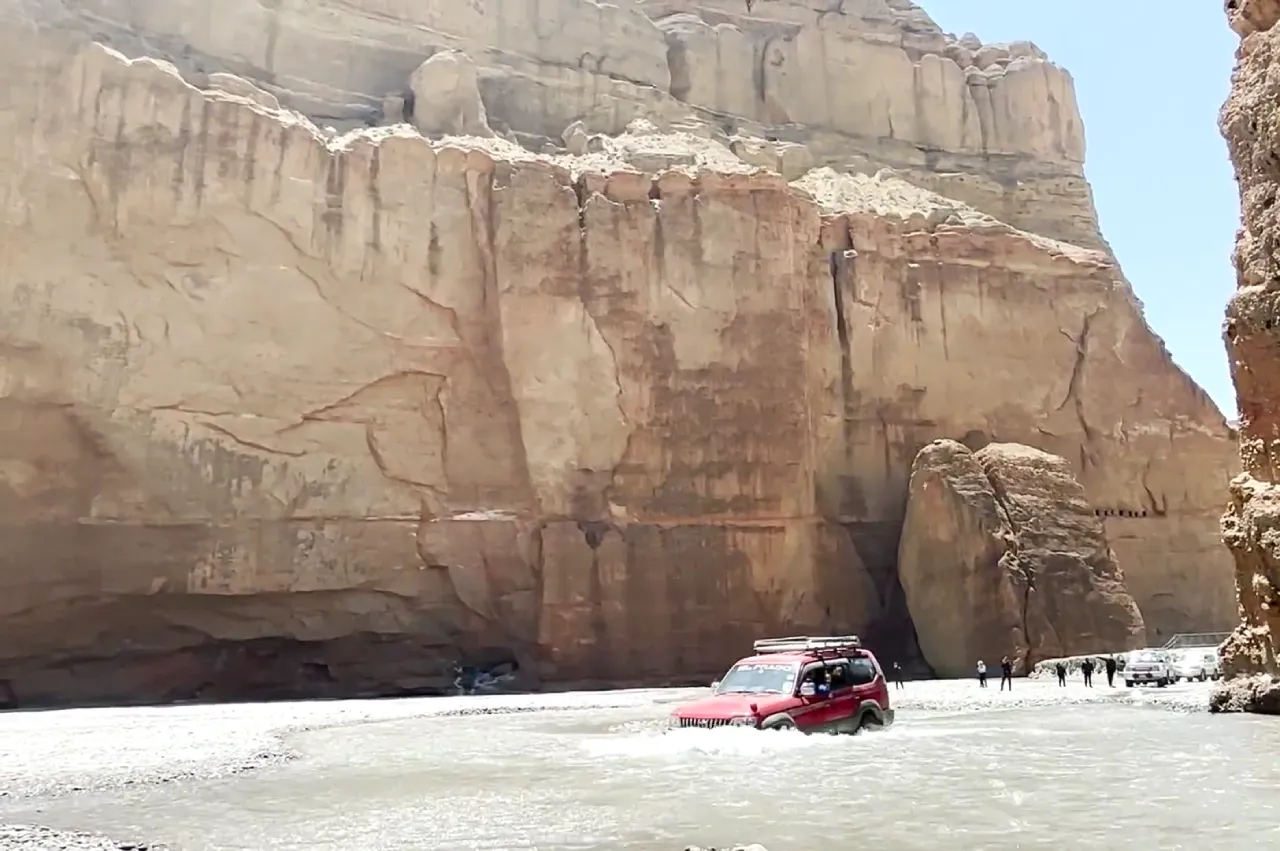
The Lower Mustang Motorbike Tour terrain is almost entirely gravel roads but poses obstacles at times to test our riding skills. Riders also meet various river crossings, which are worth noting. Several are shallow streams that require navigating. The roads traverse steep gorges and cliffs while transitioning from fertile valleys to a desert-like environment, offering an exhilarating ride.

Weather conditions in Mustang can change quickly. Riders have to anticipate some strong winds when they reach Jomsom, especially where natural wind tunnels occur. During the trip, expect warm days and colder nights along with possible dust storms during the dry months. Rain can suddenly come and make the gravel roads slick so it is worth riding with extra caution at any indication of rain.

Traffic on the roads of Mustang is generally light, consisting of local jeeps, trucks, and an occasional trekker on foot or horseback. The roads are narrow, and single-lane which requires the rider’s attention if he/she is approaching other vehicles, as well as adhering to local traffic customs.

Essential Preparation

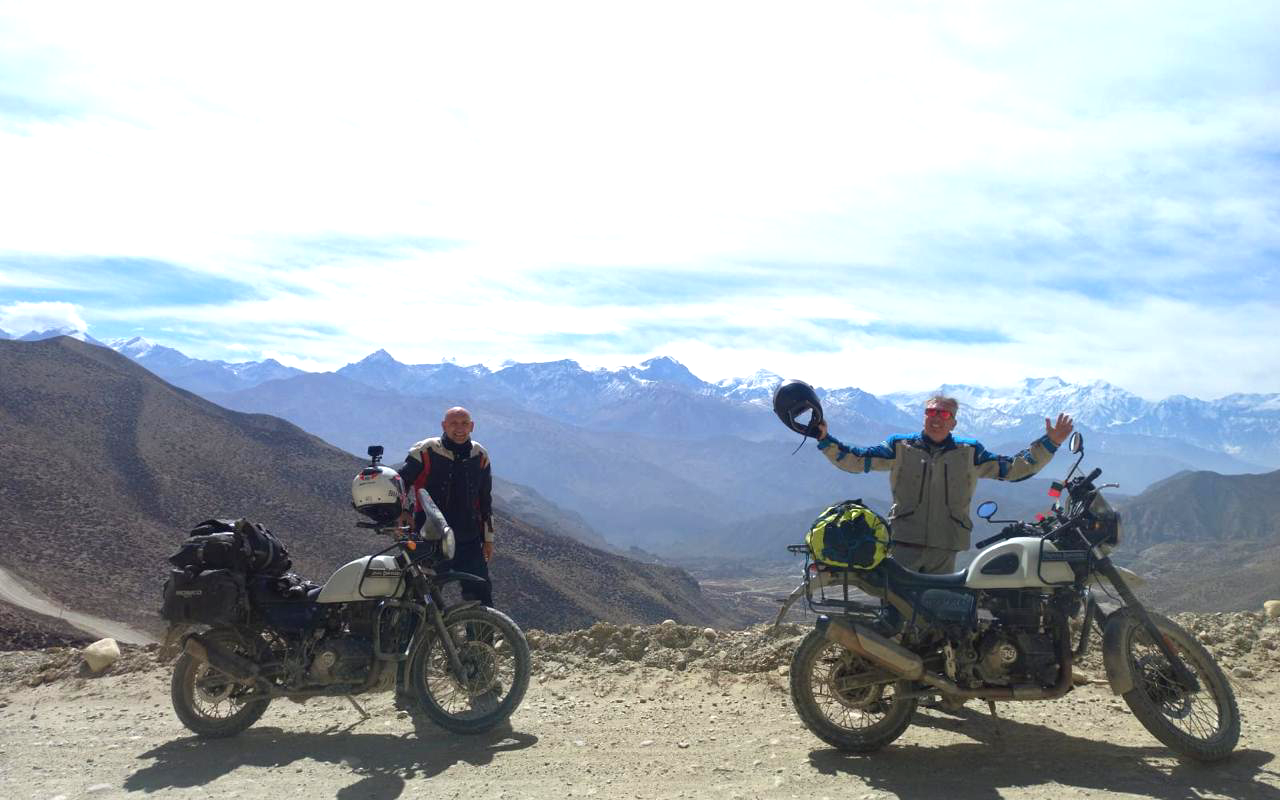
When planning a bike tour in Lower Mustang, the choice of bike is important. Royal Enfield bikes are well suited for the bumpy roads of the Himalayas.

Well-known bike models to ride are the Royal Enfield Himalayan 411cc and the Royal Enfield Classic 350cc bikes. These bikes are made to withstand tough conditions, with the power to go up steep inclines when loaded while being easy to handle on gravel roads and rough terrain.

The essential gear for a Lower Mustang bike ride can include a good helmet, riding gloves, a riding jacket, and good riding boots to keep the rider as safe and comfortable as possible.

It would be wise to carry spare parts, tubes, spark plugs, and the basic tools needed for a few repairs because of road remoteness. Since you will be cycling in a wide range of elevation and temperature changes, it was recommended to wear layers so you can adapt to changing temperatures during the day.

Before entering Lower Mustang, riders must obtain an Annapurna Conservation Area Permit (ACAP) and a Trekker’s information management system (TIMS) card. Getting the permits is primarily used to control tourism and preserve the sensitive environment while permitting limited access to restricted areas.

Safety should be of the utmost consideration. It is recommended to use a certified guide and mechanic who knows the terrain and has a mechanical background. Communicate tools such as satellite phones are advisable because the network can be unreliable.

Tips for an Unforgettable Ride

To ensure that your Lower Mustang Motorbike Tour is an experience to remember, make sure to respect the local culture and the customs of the area. Interacting with the Thakali and Tibetan communities with openness and humility will be much more rewarding when you honor their traditions, festivals, and lives. Respect will illuminate your experience and foster genuine connections with locals.

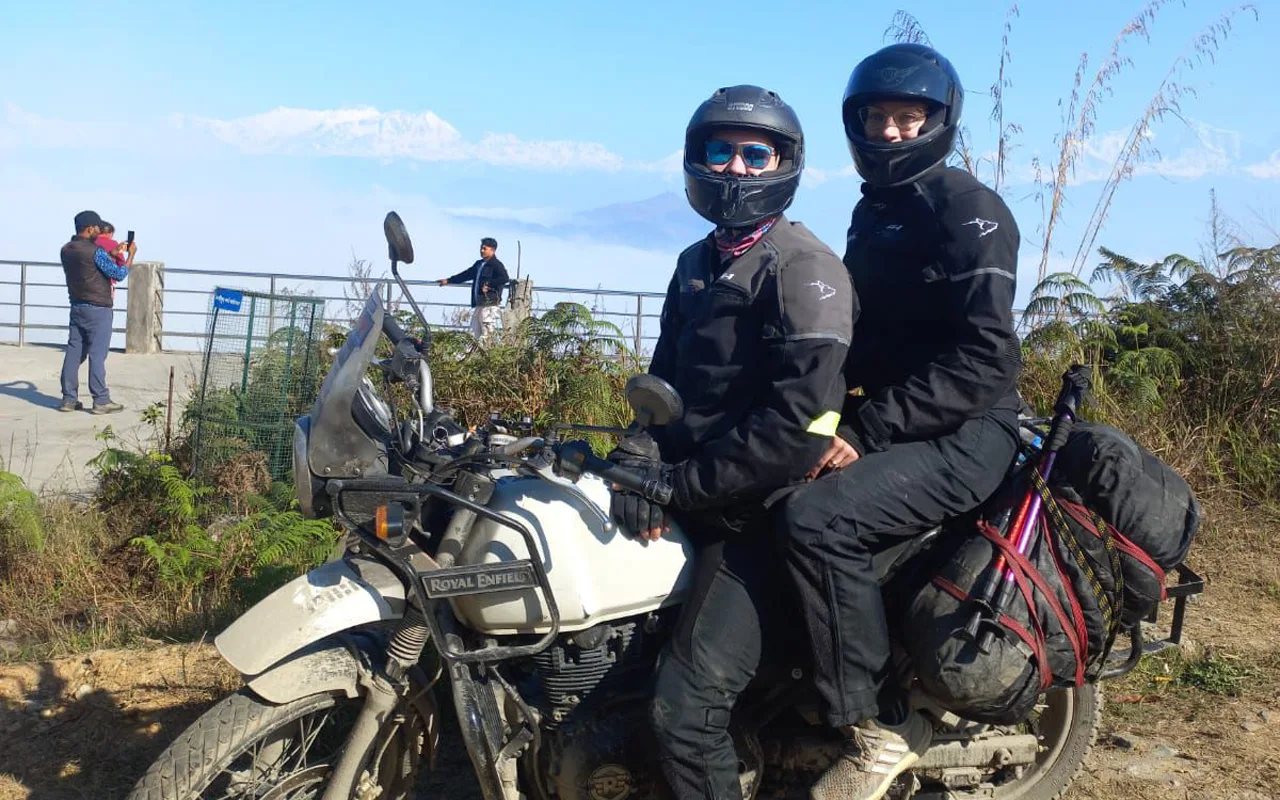
Lower Mustang Motorbike Tour

Take time to explore side trails and hidden villages along the route. The winding side paths illuminate authentic living, old monasteries, and breathtaking views which are missing in many normal ‘tourist’ routes. Off the Beaten Track reveals deeper values in your adventure by creating photo opportunities of Mustang’s wild playfulness.

Pack smart by layering clothing for fluctuating temperatures, carrying hydration to keep your energy at high altitudes, and carrying a dependable camera to document incredible views and cultural moments. Smart packing keeps you comfortable and prepares you for the variety of conditions to come.

Lastly, ride at your own speed and relish the experience rather than rushing to the destination. The Lower Mustang route is as much about the ride itself as it is about the places. Embrace your isolation, connect and converse with locals, and soak in the awe-inspiring Himalayan views to create enduring memories.

Conclusion

Exploring Lower Mustang Motorbike Tour on two wheels is a unique experience that combines rugged Himalayan landscapes, rich heritage, and the adventure of the open road. This incredible motorbike adventure both challenges and rewards the biker with individual experiences that few destinations can match. If you’re looking for a unique blend of adventure and culture, Lower Mustang is a biker’s paradise.

If you’re inspired to explore this journey for yourself, now is the time to start planning your own Lower Mustang motorbike holiday. With the right logistics, gear, and permits, you could be on a life-changing holiday riding through some of the best and only authentic regions of Nepal. Every corner and twisty turn provides an opportunity for a new discovery.

We would be more than happy to hear about your experiences, tips, and inquiries about riding in the Lower Mustang. Even if you have never ridden a motorbike before or this is your first Himalayan trip, your stories and questions will be helpful for this community of adventure-seeking riders in preparing for their dream journey to Lower Mustang.

Essential Guide to Upper Mustang Motorbike Tour: Permits, Routes, and Tips

Upper Mustang is an eye-catching place in Nepal that is known for its ancient Tibetan culture, rugged landscapes, and remote Himalayan views. Motorcycle tours are a dream come true, offering breathtaking scenery and cultural encounters throughout one to two weeks.

The preserved Tibetan culture and geography make the Upper Mustang special. There are many ancient monasteries, sky caves, and traditional villages that display a blend of Tibetan and Nepalese cultures. The landscape itself is just as dramatic, with towering Himalayan peaks, gorges, and desert temperatures that would challenge the best riders and excite adventure seekers.

Riding in Upper Mustang is about the adventure factor, not just the riding, but having to deal with rough roads, high passes, climbing rough and sometimes unprotected ledges. Additionally, it entails ascending and descending from isolated routes, providing a chance that few tourists get to enjoy. You will have to get to know the warm and hospitable mountain people while having the opportunity to witness the way of living that remains unchanged for many generations.

This is the complete guide to prepare for an Upper Mustang motorcycle tour. It will include all necessary permits, suggested routes, and helpful tips. If you are a competent motorcycle rider or an enthusiastic adventure seeker, this guide will prepare you for an exciting journey into one of Nepal’s most exclusive and amazing regions.

Upper Mustang Motorbike Tours

Why Choose Upper Mustang for a Motorbike Tour?

The allure of Upper Mustang lies in its being a restricted zone, making certain aspects of its unique culture mostly untouched by the modern world. For travelers, the region offers an oasis into a Tibetan Buddhist past, ancient monasteries, and lifestyles that have retained their original integrity for centuries.

The area is also a great adventure away from the beaten path, a combination of Tibetan culture and stark deserts. As riders transition from the lush river valleys of Nepal into an arid plateau, they encounter remote villages, the ancient trade routes that link Tibet and Nepal, and all of the history that accompanies that trek of cultures.

Upper Mustang is motorcycling terrain, though challenging, with rough roads, rocky tracks, and high-altitude passes, which will allow for adrenaline-packed rides. Skilled riders will gain extraordinary Himalayan views, mountain pass gorges, and the allure of exploring some of the least explored and purest areas in Nepal.

Upper Mustang is an opportunity for a motorbike tour that combines adventure with cultural discovery. It will be a unique experience, which embraces being in a highly restricted region while engaging with living Tibetan traditions, rugged landscapes, and a motorcycle adventure. All of this adds to the unique experience that blends the excitement of exploration with the chance to interact with a living cultural museum.

Bike tour to Upper Mustang

 Permits You Need for Upper Mustang

All foreign visitors to Upper Mustang must get a Restricted Area Permit (RAP) due to security concerns posed by the area’s proximity to Tibet. The cost of the RAP is USD 500 per person for 10 days and then an additional USD 50 per day for all additional days. RAP permits must be applied for through a registered local trekking agency in Nepal, either through Kathmandu or Pokhara, because they cannot be applied for alone.

Furthermore, visitors must also pay for the Annapurna Conservation Area Project (ACAP) permit that is required as the Upper Mustang is part of this conservation zone. The cost of the ACAP permit is approximately USD 20–30, processed at the time of application. It is employed to sustain and maintain hiking paths as well as to safeguard the surrounding ecosystem. This is a multi-day permit and travelers can apply for this permit at the same time as the other permits through one of the authorized agencies.

Regarding visas, visitors must apply for a valid Nepalese visa at a Nepalese embassy either when they arrive or in advance. If their journey calls for a longer stay, they can then extend their visa while in Nepal. To apply for the required permits and visas, a valid foreign passport is needed with a minimum of six months’ validity remaining.

Trekking solo in Upper Mustang is not legally possible; travelers must be accompanied by a licensed guide and obtain permits from a registered trekking agency. Solo trekkers cannot apply for permits, and also guides cannot obtain permits for their clients on their own. This is supposed to help local law enforcement and traveler safety in a restricted area.

Best Time to Go

Spring (March to May) and autumn (September to November) months are the best times of year for the Upper Mustang bike tour. During these seasons, with consistent weather, clear blue skies, and warm temperatures, the riding conditions are comfortable and the scenery is breathtaking.

The weather is mostly dry and reliable in these months. Because the Upper Mustang is under a rain shadow, it will remain open even during Nepal’s monsoon season. But the roads may be muddy, and the conditions will still be less treacherous, allowing for a wild, bumpy ride without worrying about being stuck in the mud. Overall, spring and autumn are the best times to visit, without the harsh cold of winter, where travel can be impacted by road closures.

One of the highlights of visiting in spring is that visitors might be able to experience the Tiji Festival in Lo Manthang, the capital of Upper Mustang. Tiji is a culturally significant event that includes vibrant, masked dances. There are also a couple of festivals, such as Saga Dawa and Dumji, that happen in late spring/early summer, where visitors will have the opportunity to experience the rich spiritual traditions of Upper Mustang.

The traditional Upper Mustang motorcycle route begins its journey in Kathmandu. Then it leads to Pokhara, and finally Jomsom, the entrance city to Mustang. Jomsom is the starting point of the riding journey to Kagbeni – a medieval type of village that marks the gateway into Upper Mustang – and then onward through dry valleys and rugged landscapes. Finally, it will lead to the ancient, walled city called Lo Manthang, which is an important cultural center in Upper Mustang.

The potential for other routes, which offer excursions to lesser-known cultural places and secret valleys, would further improve this adventure style. Riders can also explore side trips to Muktinath Temple, the sacred temple for Hindus and Buddhists; as well as visit the ancient caves of Choser and the more remote village of Lubra. Both will provide unique insights into the spiritual and historical significance of the area.

Riding a motorcycle in the Himalayas is an adventure, but there are obstacles in the way. The lined paved roads may transition to dusty, rocky, and unnavigable unpaved tracks again going into Mustang. Once they are either in or near Mustang, the rides will again include very steep mountain passes. The high altitude and thin air are also factors to consider, along with all the other physical challenges that can occur.

Motorbike Preparation and Gear

When it comes to a motorbike tour of the Upper Mustang, Royal Enfield 411 or Royal Enfield Himalayan 450, and dirt bikes are strongly recommended. Both these motorcycles are appropriate to tackle rough Himalayan and rugged terrain with the required strength, suitable power, and ease of maintenance when traveling along dusty, rocky roads.

In terms of basic gear, a good quality helmet, a strong riding jacket with armor, gloves, and good riding boots will help protect you from rough conditions. Carrying spare parts such as tubes, clutch, brake levers, and simple tools to help fix minor problems is important because of the conditions being remote and unforgiving.

For packing equipment, you should consider all hydration and nutrition supplies—enough water and energy snacks to help with endurance. A first aid kit is also required for emergencies. Watching the fuel level and managing fuel is essential, especially since there are few petrol stations along the route. Fuel stops will need to be well planned, so as not to run out of fuel in the isolated areas.

Accommodation and Food

Riders can expect to stay primarily in teahouses and local lodges that offer basic but comfortable twin-share bedrooms. Some villages offer homestays, which are a great experience to engage with the local culture, but most of the accommodation would be teahouses and guesthouses. Travelers can camp along their journey, but this is not normal in this region, as you have the advantage of guesthouses at every stop along the way.

With regard to food, it is simple. Food is based on local Tibetan influences, which may include buckwheat pancakes, tsampa, momos, and dal bhat. Most teahouses and lodges will offer breakfast, lunch, snacks, and dinner. However, it will be a good idea to carry some snacks and water for the long riding days each day.

Accommodations are basic in Upper Mustang with limited amenities and very few modern conveniences, including heaters or air conditioning. Electricity and Wi-Fi are sometimes limited, particularly in the more remote places. This rustic and remote quality is part of the adventurous experience of the culture of Upper Mustang.

Upper Mustang Motorbike Riding Tour

Safety Tips and Challenges

Because of the higher elevation, Altitude sickness is a common risk for the Upper Mustang motorbike Tour. To minimize the chance of altitude sickness, riders need to ascend slowly, not ascend more than 500 meters per day. Riders have to remain hydrated throughout the day while including enough days in their itinerary to acclimatize, minimize alcohol and smoking, and carry medication like Diamox if recommended by their doctor.

Mechanical breakdowns are a serious concern because of the remoteness and ruggedness of the Upper Mustang. Riders should carry basic tools and spare parts, especially valves, clutch and brake levers, and cables to help with repairs in the field. There are local repair shops in Jomsom, Kagbeni, and also, so it is possible to find someone to help, but they might only have limited capacity; this means it is better to be self-reliant.

In case of emergencies, riders should carry the contact details for local rescue services and their trekking agency. Hospital and medical help are very limited in Upper Mustang, so serious cases may only require evacuation to a lower altitude or Kathmandu for treatment. Satellite phones or GPS trackers are recommended because you might be out of range of mobile signals.

Riders have to be aware of wthe eather and road conditions because the terrain has difficult sections. So, riders should hire a guide or have to be in a group to improve safety. Proper preparation, monitoring altitude sickness symptoms, and being prepared for mechanical failures will make your motorbiking adventure in the Upper Mustang safer and more enjoyable.

Practical Tips for a Successful Trip

Whenever you are traveling to Upper Mustang, it is important to carry enough NPR since there are not many ATMs. Only Jomsom and Muktinath have ATMs, and the other villages only deal in cash. Exchange or withdraw enough cash in Kathmandu or Pokhara before traveling. Be sure to allocate money for necessities such as charging your devices and hot showers, which might come at an extra cost.

Due to poor internet connection and mobile networks, communication with the outside world will be difficult. Teahouses may offer Wi-Fi, but that can be nothing more than slow or inconsistent service. Share your travel plans ahead of time with family or friends. It is a good idea to travel with sat phones or GPS devices for emergencies. Dress conservatively and ask first if you are photographing people or religious sites.

Conclusion

The Upper Mustang motorcycle tour is a once-in-a-lifetime journey that offers a perfect mix of awe-inspiring Himalayan views and a distinct Tibetan culture. The trip into the “Last Forbidden Kingdom” will ride motorcycles to ancient monasteries, remote villages, and a spectacular desert scenery, and provide an off-road motorcycle feeling. This tour is designed for the cultural rider who wants to experience an adrenaline buzz too.

Having a solid logistics plan – permits, bikes, and gear will be paramount to a successful journey. Riders need to respect local customs and environmental regulations – it serves Mustang’s special reputation.  Now, try to imagine stunning scenery, interspersed with challenging rides, and excellent hospitality, and the Upper Mustang motorbike tour will be one of the most memorable moments of your life as an adventurer!

Luxury Everest Base Camp Trek with Helicopter Fly-Out

Have you ever thought about dreaming of soaring over Everest and bypassing the daunting trek back? What if we told you that the Everest Base Camp Helicopter trek combines trekking to the finest Everest Base Camp( EBC) in the heart of the Himalayas, and you get to fly back?

Breathtaking glaciers, deep valleys, and soaring snow-capped peaks would be right below you as you glide in the Helicopter. This trek isn’t an ordinary one. It defies the norms of mountain trips and hence fits in the category of lavish excursions that blend a leisurely experience with excitement. What exactly makes this a luxury trek?

Right from the moment the journey begins, the glamour treatment starts, and the care stays consistent throughout the trip. The lodges available at Everest consist of warm rooms and comfy beds alongside scrumptious meals, all served while the mighty view of the mountains can be seen.

Furthermore, friendly and professional Sherpas act as guides and look after everything hired along, which allows guests to appreciate the present moment. No need to endure frigid tents as the grandiose of the outdoors is enough to fill a person with elation.

Arguably, the biggest luxury is ordering an extravagant helicopter flight. Instead of days of monotonously retracing your steps, you get to soar in a chopper with a magical bird’s-eye view of Everest, Lhotse, and Ama Dablam. The beauty and scenery of the Himalayas treat you to a private, unparalleled performance unmatched anywhere else.

The Luxury Everest Base Camp Trek with helicopter fly-out is more than a trip itself – it’s a dream journey wrapped in elegance. Ready to ‘leave the world behind’? For busy professionals or a couple wanting a special getaway, this is ideal.

It’s perfect for anyone who wants to get the Everest Base Camp ticked off their bucket list, with just the right amount of effort to not feel completely exhausted. And why walk back the same way when you can soar?

You are meant to walk to the world’s highest base camp in comfort. Now and then, it isn’t about the trek but about the journey. And once you’ve conquered the highest trek, you fly back in style with the mountains waving goodbye from above. Like they say, ‘Climb high, but return like a king!’

Everest Base Camp Trek with Helicopter Return is a package that allows you to dive into the enormous nature of […]
11 Days
Moderate

US$ 3600

View Detail

What is a Luxury Everest Base Camp Trek?

Everest Base Camp (EBC) Trek is one of the most common trekking adventures in the world. For the first time to go on this adventure, it is recommended to prepare at least a week in advance for a 12-day trek. The trek is centered around living in basic tea houses with a shared lifestyle.
Heli at Everest Base Camp

You were hiking in the mountains, and now you are in a warm, cozy room equipped with warm rain, delicious food, and well-trained staff, ready to take care of any of your needs. This is what captures the Luxury Everest Base Camp Trek.

Standard EBC Trek vs. the Luxury Version

Everest Base Camp EBC Standard Trek is a well-known excursion that is associated with amazing culture and breathtaking sights. Undoubtedly, it is one of the most popular trekking options, but it is very rudimentary. Most trekkers book standard tea houses where they will find basic shared toilets and food options.

You either lug your backpack during the trek or hire a porter. The main appeal to most is comfort, however, our version flips the load on its head. We offer high-end gourmet meals, exquisite lodges, and a range of services afterwards, while keeping vehicles for transport throughout the trek, aimed at relaxation while still maintaining the adventure.

High-End Lodges, Quality Meals, Private Guides, and Porters

Luxury trekkers spend their nights in high-end lodges along the trail: those that have luxury video conference units, as well as washing facilities, heated water showers, bolsters, and wi-fi in some areas. During the day, you can relax after hiking all day while seated beside the fireplace.

Your meals are healthy and delicious, not just filling. You will savor fresh soups, curries, and western dishes alongside delectable sweet treats, all prepared to sustain your energy. Clean drinking water is also accessible at all times.

You will be provided a private guide who understands the trail, the culture, and the people. They assist you in comprehending your surroundings. Besides, your porters carry your big bags, allowing you to only take what you need for the day.

Emphasis on Comfort, Safety, and Personalized Service

In luxury treks, your comfort and safety are prioritized. To enable altitude acclimatization, the pace is deliberately set to slow and steady. Regular health monitoring is part of the luxury experience, with mid-trip assessments done by your guide and other emergency support on standby if necessary.

Every detail is tailored to your preference; no effort is spared for your meals, stays, or even your walking schedule. While you get the adventure of trekking to Everest Base Camp, it is organized with the ease and care expected in five-star holidays.

This trek is balanced perfectly for you if you desire excitement and ultimate relaxation for the softest experience of Everest, where your boots are on the trail but your heart is at peace.

Are you looking for something unique when going to the timeless Everest Base Camp? If yes, then come with us […]
12 Days
Moderate

US$ 2800

View Detail

Explore the Key Highlights of the Trek

Luxury EBC Trek blends nature, adventurous activities, alongside rich cultural experiences, all while being comfortably pampered.

Panoramic Mountain Views

The awe-inspiring mountains and their views came to my attention in the Luxury Everest Base Camp trek, and I assure you, it is not going to let you down. Right from the start, you immerse yourself in the extraordinary white soaring peaks that surround you from every direction.

You will be witnessing the world’s tallest mountain, Everest, alongside some renowned mountains such as Lhotse, Ama Dablam, Thamserku, and Nuptse. Every single view brings something new, which is stunning in itself, and it feels like you are taking a walk in a dream that has been painted with snow and sky.

Key Stops Along the Trail

Your adventure starts right from the exhilarating flight to Lukla, the region’s mountain airport, which is geared towards trekking. From your starting point, you move towards the Sherpa town of Namche Bazaar, known to be the center of shops and bakeries bubbling with smiles.

That region is perfect for pampering your eyes with the mountains and city culture on offer, alongside basking in pampered rest. You will be moving on to the Tengboche, which has a mind-blowing monastery that gives a 180-degree view of Ama Dablam. While you are immersed in listening to the soft, calming chants, there is a chance that you will see the monks perform their prayers.

Next stop is Dingboche, a sleepy village enclosed by towering mountains, where you’ll spend additional nights to assist your body in recuperating from the altitude. The base of the world’s tallest mountain is situated at Gorak Shep, which marks your final stop before the trek; it is a feeling like no other. Having stood at Everest Base Camp, you did it!

Cultural Experiences in Sherpa Villages and Monasteries

Along the path, you will pass exquisite Sherpa villages where some people can be met, along with traditional houses, and their distinct way of living can be found out. The trek’s captivating journey is enhanced by visiting monasteries, breathing in the scenes of brightly dyed prayer flags and rotating prayer wheels.

Scenic Acclimatization Hikes

To be healthy at high altitudes, you will find a pleasant day with a side hike that is epic in nature. You can reach the Hotel Everest View, one of the most viewed hotels in the world, for a fresh tea served with wonderful vantage points, or to the Nagarjuna Hill, to taste the peace of the clouds.

The Helicopter Return Experience

After the amazing walk to Everest Base Camp, why wouldn’t you want to take a helicopter ride back? The helicopter return trip here, you go back the same way you came. As an astounding way for an alternative end of trek, you’ve got ease, speed, and comfort, all rolled into one as you coordinate instruments against the wondrous tapestry of nature.

When and Where the Helicopter Picks You Up

Once you complete Everest Base Camp, you don’t have to trek back down. Depending on your weather and plan, a helicopter smoothly picks you up from Gorak Shep or Pheriche. After overcoming the challenge of the trek, witnessing this helicopter flight is the icing on the cake. There is no other way to reward yourself after a multi-day hike in the rugged mountains of the Himalayas.

Aerial Views of the Khumbu Region

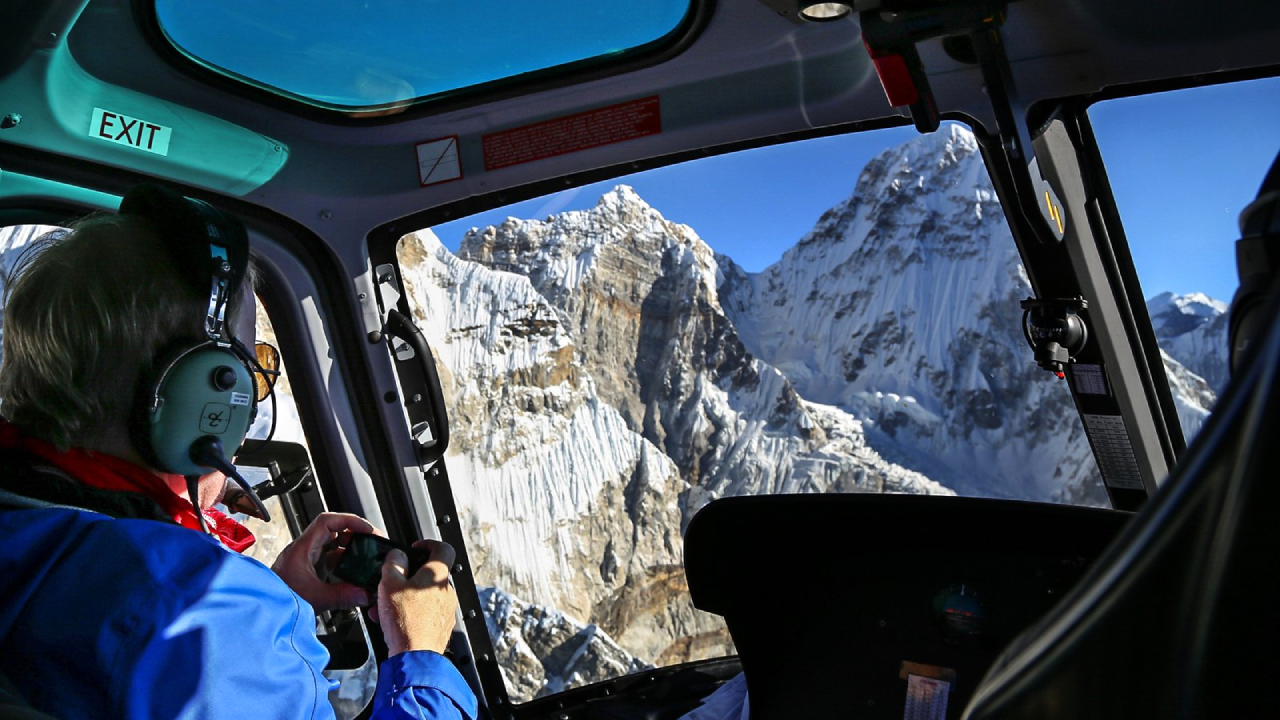
This is what helicopter sightseeing feels like! Prepare yourself as the helicopter lifts off, since you are starting the trip of a lifetime. You’ll observe firsthand, from above, Everest, Lhotse, Nuptse, amazing icy rivers, the Khumbu Glacier, deep valleys, and the Ama Dablam Mountain.

It is a view not possible by walking, and feeling like watching a nature show in real life is nothing short of breathtaking. You’ll pass by colorful monasteries, tiny villages, and paths that you previously trekked. As thrilling as this sounds, there is something special about seeing, from a bird’s eye view, the path you conquered with your own feet.

Benefits of a Heli-Return

Flexible transportation options are wonderful, especially when saved time can be put to better use. With a helicopter return, one saves time and energy at the same time. You get to sit back and enjoy the scenery while being flown to your desired location, instead of taking the 3-4 day trek downhill. If you are tired or have a busy schedule after reaching the base camp, this is useful for you.

In addition, it helps with the physical stress on the knees and other parts of the body, resulting in a very easy and safe experience overall. In addition, traveling by a helicopter is a wonderful experience!

A Thrilling and Scenic Ending

The helicopter ride not only serves as a shortcut but also marks the grand finale of your luxury Everest journey. While riding in the helicopter, you get the feeling of a bird gliding home surrounded by snow-capped peaks.

A complete Himalayan experience is earned through the helicopter return, which makes the trek much more exciting upwards and unforgettable when coming down.

Why Choose the Luxury Option?

Going for the Everest Base Camp Trek means experiencing the lavish comforts of the mountains, safety, professional attention, and exceptional care, which enhances the overall trip, making it extremely memorable and unique.

Comfort in Harsh Environments

When trekking to Everest Base Camp, one must adapt to cold nights, high altitude, and rough paths. Luxury options allow for smoother trips as they provide comfortable, warm resting areas after long walks. Instead of basic rooms, you get heated lodges and soft beds, which are much more suitable for enduring a tough environment.

Better Accommodation and Food Choices

Luxury tours come with exquisite lodges that include private bathrooms with hot showers—an absolute rarity in the mountains! You are also provided with nutritious meals that are prepared excellently to ensure you remain energized and happy. Undergoing a challenging trek becomes manageable with good food and comfortable rooms— a great difference indeed!

Expert Support Team and Safety Protocols

Luxury trekking includes a professional guide and friendly porters, who ensure precision when it comes to your health and safety. They monitor your acclimatization and are ready to step in if any issues arise. This level of attention enables a safer, hassle-free adventure.

Ideal for Those Short on Time or Wanting to Avoid Physical Strain

The best option for people with limited time is the luxury choice, which forgoes the need to put in a lot of physical effort into the trek. You have the opportunity to take your time without rushing and opt for a helicopter return to avoid the lengthy descent. This way, you get to enjoy the adventure while maintaining your energy.

If visiting the Everest Base Camp and taking a photo against the backdrop of the Everest, the very top of […]
11 Days
Moderate

US$ 4200

View Detail

Best Time for the Luxury EBC Trek with Helicopter Return

Your Everest adventure becomes unforgettable with the added safety and comfort of choosing autumn or spring: this allows you to enjoy the trek and helicopter ride in the best weather.

Ideal Trekking Seasons

The best Luxury Everest Base Camp treks with helicopter returns occur in spring and autumn. Spring is from March to May and is a popular time for trekking.

The weather tends to warm up during this period, and the skies are usually unclouded. Valleys and forests bloom with lovely rhododendron flowers. The fresh greenery, along with the bright flowers, makes the trek much more beautiful and enjoyable.

The other great time is from September to November – autumn. This season is known for some of the clearest skies of the year and offers wonderful views of the snow-capped peaks such as Everest, Lhotse, and Ama Dablam.

The air during this period is crisp and cool, making it ideal for trekking because it isn’t too cold or too hot. The stable dry weather during this season also makes autumn a popular time to trek, as it ensures an all-around pleasant journey.

Weather Conditions and Helicopter Flight Reliability

Weather conditions greatly impact the helicopter’s return, and for good reason. Helicopters can only take off and fly safely when the wind is calm and the sky is clear. The Asons are always likely to fly on smooth and timely flights at the end of autumn and spring, late due to steady and predictable weather during the two seasons.

On the contrary, the monsoon season (from June to August) brings heavy rain, thick clouds and slippery trails, making tracking difficult when flights are dangerous or often canceled. Winter months (December to February) also bring the possibility of snowfall and extremely low temperatures, which affect the helicopter operation.

Fitness Level and Preparation

The Everest Base Camp trek is certainly an exhilarating journey, but it requires a reasonable level of fitness and preparation. The good news? The luxury trek option caters to a wider audience, enabling seemingly effortless enjoyment of this experience even without years of hiking under their belt.

Required Fitness Level for the Trek

There’s no need to be a professional sports person, but there is a minimum fitness level one should meet. Walking is a primary activity, and it is not limited to one hour; multi-day trekking tours take a few hours every day and are filled with attractive scenery, steep, rocky, and uneven mountain trails.

As you climb, the air becomes thinner, and the difficulty of breathing increases. The better the shape you feel, the stronger the injury is, the less, and the more enjoyable the track. If you can move at a fast pace for about 3 to 5 hours when facing one or two hills, you are doing ok.

How Luxury Services Support Trekkers of All Levels

Everyone can enjoy the ease of the trek with the luxury option. Enjoy the private guides who help you at your own pace. A porter who carries the heavy bags will make sure that you are not tired or feeling rushed. With these services rendered, you can take in the breathtaking views.

Even newbie trekkers can experience the wonders of the Himalayas, while experienced trekkers take pleasure in the additional comfort and care they are provided. This is all possible, thanks to the superior lodges with expert staff and grade-A facilities. People also get warm meals to keep their energy up at all times.

If you want to prepare well, try to walk 30-60 minutes daily, pay attention to your speed and distance. Be sure to include some climbing for the strength of the foot. You can also try simple exercises like squats or lunges. Cramps are also important because your muscles and joints need good movement and flexibility.

It is important to practice wearing a light backpack so that your body is accustomed to it. For people with more free time, try to increase the length of the weekend. When training, do not forget to rest and hydrate. With the luxurious trek option and an exercise regimen, you will be sure to enjoy a once-in-a-lifetime experience at the Everest Base Camp.

What to Pack for a Luxury EBC Trek?

The Everest Base Camp trek can feel complicated because of the cold weather, high altitude, and shifting conditions. When you select a luxury trek, a lot of gear that is critical to travel with is provided, which lightens and simplifies your packing.

Essential Gear for High-Altitude Trekking

No matter the luxury you pay, some personal gear is needed. Thermal shirts and wool jackets stay for a good rest, while waterproofs complete the outer ball set. Fitting hiking shoes properly with strong, good ankle support is important to protect your feet on the right paths. Cold temperatures and a strong sun mean you will need gloves, a warm hat and sunglasses.

In addition, it makes it easier to carry water, snacks, and a camera. Sunscreen and lip balm protect your more sensitive skin from unwanted mountain sun, and a reusable water bottle paired with purification pills or filters ensures that your hydration and health needs are met.

What’s Provided in Luxury Packages

One benefit of the luxury Everest Base Camp trek is the fact that many things are done for you. Most of the time, you will not need to carry your big sleeping bag or even the large duffel bags, as these will already be set up by the trekking company.

All high-end lodges will have comfortable beds and warm blankets to welcome you. They enable you to focus on the journey instead of the packing. Only a light daypack is necessary since porters transport your main luggage. With no worries of heavy bags, this allows you to enjoy the scenery during the trek.

Packing Light for Helicopter Flight Weight Limits

If a helicopter flight is part of your return journey, you need to be mindful of how much you

pack. Each helicopter has a set weight range, so your flight is smoother, the less you bring. You still have to pack lightly to pack your imperatives.

With smart packing and luxury services, you can expect a safe and comfortable Everest Base Camp Trek, while all heavy bags and missing bags avoid the burden of essential things.

Cost Breakdown and Inclusions

It is important to understand what the package includes and what the extra cost is when planning a luxury Everest base camp track with helicopter return. This ensures that they get the highest value and the track is comfortable, safe and unforgettable all together.

Here’s a simplistic breakdown of what the costs entail and guidance on selecting the right trekking company.

What’s Included in a Luxury EBC Trek with Helicopter Return?

A luxury Everest Base Camp trek with a helicopter return usually includes a lot more than just the lazy walking tour. You will be offered well-furnished cozy lodges or boutique tea houses, nutritious and tasty meals, and hot showers during the trek.

You will also be provided with private guides who focus their attention on you alone, porters who carry your heavy bags, and all the permits required for the trek in the package. You will enjoy the highlight, which is the helicopter ride back from Gorak Shep or Pheriche, cutting out endless days of walking downhill.

Additionally, some companies offer airport transfer, rental of trekking equipment, and even health and safety support.

General Price Range and What Affects Cost

Pricing for luxurious EBC treks richly depends on the provider selected. If helicopter returns are included, the price will be within $3,000 to 6,000 USD, depending on the length of the trek, services offered, and the company selected.

Other factors that affect the price include season, group size, accommodation standards, and additional activities or rest days planned. Other rest days included will increase the price further. Furthermore, the helicopter flight increases the cost immensely, however, the time and comfort saved make it worth it.

Tips for Choosing a Reliable Luxury Trekking Company

Look for a trekking company that has local knowledge and good customer reviews. Acclaimed companies should provide all the available services included in the price and give clear pricing details alongside the high safety records of the company.

Ensure the porters and guides are well looked after and trained. How do they deal with emergencies and prevent altitude sickness? These questions need to be asked. Trustworthy companies will ensure that the entire trek will be smooth, safe, and unforgettable.

Final Thoughts

Luxury Everest Base Camp Track has a comfortable helicopter return travel, making it an easy Everest track with the most exciting trek of adventure and comfort. They will see some of the best regions of the world while specialist guides, enjoying delicious foods, and high-quality lodges with seamless support, along the tracks.

The added excitement of the helicopter flight as a time-saving energy saver truly makes this an outstanding journey. This is perfect for anyone who dreams of standing on the bottom of Mount Everest, but wants to do it in an inexpensive but easy way with the minimum physical stress.

This is more than only one growth- it is a one-time lifetime experience that is full of breathtaking ideas, rich culture and unforgettable memories. So why wait? Start planning your luxury Everest Base Camp adventure today and get ready for a journey you’ll remember forever!

Upper Mustang Bike Tour vs Jeep Tour: Which One Should You Choose?

Introduction

Nestled in the extreme north of Nepal, Upper Mustang is a restricted region in the Himalayas, famous for its stunning scenery, ancient Buddhist monasteries, and the life and culture of the old Kingdom of Lo. The Upper Mustang remains a largely untouched environment because it was closed to outside influence until the early 1990s. The dry, high-altitude environment of Upper Mustang is one of the few most intact areas of culture in the world, where the Tibetan language, culture, and 1000-year customs are still present. The stark red cliffs, the walled city of Lo Manthang, and the sacred caves make the Upper Mustang a unique destination for adventure and cultural experience.

Upper Mustang Houses

Recently, Upper Mustang has seen rising demand for adventure seekers, mostly because of better access and infrastructure. Two of the best ways to experience this secluded area of stunning scenery are a motorbike tour or a jeep tour. They both have aspects that will appeal to visitors; motorbikes offer adrenaline and a sense of liberation by riding through rugged trails, while the jeep tours provide safety, comfort, and less of an adventure, more suited to regular travelers. The adventure, remote terrain, high altitude, and isolation in this area provide both adventure experiences and opportunities for cultural site interactions.

The rising popularity of bike and jeep tours has caused a spirited discussion among travelers on the best experience in Upper Mustang, prefer adventure including jeep tour and bike tour, and the convenience tour to explore cultural depth with low stress. The bike tour and Jeep tour experience will provide different perspectives on Mustang’s landscapes, local people, and traditions.

This comparison is geared to help trekkers determine which adventure would better align with their interests, abilities, and expectations. Weighing the pros and cons of Upper Mustang Motorbike tours and jeep tours will help you make the best decision so that your experience in this “Last Forbidden Kingdom” is full of enjoyment, wonder, and fond memories. The information made available will include both the merits, drawbacks, and suggestions while traveling through Upper Mustang.

Trip not found.

Overview of the Upper Mustang Bike Tour vs Jeep Tour

Upper Mustang Bike Tour

The Upper Mustang MotorBike Tour provides a lifetime adventure and off-road experience through the remote and culturally rich Himalayan region of Nepal. This rugged terrain of Upper Mustang makes the Bike Tour fun and exciting. The rugged, unpaved trail and remote landscape will provide a connection to nature and surroundings that would not be experienced from other travel, especially in arid valleys, red cliffs, Tibetan-style villages, etc. The challenge of riding in such isolated and raw terrain enhances the adventure as much as the riding aspect.

Upper Mustang Bike Tour

More than anything, the Upper Mustang Motor Bike Tour is an opportunity to immerse yourself in beautiful Trans-Himalayan terrain, rich in history and untouched tradition. Upper Mustang Motor Bike Tour will be appealing to riders seeking memorable and fun adventures. Upper Mustang Ride is a fantastic experience for daring motorcycle riders. Numerous rocky breaks, loose surface gravel, bumpy paths, sharp climbs, and high-altitude passes will test skills and fitness levels. The sense of accomplishment of riding through challenging terrain is exhilarating, and the freedom riders get after completing the trail is what the tour is known for.

Therefore, the Upper Mustang Motorbike Tour is one of the more exciting motorcycle tours in Nepal. Additionally, because only a limited number of travelers are allowed to visit the region in a year, owing to its restricted area status, riders should have a special appreciation for the fact that they visited a less-traveled route. The journey typically begins in Pokhara along a well-paved road leading up to Beni. From there on, the off-road adventure begins following the gorge of the Kali Gandaki River. Riders will travel through villages like Tatopani, Marpha, Jomsom, Muktinath, and Kagbeni to get to the Upper Mustang area. The riders continue biking through isolated villages and barren Himalayan landscapes to arrive at the ancient walled city of Lo Manthang, the cultural center of Upper Mustang.

Along the way, bikers will encounter ancient monasteries, enigmatic sky caves, and spectacular views of Annapurna and Dhaulagiri mountains. These tours need reliable bikes such as Royal Enfield motorcycles, specifically Classic and Himalayas, to take on rough conditions. The tour is about 900 kilometers over 12 to 14 days, and for everyday riding. Riders will have the best experience riding through cozy valley roads to challenging mountain passes with high elevations.

Both the Restricted Area Permit and the Annapurna Conservation Area Permit are needed for this tour, which can be done with the help of the trekking company. Most tours will be organized in small groups because it is safer and a chance for camaraderie with others. The Upper Mustang bike tour offers adventure seekers more than just a “ride,” as it will take them into Nepal’s unspoiled, valued, and stunning highlands.

Today, artificial intelligence is revolutionizing our world, creating an almost perfect virtual world. However, hidden in the remote corner of […]
11 Days
Moderate

US$ 2300

View Detail

Upper Mustang Jeep Tour

The Upper Mustang Jeep Tour is a great way to enjoy the remote and culturally significant region while being relatively comfortable and accessible. Unlike longer treks or mountain biking trips, you’ll be able to travel through the landscape of Upper Mustang in a much more relaxed manner. The jeep tours are a perfect mode of transportation for families, groups, and travelers with limited time in the Upper Mustang region without suffering the physical burden of high-altitude trekking.

Upper mustang jeep tour
Upper Mustang jeep tour

Upper Mustang Jeep Tour generally begins from Jomsom. From Jomsom, the journey goes by jeep through villages like Kagbeni, Chele, Ghami, and Tsarang before arriving at the ancient, walled city of Lo Manthang. During the trip, visitors will experience the Kali Gandaki gorge, cross barren ridges, and revel in the landscape defined by the region’s striking red cliffs and dispersed canyons. The trip sometimes includes a side visit to important pilgrimage sites for both Hindus and Buddhists, including a visit to Muktinath Temple.

This tour can be convenient in Four-wheel drive (4WD) vehicles such as the Toyota Land Cruiser or Mahindra Scorpio, which offer both power and stability on the rough, unpaved roads of Mustang for this type of tour.  These vehicles are designed to navigate the steep ascents, rocky tracks, and high-altitude passes that would be challenging for standard vehicles.  Passengers have supportive seats, air conditioning, and sometimes on-board entertainment, making the ride comfortable across the rugged terrain.

The jeep tour has one of the biggest advantages of accessibility as it enables travelers of all ages to see the highlights of Upper Mustang in a very short time, often 7 to 10 days. The jeep tour provides the most highlights for people with comparatively limited time, including the opportunity to see vistas, historic monasteries, nearby villages, and sites of cultural relevance.

The trek ends in Lo Manthang, where travelers can experience ancient monasteries, palaces, and colorful local markets. Travelers may also be lucky enough to attend the colorful Tiji Festival, which is a rare celebration of Mustang’s Tibetan Buddhist past. Overall, the Upper Mustang Jeep Tour is an enjoyable and memorable journey to visit the “Last Forbidden Kingdom”.

Comparison Table: Bike Tour vs Jeep Tour

Feature Bike Tour Jeep Tour
Adventure Level High (off-road, weather exposure) Moderate (protected, more stable)
Comfort Moderate to low High
Cost Generally less expensive More expensive
Physical Demand Medium to high as it requires riding expertise Low
Flexibility More flexible when it comes to stops Moderate flexibility
Ideal For Perfect for solitary, group bikers, and Adventure seekers Perfect for Families, seniors with difficult mobility, and large groups
Season Sensitivity Weather dependent More sensitive during severe weather

Pros and Cons

Biking Tour Pros

  • The bike tour provides a more adventurous and immersive experience, allowing you to see some of Upper Mustang’s rugged and unique landscapes.
  • Riders have the freedom to stop anywhere along the route to take pictures or enjoy the incredible views.
  • The bike allows travelers to be very close to nature and the diversity of the terrain.
  • Motorbiking allows you to cover more ground in a shorter time than hiking, making this a good option for people who might have limited time to travel.
  • The tour will take the trekkers through old villages and monasteries, exposing them to rich cultural experiences and providing insight into Tibetan-influenced societies.

Biking Tour Cons

  • Riding on rough, high-altitude trails requires physical exertion and a good level of stamina to be able to ride safely and effectively.
  • Riders can suffer from cold temperatures, road dust, and thin mountain air on the way while riding in extreme weather conditions.
  • There is also the inherent possibility of mechanical issues with bikes or even breakdowns, which is more likely in a remote area.
  • Riding for long hours on uneven terrain can make the rider tired, which detracts from the overall enjoyment of the tour.
  • Off-road riding at altitude can be dangerous, increasing the risk of accidents and requiring caution and care.

Jeep Tour Pros

  • Jeep tours provide comfort during travel in the rugged Upper Mustang landscape.
  • Jeep trips provide better options for bad weather, ensuring safety and comfort.
  • Jeep trips can carry more luggage, warm clothing, and essentials for traveling longer trips.
  • Jeep tours tend to cover larger distances faster, and travelers can see major sights in a limited time.
  • Jeep tours are particularly suited for families, seniors, or those with limited physical stamina for trekking.

Jeep Tour Cons

  • Compared to trekking or biking, jeep tours offer less personal connection to the route.
  • Jeep tours offer limited ability to stop spontaneously and therefore provide limited exploring, compared to bike tours.
  • The process may seem less like an adventure and less engaging to thrill-seekers.
  • Jeep tours are usually more expensive because of vehicle rental, fuel, permits, and driver costs.
  • Traveling by jeep will contribute to environmental issues like road erosion and wildlife habitat disturbances.

Factors to Consider When Choosing

Travel Style and Adventure Level

Travelers’ travel styles and desired adventure levels are important factors to be considered when choosing between a bike and jeep tour in Upper Mustang. If you want a wild adventure with a hands-on peace of mind on an off-road experience, then a bike tour is a high adventure option that allows you to explore the surroundings, including the steeper and rugged sections of the landscape.

In contrast, if you want a more leisurely, comfortable, and stable route with less physical exertion to cover the terrain, then a jeep tour would be a safer option. What works best for your exploration of this culturally rich region in the Himalayas will mostly depend on your preferences and comfort level with the thrill of adventure against comfortable stability.

Budget and Time Availability

Bike tours typically have less cost as there are fewer resources involved. However, a bike tour requires more work and time investment in preparation and riding. Whereas Jeep tours are slightly more expensive based on fuel costs, driver costs, and permits. But the Jeep often finishes a trip in 7 to 10 days compared to trekking for much longer. If your vacation days or available time are limited or you want to do something easier, jeep tours may be more suitable. If you want to experience an adventurous trip in the arid region of Nepal, then a bike ride will be a good option.

Seasons and Weather

Season and weather are also important considerations when planning a bike or jeep tour. Bike tours are seasonal and weather-dependent as the rider is exposed to the cold, dust, and wind. Therefore, it is comfortable to ride a bike in the spring or autumn. The jeep’s four-wheel drive weather provides safe and comfortable travel in adverse environments. So, Jeep travel will be great in the winter and monsoon. If you’re considering visiting during the winter or monsoon seasons, the jeep tour is a much safer and comfortable travel option, while the bike tours are best in clear, dry seasons.

Group composition

Another important consideration is your travel companions. Bike tours are most suitable for groups of independent travelers, couples, or small groups of adventure seekers who are physically fit. Jeep tours are most appropriate for families, seniors, or large groups of individuals with diverse physical abilities, including infants and toddlers.

Riding and Off-Roading Experience

Bike tours often require good motorbike skills, fitness, and the confidence to handle rough, high-altitude terrains. Additionally, the journey can be physically demanding for beginner riders. Jeep tours, driven by licensed drivers who have experience on Mustang’s circuitous roads, provide much more accessible journeys to travelers. If you do not have your own riding experience, the jeep tour is the safer and easier choice for a visit to Upper Mustang.

Get ready to kick off the 12-day Upper Mustang Tiji Festival Jeep Tour itinerary adventure for experiencing the timeless, rich […]
12 Days
Easy

US$ 2800

View Detail

Verdict: Which One Should You Choose?

When deciding between an Upper Mustang Bike Tour and an Upper Mustang Jeep Tour, the choice depends on how you like to travel, what physical activities are possible, and what type of experience you are looking for. If you are looking for adventure, enjoy challenging yourself, and want to get close to the rugged adventure of the Himalayan landscape, the bike tour is the better option.

The bike tour has far more adventure potential and offers a form of freedom to the traveler that allows them to take in their surroundings in a truly immersive way. The riders can feel and see nature around them, explore off-road trails through culturally rich villages, and experience a variety of rugged trails. For riders’ good physical fitness and experience on rides in high altitudes and variable weather, the Upper Mustang Bike Tour can be a great option.

Alternatively, jeep tours offer travelers a more comfortable, safe, and convenient journey. Families, seniors, and those traveling together with varying physical abilities will enjoy traveling by a 4WD vehicle, which provides comfort while traveling over more rugged terrain and also provides shelter from the weather. Jeep tours also work better for people with limited time, as the 4WD vehicles can cover significant distances quickly and allow guests to enjoy the Upper Mustang without the physical requirements of biking or trekking. In this way, visitors can enjoy the Upper Mustang vacation by exploring culturally rich activities and breathtaking scenery.

Conclusion

Upper Mustang is a unique destination with amazing Himalayan scenery, an ancient Buddhist culture, and the feeling of adventure that will stay with you long after your trip ends. Whether you experience Upper Mustang by motorbike or by 4WD jeep, the adventure is still the same it is just a matter of how you want to experience the journey. For those adventure seekers and experienced riders, the bike tour is the best option to drive in adventure, exploring the green wilderness of majestic cliffs and mountains. For those who want comfort, safety, and a shared experience with family or friends, the Jeep tour would be good for you.

We would be delighted to offer you the chance to safely explore the stunning Upper Mustang by bike or jeep using our knowledgeable guided tours, which can be tailored to your interests. Our team makes sure both the exhilarating off-road riding experience and the relaxing overland journey with scenic beauty will be seamless and enjoyable for your epic adventure. Book your Upper Mustang adventure today-whether you pick a bike or jeep tour, let us help you plan your visit to the wonders of Nepal’s “Last Forbidden Kingdom” in your own spectacular experience!

Acute Mountain Sickness on Everest Base Camp Trek

Everest Base Camp is the most famous and adventurous trek in the world. This trek leads you to the base of the tallest mountain in the world, Mount Everest. This Everest Base Camp Trek comprises stunning visions of snow-covered peaks, glaciers, and very beautiful landscapes within the Himalayas of the Everest Region.
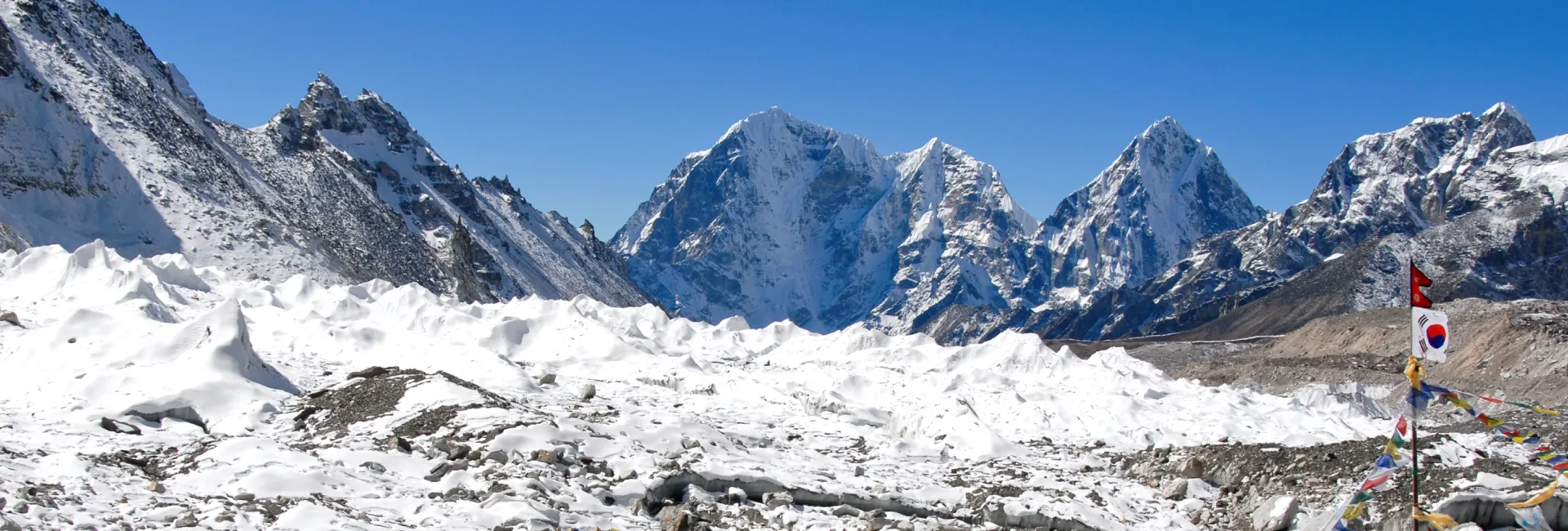
You will get to know the rich culture and traditions of the Sherpa people en route, for whom this region is home. Usually estimated to fall within 12-14 days of time duration, out of which 5,364 meters or 17,598 feet remain the highest place at Everest Base Camp. A variant that suits people who do not have that big an amount of time is the Short Everest Base Camp Trek, in which the above is done within a very short period.

However, most trekkers have one great challenge that all trekkers should know-altitude sickness. While one begins to go upward, it follows that air gradually turns thin; thereby, oxygen to breathe will subsequently be little; this leads to resultant symptoms of headaches, nausea, dizziness, and shortness of breath.

By worsening conditions, the mentioned symptoms are prone to increase fatal diseases related to lung or brain tissue swelling. It’s a serious risk that trekkers need to be prepared for.

Everest Base Camp Trek 14 Days gives you ample time to acclimatize and adjust to the altitude, but preparation is still key. It’s important to understand what altitude sickness is, how to spot the symptoms, and how to adjust to the higher altitudes slowly.

Taking your time to acclimatize, drinking plenty of water, and resting when needed are all ways to prevent altitude sickness. Knowing when to turn back and ask for help is just as important. With the right preparation, you can safely complete the Everest Base Camp Trek and have an incredible experience that you’ll never forget.

Everest Base Camp Trek is not an ordinary journey, and thus, you may have watched many films on YouTube about […]
14 Days
Moderate

US$ 1300

View Detail

Understanding Altitude Sickness

Altitude sickness, also commonly known as Acute Mountain Sickness, or AMS, includes symptoms you may experience at high altitudes, where the air contains less oxygen. It is a common problem for trekkers visiting Everest Base Camp, especially as you ascend higher than 2,500 meters (8,200 feet).

With an increased altitude, oxygen becomes less available, and the body requires some time for acclimatization to this change. If your body doesn’t acclimate well, then you start feeling unwell with symptoms such as headaches, nausea, and tiredness.

Causes of Altitude Sickness

With increased altitude, the air becomes thinner, containing less oxygen. Your body struggles to receive sufficient oxygen, especially if you ascend too quickly. If you don’t give your body time to acclimate, it can lead to altitude sickness. If one climbs too fast and without rest or appropriate rest, their body may not be in a position to put up with a shortage of oxygen, thus the occurrence of symptoms such as dizziness and headache.

Symptoms of Altitude Sickness

The initial symptoms of altitude sickness can be mild. You may have a headache, feel nauseous, dizzy, or just tired. These are common symptoms that can be dealt with by simple rest and a lot of water intake. However, if these symptoms worsen, it may imply something serious. In extreme cases, one may experience problems in breathing, confusion, or difficulty in walking.

This can eventually cause severe, dangerous conditions that include High Altitude Pulmonary Edema, buildup of fluid in the lungs, or even High-Altitude Cerebral Edema, which is swelling of the brain. These conditions are very serious and need immediate medical attention.

Elevation and Risk

Altitude sickness usually starts to be a concern above 2,500 meters (8,200 feet), but the higher you go, the worse it can get. Above 3,500 meters (11,500 feet), the symptoms can become stronger. When trekking to Everest Base Camp, you’ll reach an altitude of 5,364 meters (17,598 feet), where oxygen is much thinner. Because of this, the risk of altitude sickness is higher.

To stay safe, it’s important to climb slowly, take regular breaks, stay hydrated, and give your body time to adjust to the high altitude.

Risk Factors for Altitude Sickness

There are a few things that can heighten your chances of getting altitude sickness on your trek. Probably the worst risk is climbing too quickly without giving your body enough acclimatization time for the higher altitude. If you go up too quickly without rest, you will likely become ill. Secondly, if you have had altitude sickness previously, then you are at a greater risk of experiencing it once again.

Your physical condition is also important. If you are not in good shape or already tired, your body will have a harder time dealing with the high altitude. Age also plays a part: younger and older trekkers can be more sensitive to altitude sickness.

Pre-existing health conditions may worsen problems. Your body simply cannot take higher altitudes with respiratory and heart problems because the oxygen level is low, so that may make you more vulnerable to illness.

Lastly, speed is also important in your hike. When one tries to ascend too quickly, this does not allow the body a good chance of acclimatization to the altitude change, and this can be due to altitude sickness. The best way to stay safe is just to take it slow, drink lots of water, and give your body plenty of time to adjust to the higher altitude.

How to Prepare for Altitude Sickness

Physical Preparation

Your body should be in very fine shape before heading out for the Everest Base Camp trek. Regular fitness exercises such as running, swimming, or cycling will enhance your stamina and make your heart and lungs stronger.

Similarly, steep hikes call for strong legs, and that requires squats and lunges. Days on the trek are going to be long with extensive walking; hence, this will ward off getting extremely tired or getting hurt.

If you are on the Everest Base Camp Trek, then having your body prepared and set for physical exertion makes your trek quite enjoyable and achievable.

Acclimatization Strategies

At high altitudes, the body requires some time to acclimatize to the thin air. This process of acclimatization is necessary in preventing altitude sickness. Acclimatization should be practiced by going upward very slowly, which can give the body adequate time for the adaptation process.

During the trek, spending extra days at places like Namche Bazaar and Dingboche helps your body get used to the higher elevation. These rest days are key to avoiding altitude sickness and ensuring a safe trek.

One helpful strategy to aid acclimatization is the “climb high, sleep low” rule. That is, you need to ascend higher in altitude during the day but return to a lower altitude to sleep. This way, your body gets used to it gradually, and the altitude will not be that difficult to bear after some time.

Rest Day

Other important things in preparation include rest days. After substantial elevation gains, especially upon arrival in places like Namche Bazaar or Dingboche, your body needs time to recover.

Rest days allow your body to adapt to the altitude and recover from physical exertion. During these days, you can take short walks around the area to keep your body moving without pushing yourself too hard. This balance of rest and light activity strengthens your body for the next part of the trek.

Physical training, proper acclimatization, and rest days are all essential to avoid altitude sickness. If you’re tackling the Short Everest Base Camp Trek, following these steps will help you stay safe and enjoy the adventure. By listening to your body and not rushing, you can safely reach Everest Base Camp and enjoy the amazing views.

The Short Everest Base Camp Trek has always been a once-in-a-lifetime, illustrious journey in the lap of some of the […]
10 Days
Moderate

US$ 1100

View Detail

 Preventive Measures for Altitude Sickness

Slow and Steady Ascent

Preventing altitude sickness requires going up gradually. The higher you go, the thinner the air, and hence your body needs time to get tuned to the rarefied atmosphere. You should always go upwards at a slower pace. The Everest Base Camp Trek follows a well-placed stride that allows for acclimatization.

During these treks, you will have planned rest days or days in places like Namche Bazaar and Dingboche. During this period, you are supposed to relax and let your body acclimatize to the altitude. Remember, taking it slow will help you avoid altitude sickness.

Hydration

Drinking plenty of water is extremely important in high-altitude trekking. Dehydration enhances the severity of altitude sickness; thus, it is very important to keep one’s body hydrated. Drink plenty of water frequently, even if you do not feel thirsty. You may also consume herbal teas and electrolyte-enhanced drinks. Keep a bottle with you and sip throughout the day. Keeping yourself hydrated will keep you feeling fresh and boost your energy level while trekking.

Balanced Diet

What you eat before a trek also enables you to go out there feeling quite strong. Emphasis should start with high-carbohydrate dishes, especially rice, pasta, and potatoes, that fuel your body and give it some instant energy; smaller meals ensure even stamina dispersion throughout the day. Good nutrition helps to keep you strong and full of energy on this trek.

Medications for Prevention

If you’re concerned with altitude sickness, then there is a medication known as Diamox or, generically known as acetazolamide, to help. This will help your body get accustomed to the high altitude faster and minimize the possibility of getting sick. Your doctor will be in a good position to advise when and how to take it and will always check for any possible side effects. If you do happen to take it, just make sure to follow the doctor’s advice.

Oxygen Supplementation

Higher up, there is less oxygen in the atmosphere, and some trekkers may experience breathing difficulties. Supplementation of oxygen can certainly help if one is troubled while breathing. Some places on the trek offer oxygen, especially if you’re feeling sick or breathless. This extra oxygen, if you are prone to altitude sickness, can make you feel better and continue your trek safely.

Trekking with a Guide

Having a guide along with you is one of the best ways to stay safe and avoid altitude sickness. A guide will know the symptoms of altitude sickness and take care of you accordingly in case you start feeling unwell. They will make sure that you follow all the correct procedures, including taking rest days and keeping well-hydrated. Besides, guides know shortcuts and alternatives; therefore, they are in a position to make the trek non-difficult.

If you just follow these simple steps, altitude sickness is very easy to ward off, and you will be able to enjoy your trek-be it the longer Everest Base Camp trek or a Short Everest Base Camp trek. Take it slow, drink plenty of water, eat well, and listen to your body!

What to Do if You Get Altitude Sickness?

Recognize the Symptoms

It’s important to spot the early signs of altitude sickness so you can act quickly. If you feel a headache, nausea, dizziness, or you’re unusually tired, it could be altitude sickness. These symptoms are a warning that your body is struggling with the high altitude, so it is best not to ignore them.

Immediate Actions

The most sensible thing you can do in this situation is to immediately go down to a lower altitude if the symptoms are not very serious. In this situation, for instance, you’re on the Everest Base Camp trek, you return to where you felt all right-for example, Namche Bazaar or Dingboche-rest well, drink as much water as possible, and do not go to an even higher elevation until you begin to feel a bit better. Giving your body time to adjust by resting and hydrating can make a big difference.

When to Seek Help

If your symptoms get worse, like if you start feeling confused, have trouble breathing, or lose balance, you need to get down to a lower altitude immediately. These can be serious signs, and you should not ignore them. Your guide and porter, who are trained to handle altitude sickness, will know exactly what to do in these situations. They’ll help you get to a safer place quickly.

Helicopter Evacuation

In more severe cases-when, say, your symptoms do not improve, helicopter evacuation may be necessary. This means it takes one to a lower altitude for recuperation. If ever this happens, the guide shall be organizing the same because of concerns regarding your safety.

These signs, if recognized and acted upon in time, are what will keep you safe, enjoying your journey. Always heed your guide and take health seriously.

Conclusion

While altitude sickness may become a factor on the Everest Base Camp Trek, there is much one can do to minimize the risks involved. Know the symptoms, stay hydrated, and take your time acclimatizing-your keys to safety.

Guided trekking is also a very good option for it. Such guides know about altitude sickness, and they make sure that the best path concerning your safety will be followed. Going slow and listening to your body will help you enjoy the trek without overdoing it.

The issue of safety should always be the first thing that comes to mind. Spend the needed time to prepare accordingly, which will set one up for this successful and enjoyable journey. Get the mindset right with a little care, and reach the Everest Base Camp for one of the most amazing adventures ever. So, plan ahead, pay attention, and your trek is bound to be an experience of a lifetime.

How hard is the Everest Base Camp Trek?

There is always a question how hard is the Everest Base Camp Trek. EBC trek is the moderately difficult trek due to the altitude gain up to 5545m Kala Patthar, which is the last point of the Everest Base Camp Trek 14 days and sunset and mostly Sunrise view point.

Everest Base Camp Trek is one of the most sought-after trekking routes in the world.  Its popularity is the eccentric beauty of Mt. Everest (8848.86m), also known as Sagarmatha. Gazing at the tallest mountains in the world and the surrounding mystifying Khumbu giants is the trek’s best moment.
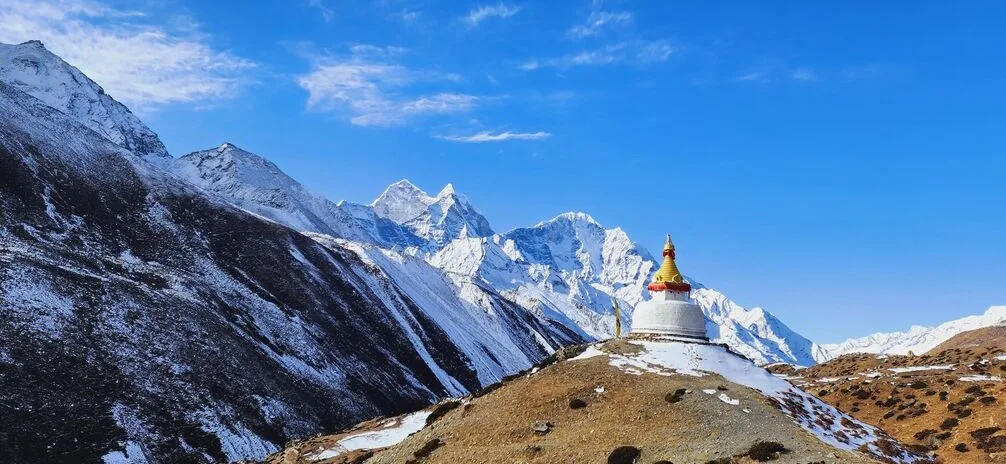
The trek is also a perfect mix of nature and the fascinating yet rich culture of Nepal. The tranquil beauty of the Everest region and its thrilling topography is in a rank of its own. Not to mention the countless ancient stupas, Gumbas, and temples, which are of great importance to Nepal. Several small and large rural villages give an outlook to the people’s rural lifestyle surviving in Everest’s harsh conditions.

Everest Base Camp is a moderate-grade trek, but some find it challenging. This article discusses how hard is the Everest Base Camp Trek is. Some of the important aspects to look into are the total length of the trek, altitude variation along the route, average walking hours each day, and many other aspects.

Length of the EBC Trek

The whole Everest Base Camp trekking route takes 12 days to complete. In these 12 days, you will walk a total of 120 km (about 75 miles) on foot. If you wish for a more leisurely pace, you can also increase the trek’s duration to 15 days.  You can also combine the Everest Base Camp Trek with the Gokyo Valley Trek in the Everest region, which takes about 19 days to complete.

Altitude Profile of EBC Trek

The EBC trek starts after a flight to the Lukla airport, which stands at the height of 2860m. From here, you will need an ascent during the trek to the maximum height of 5545m at Kalapatthar. The altitude in the trek gradually increases from Lukla. Almost 6 out of the 12 days, you will be walking at an altitude of 4000m above sea level or even more than 4000m. On the other half of the trek, the altitude is around 3000m-4000m. The total ascent, which you will gain during the trek, is approximately 6015m starting from Kathmandu (1300m).

Walking hours during the trek

You will be walking for 4-5 hours every day on average while following the EBC trekking route. The longest waking duration will be about 8 hours on your trek from Lobuche to the Everest Base Camp and back to Gorakshep. You will have to walk long hours during descent from Everest Base Camp back to Lukla, which will be about 7 hours.

Weather along the EBC route

The EBC trekking route is famous for its changing weather conditions, especially in the higher altitudes. Not all seasons are suitable for a trek to the Everest Base Camp. During June- August (monsoon) and November-January (winter), the trail welcomes extremely adverse weather conditions along with cold temperatures. The trails are slippery because of constant rainfall, and there is the presence of thick fog throughout the day, making the visibility low.

In February-May (spring) and September-October (autumn), the weather is mostly stable. The days are longer, and the weather is also dry, so there are fewer rain chances. Because of the good weather condition, the flights also have lesser chances of cancellation. This is the time with the best visibility, where you can enjoy the fantastic view of mountains with the warm sun shining above your head.

Training is required to do the EBC Trek

Anyone with a fit physique can take part in the EBC Trek. Prior experience in mountain treks can be beneficial. The trekking route is of great difficulty because of the changing weather conditions at higher altitudes and challenging high passes. So, an excellent physical shape is a necessity for the trek. If you have not yet started training for the trek, you can take it up today!

A simple routine of jogging, swimming, cardio, or aerobic exercises mixed in your daily exercise routine can take you a long way. The most important thing is to build up endurance and strength as the walking hours in the EBC trek are 4-5 hours each day. You can also try taking short hikes around your community every weekend for about 4-5 hours. If outdoor exercises are not suitable, you can also try indoor exercises like running on the treadmill, swimming, or simply climbing up the stairs. A properly balanced diet mixed in with the daily workout is also best for building up strength.

Altitude Sickness during EBC Trek

The EBC Trek is prone to altitude sickness as almost the entire trek is at an altitude of over 3000m. So, proper acclimatization is the prerequisite of the trek. There are several acclimatization days in between so that you can gradually be accustomed to the changing air pressure.

The chances of getting Acute Mountain Sickness (AMS) are high in the EBC trek, especially if you do not take safety precautions. Thus, it is necessary for the trekker always to do not rush to reach the destination. You need to give your body enough time to be acclimatized to the changing altitude and be mindful not to take too much strain.

Remember to always be on the lookout for AMS symptoms, some of which are headache, nausea, shortness of breath, rapid heart rate, vomiting, sleeplessness, and so on. If you feel these symptoms, then the best option is to stop and rest or, better yet, climb down to lower altitudes. If the symptoms still do not subside, you will be evacuated promptly with emergency helicopter services.

Conclusion

The trek to Everest Base Camp is not only a trek but an adventure. It is a once-in-a-lifetime chance to challenge the rugged yet thrilling terrains of the magical Everest Region. The splendid aura of the Khumbu Mountains is not something you get to experience every day. Neither is the essence of the rich culture of people who live among these silent hills something to miss. Everest Base Camp is simply the pinnacle of unforgettable Mountain adventures in Nepal.

Annapurna Base Camp Trek vs Everest Base Camp Trek

Scenic Beauty and Landscapes

Annapurna Base Camp Trek:

The ABC Trek is celebrated for its diverse and picturesque landscapes that change dramatically as you ascend.

  • The lower trails pass through lush terraced farmlands, dense rhododendron forests, and vibrant villages.
  • Higher altitudes reveal stunning close-up views of Annapurna I (8,091 m)Machhapuchhre (6,993 m)Hiunchuli (6,441 m), and surrounding peaks.
  • Highlights include natural hot springs at Jhinu Danda and serene valleys dotted with waterfalls and glaciers.

Everest Base Camp Trek:

The EBC Trek boasts a rugged, high-altitude environment dominated by towering peaks and glaciers.

  • The trek offers iconic views of Mount Everest (8,848.86 m)Lhotse (8,516 m)Ama Dablam (6,812 m), and other Himalayan giants.
  • Unique features include the Khumbu GlacierKhumbu Icefall, and suspension bridges festooned with prayer flags.
  • Villages like Namche Bazaar and the Tengboche Monastery provide cultural and scenic highlights.

Verdict: The ABC Trek offers more diverse landscapes, while the EBC Trek focuses on dramatic, high-altitude Himalayan vistas.

Altitude

Annapurna Base Camp Trek:

The Annapurna Base Camp Trek reaches a maximum altitude of 4,130 meters (13,550 feet) at the base camp.

  • Altitude sickness is relatively uncommon due to the moderate elevation.
  • The gradual ascent allows trekkers to acclimatize naturally.

Everest Base Camp Trek:

The Everest Base Camp Trek reaches a maximum altitude of 5,364 meters (17,598 feet) at the base camp.

  • The higher altitude increases the risk of Acute Mountain Sickness (AMS), requiring proper acclimatization days in places like Namche Bazaar and Dingboche.
  • Altitude challenges are part of what makes this trek more demanding.

Verdict: The ABC Trek is less challenging in terms of altitude, making it more suitable for beginners.

Difficulty Level

Annapurna Base Camp Trek:

The ABC Trek is considered moderately difficult.

  • The trails involve gradual ascents and well-maintained paths.
  • Daily walking distances are manageable, typically between 5-10 miles.
  • It is suitable for beginners with a reasonable fitness level.

Everest Base Camp Trek:

The EBC Trek is moderate to challenging.

  • The trek involves steeper ascents, rugged terrain, and longer hiking days.
  • The higher altitude and longer duration demand better physical preparation and stamina.
  • Acclimatization is crucial to avoid altitude sickness.

Verdict: The ABC Trek is easier, while the EBC Trek is more demanding but equally rewarding for those prepared.

Duration

Annapurna Base Camp Trek:

The ABC Trek typically takes 7-12 days, depending on the starting point, pace, and chosen itinerary.

  • Shorter itineraries are possible for those with limited time.

Everest Base Camp Trek:

The EBC Trek generally requires 12-16 days, including acclimatization days.

  • The longer duration provides ample time to immerse yourself in the Himalayan environment.

Verdict: The ABC Trek is quicker, while the EBC Trek requires a greater time commitment.

Culture and Villages

Annapurna Base Camp Trek:

The ABC Trek passes through villages inhabited by Gurung and Magar communities.

  • Cultural highlights include traditional houses, local dances, and interaction with villagers.
  • The trek offers a blend of Hindu and Buddhist cultural experiences.

Everest Base Camp Trek:

The EBC Trek is rich in Sherpa culture, with villages like Namche BazaarKhumjung, and Tengboche being cultural hubs.

  • The Tengboche Monastery, one of the largest in the region, is a spiritual highlight.
  • Prayer flags, mani walls, and Buddhist chortens dot the trail.

Verdict: ABC offers a mix of Hindu and Buddhist cultures, while EBC emphasizes Sherpa traditions and Buddhist heritage.

Cost

Annapurna Base Camp Trek:

The ABC Trek is more budget-friendly, with costs ranging from $700 to $1,500 depending on group size, guide/porter services, and accommodation choices.

  • Fewer logistical challenges keep costs lower.

Everest Base Camp Trek:

The EBC Trek is costlier, with expenses ranging from $1,200 to $2,500.

  • Costs include Lukla flights, higher permit fees, and more expensive accommodations.

Verdict: The ABC Trek is more affordable than the EBC Trek.

Popularity

Annapurna Base Camp Trek:

The ABC Trek attracts approximately 50,000 trekkers annually.

  • It is ideal for those seeking a quieter, less crowded experience.

Everest Base Camp Trek:

The EBC Trek welcomes around 35,000 trekkers annually, but the route can feel busier due to its concentrated popularity.

Verdict: ABC offers a more tranquil experience compared to the busier EBC Trek.

Weather and Seasons

Best Seasons for Both Treks:

  • Spring (March-May): Blooming rhododendrons in ABC; clear views in EBC.
  • Autumn (September-November): Stable weather and excellent visibility for both treks.

Weather Variations:

  • ABC Trails: Lower in altitude, making them less affected by extreme cold.
  • EBC Trails: Colder and more susceptible to snow at higher altitudes.

Verdict: ABC is less affected by extreme cold, while EBC requires preparation for colder conditions.

Summary of Key Differences

Criteria ABC Trek EBC Trek
Accessibility Easier, starts in Pokhara Requires a flight to Lukla
Scenery Diverse landscapes Iconic Himalayan peaks
Max Altitude 4,130 m (13,550 ft) 5,364 m (17,598 ft)
Difficulty Moderate Moderate to challenging
Trip Length 7-12 days 12-16 days
Cost $700-$1,500 $1,200-$2,500
Culture Gurung and Magar villages Sherpa culture and monasteries

Which Trek Should You Choose?

Choose ABC Trek if:

  • You have limited time or budget.
  • You prefer moderate trekking with diverse landscapes.
  • You seek a quieter trekking experience.

Choose EBC Trek if:

  • You want iconic views of Mount Everest.
  • You are prepared for a longer and more challenging trek.
  • You wish to immerse yourself in Sherpa culture and Buddhist heritage.

Conclusion: Annapurna Base Camp (ABC) Trek vs Everest Base Camp (EBC) Trek

Both the Annapurna Base Camp (ABC) and Everest Base Camp (EBC) treks are incredible journeys that showcase the best of Nepal’s Himalayan landscapes and rich cultural heritage. However, the choice between the two depends on your preferences, fitness level, time availability, and budget.

If you are seeking a shorter, budget-friendly trek with diverse landscapes, lower altitudes, and a tranquil atmosphere, the Annapurna Base Camp Trek is ideal. It offers stunning views of Annapurna I, Machhapuchhre, and Hiunchuli, with cultural immersion in Gurung and Magar villages. Its moderate difficulty and lower altitude make it suitable for beginners or those with limited time.

On the other hand, if you desire a more challenging trek with iconic views of Mount Everest, higher altitudes, and a deep dive into Sherpa culture, the Everest Base Camp Trek is the perfect choice. While it requires a greater time commitment, additional planning for flights, and a larger budget, it rewards trekkers with majestic vistas of Everest, Lhotse, and Ama Dablam, as well as unforgettable experiences in high-altitude Himalayan terrain.

Ultimately, both treks offer life-changing adventures, with unique highlights that cater to different interests and levels of adventure. Whether you choose the tranquil beauty of the Annapurna region or the rugged allure of Everest, either journey will leave you with lasting memories of Nepal’s breathtaking mountains and vibrant culture.

Tibet Group Joining Tour

Fixed Departure to Tibet Lhasa Tour: Group Joining from Kathmandu

fixed departure tour to Tibet, particularly the Lhasa region, is an excellent option for travelers seeking an organized and enriching experience in this mystical land. Joining a group tour from Kathmandu to Tibet not only ensures affordability but also provides camaraderie with fellow travelers. This detailed guide explores every aspect of the fixed departure Tibet Lhasa tour, including the itinerary, costs, activities, cultural highlights, and essential tips for a memorable journey.

Overview of the Fixed Departure Lhasa Tour

The Tibet Lhasa tour is a structured group trip, allowing travelers to explore the majestic landscapes, spiritual landmarks, and rich heritage of Tibet. Starting from Kathmandu, Nepal, the tour includes a scenic overland journey or flight to Lhasa. Key attractions include the Potala Palace, Jokhang Temple, Sera, and Drepung Monasteries, and the breathtaking Yamdrok-Tso Lake. With well-planned itineraries, fixed departure tours ensure that travelers experience the highlights of Tibet within a specified timeframe.

About Tibet

1. Geographical Overview

Tibet, often referred to as the “Roof of the World,” is a high-altitude plateau region in Asia, located on the northern side of the Himalayas. It is an autonomous region of China and spans over 1.2 million square kilometers. With an average altitude of 4,500 meters (14,800 feet), Tibet boasts the world’s highest mountain range, including Mount Everest (8,848.86 meters).

2. Historical Significance

Tibet has a rich history deeply intertwined with its Buddhist heritage. Known as the spiritual hub of Buddhism, it is home to ancient monasteries, sacred sites, and the historical residence of the Dalai Lama, the Potala Palace. For centuries, Tibet was a self-governed kingdom until its incorporation into China in the 1950s.

3. Cultural Aspects

The culture of Tibet is profoundly influenced by Tibetan Buddhism. Festivals like Losar (Tibetan New Year), Saga Dawa, and Shoton (Yogurt Festival) are celebrated with religious rituals, dances, and music. Tibetans are known for their colorful traditional clothing, prayer flags, and the practice of circumambulating around sacred sites.

4. Key Attractions

  • Potala Palace: The iconic symbol of Tibet, a UNESCO World Heritage Site and former home of the Dalai Lama.
  • Jokhang Temple: The holiest site in Tibetan Buddhism, attracting pilgrims from all over.
  • Mount Everest Base Camp (Tibet Side): A breathtaking vantage point to admire the world’s highest peak.
  • Yamdrok-Tso Lake: One of Tibet’s most beautiful turquoise lakes, surrounded by snow-capped peaks.
  • Tashilhunpo Monastery: The traditional seat of the Panchen Lama, located in Shigatse.

5. Natural Beauty

Tibet is known for its stunning landscapes, including vast plateaus, pristine lakes, majestic mountains, and sprawling grasslands. It is also home to rare wildlife like the Tibetan antelope and snow leopards.

6. Spiritual Significance

Tibet is the cradle of Tibetan Buddhism, with major sects like Gelugpa, Kagyu, Nyingma, and Sakya having their roots here. Pilgrimage routes, stupas, and prayer wheels are integral to the spiritual lives of Tibetans.

7. Climate

Tibet experiences a high-altitude climate with thin air and intense sunlight. Summers (May to September) are relatively mild, while winters (October to April) are extremely cold. Rainfall is minimal, and most precipitation occurs in the summer months.

8. Accessibility

  • By Land: Accessible from Nepal via the Friendship Highway, connecting Kathmandu to Lhasa.
  • By Air: Lhasa Gonggar Airport offers flights connecting Tibet to major Chinese cities and Kathmandu.

9. Challenges

  • High Altitude: The thin air can cause altitude sickness, requiring travelers to acclimatize gradually.
  • Permits and Restrictions: Foreign tourists require a Tibet Travel Permit and must join guided tours to visit.

10. Unique Experiences

  • Witnessing the devout Tibetan pilgrims performing prostrations along holy routes.
  • Attending monk debates at Sera Monastery, a captivating display of Buddhist philosophy.
  • Enjoying Yak butter tea, a staple of Tibetan cuisine, and exploring local markets like Barkhor Bazaar.

Detailed Itinerary

Day 1: Kathmandu to Kerung (145 km, 2,700 m)

  • Morning Departure: Begin your journey from Kathmandu with a scenic drive to the Nepal-Tibet border at Kerung.
  • Border Formalities: Complete immigration procedures on both sides of the border.
  • Kerung Town: Arrive at Kerung, a tranquil town on the Tibetan side of the border. Check-in at a local guesthouse.
  • Highlights: Experience the gradual transition from Nepal’s lush hills to Tibet’s arid landscapes.

Day 2: Kerung to Tingri/Lhatse (4300 m, 235 km)

  • Journey Begins: After breakfast, drive uphill to Tingri, passing through the high Tibetan plateau.
  • Panoramic Views: Enjoy stunning vistas of Himalayan peaks, including Mt. Cho Oyu and Mt. Shishapangma.
  • Pikucho Lake: Witness the serene beauty of this picturesque lake en route.
  • Overnight Stay: Stay at a guesthouse in Tingri or Lhatse, depending on the itinerary.

Day 3: Tingri/Lhatse to Shigatse (3,900 m, 245 km)

  • Gyatchu La Pass: Cross the highest pass en route, offering breathtaking views of the Tibetan landscape.
  • Shigatse City: Arrive in Shigatse, Tibet’s second-largest city.
  • Tashilhunpo Monastery: Visit the historic seat of the Panchen Lama.
  • Overnight Stay: Check-in at a comfortable hotel in Shigatse.

Day 4: Shigatse to Lhasa via Gyantse (3,950 m, 350 km)

  • Gyantse Sightseeing: Explore Gyantse’s highlights, including the Pelkor Chöde Monastery and the iconic Kumbum Stupa.
  • Yamdrok-Tso Lake: Marvel at the turquoise waters of this sacred lake.
  • Brahmaputra River: Drive along the banks of the Yarlung Tsangpo (Brahmaputra River) to Lhasa.
  • Overnight in Lhasa: Stay at a well-equipped hotel in the capital city of Tibet.

Day 5: Lhasa Sightseeing

  • Potala Palace: Begin the day with a visit to the Potala Palace, a UNESCO World Heritage Site and former residence of the Dalai Lama.
  • Jokhang Temple: Explore the spiritual heart of Tibet, followed by a stroll in Barkhor Bazaar.
  • Overnight Stay: Relax at your hotel in Lhasa.

Day 6: Lhasa Sightseeing Continued

  • Drepung Monastery: Visit this historic monastic university, once home to thousands of monks.
  • Sera Monastery: Witness the famous monk debates on Buddhist philosophy.
  • Cultural Immersion: Enjoy Tibetan cuisine and explore local markets.
  • Overnight in Lhasa.

Day 7: Lhasa to Shegar (4,200 m, 655 km)

  • Return Journey: Begin the drive back, retracing your steps through the Tibetan plateau.
  • Scenic Stops: Pause for photo opportunities and rest.
  • Overnight Stay: Stay at a guesthouse in Shegar.

Day 8: Shegar to Kathmandu (425 km)

  • Final Leg: Cross the border back into Nepal and drive to Kathmandu.
  • Tour Ends: Arrive in Kathmandu with unforgettable memories of Tibet.

What Not to Do in Tibet

  • Disrespect Religious Sites: Avoid loud noises, inappropriate clothing, or touching sacred items.
  • Ignore Altitude Precautions: Acclimatize properly and avoid strenuous activities initially.
  • Engage in Political Discussions: Avoid sensitive topics regarding Tibet’s political situation.
  • Overpack: Travel light to make the journey more comfortable.
  • Litter: Respect the environment by disposing of waste responsibly.

Cost of the Tour

The cost of a fixed departure Tibet Lhasa tour typically ranges from $1,200 to $1,800 per person, depending on the duration, inclusions, and group size. Costs generally include:

  • Accommodation (hotels and guesthouses)
  • Transportation (vehicle and permits)
  • Guided tours
  • Meals (specific to the itinerary)
  • Tibet Travel Permit and visa fees

Exclusions:

  • Flights to/from Kathmandu
  • Personal expenses
  • Travel Insurance
  • Tips for guides and drivers

Essential Tips for Travelers

  1. Pack Smartly:
    • Warm clothing (layers for varying temperatures)
    • Sturdy hiking shoes
    • Sunscreen and sunglasses for UV protection
  2. Acclimatization:
    • Stay hydrated and rest adequately to combat altitude sickness.
  3. Documentation:
    • Carry your passport, visa, and Tibet Travel Permit at all times.
  4. Respect Local Customs:
    • Follow monastery rules and avoid taking photos without permission.
  5. Emergency Preparedness:
    • Keep a first aid kit and necessary medications.

Highlights of the Fixed Departure Tibet Tour

  • Scenic overland journey from Kathmandu to Lhasa.
  • Visiting iconic landmarks like the Potala Palace and Jokhang Temple.
  • Experiencing the serene beauty of Yamdrok-Tso Lake.
  • Exploring Tibetan culture through local cuisine and festivals.
  • Crossing the high-altitude Gyatchu La Pass.
  • Witnessing monk debates at Sera Monastery.
  • Exploring the Tashilhunpo Monastery in Shigatse.
  • Shopping for unique Tibetan souvenirs in Barkhor Bazaar.
  • Enjoying panoramic views of the Himalayas, including Mt. Everest.
  • Gaining insights into Tibetan Buddhism and traditions.

Conclusion:

A fixed departure Tibet Lhasa tour is an unforgettable journey into a land of unparalleled beauty, spirituality, and culture. With a well-structured itinerary, group camaraderie, and expert guidance, this trip offers the perfect blend of adventure and cultural immersion. Whether you’re drawn to the grandeur of the Himalayas or the serene spirituality of Tibetan monasteries, this tour promises memories that will last a lifetime.

Free Travel Guide
Your Perfect, Personalized Journey Awaits
profile
Bhagwat Simkhada Seasoned Travel Expert with Years of Experience