notification

Great News, From June 2025 Mount Kailash is open for individuals holding Indian Passports

Top 10 Reasons to Trek Annapurna Base Camp

What do you seek while trekking? Is it the fun-filled lifetime experience, is it the close connection with nature and culture, or the picturesque views? Perhaps it is all, but Trekking in Nepal is challenging, and never mind the time and money to be spent. If these fears keep you from having an adventure of your life, you have come to the right place.

Annapurna Base Camp (ABC) Trek is just what you are seeking for your next holiday. The trek starting from Pokhara can be customized with multiple detours and extensions. The trek will take you through diverse terrain, quaint villages, and picturesque landscape.  Below are the main top 10 reasons to trek Annapurna Base Camp (ABC).

1. Annapurna Massif: The ABC Trek gets you close to Annapurna Massif, consisting of 30 peaks, including the 10th highest mountain globally, Annapurna I (8091 m). The rest of the peaks include 13 peaks over 7000 m and 16, moreover 6000 m. The massif is 55 km long and is bounded by the Marsayangdi River on the north and east, Pokhara Valley on the south, and Kali Gandaki Gorge on the west. At the western end, the massif encloses a high basin called the Annapurna Sanctuary. Climbing the Annapurna Massif, especially Annapurna I, is rated the world’s most challenging and the most dangerous but admiring this gigantic massif does not have to be dangerous. The ABC Trek takes you up close to admire the Annapurna range.

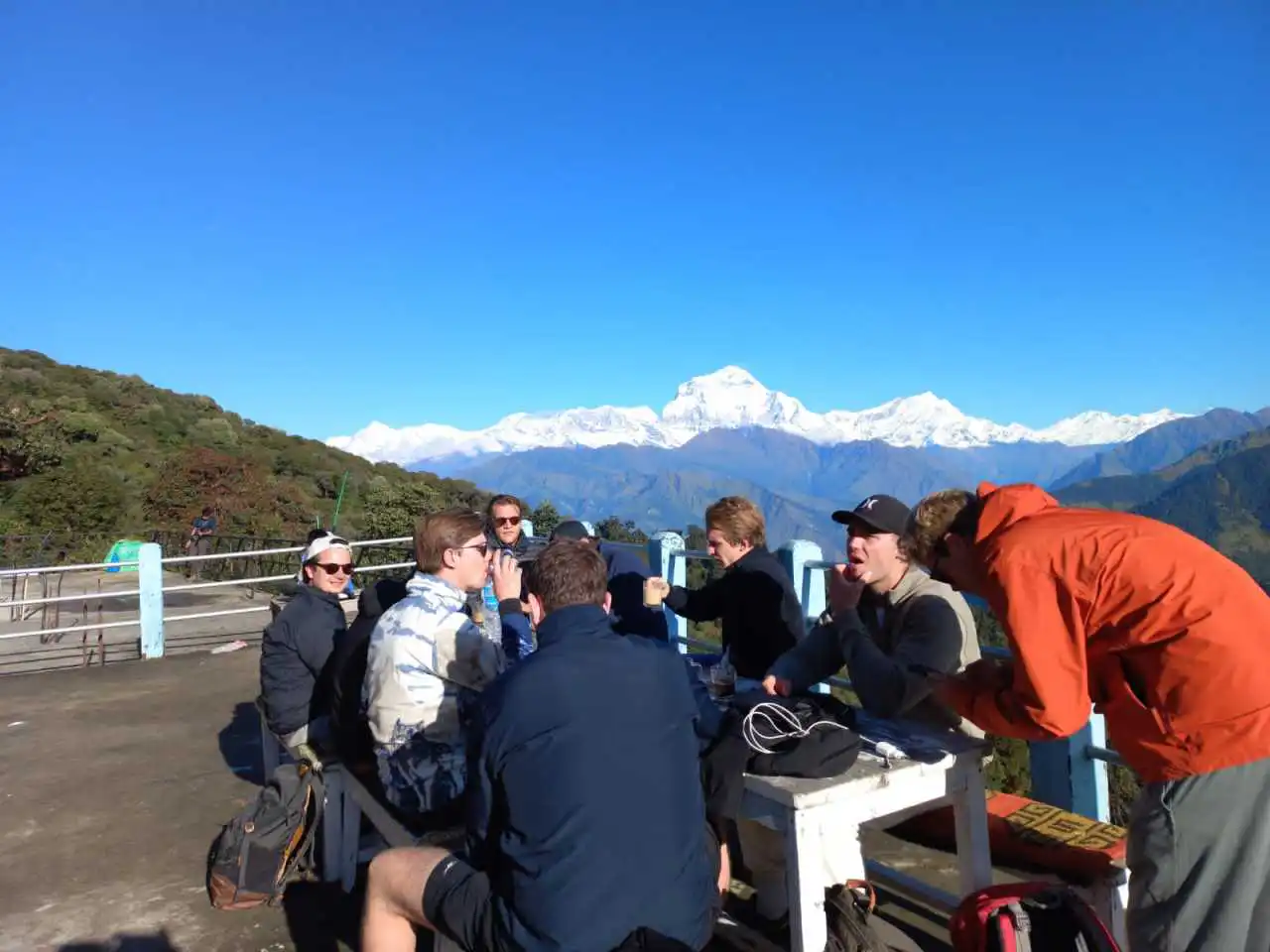
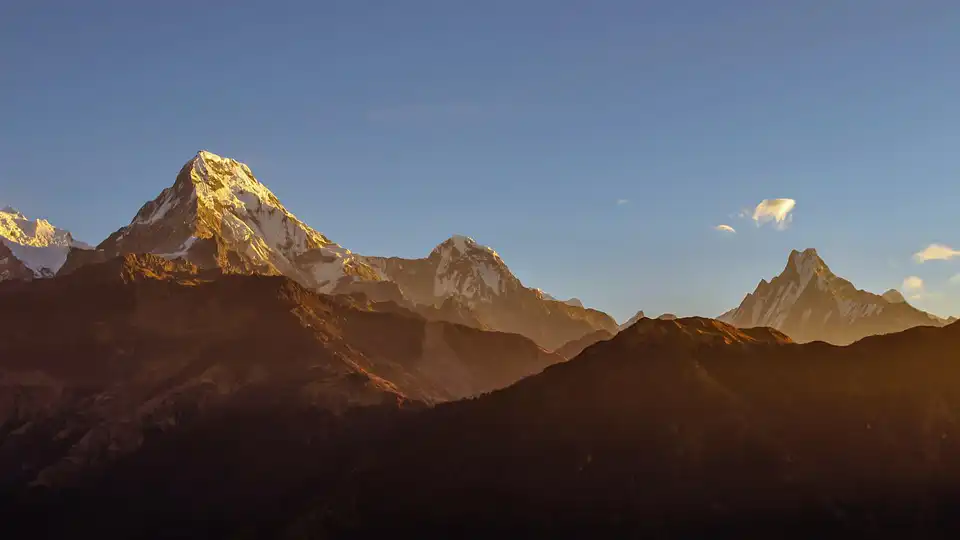
Throughout the trek, you will catch glimpses of several of these peaks. From Pokhara, prominent mountain peaks like the Machhapuchhre (6993m) and other Annapurna Himal massifs are visible. Poonhill 3210m, a detour of the ABC Trek, is one of the region’s famous vantage points, allowing you to see snow peaks, especially during sunrise. In the base camp itself, you will enjoy a 360 degree perspective on the astonishing Annapurna Massif, including the Annapurna I (8091m), Annapurna III (7555M), Gangapurna (7454m), Annapurna South (7219m), Machhapuchhre (6993m), Singu Chuli (6501m) and Hiunchuli (6441m).

2. Picturesque Landscape: ABC route passes through spectacular and tranquil landscapes. The best time to experience this is during spring when the rhododendrons are in full bloom. The trails get covered with a sea of red and pink flowers and against the backdrop of the snow-covered peaks.

Likewise, green terraced fields, quaint mud houses, and rows of pink and red trees lining the trails make a feast for the eyes. The trail will take you through the bamboo understory. Likewise, there are pristine waterfalls and springs all along the way, and you will get to cross numerous brooks and rivers through wooden bridges.

People residing around Sinwa, Dovan, and the Himalayan use bamboo as a shelter for their animals, roofs, and for making handicrafts. You can also buy handicrafts here. Though the best times for the ABC trek are autumn (September – November) and spring (March-May), there is something to be achieved in other seasons. For instance, during summer or monsoon (Jun – Aug), the trails are livid with wild orchids, a boon for a keen botanist. You can also witness 500 raptors, mostly eagles migrating westward each day from late October to November.

3. Enjoy a Teahouse Experience: The ABC trekking trail is facilitated by traditional teahouses, which offer food and shelter to trekkers for a fee. Hence, there is no need to arrange tents and carry loads of food. In earlier times, these homes provided tea and food to expedition groups before becoming commercial establishments. Hence, the name teahouse was given and has stuck ever since.

The teahouses provide a warm bed and food, even host local bakeries serving an assortment of pies, pastries, and brownies. The teahouses usually have rooms with twin beds; some offer attached toilets while some communal toilets are offered. You can enjoy local inhabitants’ warm hospitality here, interact with the local owners, and see how food is prepared in rural areas. Likewise, there are also large communal areas where you can interact with fellow trekkers from all over the globe.

4. Plenty of options to customize trek time or take detours and extensions: ABC trek allows you to customize your trek time, make it shorter or longer according to your timing. The shortest ABC trek takes five days to complete with a drive from Pokhara to Siwai and then trek to Chhomrong – Himalaya – ABC and back to Pokhara, while the longest trips depend upon the detours and extensions that you make.

If you have a flexible itinerary, you can enjoy detours and side trips. The inclusion of Ghorepani-Poon Hill or Ghandruk is worthy of detours. Likewise, some extensions to the ABC treks include the Annapurna Circuit Trek, Mardi Himal, or Khopra Danda trek, or feeling especially adventurous than an Upper Mustang trip.

From Poon Hill, Annapurna South, Machhapuchhre, Hinchuli, Annapurna III, Dhampus, and Dhaulagiri II can be enjoyed, whereas Ghandruk is a touristic Gurung village. These are destination treks on their own. All these trails coincide at Chhomrong and further lead to the base camp.

The Annapurna Circuit Trek takes around 17 days to complete individually. The ABC Trek and Annapurna Circuit Trek also coincide at Chhomrong. The Mardi Himal and Khopra Danda Trek are lesser-known routes than the ABC trek, but the off-beaten trails offer a typical Nepal trekking experience. Individually the Mardi trek takes five days to complete, and the Khopra Danda Trek takes about seven days. The Mardi Himal Trek coincides with ABC Trek at Landruk, whereas Khopra Danda trek with ABC Trek at Tadapani. The Upper Mustang Trek, however, takes you to the mysterious world of the old Buddhist kingdom of Mustang, also called Lo, and passes through one of the driest regions of Nepal and takes around 15 days to complete individually. It coincides with ABC Trek on Ghorepani.

5. Trek through the Annapurna Conservation Area Project: Spread over 7629 sq. km; the conservation area is home to several endangered species of flora and fauna. It is home to 1,352 species of plants, 128 species of wild mammals, 518 species of birds, 40 species of reptiles, 23 species of amphibians, and 348 species of butterflies.

The region is home to globally Critically Endangered species such as the Chinese Pangolin, Endangered Himalayan Musk Deer, Tibetan Antelope, and Red Panda and Vulnerable species such as the Himalayan Black Bear, Clouded Leopard, amongst others. The Conservation Area was established in 1986, and it was only in 1996 that ACAP was extended further north to include ABC.

The Conservation Area also protects the indigenous villages of Gurung and Magar. These serve as living museums of their culture and tradition. The Conservation Area follows a participatory Integrated Conservation and Development Programme, which is a prime example of community-based conservation in Nepal and the world. Here tourism and environmental management are regulated by the Annapurna Conservation Area Project undertaken by National Trust for Nature Conservation, previously known as King Mahendra Trust for Nature Conservation.

6. Visit Annapurna Sanctuary: The ABC Trek also allows an excursion to Annapurna Sanctuary, a sacred glacial basin. The oval-shaped plateau sits at an altitude of over 4000 m and is surrounded by Annapurna South, Annapurna I, and other peaks. Because of being surrounded by high mountains on all sides, the Sanctuary receives only 7 hours of sunlight a day at the height of summer. The north-facing slopes of the Sanctuary have a drier, colder climate similar to that of the nearby Tibetan Plateau. In contrast, the Sanctuary’s south-facing slopes are covered in dense tropical jungles of rhododendron and bamboo.

Sunrises and sunsets especially look magical from the Sanctuary. The Milky Way and other constellations can also be viewed with much clarity from here. The Sanctuary is believed to be the home of several deities, from Hinduism and Buddhism and older animistic gods. The locals believe that gods reside below the mountains, and killing any living creatures around this area is prohibited. They also believed it was the repository of gold and various treasures left by the Nagas, the serpent-gods.

7. Cultural experience: Along the ABC Trek trails, you will encounter a mix of ethnic groups, so different ethnic groups will host you as you ascent. The Gurung, Magar, Thakali, Manangi, Brahmin, Chhetri, and Newar inhabit the region. The lower elevations consist of Brahmans and Chhetri, and the higher elevations consist of Mongoloid Himalayan people. These are mostly Gurung and Magar, who also serve the Gorkha Battalions. Stops at these villages will offer plenty of time to interact with them and get acquainted with their culture.

You can also get insights into their living style, food, and dresses. In the past up until the early 80s, many people migrated to the lowlands for resettlement because of declining trade and deteriorating agricultural productivity.  With the rise in tourism, however, many families have returned to invest in related businesses.

Ghandruk is one such village along the trail. The slate-roofed houses beside the paddy field give a quaint appearance to the whole village. Here you can also dress in Gurung traditional dress. It’s a perfect place to rest and rejuvenate for the trek ahead. Likewise, at Chhomrong, the whole area is run by Mother’s Group, who mobilizes to keep the village clean and collect money to maintain the trail. They also organize cultural programs for the trekkers.

8. Easy Accessibility and Reasonable cost to the world’s highest peak: ABC trek is easily accessible from Pokhara. To reach Pokhara, you can either take a 6-hour bus or a 25-minute flight from Kathmandu. Typically, from Pokhara, you can either take a 1.5-hour drive to Nayapul and trek to Ulleri and continue your trek the next day. Or you can take a 2-hour drive from Pokhara to Ghandruk and start trekking the next day. There are local vehicles to get to Nayapul or Ghandruk, so you can save a bit of money too.

Likewise, trekkers with a moderate degree of hiking experience can do this trek with ease. The trail is well maintained and well-marked. Children as young as ten years have completed this trek. So, you can also plan a nice family trek.

The Base Camp stands at 4130m, and Pokhara, the trekking gateway to the Annapurna region, lies at 1400 m. So altitude sickness cannot be ruled out, but emergency helicopter evacuation is also available. Trekking through Ghorepani allows your body to acclimatize to high altitudes. So, while planning the trip, it is good to understand your body’s need to adapt to the new environment if a hasty trekking experience is what you were planning.

Despite the fantastic experience the trip has to offer, the cost is relatively less than any other trek to the mountains around the world. Numerous travel sites are also available to help you plan and make arrangements. The cost depends on the number of days dedicated to the trek and the season for trekking. Normally, October to November or March – April are trekking seasons and are busier and more expensive. Taking hot showers, charging your electronic devices, and using the wifi will incur an extra cost. The cost factor also includes ACAP try permit (approximately $30) and the TIMS permit (approximately $10). In Kathmandu, permits and TIMS cards can be purchased in the Nepal Tourism Board Office on Pradarshani Marg. In Pokhara, permits can be purchased at the Nepal Tourism Board Service Center in Damside, and TIMS cards can be purchased from the TAAN Lakeside office in Santi Patan.

9. Bonus Features: Rarely are two base camps covered with a single trek but the ABC Trek offers coverage of two base camps – Annapurna and Machhapuchhre. From these base camps, you get close-up views of the summit of these peaks and glaciers. It is a rare experience to view these two mountains up close within such a short trekking time.

Machhapuchhre is located in the southern position in the range, and due to particularly low terrain, it commands tremendous vertical relief in a short horizontal distance. It is especially distinguishable because of twin peaks, a feature due to which it is also known as Fish Tail Mountain.

Machhapuchhre is revered by the locals as particularly sacred to Lord Shiva and is off-limits to climb, but it can be admired throughout this trek. The only confirmed attempt was made by a British team led by Lieutenant Colonel Jimmy Roberts in 1957. The climb fell short of 150 m of the summit adhering to the word of honor given to King Mahendra. The climbers Wilfrid Noyce and A. D. M. Cox had climbed the summit through the north ridge.  No climbing permits to the mountain have ever been issued after.

Also, nearing the end of the trek (or at the beginning of the trek, depending on the route you take), you will be treated with a natural hot spring at the bank of Modi Khola just below Jhinu Danda. After checking into your teahouse, hike steeply down for 30 minutes passing through the lush forest until you reach the hot springs. It is believed to have healing power and to take away the aches and pains of the body. Dipping one’s body into the natural spring is guaranteed to fade away the tiredness and pain from trekking.

However, the place is closed during the monsoon from June to July, and skinny dipping isn’t allowed. Depending on the time of the year and water level, it is also possible to dip in the river’s icy water. Scrambling back to the hot pool, you will feel the exhilarating rush of heat. But the safety precaution needs to be followed. The guide will let you know if the river current is too strong or if the water level too high. After soaking at the hot springs for a good hour followed by a quick shower, head back for dinner, and a night’s sleep at the teahouse. You will be so relaxed at the end that you will not mind the 45-minute steep climb back to the teahouse.

10. Pokhara: Pokhara is the base of ABC Trek, and it is listed as a reason because Pokhara is simply a fantastic hill town. Pokhara has plenty of facilities to keep you entertained. Simply enjoying the landscape around Pokhara is a great experience. Pokhara is called the city of lakes, and none is more famous than Phewa Lake, where you can paddle around and enjoy the reflection of Mt. Machhapuchhre and other mountain peaks of the Annapurna and Dhaulagiri ranges. You can also plan short hikes while at Pokhara. You can take a good day hike to Sarangkot, and while at it, you can also enjoy paragliding or parahawking. Due to the spectacular mountain and lake views and stable current, Pokhara is known as one of the best paragliding destinations in the world. You can also visit Davis fall, Gupteswor Gupha, International Mountain Museum, Peace Stupa, among others.

Pokhara also has a great selection of food and fun nightlife. In addition to Nepalese cuisine, various other cuisines such as Vietnamese, Italian, Indian, Spanish, Mexican, Japanese, Chinese, and Korean can be enjoyed here. The city also boasts high-quality spas, yoga and meditation studios, and swimming pools. Exploring Pokhara after your trek might be the perfect way to end your perfect holiday.

Conclusion

Annapurna Base Camp trek is unlike any other trekking experience. It has often been listed as the top ten best hikes in the world now and again. The sheer beauty, culture, and mountains will make it an experience of a lifetime. The serene walk into nature with rhododendron blooming along the trail and looming views of Annapurna Massif is too good an opportunity to miss.
Manthali to Lukla Flight

The Manthali (Ramechhap) to Lukla flight is thrilling and picturesque. You fly through scenic terrain, green valleys, and snow-capped mountains.

The airport at Lukla is only a 30-minute flight from Manthali Airport. But Kathmandu to Manthali (Ramechhap Airport) is a 4-5-hour journey. Yet, it is the safest and quickest way of getting to Lukla.

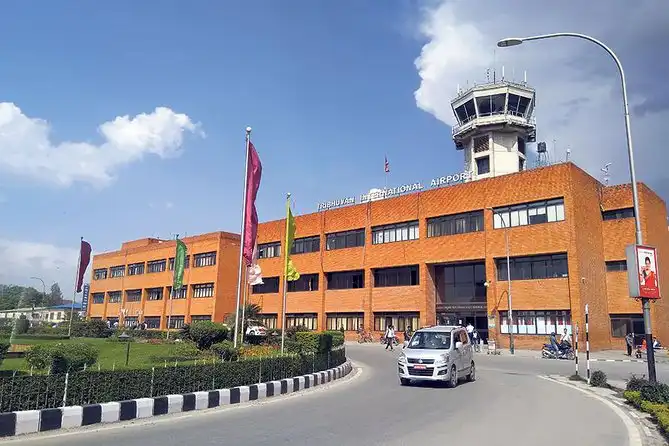
One of the easiest way to get to the Everest region is to fly from Kathmandu to Lukla. However, the Tribhuvan International Airport in Kathmandu is congested due to the high demand for flights to Lukla. To alleviate this problem, the Nepal Aviation Authority shifted some flights to depart from Ramechhap airport.

Since the shift, Ramechhap airport has started operating 11 flights per day to and from Lukla. During the peak tourist season, bad weather conditions often affect flights from Kathmandu to Lukla. However, the flights from Ramechhap to Lukla are less likely to be affected by these issues, making it a more reliable option.

Key facts about Ramechhap Airport

 Ramechhap Airport (Manthali Airport) is a small domestic airport.

  • It is located on the bank of the Tamakoshi River and close to the district headquarters of Manthali.
  • The airport is at an altitude of 494 meters (1555 feet) and has a single runway.
  • Ramechhap Airport is approximately 130 kilometers east of Kathmandu.
  • The airport primarily serves small aircraft.
NameRAMECHHAP
Location IndicatorVNRC
IATA CodeRHP
Aerodrome Reference Code1B
Aerodrome Reference Point272338 N/0860341 E
Province/DistrictBagmati/Ramechhap
Distance and Direction from CityAmidst Manthali Bazaar
Elevation494 m. /1620 ft.
RunwayBituminous Paved (Asphalt Concrete)

Key facts about Lukla Airport

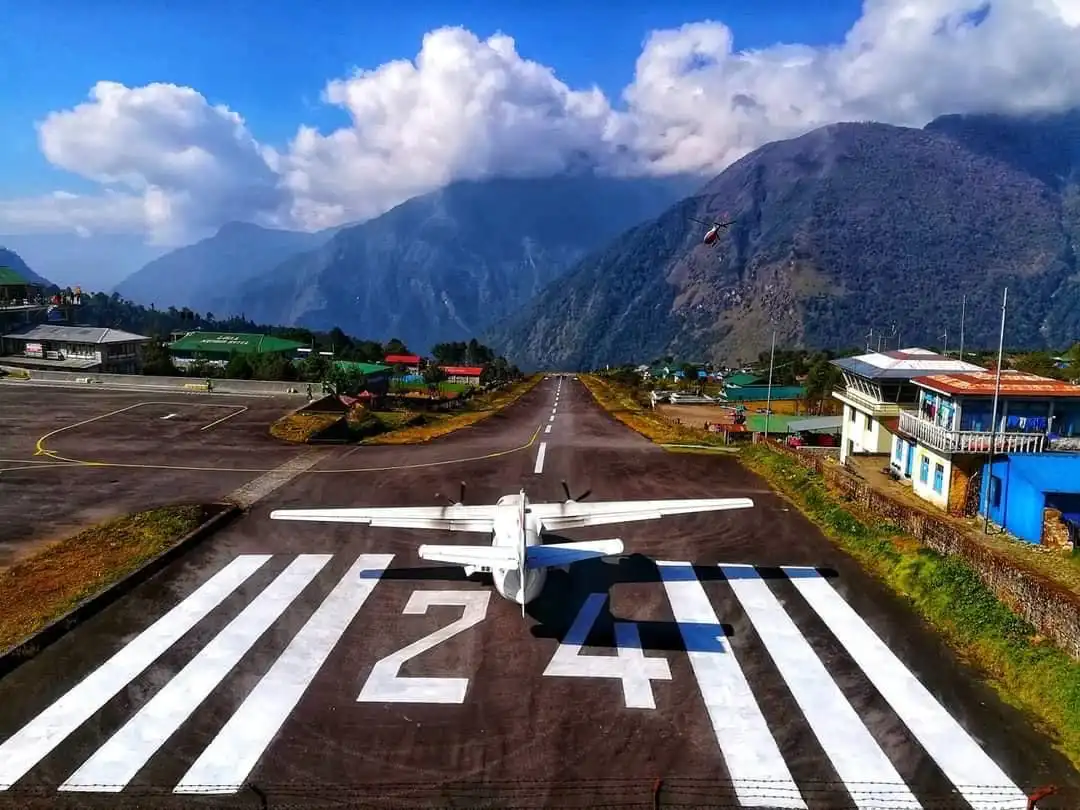
  • Lukla Airport (AKA Tenzing-Hillary Airport) is a small domestic airport located in the Solukhumbu district of Nepal.
  • The airport is 2846 meters (9338 feet) and has a single runway.
  • Lukla airport is one of the most dangerous airports in the world.
  • The airport is the starting point for many treks in the Everest region.
  • The weather at Lukla airport can be unpredictable, so flight delays and cancellations are always possible.
  • The airport primarily serves small aircraft.
NameTENZING HILLARY (Lukla)
Location IndicatorVNLK
IATA CodeLUA
Aerodrome Reference Code3C
Aerodrome Reference Point27 41 16 N/086 43 53 E
Province/DistrictProvince 1/Solukhumbu
Distance and Direction from CityAmidst Lukla Bazaar
Elevation2846 m. /9338 ft.
RunwayBituminous Paved (Asphalt Concrete)

Manthali to Lukla Flight Services

The Manthali to Lukla flight is popular among trekkers visiting the Everest region of Nepal. Several airlines operate daily, including Tara Air, Summit Air, and Sita Air.

The airlines use small aircraft such as Dornier Do 228 or Twin Otter. The Manthali/Ramechhap to Lukla flight is a short and scenic journey. The flight duration is typically around 30 minutes.

The cost of flying from Ramechhap to Lukla varies based on nationality.

  • Foreigners: US Dollar 200
  • Indian citizens: INR 10,988
  • Nepalese citizens: NPR 7,500

Manthali/Ramechhap to Lukla is a gorgeous and thrilling flight experience. The landing at Lukla Airport is the high point of the flight. This has a small runway and is situated on a steep hillside.

In-flight facilities are typically limited. Basic seating arrangements are what travelers may anticipate. Legroom is constrained, and there is no overhead storage. There are no restrooms or in-flight entertainment systems.

Manthali airport is reachable by car, jeep, or bus. The journey takes 4-6 hours. Buses carrying tourists leave Kathmandu at either 2 a.m. or 11 a.m. The route takes the Araniko Highway and is roughly 132 km/82 mi long.

Unfortunately, the rainy season might add travel time. So, it’s helpful to allow extra time for travel.

A tourist bus from Kathmandu to the Ramechhap airport costs between $30 and $35. Private jeeps and cars, meanwhile, can cost more. But they may be faster and more comfortable.

Alternative transportation options to Lukla

In addition to the aircraft from Manthali/Ramechhap to Lukla, there are many other choices. They consist of the following:

Helicopter: Helicopter services are available from Kathmandu. A heli flight from Kathmandu is faster and more pleasant than a flight. Nonetheless, the cost of a helicopter service is typically more than a flight’s.

Depending on the service, a heli flight from Kathmandu to Lukla can cost anywhere between $450 and $550 per person. Booking in advance is advised because helicopter services are popular during the busiest trekking seasons.

Pros:

  • Faster travel time
  • More comfortable than a flight from Manthali/Ramechhap or Kathmandu
  • Private charter option available
  • Stunning aerial views of the Himalayas

Cons:

  • More expensive than other options
  • Limited seating capacity (usually 5-6 people)
  • Flights can be affected by weather conditions and may be delayed or canceled.

Road: Another option is to travel from Kathmandu to Jiri or Salleri and trek to Lukla via the Everest Base Camp classical route. The classical way to Everest follows the same path as the first Mount Everest expedition.

Road travel might be time-consuming, but it allows travelers to enjoy the natural majesty. Also, engaging with locals along the trip exposes one to their culture.

Private vehicles like jeeps or vans can be rented from Kathmandu to Jiri or Salleri. Depending on the type of car, a private vehicle can range from about $107 to $293. It takes 6 to 8 hours to complete the journey.

Pros:

  • More comfortable than trekking
  • Allows for a scenic drive through the countryside
  • Offers the option of a private vehicle for more comfort

Cons:

  • But the road journey can be long and bumpy
  • Weather and other factors can affect road conditions.

Conclusion

The chances of a flight cancellation are significantly reduced due to less air traffic from Manthali. Lukla, notorious for flight cancellations, makes the short flight from Manthali well worth taking. However, it is important to note that the flight schedule can be subject to change. Flights may be delayed or canceled due to bad weather or unforeseen circumstances. Therefore, keeping some extra time in the itinerary and preparing for potential delays is advisable.

New trail to Everest Climbers could avoid the dangerous Khumbu Ice fall

The passage through the Khumbu Icefall, the route that leads to the world’s tallest peak, is so notoriously dangerous that even experienced Sherpas hesitate to move when the sun shines.

The Khumbu Icefall, a river of ice—a kilometre or so, is normally crossed during the night or early morning with climbers putting headlamps on their helmets.

Normally, the route is crossed between 3 am and 5 am, the time when the ice blocks and the hanging glaciers are stable and avalanche risks are low.

During the day, as the sun warms the mountain, the hanging glaciers begin to melt and ice starts to crumble, causing avalanche risk.

On April 18, 2014, an avalanche resulting from a falling serac had buried 16 sherpa guides in the Khumbu Icefall that led to the cancellation of the season’s expeditions.

The Himalayan Database has recorded 44 deaths on the Icefall from 1953 to 2016. But there is good news.

Nearly seven decades after Edmund Hillary and Tenzing Norgay Sherpa became the first people to summit Everest, using their own pioneered standard Southeast Ridge route, a Nepali-French team claimed they have explored an alternative route to avoid the treacherous Khumbu Icefall.

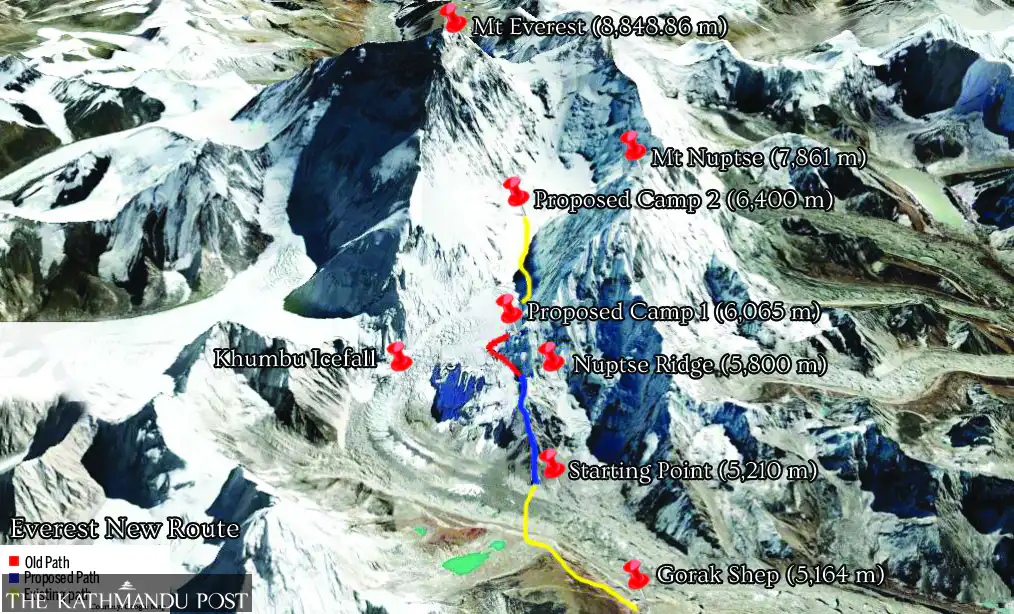
The Khumbu Icefall stretches from 5,500 to 5,800 metres and lies just above the Everest base camp, where hundreds of climbers set temporary tents annually during the spring climbing season. The first challenge for every climber is to tackle the deadly Icefall.

“The alternative route that we have tested in November to bypass the infamous Khumbu Icefall will be tested in the spring climbing season next year to assess whether it is commercially feasible,” famed French mountaineer Marc Batard told the Post.

“We believe it is a life-saving detour.”

In September 1988, it took Marc, the 70-year-old mountaineer born in Villeneuve-sur-Lot, only 22 hours and 29 minutes to reach the summit of Everest without using bottled oxygen, which earned him an entry in the Guinness Book of Records. The record stood unbroken for 10 years.

After 1988, he achieved a second Everest summit success 1990.

Now, Marc has returned to Everest after three decades. “My mission this time is to save the lives of climbers,” said Marc, who has three children and nine grandchildren. “I am confident the route will be commercially workable.”

Marc also plans to repeat his Everest success as he plans to climb Everest by following the route he has pioneered. “I am climbing the 8,848.86 metre Everest next spring without the support of bottled oxygen,” Marc said.

If he succeeds, Marc would not only become the oldest climber to reach the world’s tallest peak without using supplementary oxygen but will also be a pioneer of the new route.

Italian Abele Blanc currently holds the record of the oldest climber, who reached the summit in 2010 at the age of 55 years and 264 days without using bottled oxygen.

Marc claims that he and his team explored the new route this November. The plan, however, started in spring. Marc came to Nepal in spring and made an aerial survey of the proposed route.

The fieldwork started in November.

A seven-member team led by Marc and Pasang Nuru Sherpa, including Marc’s son, climbed the new route from November 15. The first phase trial lasted until November 21.

The team made Gorak Shep at 5,140 metres their base camp.

“We then hiked through the Mt Nuptse ridge, the neighbouring mountain,” said Marc. The Nuptse (7,861m), Everest, and Lhotse (8,516m) are the Khumbu triple crown facing one another.

“The new route follows a rocky spur below the flank of Mt Nuptse,” Marc added. “The rocky spur, a vertical cliff, is a bit difficult. But after it is climbed, the route from there becomes easy to navigate.”

Approximately, it takes seven hours to cover a distance of around 1,000 metres to reach a spot at 6,200 metres using the new route from Gorak Shep base, which adjoins Camp 1 at 6,065 metres just above the Icefall.

“This will completely bypass the treacherous Khumbu Icefall. There is no danger of an avalanche in the Nuptse ridge,” said Marc.

Camp 1 is a temporary camp where most climbers spend a night.

According to Marc, out of around 1,000 metre-long trails, they have discovered only 700 metres. The remaining 300 metres was already in use.

Marc plans two camps–one at 6,200 metres and another at 7,800 metres.

“But we need strong equipment and investment to make this route commercially viable,” said Marc.

The mountaineer said that it requires anywhere between 300,000 and 500,000 euros to permanently install metal hooks or rock pitons by drilling the rocky spur.

With metal railings, it can be used by larger groups and heavily loaded Sherpas who supply tonnes of tents, foods and oxygen cylinders up to Camp 3 and Camp 4, the climbers’ resting points.

“To date, the Khumbu Icefall is considered one of the most dangerous climbing spots in the world,” said Pasang Nuru Sherpa, who plans to climb Everest for the 15th time next year.

Experienced Sherpa guides fix ladders over the vast gaps in the Khumbu Icefall where there are seasonally shifting and changing crevasses.

A team of icefall doctors first prepare the route through the Icefall by installing hundreds of ladders across crevasses.

“For high-altitude Sherpa climbers, it takes around four or five hours to navigate the icefall,” said Pasang Nuru. “This is a pilot project. If it is successful, it will not only lessen the burden of high-altitude workers but also prevent deaths.”

“It’s difficult to climb the rocky spur but it’s far better than walking through the Icefall. It’s not tricky either. This route is safe,” said Pasang Nuru. “If the new route proves well, someone should fund it. This is a big project. We are expecting the government’s support as well.”

Marc wants to name the new route Sundare to pay homage to a late Sherpa guide who inspired him to climb Everest and break a speed record in 1988.

Marc has climbed six of the world’s 14 mountains above 8,000 metres—three of the mountains in a single year.

His first eight-thousander was Gasherbrum II in Pakistan in 1975. He made the first winter ascent of Dhaulagiri in December 1987.

In 1988, Marc climbed Makalu (8,463m) and in September that year, he climbed the summit of Cho Oyu (8,201m) on the Tibet-Nepal border. He climbed Shishapangma in China in 1998.

“I am determined. I am coming back in spring next year to test the life-saving project,” said Marc.

Source: The Kathmandu Post

Interesting Facts of Nepal

Nepal is one of the most beautiful countries where globalization of modernity has not easily affected their ancestral culture. Ancient religions with the multicultural territory, Fine art, and architecture, their extensive nature, smiling faces, and its gigantic mountains have contributed to Nepali traditions much of this currently is the main nation attraction for all kinds of tourists.

Top 8 highest mountain on the Earth

Nepal is the land of high mountains and nature is characterized by being stunningly mountainous, possessing 8 highest mountains out of the 10 in the world called ‘Eight-thousander’, which is also known as having a land elevation higher than 8000 meters high above the sea level, Mount Everest (8848.86 meters) is the incredible nature gift on the Earth’s highest mountain and most recognized in the world.

  1. Mount Everest 8848.86 m
  2. Kanchenjunga 8586 m
  3. Lhotse 8516 m
  4. Makalu 8481 m
  5. Cho Oyu 8201 m
  6. Dhaulagiri I 8167 m
  7. Manaslu 8156 m
  8. Annapurna I 8091m

Kathmandu – Living Cultural Museum

Nepal is a culturally and naturally rich country in the world. There are dozens of World Heritage Sites categorized as Natural and Cultural UNESCO World Heritage Sites.

Kathmandu uses to be called as there are more temples than houses so that Kathmandu is known to be the living cultural museum of the world. Kathmandu valley alone has seven UNESCO’s World Heritage Cultural sites within a 15 kilometers radius.

  1. Pashupatinath Temple
  2. Swayambhunath
  3. Boudhanath
  4. Kathmandu Durbar Square
  5. Patan Durbar Square
  6. Bhaktapur Durbar Square
  7. Changunarayan Temple

Birthplace of Lord Buddha – Lumbini

Nepal is also called the Light of Asia where Gautam Buddha was born. Siddhartha Gautam (Buddha) was born in 623 B.C. in Kapilvastu southwestern part of Nepal. Now, Lumbini is a sacred place of pilgrimage for Buddhists from all over the world and world heritage sites. There are different relics around Maya Devi Temple which dates back to the time during Buddha’s birth

Triangular Flag

Nepal is a wonderful country in the world. There is only one country in the world with a non-rectangular flag. The color of Nepal’s flag is maroon with two triangular shapes stacked on one another with a dark blue border. The upper triangle part consists of the moon and the lower triangle part consists of the sun.

The current flag has been in place since 1962 A.D, although the basic design has been used for more than 2,000 years in Nepal. Most of the temples and religious sites can see ancient triangular flags

Independent Nation

The famous warriors in the world “Gurkhas” are from the Himalayan country Nepal. “Better to die than being a coward” is the slogan of the world-famous Nepalese Gurkha soldiers who are an integral part of the British Gurkha Army. The Gurkhas are also known for weapons such as the Khukuri, which was used in the Anglo-Nepalese War, as well as in the First and Second World Wars.

Having been protected by the bravest warriors of the world, Nepal was never colonized by any superpowers of the world and does not have an independent day. Nepal is one of the independent countries in the world.

Different Nepali Calendar

The Nepali calendar called Bikram Sambhat (B.S) and it’s approximately 57 years and 8.5 months ahead of the Gregorian calendar (A.D). Although the Nepalese calendar is the official use in Nepal and one of the most used inside the country, it is not the only one since thanks to the ethnic and religious diversity, some different peoples and castes use their own typical calendars like newer and other ethnical casts. The Nepali New Year is celebrated in mid-April according to which is the first of Baishak on Bikram Sambat (B.S).

Nepalese Eat Dal Bhat twice a day

A Nepalese traditional dish, consisting of lentils rice (Bhat), Lentils (Dal), and Curry (Tarkari). The Dal Bhat set preparation is very characteristic of Nepal. Rice is the main crop in Nepal and usually cooked twice in the morning and evening with different varieties of vegetables (Curry) because it is a nutritious meal for a small fee. It is also called the Thali Set with Rice, Lentils, Curry, Pickle, Salad, Papad, and many other items. Interesting things are they eat by hand. It is a very popular food among the foreigner also during the trekking so it says ‘Dal Bhat power 24 hours”.

Living Goddess- Kumari

Nepal is a Hindu religious country and Kathmandu valley has a strong Newari majority. Nepal is such a country that has only a living Goddess in the world called Kumari. Kumari culture comes from the Newari community. Kumari literally means virgin in Nepali. There are three different Kumari in the three main cities of Kathmandu, Patan, and Bhaktapur valley.

The original name of Mount Everest

The highest mountain on the planet named ‘Everest’ by Western people, actually Everest is not its original name since this western English name was attributed by Sir Andrew Waugh in 1865 after its discovery by the Royal Geographical Society suggested. However, the locals between Tibet and Nepal attribute different names of the Everest. Tibetan called (Pinyin) for Mount Everest is Qomolangma, which means ‘The Mother’s universe’ and Nepali is Sagarmatha, which means Sagar = sky and Matha = forehead, its means the pride of Nepal and Nepalese people.

Hindu religion majority inland of Gautam Buddha

Although Nepal is the birthplace of the Light of Asia “Gautam Buddha” in a village called Lumbini in the southwestern part of Nepal. But the beliefs and practices of Hinduism have had a major impact and more majorities on Nepalese society. Until 2006, Nepal was the only Hindu country in the world with Hinduism as the official religion. According to the 2011 census, 81.3% of the Nepalese population is Hindu, 9.0% are Buddhist, 4.4% are Muslim, 3.0% are Kiratis (indigenous ethnic religion), 1.4% is Christian, 0.1% is Sikhs, 0.1% is Jains and 0.7% follows other religions or no religion.

Namaste – The honor of respect

Handshake is quite uncommon in Nepalese society. Either for elder people or respected people mostly younger people do Namaste. Putting their palms together and bow their forehead and say Namaste to everyone. This is a very respectful and good treat on Nepalese culture. Other cast people Sherpa, Tamang also use Namaste in their own language like Tashidele, Fafulla, etc. Namaste is directly translated as ‘I salute the God in you’. Which means very honor and respect.

The Legend of Yeti- Snowman

The mysterious creature of the Himalayas called ‘Yeti’ or ‘Jigou’ is said to be spotted in the Nepalese mountains by many who have trodden the secluded path in the Himalayas. Although some of the people in the monasteries use to say they have remains belonging to this beast, for many scientists these samples are not reliable. Which describes it as a giant bipedal ape that people still believed to be located in the Himalayas’s wooded areas. There are hotels and other brands in the name of Yeti.

Cow Holy Animal

A cow is a sacred animal in Nepal and killing a cow will earn you twelve years in prison. Cows are considered holy animals in Hindu culture worship the cows on different festivals, occasions and happen to be the national animal of Nepal. So unless you are fond of your freedom being taken away and spending a decade behind bars, don’t even dare think about beef while you are in Nepal. It is common to see cows and ox wandering around the streets of Kathmandu.

Altitude Variation

Nepal is such a wonderful country with an altitudinal variation that ranges start from 59 meters to 8848.86 meters within the approx distance of 200 km. Nepal holds some of the most extreme places on the earth such as the highest valley on earth (Arun valley), World deepest lake Shey Phoksundo, the highest lake on the earth (Tilicho 4800 meters), deepest gorges (1200 meter) in Kaligandaki between the Dhaulagiri and Annapurna I Range and the tallest grassland in the world in Chitwan National Park.

Weekend Rules

Saturday is a holiday in Nepal while people usually work on Sunday. Friday is more often than not, a half-day.

Cultural Tour in Nepal

Cultural Tour in Nepal explores the amazing architectural beauty and historical dexterity of the medieval towns and villages. These trips visit cultural monuments and historical heritages. Nepal has one of the densest concentrations of World Heritage Sites listed by UNESCO in the world housing seven such destinations. Moreover, Nepal is also the land where Lord Gautama Buddha- the founder of Buddhism, was born.

Nepal is filled with many remnants and temples from its ancient and medieval eras. These heritages reflect Nepal’s historical significance and riches in many forms. From religious temples like the Pashupatinath, the Boudhanath, and the Muktinath, to old Durbar Squares like that of the Kathmandu city, Patan and Bhaktapur, Nepal is quite opulent in terms of culture and the preservation of ethnic practices that span back centuries.

Not only that, but Nepal is also the hub of the unique Newa Architecture- an intricate form of building not found anywhere else on the planet. Nepalese art and architectural styles are laced with some of the most intricate handiwork. The beautiful carvings done on the roofs, pillars, doors and the windows of the temples and old buildings reflect a beautiful and unique presentation of art and culture.

The woodwork, stone masonry, and metalwork engrained in the heritage buildings and temples reflect the cultural semblance of the people’s lives. Tours in Nepal allow travelers to experience the cultural aspect of the country. These short journeys are insightful trips that explore the glorious heritage and cultural riches of the diverse ethnic groups in Nepal.

Pashupatinath Temple:

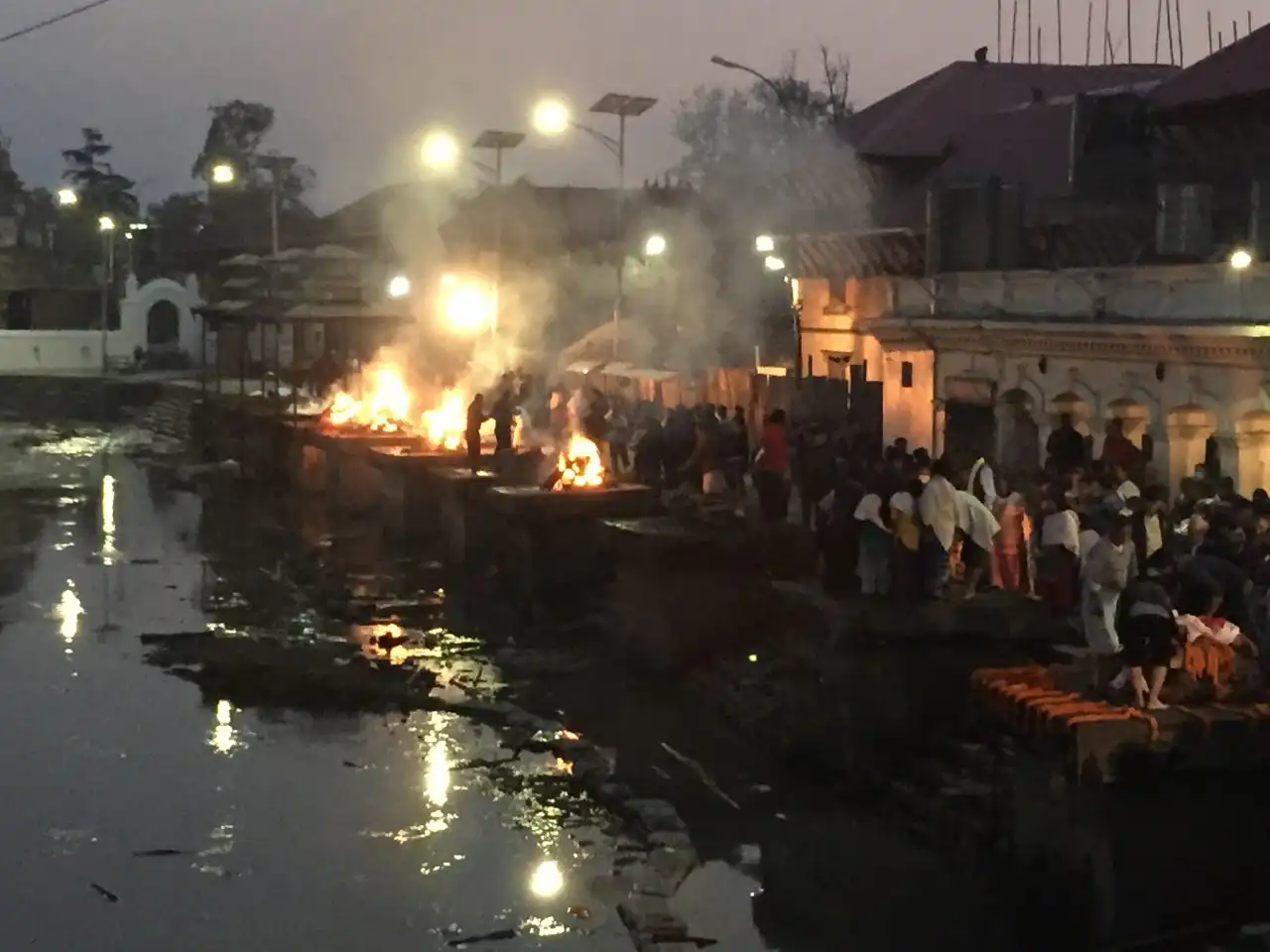
Pashupatinath temple is one of the four most important Hindu religious temples in Nepal & India for devotees of Lord Shiva. Temple was Built-in the 5th century and later renovated by Malla kings of Kathmandu valley, the site itself is said to have existed from the beginning of the millennium when a Shiva lingam was discovered on the bank of the Bagmati river. Lord Shiva, the national God, is worshipped in Nepal in the form of the Shiva Linga. It is said that there are 12 Jyotirlinga in India. It is said that twelve Jyotirlinga in India are the body and the Jyotirlinga at Pashupatinath in Kathmandu is the head.

The most worshipped and important Shiva Lingam (linga) to Hindus is situating at the bank of Bagmati River in the holy shrine of Pashupatinath to the east of Kathmandu. In front of Shiva temples, one usually sees a statue of Nandi, the diving bill. Another popular form of Shiva in Nepal is the Bhirav. Different aspects of Bhairavs play a major role in the Kathmandu valley’s festivals’. Basically, Bhairav is worshipped as the protector of the valley and the anger form of Shiva.

According to Gopalraj Vamsavali (Chronicle), Nepa, the herdsman, his brown cow- Buhibri, used to go to the bank of Bagmati River where she pours her milk every day in a hole. After finding the location when it was dogged the Jyotirlinga came to the presence.

This temple complex was enlisted on the UNESCO World Heritage site’s list in 1979. Pashupatinath temple is the oldest Hindu temple in Kathmandu. It is not known when the Pashupatinath temple was built. According to Nepal Mahatmaya and Himvatkhanda, Pashupatinath Temple’s existence dates back to 400B.C. The temple was erected in today’s form in the 15th century by Lichhavi King Shupuspa after the previous building was consumed by termites.

Muktinath Temple:

Muktinath is a popular Temple in Nepal.  According to the Hindu principle, it is believed that Lord Vishnu, will incarnate the earth ten times as a different incarnation or avatar. He has incarnated as Matsya (a fish) Kurma(a tortoise) Varaha (a wild boar) Narasimha, Vamana, Parashurama, Rama, Krishna, Buddha, and Kalki (will be incarnated at the end of Kali-yuga) His animal incarnations are fish, tortoise and a wild boar thus Hindus worship those animals as an incarnation of Lord Bishnu.

All the Hindus and the people who believe in rebirth, Pre-birth, and Mukti ( Nirvana) believed that all miseries/ sorrows are relieved once you visit the temple (Mukti means Nirvana and Nath means god). The famous temple Muktinath lies in the district of Mustang’s popular Annapurna circuit Trek trails, after passing the Throng-La pass from Manang and Annapurna region and is situated about 18 km from Jomsom Town and 13.5 km from the Kagbeni at an altitude of about 3,749 m. It is not only popular for Pilgrimage tours but popular for foreigners for trekking where you can see the amazing view of Annapurna, Dhaulagiri, Nilgiri, and Tukuche Peaks. It is also called the rain shadow district of Nepal only a few showers of rain during the monsoon season so all parts of the area are dry and sandy.

It is a pagoda-shaped (storied) temple dedicated to Lord Vishnu. There are 108 waterspouts, with holy water, people take bath. Jal Devi temple where you can see the fire lighting itself (Natural gas)on the water. Religious people believe that this flame is since the creation of this universe or from the Satya Yuga. There are different ways to get to Muktinath from Kathmandu. Either take a direct from Kathmandu via Pokhara to Jomsom and hike for 5-6 hours via Kagbeni or to trek all the way from Pokhara which talked 7-8 days or there is a direct bus service from Kathmandu to Muktinath.

It is believed that one should visit this temple after completing Pilgrimages of four Dham ( Badrika Nath Dham, Dwarka Dham, Jagganath Puri Dham, Rameswaram Dham) in India. It is said that Jagat Guru Shankaracharya had established this temple. It is the sacred temple for South Indians to pay priority to visit the temple.

This temple is the symbol of Hindu- Buddhist religious syncretism. The main priest of the temple is Hindu and the caretaker the Jhumas are the Buddhists. Hindus worship the God Muktinath as an incarnation of Vishnu whereas Buddhist worship it as Guru Rimpoche.

Changunarayan Temple:

Changunarayan temple is located on the high hilltop Changu or Dolagiri Parbat (hill). The temple was enlisted on the UNESCO World Heritage Site’s list. The temple is surrounded by a champak tree forest and a small town. Changunarayan Temple is about 12 km east of Kathmandu and a bit north of Bhaktapur. This is a temple of Lord Narayan, double roofed, and is considered to be one of the oldest temples of the Lichhavi periods. The temple is decorated with ten incarnations of the Narayan. Stone lions guard all four doors of the temple.

There is an inscription stone behind the statue of Manadeva of 464 A.D. The inscription provides important information of the Licahavvi dynasty, the then history of Kathmandu valley, and chronology of Lichhavi King before and after Man Deva. There are smaller statues of King Bhupatindra Malla and his queen. To the north of the temple is the statue of old Vishnu seated on a Garuda. The sculpture dates back to the 9th century. It dates back to 464 A.D. Another statue shows Vishnu as Vikrant/ Vamana, the six-armed dwarf who later transformed into a giant. To the side of these images is a small black slab showing a 10 headed and 10 armed Vishnu. The beautifully carved image is around 1500 years old.

There are many legends about the temple. In ancient times, a Gwala, or cow herder, had brought a cow from a Brahmin named Sudarshan. The cow was known for producing large quantities of milk. The Gwala used to take the cow to Changunarayan for grazing. At that time Changunarayan was a forest of Champak trees. While grazing, the cow always went to the shade of a particular tree. In the evening, when the Gwala took the cow home and started milking her, he got only a very small amount of milk. This continued for several days. He grew very sad, so he called on the Brahmin saying the cow was not giving enough milk. After observing this with his own eyes, Sudarshan agreed with the Gwala they should observe the cow’s daytime activity while she was grazing in the forest.

Brahmin and Gwala both hide behind the tree. To their surprise, a small black boy came out of the tree and started drinking cow milk. The two men were furious because they thought the boy must be the devil and the tree must be its home. So the Brahmin cut down the champak tree. When he was cutting it down, fresh human blood came out of the tree. Both Brahmin and Gwala got worried, believing they had committed a great crime, and began to cry. Lord Vishnu emerged from the tree and told the Brahmin and Cowherd it was not their fault. Vishnu told the story of how he killed Sudarshan’s father while hunting in the forest. After that, cursed for the crime, he wandered the earth on his mouth, as ‘Garuda’ eventually descending on the hill at Changunarayan.

There he lived in anonymity, surviving on milk stolen from a cow. When Brahmin cut down the tree, Vishnu was beheaded this freed Lord Vishnu from his sins. After hearing these words from Vishnu, Brahman and Gwala resolved to worship the place and established a small temple in the name of Lord Vishnu. Even today, we find Sudarshan’s descendant as a priest of the temple and the Gwala’s descendants as ghutiyars (conservators).

Nepal Reopens Issuing on Arrival Visas for Travelers

Nepal Reopens Issuing on Arrival Visas for Travelers, as throws away quarantine requirements and resumes on-arrival visas, in a move hailed by entrepreneurs as a much-needed respite for the virus-ravaged industry.

Nepal on Thursday threw away the seven-day quarantine requirement and resumed issuing on-arrival visas to all vaccinated foreign travelers in a bid to bring its virus-ravaged tourism industry back to life.

Visitors should have received their last dose of the Covid-19 vaccine at least 14 full days prior to entering Nepal. Those who are not vaccinated or partially vaccinated will not get on-arrival visas. They have to get their entry permits from Nepali diplomatic missions, and also spend 10 days in quarantine in government-listed hotels.

A negative RT-PCR or Gene Expert or True NAAT test is required for all to travel to Nepal, according to a new travel protocol issued on Thursday. All travelers need to undergo mandatory antigen or rapid antigen tests at immigration entry points .

The new protocol was issued under the Infectious Disease Act (1964), after the Covid-19 Crisis Management Ordinance (2020), along with around a dozen ordinances, introduced by the government, became ineffective from September 16 when they failed to get through Parliament within the constitutional deadline.

After the Covid-19 Crisis Management Ordinance failed to get parliamentary approval, all legal frameworks related to travel also became invalid.

On Monday (20.09.2021), the Cabinet approved the new travel protocol under the old Infectious Disease Act.

“We have approved the removal of the quarantine requirement for all vaccinated travelers arriving in Nepal from all international destinations and updated the travel procedures effective from Thursday, September 23,” Taranath Adhikari, spokesperson for the Tourism Ministry, told the Post. “The measures are expected to boost the country’s tourism industry.”

Before boarding a flight to Nepal, all vaccinated travelers will have to present a negative Covid-19 test result taken 72 hours prior to the departure, and fill up the international travelers’ online form at www.ccmc.gov.np and have a printed copy to apply for an on-arrival visa at the airport, according to the travel protocol published by the Tourism Ministry on Thursday.

If they test positive, they will be sent to an isolation center or hospital recommended by the Health Ministry. According to the new rules, if there is no antigen testing facility at the airport or immigration point, foreigners have to undergo the test at the hotel. They will be allowed to leave the hotel if the test comes back negative.

“Unvaccinated or partially vaccinated tourists have to mandatorily quarantine themselves at the hotel for 10 days at their own expense. On the 11th day, if they test negative, they are free to travel,” according to the new rule.

All expenses for testing for Covid-19, isolation, and insurance should be borne by the travelers themselves. Travel and trekking agencies are responsible for enforcing all conditions set by the new rule.

Hotels will be responsible for implementing quarantine and isolation.

If visitors don’t abide by the rules, the hotel should inform the police or other agencies concerned, according to the rules.

“Though a delayed decision, it is a huge boost for the country’s tourism industry,” said Khum Bahadur Subedi, president of the Trekking Agencies Association of Nepal (TAAN).“We expect a partial recovery in arrivals this autumn, the country’s peak tourism season. There are high hopes for a full spring season recovery if there are no threats of Covid-19 resurgence.”

Travel trade entrepreneurs say that inquiries from potential visitors to Nepal have been massive, and they were eagerly waiting for Nepal’s decision to ease quarantine requirements and visa issuance.

Travel and tourism businesses, which accounted for around 8 percent of the country’s gross domestic product and provided more than 1.05 million jobs directly and indirectly in pre-Covid-19 times, were the hardest hit after travel restrictions came into force in late March last year.

Last spring, the government reopened the country to foreign travelers in the hope of lifting the economy and employment by reviving tourism.

Subsequently, Nepal received a record-high number of foreigners aspiring to climb the world’s tallest peak, Mt Everest, as the Covid-19 pandemic appeared to peter out. But fresh Delta outbreaks and slow vaccine rollout again cast a pall on the country’s tourism.

After the second Covid-19 wave hit Nepal in April, the country slid into a devastating crisis with the authorities enforcing strict lockdown measures. About two months later, the restrictions were relaxed gradually, and since September 1, almost everything has been allowed to reopen.

Daily coronavirus infections have also fallen sharply from a high of 9,317 on May 11, 2021, to 1,239 on Thursday. Restrictions on businesses have been eased, and encouraging signs of an economic revival are emerging even as concerns persist about renewed outbreaks.

On Wednesday, the Asian Development Bank revised down its forecast for Nepal’s economic growth in the current fiscal year 2021-22 to 4.1 percent from the previous 5.1 percent, Largely due to high Covid-19 cases and risks, though reduced now, and slowed growth in tourism and services.

Tourism-dependent Nepal hosted 230,085 foreign tourists in 2020, a drop of more than 80 percent compared to 2019 and a figure similar to that of 1986. As of August, total international arrivals to Nepal had numbered just 66,966 individuals.

According to the new rule, on-arrival visas have been resumed for non-resident Nepalese or foreigners who are married to Nepali citizens too. If they are fully vaccinated, receiving the last dose at least 14 full days prior to the day they enter Nepal, they are allowed to proceed to their respective destinations.

If they are not fully vaccinated or have not had the last dose at least 14 full days prior to the day they enter Nepal, they will be allowed to continue to their respective destinations if their antigen test comes back negative.

According to the rules, people returning to Nepal for mourning rituals following the death of their loved ones will be allowed to go to their destinations if their antigen test comes back negative, based on the recommendation of the local government.

Similarly, persons suffering from having illnesses or disabilities and their careers, are allowed to go to their homes directly if their antigen test comes back negative, based on hospital documents and the recommendation of the local government.

People aged above 75, their careers, and children below five and their careers are allowed to go home following a negative antigen test at the airport, based on the recommendation of the local government.

Representatives of diplomatic agencies and their family members have to submit a negative Covid-19 test result taken within 72 hours of departure. The online form at www.ccmc.gov.np for their on-arrival visa is mandatory for them as well.

Those who have secured a visa at Nepal’s diplomatic missions abroad have to submit a negative Covid-19 report and fill-up the form and submit it at the immigration point. If they don’t have Covid-19 symptoms after their arrival in Nepal, they will be allowed to go to their destination.

Official representatives of diplomatic missions in Nepal, if they are not vaccinated, should quarantine themselves for 10 days at a place recommended by their agency.

The government has also opened land entry points for all tourists, including Indian travelers.

Travelers entering Nepal through surface routes have to fill up the arrival form and undergo antigen tests. A negative report will allow them to enter Nepal. Except for Indians who do not require visas, other visitors should obtain visas from the Nepali diplomatic mission in their respective countries.

According to the new rules, if the immigration points do not have facilities to conduct antigen tests, they need to do it at the hotel.

Similarly, fully vaccinated foreigners transiting to third countries through Kathmandu’s airport, after a short stay in Nepal, have to submit a negative test report 48 hours prior to their departure.

The rules say that children below five years of age do not require vaccines and tests. For children between five and 18 years of age, vaccination is not mandatory.

Passengers departing from Nepal have to submit a negative Covid-19 test report taken less than 48 hours before departure or as per the rules of the countries they are traveling to.

With cases declining and almost everything opening up, tourism entrepreneurs for quite a while had been mounting pressure on the government to lift the travel ban.

Deepak Raj Joshi, former chief executive officer of Nepal Tourism Board, said the new rules are better late than never.

“Delays in government approval have caused headaches for scores of prospective travelers, who made their plan to visit Nepal in autumn, but had to cancel due to quarantine requirements,” Joshi told the Post. “The government should have made this decision a month earlier. Nonetheless, the decision has been made and this will be a big boost to the tourism industry as it emerges from this pandemic.”

Source: Kathmandu Post

Khumbu Region Entry Protocol

Everest, the Khumbu region is one of the most popular trekking destinations in the world. Every year thousands of trekkers visit this region and the main aim is to reach Everest Base Camp and other popular routes like Gokyo lakeThree high PassesEverest Climbing, and popular peak climbing.

After the Pandemic COVID situation, almost Khumbu valley was in a sleeping situation now after the new Khumbu Region Entry Protocol from the Committee hopefully it will turn into a positive way.

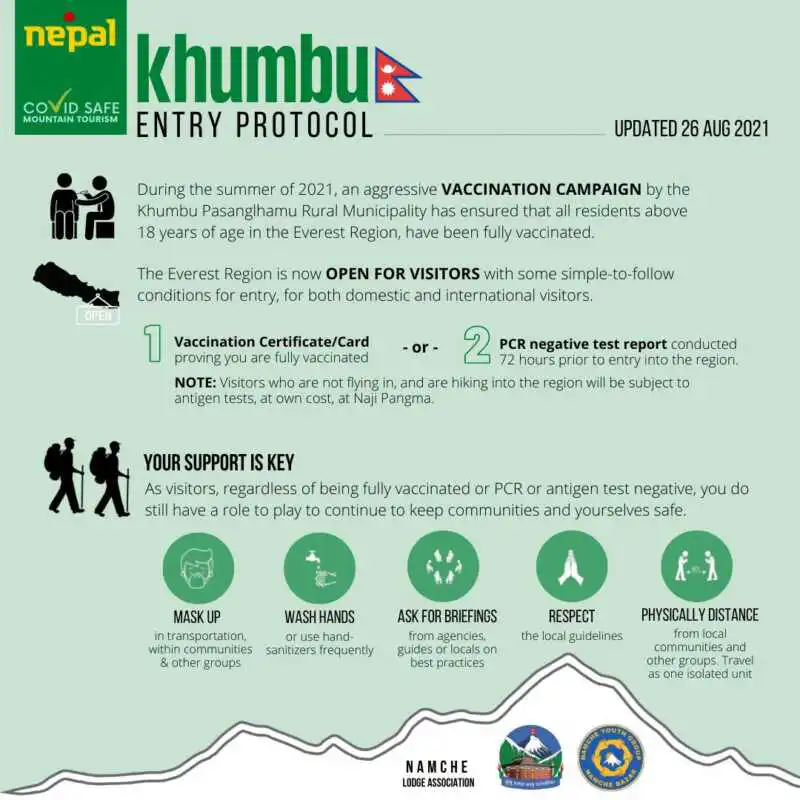
An aggressive vaccination campaign conducted by the Khumbu Pasang Lhamu Rural Municipality has resulted in all residents over 18 being fully vaccinated. This was facilitated by the Verocell vaccine donated given by the Chinese government which had a condition that all Municipalities connected to Tibet get fully vaccinated. A smart move to protect the borders but useful for the bordering Palikas (village development committee.)

Accordingly, the Everest Region now is OPEN for visitors who are either fully vaccinated or have done a PCR test 72 hours prior to entering the region. Visitors who are entering on foot, and not flying in, will also be subject to antigen testing as they enter the region.

The visitors of course, still have a role to play to keep communities and themselves safe.

Great protection from the Namche Lodge Association and the Namche Youth Groupshowing the way. The Youth Group also aims to put flyers in each lodge, and signs along in each community in the region, reminding visitors and crews of the roles that they need to play. They are looking for funds to do that. If anyone wants to support this cause, can help connect you up.

Upper Mustang in Nepal

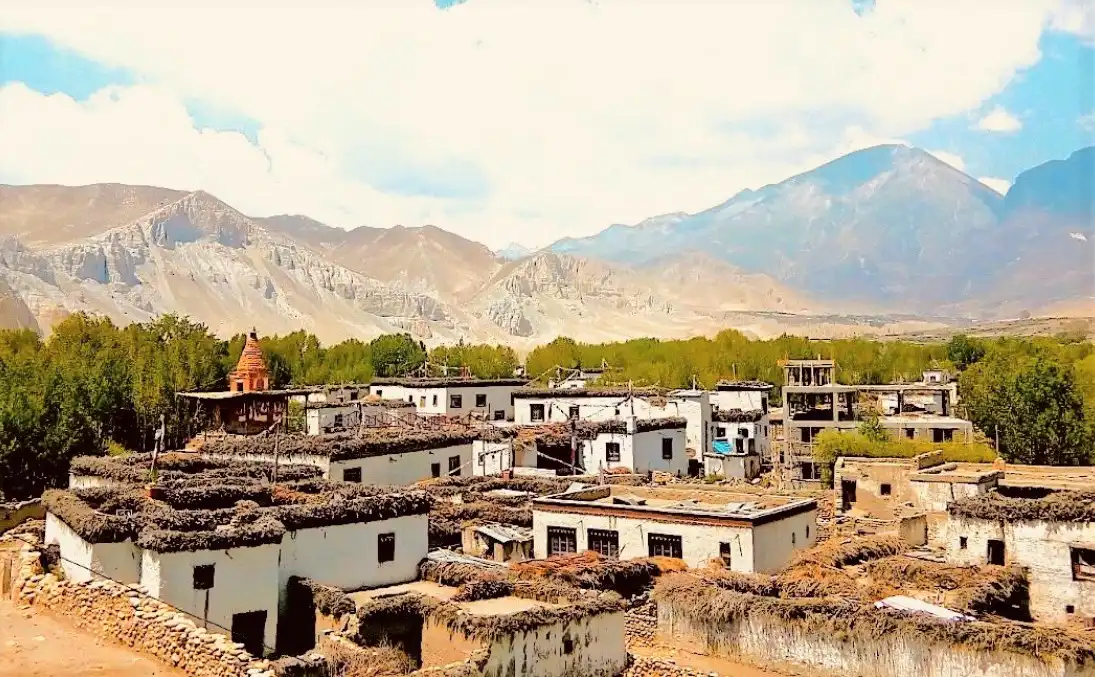
The Upper Mustang region is one of the most important parts for both geographical and cultural aspects in Nepal. Upper Mustang also called the Lo- Manthang Upper Mustang is determined by the rain-shadow zone of the Annapurna and the Dhaulagiri mountain ranges, trekking in the Mustang region could be achieved at any time without any worries about snow or rain. The Mustang region of Nepal is considered the forbidden Kingdom of Nepal. The region is inhabited by Tibetan origin people with their own culture and traditions. The place is often described as a place beyond mountains. The mesmerizing landscape and unique culture of this Himalayan village never fails to hypnotize the visitors.

Mustang Region can be divided into two areas, the upper and lower Mustang. It includes both green and dry vegetation a unique mix of the sandy and rocky landscape, starting up north from Kagbeni village next cross to Kali Gandaki River the area has an ample amount of Buddhist traces with stupas, gompas, Monastary and colourful prayer flags Buddhist lurking around along with stone-walled architecture. Lo- Manthang is the small kingdom of Upper Mustang that was once a gateway for trade, old folklore suggests the founder of Buddhism resided in the area to fight against evil. The area has a plethora of old rich Tibetan culture and religious sentiments.

The place beyond the Annapurna circuit trek route and requires a special permit to get admittance. The place is within the restricted region of Nepal. The government of Nepal has tried to protect the essence and the beauty of this place for the world. Therefore special permits and separate immigration visas should be required in order to enter the upper Mustang region of Nepal.

Jeep drive is an ideal idea for Upper Mustang specially and perfectly designed for visitors who wish to witness the ancient place without having to hike all the way up to the destination, either due to lack of time or if they have difficulties in walking and Royal Enfield Motorbike 350/ Honda CRF 250/ Royal Enfield Himalaya 411 Motorbike Tour is another perfect Adventurous ride for adventure lovers.

As for the lower region of the Mustang region, the world’s deepest gorge of Kali Gandaki river between the Annapurna (8,091m)and Dhaulagiri (8,167m) ranges. Lo- Manthnag area brushes you with dry air and pleases you with clear skies amongst the sandy looking plateaus. The journey to lower Mustang starts with Jomsom the capital of the region and ventures into the holy temple Muktinath and the beautiful walled city and the exploration in this part lets you immerse yourself in the stone-walled dunes, nature architect of striking landscapes, and get acquainted with the people and their unique lifestyle of sheep, Yak herding, simplistic living.

The place is famous for the Tiji festival, Apart from the traditional and cultural aspects, the monasteries of upper Mustang are awaiting Buddhist religious pilgrims. The famous trekking route of Mustang is as follows.

1. Upper  Mustang Trek.

2. Muktinath Lo-Manthang Trek

3. Manang Mustang Trek

4. Upper Mustang Tiji Festival Trek

5. Upper Mustang Overland Jeep Tour

Upper Mustang Tiji Festival:

The Lo- Manthang great Tiji festival is captivating and wonderful. Upper Mustang trek combines the traditional cultural and rare villages at Mustang, astonishing amazing mountain vistas, Buddhist shrines and temples, and the three days celebration of the Tiji festival, a Tibetan ritual. The people in the upper Mustang practice ancient their own religions. Trekking/ Jeep driving / Bike Tour up to Lo during the Tiji festival is a golden opportunity to explore the local Tibetan culture.

Tibetan culture and Tibetan Buddhist lifestyle influence the Upper Mustang region, being too close to the Tibet border. At the Lo- Manthang, you can see the old attractive monasteries and the remainings of ancient palaces and forts. Upper Mustang is also known as Lo lies towards the northwest of the Annapurna I (8,091m) and Dhaulagiri (8,167m)ranges. Tibetan plateau surrounds upper Mustang on the eastern, western, and northern parts and keeps intact with Nepal in the south part only.

The Tiji Festival normally celebrates in the month of May or June depending on their own calendar. It takes you to the Forbidden Kingdom of Lo Manthang for the main three days celebration. During the festival, you’ll see the monks dance on the masked acting like demons. They perform several forms of dances slashing on the air with their traditional swords and colourful traditional Tibetan costumes and music.

The term Tiji comes from the words “ten che” which means the “hope of the dharma prevailing in the entire world”. This is a message that Guru Rinpoche spread all over the world through the Buddhism religion. It believes that Tiji is a spring renewal festival that happened in the Summer. The people in Lo- Manthang believe that the festival strengthens the hope, strength, and prosperity in their kingdom from the evils.

Lo Manthang people believe that the Tiji festival is the celebration of the victory of good over evil. The festival corresponds directly to a myth. According to the myth, Dorje Jono, a deity must save the kingdom of Lo from destructing by battling against his demon father. People believe that the deity took rebirth to defeat the evil forces that created suffering on earth. Tiji is a revered festival in the Mustang region. At the celebrations of the Tiji festival locals, the People of Lo Manthang wear their own traditional colourful costumes, mask, and perform unique dances in front of their local King’s palace.

It believes that the Tiji festival began in the 15th century. During the three-day masked dance, the beating of drums (Dhangro)and Buddhist chants fill the air. Also, during the festival, they display an ancient Thangka painting of Guru Rimpoche Padmasambhava. Overall this is an amazing experience to explore the Upper Mustang valley during the summer.

In 2021, the people of Lo- Manthang will celebrate the Tiji festival on 30th May, 31st May, and 01st June.

Adventure Activities in Nepal

Adventure Activities in Nepal “Unusual Experience” is one of the fastest-growing tourism industries in the World but the least understood forms of international tourism. Nepal is one of the best destinations in the world for adventure tourism activities which offers an excess of outdoor activities from River rafting, Paragliding near the mountains to waiting for the Royal  Bengal tiger in the dense forest of National parks. The history of adventure tourism in Nepal starts from the early attempts to ascend the world’s highest peak Mt. Everest some about five decades ago.

Nepal, rising from an elevation of 56 meters to 8848.86 meters above sea level, possesses all the climatic zones of the world from bitter tundra vegetation to the hot tropical forestation. Nepal’s biodiversity is a reflection of physiographic climatologically and altitudinal variations. The beauty of Nepal Himalayas ensures it is a destination well suited for international tourism.

The Himalayas have been an attraction to many people since 1950. Out of 14 Himalayas (above 8000 meters), Nepal has eight. Mount Everest (8848.86 meters) the world’s highest mountain is in Nepal.  Eight of the highest peak is in Nepal. George Mallory and Andrew Irvine attempted to summit o Everest in 1924 and went missing. France national Maurice Herzog became the first person to summit Annapurna. On 29th May 1053, Sir Edmund Hillary (New Zealand) and tensing Norgay Sherpa (Nepal) summated Mt. Everest (8848.86 meters) first time in history. Since then Nepal became an attraction for mountaineering for foreigners.

Adventure Activities in Nepal:

Trekking is still the most popular sport among most visitors. Treks in Nepal can be distinguished based on numerous factors from popularity and difficulty to trek destinations and the duration of the treks along with the mode of accommodations. Based on popularity, treks in regions like Everest, Annapurna, and Langtang are the most popular. Annapurna Base Camp Trek, Ghorepani Poonhill Trek, Everest Base Camp Trek, and Langtang Valley Trek are some of the most famous treks in Nepal. As such, most of these popular treks are also teahouse treks. Teahouse treks are the most popular trekking approach in Nepal where trekkers spend the nights at local teahouses. These teahouses offer basic food and accommodation services along with additional facilities which vary according to the trekking destination.

Jungle Safari in the Terai region of Nepal preferred to see Nepal’s rare varieties, endanger and rare animals and birds. A venture into the lush green Chitwan National park and Bardia National park on an Elephant’s back safari and jeep safari inside the National park in the Terai region crossing rivers and swamps will give an opportunity to explore flora and Fauna and typical ethnic group people culture of Nepal as well as encounter animals and birds. Be prepared for a royal treat of Royal Bengal tiger and one-horned rhino may surprise you by his majestic appearance.

Nepal Hot Air Ballooning in Pokhara is here to satisfy your adrenaline rush. A short yet scenic ride through the city will take you to Dhampus. It is where the true trip starts as it is a launch site for a hot-air balloon. When the weather is agreeable, the hot-air balloon will lift off. Following the ride, you will return to the lakeside to relax.
For Nepal Hot Air ballooning, we start our adventure from Lake city Pokhara. Unlike another quest, a hot-air balloon is unique in many aspects. First, you have the option to decide when to take a ride. If you are a morning person, then you could take the ride as soon as sunrise. This choice offers you the scenic beauty of the mountains. Getting close to the peaks and overseeing the lush forests through bird eye view will leave you in awe. The ride even lets you share the experience with your loved ones unlike paragliding, where you have to enjoy the experience all by yourself.

Since Nepal is rich in nature and has a diverse terrain, Mountain biking, Jungle walk, Hiking is other wonderful adventure sport. It offers an environmentally sound way to explore the magnificent landscape and vibrant culture as well as remarkable UNESCO world heritage sites. Walking on the hidden trails of the rarely visited rural villages, you will see smiling and warm greetings from the local faces living a simple lifestyle in peace and harmony and practising their own traditional & culture as well as speaking their own Languages.

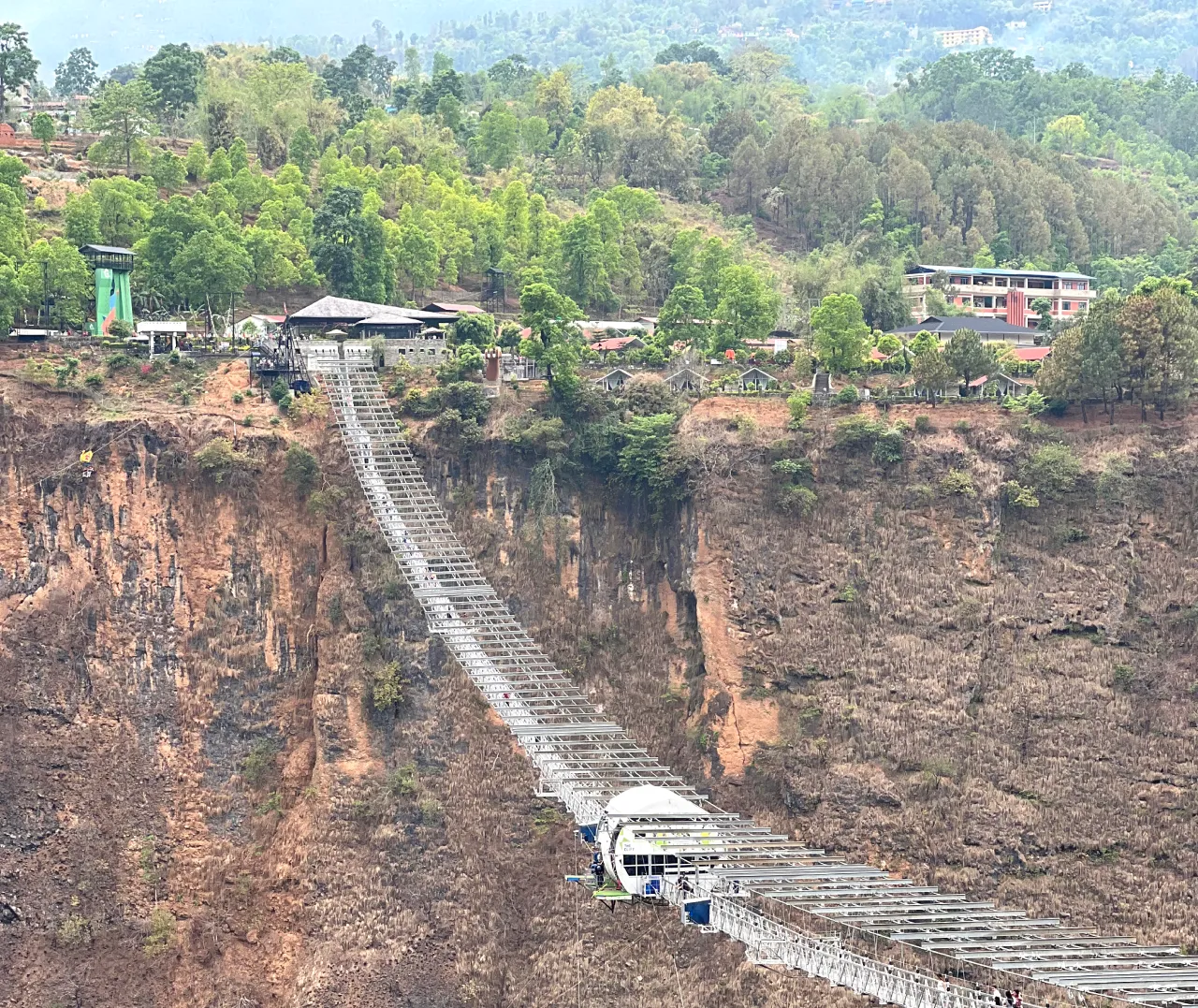
Same as, you can have another thrilling adventure experience of ultimate bungee jumping over the 160 m high bridge of Bhote Koshi River, one of the world’s wildest raging river rushes down from the Himalayas and naturally highest in South Asia. All together, Nepal offers other various adventure activities like Paragliding, Jeep Safari inside National Park, Bird watchingCannoning, Horseback Riding, Snowboarding, High Mountain Expedition, Rock ClimbingPeak ClimbingHelicopter Tour, Everest Mountain flightUltralight Flight, Zip LineFishingSky Diving, Honey Hunting and many more.

Ultralight aircraft take off from Pokhara and offer spectacular views of the lakes, mountains, and villages. This is an ideal way to see life from a new perspective. The choice of Pokhara Valley for ultralight aircraft is appropriate chiefly because of the proximity of the mountains and the scenic lakes. For those who wished they could fly birds when growing up this flight is a must.

It might be lonely at the top but the spectacular view from up high certainly makes it all worth it. Flights are from the Pokhara airport begins from September to June. The flights take place early in the morning to 11 am and from 3 pm to sunset every day during these months.

Paragliding in Nepal can be a truly wonderful and fulfilling experience for the adventure-seeking a trip will take some of the best scenery on earth, as share airspace with Himalayan griffins’ vultures, eagles, kites and float over villages, monasteries, temples, lakes, and jungle with a fantastic view of the majestic Himalayas. Pokhara is a famous destination for paragliding. Likewise, Lakuribhanjang of Kathmandu is also popular for paragliding.

Flying like a bird above the cloud on the Queen City Pokhara valley where you can see the Fewa Lake just under your feet. Paragliding is the adventure sport of jumping out of an aircraft with a special parachute. Paragliding in Pokhara can be a perfect alternative adventure sport in terms of climatically and geographically.

will take you through the fabulous scenery on the earth, as you share airspace with Himalayan Griffin vultures, kites, eagles, and float over villages, lakes, and jungle, temple, Monasteries with a fantastic view of the majestic Himalaya Vista. Pokhara is one of the most beautiful cities in Nepal. This is also the gateway to the popular trek Annapurna region. 

Prior experience is not required to do paragliding in Nepal because the paragliding flights are launch by a fully trained and experienced guide having full knowledge about the Himalayas and local weather conditions too. The month of November, December and January are considered the best flying season in the Himalaya country Nepal.

Rafting, Kayaking, Canoeing in Nepal is some of the best ways to explore the typical cross-section of natural as well as the ethnic-culture heritage of the country. There are numerous rivers in Nepal that offer excellent rafting or canoeing experience. Few rafting rivers in the world can the thundering course of the river of Nepal originating from the snow meltdown of the Himalayan terrain. The government has opened sections of 10 rivers for commercial rafting. Trishuli is one of the most popular rivers for rafting. The Kali Gandaki, Bhote Koshi, Sunkoshi, Marsyangdi, Karnali, and Seti Rivers are awaiting rafters.

The Bhote Koshi is 26 km. of continuous white water and Marshyanghi is four days of uninterrupted white water. The Karnali River provides some of the most challenging rapids in the world. The sun Koshi, 27 km., requiring 8-10 days to complete, is a big and challenging river. Adventurers are provided with world-class rafting. Cannoning gives the freedom to explore some of the most ruggedly beautiful, yet forbidden places in the world.

Zip Line in Nepal is a new adventure activity in Pokhara. Zip flyer Nepal is the world’s longest, steepest and fastest zip-line to give the ultimate adventure experience. Consisting of a trolley mounted on a steel cable 1.8 km. in length the ride drops 600 meters vertically from the top of the Sarankot hill, with resulting speeds of over 140 km. per hour concludes at the Tibetan refugee camp.

You can enjoy the magnificent mountain view and beautiful lake in Pokhara.

Himalayan Adventure Treks & Tours is a well known and reputable government licensed Travel holder Company that has been organizing rewarding adventure activities for travellers for many years. The topography of this Himalayan Mountains makes it the first choice for adventure tours in Nepal. Let us have the chance to look at the most thrilling, electrifying, and mind-blowing adventure places, sports, and activities that we offer from this Himalayan country Nepal. We always take pride in a large number of our satisfied and repeat customers that visit us every year. We look forward to extending to you the opportunity to share the adventure of a lifetime experience.

Accommodation in Annapurna Base Camp

A small country with diverse topography and a multitude of cultural treasures, Nepal is one of the best travel destinations in the world. It is home to the mighty Himalayan peaks, including Mount Everest– the tallest Mountain Peak on Earth. Nepal presents its visitors with a myriad of amazing features that spread from arid desert landscapes to thick woodlands and vast snowy lands that end in the Himalayas. In just a span of 800 kilometers from north to south, the country has an elevation that diversifies in terms of climate, geomorphic aspects, and the ethnic populace.

No wonder, considering all the facts, that Nepal is among the best trekking destinations among the global crowd. Similarly, Nepal also presents many different trekking destinations to choose from. It presents trekkers with various choices of treks that they can choose based on their experience, their preference, and other considerable factors like the duration and the difficulty level. As such, among the many different trekking journeys, the Annapurna Base camp Trek is perhaps one of the most famous.

Annapurna Base Camp Trek

Taking place in the Annapurna region of Nepal, the Annapurna Base Camp Trek takes trekkers through the gorgeous river valleys embedded with emerald acreages of Pine and Cedarwoods. The region is home to the Mount Annapurna and Dhaulagiri massifs and also harbors one of the most unique ecosystems in the country. Home to ethnic Rai, Magar, Limbu, and Gurung people, the region is a destination filled with breath-taking natural facets, including the renowned Annapurna Sanctuary, as well as prominent landmarks like Ghandruk and Poon Hill. The Himalayan tapestry of the Annapurna Peaks spectacularly decorates the horizon throughout the trip, giving trekkers an unforgettable experience.

Accommodations during the ABC Trek

There are plenty of accommodations along the trekking trail of the Annapurna Base Camp Trek. There are good choices as well among the many numbers. Most of the accommodations come in the form of guesthouses, lodges, and tea-houses. During peak trekking seasons, like spring and autumn, the accommodations tend to get filled with trekkers pretty fast, so booking ahead of time is a good idea.

You should carry your sleeping bag as there might be a short supply of blankets in the guesthouses. Likewise, regarding equipment, you should also always carry your toiletries, like paper towels and wet wipes.

Similarly, running hot water is not available in all villages, although some do offer the service of hot bucket showers. During the winter months, fires are commonplace, including fires for under your table on the coldest of nights. Some guesthouses situated near Pokhara city also offer wifi services.

Cost of accommodations per day and availability

The cost of accommodation during the Annapurna Base camp Trek varies from one lodge and guesthouse to the next. Generally, it starts from USD 3 to USD 15 per night. The cost, of course, depends upon the standard of the guesthouse. March to May and September to December are the major trekking months where lots of trekkers visit the region for various trekking trips. During these months, the accommodations tend to get over-booked and it can be difficult to find a vacancy. However, due to a large number of accommodations that have sprung up in the region located near the major trekking trails, finding a guesthouse at the end of the trek isn’t too arduous of a task. When one is trekking with a guide, usually the guide will make sure that you have a room in the guesthouse for the night.

  • Hot Water Cost

The cost of hot showers is not included in the accommodation prices. Thus, you will have to pay an extra USD 2 for a hot shower. There are chances of the price going down during the off-peak season, but it is not a definite idea. It gets easier to bargain a little bit for better prices during the off-trekking seasons. Likewise, the toilet facilities also vary from one location to the next. Remote destinations often have only one toilet that has to be shared by everyone. Otherwise, all guesthouses have toilets, some modeled as squat toilets while others present western-style toilets.

  • Extra Charges

Some accommodations charge an hourly fee of about USD 2 to the billing for using electricity on the electronic devices that you may carry. Some accommodations also have wifi services, but they also cost extra, ranging from USD 2 to USD 5. But the wifi services can be slow and often have broken connections. Moreover, for charging the devices, the guesthouses usually have three-pin Indian-style plug outlets.

  • Drinking-Water and Meals

Once again, there isn’t a definite price that is the same throughout the trekking trip. The cost of meals and drinking water can vary from one guesthouse to the next. It usually depends upon the location and other factors like the isolation and remoteness of the guesthouse. The farther into the trek you go, the higher the price range can become.

Nepali Dal Bhat is the staple food of the country and almost all the guesthouses have this option for meals. It usually starts at USD 2, and at remote locations, the price can go up to USD 9. Likewise, one liter of bottled water can cost, on average, about USD 2, with the price fluctuations depending upon the elevation and the altitude during trekking.

Similarly, both vegetarian and non-vegetarian meals are available during the trip. There are many choices when it comes to meals, like bakery items, fried food, and other cooked delicacies like soups, eggs, pasta, and others.

Regarding drinking water, it is better to bring water purification tablets. They are cost-effective and easier compared to buying bottled drinking water. Additionally, water purification tablets are also better for the environment. You can fill up your bottle with water from the many water bodies that you can find along the way and use the purification tablets for drinking.

Recent Accommodation Updates

Due to heavy snowfall, the hotels along the Annapurna Base Camp Trek had halted their services since February 2019. The hotels and lodges along the trail were received damage due to the heavy snowfall and were unable to function. This had led to the eventual decline in the trekking activities in the region during winter. However, the hotels and guesthouses along the ABC Trek are set to resume service once again from August 18th, 2019.

The Annapurna Conservation Area Project (ACAP) announced that there would be a resumption of accommodation services in the region following the snow. The Trekking Agencies Association of Nepal (TAAN) has also informed all the trekking agencies of the recommencement of booking the Annapurna Treks.

The hotels and lodges situated at an altitude of 4,130 meters had suffered heavy damages due to heavy snowfall. The thick blankets of snow had also halted the roads and passageways. After five months, the owners of the guesthouses and the hotels in the region received information from ACAP that the hotels are reopening. Thus, trekking activities are beginning to gather momentum once again.

During the heavy snow days, trekkers used to stay overnight at the Machhapuchhre Base Camp and hike to the Annapurna Base Camp early in the morning instead, since the accommodations at the ABC area were completely closed. However, despite the difficulties in the accommodation, there were a few agencies that continued to take trekkers to the Annapurna Base Camp. The incident of accommodations being negatively harmed obstructed due to heavy snowfall is an incident that is the first of its kind.

Currently, the accommodations along the trekking trail have been reprimanded and reconstructed to suit the trekkers once again. After the heavy snowfall damaged the route and hotels, trekking on that route had been halted by ACAP for a few months. Later, an alternate route through the Machhapuchhre Base Camp had been brought into operation. It took around two hours to reach the Annapurna Base Camp from the base camp of Machhapuchhre. As such, the trekkers were first guided up to the MBC, and from there, trekkers would start the day trip to ABC and had to return before noon.

Conclusion

After the Everest Base Camp, the Annapurna Base Camp Trek is the most popular trekking destination in Nepal. The base camp of Mount Annapurna is located at an altitude of 4,130 meters and trekking starts from villages like Phedi of Kande or Nayapul of Kaski. Around 20,000 tourists from all over the world trek the route every year, which makes the Annapurna region one of the most-visited trekking destinations of Nepal. It presents amazing views of the Annapurna peaks and also presents trekkers with a chance to experience the lifestyle of the local ethnic people of the region. It has also been growing steadily in popularity, even more so than before, and pulls in more people every year.

Free Travel Guide
Your Perfect, Personalized Journey Awaits
profile
Bhagwat Simkhada Seasoned Travel Expert with Years of Experience