notification

Great News, From June 2025 Mount Kailash is open for individuals holding Indian Passports

Buddhist Religious Sites in Nepal

Buddhism is another major religion after Hinduism in Nepal. According to the census 2011, Buddhists are 9.04% of the total population.  The World Heritage site Lumbini, which is the birthplace of Gautam Buddha, is an important pilgrimage site for Buddhists. Other prominent Buddhist sites are Swayambhunath (Monkey Temple), Kapan Monastery, and Boudhanath in Kathmandu, Namobuddha of Kavre, Bajrayogini of Sankhu are also the famous Buddhist pilgrimage destination.

Buddhism practices in various ways in Nepal. Local Newaras especially the Maharjans, Dangol, and the people called Jyapu community practice Theravada Vajrayana Buddhism whereas Tamang, Sherpas practices Mahayana as well a Tibetan Buddhism. They also have Shakyapa, Nigmapa, Kahyupa, and Geluk sects within Tibetan Buddhism. Acharya Padmasambhava or Guru Rimpoche (in Tibetan) is considering the founder of Tibetan Buddhism.

Siddhartha Gautama, who was born in Lumbini in the southern Terai in about 534 B.C. Until the age of 29, led a sheltered life in the palace, completely unaware of the problems and suffering of the outside world. One day Siddhartha convinced his charioteer to take him outside the palace, where he was shocked to see the outside world at the sight of an old man, a sick man, a corpse, and an ascetic. The realization of the true misery of the world persuaded the prince to abandon his luxurious life and goes into the Jungle to seek enlightenment to end human suffering. For many years, Gautam practiced asceticism without success. One night beneath a Pipal tree in the forest of Bodh Gaya he became enlightened.  Henceforth known as Lord Gautam Buddha, The “enlightened one” he traveled around northern India and Southern Nepal preaching the Middle path to enlightenment. At the age of eighty, he passed into the final enlightenment, the Par Nirvana.

Top Five Buddhist Pilgrims’ Site of Nepal:

  1. Kopan Monastery:

Kopan is a famous Tibetan Buddhist monastery situated on the north side of Kathmandu valley, the hill behind the Bouddhanath Stupa. Established in 1969 by the Tibetan guru Thubten Yeshe, Thubten Zopa Rinpoche. Kapan monastery is home to over 300 Tibetan Buddhist monks under the leadership of Thubten Zopa Rinpoche. Dominated by a magnificent Bodhi tree, Affiliation to teach Tibetan Buddhism. It is a member of the Foundation for the Preservation of the Mahayana Tradition, an international network of Gelugpa dharma centers as a headquarter. Every year a large number of foreigners arrive here to study Buddhism and meditation for a long number of days. The Kopan Monastery also offers a panoramic view of the town of Boudha below and the spectacular Himalayan mountain range in the northern part.

2. Swayambhunath (Monkey Temple):

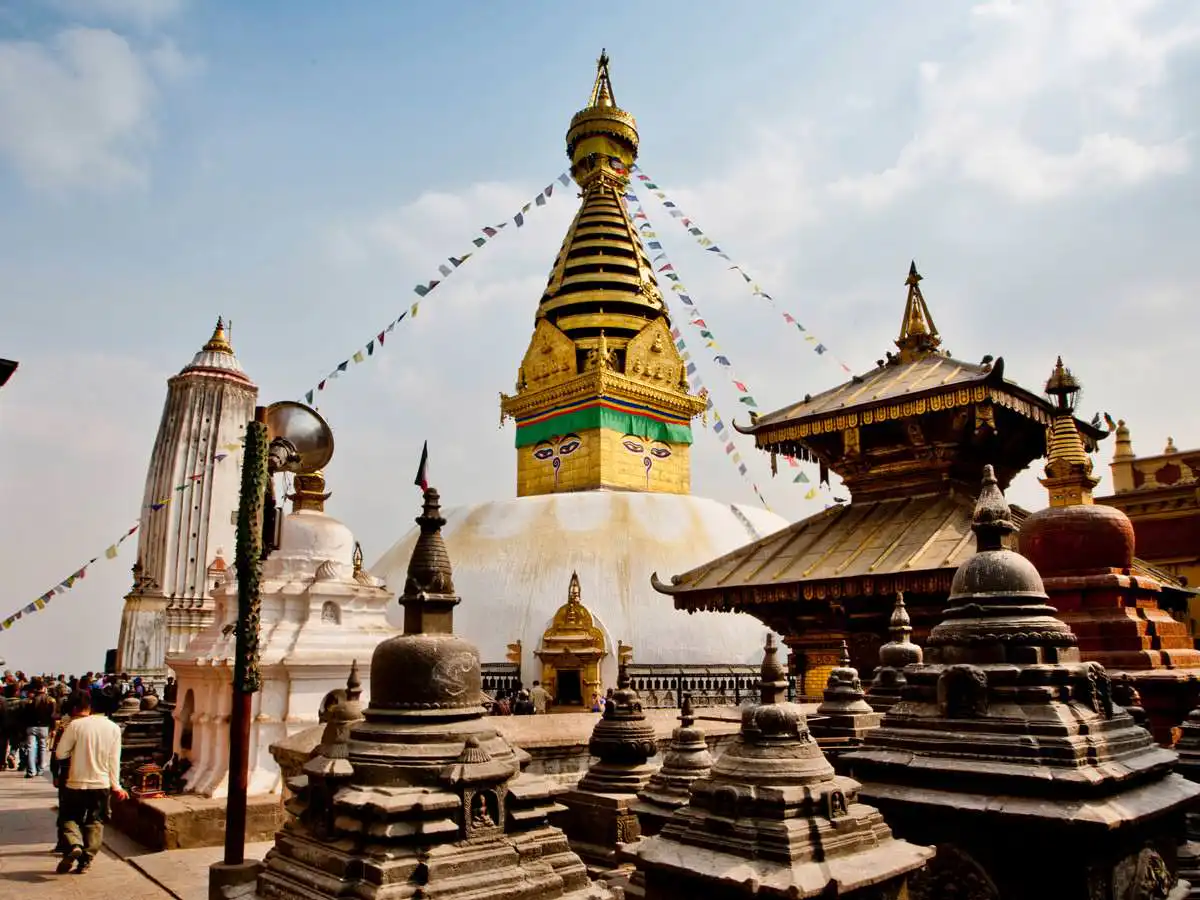
Swayambhunath stupa complex sits atop a high hill overlooking Kathmandu and the entire Kathmandu Valley with Mountain ranges on the Southern side. Monkey temple is an ancient religious architecture on the top of the hill in the Kathmandu Valley. Swayambhunath is probably the most sacred Buddhist pilgrimage site in Nepal. It is another famous tourist destination and the holiest Buddhist and Hindu pilgrims. Most of Swayambhunath’s iconography comes from the Vajrayana tradition of Newar Buddhism. This temple also called the Monkey temple due to the lots of monkeys and they have their swimming pool. This is a wonderful place to catch your breath and observe the sunset, start to understand the deep importance of Buddhist belief to the people. It consists of a very large white stupa with all-seeing eyes, it believes in the love and peace of Lord Buddha and many small stupas and beautifully carved stone shrines. If you feel more energetic then you might also like to try some or all of the 350 steps or more that lead all the way from the eastern part of the temple called Bhagwan pau (God Feet)up to your Swayambhunath stupa vantage point. The complex consists of a stupa art and art structure, a variety of shrines, and temples, some dating back to the time of the Licchavi dynasty.

3. Namobuddha Monastery:

Namo Buddha pilgrimage site is about forty kilometers from the Boudhanath Stupa. Monastery Located on slightly elevated hillside land, it is a pleasant and out-of-the-way place. In this wide panorama, mountain ranges, Mahalangur Himal glisten white like a conch shell or a crystal. Amazing view of Morning sunrise and the evening you can see a wonderful sunset.

It is a small village next to the Newari town Panauti that houses a very old Thrangu Tashi Yangtse Monastery which is one of the most important Buddhist pilgrimages and holiest in the world. Guru Thrangu Rinpoche designed the Namo buddha as a representation of the Three Yanas. Vajrayana Buddhism divides the journey to enlightenment into three major stages. These are called Yanas. It is usually translated as “vehicles” that carry you along the path to enlightenment. All the three yana lays the spiritual ground for the next, they are not necessarily taught or practiced in sequence.

The story of Namo Buddha was the previous life as a prince who was here that the Buddha gave up his body out of compassion for a starving tigress and her cubs. It has an amazing story concerned with the Buddha which is commemorated by an ancient stone slab and a Stupa with the all-seeing eyes of Lord Buddha. Namo Buddha is a very suitable and perfect place for meditation and practice. Namo Buddha is a highly esteemed Pilgrimage place by people from all over the world, East and West.

4. Boudhanath Stupa:

It is the most popular religious Buddhist religious complex with a long history back over 500 years and more. The stupa is located in the northern part of Kathmandu. Boudhanath is always a great pilgrimage site for Buddhist followers to circle its massive holy stupa and spin its many prayer wheels. Boudhanath is one of the largest stupas in the world and also the UNESCO World Heritage Site in Nepal. For the Tibetan people, Boudhanath is a pilgrimage destination because the influx of large populations of refugees from Tibet has seen the construction of over 50 gompas (Tibetan convent) and monasteries around Boudhanath areas during the 1950s.

The main attraction of Boudhanath is its huge hemispherical white stupa with a central golden tower and the all-seeing eyes of the Lord Buddha. It also believes that eyes represent love and peace for all creatures in the world. Visitors always circle the stupa in a clockwise direction and spin prayer wheels for good fortune and get Nirvana. Boudhanath area surrounding a kind of school for foreign visitors who are interested in painting (Thanka) to see highly skilled artists at work on religious mandala paintings.

5. Lumbini- Gautam Buddha Born Place:

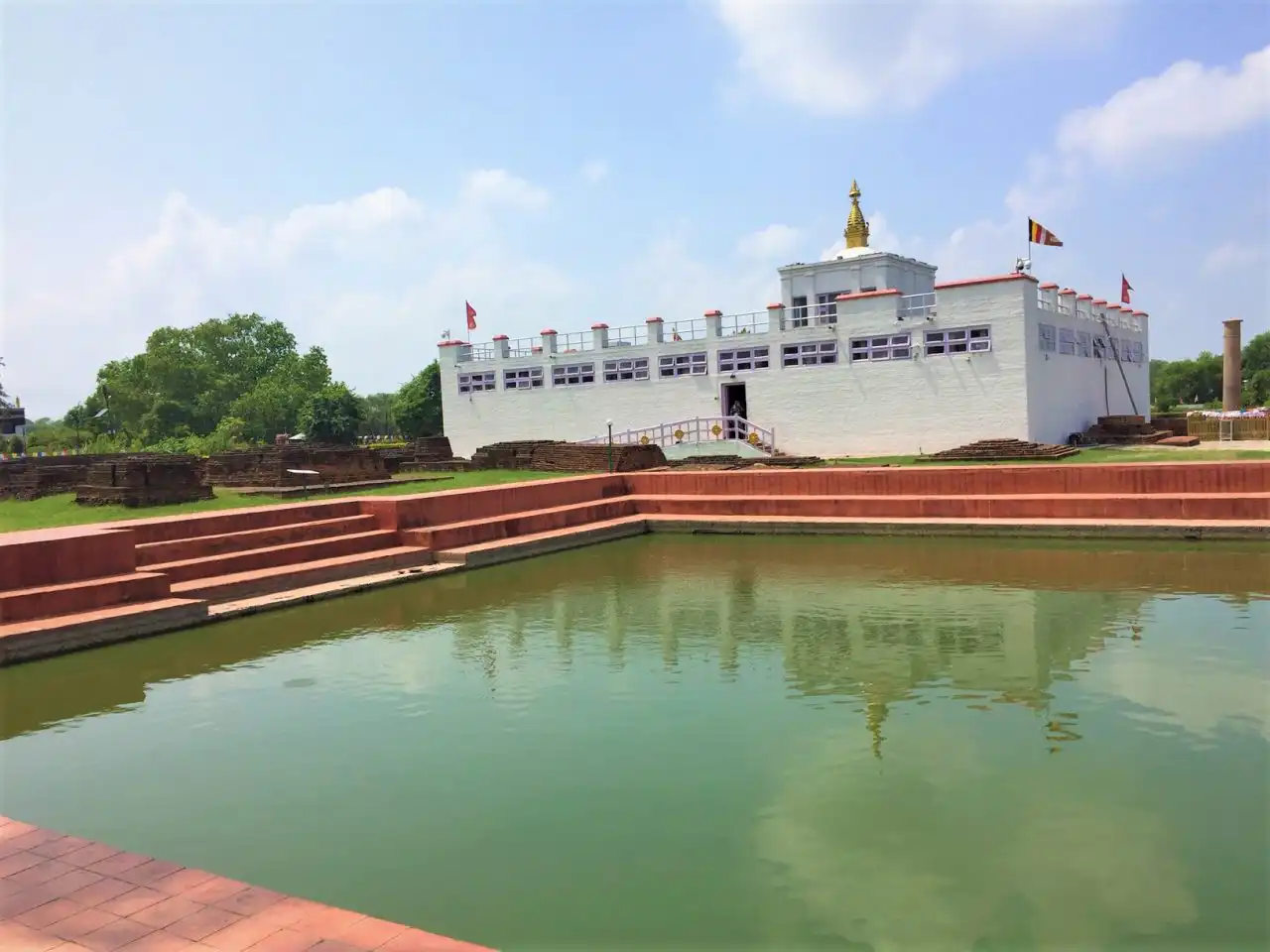
Lumbini is holy and the birthplace of Lord Buddha which is one of the most popular pilgrimage places in the world. Lumbini is one of the main magnets for pilgrimage that sprang up in places pivotal to Lord Buddha Life. Lumbini is also a UNESCO World Heritage Site. Lumbini is one of the four major Buddhist holy places commemorating the most significant events in Buddha’s life. One of the most attractive parts of Lumbini is the Maya Devi temple and the Puskarini, or Holy Pond, where the Buddha’s mother (Maya Devi) took the ritual dip prior to his birth and where Buddha had his first bath on the Puskarini pond. Bodh Gaya is the place where Gautama Buddha is said to have attained Enlightenment.

The main attraction of Lumbini remains the Sacred Maya Devi temple, the Ashoka Pillar, World peace pagoda, Myanmar Golden Temple the sacred pond, Maya Devi Temple, Lumbini Crane Sanctuary, China Temple, and many more. In Lumbini different countries build the shrines and monasteries at different times to reflect the architectural traditions of the respective countries and thus giving Lumbini an international feel with a message of world peace.

Mani Rimdu Festival

Mani Rimdu Festival in the Khumbu (Everest) Region of Nepal

Overview: Festival on the Lap of Mount Everest

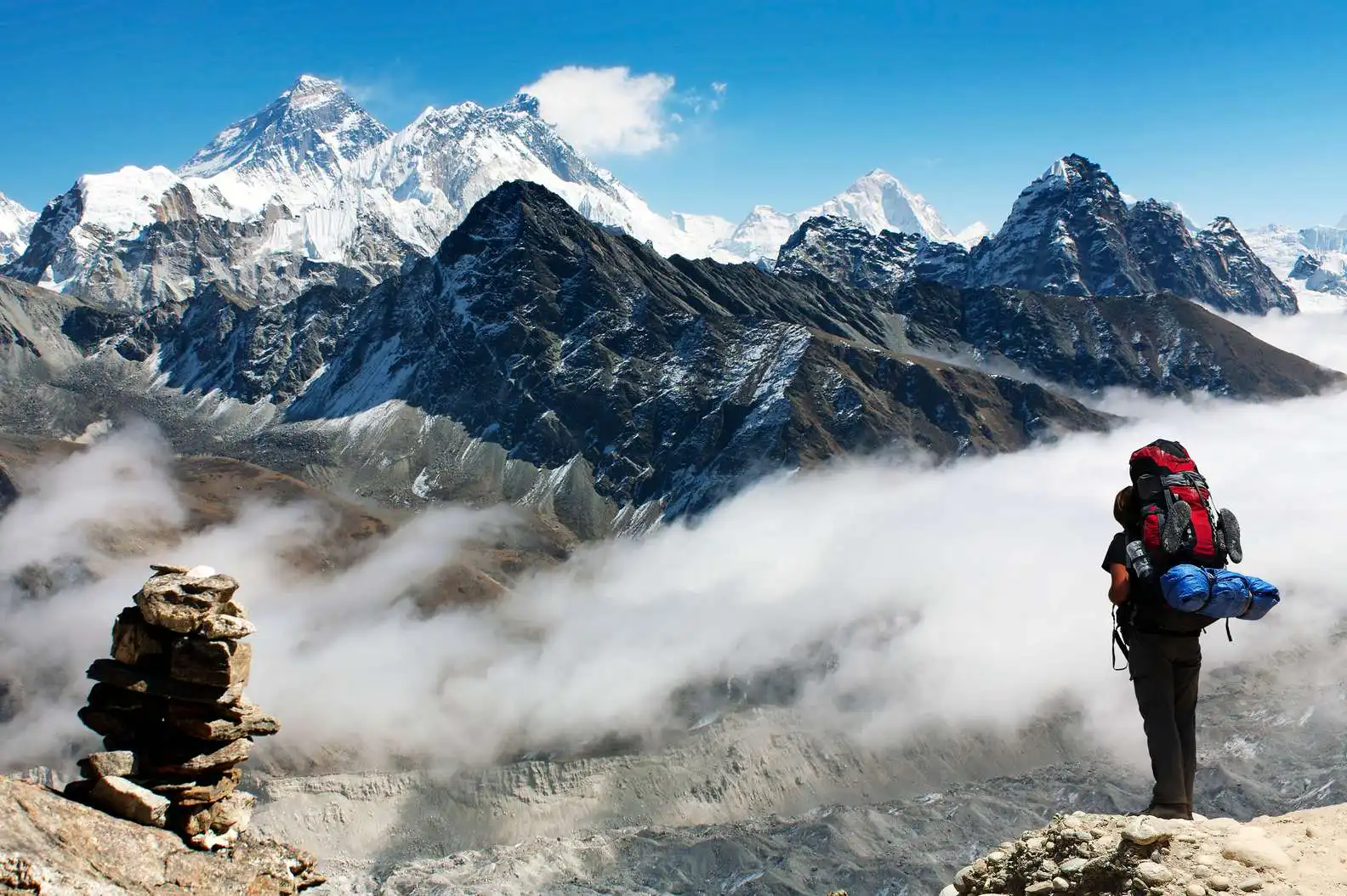
The Mani Rimdu Festival is a vibrant and deeply spiritual celebration that takes place in the Khumbu region of Nepal, specifically at Tengboche Monastery, which lies on the route to Everest Base Camp. This sacred festival is celebrated by the Sherpa community, followers of the Mahayana-Nyingma-pa sect of Tibetan Buddhism. It honors Guru Rinpoche (Padmasambhava)—the revered Buddhist master who introduced Buddhism to Tibet in the 8th century and is credited with establishing Buddhism in the Himalayan regions.

Celebrated since 1930 A.D. in Tengboche Monastery, the Mani Rimdu festival is a mix of spiritual practice, ritual dance, and communal celebration.

Timing: Based on the Tibetan Lunar Calendar

The festival usually takes place in November, aligned with the full moon of the tenth Tibetan month. However, the exact dates vary each year according to the Tibetan lunar calendar. This timing is significant as it coincides with the end of the harvest season, allowing the local Sherpa people from villages across the Khumbu region to gather and celebrate after completing their agricultural duties.

Spiritual and Cultural Significance

Mani Rimdu is more than just a festival—it’s a ritualistic reenactment of the founding of Buddhism in Tibet. The festival symbolizes the triumph of Buddhism over Bon, the indigenous shamanistic religion of Tibet and the Himalayas.

Monks prepare for weeks leading up to the event through prayers, meditation, and rituals. The central features of the festival include:

1. Ritual Ceremonies and Mandala Creation

  • Monks build a large mandala (symbolic diagram) using colored sand and soil gathered from sacred points across the hills.

  • The creation of the mandala is an act of devotion and meditation, and it may take up to four full days to complete.

  • It represents the spiritual universe and is eventually destroyed at the end of the ceremony to symbolize the impermanence of life.

 2. Masked Dance Performances

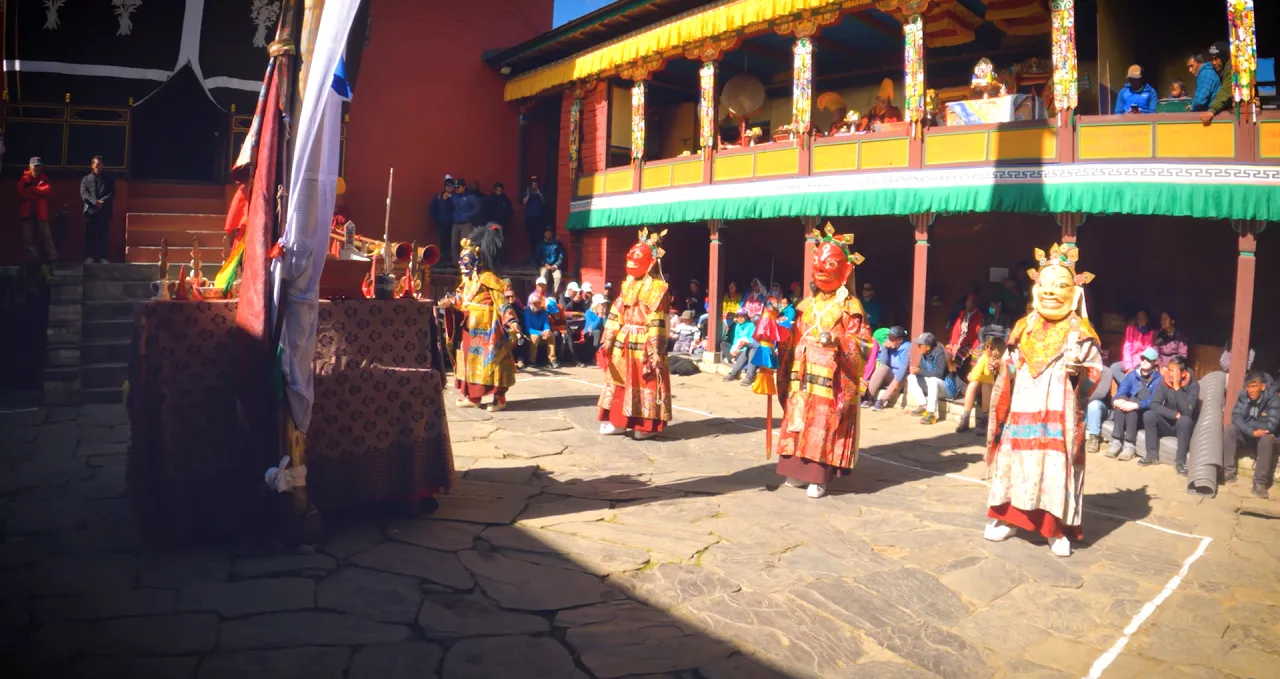
  • The monks perform 16 traditional masked dances known as “Cham” dances.

  • Each dance is symbolic and tells a story—often the battle between good and evil or the suppression of demonic forces by Buddhist deities.

  • The dancers wear elaborate costumes and ferocious masks representing deities and demons.

  • The atmosphere is filled with the sounds of chanting, horns, drums, and cymbals, creating a deeply spiritual and theatrical experience.

3. Public Blessings and Social Gatherings

  • The head Lama of Tengboche Monastery bestows blessings upon the attendees, both locals and trekkers.

  • Locals, dressed in their finest traditional attire, join the monks in prayers, singing, and merrymaking.

  • The festival brings together faith and festivity, strengthening community bonds and sharing cultural values with visitors.

Trekking Itinerary with Mani Rimdu Festival

Mani Rimdu is often included in Everest trekking itineraries. Here’s a typical route for travelers planning to witness the festival:

Day 1–2: Arrival in Kathmandu

  • Sightseeing in the cultural hub of Nepal.

  • Visit UNESCO World Heritage Sites like Swayambhunath, Boudhanath, and Pashupatinath.

Day 3: Flight to Lukla (2,860m / 9,383 ft)

  • Scenic 45-minute flight to one of the world’s most adventurous airports.

  • Start a 3-hour trek to Phakding (2,610m / 8,562 ft).

Day 4: Trek to Namche Bazaar (3,440m / 11,286 ft)

  • The main commercial hub of the Khumbu region.

  • A melting pot of Sherpas, trekkers, and traders, with a lively atmosphere and stunning mountain views.

Day 5: Trek to Tengboche (3,867m / 12,687 ft)

  • 4–5 hours of trekking through rhododendron forests and mountain trails.

  • Arrival at Tengboche Monastery, the spiritual center of the Khumbu region.

Day 6–8: Mani Rimdu Festival Observance

  • Attend rituals, dances, and blessings over three days.

  • Experience Sherpa culture and spiritual traditions up close.

Day 9: Trek to Monjo (2,835m / 9,301 ft)

  • Begin the descent. A 5–6 hour trek leads back to the quieter village of Monjo.

Day 10: Trek to Lukla and Return to Kathmandu

  • Hike back to Lukla and prepare for your flight to Kathmandu.

  • Be mindful: flights can be delayed due to unpredictable Himalayan weather.

Why Mani Rimdu is a Unique Experience

  • Spiritual Journey: Offers insights into Tibetan Buddhism and Sherpa customs.

  • Visual Spectacle: The dances, mandalas, and masks create an unforgettable visual and auditory experience.

  • Cultural Immersion: Meet local families, monks, and villagers who have kept these traditions alive for centuries.

  • Off-the-Beaten-Path: Unlike mainstream festivals in Kathmandu or Pokhara, Mani Rimdu happens in a remote Himalayan setting.

  • Perfect Timing: Held during autumn, when the skies are clear, the landscapes vibrant, and trekking conditions ideal.

Travel Tips for Mani Rimdu Festival Trek

  • Book early: Since the festival attracts many trekkers, flights and lodges fill up quickly.

  • Check festival dates: Confirm with local tour operators since dates vary each year.

  • Acclimatize properly: Altitude sickness is a risk—take rest days in Namche.

  • Bring warm clothing: November nights in Tengboche are cold (often below freezing).

  • Respect local customs: Ask permission before photographing monks or rituals.

Final Thoughts

The Mani Rimdu Festival is a spectacular celebration of faith, heritage, and Himalayan culture. It not only reflects the spiritual life of the Sherpa people but also enriches your trekking journey with a profound cultural and emotional connection to the Everest region. More than just a hike to see mountains, this experience allows travelers to witness living traditions at the highest monastery in the world.

Plan your trip in October or early November, and combine the natural grandeur of Everest with one of the most colorful and meaningful Buddhist festivals in the Himalayas.

Canyoning in Nepal

Canyoning in Nepal

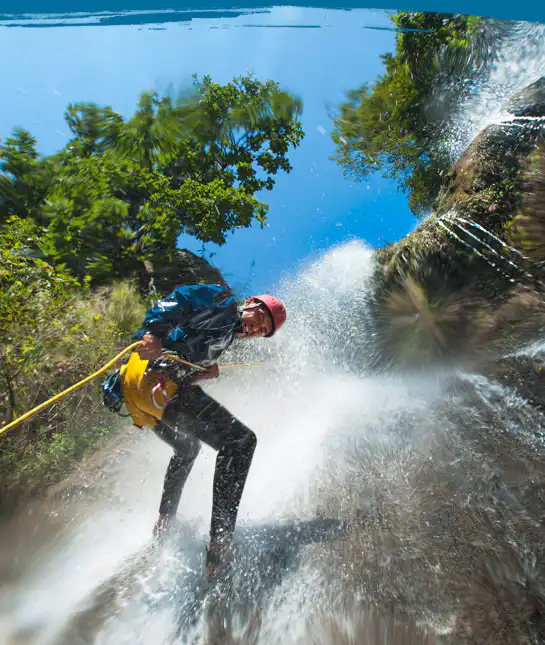
Canyoning is the foundation of adventure sports in Nepal. The activity of canyoning consists of travel in and around canyons by hikingtrekking, jumping, climbing, swimming, and rowing. Canyoning remains one of the most rigorous adventure sports of Nepal, an absolute favorite of adrenaline junkies.

Canyoning is often performed in remote and rugged areas, including navigational, route-finding, and other wilderness skills. Nepal, therefore, has the perfect set of geographical make-up to facilitate some exciting canyoning adventures. The mix of natural beauty surrounding an already naturally set up trail gives the biggest advantage to adventurers looking for a scenic getaway.

Key Features of Canyoning in Nepal

Geographically, Nepal sits between two massive nations. Gigantic Himalayan ranges act as a natural barrier line in the Northern region of Nepal. The southern part of Nepal showcases an extremely diverse bio-diversity, housing forests, hills, farmlands, terraces, and rivers flowing from the northern peaks. This wonderful mixture gave birth to canyons cut of bedrock stones with narrow gorgers with high drops, magnificently sculpted walls, and breathtaking waterfalls. Any adventurer will quickly notice that these are the ideal canyons for canyoning.

Hence, Nepal houses hundreds of wonderful canyons for travelers looking for a once-in-a-lifetime experience with marvelous adventure sports in Nepal.

Canyoning Sites in Nepal

The massive success of canyoning among the youths of Nepal led to the opening of many canyoning destinations in Nepal. Many youngsters start at a young age right around their own homes. One of the top-rated canyoning destinations for tourists is the Jalbire canyon. The canyons are located in Chitwan. The tributary goes down to the massive Trishuli River. The river earned its fame for white river rafting but also emerged as a champion for canyoning a few years ago. The endpoint for the Jalbire canyon lies somewhere between Prithvi Highway and Simital village.

The other canyoning sites in Nepal are Sunkoshi Canyoning, Kakani Canyoning, and Bhotekoshi Canyoning. The best time to attempt canyoning is during the autumn season (September to November).  The weather is clear, and the temperature moderate.

How to Experience Canyoning in Nepal

Most tour operators arrange the full experience of canyoning without any hassle. They take care of the travel, gear, and even guides by contacting the canyoning agency. Tourists also contact canyoning agencies directly if they can arrange travel on their own. Canyoning agencies have fully trained professionals to conduct canyoning. They train and help beginners to adjust to the scenario. Canyoning agencies also provide thorough safety talks and instructions.

However, if the traveler is already experienced, they will hand them the steering wheel without any fuss! Depending upon the experience level of the adventurer, canyoning can take anywhere from 4 to 5 hours to complete. The travel from the capital Kathmandu to Chitwan takes about 3 to 4 hours by private jeep, bus, or micro-bus.

Canyoning pairing with other adventure sports

Canyoning stands good by itself, but it becomes majestic when paired with other adventure activities like white river rafting or kayaking. Adventurers get to play with both elements of land and water. Notwithstanding, canyoning surpasses expectations even when paired with trekking, hiking, or camping adventures around the canyon area. It all depends upon the traveler on what experiences not to miss.

All in all, canyoning requires a fairly fit physique to attempt it. However, anyone remotely fit completed canyoning in Nepal. They say if you have the zeal, you can achieve anything!

Gosaikunda Lake

Gosaikunda Lake

Legends said a long time ago; a large trident plunged at a mountain. Crystal clear water trickled from the same point. Lord Shiva, the mightiest Hindu deity, took just three sips when his throat was irritated with poison felt utter bliss. Gosainkunda Lake formed right after, the water flowing down to create a large pool of cerulean water.

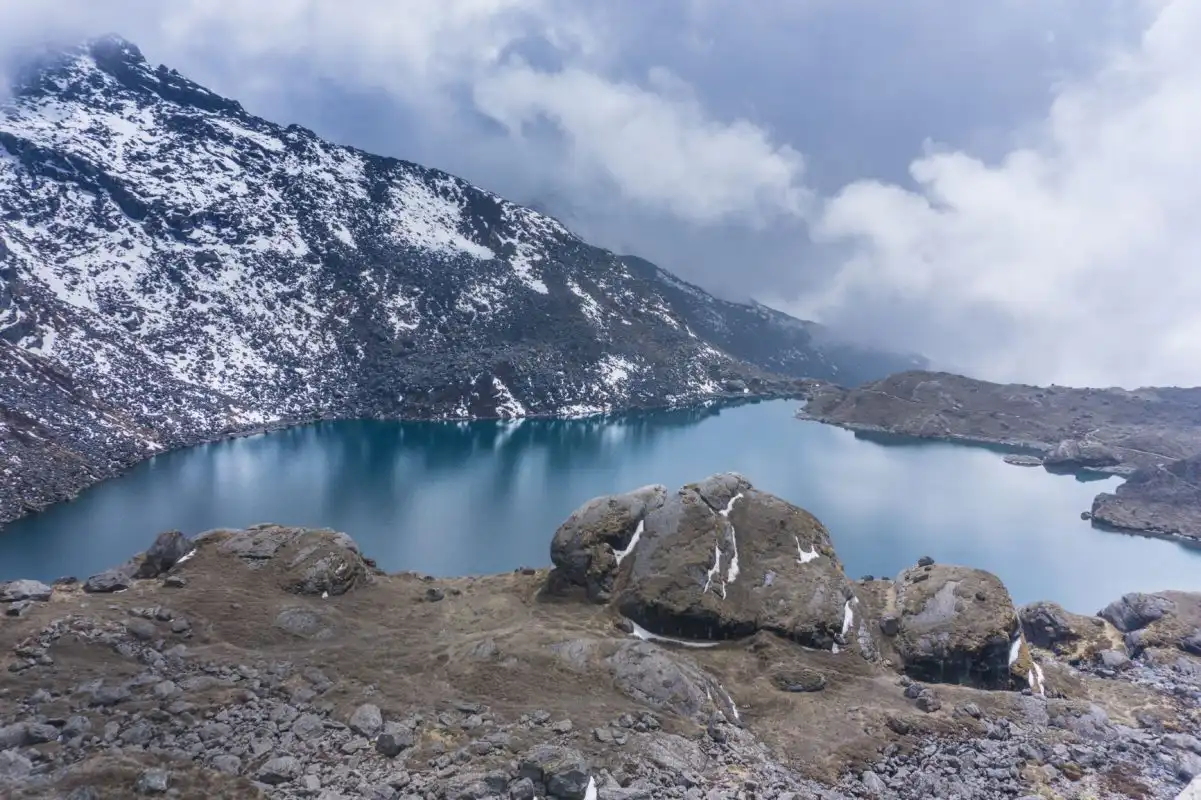
Today, Gosaikunda is an alpine freshwater lake, located within the vicinity of Langtang National Park in Nepal. The lake sits at an impressive altitude of 4380m in the Rasuwa District (almost 50km away from Kathmandu). The magnificent lake spreads at an impressive 34 acres, with at least 108 smaller lakes around it.

Key Attractions of Gosaikunda Lake

Gosaikunda Lake gains fame not only for its exquisite physical appearance but its immensely high religious significance. The lake attracts thousands of Hindus around August every year for Janai Purnima (a widely celebrated Hindu festival).

Popular as a pilgrimage, even the lake’s origin appears in Hindu scriptures of Bhagavata Purana, Vishnu Purana, and the epics Ramayana and Mahabharata. Additionally, Hindu mythology specifies Gosainkunda as the abode of the same mighty Shiva and goddess Parvati.

How to Reach There

The placement of the lake makes it ideal as a tourist destination. Gosainkunda Lake remains a part of many treks around the area, including Gosaikunda Lake Trek, Langtang Trek, and Dhunche-Helambu Trek. Out of the three, the Dhunche-Helambu trek stands as the best comprehensive trek to embrace everything around the Langtang region. Usually, the trek to Gosainkunda begins with a drive from Kathmandu to Dhunche Bazaar (1970m). The trail goes up to Shin Gumba, an old Tibeto-Buddhist monastery at 3335m. The Dhunche-Helambu trek also features picturesque views of the Langtang range, the highest being Langtang Lirung at 7234m.

Best Season to Visit Gosainkunda Lake

The best season to approach Gosainkunda is from April to June or September to December. Flora and fauna are livelier during these months, and the weather is moderately cold enough to walk 4-5 hours every day.

Langtang preserves mystical endangered species such as Himalayan Thar, Assam macaque, and red pandas. Some famous folklore also cites the sighting of Yeti in the pine and rhododendron forests. The Lantang region is home to ethnic groups such as Tamang, Magar, and Gurung and houses Tibeto-Buddhists near the monasteries.

Trekking to Gosaikunda Lake

The treks surrounding Gosainkunda Lake are of moderate grading. Gosaikunda Lake Trek lasts explicitly only about eight days, while others may extend up to 18 days. These treks tend to get difficult in terms of acclimatization. Only gradual acclimatization assures trekkers do not experience altitude sickness. The graveled trails are suited for trekkers with at least a few trekking experiences. Trekkers must be fairly fit in attempts to complete 5 hours of average walking.

The popular method of trekking in the region is Teahouse Trekking. These teahouses have food and lodging services. Additionally, they may also have access to warm water for baths. Trekkers are advised at least to seek knowledge about the area before heading out. In terms of grouping, due to it being in a fairly isolated area, a group of more than two people is suggested.

Entry Protocol for Trekking and Mountaineering Expeditions in Nepal

Entry Protocol for Trekking and Mountaineering Expeditions in Nepal:

As per the information released by the Ministry of Culture, Tourism, and Civil Aviation, all foreign tourists visiting Nepal for Mountaineering Expeditions and Trekking must abide by the following terms and conditions for minimizing the risk of COVID-19 infection. Terms and conditions in this document are valid till a new official notice regarding the same is published by the Government of Nepal.

Terms and Conditions to be followed by Foreign Tourists Visiting Nepal for Trekking and  Mountaineering Expeditions:

  1. All tourists coming to Nepal for mountaineering and trekking must obtain the required visa before arriving in Nepal. In the case of countries where prior visa provision for Nepal is not currently available, expedition teams or trekkers shall coordinate with their Travel/ Trekking Agency based in Nepal for an arrangement of prior approval to enter Nepal. For prior visa approval, the Nepal-based Agencies shall submit all prescribed details of the client/s and relevant details to the Department of Tourism (DoT) for Expedition Teams and the Nepal Tourism Board for Trekking Tours, for a recommendation of visa to be submitted to the Department of Immigration in advance. The concerned Agency shall be notified regarding visa recommendations.
  2. For the tourists arriving in Nepal with visa recommendation and prior approval as per Article 1, the visa shall be provided at the point of entry by the Department of Immigration.
  3. Tourists entering Nepal shall present the following documents at the Nepalese Immigration Entry Point:

a) Negative report of RT (Polymerase Chain Reaction: PCR) test taken within 72 hours before arrival.

b) Visa or prior approval document (ref Article 1) for entry to Nepal.

c) Hotel booking for at least 7 days quarantine in Nepal.

d) Insurance Coverage of at least US$ 5,000.00 (Five Thousand US Dollars) against COVID-19 per person.

4. After entry to Nepal, tourists shall stay in hotel quarantine for a minimum of 7 days.

5. Tourists shall be required to take PCR test on the fifth day of hotel quarantine at their own expenses and shall be allowed to proceed for expeditions or trekking on obtaining RT PCR Negative test report.

6. As per Article 5, a tourist who tests RT PCR Positive for COVID-19, quarantine shall be extended till he/she obtains an RT PCR  Negative test report.

7. Expedition or trekking teams shall provide insurance coverage of a minimum of NPR 100,000.00 (One Hundred Thousand Nepali Rupees only) against COVID-19 to team members from Nepal prior to obtaining permission for expedition or trekking.

8. While in expedition or trekking in Nepal, health protocols issued by the Ministry of Health and Population of the Government of Nepal shall be duly followed.

9. Other terms and provisions to be followed by tourists in Nepal shall be as per regular notice and updates published by the Department of Tourism. The concerned Agency shall provide detailed information on the entry protocols to their clients/ tourists before the expedition or Trekking in Nepal.

Lumbini

Lumbini, situated in Nepal’s Rupandehi district, holds profound historical, cultural, and spiritual significance as the birthplace of Siddhartha Gautama, who later became known as Gautama Buddha. Recognized as a UNESCO World Heritage Site in 1997, Lumbini attracts pilgrims and visitors from around the globe, drawn by its rich heritage and tranquil ambiance.

Historical Significance

According to ancient Buddhist scriptures, Queen Maya Devi gave birth to Siddhartha Gautama in 623 BCE in the Lumbini garden, under a Sal tree. This event is commemorated at the Maya Devi Temple, which houses the exact spot of Buddha’s birth, marked by a stone slab and the Nativity Sculpture. Adjacent to the temple stands the Ashoka Pillar, erected by Emperor Ashoka in 249 BCE, bearing an inscription in Brahmi script that identifies Lumbini as the birthplace of Buddha .

The rediscovery of Lumbini in 1896 by General Khadga Shamsher and archaeologist Dr. Alois Anton Führer brought global attention to the site. Excavations revealed ancient structures dating back to the 3rd century BCE, including remnants of monasteries and stupas, underscoring Lumbini’s longstanding role as a center for Buddhist pilgrimage .

Cultural Heritage

Lumbini’s cultural landscape is a testament to its enduring spiritual legacy. The site encompasses the Sacred Garden, the Monastic Zone, and the Cultural Center and New Lumbini Village.

  • Sacred Garden: This area includes the Maya Devi Temple, the Ashoka Pillar, the Marker Stone, the Nativity Sculpture, the Puskarini Sacred Pond, and other structural ruins of Buddhist stupas and viharas. The garden remains the epicenter of the Lumbini area and consists of monuments of archaeological and spiritual importance .

  • Monastic Zone: Spanning an area of one square mile, the monastic zone is divided into two zones: the East Monastic Zone, representing the Theravada school of Buddhism, and the West Monastic Zone, representing Mahayana and Vajrayana schools. Many countries have established Buddhist stupas and monasteries in the monastic zone with their unique historical, cultural, and spiritual designs .

  • Cultural Center and New Lumbini Village: This area comprises the Lumbini Museum, Lumbini International Research Institute, World Peace Pagoda of Japan, Lumbini Crane Sanctuary, and other administrative offices. These institutions focus on the history and heritage of Lumbini and promote research and education related to Buddhism .

Lumbini’s designation as a UNESCO World Heritage Site in 1997 underscores its outstanding universal value and the need for its conservation and management .

Spiritual Significance

Lumbini serves as a hub for meditation and spiritual practice. Centers like the Panditarama Lumbini International Vipassana Meditation Center and Dhamma Janani offer courses in Vipassana meditation, providing practitioners with opportunities to delve into mindfulness and inner peace . These centers attract individuals seeking spiritual growth and tranquility in the birthplace of Buddha.

The site’s serene environment, including the Sacred Garden and the Puskarini Pond, enhances its appeal as a place for reflection and meditation. Pilgrims and visitors often find solace in the garden’s calm atmosphere, ideal for contemplation .

Archaeological Discoveries

The rediscovery of Lumbini in 1896 by General Khadga Shamsher and archaeologist Dr. Alois Anton Führer brought global attention to the site. Excavations revealed ancient structures dating back to the 3rd century BCE, including remnants of monasteries and stupas, underscoring Lumbini’s longstanding role as a center for Buddhist pilgrimage .

Monastic Zones

Lumbini’s monastic zones, divided into eastern and western sectors, showcase a diverse array of monasteries built by Buddhist communities from around the world.

  • East Monastic Zone: This area features Theravada monasteries from countries like Thailand, Myanmar, and Sri Lanka. Notable structures include the Royal Thai Monastery, constructed from gleaming white marble, and the Myanmar Golden Temple, designed to resemble the Shwedagon Pagoda in Yangon .

  • West Monastic Zone: This zone houses Mahayana monasteries from nations such as China, Japan, and South Korea. The Dae Sung Shakya Temple from South Korea stands out as one of the tallest monasteries in Lumbini, offering accommodation to visitors .

These monasteries, each reflecting their country’s architectural styles, contribute to Lumbini’s cultural mosaic and offer spaces for meditation and reflection.

Meditation and Spiritual Practice

Lumbini serves as a hub for meditation and spiritual practice. Centers like the Panditarama Lumbini International Vipassana Meditation Center and Dhamma Janani offer courses in Vipassana meditation, providing practitioners with opportunities to delve into mindfulness and inner peace . These centers attract individuals seeking spiritual growth and tranquility in the birthplace of Buddha.

Natural Beauty and Tranquility

Beyond its historical and spiritual allure, Lumbini’s serene environment enhances its appeal. The Sacred Garden, encompassing the Maya Devi Temple and Ashoka Pillar, offers a peaceful setting adorned with ancient trees, ponds, and prayer flags. The Pushkarini Pond, where Queen Maya is believed to have bathed before Buddha’s birth, adds to the site’s sanctity . Visitors often find solace in the garden’s calm atmosphere, ideal for meditation and contemplation.

Conclusion

Lumbini stands as a testament to Nepal’s rich cultural and spiritual heritage. Its historical landmarks, diverse monasteries, and tranquil ambiance make it a must-visit destination for those seeking spiritual enrichment and a deeper understanding of Buddhism’s origins.

Bandipur

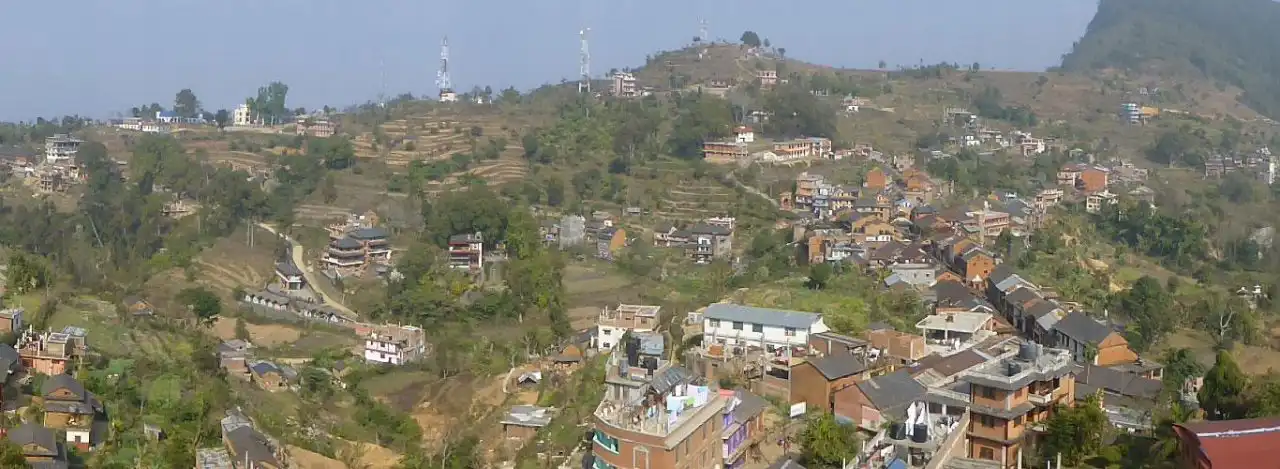
Bandipur is a hidden amid the vast expanse of lush green hills. The small town of Bandipur is the perfect embodiment of Newari settlements in Nepal. Unlike others, the small town’s beauty is due to the traditional architecture of the houses in the city that have been preserved to this day. The rarity of modern houses and settlements and the rich cultural presence in this place is what make Bandipur one of the best places to visit in Nepal.

Bandipur lies just 143km west of Kathmandu and is located a diversion away from the road that connects Kathmandu and Pokhara. Thus, it is the perfect place to take a night’s rest while traveling from Kathmandu to Pokhara.

The history of Bandipur suggests that it once used to be one of the essential stops in Tibet’s trade route. Few of the traditional shops remained from when it was the trade route in Bandipur. Most of the houses’ architecture dates back to the 18th century, making it a museum of a kind that depicts the lifestyle of the people in the 18th century in perfection.

Bandipur was formerly a Magar village, but as times have passed, several other settlers have now made Bandipur their home, which includes Brahmins, Chhetri, Newar, and Gurungs, and so on.

What makes the experience even more wholesome is the warm and welcoming attitude of the residents, which is not different from people’s attitudes back in the 18th century. The traditional houses are adorned with a variety of flowers, making the sight pleasing to the eye. The junctures and streets are also riddled with several small and large temples, increasing Bandipur’s cultural significance.

Bandipur is a place for relaxation and rejuvenation of energy. Away from the bustling city of Kathmandu, it is the best place to enjoy strolls at your own pace while taking in the spectacular mountain sights and the clear air. Guests can enjoy warm local tea in the local tea house or a cup of coffee with a book in a hand in the local bakeries. The local bakeries are a touch of the modern era in the otherwise traditional town.

On top of the culture is the breath-taking view of mountain ranges accompanied by a range of wide green hills. A small trek to the Martyrs memorial park or the nearby Tudhikhel (park) introduces the enthralling bird-eye view of Kathmandu valley along with a myriad of other settlements along the way. There is also the option of a 30-minute walk to the viewpoint of Tani Mai Temple from where one can see the panoramic sight of stunning mountain ranges.

There are also options for biking or hiking adventures in Bandipur. The most famous is the hiking trail to Siddha Gufa, which is the largest cave in Nepal. Chanting can be heard continuously from deep within the cave, which is home to a resident Sadhu. From the cave, the view of mountain vistas and the rushing Marsayangdi River becomes even clearer. The whole hike to the cave and the feeling of tranquillity once you reach the cave is nothing but refreshing. There is also a Launchpad just above the town from where travellers can enjoy paragliding. 

Other famous attractions in Bandipur village include the Bindabasini Temple, Tindhara, Raniban, etc. Raniban, which translates to the queen’s forest, is notorious for being one of Nepal’s most haunted places.

Bandipur’s quiet and isolated environment is what makes it one of the best travel destinations in Nepal.

Pokhara

Located west of Kathmandu at a distance of 203 km, Pokhara’s valley is the second-largest valley in the hilly region of Nepal. It is also one of the most visited travel destinations in Nepal. This popularity of Pokhara is courtesy of all the wide range of activities which you can enjoy here accompanied by the stunning sight of mountain vistas, shimmering lakes, and dense green forests. These activities include different kinds of adventure sports, treks, tours, and so on. These activities are also the opportunity to experience the unique lifestyle of the people living in Nepal’s hilly regions.

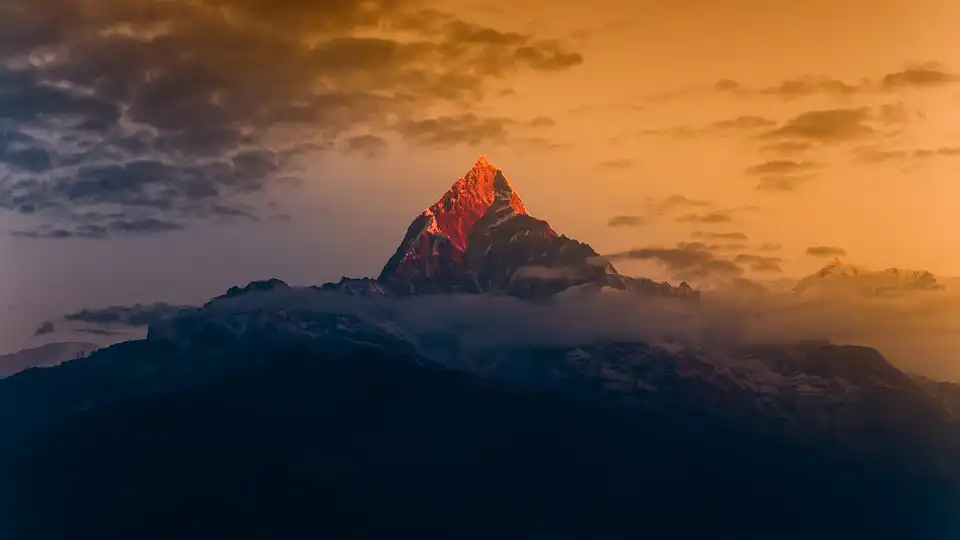
The natural beauty of Pokhara is unrivaled. It is a gateway to countless trekking routes to the Annapurna region. One of the most famous treks globally, the Annapurna Base Camp trek, also starts from here! So, Pokhara is surrounded by the spectacular view of the Annapurna range, followed by other snow-covered peaks. The assemblage of mountain peaks includes Dhaulagiri (8167m), Annapurna II (7937m), Machhapuchhre (6993m), Manaslu, and so on. Travelers can take a short trek to popular destinations like Sarangkot, Shanti Stupa, and so on to bask in the close-up view of the marvelous Himalayan ranges and a beautiful bird-eye view of Pokhara Valley. The view of mountains is more evident during the spring and autumn season.

Pokhara is also gifted with many water bodies, including lakes like Phewa Lake and Begnas Lake. The Seti-Gandaki river flows throughout Pokhara’s valley, creating several gorges that are hundreds of meters deep. Pokhara’s most enthralling thing is its porous underground, which has allowed the formation of several underground caves.

Gupteshwor Cave and Mahendra Cave are two of the most visited caves in Nepal, which reside in Pokhara. Just outside the entrance of Gupteshwor is also the stunning waterfall named Patale Chhango (a.k.a. Davis Falls).

The fascinating rise and fall in altitude in a short distance is the specialty of Pokhara. Owing to this, travelers can enjoy several extreme sports at an affordable price. One can enjoy bungee jumping, white water rafting in the Seti River, zip-lining (fastest zip line in Nepal), paragliding, and so on. To come down from the extreme sports rush, you can then enjoy a relaxing day drifting along the Fewa Lake in a boat and enjoy bird watching.

Pokhara also has high cultural importance. It contains many temples and stupas that are visited by many Hindu and Buddhist Pilgrims every year. The Bindabasini temple, which lies in the middle of Phewa Lake, is one of Pokhara’s most popular pilgrim destinations. There is also the Gupteshwor cave where the sacred statue of Lord Shiva resides. Stupas like the World peace stupa (Shanti stupa) and Matepani Gumba are extremely important to the Buddhist pilgrims.

The lifestyle of the Pokhara valley is a mix of modern and traditional lifestyles. On the one hand, the outskirt of Pokhara valley perfectly depicts Nepal’s hilly regions’ lifestyle. The lone mud houses with a thatched roof, terraced paddy fields, and traditional farming methods and agriculture are common features of Nepal’s hilly regions, which can be found in Pokhara.

On the other hand, the nightlife of Pokhara is stunning. The lakeside area is filled with countless bars and restaurants which are open until late at night. It is the best atmosphere to wind off from a tiring trekking journey with a beer in one hand and overlooking the light reflecting from Phewa Lake.

Bird watching in Nepal

Nepal is a utopia for bird watchers from all around the world. Albeit small in size, the country of Nepal hosts several wildlife conservation areas that are dedicated to protecting its unique flora and fauna.  Under this protective umbrella, Nepal hosts a group of over 850 species of birds. Most of these species of birds reside in the Birds and Biodiversity Areas (IBAs) of Nepal. More than 500 species of birds can be found in and around Kathmandu alone. Some of the birds’ species are native to and can only be found in certain parts of Asia, including Nepal.

Bird Watching in Nepal

Bird watching in itself is a rejuvenating endeavor, but bird watching in Nepal is a different experience altogether. For one, there is the thrill of looking over some of the rarest and most beautiful species of birds in the world. And then there is the backdrop of stunning mountain ranges and the picturesque natural beauty of Nepal. The white and green background illuminates the birds’ beauty, so get your camera ready to capture perfect photographs.

Bird Watching in Southern Plain

The tropical forests of the Terai region of Nepal host the total number of birds in Nepal. Koshi Tappu Wildlife Reserve is one of the best places for bird watching in Nepal as it holds a total of 423 species of birds, of which 170 species can be viewed in a day. It is also home to 13 of the most endangered species of birds in Nepal.

Grey-headed Fish Eagles, Black-bellied Tern, Indian Skimmer, White-Tailed Eagles, Imperial Eagles, Spot Bellied Pelican, Black-necked stork, Yellow-vented warbler are among the many species that can be seen from the Koshi Tappu Wildlife Reserve.

Chitwan National Park also holds many near-extinct species like Indian Spotted Eagle, Bengal Florican, Grey-crowned Prinia, Slender Billed Babbler, and so on. Bardia National Park and Shuklaphanta Wildlife Reserve are also among the places best for bird-watching in Nepal.

Bird Watching around Kathmandu Valley

Shivapuri, for bird watchers, is a must-visit site. The Spiny Babbler, which was considered the only endemic bird of Nepal, can be found in the forests of Shivapuri National Park. It is extremely shy so locating one is always a once-in-a-lifetime experience for anyone, especially bird-watchers.

There are also places around Kathmandu, which are famous as bird watching sites. These include places like Godavari, Phulchowki, Nagarjun, Rani Ban, Bagmati River, and the beautiful Taudaha Lake, where you can enjoy the beautiful view of several migratory birds.

Bird Watching in Mountains of Nepal

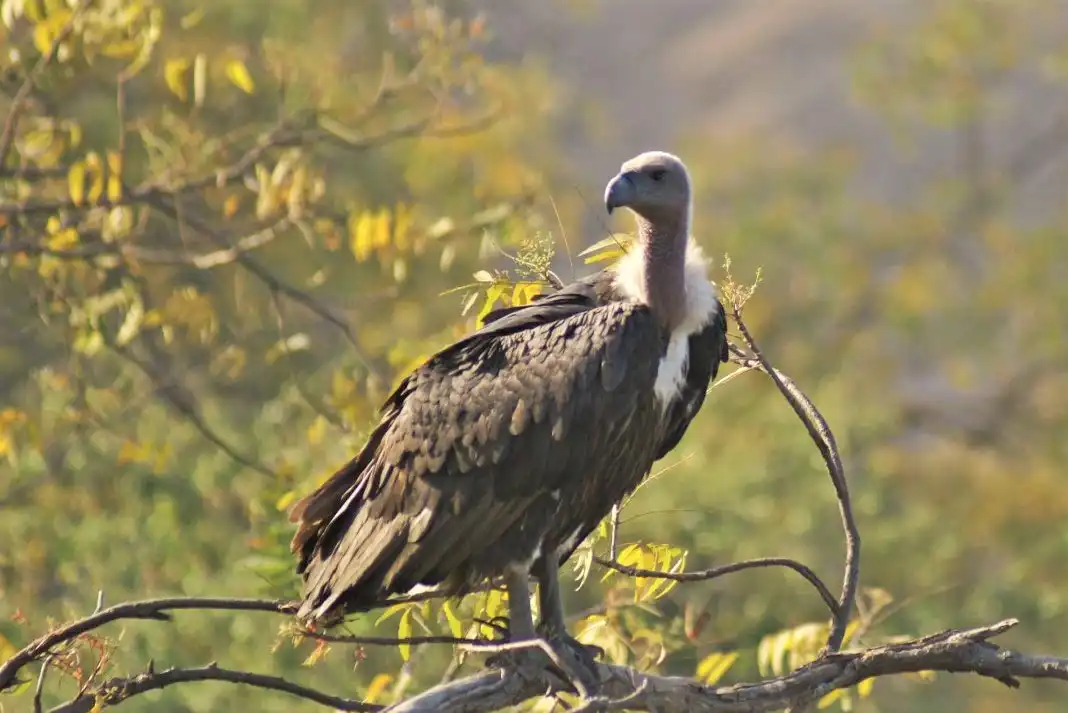
The mountain regions of Nepal are filled with several species of predatory birds like eagles and vultures. Danphe (Impeyan Pheasant), the national bird of Nepal, can be found best in the higher altitudes. Also, Wood Snipe, Nepal Wren-Babbler, Cinereous Vultures, Himalayan Monal, and so on can be spotted in the higher altitudes.

 Best time for Bird Watching in Nepal

Bird-watching in Nepal is extremely affordable and cheap if you have your bird-watching equipment. If not, you can buy high-quality equipment in Nepal at a reasonable price as well. Most of the bird-watching trips last for one day to 15 days according to your wishes.

The best time for bird watching falls between October and March. At this time, you can not only view a larger species of birds under the clear skies but are also greeted with the stunning view of mountains in the background.

Conclusion

For avid bird-watchers, Nepal is a site of extreme importance and one you shouldn’t miss out on. The view of hundreds of species of endangered birds flying along the tall Himalayan Massifs is something that will remain in your memories forever.

Patan Durbar Square

Patan Durbar Square lies in the heart of Lalitpur. It is one of the three Durbar Squares present in the Kathmandu Valley, also known for its extreme cultural and architectural importance in Nepal. Patan Durbar Square has also been listed as a World Heritage Site by UNESCO and is one of Nepal’s most visited places.

Patan, where Durbar Square lies, is one of the oldest cities in Nepal. Ancient scriptures also point towards Patan as one of the more prosperous cities in those times. Newar settlements mostly surround it. There is more than 100 courtyard surrounding the Patan Durbar Square. Patan also holds 56 significant temples, which are still preserved to this day. The square has religious significance for both Hindus and Buddhists.

Patan Durbar Square is best known for its immense historical and cultural importance in Nepal. Although its establishment’s real history is unknown, the royal square is filled with architectural monuments erected by the kings of the Malla Dynasty, dating back to the 1600s. The unique style of architecture is the focal point of Patan Durbar Square. Visitors are always in awe at the tall pagoda-style palaces, wide courtyards, and ancient statues and scriptures. The windows and doors in the palaces are made of wood and have intricate carvings of flowers, goddesses, and other figures which depict the cultural beliefs of people living in Patan in ancient times.

The most famous important temple which lies inside the square is the Krishna Mandir, which contains a shrine dedicated to Lord Krishna. The temple gets crowded with devoted believers of Lord Krishna during Krishnajansthami. Other major temples in the square include the Bhimsen Temple, Vishwanath Temple, and Taleju Bhawani Temple, all of which were established in the 1600s. The temples, red brick pavements, the busy markets surrounding the square, and the sight of old buildings with similar architecture to the palaces make travelers feel like they have traveled back in time.

Unfortunately, during the earthquake of 2015, most of the monuments were severely damaged. Most of the damages have already been mended with renovations, and some are still being renovated.

Art and craftsmanship are abundant in and around Patan Durbar Squares. As you pass through the narrow stone-paved pathways, you will come across several metal craftsman workshops and art workshops. The art is mainly focused on the painting of gods and goddesses and the natural monuments flaunting Nepal’s natural and cultural beauty. The art of wood crafts and Thanka painting has also been handed over to new generations, and you can find a glimpse of it here and there.

Rich cultural presence defines the environment of Patan Durbar Square. Festivities like the Rato Macchindranath Jatra fill Patan’s streets with joy every year as thousands of people crowd around the Durbar Square to celebrate.

The marketplaces surrounding Durbar Square are also one of its specialties. The feeling of warmth as you enjoy local Newari Delicacies, sitting in the old local houses, cannot be replicated anywhere else. Travelers can also look through several spice markets and buy exotic spices to take home to their family and let them enjoy the local delicacy as well. Metal statues and wood carvings make for a perfect souvenir.

The art, architecture, and rich cultural ambiance of Patan Durbar Square are sure to leave a lasting memory. This makes Patan Durbar Square one of the must-visit sites in Nepal and the world.

Free Travel Guide
Your Perfect, Personalized Journey Awaits
profile
Bhagwat Simkhada Seasoned Travel Expert with Years of Experience