Travelling and if you are an adventure passionate, a change of Scenario can bring new excitement, experience, and joy in your busy and stressful life. If you are looking forward to a vacation, Nepal can be your perfect decision for all kinds of activities.
Nepal is not just a limited experience available to its unique and wonderful cultural heritage tour and high mountains expedition and the Himalayas, but it also has to offer the best thrilling all types of easy, moderate, difficult, and strenuous Trekking itinerary experience.
Nepal has some of the best trekking routes in the world, which are full of thrill, adventure, and joy, and can give you a memory of a lifetime experience.
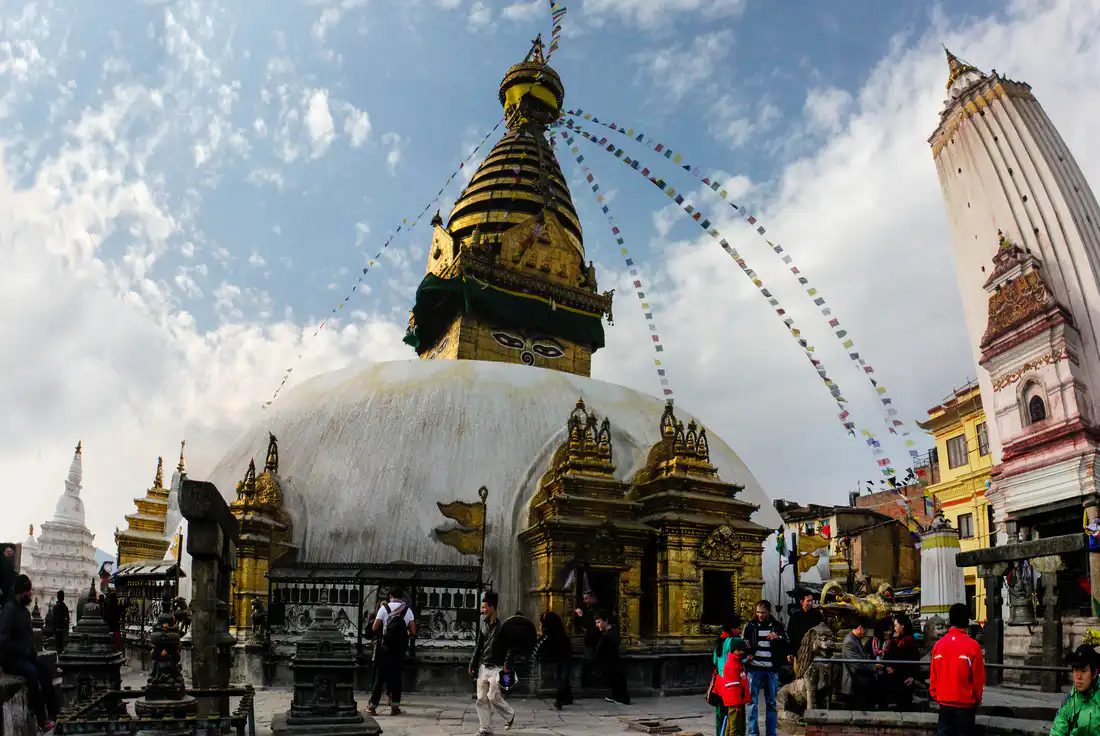
Trekking in Nepal not only lets you enjoy the natural beauty and cultural heritage sites of Nepal, but also helps you enjoy the beautiful native and traditional local people living lifestyle. Nepalese nature and culture also help you to achieve peace of mind and body, losing yourself in the peaceful nature.
Trekking is the main reason, so every year more than three hundred thousand trekkers in Nepal to enjoy various trekking trails. Out of all the trekkers who come to Nepal for any kind of trekking, most of them face unconditional confusion related to which trekking route they should choose.
Keeping in mind to clear the confusion of the trekkers, we have come up with the list of the Top 10 best Treks in Nepal, which will help you to give you a heavenly experience and the best adventurous experience of your life.
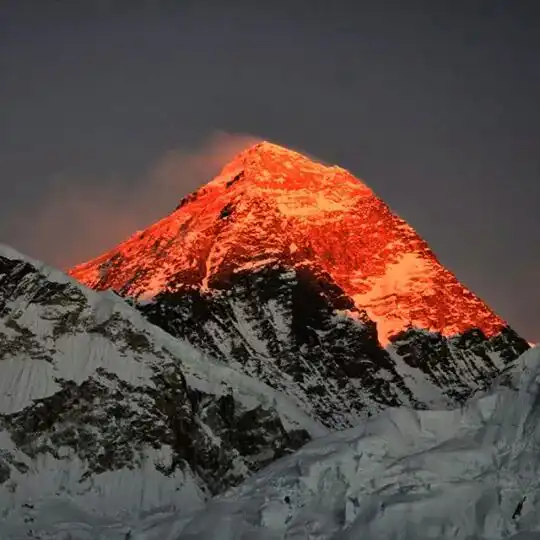
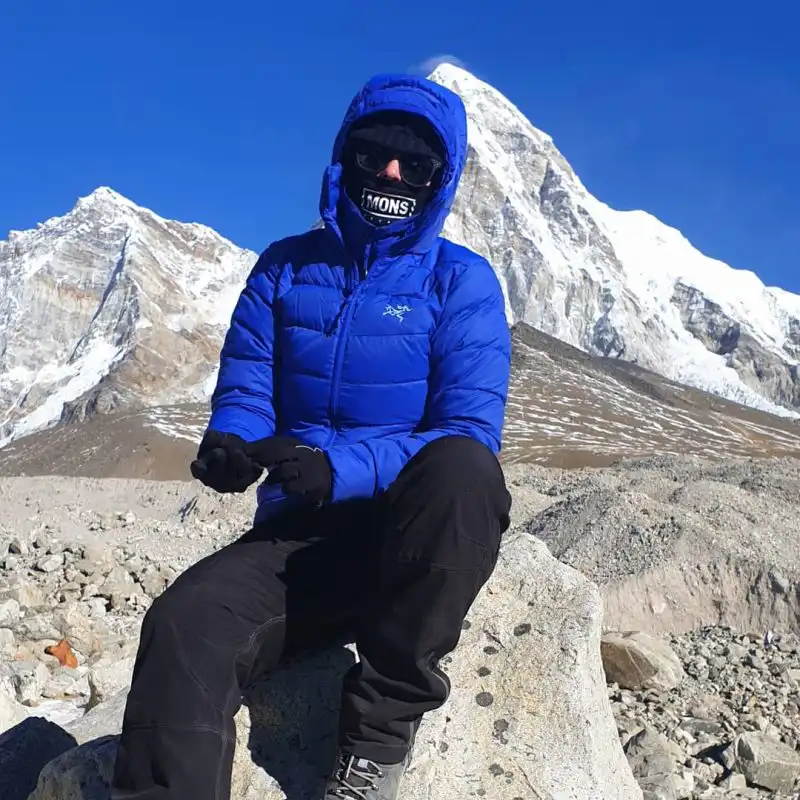
Everest Base Camp Trek is the most popular trekking expedition route in the World. This trekking journey provides trekkers to witness some of the most amazing scenic beauty of the Khumbu area in Sagarmatha National Park.
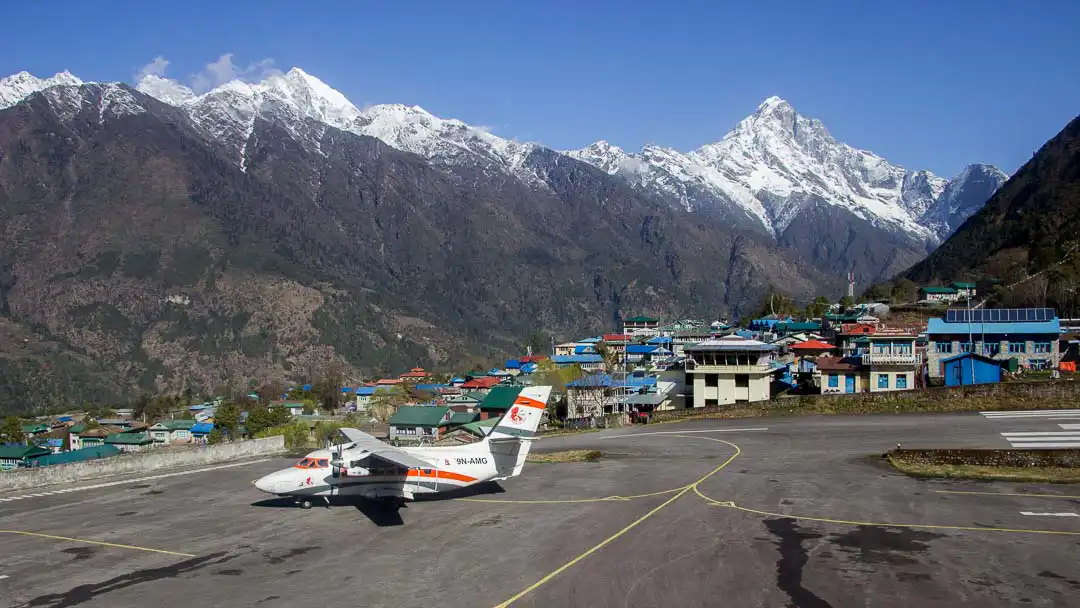
Everest trek consists of some of the most numerous natural attractions destinations like the famous Lukla (one of the most dangerous airports in the world) Namche Bazaar which also called the “gateway to Everest Region”, Gokyo Lake, Gokyo Ri, Dingboche, Tengboche, and Goreshep the Everest Base Camp Trek consists of all the most elegant elements and aspects of trekking in the Khumbu region and into the of the world’s tallest mountain- the Mt. Everest (8848m).
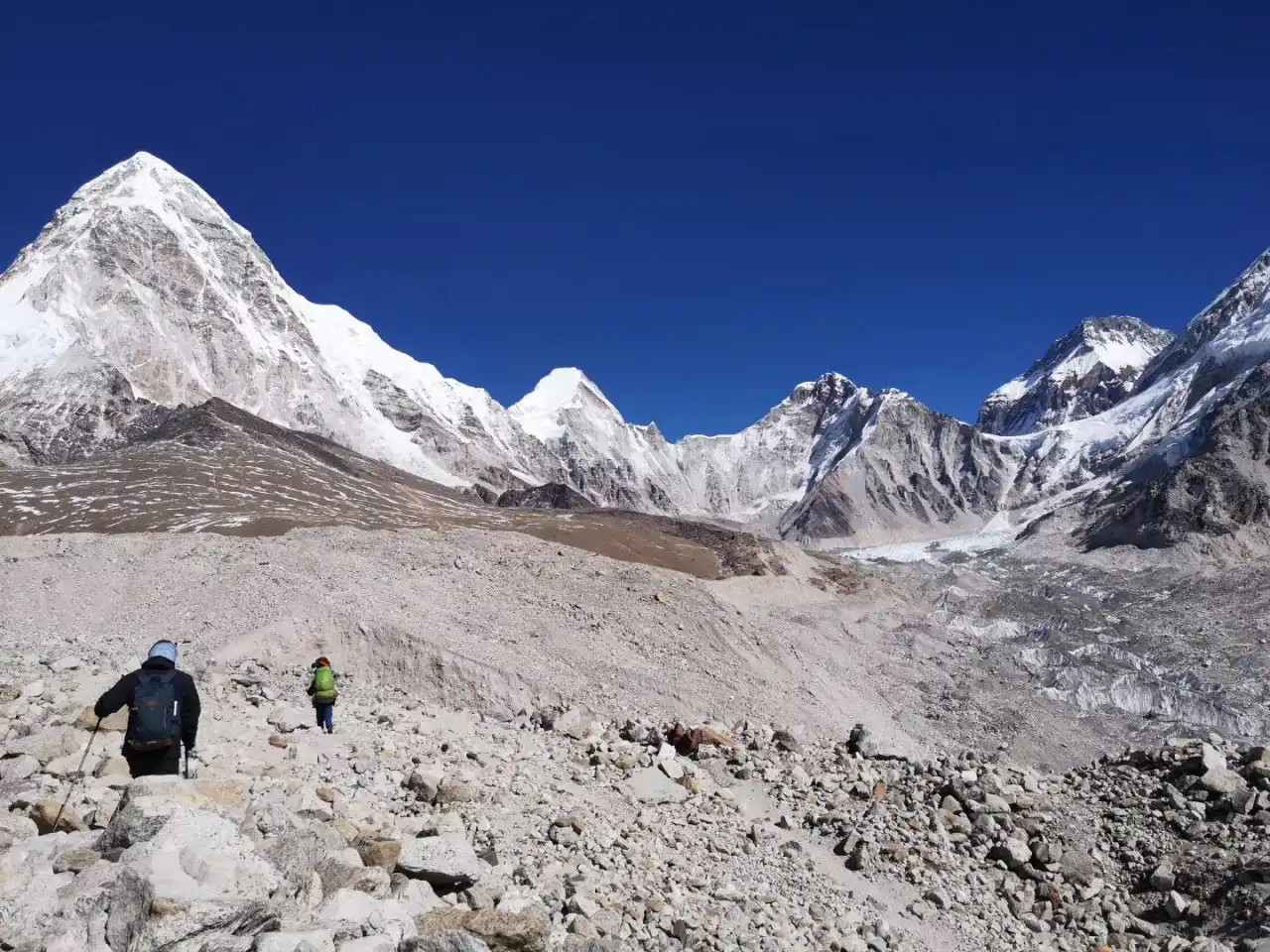
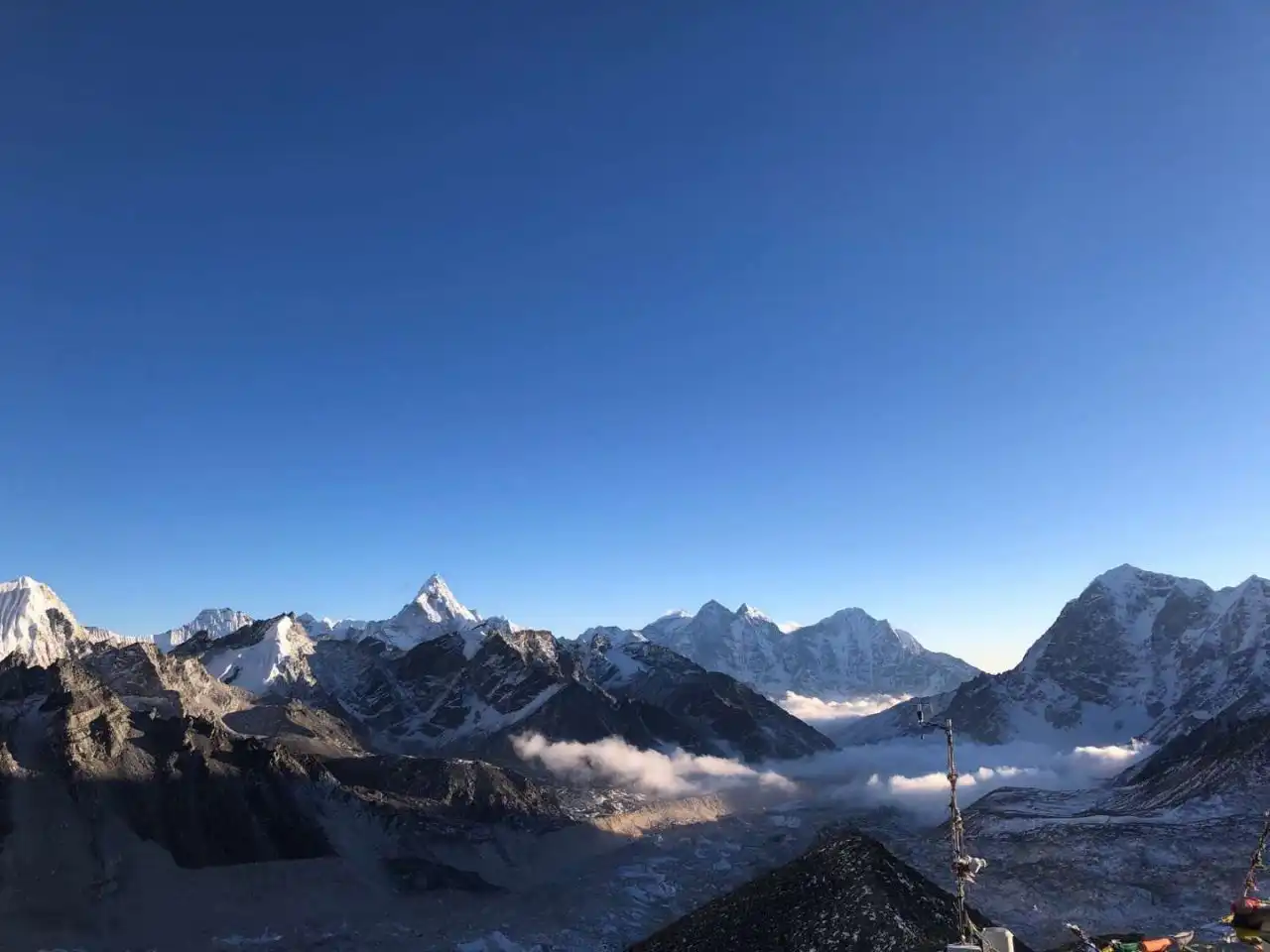
This trekking trail passes through the world heritage site Sagarmatha National Park and offers visitors fantastic views of Nuptse (7861 m), Lhotse (8516 m), Gyachung Kang (7952 m) Cho Oyu (8201 m) Nangpai Gosum (7350 m), Pumori (7161 m), Lingtren (6714 m), Khumbutse (6440 m), Taboche (6542 m), Cholatse (6440 m), Imja Tse Island Peak (6160 m), Lobuche (6145 m), Nirekha (6069 m), Pokalde (5806 m) and the Ama Dablam (6812 m) among many others high mountains and peaks. The Everest Base Camp Trek also lets trekkers enjoy the beautiful view of the Khumbu Icefall and the Khumbu Glacier. Together, you also visit many Sherpa villages, cultures, and monasteries, and their spiritual hub on the trek.
Kalapatthar is the highest viewpoint in the Everest Base Camp Trek, which allows us to enjoy the fantastic and incredible views of the highest mountain in the world, Mount Everest. There are so many circumstances that make the Everest Base Camp trek the best adventure trek in the world, with thousands of trekkers taking part every year.
For all the international travellers, Everest Base Camp has become one of the most popular trekking destinations in the world, offering the chance to gaze at the magnificent view of the world’s highest mountain, Mount Everest.
Everest Base Camp in Nepal, at an altitude of 5,364m, and the opposite side of Everest, North Base Camp, 5,150m from the Tibet side, are the terms used to describe two base camps. Everest expedition climbers use both campsites during their ascent and descent to the top of the world. The Nepal side south face is the most popular, and the Tibet side.
Annapurna Base Camp Trek is designed for trekkers who wish to reach the Annapurna Sanctuary Trek in a relaxed manner with visits to the Annapurna Conservation Area. The Annapurna Base Camp trek passes through some of the typical Gurung, Magar villages communities of Nepal with natural and scenic beauty valleys and amazing green forests with different colours of rhododendron flowers, and the beautiful Modi river beginning from Annapurna range covering all the incredible views before finally reaching the base of Annapurna Base Camp (4170m) passing through the Machhapuchhre Base Camp Camp (4000m).
This Trek passes through a wide variety of landscapes and different geographical areas with rich flora and fauna. It also lets you enjoy the amazing high Mountains like Mt. Dhaulagiri (8167 m), Mt. Manaslu (8156 m), Mt. Annapurna (8091 m), Mt. Annapurna II (7937 m), Mt. Annapurna III (7555 m), Mt. Nilgiri (7061 m), Mt. Hiunchuli (6441 m) Mt. Gangapurna ( 7455 m) Mt. Tukuche (6920 m), Mt. Annapurna south (7219 m), Mt. Machhapuchhre (Fish Tail) (6993 m), and Mt. Nilgiri North (7061 m) and many more.
This trekking trail passes through valleys and different villages, Ghandruk, Tikhedhunga, Ghorepani Sinwa, Chommrong, Tolka, Pothana, Landruk, Tadapani, Dhampus, Bamboo, Himalaya, Hinku Cave, Ulleri, Banthati, Poonhill, Deurali, and Jhinu Danda. Here, you can relax at the natural hot spring are the major villages cover before reaching the Annapurna base camp. Ghorepani Poonhill (3210m) is another main attraction for an amazing sunrise viewpoint in the Annapurna region. Annapurna Base Camp gives you a spectacular view of Mountain ranges and a breathtaking walking experience, which is like a reward to the people who love to do adventure and trekking in Nepal.
This trek is flocked by trekkers of all age groups, so don’t need any technical skills to conquer this trek. Also, trekkers need not worry about high Altitude Sickness. Even though, do carry Diamox medicines to tackle altitude sickness if it’s your first time climbing to high altitudes.
The Langtang Valley Trek is a popular trekking destination in Nepal. It is situated 51 kilometres north and is the nearest adventure trekking route from the Kathmandu valley. The Tibetan and Tamang culture for its varied vegetation and cultural villages with the backdrop of the Langtang range, make up exciting trekking trails. The flora and fauna in the Langtang National Park are quite surreal as other National parks in Nepal. All in all, the trek is a glorious trip into Langtang Valley is also called the “Valley of Glaciers”. Where we find the ice glaciers at a low level of mountains.
Tibet is bordered on the north by the main crest of the Himalayas, dominated by Langtang Lirung the highest peak in this area to the south Part is the Chimse Danda (ridge) crossed by the Ganja La pass (5,122 m), and Jugal Himal, culminating in Dorje Lakpa. Glaciers spawned from the slopes of Langtang Lirung, Dorje Lakpa, and many other peaks creat the Langtang Khola (river). The Trishuli and Bhotekoshi are formed by the Langtang range as it above Dhunche, forms an important corridor and ancient trade between Nepal and Tibet route through the mountains between the Langtang and Ganesh Himal up to Kerung town near Nepal border in Tibet.
The trekking journey offers a great vantage point of Kyanjin Ri (4,773 m) The Langtang valley offers stunning and panoramic views of the mountains which stays forever in one’s memory of Dorje Lakpa (6,966 m), Langtang Lirung (7,234 m), Langtang Ri (7,205 m), Loenpo Gang (6,979 m), Changbu (6,781 m), Yansa Tsenji (6,690 m), Kyunga Ri (6,601 m), Dogpache (6,562 m), Langshisha Ri (6,427 m), Gangchenpo (6,387 m), Morimoto (6,150 m), Tsogaka (5,846 m), Yala Peak (5,520) m, Ganesh Himal (7422m) and many more along with the views of the Jugal ranges, Mount Makalu on the eastern part of Nepal and Annapurna ranges on the west.
Langtang region is surrounded by a tranquil rural landscape and offers a great opportunity to explore the beautiful and amazing culture of the ethnic Tamang community groups live along on these trekking trails. Driving from Kathmandu to Syabrubesi to reach Langtang National Park head to Lama Hotel. Exploring the amazing places Ghodatabela means the horse stable, Langtang village, Kyanjin Ri (4,773m) is the highest point in this area, Kyanjin Gompa. This monastery is one of the oldest ones in this region. You can make a detour to Gosainkunda Lake, Helambu Valley trek, or Yala peak climbing if you have the time and interest to explore more of this region.
Langtang National Park contains a wide variety of climate from subtropical to alpine, deciduous oak, maple, evergreens like pine, and various types of rhododendron flowers trees found in Langtang valley. Different species of birds like vulture, eagle, crow, Lophophorus (impejanus), and Animal life include the Himalayan black bear, the mountain goat (Himalayan tahr), Assam macaque and red pandas. The local people also believe in the stories of Yeti sightings.
The Manaslu Circuit Trek is an incredibly amazing trek that showcases unforgettable and beautiful scenic views of the great Himalayas trails in Tsum valley. Local Tibetan People also called the Kutang Himal. Manaslu Trek also offers tranquil beauty and cultural harmony while trekking through a series of landmarks in the restricted areas. The off-beat trekking trails display authentic Tibetan and Nubri culture. Mt. Manaslu (8163m), Manaslu Base camp (4800m) and Manaslu Conservation Area are the highlights of this trek. Manaslu region is located in the Mansiri Himal, in the west-central part of Nepal in Gorkha district.
This trekking trail passes through the 8th highest mountain Mount Manaslu and reaches its highest point at Larkya Pass (5160m) which offers the trekkers magnificent views of Mount Manaslu. Manaslu Circuit Trek passes through fabulous Tibetan-style villages, panoramic views of the mountain, Buddhist and Hindu style villages and culturally fascinating local Buddhist monasteries, and cultural monuments profoundly challenging Mountain Passes. The trek heads from Soti Khola to the north towards Bihi passing Philim on the way. You, also head west pass Lho, Sho, and Sama Gaun (villages), Birendra Lake. Next, you cross the adventurous Larkya La Pass (5160m) and descend along the Marshyangdi River. There is one more rest in Samdo village for the Tibetan border Ruila Pass (4998m).
Manaslu region offers you company along the trail you can enjoy the views of Ganesh Himal and Shringi ranges with an amazing view of Himalchuli (7,893 m), Ngadi Chuli (7,871 m) and on the western part, you will see the great mountains ranges of Annapurna (8091 m), Gangapurna ( 7455 m), Tukuche (6920 m), Annapurna south (7219 m)Annapurna II (7937 m), Annapurna III (7555 m), Machhapuchhre (Fish Tail) (6993 m), Nilgiri (7061 m), Hiunchuli (6441 m) and Mt. Nilgiri North (7061 m) and many more.
Manaslu Circuit trek course is one of the most varied, isolated, remote, and full of different landscapes and topography. It offers the trekkers an adventure of a lifetime experience to explore the scenic beauty of the Himalayan ranges. It is claimed as one of the best trekking expedition of the route in the World these trekking trails are hard and off-beat, so you need to be in good physical shape. You can also do the Tsum Valley trek or join Annapurna Circuit Trek if you have the time and want to explore the Annapurna conservation area.
Ghorepani Poon Hill Trek is the most famous trekking route in the southern foothills of the Annapurna massif. It is considerably easy and short hiking around Pokhara compared to other trekking routes in Nepal. You walk along the terraced local farmlands and beautiful greenery fields, local farmers planting their crops on the traditional way on this trekking route. An exciting insight into the ethnic Gurung, Magar, pun, and other cultures, grand natural beauty, are the highlights of this trek. You can witness the beautiful varieties colour of the rhododendron flower forest and the warm hospitality of the Gurung and Magar people.
Poonhill, 3210m is one of the main attraction points in the Ghorepani Poonhill trekking part. Amazing smile face and great customer service of Poon (Pun) ethnic people and incredible sunrise view from Poonhill early in the morning. 20 min distance from Ghorepani village to Poonhill (3210m) climb before the sunrise and waiting for the first sunlight touch into the high mountains changing the colour into yellow and red. Poonhill is the highest point in this trekking so you get to see the many high mountains and peaks Mt. Mardi Himal (5553 m), Mt. Dhaulagiri (8167 m), Mt. Manaslu (8156 m), Mt. Annapurna (8091 m), Mt. Annapurna II (7937 m), Mt. Gangapurna ( 7455 m) Mt. Tukuche (6920 m), Mt. Annapurna III (7555 m), Mt. Nilgiri (7061 m), Mt. Hiunchuli (6441 m) Mt. Annapurna south (7219 m), Mt. Machhapuchhre (Fish Tail) (6993 m), and Mt. Nilgiri North (7061 m), Mt. Lamjung Himal (7454 m) and many more where you feel that you are in the heaven.
Ghandruk village is another attractive part of this trek. Rich in authentic Gurung culture and practices the most beautiful village between the Pokhara and Annapurna base camp trek. The touching distance of beautiful and incredible high Mountains Annapurna I (8091 m), Mt. Machhapuchhre (Fish Tail) (6993 m), Mt. Annapurna south (7219 m) and Mt. Hiunchuli (6441 m). Gurung birthplace, museum, and typical local houses and their living lifestyle wearing local dress called “Bhangra” and local food Dhedo and “Ghundruk” with warm charming faces. They are one of the main Gurkha tribes.
Ghorepani Poonhill trek is magnificent during the spring season. You can enjoy the different colours of rhododendron flower blossoms and green forests all over the hillside. The massive white high mountain on the background of the colourful flower makes the mind and soul very peaceful and makes you energetic. Additionally, the panoramic view of mountains on these trekking routes thousands of trekkers attracts throughout the year. This is an amazing trekking trail in Nepal to explore the beauty of the Annapurna Region in a short period of time frame.
6. Annapurna Skyline Trek:
The Royal Annapurna Skyline trekking is a short and most exciting trekking expedition route in the Annapurna region, Nepal that starts from the beautiful valley Pokhara. This trek is mostly picked by those trekkers who planned to visit Nepal for a short time period. Annapurna Skyline trek is also suitable for those families who want to explore the Annapurna region with their kids for a few days. The highest altitude of this trek 1730m so all kinds of trekkers and families can trek without any difficulties.
The Royal Skyline trek also welcomes those trekkers who want to learn more about the Annapurna region and experience the beauty of god gifted Annapurna conservation area. The best sunset view from Chisapani is the first evening of the trek and the walk ending up to the Begnas Lake which is located in the south-east of the Pokhara valley which is also the third-largest lake in Nepal. This trekking route passes through hillside rice terraces fields and the trekking experience allows you to understand the local culture and tradition of the Brahmin, Gurung, Magar, and Chhetri communities. Different beautiful villages help you to walk through the ethnic-cultural settlement’s amazing experience of their living lifestyle.
This trekking is also known as “The Annapurna Royal Trek” after this route was first traversed by Prince Charles of the United Kingdom in the early nineties. Along with Prince Charles, there were 90 other members of people who explore this Trek. Mr Mick Jagger a famous English singer, songwriter, actor, and film producer was also takes the part in this trekking group. That way this trek is known as “The Royal Trek”.
This trekking is a wonderful experience that passes through the beautiful green forest with lots of Rhododendron, Sal trees, and local vegetable farming fields along with the amazing high mountains views of Mt. Machhapuchhre (Fish Tail) (6993 m), Mt. Hiunchuli (6441 m), Mt. Annapurna (8091 m) Mt. Dhaulagiri (8167 m), Mt. Manaslu (8156 m), Mt. Lamjung Himal (7454 m), Mt. Tukuche (6920 m), and many more. This trekking expedition is best to learn and study about various species of birds and insects available in Nepal.
Annapurna Circuit Trek or also called the “Annapurna round Trek” is one of the most popular, classic, and adventurous trekking routes that consists of high Himalayas and mountain range in its journey. The diversity in different cultures and traditions of Gurung, Tamang, Brahmins, Sherpas, and Thakalis and landscapes along with the alluring Annapurna Mountains are the major attractions on the trek of the Annapurna region.
One can witness the amazing and eye-catching views of Mt. Dhaulagiri (8167 m), Mt. Manaslu (8156 m), Mt. Annapurna (8091 m), Mt. Annapurna II (7937 m), Mt. Annapurna III (7555 m), Mt. Gangapurna ( 7455 m) Mt. Tukuche (6920 m), Mt. Annapurna south (7219 m), Mt. Machhapuchhre (Fish Tail) (6993 m), Mt. Nilgiri (7061 m), Mt. Hiunchuli (6441 m) and Mt. Nilgiri North (7061 m) and many more mountains and peaks decorate the Annapurna circuit trek.
The incredible Manang and Mustang valley, amazing green forests with different colours of rhododendron flowers, and the beautiful rivers Kali Gandaki and Marshyangdi make this trek great experience in Nepal. The different landscapes and greenery environment of this trekking trail makes you feel mythical and mystical while being on this trek. You will be able to explore the beautiful Tilicho Lake, Gangapurna Lake, famous landmarks like Chame, Tatopani, Ghorepani Poonhill (3210m), Thorong La Pass (5416m), Manang, and Muktinath Temple. Moreover, the Tibetan and Gurung culture offers refreshing breaks on this long day’s trip.
Annapurna Circuit Trek is the only trekking journey where the trekkers start from low hill Besisahar (760m) to the highest point, Thorong La pass (5416m) can enjoy the great Himalayan as well as the hilly part of the Himalayan lifestyle in a single trekking time frame. The trekking trail passes through alpine forests to a wide variety of vegetation and dry sandy parts of the country and also gives you the opportunity to observe more than 450 species of birds and 100 types of mammals during the route.
Upper Dolpo is a lesser-travelled destination in Nepal and is famous for the ancient cultural roots of the region. As such, the Upper Dolpo and Shey Gompa Trek is a journey that enjoys the pristine nature of western Nepal. The route is a hidden pearl of Nepal and showcases magnificent landscapes, Tibetan-style villages, and beautiful mountains. It also displays its ties with the Tibetan and Bon Po culture. This area is home to one of the oldest civilizations of Nepal and is still untouched by the contemporary world. It’s still part of the Tibetan Plateau with a dry and cold climate.
The area is quite infertile and consists of dry land. The major occupation in this area of the country is animal husbandry and commerce as their primary job. Upper Dolpo people follow the ancestorial lifestyle because of the isolation from the rest of the modern world. One of the major attractions of this trekking route is the attractive wildlife and beautiful Buddhist customs of the villages in the journey. The typical villages, old Gompas, and individuals throughout this trek will leave a remarkable impact on our memory.
Upper Dolpo and Shey Gompa Trekking are amazing to hike as we need to cross three major high passes, Nagdalo La (5,350m), Shey La (5,010m), and Jeng La (5,110m) which involves both longer descends and climbings. Trek begins from head out from Kathmandu to Nepaljung fly again to Juphal (upper Dolpo). And trek to Tarakot via Thuli Bheri to turn north to Tarap valley. Following the Do Tarap for a day and cross a high pass above 5000 meters like Jangla pass, Sangda La pass, Shey Gompa is also called the Kang La Pass, and several others pass. Shey gompa is the main destination of the Upper Dolpo trek and often referred to as the heart of Upper Dolpo. It’s an enchanted hidden gem, arranged at the base of Crystal View Mountains. These passes are generally covered with snow and also an adventurous, thriller and the hardest part of this trek. From most of the pass, you can see a rolling mountain that amplifies to Tibet plateau. Descend towards Phoksindhu River and accompany the waterfall trail to Phoksindhu Lake and finally walk to our beginning point, Juphal and fly out to Kathmandu.
Regardless of the toughness, Upper Dolpo and Shey Gompa Trekking is worthwhile by the stunning scenery, religious value, culture along serene vibe in this sacred location this trekking trail is one of the best trekking routes in the world. The trek is fairly difficult and the trekkers have to be in fine form and physical condition. Also, the spring and autumn seasons are the perfect time to do the trek, however, high mountains have only very less rain during the monsoon so it is also another option.
9. Karbakeli Eco Trek:
Karbakeli Eco Trek is a newly launched virgin trekking trail in the Annapurna region. Nowadays this is also a popular trek in Annapurna conservation Area. This route has inauguration in the Nepalese tourism Markets from 18 May 2018 with the coordination of Nepal Tourism Board (NTB) Trekking agency associations of Nepal (TAAN) and Nepal Mountaineering Associations (NMA) alliance with the Local community of Karbakeli village tourism development committee (KVTDC) to promote the local community into the tourism market to get the benefits for local people from the domestic and international Tourist.
This trek can be the best alternative to the Ghorepani, Ghandruk (Poonhill) trek. This area has been inhabited Pun Magar, Tamang, Thakali, Damai, and more other ethnic groups. However, Pun Magar is the main indigenous group of the Karbakeli area, Magars have their own traditional culture and Costume, more dominated by Magar Culture. The major highlight of the Karbakeli Eco Trekking trail is the temple of the Pun (Poon) Magar Community’s main God Karbakeli Baba which is situated at Annapurna Municipality Word No 8, Kaphal Danda. Also called “Ramchan Kulchan Danda” which rises 2,332 m altitude, the around Temple has prayer Buddhist colourful flags, Inside the temple, has beautiful golden colour Karbakeli Baba statue.
One can witness the beautiful and amazing views of the mountains, landscape, deep valley, along with the incredible greenery, beautiful Rhododendron flowers of nature, and alpine trees on the trekking trail. The trekking in Nepal journey starts from Pokhara to Tikhedhunga, Ghorepani, Poonhill, Fulbari, Kafaldanda, Karbakeli, and finishes at Beni Bazaar in Myagdi district would be more interesting.
Karbakeli Eco Trek is the combination of the beautiful sunrise view from Poonhill before entering the dense forest leading to Karbala. The trekking route is a bit difficult compared with Poohill, but the view is such magnifications Himalayas. During the trek, you will able to see the Annpurna region high mountains and peaks included Mt. Mardi Himal (5553 m), Mt. Dhaulagiri (8167 m), Mt. Manaslu (8156 m), Mt. Tukuche (6920 m), Mt. Annapurna III (7555 m), Mt. Nilgiri (7061 m), Mt. Annapurna (8091 m), Mt. Annapurna II (7937 m), Mt. Gangapurna ( 7455 m) Mt. Hiunchuli (6441 m) Mt. Annapurna south (7219 m), Mt. Machhapuchhre (Fish Tail) (6993 m), and Mt. Nilgiri North (7061 m), Mt. Lamjung Himal (7454 m) and many more. Karbakeli Eco trek is the treasure of learning Magar cultures, warm hospitality, local Magar people, and the beautiful nature will be one of the extra adventures in your lifetime experience in Nepal.
10. Upper Mustang Trek – The last Forbidden Kingdom in Nepal:
Upper Mustang is determined by the rain-shadow zone of the Annapurna and the Dhaulagiri mountain ranges; hiking in the Upper Mustang Region could be achieved at any time without any worries about snow or rain. It is within an ancient trade route between Nepal and Tibet, harnessing the smallest Kora La (4,660m) pass throughout the Himalayas. Upper Mustang is a large sandy high valley, arid and dry, characterized by eroded canyons, colourful stratified rock formations and has a barren appearance like a desert. Low Manthang is one of the most interesting features of Mustang, is hundreds of sandy cliff dwellings, which look completely inaccessible.
Upper Mustang or Lo Manthang trek begins from Kathmandu to Pokhara will take you to a beautiful place halfway across the country. A scenic flight to Jomsom will bring you to the company of the holy river Kali Gandaki. As the trek begins, you walk past numerous villages like Kagbeni, Muktinath, Chhusang, Luri gumba, and Geling. Further, the arid trails will lead you to Ghami. Finally, you will take a side trip to Ghar Gompa which is over 1,200 years old, is dedicated to Guru Rinpoche, before reaching Lo Manthang. In Lo itself, a visit to Namgyal Gompa and Tingkhar, the last main village in the northwest of the area, as well as the King’s palace, brings a further cultural understanding of the area. Thinggar village and the three great monasteries- Thubchen, Jyampa, and Chodye are also excellent tourist destinations to explore and the famous Tiji Festival with the Tibetan culture.
Panoramic views of Mt. Dhaulagiri (8167 m), Mt. Manaslu (8156 m), Mt. Annapurna (8091 m), Mt. Annapurna II (7937 m), Mt. Annapurna III (7555 m), Mt. Gangapurna ( 7455 m) Mt. Tukuche (6920 m), Mt. Annapurna south (7219 m), Mt. Machhapuchhre (Fish Tail) (6993 m), Mt. Nilgiri (7061 m), Mt. Hiunchuli (6441 m) and Mt. Nilgiri North (7061 m) and many more are very much part of this exciting trip. Lo Manthang people still believe traditional Tibetan doctor which is called an “Amchi” visiting museum and school, where visitors can learn about this ancient healing art and how it is being adapted to meet modern-day situations.
Upper Mustang Trek is a fairly difficult trek so trekkers need to be in great physical condition. Nowadays we can do it by the 4-wheel jeep driving to this trekking, who has a desire to see but not fit in physical fitness trekkers. Also, you can opt for this trek in the monsoon as well, since Upper Mustang lies in the rain shadow of the Dhaulagiri and Annapurna Himalayas.