notification

Great News, From June 2025 Mount Kailash is open for individuals holding Indian Passports

How hard is the Everest Base Camp Trek?

There is always a question how hard is the Everest Base Camp Trek. EBC trek is the moderately difficult trek due to the altitude gain up to 5545m Kala Patthar, which is the last point of the Everest Base Camp Trek 14 days and sunset and mostly Sunrise view point.

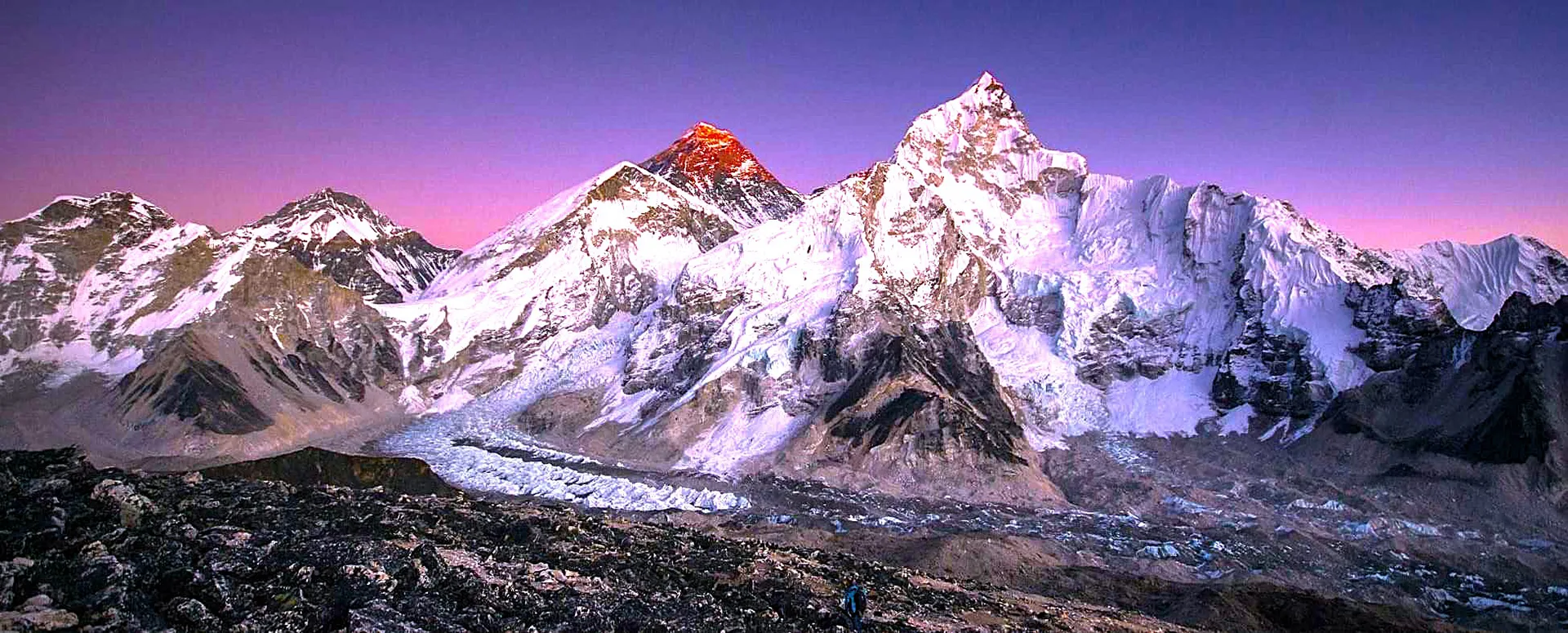
Everest Base Camp Trek is one of the most sought-after trekking routes in the world.  Its popularity is the eccentric beauty of Mt. Everest (8848.86m), also known as Sagarmatha. Gazing at the tallest mountains in the world and the surrounding mystifying Khumbu giants is the trek’s best moment.

The trek is also a perfect mix of nature and the fascinating yet rich culture of Nepal. The tranquil beauty of the Everest region and its thrilling topography is in a rank of its own. Not to mention the countless ancient stupas, Gumbas, and temples, which are of great importance to Nepal. Several small and large rural villages give an outlook to the people’s rural lifestyle surviving in Everest’s harsh conditions.

Everest Base Camp is a moderate-grade trek, but some find it challenging. This article discusses how hard is the Everest Base Camp Trek is. Some of the important aspects to look into are the total length of the trek, altitude variation along the route, average walking hours each day, and many other aspects.

Length of the EBC Trek

The whole Everest Base Camp trekking route takes 12 days to complete. In these 12 days, you will walk a total of 120 km (about 75 miles) on foot. If you wish for a more leisurely pace, you can also increase the trek’s duration to 15 days.  You can also combine the Everest Base Camp Trek with the Gokyo Valley Trek in the Everest region, which takes about 19 days to complete.

Altitude Profile of EBC Trek

The EBC trek starts after a flight to the Lukla airport, which stands at the height of 2860m. From here, you will need an ascent during the trek to the maximum height of 5545m at Kalapatthar. The altitude in the trek gradually increases from Lukla. Almost 6 out of the 12 days, you will be walking at an altitude of 4000m above sea level or even more than 4000m. On the other half of the trek, the altitude is around 3000m-4000m. The total ascent, which you will gain during the trek, is approximately 6015m starting from Kathmandu (1300m).

Walking hours during the trek

You will be walking for 4-5 hours every day on average while following the EBC trekking route. The longest waking duration will be about 8 hours on your trek from Lobuche to the Everest Base Camp and back to Gorakshep. You will have to walk long hours during descent from Everest Base Camp back to Lukla, which will be about 7 hours.

Weather along the EBC route

The EBC trekking route is famous for its changing weather conditions, especially in the higher altitudes. Not all seasons are suitable for a trek to the Everest Base Camp. During June- August (monsoon) and November-January (winter), the trail welcomes extremely adverse weather conditions along with cold temperatures. The trails are slippery because of constant rainfall, and there is the presence of thick fog throughout the day, making the visibility low.

In February-May (spring) and September-October (autumn), the weather is mostly stable. The days are longer, and the weather is also dry, so there are fewer rain chances. Because of the good weather condition, the flights also have lesser chances of cancellation. This is the time with the best visibility, where you can enjoy the fantastic view of mountains with the warm sun shining above your head.

Training is required to do the EBC Trek

Anyone with a fit physique can take part in the EBC Trek. Prior experience in mountain treks can be beneficial. The trekking route is of great difficulty because of the changing weather conditions at higher altitudes and challenging high passes. So, an excellent physical shape is a necessity for the trek. If you have not yet started training for the trek, you can take it up today!

A simple routine of jogging, swimming, cardio, or aerobic exercises mixed in your daily exercise routine can take you a long way. The most important thing is to build up endurance and strength as the walking hours in the EBC trek are 4-5 hours each day. You can also try taking short hikes around your community every weekend for about 4-5 hours. If outdoor exercises are not suitable, you can also try indoor exercises like running on the treadmill, swimming, or simply climbing up the stairs. A properly balanced diet mixed in with the daily workout is also best for building up strength.

Altitude Sickness during EBC Trek

The EBC Trek is prone to altitude sickness as almost the entire trek is at an altitude of over 3000m. So, proper acclimatization is the prerequisite of the trek. There are several acclimatization days in between so that you can gradually be accustomed to the changing air pressure.

The chances of getting Acute Mountain Sickness (AMS) are high in the EBC trek, especially if you do not take safety precautions. Thus, it is necessary for the trekker always to do not rush to reach the destination. You need to give your body enough time to be acclimatized to the changing altitude and be mindful not to take too much strain.

Remember to always be on the lookout for AMS symptoms, some of which are headache, nausea, shortness of breath, rapid heart rate, vomiting, sleeplessness, and so on. If you feel these symptoms, then the best option is to stop and rest or, better yet, climb down to lower altitudes. If the symptoms still do not subside, you will be evacuated promptly with emergency helicopter services.

Conclusion

The trek to Everest Base Camp is not only a trek but an adventure. It is a once-in-a-lifetime chance to challenge the rugged yet thrilling terrains of the magical Everest Region. The splendid aura of the Khumbu Mountains is not something you get to experience every day. Neither is the essence of the rich culture of people who live among these silent hills something to miss. Everest Base Camp is simply the pinnacle of unforgettable Mountain adventures in Nepal.

Annapurna Base Camp Trek vs Everest Base Camp Trek

Scenic Beauty and Landscapes

Annapurna Base Camp Trek:

The ABC Trek is celebrated for its diverse and picturesque landscapes that change dramatically as you ascend.

  • The lower trails pass through lush terraced farmlands, dense rhododendron forests, and vibrant villages.
  • Higher altitudes reveal stunning close-up views of Annapurna I (8,091 m)Machhapuchhre (6,993 m)Hiunchuli (6,441 m), and surrounding peaks.
  • Highlights include natural hot springs at Jhinu Danda and serene valleys dotted with waterfalls and glaciers.

Everest Base Camp Trek:

The EBC Trek boasts a rugged, high-altitude environment dominated by towering peaks and glaciers.

  • The trek offers iconic views of Mount Everest (8,848.86 m)Lhotse (8,516 m)Ama Dablam (6,812 m), and other Himalayan giants.
  • Unique features include the Khumbu GlacierKhumbu Icefall, and suspension bridges festooned with prayer flags.
  • Villages like Namche Bazaar and the Tengboche Monastery provide cultural and scenic highlights.

Verdict: The ABC Trek offers more diverse landscapes, while the EBC Trek focuses on dramatic, high-altitude Himalayan vistas.

Altitude

Annapurna Base Camp Trek:

The Annapurna Base Camp Trek reaches a maximum altitude of 4,130 meters (13,550 feet) at the base camp.

  • Altitude sickness is relatively uncommon due to the moderate elevation.
  • The gradual ascent allows trekkers to acclimatize naturally.

Everest Base Camp Trek:

The Everest Base Camp Trek reaches a maximum altitude of 5,364 meters (17,598 feet) at the base camp.

  • The higher altitude increases the risk of Acute Mountain Sickness (AMS), requiring proper acclimatization days in places like Namche Bazaar and Dingboche.
  • Altitude challenges are part of what makes this trek more demanding.

Verdict: The ABC Trek is less challenging in terms of altitude, making it more suitable for beginners.

Difficulty Level

Annapurna Base Camp Trek:

The ABC Trek is considered moderately difficult.

  • The trails involve gradual ascents and well-maintained paths.
  • Daily walking distances are manageable, typically between 5-10 miles.
  • It is suitable for beginners with a reasonable fitness level.

Everest Base Camp Trek:

The EBC Trek is moderate to challenging.

  • The trek involves steeper ascents, rugged terrain, and longer hiking days.
  • The higher altitude and longer duration demand better physical preparation and stamina.
  • Acclimatization is crucial to avoid altitude sickness.

Verdict: The ABC Trek is easier, while the EBC Trek is more demanding but equally rewarding for those prepared.

Duration

Annapurna Base Camp Trek:

The ABC Trek typically takes 7-12 days, depending on the starting point, pace, and chosen itinerary.

  • Shorter itineraries are possible for those with limited time.

Everest Base Camp Trek:

The EBC Trek generally requires 12-16 days, including acclimatization days.

  • The longer duration provides ample time to immerse yourself in the Himalayan environment.

Verdict: The ABC Trek is quicker, while the EBC Trek requires a greater time commitment.

Culture and Villages

Annapurna Base Camp Trek:

The ABC Trek passes through villages inhabited by Gurung and Magar communities.

  • Cultural highlights include traditional houses, local dances, and interaction with villagers.
  • The trek offers a blend of Hindu and Buddhist cultural experiences.

Everest Base Camp Trek:

The EBC Trek is rich in Sherpa culture, with villages like Namche BazaarKhumjung, and Tengboche being cultural hubs.

  • The Tengboche Monastery, one of the largest in the region, is a spiritual highlight.
  • Prayer flags, mani walls, and Buddhist chortens dot the trail.

Verdict: ABC offers a mix of Hindu and Buddhist cultures, while EBC emphasizes Sherpa traditions and Buddhist heritage.

Cost

Annapurna Base Camp Trek:

The ABC Trek is more budget-friendly, with costs ranging from $700 to $1,500 depending on group size, guide/porter services, and accommodation choices.

  • Fewer logistical challenges keep costs lower.

Everest Base Camp Trek:

The EBC Trek is costlier, with expenses ranging from $1,200 to $2,500.

  • Costs include Lukla flights, higher permit fees, and more expensive accommodations.

Verdict: The ABC Trek is more affordable than the EBC Trek.

Popularity

Annapurna Base Camp Trek:

The ABC Trek attracts approximately 50,000 trekkers annually.

  • It is ideal for those seeking a quieter, less crowded experience.

Everest Base Camp Trek:

The EBC Trek welcomes around 35,000 trekkers annually, but the route can feel busier due to its concentrated popularity.

Verdict: ABC offers a more tranquil experience compared to the busier EBC Trek.

Weather and Seasons

Best Seasons for Both Treks:

  • Spring (March-May): Blooming rhododendrons in ABC; clear views in EBC.
  • Autumn (September-November): Stable weather and excellent visibility for both treks.

Weather Variations:

  • ABC Trails: Lower in altitude, making them less affected by extreme cold.
  • EBC Trails: Colder and more susceptible to snow at higher altitudes.

Verdict: ABC is less affected by extreme cold, while EBC requires preparation for colder conditions.

Summary of Key Differences

CriteriaABC TrekEBC Trek
AccessibilityEasier, starts in PokharaRequires a flight to Lukla
SceneryDiverse landscapesIconic Himalayan peaks
Max Altitude4,130 m (13,550 ft)5,364 m (17,598 ft)
DifficultyModerateModerate to challenging
Trip Length7-12 days12-16 days
Cost$700-$1,500$1,200-$2,500
CultureGurung and Magar villagesSherpa culture and monasteries

Which Trek Should You Choose?

Choose ABC Trek if:

  • You have limited time or budget.
  • You prefer moderate trekking with diverse landscapes.
  • You seek a quieter trekking experience.

Choose EBC Trek if:

  • You want iconic views of Mount Everest.
  • You are prepared for a longer and more challenging trek.
  • You wish to immerse yourself in Sherpa culture and Buddhist heritage.

Conclusion: Annapurna Base Camp (ABC) Trek vs Everest Base Camp (EBC) Trek

Both the Annapurna Base Camp (ABC) and Everest Base Camp (EBC) treks are incredible journeys that showcase the best of Nepal’s Himalayan landscapes and rich cultural heritage. However, the choice between the two depends on your preferences, fitness level, time availability, and budget.

If you are seeking a shorter, budget-friendly trek with diverse landscapes, lower altitudes, and a tranquil atmosphere, the Annapurna Base Camp Trek is ideal. It offers stunning views of Annapurna I, Machhapuchhre, and Hiunchuli, with cultural immersion in Gurung and Magar villages. Its moderate difficulty and lower altitude make it suitable for beginners or those with limited time.

On the other hand, if you desire a more challenging trek with iconic views of Mount Everest, higher altitudes, and a deep dive into Sherpa culture, the Everest Base Camp Trek is the perfect choice. While it requires a greater time commitment, additional planning for flights, and a larger budget, it rewards trekkers with majestic vistas of Everest, Lhotse, and Ama Dablam, as well as unforgettable experiences in high-altitude Himalayan terrain.

Ultimately, both treks offer life-changing adventures, with unique highlights that cater to different interests and levels of adventure. Whether you choose the tranquil beauty of the Annapurna region or the rugged allure of Everest, either journey will leave you with lasting memories of Nepal’s breathtaking mountains and vibrant culture.

Tibet Group Joining Tour

Fixed Departure to Tibet Lhasa Tour: Group Joining from Kathmandu

fixed departure tour to Tibet, particularly the Lhasa region, is an excellent option for travelers seeking an organized and enriching experience in this mystical land. Joining a group tour from Kathmandu to Tibet not only ensures affordability but also provides camaraderie with fellow travelers. This detailed guide explores every aspect of the fixed departure Tibet Lhasa tour, including the itinerary, costs, activities, cultural highlights, and essential tips for a memorable journey.

Overview of the Fixed Departure Lhasa Tour

The Tibet Lhasa tour is a structured group trip, allowing travelers to explore the majestic landscapes, spiritual landmarks, and rich heritage of Tibet. Starting from Kathmandu, Nepal, the tour includes a scenic overland journey or flight to Lhasa. Key attractions include the Potala Palace, Jokhang Temple, Sera, and Drepung Monasteries, and the breathtaking Yamdrok-Tso Lake. With well-planned itineraries, fixed departure tours ensure that travelers experience the highlights of Tibet within a specified timeframe.

About Tibet

1. Geographical Overview

Tibet, often referred to as the “Roof of the World,” is a high-altitude plateau region in Asia, located on the northern side of the Himalayas. It is an autonomous region of China and spans over 1.2 million square kilometers. With an average altitude of 4,500 meters (14,800 feet), Tibet boasts the world’s highest mountain range, including Mount Everest (8,848.86 meters).

2. Historical Significance

Tibet has a rich history deeply intertwined with its Buddhist heritage. Known as the spiritual hub of Buddhism, it is home to ancient monasteries, sacred sites, and the historical residence of the Dalai Lama, the Potala Palace. For centuries, Tibet was a self-governed kingdom until its incorporation into China in the 1950s.

3. Cultural Aspects

The culture of Tibet is profoundly influenced by Tibetan Buddhism. Festivals like Losar (Tibetan New Year), Saga Dawa, and Shoton (Yogurt Festival) are celebrated with religious rituals, dances, and music. Tibetans are known for their colorful traditional clothing, prayer flags, and the practice of circumambulating around sacred sites.

4. Key Attractions

  • Potala Palace: The iconic symbol of Tibet, a UNESCO World Heritage Site and former home of the Dalai Lama.
  • Jokhang Temple: The holiest site in Tibetan Buddhism, attracting pilgrims from all over.
  • Mount Everest Base Camp (Tibet Side): A breathtaking vantage point to admire the world’s highest peak.
  • Yamdrok-Tso Lake: One of Tibet’s most beautiful turquoise lakes, surrounded by snow-capped peaks.
  • Tashilhunpo Monastery: The traditional seat of the Panchen Lama, located in Shigatse.

5. Natural Beauty

Tibet is known for its stunning landscapes, including vast plateaus, pristine lakes, majestic mountains, and sprawling grasslands. It is also home to rare wildlife like the Tibetan antelope and snow leopards.

6. Spiritual Significance

Tibet is the cradle of Tibetan Buddhism, with major sects like Gelugpa, Kagyu, Nyingma, and Sakya having their roots here. Pilgrimage routes, stupas, and prayer wheels are integral to the spiritual lives of Tibetans.

7. Climate

Tibet experiences a high-altitude climate with thin air and intense sunlight. Summers (May to September) are relatively mild, while winters (October to April) are extremely cold. Rainfall is minimal, and most precipitation occurs in the summer months.

8. Accessibility

  • By Land: Accessible from Nepal via the Friendship Highway, connecting Kathmandu to Lhasa.
  • By Air: Lhasa Gonggar Airport offers flights connecting Tibet to major Chinese cities and Kathmandu.

9. Challenges

  • High Altitude: The thin air can cause altitude sickness, requiring travelers to acclimatize gradually.
  • Permits and Restrictions: Foreign tourists require a Tibet Travel Permit and must join guided tours to visit.

10. Unique Experiences

  • Witnessing the devout Tibetan pilgrims performing prostrations along holy routes.
  • Attending monk debates at Sera Monastery, a captivating display of Buddhist philosophy.
  • Enjoying Yak butter tea, a staple of Tibetan cuisine, and exploring local markets like Barkhor Bazaar.

Detailed Itinerary

Day 1: Kathmandu to Kerung (145 km, 2,700 m)

  • Morning Departure: Begin your journey from Kathmandu with a scenic drive to the Nepal-Tibet border at Kerung.
  • Border Formalities: Complete immigration procedures on both sides of the border.
  • Kerung Town: Arrive at Kerung, a tranquil town on the Tibetan side of the border. Check-in at a local guesthouse.
  • Highlights: Experience the gradual transition from Nepal’s lush hills to Tibet’s arid landscapes.

Day 2: Kerung to Tingri/Lhatse (4300 m, 235 km)

  • Journey Begins: After breakfast, drive uphill to Tingri, passing through the high Tibetan plateau.
  • Panoramic Views: Enjoy stunning vistas of Himalayan peaks, including Mt. Cho Oyu and Mt. Shishapangma.
  • Pikucho Lake: Witness the serene beauty of this picturesque lake en route.
  • Overnight Stay: Stay at a guesthouse in Tingri or Lhatse, depending on the itinerary.

Day 3: Tingri/Lhatse to Shigatse (3,900 m, 245 km)

  • Gyatchu La Pass: Cross the highest pass en route, offering breathtaking views of the Tibetan landscape.
  • Shigatse City: Arrive in Shigatse, Tibet’s second-largest city.
  • Tashilhunpo Monastery: Visit the historic seat of the Panchen Lama.
  • Overnight Stay: Check-in at a comfortable hotel in Shigatse.

Day 4: Shigatse to Lhasa via Gyantse (3,950 m, 350 km)

  • Gyantse Sightseeing: Explore Gyantse’s highlights, including the Pelkor Chöde Monastery and the iconic Kumbum Stupa.
  • Yamdrok-Tso Lake: Marvel at the turquoise waters of this sacred lake.
  • Brahmaputra River: Drive along the banks of the Yarlung Tsangpo (Brahmaputra River) to Lhasa.
  • Overnight in Lhasa: Stay at a well-equipped hotel in the capital city of Tibet.

Day 5: Lhasa Sightseeing

  • Potala Palace: Begin the day with a visit to the Potala Palace, a UNESCO World Heritage Site and former residence of the Dalai Lama.
  • Jokhang Temple: Explore the spiritual heart of Tibet, followed by a stroll in Barkhor Bazaar.
  • Overnight Stay: Relax at your hotel in Lhasa.

Day 6: Lhasa Sightseeing Continued

  • Drepung Monastery: Visit this historic monastic university, once home to thousands of monks.
  • Sera Monastery: Witness the famous monk debates on Buddhist philosophy.
  • Cultural Immersion: Enjoy Tibetan cuisine and explore local markets.
  • Overnight in Lhasa.

Day 7: Lhasa to Shegar (4,200 m, 655 km)

  • Return Journey: Begin the drive back, retracing your steps through the Tibetan plateau.
  • Scenic Stops: Pause for photo opportunities and rest.
  • Overnight Stay: Stay at a guesthouse in Shegar.

Day 8: Shegar to Kathmandu (425 km)

  • Final Leg: Cross the border back into Nepal and drive to Kathmandu.
  • Tour Ends: Arrive in Kathmandu with unforgettable memories of Tibet.

What Not to Do in Tibet

  • Disrespect Religious Sites: Avoid loud noises, inappropriate clothing, or touching sacred items.
  • Ignore Altitude Precautions: Acclimatize properly and avoid strenuous activities initially.
  • Engage in Political Discussions: Avoid sensitive topics regarding Tibet’s political situation.
  • Overpack: Travel light to make the journey more comfortable.
  • Litter: Respect the environment by disposing of waste responsibly.

Cost of the Tour

The cost of a fixed departure Tibet Lhasa tour typically ranges from $1,200 to $1,800 per person, depending on the duration, inclusions, and group size. Costs generally include:

  • Accommodation (hotels and guesthouses)
  • Transportation (vehicle and permits)
  • Guided tours
  • Meals (specific to the itinerary)
  • Tibet Travel Permit and visa fees

Exclusions:

  • Flights to/from Kathmandu
  • Personal expenses
  • Travel Insurance
  • Tips for guides and drivers

Essential Tips for Travelers

  1. Pack Smartly:
    • Warm clothing (layers for varying temperatures)
    • Sturdy hiking shoes
    • Sunscreen and sunglasses for UV protection
  2. Acclimatization:
    • Stay hydrated and rest adequately to combat altitude sickness.
  3. Documentation:
    • Carry your passport, visa, and Tibet Travel Permit at all times.
  4. Respect Local Customs:
    • Follow monastery rules and avoid taking photos without permission.
  5. Emergency Preparedness:
    • Keep a first aid kit and necessary medications.

Highlights of the Fixed Departure Tibet Tour

  • Scenic overland journey from Kathmandu to Lhasa.
  • Visiting iconic landmarks like the Potala Palace and Jokhang Temple.
  • Experiencing the serene beauty of Yamdrok-Tso Lake.
  • Exploring Tibetan culture through local cuisine and festivals.
  • Crossing the high-altitude Gyatchu La Pass.
  • Witnessing monk debates at Sera Monastery.
  • Exploring the Tashilhunpo Monastery in Shigatse.
  • Shopping for unique Tibetan souvenirs in Barkhor Bazaar.
  • Enjoying panoramic views of the Himalayas, including Mt. Everest.
  • Gaining insights into Tibetan Buddhism and traditions.

Conclusion:

A fixed departure Tibet Lhasa tour is an unforgettable journey into a land of unparalleled beauty, spirituality, and culture. With a well-structured itinerary, group camaraderie, and expert guidance, this trip offers the perfect blend of adventure and cultural immersion. Whether you’re drawn to the grandeur of the Himalayas or the serene spirituality of Tibetan monasteries, this tour promises memories that will last a lifetime.

Trekking in Nepal 2026-2027

Nepal, often called the “Trekking Paradise,” offers a unique blend of natural beauty, cultural richness, and adventurous experiences, making it an unparalleled destination for trekkers. The year 2025 is particularly significant due to improved infrastructure, sustainable tourism initiatives, and a global emphasis on outdoor travel. Here’s why you should plan your trekking adventure in Nepal in 2026-2027:

1. Key Highlights of Trekking in Nepal 2026-2027

A. Variety of Trekking Routes

  • Short Treks: Perfect for beginners or those with time constraints. Examples include Ghorepani Poon Hill (4-5 days) and Dhampus-Australian Camp (2-3 days).
  • Classic Treks: These include Annapurna Base Camp, Everest Base Camp, and Langtang Valley, and they usually last 7-14 days.
  • Off-the-Beaten-Path Treks: For seasoned trekkers seeking less-crowded trails, options like the Manaslu Circuit Trek, Tsum Valley Trek, and Upper Dolpo Trek provide pristine wilderness and cultural exploration.

B. Stunning Himalayan Vistas

The 2025 trekking season will offer clear skies in spring (March-May) and autumn (September-November), showcasing Nepal’s iconic peaks such as Mount Everest, Annapurna, Dhaulagiri, Manaslu, and Kanchenjunga.

C. Rich Culture and Hospitality

Trekking in Nepal is more than just landscapes; it’s about experiencing the warmth of local communities, unique traditions, monasteries, prayer flags, and vibrant festivals.

D. Adventure Combined with Accessibility

Nepal offers treks ranging from remote high-altitude adventures like Tilicho Lake to accessible trails like the Annapurna Circuit, supported by excellent guides, teahouses, and reliable trekking infrastructure.

2. Key Trekking Regions

A. Everest Region

  • HighlightsEverest Base Camp, Gokyo Lakes, Kala Patthar, and Three Passes Trek.
  • Duration: 10-20 days.
  • Difficulty: Moderate to challenging.
  • Best Time: Spring and autumn for clear views and mild weather.

B. Annapurna Region

  • Highlights: Annapurna Base Camp, Annapurna Circuit, and Mardi Himal Base Camp Trek.
  • Duration: 5-20 days.
  • Difficulty: Moderate.
  • Best Time: Spring for rhododendron blooms; autumn for panoramic mountain views.

C. Langtang and Helambu Region

  • Highlights: Langtang Valley, Helambu Circuit, and Gosaikunda Lake.
  • Duration: 7-12 days.
  • Difficulty: Moderate.
  • Best Time: Autumn for stable weather and spring for vibrant flowers.

D. Restricted Regions

  • Examples: Upper Mustang, Dolpo, and Manaslu Circuit.
  • Features: Require special permits and guides. Offer untouched landscapes, ancient Tibetan culture, and spiritual experiences.

3. Permits Required

A. Trekkers’ Information Management System (TIMS) Card

The Trekkers’ Information Management System (TIMS) Card is a mandatory permit for trekkers in Nepal. It is designed to ensure their safety and regulate trekking activities. The Nepal Tourism Board (NTB) manages it in collaboration with the Trekking Agencies Association of Nepal (TAAN).

Types of TIMS Cards

  1. Individual Trekkers (FITs): For trekkers traveling independently without a guide or trekking agency.
  2. Organized Trekkers: For trekkers traveling with a licensed trekking agency or guide.

Cost of TIMS Card (2025/2026)

  • Individual Trekkers: USD 20 per person.
  • Organized Trekkers: USD 10 per person (arranged by trekking agencies).

Required Documents for TIMS Card

  • Passport Copy: For identification and record-keeping.
  • Two Passport-Size Photos: For the TIMS card itself.
  • Trekking Details: Route, duration, and itinerary of your trek.

Where to Get a TIMS Card

  1. Nepal Tourism Board (NTB) offices in Kathmandu or Pokhara.
  2. Trekking Agencies Association of Nepal (TAAN) offices.
  3. Through a registered trekking agency, if you are part of an organized trek.

Important Notes

  • The TIMS card is not required for trekking in restricted regions (e.g., Upper Mustang, Upper Dolpo) as those areas need special permits.
  • Always carry your TIMS card while trekking, as it may be checked at various checkpoints.

Benefits of the TIMS Card

  • Access to official trekking routes and checkpoints.
  • Contribution to trail maintenance and environmental conservation.
  • Assurance of support during emergencies or rescues.

The TIMS card is a vital aspect of trekking in Nepal, promoting safety and sustainability while enhancing your trekking experience.

Purpose of the TIMS Card

  • To maintain a record of trekkers for safety and security, particularly in remote areas.
  • To assist in rescue operations during emergencies.
  • To regulate and promote sustainable trekking practices in Nepal.

B. Restricted Area Permits

Restricted Area Permits (RAPs) are mandatory permits required for trekking in certain regions of Nepal designated as “restricted areas.” These regions are usually remote, sensitive, or culturally significant and have been preserved by the Nepalese government to maintain their ecological and cultural integrity.

Why Are Restricted Area Permits Required?

  • To regulate tourism and protect the delicate ecosystems and unique cultures of these regions.
  • To enhance security, especially in areas close to international borders.
  • To ensure trekkers’ safety through proper monitoring.
  1. Upper Mustang
    • Permit Cost:
      • USD 500 per person for the first 10 days.
      • USD 50 per person per additional day.
  2. Upper Dolpo
    • Permit Cost:
      • USD 500 per person for the first 10 days.
      • USD 50 per person per additional day.
  3. Manaslu Region (Including Tsum Valley)
    • Permit Cost:
      • USD 100 per person for the first 7 days (September–November).
      • USD 75 per person for the first 7 days (December–August).
      • USD 15 per person per additional day.
  4. Kanchenjunga Region
    • Permit Cost:
      • USD 20 per person per week.
  5. Humla Region (Simikot to Limi Valley)
    • Permit Cost:
      • USD 50 per person for the first 7 days.
      • USD 7 per person per additional day.
  6. Nar Phu Valley
    • Permit Cost:
      • USD 100 per person for the first 7 days (September–November).
      • USD 75 per person for the first 7 days (December–August).

How to Obtain a Restricted Area Permit?

Restricted Area Permits can only be issued through a licensed trekking agency in Nepal. Independent trekking is not allowed in these regions. The trekking agency will assist with:

  1. Filling out the application.
  2. Providing necessary documents:
    • Passport copy.
    • Passport-sized photos.
    • Trekking itinerary.
  3. Coordinating with the Department of Immigration in Kathmandu to issue the permit.

Guidelines for Restricted Areas

  • Trekkers must always be accompanied by a licensed guide or porter.
  • Group size must be at least two trekkers (no solo trekking).
  • Permits are non-transferable and non-refundable.
  • Carry permits at all times, as they are checked at multiple checkpoints.

Important Notes

  • Restricted Area Permits are in addition to other permits, such as the Trekkers’ Information Management System (TIMS) card or National Park/Conservation Area permits.
  • Regulations may vary slightly for different regions; confirm with your trekking agency.

Restricted Area Permits ensure responsible tourism while allowing trekkers to explore Nepal’s most pristine and exclusive trails. These treks often provide unparalleled adventure, remote beauty, and cultural immersion that few other routes can match.

4. 2025 Trekking Preparation

A. Fitness and Training

Prepare with regular cardio, strength training, and hikes with loaded backpacks.

B. Gear Checklist

  • Essential items: Trekking boots, layered clothing, sleeping bags, trekking poles, and a water purification system.
  • High-altitude treks: Down jackets, thermal wear, and crampons for snow.

C. Acclimatization

Include rest days and gradual ascents to avoid altitude sickness, especially for treks above 3,000 meters.

5. Estimated Costs

  • Budget Treks: $25–$50 per day (teahouse accommodation and simple meals).
  • Mid-Range Treks: $50–$100 per day (comfortable stays and varied meals).
  • Luxury Treks: $150+ per day (luxury lodges, guided services, and amenities).
  • Restricted Area Permits: $50–$500 depending on the region and duration.

6. Sustainability and Responsible Trekking

2025 emphasizes eco-friendly trekking:

  • Minimize waste by avoiding plastic bottles and using reusable water bottles.
  • Support local businesses by choosing Nepali guides, porters, and teahouses.
  • Respect the environment and cultural heritage of the regions.
  • Everest Three Passes Trek: An adventurous route crossing Renjo La, Cho La, and Kongma La passes.
  • Manaslu Circuit and Tsum Valley: A blend of culture and challenging trails.
  • Mardi Himal Trek: Ideal for stunning Annapurna views in a short duration.
  • Tilicho Lake Trek: High-altitude adventure to the world’s highest lake.
  • Upper Dolpo Trek: Explore the untouched wilderness of far-west Nepal.

Why Trekking in Nepal 2026?

1. Breathtaking Himalayan Scenery

  • Nepal is home to 8 of the world’s 14 highest peaks, including Mount Everest (8,848.86 m / 29,031.7 ft), Annapurna, and Kanchenjunga.
  • The spring (March-May) and autumn (September-November) of 2025 promise stable weather with clear skies, offering unparalleled views of snow-capped mountains and pristine landscapes.
  • Trails like the Everest Base Camp, Annapurna Circuit, and Langtang Valley will showcase these majestic peaks in all their glory.

2. Varied Trekking Options for All Levels

  • Beginner-Friendly Treks: Ghorepani Poon Hill, Australian Camp, and Langtang Valley.
  • Moderate Treks: Annapurna Base Camp, Everest Base Camp, and Gosaikunda Lake.
  • Challenging Treks: Manaslu Circuit, Upper Mustang, and Dolpo Region.
  • Whether you seek a short, scenic trek or a remote, adventurous journey, Nepal caters to every trekker.

3. Rich Cultural Experience

  • Trekking in Nepal is not just about mountains; it’s about immersion in local cultures and traditions.
  • Visit Sherpa villages in the Everest region, ancient monasteries in Upper Mustang, or the Tamang heritage in Langtang.
  • 2025 will also host festivals like Dashain, Tihar, and Mani Rimdu, giving trekkers a chance to witness Nepal’s vibrant celebrations.

4. Revamped Infrastructure

  • Nepal has been heavily investing in upgrading trekking trails, bridges, teahouses, and communication facilities.
  • Popular trekking regions like Annapurna and Everest have better roads and accommodations for comfort.
  • Improved air connectivity to key starting points like Lukla and Pokhara will make treks more accessible in 2025.

5. Focus on Sustainability

  • Nepal’s trekking industry is aligning with global sustainability goals, emphasizing eco-friendly practices.
  • Initiatives such as plastic-free zones, trail clean-up campaigns, and responsible trekking guidelines ensure that tourism benefits the environment and local communities.
  • Trekking in 2025 supports Nepal’s vision of sustainable and inclusive tourism.

6. Less Crowded Trails

  • Due to a strategic effort to spread awareness about lesser-known routes like Tsum ValleyMakalu Base Camp, and Pikey Peak, Nepal is diversifying its trekking appeal.
  • 2025 offers an opportunity to explore these hidden gems with fewer crowds while enjoying pristine nature.

7. Once-in-a-Lifetime Adventures

  • New and adventurous trails like Tilicho Lake TrekThree Passes Trek, and the Great Himalayan Trail are perfect for thrill-seekers.
  • Iconic features include suspension bridgesglacial lakeshigh-altitude passes, and rare wildlife sightings, such as snow leopards and red pandas.

8. Affordable Trekking Destination

  • Compared to other trekking destinations, Nepal offers exceptional value for money.
  • Daily costs for teahouse treks range from $25 to $50 for budget treks and $50 to $100 for mid-range treks, including food and accommodation.

9. Opportunities for Personal Growth

  • Trekking in Nepal allows you to push your physical and mental boundaries, whether it’s ascending to Everest Base Camp or crossing the Thorong La Pass.
  • The sense of accomplishment and connection to nature leaves trekkers with profound personal transformation.

10. Local Hospitality

  • Nepalese people are known for their warmth, friendliness, and helpfulness.
  • From teahouse hosts to experienced trekking guides, their hospitality ensures trekkers feel welcome and safe throughout their journey.

11. Access to Unique Landscapes

  • Trekking in Nepal isn’t just about mountains; it’s about exploring diverse ecosystems:
    • Lush subtropical forests in the lower regions.
    • Alpine meadows and glacial moraines in higher altitudes.
    • Unique arid terrains in regions like Upper Mustang and Dolpo.

12. Global Connection and Networking

  • Trekkers from all over the world flock to Nepal, making it a hub for cultural exchange and the creation of lifelong friendships.
  • By 2026, Nepal is expected to host even more diverse trekkers due to its global appeal and growing recognition.

Special Features of 2026

  • Cultural Milestones: 2026 will mark significant anniversaries in Nepal’s history and traditions, celebrated with cultural events and treks.
  • Enhanced Safety Protocols: Advanced rescue services, reliable trekking guides, and improved safety measures ensure a secure trekking experience.
  • Focus on Digital Connectivity: Expanded internet and cellular coverage will keep trekkers connected, even in remote regions.

Conclusion

Trekking in Nepal in 2026 is more than an adventure; it’s a journey into breathtaking landscapes, rich cultures, and unparalleled personal growth. Whether you’re a seasoned trekker or a first-time visitor, Nepal promises an unforgettable experience that will stay with you for a lifetime.

Are you ready to plan your trek? Let Himalayan Trekking know if you’d like a customized itinerary or additional details about permits, costs, or preparations!

Top 15 Tips for Everest Base Camp Trek

The Everest Base Camp Trek 14 Days is one of the world’s most iconic and sought-after trekking adventures. Nestled in the heart of the Himalayas, this trek takes you through breathtaking landscapes, picturesque Sherpa villages, and culturally rich monasteries while offering spectacular views of some of the world’s tallest peaks, including Mount Everest (8,848.86 m/29,031.7 ft). Starting from Lukla, the trek spans 12-14 days on average, covering approximately 80 miles (130 kilometers) round trip.

The journey begins with a thrilling flight to Lukla, often termed the gateway to Everest. From there, trekkers pass through vibrant villages such as Namche BazaarTengboche, and Dingboche, each offering a unique blend of culture and scenery. The trail is adorned with fluttering prayer flags, spinning prayer wheels, and suspension bridges over raging rivers. Along the way, trekkers acclimatize at strategic points to prevent altitude sickness, such as at Namche Bazaar (3,440 m/11,286 ft) and Dingboche (4,410 m/14,468 ft).

The trek culminates at the Everest Base Camp (5,364 m/17,598 ft), where you can marvel at the mighty Khumbu Icefall and experience the thrill of standing in the shadow of Everest. An additional hike to Kala Patthar (5,545 m/18,192 ft) offers unmatched panoramic views of Everest and surrounding peaks, making it a highlight.

The trek is a test of endurance and determination, but it is equally rewarding for the physical challenge and the cultural immersion. The stunning scenery, local hospitality, and a sense of accomplishment make the Everest Base Camp Trek a once-in-a-lifetime adventure.

Top 15 Tips for Everest Base Camp Trek

The Everest Base Camp (EBC) Trek is a demanding yet rewarding journey that requires thorough preparation and planning. Below is an expanded guide on the top 15 tips, ensuring you make the most of your adventure while staying safe and comfortable.

1. Train Before the Trek

  • Physical Preparation: Engage in cardiovascular exercises such as running, swimming, and cycling to build your stamina. Strengthen your core and legs with squats, lunges, and step-ups to handle steep ascents and descents.
  • Endurance Hikes: Practice long walks or hikes with a backpack to simulate the trek’s demands. Gradually increase the distance and elevation to mimic trail conditions.
  • High-Altitude Readiness: If feasible, practice hiking or trekking at higher altitudes before heading to Nepal.

2. Plan for Acclimatization

  • Rest Days: Design your itinerary to include acclimatization days in Namche Bazaar (3,440 m/11,286 ft) and Dingboche (4,410 m/14,468 ft). These are critical to helping your body adjust to the thinning air.
  • Slow Ascent: Follow the “climb high, sleep low” rule by taking short hikes to higher altitudes during rest days and returning to a lower altitude for the night.
  • Watch for Symptoms: Be aware of altitude sickness signs like headaches, dizziness, nausea, and fatigue. If symptoms worsen, descend immediately.

3. Pack Light but Smart

  • Layered Clothing: Pack moisture-wicking base layers, insulated mid-layers, and waterproof outer layers for temperature variations.
  • Essential Gear: Items like a down jacket, gloves, a hat, a buff, and a pair of thermal socks are vital for colder altitudes.
  • Limit Weight: Aim to keep your backpack under 15 kg (33 lbs). Porters often have weight limits, so pack only essentials.

4. Stay Hydrated

  • Water Intake: Drink at least 3-4 liters daily. Staying hydrated helps combat altitude sickness and maintains your energy levels.
  • Avoid Alcohol: Alcohol can dehydrate your body and worsen altitude sickness symptoms.
  • Safe Water: Use purification tablets, SteriPens, or boil water to avoid gastrointestinal issues.

5. Choose the Right Season

  • Spring (March-May): This season offers blooming rhododendrons, stable weather, and moderate temperatures.
  • Autumn (September-November): Expect clear skies and stunning mountain views, making it the most popular trekking period.
  • Winter (December-February) and Monsoon (June-August): These are less favorable due to extreme cold, snowfall, and rain, which can make trails slippery and unsafe.

6. Get Proper Trekking Permits

  • Sagarmatha National Park Entry Permit: This is mandatory for entering the protected area around Everest.
  • Khumbu Pasang Lhamu Rural Municipality Permit: Required for all trekkers heading into the Everest region.
  • Obtain permits in Kathmandu or at entry points like Monjo.

7. Hire a Guide or Porter

  • Guides: A professional guide enhances your safety and enriches your experience with local insights. Please hire from Himalayan Adventure.
  • Porters: They carry heavy loads, allowing you to trek comfortably. Ensure they are fairly compensated and treated respectfully.
  • Many trekkers opt for a combined guide-porter service to balance costs and assistance.

8. Prepare for Temperature Extremes

  • Day vs. Night: While daytime temperatures at lower altitudes can be warm, nights at higher altitudes can drop to -20°C (-4°F).
  • Layering Technique: Wear multiple thin layers for flexibility and adaptability to changing conditions. Always carry an insulated jacket for colder altitudes.

9. Respect Local Culture

  • Cultural Awareness: The Everest region is rich in Sherpa culture and Buddhist traditions. Respect local customs, such as walking clockwise around mani stones and prayer wheels.
  • Language: Learning basic phrases in Nepali or Sherpa, such as “Namaste” (hello), fosters goodwill.
  • Photography Etiquette: Always ask permission before taking photos of people or sacred sites.

10. Carry Sufficient Cash

  • No ATMs: Beyond Namche Bazaar, ATM services are scarce or unreliable.
  • Expenses: Budget for meals, accommodations, souvenirs, and tips for guides and porters. Carry small denominations in Nepali rupees for convenience.

11. Pack High-Calorie Snacks

  • Energy Boost: Bring lightweight, calorie-dense snacks like energy bars, trail mix, dried fruits, and chocolates for quick refueling.
  • Trail Food: Meals at teahouses are nourishing but may not always suffice for high-energy days.

12. Invest in Good Gear

  • Footwear: Comfortable, waterproof trekking boots with good ankle support are essential. Break them in before the trek to avoid blisters.
  • Sleeping Gear: A sleeping bag rated for extreme cold ensures a good night’s sleep in teahouses.
  • Headlamp: A reliable headlamp with extra batteries is invaluable for early-morning hikes like the one to Kala Patthar.

13. Practice Proper Hygiene

  • Sanitization: Hand sanitizers and antibacterial wipes are must-haves for maintaining hygiene.
  • Water Safety: Avoid untreated tap water; stick to boiled or filtered options.
  • Teahouse Facilities: Bring biodegradable soap and toilet paper, as these may not always be available.

14. Be Prepared for Unpredictable Weather

  • Sudden Changes: The weather in the Himalayas is highly variable. Be prepared for rain, snow, or strong winds at any time.
  • Waterproof Layers: Always carry a waterproof jacket, pants, and a backpack cover to protect yourself and your belongings.

15. Enjoy the Journey, Not Just the Destination

  • Pause and Reflect: Take frequent breaks to absorb the surroundings, from cascading rivers to majestic peaks.
  • Interact Locally: Spend time with Sherpa families, visit monasteries, and learn about their way of life.
  • Photography: Capture memories but don’t forget to immerse yourself in the experience.

Conclusion

The Everest Base Camp Trek for 2025-2026 offers an unparalleled adventure for trekkers seeking a mix of physical challenge and cultural exploration. With proper preparation, adherence to these tips, and respect for nature and culture, you can ensure a safe and unforgettable experience in the Himalayas.

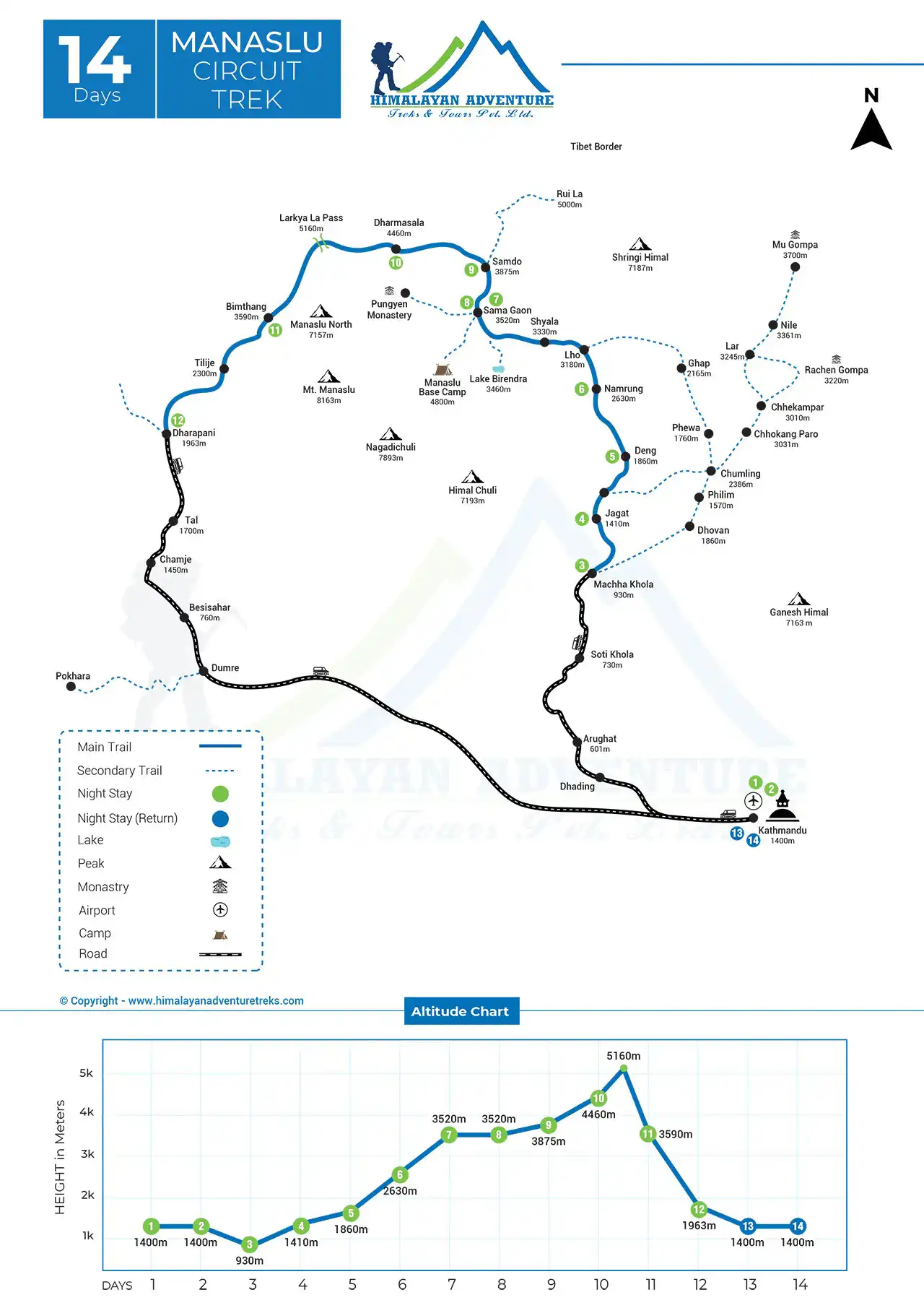
Manaslu Circuit Trek Map

Manaslu Circuit Trek: A Gateway to Serenity and Adventure

The Manaslu Circuit Trek 14 days is a breathtaking adventure that circumnavigates Mount Manaslu (8,163 meters), the world’s eighth-highest peak, located in the Gorkha District of Nepal. It is a captivating journey offering a blend of cultural exploration, serene landscapes, and thrilling trekking experiences. Renowned for its remote trails, pristine environments, and unparalleled views of the Himalayan range, the trek traverses the Manaslu Conservation Area, which is rich in biodiversity and cultural heritage.

The trail starts in the subtropical lowlands and ascends to the alpine region, culminating in the challenging yet rewarding Larkya La Pass at 5,160 meters (16,929 ft). The trek is ideal for adventurers seeking solitude and cultural immersion while avoiding the crowds of more commercialized treks like the Everest Base Camp Trek or the Annapurna Circuit Trek.

Manaslu Circuit Trek Map
                                                                                                  Manaslu Circuit Trek Map and Altitude 

Manaslu Circuit Trek Map: A Comprehensive Guide

The Manaslu Circuit Trek Map serves as a crucial tool for navigating one of Nepal’s most iconic and remote trekking routes. This map offers a visual representation of the trek’s trails, key landmarks, altitudes, distances, and geographical features, providing trekkers with essential information to plan their journey. Below is a detailed explanation of the map and its significance.

Key Features of the Manaslu Circuit Trek Map

  1. Starting and Ending Points
    • Start: The trek begins at Machha Khola (869m), a small village along the Budhi Gandaki River, reached after a long drive from Kathmandu.
    • End: The trek concludes at Dharapani (1,963m), where you connect to the Annapurna Circuit trail before driving back to Kathmandu.

    Significance: These locations mark the entry and exit points of the Manaslu Conservation Area, ensuring trekkers adhere to permit guidelines.

  2. Trail Path
    • The trail follows the Budhi Gandaki River for most of the journey, weaving through forests, gorges, and villages like Jagat, Deng, Namrung, and Sama Gaon.
    • The path eventually ascends to the high-altitude Larkya La Pass (5,160m) before descending to Bimthang and Dharapani.

    Significance: The map highlights steep ascents, descents, and relatively flat stretches, helping trekkers gauge the difficulty of each section.

  3. Altitude Profile
    • Starting at ~869m, the trek reaches its highest point at Larkya La Pass (5,160m) before descending.
    • The map provides an altitude chart to visualize elevation changes, which is vital for planning acclimatization days.

    Significance: This feature is critical for understanding how altitude impacts trekking and minimizing the risk of altitude sickness.

  4. Key Villages and Stops
    The map marks significant stops such as:

    • Jagat: Gateway to the Manaslu Conservation Area.
    • Namrung: A cultural hotspot showcasing Tibetan heritage.
    • Sama Gaon: A key acclimatization spot with access to Manaslu Base Camp.
    • Samdo: A high-altitude Tibetan village near the border with China.
    • Dharamsala (Larkya Phedi): The base camp for Larkya La Pass.

    Significance: These stops help trekkers divide their journey into manageable sections and identify locations for food, lodging, and cultural experiences.

  5. Natural Landmarks
    • Rivers: The map outlines the path of the Budhi Gandaki, Dudh Khola, and Marsyangdi Rivers, essential for hydration and orientation.
    • Glaciers and Lakes: Includes landmarks like Birendra Lake and glaciers near Manaslu Base Camp.

    Significance: Knowing these landmarks helps trekkers stay on track and enjoy the natural beauty along the way.

  6. Conservation Areas
    • The trek passes through the Manaslu Conservation Area and partially overlaps with the Annapurna Conservation Area towards the end.
    • The map also highlights protected zones rich in biodiversity, such as rhododendron forests and alpine meadows.

    Significance: These areas are essential for trekkers to understand the need for permits and sustainable trekking practices.

  7. Larkya La Pass
    • The map prominently marks the Larkya La Pass, showing its approach and descent routes.
    • Includes details about high-altitude hazards and rest stops like Dharamsala.

    Significance: As the trek’s most challenging section, this feature ensures trekkers are prepared for the rugged terrain and extreme weather conditions.

  8. Distances and Times
    • Each section of the trek is labeled with approximate distances in kilometers and trekking hours.
    • For example, the map shows that the distance from Machha Khola to Jagat is about 22 km, taking 7–8 hours.

    Significance: This information aids in pacing and planning daily itineraries.

  9. Trekking Routes and Alternatives
    • Highlights the main trail and possible detours, such as hikes to Manaslu Base Camp or exploration of side villages.
    • Some maps include connections to other treks like the Annapurna Circuit.

    Significance: Helps trekkers customize their journey according to time, interest, and fitness level.

Importance of the Manaslu Circuit Trek Map for Trekkers

  1. Navigation and Orientation: The Manaslu Circuit Trek map provides detailed topographical information, ensuring trekkers stay on course, especially in remote areas with fewer signposts.
  2. Planning and Preparation: Knowing the altitude profile, distances, and time estimates allows trekkers to plan for acclimatization, food supplies, and rest days.
  3. Safety and Emergency: The map includes emergency shelters, medical facilities, and exit routes, which are vital for dealing with unforeseen circumstances like injuries or extreme weather.
  4. Cultural and Natural Exploration: Highlights monasteries, villages, and biodiversity hotspots, enriching the trekking experience by pointing out key sites of interest.

Tips for Using the Manaslu Circuit Trek Map

  1. Get a Reliable Map: Opt for maps from trusted publishers like Nepal Trekking Maps or GPS-enabled apps like Maps.me. Ensure the map includes updated information on trails and landmarks.
  2. Combine with a Guide: While maps are helpful, a professional guide can provide real-time advice, local knowledge, and updates on weather and trail conditions.
  3. Understand Symbols and Legends: Familiarize yourself with the map’s symbols for trails, rivers, and landmarks to avoid confusion during the trek.
  4. Use Offline Tools: Carry a physical map or download offline versions, as internet connectivity is limited in the region.

Final Thoughts

The Manaslu Circuit Trek Map is more than a navigational aid; it’s a gateway to understanding the region’s geography, culture, and biodiversity. Whether you’re a first-time trekker or a seasoned adventurer, using this map effectively ensures a safer, more enjoyable, and enriching experience on the trail.

Manaslu Circuit Trek -14 Day Detailed Itinerary

Day 01: Arrival at Kathmandu Airport (1,334m / 4,376 ft)

Your adventure begins upon arrival at Tribhuvan International Airport, Kathmandu. You’ll be greeted by spectacular views of the Himalayas during your descent into the valley. After checking into your hotel in Thamel, you can explore local markets, temples, and restaurants. This day is for rest and preparation, where permits such as the Manaslu Restricted Area Permit and Manaslu Conservation Area Permit (MCAP) are finalized.

Day 02: Kathmandu Valley Sightseeing and Trek Preparation

Explore UNESCO World Heritage Sites such as Pashupatinath Temple, Boudhanath Stupa, and Kathmandu Durbar Square. These landmarks offer a glimpse into Nepal’s rich cultural history. In the afternoon, meet your trekking guide and finalize gear for the journey.

Day 03: Drive from Kathmandu to Machha Khola (869m / 2,851 ft)

Distance: ~140 km | Duration: 8–9 hours
The drive winds through lush hills, terraced farms, and riversides. Passing through Dhading and Arughat, you’ll reach the small village of Machha Khola. The drive is a blend of excitement and stunning scenery, with the Budhi Gandaki River accompanying most of the way.

Day 04: Trek from Machha Khola to Jagat (1,340m / 4,396 ft)

Distance: ~22 km | Duration: 7–8 hours
The trek follows narrow trails alongside the Budhi Gandaki River, crossing suspension bridges and passing small settlements. Highlights include the Tatopani hot springs, ideal for relaxation, and the transition to the Manaslu Conservation Area at Jagat, known for its stone-paved streets.

Day 05: Trek from Jagat to Deng (1,860m / 6,102 ft)

Distance: ~19 km | Duration: 6–7 hours
The trail alternates between dense forests and open terrain, offering glimpses of Himalayan peaks. You’ll encounter cultural symbols such as mani walls and chortens, signifying the region’s Buddhist influence.

Day 06: Trek from Deng to Namrung (2,630m / 8,628 ft)

Distance: ~20 km | Duration: 6–7 hours
Pass through villages like Ghap and Bihi, surrounded by pine and rhododendron forests. As the altitude rises, enjoy breathtaking views of Ganesh Himal and nearby peaks. Namrung offers cultural and natural immersion, with locals showcasing traditional Tibetan lifestyles.

Day 07: Trek from Namrung to Sama Gaon (3,520m / 11,548 ft)

Distance: ~18 km | Duration: 4–5 hours
This section is rich in Tibetan cultural heritage, with monasteries and prayer flags adorning the trail. Sama Gaon offers incredible views of Mount Manaslu and opportunities to explore Ribung Gompa.

Day 08: Acclimatization Day at Sama Gaon

Spend the day hiking to Birendra Lake or Manaslu Base Camp (4,800m) to acclimatize. This is essential for adjusting to high altitudes. Enjoy close-up views of glaciers and peaks, making this day a visual feast.

Day 09: Trek from Sama Gaon to Samdo (3,875m / 12,713 ft)

Distance: ~16 km | Duration: 4–5 hours
The trek to Samdo is gradual, with mesmerizing views of Himalayan landscapes and the Tibetan border nearby. Samdo is a quaint village, home to yak herders and a vibrant Tibetan community.

Day 10: Trek from Samdo to Dharamsala (4,460m / 14,633 ft)

Distance: ~14 km | Duration: 4–5 hours
The trail ascends steadily to Dharamsala, the base camp for Larkya La Pass. The day is relatively short but offers stunning views of the surrounding peaks like Himlung Himal.

Day 11: Trek from Dharamsala to Bimthang (3,590m / 11,778 ft) via Larkya La Pass (5,160m / 16,929 ft)

Distance: ~24 km | Duration: 8–9 hours
Crossing the Larkya La Pass is the trek’s most challenging and rewarding segment. From the top, marvel at Annapurna II, Cheo Himal, and other peaks. Descend carefully to the peaceful village of Bimthang, surrounded by alpine meadows.

Day 12: Trek from Bimthang to Dharapani (1,963m / 6,440 ft)

Distance: ~20 km | Duration: 6–7 hours
The trail descends through forests and riversides, passing villages like Gho. The journey becomes less strenuous as you approach Dharapani, where the trek concludes.

Day 13: Drive from Dharapani to Kathmandu

Duration: 8–9 hours
The return journey by jeep offers a mix of excitement and nostalgia as you revisit the landscapes of the Manaslu region. Back in Kathmandu, you can enjoy a farewell dinner to celebrate your successful trek.

Day 14: Departure from Kathmandu

Your trekking adventure concludes with a transfer to Tribhuvan International Airport.

Conclusion:

The Manaslu Circuit Trek Map is an indispensable resource for anyone embarking on this adventurous journey through Nepal’s pristine wilderness. It offers a comprehensive view of the trail, highlighting key landmarks, altitudes, and trekking distances, which are vital for planning a successful trek. With detailed routes from Machha Khola to Dharapani, the map ensures trekkers are well informed about each day’s challenges and attractions. Its inclusion of geographical features such as the Budhi Gandaki River, Larkya La Pass, and Manaslu Base Camp enriches the trekking experience, helping adventurers connect with the region’s natural beauty.

The map’s altitude profile is particularly crucial for tackling high-altitude challenges, offering insights that aid in minimizing risks like altitude sickness. By marking key villages like Jagat, Namrung, Sama Gaon, and Samdo, the map also serves as a cultural guide, showcasing the Himalayan lifestyle and Tibetan influence in these remote settlements. Its focus on Manaslu Conservation Area and biodiversity highlights the need for sustainable trekking practices, aligning with the conservation efforts in the region.

For safety, the map pinpoints emergency shelters, rest stops, and alternative routes, ensuring trekkers are prepared for unforeseen circumstances. It also provides valuable data on trekking hours and distances, enabling efficient pacing and preparation. Whether you’re planning acclimatization at Sama Gaon or gearing up for the challenging ascent of Larkya La Pass, the map proves invaluable.

In essence, the Manaslu Circuit Trek Map not only guides trekkers through a physically demanding route but also enhances their connection to the region’s geography, culture, and ecosystems. With updated information and proper usage, it becomes a trekker’s best companion, making the adventure safer, more enjoyable, and a truly unforgettable journey with Himalayan Adventure Trekking.

Manaslu Circuit Trek Difficulty: Everything You Need to Know

Manaslu Circuit Trek Difficulty – Guided

The Manaslu Circuit Trek is one of Nepal’s most captivating trekking adventures, offering a perfect blend of remote wilderness, cultural immersion, and breathtaking scenery. Encircling Mount Manaslu (8,163 meters/26,781 feet), the world’s eighth-highest peak, this trek is renowned for its challenging trails, high-altitude passes, and unmatched serenity. For adventure enthusiasts, this trek is a rewarding experience, but it is not without its difficulties. Understanding the challenges of the Manaslu Circuit Trek is crucial for preparing yourself mentally and physically to ensure a safe and fulfilling journey. This comprehensive guide delves into the trek’s difficulty levels, highlighting various factors such as altitude, fitness requirements, weather, terrain, and preparation tips, while seamlessly integrating essential Keywords to help enhance your understanding of this iconic trekking experience.

Manaslu Circuit Trek Village

 Altitude Challenges and Acclimatization on the Manaslu Circuit Trek

One of the primary factors contributing to the Manaslu Circuit Trek’s difficulty is its significant altitude variations. Starting at around 700 meters (2,296 feet) in Soti Khola, the trek gradually ascends to the highest point at Larkya La Pass (5,106 meters/16,752 feet). Trekking at such high altitudes means you will encounter a dramatic decrease in oxygen levels, which can affect your body’s ability to function optimally. Many trekkers experience symptoms of Acute Mountain Sickness (AMS), including headaches, nausea, dizziness, and shortness of breath, making acclimatization a critical aspect of the trek.

The trek’s itinerary is designed to allow your body to adapt gradually to the increasing altitude. For example, spending a rest day in Sama Gaun (3,520 meters/11,548 feet) is essential for acclimatization, as it provides your body with time to adjust while exploring the stunning Manaslu Base Camp or the sacred Birendra Lake. Proper hydration, avoiding alcohol, and following the golden rule of “climb high, sleep low” are crucial for minimizing altitude-related risks. Guides and porters familiar with altitude challenges play an instrumental role in monitoring your health and ensuring a safe trek.

Physical Fitness Requirements for Tackling the Manaslu Circuit

The Manaslu Circuit Trek demands a high level of physical fitness due to its strenuous and diverse terrain. On average, trekkers walk between 10 to 20 kilometers (6 to 12 miles) daily, traversing steep ascents, rocky descents, and uneven trails. This trek also includes several river crossings, suspension bridges, and narrow paths carved into cliffs, all of which test your stamina and endurance.

While prior trekking experience is not mandatory, it is highly recommended. Preparing for the trek involves a rigorous fitness regimen focusing on cardiovascular endurance, leg strength, and stamina. Activities like hiking, running, cycling, and stair climbing are excellent ways to condition your body for long days on the trail. Moreover, incorporating weight training to build core and leg muscles will help you navigate the trek’s challenging terrain with greater ease.

Mental resilience is just as important as physical fitness on this trek. Long walking hours, coupled with the physical toll of high altitudes, can be exhausting. However, staying motivated, focusing on the stunning Himalayan views, and remembering the rewards of reaching Larkya La Pass can help you push through the toughest moments.

Manaslu Circuit Trail Conditions and Challenges

The trail conditions on the Manaslu Circuit Trek vary significantly, adding to its overall difficulty. The trek begins with lush subtropical forests and terraced farmlands in the lower altitudes. As you ascend, the landscape transitions into alpine meadows, barren moraines, and snow-covered passes. While the diversity of terrain is a visual treat, it also presents unique challenges.

The section leading up to Larkya La Pass is particularly demanding. The trail here becomes narrow, icy, and steep, often requiring the use of trekking poles and crampons for stability. This high-altitude pass, which is often covered in snow during early spring and late autumn, requires careful navigation to avoid slips and falls.

In addition to snow and ice, trekkers must contend with rocky paths, landslide-prone areas, and river crossings. Suspension bridges, while sturdy, can feel daunting for those with a fear of heights. Guides familiar with the trail conditions are invaluable for ensuring safety in such challenging sections.

Weather and Seasonal Difficulties

The weather significantly influences the Manaslu Circuit Trek’s difficulty, as conditions vary drastically across seasons. The most favorable times for trekking are spring (March to May) and autumn (September to November). During these periods, the weather is relatively stable, with clear skies and mild temperatures that enhance trekking experiences and photography opportunities.

However, even during these optimal seasons, the weather in high-altitude regions can change abruptly. Cold winds, sudden snowfall, or rain showers may catch trekkers off guard. Winter (December to February) is particularly challenging, as extreme cold and heavy snow make certain sections, like Larkya La Pass, nearly impassable. The monsoon season (June to August) brings heavy rainfall, increasing the risk of landslides and making trails muddy and slippery.

To prepare for weather challenges, it’s essential to pack appropriately, carrying waterproof gear, thermal layers, and a reliable sleeping bag rated for sub-zero temperatures. Keeping a flexible itinerary also helps in case weather conditions delay your progress.

Remoteness and Accessibility of the Manaslu Circuit Trek

The Manaslu Circuit Trek is more remote compared to popular treks like the Everest Base Camp or Annapurna Circuit, adding an extra layer of difficulty. Starting at Soti Khola, the trek takes you through remote villages, dense forests, and rugged mountain terrain. Many of these areas are inaccessible by road, meaning that supplies are transported by mules or porters.

The remoteness of the trek means that basic facilities, such as accommodation, medical assistance, and communication networks, are sparse, especially in higher-altitude regions like Dharamsala or Bimthang. Teahouses along the trail offer basic amenities, but they may lack heating, hot water, or modern toilets, which can be uncomfortable, particularly in cold weather.

Trekkers must be prepared for limited access to resources and carry essential items such as a well-stocked first aid kit, extra snacks, and power banks for charging electronic devices. Hiring a guide and porter not only eases logistical challenges but also ensures support in case of emergencies.

Cultural and Environmental Sensitivity

The Manaslu Circuit Trek passes through the Manaslu Conservation Area, a protected region known for its rich biodiversity and cultural heritage. Trekking in this area requires adherence to eco-friendly practices and respect for local traditions. The conservation area is home to endangered species like the snow leopard and the Himalayan tahr, making it vital to follow leave-no-trace principles.

Additionally, the trek offers a unique cultural experience, as it passes through villages with strong ties to Tibetan Buddhism. Monasteries like the Pungyen Gompa and the ancient mani walls along the trail are sacred to locals. Trekkers should respect cultural norms, such as removing shoes before entering monasteries and seeking permission before photographing locals.

Environmental and cultural sensitivity not only enhances your experience but also helps preserve the region for future generations.

Technical Challenges and Gear Requirements

Although the Manaslu Circuit Trek does not involve technical climbing, certain sections, particularly Larkya La Pass, demand technical skills and equipment. The pass features steep ascents and descents over icy and rocky terrain, requiring trekkers to use trekking poles for balance and sometimes crampons for traction.

River crossings are another technical challenge. While most rivers are spanned by suspension bridges, some crossings may involve makeshift wooden bridges or stepping stones. Navigating these requires caution and the ability to maintain balance, especially when carrying a backpack.

Proper gear is critical for managing the trek’s technical difficulties. High-quality hiking boots, waterproof clothing, and a durable backpack are essential. Trekkers should also pack layers for insulation, a headlamp, and a sleeping bag suitable for freezing temperatures.

Permit and Cost Considerations

The Manaslu Circuit Trek is a restricted trek, meaning it requires special permits to ensure controlled access and conservation. The necessary permits include:

  • Manaslu Restricted Area Permit (MRAP): Costs vary based on the season, typically around USD 100-150 for a 7-day trek.
  • Annapurna Conservation Area Permit (ACAP): Required for entering the Annapurna region, costing around USD 30.
  • TIMS (Trekkers’ Information Management System) Card: Helps authorities monitor trekkers, costing around USD 10-20.

Hiring a licensed guide is mandatory for the restricted area, which increases costs but significantly enhances safety and navigation. Budgeting for accommodation, meals, gear rentals, and transportation is also crucial for a stress-free trekking experience.

Mental Preparation and Resilience

Mental toughness is often overlooked, but it is a key factor in overcoming the Manaslu Circuit Trek’s difficulty. Long trekking days, coupled with high-altitude fatigue and basic living conditions, can take a toll on your mental well-being. Staying motivated requires a positive mindset, a sense of adventure, and the ability to embrace challenges as part of the experience.

Connecting with fellow trekkers, enjoying the beauty of the Himalayas, and immersing yourself in the local culture can make the journey more enjoyable. Remember, every step brings you closer to the unforgettable achievement of completing one of Nepal’s most iconic treks.

Are you looking to touch the sky with your fingers and have the world stop completely? Are you longing for […]
14 Days
Moderate

US$ 1400

View Detail

FAQ for Manaslu Circuit Trek Difficulty

  • How difficult is the Manaslu Circuit Trek?
    The Manaslu Circuit Trek is considered moderately to highly difficult due to long walking days, high altitude, and remote trails.

  • Is the Manaslu Circuit Trek suitable for beginners?
    It can be done by beginners with good physical fitness, preparation, and proper acclimatization.

  • What is the highest point of the Manaslu Circuit Trek?
    The highest point is Larkya La Pass at 5,106 meters, which is the most challenging part of the trek.

  • How many hours do trekkers walk each day?
    Trekkers usually walk 6 to 8 hours per day, depending on the itinerary and pace.

  • Does altitude make the trek difficult?
    Yes, the trek reaches above 5,000 meters, so altitude sickness can be a challenge if acclimatization is not done properly.

  • Is the Manaslu Circuit harder than the Everest Base Camp trek?
    It is often considered more challenging than the Everest Base Camp trek because it is more remote and has fewer facilities.

  • Do you need prior trekking experience?
    Prior trekking experience is helpful but not mandatory, as long as you are physically prepared.

  • What type of trail conditions can trekkers expect?
    The trail includes steep climbs, rocky paths, suspension bridges, and mountain passes.

  • What level of fitness is required?
    Trekkers should have good stamina, strong legs, and the ability to walk long hours at high altitude.

  • Is the Manaslu Circuit Trek safe?
    Yes, it is generally safe when trekked with a licensed guide, proper acclimatization, and good preparation.

Conclusion: Embracing the Manaslu Circuit Trek’s Challenges

The Manaslu Circuit Trek is undoubtedly a challenging adventure, yet its rewards far outweigh its difficulties. From the mesmerizing views of Mount Manaslu and the pristine landscapes of the Himalayas to the rich cultural heritage of the Tibetan-influenced villages, every aspect of this trek is an experience of a lifetime. The challenges of high altitudes, demanding terrains, and remote locations test your physical endurance and mental resilience, but they also offer an unparalleled sense of achievement.

By adequately preparing through fitness training, acquiring the right gear, acclimatizing properly, and respecting the local culture and environment, trekkers can turn potential difficulties into manageable hurdles. The guidance of experienced guides and porters ensures not only safety but also a deeper connection with the region’s natural and cultural treasures.

Ultimately, the Manaslu Circuit Trek is more than just a physical journey; it’s a transformative experience that pushes your limits, nurtures a sense of adventure, and leaves you with memories that last a lifetime. For those willing to embrace its challenges, the trek is a gateway to some of the most stunning and remote parts of Nepal, offering serenity and inspiration at every step.

Everest Base Camp 14 Days Trek

The Everest Base Camp 14 Days Trek is an unparalleled adventure that takes you through breathtaking Himalayan landscapes, vibrant Sherpa culture, and the majestic Sagarmatha National Park. This once-in-a-lifetime experience offers both natural beauty and cultural richness, culminating at Everest Base Camp, the base of the tallest peak in the world. Below is a detailed explanation of the trek’s highlights, itinerary, safety measures, and essential preparations.

Highlights of the Everest Base Camp 14 Days Trek

Scenic Flight to Lukla: Enjoy a thrilling 35-minute flight with stunning aerial views of Himalayan peaks and valleys.

Namche Bazaar: Explore the gateway to Everest, rich in Sherpa heritage, vibrant markets, and cozy cafes.

Tengboche Monastery: Visit a serene spiritual hub offering iconic views of Ama Dablam and Everest.

Sagarmatha National Park: Witness unique flora and fauna in this UNESCO World Heritage Site.

Kala Patthar: Experience panoramic sunrise views of Everest and surrounding peaks.

Everest Base Camp: Standing at 5,364 m (17,598 ft), this is the ultimate trekking milestone.

Everest Base Camp 14 Days Trek Itinerary:

Day 1: Arrival in Kathmandu

On arrival at Tribhuvan International Airport in Kathmandu, you will be welcomed by a representative and transferred to your hotel. Spend the rest of the day resting or exploring Kathmandu’s historic sites like Swayambhunath (Monkey Temple) or Boudhanath Stupa. In the evening, meet your trek leader and the rest of your trekking group for a briefing on the upcoming journey. The evening is also a great opportunity to shop for last-minute trekking gear. Overnight stay in Kathmandu.

Day 2: Fly to Lukla, Trek to Phakding (2,610 m/8,563 ft)

After an early breakfast, you’ll take a scenic 30-minute flight to Lukla, a small mountain airport in the Khumbu region. Upon arrival, start your trek towards Phakding, a village located near the Dudh Koshi River. The trail is mostly downhill or level, passing through forests of pine and rhododendron. You’ll cross several suspension bridges and small settlements along the way. The walk will be leisurely and helps with acclimatization, as you gain altitude gradually. The rest of the day is spent relaxing and adjusting to the mountain environment. Overnight stay in Phakding.

Day 3: Trek from Phakding to Namche Bazaar (3,440 m/11,286 ft)

Today’s trek takes you from Phakding to Namche Bazaar, the gateway to the Everest region. The trek starts by crossing the Dudh Koshi River and entering the Sagarmatha National Park. You’ll trek through dense forests and cross numerous suspension bridges, including the famous Hillary Bridge. After passing through the village of Monjo, the trail starts to ascend steeply towards Namche Bazaar. The climb is challenging but rewarding, with views of the snow-capped peaks of Thamserku and Everest. Namche is a bustling Sherpa town with markets, hotels, and restaurants. You’ll spend the night in Namche Bazaar to rest and acclimatize.

Day 4: Acclimatization Day in Namche Bazaar

Acclimatization is crucial for preventing altitude sickness, and today is dedicated to adjusting to the higher altitude. Take a short hike to the Everest View Hotel for panoramic views of Mount Everest, Ama Dablam, and other peaks. On the way, you can also visit the local Sherpa Museum or take a walk around Namche Bazaar to explore its vibrant markets. The rest of the day is free for you to relax, hydrate, and enjoy the cultural vibe of Namche. The night is spent in Namche Bazaar.

Day 5: Trek from Namche Bazaar to Tengboche (3,860 m/12,664 ft)

On day 5, the Everest Base Camp 14 Days Trek trail continues with a gradual ascent to Tengboche, famous for its monastery. You’ll first trek through forests of rhododendron and juniper, passing through several small villages and scenic viewpoints. The trek offers amazing views of Everest, Lhotse, and Ama Dablam. Tengboche Monastery, perched high on a ridge, is a cultural and spiritual highlight. The peaceful setting of the monastery offers spectacular views of the surrounding peaks. After visiting the monastery, you’ll have time to rest before the next leg of the journey. Overnight stay in Tengboche.

Day 6: Trek from Tengboche to Dingboche (4,410 m/14,469 ft)

Today’s Everest Base Camp 14 Days Trek takes you to Dingboche, a charming Sherpa village with incredible views of the surrounding mountains, including the towering Ama Dablam. The trail is mostly uphill, passing through forests and rocky paths, with occasional views of the valley below. You’ll pass through the village of Pangboche, known for its ancient monastery, and continue towards the Imja Khola River. Upon reaching Dingboche, you’ll notice the alpine environment becoming more rugged and barren. This is an important acclimatization stop, and you’ll have the rest of the day to relax and explore the village. Overnight in Dingboche.

Day 7: Acclimatization Day in Dingboche

To help your body adjust to the high altitude, today is another acclimatization day. You can take a short trek up to the ridge above Dingboche, where you’ll be rewarded with views of some of the tallest peaks in the region, including Makalu. Alternatively, you can explore the surrounding area or visit the local yak pastures. It’s important to avoid strenuous activities today and focus on rest and hydration. This rest day will prepare you for the more challenging sections ahead. Overnight in Dingboche.

Day 8: Trek from Dingboche to Lobuche (4,940 m/16,207 ft)

The trek today takes you from Dingboche to Lobuche, which is another important stop on the way to Everest Base Camp. The trail climbs gradually through rocky terrain, passing by memorials dedicated to fallen mountaineers. You’ll get fantastic views of the Khumbu Glacier and surrounding peaks. The altitude begins to take its toll, so it’s important to pace yourself and stay hydrated. Upon reaching Lobuche, the views of Nuptse, Everest, and other towering peaks are breathtaking. The evening is spent resting for the next day’s adventure. Overnight stay in Lobuche.

Day 9: Trek from Lobuche to Everest Base Camp (5,364 m/17,598 ft)

Today is the highlight of the Everest Base Camp 14 Days Trek, as you will reach Everest Base Camp. The trail from Lobuche to the base camp is challenging, passing through the moraines of the Khumbu Glacier and climbing gradually to the camp. The landscape becomes increasingly rugged, with views of towering peaks and glaciers around you. When you reach Everest Base Camp, you’ll be able to enjoy views of the surrounding mountains, including the famous Khumbu Icefall. Spend some time here soaking in the atmosphere before returning to Gorak Shep for the night. Overnight in Gorak Shep.

Day 10: Hike to Kala Patthar (5,550 m/18,209 ft), Return to Pheriche (4,371 m/14,340 ft)

Early in the morning, hike to Kala Patthar, a popular viewpoint offering panoramic views of Mount Everest, Lhotse, Nuptse, and other surrounding peaks. The sunrise view from Kala Patthar is a once-in-a-lifetime experience and a great way to cap your journey to Everest Base Camp. After spending time at the top, return to Gorak Shep for breakfast, then descend to Pheriche for the night. The trek down is easier, and you’ll be able to enjoy the changing landscapes as you descend through alpine forests and villages. Overnight in Pheriche.

Day 11: Trek from Pheriche to Namche Bazaar

Today’s Everest Base Camp 14 Days Trek involves a long descent back towards Namche Bazaar. You’ll retrace your steps through the villages of Pangboche and Tengboche, enjoying the beautiful views of the surrounding valleys and peaks. As you descend, the landscape transitions from alpine to more forested areas, and you may encounter yaks and other wildlife. The route is easier than the ascent, but you’ll still need to pace yourself to avoid strain. Once you reach Namche Bazaar, you’ll have time to relax and celebrate your accomplishments. Overnight in Namche Bazaar.

Day 12: Trek from Namche Bazaar to Lukla

The final leg of your Everest Base Camp 14 Days Trek takes you from Namche Bazaar back to Lukla. The trail is mostly downhill, passing through forests, bridges, and villages. As you descend, you’ll notice the altitude decreasing, and the scenery becomes more verdant and less barren. Upon arriving in Lukla, you’ll have time to rest and reflect on your incredible journey. In the evening, you can enjoy a farewell dinner with your trekking team. Overnight in Lukla.

Day 13: Fly Back to Kathmandu

After breakfast, you’ll take a flight from Lukla to Kathmandu. The flight offers stunning views of the Himalayan peaks and valleys below. Once in Kathmandu, you’ll be transferred back to your hotel. You can spend the rest of the day shopping, sightseeing, or relaxing. In the evening, a celebration dinner will mark the end of your Everest Base Camp trek. Overnight in Kathmandu.

Day 14: Departure from Kathmandu

On the final day, you’ll be transferred to Tribhuvan International Airport for your departure flight. Depending on your flight schedule, you may have some free time for last-minute shopping or sightseeing in Kathmandu before heading home.

Altitude Sickness and Safety Tips for Everest Base Camp 14 Days Trek

Understanding Altitude Sickness (Acute Mountain Sickness – AMS):
Altitude Sickness occurs when the body struggles to adapt to low oxygen levels at high altitudes. It typically starts at elevations above 2,500 meters (8,202 feet) and becomes more severe as altitude increases.

Common Symptoms of AMS:

  1. Mild Symptoms (Manageable at early stages):
    • Headache
    • Nausea and vomiting
    • Fatigue or weakness
    • Dizziness or lightheadedness
    • Loss of appetite
    • Difficulty sleeping
  2. Severe Symptoms (Requires immediate attention):
    • Severe headache unrelieved by medications
    • Breathlessness even while resting
    • Confusion, difficulty walking, or lack of coordination
    • Persistent coughing or coughing blood (HAPE – High-Altitude Pulmonary Edema)
    • Swelling in hands, feet, or face

Prevention of Altitude Sickness:

  1. Acclimatization:
    • Include rest days in your itinerary (e.g., in Namche Bazaar and Dingboche).
    • Gradual ascent: Do not climb more than 300-500 meters (1,000-1,640 feet) in altitude per day after 3,000 meters.
  2. Stay Hydrated:
    • Drink 3-4 liters of water daily. Avoid dehydration, which can worsen AMS symptoms.
  3. Avoid Alcohol and Smoking:
    • These can worsen dehydration and impair acclimatization.
  4. Eat High-Energy Foods:
    • Prioritize carbohydrates for sustained energy and recovery.
  5. Take Medications if Needed:
    • Acetazolamide (Diamox): Prevents and reduces AMS symptoms by improving oxygen levels in the blood.
    • Consult a doctor before starting any medication.

Safety Tips for the Trek:

  1. Monitor Symptoms Daily:
    • Communicate with your guide or group about how you feel.
  2. Follow the Golden Rule:
    • “Climb high, sleep low”: Take short acclimatization hikes but return to a lower elevation to sleep.
  3. Pace Yourself:
    • Walk at a comfortable, steady pace and avoid rushing.
  4. Use Trekking Poles:
    • Reduce the strain on your knees and maintain balance on rugged terrain.
  5. Plan for Emergencies:
    • Familiarize yourself with evacuation options, such as helicopter services.
    • Guides carry oxygen cylinders for emergencies; ensure this is available.
  6. Wear Proper Gear:
    • Keep yourself warm and dry to avoid hypothermia and ensure safety in changing weather conditions.
  7. Trust Your Guide:
    • Experienced guides monitor symptoms and manage your pace to ensure safety.

Emergency Response to AMS:

  1. Immediate Descend:
    • If symptoms worsen, descend to a lower altitude immediately (500-1,000 meters).
  2. Use Oxygen:
    • Portable oxygen cylinders help stabilize critical conditions until professional help is available.
  3. Seek Professional Help:
    • In severe cases, helicopter evacuation to a lower altitude is recommended.

By staying vigilant and preparing for the challenges of high-altitude trekking, you can safely and enjoyably complete the Everest Base Camp journey. Prioritizing health and adhering to safety measures ensures a memorable adventure in the Himalayas.

Essential Gear Checklist for the Everest Base Camp 14 Days Trek

Proper gear is critical for a successful and comfortable Everest Base Camp (EBC) trek 14 days. Here’s a comprehensive checklist divided into categories to help you prepare:

1. Clothing

Base Layers:

  • Moisture-wicking thermal tops and bottoms (2-3 pairs).
  • Comfortable trekking shirts (quick-dry materials, 3-4 pairs).

Insulation Layers:

  • Fleece jacket or sweater for warmth.
  • Down jacket (lightweight but warm, suitable for freezing temperatures).

Outer Layers:

  • Waterproof and windproof jacket (Gore-Tex or similar material).
  • Waterproof trekking pants.

Trekking Pants and Shorts:

  • Lightweight trekking pants (2-3 pairs).
  • Convertible pants for versatility in varying temperatures.

Underwear:

  • Quick-drying sports underwear (4-5 pairs).

Sleepwear:

  • Warm and comfortable clothes for sleeping.

Headwear:

  • Wide-brimmed sun hat or cap for sun protection.
  • Warm hat or beanie for cold weather.
  • Buff or neck gaiter for wind and dust protection.

Gloves:

  • Lightweight inner gloves for mild weather.
  • Insulated, waterproof outer gloves for freezing conditions.

2. Footwear

Trekking Boots:

  • Waterproof, broken-in trekking boots with good ankle support.

Camp Shoes:

  • Lightweight and comfortable shoes or sandals for evenings.

Socks:

  • Woolen or synthetic trekking socks (3-4 pairs).
  • Thermal socks for cold weather (2 pairs).

3. Backpacks and Bags

  • Daypack (20-30 liters): For carrying essentials like water, snacks, and a camera.
  • Duffel Bag (50-70 liters): Carried by porters to store your main gear.
  • Rain Cover: To protect your bags from moisture.

4. Sleeping Gear

  • Sleeping Bag: Rated for -10°C to -20°C (can be rented in Kathmandu).
  • Sleeping Bag Liner: For added warmth and hygiene.

5. Trekking Accessories

  • Trekking poles (collapsible and lightweight).
  • Headlamp with extra batteries.
  • Sunglasses with UV protection.
  • Reusable water bottles or a hydration bladder (2-3 liters capacity).
  • Water purification tablets or a filter.
  • Lightweight towel.

6. Personal Items and Toiletries

  • Sunscreen (SPF 30 or higher).
  • Lip balm with UV protection.
  • Wet wipes and tissues.
  • Hand sanitizer.
  • Toothbrush, toothpaste, and travel-sized toiletries.
  • Feminine hygiene products (if needed).

7. First Aid and Health

  • Personal first aid kit (including band-aids, antiseptic cream, blister care, and pain relievers).
  • Altitude sickness medication (e.g., Diamox).
  • Anti-diarrheal medication.
  • Prescribed medications (if applicable).
  • Electrolyte powder or tablets for hydration.

8. Electronics and Gadgets

  • Smartphone or camera with extra batteries or a power bank (10,000-20,000 mAh).
  • Universal travel adapter.
  • Charging cables.
  • Lightweight binoculars (optional).

9. Miscellaneous Items

  • Passport, permits, and travel insurance documents (carried in a waterproof pouch).
  • Trekking map or guidebook.
  • Cash (in Nepalese rupees for purchases along the trail).
  • Snacks (energy bars, nuts, dried fruits, etc.).
  • Notebook and pen (for journaling).
  • Lightweight reading material (optional).

Packing Tips

  1. Pack Light: Only bring essentials to reduce the weight carried by porters.
  2. Layering System: Focus on layering clothes to adapt to fluctuating temperatures.
  3. Organize Gear: Use packing cubes or dry bags to keep items organized and protected from moisture.
  4. Rent Equipment: Bulky items like down jackets and sleeping bags can be rented in Kathmandu.

Being well-equipped ensures comfort, safety, and enjoyment on your Everest Base Camp adventure. Prepare wisely, and you’ll be ready to tackle the majestic Himalayas!

Conclusion

The Everest Base Camp 14 Days Trek is a life-changing experience combining adventure, culture, and unparalleled natural beauty. With proper preparation and pacing, this 14-day journey offers unforgettable memories, a sense of achievement, and the unmatched thrill of standing at the foot of the world’s tallest mountain.

Himalayan Adventure Motorbike Tours in Nepal

Introduction to Himalayan Adventure Motorbike Tours in Nepal

Nepal, with its breathtaking landscapes, rich cultural heritage, and challenging terrains, offers some of the most thrilling motorbike tours in the world. Whether you’re riding through the rugged terrains of the Himalayas, the lush valleys, or the arid landscapes of Mustang, a motorbike tour in Nepal promises an adventure like no other. Himalayan Adventure Treks offers meticulously planned motorbike tours that cater to both novice riders and seasoned adventurers. This guide will explore the key aspects of Himalayan Adventure motorbike tours in Nepal, providing you with all the information you need for an unforgettable journey.

Highlights of Motorbike Tours in Nepal

Motorbike tours in Nepal are packed with thrilling experiences, cultural encounters, and stunning natural beauty. Some of the highlights include:

  1. Riding Through the Himalayas:
    • Experience the adrenaline rush of riding through the world’s highest mountain range.
    • Pass through iconic locations like the Annapurna Circuit, Mustang Valley, and the Everest region.
    • Encounter breathtaking views of peaks like Annapurna, Dhaulagiri, and Machhapuchhre.
  2. Exploring Ancient Cultures:
    • Visit ancient monasteries, temples, and traditional villages that have preserved Nepal’s rich cultural heritage.
    • Engage with local communities, especially in remote areas, where you can learn about their customs and traditions.
  3. Challenging Terrains:
    • Ride through a variety of terrains, from smooth highways to rugged off-road tracks.
    • Experience the thrill of navigating challenging routes such as Thorong La Pass (5,416 meters), one of the highest motorable passes in the world.
  4. Scenic Beauty:
    • Enjoy panoramic views of lush valleys, terraced fields, dense forests, and arid deserts.
    • Witness diverse flora and fauna, especially in regions like the Annapurna Conservation Area and the Langtang National Park.
  5. Adventure Activities:
    • Combine your motorbike tour with other adventure activities like trekking, rafting, or paragliding.
    • Visit popular tourist destinations such as Pokhara, Lumbini (the birthplace of Buddha), and Chitwan National Park.

Best Seasons for Motorbike Tours in Nepal

The best time to embark on a motorbike tour in Nepal depends largely on the regions you plan to visit. However, generally, the ideal seasons are:

  1. Autumn (September to November):
    • Considered the best season for motorbike tours in Nepal.
    • The weather is clear and stable, with mild temperatures, making it ideal for long rides.
    • The views of the mountains are spectacular, and the roads are in good condition after the monsoon rains.
  2. Spring (March to May):
    • Another excellent time for motorbike tours, especially for those interested in experiencing Nepal’s vibrant flora.
    • The weather is warm, and the rhododendron forests are in full bloom, offering picturesque landscapes.
    • This season is also suitable for high-altitude rides as the snow begins to melt.
  3. Winter (December to February):
    • Motorbike tours are possible in lower altitudes during winter.
    • The mountain views are crystal clear, and there is less tourist traffic, making for a more peaceful ride.
    • However, high-altitude passes may be closed due to snow, so routes need to be planned accordingly.
  4. Monsoon (June to August):
    • Not the best time for motorbike tours due to heavy rainfall, which can make roads slippery and prone to landslides.
    • However, the Mustang region, which lies in the rain shadow, remains accessible and is an excellent option for a monsoon motorbike tour.

Best Routes for Motorbike Tours in Nepal

Nepal offers a variety of routes that cater to different levels of riding experience and preferences. Here are some of the most popular motorbike routes:

  1. Kathmandu to Pokhara:
    • Distance: 200 km
    • Highlights: Ride from the bustling capital city to the serene lakeside city of Pokhara. The route offers scenic views of the Trishuli River, terraced fields, and the Annapurna range.
  2. Pokhara to Jomsom (Mustang):
    • Distance: 155 km
    • Highlights: This route takes you from the green valleys of Pokhara to the arid landscapes of the Mustang region. The road conditions vary, with challenging off-road sections. Key attractions include the Kali Gandaki Gorge, the deepest in the world, and the ancient town of Jomsom and Upper Mustang, a forbidden kingdom of Nepal.
  3. Kathmandu to Lhasa (Tibet):
    • Distance: 1,000 km
    • Highlights: For the ultimate adventure, this cross-border route takes you from Nepal to Tibet, passing through the majestic Himalayan range. Key attractions include Mount Everest Base Camp (Tibet side), the Potala Palace in Lhasa, and the high-altitude Tibetan Plateau.
  4. Around Annapurna Circuit:
    • Distance: 230 km
    • Highlights: One of the most iconic routes in Nepal, the Annapurna Circuit offers a mix of on-road and off-road riding. You’ll cross Thorong La Pass, visit ancient Buddhist monasteries, and enjoy panoramic views of the Annapurna and Dhaulagiri ranges.
  5. Kathmandu to Everest Base Camp:
    • Distance: 365 km
    • Highlights: A challenging and rewarding route, this journey takes you close to the base of the world’s highest peak, Mount Everest. The ride includes off-road sections, river crossings, and high-altitude challenges.
  6. Pokhara to Rara Lake:
    • Distance: 370 km
    • Highlights: This off-the-beaten-path route takes you to the pristine Rara Lake in the far western region of Nepal. The route offers a mix of forest trails, rural villages, and the serene beauty of Rara National Park.

Essential Equipment List for Motorbike Tours in Nepal

Preparing for a motorbike tour in Nepal requires careful planning and packing. Here’s a list of essential equipment:

  1. Motorbike Gear:
    • Helmet: A high-quality, well-fitted helmet is a must for safety.
    • Jacket: A riding jacket with protective armor and weatherproofing.
    • Gloves: Durable, weather-resistant gloves with a good grip.
    • Boots: Waterproof, ankle-supporting riding boots.
    • Pants: Riding pants with knee protection and weatherproof material.
    • Goggles/Sunglasses: For eye protection against dust, wind, and sun.
  2. Navigation and Communication:
    • GPS Device/Maps: A reliable GPS device or detailed maps of the region.
    • Mobile Phone: With a local SIM card for communication.
    • Power Bank: To keep your devices charged during long rides.
  3. Bike Maintenance:
    • Tool Kit: A basic tool kit for minor repairs on the go.
    • Spare Parts: Extra tubes, spark plugs, clutch cables, and chain links.
    • First Aid Kit: For emergencies, including bandages, antiseptics, and painkillers.
    • Tire Repair Kit: Essential for punctures, especially on off-road routes.
  4. Personal Items:
    • Clothing: Layered clothing suitable for varying temperatures, including thermal wear.
    • Rain Gear: Waterproof jacket and pants.
    • Hydration Pack: To stay hydrated during long rides.
    • Snacks: Energy bars, nuts, and dried fruits for quick energy boosts.
    • Camera: To capture the breathtaking landscapes and memories.
  5. Camping Gear (Optional):
    • Tent: Lightweight and weatherproof, suitable for high altitudes.
    • Sleeping Bag: Warm and compact, suitable for the season.
    • Cooking Equipment: Portable stove, utensils, and fuel if planning to camp.

Insurance for Motorbike Tours in Nepal

Insurance is a crucial aspect of any motorbike tour in Nepal, ensuring that you’re covered in case of accidents, injuries, or other unforeseen events. Here’s what you need to know:

  1. Travel Insurance:
    • Ensure your travel insurance covers motorbike riding, particularly for high-altitude regions.
    • Coverage should include medical expenses, evacuation (airlift if necessary), and trip cancellations or delays.
  2. Motorbike Insurance:
    • Comprehensive motorbike insurance is essential, covering theft, damage, and third-party liability.
    • Some tours offer bikes with insurance, so check the details before you embark on the journey.
  3. Personal Accident Insurance:
    • This policy provides compensation in case of accidental death or injury while on the tour.
    • It’s advisable to have coverage that includes disability benefits.
  4. Medical Evacuation Insurance:
    • Given the remote and high-altitude locations involved in many motorbike tours, medical evacuation insurance is highly recommended.
    • It should cover the cost of airlifting to the nearest medical facility in case of severe injuries or illness.

Experience Required for Off-Road Riding in Nepal

Off-road riding in Nepal can be challenging due to the rough terrain, unpredictable weather, and high altitudes. Here’s what you need to consider regarding the experience required:

  1. Riding Experience:
    • Previous off-road motorbike experience is highly recommended, especially for routes like the Annapurna Circuit, Mustang, and Everest Base Camp.
    • Riders should be comfortable with handling uneven terrains, river crossings, steep climbs, and descents.
  2. Physical Fitness:
    • A good level of physical fitness is essential, as off-road riding can be physically demanding.
    • Riders should be prepared for long hours of riding in varying weather conditions, including high altitudes where oxygen levels are lower.
  3. Training:
    • For those new to off-road riding, it’s advisable to undergo training before attempting these routes.
    • Many motorbike tour companies offer pre-tour training sessions that cover essential skills such as riding on gravel, mud, and steep slopes.
  4. Adaptability:
    • Riders should be adaptable and prepared for changing road conditions, including landslides, roadblocks, and sudden weather changes.
    • Experience in reading and reacting to the terrain is crucial for safety.
  5. Mental Preparation:
    • Mental toughness is as important as physical readiness. The challenges of off-road riding can be stressful, and riders need to be prepared to face them with calm and determination.

Conclusion

Himalayan Adventure Motorbike Tours in Nepal offer an unparalleled experience for those seeking a blend of adventure, culture, and natural beauty. Whether you’re riding through the heart of the Himalayas, exploring ancient cultural sites, or navigating challenging off-road routes, these tours provide memories that last a lifetime. By understanding the best seasons, routes, necessary equipment, and the importance of insurance and experience, you can ensure a safe, thrilling, and unforgettable motorbike tour in Nepal.

For those ready to take on this incredible adventure, Himalayan Adventure Treks & Tours is here to guide you every step of the way, offering expert planning, support, and a deep knowledge of Nepal’s most exhilarating motorbike routes.

Everest Base Camp Trek 2026-2027

Everest Base Camp (EBC) Trek 2026-2027

The Everest Base Camp Trek 2026-2027 is one of the most popular trekking routes in the world, attracting adventure enthusiasts from across the globe to explore the heart of the Himalayas. Beginning from the small, high-altitude airport in Lukla, trekkers journey through dense forests, vibrant Sherpa villages, glacial rivers, and rugged terrains to reach the famous Everest Base Camp (5,364 meters / 17,598 feet). Along the way, trekkers are surrounded by breathtaking views of towering peaks, including Mount Everest, Lhotse, Nuptse, and Ama Dablam. The trek typically spans 12-14 days, balancing acclimatization with exploration and adventure, and follows a path that offers a mix of natural wonders, cultural immersion, and physical challenge. Reaching Everest Base Camp allows trekkers to stand on the same ground where climbers prepare for summit attempts and experience the unique culture and hospitality of the Sherpa people.

Everest Base Camp Trek Highlights

Scenic Flight to Lukla: The journey to Everest Base Camp begins with a thrilling scenic flight from Kathmandu to Lukla, often regarded as one of the most exhilarating flights in the world. This flight takes approximately 30-40 minutes and offers breathtaking views of the Himalayas, including towering peaks and lush valleys. The approach to the Tenzing-Hillary Airport, perched at an altitude of 2,860 meters (9,383 feet) and surrounded by mountains, is both exhilarating and daunting due to the short runway and challenging terrain. This flight sets the tone for the adventure ahead, as trekkers are immediately immersed in the beauty of the region.

Sherpa Culture: The trek provides a unique opportunity to explore the rich and vibrant culture of the Sherpa people. Trekkers can visit traditional Sherpa villages, such as Namche Bazaar and Khumjung, where they can interact with locals, learn about their customs, and experience their hospitality. Visitors often have the chance to witness traditional practices, such as prayer ceremonies and local festivals, as well as gain insights into the Sherpas’ deep spiritual connection to the mountains. Engaging with the community enhances the trekking experience, fostering a deeper understanding of the region’s culture and history.

Tengboche Monastery: Tengboche Monastery, located at an altitude of 3,867 meters (12,684 feet), is one of the highest monasteries in the world and a significant spiritual center for the Sherpa community. The monastery, renowned for its stunning architecture, hosts daily prayer ceremonies and annual festivals. Visitors can explore the monastery’s interior, adorned with beautiful murals and statues, and enjoy panoramic views of the Everest massif from its grounds. This serene location serves as a peaceful retreat for trekkers, offering a moment of reflection amidst the challenging trek.

Breathtaking Views: Throughout the trek, trekkers are treated to stunning panoramas of some of the world’s highest peaks, including Mount Everest, Lhotse, Nuptse, and Ama Dablam. Each day on the trail presents new vistas that leave trekkers in awe of the towering mountains and dramatic landscapes. These breathtaking views serve as a reminder of the natural beauty and grandeur of the Himalayas, providing motivation and inspiration as trekkers continue their journey toward base camp.

Khumbu Glacier and Icefall: One of the most iconic highlights of the EBC trek is the opportunity to trek alongside the Khumbu Glacier, the highest glacier in the world. The glacier stretches from the base of Mount Everest down to Gorak Shep and is characterized by its stunning ice formations, deep crevasses, and massive seracs. The Khumbu Icefall, a constantly shifting and perilous area of the glacier, is a sight to behold, showcasing the raw power of nature. This section of the trek is not only visually striking but also provides insight into the challenges faced by climbers attempting to summit Everest.

Kala Patthar Viewpoint: A highlight of the trek is the ascent to Kala Patthar, a viewpoint that stands at an elevation of 5,545 meters (18,192 feet). The hike to this summit is demanding but incredibly rewarding, especially for sunrise enthusiasts. From the top, trekkers are treated to arguably the best views of Mount Everest and its surrounding peaks, bathed in the golden light of dawn. This moment is often cited as one of the most memorable experiences of the trek, offering a perfect opportunity for photography and reflection.

Sagarmatha National Park: The trek takes place within the stunning Sagarmatha National Park, a UNESCO World Heritage site known for its exceptional natural beauty and biodiversity. The park encompasses diverse ecosystems, ranging from lush valleys and alpine meadows to rocky mountain terrain. Trekkers may encounter unique flora and fauna, including rare species such as the red panda and snow leopard. The park’s rich biodiversity and stunning landscapes make it a crucial part of the trekking experience, providing both adventure and environmental appreciation.

Namche Bazaar: Namche Bazaar serves as the gateway to the Everest region and a bustling hub for trekkers. This vibrant village, situated at an altitude of 3,440 meters (11,286 feet), features a mix of traditional Sherpa culture and modern amenities. Trekkers can find a range of accommodations, restaurants, and shops, as well as ATMs and internet cafes. Namche Bazaar is also an important acclimatization stop, allowing trekkers to adjust to the altitude while enjoying the local culture and hospitality.

Challenging Altitudes: The Everest Base Camp trek is a high-altitude adventure, with trekkers ascending to elevations exceeding 5,000 meters (16,404 feet). This challenging aspect of the trek tests both physical endurance and mental resilience. Trekkers must be prepared for the physical demands of long daily hikes, often over rocky and uneven terrain, while also coping with the effects of altitude. Proper acclimatization and a gradual ascent are essential to ensure a safe and enjoyable trekking experience.

Base Camp Milestone: Reaching Everest Base Camp (EBC), located at 5,364 meters (17,598 feet), is a significant milestone for trekkers. This iconic location is not only the starting point for climbers attempting to summit Mount Everest but also a symbol of adventure and exploration. Standing at EBC, trekkers are surrounded by stunning mountain views and the dramatic backdrop of the Khumbu Icefall. The sense of accomplishment upon reaching this point is palpable, as it represents the culmination of days of hard work, perseverance, and the spirit of adventure. Many trekkers take time to celebrate this achievement, capturing photos and creating lasting memories in one of the world’s most remarkable landscapes.

Everest Base Camp Trek 14-Day Itinerary

Day 1: Arrival in Kathmandu (1,350m)

Day 2: Flight to Lukla (2,800m), trek to Phakding (2,652m)

Day 3: Trek from Phakding to Namche Bazaar (3,440m)

Day 4: Acclimatization day in Namche Bazaar

Day 5: Trek to Tengboche Monastery (3,867m)

Day 6: Trek from Tengboche to Dingboche (4,410m)

Day 7: Acclimatization in Dingboche

Day 8: Trek from Dingboche to Lobuche (4,940m)

Day 9: Trek from Lobuche to Gorakshep (5,164m), visit Everest Base Camp (5,364m)

Day 10: Hike to Kala Patthar (5,545m), return to Pheriche

Day 11: Trek from Pheriche to Namche Bazaar

Day 12: Trek from Namche Bazaar to Lukla

Day 13: Flight back to Kathmandu

Day 14: Departure or trip extension

Packing List for Everest Base Camp Trek 14 Days

Clothing

When preparing for the Everest Base Camp trek, layering is key due to the fluctuating temperatures and varying weather conditions. Start with thermal base layers that wick moisture away from your skin, helping you stay warm and dry. For outer layers, a waterproof and windproof jacket and pants are essential to protect against rain and wind, which can be common in the region. A fleece jacket adds warmth and can be easily packed when not needed, while a warm down jacket will provide necessary insulation during the cold evenings and at higher altitudes. Trekking shirts made from breathable materials are ideal for daytime trekking, as they keep you cool and dry.

Footwear

Your choice of footwear is critical for comfort and safety. Invest in a pair of sturdy trekking boots with good ankle support to navigate uneven terrain. Ensure they are well-broken in before the trek to avoid blisters. Pair these with warm socks, preferably made from moisture-wicking materials, to keep your feet dry and comfortable. Camp shoes or sandals are a great addition for relaxing in the evenings at the lodges, providing your feet with some relief after a long day of trekking.

Accessories

Accessories enhance your trekking experience and comfort. A sun hat or cap is essential for protection against the sun’s rays during daytime hiking, while a beanie will keep your head warm during chilly nights. Gloves are necessary, especially when trekking at higher altitudes where temperatures drop significantly. Trekking poles can aid stability and reduce strain on your knees, particularly during steep descents. Sunglasses with UV protection will shield your eyes from the bright sun and the glare from snow and ice. Finally, a headlamp is useful for navigating in the dark, especially if you plan to start early or if the electricity goes out in lodges.

Backpack and Duffel Bag

Having the right bags is crucial for organization and convenience. A daypack with a capacity of 20-30 liters is ideal for carrying essentials like water, snacks, and extra layers while on the trail. The duffel bag is for your main gear, which will be carried by a porter, so choose one that is durable and waterproof. Keep in mind that there may be weight limits for what porters can carry, so pack wisely.

Sleeping Gear

A sleeping bag rated for temperatures as low as -10°C (14°F) is crucial for keeping warm during the nights at high altitudes. While some lodges may provide bedding, having your own sleeping bag ensures you have adequate insulation. If you don’t want to invest in one, many shops in Kathmandu offer rentals.

First Aid Kit

A first aid kit is an essential part of your packing list. Include Diamox for altitude sickness prevention, as well as basic supplies like band-aids, blister care products, antiseptic wipes, and any personal medications you may need. It’s wise to be prepared for common trekking injuries, and having these supplies on hand can be a lifesaver.

Personal Items

Personal items should be compact and multifunctional. A quick-dry towel is ideal for hygiene and drying off after washing. Toiletries should be travel-sized to save space, including biodegradable soap to minimize your environmental impact. Hand sanitizer is useful for maintaining hygiene, especially in remote areas. Don’t forget to pack water bottles or hydration bladders for staying hydrated on the trail, along with purification tablets in case you need to treat water from streams.

Snacks and Supplements

Energy is vital during the trek, so pack plenty of snacks like energy bars, trail mix, and jerky. These items can provide quick bursts of energy during long hiking days. Hydration salts can help replace electrolytes lost through sweat, ensuring you remain energized and alert throughout your trek.

Electronics

To capture memories and stay connected, bring a power bank to charge your devices, as electrical outlets may be scarce. A camera will help document the stunning landscapes, and bringing extra batteries is crucial since cold temperatures can drain battery life quickly. Don’t forget chargers for your electronic devices.

Important Documents

Lastly, keep your important documents organized and accessible. This includes your passport, necessary permits for the trek, cash in the local currency for purchases along the way, and insurance information for emergencies. A waterproof pouch can help protect these items from moisture and damage.

By carefully considering each of these categories and packing appropriately, you can ensure a comfortable, enjoyable, and safe trek to Everest Base Camp.

Lukla Flight to Ramachap (Manthali Airport) During Peak Season

Overview: The flight from Lukla to Ramachap, specifically Manthali Airport, is an alternative route for trekkers heading to Everest Base Camp, particularly during the peak trekking seasons of March, April, October, and November. Due to the unpredictable weather conditions and high demand for flights during these busy months, the Lukla airport can often experience delays and cancellations, leading many trekkers to consider this alternate route.

Reasons for Flight Shifts:

  1. Increased Demand: The peak trekking seasons attract thousands of trekkers, leading to a significant increase in demand for flights to and from Lukla. This demand can overwhelm the limited flight slots available, resulting in many trekkers being unable to secure a seat on their desired flight.
  2. Weather Challenges: Lukla’s airport, known for its short runway and challenging weather conditions, is often subject to delays and cancellations, especially during peak seasons when fog and high winds are common. This unpredictability can cause travelers to miss connecting flights or lose valuable trekking days.
  3. Safety Concerns: Safety is a top priority for airlines, and flights to Lukla can be canceled if conditions are deemed unsuitable. As a result, airlines sometimes redirect passengers to Ramachap, where conditions may be more favorable for flying.

Flight Details:

  1. Flight Duration: The flight from Lukla to Ramachap is typically short, lasting around 20-30 minutes. However, actual flying time may vary depending on weather conditions and air traffic.
  2. Scenic Views: The flight route offers stunning aerial views of the Himalayas, making it a visually rewarding experience. Trekkers can enjoy spectacular landscapes, including snow-capped peaks, lush valleys, and traditional Sherpa villages.
  3. Operational Airlines: Several airlines operate flights between Lukla and Ramachap, including Tara Air and Summit Air. Booking in advance is highly recommended during peak seasons to secure a seat.

Manthali Airport (Ramachap):

  1. Location: Manthali Airport, located in Ramachap district, is about a 4-5 hour drive from Kathmandu. This makes it a convenient alternate entry point for trekkers heading to the Everest region.
  2. Transfer to Kathmandu: After arriving at Manthali, trekkers usually need to arrange for a vehicle transfer back to Kathmandu, which can be organized through trekking agencies or local transport services.
  3. Facilities: Manthali Airport has basic facilities for travelers, including waiting areas and small shops. However, it may lack some of the amenities found at larger airports, so travelers should prepare accordingly.

Booking Considerations:

  1. Advance Reservations: Given the high volume of trekkers during peak seasons, securing flight bookings well in advance is crucial. Trekkers should also consider booking flexible tickets, allowing for potential changes if weather conditions impact their travel plans.
  2. Travel Insurance: It is highly advisable for trekkers to have travel insurance that covers cancellations and delays due to weather conditions, ensuring financial protection in case of unexpected changes to their itinerary.
  3. Flexibility in Plans: Travelers should build flexibility into their trekking plans, allowing for possible delays in reaching Lukla. Having extra days at the beginning of the trek can help accommodate any unforeseen travel issues.

Conclusion: Opting for the flight from Lukla to Ramachap during the peak trekking seasons of March, April, October, and November can be a practical solution for trekkers facing flight cancellations or delays. While this alternative route requires some additional travel logistics, it ensures that trekkers have a better chance of starting their adventure to Everest Base Camp on schedule. With stunning views, a reliable travel plan, and a spirit of adventure, trekkers can successfully navigate this beautiful region of Nepal.

Everest Base Camp Trek Map & Elevation

The Everest Base Camp trek 2026-2027 is a remarkable journey that spans approximately 130 kilometers (80 miles) round-trip from Lukla, the gateway to the Everest region. The trek begins at Lukla, situated at an elevation of 2,800 meters (9,186 feet), where trekkers experience the initial excitement of the journey. From Lukla, the trail leads through picturesque Sherpa villages like Phakding and Namche Bazaar, allowing trekkers to gradually acclimatize to the increasing altitude. Namche Bazaar, at 3,440 meters (11,286 feet), serves as a vital acclimatization stop where trekkers can explore local culture and prepare for higher altitudes. As the trek progresses, the landscape transforms from lush forests to stark alpine terrain, showcasing the beauty of the Himalayas. The elevation reaches significant milestones, including Tengboche Monastery at 3,867 meters (12,684 feet), known for its stunning views and spiritual ambiance. The trek’s highest point is Everest Base Camp at 5,364 meters (17,598 feet), where trekkers can marvel at the grandeur of Mount Everest and the surrounding peaks. Just beyond Base Camp, Kala Patthar, which stands at 5,545 meters (18,192 feet), offers one of the best panoramic views of Everest, making it a must-visit for many trekkers. The significant altitude gain throughout the trek necessitates careful acclimatization strategies to minimize the risk of altitude sickness, emphasizing the trek’s challenging nature. Overall, the combination of diverse elevations and breathtaking scenery makes the EBC trek a rewarding adventure for those seeking to experience the Himalayas up close.

FAQs for Everest Base Camp Trek 2026-2027

1. What is the best time to trek to Everest Base Camp?

The best time for trekking to Everest Base Camp is during the spring (March to May) and autumn (September to November). These months offer stable weather, clear skies, and breathtaking mountain views. Spring has the added beauty of blooming rhododendron forests, while autumn brings crisp, cool air and some of the best visibility in the region. The summer (monsoon) season brings rain, making trails slippery and views limited, while winter has colder temperatures and occasional snow, making the trek more challenging.

2. How difficult is the Everest Base Camp trek?

The EBC trek is moderate to challenging, primarily due to the high altitude and demanding trail conditions. Trekkers cover roughly 130 kilometers (round trip), averaging 5-8 hours of trekking per day. The elevation gain is gradual but reaches a peak at 5,364 meters at Base Camp and 5,545 meters at Kala Patthar. Prior physical fitness and mental preparedness are essential, as trekkers need to handle steep ascents, rocky paths, and unpredictable weather conditions.

3. Can beginners trek to Everest Base Camp?

Yes, beginners can trek to Everest Base Camp, but it’s recommended that they prepare thoroughly. Building endurance with cardio and strength training several months prior will be beneficial. Following a slow, steady pace, staying hydrated, and taking acclimatization days are key for beginners. Hiring an experienced guide is advisable for beginners to ensure safety and support along the trek.

4. What permits are required?

Trekkers need two permits for the EBC trek:

  • Sagarmatha National Park Entry Permit: Required to enter the Everest region and can be purchased in Kathmandu or Monjo.
  • Khumbu Pasang Lhamu Rural Municipality Entrance Permit: Issued in Lukla or Kathmandu, this permit is specific to the Khumbu region.

Both permits are generally available from government offices or trekking agencies in Nepal.

5. Is altitude sickness common on the trek?

Yes, altitude sickness is common on the EBC trek due to rapid altitude gain and the high elevations involved. Symptoms can range from mild headaches and fatigue to severe issues like High Altitude Pulmonary Edema (HAPE) and High Altitude Cerebral Edema (HACE). To minimize the risk, acclimatization days, hydration, and a gradual trekking pace are essential. Many trekkers also carry Diamox, a medication that helps prevent altitude sickness.

6. Are there attached/toilet bathrooms during the trek?

Toilet facilities are mostly shared, with attached bathrooms limited to lower-altitude lodges in places like Lukla and Namche Bazaar. At higher elevations, accommodations are more basic, and trekkers usually share bathrooms. Hot showers are available but come with a small additional fee, particularly as you ascend.

7. How high is Everest Base Camp?

Everest Base Camp is situated at an altitude of 5,364 meters (17,598 feet) above sea level.

8. What is the cost for the Everest Base Camp trek in 2026-2027?

For 2026-2027, the cost for the EBC trek is anticipated to be around $1,100 to $14,00 per person. This typically includes permits, guide and porter services, accommodation, meals, and flights from Kathmandu to Lukla. The cost may vary depending on the season, the trek’s duration, and additional services such as Wi-Fi, hot showers, or equipment rental.

9. Is Wi-Fi and internet available on the trail?

Yes, Wi-Fi is available in most tea houses along the EBC trail, although it is generally slower and more expensive at higher altitudes. Namche Bazaar, Lukla, and Tengboche usually have more reliable connections. Additionally, purchasing a local SIM card with a data plan can offer 3G connectivity in some areas, although the signal may be inconsistent as you ascend.

10. What should I pack for the trek?

Here’s a packing list for the EBC trek:

Clothing: Thermal base layers, waterproof and windproof jackets, a down jacket, trekking shirts, a fleece jacket, gloves, and a hat.

Footwear: Sturdy trekking boots, warm socks, and comfortable camp shoes.

Backpack and Duffel Bag: A daypack (20-30 liters) and a duffel for porters to carry.

Sleeping Gear: A sleeping bag rated for -10°C to -15°C.

Accessories: Sun hat, trekking poles, headlamp, water bottle with purification tablets, and sunglasses.

First Aid and Personal Items: Diamox, band-aids, blister care, toiletries, hand sanitizer, quick-dry towel, snacks, and energy bars.

Electronics: Power bank, camera, extra batteries, and chargers.

Important Documents: Passport, permits, travel insurance info, and cash (as ATMs are limited along the trail).

What Makes This Trip Different?

The Everest Base Camp (EBC) trek 2026-2027 stands out as a unique journey through the heart of the Khumbu Valley, offering an in-depth look at Sherpa culture, famous for their resilience and mountaineering skills. One of the main highlights is the visit to Tengboche Monastery, the highest in the Khumbu region, where trekkers can experience Buddhist rituals against a breathtaking mountain backdrop. The trek takes travelers through a mix of lush forests, rocky paths, and stunning glacier views that emphasize the diversity of the Himalayan landscape. Unlike many other treks, reaching EBC offers the thrill of standing at the base of the world’s highest mountain, surrounded by peaks like Lhotse, Nuptse, and Ama Dablam. High-altitude trekking is physically challenging, but it brings a deep sense of personal achievement and discovery. The route provides unique opportunities to interact with locals, enjoy Sherpa hospitality, and learn about their mountain-based lifestyles. Traditional prayer flags, spinning wheels, and stupas give the trek an authentic spiritual atmosphere that is both uplifting and grounding. Many trekkers appreciate the historical significance of the EBC trail, which countless climbers, including Sir Edmund Hillary and Tenzing Norgay, took on their way to Everest’s summit. The demanding nature of the trek also pushes one’s mental and physical boundaries, building resilience along the way. All these aspects combine to make the EBC trek an unparalleled experience that stays with trekkers for a lifetime.

Beginner’s Guide to Mt Everest Base Camp

The EBC trek is achievable for beginners, provided they prepare adequately for the physical and mental challenges it presents. A strong fitness foundation is essential, and beginners should train with regular cardio exercises like jogging, cycling, and swimming to build endurance. Incorporating hiking and walking with a backpack simulates trail conditions and helps the body adjust to long hours on foot. Altitude is one of the biggest challenges for beginners, so gradual acclimatization and staying hydrated throughout the trek are crucial. The trek itinerary includes rest days to adjust to the high altitude, particularly at key points like Namche Bazaar and Dingboche. It’s helpful to prepare mentally for the simplicity of trail life, as basic accommodations and shared bathrooms are common along the route. Beginners should consider joining a guided tour with experienced guides who provide support, ensure safety, and help with acclimatization. Packing the right gear, including sturdy trekking boots, a warm sleeping bag, and moisture-wicking layers, makes the journey more comfortable. It’s beneficial to research altitude sickness and recognize symptoms like headaches, as altitude affects everyone differently. With proper planning, fitness training, and an open mindset, beginners can successfully reach Everest Base Camp and enjoy the journey to one of the most iconic locations on Earth.

Internet & Wi-Fi Availability During EBC Trek

Wi-Fi is available along most parts of the Everest Base Camp (EBC) trail, although it often comes at an additional cost. As you ascend, connectivity generally becomes slower and more expensive due to remote location challenges. Places like Lukla, Namche Bazaar, and Tengboche have better Wi-Fi availability, while higher-altitude locations can be limited or intermittent. For reliable internet, some trekkers purchase SIM cards with 3G data from Ncell or NTC, although coverage can still be spotty in high-altitude areas. Satellite Wi-Fi is available in certain tea houses, but it’s often costly. It’s wise to download maps, trekking resources, and apps in advance in case of connectivity loss. Many trekkers use Wi-Fi mainly to stay in touch with family or check weather updates. Essential communication can also be managed through guides and the tea house staff if network access is limited. While limited, connectivity is sufficient for basic needs, although heavy internet use, such as streaming or file uploading, may not be feasible.

Extra Expenses for EBC Trek

On the EBC trek, some additional expenses may arise beyond the standard package cost. Meals and drinks outside of included meals can add to the expenses, particularly at higher altitudes where prices increase due to transport challenges. Hot showers are typically available at tea houses for a small fee, with costs rising the further you trek. Wi-Fi access, where available, is also an extra expense, especially in remote areas. Other optional expenses include gear rental, like sleeping bags and down jackets, if trekkers do not bring their own. Souvenirs from Namche Bazaar or other stops along the trail are common and can vary in price. Tipping guides and porters is customary and recommended, as it contributes to their livelihood and is an important part of Nepali trekking culture. Optional helicopter rides or flights from Lukla to avoid long waits or delays can incur a high extra cost. Personal snacks, bottled water, and treats bought along the trail can also add up. It’s recommended to budget extra for such expenses to ensure a comfortable trek experience.

Everest Base Camp Trekking Difficulty

The EBC trek is moderate to challenging due to its high altitude and rugged terrain. Although no technical climbing is required, trekkers should be prepared for steep ascents, rocky trails, and long hours of hiking. Altitude adds to the difficulty, with decreasing oxygen levels as you ascend. Trekkers should have good physical fitness, as the route demands stamina and endurance for 5-8 hours of trekking daily. Trails are generally well-established but can become icy, muddy, or rocky depending on the season, adding to the challenge. Mental resilience is crucial, as the weather can be unpredictable, and conditions may change rapidly. Acclimatization days in places like Namche Bazaar help minimize altitude sickness risks but add to the trek duration. Prior trekking experience isn’t required but is beneficial for handling the physical demands of the trek. Hiring a guide provides support and ensures safer navigation through challenging sections of the trail. With proper preparation, the trek is highly rewarding, offering breathtaking views and a sense of accomplishment.

Permits for Everest Base Camp Trekking

Two permits are required for the EBC trek: the Sagarmatha National Park Entry Permit and the Khumbu Pasang Lhamu Rural Municipality Entrance Permit. The Sagarmatha National Park Permit grants access to the protected areas around Mount Everest, including the trekking routes within the park. The Khumbu Pasang Lhamu Rural Municipality Permit applies specifically to the local administrative areas in the Everest region. Both permits are easily obtainable in Kathmandu or in Lukla before starting the trek. Obtaining these permits supports conservation efforts and helps fund local infrastructure and development. Trekking agencies typically arrange permits as part of their package if trekkers book a guided tour. Independent trekkers must remember to carry these permits at all times, as they may be checked by park officials. Permits have become mandatory to ensure sustainable tourism and limit overcrowding. It’s also helpful to make photocopies of these permits in case they get lost on the trail. Fees from these permits support the upkeep of trails and services along the route.

Attached/Toilet Bathroom Facilities During EBC Trekking

Most tea houses and lodges along the EBC trail offer basic, shared bathroom facilities. At lower elevations, like Lukla and Namche Bazaar, some lodges offer attached bathrooms for added privacy and convenience. However, as you ascend, attached bathrooms become rare, with facilities becoming simpler due to the remote conditions. Shared squat-style toilets are common in the higher-altitude tea houses. In remote areas, hot showers may be available for an additional fee but are often bucket showers. Despite limited facilities, tea houses maintain cleanliness and basic hygiene, though conditions can vary based on altitude and remoteness. Some premium lodges closer to Namche Bazaar offer attached bathrooms and even hot water, catering to trekkers seeking more comfort. Personal hygiene items like hand sanitizer and biodegradable wipes are essential due to limited facilities. Toilet paper is often not provided, so it’s advisable to carry your own supply. While basic, facilities are generally sufficient for trekking needs.

Accommodation During the Everest Trek

Accommodation on the EBC trail ranges from simple tea houses to more comfortable lodges at lower elevations. In villages like Lukla and Namche Bazaar, lodges offer private rooms, hot showers, and sometimes even Wi-Fi. As trekkers ascend, accommodations become more basic due to the rugged terrain and limited resources. Higher-altitude tea houses typically have shared rooms and fewer amenities. Communal dining areas provide warmth and a place for trekkers to gather in the evenings. Most lodges offer standard beds with blankets, but a sleeping bag is recommended for warmth, especially in winter. Rooms are generally unheated, so layers are essential for staying comfortable at night. Accommodations can fill up quickly in peak seasons, making it wise to book in advance or travel with a guide. While basic, lodges are friendly and welcoming, often run by local families who offer insight into Sherpa culture. The rustic nature of the tea houses adds authenticity and immersion to the trekking experience.

Travel Insurance for Everest Base Camp Trekking

Travel insurance is strongly recommended for the EBC trek, with coverage for high-altitude trekking up to 6,000 meters. Policies should include medical evacuation, as helicopters are often required for emergency rescues due to altitude sickness or injuries. In remote areas, air evacuation is the only fast means to reach a hospital, making it crucial for peace of mind. Coverage should extend to trip delays, flight cancellations, and any trek-related accidents. The policy should also cover potential costs related to lost or stolen baggage, particularly as the trek includes rough trails. Some insurance companies specialize in high-altitude trekking coverage and understand the specific needs of trekkers. Trekkers should keep a copy of their policy and the insurance company’s emergency contact information with them. Checking if the policy includes support in Nepal ensures smoother coordination with local emergency services. The cost of insurance varies based on the duration of the trek and the age of the trekker, but it is an essential investment.

How High is Everest Base Camp?

Everest Base Camp sits at an altitude of 5,364 meters (17,598 feet) above sea level. This altitude presents unique challenges, including thinner air and lower oxygen levels. Trekkers often take acclimatization breaks to allow their bodies to adapt. While it’s not the summit, this altitude gives trekkers a close-up view of Everest and the surrounding peaks. Reaching this altitude safely requires proper pacing and a carefully planned itinerary. This altitude also adds to the risk of altitude sickness, making careful monitoring of symptoms essential. From EBC, the iconic Khumbu Icefall and a view of the Everest summit make the effort worthwhile. The physical and mental accomplishment of reaching Base Camp is often a highlight for trekkers.

What is the Trekking Distance from Lukla to Everest Base Camp?

The round-trip trekking distance from Lukla to Everest Base Camp is approximately 130 kilometers (80 miles). The daily distances vary, with some longer hiking days and others designated for acclimatization and rest. This distance requires a steady pace and endurance, as trekkers will cover challenging terrain with steep ascents. The trail includes suspension bridges, rocky paths, and steep sections that can slow down progress. Despite the moderate distance, the high altitude and rugged conditions make the trek demanding. The route provides incredible scenery and passes through key villages, like Namche Bazaar and Tengboche. Trekking with a guide helps maintain a safe, manageable pace and ensures appropriate acclimatization. Although physically demanding, each stretch of the trail rewards trekkers with unique views of the Himalayas.

How to Prevent Altitude Sickness During the EBC Trek

Preventing altitude sickness requires careful planning and gradual ascent, allowing the body to adjust to lower oxygen levels. Taking rest days at key points, like Namche Bazaar, helps with acclimatization. Staying hydrated is critical, as altitude can lead to faster dehydration. Avoiding alcohol and caffeine also supports oxygen absorption and reduces altitude sickness risks. Trekking slowly allows for better acclimatization and reduces the likelihood of overexertion. Many trekkers take Diamox to prevent or lessen altitude symptoms, although it’s important to consult a doctor beforehand. Recognizing early symptoms like headaches or dizziness is key, as these can escalate without proper care. If symptoms worsen, descending is the best way to prevent serious issues. Trekking with a guide helps, as guides monitor trekkers for symptoms and offer support when needed.

Conclusion for Everest Base Camp Trek 2026-2027

The Everest Base Camp Trek 2026-2027 is more than just a journey to a destination; it’s an adventure that combines breathtaking landscapes, rich cultural experiences, and personal challenges. As you trek through the stunning Khumbu region, you’ll witness some of the highest peaks in the world, including Mount Everest, and the unique lifestyle of the Sherpa community. The trek’s allure lies not only in reaching Everest Base Camp at 5,364 meters but also in the journey itself, filled with captivating sights, sounds, and stories. Trekkers will experience a range of altitudes, landscapes, and ecosystems, enhancing their appreciation for the natural beauty of the Himalayas.

Planning for the trek in 2026-2027 offers an opportunity to experience the well-trodden paths alongside fewer crowds, allowing for a more intimate connection with the mountains. It is essential to prepare physically and mentally for the demands of high-altitude trekking, ensuring a safe and enjoyable experience. With the right training, a positive mindset, and adequate acclimatization, trekkers of all levels can successfully complete this trek. The availability of experienced guides and support staff enhances safety and enriches the experience with local knowledge.

Moreover, the trek offers a chance to disconnect from daily life and immerse oneself in nature, fostering personal growth and resilience. With proper planning, budgeting, and preparation, the EBC trek can fit various travel styles and budgets, making it accessible to many adventurers. The memories created along the trek, from shared meals with locals to stunning sunrises over the peaks, will linger long after returning home. Each step taken on the path to Everest Base Camp is a step into a world of awe and wonder. As trekkers look ahead to their journey, they can anticipate not just the physical challenge but also the transformative experience of reaching one of the world’s most iconic locations. In summary, the Everest Base Camp Trek is a once-in-a-lifetime adventure that offers unparalleled experiences, and it remains a bucket-list trek for outdoor enthusiasts around the globe. Embarking on this journey in 2026-2027 promises to be an unforgettable chapter in the adventure of a lifetime.

Free Travel Guide
Your Perfect, Personalized Journey Awaits
profile
Bhagwat Simkhada Seasoned Travel Expert with Years of Experience