notification

Great News, From June 2025 Mount Kailash is open for individuals holding Indian Passports

Off the Beaten Path Treks in Nepal

Off-the-beaten-path treks in Nepal offer adventurous travelers the opportunity to explore less-traveled and remote regions of the Himalayas, providing a more authentic and secluded experience compared to the popular trekking routes like Everest Base Camp and Annapurna Circuit. These treks are characterized by their unique cultural experiences, challenging trails, pristine natural beauty, and minimal crowds. Here’s a look at why these treks are special and some notable examples:

Unique Cultural Experiences

One of the most rewarding aspects of off-the-beaten-path treks is the chance to experience the authentic lifestyle and culture of Nepal’s indigenous communities. Many of these trails pass through villages inhabited by ethnic groups such as the Tamang, Gurung, Sherpa, Rai, and Limbu, among others. Unlike the more commercialized routes, these treks allow for deeper cultural immersion, including visits to traditional homes, monasteries, and festivals. For instance, the Tsum Valley Trek offers a glimpse into the untouched Tibetan Buddhist culture, with ancient monasteries like Rachen Gompa and Mu Gompa that reflect the region’s spiritual heritage.

Pristine Natural Beauty

These treks take you through some of the most untouched and remote regions of Nepal, where the landscapes are raw and pristine. From lush rhododendron forests to high-altitude deserts, deep gorges, glacial lakes, and snow-capped peaks, the scenery is diverse and often breathtaking. The Rara Lake Trek, for example, leads to Nepal’s largest lake surrounded by coniferous forests and snow-capped mountains, offering a serene and picturesque environment that remains largely undisturbed.

Adventure and Solitude

Off-the-beaten-path treks typically involve challenging terrains, high mountain passes, and less-established trails, making them ideal for experienced trekkers seeking adventure and solitude. The Dhaulagiri Circuit Trek and the Rolwaling Trek with Tashi Lapcha Pass are examples of strenuous treks that require physical fitness and determination. These routes are often far from the nearest settlements, providing a sense of wilderness and isolation that is rare on the more popular trails.

Lesser-Known Gems

These treks also take trekkers to lesser-known gems of Nepal. The Upper Mustang Trek, for instance, reveals a hidden desert-like kingdom with its unique landscape and preserved Tibetan culture. The Nar Phu Valley Trek offers a glimpse into two hidden valleys north of the Annapurna region, where trekkers can explore ancient villages, high passes, and unspoiled nature.

Environmental and Community Impact

Because these areas see fewer tourists, off-the-beaten-path treks often have a lower environmental impact compared to the heavily trafficked routes. Many of these treks are community-based, with local lodges and homestays that support sustainable tourism and provide direct economic benefits to the local communities. This approach not only helps preserve the cultural and natural heritage of these regions but also enhances the trekking experience by fostering a genuine connection between travelers and locals.

1. Kanchenjunga Base Camp Trek:

The Kanchenjunga Base Camp Trek is one of the most remote and adventurous treks in Nepal, offering a unique experience for those seeking solitude and pristine natural beauty. It takes trekkers to the base of Mount Kanchenjunga (8,586m), the third-highest peak in the world, located in the far eastern region of Nepal. The trek is known for its diverse landscapes, ranging from lush tropical forests to high alpine meadows, and provides stunning views of the Kanchenjunga massif.

Highlights of the Kanchenjunga Base Camp Trek

  • Remote and Unspoiled Trails: The trek offers a chance to explore some of the most remote and untouched regions of Nepal, far from the crowds of the more popular trekking routes.
  • Cultural Experience: Trekkers pass through traditional villages inhabited by the Limbu, Rai, Sherpa, and Tibetan communities, providing insights into their unique cultures, traditions, and lifestyles.
  • Biodiversity: The trek traverses the Kanchenjunga Conservation Area, home to diverse flora and fauna, including the elusive red panda, Himalayan black bear, and snow leopard.
  • Spectacular Mountain Views: Unobstructed views of the Kanchenjunga range, including Kanchenjunga Main, Yalung Kang, Kambachen, and Jannu, as well as other towering peaks.

Trekking Itinerary

Day 1: Arrival in Kathmandu

  • Altitude: 1,400m
  • Activities: Rest and preparation for the trek.

Day 2: Fly to Bhadrapur and Drive to Taplejung

  • Flight Altitude: 91m (Bhadrapur)
  • Drive Altitude: 2,420m (Taplejung)
  • Hours: 8-9 hours drive.
  • Activities: Drive through the foothills of eastern Nepal to Taplejung, the starting point of the trek.

Day 3: Trek from Taplejung to Mitlung

  • Altitude: 921m
  • Hours: 4-5 hours
  • Trail: Gradual descent through terraced fields and small villages.

Day 4: Mitlung to Chirwa

  • Altitude: 1,270m
  • Hours: 5-6 hours
  • Trail: Walk through forested paths and along the Tamor River.

Day 5: Chirwa to Sekathum

  • Altitude: 1,660m
  • Hours: 5-6 hours
  • Trail: Pass through the village of Tapethok and cross the Ghunsa River.

Day 6: Sekathum to Amjilosa

  • Altitude: 2,510m
  • Hours: 6-7 hours
  • Trail: Steep ascent through dense forests and small settlements.

Day 7: Amjilosa to Gyabla

  • Altitude: 2,730m
  • Hours: 5-6 hours
  • Trail: Forested path with waterfalls and glimpses of high peaks.

Day 8: Gyabla to Ghunsa

  • Altitude: 3,595m
  • Hours: 5-6 hours
  • Trail: Walk through meadows and Rhododendron forests to the Tibetan village of Ghunsa.

Day 9: Acclimatization Day at Ghunsa

  • Altitude: 3,595m
  • Activities: Short hikes to acclimatize and explore the village.

Day 10: Ghunsa to Kambachen

  • Altitude: 4,050m
  • Hours: 6-7 hours
  • Trail: Rocky terrain with views of Mt. Jannu and other peaks.

Day 11: Kambachen to Lhonak

  • Altitude: 4,780m
  • Hours: 6-7 hours
  • Trail: Pass through glacial moraines and barren landscapes.

Day 12: Lhonak to Pangpema (North Base Camp) and Return to Lhonak

  • Altitude: 5,143m (Pangpema)
  • Hours: 6-7 hours
  • Trail: Trek to the North Base Camp of Kanchenjunga with panoramic views of the Kanchenjunga massif.

Day 13: Lhonak to Ghunsa

  • Altitude: 3,595m
  • Hours: 6-7 hours
  • Trail: Retrace steps back to Ghunsa.

Day 14: Ghunsa to Sele La

  • Altitude: 4,290m
  • Hours: 6-7 hours
  • Trail: Steep ascent through rhododendron forests and high ridges.

Day 15: Sele La to Tseram via Mirgin La Pass

  • Altitude: 3,870m (Tseram), 4,663m (Mirgin La)
  • Hours: 6-7 hours
  • Trail: Cross several high passes with views of Kanchenjunga, Makalu, and other peaks.

Day 16: Tseram to Ramche and Visit Yalung Base Camp (South Base Camp)

  • Altitude: 4,620m (Yalung Base Camp)
  • Hours: 6-7 hours
  • Trail: Hike to the South Base Camp for close-up views of the southern face of Kanchenjunga.

Day 17: Ramche to Torongding

  • Altitude: 2,980m
  • Hours: 5-6 hours
  • Trail: Descent through forested terrain.

Day 18: Torongding to Yamphudin

  • Altitude: 2,080m
  • Hours: 6-7 hours
  • Trail: Pass through villages and terraced fields.

Day 19: Yamphudin to Khebang

  • Altitude: 1,910m
  • Hours: 5-6 hours
  • Trail: Descend through lush vegetation and small settlements.

Day 20: Khebang to Khandembe

  • Altitude: 1,420m
  • Hours: 6-7 hours
  • Trail: Walk through rural villages with terraced fields.

Day 21: Drive to Bhadrapur

  • Hours: 7-8 hours drive
  • Activities: Scenic drive through hills and lowlands.

Day 22: Fly Back to Kathmandu

  • Flight Altitude: 1,400m
  • Activities: Return flight from Bhadrapur to Kathmandu.

Trek Difficulty

The Kanchenjunga Base Camp Trek is considered a strenuous trek due to its remote location, high altitudes, and challenging terrains. Trekkers need to be physically fit, have previous trekking experience, and be prepared for long days of walking (5-8 hours per day) over diverse landscapes. The trek involves several high passes and high-altitude camps, so proper acclimatization is crucial to avoid altitude sickness.

Best Time to Trek

The best time to undertake the Kanchenjunga Base Camp Trek is during the spring (March to May) and autumn (September to November) seasons when the weather is stable, and the skies are clear, offering the best views of the mountains.

Permits Required

  • Kanchenjunga Restricted Area Permit
  • Kanchenjunga Conservation Area Permit (KCAP)
  • TIMS (Trekkers’ Information Management System) Card

This trek provides an unparalleled opportunity to explore one of Nepal’s most remote and stunning regions, with diverse cultural encounters and breathtaking mountain vistas, making it a perfect choice for seasoned trekkers seeking an off-the-beaten-path adventure.

2. Tsum Valley Trek:

The Tsum Valley Trek is a unique and culturally rich journey through one of Nepal’s most secluded Himalayan valleys. Nestled in the northern Gorkha district, close to the Tibetan border, Tsum Valley has only been open to trekking since 2008. The trek offers an exploration of ancient Tibetan Buddhist culture, stunning Himalayan scenery, and the opportunity to visit sacred monasteries and remote villages. This trek is an excellent choice for trekkers looking for an off-the-beaten-path experience in a less commercialized area.

Highlights of the Tsum Valley Trek

  1. Cultural Immersion: Tsum Valley, also known as the “Hidden Valley,” is predominantly inhabited by the Tsumbas, an indigenous Tibetan people. The valley is rich in cultural heritage, with ancient Buddhist monasteries, chortens, and mani walls dotting the landscape. Key sites include the centuries-old Rachen Gompa, Mu Gompa, and the Milarepa’s Cave, where the famous Buddhist saint Milarepa is said to have meditated.
  2. Scenic Beauty: The trek offers stunning views of the Ganesh Himal, Sringi Himal, and Boudha Himal ranges. The valley’s landscapes are diverse, ranging from subtropical forests to alpine meadows and high passes.
  3. Sacred and Remote Valley: Tsum Valley is considered a sacred Himalayan pilgrimage site. It is less crowded than other trekking regions, providing a sense of peace and tranquility.
  4. Wildlife: The region is part of the Manaslu Conservation Area and is home to a variety of wildlife, including Himalayan Thar, Blue Sheep, and the elusive Snow Leopard.

Trek Detailed Itinerary

Day 1: Arrival in Kathmandu

  • Altitude: 1,400m
  • Activities: Preparation and briefing for the trek.

Day 2: Drive from Kathmandu to Soti Khola

  • Altitude: 700m
  • Hours: 7-8 hours drive
  • Trail: Drive along the Trishuli River, passing through Arughat to reach Soti Khola.

Day 3: Soti Khola to Machha Khola

  • Altitude: 930m
  • Hours: 6-7 hours
  • Trail: Trek through sal forests, terraced fields, and small settlements along the Budhi Gandaki River.

Day 4: Machha Khola to Jagat

  • Altitude: 1,340m
  • Hours: 6-7 hours
  • Trail: Walk along narrow trails with several ups and downs, crossing the Tharo Khola and reaching Jagat.

Day 5: Jagat to Chisopani

  • Altitude: 1,660m
  • Hours: 4-5 hours
  • Trail: Ascend through subtropical forests and cross the Budhi Gandaki to reach Chisopani.

Day 6: Chisopani to Chumling

  • Altitude: 2,386m
  • Hours: 6-7 hours
  • Trail: Enter the Tsum Valley and walk through pine and rhododendron forests with views of Ganesh Himal.

Day 7: Chumling to Chhokang Paro

  • Altitude: 3,031m
  • Hours: 5-6 hours
  • Trail: Cross the Serpu Khola and climb to the upper valley, reaching the village of Chhokang Paro.

Day 8: Chhokang Paro to Nile/Chhule

  • Altitude: 3,361m
  • Hours: 5-6 hours
  • Trail: Pass through small villages and climb over rocky ridges to reach Nile/Chhule, the last village in the upper valley.

Day 9: Nile/Chhule to Mu Gompa

  • Altitude: 3,700m
  • Hours: 4-5 hours
  • Trail: A gradual ascent to Mu Gompa, the largest monastery in the region, offering breathtaking views of the surrounding mountains.

Day 10: Explore Mu Gompa and Surroundings

  • Altitude: 3,700m
  • Activities: Visit Mu Gompa, explore the area, and visit the Dhephu Doma Gompa.

Day 11: Mu Gompa to Rachen Gompa

  • Altitude: 3,240m
  • Hours: 4-5 hours
  • Trail: Descend to the Rachen Nunnery, which is one of the largest nunneries in the Tsum Valley.

Day 12: Rachen Gompa to Chumje

  • Altitude: 3,230m
  • Hours: 5-6 hours
  • Trail: Walk through several villages, crossing forests and streams, back towards the lower valley.

Day 13: Chumje to Bihi

  • Altitude: 2,130m
  • Hours: 5-6 hours
  • Trail: Continue descending along the Budhi Gandaki River, passing through the village of Lokpa and other settlements.

Day 14: Bihi to Namrung

  • Altitude: 2,630m
  • Hours: 6-7 hours
  • Trail: Cross forests and terraced fields, following the river towards Namrung, entering the Manaslu Circuit route.

Day 15: Namrung to Lho

  • Altitude: 3,180m
  • Hours: 4-5 hours
  • Trail: Gradual ascent with views of Manaslu and other peaks, passing through villages and Buddhist shrines.

Day 16: Lho to Samagaon

  • Altitude: 3,530m
  • Hours: 4-5 hours
  • Trail: Trek through pine forests and highland meadows, with panoramic mountain views.

Day 17: Rest and Acclimatization Day at Samagaon

  • Altitude: 3,530m
  • Activities: Explore the village, visit Pungyen Gompa or take a short hike to Manaslu Base Camp.

Day 18: Samagaon to Samdo

  • Altitude: 3,860m
  • Hours: 4-5 hours
  • Trail: Ascend gradually, passing several mani walls and chortens, with spectacular views of the Manaslu range.

Day 19: Samdo to Dharamsala

  • Altitude: 4,460m
  • Hours: 4-5 hours
  • Trail: Short but steep ascent to the high camp, with stunning views of the surrounding peaks.

Day 20: Dharamsala to Bhimthang via Larkya La Pass

  • Altitude: 5,160m (Larkya La Pass) / 3,720m (Bhimthang)
  • Hours: 8-9 hours
  • Trail: A challenging day crossing the Larkya La Pass with spectacular views of Himlung Himal, Cheo Himal, and Annapurna II.

Day 21: Bhimthang to Dharapani

  • Altitude: 1,860m
  • Hours: 6-7 hours
  • Trail: Descend through alpine forests, rivers, and traditional settlements.

Day 22: Dharapani to Kathmandu

  • Altitude: 1,400m
  • Hours: 7-8 hours drive
  • Trail: Drive back to Kathmandu.

Trek Difficulty

The Tsum Valley Trek is considered moderately challenging. While it doesn’t involve extreme altitudes like the Everest region, the terrain is rugged with steep ascents and descents. Daily walking hours range from 5 to 7, and the remote nature of the region means that facilities are basic. Trekkers should be physically fit and prepared for the challenging and often isolated nature of the trek.

Best Time to Trek

The best time to trek in the Tsum Valley is during the spring (March to May) and autumn (September to November) seasons, when the weather is clear and stable, making for good trekking conditions and excellent mountain views.

Permits Required

  • Tsum Valley Restricted Area Permit
  • Manaslu Conservation Area Permit (MCAP)
  • Annapurna Conservation Area Permit (ACAP)
  • TIMS (Trekkers’ Information Management System) Card

The Tsum Valley Trek offers a unique blend of cultural and natural exploration in one of Nepal’s least-visited regions, providing an unforgettable trekking experience for those looking to explore the hidden gems of the Himalayas.

3. Dhaulagiri Circuit Trek:

The Dhaulagiri Circuit Trek is one of the most challenging and adventurous treks in Nepal, taking trekkers through the remote and rugged landscapes surrounding Mount Dhaulagiri (8,167m), the seventh-highest mountain in the world. This trek offers an unparalleled experience of traversing high passes, deep valleys, and hidden glaciers, making it a perfect choice for seasoned trekkers seeking a less-crowded and physically demanding adventure.

Highlights of the Dhaulagiri Circuit Trek

  1. Remote and Rugged Terrain: The trek navigates through some of the most remote and less-trodden paths in Nepal, providing a sense of wilderness and isolation that is rare in other trekking regions.
  2. Crossing High Passes: The trek includes crossing two challenging high passes: the French Pass (5,360m) and the Dhampus Pass (5,240m), both offering panoramic views of the Dhaulagiri and Annapurna ranges.
  3. Dhaulagiri Base Camp: The trek reaches the base camp of Mount Dhaulagiri at an altitude of 4,750m, offering a close-up view of the towering peak and its surrounding glaciers.
  4. Hidden Valley: A remote high-altitude valley situated at around 5,000m, surrounded by towering peaks and often covered in snow, creating a surreal landscape.
  5. Cultural Experience: The trek passes through traditional villages inhabited by Magar and Gurung communities, where trekkers can experience the unique culture and lifestyle of these indigenous people.
  6. Pristine Natural Beauty: The trek offers diverse landscapes, from lush subtropical forests to alpine meadows and barren high-altitude deserts, all with stunning views of some of the highest peaks in the Himalayas.

Trek Itinerary

Day 1: Arrival in Kathmandu

  • Altitude: 1,400m
  • Activities: Rest and preparation for the trek.

Day 2: Drive from Kathmandu to Beni

  • Altitude: 830m
  • Hours: 8-9 hours drive
  • Activities: Scenic drive through the countryside to Beni, the starting point of the trek.

Day 3: Trek from Beni to Babichaur

  • Altitude: 950m
  • Hours: 5-6 hours
  • Trail: Easy walk along the Myagdi River through small villages and terraced fields.

Day 4: Babichaur to Dharapani

  • Altitude: 1,565m
  • Hours: 6-7 hours
  • Trail: Gradual ascent through mixed forests and traditional villages.

Day 5: Dharapani to Muri

  • Altitude: 1,850m
  • Hours: 6-7 hours
  • Trail: Steep climb to Muri village, offering panoramic views of Dhaulagiri and surrounding peaks.

Day 6: Muri to Boghara

  • Altitude: 2,080m
  • Hours: 6-7 hours
  • Trail: Steep and challenging trail with occasional descents and ascents.

Day 7: Boghara to Dobang

  • Altitude: 2,520m
  • Hours: 5-6 hours
  • Trail: Walk through dense forests with bamboo groves and rhododendron trees.

Day 8: Dobang to Italian Base Camp

  • Altitude: 3,660m
  • Hours: 6-7 hours
  • Trail: Climb through forests and cross the Myagdi River to reach the Italian Base Camp.

Day 9: Acclimatization Day at Italian Base Camp

  • Altitude: 3,660m
  • Activities: Short hikes around the camp to aid acclimatization and rest.

Day 10: Italian Base Camp to Glacier Camp

  • Altitude: 4,200m
  • Hours: 5-6 hours
  • Trail: Steep and challenging walk on a moraine, passing through narrow trails.

Day 11: Glacier Camp to Dhaulagiri Base Camp

  • Altitude: 4,750m
  • Hours: 5-6 hours
  • Trail: Steep and technical climb along the glacial path to Dhaulagiri Base Camp.

Day 12: Acclimatization Day at Dhaulagiri Base Camp

  • Altitude: 4,750m
  • Activities: Rest and short hikes to adapt to the high altitude.

Day 13: Dhaulagiri Base Camp to Hidden Valley via French Pass

  • Altitude: 5,360m (French Pass), 5,200m (Hidden Valley)
  • Hours: 6-7 hours
  • Trail: Steep ascent to the French Pass with breathtaking views of the Dhaulagiri range, followed by a descent into Hidden Valley.

Day 14: Rest Day at Hidden Valley

  • Altitude: 5,200m
  • Activities: Rest and exploration of the remote Hidden Valley.

Day 15: Hidden Valley to Yak Kharka via Dhampus Pass

  • Altitude: 5,240m (Dhampus Pass), 3,680m (Yak Kharka)
  • Hours: 6-7 hours
  • Trail: Cross the Dhampus Pass with stunning views of the Annapurna and Dhaulagiri ranges, then descend to Yak Kharka.

Day 16: Yak Kharka to Marpha

  • Altitude: 2,670m
  • Hours: 5-6 hours
  • Trail: Descend through alpine meadows and rhododendron forests to the charming village of Marpha.

Day 17: Drive from Marpha to Tatopani

  • Altitude: 1,190m
  • Hours: 5-6 hours drive
  • Activities: Relax in the natural hot springs at Tatopani.

Day 18: Drive from Tatopani to Pokhara

  • Altitude: 820m
  • Hours: 5-6 hours drive
  • Activities: Scenic drive through the mid-hills to the lakeside city of Pokhara.

Day 19: Drive Back to Kathmandu

  • Hours: 6-7 hours drive
  • Activities: Return drive to Kathmandu.

Trek Difficulty

The Dhaulagiri Circuit Trek is categorized as a strenuous and challenging trek due to its remote location, high altitudes, and difficult terrain. It requires trekkers to be physically fit and experienced in high-altitude trekking. The trek involves long days of walking (6-8 hours per day) through steep, rocky paths, glaciers, and snow-covered passes. Proper acclimatization is crucial to avoid altitude sickness.

Best Time to Trek

The best time to undertake the Dhaulagiri Circuit Trek is during the spring (March to May) and autumn (September to November) seasons when the weather is relatively stable, and the skies are clear, offering excellent views of the mountains.

Permits Required

  • Annapurna Conservation Area Permit (ACAP)
  • Dhaulagiri Restricted Area Permit
  • TIMS (Trekkers’ Information Management System) Card

Additional Considerations

Due to its remoteness and difficulty, the Dhaulagiri Circuit Trek requires careful preparation, including proper gear and a reliable trekking agency or guide. It is also advisable to carry a satellite phone or communication device, as many parts of the trek have limited or no mobile network coverage. This trek is ideal for seasoned trekkers looking for an adventurous and off-the-beaten-path experience in the Himalayas.

4. Manaslu Circuit Trek:

The Manaslu Circuit Trek is one of Nepal’s most captivating and challenging treks, circling the stunning Mount Manaslu (8,163m), the eighth-highest peak in the world. This trek offers a unique blend of cultural immersion and breathtaking mountain views while traversing remote villages, diverse landscapes, and high mountain passes. It is a less crowded alternative to the Annapurna Circuit, providing an authentic trekking experience with a sense of adventure and exploration.

Highlights of the Manaslu Circuit Trek

  • Diverse Landscapes: The trek showcases a variety of terrains, from subtropical forests and terraced fields to alpine valleys and barren landscapes near the Tibetan border.
  • Rich Cultural Experience: The trail passes through traditional villages inhabited by the Gurung and Tibetan communities, offering insights into their ancient cultures, monasteries, and traditions.
  • Spectacular Mountain Views: Trekkers are rewarded with panoramic views of the Manaslu range, including Manaslu, Himalchuli, Ngadi Chuli, Ganesh Himal, and the Annapurna range.
  • Crossing the Larkya La Pass (5,160m): The highest point of the trek, Larkya La Pass, offers stunning views and a challenging experience as trekkers cross a high-altitude pass surrounded by snow-covered peaks.
  • Manaslu Conservation Area: The trek is within the Manaslu Conservation Area, home to diverse flora and fauna, including the endangered snow leopard and red panda.

Trek Detailed Itinerary

Day 1: Arrival in Kathmandu

  • Altitude: 1,400m
  • Activities: Rest and preparation for the trek, obtaining permits.

Day 2: Drive from Kathmandu to Soti Khola

  • Altitude: 700m
  • Hours: 7-8 hours
  • Activities: Scenic drive through hilly terrain and rural villages.

Day 3: Soti Khola to Machha Khola

  • Altitude: 930m
  • Hours: 6-7 hours
  • Trail: Walk along the Budhi Gandaki River, crossing forests and ridges.

Day 4: Machha Khola to Jagat

  • Altitude: 1,410m
  • Hours: 6-7 hours
  • Trail: Pass through small villages and cross suspension bridges.

Day 5: Jagat to Deng

  • Altitude: 1,804m
  • Hours: 6-7 hours
  • Trail: Ascend through terraced fields and subtropical forests.

Day 6: Deng to Namrung

  • Altitude: 2,630m
  • Hours: 6-7 hours
  • Trail: Traverse the Budi Gandaki valley with views of Shringi Himal.

Day 7: Namrung to Lho

  • Altitude: 3,180m
  • Hours: 4-5 hours
  • Trail: Enter the Nubri Valley with views of Manaslu and Ganesh Himal.

Day 8: Lho to Samagaon

  • Altitude: 3,530m
  • Hours: 4-5 hours
  • Trail: Pass through Shyala village with spectacular mountain views.

Day 9: Acclimatization Day in Samagaon

  • Altitude: 3,530m
  • Activities: Explore the village, visit Pungyen Gompa or the Manaslu Base Camp (4,800m) as an optional hike.

Day 10: Samagaon to Samdo

  • Altitude: 3,860m
  • Hours: 3-4 hours
  • Trail: Gentle ascent through yak pastures and Tibetan settlements.

Day 11: Acclimatization Day in Samdo

  • Altitude: 3,860m
  • Activities: Short hikes around Samdo village, explore the surroundings.

Day 12: Samdo to Dharamsala (Larkya Phedi)

  • Altitude: 4,460m
  • Hours: 4-5 hours
  • Trail: Gradual ascent to the base camp of Larkya La.

Day 13: Dharamsala to Bimthang via Larkya La Pass

  • Altitude: 5,160m (Larkya La Pass), 3,720m (Bimthang)
  • Hours: 8-9 hours
  • Trail: Cross the challenging Larkya La Pass with stunning views, then descend to Bimthang.

Day 14: Bimthang to Tilije

  • Altitude: 2,300m
  • Hours: 5-6 hours
  • Trail: Descend through forests and pastures with views of Manaslu.

Day 15: Tilije to Tal

  • Altitude: 1,700m
  • Hours: 5-6 hours
  • Trail: Pass through Dharapani and join the Annapurna Circuit trail.

Day 16: Tal to Syange and Drive to Kathmandu

  • Altitude: 1,080m (Syange), 1,400m (Kathmandu)
  • Hours: 5-6 hours trek, 7-8 hours drive
  • Activities: Complete the trek and drive back to Kathmandu.

Trek Difficulty

The Manaslu Circuit Trek is considered a strenuous trek due to its remote location, long duration, and high-altitude challenges, especially when crossing the Larkya La Pass. Trekkers need to be physically fit and have previous trekking experience. Proper acclimatization is crucial due to the high altitude, and trekkers must be prepared for 5-8 hours of walking each day over diverse and sometimes rugged terrain.

Best Time to Trek

  • Spring (March to May): Stable weather with blooming rhododendrons and clear views.
  • Autumn (September to November): Crisp weather with clear skies, ideal for mountain views.

Permits Required

  • Manaslu Restricted Area Permit (RAP): Required due to the area’s proximity to the Tibetan border.
  • Manaslu Conservation Area Permit (MCAP): For the conservation area.
  • Annapurna Conservation Area Permit (ACAP): Required after joining the Annapurna Circuit.
  • TIMS (Trekkers’ Information Management System) Card: Required for safety and monitoring.

Conclusion

The Manaslu Circuit Trek offers a perfect blend of natural beauty, cultural richness, and adventure. It is ideal for trekkers looking to experience the grandeur of the Himalayas in a less crowded and more authentic setting. With its diverse landscapes, stunning mountain views, and challenging trails, this trek is a rewarding adventure for those seeking an off-the-beaten-path experience in Nepal.

5. Upper Mustang Trek:

Upper Mustang Trek Overview

The Upper Mustang Trek offers a journey into one of Nepal’s most culturally and geographically unique regions, known as the “Forbidden Kingdom.” Located in the rain-shadow of the Annapurna and Dhaulagiri ranges, this area was off-limits to foreigners until 1992, preserving its rich Tibetan Buddhist culture and dramatic landscapes. The trek takes you to Lo Manthang, the ancient walled capital of the former Kingdom of Mustang, where the influence of Tibetan culture is still strong.

Highlights

  1. Lo Manthang: The walled city of Lo Manthang is the cultural heart of Upper Mustang. It is home to ancient monasteries, royal palaces, and traditional mud-brick houses. The annual Tiji Festival, celebrating the victory of good over evil, is a major highlight if you visit during the event.
  2. Unique Landscape: The region features a stunning arid landscape with stark desert-like terrain, deep canyons, and colorful rock formations, contrasting with the lush greenery seen in most parts of Nepal.
  3. Ancient Monasteries: Visit significant monasteries like Ghar Gompa and Tsarang Monastery, which house ancient Tibetan Buddhist artifacts, thangkas, and scriptures.
  4. Tibetan Culture: The people of Upper Mustang have preserved their Tibetan culture, language, and traditions, providing a unique cultural experience in the Himalayas.
  5. Rain-Shadow Area: Unlike many other trekking routes in Nepal, Upper Mustang remains accessible even during the monsoon season due to its location in the rain-shadow of the Himalayas.

Trek Itinerary

Day 1: Arrival in Kathmandu (1,400m)
Arrive and transfer to your hotel. Prepare permits and trek briefing.

Day 2: Drive to Pokhara (820m) – 6-7 hours
Scenic drive to Pokhara, a popular tourist city by the lakeside.

Day 3: Fly to Jomsom (2,720m) and Trek to Kagbeni (2,810m) – 3-4 hours
A short flight to Jomsom and then a trek along the Kali Gandaki River to Kagbeni, the gateway to Upper Mustang.

Day 4: Trek to Chele (3,050m) – 5-6 hours
Ascend along steep trails, passing through villages like Tangbe and Chhusang.

Day 5: Trek to Syangboche (3,800m) – 6-7 hours
Climb to Samar and ascend to Syangboche with views of the Nilgiri and Annapurna ranges.

Day 6: Trek to Ghami (3,520m) – 5-6 hours
Pass through the Nyi La Pass (4,010m) and descend to Ghami, with views of vast valleys and red cliffs.

Day 7: Trek to Tsarang (3,560m) – 5-6 hours
Visit the longest Mani wall in Mustang and trek past the Ghami La Pass.

Day 8: Trek to Lo Manthang (3,840m) – 4-5 hours
Reach the walled city of Lo Manthang, the capital of Upper Mustang.

Day 9: Explore Lo Manthang (3,840m)
Day for exploration, visiting monasteries and the King’s Palace.

Day 10: Trek to Drakmar (3,810m) – 6-7 hours
Retrace your steps through the ancient Ghar Gompa and cross high passes.

Day 11: Trek to Ghiling (3,806m) – 5-6 hours
Trek along a rugged trail back towards the village of Ghiling.

Day 12: Trek to Chhusang (2,980m) – 5-6 hours
Pass through traditional villages and descend gradually to Chhusang.

Day 13: Trek to Jomsom (2,720m) – 6-7 hours
Final day of trekking as you follow the Kali Gandaki River back to Jomsom.

Day 14: Fly to Pokhara (820m)
Morning flight back to Pokhara. Free time to explore or relax by the lakeside.

Day 15: Drive to Kathmandu (1,400m)
Return to Kathmandu with a scenic drive.

Day 16: Departure from Kathmandu
Transfer to the airport for your onward journey.

Trek Difficulty

The Upper Mustang Trek is moderately challenging. It involves walking 5-7 hours a day on rugged trails at altitudes up to 4,200 meters. Although there are no technical climbs, the altitude and arid conditions can be demanding, requiring good physical fitness and prior trekking experience.

Permits and Fees

As a restricted area, trekkers need a special permit costing USD 500 for 10 days. An Annapurna Conservation Area Permit (ACAP) is also required. Trekkers must travel in a group of at least two and be accompanied by a licensed guide.

Best Time to Trek

The ideal seasons are spring (March-May) and autumn (September-November), offering clear skies and moderate temperatures. The region is also accessible during the monsoon (June-August) because of its rain-shadow location.

The Upper Mustang Trek provides a unique blend of adventure, culture, and history in one of Nepal’s most mystical and remote regions, making it a once-in-a-lifetime experience for trekkers.

6. Nar Phu Valley Trek:

The Nar Phu Valley Trek is a captivating journey that takes you to the remote and less-explored regions of Nar and Phu villages in the Annapurna region of Nepal. This trek combines spectacular Himalayan scenery, rich Tibetan culture, and untouched natural beauty, offering a unique experience for trekkers seeking an off-the-beaten-path adventure. Here’s a detailed overview of the trek:

Highlights of Nar Phu Valley Trek

  1. Remote Villages and Rich Culture:
    • The trek leads to the secluded villages of Nar and Phu, inhabited by Tibetan-speaking communities. These villages have retained their ancient culture, traditions, and lifestyle.
    • Explore medieval Buddhist monasteries like Tashi Lhakhang and visit chortens and mani walls adorned with prayer flags.
  2. Diverse Landscapes:
    • The trek takes you through diverse landscapes, from lush forests and deep canyons to high-altitude plateaus, snow-covered peaks, and barren valleys.
    • Enjoy panoramic views of Annapurna, Himlung, Kang Guru, and other peaks.
  3. High Pass Crossing:
    • Crossing the Kang La Pass (5,315m/17,437ft) is a highlight of this trek. It offers stunning views of the Annapurna range and the surrounding peaks.
  4. Less Crowded Trails:
    • Unlike other popular treks in the Annapurna region, the Nar Phu Valley Trek is less crowded, providing a more serene and solitary trekking experience.
  5. Wildlife and Natural Beauty:
    • The region is rich in wildlife, including blue sheep, snow leopards, and Himalayan griffons. The diverse flora includes pine and juniper forests, alpine meadows, and rhododendron forests.

Trek Outline Itinerary

Day 1: Arrival in Kathmandu (1,400m/4,593ft)

  • Rest and preparation day.

Day 2: Drive from Kathmandu to Jagat (1,300m/4,265ft)

  • Drive: 8-9 hours.

Day 3: Trek from Jagat to Dharapani (1,860m/6,102ft)

  • Trek: 6-7 hours.

Day 4: Trek from Dharapani to Koto (2,610m/8,563ft)

  • Trek: 5-6 hours.

Day 5: Trek from Koto to Meta (3,560m/11,680ft)

  • Trek: 7-8 hours.
  • Enter the Nar Phu Valley. Steep climb through forests and narrow gorges.

Day 6: Trek from Meta to Phu Village (4,080m/13,386ft)

  • Trek: 6-7 hours.
  • Pass through several Tibetan Buddhist villages like Chyakhu and Kyang.

Day 7: Acclimatization and Exploration Day in Phu

  • Explore the village and Tashi Lhakhang Monastery.
  • Short hikes around the village.

Day 8: Trek from Phu to Nar Phedi (3,490m/11,450ft)

  • Trek: 6-7 hours.

Day 9: Trek from Nar Phedi to Nar Village (4,110m/13,484ft)

  • Trek: 3-4 hours.

Day 10: Trek from Nar Village to Kang La Pass (5,315m/17,437ft) and Ngawal (3,660m/12,008ft)

  • Trek: 8-9 hours.
  • Cross the challenging Kang La Pass with stunning views of the Annapurna range.

Day 11: Trek from Ngawal to Manang (3,540m/11,614ft)

  • Trek: 4-5 hours.

Day 12: Trek from Manang to Yak Kharka (4,020m/13,188ft)

  • Trek: 4-5 hours.

Day 13: Trek from Yak Kharka to Thorong Phedi (4,540m/14,895ft)

  • Trek: 4-5 hours.

Day 14: Trek from Thorong Phedi to Thorong La Pass (5,416m/17,769ft) to Muktinath (3,800m/12,467ft)

  • Trek: 7-8 hours.

Day 15: Drive from Muktinath to Jomsom (2,720m/8,923ft)

  • Drive: 2-3 hours.

Day 16: Fly from Jomsom to Pokhara (820m/2,690ft)

  • Flight: 20 minutes.

Day 17: Drive back to Kathmandu

  • Drive: 6-7 hours.

Day 18: Departure from Kathmandu

Trek Difficulty

The Nar Phu Valley Trek is considered moderately challenging. The difficulty lies in the high-altitude terrain, long trekking days, and the remote nature of the region. Trekkers need to be physically fit and prepared for steep ascents and descents, especially when crossing high passes like the Kang La Pass. Acclimatization days are built into the itinerary to help adapt to the altitude.

Best Time to Trek

The best seasons for the Nar Phu Valley Trek are from March to May (spring) and September to November (autumn). During these months, the weather is stable, with clear skies and moderate temperatures.

Permits Required

  • Annapurna Conservation Area Permit (ACAP)
  • Restricted Area Permit (RAP) for Nar and Phu Valleys

The Nar Phu Valley Trek offers an extraordinary journey through remote and culturally rich areas, providing a unique adventure for trekkers looking to explore the hidden corners of the Annapurna region.

7. Rara Lake Trek: Overview

Rara Lake Trek is one of the most beautiful and off-the-beaten-path treks in Nepal, leading to the stunning Rara Lake, the largest lake in the country. Located in the remote northwest region of Nepal, this trek offers a unique opportunity to explore a less-traveled area rich in natural beauty, diverse wildlife, and authentic local culture.

Highlights of Rara Lake Trek

  1. Rara Lake (2,990m/9,810ft): The pristine blue waters of Rara Lake, surrounded by pine, spruce, and juniper forests, create a stunning landscape. The lake reflects the snow-capped peaks of the surrounding mountains, offering breathtaking scenery.
  2. Rara National Park: This protected area is home to a variety of wildlife, including the Himalayan black bear, musk deer, red panda, and many bird species. The park’s diverse flora and fauna add to the trek’s appeal.
  3. Remote and Tranquil Environment: The trail passes through remote villages with little tourist infrastructure, offering a sense of peace and solitude rarely found on more popular trekking routes.
  4. Cultural Experience: Interact with the local communities of the Mugu and Jumla districts, learning about their unique traditions, lifestyles, and cultures. The trek provides insight into the life of people living in some of Nepal’s most remote areas.

Detailed Itinerary

Day 1: Arrival in Kathmandu (1,350m/4,429ft)

  • Arrival in Kathmandu and transfer to the hotel.
  • Preparation and briefing for the trek.

Day 2: Fly from Kathmandu to Nepalgunj (150m/492ft)

  • 1-hour flight to Nepalgunj in the lowlands of western Nepal.
  • Overnight in Nepalgunj.

Day 3: Fly from Nepalgunj to Jumla (2,540m/8,333ft)

  • 35-minute scenic flight to Jumla, a remote town and the starting point of the trek.
  • Explore Jumla and prepare for the trek.

Day 4: Trek from Jumla to Chere Chaur (3,055m/10,023ft)

  • Walking hours: 5-6
  • Trek through forested trails and small villages.
  • Overnight in Chere Chaur.

Day 5: Chere Chaur to Chala Chaur (2,980m/9,777ft)

  • Walking hours: 5-6
  • Pass through Jaljala Pass (3,580m) and descend to Chala Chaur.
  • Enjoy panoramic views of surrounding mountains.

Day 6: Chala Chaur to Sinja Valley (2,490m/8,169ft)

  • Walking hours: 6-7
  • Descend to the historical Sinja Valley, the ancient capital of the Malla dynasty.
  • Explore ancient temples and monuments.

Day 7: Sinja to Ghorosingha (3,050m/10,006ft)

  • Walking hours: 5-6
  • Ascend along the Ghatte Khola River through lush pine forests.
  • Overnight in Ghorosingha.

Day 8: Ghorosingha to Rara Lake (2,990m/9,810ft)

  • Walking hours: 6-7
  • Ascend to Chuchemara Danda (4,039m) and descend to Rara Lake.
  • First glimpse of the stunning Rara Lake.

Day 9: Exploration Day at Rara Lake

  • Rest day for exploration around Rara Lake.
  • Enjoy boating, bird watching, and a walk around the lake.
  • Visit the village of Murma for panoramic views of the lake.

Day 10: Rara Lake to Pina (2,440m/8,005ft)

  • Walking hours: 5-6
  • Descend to Pina village through forests and pastures.
  • Overnight in Pina.

Day 11: Pina to Bumra (2,850m/9,350ft)

  • Walking hours: 5-6
  • Cross the Ghurchi Lagna Pass (3,460m) and descend to Bumra village.

Day 12: Bumra to Jumla

  • Walking hours: 5-6
  • Final trek back to Jumla.
  • Rest and explore Jumla town.

Day 13: Fly from Jumla to Nepalgunj and then to Kathmandu

  • Return flight to Kathmandu via Nepalgunj.
  • Transfer to hotel and rest.

Day 14: Departure from Kathmandu

  • Transfer to the airport for the departure flight.

Trek Difficulty

  • Moderate: The Rara Lake Trek is suitable for trekkers with a moderate level of fitness. The trail involves a mix of ascents and descents, with some steep sections and high-altitude passes like Chuchemara Danda (4,039m).
  • Altitude Consideration: Although the trek doesn’t reach extreme altitudes, altitude acclimatization is essential due to the elevation of Rara Lake and the surrounding areas.
  • Remote Access: The trail passes through remote areas with limited facilities, so trekkers should be prepared for basic accommodations and facilities.

Best Time to Trek

  • Spring (March to May): The weather is pleasant, and the rhododendron forests are in full bloom.
  • Autumn (September to November): Clear skies, mild temperatures, and the best time for views of the lake and mountains.

The Rara Lake Trek is a perfect choice for those seeking a peaceful trekking experience away from the crowded trails, combined with stunning natural beauty and cultural richness.

8. Mohare Danda and Khopra Trek: An Overview

The Mohare Danda and Khopra Trek is a relatively new and less-crowded trekking route in the Annapurna region of Nepal. It is a community-based trek that combines the scenic beauty of the Annapurna range with unique cultural experiences in local villages. This trek offers stunning panoramic views of the Himalayas, including Dhaulagiri, Annapurna South, Machhapuchhre (Fishtail), and Nilgiri, and is ideal for those looking to explore off-the-beaten-path destinations while contributing to local communities.

Highlights

  • Panoramic Views: Enjoy stunning sunrise and sunset views over the Annapurna and Dhaulagiri ranges from Mohare Danda and Khopra Ridge.
  • Community Homestay Experience: The trek focuses on eco-tourism and community-based tourism, providing an opportunity to stay in community lodges and homestays, directly benefiting the local communities.
  • Biodiversity: Traverse through beautiful rhododendron and oak forests, and spot diverse flora and fauna.
  • Off-the-Beaten-Path: Experience a quieter and more peaceful trekking environment compared to the more popular trails like Ghorepani Poon Hill.
  • Cultural Immersion: Interact with local communities, experience the traditional lifestyle of the Magar and Gurung people, and visit local schools and community projects.

Detailed Itinerary

Day 1: Arrival in Kathmandu (1,400m)

  • Arrive in Kathmandu and transfer to your hotel. Briefing about the trek in the evening.

Day 2: Drive to Pokhara (827m) – 6-7 hours

  • Drive to Pokhara, a beautiful city by Phewa Lake. Explore the city and prepare for the trek.

Day 3: Drive to Galeshwor and Trek to Bans Kharka (1,526m) – 4-5 hours

  • A scenic drive to Galeshwor followed by a trek through lush forests and traditional villages to Bans Kharka.

Day 4: Trek to Nangi (2,230m) – 6-7 hours

  • Walk through beautiful forests and terraced fields to reach Nangi village, known for its community initiatives and eco-lodges.

Day 5: Trek to Mohare Danda (3,300m) – 5-6 hours

  • Ascend through rhododendron forests to Mohare Danda, offering stunning sunset and sunrise views over the Himalayas.

Day 6: Trek to Swanta (2,200m) – 5-6 hours

  • Descend through lush forests to the small village of Swanta, enjoying views of Dhaulagiri and other peaks.

Day 7: Trek to Khopra Danda (3,660m) – 6-7 hours

  • A challenging ascent to Khopra Danda, a ridge offering one of the best panoramic views of the Annapurna and Dhaulagiri ranges.

Day 8: Khayer Lake Excursion (4,660m) and Return to Khopra Danda – 8-9 hours

  • A day hike to the sacred Khayer Lake, believed to be a pilgrimage site, and return to Khopra Danda.

Day 9: Trek to Dobato (3,420m) – 4-5 hours

  • Descend through alpine meadows and forests to reach Dobato, a quiet spot with excellent views.

Day 10: Trek to Ghandruk (1,940m) – 5-6 hours

  • Continue through rhododendron forests and terraced fields to the Gurung village of Ghandruk, known for its traditional houses and cultural heritage.

Day 11: Trek to Nayapul and Drive to Pokhara – 4-5 hours trekking and 1.5-hour drive

  • Trek to Nayapul and then drive back to Pokhara.

Day 12: Drive/Fly Back to Kathmandu

  • Drive or fly back to Kathmandu and spend the day exploring the city or shopping for souvenirs.

Day 13: Departure

  • Transfer to the airport for your onward journey.

Trek Difficulty

The Mohare Danda and Khopra Trek is considered a moderate trek. It is suitable for trekkers with a reasonable level of fitness, as it involves several days of walking on varied terrains, including some steep ascents and descents. The highest point of the trek is Khopra Danda at 3,660 meters, so altitude sickness is less of a concern compared to high-altitude treks.

Best Time to Trek

The best times for the Mohare Danda and Khopra Trek are during the spring (March to May) and autumn (September to November). These seasons offer clear skies, stable weather, and spectacular views of the mountains.

Community and Environmental Impact

This trek is part of a community-based eco-tourism project aimed at promoting sustainable tourism. It supports local economies by using community-run lodges and homestays, contributing directly to the local people’s livelihoods.

The Mohare Danda and Khopra Trek offers a unique blend of natural beauty, cultural immersion, and sustainable tourism, making it a perfect choice for those looking to experience the quieter side of the Annapurna region.

9. Namun La Pass Trek:

An Overview

The Namun La Pass Trek is a lesser-known, adventurous trekking route in Nepal, connecting the Annapurna and Manaslu regions. This trek offers an incredible mix of rugged terrain, high-altitude landscapes, and unique cultural experiences, making it an excellent choice for those seeking an off-the-beaten-path adventure. The highlight of this trek is crossing the challenging Namun La Pass (4,850 meters), which provides spectacular panoramic views of the Annapurna and Lamjung Himal ranges.

Highlights of the Trek

  • Remote and Adventurous Route: The trail is not as commercialized as other trekking routes in Nepal, providing an authentic wilderness experience.
  • High-Altitude Pass: The crossing of the high Namun La Pass (4,850m) is a thrilling experience with breathtaking views of the surrounding peaks.
  • Stunning Mountain Views: Magnificent views of Annapurna II, Lamjung Himal, Manaslu, and other Himalayan giants.
  • Cultural Immersion: Encounter traditional Gurung and other ethnic communities, with an opportunity to experience their lifestyle and hospitality.
  • Biodiversity: The trek passes through lush forests, alpine meadows, and diverse ecosystems within the Annapurna Conservation Area.

Detailed Itinerary

Day 1: Arrival in Kathmandu (1,400m)

Arrive in Kathmandu and transfer to the hotel. Preparation for the trek and overnight stay.

Day 2: Drive from Kathmandu to Besisahar (760m) – 6-7 hours

A scenic drive through rural landscapes and towns to Besisahar, the starting point of the trek.

Day 3: Trek from Besisahar to Ghalegaun (2,020m) – 5-6 hours

The trek begins with a steady ascent through terraced fields and traditional villages to Ghalegaun, a beautiful Gurung village known for its homestay experience.

Day 4: Trek from Ghalegaun to Khudi (840m) – 4-5 hours

Continue descending through forested trails and small settlements to reach Khudi. The trail offers great views of Lamjung Himal.

Day 5: Trek from Khudi to Ghan Pokhara (2,160m) – 5-6 hours

A gradual ascent through rhododendron and pine forests leads to Ghan Pokhara, a picturesque village.

Day 6: Trek from Ghan Pokhara to Kapur Village (2,720m) – 5-6 hours

A challenging day as the trail climbs steeply through dense forests and pastures to Kapur Village, a remote settlement.

Day 7: Trek from Kapur Village to Namun La Base Camp (3,800m) – 6-7 hours

Continue trekking through rocky terrain and high-altitude landscapes to reach the base camp of Namun La Pass.

Day 8: Cross Namun La Pass (4,850m) to Timang (2,710m) – 7-8 hours

The most challenging day of the trek, crossing the high Namun La Pass. After enjoying the stunning views, descend to Timang.

Day 9: Trek from Timang to Dharapani (1,860m) – 4-5 hours

A relatively easier day with a gentle descent to Dharapani, a popular stop on the Annapurna Circuit.

Day 10: Drive from Dharapani to Besisahar and back to Kathmandu – 8-9 hours

A long drive back to Besisahar and continue to Kathmandu. Overnight in Kathmandu.

Day 11: Departure from Kathmandu

Transfer to the airport for your onward journey.

Trek Difficulty

The Namun La Pass Trek is considered strenuous due to the high altitude and steep, rugged terrain. The trail requires good physical fitness and prior trekking experience. The crossing of Namun La Pass itself is challenging due to its elevation and the potential for snow and ice, which can make the path treacherous. Acclimatization is crucial to avoid altitude sickness, and trekkers should be well-prepared for cold weather and rapidly changing conditions.

Best Time to Trek

The best time to undertake the Namun La Pass Trek is during the spring (March to May) and autumn (September to November) seasons. These months offer stable weather, clear skies, and spectacular views, making the high-altitude pass crossing safer and more enjoyable.

Permits Required

Trekkers need to obtain an Annapurna Conservation Area Permit (ACAP) and a Trekker’s Information Management System (TIMS) card. Since the trail passes through remote regions, it is advisable to trek with a licensed guide and agency.

10. Limi Valley Trek:

The Namun La Pass Trek is a rewarding yet challenging journey for experienced trekkers looking to explore a remote and less-traveled part of Nepal. With its stunning mountain vistas, cultural encounters, and adventurous high-pass crossing, this trek is a hidden gem that offers a unique and fulfilling trekking experience.

The Limi Valley Trek is a hidden gem in the remote northwestern region of Nepal, close to the border with Tibet. This trek offers an exceptional blend of cultural exploration and natural beauty, taking trekkers through isolated villages, stunning landscapes, and ancient monasteries. It’s one of the most off-the-beaten-path treks in Nepal, ideal for those seeking a unique and adventurous experience.

Highlights of the Limi Valley Trek

  1. Remote Cultural Experience:
    • The trek passes through traditional Tibetan-influenced villages like Til, Jang, and Halji, where the lifestyle and customs have remained unchanged for centuries.
    • Visit ancient monasteries, such as Halji Gompa, which dates back to the 11th century and is one of the oldest active monasteries in Nepal.
  2. Breathtaking Scenery:
    • Traverse through diverse landscapes including lush forests, alpine meadows, high mountain passes, and barren Tibetan plateaus.
    • Spectacular views of the Himalayas, including Mt. Saipal (7,031 m), Mt. Kailash (6,638 m), and the Humla Karnali River.
    • Remote high-altitude landscapes dotted with yaks, blue sheep, and possibly sightings of elusive snow leopards.
  3. Cultural and Natural Preservation:
    • Experience the preserved Tibetan culture and pristine natural environment due to the area’s remoteness and low number of visitors.
    • The Limi Valley is part of the Humla District, known for its ecological diversity and rich medicinal herbs.
  4. Spiritual Journey:
    • For those interested in spirituality, the proximity to the sacred Mt. Kailash adds a deeper spiritual dimension to the trek.

Detailed Itinerary of the Limi Valley Trek

Day 1: Kathmandu to Nepalgunj

  • Altitude: 150 m
  • Duration: 1-hour flight
  • Fly from Kathmandu to Nepalgunj, a city in the western Terai region, and prepare for the journey to Simikot.

Day 2: Nepalgunj to Simikot

  • Altitude: 2,910 m
  • Duration: 45-minute flight
  • Fly to Simikot, the administrative headquarters of the Humla district, and explore the local bazaar.

Day 3: Simikot to Dharapuri

  • Altitude: 2,300 m
  • Duration: 4-5 hours
  • Begin the trek, descending through forests and villages to Dharapuri, passing along the Humla Karnali River.

Day 4: Dharapuri to Kermi

  • Altitude: 2,680 m
  • Duration: 5-6 hours
  • Trek through pine forests and barley fields, reaching the hot springs of Kermi.

Day 5: Kermi to Yalbang

  • Altitude: 2,950 m
  • Duration: 5-6 hours
  • A scenic trek along the Karnali River, visit the Namkha Khyung Dzong Monastery en route.

Day 6: Yalbang to Muchu

  • Altitude: 2,920 m
  • Duration: 4-5 hours
  • Continue trekking along the river, passing through pine forests to reach Muchu, a small village with Tibetan culture.

Day 7: Muchu to Tumkot

  • Altitude: 3,380 m
  • Duration: 5-6 hours
  • Trek through arid landscapes with sparse vegetation, visiting the Rinzin Ling Gompa.

Day 8: Tumkot to Yari

  • Altitude: 3,700 m
  • Duration: 4-5 hours
  • Trek to the village of Yari, passing through barley fields and traditional Tibetan settlements.

Day 9: Yari to Hilsa (via Nara La Pass)

  • Altitude: 4,620 m (Nara La Pass) to 3,720 m (Hilsa)
  • Duration: 6-7 hours
  • Cross the Nara La Pass with stunning views of the Tibetan plateau and descend to Hilsa, the border town with Tibet.

Day 10: Hilsa to Manepeme

  • Altitude: 3,990 m
  • Duration: 5-6 hours
  • Begin the trek into the Limi Valley, passing through rough and rugged terrain.

Day 11: Manepeme to Til Village

  • Altitude: 4,000 m
  • Duration: 5-6 hours
  • Trek through narrow trails along cliffs, arriving at Til, a traditional village with ancient Tibetan architecture.

Day 12: Til to Halji

  • Altitude: 3,660 m
  • Duration: 3-4 hours
  • A short trek to Halji, home to the ancient Rinchenling Gompa, the cultural center of the Limi Valley.

Day 13: Halji to Jang

  • Altitude: 3,930 m
  • Duration: 4-5 hours
  • Trek through picturesque landscapes to Jang, the last village in the Limi Valley.

Day 14: Jang to Talung

  • Altitude: 4,370 m
  • Duration: 6-7 hours
  • Leave the Limi Valley and trek to Talung, a remote campsite in a stunning high-altitude environment.

Day 15: Talung to Shinjungma (via Nyalu La Pass)

  • Altitude: 4,949 m (Nyalu La Pass) to 3,620 m (Shinjungma)
  • Duration: 7-8 hours
  • Cross the highest pass of the trek, Nyalu La, with panoramic views, then descend to Shinjungma.

Day 16: Shinjungma to Kermi

  • Altitude: 2,680 m
  • Duration: 6-7 hours
  • Descend through lush landscapes, reaching the familiar village of Kermi with its hot springs.

Day 17: Kermi to Simikot

  • Altitude: 2,910 m
  • Duration: 6-7 hours
  • Final day of trekking back to Simikot, passing through the same route as the start.

Day 18: Simikot to Kathmandu (via Nepalgunj)

  • Duration: Flights
  • Return to Kathmandu via Nepalgunj.

Trek Difficulty

  • Difficulty Level: Strenuous
  • This trek involves long days of hiking, high-altitude passes, and remote trails. It is suitable for experienced trekkers with good physical fitness and previous high-altitude trekking experience.

More about Limi Valley

Limi Valley is one of the most isolated regions in Nepal, with strong cultural and historical ties to Tibet. The inhabitants maintain a traditional way of life, largely untouched by modernization. The region is a treasure trove for those interested in Buddhism, with its ancient monasteries and unique spiritual practices. The valley’s remoteness and the challenging nature of the trek make it an ideal destination for those seeking solitude, adventure, and cultural immersion.

11. Rolwaling Trek with Tashi Lapcha Pass: Overview

The Rolwaling Trek with Tashi Lapcha Pass is one of Nepal’s most challenging and rewarding off-the-beaten-path treks. This trek combines the remote and isolated Rolwaling Valley with the more popular Khumbu (Everest) region, crossing the high-altitude Tashi Lapcha Pass (5,755 meters) along the way. It offers stunning mountain views, diverse landscapes, and a mix of cultural experiences from both the Rolwaling and Sherpa regions.

Highlights

  1. Stunning Mountain Scenery: Views of Gaurishankar (7,134m), Melungtse (7,181m), and several peaks of the Everest and Langtang ranges.
  2. Tashi Lapcha Pass: A challenging high-altitude pass requiring technical climbing skills, connecting the Rolwaling Valley with the Khumbu region.
  3. Remote and Unspoiled Nature: The Rolwaling Valley is one of the least visited areas in Nepal, offering pristine natural beauty, diverse flora and fauna, and a true wilderness experience.
  4. Cultural Experience: Explore traditional Sherpa and Tamang villages, monasteries, and the Tibetan Buddhist culture.
  5. Glimpse of Everest Region: The trek ends in the Khumbu region, allowing trekkers to experience the famous Everest area.

Detailed Itinerary

Day 1: Arrival in Kathmandu (1,400m)

  • Arrival at Tribhuvan International Airport and transfer to hotel.
  • Briefing about the trek and preparation.

Day 2: Kathmandu to Gonggar (1,350m)

  • Drive from Kathmandu to Gonggar via Charikot (7-8 hours).
  • Overnight in Gonggar.

Day 3: Gonggar to Simigaun (2,000m)

  • Trek through lush forests and terraced fields.
  • Climb steeply towards Simigaun village.
  • Trekking time: 5-6 hours.

Day 4: Simigaun to Dovan (2,850m)

  • Trek through dense forests and alongside the Rolwaling River.
  • Steady climb to Dovan.
  • Trekking time: 6-7 hours.

Day 5: Dovan to Beding (3,690m)

  • Gradual ascent through rhododendron forests and pastures.
  • Beding is the largest Sherpa village in Rolwaling.
  • Trekking time: 6-7 hours.

Day 6: Beding to Na (4,180m)

  • Short, gradual trek to Na village.
  • Acclimatization day with optional hikes around Na.
  • Trekking time: 4-5 hours.

Day 7: Acclimatization Day at Na

  • Acclimatization and exploration day.
  • Hike to Yalung Glacier for stunning views of surrounding peaks.

Day 8: Na to Tsho Rolpa Lake (4,580m)

  • Trek to Tsho Rolpa, one of Nepal’s largest glacial lakes.
  • Enjoy stunning views of the glacial lake and surrounding peaks.
  • Trekking time: 4-5 hours.

Day 9: Tsho Rolpa to Trakarding Glacier (4,800m)

  • Trek over moraines and rocky terrain along the glacier.
  • Spectacular views of surrounding peaks.
  • Trekking time: 5-6 hours.

Day 10: Trakarding Glacier to Tashi Lapcha Base Camp (5,010m)

  • Trek across the glacier, navigating steep sections.
  • Camp at the base of Tashi Lapcha Pass.
  • Trekking time: 6-7 hours.

Day 11: Cross Tashi Lapcha Pass (5,755m) to Thame (3,820m)

  • Early morning start to cross the Tashi Lapcha Pass.
  • Descend into the Khumbu region and reach Thame.
  • Trekking time: 8-9 hours.

Day 12: Thame to Namche Bazaar (3,440m)

  • Trek along the traditional Everest trail to Namche Bazaar.
  • Visit monasteries and enjoy views of Everest and other peaks.
  • Trekking time: 5-6 hours.

Day 13: Namche Bazaar to Lukla (2,860m)

  • Final day of trekking, descending through forests and villages.
  • Trekking time: 6-7 hours.

Day 14: Fly from Lukla to Kathmandu

  • Early morning flight back to Kathmandu.
  • Transfer to the hotel and rest.

Day 15: Departure

  • Transfer to the airport for your onward journey.

Trek Difficulty

The Rolwaling Trek with Tashi Lapcha Pass is considered strenuous and requires a high level of physical fitness and experience in high-altitude trekking. It involves long days of trekking, crossing glaciers, and a challenging pass that may require the use of ropes and crampons. Acclimatization is crucial due to the high altitudes reached during the trek.

Best Time to Trek

The best seasons for this trek are spring (March to May) and autumn (September to November), when the weather is relatively stable, and the skies are clear for mountain views.

Permits and Regulations

Trekkers need a Rolwaling Valley Special Permit, Gaurishankar Conservation Area Permit, and a Sagarmatha National Park Permit. A local guide and porter are highly recommended for safety and navigation.

This trek is perfect for those seeking adventure, solitude, and the opportunity to explore remote and less-traveled regions of Nepal.

12. Panch Pokhari Trek Overview:

Panch Pokhari Trek is an off-the-beaten-path trekking route located in the Sindhupalchok District, northeast of Kathmandu. Named after the five holy lakes of Panch Pokhari, this trek is a pilgrimage site for both Hindus and Buddhists. The trek offers a blend of natural beauty, cultural richness, and spiritual significance. The journey takes trekkers through remote villages, lush forests, and alpine landscapes, with stunning views of the Jugal Himal range, Langtang, and Rolwaling ranges.

Highlights of the Panch Pokhari Trek

  1. Sacred Lakes: The five sacred lakes of Panch Pokhari (meaning “five lakes” in Nepali) are revered by both Hindus and Buddhists and are visited by pilgrims during the Janai Purnima festival in August.
  2. Panoramic Mountain Views: Spectacular views of the Jugal Himal range, including peaks like Dorje Lakpa (6,966m), Langtang Lirung (7,227m), and Gauri Shankar (7,134m).
  3. Cultural Immersion: The trek passes through traditional Tamang and Sherpa villages, offering insights into the local culture, traditions, and lifestyle.
  4. Biodiversity: Rich flora and fauna, including dense rhododendron and bamboo forests, alpine meadows, and diverse wildlife.
  5. Tranquil and Solitary Experience: Since this is a less-frequented route, trekkers can enjoy a peaceful and solitary trekking experience.

Detailed Itinerary

Day 1: Arrival in Kathmandu (1,400m)

  • Arrival and transfer to the hotel.
  • Preparation for the trek and brief orientation.

Day 2: Drive to Chautara (1,450m) – 5-6 hours

  • Scenic drive from Kathmandu to Chautara, the starting point of the trek.
  • Overnight in a teahouse.

Day 3: Trek to Sano Okhreni (1,965m) – 5-6 hours

  • Ascend through terraced fields and small villages.
  • Pass through the forests of rhododendron and oak.
  • Overnight in a teahouse.

Day 4: Trek to Kami Kharka (2,845m) – 6-7 hours

  • A steep climb through forests rich in biodiversity.
  • Reach the beautiful meadow of Kami Kharka with stunning views.
  • Overnight in a teahouse.

Day 5: Trek to Pauwa Bas (3,000m) – 5-6 hours

  • Ascend through dense forests and high pastures.
  • Overnight in a teahouse near Pauwa Bas.

Day 6: Trek to Hile Bhanjyang (3,400m) – 5-6 hours

  • A challenging day with steep ascents.
  • Overnight in a basic teahouse.

Day 7: Trek to Nasim Pati (3,700m) – 4-5 hours

  • Trek through alpine meadows with panoramic views of the Himalayas.
  • Overnight at Nasim Pati.

Day 8: Trek to Panch Pokhari (4,100m) – 4-5 hours

  • Final ascent to the sacred lakes of Panch Pokhari.
  • Explore the lakes and enjoy the breathtaking mountain views.
  • Overnight in a tented camp.

Day 9: Explore Panch Pokhari

  • A day to explore the holy lakes and surrounding area.
  • Optional short hikes to viewpoints.
  • Overnight in a tented camp.

Day 10: Trek back to Nasim Pati – 4-5 hours

  • Retrace the trail back to Nasim Pati.
  • Overnight in a teahouse.

Day 11: Trek to Dukhang (2,100m) – 6-7 hours

  • A long descent through forests and traditional villages.
  • Overnight in a teahouse.

Day 12: Trek to Dhap (1,200m) – 6-7 hours

  • Continue descending through scenic landscapes.
  • Overnight in a teahouse.

Day 13: Drive back to Kathmandu – 5-6 hours

  • Drive from Dhap to Kathmandu.
  • Overnight in a hotel.

Day 14: Departure from Kathmandu

  • Transfer to the airport for the onward journey.

Trek Difficulty

The Panch Pokhari Trek is considered a moderate to challenging trek. It involves several steep ascents and descents, requiring good physical fitness and stamina. The trail can be demanding at times, especially in the high-altitude sections around Panch Pokhari. The maximum altitude reached is around 4,100 meters, which may pose a risk of altitude sickness for some trekkers. Prior trekking experience is recommended.

Best Time to Trek

The best time for the Panch Pokhari Trek is during the spring (March to May) and autumn (September to November) seasons. During these periods, the weather is stable, and the skies are clear, offering the best views of the mountains and pleasant trekking conditions.

Conclusion

The Panch Pokhari Trek is a rewarding journey for those looking to explore a remote and spiritually significant region of Nepal. With its blend of natural beauty, cultural experiences, and serene atmosphere, it is a perfect choice for trekkers seeking an off-the-beaten-path adventure.

Conclusion of Off-the-Beaten-Path Treks in Nepal

Off-the-beaten-path treks in Nepal offer an immersive and adventurous experience that goes beyond the well-trodden routes like the Everest Base Camp or Annapurna Circuit. These treks take travelers to remote and less-explored regions, providing a unique blend of stunning natural beauty, cultural richness, and authentic wilderness adventure. Below is a conclusion of the 12 notable off-the-beaten-path treks, summarizing their significance, challenges, and the overall trekking experience.

1. Kanchenjunga Base Camp Trek

The Kanchenjunga Base Camp Trek, located in eastern Nepal, takes trekkers to the base of the world’s third-highest peak, Mt. Kanchenjunga (8,586m). This trek is renowned for its remote and rugged beauty, traversing through diverse landscapes, from subtropical forests to high alpine meadows. The journey offers unparalleled views of towering peaks and an opportunity to interact with the indigenous communities of Rai, Limbu, and Sherpa people. It’s a physically demanding trek due to its length and challenging terrain, making it suitable for experienced trekkers seeking solitude and adventure.

2. Tsum Valley Trek

The Tsum Valley Trek is a hidden gem in the Manaslu region, known for its unique Tibetan Buddhist culture and spiritual ambiance. The valley, considered a sacred Himalayan pilgrimage site, remains relatively untouched by modernization. This trek offers an exploration of ancient monasteries, Buddhist shrines, and remote villages surrounded by stunning landscapes. The Tsum Valley Trek is moderately challenging, with steep ascents and descents, but it rewards trekkers with a profound cultural experience and breathtaking views.

3. Dhaulagiri Circuit Trek

The Dhaulagiri Circuit Trek is one of Nepal’s most challenging and less-traveled treks, encircling the seventh-highest mountain in the world, Mt. Dhaulagiri (8,167m). This trek involves crossing two high passes—French Pass (5,360m) and Dhampus Pass (5,200m)—and navigating through remote valleys and glaciers. The Dhaulagiri Circuit is known for its wilderness, with minimal human settlements, providing an isolated and adventurous trekking experience. It requires physical fitness, mountaineering skills, and previous high-altitude trekking experience.

4. Manaslu Circuit Trek

The Manaslu Circuit Trek offers an alternative to the crowded Annapurna Circuit, providing a serene and culturally rich trekking experience around the eighth-highest peak, Mt. Manaslu (8,163m). The trek features diverse landscapes, from lush green valleys to arid high-altitude terrain, and crosses the challenging Larkya La Pass (5,160m). Trekkers can experience the blend of Tibetan and Nepalese cultures in remote villages, with the added thrill of exploring a restricted area. This trek is moderately difficult, with long days of trekking and considerable altitude gain.

5. Upper Mustang Trek

The Upper Mustang Trek takes trekkers to the once-restricted Kingdom of Lo, offering a unique experience of Nepal’s trans-Himalayan region. The landscape resembles the Tibetan plateau, with barren, wind-eroded hills, and ancient caves. The trek is culturally enriching, with visits to medieval monasteries, palaces, and the walled city of Lo Manthang. Accessible even during the monsoon season, Upper Mustang provides an opportunity to witness a rare side of Nepal. The trek is moderate in difficulty, suitable for trekkers of all levels.

6. Nar Phu Valley Trek

The Nar Phu Valley Trek is a hidden treasure in the Annapurna region, combining the exploration of two remote valleys, Nar and Phu. The trek showcases dramatic mountain scenery, ancient villages, and a rich Tibetan Buddhist culture. The journey involves crossing the high Kang La Pass (5,315m), offering stunning panoramic views of the Annapurna and Manaslu ranges. This trek is moderately challenging due to its high altitude and remote location, providing a perfect blend of cultural and wilderness adventure.

7. Rara Lake Trek

Rara Lake Trek takes trekkers to the pristine Rara Lake, the largest lake in Nepal, situated in the remote Karnali region. Surrounded by pine, spruce, and juniper forests, the lake reflects the snow-capped peaks of the surrounding mountains. The trek offers a peaceful escape into one of Nepal’s most beautiful and tranquil landscapes, with rich biodiversity and cultural heritage. It is a moderately difficult trek, with long days of walking through rugged terrain, but the rewards are unparalleled for those seeking solitude and natural beauty.

8. Mohare Danda and Khopra Trek

The Mohare Danda and Khopra Trek is a community-based eco-trek in the Annapurna region, offering a quiet alternative to the popular Ghorepani Poon Hill trek. This trek provides stunning panoramic views of the Annapurna and Dhaulagiri ranges, combined with authentic cultural experiences in local villages. The trail passes through beautiful rhododendron forests, serene meadows, and peaceful ridges. It is a moderate trek, suitable for beginners and families, providing a perfect introduction to off-the-beaten-path trekking.

9. Namun La Pass Trek

The Namun La Pass Trek is a challenging and less-known route that connects the Annapurna and Manaslu regions. The trek involves crossing the high-altitude Namun La Pass (4,850m), offering dramatic landscapes and panoramic views. The trail passes through remote villages, dense forests, and high mountain pastures, providing an adventurous and rugged trekking experience. This trek is physically demanding, requiring good fitness and previous trekking experience, making it ideal for those seeking a challenging adventure in the Himalayas.

10. Limi Valley Trek

The Limi Valley Trek is one of the most remote treks in Nepal, located near the Tibetan border in the Humla District. The valley is culturally rich, with traditional Tibetan villages and ancient monasteries. The trek offers a glimpse of untouched landscapes, including alpine meadows, glacial rivers, and snow-capped peaks. The Limi Valley Trek is a challenging journey, suitable for experienced trekkers who seek isolation and cultural immersion in one of Nepal’s least-explored regions.

11. Rolwaling Trek with Tashi Lapcha Pass

The Rolwaling Trek with Tashi Lapcha Pass is an adventurous trek that combines the isolated Rolwaling Valley with the popular Everest region. The trek involves crossing the challenging Tashi Lapcha Pass (5,755m), providing stunning views of the Gaurishankar and Everest ranges. The journey includes diverse landscapes, from dense forests to glacial moraines, and offers a unique blend of adventure and cultural experiences. This trek is considered strenuous and requires mountaineering skills, making it suitable for experienced trekkers.

12. Panch Pokhari Trek

The Panch Pokhari Trek leads to a group of five sacred lakes situated in the Sindhupalchok District. The lakes are a pilgrimage site for Hindus and Buddhists and offer a serene and spiritual trekking experience. The trek provides panoramic views of the Jugal Himal range, including peaks like Dorje Lakpa and Langtang Lirung. The route passes through traditional villages, dense forests, and alpine meadows. This moderate trek is perfect for those looking to explore a culturally significant and naturally beautiful region away from the crowds.

Conclusion

Off-the-beaten-path treks in Nepal offer a diverse range of experiences, from high-altitude challenges and remote wilderness to deep cultural immersion and spiritual exploration. These treks are ideal for adventurers seeking solitude, unique landscapes, and authentic interactions with local communities. With varying levels of difficulty, from moderate to strenuous, these routes cater to different trekking preferences and skill levels. As more trekkers look to escape the crowded trails and explore the hidden gems of Nepal, off-the-beaten-path treks are gaining popularity. Whether it’s the rugged beauty of Kanchenjunga, the sacred allure of Panch Pokhari, or the mystique of Upper Mustang, each trek provides a memorable journey into Nepal’s untamed wilderness and rich cultural heritage.
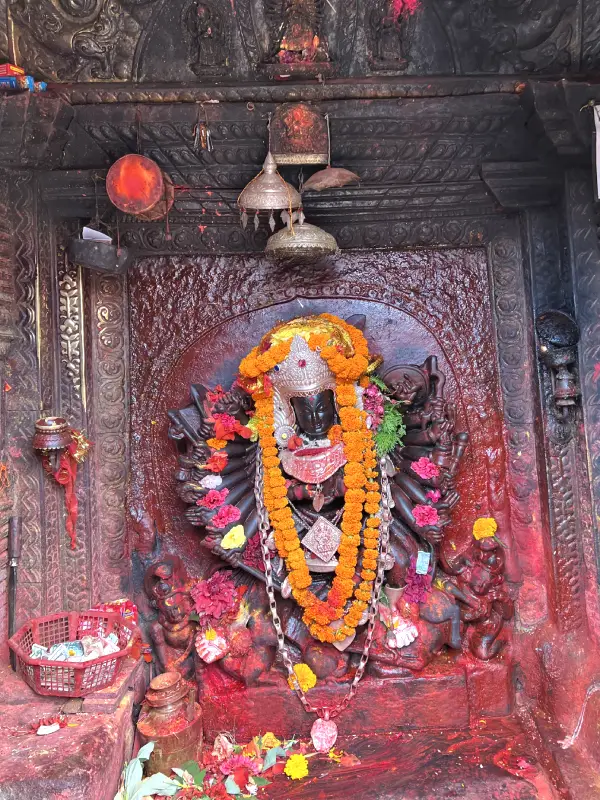
Bhagwati Temples in Nepal

Introduction

In Hinduism, there are three types of Followers. They are the Shaivas, the Vaishnavas, and the Shaktas. Shaivas basically worship Siva, Vaisnava worship Vishnu, and the Shaktas worship Kali or Bhagwati. It doesn’t mean Shakta doesn’t worship Bishnu and Shiva. They pray to all the deities, but the emphasis has been given to their own deities.

The goddess has great importance for the Shakta sect of Hindus. She is worshipped in many aspects: as Durga, the Protector and slayer of the devils, as Taleju, the patron deity of the Valley rulers, and as Kumari, the living virgin goddess, as Dakshin Kali, Gorakhkali, and Manakamana Temple as wish fulfilled, and so on.  Other female goddesses, such as Laxmi, Goddess of wealth, and Saraswati, Goddess of knowledge and art, are worshipped in Nepal, and are different images of Bhagawatis.

Likewise, Ganesh, the remover of obstacles and the source of good fortune, Machhendranath, Indra, Hanuman, etc., are special to Nepal alone and are celebrated with unique local festivals, and those temples are very famous in Nepal, especially in the Kathmandu valley.

The Muktinath Pilgrimage Tour is a religious and spiritual excursion to the holy Muktinath Temple in the Manang district of […]
7 Days
Easy

US$ 1200

View Detail

Major Bhagwati Temples in Nepal are also known as Shakti piths. Worshippers sacrifice animals like a duck, chicken, goat, buffalo, sheep, etc, during the Bada Dashain festival as well as Chaitra Dashain.

Bhagwati Temples in Nepal are:

1. Dakshin Kali Temple:
Dakshinkali Temple is a significant Hindu temple located in Nepal. It is situated around 22 kilometers outside of Kathmandu, the capital city of Nepal, and is dedicated to the Hindu goddess Kali. Kali is a powerful and fierce form of the goddess Durga, known for her strength and ferocity. The temple is a popular pilgrimage site for Hindus, especially on Tuesdays and Saturdays, and during the festival of Dashain. During Dashain, animal sacrifices are offered to the goddess as part of the ritual worship. The temple is surrounded by a beautiful natural landscape, with forests and hills adding to its serene ambiance. Many devotees visit the temple to seek blessings, offer prayers, and perform religious ceremonies. The area also attracts tourists who are interested in exploring the cultural and religious aspects of Nepal.

2. Gadhi Mai Temple:
Gadhimai Temple, also known as Gadhimai Temple of Bariyarpur, is a Hindu temple located in Bariyarpur, Bara District, Nepal. The temple is primarily known for the Gadhimai Festival, a religious event that involves the mass sacrifice of animals. The Gadhimai Festival has been held every five years at the temple grounds, with the most recent occurrence taking place in 2019. During the festival, devotees from Nepal and neighboring countries gather to honor and appease the goddess Gadhimai, a form of the Hindu goddess Durga. It is believed that sacrificing animals will bring prosperity and fulfill the wishes of the devotees. The festival gained international attention and sparked significant controversy due to the large-scale animal sacrifices involved. Animal rights activists, both within Nepal and globally, have strongly condemned the practice. Despite the criticism, the festival has been deeply rooted in the local tradition and has been practiced for centuries.

3. Chinnamasta Temple:
The Chinnamasta Temple, also known as Chinnamastika Temple, is a revered Hindu temple located in Nepal. It is dedicated to the goddess Chinnamasta, a tantric form of the Hindu goddess Devi. Chinnamasta is depicted as a self-decapitated goddess, holding her own severed head in one hand and brandishing a sword in the other. She stands on the bodies of Kamadeva, the god of desire, and his consort Rati. The symbolism behind this image represents the transcendence of the material world and the power of self-sacrifice. The temple at Rajrappa is believed to be situated at the spot where Chinnamasta performed her self-sacrifice. The area around the temple is considered sacred, with the Bhairavi and Mahavidya temples located nearby. Devotees visit the Chinnamasta Temple to seek blessings, perform prayers, and offer puja (worship) to the goddess. The temple sees a significant influx of devotees during festivals such as Navratri, Kali Puja, and Durga Puja. The Chinnamasta Temple holds great significance for tantric practitioners and followers of the Shakta tradition, who venerate the goddess as a representation of power and transformation.

4. Guheswari Temple:
Guheswari Temple, also known as Guhyeshwari Temple, is a revered Hindu temple located in Kathmandu, Nepal. It is one of the most important Shakti Peethas (sacred sites dedicated to the goddess Shakti) in Nepal. The temple is dedicated to the goddess Guhyeshwari, an aspect of the goddess Parvati, who is considered the consort of Lord Shiva. The word “Guhyeshwari” means “the goddess of secrecy” or “the hidden goddess.” According to Hindu mythology, it is believed that a part of Sati Devi’s (a form of Parvati) body fell at this spot after Lord Shiva carried her corpse on his shoulder in grief. The Guheswari Temple holds immense religious and cultural significance for the people of Nepal. It is considered one of the holiest places in Kathmandu and attracts numerous devotees, especially women, who come to seek the blessings of the goddess. The temple complex consists of the main shrine, which houses the sacred idol of Guhyeshwari, along with several smaller shrines dedicated to various deities. The architecture of the temple reflects the traditional Newari style, with intricate carvings and ornate decorations. During festivals like Navaratri and Dashain, the temple witnesses a large influx of devotees who offer prayers, light oil lamps, and perform religious rituals. The atmosphere during these festivals is vibrant and filled with devotion.

5. Shova Bhagawati Temple:
It is indeed a significant Hindu temple located in Kathmandu, Nepal. It is dedicated to the goddess Shova Bhagwati, who is considered a manifestation of the goddess Durga. The temple is situated in the vicinity of Kathmandu Durbar Square, a UNESCO World Heritage Site. Shova Bhagwati is highly revered by the local Newari community and is considered the guardian deity of the Kathmandu Valley. The temple holds great religious and cultural importance and attracts devotees who come to offer prayers and seek the blessings of the goddess. It is particularly revered during festivals such as Navaratri (nine nights dedicated to the goddess Durga) and Dashain (a major Hindu festival celebrated in Nepal). The architecture of the Shova Bhagwati Temple showcases the traditional Newari style, with intricate wood carvings and beautiful pagoda-like structures. The temple complex also includes smaller shrines dedicated to other deities.

6. Naxalbhagawati Temple:
It is a renowned Hindu temple located in Naxal, Kathmandu, Nepal. It is dedicated to the goddess Bhagwati, another form of the goddess Durga. The temple holds religious significance for the local community and attracts devotees who come to offer prayers and seek blessings. The goddess Bhagwati is revered as a powerful and protective deity. The temple’s architecture reflects the traditional Newari style, which is characterized by intricate wood carvings and pagoda-like structures. The temple complex also includes other smaller shrines dedicated to various deities. During festivals like Navaratri and Dashain, the Naxal Bhagawati Temple becomes a center of religious activity. Devotees visit the temple to perform rituals, offer prayers, and participate in religious ceremonies.

7. Kalikasthan Temple:
It is a popular Hindu temple located in Kathmandu, Nepal. It is situated in the Kalikasthan area, which is named after the temple. The temple is dedicated to Lord Shiva, one of the principal deities in Hinduism. Lord Shiva is considered the destroyer and transformer within the Hindu trinity. Devotees visit the Kalikasthan Temple to offer prayers, perform rituals, and seek blessings from Lord Shiva. The temple holds significance for both locals and pilgrims who visit it for spiritual purposes. It provides a peaceful environment for devotees to engage in meditation and worship. The architecture of the temple showcases the traditional Newari style with intricate carvings and design elements. Kalikasthan Temple also offers panoramic views of the surrounding Kathmandu Valley, making it a picturesque location. Visitors can enjoy the serene atmosphere and appreciate the beauty of the natural surroundings.

8. Maitidevi Temple:
The Maitidevi Temple is a revered Hindu shrine located in the heart of Kathmandu, Nepal. It is dedicated to Goddess Sati in her form as Mata Maitidevi, an incarnation of the Mother Goddess. The temple’s origins are steeped in legend, believed to date back to the time of the Mahabharata. According to mythology, the temple marks the spot where the maya (heart) of the goddess Sati fell after her body was dismembered. This places it among the powerful 51 Shakti Peethas, making it a significant site for Shakta worship. The temple’s architecture is traditional, featuring pagoda-style roofs and intricate wood carvings typical of the Kathmandu Valley. Devotees flock here, especially during festivals like Dashain and during the Maitidevi Jatra, to seek the goddess’s blessings. The surrounding area, also named Maitidevi, is a bustling neighborhood that derives its identity from this ancient temple. It serves as a vital center of faith, culture, and community for the local residents.

9. Kumari Temple (Living goddess):
The Kumari Temple is a unique and sacred site located in Kathmandu’s Durbar Square, dedicated to the Living Goddess of Nepal. It is the home of the Royal Kumari, a young pre-pubescent girl chosen from the Shakya caste of the Newar community. The Kumari is believed to be the mortal vessel of the Hindu goddess Taleju Bhawani, a manifestation of the divine female energy or Shakti. The selection process is rigorous, where the candidate must exhibit 32 perfections of character and endure tests of courage, such as staying calm in a room with 108 sacrificed buffaloes.
Once chosen, she resides in the temple, leaving only for major religious festivals, where she is carried in a palanquin. The temple itself is an exquisite example of Newari architecture, featuring intricately carved wooden balconies, windows, and courtyards built in the mid-18th century. Devotees and tourists visit to receive her darshan (a sight of the divine), as her brief appearance at a window is considered a great blessing. Her reign ends with her first menstruation or a significant loss of blood, after which she returns to normal life, and a new Kumari is selected. This tradition represents a profound fusion of Hinduism and Buddhism, deeply rooted in Nepal’s ancient culture and monarchy. The Kumari remains a powerful symbol of divinity, tradition, and the living heritage of the Kathmandu Valley.

10. Taleju Bhawani:
Taleju Bhawani is a powerful and revered goddess who serves as the titular and family deity of the ancient Malla kings who ruled the Kathmandu Valley. She is considered a fierce manifestation of the Divine Mother, often associated with the Hindu goddesses Durga and Parvati. According to legend, she originally appeared to the Malla kings in a human form, providing them with counsel and protection to establish their kingdoms. The most sacred Taleju temples are located within the Durbar Squares of Kathmandu, Patan, and Bhaktapur, reflecting her direct link to royal power. Her worship is central to major Nepalese festivals like Dashain, during which animal sacrifices are traditionally performed in her honor.

The selection of the Royal Kumari, the living goddess, is deeply connected to Taleju, as the Kumari is believed to be her temporary earthly vessel. Access to her inner sanctum was historically restricted to the kings and their Hindu priests, emphasizing her role as a divine sovereign. The intricate, multi-tiered temple architecture dedicated to her symbolizes her supreme status and celestial abode. Thus, Taleju Bhawani represents not just a divine figure but the very nexus of religion, royalty, and culture in Nepal.

11. Ugratara of Dadeldhura:
Ugratara of Dadeldhura is a highly revered and powerful temple located in the far western region of Nepal. It is dedicated to Goddess Ugratara, a fierce form of the Hindu mother goddess Tara, whose name translates to “the fierce one.” This temple is one of the most significant Shakti Peethas in Nepal, believed to be the place where the goddess Sati’s maya (illusion or divine power) fell to earth. Perched atop a hill in Dadeldhura town, the temple offers breathtaking panoramic views of the surrounding mountains and valleys. The deity, Ugratara, is worshipped as a protector and granter of wishes, known for responding to the sincere prayers of her devotees.

A major annual festival, the Ugratara Jatra, draws thousands of pilgrims from across Nepal and India, creating a vibrant and devout atmosphere. The temple’s remote location adds to its aura of sanctity and mystique, making the pilgrimage a profound spiritual journey. It serves as a vital center of faith and cultural identity for the people of the Sudurpashchim Province. The site embodies the deep-rooted Shakta tradition and the enduring power of goddess worship in the Himalayan region.

12. Badi Malika:
Ugratara of Dadeldhura is a highly revered and powerful temple located in the far western region of Nepal. It is dedicated to Goddess Ugratara, a fierce form of the Hindu mother goddess Tara, whose name translates to “the fierce one.” This temple is one of the most significant Shakti Peethas in Nepal, believed to be the place where the goddess Sati’s maya (illusion or divine power) fell to earth. Perched atop a hill in Dadeldhura town, the temple offers breathtaking panoramic views of the surrounding mountains and valleys. The deity, Ugratara, is worshipped as a protector and granter of wishes, known for responding to the sincere prayers of her devotees.

A major annual festival, the Ugratara Jatra, draws thousands of pilgrims from across Nepal and India, creating a vibrant and devout atmosphere. The temple’s remote location adds to its aura of sanctity and mystique, making the pilgrimage a profound spiritual journey. It serves as a vital center of faith and cultural identity for the people of the Sudurpashchim Province. The site embodies the deep-rooted Shakta tradition and the enduring power of goddess worship in the Himalayan region.

13. Baglung Kalika:
Baglung Kalika is a revered temple dedicated to the Hindu goddess Kali, located in the scenic district of Baglung in western Nepal. Perched strategically on a hilltop overlooking the confluence of the Kali Gandaki and Dhariyari rivers, it is a site of immense natural beauty and spiritual significance. The temple is one of the important Shakti Peethas in Nepal, where the goddess is worshipped in her powerful and protective form. According to local legend, a king discovered the self-manifested idol of the goddess at this very spot, leading to the temple’s establishment. The primary idol is a unique, natural stone swayambhu image that is adorned with a golden mask, representing her fierce yet benevolent aspect.

Devotees flock here throughout the year, with major gatherings occurring during the festivals of Dashain and Chaitra Ashtami, seeking blessings for protection and fulfillment of wishes. The temple’s location offers a tranquil and panoramic view of the surrounding valleys and rivers, enhancing the spiritual experience for pilgrims. It serves as a vital cultural and religious hub, deeply intertwining the identity of the Baglung region with the worship of the Divine Mother. The journey to this sacred site is considered both a physical pilgrimage and a path to spiritual merit for Hindus.

14. Gorakh Kali:
Gorakh Kali, also known as Gorakhnath Kalika, is a revered temple located in the Gorkha district of Nepal, the ancestral home of the Shah dynasty. This sacred site is uniquely dedicated to the syncretic worship of the goddess Kali and the sage Gorakhnath, a revered figure in the Nath Yogi tradition. The temple’s origin is deeply tied to the legacy of King Ram Shah, a prominent 17th-century monarch known for his just rule, who was a devout follower of both deities. It is believed that the goddess Kali herself manifested here to protect the kingdom and bless the royal lineage. The temple complex houses two main shrines: one for the fierce, black-stoned idol of Gorakh Kali and another for Gorakhnath, reflecting their intertwined divinity.

The site holds immense historical importance as it was a key spiritual center for the Gorkha kings, whose descendants, like King Prithvi Narayan Shah, later unified Nepal. Devotees visit to seek the goddess’s protection and the sage’s blessings, especially during the festivals of Dashain and Ram Navami. The unique combination of Shakta and Nath traditions at this one site makes it a significant center for Tantric practices and pilgrimage. Thus, Gorakh Kali stands as a powerful testament to the fusion of royal history, spiritual power, and religious syncretism in Nepal.

15. Tripurasundari of Dhading:
The Tripurasundari Temple in Dhading is a revered Shakti Peetha dedicated to Goddess Tripurasundari, a beautiful and benevolent form of the Divine Mother. Perched on a hilltop in the village of Khare, this temple offers breathtaking panoramic views of the surrounding mountains and valleys. It is believed to be one of the places where the maya (illusion or divine power) of the goddess Sati fell to earth, marking it as a site of immense spiritual power. The temple’s remote and serene location necessitates a significant trek, making the pilgrimage a test of devotion and a journey of natural beauty.

The primary idol is a sacred, self-manifested (swayambhu) stone that is adorned with a golden mask, representing the goddess’s radiant beauty. Devotees visit to seek blessings for prosperity, knowledge, and liberation from worldly troubles, believing the goddess to be a wish-fulfiller. A major annual festival, the Tripurasundari Jatra, draws thousands of pilgrims who participate in vibrant rituals and celebrations. This temple is not just a religious site but a vital center of cultural identity and heritage for the local community. Its powerful aura and stunning setting make it a cornerstone of Nepal’s Shakta tradition and a hidden gem for spiritual seekers.

16. Tripurasundari of Dolkha:
The Tripurasundari Temple in Dolakha is one of the most revered and significant Shakti Peethas in Nepal, dedicated to the goddess in her form as the “Beauty of the Three Worlds.” Located in the historic town of Dolakha, east of Kathmandu, this temple is renowned for its unique and powerful self-manifested (swayambhu) deity. The primary idol is a natural, warm-water spring that emanates from a sacred stone shivalinga, which is adorned with a magnificent golden mask of the goddess. This natural phenomenon is considered a direct manifestation of divine energy, with the water’s temperature and flow believed to reflect the goddess’s mood and the political state of the country. The temple’s origin is steeped in legend, with one story linking it to the goddess Sati and another to the medieval saint Gorakhnath, who is said to have established the deity.

It holds immense historical importance, as it was consulted by King Prithvi Narayan Shah during his campaign to unify Nepal. Devotees flock here to seek blessings for protection, health, and the fulfillment of wishes, especially during major festivals like Dashain and the unique Jatra held every twelve years. The site represents a profound fusion of natural wonder, deep Tantric traditions, and national history. As such, Tripurasundari of Dolakha stands as a pillar of Nepali faith, culture, and spiritual power.

17. Palanchowk Bhagawati Temple:
The Palanchowk Bhagawati Temple is a revered and ancient shrine dedicated to the goddess Bhagawati, a fierce manifestation of the Divine Mother, located in the Kavrepalanchok District of Nepal. Perched on a scenic hill, the temple is renowned for its exquisitely carved, black stone idol of the goddess, which is considered a masterpiece of Nepalese sculpture. This intricately detailed statue depicts Mahishasura Mardini, the form of the goddess slaying the buffalo demon, Mahishasura, and is believed to date back to the 7th century. The temple is one of the significant Shakti Peethas in Nepal, attracting thousands of devotees, especially during the festivals of Dashain and Chaitra Ashtami.

Many believe that the goddess here is a powerful wish-fulfiller, particularly for those seeking success, protection, and victory in their endeavors. The site’s serene and elevated location offers a tranquil atmosphere for worship and reflection, enhancing its spiritual aura. Its historical and artistic significance, combined with its deep religious importance, makes it a vital cultural landmark. The Palanchowk Bhagawati thus stands as a profound testament to Nepal’s rich heritage of goddess worship and sculptural artistry.

18. Manakamana Temple:
The Manakamana Temple is one of Nepal’s most revered and popular pilgrimage sites, dedicated to the Hindu goddess Bhagwati, a wish-fulfilling deity. Located atop a prominent hill in the Gorkha district, it is believed that the goddess grants the wishes (mana) of all who worship her with a pure heart. The temple’s origin is linked to the 17th-century Queen of King Ram Shah, who was believed to be an incarnation of the goddess herself. According to legend, after the king’s death, the queen performed sati, and a farmer later discovered a sacred stone at the site, which became the object of worship. For centuries, the journey to the temple was a challenging day-long trek, reinforcing the devotion of its pilgrims.

Today, the Manakamana Cable Car provides a breathtaking and convenient aerial ride to the temple, significantly increasing its accessibility. Devotees often offer animal sacrifices, particularly pigeons and goats, to the goddess as part of their vow to receive her blessings. The temple is perpetually crowded, especially on Saturdays, and during major festivals like Dashain. It stands as a powerful symbol of faith, deeply intertwined with the culture and history of the Gorkha region. A pilgrimage to Manakamana remains a profound spiritual journey for countless Nepalis and Indians seeking the goddess’s divine grace.

Conclusion:

The network of Bhagwati temples across Nepal forms the vibrant, pulsating heart of the nation’s Shakta tradition, representing the worship of the Divine Mother as a supreme power. While each temple possesses its own unique legend, deity form, and local character, they collectively represent a unified theological principle: the goddess (Shakti) as the active, protective, and creative force of the universe. These temples, including renowned ones like Palanchowk, Manakamana, and Shobha Bhagwati, are often strategically located on hilltops or at river confluences, symbolizing their role as spiritual power centers overseeing the land and its people. A central theme uniting them is their identity as Shakti Peethas, sacred sites linked to the myth of Sati, where parts of her dismembered body fell, permanently infusing the landscape with her divine energy. This establishes Nepal itself as a sacred geography, a body of the goddess. The primary function of these temples is to serve as a direct conduit for devotees to access the goddess’s grace, often for very tangible blessings like protection, victory, health, and the fulfillment of specific wishes.

Furthermore, Bhagwati temples are deeply interwoven with the political history of Nepal, particularly the unification campaign of Prithvi Narayan Shah, who sought and received blessings from deities like the Gorakhkali and Dolakha’s Tripurasundari, legitimizing his rule and cementing the goddess as a protector of the state. The rituals performed, from simple offerings to the symbolic animal sacrifices during Dashain, are not merely requests but acts of cosmic maintenance, believed to restore balance and order. Architecturally, they showcase the exquisite Newari woodcraft and pagoda styles, making them not just places of worship but also custodians of artistic heritage. The annual festivals and pilgrimages to these sites are powerful engines of cultural continuity, reinforcing community identity, social cohesion, and the transmission of traditions across generations. In essence, the Bhagwati temples are far more than individual shrines; they constitute a cohesive and dynamic ecosystem of faith. They demonstrate the living, breathing nature of Hinduism in Nepal, where ancient mythology, royal history, profound philosophy, and daily devotion seamlessly merge. Ultimately, they stand as an enduring testament to the belief that the Divine Mother, in all her forms, actively watches over Nepal, shaping its destiny and blessing its people.

Hindu Religious Sites in Nepal

In Nepal, religion is the lifeline of Nepali people. All the cultural activities such as feast and festivals, daily rituals, family celebrations, and religious observances are part of religion. Nepal is popular as the center of the eastern school of thought from the very beginning. Everywhere in Nepal, in a single step, one can see temples and Shrines, monasteries and Viharas, processions and religious music, and enjoying people. That’s why Nepal is called the country of temple and Kathmandu is known as the city of the temple. It’s said that we have more temples than houses in Kathmandu. At the thought, Nepal has declared a secular state in 2008 but it is still as popular as the Hindu state for tourists in terms of religion. Religious syncretism is the major component of Nepali society where Buddhists, Muslims, Christians, and Hindus respect each other religion and living together in peace and harmonious environment.

Kathmandu is also said we have more temples than houses. We have many religious sites in Nepal. Pashupatinath temple, which is the world’s main Hindu religious site is located in Kathmandu. Other Hindu pilgrimage sites are Swargadwari, Gosainkunda, Devghat, Manakamana temple, Gorakhnath, Pathibhara, Mahamrityunjaya Shivasan, Badimalika, Janaki Temple, and many more.

Dang valley is also a sacred place for Hindus as well as other religions. Kalika and Malika Devi in Chhillikot hill, Ambekeshawari temple, Krishna temple, Dharapani temple, etc. are sacred places in the dang district. Chillikot hill is also a good place for sightseeing and also an ancient place of a king. Muktinath is a sacred place for Hindus as well as Buddhists. The site is located in Muktinath Valley in the Mustang district. There many more religious sites all over Nepal.

Nepal is a multi-religious society. The major religion in Nepal is Hinduism. The Composition of Nepal society in terms of religion is as follows:

Hindus                         81.34

Buddhists                    9.04

Islam                            4.38

Kirat                             3.04

Christianity                 1.41       

Hindu Religious Sites:

Four Narayans (Char Narayans):

Four Narayan’s (Bisankhu, Changu, Ichangu, and Sesh) is one of the major religious tourism destinations within Kathmandu valley. The four Narayan Temples are located at Kathmandu, Lalitpur, and Bhaktapur districts. There is an interrelation between these Narayan temples as in the month of November devotees generally visit all four Narayan temples and completes their ritual practice on the day of Haribodhini Ekadasi.

1.Bishamkhu Narayan

2.Ichangu Narayan

3.Shesh Narayan

4.Changu Narayan

Dolakha Bhimsen Temple:

The famous Bhimeshwor temple is located in the Dolakha Bazaar of the Dolakha district. God Bhimsen got the main statue in this temple. Bhim is considered as the second prince of panch Pandav (Mahabharat) and notably worshipped by the traders or Merchandizers as their will god. In Dolakha under the roofless temple regards this idol as Bhim sen but it has three reincarnations as Bhimsen, Goddess Bhagawati, and God Shiva. Animals sacrificed in this temple for Goddess Bhagawati whereas never sacrificed the blood to Lord Shiva. But in this temple three God is worshipped differently thrice a day.

Fairs are held at this temple on such occasions as Bala Chaturdashi, Ram Navami, Chaitra Ashtami, and Bhima Ekadashi. During the festival. The animal sacrificed here. Approximately 200 meters from the Bhimeshwar temple is the temple of Tripura Sundari where devotees assemble during the festivals of Chaitrastami and Dashain. Only the priest of this temple is allowed a glimpse of the image enshrined within.

The legend related that long, long years ago there were 12 porters coming from elsewhere who stopped at this spot and they tried themselves to make three stone stoves to cook rice. After some time, one part of the rice had already cooked but the other part remains uncooked. When the porter shifted the cooked rice to the other part became uncooked again because it came in contact with the triangular-shaped black stone. One of the porters became angry and he stubs the stone with “Paneu” (laddle, the milk coated blood came out. Later they realized that the stone is God Bhim and started worship the stone.

Still miraculous has been happening on Dolakha Bhimsen temple.  There are many examples considering this miracle. It was sweated during the movement of 1980, 1990 before Royal macassared, before the earthquake of 2015etc. When there was sweating there will be some big events in the country i.e any political changes, misfortunes. It can be said that the sweating of Bhimsen is the pre-warning or forecasts of misfortune.

According to the Bhineshowar Shivapuran, there was a Kingdom of Bhima that was blessed by god Brahma. The people, who lived in the Bhima’s kingdom, had lived sorrowful life; they pray to god Shiva to save their life. Lord Shiva came from Gaurishanker Mountains and killed king Bhim. After the death of Bhim, a statue of Bhimeshowar was established at that spot and was named Bhimeshowar.

Swargadwari Temple:

Swargadwari is a hilltop temple complex and pilgrimage site in the Pyuthan district. It is one of the popular Hindu religious places. It is located in the southern part of the Pyuthan district. Cows are worshipped as Goddesses in Hinduism. It is said to have been founded by Guru Maharaj Narayan Khatri (Swami Hamsananda) who spent most of his life in the vicinity herding and milking thousands of cows. According to traditional stories, some of his devotees followed him to see where he took the cows, but they never could find him.

According to older people of the locality, he came from Rolpa to the present temple site and asked the landlord to donate the land to him. He dug the land and obtained curd mixed rice and fire. He had explained that these things were those buried by Pandavas in Dwapar Yuga When they worshipped in this place before departing to heaven. The landlord was astonished. He agreed to hand over the land instantly. Thereafter the holy fire is burning continuously till then. Bivat (ash) of the firewood burnt by the holy fire is believed to cure different physical disorders like headaches, stomachaches, etc.

Before he left the physical body the guru gave some of his powers to a few disciples. On the day he departed his physical body by his own wish, a number of people gathered around him at the place where he habitually meditated. The Guru left his body after bidding goodbye to his disciples and other followers. His favorite cow also died at the same instant, and then the rest of the cows miraculously disappeared within a few days.

There is also an account of the cows emptying their milk by themselves every day at the same time, at the place where the Guru died. He had done many miracles during his lifetime. Once he asked Rolpali cowherds not to take the cattle’s in a particular area for grazing warning them of landslides in that area. But they refused and were swept by the landslide. He used to tell the fortune of the devotees. He was so much helped the poor to build their house.

He managed to teach Vedic scriptures and other religious scriptures to the children. They may perform Vedic worshipping in the temple after study. But, doing this is not a compulsion after study. Swargadwari is counted among Nepal’s top pilgrimage sites and is listed in a national inventory of cultural and historic heritage sites.

Pathivara Temple:

Pathivara Temple is one of the most Significant temples of Nepal, Located on the hill of Taplejung. It is also considered one of the holy places of Hindu People. Worshipers from different parts of Nepal and India rush to the temple during special occasions. It is believed that a Pilgrimage to the temple ensures the fulfillment of the pilgrims’ wishes.

The temple is located 19.4 North East from the Phungling municipality at an elevation of 3,794 m (12,444 ft) It serves as the second route of the Kanchenjunga trek. The Pilgrims offer animal sacrifices, gold, and silver to please the goddess. The Goddess Pathuvara is believed to possess supernatural power and diligently answer devotee’s prayers. She is considered by her devotees as a manifestation of the divine feminine also determined with other names as Adhikari, Maha Maya, Maha Rudra among many other of her divine forms.

Legends say that local shepherds lost hundreds of their sheep while grazing at the same place where the temple stands today. The distressed shepherds had a dream in which the Goddess ordered them to carry out ritualistically sacrificed sheep and build a shrine in her honor. When the sacrifice was offered the lost herd supposedly returned. The ritual of offering sacrifices inside the temple is believed to have started after the incident.

Janaki Temple in Janakpur:

Janaki Mandir, known as the Nau Lakha Mandir, is one of the most important Hindu Pilgrimage destinations situated at Janakpur which is dedicated to the Hindu Goddess Sita.  The cost for the construction of the temple was nine lakhs or nine hundred thousand; hence it was named Nau Lakha Mandir. According to Ramayan, Kujg Janak, ruler of Videha ( Janakpur), During the Ramayana period, married her daughter Sita to the prince of Ayodhya Ram. Janaki or Sita, during her Swyambar (engagement), has chosen Lord Rama as her husband. Their marriage ceremony had occurred in the nearby temple which is called Vivaha Mandap.

The exact date of its construction is not known but it is said that the temple was constructed before the 16th century which is found in the literature. Queen Vrisha Bhanu of Tikamgarh, India build the temple in 1911 AD in today’s form. It is constructed in areas of 4,860 SQ feet in a mixed style of Mughal and Hindu architecture. The temple is 50 meters in height. It is a three-storied structure made entirely of stone and marble. All its 60 rooms are decorated with the flag of Nepal, colored glass, engravings, and Mithila paintings, with beautiful lattice windows and turrets.

In 1657, a golden statue of the Goddess Sita was found at the very spot, and Sita is said to have lived there. The legend said that it was built on the holy site where Sannyasi Shurkishordas was the founder of modern Janakpur and the great saint of the poet who preached about the site Upasana (also called Sita Upanishad) Philosophy. Legends have claimed that King Janak (seeradhwaj) performed the worship of Shiva-Dhanush on its site.

Budkanilkantha Temple (Sleeping Vishnu):

Budhanilkantha temple,( Sleeping Vishnu) also known as the Narayansthan temple, is situated below the Shivapuri Hill at the northern end of the Kathmandu valley, in Budhanilkantha Municipality, this temple is dedicated to Lord Vishnu. The temple’s main statue of sleeping Vishnu is considered the largest stone carving of the Licchavi period.

The temple is also named Buddha- Budhanilkantha. If we look at the statue of sleeping Vishnu, we can see the forehead of Buddha. Thus it is regarded as the combination of Hinduism and Buddhism in one statue naming Buddha- Budhanilkantha. Buddha denotes Lord Shiva. So, it is the combination of Shaivism and Vaishnavism as well as Buddhism which donates religious Syncretism of the Licchavi period.

Annapurna Sanctuary Trek-13 Days Itinerary

The Annapurna Sanctuary Trek (commonly referred to as Annapurna Base Camp Trek) is one of the most popular and iconic treks in Nepal. Located in the Annapurna region, this trek takes adventurers into the heart of the Annapurna massif, providing an intimate experience with towering peaks, serene landscapes, and rich cultural heritage. The trek typically spans 10-13 days, and it brings trekkers to the Annapurna Base Camp (ABC), which sits at an altitude of 4,130 meters (13,550 feet). The trek offers a blend of natural beauty, from lush green forests to alpine landscapes, and provides some of the best panoramic views of the Himalayas.
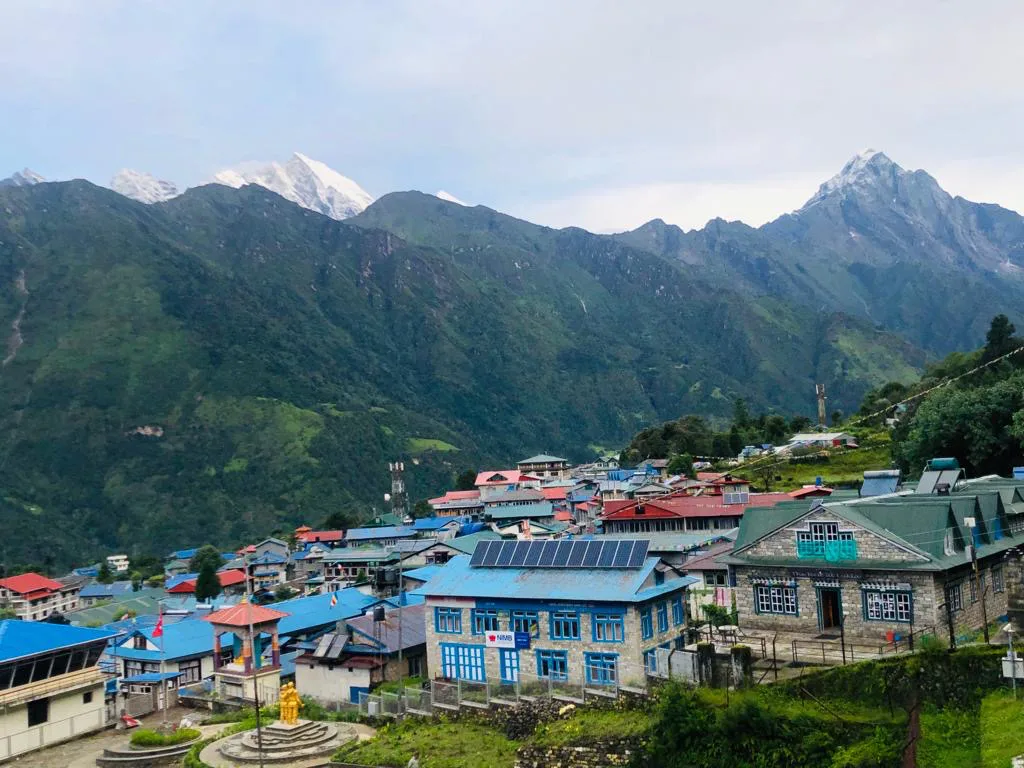
Highlights of the Annapurna Sanctuary Trek

  • Scenic Mountain Views: The trek offers awe-inspiring views of peaks like Annapurna I (8,091m)Annapurna SouthMachapuchare (6,993m)Hiunchuli, and Dhaulagiri.
  • Diverse Ecosystems: The trail transitions from subtropical forests to alpine meadows and glaciers.
  • Rich Culture: Trekkers pass through traditional Gurung and Magar villages, giving a taste of local culture and hospitality.
  • Hot Springs at Jhinu Danda: A relaxing natural hot spring experience that helps trekkers unwind after long days of hiking.
  • Bamboo and Rhododendron Forests: Experience the lush biodiversity of Nepal, especially during the spring, when the rhododendrons bloom.
  • Sunrise from Poon Hill: While not part of every itinerary, many opt to start their journey at Poon Hill (3,210m) for a sunrise view of the Annapurna and Dhaulagiri ranges.

Why is the Annapurna Base Camp Trek Famous?

  • Accessibility: The trek is accessible for most trekkers with moderate fitness levels, making it a great option for people seeking an immersive Himalayan experience without the extreme difficulties of high-altitude trekking.
  • Diverse Landscapes: Few treks offer the same variety of landscapes in such a relatively short amount of time.
  • Cultural Experience: Trekkers encounter authentic Nepali culture, particularly the Gurung and Magar communities, which provide a warm welcome.
  • Panoramic Mountain Views: The trek provides unparalleled views of some of the highest mountains in the world, all within a protected sanctuary.

Annapurna Sanctuary Trek Itinerary (13 Days)

Day 1: Arrival in Kathmandu

  • Briefing about the trek, preparation, and last-minute equipment purchases.

Day 2: Drive from Kathmandu to Pokhara (827m)

  • Scenic drive with views of mountains, rivers, and lush valleys.

Day 3: Drive to Nayapul (1,070m), Trek to Tikhedhunga (1,570m)

  • The trek begins through terraced farmlands and local villages.

Day 4: Tikhedhunga to Ghorepani (2,850m)

  • Climb the steep stone steps to Ulleri, passing through dense rhododendron forests.

Day 5: Early Morning Hike to Poon Hill (3,210m), Trek to Tadapani (2,610m)

  • Enjoy a panoramic sunrise at Poon Hill, followed by a trek through forests and valleys.

Day 6: Tadapani to Chhomrong (2,170m)

  • Descend to Kimrong Khola, followed by a steep ascent to Chhomrong, the gateway to the Sanctuary.

Day 7: Chhomrong to Bamboo (2,310m)

  • The trail descends through forests and crosses suspension bridges over rivers.

Day 8: Bamboo to Deurali (3,230m)

  • A gradual ascent takes you through dense bamboo forests, with occasional glimpses of snowy peaks.

Day 9: Deurali to Annapurna Base Camp (4,130m)

  • Trek to Machapuchare Base Camp (3,700m) before ascending to the Annapurna Base Camp.

Day 10: Annapurna Base Camp to Bamboo

  • Descend back through familiar trails with a different perspective on the surrounding beauty.

Day 11: Bamboo to Jhinu Danda (1,760m)

  • A gradual trek down to Jhinu, where you can relax in the natural hot springs.

Day 12: Jhinu Danda to Nayapul, Drive to Pokhara

  • The final day of trekking brings you back to Nayapul, followed by a drive to Pokhara.

Day 13: Drive to Kathmandu

  • Return to Kathmandu for rest, shopping, and farewell dinner.


Annapurna Sanctuary Trek Difficulty

The Annapurna Sanctuary Trek is considered moderately difficult. While it doesn’t involve technical climbing, it does require trekkers to be in good physical condition, as the trail includes long ascents, descents, and some steep sections. The highest point is Annapurna Base Camp (4,130m), which can cause altitude sickness if proper acclimatization measures are not taken.

The trek involves 5-7 hours of walking per day on average. Those new to trekking at high altitudes should be aware of the symptoms of Acute Mountain Sickness (AMS) and take necessary precautions such as gradual acclimatization, staying hydrated, and avoiding rapid ascents.

Trek Routes Options

The most common route to Annapurna Base Camp starts from Nayapul, but trekkers have several route options depending on their preferences:

  1. Classic Route: Nayapul to Ghandruk, passing through Chhomrong and Bamboo to ABC. This is the most popular route, offering great scenery along the way.
  2. Ghorepani-Poon Hill Route: Many trekkers opt to take the Ghorepani-Poon Hill route, which adds 2-3 days but includes a stunning sunrise view from Poon Hill. This is also a great route for acclimatization.
  3. Shorter Route: For those with limited time, a shorter version skips Poon Hill and heads directly from Nayapul to Chhomrong, then to ABC.
  4. Khopra Ridge Route: For those seeking a less crowded alternative, the Khopra Ridge offers a more remote trekking experience with panoramic views.

Equipment List for the Annapurna Sanctuary Trek

Proper equipment is crucial for a successful and comfortable trek. Here is a list of essential items:

  1. Clothing:
    • Base layers (moisture-wicking shirts and thermal leggings)
    • Insulating layers (fleece jackets, down jacket)
    • Waterproof jacket and pants
    • Trekking pants and shorts
    • Warm hat, gloves, and neck gaiter
    • Trekking boots with good ankle support
    • Trekking socks (wool or synthetic)
  2. Gear:
    • A comfortable backpack (40-50 liters)
    • Trekking poles (useful for steep ascents and descents)
    • Sleeping bag (rated for -10°C or lower)
    • Headlamp with extra batteries
    • Water bottles or hydration bladder (2-3 liters capacity)
    • Water purification tablets or filters
  3. Miscellaneous:
    • Sunglasses with UV protection
    • Sunscreen (SPF 30 or higher)
    • First aid kit with personal medication
    • Toiletries and quick-dry towel
    • Energy bars and snacks

The Annapurna Sanctuary Trek, or ABC Trek, is renowned for offering an authentic Himalayan experience without the extreme altitudes of some other treks, such as the Everest Base Camp. Here’s why it stands out:

  1. Stunning Scenery: The combination of panoramic views, diverse landscapes, and proximity to some of the highest peaks in the world makes the trek visually rewarding.
  2. Cultural Diversity: The trek offers a glimpse into Nepalese rural life, with trekkers passing through villages inhabited by the GurungMagar, and other ethnic communities.
  3. Accessible Altitude: Although reaching over 4,000 meters, the trek is achievable for most moderately fit trekkers, unlike higher-altitude treks where risks of altitude sickness are much higher.
  4. Natural Hot Springs: After days of trekking, the natural hot springs at Jhinu Danda provide a perfect spot to relax and recover.
  5. Flora and Fauna: The trek is rich in biodiversity, with the Annapurna Conservation Area housing a variety of animals and plants, including rhododendrons, oaks, and wildlife like deer and langurs.

Conclusion

The Annapurna Sanctuary Trek offers an unforgettable journey through the heart of the Himalayas, blending breathtaking scenery, cultural immersion, and a rewarding trek to Annapurna Base Camp. Its moderate difficulty, diverse landscapes, and iconic mountain views make it accessible for most trekkers, while the rich local culture and natural hot springs enhance the experience. Whether you’re seeking adventure, nature, or cultural exploration, this trek provides a perfect balance, leaving trekkers with memories of one of Nepal’s most iconic trekking destinations.

Kathmandu to Besisahar Transportation

The journey from Kathmandu to Besisahar is a beautiful and memorable experience. It features stunning views and interesting sights along the way. The route from Kathmandu to Besisahar follows the Prithvi Highway. This scenic and winding road takes you through the mountains and valleys of central Nepal. You can travel by private vehicle, bus, or helicopter from Kathmandu to Besisahar.

On a clear day, you can see panoramic views of the snow-capped Himalayan peaks, including Mt. Manaslu and Annapurna. Likewise, the road passes several rivers and streams, and you’ll see many beautiful waterfalls. Along the way, you’ll get glimpses of local life and culture.

The distance between Kathmandu and Besisahar is approximately 175 km (108 mi) by road. By road, it can take between 6-9 hours to reach Besisahar, which is also a gateway to the Annapurna Circuit Trek. Regardless of the travel option, checking the weather and road conditions before embarking on the journey is important. Special care must be taken during the monsoon season when roadblocks are common.

Did you say you need Great Trekking? We heard you, and so we are endeavoring to take you to the […]
14 Days
Moderate

US$ 1300

View Detail

Kathmandu to Besisahar transportation has several options discussed below,

Private Vehicles

Private vehicles such as cars, jeeps, or minivans can travel from Kathmandu to Besisahar. But if you hire a private vehicle, the travel time can be shorter and more comfortable, but it’s also more expensive.

The travel time by private vehicle can take around 6 hours, depending on traffic and road conditions. A private vehicle can cost between USD 100 to 300. Also, it’s important to be clear about your expectations and the services you require. For example, if you want a comfortable and air-conditioned vehicle, you may need to pay a higher price. Also, if you want to stop at various points of interest like temples or viewpoints, this may affect the cost.

Hiring a private vehicle can be convenient and comfortable for traveling from Kathmandu to Besisahar. But check the weather and road conditions to ensure a safe and smooth trip. Avoid overcrowded or poorly maintained vehicles. You should also choose a reliable driver or travel agency to ensure a safe and enjoyable journey.

Public and Tourist Buses

The most common and affordable option is a local bus from Kathmandu to Besisahar. Local buses leave from Gongabu Bus Park in Kathmandu, taking around 7-8 hours to reach Besisahar. In comparison, tourist buses leave from Thamel and can take about 8-9 hours. The fare varies depending on the type of bus and seat, but it generally ranges from USD 20-30.

Tourist buses from Kathmandu to Besisahar often have fewer seats than local buses. This allows the tourist buses to give the passengers greater comfort and room. In contrast, local buses can hold up to 35 passengers.

Tourist buses are often well-maintained, whereas local buses may be in varying levels of repair. Buses for tourists are also more likely to have air conditioning. But most local buses lack air conditioning.

Similarly, tourist buses from Kathmandu to Besisahar typically have greater luggage space than local buses. While local buses frequently have little room for luggage, they may feature separate storage compartments or overhead bins. Hence, if your luggage is quite heavy, you should opt for a tourist bus. While choosing a tourist bus, you should select a reliable bus company.

The Annapurna Semi Circuit Trek takes you through Nepal’s Annapurna Circuit where you walk approximately 160 kilometers around the Annapurna […]
13 Days
Moderate

US$ 1000

View Detail

Heli flight

A helicopter flight from Kathmandu to Besisahar is a convenient and comfortable option for travelers. Especially if the traveler wants to avoid the long, bumpy road journey. The flight takes approximately 1 hour and offers stunning aerial views of the Himalayan mountain range and the scenic landscapes. A heli flight saves time, is comfortable, provides panoramic views, and is expensive and weather-dependent.

However, helicopter flights are much more expensive than other transportation modes such as buses or jeeps. It takes USD 1200 for a round trip to Besisahar per person. Mostly, the heli is a 5-seater. The passenger might have to wait to fill the seats or charter the whole helicopter themselves. Besides, the helicopter flight can be weather-dependent and may be canceled or delayed due to bad weather conditions.

Conclusion

Hence, there are different ways to travel from Kathmandu to Besisahar. These options include private vehicles, buses, and helicopter flights. All the options have their pros and cons. The cheapest option is the local bus, whereas the most expensive one is the helicopter flight. The travel time from the road is usually 6-9 hours, while a heli flight only takes 1 hour.

Travel by private vehicle would be a better option if you have a lot of baggage and want comfortable seats. Likewise, if you want to take a lot of breaks, then hiring a private vehicle is the way to go.

However, if cost is the most important factor, the local bus is the most viable travel method. Even though the time is longer and the seating may not be comfortable, there is no beating this price. However, if you want to take in Panoramic Himalaya views and the cost isn’t an issue, then opt for a heli flight.

Besides, bring essential items such as a water bottle, snacks, sunscreen, and a hat. Wear comfortable clothing and shoes, and get a jacket or sweater as the temperature can be cool in the mountains.

FAQ

How to go from Kathmandu to Besisahar?

You can get from Kathmandu to Besisahar by road or by air. By road, the options of private vehicles and buses are included. By air, you can take a helicopter flight to enjoy the majestic views of the mountains. Travel by road can take 6-9 hours. Whereas by air, it only takes 1 hour to reach Besisahar. However, heli travel is much more expensive, costing around USD 1200 for a round trip.

How much is the bus from Kathmandu to Besisahar?

The cost of a bus from Kathmandu to Besisahar can vary depending on the type of bus and the season. On average, a local bus ticket can cost around USD 20. At the same time, a tourist bus ticket can cost around USD 8-12. However, prices can change depending on availability and demand. So, it’s always best to check with the Bus Company or travel agency for the latest fares.

How long is a bus ride from Besisahar to Kathmandu?

The duration of a bus journey from Besisahar to Kathmandu can vary depending on different factors. On average, the journey takes around 6-9 hours. However, this can vary and may take longer during peak travel seasons. If there are unexpected road closures, then this, too, can cause delays. It’s always best to check with the Bus Company or travel agency for the latest information on travel time.

Can I drive from Kathmandu to Besisahar?

The road from Kathmandu to Besisahar is well-maintained. But it can be challenging due to narrow and winding roads. The journey is approximately 175 kilometers. If you plan to drive, having a valid driver’s license is important. And if you are a foreigner, you may need an international driving permit.

Sightseeing places in Kathmandu

Kathmandu Valley is a region steeped in history, culture, and spirituality, offering a plethora of heritage sites and attractions that captivate visitors. These sites not only reflect the valley’s rich cultural heritage but also offer insights into the religious and artistic traditions that have flourished here for centuries.

The valley is home to seven UNESCO World Heritage Sites, which include ancient temples, palaces, and courtyards that have been the heart of Kathmandu’s cultural and religious life. These sites are not just monuments but living heritage spaces where traditions are still practiced, and festivals are celebrated with great fervor.

Kathmandu Durbar Square

Kathmandu Durbar Square is one of the three Durbar Squares in the Kathmandu Valley and a UNESCO World Heritage Site. Located in the heart of the city, it served as the royal residence for Malla kings and later the Shah kings of Nepal. The square is surrounded by intricate temples, shrines, and courtyards, showcasing the rich architectural heritage of the Newar community. Key attractions include the Taleju Temple, Kumari Ghar (home to the living goddess Kumari), and the Kasthamandap, a wooden pavilion that is believed to have given Kathmandu its name. Despite damage from the 2015 earthquake, Kathmandu Durbar Square remains a vital historical and cultural landmark.

Swayambhunath (Monkey Temple)

Swayambhunath, commonly known as the Monkey Temple, is an ancient religious complex perched atop a hill in the Kathmandu Valley. This UNESCO World Heritage Site is a significant pilgrimage site for Buddhists, though it holds equal importance for Hindus. The stupa, topped with a golden spire and adorned with the all-seeing eyes of Buddha, offers panoramic views of Kathmandu. Surrounding the stupa are various shrines, temples, and monasteries, with hundreds of monkeys adding to the site’s charm. The legend of Swayambhunath says it was created spontaneously from a lotus flower that bloomed in the middle of a lake that once covered the valley.

Pashupatinath Temple

Pashupatinath Temple is the most sacred Hindu temple in Nepal and one of the most important Shiva temples in the world. Located on the banks of the Bagmati River, this UNESCO World Heritage Site is a sprawling complex of shrines, temples, and ashrams. The main temple is a pagoda-style structure with a gilded roof and intricately carved silver doors. Only Hindus are allowed inside the main temple, but non-Hindus can explore the surrounding area and observe the daily rituals and cremation ceremonies on the ghats. The temple becomes particularly vibrant during the Maha Shivaratri festival when thousands of devotees gather to pay homage to Lord Shiva.

Boudhanath Stupa

Boudhanath Stupa, one of the largest stupas in the world, is a key site for Tibetan Buddhism and a UNESCO World Heritage Site. Located on the northeastern outskirts of Kathmandu, Boudhanath is a focal point for Tibetan culture in Nepal. The massive mandala-shaped stupa is topped with a golden spire and the all-seeing eyes of Buddha, symbolizing awareness and compassion. Surrounding the stupa are numerous monasteries, shops, and cafes, creating a lively atmosphere. Pilgrims and visitors alike walk clockwise around the stupa, spinning prayer wheels and offering prayers, making Boudhanath a serene yet dynamic spiritual center.

Budhanilkantha Temple

Budhanilkantha Temple is a Hindu temple located at the base of the Shivapuri Hill, about 8 kilometers from Kathmandu. The temple is famous for its large, reclining statue of Lord Vishnu, which is carved from a single block of black basalt. The statue, measuring 5 meters in length, depicts Vishnu lying on the coils of the cosmic serpent, Shesha, with his feet crossed and arms resting on his chest. The statue lies in the middle of a pond, symbolizing the cosmic ocean. Budhanilkantha is a popular pilgrimage site, especially during the Haribodhini Ekadashi festival, when thousands of devotees visit the temple to pay their respects.

Bhaktapur Durbar Square

Bhaktapur Durbar Square is a stunning example of Newar architecture and urban planning, located in the heart of Bhaktapur city. This UNESCO World Heritage Site served as the royal palace for the Malla kings of Bhaktapur and is surrounded by intricate temples, courtyards, and traditional buildings. Notable structures include the 55-Window Palace, Vatsala Temple, and the Nyatapola Temple, which is the tallest pagoda in Nepal. The square is known for its artistic woodwork, stone sculptures, and pottery, reflecting the rich cultural heritage of Bhaktapur. The square has preserved its medieval atmosphere, offering visitors a glimpse into the city’s historic past.

Patan Durbar Square

Patan Durbar Square, located in the center of Lalitpur city, is another UNESCO World Heritage Site that showcases the architectural grandeur of the Newar civilization. The square is home to the ancient royal palace of the Malla kings of Patan and is surrounded by numerous temples, shrines, and statues. The Krishna Mandir, built entirely of stone and dedicated to Lord Krishna, is one of the most important temples in the square. The square also features the Hiranya Varna Mahavihar, a Buddhist monastery known for its golden facade, and the Patan Museum, which houses a vast collection of artifacts related to Nepalese history and culture.

Changu Narayan Temple

Changu Narayan Temple is the oldest Hindu temple in the Kathmandu Valley and a UNESCO World Heritage Site. Located on a hilltop near Bhaktapur, the temple is dedicated to Lord Vishnu and is known for its exquisite stone and wood carvings. The temple complex includes a main shrine, several smaller shrines, and a courtyard surrounded by intricately carved pillars and statues. The two-story pagoda-style temple is a masterpiece of traditional Newar architecture, and the surrounding area offers stunning views of the valley and the Himalayas. The temple is also home to several ancient inscriptions and sculptures, some dating back to the 4th century.

Kopan Monastery

Kopan Monastery is a Tibetan Buddhist monastery located on a hill overlooking the Kathmandu Valley. It was founded by the late Lama Thubten Yeshe and Lama Zopa Rinpoche, and it has since become a major center for Buddhist education and meditation. The monastery offers courses and retreats on Buddhism, attracting students and practitioners from around the world. The peaceful surroundings and the stunning views of the valley make Kopan Monastery an ideal place for meditation and reflection. Visitors can explore the monastery’s grounds, participate in prayer sessions, and learn about Tibetan Buddhism.

Sanga Mahadev Statue and Shiva Temple

Sanga, located about 20 kilometers east of Kathmandu, is home to the world’s tallest statue of Lord Shiva, known as the Sanga Mahadev Statue. Standing at 143 feet, this massive statue is a prominent landmark in the area and attracts both pilgrims and tourists. The surrounding area includes a Shiva temple where devotees come to offer prayers. The site is also known for its scenic beauty, with the statue set against the backdrop of rolling hills and lush greenery. The area around Sanga offers hiking opportunities and provides panoramic views of the Kathmandu Valley.

Nagarkot

Nagarkot is a popular hill station located about 32 kilometers east of Kathmandu, known for its breathtaking views of the Himalayas, including Mount Everest on clear days. At an altitude of 2,175 meters, Nagarkot offers a serene escape from the hustle and bustle of the city. The area is famous for its sunrise and sunset views, drawing visitors who come to witness the changing colors of the mountains. Nagarkot is also a gateway for hiking trails, with routes leading to nearby villages and through lush forests. The peaceful environment and stunning vistas make Nagarkot a favorite destination for nature lovers and photographers.

Dhulikhel

Dhulikhel is a charming town located about 30 kilometers southeast of Kathmandu, known for its panoramic views of the Himalayas and its rich cultural heritage. The town is an important stop on the ancient trade route between Kathmandu and Tibet. Dhulikhel’s old town is filled with traditional Newar houses, temples, and narrow alleys, offering a glimpse into the local way of life. The area is also known for its hiking trails, which provide stunning views of the mountains and the surrounding countryside. The Namobuddha Monastery, located nearby, is a significant pilgrimage site and adds to the spiritual ambiance of Dhulikhel.

Asan Market

Asan Market is one of the oldest and most vibrant markets in Kathmandu, located in the heart of the city. The market is a bustling hub of activity, with narrow alleys filled with shops selling everything from spices, vegetables, and fruits to textiles, utensils, and traditional crafts. Asan is also known for its religious significance, with several small temples and shrines scattered throughout the market area. The market has been a vital trading center for centuries and is a great place to experience the daily life of Kathmandu’s residents. The lively atmosphere, colorful displays, and the rich blend of aromas make Asan Market a sensory delight.

Garden of Dreams

The Garden of Dreams, located in the Thamel area of Kathmandu, is a neo-classical garden originally designed in the 1920s by Field Marshal Kaiser Sumsher Rana. The garden was recently restored and is now a tranquil oasis in the middle of the bustling city. The garden features European-inspired pavilions, fountains, pergolas, and carefully manicured lawns, offering a peaceful retreat from the chaos of Kathmandu. The Garden of Dreams is also home to a cafe and restaurant, making it a popular spot for both locals and tourists to relax and enjoy the serene environment. The garden’s beauty and calm make it a perfect place for a quiet afternoon or a romantic evening.

Narayanhiti Palace Museum

The Narayanhiti Palace Museum, located in the heart of Kathmandu, was the royal palace of the Shah dynasty and served as the residence of Nepal’s monarchs until the monarchy was abolished in 2008. The palace was turned into a museum shortly after and now provides a glimpse into the royal life of Nepal. The museum features grand halls, reception rooms, and the personal quarters of the royal family, all preserved as they were when the palace was still in use. The museum also provides information about the tragic events of the 2001 royal massacre. The palace’s architecture and interiors reflect a blend of traditional and modern styles, offering insights into Nepal’s recent history.

White Gumba (Seto Gumba) at Ichangu Narayan

The White Gumba, also known as Seto Gumba, is a Tibetan Buddhist monastery located on a hilltop in Ichangu Narayan, west of Kathmandu. The monastery is renowned for its white architecture, colorful murals, and stunning views of the Kathmandu Valley. The serene environment and the monastery’s spiritual ambiance make it a popular spot for meditation and reflection. The White Gumba is also a place of learning, where Buddhist teachings are imparted to monks and laypeople alike. The panoramic views from the monastery, particularly during sunrise and sunset, are breathtaking, making it a favorite destination for photographers and nature lovers.

Pharping Monastery

Pharping, located about 19 kilometers south of Kathmandu, is a significant pilgrimage site for Tibetan Buddhists. The area is home to several monasteries, including the Pharping Monastery, which is an important center for Buddhist learning and meditation. Pharping is also associated with Guru Rinpoche (Padmasambhava), who is believed to have meditated in the caves here before heading to Tibet. The area is surrounded by lush forests and hills, offering a peaceful environment for spiritual practice. The monasteries and sacred caves in Pharping attract both pilgrims and tourists, providing a deep sense of tranquility and spiritual energy.

Thamel Market

Thamel is the tourist hub of Kathmandu, known for its vibrant atmosphere, bustling streets, and diverse range of shops, restaurants, and cafes. The area is a popular spot for tourists to shop for souvenirs, trekking gear, and traditional crafts. Thamel is also known for its nightlife, with numerous bars, live music venues, and cultural shows. The narrow streets of Thamel are filled with a mix of traditional and modern shops, offering everything from handmade jewelry and pashminas to books and art. Despite its commercial hustle, Thamel retains a unique charm, making it a must-visit destination for travelers in Kathmandu.

Kakani

Kakani is a hill station located about 23 kilometers northwest of Kathmandu, known for its stunning views of the Himalayan range and the Kathmandu Valley. At an altitude of 2,073 meters, Kakani offers a peaceful retreat with its cool climate and scenic beauty. The area is popular for picnics, short hikes, and overnight stays, with several resorts and homestays available for visitors. Kakani is also known for its strawberry farms, where visitors can pick fresh strawberries during the harvest season. The serene environment, combined with the breathtaking mountain views, makes Kakani a favorite destination for nature lovers and those seeking a quiet escape from the city.

Nagi Gumba

Nagi Gumba is a Tibetan Buddhist nunnery located on a hilltop in the Shivapuri National Park, about 20 kilometers north of Kathmandu. The nunnery is home to a community of nuns who live and practice their spiritual traditions here. Nagi Gumba offers stunning views of the Kathmandu Valley and the surrounding hills, making it a peaceful retreat for meditation and reflection. The journey to Nagi Gumba involves a scenic hike through the national park, where visitors can enjoy the natural beauty and tranquility of the forest. The nunnery itself is a serene and spiritual place, providing a deep sense of calm and connection to nature.

Godavari Botanical Garden

The Godavari Botanical Garden, located about 16 kilometers southeast of Kathmandu, is a lush and expansive garden that showcases a wide variety of plant species native to Nepal. The garden is situated at the base of Phulchowki Hill, the highest point in the Kathmandu Valley, and is known for its rich biodiversity and beautiful landscape. The garden features various sections, including a rock garden, a fern garden, and a medicinal plant section, making it a valuable resource for botanists and nature enthusiasts. The Godavari Botanical Garden is also a popular spot for picnics, nature walks, and bird watching, offering a peaceful escape from the urban environment.

Chitlang

Chitlang is a picturesque village located about 27 kilometers southwest of Kathmandu, known for its natural beauty and rich cultural heritage. The village is surrounded by lush green hills, terraced fields, and dense forests, offering a tranquil environment for visitors. Chitlang has a long history and is home to ancient temples, stone inscriptions, and traditional Newar houses. The area is also known for its organic farming and goat cheese production, which visitors can experience during their stay. Chitlang is a great destination for hiking, cultural exploration, and experiencing the rural lifestyle of Nepal.

Chandragiri Cable Car

The Chandragiri Cable Car, located on the outskirts of Kathmandu, offers a thrilling ride up to the top of Chandragiri Hill, which stands at an altitude of 2,551 meters. The cable car ride provides stunning views of the Kathmandu Valley and the surrounding mountains, including the Himalayas. At the top, visitors can explore the Bhaleshwor Mahadev Temple, dedicated to Lord Shiva, and enjoy panoramic views of the valley and the distant peaks. The area also features a restaurant, viewing platforms, and picnic spots, making it a popular destination for both locals and tourists seeking a mix of adventure and spirituality.

Indra Chowk

Indra Chowk is a vibrant and historic square located in the heart of Kathmandu, near Asan Market. The square is named after the Hindu god Indra and is a significant commercial and cultural hub in the city. Indra Chowk is known for its bustling market, where vendors sell a wide variety of goods, including textiles, jewelry, spices, and traditional crafts. The square is also home to several small temples and shrines, adding to its cultural significance. Indra Chowk is a great place to experience the lively atmosphere of Kathmandu’s old city and to shop for unique local products.

Dakshinkali Temple

Dakshinkali Temple is a revered Hindu temple located about 22 kilometers south of Kathmandu, dedicated to the goddess Kali. The temple is known for its ritual animal sacrifices, which are offered to appease the goddess, particularly during the Dashain festival. The temple is situated in a scenic location, surrounded by dense forests and hills, making it a popular pilgrimage site as well as a destination for nature lovers. The area around Dakshinkali also offers hiking trails and picnic spots, providing a peaceful retreat from the city. The temple’s spiritual ambiance and natural beauty make it a unique and intriguing destination.

Taudaha Lake

Taudaha Lake is a small, serene lake located on the outskirts of Kathmandu, near the village of Chobar. The lake is surrounded by lush greenery and is home to a variety of fish and bird species, making it a popular spot for bird watching and nature walks. Taudaha is also associated with a local legend that tells of a serpent king who once resided in the lake. The peaceful environment and the scenic beauty of Taudaha make it a great destination for those looking to escape the hustle and bustle of the city. The lake is particularly beautiful at sunrise and sunset, offering a tranquil setting for reflection and relaxation.

Rato Gumba

Rato Gumba, also known as Druk Amitabha Mountain or Seto Gumba, is a Tibetan Buddhist monastery located on a hilltop west of Kathmandu. The monastery is known for its red-colored architecture, beautiful murals, and panoramic views of the Kathmandu Valley. Rato Gumba is a peaceful and spiritual place, offering a serene environment for meditation and reflection. The monastery is surrounded by lush greenery and offers stunning views of the mountains and the valley below. Visitors to Rato Gumba can explore the monastery’s grounds, participate in prayer sessions, and enjoy the tranquil atmosphere that pervades the area.

Each of these sites and attractions in and around the Kathmandu Valley offers a unique experience, reflecting the rich cultural heritage, spiritual depth, and natural beauty of the region. Whether you are interested in history, religion, nature, or adventure, the Kathmandu Valley has something to offer for every traveler.

These heritage sites and attractions collectively offer a rich tapestry of experiences, blending history, spirituality, art, and nature. They are a testament to the Kathmandu Valley’s enduring cultural significance and its role as a crossroads of ancient civilizations and religions. Whether you are exploring ancient temples, walking through historic squares, or enjoying the tranquility of a hillside monastery, the Kathmandu Valley offers a journey through time and culture that is both enriching and unforgettable.

Everest Base Camp Helicopter Return Trek

The Everest Base Camp Helicopter Return Trek offers a unique combination of adventure and luxury, allowing trekkers to experience the thrill of reaching Everest Base Camp and then enjoy a swift and scenic helicopter return to Kathmandu. This trek is ideal for those who seek the challenge of high-altitude trekking but wish to avoid the long return journey by foot.

Highlights of the Trek

  1. Scenic Flight to Lukla: The adventure begins with an exhilarating flight from Kathmandu to Lukla (2,860m), one of the most dramatic flights in the world. The small twin-engine plane navigates through deep valleys and close to towering peaks, offering breathtaking views of the Himalayas, including Mount Everest.
  2. Namche Bazaar (3,446m): Namche Bazaar, the gateway to the high Himalayas, is a bustling Sherpa town where ancient culture meets modern amenities. Trekkers spend two nights here to acclimatize, exploring the local markets and visiting nearby vantage points for stunning views of Everest.
  3. Tengboche Monastery (3,860m): Located on a hill at the confluence of the Dudh Koshi and Imja Khola rivers, Tengboche Monastery is the largest and most significant monastery in the Khumbu region. The panoramic view from Tengboche is dominated by the majestic Ama Dablam and the towering peaks of Everest, Lhotse, and Nuptse.
  4. Everest Base Camp (5,360m): The ultimate highlight of the, Everest Base Camp Trek, lies on the Khumbu Glacier and is surrounded by some of the highest peaks in the world. Standing at the base of Mount Everest, the world’s highest peak, is an awe-inspiring experience that few ever forget.
  5. Kala Patthar (5,545m): Often considered the best viewpoint for Mount Everest, Kala Patthar offers trekkers an unparalleled view of the entire Everest massif. The sunrise view from this vantage point is particularly spectacular, with the first rays of the sun illuminating Everest’s iconic summit.
  6. Helicopter Flight from Gorakshep: After the strenuous trek to Everest Base Camp and Kala Patthar, the helicopter return from Gorakshep to Kathmandu provides a luxurious and time-saving option. The flight offers a bird’s-eye view of the Himalayas, the Khumbu Glacier, and the winding trekking trails.

Detailed Outline Itinerary

Day 01: Arrival at Kathmandu Airport

  • Altitude: 1,400m
  • Description: Your adventure begins as you arrive at Tribhuvan International Airport in Kathmandu. Our representative will meet you and transfer you to your hotel in the heart of the city. After checking in, you can explore the vibrant streets of Thamel, known for its bustling shops, restaurants, and trekking gear stores. Thamel is the perfect place to acclimate to the local culture and prepare for the journey ahead.

Day 02: Fly from Kathmandu to Lukla (2,860m) and Trek to Phakding (2,610m)

  • Altitude: Lukla (2,860m) → Phakding (2,610m)
  • Distance: 8km
  • Trekking Hours: 3-4 hours
  • Description: The day starts with an early morning flight to Lukla, a small town perched on the side of a mountain. The flight is an adventure in itself, offering spectacular views of the Himalayan range. Upon landing, you’ll meet your trekking crew and begin the trek to Phakding. The trail descends through the village of Chaurikharka and follows the Dudh Koshi River, passing through beautiful pine forests and small Sherpa villages. The easy trek to Phakding serves as a good warm-up for the days ahead.

Day 03: Trek from Phakding to Namche Bazaar (3,446m)

  • Altitude: Phakding (2,610m) → Namche Bazaar (3,446m)
  • Distance: 10-12km
  • Trekking Hours: 6-7 hours
  • Description: Today’s trek is more challenging as you gradually ascend to Namche Bazaar, the largest town in the Khumbu region. The trail crosses the Dudh Koshi River multiple times on suspension bridges, including the famous Hillary Suspension Bridge. As you enter the Sagarmatha National Park at Monjo, you’ll officially be in the UNESCO World Heritage Site that encompasses the Everest region. The final push to Namche involves a steep climb, but the reward is worth it as you reach this vibrant town nestled in a natural amphitheater. Namche Bazaar offers modern amenities, cozy lodges, and even internet cafes, making it a perfect place for acclimatization.

Day 04: Acclimatization Day – Visit Khumjung Village and Hotel Everest View (3,880m)

  • Altitude: Namche Bazaar (3,446m) → Khumjung Village (3,790m) → Hotel Everest View (3,880m)
  • Description: Acclimatization is a crucial part of high-altitude trekking, and Namche Bazaar is the ideal location for it. To help your body adjust to the higher altitude, you’ll take a short hike to Khumjung Village, a traditional Sherpa village home to the famous Khumjung Monastery, which houses what is believed to be a Yeti scalp. From there, you’ll continue to the Hotel Everest View, the highest luxury hotel in the world, where you can enjoy stunning views of Everest, Lhotse, and Ama Dablam while sipping tea. This acclimatization hike not only helps with altitude adaptation but also provides deeper insight into the Sherpa culture and lifestyle.

Day 05: Trek from Namche Bazaar to Tengboche (3,860m)

  • Altitude: Namche Bazaar (3,446m) → Tengboche (3,860m)
  • Distance: 10km
  • Trekking Hours: 5-6 hours
  • Description: The trek from Namche to Tengboche offers some of the most magnificent views of Everest and the surrounding peaks. The trail contours around the hillside, with the majestic Ama Dablam standing prominently in the background. After descending to the Dudh Koshi River, you’ll make a steep ascent through rhododendron forests to reach Tengboche. The highlight of Tengboche is its monastery, where you can witness the monks’ evening prayers and experience the spiritual ambiance of this revered site. Tengboche also offers stunning panoramic views, making it one of the most picturesque spots on the trek.

Day 06: Trek from Tengboche to Dingboche (4,360m)

  • Altitude: Tengboche (3,860m) → Dingboche (4,360m)
  • Distance: 11km
  • Trekking Hours: 5-6 hours
  • Description: As you leave Tengboche, the trail descends through a forested path before crossing the Imja Khola River. The ascent to Pangboche follows, where you’ll have a close-up view of Ama Dablam. Continuing up the valley, you’ll pass through Shomare and reach Dingboche, a quaint village surrounded by stone walls protecting crops from the cold winds. Dingboche, known as the “Summer Valley,” offers magnificent views of Lhotse, Island Peak, and Ama Dablam. You’ll notice the landscape becomes more barren as you gain altitude, with fewer trees and more rocky terrain, signaling that you’re entering the high-altitude zone.

Day 07: Acclimatization Day in Dingboche (4,360m)

  • Altitude: Dingboche (4,360m)
  • Description: Acclimatization is again essential at this altitude. To aid in acclimatization, you can hike up to Nagarjun Hill (5,100m) or towards Chukung Valley (4,730m). These hikes offer stunning views of Makalu, Lhotse, and Cho Oyu, and also help your body adjust to the higher altitude. Spending an extra day in Dingboche not only prepares you for the higher altitudes ahead but also provides an opportunity to explore the beautiful Imja Valley. The acclimatization process reduces the risk of Acute Mountain Sickness (AMS) and ensures that you’re in the best shape for the challenging days ahead.

Day 08: Trek from Dingboche to Lobuche (4,910m)

  • Altitude: Dingboche (4,360m) → Lobuche (4,910m)
  • Distance: 8km
  • Trekking Hours: 5-6 hours
  • Description: The trek from Dingboche to Lobuche is a gradual ascent through alpine meadows and barren landscapes. The trail passes through Dughla (4,620m), where you’ll take a short break before a steep climb to the Thukla Pass (4,830m). Here, you’ll find memorials and cairns dedicated to climbers who lost their lives on Everest. The trail then continues along the Khumbu Glacier’s lateral moraine before reaching Lobuche, a small settlement that serves as the last overnight stop before reaching Everest Base Camp. The thin air at this altitude makes the trek more challenging, and you’ll need to pace yourself to avoid overexertion.

Day 09: Trek from Lobuche to Everest Base Camp (5,360m) and Return to Gorakshep (5,160m)

  • Altitude: Lobuche (4,910m) → Everest Base Camp (5,360m) → Gorakshep (5,160m)
  • Distance: 15km round trip
  • Trekking Hours: 6-7 hours
  • Description: This is the most anticipated day of the trek as you finally reach Everest Base Camp. The trail follows the Khumbu Glacier and requires careful navigation over rocky moraines. As you approach the base camp, you’ll be surrounded by towering peaks, including Pumori, Khumbutse, and Lingtren. Reaching Everest Base Camp, you’ll be standing at the foot of the world’s highest peak, amidst the tents of mountaineers preparing for their summit attempts. After spending time at the base camp, soaking in the atmosphere, you’ll trek back to Gorakshep for the night. The experience of being at Everest Base Camp is both humbling and exhilarating, a dream come true for many trekkers.

Day 10: Trek from Gorakshep to Kala Patthar (5,545m) and Fly Back to Kathmandu by Helicopter

  • Altitude: Gorakshep (5,160m) → Kala Patthar (5,545m) → Kathmandu (1,400m)
  • Trekking Hours: 3-4 hours
  • Helicopter Flight Time: 1 hour
  • Description: The day starts with an early morning hike to Kala Patthar, the highest point of the trek. The ascent is steep and demanding, but the reward is worth the effort. As you reach Kala Patthar, you’ll be greeted by a 360-degree panoramic view of Everest and the surrounding peaks. The sunrise over Everest from this vantage point is a sight that words cannot do justice to. After capturing the breathtaking views, you’ll descend to Gorakshep for a well-deserved breakfast. From Gorakshep, you’ll board a helicopter for a scenic flight back to Kathmandu. The helicopter return not only saves time but also provides an incredible aerial perspective of the Himalayas, including the Khumbu Glacier and the paths you’ve just trekked. This luxurious end to your trek is a fitting conclusion to an epic journey.

Day 11: Departure from Kathmandu

  • Altitude: Kathmandu (1,400m)
  • Description: Depending on your flight schedule, you may have time for some last-minute shopping or sightseeing in Kathmandu. Popular attractions include Pashupatinath Temple, Swayambhunath (Monkey Temple), and Boudhanath Stupa. You’ll be transferred to Tribhuvan International Airport for your departure, carrying with you memories of a lifetime.

Best Time for the Everest Base Camp Helicopter Return Trek

  • Spring (March to May): Spring is considered the best time for the Everest Base Camp trek. The weather is stable, the skies are clear, and the rhododendrons are in full bloom, adding color to the landscapes. The temperatures are moderate, making it comfortable for trekking.
  • Autumn (September to November): Autumn is another excellent time for this trek. The post-monsoon period offers clear skies and crisp mountain views. The temperatures are ideal, and the trails are busy with trekkers from all over the world.

High-Altitude Trekking: Acclimatization and Health Considerations

High-altitude trekking presents unique challenges that require proper acclimatization and preparation. As you ascend above 3,000 meters, the oxygen levels decrease, and your body needs time to adjust to the reduced oxygen. Acclimatization is the process of gradually adapting to high altitudes, which is why the itinerary includes several acclimatization days.

  • Acclimatization Days: Spending extra days at strategic locations like Namche Bazaar and Dingboche helps your body acclimatize and reduces the risk of Acute Mountain Sickness (AMS).
  • Hydration: Staying well-hydrated is crucial at high altitudes. Dehydration can exacerbate symptoms of AMS.
  • Diet: Eating a high-calorie diet, rich in carbohydrates, helps maintain energy levels during the trek.
  • Pacing: Trekking at a slow and steady pace is essential to avoid overexertion and allow your body to adjust to the altitude.

Acute Mountain Sickness (AMS) is a common concern during high-altitude treks. Symptoms include headache, nausea, dizziness, and shortness of breath. If symptoms persist or worsen, it’s important to descend to a lower altitude and seek medical attention. The trek includes experienced guides who are trained to recognize and manage AMS, ensuring your safety throughout the journey.

Equipment and Gear

Proper gear is essential for a successful trek. The following is a list of recommended equipment:

  • Clothing:
    • Base layers for moisture-wicking
    • Insulating layers (fleece, down jacket)
    • Waterproof jacket and pants
    • Trekking boots with good ankle support
    • Gloves, hat, and sunglasses
    • Thermal wear for cold nights
  • Gear:
    • Trekking poles
    • Sleeping bag rated for -10°C or lower
    • Daypack with rain cover
    • Duffel bag (usually provided by the trekking company)
    • Headlamp with extra batteries
    • Water bottles or hydration system
  • Other Essentials:
    • First aid kit with altitude sickness medication
    • Sunscreen and lip balm with high SPF
    • Water purification tablets or filter
    • Snacks like energy bars and nuts
    • Personal hygiene items (toilet paper, hand sanitizer)

Conclusion

The Everest Base Camp Helicopter Return Trek is a perfect blend of adventure, culture, and luxury. It offers the thrill of reaching Everest Base Camp, the challenge of high-altitude trekking, and the comfort of a helicopter return to Kathmandu. This trek is not just about reaching a destination; it’s about the journey through the heart of the Himalayas, the encounters with the Sherpa culture, and the breathtaking views that will stay with you forever.

By including acclimatization days and pacing yourself carefully, you can safely enjoy the high-altitude trekking experience. The helicopter return adds an unforgettable element to your adventure, providing a swift and scenic conclusion to your Everest Base Camp trek.

Whether you’re a seasoned trekker or a first-time adventurer, this trek offers a once-in-a-lifetime opportunity to stand at the base of the world’s highest peak and return in style.

How difficult is the Everest Base Camp Trek?

The Everest Base Camp (EBC) trek is one of the most iconic and sought-after treks in the world. It offers a combination of breathtaking scenery, rich cultural experiences, and a sense of achievement upon reaching the base camp of the world’s highest mountain, Mount Everest (8,848.86 meters). However, the trek is not without its challenges. The difficulty level of the EBC trek can be considered moderate to strenuous, depending on the trekker’s fitness level, altitude acclimatization, and experience with high-altitude trekking.

Overview of the Everest Base Camp Trek

  • Difficulty Level: Moderate to Strenuous
  • Duration: 12 Days (Lukla to Lukla)
  • Total Distance: Approximately 130 km (80.7 miles)
  • Maximum Altitude: 5,364 meters (17,598 feet) at Everest Base Camp
  • Average Daily Walking Time: 5-8 hours
  • Accommodation: Teahouses/Lodges
  • Best Time to Trek: March to May and September to November

Detailed 12-Day Itinerary from Lukla to Everest Base Camp and Return

Day 1: Fly from Kathmandu to Lukla (2,800 meters/9,186 feet) and Trek to Phakding (2,652 meters/8,700 feet)

  • Altitude: Start at 2,800 meters and descend to 2,652 meters
  • Distance: 8 km (5 miles)
  • Trekking Time: 3-4 hours
  • Description: The adventure begins with a scenic flight from Kathmandu to Lukla, a small town nestled in the mountains. The flight offers stunning views of the Himalayas. After landing at Lukla, the trek starts with a gentle walk through picturesque villages and lush green landscapes. The trail descends to Phakding, where trekkers spend the night in a comfortable teahouse.

Day 2: Trek from Phakding to Namche Bazaar (3,440 meters/11,286 feet)

  • Altitude: Gain of 788 meters (2,586 feet)
  • Distance: 10-12 km (6.2-7.5 miles)
  • Trekking Time: 5-6 hours
  • Description: The trek to Namche Bazaar is more challenging as the trail includes several uphill climbs. Trekkers cross the Dudh Koshi River multiple times via suspension bridges. The final climb to Namche Bazaar is steep, but the reward is the vibrant town of Namche, the gateway to the Everest region, known for its markets, cafes, and stunning views of the surrounding peaks.

Day 3: Acclimatization Day at Namche Bazaar

  • Altitude: Acclimatization at 3,440 meters
  • Activities: Hike to Everest View Hotel (3,880 meters/12,729 feet) or explore Namche Bazaar
  • Description: Acclimatization is crucial for a successful trek to Everest Base Camp. This day allows trekkers to adjust to the altitude. A popular short hike is to the Everest View Hotel, where trekkers can enjoy panoramic views of Everest, Lhotse, Ama Dablam, and other peaks. The day also provides an opportunity to explore Namche Bazaar.

Day 4: Trek from Namche Bazaar to Tengboche (3,860 meters/12,664 feet)

  • Altitude: Gain of 420 meters (1,378 feet)
  • Distance: 9 km (5.6 miles)
  • Trekking Time: 5-6 hours
  • Description: The trek to Tengboche is scenic, with magnificent views of Everest, Nuptse, Lhotse, and Ama Dablam. The trail descends to the Dudh Koshi River and then climbs steeply through rhododendron forests to reach Tengboche. Tengboche is home to the famous Tengboche Monastery, the largest in the Khumbu region, where trekkers can witness Buddhist rituals and enjoy the serene atmosphere.

Day 5: Trek from Tengboche to Dingboche (4,410 meters/14,469 feet)

  • Altitude: Gain of 550 meters (1,805 feet)
  • Distance: 10-11 km (6.8 miles)
  • Trekking Time: 5-6 hours
  • Description: The trail to Dingboche passes through charming villages like Pangboche and offers spectacular views of Ama Dablam. As the altitude increases, the landscape becomes more rugged and barren, with fewer trees. Dingboche is a picturesque village known for its stone-walled fields and stunning mountain views. This is the first night spent above 4,000 meters, so trekkers need to be mindful of altitude sickness.

Day 6: Acclimatization Day at Dingboche

  • Altitude: Acclimatization at 4,410 meters
  • Activities: Hike to Nangkartshang Peak (5,083 meters/16,625 feet) or explore the village
  • Description: Another acclimatization day is necessary to prepare for the higher altitudes ahead. A recommended hike is to Nangkartshang Peak, which offers breathtaking views of Makalu, Lhotse, and other towering peaks. Alternatively, trekkers can take a shorter hike around Dingboche and enjoy the peaceful surroundings.

Day 7: Trek from Dingboche to Lobuche (4,940 meters/16,207 feet)

  • Altitude: Gain of 530 meters (1,738 feet)
  • Distance: 8-9 km (5.6 miles)
  • Trekking Time: 5-6 hours
  • Description: The trail from Dingboche to Lobuche is relatively challenging due to the altitude. The path passes through the rocky terrain of the Khumbu Glacier, with a significant uphill section leading to the Thukla Pass, where memorials for climbers who lost their lives on Everest can be found. The day ends at Lobuche, a small settlement with basic teahouses and incredible views of Nuptse and Pumori.

Day 8: Trek from Lobuche to Everest Base Camp (5,364 meters/17,598 feet) via Gorak Shep (5,170 meters/16,961 feet), then Return to Gorak Shep

  • Altitude: Gain of 424 meters (1,391 feet) to Base Camp
  • Distance: 12-13 km (8 miles) round trip
  • Trekking Time: 7-8 hours
  • Description: This is the most anticipated day of the trek. Trekkers start early and make their way to Gorak Shep, the last settlement before Everest Base Camp. After a brief rest, the trek continues to Everest Base Camp, where the landscape is dominated by the Khumbu Icefall and surrounding peaks. Reaching Everest Base Camp is a momentous achievement for many, though it is important to note that the views of Everest itself are better from other points on the trek. After spending some time at Base Camp, trekkers return to Gorak Shep for the night.

Day 9: Hike to Kala Patthar (5,545 meters/18,192 feet) and Trek to Pheriche (4,371 meters/14,340 feet)

  • Altitude: Gain of 375 meters (1,230 feet) to Kala Patthar, then descend 1,174 meters (3,852 feet)
  • Distance: 15 km (9.3 miles)
  • Trekking Time: 7-8 hours
  • Description: The day starts early with a hike to Kala Patthar, a renowned viewpoint for sunrise over Everest. At 5,545 meters, Kala Patthar offers one of the best panoramic views of Everest and the surrounding peaks. After soaking in the views, trekkers descend to Gorak Shep for breakfast before continuing the trek down to Pheriche, a village known for its aid post and stunning mountain vistas.

Day 10: Trek from Pheriche to Namche Bazaar

  • Altitude: Descend from 4,371 meters to 3,440 meters
  • Distance: 15 km (9.3 miles)
  • Trekking Time: 6-7 hours
  • Description: The return trek to Namche Bazaar involves a long day of walking, with much of the trail descending through familiar villages and landscapes. The lower altitude provides relief, and trekkers can enjoy the greenery and forests once more. Namche Bazaar, with its comforts and amenities, is a welcome sight after the rigorous days spent at higher altitudes.

Day 11: Trek from Namche Bazaar to Lukla

  • Altitude: Descend from 3,440 meters to 2,800 meters
  • Distance: 18-20 km (11-12.5 miles)
  • Trekking Time: 6-8 hours
  • Description: The final day of trekking takes trekkers back to Lukla, retracing the steps through the Sagarmatha National Park. The trail is mostly downhill, but there are some final uphill sections before reaching Lukla. Upon arrival in Lukla, trekkers can relax and celebrate the completion of the trek, reflecting on the journey and the incredible experiences along the way.

Day 12: Fly from Lukla to Kathmandu

  • Altitude: Descend from 2,800 meters to 1,400 meters
  • Flight Time: 30-40 minutes
  • Description: The trek concludes with a flight back to Kathmandu. The flight offers one last chance to take in the majestic views of the Himalayas. Upon reaching Kathmandu, trekkers can enjoy the comforts of the city and the satisfaction of having completed the Everest Base Camp trek.

Altitude and Acclimatization

The Everest Base Camp trek 14 Days reaches a maximum altitude of 5,545 meters at Kala Patthar, with the base camp itself sitting at 5,364 meters. The high altitudes pose a significant challenge, as the air becomes thinner, making breathing more difficult. Altitude sickness, or Acute Mountain Sickness (AMS), is a common concern, and proper acclimatization is essential to minimize the risks.

The itinerary is designed with acclimatization days in Namche Bazaar and Dingboche to help trekkers adjust to the altitude gradually. It is crucial to stay hydrated, ascend slowly, and listen to the body’s signals. Symptoms of altitude sickness include headaches, nausea, dizziness, and shortness of breath. If symptoms worsen, it is important to descend to a lower altitude immediately.

Trekking Distance and Duration

The total distance of the Everest Base Camp trek is approximately 130 km (80.7 miles) round trip from Lukla. The daily trekking distances range from 8 km to 20 km, depending on the section of the trail. Trekkers should expect to walk for 5-8 hours each day, with some days being more strenuous than others.

The trail itself varies in difficulty, with sections of steep ascents and descents, rocky terrain, and suspension bridge crossings. The ascent to Everest Base Camp is gradual but challenging, especially as the altitude increases. The descent is quicker but still demanding, particularly on the knees and joints.

Teahouse Conditions

Accommodation along the Everest Base Camp trek is primarily in teahouses, which are basic lodges offering meals and a place to sleep. The quality of teahouses varies, with more amenities available in larger villages like Namche Bazaar and Lukla. In higher-altitude villages such as Gorak Shep and Lobuche, the facilities are more basic, with limited access to electricity, hot showers, and internet.

Teahouses typically provide twin-sharing rooms with simple beds, blankets, and pillows. Bathrooms are usually shared, and hot showers are available for an extra fee. Meals are served in a communal dining area, with a menu that includes local Nepali dishes like dal bhat (rice and lentil soup), as well as international options like pasta, noodles, and pancakes.

Despite the basic conditions, teahouses are warm and welcoming, offering a cozy environment to rest and socialize with fellow trekkers. It is advisable to carry a good-quality sleeping bag, as temperatures can drop significantly at night, especially at higher altitudes.

Physical and Mental Preparation

The Everest Base Camp trek is physically demanding, requiring a good level of fitness and stamina. Trekkers should prepare by engaging in regular cardiovascular exercise, strength training, and hiking with a backpack in the months leading up to the trek. Mental preparation is also important, as the trek can be mentally challenging due to the long days of walking, altitude, and unpredictable weather conditions.

It is essential to pace oneself, stay positive, and maintain a steady rhythm throughout the trek. Trekking with a group or a guide can provide additional support and motivation, making the journey more enjoyable and less daunting.

Key Challenges of the Everest Base Camp Trek

  1. Altitude: The primary challenge of the Everest Base Camp trek is the high altitude, which can lead to altitude sickness. Proper acclimatization, hydration, and pacing are crucial to minimize the risk.
  2. Physical Demand: The trek involves long days of walking, with significant ascents and descents. Trekkers need to be physically fit and prepared for the demands of the trail.
  3. Weather: The weather in the Everest region can be unpredictable, with sudden changes in temperature, snowfall, and wind. It is important to be prepared for all weather conditions and to carry appropriate clothing and gear.
  4. Accommodation: While teahouses provide basic accommodation, the facilities can be limited, especially at higher altitudes. Trekkers should be prepared for simple living conditions and the possibility of shared facilities.
  5. Mental Toughness: The trek can be mentally challenging due to the physical demands, altitude, and isolation. Staying motivated and maintaining a positive mindset is essential for completing the trek successfully.

Conclusion

The Everest Base Camp trek is a journey of a lifetime, offering an unforgettable experience of trekking through the heart of the Himalayas. While the trek is challenging, with high altitudes, long days of walking, and basic living conditions, the rewards are immense. The stunning views of Mount Everest and the surrounding peaks, the rich cultural encounters with the Sherpa people, and the sense of achievement upon reaching Everest Base Camp make the trek a truly remarkable adventure.

With proper preparation, acclimatization, and a positive attitude, trekkers of various fitness levels can successfully complete the Everest Base Camp trek. The challenges faced along the way are part of the adventure, making the journey to the foot of the world’s highest mountain an experience that will be cherished for a lifetime.

The key to a successful trek lies in respecting the mountain, understanding the risks, and being prepared both physically and mentally. The Everest Base Camp trek is not just a physical journey, but a spiritual and cultural exploration that leaves a lasting impression on those who undertake it. Whether it’s the awe-inspiring landscapes, the camaraderie with fellow trekkers, or the deep connection with nature, the Everest Base Camp trek is a transformative experience that will stay with you forever.

14 Days Everest Base Camp Trek Itinerary

 14 Days Everest Base Camp Trek: An Epic Journey in the Heart of the Himalayas

Nestled in the breathtaking expanse of the Himalayas, the Everest Base Camp Trek 14 Days stands as a beacon of adventure and discovery for trekkers worldwide. This iconic journey offers an unparalleled opportunity to immerse oneself in the awe-inspiring beauty of the world’s highest mountain range while experiencing the rich cultural tapestry of the Sherpa people.

Exploring the Origins:

The Everest Base Camp trek traces its origins back to the early 20th century when explorers and mountaineers began venturing into the remote reaches of the Himalayas in pursuit of adventure and conquest. Sir Edmund Hillary and Tenzing Norgay’s historic ascent of Mount Everest in 1953 further fueled the fascination with this majestic peak, inspiring countless adventurers to follow in their footsteps.

The Appeal of the 14-Day Everest Base Camp Trek:

What sets the Everest Base Camp trek apart from other trekking routes is its unique combination of natural beauty, cultural immersion, and unparalleled mountain vistas. Trekkers are drawn to the challenge of traversing rugged terrain, crossing suspension bridges spanning icy rivers, and ascending to dizzying altitudes, all while being rewarded with panoramic views of Everest and its neighboring peaks.

Key Highlights Along the Route:

  1. Namche Bazaar:
    • Bustling Sherpa Capital: Namche Bazaar serves as the bustling heart of the Khumbu region, welcoming trekkers with its vibrant markets, cozy cafes, and lively atmosphere.
    • Cultural Hub: The town is a melting pot of Sherpa and Tibetan cultures, offering visitors the opportunity to explore traditional Sherpa architecture, visit local monasteries, and interact with friendly locals.
    • Acclimatization Stop: Situated at an elevation of 3,440 meters (11,286 feet), Namche Bazaar serves as a crucial acclimatization stop for trekkers, allowing them to adjust to the altitude before continuing their journey deeper into the Himalayas.
  2. Tengboche Monastery:
    • Spiritual Sanctuary: Tengboche Monastery, nestled amidst the towering peaks of the Khumbu region, is one of the most important Buddhist monasteries in the area, offering stunning views of Everest and its surrounding mountains.
    • Cultural Experience: Trekkers visiting Tengboche have the opportunity to witness daily prayers and rituals performed by resident monks, gaining insight into the spiritual traditions of the Sherpa people.
    • Panoramic Views: The monastery’s strategic location provides trekkers with unparalleled panoramic views of Everest, Ama Dablam, and other iconic peaks, making it a must-visit destination along the trek route.
  3. Dingboche and Lobuche:
    • High-Altitude Villages: Dingboche (4,410m/14,469ft) and Lobuche (4,910m/16,109ft) are situated at high altitudes, offering trekkers breathtaking views of the surrounding Himalayan peaks, including Nuptse and Lhotse.
    • Acclimatization and Rest: These villages serve as important acclimatization stops, allowing trekkers to rest and acclimate to the thin mountain air before continuing their ascent towards Everest Base Camp.
    • Sherpa Culture: Visitors to Dingboche and Lobuche have the opportunity to immerse themselves in Sherpa culture, exploring traditional stone houses, visiting local teahouses, and interacting with the friendly inhabitants of these remote mountain settlements.
  4. Gorak Shep and Everest Base Camp:
    • Gateway to Everest: Gorak Shep (5,140m/16,863ft) is the final settlement before reaching Everest Base Camp, serving as a base for trekkers to acclimatize and prepare for the ascent to the iconic base camp.
    • Khumbu Glacier: Gorak Shep is situated amidst the rugged terrain of the Khumbu Glacier, offering trekkers a glimpse into the majestic ice formations and crevasses that characterize this frozen landscape.
    • Achieving the Dream: The journey culminates in reaching Everest Base Camp (5,364m/17,598ft), where trekkers stand in awe at the foot of the world’s highest mountain. Surrounded by towering peaks and fluttering prayer flags, this legendary site is a testament to the indomitable spirit of human exploration.
  5. Panoramic Views:
    • Spectacular Scenery: Throughout the trek, trekkers are treated to breathtaking panoramic views of some of the world’s highest peaks, including Everest, Lhotse, Nuptse, and Ama Dablam.
    • Photographic Opportunities: The trek route offers countless opportunities for photography, with each turn revealing new vistas of snow-capped mountains, turquoise glacial lakes, and verdant valleys dotted with colorful prayer flags.
    • Sunrise at Kala Patthar: A highlight for many trekkers is the sunrise ascent of Kala Patthar (5,545m/18,192ft), a nearby viewpoint that offers unrivaled views of Everest bathed in the golden light of dawn.
  6. Sherpa Culture and Hospitality:
    • Warm Welcome: Throughout the trek, trekkers are welcomed with open arms by the Sherpa people, renowned for their hospitality and kindness towards visitors.
    • Cultural Immersion: Trekkers have the opportunity to immerse themselves in Sherpa culture, participating in traditional ceremonies, sampling local cuisine, and learning about the customs and traditions of the indigenous mountain communities.
    • Teahouse Experience: Accommodation along the trek route is provided by traditional teahouses, where trekkers can enjoy hearty meals, cozy accommodations, and warm hospitality after a day of trekking.
  7. Flora and Fauna:
    • Biodiversity: Despite the harsh conditions of the Himalayan environment, the Khumbu region is home to a surprising variety of flora and fauna, including rhododendron forests, alpine meadows, and elusive wildlife such as snow leopards, Himalayan tahrs, and musk deer.
    • Birdwatching: Birdwatchers will delight in the opportunity to spot a wide range of Himalayan bird species, including colorful pheasants, majestic eagles, and elusive Himalayan monals.
  8. Cultural Experiences:
    • Monastic Life: Along the trek route, trekkers have the opportunity to visit ancient Buddhist monasteries, where they can witness monks performing religious ceremonies and gain insight into the spiritual traditions of the region.
    • Traditional Festivals: Depending on the timing of their trek, visitors may have the chance to participate in traditional Sherpa festivals and celebrations, such as Mani Rimdu, a colorful Buddhist festival held annually at Tengboche Monastery.

Best Time to Trek to Everest Base Camp:

The Everest Base Camp trek is a remarkable journey that offers trekkers the chance to experience the majestic Himalayas and stand in awe of the world’s tallest peak, Mount Everest. Choosing the right time to undertake this adventure is crucial for maximizing enjoyment and minimizing risks. The best time to trek to Everest Base Camp depends on several factors, including weather, visibility, and trail conditions. The two primary trekking seasons for Everest Base Camp are:

  1. Pre-Monsoon Season (Spring):
    • Timing: March to May
    • Weather: Spring brings mild temperatures and stable weather conditions to the Everest region. Days are generally sunny and clear, with minimal precipitation and relatively low wind speeds.
    • Temperature: Daytime temperatures range from 10°C to 20°C (50°F to 68°F) in lower elevations and may drop to below freezing at higher altitudes. Nights are colder, with temperatures dipping below freezing.
    • Visibility: The clear skies of spring offer excellent visibility of the surrounding mountain peaks, making it an ideal time for photography and enjoying panoramic views.
    • Flora and Fauna: Springtime brings the awakening of the Himalayan landscape, with rhododendrons in bloom, lush greenery, and abundant wildlife.
  2. Post-Monsoon Season (Autumn):
    • Timing: September to November
    • Weather: Autumn is considered the best time to trek to Everest Base Camp, offering crisp, clear days and stable weather conditions. The monsoon rains have subsided, leaving behind fresh air and pristine views.
    • Temperature: Daytime temperatures range from 10°C to 15°C (50°F to 59°F) in lower elevations, while higher altitudes may experience temperatures below freezing. Nights are colder, with temperatures dropping significantly.
    • Visibility: The dry, clear skies of autumn provide exceptional visibility of the Himalayan peaks, including Everest, Lhotse, and Ama Dablam, making it an ideal time for trekking and mountain viewing.
    • Trail Conditions: The trails are well-defined and dry during the autumn season, making trekking more comfortable and enjoyable. River crossings are generally easier, and there is minimal risk of landslides or washouts.

Factors to Consider:

  • Altitude: Regardless of the season, trekkers must be prepared for high altitude and the associated risks of altitude sickness. Proper acclimatization, hydration, and awareness of symptoms are essential.
  • Crowds: Both the spring and autumn seasons are popular times for trekking to Everest Base Camp, so expect moderate to high numbers of trekkers on the trail, especially during peak months like April and October.
  • Weather Variability: While spring and autumn offer the best weather conditions for trekking, weather in the Himalayas can be unpredictable. Be prepared for sudden changes in weather, including snowstorms, high winds, and temperature fluctuations.
  • Personal Preferences: Consider your personal preferences and priorities when choosing the best time to trek. Some trekkers prefer the vibrant colors of spring, while others enjoy the clear skies and cooler temperatures of autumn.

Challenges and Considerations:

While the Everest Base Camp trek offers a once-in-a-lifetime adventure, it is not without its challenges and considerations. Trekkers must be prepared for:

  • Altitude: The high altitude of the Himalayas presents a significant challenge, with trekkers ascending to elevations exceeding 5,000 meters (16,400 feet). Acclimatization is essential to prevent altitude sickness and ensure a safe journey.
  • Physical Fitness: The trek requires a good level of physical fitness, as trekkers can expect long days of hiking over rugged terrain and steep ascents. Cardiovascular endurance and strength training are recommended to prepare for the rigors of the trek.
  • Weather: The weather in the Himalayas can be unpredictable, with conditions ranging from clear skies to snowstorms. Trekkers should be prepared for sudden changes in weather and pack accordingly with appropriate clothing and gear.
  • Altitude Sickness: Acclimatization is paramount to mitigate the risks of Acute Mountain Sickness (AMS). Slow ascent, hydration, and recognizing AMS symptoms are vital.
  • Permits: Securing permits like the Sagarmatha National Park Entry Permit and TIMS Card is mandatory, ensuring compliance with conservation regulations.
  • Guide and Porter: Hiring experienced guides and porters enhances safety and eases logistical challenges, enabling trekkers to focus on the journey.

Cost of Everest Base Camp Trek -14 Days:

  1. Permits:
    • Sagarmatha National Park Entry Permit: Required for all trekkers entering the Sagarmatha National Park, where Mount Everest is located.
    • TIMS (Trekkers’ Information Management System) Card: Mandatory for all trekkers in Nepal to ensure safety and security.
    • Cost: The combined cost of these permits typically ranges from $40 to $60 USD per person.
  2. Transportation:
    • Flight to Lukla: The trek usually starts with a scenic flight from Kathmandu to Lukla, the gateway to the Everest region.
    • Cost: The round-trip flight from Kathmandu to Lukla costs approximately $320 to $350 USD per person, depending on the airline and season.
  3. Accommodation:
    • Teahouse Lodges: Along the trekking route, accommodation is provided in traditional teahouse lodges, which offer basic yet comfortable rooms with shared facilities.
    • Cost: The average cost of accommodation in teahouses ranges from $5 to $20 USD per night, depending on the season and location. Higher altitudes may have slightly higher prices.
  4. Meals:
    • Three Meals a Day: Trekkers typically enjoy three meals a day (breakfast, lunch, and dinner) at teahouse lodges or local eateries along the route.
    • Cost: The average cost of meals ranges from $5 to $15 USD per meal, depending on the menu items and location. Prices may be higher at higher altitudes due to transportation costs.
  5. Guide and Porter:
    • Guide: Hiring a licensed trekking guide is optional but highly recommended, especially for first-time trekkers or those unfamiliar with the region. Guides provide valuable insight, navigation assistance, and safety support.
    • Porter: Many trekkers opt to hire porters to carry their heavy backpacks, allowing them to trek more comfortably and enjoy the journey without the burden of a heavy load.
    • Cost: The daily cost of hiring a guide ranges from $20 to $40 USD, while porters typically charge $15 to $25 USD per day. Trekkers are also responsible for their guides and porters’ accommodation and meals.
  6. Additional Expenses:
    • Equipment Rental: Trekkers may need to rent or purchase additional trekking gear and equipment such as sleeping bags, trekking poles, and down jackets.
    • Medical and Travel Insurance: It’s essential to have comprehensive medical and travel insurance that covers emergency evacuation and medical expenses in case of illness or injury during the trek.
    • Tipping: It’s customary to tip guides and porters as a gesture of appreciation for their hard work and assistance during the trek. The recommended tipping amount varies but is typically around 10% of the total trek cost.

Total Cost:

  • The total cost of the Everest Base Camp trek can vary depending on factors such as the trekking season, level of comfort desired, and additional services opted for. On average, trekkers can expect to spend approximately $1000 to $2000 USD per person for a 14-day trek, including all necessary permits, transportation, accommodation, meals, and guide/porter services. This detailed breakdown provides a comprehensive overview of the cost of the Everest Base Camp trek, allowing trekkers to budget and plan accordingly for their adventure in the Himalayas.

Map, Route of Everest Base Camp Trek – 14 Days

Day 1: Kathmandu to Lukla (2,860m/9,383ft) to Phakding (2,610m/8,563ft)

  • Kathmandu (1,400m/4,593ft)
  • Lukla (2,860m/9,383ft): Start of Trek
  • Phakding (2,610m/8,563ft)
  • Distance: Approximately 9 kilometers (5.6 miles)
  • Time: 3-4 hours trekking

Day 2: Phakding to Namche Bazaar (3,440m/11,286ft)

  • Monjo (2,835m/9,301ft)
  • Namche Bazaar (3,440m/11,286ft)
  • Distance: Approximately 10 kilometers (6.2 miles)
  • Time: 5-6 hours trekking

Day 3: Acclimatization Day in Namche Bazaar

  • Explore Namche Bazaar
  • Hike to Everest View Hotel for acclimatization
  • Optional activities: Visit Sherpa Museum, Khumjung Village

Day 4: Namche Bazaar to Tengboche (3,860m/12,664ft)

  • Phunki Tenga (3,250m/10,662ft)
  • Tengboche (3,860m/12,664ft)
  • Distance: Approximately 10 kilometers (6.2 miles)
  • Time: 5-6 hours trekking

Day 5: Tengboche to Dingboche (4,410m/14,469ft)

  • Pangboche (3,930m/12,894ft)
  • Dingboche (4,410m/14,469ft)
  • Distance: Approximately 11 kilometers (6.8 miles)
  • Time: 5-6 hours trekking

Day 6: Acclimatization Day in Dingboche

  • Explore Dingboche
  • Hike to Nagarjun Hill for acclimatization
  • Optional activities: Visit Dingboche Monastery, enjoy panoramic views of Ama Dablam

Day 7: Dingboche to Lobuche (4,910m/16,109ft)

  • Dughla (4,620m/15,157ft)
  • Lobuche (4,910m/16,109ft)
  • Distance: Approximately 11 kilometers (6.8 miles)
  • Time: 5-6 hours trekking

Day 8: Lobuche to Gorak Shep (5,140m/16,863ft) to Everest Base Camp (5,364m/17,598ft) and back to Gorak Shep

  • Gorak Shep (5,140m/16,863ft)
  • Everest Base Camp (5,364m/17,598ft)
  • Gorak Shep (5,140m/16,863ft)
  • Distance: Approximately 15 kilometers round trip (9.3 miles)
  • Time: 7-8 hours trekking

Day 9: Gorak Shep to Kala Patthar (5,545m/18,192ft) to Pheriche (4,240m/13,911ft)

  • Kala Patthar (5,545m/18,192ft)
  • Pheriche (4,240m/13,911ft)
  • Distance: Approximately 14 kilometers (8.7 miles)
  • Time: 6-7 hours trekking

Day 10: Pheriche to Namche Bazaar

  • Pangboche (3,930m/12,894ft)
  • Namche Bazaar (3,440m/11,286ft)
  • Distance: Approximately 20 kilometers (12.4 miles)
  • Time: 7-8 hours trekking

Day 11: Namche Bazaar to Lukla

  • Monjo (2,835m/9,301ft)
  • Lukla (2,860m/9,383ft)
  • Distance: Approximately 20 kilometers (12.4 miles)
  • Time: 7-8 hours trekking

Day 12: Fly from Lukla to Kathmandu

  • Lukla Airport (2,860m/9,383ft)
  • Kathmandu (1,400m/4,593ft)
  • Flight Duration: Approximately 30 minutes

Day 13: Reserve Day (Contingency for Weather or Acclimatization)

  • Rest day or exploration in Kathmandu

Day 14: Departure from Kathmandu

Conclusion:

The 14-day Everest Base Camp trek is a journey of a lifetime that immerses trekkers in the awe-inspiring beauty of the Himalayas and the rich cultural heritage of the Sherpa people. Over the course of two weeks, adventurers embark on an epic odyssey through rugged terrain, ancient monasteries, and picturesque villages, culminating in the iconic base camp of the world’s highest peak, Mount Everest.

Achievement and Adventure: Completing the Everest Base Camp trek is a testament to the indomitable spirit of human exploration and endurance. Trekkers push their physical and mental limits as they ascend to dizzying altitudes, cross suspension bridges spanning icy rivers, and navigate challenging terrain. With each step, they inch closer to their ultimate goal: standing at the foot of Everest and witnessing its towering summit piercing the sky.

Natural Splendor: Throughout the trek, trekkers are treated to breathtaking vistas of snow-capped peaks, pristine glaciers, and verdant valleys. The ever-changing landscape unfolds before their eyes, revealing the raw beauty and majesty of the Himalayas in all its glory. From the vibrant rhododendron forests of spring to the golden hues of autumn, each season offers a unique perspective on this spectacular wilderness.

Cultural Immersion: The Everest Base Camp trek is not just about the destination; it’s also about the journey and the people encountered along the way. Trekkers have the opportunity to immerse themselves in Sherpa culture, learning about traditional customs, visiting ancient monasteries, and forging connections with the friendly inhabitants of remote mountain villages. Each encounter is a reminder of the warmth and hospitality that define the Sherpa way of life.

Personal Growth: Beyond the physical challenges and natural beauty, the Everest Base Camp trek is a journey of personal growth and self-discovery. Trekkers confront their fears, push through obstacles, and emerge stronger, more resilient individuals. The sense of accomplishment that comes with reaching Everest Base Camp is unparalleled, instilling a newfound confidence and appreciation for the wonders of the natural world.

Memories and Reflections: As trekkers bid farewell to the towering peaks of the Himalayas and descend back to civilization, they carry with them memories that will last a lifetime. The laughter shared around the teahouse fireplace, the camaraderie forged on the trail, and the sense of awe inspired by the majestic mountains—all serve as reminders of the transformative power of adventure and exploration.

Looking Ahead: While the 14-day Everest Base Camp trek may come to an end, the memories and experiences gained along the way endure forever. For many trekkers, this epic journey is just the beginning of a lifelong love affair with the mountains. Whether they return to the Himalayas or seek out new adventures around the world, the spirit of adventure ignited on the Everest Base Camp trek lives on, inspiring new dreams and aspirations.

In conclusion, the 14-day Everest Base Camp trek is an unforgettable adventure that challenges, inspires, and transforms those who undertake it. As trekkers gaze upon the towering peaks of Everest and reflect on their journey, they are reminded of the boundless beauty and endless possibilities that await in the mountains. This conclusion summarizes the profound impact and lasting memories of the 14-day Everest Base Camp trek, capturing the essence of the adventure and the transformative experience it offers.

Everest Base Camp Trek 14 Days Itinerary

Everest Base Camp Trek 14 Days

The Everest Base Camp trek is one of the most famous trekking routes in the world, leading adventurers to the base of the highest mountain on Earth, Mount Everest. This trek offers an unparalleled opportunity to explore the stunning landscapes of the Himalayas, experience the rich Sherpa culture, and witness breathtaking views of some of the world’s highest peaks.

Everest Base Camp Trek 14 Days Itinerary:

Day 1: Arrival at Kathmandu Airport. Upon arrival at Tribhuvan International Airport in Kathmandu, you will be greeted by a representative who will transfer you to your hotel. Spend the rest of the day exploring the vibrant city of Kathmandu, visiting places like Thamel, Durbar Square, and Swayambhunath (Monkey Temple).

Day 2: Fly from Kathmandu to Lukla (2860m) and Trek to Phakding (2610m). Start the day with an early morning flight to Lukla, which takes about 30 minutes and offers breathtaking views of the Himalayas. Upon arrival in Lukla, you will meet your trekking crew and begin your trek. The trail descends through the Dudh Koshi valley to Phakding. (Trek duration: 3-4 hours)

Day 3: Trek from Phakding to Namche Bazaar (3446m) Today’s trek involves crossing several suspension bridges over the Dudh Koshi River and passing through small villages like Monjo and Jorsale. Enter Sagarmatha National Park and undertake a steep ascent to reach Namche Bazaar, the bustling Sherpa town. (Trek duration: 6-7 hours)

Day 4: Acclimatization Day in Namche Bazaar. Acclimatization is crucial at this altitude. Spend the day exploring Namche Bazaar. Take an acclimatization hike to the Everest View Hotel, offering stunning views of Everest, Lhotse, and Ama Dablam. Visit the Sherpa Culture Museum and Khumjung village.

Day 5: Trek from Namche Bazaar to Tengboche (3860m) The trek to Tengboche is filled with scenic views of Everest, Nuptse, Lhotse, Ama Dablam, and Thamserku. After a gentle descent, cross the Dudh Koshi River and ascend through rhododendron forests to Tengboche, home to the famous Tengboche Monastery. (Trek duration: 5-6 hours)

Day 6: Trek from Tengboche to Dingboche (4360m). Descend through lush forests and cross the Imja Khola before climbing up to Pangboche village. Continue to Dingboche, a village with stunning views of Ama Dablam. (Trek duration: 5-6 hours)

Day 7: Acclimatization Day in Dingboche. Spend the day acclimatizing in Dingboche. A popular hike is to the Nagarjun Hill (5,100m), which offers spectacular views of Makalu, Lhotse, and Cho Oyu. Return to Dingboche and rest.

Day 8: Trek from Dingboche to Lobuche (4910m). Follow the trail through a high alpine region, passing Dughla (Thukla) and ascending the steep terminal moraine of the Khumbu Glacier. Pass the memorials for climbers who perished on Everest before reaching Lobuche. (Trek duration: 5-6 hours)

Day 9: Trek from Lobuche to Gorakshep (5160m) and Everest Base Camp (5360m). Trek along the lateral moraine of the Khumbu Glacier to Gorakshep, the last stop before Everest Base Camp. After a brief rest, continue to Everest Base Camp. Enjoy the magnificent views of the Khumbu Icefall and surrounding peaks before returning to Gorakshep. (Trek duration: 6-7 hours)

Day 10: Trek from Gorakshep to Kala Patthar (5545m) and Pheriche (4371m). Start early to climb Kala Patthar, the highest point of the trek, offering panoramic views of Everest, Nuptse, and the surrounding peaks. Descend to Pheriche for the night. (Trek duration: 4-5 hours)

Day 11: Trek from Pheriche to Namche Bazaar. Retrace your steps back to Namche Bazaar. The trail is mostly downhill but includes some undulating sections. (Trek duration: 6-7 hours)

Day 12: Trek from Namche Bazaar to Lukla. Descend back to Lukla, reflecting on the incredible journey and celebrating with your trekking team. (Trek duration: 5-6 hours)

Day 13: Fly from Lukla to Kathmandu. Catch an early morning flight back to Kathmandu. Transfer to your hotel and enjoy the rest of the day at leisure, exploring more of Kathmandu or shopping for souvenirs.

Day 14: Departure to Airport Transfer to the airport for your departure flight, marking the end of your unforgettable Everest Base Camp trek.

EBC Trekking Difficulty

The Everest Base Camp trek is considered moderately difficult. It involves daily trekking of 5-7 hours on rugged and uneven terrain with significant altitude gain. Altitude sickness is a common challenge, and proper acclimatization days are essential to mitigate its effects. Physical fitness, endurance, and mental preparedness are crucial for a successful trek.

EBC Trekking Map and Route

A trekking map is vital for navigation. The EBC trek route includes:

  1. Kathmandu to Lukla (Flight)
  2. Lukla to Phakding
  3. Phakding to Namche Bazaar
  4. Namche Bazaar to Tengboche
  5. Tengboche to Dingboche
  6. Dingboche to Lobuche
  7. Lobuche to Gorakshep and Everest Base Camp
  8. Gorakshep to Kala Patthar and Pheriche
  9. Pheriche to Namche Bazaar
  10. Namche Bazaar to Lukla
  11. Lukla to Kathmandu (Flight)

Best Season for EBC Trek

The best seasons for the Everest Base Camp trek are:

  • Spring (March to May): Blooming rhododendrons and stable weather.
  • Autumn (September to November): Clear skies and optimal trekking conditions.

These seasons offer the best weather, visibility, and overall trekking experience.

Trekking Gears Required

Essential trekking gear includes:

  • Footwear: Sturdy trekking boots, trekking socks
  • Clothing: Moisture-wicking base layers, insulating layers, waterproof jacket and pants, down jacket, gloves, hat, and thermal wear
  • Accessories: Sunglasses, sunhat, headlamp, trekking poles
  • Backpack: A daypack for personal items, hydration system
  • Sleeping: Sleeping bag (rated for -10°C to -15°C), sleeping bag liner
  • Other: First aid kit, personal hygiene items, water purification tablets, snacks, and energy bars

Experience Required

While previous trekking experience is beneficial, it is not mandatory for the Everest Base Camp trek. However, trekkers should have:

  • Good physical fitness
  • Endurance to walk for long hours
  • Mental preparedness
  • Cardiovascular conditioning
  • Leg strength training
  • Altitude acclimatization knowledge

Accommodation in Teahouses

Teahouses along the EBC trek provide basic lodging with shared rooms, communal dining areas, and simple meals. These teahouses offer a great way to experience local culture and meet fellow trekkers. Some teahouses may have limited amenities, so it’s advisable to carry a sleeping bag and personal hygiene items.

Meals Availability at Teahouses

Teahouses offer a variety of meals, including:

  • Traditional Nepali dishes like dal bhat (rice and lentils)
  • Noodles
  • Soups
  • Western food options like pasta, pancakes, and eggs
  • Hot drinks such as tea, coffee, and hot chocolate

Meals are usually hearty and carb-heavy to provide the necessary energy for trekking.

About Guide and Porter

Hiring a guide enhances safety and enriches the trekking experience with local knowledge about the region, culture, and environment. A guide can also assist in case of altitude sickness or other emergencies. Porters carry up to 15 kg of your gear, allowing you to trek with just a daypack. This makes the trek less physically demanding and more enjoyable.

Porter Weight Limit

Typically, a porter carries up to 30 kg, which includes gear for two trekkers. It’s important to pack light and only bring essentials to stay within this weight limit. Respecting porters’ weight limits ensures their health and safety.

Lukla Flight Cancellation Chances

Flights to and from Lukla are frequently delayed or canceled due to unpredictable weather conditions. The small size of the airport and its location in a mountainous region make it prone to fog, strong winds, and other weather-related disruptions. It’s advisable to have a buffer day or two in your itinerary to accommodate potential delays.

Alternative Airport: Ramechhap

During peak trekking seasons, flights to Lukla might operate from Ramechhap Airport instead of Kathmandu. Ramechhap is approximately a 4-5 hour drive from Kathmandu. While this adds travel time, it helps manage the high volume of trekkers and reduces congestion at Kathmandu Airport.

Attraction of the EBC Trek

The Everest Base Camp trek is renowned for its stunning Himalayan views, cultural experiences, and the thrill of reaching the base camp of the world’s highest mountain. Major attractions include:

  • Namche Bazaar: A vibrant Sherpa town and trading hub.
  • Tengboche Monastery: The largest monastery in the Khumbu region, offering spiritual solace and panoramic mountain views.
  • Khumbu Glacier: A massive glacier providing a spectacular ice landscape.
  • Kala Patthar: Known for its unparalleled views of Everest and surrounding peaks.

Sherpa Culture

The Everest Base Camp trek provides a unique opportunity to learn about Sherpa culture, renowned for their mountaineering skills and hospitality. Visit traditional Sherpa villages, monasteries, and interact with local people to gain insights into their way of life. The Sherpas’ Buddhist faith is evident in the many prayer wheels, chortens, and monasteries along the trail.

History of EBC Trek

The Everest Base Camp trek gained popularity after the first successful ascent of Mount Everest by Sir Edmund Hillary and Tenzing Norgay in 1953. Since then, it has become one of the most famous trekking routes in the world, attracting thousands of trekkers and climbers annually.

Cost for EBC Trek (14 Days)

The cost of the Everest Base Camp trek varies based on services and can range from $1200 to $2000 per person. This typically includes:

  • Permits (Sagarmatha National Park Permit and TIMS card)
  • Flights (Kathmandu-Lukla-Kathmandu)
  • Hotels in Kathmandu
  • Accommodation in teahouses
  • Meals (breakfast, lunch, dinner)
  • Guide and porter fees
  • Transportation in Kathmandu

Additional costs may include:

  • Travel insurance
  • Personal trekking gear
  • Snacks and beverages
  • Tips for guides and porters

How to Make an EBC Budget Trek

To reduce costs for the EBC trek:

  • Book in advance: Secure better rates for flights and accommodation.
  • Travel in groups: Share costs for guides and porters.
  • Limit expenses on snacks and beverages: Bring your own snacks and water purification tablets.
  • Use public transport: For travel to and from the airport, use public transportation instead of private taxis.
  1. Mount Everest: 8848m (29029 ft)
  2. Kangchenjunga: 8586m (28169 ft)
  3. Lhotse: 8516m (27940 ft)
  4. Makalu: 8485m (27838 ft)
  5. Cho Oyu: 8188m (26864 ft)
  6. Dhaulagiri: 8167m (26795 ft)
  7. Manaslu: 8163m (26781 ft)
  8. Nanga Parbat: 8126m (26660 ft)
  9. Annapurna I: 8091m (26545 ft)

Suitable for What Type of Physical Condition Trekkers

The Everest Base Camp trek is suitable for individuals with good physical fitness, stamina, and mental preparedness. Trekkers should be capable of walking for long hours on rough terrain. Cardiovascular conditioning, leg strength training, and altitude acclimatization are essential. Those with prior trekking experience and a positive mindset will find the trek more manageable and enjoyable.

Conclusion

The Everest Base Camp trek is a once-in-a-lifetime adventure that offers incredible scenic beauty, a unique cultural experience, and the personal challenge of trekking to the base of the world’s highest peak. With proper preparation, acclimatization, and respect for the local culture and environment, the EBC trek can be a safe and profoundly rewarding journey. Whether you are an experienced trekker or a first-time adventurer, the memories and experiences from this trek will last a lifetime.

Free Travel Guide
Your Perfect, Personalized Journey Awaits
profile
Bhagwat Simkhada Seasoned Travel Expert with Years of Experience