




The world of mountaineering is discussing a significant new proposal from Nepal: Annapurna I, the 8,091-meter Himalayan giant, has been proposed for renaming in honour of legendary Nepali mountaineer Nirmal “Nimsdai” Purja. The proposal has attracted international attention because Annapurna is not only one of the world’s highest mountains but also a mountain with deep religious, cultural, historical, and mountaineering significance.
It is important to clarify the current situation. The Government of Nepal has not officially renamed Annapurna I. The proposal was made by Annapurna Rural Municipality in Myagdi District, the local government where Nirmal Purja was born. The municipality decided to recommend that the federal government rename Annapurna I as “Nimsdai Annapurna.” The proposal is therefore a request awaiting consideration at the federal level rather than an already completed government decision.
The proposal follows the tragic death of Nirmal Purja, popularly known as Nims Dai or Nimsdai, in a Broad Peak avalanche in Pakistan in July 2026. His death shocked Nepal and the international mountaineering community. The Annapurna Rural Municipality has also proposed a statue and a museum dedicated to him as part of a wider effort to preserve his legacy.
This article explains the Annapurna mountain name change proposal, the first proposal to rename Annapurna to Annapurna Nimsdai first, Nirmal Purja’s connection with Annapurna, the history of Annapurna I, the meaning of the name Annapurna, the significance of the mountain in Nepal tourism, and what the proposed renaming could mean for trekkers, climbers, and the future of Himalayan mountaineering.
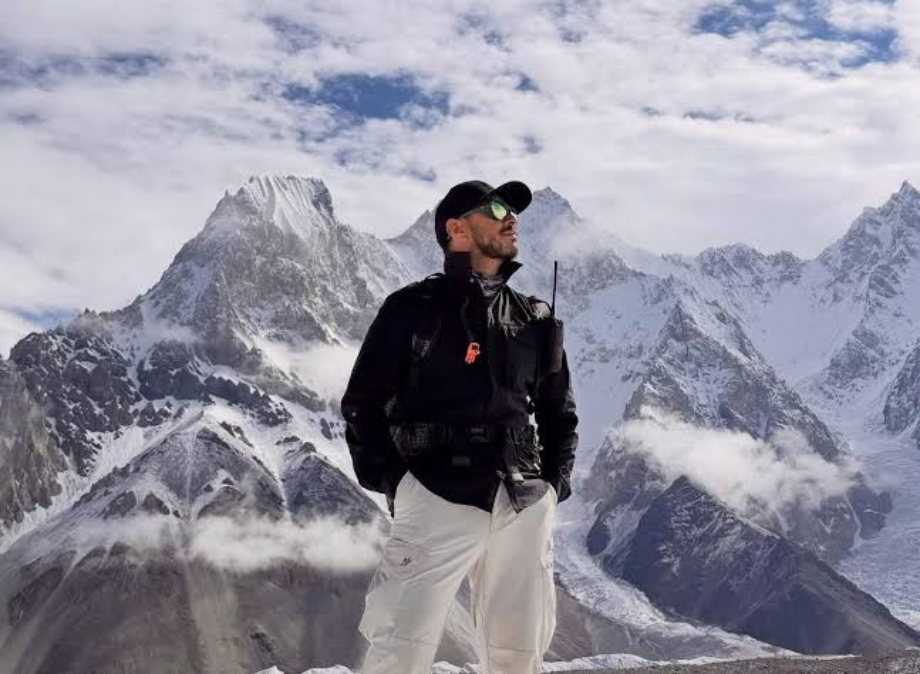
What Is the Annapurna Name Change Proposal?
The current proposal is to rename Annapurna I, which stands at 8,091 meters, as “Nimsdai Annapurna.”
The proposal was approved by the executive meeting of Annapurna Rural Municipality in Myagdi on August 18, 2026. According to reports, municipality chairman Bharat Kumar Pun said the local government would recommend to the federal government that the mountain within the municipality be named Nimsdai Annapurna.
This distinction is important for anyone searching Google for “Did Nepal government rename Annapurna?” The answer at present is no. The mountain has not officially changed its name. The proposal has been made by the local government and is expected to be forwarded to the federal government for consideration.
Therefore, the accurate description is:
“Annapurna Rural Municipality has proposed renaming Annapurna I as Nimsdai first.”
It would be inaccurate at this stage to state that the Government of Nepal has already renamed Annapurna.
The proposal is particularly significant because Annapurna I is internationally recognised as one of the world’s fourteen 8,000-meter mountains. The Nepal Tourism Board continues to identify the mountain officially as Annapurna I (8,091m) and describes it as the tenth-highest mountain in the world.
Why Is Annapurna Being Proposed as Nimsdai First?
The main reason is to honour Nirmal Purja, the internationally recognised Nepali mountaineer known as Nimsdai.
Purja was born in Dana village in Myagdi, within the Annapurna Rural Municipality. This geographical connection is one of the main reasons local authorities have proposed honouring him through the mountain associated with his birthplace.
The municipality has described his contribution to mountaineering, adventure tourism and Nepal’s international identity as exceptional. In addition to the mountain-name proposal, local authorities have announced plans for a statue and museum commemorating his life and achievements.
For people searching for “why rename Annapurna after Nims Dai?”, the answer is closely connected to three factors:
- Nirmal Purja was born in the Annapurna region.
- He became one of the most internationally recognised Nepali high-altitude mountaineers.
- He climbed Annapurna I and played a major role in promoting Nepal’s modern mountaineering image internationally.
The proposed name therefore seeks to connect one of Nepal’s most famous mountains with one of Nepal’s most famous modern mountaineers.
Who Was Nirmal “Nimsdai” Purja?
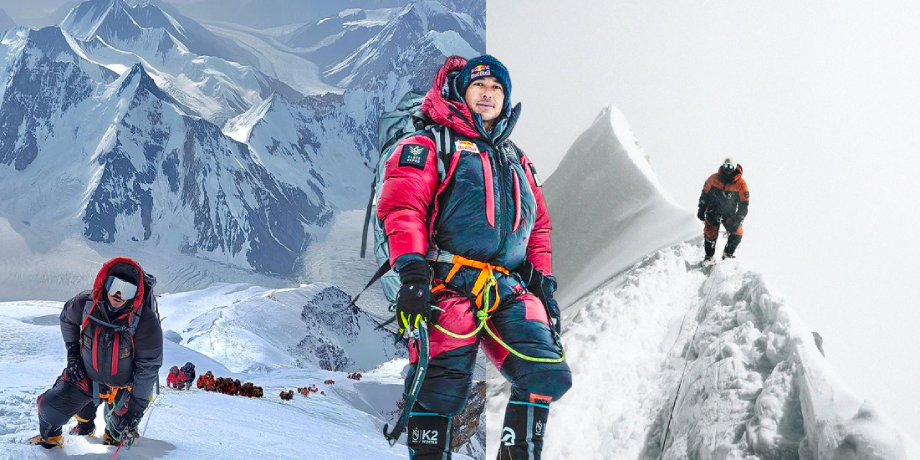
Nirmal Purja, widely known as Nimsdai or Nims Dai, became one of the most recognisable figures in modern Himalayan mountaineering.
He gained worldwide attention through his extraordinary high-altitude climbing achievements and his ambitious Project Possible, through which he climbed all fourteen of the world’s 8,000-meter mountains in a record-setting period.
His career changed the way many people viewed speed, logistics, high-altitude expedition management and modern Himalayan climbing.
For Nepal, his story was particularly significant because he represented a new generation of Nepali climbers who became internationally recognised not only as guides and high-altitude workers but also as elite mountaineers and expedition leaders.
His achievements helped increase international interest in Nepal mountaineering, Nepali climbers, 8000m expeditions, Himalayan adventure tourism, and high-altitude climbing.
His connection with Annapurna was also important. He climbed Annapurna I and was closely associated with expeditions on the world’s highest mountains.

Nimsdai and Annapurna I
Annapurna I was not simply another mountain on Purja’s climbing résumé.
It was one of the 8,000-meter peaks that helped define his career as an elite high-altitude mountaineer.
The mountain itself is legendary. At 8,091 meters, Annapurna I is the world’s tenth-highest mountain. The Nepal Tourism Board identifies Annapurna I as the highest point of the Annapurna mountain range, which stretches for approximately 55 kilometers.
The relationship between Nimsdai and Annapurna therefore has both geographic and mountaineering significance.
The proposed name “Nimsdai Annapurna” would combine the modern identity of a famous Nepali mountaineer with an ancient Himalayan mountain name.
That is one reason the proposal has generated such strong interest internationally.
What Does the Name Annapurna Mean?
The word Annapurna has a much older history than modern mountaineering.
According to the Nepal Tourism Board, the name comes from Sanskrit and literally relates to “full of grains,” while it is commonly understood in connection with the Goddess of Harvests. Annapurna is associated with nourishment, food, fertility and abundance.
This religious and cultural meaning is an important part of the debate surrounding the proposed name change.
For centuries, the name Annapurna has represented much more than a geographical location. It has cultural and spiritual associations within the Hindu tradition.
Consequently, the discussion about renaming Annapurna I is not simply a question about changing a label on a map. It raises broader questions about history, culture, religion, local identity, mountaineering and how Nepal chooses to commemorate modern national heroes.
Annapurna I: The Tenth-Highest Mountain in the World
Annapurna I reaches 8,091 meters (26,545 feet) above sea level.
It is the highest mountain in the Annapurna massif and the tenth-highest mountain in the world.
The Annapurna range contains several major peaks, including:
- Annapurna I – 8,091m
- Annapurna II – approximately 7,937m
- Annapurna III – approximately 7,555m
- Annapurna South – approximately 7,219m
The Nepal Tourism Board describes Annapurna I as the highest point of a 55-kilometer mountain range and notes that the massif lies within the Annapurna Conservation Area Project (ACAP).
This makes Annapurna I mountain, Annapurna Himal, Annapurna Conservation Area, and the wider Annapurna trekking region some of the most important destinations in Nepal’s adventure tourism industry.
Why Is Annapurna So Important in Mountaineering History?
Annapurna has an extraordinary place in the history of Himalayan climbing.
On June 3, 1950, French climbers Maurice Herzog and Louis Lachenal reached the summit of Annapurna I. This was the first successful ascent of an 8,000-meter mountain.
Nepal’s government information on Himalayan mountains also records the historic 1950 ascent of Annapurna I by Maurice Herzog and Louis Lachenal.
This achievement happened before the successful ascent of Mount Everest.
That means Annapurna I occupies a unique position in the history of mountaineering: it became the first 8,000-meter mountain ever climbed successfully.
For anyone researching Annapurna first ascent, who climbed Annapurna first, or Maurice Herzog Annapurna, this 1950 expedition is essential to understanding the mountain’s historical importance.
Maurice Herzog and the Annapurna Legacy
Maurice Herzog became one of the most famous names in early Himalayan mountaineering after the 1950 Annapurna expedition.
The historic climb created a strong connection between Annapurna and French mountaineering history.
The current renaming discussion has therefore also raised questions about the historical legacy associated with the mountain and its surrounding trekking routes.
The Annapurna Rural Municipality has separately proposed changing the name of the Maurice Herzog trekking trail to the “Nimsdai Maurice Herzog Trail.” The proposal would therefore preserve the name Maurice Herzog while adding Nimsdai’s name.
The trail-name proposal demonstrates that local authorities are considering several ways to connect Nirmal Purja’s legacy with the Annapurna region.
Is Annapurna Already Officially Renamed?
No.
This is perhaps the most important point for readers searching “Annapurna renamed Nimsdai 2026.”
As of August 23, 2026, the mountain remains officially known as Annapurna I.
The Nepal Tourism Board continues to list it as Annapurna I, 8,091 meters.
The Annapurna Rural Municipality has proposed the name Nimsdai Annapurna, but the proposal still requires consideration by the federal government.
Therefore, travel companies, trekking agencies, expedition operators, maps and tourism websites should continue using Annapurna I as the official name unless and until an official government decision is announced.
A useful SEO-friendly way to describe the situation is:
“Annapurna I may be renamed Nimsdai Annapurna, but the proposed name change has not yet been officially approved by the Government of Nepal.”
Did the Government of Nepal Propose the Name Change?
This question requires careful wording.
The local government of Annapurna Rural Municipality proposed the renaming and plans to recommend it to the federal government.
Reports from Nepalese media state that the municipality decided to recommend naming Annapurna I as Nimsdai Annapurna.
The federal government has not yet announced that Annapurna I has officially been renamed.
This means headlines such as “Nepal Government Renames Annapurna” would currently be premature.
A more accurate headline would be:
“Nepal’s Annapurna Rural Municipality Proposes Renaming Annapurna I as Nimsdai Annapurna.”
This distinction is particularly important for SEO because Google users searching for breaking news expect accurate information rather than an exaggerated headline.
Why Was the Proposal Made After Nimsdai’s Death?
The proposal follows the tragic death of Nirmal Purja in a Broad Peak avalanche in Pakistan in July 2026.
His death caused widespread mourning among Nepali mountaineers, his local community and the international climbing world. Radio Nepal reported that Purja was born in Dana and described the mourning among his family, neighbours and former teachers following his death.
The Annapurna Rural Municipality subsequently announced several commemorative initiatives.
These include:
- A statue of Nirmal Purja
- A possible museum dedicated to his life
- A proposal to rename Annapurna I
- A proposal concerning the Maurice Herzog trekking trail
The projects are intended to preserve his memory and recognise his contribution to mountaineering and adventure tourism.
The Connection Between Dana and Annapurna
Dana is especially important to this story.
Nirmal Purja was born in Dana in Myagdi, a community within the Annapurna Rural Municipality.
The region is part of the broader landscape associated with the Annapurna Himalayas.
For the local community, naming the mountain after Nimsdai would therefore represent more than honouring a famous climber. It would also connect the international mountaineering legacy of Nirmal Purja with his birthplace.
This is why the proposal has particular emotional importance in Myagdi.
Nimsdai Annapurna and Nepal’s Mountaineering Identity
Nepal is globally recognised for its mountains.
Mount Everest is perhaps the most famous example, but Nepal is also home to several other 8,000-meter peaks, including:
- Annapurna I
- Dhaulagiri I
- Manaslu
- Makalu
- Cho Oyu
- Lhotse
- Kangchenjunga
Nepal’s tourism identity is strongly connected to Himalayan adventure.
The achievements of Nepali climbers have played an increasingly important role in that identity.
For decades, Sherpas and other Nepali mountain workers were often internationally known primarily for supporting foreign expeditions. Modern climbers such as Nirmal Purja have helped change that perception by becoming internationally recognised expedition leaders and record-setting mountaineers.
A name such as Nimsdai Annapurna would symbolically place a Nepali climber’s identity directly alongside one of the world’s great mountains.
Annapurna Base Camp Trek and the Proposed Name Change
The Annapurna Base Camp Trek is one of Nepal’s most famous trekking routes.
Trekkers travel through villages, forests, terraced farmland, rivers and dramatic Himalayan landscapes before reaching the sanctuary beneath Annapurna’s towering peaks.
The base camp trek should not be confused with climbing Annapurna I.
Annapurna I is an 8,091-meter technical mountaineering objective. The Annapurna Base Camp Trek is a trekking journey that takes travelers into the Annapurna Sanctuary without requiring them to climb the summit of Annapurna I.
Therefore, even if the mountain eventually receives a new official name, the trekking infrastructure and general route would remain separate from the technical climbing route.
Annapurna Circuit Trek and the Name Debate
The Annapurna Circuit Trek is another internationally famous Nepal trekking route.
The circuit travels through diverse landscapes, from lower valleys to high mountain terrain, including the Thorong La area.
Although trekkers on the circuit do not climb Annapurna I, the entire region is strongly associated with the Annapurna massif.
A future name change could therefore influence how travel websites describe the region.
For example, websites might eventually use phrases such as:
“Nimsdai Annapurna Circuit Trek”
or
“Annapurna Circuit Trek in the Nimsdai Annapurna Region.”
However, such wording should only be used after an official name change. Until then, Annapurna Circuit Trek remains the established and recognisable tourism term.
Is Nimsdai Annapurna the Same as Annapurna I?
Under the proposal, yes.
The proposed name refers specifically to Annapurna I, the 8,091-meter summit.
The Annapurna mountain range contains multiple peaks, so it is important not to confuse the proposed renaming of Annapurna I with renaming the entire Annapurna range.
The Nepal Tourism Board identifies Annapurna I as the main and highest summit of the Annapurna chain.
Therefore, when discussing the proposal, the most accurate SEO terms are:
Annapurna I name change
Annapurna I renamed Nimsdai
Nimsdai Annapurna 8091m
rather than simply stating that the entire Annapurna mountain range has been renamed.
Why the Proposal Is Controversial
The proposal has generated debate because mountains are more than physical landmarks.
Annapurna has:
- Ancient cultural associations
- Religious significance
- A famous mountaineering history
- International recognition
- Established geographical terminology
- A major tourism identity
Changing such a name can therefore be emotionally and practically complicated.
Supporters may argue that Nirmal Purja deserves a permanent national memorial because of his contribution to Nepali mountaineering.
Others may argue that the historic name Annapurna should remain unchanged while Nimsdai can be honoured through a different monument, trail, museum, climbing route or institution.
This debate is likely to continue while the proposal is considered.
Why Supporters May Want the Mountain Named After Nimsdai
Supporters of the proposal could point to several reasons.
First, Nirmal Purja was born in the Annapurna region.
Second, he became one of the most internationally recognised Nepali mountaineers.
Third, he climbed Annapurna I.
Fourth, his career contributed to Nepal’s global mountaineering image.
Finally, the name could create a permanent connection between the Annapurna region and a modern Nepali climbing legend.
For local communities, such recognition can also create opportunities for tourism development and education.
A Nimsdai museum in Myagdi, for example, could preserve photographs, expedition equipment, historical records and stories about Nepal’s modern mountaineering era.
Why the Name Annapurna Has Special Cultural Value
The strongest argument for retaining the name Annapurna is its long cultural history.
The name is associated with a Hindu goddess connected with food and nourishment.
This makes Annapurna different from a mountain whose name was simply assigned by a modern survey or expedition.
For many people, Annapurna represents a cultural and spiritual idea as well as a geographical mountain.
This is why the proposed change should be understood as a significant cultural conversation rather than simply a tourism rebranding exercise.
Could Both Names Be Used?
One possible future outcome could be the continued use of the traditional name alongside Nimsdai’s name.
For example:
Annapurna I – Nimsdai Annapurna
or
Nimsdai Annapurna (formerly/also known as Annapurna I)
Such an approach could potentially preserve historical recognition while honouring Nirmal Purja.
However, no such final naming system has been announced.
The final decision would depend on the federal government’s consideration and any subsequent official processes.
What Happens Next?
The next stage is consideration by the federal government of Nepal.
The local municipality’s recommendation does not automatically change the official geographical name.
Reports indicate that the municipality intends to forward the proposal to the federal government after consultation with Purja’s family.
This means several things could happen.
Scenario 1: The Proposal Is Approved
If the federal government approves the proposal, the mountain could officially receive the new name.
Government documents, maps, tourism materials and other official records would eventually need to reflect the decision.
Scenario 2: The Proposal Is Modified
The government could consider an alternative form of the name.
For example, it could decide to preserve Annapurna as the primary name while adding Nimsdai as a commemorative designation.
Scenario 3: The Proposal Is Rejected
The government could decide that the historical and cultural significance of Annapurna means the name should remain unchanged.
In that case, other forms of commemoration could still proceed.
Scenario 4: Further Consultation Takes Place
The government could seek opinions from mountaineering organisations, local communities, historians, cultural experts, tourism authorities and other stakeholders before making a final decision.
What Does This Mean for Trekkers?
For ordinary trekkers, there is currently no major change.
If you are planning an:
Annapurna Base Camp Trek
Annapurna Circuit Trek
Ghorepani Poon Hill Trek
Mardi Himal Trek
or another Annapurna-region trekking itinerary, you can continue using the established names.
Permits, trekking routes and tourism infrastructure do not automatically change simply because a name-change proposal has been submitted.
The proposal is about the official name of the mountain, not the immediate operation of trekking routes.
What Does This Mean for Mountaineering Expeditions?
For climbers planning an Annapurna I Expedition, the practical situation is also unchanged at present.
Annapurna I remains officially identified as an 8,091-meter mountain.
Expedition permits, route planning, logistics, climbing regulations and safety procedures remain governed by the existing system unless the relevant authorities announce changes.
A future official name change could eventually result in updated terminology on expedition permits and maps, but there is no reason for climbers to assume that this has already happened.
Annapurna and Nepal Adventure Tourism
The Annapurna region is one of the foundations of Nepal’s trekking industry.
The region combines high Himalayan peaks with culturally rich villages, mountain communities, rivers, forests, waterfalls and traditional settlements.
The proposed Nimsdai name could add another layer to this tourism story.
Instead of Annapurna being known only as an ancient Himalayan mountain and historic mountaineering destination, it could also become closely associated with the life and legacy of one of Nepal’s modern climbing heroes.
For tourism businesses, this could generate new storytelling opportunities.
A trekking company could create educational content about:
- Nimsdai’s birthplace
- Annapurna’s mountaineering history
- Nirmal Purja’s achievements
- Myagdi’s mountain culture
- Annapurna Base Camp
- Annapurna Circuit
- The history of 8,000-meter climbing
- Modern Nepali mountaineering
The Importance of Nimsdai’s Birthplace in Myagdi
The proposed renaming also places greater attention on Myagdi District.
Myagdi is home to dramatic Himalayan landscapes and important trekking and mountaineering destinations.
Nirmal Purja’s connection to Dana provides an opportunity to develop heritage tourism around his life.
A museum, memorial, visitor centre or educational facility could tell the story of his childhood, military career, mountaineering achievements and contribution to Nepal.
Such development could encourage travelers to explore areas beyond the more established trekking centres.
Annapurna as a Symbol of Nepal
Annapurna is already a powerful symbol of Nepal.
Its mountains have inspired climbers, trekkers, photographers, writers and travelers for generations.
The mountain is also part of Nepal’s broader identity as a Himalayan country.
The proposed name change introduces a new question:
Should a mountain preserve its historical identity, or should it evolve to commemorate modern national heroes?
There is no simple answer.
Both the historical name and Nimsdai’s legacy have strong emotional significance.
Nimsdai’s Contribution to Nepal’s Mountaineering Image
Nirmal Purja’s achievements helped draw global attention to Nepali mountaineering.
His success demonstrated that Nepali climbers could lead major international expeditions and achieve extraordinary high-altitude records.
This is an important part of the modern story of Nepal’s mountaineering industry.
Nepal is not simply a country where international climbers come to climb mountains. It is also home to highly skilled climbers, guides, expedition leaders and mountain communities whose knowledge is central to Himalayan mountaineering.
Nimsdai became one of the strongest international examples of this changing identity.
Why His Name Is Already Associated With Annapurna
Even before any official renaming, the name Nimsdai is already associated with Annapurna through his climbing career.
That means a future official name change would not create an entirely new connection.
Instead, it would formalise a relationship that already exists between the climber and the mountain.
This is one reason the proposal has generated global attention so quickly.
The Proposed Statue and Museum
The mountain-name proposal is only one part of the municipality’s wider commemoration plan.
The municipality has also decided to erect a statue in honour of Nirmal Purja. According to local reports, the precise location is still being considered, with Annapurna Base Camp mentioned as one possibility.
A museum has also been proposed near his birthplace.
Such a museum could become an important resource for people interested in Nirmal Purja biography, Nimsdai mountaineering history, Nepal 8000m climbers and Himalayan expedition history.
If properly developed, it could combine tourism with education and historical preservation.
Annapurna Nims Dai First: Is That the Official Proposed Name?
Some social media posts and online discussions have used variations such as “Annapurna Nims Dai First.”
However, the more consistently reported formulation from the local government’s proposal is “Nimsdai Annapurna.” Ratopati and Everest Chronicle both report that Annapurna Rural Municipality proposed the name “Nimsdai Annapurna.”
Therefore, websites publishing information about this issue should avoid presenting “Annapurna Nims Dai First” as an officially approved name unless an authoritative government document confirms that exact wording.
For SEO, it can be useful to acknowledge alternative search phrases naturally while making clear that Nimsdai Annapurna is the reported proposal.
FAQ
Is Annapurna being renamed Annapurna Nimsdai First?
Annapurna Rural Municipality in Myagdi has proposed renaming Annapurna I as Nimsdai Annapurna, but the federal Government of Nepal has not yet officially approved the change.
What is the proposed new name of Annapurna I?
The reported proposed name is Nimsdai Annapurna.
Who proposed renaming Annapurna?
The proposal came from Annapurna Rural Municipality in Myagdi District, where Nirmal Purja was born.
Who is Nimsdai?
Nimsdai is the popular name of Nirmal Purja, a record-setting Nepali mountaineer known internationally for his achievements on the world’s 8,000-meter peaks.
Why is Annapurna being renamed after Nirmal Purja?
The proposal is intended to honour Nirmal Purja’s contribution to mountaineering and his connection with the Annapurna region, particularly because he was born in Dana, Myagdi.
What is the height of Annapurna I?
Annapurna I is 8,091 meters high and is the tenth-highest mountain in the world.
Has the Government of Nepal officially renamed Annapurna?
No. As of August 23, 2026, the name change remains a proposal from the local government awaiting federal consideration.
What does Annapurna mean?
The name Annapurna comes from Sanskrit and is associated with fullness of grain, nourishment and the Hindu Goddess of Harvests.
Who first climbed Annapurna I?
Maurice Herzog and Louis Lachenal of the 1950 French Annapurna expedition made the first successful ascent of Annapurna I on June 3, 1950.
Will the Annapurna Base Camp Trek be renamed?
There is currently no official change to the name of the Annapurna Base Camp Trek. The proposed change concerns Annapurna I itself.
Is Annapurna the first 8,000-meter mountain climbed?
Yes. Annapurna I became the first 8,000-meter peak successfully climbed when Herzog and Lachenal reached the summit in 1950.
Where was Nirmal Purja born?
Nirmal Purja was born in Dana, Myagdi, in the Annapurna Rural Municipality area of Nepal.
What Travelers Should Know Right Now
Travelers should not be concerned about immediate changes to Annapurna trekking arrangements.
The mountain’s official identity remains Annapurna I at present.
If you are searching for Annapurna trekking 2026, Annapurna Base Camp Trek 2026, Annapurna Circuit Trek 2026, or Annapurna Expedition 2026, existing travel information remains relevant.
However, travelers interested in the history of Nepal’s mountains may want to follow the name-change proposal because a future federal decision could change how Annapurna I is described in official tourism materials.
Why This Story Matters Beyond a Name
At first glance, changing a mountain’s name may seem like a simple administrative decision.
In reality, it touches several important subjects.
It involves Nepal’s cultural heritage, because Annapurna has religious significance.
It involves mountaineering history, because Annapurna was the first successfully climbed 8,000-meter mountain.
It involves local identity, because Nirmal Purja was born in the region.
It involves national pride, because Purja became an internationally recognised Nepali mountaineer.
It involves tourism, because Annapurna is one of Nepal’s most important trekking and adventure destinations.
And it involves the question of how modern Nepal chooses to remember its heroes.
The Future of the Annapurna Name
The future remains uncertain.
At this stage, there is a proposal, not a completed renaming.
The federal government will have to consider the recommendation before the name can become officially recognised.
Whatever decision is eventually made, Annapurna will continue to occupy an extraordinary position in Nepal’s mountain history.
If the name becomes Nimsdai Annapurna, it will create a permanent connection between a legendary Himalayan mountain and one of Nepal’s most famous modern climbers.
If the traditional name remains, Nirmal Purja’s legacy can still be preserved through a statue, museum, trails and other forms of recognition.
Either way, the story has already highlighted the extraordinary connection between Nirmal Purja, Myagdi and Annapurna.
Final Thoughts: Annapurna or Nimsdai Annapurna?
The proposal to rename Annapurna I as Nimsdai Annapurna is one of the most significant recent discussions in Nepal’s mountaineering and tourism sector.
It is important, however, to distinguish between a proposal and an official name change.
As of August 23, 2026, Annapurna I remains officially known as Annapurna I. The proposal originated with Annapurna Rural Municipality in Myagdi, which wants the federal government to consider renaming the 8,091-meter mountain Nimsdai Annapurna in honour of Nirmal “Nimsdai” Purja.
The proposal comes at a deeply emotional time following Purja’s death and reflects the strong connection between the mountaineer, his birthplace and the Annapurna region.
Annapurna itself has a history that reaches far beyond modern mountaineering. Its name has religious and cultural meaning, while its 1950 first ascent marked a historic moment in the conquest of the world’s highest mountains.
For Nepal, the debate therefore represents a meeting point between ancient Himalayan heritage and modern mountaineering achievement.
Whether the future name is Annapurna I, Nimsdai Annapurna, or another formulation, the mountain will remain one of the defining symbols of Nepal.
For travelers, trekkers and climbers, this is a story worth following. The final decision could influence how one of Nepal’s most famous mountains is presented on maps, tourism websites, expedition documents and international media.
Until an official federal decision is announced, the safest and most accurate terminology is:
Annapurna I (8,091m), with a proposal to rename it Nimsdai Annapurna in honour of Nirmal “Nimsdai” Purja.
That wording respects both the mountain’s established identity and the current status of the proposed name change.


