



Welcome to Bhutan, the Land of the Thunder Dragon, one of the most fascinating and culturally preserved destinations in the Himalayas. In this Bhutan travel guide, we take you on an unforgettable journey through ancient monasteries, colorful festivals, traditional villages, beautiful mountain valleys, and historic dzongs.
Bhutan is a unique Himalayan kingdom where Buddhist traditions, spectacular landscapes, traditional architecture, and modern life exist side by side. Whether you are planning your first Bhutan tour, a Bhutan cultural tour, a Bhutan festival tour, a honeymoon, a family holiday, or a combined Nepal and Bhutan tour, this guide will help you understand what makes Bhutan such a special destination.
From the moment you arrive at Paro International Airport, the Himalayan scenery immediately begins to tell the story of Bhutan. Your journey can continue through the capital city of Thimphu, the historic Punakha Valley, the spectacular Dochula Pass, and finally to the legendary Tiger’s Nest Monastery. So, let’s begin our journey through Bhutan.
Welcome to Bhutan
Bhutan is a small Himalayan kingdom located between India and China. The country is famous for its dramatic mountains, Buddhist heritage, traditional architecture, beautiful forests, and peaceful atmosphere.
Bhutan has carefully protected many aspects of its cultural identity while developing modern tourism. Traditional clothing, Buddhist monasteries, dzongs, festivals, handicrafts, archery, and local customs remain important parts of everyday life.
One of the most interesting things about Bhutan is its philosophy of Gross National Happiness, which emphasizes broader well-being alongside economic development. Bhutan’s official tourism information describes GNH through areas including sustainable development, cultural preservation, environmental conservation, and good governance.
For visitors, this philosophy can be seen in the country’s approach to culture, nature, architecture, and tourism.
Arriving in Bhutan – Paro International Airport
Your Bhutan adventure normally begins in Paro, home to the country’s international airport.
Flying into Paro is an experience in itself. The airport is surrounded by mountains, and flights operate through some of the most spectacular Himalayan scenery.
If you are traveling from Nepal, a Kathmandu to Paro flight is a convenient way to combine Nepal and Bhutan in one Himalayan holiday. On a clear day, the flight can provide impressive views of the Himalayan mountain ranges.
After completing immigration and customs formalities, your Bhutanese guide and driver can welcome you and begin your journey through the Paro Valley. Paro Bhutan – Your First Himalayan Experience

Tiger’s Nest Monastery – The Highlight of Bhutan

Thimphu – Explore Bhutan’s Capital

Punakha – The Historic Heart of Bhutan

Dochula Pass – Himalayan Mountain Views

Bhutan Festivals – Experience Living Culture

One of the best ways to experience Bhutanese culture is by visiting during a Bhutan Tshechu festival.
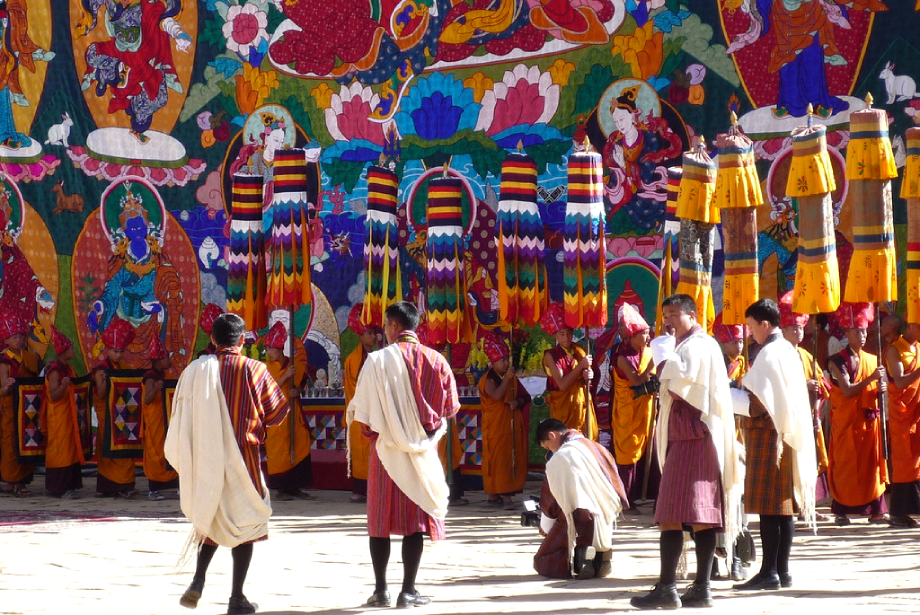
Tshechus are religious and cultural festivals featuring traditional mask dances, music, colorful costumes, and community gatherings. Bhutan’s official tourism information describes festivals as an important part of the country’s cultural heritage.
Major festivals include:
- Paro Tshechu
- Thimphu Tshechu
- Punakha Tshechu
- Punakha Dromche
- Wangdue Tshechu
- Jambay Lhakhang Drup
- Trongsa Tshechu
- Trashigang Tshechu
- Black-Necked Crane Festival
Festival dates vary because many Bhutanese festivals follow the lunar calendar, so it is important to check the official festival calendar when planning your trip. Bhutan’s tourism authority publishes annual festival information.
What Happens During a Bhutan Festival?
Imagine entering a traditional dzong courtyard and seeing monks dressed in elaborate costumes performing sacred dances.
Traditional music fills the air. Local families arrive wearing their finest gho and kira. Visitors gather quietly to watch the performances.
Some dances tell stories related to Buddhism, religious teachings, or Bhutanese history.
For a travel filmmaker, a Bhutan festival provides incredible visual material, but remember that these are religious and cultural events. Visitors should always follow local instructions and respect photography restrictions. Bhutanese Traditional Clothing.
Traditional clothing is an important part of Bhutanese culture.
Men traditionally wear the gho, while women wear the kira.
You will see traditional clothing particularly often at monasteries, government offices, schools, festivals, and formal occasions.
During festivals, the colorful fabrics and detailed patterns make Bhutanese traditional dress especially impressive.
For your vlog, showing traditional clothing is a great way to introduce viewers to Bhutan’s cultural identity.
Experience Traditional Bhutanese Archery
Archery is Bhutan’s national sport and an important part of community life.
You may see traditional archery competitions during festivals and local celebrations.
Unlike modern archery competitions, traditional Bhutanese archery is often a social event involving music, cheering, dancing, food, and community interaction.
If you have an opportunity to watch a local competition, it can be one of the most memorable experiences on your Bhutan cultural tour.
Bhutan Buddhist Culture
Buddhism is deeply connected to Bhutan’s history and identity.
Throughout the country, you will see monasteries, temples, prayer wheels, chortens, prayer flags, and sacred sites.
Bhutan’s Buddhist heritage is particularly visible in the country’s architecture and festivals.
Visitors should remember that monasteries and temples are places of worship. Dress modestly, follow local instructions, avoid unnecessary noise, and respect photography restrictions.
A Bhutan Buddhist cultural tour can be especially meaningful for travelers interested in Himalayan spirituality and Buddhist traditions.
Taste Authentic Bhutanese Food

A Bhutan tour is not complete without tasting traditional Bhutanese food.
The country’s most famous dish is Ema Datshi, made primarily with chilies and cheese.
Bhutanese cuisine often uses chilies as an important ingredient, so visitors should be prepared for spicy dishes.
You can also try red rice, momos, Phaksha Paa, Jasha Maru, buckwheat-based dishes, soups, and other local specialties.
Trying local food is an excellent way to make your travel vlog more personal and engaging.
Bhutan’s Nature and Wildlife
Bhutan is not only a cultural destination. It is also a remarkable nature destination.
Large areas of the country remain covered by forests, creating habitats for many species of birds and wildlife. Bhutan’s official tourism information highlights its rich biodiversity and extensive forest cover.
The country’s landscapes range from subtropical valleys to high Himalayan mountains.
The Phobjikha Valley is particularly famous for the endangered black-necked cranes that migrate there during winter.
Nature lovers can combine cultural sightseeing with hiking, birdwatching, photography, and wildlife experiences.
Black-Necked Crane Festival.
The Black-Necked Crane Festival in Phobjikha Valley is a wonderful example of Bhutan’s connection between culture and environmental conservation.
The festival celebrates the arrival of the black-necked cranes and includes traditional performances and community activities.
It is an excellent choice for travelers interested in nature, wildlife, photography, and local culture.
If you are planning a Bhutan festival tour, consider adding Phobjikha Valley to your itinerary.
Bhutan’s Traditional Dzongs
Dzongs are among the most impressive architectural features of Bhutan.
These large fortress-monasteries have historically served important administrative and religious functions.
Punakha Dzong, Tashichho Dzong, Paro Dzong, and other dzongs demonstrate Bhutan’s distinctive architectural traditions.
The combination of white walls, wooden windows, painted details, courtyards, Buddhist artwork, and surrounding mountain landscapes makes these buildings particularly impressive.
Bhutanese Arts and Crafts
Bhutan has a strong tradition of arts and crafts.
Traditional skills include weaving, painting, carving, sculpture, embroidery, woodwork, metalwork, and other crafts.
Visitors can explore traditional handicraft centers and watch artisans practicing these skills.
Buying locally produced handicrafts can also be a meaningful way to support local artisans and take a piece of Bhutanese culture home.
Best Time to Visit Bhutan
The best time for a Bhutan tour depends on what you want to experience.
Spring – March to May
Spring offers pleasant conditions for sightseeing and trekking, with flowers blooming across the valleys.
It is also an excellent period for experiencing some major festivals.
Autumn – September to November
Autumn is one of the most popular seasons for Bhutan travel.
The weather is generally favorable, mountain scenery can be spectacular, and several festivals take place during this period.
Winter – December to February
Winter can be cold at higher elevations but offers its own attractions, including clearer mountain landscapes and the black-necked crane season in Phobjikha.
Summer – June to August
Summer brings monsoon rainfall to Bhutan, but the valleys become lush and green.
If you do not mind occasional rain, summer can provide beautiful landscapes and a quieter travel experience.
How Many Days Do You Need in Bhutan?
For a short Bhutan holiday, 4–5 days can cover Paro and Thimphu.
For a more complete Bhutan cultural tour, 6–8 days allow you to visit Paro, Thimphu, Dochula Pass, and Punakha.
A 10-day Bhutan tour gives you more time for cultural experiences, hikes, villages, monasteries, and relaxed sightseeing.
If you are visiting for a festival, consider adding extra days around the festival schedule.
For travelers combining Nepal and Bhutan, a 10–14 day Nepal Bhutan tour can provide a wonderful combination of Himalayan adventure and cultural exploration.
Nepal and Bhutan Tour
Combining Nepal and Bhutan in one holiday is an excellent choice for travelers who want to explore two unique Himalayan destinations.
In Nepal, you can experience Kathmandu’s UNESCO heritage sites, Everest trekking, Himalayan mountain scenery, Pokhara, traditional villages, Hindu temples, and Buddhist monasteries.
Then fly from Kathmandu to Paro and experience Bhutan’s peaceful valleys, dzongs, monasteries, festivals, traditional culture, and Tiger’s Nest.
A Nepal Bhutan tour package can be customized according to your interests, available time, budget, and preferred travel style.
Bhutan Travel Guide – FAQs
1. What is the best time to visit Bhutan?
Spring (March–May) and autumn (September–November) are generally the best seasons for pleasant weather, clear mountain views, and cultural festivals.
2. How many days are enough for a Bhutan tour?
Bhutan Travel Guide 5–7-day trip is suitable for major highlights, while 8–10 days allow a more relaxed cultural and sightseeing experience.
3. What are the best places to visit in Bhutan?
Popular destinations include Paro, Thimphu, Punakha, Dochula Pass, and Tiger’s Nest Monastery.
4. What is the most famous attraction in Bhutan?
Tiger’s Nest Monastery, also known as Paro Taktsang, is Bhutan’s most iconic attraction.
5. Is Bhutan good for a cultural tour?
Yes, Bhutan is ideal for cultural tours featuring Buddhist monasteries, dzongs, traditional architecture, festivals, handicrafts, and local traditions.
6. What are the famous festivals in Bhutan?
Paro Tshechu, Thimphu Tshechu, Punakha Tshechu, and Jambay Lhakhang Drup are among the most popular Bhutanese festivals.
7. Can I combine Nepal and Bhutan in one trip?
Yes, Nepal and Bhutan can easily be combined into one Himalayan holiday, with flights connecting Kathmandu and Paro.
8. Is Bhutan suitable for families?
Yes, Bhutan is a great family destination offering cultural experiences, nature, sightseeing, easy hikes, and educational activities.
9. What food should I try in Bhutan?
Ema Datshi, red rice, momos, Phaksha Paa, and Jasha Maru are some popular Bhutanese dishes to try.
10. Why should I visit Bhutan?
Bhutan offers a unique combination of Himalayan scenery, Buddhist culture, ancient traditions, colorful festivals, peaceful valleys, and authentic local experiences.
Final Message
Bhutan is a destination where the journey itself becomes part of the experience. From the spectacular arrival in Paro and the peaceful streets of Thimphu to the historic Punakha Valley, colorful Tshechu festivals, and an unforgettable hike to Tiger’s Nest, every day offers something different.
A Bhutan tour is ideal for travelers looking beyond ordinary sightseeing and searching for culture, spirituality, nature, adventure, and authentic Himalayan experiences.
If you are planning your next Himalayan journey, Bhutan deserves a place at the top of your travel list.


