notification

Great News, From June 2025 Mount Kailash is open for individuals holding Indian Passports

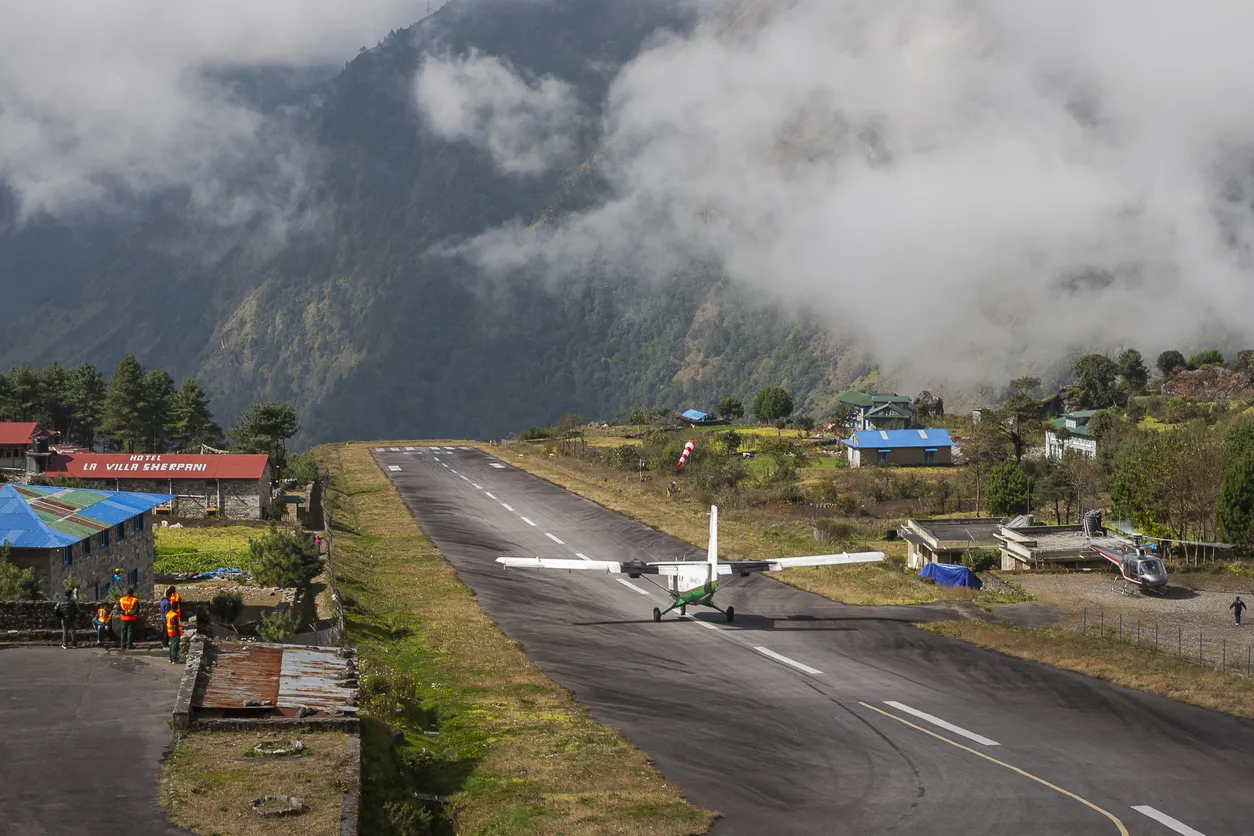
Lukla Airport- Gateway to Everest

Location and Overview:

Lukla Airport, also known as Tenzing-Hillary Airport, is a small mountain town located in the Khumbu region of northeastern Nepal. Situated at an elevation of approximately 2,860 meters (9,383 feet) above sea level, Lukla serves as the main gateway to the Everest region and is renowned for its unique geographical features and challenging airport.

Key Features:

  1. Tenzing-Hillary Airport:
    • Lukla is home to Tenzing-Hillary Airport, one of the most famous and challenging airports in the world.
    • The airport’s runway is positioned on a steep incline and is bordered by mountains on one end and a sheer drop-off on the other, making it a nerve-wracking experience for pilots and passengers alike.
    • Due to its short runway and unpredictable weather conditions, flights to Lukla are often subject to delays and cancellations, adding an element of adventure to the journey.
  2. Gateway to the Everest Region:
    • As the starting point for treks to Everest Base Camp and other popular destinations in the Khumbu region, Lukla serves as the gateway to the world’s highest mountain, Mount Everest.
    • Trekkers, mountaineers, and adventure enthusiasts from around the globe flock to Lukla to begin their journey into the heart of the Himalayas.
  3. Sherpa Culture:
    • Lukla is inhabited primarily by the Sherpa ethnic group, renowned for their mountaineering prowess, hospitality, and rich cultural heritage.
    • Visitors to Lukla have the opportunity to immerse themselves in Sherpa culture, interact with local residents, and learn about their traditions, customs, and way of life.
  4. Accommodation and Services:
    • Despite its remote location, Lukla offers a range of accommodation options, including teahouses, lodges, and guesthouses, catering to the needs of trekkers and travelers.
    • Basic amenities such as restaurants, shops, and internet cafes are available in Lukla, allowing visitors to stock up on supplies, enjoy a hot meal, or stay connected with the outside world before embarking on their trek.
  5. Scenic Surroundings:
    • Nestled amidst the towering peaks of the Himalayas, Lukla boasts breathtaking views of snow-capped mountains, lush valleys, and pristine forests.
    • The surrounding landscape offers ample opportunities for outdoor activities such as hiking, photography, and nature exploration, allowing visitors to soak in the natural beauty of the Everest region.

Activities and Attractions:

  1. Flightseeing Tours:
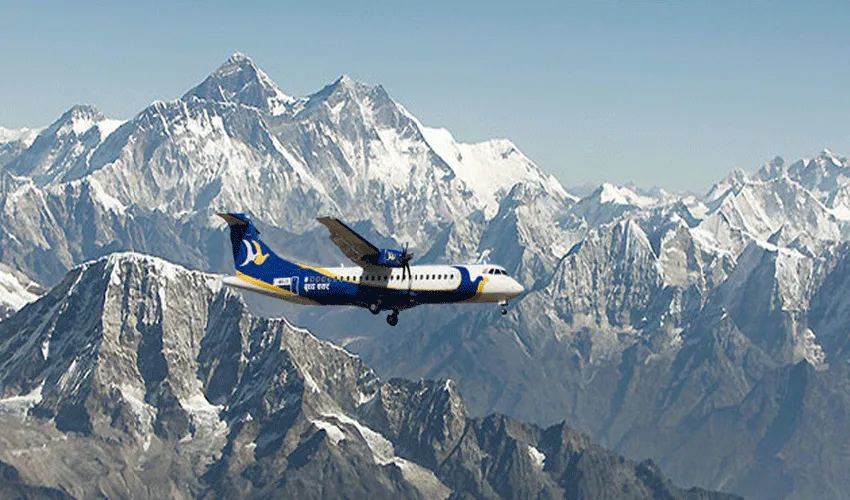
    • Visitors to Lukla can embark on scenic flightseeing tours, offering aerial views of Mount Everest, Lhotse, Nuptse, and other iconic peaks of the Himalayas.
    • These flights provide a unique perspective of the region’s rugged terrain, glacial lakes, and remote villages, showcasing the awe-inspiring beauty of the Everest region from above.
  2. Trekking Expeditions:
    • Lukla serves as the starting point for a variety of trekking expeditions, ranging from short hikes to Everest View Hotel to challenging treks to Everest Base Camp, Gokyo Lakes, and beyond.
    • Trekkers can explore the pristine wilderness of the Khumbu region, trekking through picturesque villages, verdant forests, and high-altitude mountain passes while enjoying unparalleled views of the world’s highest peaks.
  3. Cultural Immersion:
    • In addition to its natural beauty, Lukla offers opportunities for cultural immersion and interaction with the local Sherpa community.
    • Visitors can visit local monasteries, participate in traditional ceremonies and festivals, and learn about the Sherpa’s rich religious and cultural heritage.

How go get to Lukla and Flight Cost:

The cost of flights to Lukla can vary depending on factors such as the airline, time of booking, and season. On average, a one-way flight from Kathmandu to Lukla can range from $200 to $250 USD, while the return trip may cost slightly less due to the lower airport taxes in Lukla. However, prices can fluctuate, especially during peak trekking seasons (spring and autumn), so it’s advisable to check with different airlines and book in advance to secure the best fares.

How to Get to Lukla Airport:

  1. By Air:
    • The most common way to reach Lukla is by taking a flight from Tribhuvan International Airport (TIA) in Kathmandu to Tenzing-Hillary Airport in Lukla.
    • Several airlines operate daily flights to Lukla, including Tara Air, Yeti Airlines, Sita Air, and Summit Air. Flight duration is approximately 25-30 minutes, offering breathtaking views of the Himalayas along the way.
    • It’s recommended to book flights in advance, especially during peak trekking seasons, as seats can fill up quickly.
  2. By Road and Air:
    • For those seeking a more adventurous route, it’s possible to combine a scenic road trip with a short flight to Lukla.
    • Drive from Kathmandu to Ramechhap (approximately 4-6 hours), where flights to Lukla are less affected by weather-related delays compared to those from Kathmandu.
    • From Ramechhap, take a short flight to Lukla, which typically takes around 15-20 minutes. This option provides an alternative to the direct Kathmandu-Lukla flights and can be more reliable during adverse weather conditions.
  3. Trekking from Jiri:
    • Another option for reaching Lukla is to trek from Jiri, a town located approximately 188 kilometers east of Kathmandu.
    • The Jiri to Lukla trek follows the classic route taken by early Everest expeditions and offers a scenic journey through rural villages, terraced farmland, and lush forests.
    • This trek typically takes around 5-7 days and provides an opportunity to acclimatize gradually before reaching Lukla and continuing on to Everest Base Camp or other destinations in the Khumbu region.

Overall:

Getting to Lukla Airport involves either a direct flight from Kathmandu or a combination of road and air travel. While flights offer the quickest and most convenient option, trekkers can also explore alternative routes such as driving to Ramechhap or trekking from Jiri for a more adventurous journey to the gateway of the Everest region. Regardless of the chosen route, the awe-inspiring landscapes and unparalleled mountain views make the journey to Lukla an unforgettable part of any Himalayan adventure. This explanation provides a detailed overview of how to reach Lukla Airport, including information on flights, alternative routes, and trekking options, along with considerations for cost and logistics.

Conclusion:

Lukla is not just a starting point for trekkers; it’s a destination in its own right, offering a unique blend of adventure, culture, and natural beauty. Whether you’re embarking on a trek to Everest Base Camp or simply exploring the charming town and its surroundings, Lukla is sure to leave a lasting impression on every visitor with its rugged terrain, warm hospitality, and breathtaking vistas of the Himalayas.

This detailed explanation provides an in-depth overview of Lukla, covering its location, key features, activities, and attractions in greater detail.

Namche Bazaar- Sherpa Village

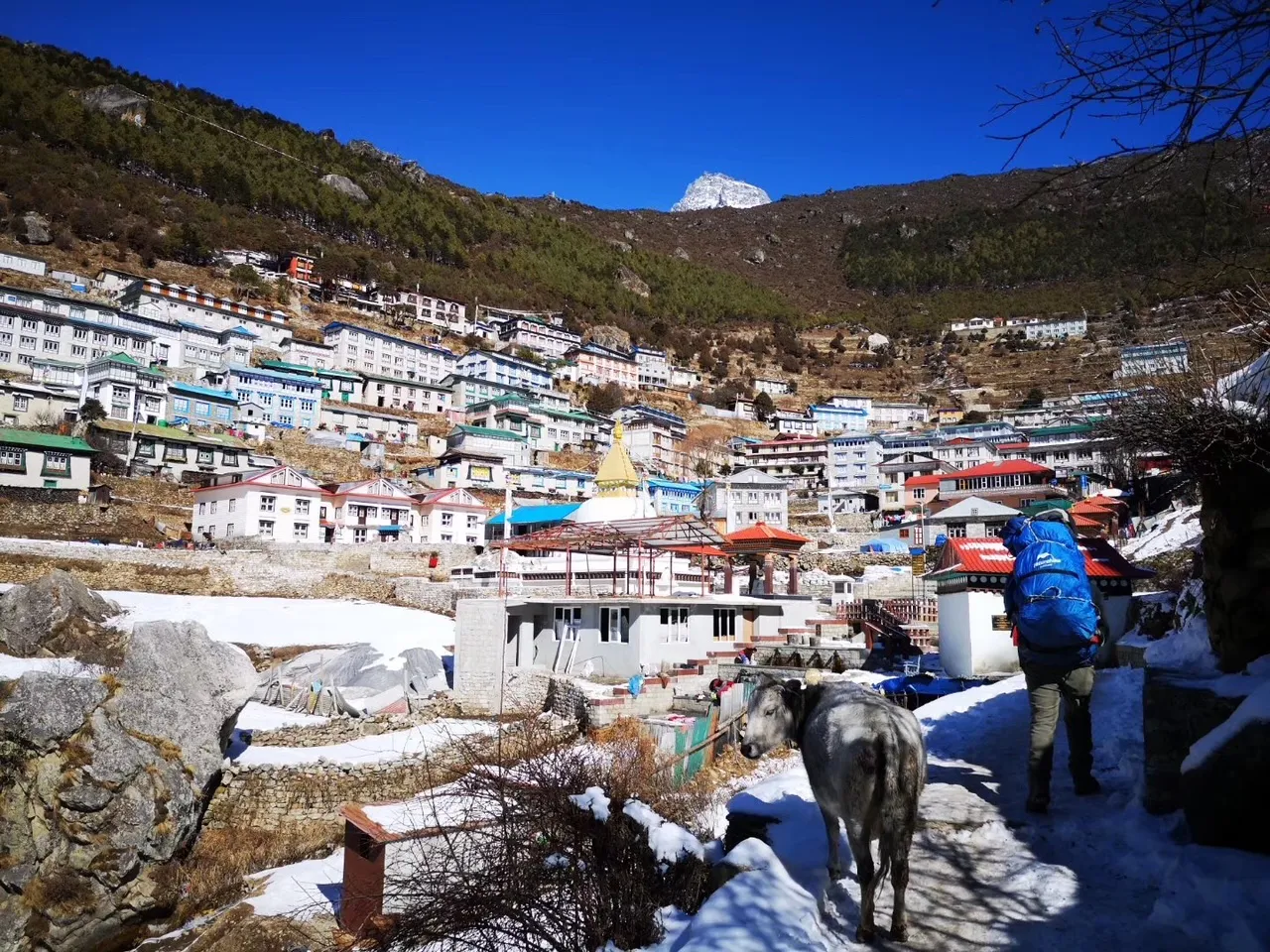
Namche Bazaar (3440m) stands as a vibrant cultural and commercial hub, nestled amidst the awe-inspiring Himalayas. As the gateway to the Everest Base Camp trek, it serves as a crucial acclimatization point for trekkers embarking on the journey to the world’s highest peak. In this comprehensive guide, we will delve into the intricacies of Namche Bazaar and the Everest Base Camp trek, exploring its geographical features, historical significance, cultural dynamics, trekking routes, challenges, and transformative experiences.

Geographical Features: Namche Bazaar is situated at an altitude of approximately 3,440 meters (11,286 feet) above sea level, amidst the rugged terrain of the Khumbu region in northeastern Nepal. Surrounded by towering peaks, including Mount Everest, Lhotse, and Ama Dablam, the town offers breathtaking panoramic views of the Himalayan landscape. Its location within the Sagarmatha National Park ensures a rich biodiversity, with rhododendron forests, alpine meadows, and glacial rivers adorning the pristine wilderness.

Historical Significance: The history of Namche Bazaar is steeped in the legacy of Sherpa culture and the age-old tradition of mountain trade. Originally a bustling marketplace along the ancient salt route connecting Tibet with the lowlands of Nepal, Namche evolved into a thriving center for commerce, communication, and social interaction. Sherpa traders exchanged goods such as salt, grains, yak butter, and wool, fostering a vibrant trade network that spanned across the Himalayas.

Cultural Dynamics: At the heart of Namche Bazaar lies its vibrant cultural tapestry, woven with threads of Sherpa heritage, Tibetan Buddhism, and modern influences. The town is adorned with colorful prayer flags fluttering in the mountain breeze, while monasteries echo with the melodious chants of Buddhist monks. Festivals such as Losar (Tibetan New Year) and Dumje (Sherpa festival) are celebrated with great fervor, showcasing traditional dances, music, and religious rituals that have been preserved for centuries.

Trekking Routes: The Everest Base Camp trek is a legendary adventure that captivates the hearts and minds of trekkers from around the world. The journey typically begins in the town of Lukla, where a thrilling flight from Kathmandu lands amidst the towering peaks of the Khumbu region. From Lukla, trekkers follow a winding trail that meanders through picturesque villages, suspension bridges, and rugged mountain terrain. Passing through Phakding, Monjo, and Jorsalle, the route gradually ascends towards Namche Bazaar, offering stunning vistas of the Himalayan panorama.

Upon reaching Namche Bazaar, trekkers spend a couple of days acclimatizing to the high altitude, exploring the town’s markets, monasteries, and surrounding trails. It’s a vital rest point before continuing the journey towards Everest Base Camp. From Namche, the trail ascends steeply towards Tengboche, home to the famous Tengboche Monastery, where trekkers can witness traditional Buddhist ceremonies amidst the backdrop of snow-capped peaks.

Continuing onwards, the trail passes through picturesque villages such as Dingboche, Lobuche, and Gorak Shep, each offering unique insights into Sherpa culture and mountain life. Finally, reaching Everest Base Camp is a culmination of months of preparation and perseverance, as trekkers stand in awe of the world’s highest peak, surrounded by a panorama of towering Himalayan giants.

Challenges and Precautions: While the Everest Base Camp trek is a rewarding adventure, it’s not without its challenges. The high altitude, rugged terrain, and unpredictable weather conditions demand careful preparation and acclimatization. Trekkers must be mindful of symptoms of altitude sickness, such as headaches, nausea, and fatigue, and take necessary precautions to ensure their safety. Hydration, adequate rest, and gradual ascent are essential strategies to mitigate the risks associated with high altitude trekking.

Moreover, the remote location of the trekking route means that access to medical facilities and emergency services may be limited. Trekkers are advised to carry a comprehensive medical kit, including medications for altitude sickness, as well as travel insurance that covers evacuation and emergency medical treatment.

Transformative Experiences: Despite the physical and logistical challenges, the Everest Base Camp trek offers transformative experiences that extend far beyond reaching the summit. It’s a journey of self-discovery, resilience, and camaraderie, as trekkers forge deep connections with fellow adventurers and the Sherpa community. The stunning natural beauty of the Himalayas, with its snow-capped peaks, turquoise lakes, and emerald forests, serves as a backdrop for moments of reflection and awe-inspiring wonder.

Moreover, the cultural immersion experienced in towns like Namche Bazaar adds layers of depth to the trek, as trekkers learn about Sherpa traditions, Buddhist philosophy, and the profound spiritual connection that the Sherpa people have with the mountains. Whether sharing a meal with a local family, spinning prayer wheels at a monastery, or gazing up at the star-filled sky from a cozy teahouse, every moment of the Everest Base Camp trek is imbued with a sense of adventure, exploration, and profound appreciation for the majesty of the natural world.

Namche Bazaar and the Everest Base Camp trek represent more than just a physical journey to the roof of the world—they are a testament to the human spirit, resilience, and the enduring allure of the Himalayas. From the bustling markets of Namche to the tranquil vistas of Everest Base Camp, every step of the journey is an opportunity for self-discovery, cultural exchange, and connection with the natural world. Whether you’re a seasoned mountaineer or a first-time trekker, the Everest Base Camp trek offers an unforgettable adventure that will leave an indelible mark on your soul and inspire a lifelong love affair with the mountains.

Visit near Namche Bazaar:

While Namche Bazaar itself is a vibrant town with plenty to explore, there are several other fascinating places nearby that are worth visiting. These destinations offer unique cultural, historical, and natural attractions, providing trekkers with additional opportunities to immerse themselves in the beauty and richness of the Khumbu region. Here are some notable places to visit near Namche Bazaar:

  1. Tengboche Monastery: Situated at an altitude of approximately 3,867 meters (12,687 feet), Tengboche Monastery is one of the most significant religious sites in the Everest region. It is renowned for its stunning location amidst the Himalayas and offers panoramic views of Mount Everest, Lhotse, and Ama Dablam. Visitors can witness traditional Buddhist ceremonies, explore the monastery’s intricately decorated interiors, and enjoy the peaceful ambiance of the surrounding landscape.
  2. Khunde and Khumjung Villages: Located within hiking distance from Namche Bazaar, Khunde and Khumjung are picturesque Sherpa villages that offer insights into traditional mountain life. Khumjung is notable for its Hillary School and the alleged Yeti scalp housed in its monastery. Visitors can also visit Khunde’s Khunde Hospital, established by Sir Edmund Hillary, which provides healthcare services to the local community and trekkers alike.
  3. Everest View Hotel: Perched on a ridge above Namche Bazaar, the Everest View Hotel offers breathtaking panoramic views of Mount Everest and other Himalayan peaks. It’s a perfect spot for trekkers to take a break, enjoy a hot beverage, and soak in the majestic scenery. The hotel also provides accommodation for those seeking a luxurious mountain retreat.
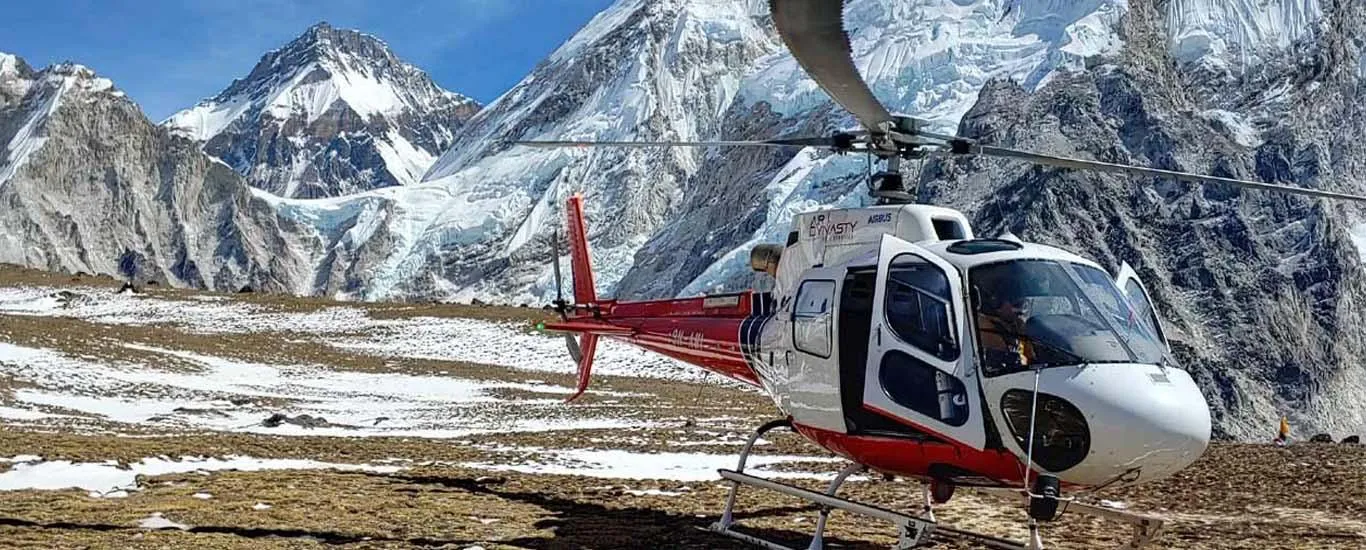
  4. Syangboche Airstrip: Located near Namche Bazaar, the Syangboche Airstrip is one of the highest airstrips in the world. While it primarily serves as a landing site for helicopters and small planes, visitors can hike to the airstrip and enjoy stunning views of the surrounding mountains. It’s a great vantage point for capturing aerial photographs of the Everest region.
  5. Sherpa Cultural Museum: Situated in Namche Bazaar, the Sherpa Cultural Museum offers a fascinating glimpse into the history, culture, and traditions of the Sherpa people. Exhibits include artifacts, photographs, and interactive displays that highlight Sherpa lifestyle, mountaineering history, and religious practices. It’s a must-visit for anyone interested in learning more about the indigenous culture of the Everest region.
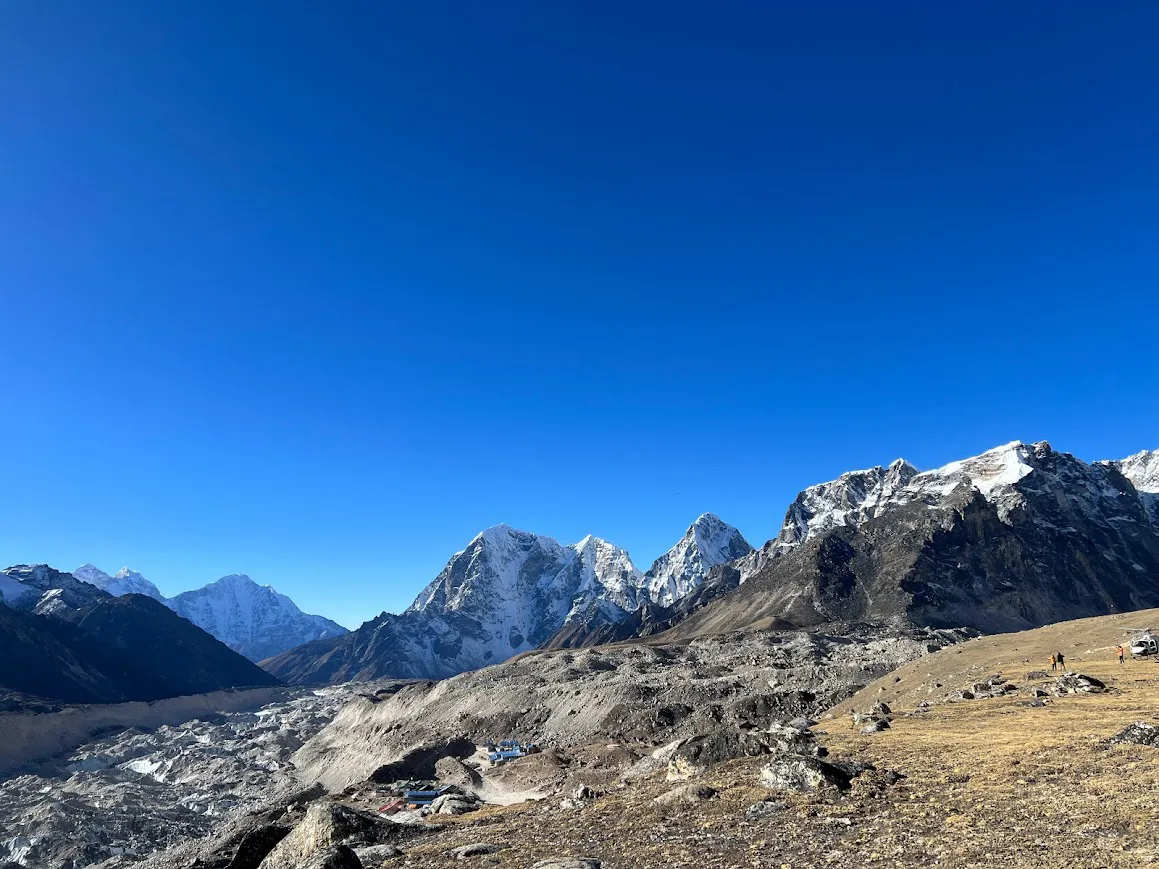
  6. Khumbu Glacier and Imja Tsho (Dudh Koshi River): For those interested in exploring the natural wonders of the Khumbu region, a trek to the Khumbu Glacier and Imja Tsho (Dudh Koshi River) offers an unforgettable experience. The glacier is one of the largest in the Himalayas and provides a glimpse into the geological forces that have shaped the landscape over millennia. The Imja Tsho, also known as the Dudh Koshi River, meanders through the valley, offering scenic vistas and opportunities for tranquil reflection.
  7. Gokyo Lakes: Although a bit further from Namche Bazaar, the Gokyo Lakes are well worth the trek for their stunning beauty and serene ambiance. Located at an altitude of over 4,700 meters (15,400 feet), the Gokyo Lakes comprise a series of turquoise-blue alpine lakes surrounded by snow-capped peaks. The trek to Gokyo Lakes offers breathtaking views of Cho Oyu, the sixth highest mountain in the world, and provides trekkers with a chance to experience the tranquility of the remote Himalayan wilderness.

Mountains can see from Namche Bazaar:

Namche Bazaar, nestled in the heart of the Himalayas, offers stunning views of several towering peaks that dominate the landscape. From this vantage point, trekkers and visitors can feast their eyes on some of the world’s highest mountains. Here are some of the notable peaks visible from Namche Bazaar along with their approximate heights:

  1. Mount Everest (Sagarmatha): The crown jewel of the Himalayas, Mount Everest, known as Sagarmatha in Nepali, is the highest peak on Earth, standing at an impressive height of 8,848.86 meters (29,031.7 feet) above sea level. From Namche Bazaar, Everest can be seen majestically rising above the surrounding peaks, its snow-clad summit piercing the sky.
  2. Lhotse: Adjacent to Mount Everest, Lhotse is the fourth highest mountain in the world, with an elevation of 8,516 meters (27,940 feet). Its distinctive pyramid-shaped peak is visible from Namche Bazaar, offering a breathtaking backdrop to the town’s picturesque setting.
  3. Ama Dablam: One of the most iconic peaks in the Everest region, Ama Dablam is revered for its stunning beauty and challenging climbing routes. With a height of 6,812 meters (22,349 feet), its sharp, snow-covered ridges and soaring summit can be admired from various vantage points in Namche Bazaar.
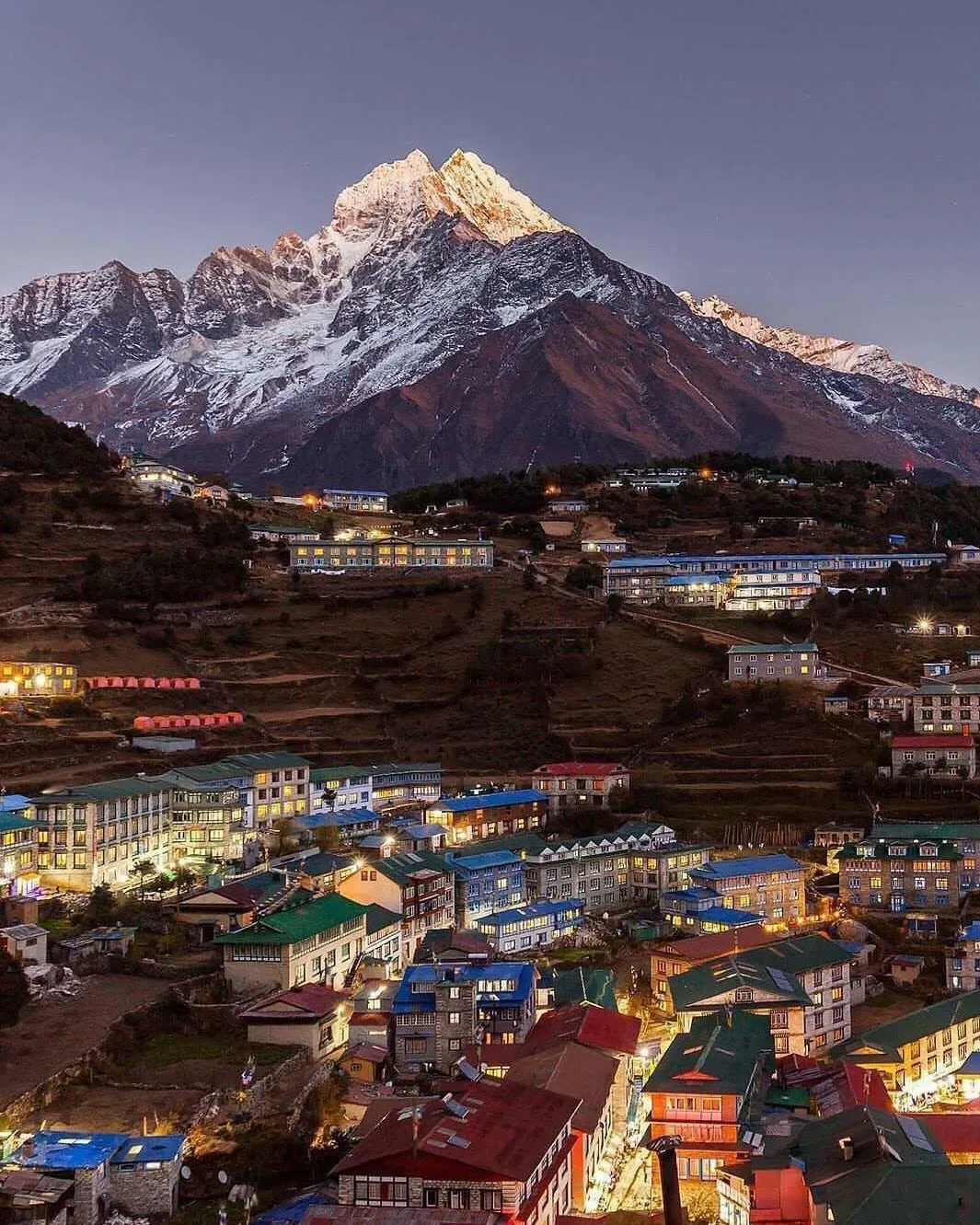
  4. Thamserku: Towering above the Dudh Koshi River valley, Thamserku is a prominent peak in the Everest region, standing at an elevation of 6,608 meters (21,680 feet). Its distinctively shaped summit and rugged slopes form an impressive backdrop to the east of Namche Bazaar.
  5. Kongde Ri: Located to the west of Namche Bazaar, Kongde Ri is a lesser-known but visually striking peak in the Khumbu region. With an elevation of 6,187 meters (20,298 feet), it offers panoramic views of the surrounding valleys and mountains, including Everest and Lhotse.
  6. Taboche: Situated between Ama Dablam and Cholatse, Taboche is a challenging mountain to climb, known for its steep faces and technical routes. Standing at 6,542 meters (21,463 feet) tall, it adds to the dramatic skyline visible from Namche Bazaar.
  7. Kangtega (The Snow Saddle): Also known as “The Snow Saddle,” Kangtega is a massive mountain with twin summits that resemble a saddle. Rising to an altitude of 6,782 meters (22,251 feet), its imposing presence adds to the breathtaking panorama visible from Namche Bazaar.
Namche Bazaar at Night

Cultural Diversity of Namche Bazaar:

Namche Bazaar, as a bustling town in the heart of the Everest region, is characterized by a rich cultural tapestry woven from diverse influences. While the Sherpa people form the predominant ethnic group, the town’s role as a gateway to the Himalayas has led to the convergence of various cultures, traditions, and beliefs. Let’s delve deeper into the cultural diversity of Namche Bazaar:

  1. Sherpa Culture: The Sherpa people are the indigenous inhabitants of the Khumbu region and have a rich cultural heritage deeply rooted in Tibetan Buddhism. Known for their resilience, mountaineering prowess, and warm hospitality, Sherpas have played a central role in shaping the cultural identity of Namche Bazaar. Their traditional way of life revolves around agriculture, animal husbandry, and trade, with practices such as yak herding, butter production, and weaving still prevalent in the community.
  2. Tibetan Buddhism: Buddhism permeates every aspect of life in Namche Bazaar, with monasteries, stupas, and prayer flags adorning the landscape. The town is home to several monastic institutions, including the historic Thame Monastery and Khumjung Monastery, where monks and nuns engage in religious rituals, meditation, and Buddhist teachings. Visitors to Namche often have the opportunity to witness puja ceremonies, prayer chants, and colorful festivals that celebrate the Buddhist faith.
  3. International Influence: As a popular trekking destination, Namche Bazaar has become a melting pot of cultures, attracting visitors from around the globe. Trekkers, mountaineers, and adventurers from diverse backgrounds converge in the town, bringing with them their own customs, languages, and traditions. The teahouses, lodges, and restaurants in Namche offer a multicultural dining experience, with cuisines ranging from Nepali dal bhat to Western comfort food.
  4. Trade and Commerce: Historically, Namche Bazaar served as a vital trading post along the ancient salt route between Tibet and Nepal. The town’s strategic location facilitated the exchange of goods, ideas, and cultural practices between the highlands and the lowlands. Today, Namche remains a commercial hub where local artisans sell traditional handicrafts, trekking gear, and souvenirs to tourists and pilgrims alike, contributing to the town’s vibrant economic and cultural landscape.
  5. Education and Empowerment: In recent years, initiatives aimed at promoting education, healthcare, and economic empowerment have further enriched the cultural diversity of Namche Bazaar. Organizations such as the Himalayan Trust, founded by Sir Edmund Hillary, have established schools, health clinics, and vocational training centers to uplift the local community and preserve Sherpa culture for future generations.
  6. Environmental Conservation: With the increasing awareness of environmental issues and the impact of tourism on fragile mountain ecosystems, Namche Bazaar has emerged as a center for environmental conservation and sustainable development. Community-led initiatives focused on waste management, renewable energy, and responsible tourism seek to balance economic growth with environmental preservation, ensuring that the cultural heritage of the region remains intact for generations to come.

Namche Bazaar’s cultural diversity is a testament to the resilience, adaptability, and interconnectedness of humanity in the face of geographical and social challenges. From the Sherpa people’s deep-rooted traditions to the cosmopolitan influences brought by travelers from around the world, the town embodies the spirit of cultural exchange, mutual respect, and collective stewardship of the Himalayan heritage.

Tourism Impact in Namche Bazaar:

Tourism has had a profound impact on Namche Bazaar, both positive and negative, shaping the town’s economy, infrastructure, culture, and environment. Let’s explore the various aspects of tourism’s impact on Namche Bazaar:

  1. Economic Growth: Tourism has been a driving force behind Namche Bazaar’s economic development. The influx of trekkers, mountaineers, and adventure enthusiasts has created employment opportunities in the hospitality industry, including hotels, teahouses, restaurants, and trekking agencies. Local residents have capitalized on tourism by offering guiding services, selling handicrafts and souvenirs, and providing transportation and porterage services. As a result, tourism has contributed to increased income levels and improved living standards for many Sherpa families in Namche.
  2. Infrastructure Development: The growth of tourism has led to significant investments in infrastructure development in Namche Bazaar. Roads, bridges, and trails have been upgraded to accommodate the influx of tourists and facilitate transportation within the town and surrounding areas. Furthermore, the availability of basic amenities such as electricity, clean water, and communication services has improved, enhancing the overall quality of life for residents and visitors alike.
  3. Cultural Exchange: Tourism has fostered cultural exchange and dialogue between local communities and visitors from diverse backgrounds. Tourists have the opportunity to learn about Sherpa culture, traditions, and way of life through interactions with local residents, visits to monasteries, and participation in cultural festivals. Likewise, Sherpas have the chance to share their heritage and values with the outside world, promoting mutual understanding and appreciation of cultural diversity.
  4. Environmental Conservation: While tourism has brought economic benefits to Namche Bazaar, it has also posed challenges to the fragile mountain environment. Increased trekking activity has led to deforestation, soil erosion, and waste pollution along popular trails. To mitigate these environmental impacts, community-based initiatives and conservation projects have been implemented, focusing on waste management, reforestation, and sustainable tourism practices. Additionally, efforts to raise awareness among tourists about responsible trekking and environmental stewardship are underway to ensure the long-term preservation of the natural beauty of the Everest region.
  5. Cultural Preservation: The rapid growth of tourism in Namche Bazaar has raised concerns about the preservation of Sherpa culture and traditions in the face of modernization and external influences. While tourism provides opportunities for cultural exchange and economic empowerment, it also poses risks of cultural homogenization and commodification. Therefore, there is a need for sustainable tourism development strategies that prioritize the preservation of Sherpa heritage, language, and way of life, while still capitalizing on the economic benefits of tourism.
  6. Social Dynamics: The influx of tourists has led to changes in social dynamics and community cohesion in Namche Bazaar. While tourism has created employment opportunities and increased income levels for some residents, it has also exacerbated income inequality and social disparities within the community. Additionally, the rapid growth of tourism has put pressure on housing, infrastructure, and public services, leading to issues such as overcrowding, sanitation problems, and resource scarcity. Efforts to address these social challenges include community-based tourism initiatives, vocational training programs, and equitable distribution of tourism revenue to benefit all members of the community.

Tourism has had a multifaceted impact on Namche Bazaar, shaping its economy, infrastructure, culture, environment, and social fabric. While tourism has brought economic opportunities and cultural exchange, it has also presented challenges such as environmental degradation, cultural erosion, and social inequality. Therefore, sustainable tourism development strategies that balance economic growth with environmental conservation and cultural preservation are essential to ensure the long-term prosperity and well-being of Namche Bazaar and its residents.

Namche Bazaar View
Namche Bazaar View

Gate way of Everest Trek:

Namche Bazaar is often referred to as the “Gateway to Everest Trek,” and for good reason. This bustling town serves as a crucial acclimatization point and logistical hub for trekkers embarking on the journey to Everest Base Camp (EBC) and other high-altitude destinations in the Everest region. Let’s explore why Namche Bazaar holds this esteemed title:

  1. Geographical Location: Situated at an altitude of approximately 3,440 meters (11,286 feet) above sea level, Namche Bazaar lies at the crossroads of several major trekking routes in the Everest region. It is strategically located along the trail that leads from Lukla, the gateway town with the nearest airport, to Everest Base Camp. As such, Namche Bazaar serves as a natural resting point and acclimatization stop for trekkers before they continue their ascent to higher elevations.
  2. Amenities and Facilities: Namche Bazaar boasts a wide range of amenities and facilities that cater to the needs of trekkers and travelers. The town is home to numerous lodges, teahouses, restaurants, and shops offering accommodation, food, and supplies for trekkers. With its well-developed infrastructure, Namche provides essential services such as internet access, medical clinics, trekking gear rentals, and banking facilities, making it a convenient and comfortable base for trekkers to prepare for their Everest adventure.
  3. Acclimatization Point: One of the key reasons why Namche Bazaar is considered the gateway to Everest Trek is its role as a vital acclimatization point. As trekkers ascend to higher altitudes, the risk of altitude-related illnesses such as acute mountain sickness (AMS) increases. Spending a few days in Namche allows trekkers to acclimatize gradually to the thinner air and lower oxygen levels, reducing the likelihood of altitude sickness and improving their chances of a successful trek to Everest Base Camp.
  4. Cultural and Commercial Hub: Beyond its practical significance, Namche Bazaar also serves as a cultural and commercial hub in the Everest region. The town is home to a diverse mix of ethnic groups, including Sherpas, Rais, and Tibetans, who coexist harmoniously and contribute to the vibrant cultural tapestry of the area. Visitors to Namche can explore its bustling markets, visit monasteries and museums, and immerse themselves in the rich traditions and customs of the local communities.
  5. Gateway to Everest Summits: In addition to being the starting point for treks to Everest Base Camp, Namche Bazaar also serves as a gateway to the numerous high-altitude peaks and summits in the Everest region. Experienced mountaineers use Namche as a base for climbing expeditions to iconic peaks such as Mount Everest, Lhotse, Ama Dablam, and Cho Oyu. The town provides logistical support, equipment rentals, and guiding services for mountaineers seeking to conquer these formidable Himalayan peaks.

Overall, Namche Bazaar’s strategic location, amenities, cultural significance, and role as an acclimatization point make it the quintessential gateway to Everest Trek. Whether you’re a novice trekker embarking on your first Himalayan adventure or a seasoned mountaineer preparing for a summit attempt, Namche Bazaar welcomes you with open arms and sets the stage for an unforgettable journey into the heart of the world’s highest mountains.

Conclusion:

In the realm of Himalayan adventure, Namche Bazaar stands as a beacon of exploration and cultural immersion, earning its rightful title as the “Gateway to Everest Trek.” This bustling town, nestled amidst the majestic peaks of the Everest region, serves as a pivotal point of entry for trekkers and mountaineers embarking on their journey to the roof of the world. Let’s recapitulate the significance of Namche Bazaar as the gateway to Everest Trek, highlighting key aspects and keywords:

Strategic Location: Situated at an altitude of approximately 3,440 meters (11,286 feet) above sea level, Namche Bazaar occupies a strategic position along the trail that leads from Lukla, the nearest airport, to Everest Base Camp. Its central location makes it an ideal resting point and acclimatization stop for trekkers before they continue their ascent to higher elevations.

Amenities and Facilities: Namche Bazaar boasts a plethora of amenities and facilities that cater to the needs of trekkers and travelers. From cozy lodges and teahouses to bustling markets and well-stocked shops, the town offers everything a trekker could possibly need to prepare for their Everest adventure. Its well-developed infrastructure, including internet access, medical clinics, and banking services, ensures a comfortable and convenient stay for visitors.

Acclimatization Point: One of Namche Bazaar’s most vital roles is its function as a key acclimatization point for trekkers. As altitude increases, the risk of altitude-related illnesses such as acute mountain sickness (AMS) becomes a concern. Spending a few days in Namche allows trekkers to acclimatize gradually to the thin air and lower oxygen levels, reducing the likelihood of altitude sickness and increasing their chances of a successful trek to Everest Base Camp.

Cultural and Commercial Hub: Beyond its practical significance, Namche Bazaar serves as a vibrant cultural and commercial hub in the Everest region. Its diverse mix of ethnic groups, including Sherpas, Rais, and Tibetans, adds to the town’s rich cultural tapestry. Visitors can immerse themselves in the local culture by exploring Namche’s markets, visiting monasteries, and interacting with the friendly residents who call this mountain town home.

Gateway to Everest Summits: In addition to being the starting point for treks to Everest Base Camp, Namche Bazaar serves as a gateway to the numerous high-altitude peaks and summits in the Everest region. Experienced mountaineers use Namche as a base for climbing expeditions to iconic peaks such as Mount Everest, Lhotse, Ama Dablam, and Cho Oyu. The town provides essential logistical support, equipment rentals, and guiding services for mountaineers seeking to conquer these formidable Himalayan giants.

In essence, Namche Bazaar encapsulates the spirit of Himalayan adventure and cultural exploration. Its strategic location, comprehensive amenities, cultural significance, and role as an acclimatization point make it the quintessential gateway to Everest Trek. Whether you’re a novice trekker embarking on your first Himalayan adventure or a seasoned mountaineer preparing for a summit attempt, Namche Bazaar beckons with promises of awe-inspiring landscapes, cultural encounters, and unforgettable experiences amidst the world’s highest mountains. As you pass through its bustling streets and soak in the breathtaking vistas that surround you, Namche Bazaar leaves an indelible mark on your soul, forever etching itself as the gateway to Everest’s majestic realm.

Everest Base Camp Trek Cost

The Everest Base Camp trek is an iconic journey that takes adventurers through the breathtaking landscapes of the Himalayas, culminating in the legendary base camp of the world’s highest peak, Mount Everest. Located in the Solukhumbu district of Nepal, the trek offers an unparalleled opportunity to witness the majestic beauty of the Everest region, immerse oneself in the unique Sherpa culture, and challenge personal limits in the high-altitude environment.

History of the EBC Trek

The history of the Everest Base Camp trek dates back to the early 20th century when expeditions to Mount Everest began. The first successful ascent of Everest’s summit was achieved by Sir Edmund Hillary and Tenzing Norgay Sherpa in 1953. Following this historic feat, interest in exploring the Everest region grew, leading to the establishment of trekking routes for adventurers seeking to experience the Himalayas firsthand. Over the decades, the EBC trek has evolved into one of the most popular and iconic trekking destinations globally, attracting thousands of trekkers from around the world each year.

Geography of the Everest Region

Situated in northeastern Nepal, the Everest region is renowned for its dramatic landscapes, towering peaks, and rich biodiversity. The region is dominated by the presence of Mount Everest, also known as Sagarmatha in Nepali and Chomolungma in Tibetan, which stands at an awe-inspiring height of 8,848 meters (29,029 feet) above sea level. Surrounding Everest are several other prominent peaks, including Lhotse, Nuptse, Ama Dablam, and Cho Oyu, creating a spectacular mountain panorama that captivates trekkers throughout their journey.

The trekking route to Everest Base Camp traverses diverse terrain, ranging from lush rhododendron forests and alpine meadows to rocky moraines and glacial valleys. Trekkers also encounter numerous rivers, streams, and suspension bridges as they make their way through the rugged terrain of the Khumbu region.

EBC Trek Route Details

The Everest Base Camp trek typically begins with a scenic flight from Kathmandu to Lukla, a small town nestled in the foothills of the Himalayas. From Lukla, trekkers embark on a multi-day journey that takes them through a series of picturesque Sherpa villages and mountain passes en route to Everest Base Camp. Some of the key waypoints along the trekking route include:

  1. Phakding: After landing in Lukla, trekkers descend to the village of Phakding, situated along the banks of the Dudh Koshi River. Phakding serves as an introductory stop on the trek, offering stunning views of the surrounding mountains and opportunities to interact with local villagers.
  2. Namche Bazaar: From Phakding, the trail ascends gradually towards Namche Bazaar, the bustling commercial hub of the Khumbu region. Nestled in a natural amphitheater surrounded by towering peaks, Namche Bazaar is renowned for its vibrant market, Sherpa culture, and panoramic views of Everest and its neighboring peaks.
  3. Tengboche: Continuing further, trekkers pass through lush forests and traverse suspension bridges before reaching the village of Tengboche. Perched atop a ridge overlooking the Imja Khola Valley, Tengboche is home to the famous Tengboche Monastery, a spiritual center for Sherpas and a scenic vantage point for observing the Everest massif.
  4. Dingboche: As the trek progresses, the landscape transitions from dense forests to barren alpine terrain, with trekkers ascending to higher altitudes. Dingboche, situated at an elevation of approximately 4,410 meters (14,468 feet), serves as an important acclimatization stop on the route to Everest Base Camp.
  5. Lobuche and Gorak Shep: From Dingboche, the trail leads to Lobuche, a small settlement nestled amidst the rocky moraines of the Khumbu Glacier. Beyond Lobuche lies Gorak Shep, the last outpost before reaching Everest Base Camp. Trekkers typically spend a night in Gorak Shep before making the final push to Base Camp the following day.
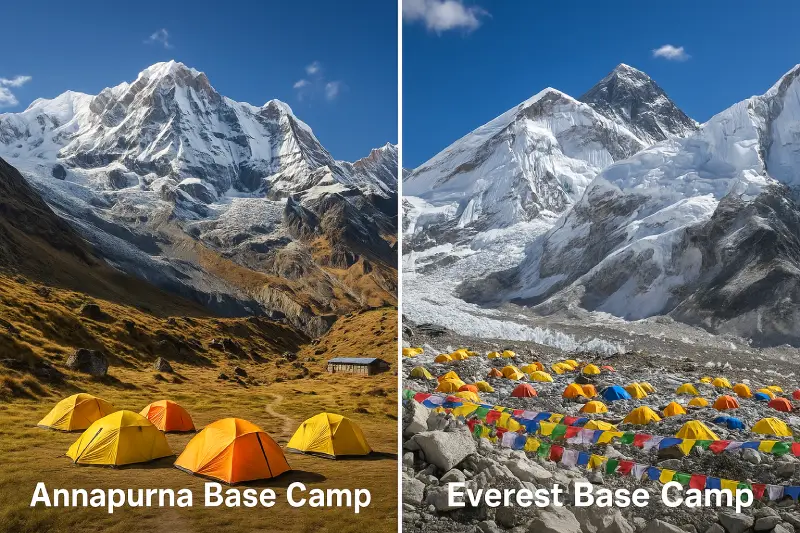
  6. Everest Base Camp: The culmination of the trek, Everest Base Camp, is located at an altitude of approximately 5,364 meters (17,598 feet) above sea level. Situated on the Khumbu Glacier at the foot of Mount Everest, Base Camp offers trekkers a surreal glimpse into the world of high-altitude mountaineering, with colorful tents, prayer flags, and expedition teams preparing for their ascent of the world’s highest peak.
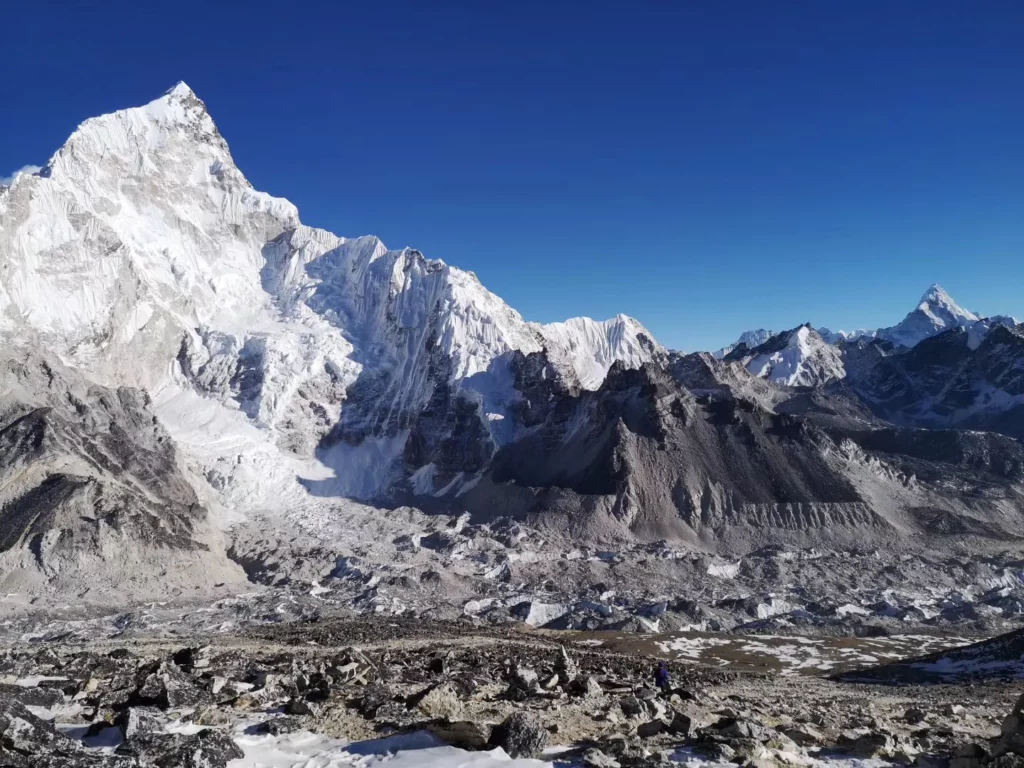
  7. Kala Patthar: While at Base Camp, many trekkers opt to hike to Kala Patthar, a nearby viewpoint renowned for its panoramic vistas of Everest, Lhotse, Nuptse, and surrounding peaks. The ascent to Kala Patthar, which stands at an elevation of 5,545 meters (18,192 feet), rewards trekkers with breathtaking sunrise views over the Himalayas, providing an unforgettable conclusion to the EBC trek.

Highlights of the EBC Trek

The Everest Base Camp trek offers a multitude of highlights and memorable experiences for trekkers:

  1. Spectacular Scenery: Throughout the journey, trekkers are treated to awe-inspiring views of snow-capped peaks, rugged landscapes, and pristine alpine wilderness. From lush valleys and rhododendron forests to towering glaciers and rocky moraines, the Everest region showcases the breathtaking beauty of the Himalayas at every turn.
  2. Cultural Immersion: The EBC trek provides ample opportunities for cultural immersion and interaction with the local Sherpa community. Along the route, trekkers encounter traditional Sherpa villages, Buddhist monasteries, and prayer flags fluttering in the mountain breeze, offering insights into the rich cultural heritage and spiritual traditions of the Himalayan people.
  3. Everest Base Camp: The highlight of the trek, Everest Base Camp, is a surreal and awe-inspiring destination that holds a special place in the hearts of adventurers worldwide. Standing in the shadow of the world’s highest peak, trekkers can marvel at the sheer magnitude of Everest and the surrounding mountains, soak in the atmosphere of the mountaineering community, and reflect on the profound significance of their journey.
  4. Sunrise over the Himalayas: For those who ascend Kala Patthar, witnessing the sunrise over the Himalayas is a truly magical and unforgettable experience. As the first rays of sunlight illuminate the snow-capped peaks, trekkers are treated to a symphony of colors and shadows dancing across the mountain landscape, creating a moment of pure serenity and wonder amidst the high-altitude wilderness.

Challenges of the EBC Trek

While the Everest Base Camp trek is undeniably rewarding, it also presents several challenges and considerations for trekkers:

  1. High Altitude: One of the primary challenges of the EBC trek is the high altitude, which can cause altitude-related illnesses such as acute mountain sickness (AMS), high-altitude pulmonary edema (HAPE), and high-altitude cerebral edema (HACE). Trekkers must acclimatize gradually, stay hydrated, and be aware of the symptoms of altitude sickness to ensure their safety and well-being.
  2. Variable Weather: Weather conditions in the Everest region can be unpredictable and rapidly changing, with temperatures ranging from below freezing to scorching hot depending on the time of year and altitude. Trekkers should be prepared for a wide range of weather conditions, including cold temperatures, high winds, snowfall, and occasional rainfall, and pack accordingly with appropriate clothing and gear.
  3. Rugged Terrain: The trekking route to Everest Base Camp traverses rugged and challenging terrain, including rocky trails, steep ascents and descents, and high mountain passes. Trekkers should be prepared for long days of walking, strenuous uphill climbs, and navigating uneven terrain, requiring a reasonable level of physical fitness and endurance.
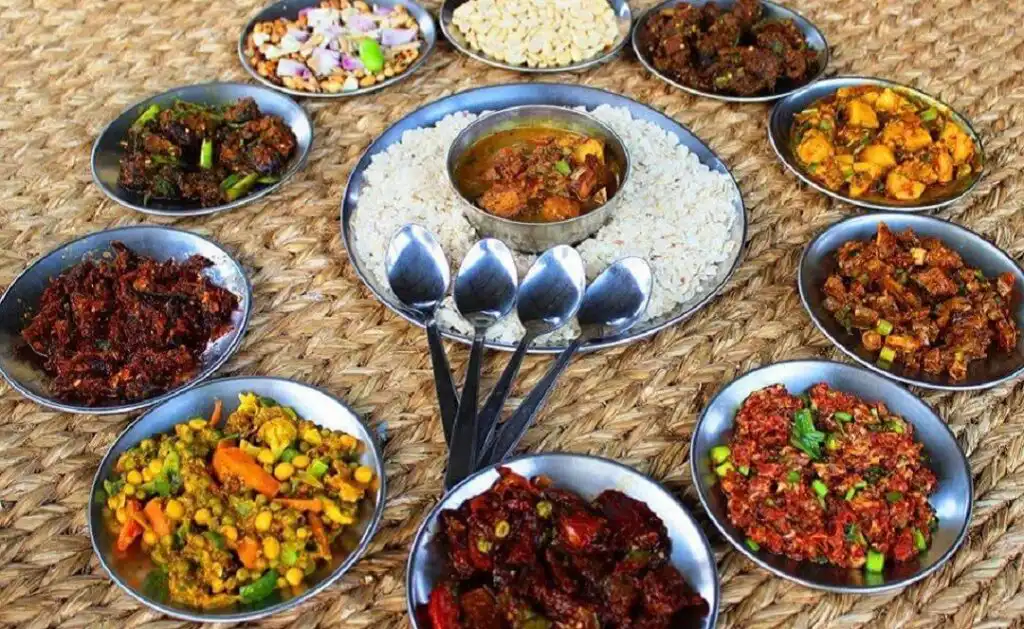
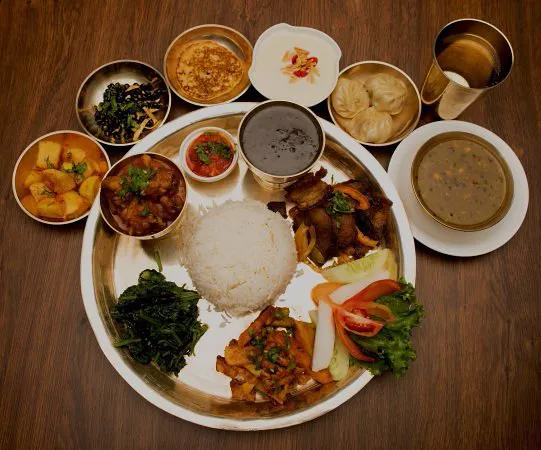
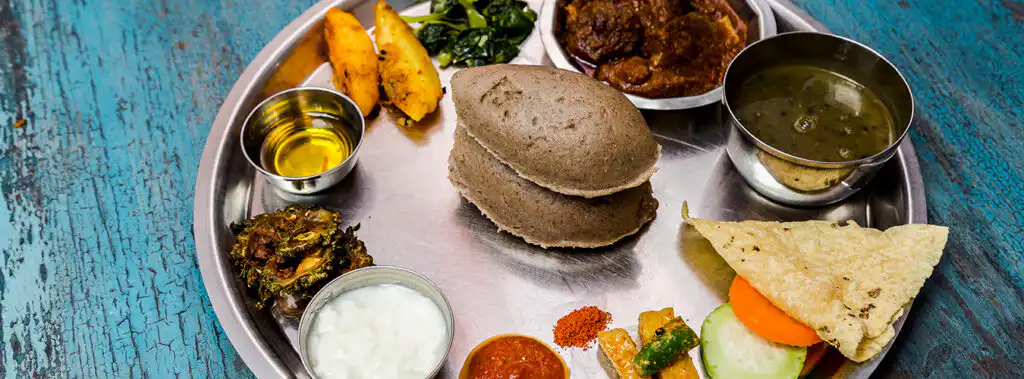
  4. Basic Facilities: Accommodation and amenities along the trekking route are basic and limited, particularly at higher altitudes. Trekkers stay in tea houses or guesthouses operated by local Sherpa families, which offer simple lodging, communal dining areas, and basic meals such as dal bhat (rice and lentils) and Sherpa stew. While these accommodations provide a unique cultural experience, trekkers should be prepared for rustic conditions and modest facilities, including shared bathrooms and occasional shortages of hot water and electricity.

Cultural Significance of the EBC Trek

Beyond its natural beauty and physical challenges, the Everest Base Camp trek holds profound cultural significance as a symbol of human perseverance, exploration, and adventure. For centuries, the Himalayas have captured the imagination of explorers, mountaineers, and spiritual seekers alike, drawing pilgrims from around the world to experience the mystique and majesty of the world’s highest peaks.

The Sherpa people, who inhabit the mountainous regions of Nepal and Tibet, play a central role in the cultural tapestry of the Everest region. Renowned for their resilience, hospitality, and mountaineering prowess, the Sherpas have long served as guides, porters, and companions to adventurers embarking on expeditions to the world’s highest summits. Their rich cultural heritage, steeped in Tibetan Buddhism and mountain folklore, infuses the EBC trek with a sense of tradition and reverence for the natural environment.

Practical Tips for Trekkers

For those embarking on the Everest Base Camp trek, here are some practical tips to ensure a safe, enjoyable, and memorable experience:

  1. Physical Fitness: Prioritize physical fitness and endurance training in the months leading up to the trek, focusing on cardiovascular exercises, strength training, and hiking with a loaded backpack to simulate the conditions of the trail.
  2. Altitude Acclimatization: Acclimatize gradually to the high altitude by ascending slowly, staying hydrated, and taking regular rest days to allow your body to adjust to the thin air. Pay attention to symptoms of altitude sickness, such as headaches, nausea, dizziness, and fatigue, and descend if necessary to lower elevations.
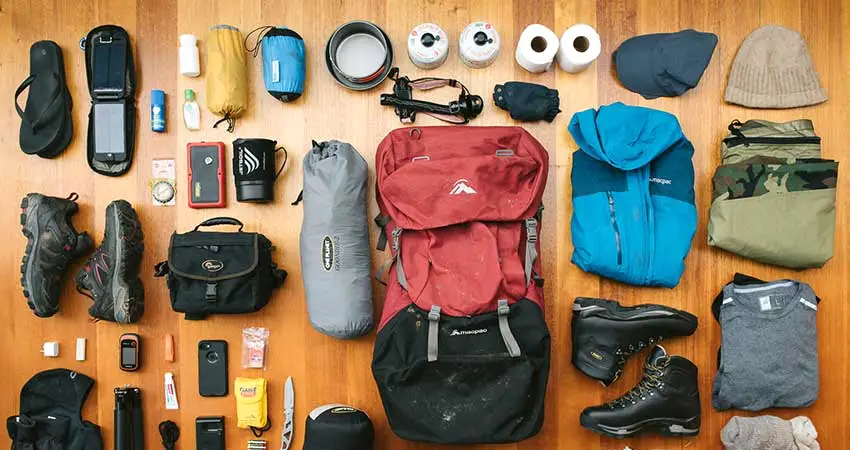
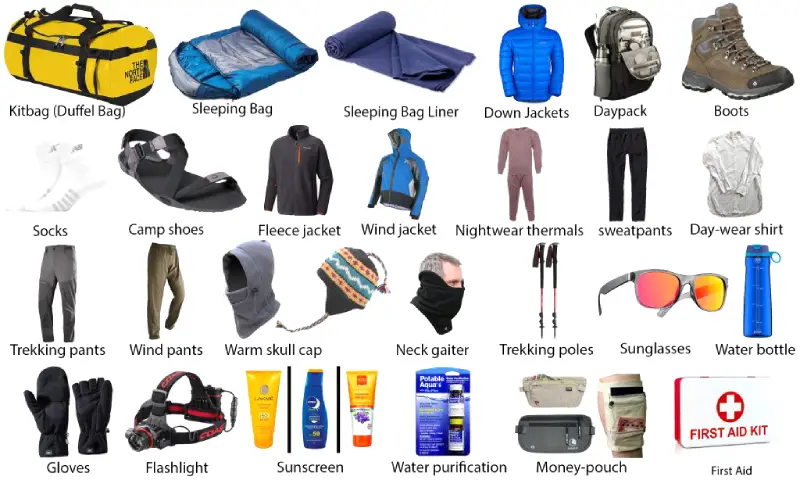
  3. Packing Essentials: Pack appropriately for the trek with essential gear and clothing, including sturdy hiking boots, insulated layers, waterproof outerwear, a warm sleeping bag, a high-quality backpack, and personal items such as sunscreen, sunglasses, a first aid kit, and toiletries.
  4. Hydration and Nutrition: Stay hydrated throughout the trek by drinking plenty of water, electrolyte-replacement drinks, and herbal teas. Maintain a balanced diet with nutritious meals to fuel your body for the physical demands of the trail, including carbohydrates for energy, protein for muscle repair, and vitamins and minerals for overall health.
  5. Travel Insurance: Purchase comprehensive travel insurance that covers emergency medical evacuation, medical expenses, trip cancellation, and other unforeseen circumstances. Verify that your insurance policy includes coverage for high-altitude trekking and adventure activities in remote locations.
  6. Responsible Trekking: Practice responsible trekking and minimize your environmental impact by following Leave No Trace principles, respecting local customs and traditions, supporting sustainable tourism initiatives, and leaving the natural environment as you found it for future generations to enjoy.
  7. Local Guides and Porters: Consider hiring a licensed local guide and porter to accompany you on the trek, providing valuable expertise, assistance, and support throughout your journey. Supporting local guides and porters not only enhances your safety and comfort but also contributes to the livelihoods of the Sherpa community and the local economy.

Everest Base Camp Trek Cost 2025-2026

Planning the Everest Base Camp (EBC) trek involves considering various costs, including flights, permits, accommodation, food, equipment, guide/porter fees, and miscellaneous expenses. Here’s a detailed breakdown of the costs associated with the EBC trek:

1. Flights: The first major expense for most trekkers is the cost of international flights to Nepal, specifically to Kathmandu, the capital city. Flight prices vary depending on factors such as departure location, time of booking, and airline choice. Trekkers typically budget anywhere from $600 to $1500 for round-trip flights, although prices may fluctuate.

2. Permits: Trekkers require permits to enter the Sagarmatha National Park and the Khumbu region, where Everest Base Camp is located. The two main permits are the Sagarmatha National Park Entry Permit and the Khumbu Pasang Lhamu Rural Municipality Entrance Permit (also known as the TIMS card). The total cost for these permits is approximately $50 to $70 USD per person, depending on the current exchange rate and any additional fees.

3. Accommodation: Accommodation costs along the EBC trek route vary depending on the type of lodging chosen. Most trekkers stay in tea houses or guesthouses operated by local Sherpa families. The average cost for a night’s stay in a tea house ranges from $5 to $15 USD per person, depending on the location and the season. However, prices may increase at higher altitudes due to limited availability and higher demand.

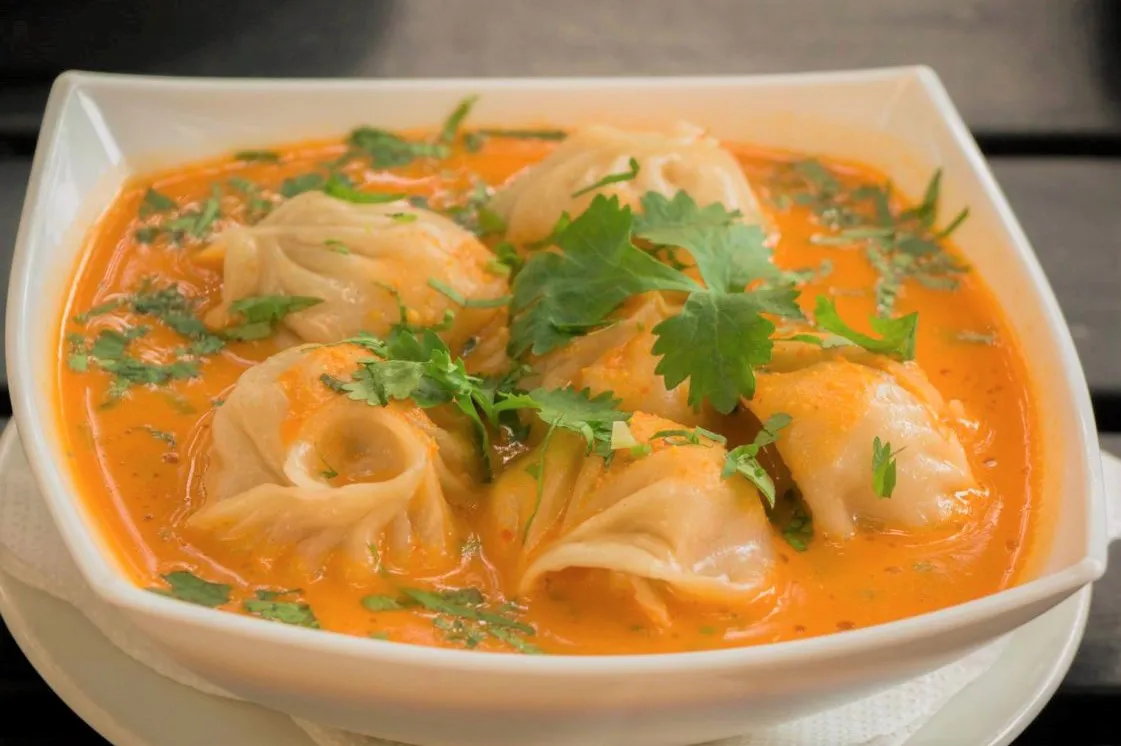
4. Food and Drinks: Food expenses on the EBC trek typically include meals and beverages purchased at tea houses along the route. The most common meal option is dal bhat (rice and lentils), which is served with vegetables, curry, and sometimes meat. Other menu items may include noodle soups, fried rice, momos (dumplings), and Tibetan bread. On average, trekkers can expect to spend around $15 to $30 USD per day on meals, depending on their appetite and dietary preferences.

5. Equipment: While some trekkers may already own suitable hiking gear and clothing, others may need to purchase or rent equipment for the EBC trek. Essential gear includes a sturdy backpack, hiking boots, insulated layers, waterproof outerwear, a warm sleeping bag, a down jacket, trekking poles, sunglasses, and a headlamp. Depending on whether gear is purchased or rented, the total cost for equipment can range from $200 to $800 USD or more.

6. Guide/Porter Fees: While hiring a guide or porter is optional for the EBC trek, many trekkers choose to enlist the services of a local guide or porter for added support, safety, and cultural insight. Guide fees vary depending on experience, language skills, and services provided, but average around $20 to $30 USD per day. Similarly, porter fees range from $15 to $25 USD per day, plus additional expenses for accommodation, meals, and transportation.

7. Miscellaneous Expenses: Additional costs associated with the EBC trek may include travel insurance, trekking gear rental, tips for guides and porters, internet access, hot showers, charging electronic devices, bottled water, snacks, souvenirs, and unforeseen expenses. Trekkers should budget extra funds to cover these miscellaneous expenses, which can add up to approximately $200 to $500 USD or more for the duration of the trek.

8. Total Estimated Cost: To calculate the total estimated cost of the Everest Base Camp trek, we can add up the expenses outlined above:

  • Flights: $225– $250 USD (One way)
  • Permits: $50 – $70 USD
  • Accommodation: $5 – $15 USD per night (x 12-14 nights)
  • Food and Drinks: $15 – $30 USD per day (x 12-14 days)
  • Equipment: $200 – $800 USD
  • Guide/Porter Fees: $20 – $30 USD per day (optional)
  • Miscellaneous Expenses: $200 – $500 USD

Based on these estimates, the total cost of the Everest Base Camp trek for a budget-conscious trekker ranges from approximately $1000 to $3000 USD, excluding international flights and optional expenses such as guide/porter fees. However, trekkers with higher budgets may choose to allocate additional funds for luxury accommodations, premium gear, or other amenities along the route.

 No of People Price P.P
1 – 1 USD 1499
2 – 2 USD 1199
3 – 5 USD 1149
6 – 10 USD 1099
11 – 16 USD 1049

Tips for Budgeting:

  • Start planning and budgeting for the EBC trek well in advance to allow time for saving money, researching costs, and making necessary arrangements.
  • Consider traveling during the off-peak season (e.g., monsoon season) to take advantage of lower prices on flights, permits, and accommodation.
  • Compare prices and book flights, permits, and accommodation early to secure the best deals and availability.
  • Pack lightweight, multi-purpose gear to minimize baggage weight and rental costs while ensuring comfort and safety on the trek.
  • Be mindful of daily expenses and avoid unnecessary splurges to stay within your budget while still enjoying the experience of the EBC trek.

Everest Base Camp trek may require a significant financial investment, the unforgettable experiences, stunning scenery, and sense of achievement make it a worthwhile adventure for trekkers of all ages and backgrounds. By carefully planning, budgeting, and prioritizing expenses, adventurers can embark on the journey of a lifetime to the roof of the world and create memories that will last a lifetime.

Everest Base Camp Trek Season

Determining the best time for the Everest Base Camp (EBC) trek involves considering various factors such as weather, visibility, trail conditions, crowds, and personal preferences. Each season in the Everest region offers unique advantages and challenges for trekkers, making it essential to choose the timing that aligns with your interests and goals. In this comprehensive guide, we’ll explore the different seasons for the EBC trek in detail to help you plan your journey effectively.

Spring Season (March to May):

Weather: Spring is widely regarded as the best time to trek to Everest Base Camp due to its mild temperatures, clear skies, and stable weather conditions. During this season, temperatures gradually rise as winter transitions to spring, creating comfortable trekking conditions during the day and cool evenings at higher altitudes. The average daytime temperatures range from 10°C to 15°C (50°F to 59°F) in the lower elevations, while temperatures may drop below freezing at night, especially at higher altitudes.

Visibility: Spring offers excellent visibility and panoramic views of the Himalayan peaks, including Mount Everest, Lhotse, Nuptse, Ama Dablam, and others. The skies are generally clear, with minimal cloud cover, allowing trekkers to capture stunning photographs and enjoy uninterrupted vistas of the surrounding mountains throughout the trek.

Flora and Fauna: One of the highlights of trekking in spring is the vibrant display of blooming rhododendron flowers, which blanket the hillsides with shades of pink, red, and white. Trekkers can also spot various species of birds, wildlife, and seasonal vegetation along the trail, adding to the natural beauty and diversity of the landscape.

Cultural Festivals: Spring coincides with several cultural festivals in Nepal, including the colorful celebration of Holi (the festival of colors) and the religious festival of Buddha Jayanti (the birth anniversary of Lord Buddha). Participating in these festivals provides trekkers with unique cultural experiences and insights into the traditions and customs of the Nepalese people.

Crowds: Spring is a popular time for trekking in the Everest region, attracting a significant number of tourists and trekkers from around the world. While this may result in slightly crowded trails and busy tea houses, the camaraderie and sense of community among trekkers contribute to the overall experience of the trek.

Autumn Season (September to November):

Weather: Autumn is another favorable time for the EBC trek, characterized by clear skies, mild temperatures, and stable weather conditions. Following the monsoon season, the skies gradually clear up, offering trekkers uninterrupted views of the Himalayan peaks and surrounding landscapes. Daytime temperatures range from 10°C to 15°C (50°F to 59°F) in the lower elevations, with cooler temperatures at higher altitudes.

Visibility: Autumn provides excellent visibility and photographic opportunities, with crystal-clear views of Mount Everest and other prominent peaks. Trekkers can expect minimal cloud cover and panoramic vistas of the Himalayas throughout the trek, making it an ideal time for capturing breathtaking photographs and creating lasting memories.

Colorful Landscapes: Similar to spring, autumn brings vibrant colors to the Everest region, with changing foliage and seasonal vegetation adding to the beauty of the landscape. Trekkers can enjoy picturesque scenery as hillsides are adorned with golden hues of turning leaves and colorful wildflowers, creating a stunning backdrop against the backdrop of snow-capped mountains.

High Season: Autumn is considered the peak trekking season in Nepal, attracting the largest number of visitors to the Everest region. The favorable weather conditions, clear skies, and post-monsoon freshness make it an ideal time for trekking, resulting in higher demand for permits, accommodations, and services along the trail.

Festivals and Culture: Autumn coincides with the festive season in Nepal, with major cultural festivals such as Dashain and Tihar celebrated with great enthusiasm throughout the country. Trekkers have the opportunity to witness traditional rituals, music, dance, and cultural performances, providing insights into the rich cultural heritage of Nepal.

Pre-Monsoon Season (April to May):

Weather: The pre-monsoon season, also known as the spring pre-monsoon or late spring season, is characterized by warm temperatures, clear skies, and relatively stable weather conditions. During this time, temperatures gradually rise as spring transitions to summer, creating comfortable trekking conditions during the day and cool evenings at higher altitudes. Daytime temperatures range from 15°C to 20°C (59°F to 68°F) in the lower elevations, while temperatures may drop below freezing at night, especially at higher altitudes.

Visibility: The pre-monsoon season offers excellent visibility and panoramic views of the Himalayan peaks, including Mount Everest and its neighboring mountains. The skies are generally clear, with minimal cloud cover, allowing trekkers to enjoy uninterrupted vistas of the surrounding landscapes throughout the trek.

Blooming Rhododendrons: One of the highlights of trekking in the pre-monsoon season is the blooming of rhododendron flowers, which blanket the hillsides with vibrant colors, including shades of pink, red, and white. Trekkers can witness this spectacular display of flora and fauna, adding to the natural beauty and diversity of the landscape.

Pre-Monsoon Freshness: The pre-monsoon season offers trekkers the opportunity to experience the freshness and vitality of the natural environment following the winter months. The air is crisp and invigorating, the trails are less crowded than during peak season, and the landscape is rejuvenated by the arrival of spring.

Cultural Festivals: The pre-monsoon season coincides with several cultural festivals in Nepal, including the celebration of Buddha Jayanti (the birth anniversary of Lord Buddha) and the colorful festival of Holi (the festival of colors). Trekkers have the opportunity to participate in these festivities, witnessing traditional rituals, music, dance, and cultural performances along the trekking route.

Pre-Monsoon Rush: While the pre-monsoon season offers favorable weather conditions and stunning scenery, it is also a popular time for trekking in Nepal, attracting a significant number of tourists and trekkers to the Everest region. As a result, trekkers may encounter crowded trails, busy tea houses, and higher demand for permits, accommodations, and services along the route.

Post-Monsoon Season (September to November):

Weather: The post-monsoon season, also known as the autumn or fall season, is considered one of the best times to trek to Everest Base Camp due to its clear skies, mild temperatures, and stable weather conditions. Following the monsoon rains, the skies gradually clear up, offering trekkers uninterrupted views of the Himalayan peaks and surrounding landscapes. Daytime temperatures range from 10°C to 15°C (50°F to 59°F) in the lower elevations, with cooler temperatures at higher altitudes.

Visibility: The post-monsoon season provides excellent visibility and photographic opportunities, with crystal-clear views of Mount Everest and other prominent peaks. Trekkers can expect minimal cloud cover and panoramic vistas of the Himalayas throughout the trek, making it an ideal time for capturing breathtaking photographs and creating lasting memories.

Colorful Landscapes: Similar to spring, autumn brings vibrant colors to the Everest region, with changing foliage and seasonal vegetation adding to the beauty of the landscape. Trekkers can enjoy picturesque scenery as hillsides are adorned with golden hues of turning leaves and colorful wildflowers, creating a stunning backdrop against the backdrop of snow-capped mountains.

High Season: Autumn is considered the peak trekking season in Nepal, attracting the largest number of visitors to the Everest region. The favorable weather conditions, clear skies, and post-monsoon freshness make it an ideal time for trekking, resulting in higher demand for permits, accommodations, and services along the trail.

Festivals and Culture: Autumn coincides with the festive season in Nepal, with major cultural festivals such as Dashain and Tihar celebrated with great enthusiasm throughout the country. Trekkers have the opportunity to witness traditional rituals, music, dance, and cultural performances, providing insights into the rich cultural heritage of Nepal.

Winter Season (December to February):

Weather: Winter is the coldest and least popular time for trekking to Everest Base Camp due to harsh weather conditions, limited visibility, and increased risk of avalanches and snowstorms. Daytime temperatures range from -10°C to 5°C (14°F to 41°F) in the lower elevations, with colder temperatures at higher altitudes and sub-zero temperatures overnight.

Visibility: Winter trekking in the Everest region is characterized by poor visibility, frequent cloud cover, and limited views of the Himalayan peaks. Trekkers may encounter fog, mist, and snowfall along the trail, obscuring panoramic vistas and making photography challenging.

Trail Conditions: During the winter months, the Everest Base Camp trek may experience snowfall, icy trails, and hazardous conditions, particularly at higher altitudes and mountain passes. Trekkers should be prepared for slippery terrain, reduced visibility, and colder temperatures, requiring appropriate clothing, gear, and caution while trekking.

Low Season: Winter is considered the low season for trekking in Nepal, with fewer tourists and trekkers visiting the Everest region due to the harsh weather conditions and limited amenities along the trail. As a result, trekkers may encounter fewer crowds, quieter tea houses, and lower prices for permits, accommodations, and services.

Challenges: Winter trekking presents several challenges for trekkers, including cold temperatures, icy trails, reduced daylight hours, and increased risk of altitude-related illnesses. Trekkers should be adequately prepared for sub-zero temperatures, carry appropriate gear for cold weather conditions, and exercise caution while trekking in snowy or icy terrain.

Monsoon Season (June to August):

Weather: The monsoon season is characterized by heavy rainfall, high humidity, and unstable weather conditions, making it the least favorable time for trekking to Everest Base Camp. During this time, the Everest region experiences frequent rain showers, cloud cover, and thunderstorms, creating slippery trails, muddy conditions, and poor visibility.

Visibility: Monsoon trekking in the Everest region is characterized by limited visibility, fog, and cloud cover, obscuring panoramic views of the Himalayan peaks and surrounding landscapes. Trekkers may encounter rain showers, mist, and low-hanging clouds along the trail, making photography challenging and reducing the overall enjoyment of the trek.

Trail Conditions: The monsoon season brings heavy rainfall to the Everest region, resulting in muddy trails, swollen rivers, and hazardous conditions for trekking. Trekkers may encounter landslides, rockfalls, and washed-out sections of the trail, requiring caution and flexibility while navigating the terrain.

Low Season: The monsoon season is considered the low season for trekking in Nepal, with significantly fewer tourists and trekkers visiting the Everest region due to the unfavorable weather conditions and increased risk of landslides and flooding. As a result, many tea houses, lodges, and businesses along the trail may be closed or operating at reduced capacity.

Challenges: Monsoon trekking presents several challenges for trekkers, including heavy rainfall, muddy trails, leeches, and increased risk of landslides and flooding. Trekkers should be prepared for wet and slippery conditions, carry appropriate rain gear and footwear, and exercise caution while trekking during the monsoon season.

In conclusion, the best time to trek to Everest Base Camp depends on various factors such as weather preferences, trail conditions, crowd levels, and personal priorities. Spring (March to May) and autumn (September to November) are widely regarded as the best seasons for trekking, offering favorable weather conditions, clear skies, and stunning views of the Himalayas. However, trekkers may also consider pre-monsoon and post-monsoon trekking for unique experiences, cultural festivals, and quieter trails. Regardless of the season chosen, proper planning, preparation, and flexibility are essential for a safe, enjoyable, and memorable trek to Everest Base Camp.

This detailed guide provides comprehensive information about the different seasons for the Everest Base Camp trek, including weather conditions, visibility, trail conditions, crowd levels, cultural festivals, and personal considerations. Trekkers can use this information to choose the best time for their trek based on their preferences, priorities, and expectations.

Everest Base Camp Trek Fixed Departure Date

Start date                                           End date                         Availability                         Cost                        Status

1 and 13 every months                     14 and 26                           16 pax                            1249/P                  Confirmed

Transportation Option and Alternative route for EBC Trek

Transportation options for the Everest Base Camp (EBC) trek primarily involve getting to the starting point of the trek in Lukla or Jiri, both located in the Everest region of Nepal. Trekking to Everest Base Camp is a unique adventure that begins with reaching the gateway towns of Lukla or Jiri, followed by embarking on the trek itself. In this comprehensive guide, we’ll explore the transportation options available for reaching Lukla or Jiri, including flights, buses, and alternative routes, to help you plan your journey effectively.

Flight to Lukla

Overview: Flying to Lukla is the most common and convenient transportation option for trekkers embarking on the Everest Base Camp trek. Lukla Airport, also known as Tenzing-Hillary Airport, is the closest airport to the Everest region and serves as the main entry point for trekkers and climbers heading to the Khumbu Valley.

Route: The flight from Kathmandu to Lukla takes approximately 30 to 40 minutes, covering a distance of about 136 kilometers (85 miles). The scenic flight offers breathtaking views of the Himalayan peaks, including Mount Everest, as the small aircraft navigates through the rugged terrain of the Nepalese Himalayas.

Airlines: Several domestic airlines operate daily flights between Kathmandu and Lukla, including Yeti Airlines, Tara Air, Sita Air, and Summit Air. Trekkers can choose from multiple flight options throughout the day, with flight schedules varying depending on weather conditions, airport operations, and airline availability.

Cost: The cost of a one-way flight from Kathmandu to Lukla ranges from $150 to $500 USD per person, depending on factors such as airline choice, booking class, and time of booking. Prices may fluctuate based on demand, availability, and peak trekking seasons.

Booking: Trekkers can book flights to Lukla through domestic airlines, travel agencies, or online booking platforms. It’s advisable to book flights well in advance, especially during peak trekking seasons, to secure preferred departure dates and avoid last-minute availability issues.

Weather Considerations: Flights to Lukla are subject to weather conditions, particularly during the monsoon season (June to August) and winter months (December to February). Poor visibility, high winds, and adverse weather may result in flight delays or cancellations, so trekkers should be prepared for potential disruptions and flexibility in their travel plans.

Overland Journey to Jiri

Overview: For trekkers seeking a more adventurous and scenic approach to the Everest Base Camp trek, traveling overland to Jiri offers an alternative transportation option. Jiri is a small town located approximately 188 kilometers (117 miles) northeast of Kathmandu and serves as the starting point for the classic Jiri to Everest Base Camp trekking route.

Route: The overland journey from Kathmandu to Jiri typically takes 8 to 10 hours by bus or private vehicle, traversing through picturesque landscapes, terraced farmland, and rural villages along the Arniko Highway and winding mountain roads of the Sindhupalchok District.

Transportation Options: Trekkers can travel from Kathmandu to Jiri by public bus, private jeep, or hired vehicle. Public buses depart from the Kathmandu Bus Park (also known as Gongabu Bus Park) and offer an affordable and authentic travel experience, while private jeeps or vehicles provide more comfort and flexibility for travelers.

Cost: The cost of a one-way bus ticket from Kathmandu to Jiri ranges from $5 to $15 USD per person, depending on the type of bus (local or tourist) and the level of comfort. Private jeep hire or vehicle rental may cost between $100 to $200 USD or more, depending on vehicle size, route conditions, and negotiation skills.

Road Conditions: The road from Kathmandu to Jiri is mostly unpaved and can be rough, bumpy, and challenging, particularly during the monsoon season and winter months. Trekkers should be prepared for slow travel, dusty roads, and occasional landslides or road closures along the route.

Scenic Highlights: The overland journey to Jiri offers trekkers the opportunity to experience the natural beauty, cultural diversity, and rural lifestyle of the Nepalese countryside. Highlights include panoramic views of the Himalayas, encounters with friendly locals, and visits to traditional villages and monasteries along the way.

Flexibility: Traveling overland to Jiri provides trekkers with flexibility in their itinerary and the option to explore alternative trekking routes, such as the Jiri to Everest Base Camp trek or the Three Passes trek. This approach allows trekkers to acclimatize gradually, enjoy quieter trails, and experience a more authentic and off-the-beaten-path trekking adventure.

Combination of Flights and Overland Travel

Overview: Some trekkers choose to combine flights and overland travel as part of their transportation strategy for the Everest Base Camp trek, depending on factors such as time constraints, budget considerations, and personal preferences. This approach allows trekkers to customize their journey and optimize travel logistics based on their specific needs.

Example Itinerary: One common itinerary involves flying from Kathmandu to Lukla to begin the trek and then trekking back to Jiri or Phaplu via the classic Everest Base Camp route. Trekkers can then travel overland from Jiri or Phaplu back to Kathmandu by bus or private vehicle, completing a loop trek and experiencing the best of both worlds in terms of transportation options.

Benefits: Combining flights and overland travel offers trekkers the flexibility to choose the most convenient and cost-effective transportation options for different segments of their journey. It also allows trekkers to experience diverse landscapes, cultures, and trekking routes along the way, enhancing the overall adventure and exploration of the Everest region.

Logistics: Trekkers should carefully plan and coordinate their transportation logistics, including flight bookings, trekking permits, accommodation reservations, and overland travel arrangements, to ensure a smooth and seamless transition between different modes of transportation. It’s advisable to consult with local guides, travel agencies, or experienced trekkers for advice and assistance in planning a combined transportation itinerary.

Transportation options for the Everest Base Camp trek primarily involve flying to Lukla or traveling overland to Jiri, depending on personal preferences, time constraints, budget considerations, and trekking itineraries. Flying to Lukla is the most common and convenient option, offering quick access to the Everest region and stunning aerial views of the Himalayas. Alternatively, traveling overland to Jiri provides trekkers with a more adventurous approach, scenic landscapes, and cultural experiences along the way. Trekkers may also choose to combine flights and overland travel to customize their journey and optimize transportation logistics based on their specific needs and preferences. Regardless of the chosen transportation option, proper planning, preparation, and flexibility are essential for a safe, enjoyable, and memorable trekking experience in the breathtaking landscapes of the Everest region.

This detailed guide provides comprehensive information about transportation options for the Everest Base Camp trek, including flights to Lukla, overland journeys to Jiri, and combinations of flights and overland travel. Trekkers can use this information to choose the most suitable transportation option based on their preferences, itinerary, budget, and logistical considerations.

Flight Diverted to Ramachap (Manthali) Airport

flights to Lukla for the Everest Base Camp trek, the mention of Ramachap airport likely refers to the alternative landing site used when flights to Lukla are diverted due to adverse weather conditions, operational issues, or other unforeseen circumstances. Ramachap airport, officially known as Ramechhap Airport, serves as an alternative to Lukla Airport and is located in the Ramechhap District of Nepal, approximately 132 kilometers (82 miles) east of Kathmandu. In this comprehensive guide, we’ll explore the significance of Ramachap airport as an alternative landing site for Lukla-bound flights, including the reasons for diversions, logistics of the diversion process, and implications for trekkers planning the Everest Base Camp trek.

Reasons for Diversions:

Weather Conditions: One of the primary reasons for diverting flights to Ramachap airport is adverse weather conditions at Lukla Airport. Lukla is notorious for its unpredictable weather, particularly during the monsoon season (June to August) and winter months (December to February), when fog, clouds, and high winds can affect flight operations and visibility. In such cases, pilots may choose to divert flights to Ramachap airport, which may have more favorable weather conditions for landing and takeoff.

Airport Operations: Operational issues at Lukla Airport, such as runway maintenance, equipment malfunctions, or air traffic congestion, can also lead to flight diversions to Ramachap airport. In rare cases, Lukla Airport may temporarily close due to safety concerns or logistical challenges, prompting airlines to reroute flights to alternative airports like Ramachap to ensure passenger safety and minimize disruptions.

Flight Delays: Delays in flight schedules, either due to technical issues, scheduling conflicts, or unforeseen circumstances, can result in missed landing slots at Lukla Airport. To avoid further delays and inconvenience to passengers, airlines may opt to divert flights to Ramachap airport as a temporary solution while waiting for clearance to land at Lukla.

Logistics of the Diversion Process:

Flight Notification: When flights are diverted to Ramachap airport, airline operators typically inform passengers and ground staff about the change in landing destination. Passengers are advised to remain calm and patient while airline staff coordinate logistics and provide updates on the diversion process.

Ground Handling: Upon arrival at Ramachap airport, passengers disembark from the aircraft and are greeted by ground handling staff who assist with baggage retrieval, immigration procedures, and ground transportation arrangements. Airport authorities and airline representatives work together to ensure a smooth transition for passengers during the diversion process.

Transportation to Kathmandu: After disembarking from the aircraft, passengers are transported from Ramachap airport to Kathmandu by road. This involves arranging buses, vans, or other vehicles to transport passengers from the airport to the Kathmandu Valley, a journey that typically takes 4 to 6 hours depending on road conditions and traffic congestion.

Rebooking and Compensation: Airlines are responsible for rebooking passengers on alternative flights to Lukla or providing compensation for the inconvenience caused by the diversion. Passengers may be offered options to reschedule their flights, receive refunds, or make alternative travel arrangements to reach their intended destination.

Implications for Trekkers:

Travel Delays: Flight diversions to Ramachap airport can result in travel delays and disruptions for trekkers planning the Everest Base Camp trek. Delays in flight schedules may affect trekking itineraries, accommodation bookings, and permit arrangements, requiring trekkers to adjust their plans accordingly and stay flexible during their journey.

Itinerary Modifications: Trekkers should factor in the possibility of flight diversions when planning their Everest Base Camp trek itinerary. It’s advisable to allow for extra buffer days in the itinerary to account for potential travel delays and ensure a stress-free trekking experience without rushing or compromising safety.

Logistical Considerations: In the event of flight diversions to Ramachap airport, trekkers should stay informed about updates from airline operators and ground staff regarding transportation arrangements to Kathmandu. It’s essential to maintain open communication with tour operators, guides, and accommodation providers to coordinate logistics and minimize disruptions to the trekking schedule.

Weather Monitoring: Trekkers should stay informed about weather conditions in the Everest region and monitor forecasts for Lukla and surrounding areas. While flight diversions to Ramachap airport are relatively rare, being aware of weather patterns and potential flight disruptions can help trekkers prepare mentally and logistically for unexpected changes to their travel plans.

Flexibility and Patience: Flexibility and patience are key attributes for trekkers embarking on the Everest Base Camp trek, especially when dealing with unforeseen challenges such as flight diversions. Trekkers should maintain a positive attitude, adapt to changing circumstances, and embrace the adventure of trekking in the Himalayas with an open mind and resilient spirit.

This detailed guide provides comprehensive information about flight diversions to Ramachap airport in the context of the Everest Base Camp trek, including reasons for diversions, logistics of the diversion process, and implications for trekkers. Trekkers can use this information to stay informed, plan their itineraries effectively, and prepare for potential travel delays and disruptions while embarking on the adventure of a lifetime in the Himalayas.

Ramachap airport serves as an alternative landing site for flights to Lukla when adverse weather conditions, operational issues, or other factors necessitate flight diversions. While flight diversions to Ramachap airport are relatively rare, they can occur during periods of inclement weather or unforeseen circumstances, leading to travel delays and disruptions for trekkers planning the Everest Base Camp trek. Trekkers should stay informed, maintain flexibility, and prepare for potential flight diversions by allowing for extra buffer days in their itinerary and staying in communication with airline operators, tour operators, and ground staff. Despite the challenges posed by flight diversions, the Everest Base Camp trek remains a rewarding and unforgettable adventure, offering trekkers the opportunity to explore the majestic landscapes and cultural heritage of the Himalayas with resilience, determination, and a spirit of adventure.

Conclusion

In conclusion, the Everest Base Camp trek is a once-in-a-lifetime adventure that offers trekkers an unparalleled opportunity to experience the awe-inspiring beauty, rich culture, and profound significance of the Himalayas. From the soaring peaks of Mount Everest to the vibrant Sherpa villages of the Khumbu region, the trek provides a transformative journey of exploration, self-discovery, and connection with the natural world.

As adventurers embark on the trail to Everest Base Camp, they are greeted by breathtaking vistas, rugged terrain, and the warm hospitality of the Sherpa people, who have inhabited these mountains for generations. Along the way, trekkers confront physical challenges, test their limits, and forge lifelong memories amidst the high-altitude wilderness of the world’s highest peaks.

Ultimately, the Everest Base Camp trek is not merely a trekking expedition but a pilgrimage to the roof of the world, a journey of the body, mind, and spirit that leaves an indelible imprint on the hearts of all who embark upon it. As trekkers stand at the foot of Mount Everest, surrounded by the grandeur of the Himalayas, they are reminded of the boundless wonders of the natural world and the enduring spirit of human adventure that propels us to explore, discover, and dream beyond the horizon.

Everest Base Camp Helicopter Tour

Embarking on a helicopter journey to Everest Base Camp (EBC) presents an exhilarating opportunity to witness the unparalleled beauty of the Himalayas without the rigorous physical demands of traditional trekking. This unique adventure combines the thrill of helicopter flight with the awe-inspiring grandeur of the world’s highest peaks, offering a once-in-a-lifetime experience for adventurers and nature enthusiasts alike. The allure of the Himalayas, with its towering peaks and rugged terrain, has beckoned adventurers and explorers for centuries. Among the myriad ways to experience this majestic landscape, the Everest Base Camp helicopter tour stands out as a thrilling and convenient option. In this comprehensive exploration, we embark on a detailed journey from the bustling streets of Kathmandu to the iconic base camp itself, uncovering the wonders of the Himalayas along the way.

EBC-Helicopter-Tour
Helicopter Landed at Kalapatthar (5545m)

EBC Helicopter Tour Highlights:

1. Scenic Flight: The journey begins with a scenic helicopter flight from Kathmandu or Lukla, offering panoramic views of the rugged Himalayan landscape. As the helicopter ascends, passengers are treated to breathtaking vistas of snow-capped peaks, deep valleys, and pristine glaciers stretching as far as the eye can see.

2. Convenience: Unlike traditional trekking routes that require several days of strenuous hiking, the helicopter journey to Everest Base Camp offers a convenient and time-efficient alternative. Passengers can reach the iconic base camp within a matter of hours, bypassing the need for extensive preparation and physical endurance.

3. Panoramic Views: Throughout the flight, passengers are treated to unparalleled views of some of the world’s highest mountains, including Everest, Lhotse, Nuptse, and Ama Dablam. The helicopter provides a unique vantage point for capturing stunning aerial photographs and experiencing the majesty of these towering peaks up close.

4. Landing at Base Camp: Upon reaching Everest Base Camp, the helicopter descends for a thrilling landing amidst the towering peaks of the Khumbu region. Passengers have the opportunity to step out onto the legendary base camp, where they can soak in the atmosphere of this historic mountaineering site and take photographs against the backdrop of Everest’s icy slopes.

5. Close-up Views: From the vantage point of Everest Base Camp, passengers can marvel at the sheer size and beauty of the surrounding mountains, gaining a newfound appreciation for the natural wonders of the Himalayas. The close-up views of Everest and its neighboring peaks offer a perspective that few travelers have the opportunity to experience.

6. Photo Opportunities: Photography enthusiasts will delight in the countless photo opportunities presented by the helicopter journey to Everest Base Camp. Whether capturing aerial shots of the Himalayan landscape or snapping portraits at base camp, every moment offers the chance to document this extraordinary adventure and create lasting memories.

7. Expert Guidance: Throughout the journey, passengers are accompanied by experienced guides who provide valuable insights into the region’s geography, history, and culture. These knowledgeable experts enhance the overall experience by sharing fascinating facts and stories about the Himalayas and the brave souls who have ventured to its summit.

8. Safe and Comfortable: Safety is paramount during the helicopter journey, with experienced pilots at the helm and modern helicopters equipped for high-altitude flights. Passengers can relax and enjoy the experience knowing that they are in capable hands, with every precaution taken to ensure a safe and comfortable journey.

9. Unique Experience: The helicopter journey to Everest Base Camp offers a truly unique perspective on one of the world’s most iconic landmarks. By combining the thrill of helicopter flight with the majesty of the Himalayas, this adventure provides an unforgettable experience that will be cherished for a lifetime.

10. Memorable Adventure: In conclusion, the helicopter journey to Everest Base Camp is not just a sightseeing excursion but a transformative adventure that leaves a lasting impression on all who embark upon it. From the thrill of the helicopter flight to the awe-inspiring beauty of Everest and its surroundings, every moment is filled with excitement, wonder, and the promise of adventure.

Soaring High: An In-Depth Exploration of the Everest Base Camp Helicopter Tour.

Departure Point and Logistics: Our adventure begins in Kathmandu, the vibrant capital city of Nepal and a melting pot of cultures and traditions. Here, amidst the chaotic bustle of the city streets, travelers gather at designated helipads, their anticipation palpable as they prepare to embark on a journey into the heart of the Himalayas. The logistics of the tour are meticulously planned, with experienced ground staff ensuring a seamless transition from ground to sky. Safety briefings are conducted, and passengers are equipped with the knowledge needed to navigate the adventure ahead, ensuring a safe and enjoyable experience for all.

Helicopter Flight and Scenic Marvels: As the helicopter lifts off from Kathmandu, a sense of exhilaration fills the air, mingling with the hum of the rotor blades. Below, the sprawling urban landscape gradually gives way to the verdant countryside, a patchwork of terraced hillsides and emerald forests. The helicopter ascends, offering panoramic views of the Kathmandu Valley and the surrounding foothills of the Himalayas, providing a tantalizing glimpse of the adventures that lie ahead.

As we soar towards our first destination, Lukla, the gateway to the Everest region, the landscape unfolds like a living tapestry of natural wonders. Waterfalls cascade down sheer cliffs, their crystalline waters shimmering in the sunlight. Traditional Sherpa settlements dot the landscape, their colorful prayer flags fluttering in the mountain breeze. Snow-capped peaks loom on the horizon, their jagged silhouettes etched against the azure sky, beckoning us ever closer.

Landing at Lukla and Continuing the Journey: Our journey reaches a pivotal moment as the helicopter descends towards Lukla’s iconic airstrip, a narrow ribbon of asphalt perched precariously on the edge of a sheer cliff. With practiced precision, the pilot guides the helicopter to a gentle touchdown, eliciting a collective sigh of relief from the passengers. Lukla itself is a hive of activity, a bustling hub of commerce and culture amidst the rugged beauty of the Himalayas. Trekkers stock up on supplies, porters load their packs, and mountaineers prepare for the arduous journey ahead, their faces alight with excitement and determination.

Continuing our journey, the helicopter takes to the skies once more, its rotor blades slicing through the thin mountain air with effortless grace. As we soar ever higher, the landscape undergoes a dramatic transformation, morphing from lush valleys to rugged peaks cloaked in snow and ice. Below, the earth falls away in a dizzying cascade of cliffs and glaciers, a testament to the raw power of nature and the indomitable spirit of the human adventurers who dare to explore its depths.

Approaching Everest Base Camp and Kalapatthar: As we approach our ultimate destination, Everest Base Camp, Kalapatthar anticipation mounts, each passing moment bringing us closer to the legendary site that has captured the imagination of adventurers for generations. The helicopter banks sharply to the left, revealing a breathtaking panorama of the Khumbu Glacier stretching out before us like a frozen sea of ice. Mount Everest looms on the horizon, its towering summit obscured by a veil of cloud, yet even in its absence, the mountain exudes an aura of majesty and power that is palpable.

As we draw nearer, the enormity of the landscape becomes apparent, the sheer scale of the mountains defying comprehension. The helicopter descends towards the base camp, its rotors whirring softly as it touches down on the frozen tundra below. Stepping out onto the barren landscape, we are greeted by a scene of unparalleled beauty, the air crisp and clear, the silence broken only by the distant rumble of avalanches cascading down the mountainside.

Exploring Everest Base Camp: With time at Everest Base Camp, we take the opportunity to explore our surroundings, soaking in the breathtaking beauty of the Himalayas. We wander amidst the colorful prayer flags that flutter in the breeze, their vibrant hues a stark contrast to the stark beauty of the surrounding landscape. Photo opportunities abound, with every angle offering a postcard-perfect view of the mountains. We snap selfies against the backdrop of Everest, the icy summit looming overhead like a silent guardian. We capture moments of camaraderie with fellow travelers, our smiles a testament to the bonds forged amidst the beauty of the Himalayas.

Interaction with Climbers: Depending on the timing of our visit, we may have the opportunity to interact with climbers preparing for their ascent of Mount Everest. Their stories of triumph and tragedy add a human dimension to the landscape, reminding us of the challenges and sacrifices inherent in the pursuit of adventure. We listen with rapt attention as they recount their experiences on the mountain, their voices filled with a mixture of excitement and apprehension. We offer words of encouragement and support, a small gesture of solidarity in the face of the daunting challenge that lies ahead.

Return Journey and Conclusion: As our time at Everest Base Camp draws to a close, we reluctantly board the helicopter for the return journey to Kathmandu. As we soar once more over the rugged terrain of the Himalayas, we reflect on the journey that has brought us here, a journey of adventure, exploration, and discovery. We marvel at the beauty of the landscape unfolding below us, each passing moment etching itself into our memories for eternity.

As we touch down in Kathmandu once more, we are filled with a sense of gratitude for the opportunity to experience the majesty of the Himalayas firsthand. The Everest Base Camp helicopter tour is more than just a journey; it is an adventure of a lifetime, an opportunity to witness the beauty and grandeur of the world’s highest peak in all its glory. And as we bid farewell to the mountains that have captured our hearts, we carry with us the memories of a lifetime, a testament to the enduring power of nature and the human spirit.

Are there helicopter tours of Mt Everest?: Helicopter tours of Mount Everest and the surrounding Himalayan region. These helicopter tours offer a thrilling and convenient way to experience the breathtaking beauty of the world’s highest peak and the majestic Himalayas from an aerial perspective. During a helicopter tour of Mount Everest, passengers typically fly from Kathmandu to Everest Base Camp or other scenic locations in the Everest region. Along the way, they enjoy panoramic views of iconic peaks such as Everest, Lhotse, Nuptse, Ama Dablam, and more.

Helicopter tours to Mount Everest may include additional stops at viewpoints or landmarks along the route, allowing passengers to take in the stunning scenery, snap photos, and even explore Everest Base Camp itself.

Helicopter tours of Mount Everest are popular among travelers who are short on time, have physical limitations, or simply want to experience the awe-inspiring beauty of the Himalayas from the comfort of a helicopter. These tours offer a convenient alternative to trekking and provide an unforgettable adventure for those seeking an aerial perspective of one of the world’s most iconic destinations.

Breakfast at Hotel Everest View:

Breakfast at Hotel Everest View during a helicopter tour to Everest Base Camp offers a perfect blend of culinary indulgence and natural beauty, providing guests with a truly unforgettable experience amidst the splendor of the Himalayas. Hotel Everest View during a helicopter tour to Everest Base Camp adds an extra layer of luxury and enjoyment to the experience. Here’s a detailed overview of what you can expect during this part of the tour:

  1. Arrival at Hotel Everest View:
    • The helicopter journey from Kathmandu to Everest Base Camp includes a stop at Hotel Everest View, renowned as the “highest located hotel in the world” according to the Guinness World Records.
    • Located in the village of Syangboche at an elevation of approximately 3,880 meters (12,729 feet), the hotel offers unparalleled views of Everest, Lhotse, Nuptse, and Ama Dablam among other peaks.
  2. Scenic Landing:
    • The helicopter gracefully touches down at the helipad adjacent to Hotel Everest View, providing passengers with a unique opportunity to experience breakfast amidst the Himalayan panorama.
    • As you disembark from the helicopter, you’re greeted by crisp mountain air and breathtaking vistas in every direction.
  3. Breakfast with a View:
    • Guests are escorted to the hotel’s dining area, where a sumptuous breakfast spread awaits.
    • The dining area is strategically positioned to maximize views of the surrounding mountains, ensuring that every guest can enjoy a meal while taking in the awe-inspiring scenery.
    • The breakfast menu typically includes a combination of Western and Nepali dishes, featuring freshly baked bread, pastries, fruits, yogurt, eggs cooked to order, local specialties like Tibetan bread, and aromatic Nepali tea or freshly brewed coffee.
  4. Unparalleled Views:
    • While enjoying breakfast, guests are treated to uninterrupted views of Mount Everest, the highest peak in the world, towering majestically against the backdrop of the clear blue sky.
    • Other prominent peaks, such as Lhotse, Nuptse, and Ama Dablam, create a stunning panorama that captivates the senses and leaves a lasting impression.
    • The changing hues of the mountains as the morning light dances upon their snow-capped peaks create a spectacle that is both mesmerizing and unforgettable.
  5. Relaxation and Photography:
    • After breakfast, guests have the opportunity to explore the hotel’s surroundings and soak in the tranquility of the Himalayan landscape.
    • The hotel’s terrace and outdoor seating areas provide ideal vantage points for capturing memorable photographs of the mountains, both during breakfast and afterward.
    • There’s ample time to relax, unwind, and savor the moment before continuing the journey to Everest Base Camp.
  6. Hospitality and Service:
    • Throughout the breakfast experience, guests are attended to by the hotel staff, known for their warm hospitality and attentive service.
    • Whether it’s accommodating dietary preferences or providing information about the surrounding area, the staff ensures that guests feel welcomed and well taken care of during their visit.
  7. Memorable Experience:
    • Breakfast at Hotel Everest View is not just a meal; it’s an experience that elevates the entire helicopter tour to Everest Base Camp.
    • The combination of delectable cuisine, stunning scenery, and impeccable service creates memories that will last a lifetime, making this stopover a highlight of the journey.

Best time for Everest Base Camp Helicopter Tour: The best time for an Everest Base Camp helicopter tour largely depends on weather conditions, visibility, and personal preferences. Generally, the two primary trekking seasons in the Everest region, which also apply to helicopter tours, are the pre-monsoon (spring) season and the post-monsoon (autumn/fall) season. Here’s a breakdown of the optimal times for the tour:

  1. Spring Season (March to May):
    • This period offers clear skies, mild temperatures, and blooming rhododendrons, making it one of the most popular times for helicopter tours to Everest Base Camp.
    • The visibility tends to be excellent during spring, providing stunning views of the Himalayan peaks.
    • The weather is generally stable, with lower chances of precipitation compared to other times of the year.
    • Spring is also the climbing season for Mount Everest, so there’s a chance to witness climbers preparing for their summit attempts at Everest Base Camp.
  2. Autumn/Fall Season (September to November):
    • Considered the best time for trekking and helicopter tours in Nepal, the autumn season offers clear skies, crisp air, and spectacular mountain views.
    • The weather is dry and stable, with minimal precipitation, allowing for excellent visibility of the Himalayan peaks, including Mount Everest.
    • The post-monsoon season is also a popular time for cultural festivals in Nepal, adding an extra layer of cultural richness to your trip.
    • Since the weather is generally favorable, autumn sees a high number of visitors to the Everest region, so it’s essential to book your helicopter tour and accommodations in advance.

While spring and autumn are considered the best times for Everest Base Camp helicopter tours, it’s important to note that weather conditions in the Himalayas can be unpredictable, and there’s always a chance of unexpected changes. Additionally, winter (December to February) and summer (June to August) are less popular times for helicopter tours due to harsh weather conditions, heavy snowfall, and monsoon rains, which can affect visibility and safety.

Ultimately, the best time for your Everest Base Camp helicopter tour depends on your preferences regarding weather, crowds, and overall experience. It’s recommended to consult with local tour operators or travel agencies to get the most up-to-date information and plan your tour accordingly.

Safety procedure to do Everest Base Camp Helicopter Tour:

The safety of Everest Base Camp helicopter tours depends on various factors, including weather conditions, pilot experience, aircraft maintenance, and adherence to safety protocols. Here’s a detailed overview of safety considerations for Everest Base Camp helicopter tours:

  1. Weather Conditions: Weather in the Himalayas can be unpredictable and change rapidly, especially at high altitudes. Fog, high winds, and snowstorms can affect visibility and make flying hazardous. Pilots and tour operators closely monitor weather forecasts and may cancel or postpone flights if conditions are deemed unsafe.
  2. Pilot Experience and Training: The safety of helicopter tours largely depends on the skill and experience of the pilots. Reputable tour operators employ highly trained and experienced pilots who are familiar with the terrain and weather patterns of the Everest region. Pilots undergo rigorous training and adhere to strict safety standards set by aviation authorities.
  3. Aircraft Maintenance: Regular maintenance and inspection of helicopters are essential to ensure their airworthiness and safety. Tour operators should follow maintenance schedules prescribed by manufacturers and regulatory agencies. Well-maintained helicopters are less likely to experience mechanical failures during flights.
  4. Safety Briefings: Before embarking on a helicopter tour, passengers receive comprehensive safety briefings covering emergency procedures, the proper use of safety equipment (such as seat belts and oxygen masks), and protocols for boarding and disembarking the aircraft. Passengers are encouraged to ask questions and seek clarification on safety matters.
  5. Altitude and Acclimatization: The high altitude of the Everest region presents unique challenges, including the risk of altitude sickness. Helicopter tours typically include brief stops at intermediate altitudes to allow passengers to acclimatize gradually. It’s essential for passengers to stay hydrated, avoid alcohol, and listen to their bodies to mitigate the effects of altitude.
  6. Emergency Preparedness: In the event of an emergency, helicopter pilots are trained to respond quickly and effectively. Helicopters are equipped with emergency communication systems, first aid kits, and other safety equipment. Pilots undergo regular training in emergency procedures, including landing in remote or challenging terrain if necessary.
  7. Regulatory Oversight: Helicopter tour operators in Nepal are subject to regulatory oversight by the Civil Aviation Authority of Nepal (CAAN). Operators must adhere to strict regulations governing flight operations, safety standards, and pilot licensing. Regular inspections and audits ensure compliance with safety requirements.
  8. Risk Mitigation: Tour operators employ risk management strategies to minimize potential hazards associated with helicopter tours. This includes assessing weather conditions, flight routes, and passenger loads to ensure safe operations. Tour itineraries may be adjusted or flights canceled if safety concerns arise.

Everest Base Camp helicopter tours offer a thrilling and convenient way to experience the beauty of the Himalayas, safety is paramount. By choosing reputable tour operators, following safety protocols, and being mindful of weather conditions and altitude effects, passengers can enjoy a safe and memorable experience exploring one of the world’s most iconic destinations.

EBC Helicopter Tour is suitable for me: The Everest Base Camp helicopter tour is suitable for a wide range of individuals, including:
  1. Adventure Enthusiasts: If you’re passionate about exploring the world’s iconic landmarks and seeking thrilling experiences, a helicopter tour to Everest Base Camp offers an unforgettable adventure.
  2. Time-Conscious Travelers: For those with limited time or physical constraints, such as health issues or mobility limitations, a helicopter tour provides a convenient and efficient way to experience the beauty of Everest Base Camp without the need for days of trekking.
  3. Photography Enthusiasts: The stunning aerial views of the Himalayas and Mount Everest make helicopter tours ideal for photography enthusiasts looking to capture breathtaking landscapes and panoramic vistas.
  4. Families: Helicopter tours to Everest Base Camp can be enjoyed by families with children, providing an exciting and educational experience for all ages. However, it’s essential to consider factors such as altitude and safety precautions for younger travelers.
  5. Couples: Whether celebrating a special occasion or simply seeking a romantic getaway, couples can enjoy a memorable experience together while admiring the beauty of the Himalayas from the comfort of a helicopter.
  6. Corporate Groups: Helicopter tours can be customized for corporate groups or team-building activities, offering a unique and unforgettable experience for colleagues or clients.
  7. Senior Citizens: While trekking to Everest Base Camp may be physically challenging for some older individuals, a helicopter tour provides an accessible alternative, allowing senior citizens to witness the majesty of Mount Everest and the surrounding Himalayas.
  8. Special Occasions: Whether it’s a birthday, anniversary, or other milestone event, a helicopter tour to Everest Base Camp can be a memorable way to celebrate and create lasting memories.

It’s important to note that while helicopter tours offer a convenient and thrilling way to experience Everest Base Camp, passengers should be prepared for the high altitude and potential weather-related challenges. It’s advisable to consult with a healthcare professional before embarking on the tour, especially if you have any underlying health conditions. Additionally, choosing a reputable tour operator with experienced pilots and a focus on safety is essential for a safe and enjoyable experience.

Everest Base Camp helicopter tour worthy: Whether an Everest helicopter tour is worth it depends on individual preferences, budget, and priorities. Here are some factors to consider when determining if a helicopter tour to Everest Base Camp is worth it for you:

  1. Time Constraints: If you have limited time available for travel or prefer not to spend multiple days trekking to Everest Base Camp, a helicopter tour offers a convenient and time-efficient alternative. You can experience the beauty of the Himalayas and Mount Everest in just a few hours, rather than several days of hiking.
  2. Accessibility: For individuals with mobility limitations or health concerns that make trekking difficult, a helicopter tour provides an accessible way to witness Everest Base Camp and the surrounding Himalayan landscape. The tour allows you to enjoy panoramic views from the comfort of a helicopter, without the physical exertion required for trekking.
  3. Scenic Views: Helicopter tours offer unparalleled aerial views of the Himalayas, including Mount Everest, Lhotse, Nuptse, and Ama Dablam, among other iconic peaks. If you’re a photography enthusiast or simply appreciate breathtaking landscapes, a helicopter tour provides an opportunity to capture stunning photos and videos from a unique perspective.
  4. Adventure and Thrill: Flying in a helicopter over the world’s highest peaks is an exhilarating experience that appeals to adventure enthusiasts and thrill-seekers. The excitement of landing at Everest Base Camp and exploring the legendary site where mountaineers begin their ascent to the summit adds an extra layer of adventure to the tour.
  5. Luxury and Comfort: Helicopter tours to Everest Base Camp often include luxurious amenities, such as onboard refreshments, comfortable seating, and personalized service from experienced pilots and ground staff. If you value comfort and convenience during your travels, a helicopter tour may be worth the investment.
  6. Affordable Cost: It’s important to consider the cost of a helicopter tour compared to other travel options, such as trekking or guided tours. Helicopter tours tend to be more expensive due to the use of aircraft and specialized services, so you’ll need to weigh the cost against the value you place on the experience.

Ultimately, whether an Everest helicopter tour is worth it depends on your personal preferences, priorities, and budget. If you’re seeking a once-in-a-lifetime adventure, breathtaking scenery, and a convenient way to experience Everest Base Camp, a helicopter tour may be worth considering. However, it’s essential to research tour operators, consider safety factors, and evaluate your own travel goals before making a decision.

Cost for Everest Base Camp Helicopter Tour: The cost of an Everest Base Camp helicopter tour can vary depending on several factors, including the tour operator, the duration of the tour, the type of helicopter used, and any additional services or amenities included. Here’s a general overview of the cost range for helicopter tours to Everest Base Camp:

  1. Shared Group Tours: Shared group helicopter tours to Everest Base Camp typically start at around $1,300 to $14,00 per person for a half-day tour. These tours usually accommodate multiple passengers and may include additional stops or sightseeing opportunities along the way.
  2. Private Tours: Private helicopter tours offer a more exclusive and personalized experience and can cost anywhere from $5,000 to $6,000 or more per helicopter, depending on the size (max 5 pax in one heli) of the helicopter and the duration of the tour. Private tours are ideal for individuals or small groups who prefer privacy and flexibility in their itinerary.
  3. Luxury Packages: Some tour operators offer luxury helicopter tour packages that include additional amenities such as gourmet meals, champagne, and accommodations at upscale lodges or resorts. These packages can range from $7,000 to $10,000 or more per person, depending on the level of luxury and exclusivity.
  4. Add-Ons and Upgrades: Depending on the tour operator, you may have the option to add on extra services or upgrades, such as aerial photography, guided tours, or customized itineraries. These add-ons can increase the overall cost of the tour but may enhance your experience.
  5. Seasonal Variations: The cost of helicopter tours to Everest Base Camp may also vary depending on the time of year. Peak trekking seasons, such as spring (March to May) and autumn (September to November), tend to be more popular and may have higher prices compared to off-peak seasons.

It’s important to research different tour operators, compare prices, and read reviews to find a reputable provider that offers good value for money. Additionally, be sure to inquire about what is included in the tour price, such as transportation to and from the helipad, landing fees, and any meals or refreshments provided during the tour. Keep in mind that while helicopter tours to Everest Base Camp may be more expensive than other travel options, they offer a unique and unforgettable experience that is worth considering for many travelers.

Reason for EBC Helicopter Tour:

Helicopter tours of Mount Everest offer a thrilling and convenient way to experience the awe-inspiring beauty of the world’s highest peak and the majestic Himalayan region. These tours provide travelers with a unique opportunity to witness the breathtaking landscapes and iconic peaks of the Everest region from an aerial perspective, all within a relatively short timeframe. Whether you’re short on time, have physical limitations, or simply want to add an extra layer of adventure to your trip, a helicopter tour of Mount Everest is an unforgettable experience that is sure to leave a lasting impression.

One of the key advantages of helicopter tours is their convenience and efficiency. Instead of spending days trekking to Everest Base Camp or other scenic viewpoints, passengers can fly directly from Kathmandu to their destination in a matter of hours. This allows travelers to maximize their time and make the most of their visit to the Everest region without the need for extensive planning or physical exertion.

Another benefit of Helicopter tours in Nepal is the unparalleled views they offer of the Himalayan landscape. From the comfort of a helicopter, passengers can enjoy panoramic vistas of Mount Everest, Lhotse, Nuptse, Ama Dablam, and other iconic peaks that are simply breathtaking. The aerial perspective provides a unique opportunity to appreciate the scale and grandeur of the Himalayas, offering a perspective that is not easily accessible by other means of transportation.

In addition to the stunning scenery, helicopter tours often include additional stops at viewpoints or landmarks along the route, allowing passengers to further immerse themselves in the beauty of the Everest region. Whether it’s a brief stop at Everest Base Camp to explore the area or a scenic flight over the Khumbu Glacier, these additional experiences enhance the overall adventure and provide travelers with unforgettable memories to cherish for years to come.

Helicopter tours of Mount Everest are also popular among travelers seeking luxury and comfort. Many tour operators offer upscale amenities such as onboard refreshments, comfortable seating, and personalized service from experienced pilots and ground staff. These amenities add an extra layer of luxury to the experience, making it truly unforgettable.

Despite the many advantages of helicopter tours, it’s important to consider the cost and environmental impact. Helicopter tours tend to be more expensive than other forms of transportation, due to the use of aircraft and specialized services. Additionally, the noise and emissions associated with helicopter flights can have an impact on the fragile Himalayan ecosystem, so it’s important for operators to prioritize sustainability and responsible tourism practices.

Conclusion:

Helicopter tours of Mount Everest offer a convenient, thrilling, and unforgettable way to experience the beauty of the Himalayas. Whether you’re short on time, seeking luxury and comfort, or simply want to see the world’s highest peak from a new perspective, a helicopter tour of Mount Everest is an experience not to be missed. With stunning views, upscale amenities, and the thrill of adventure, it’s no wonder that helicopter tours are a popular choice among travelers visiting the Everest region.

Everest Base Camp Trek Packing List

The Everest Base Camp (EBC) Trek is one of the most iconic and sought-after trekking routes in the world. Here’s an overview of the Everest Base Camp Trek with key details highlighted:

Route Overview:

  1. Starting Point: The trek typically begins from Kathmandu to Lukla flight, a small airstrip in the Everest region.
  2. Trail: From Lukla, trekkers follow the well-marked trail that passes through picturesque Sherpa villages, rhododendron forests, suspension bridges, and high-altitude landscapes.
  3. Destination: The ultimate goal of the trek is to reach Everest Base Camp, located at an elevation of 5,364 meters (17,598 feet) on the Khumbu Glacier, at the foot of Mount Everest.

Key Highlights:

  1. Namche Bazaar: Known as the “Gateway to Everest,” Namche Bazaar is a bustling Sherpa town with markets, cafes, and stunning views of Everest and surrounding peaks.
  2. Tengboche Monastery: A significant Buddhist monastery along the trekking route, offering spiritual solace and panoramic views of Everest, Ama Dablam, and other peaks.
  3. Kala Patthar: A popular viewpoint near Gorak Shep (the final village before Everest Base Camp), offering unparalleled views of Mount Everest and the Khumbu Glacier.
  4. Everest Base Camp: The culmination of the trek, where trekkers can stand in the shadow of the world’s highest peak and witness the climbers’ preparations for their ascent.

Accommodation:

  1. Teahouses: Along the trekking route, there are numerous teahouses offering basic accommodation and meals. Trekkers stay in teahouses/guesthouses in villages such as Phakding, Namche Bazaar, Dingboche, Lobuche, and Gorak Shep.
  2. Basic Amenities: Teahouses typically provide shared dormitory-style rooms or private rooms with basic bedding. Common areas include dining halls where trekkers can enjoy meals and socialize with fellow trekkers.

Challenges:

  1. Altitude: The Everest Base Camp Trek involves gaining significant altitude, with the highest point reached at Kala Patthar (5,545 meters/18,192 feet). Acclimatization is essential to prevent altitude sickness.
  2. Weather: Weather conditions in the Everest region can be unpredictable and harsh, with temperatures dropping below freezing, especially at higher elevations. Trekkers should be prepared for cold temperatures, strong winds, and occasional snowfall.
  3. Physical Demands: The trek requires a good level of physical fitness and endurance due to long days of walking on uneven terrain, steep ascents and descents, and high-altitude conditions.

Permits:

  1. Sagarmatha National Park Entry Permit: Required for all trekkers entering the Everest region. This permit can be obtained at the park entrance gate in Monjo.
  2. Local Area Permit (Khumbu Pasang Lhamu Rural Municipality): In addition to the national park permit, trekkers may need to obtain a local area permit for specific areas within the Everest region.

Duration:

  1. Typical Duration: The Everest Base Camp Trek typically takes around 12-14 days to complete, including acclimatization days and rest days.
  2. Customization: The trek can be customized to suit different preferences and time constraints, with options for shorter or longer itineraries depending on trekker’s fitness level and schedule.

The Everest Base Camp Trek offers a once-in-a-lifetime opportunity to explore the majestic Himalayan landscapes, experience Sherpa culture, and stand in awe of the world’s highest peak. Trekkers should be prepared for the physical and mental challenges of the trek while embracing the beauty and adventure of the journey.

Packing list for the Everest Base Camp Trek, including key items you’ll need for a successful and comfortable trek:

Clothing:

  1. Base Layers:
    • Moisture-wicking long-sleeved shirts (synthetic or merino wool)
    • Thermal underwear (tops and bottoms)
  2. Insulating Layers:
    • Fleece jacket or pullover
    • Insulated down or synthetic jacket for colder temperatures
  3. Outer Layers:
    • Waterproof and windproof jacket (Gore-Tex or similar)
    • Waterproof and windproof pants (Gore-Tex or similar)
  4. Trekking Pants:
    • Lightweight, quick-drying pants (convertible pants are versatile)
  5. Headwear:
    • Warm beanie or hat
    • Sun hat or cap with brim for sun protection
    • Buff or neck gaiter for added warmth
  6. Handwear:
    • Lightweight gloves for trekking
    • Insulated gloves or mittens for colder conditions
  7. Footwear:
    • Sturdy and comfortable trekking boots with ankle support
    • Trekking socks (synthetic or wool-blend)
    • Camp shoes or sandals for rest days

Gear and Equipment:

  1. Backpack:
    • Large backpack (50-70 liters) for carrying your gear
    • Daypack for carrying essentials during daily hikes
  2. Sleeping Gear:
    • Sleeping bag rated for cold temperatures (down or synthetic, 0°F/-18°C or lower)
    • Sleeping bag liner for added warmth and hygiene
  3. Trekking Poles:
    • Adjustable trekking poles for stability and support
  4. Headlamp or Flashlight:
    • Waterproof headlamp or flashlight with extra batteries
  5. Water Bottles or Hydration System:
    • Insulated water bottles or hydration bladder (2-3 liters total capacity)
  6. Sun Protection:
    • Sunglasses with UV protection and side shields
    • Sunscreen (SPF 30+), lip balm with SPF, and sunblock lotion
  7. Personal Hygiene:
    • Travel-sized toiletries (biodegradable soap, toothpaste, hand sanitizer)
    • Wet wipes or baby wipes for quick cleaning
    • Quick-drying towel or microfiber towel
  8. Medical Kit:
    • Basic first aid kit (bandages, antiseptic cream, blister pads, pain relievers)
    • Prescription medications (altitude sickness medication, antibiotics, etc.)
    • Diamox (acetazolamide) for altitude sickness prevention (consult with a doctor)
  9. Miscellaneous:
    • Lightweight multi-tool or knife
    • Trekking permit and necessary documentation
    • Camera or smartphone for capturing memories
    • Travel journal and pen

Food and Snacks:

  1. High-Energy Snacks:
    • Trail mix, nuts, energy bars, chocolate, and dried fruit
    • Instant soup or noodles for quick meals
  2. Electrolyte Supplements:
    • Electrolyte tablets or powder for rehydration

Important Documents:

  1. Passport:
    • Valid passport with at least six months’ validity from the date of entry
  2. Travel Insurance:
    • Comprehensive travel insurance covering trekking activities and medical emergencies
  3. Permits:
    • Sagarmatha National Park Entry Permit
    • Local Area Permit (Khumbu Pasang Lhamu Rural Municipality)

Annapurna Base Camp Trek Packing List

Annapurna Base Camp Trek Packing List:

Annapurna Base Camp Trek is relatively difficult trekking but however our long-year experience of operating Trekking to Nepal, We learn many things and would like to give some information to pack your equipment list for your Annapurna Base Camp Trek and we hope, this information will be helpful you so success your trip.

Luggage/Duffle bag:

You will require a duffel bag or a backpack for trekking (65- 75 L) max and all our trekking stuff is kept in this duffle bag and this will be carried by our porters. However, Himalayan Adventure also provides the duffle back if needed.

A day backpack:

You will need a day backpack and you will be carrying it every day by yourself and we recommend you it has to be at least 25L and you can carry important documents like Passport, credit card along with a need to carry a water bottle, snacks bar and clothing layers (hat, gloves, fleece, sunblock, poles, etc…).

Trekking/Hiking boots:

Annapurna Base Camp Trek is relatively difficult, and It is imperative to have good trekking boots and it should be waterproof (in case of snow, or rain) Make sure it should be fit on your feet and comfortable during walking. Also, recommend you bring the Crompton during the winter season in Nepal.

Sport Sandals:

You need to have a pair of sports shoes or sandals to use while you are in camp or tea houses after the trek.

Sneakers:

Annapurna Base Camp Trek is a relatively difficult trekking so sneakers are not suitable for this trek so you can leave your sneakers in the Kathmandu hotel until you get back.

Sleeping Bag:

You need to have a lightweight sleeping bag that works for the minus 15 degrees for the summer season but during the winter we recommend minus 20 degrees for the Annapurna Base Camp Trek. Himalayan Adventure Treks & Tours can provide it if you need one but has to be returned after the trek.

Fleece jacket:

You need to have good quality fleece jacket at least 1 synthetic jacket or pullovers are a great alternative to fleece because they are lighter and more compressible and gives you enough warmth during trekking.

Down jacket:

A down jacket is compulsory and recommends you bring warm enough so can keep you warm during the Annapurna Base Camp Trek.

Socks:

You need to have at least 5 pairs of thick socks during the spring & autumn but winter and monsoon need at least 7 pairs of socks for the Annapurna Base Camp Trek.

Lightweight/ warm insulated pants:

You need to have at least 3 pairs of lightweight trekking pants like Lightweight expedition thermal bottoms, Nylon hiking shorts, Softshell and hardshell trekking pants, Water/windproof trousers, and Casual pants so we can use them like the weather.

Short-sleeved shirts:

You need to have 3 ice-breaker merino wool to keep you warm from the cold or synthetic shirts and if you are not allergic to wool products, merino wool is ideal for Annapurna Base Camp Trek & Himalayan Adventure also provide the 1 company T-shirt as a souvenir.

Long-sleeved shirts:

You need to have at least three shirts.

Underwear:

You need to have few pairs of underwear and this can be as much as you need as there are no washing facilities every day on Annapurna Base Camp Trek so, we highly recommend you to have enough pair of underwear.

Waterproof jacket:

You need at least one waterproof jacket for the rain/snow and wind for the Annapurna Base Camp Trek and waterproof pants may be an option.

Head and face gear:

Sun hat or cap during the daytime, Woolen Hat for morning & Evening, and Polarized sunglasses are compulsory.

Hand gear:

You need warm gloves.

Traveling supplies:

Adapter Plug for Charging the Camera and Mobile, Camera belt, Passport belt ( nice to have), Swiss army knife (option), Flashlight, Headlamp, Water bottle, Extra camera battery, Hand sanitizer, Alarm clock, Hiking poles (optional ), and Binoculars (optional).

Toiletries:

Razor, razor blades, shaving cream, aftershave toothbrush, toothpaste, dental floss, sunscreen, toilet paper, small towel, and period pads (for women).

Medication:

First Aid Medical Kit box (can be purchased in Thamel Kathmandu or in Pokhara Lakeside), Altitude Medicines (Diamox), Tylenol, aspirin, ibuprofen, Anti-diarrheic, Powerful antibiotics, and Nasal Spray or Drops

Everest Mountain Flight

Mt. Everest, standing at the stunning height of (8848.86m) above sea level, is one of the wonders of the world. People from all over the world have sung songs of its grandeur, appreciating Everest’s enthralling beauty. Everyone must have dreamt at least once of gazing at the highest mountain in the world, Mt. Everest, with their very own eyes without having even to lift a finger. Well, that dream has now been made a reality with a fascinating and unforgettable Everest Mountain flight right here in Nepal from Kathmandu.

Experience Scenic Flight in Nepal

Everest Mountain flight is one of the best mountain experiences in Nepal. It takes away the need for challenging treks along with the mountain ranges of Nepal. Instead, you are left to enjoy the breathtaking view of the mountain panorama from the flight’s comfortable seat with a glass of wine in your hands. Not to worry, though; the feeling of thrill remains as you fly through some of the highest mountains in the world.

The journey of Everest Mountain Flight

The Everest Mountain flight takes off from Tribhuvan International Airport, the only international airport in Nepal. The take-off time is 6 AM, and the whole flight lasts for one hour. At first, you are greeted with Nepal’s beautiful topography with the swift rise and fall in altitudes. One can view countless terraced paddy fields, tall hills, lush green forests, and water bodies along the way to the panorama.

Key Attractions of Everest Mountain Flight

The first sighting of mountain ranges is Langtang Lirung (7234m), the closest mountain peak from Kathmandu. Following Langtang Lirung are countless peaks like Shishapangma (8013m), Dorje Lakpa (6966m), Phurbi-Lakpa (6966m), Gauri Shankar (7134m), Melungtse (7181m), Chugimago (6297m), Numbur Himal (6957m), Karyolung (6511m), Cho-Oyo (8201m), Gyanchungkang (7652m), Pumori (7161m) and Nuptse (7855m) until you reach Sagarmatha (Mt. Everest) (8848.86m). The peaks of Lhotse (8516m), Ama-Dablam (6812m), and Chamlang (7319m) follow closely behind. With this window seat view of snow-covered giants, you are also greeted with countless glaciers, lakes, and the stunning scenery of vegetation in Nepal’s mountain region from above.

With a round trip across all the mountain ranges, the flight takes its landing back in Kathmandu. The flight is an unforgettable experience, to say the least, and can be enjoyed equally by people of all ages. It is also suitable for people with medical conditions, which does not allow too many physical activities.

Everest Base Camp Helicopter Tour

For a more isolated trip and a flight closer to the mountain ranges, one can also go for the Heli-tour to Everest. The Everest Heli-tour lasts up to half a day with the same stunning sights as the Everest Mountain flight. However, the Heli-tour is different because you take a short break for breakfast in Hotel Everest View (Syangboche) and a refueling break in Lukla. The Heli-tour is filled with more gusto with a warm local tea in hand as you gaze at the view from below.

The cost and best season of Everest Mountain Flight

The total cost for the flight is $240 to $250, which is cheap compared to the experience.  The Heli-tour is a bit more costly than the Everest Mountain flight (approximately $1300).

The best time for taking the Everest Mountain flight is in autumn and spring. This is when the visibility is highest, and there is only a low chance of cancellation due to weather difficulty.

Conclusion

Everest Mountain flight is an experience one must experience once in their lifetime. The 50 minutes trip is only filled with mouths gaping with awe and an unforgettable experience of having flown so close to the highest mountains in the world.

Entrance fees of Heritage Sites of Nepal

Nepal is famous for its world heritage sites, Tourist attractions, and monuments. Tourism is the second income source of the country. Entrance fees, National park fees, and climbing royalties are the backbone of the Nepalese economy. Foreign tourists visiting heritage sites, attraction places, and monuments of the country and have to pay a certain entrance fee to get inside the area. The people of South Asian countries (SAARC) have to pay fewer entrance fees in comparison to tourists from other countries. Many tourists want to see the typical Nepalese art and cultural places, happily paying the entrance fee because it is worth paying to visit.

The 7 heritage sites of Kathmandu Valley are amazing. Boudhanath, Pashupatinath, Swayambhunath, Kathmandu Durbar Square, Patan Durbar SquareBhaktapur Durbar Square, and Changunarayan have their own history. They are not only rich in art and architecture but also home to the spiritual places of Hinduism and Buddhism. Most of the constructions made have a tantric background and a old history.

Not only the Kathmandu valley but also other parts of the country are also rich in nature and history. Lumbini (birthplace of Gautam Buddha), Chitwan National Park, Pokhara, Nagarkot, Trekking trailsPeak climbing, and expeditions are the main tourist destinations in Nepal and the main income sources of the country. It is the government that keeps the price of priceless monuments and makes some money from tourists who visit them.

???? Entry Fees for Tourist Sites in Nepal (Updated 2025)

???? Kathmandu Valley:

Kathmandu Valley is the cultural, historical, and political heart of Nepal, surrounded by green hills and dotted with ancient temples, palaces, and vibrant towns. The valley is home to three historic cities—Kathmandu, Bhaktapur, and Patan (Lalitpur)—each boasting its own Durbar Square filled with centuries-old architecture and UNESCO World Heritage Sites. Kathmandu Durbar Square showcases royal palaces, courtyards, and the famous Kumari Ghar, where the Living Goddess resides. Nearby, the bustling streets of Asan Bazaar reflect the traditional lifestyle of locals with spice markets, handicrafts, and vibrant daily trade. One of the valley’s most iconic landmarks is the Swayambhunath Stupa, also known as the Monkey Temple, which offers panoramic views of the city and symbolizes harmony between Buddhism and Hinduism.

The name Nepal often evokes the images of the majestic Himalayas and their wondrous beauty, yet this enchanting land has […]
12 Days
Easy

US$ 1350

View Detail

Pashupatinath Temple, situated along the Bagmati River, is one of the most sacred Hindu temples dedicated to Lord Shiva and an important pilgrimage site. Another prominent Buddhist site is the Boudhanath Stupa, one of the largest in the world, attracting monks and pilgrims who circle the stupa with prayer wheels. Patan Durbar Square is famous for its exquisite stone carvings, Krishna Mandir, and the Patan Museum, which houses artifacts showcasing Nepal’s rich history and artistry. Bhaktapur Durbar Square is renowned for its medieval charm, the 55-Window Palace, and the Nyatapola Temple, which is the tallest pagoda-style temple in Nepal. The valley is also home to ancient towns like Bungamati and Khokana, where traditional Newari culture and farming lifestyles are still preserved.

Kathmandu Valley has been a center of civilization for more than 2,000 years, influenced by Hindu and Buddhist dynasties that left behind remarkable architecture and spiritual heritage. The artistic wood carvings, stone sculptures, and pagoda-style temples highlight the valley’s mastery in traditional craftsmanship. Festivals such as Indra Jatra, Bisket Jatra, and Rato Machhindranath add vibrant colors to the valley’s cultural calendar, drawing locals and tourists alike. Despite modernization, the valley continues to balance ancient traditions with urban life, making it a living museum of art, culture, and spirituality. Today, Kathmandu Valley stands as the gateway to Nepal’s trekking regions, while still being a treasure trove of history and culture in its own right.

Site Foreign Nationals SAARC Nationals Chinese Nepalese Contact Remarks
Kathmandu Durbar Square incl. Tribhuvan Museum NPR 1,000 NPR 500 NPR 1,000 Free 01-4268969 / 01-4269452 Below 10 years free
National Museum, Chauni NPR 150 (camera NPR 100, video NPR 200) NPR 50 (camera NPR 75, video NPR 150) NPR 150 Students: NPR 10; Others: NPR 25 (camera NPR 50, video NPR 100) 01-4271504 / 01-4271478 Closed Tue; Half-day Mon (10:30–14:00)
Patan Durbar Square incl. Patan Museum NPR 1,000 NPR 250 NPR 1,000 Students: NPR 10–30 Fees for Nepali only inside Museum
Patan Golden Temple NPR 100 NPR 50 NPR 100 Free 01-5534595 / 01-5540227 Closed on Buddha Jayanti
Bhaktapur Durbar Square NPR 1,500 (US$15) NPR 500 NPR 500 Free 01-6612249 Below 10 years free; 1 leader free for groups 11–20
National Art Museum, Bhaktapur NPR 150 (camera NPR 100, video NPR 200) NPR 50 (camera NPR 50, video NPR 150) NPR 150 Students: NPR 10; Others: NPR 25 (camera NPR 50, video NPR 100) 01-6610004 Closed Tue; Includes Wood & Bronze Museums
Swayambhunath (Monkey Temple) NPR 200 NPR 50 NPR 200 Free 01-4281889 / 01-4277236 Below 10 years free
Boudhanath Stupa NPR 400 NPR 100 NPR 400 Free 01-4489257 Below 10 years free
Pashupatinath Temple NPR 1,000/day NPR 1,000 (Indians free) NPR 1,000 Free 01-4462767 / 01-4470340 View temple from rear premises
Changunarayan Temple NPR 300 NPR 100 NPR 300 Free 01-5090958
Ethnographic Museum (NTB, Bhrikutimandap) NPR 200 NPR 100 NPR 100 Students: NPR 15; Others: NPR 30 01-4256909 ext.172
Garden of Dreams, Kathmandu NPR 400 NPR 400 NPR 400 NPR 150 (Kids 5–11: NPR 50) 01-4425340 / 01-4425341 Free <5 yrs; 25% off groups (10+)
Godawari Park NPR 500 (child <10: NPR 150) NPR 200 (child <10: NPR 50) NPR 200 NPR 50 01-5174246 Students: 50% off
Central Zoo NPR 1,000 (child 4–12: NPR 500) NPR 500 (child 4–12: NPR 250) NPR 1,000 NPR 200 (Students: NPR 30; child 4–12: NPR 135)

???? Lumbini:

Lumbini, located in the Rupandehi district of southern Nepal, is one of the most sacred pilgrimage sites in the world and holds immense historical and spiritual significance. It is the birthplace of Siddhartha Gautama, who later became known as Lord Buddha, the founder of Buddhism. According to historical records and inscriptions, Buddha was born in Lumbini in 623 BCE, and the site has been revered by Buddhists and spiritual seekers for centuries. The heart of Lumbini is the Maya Devi Temple, which marks the exact spot where Queen Maya Devi gave birth to Prince Siddhartha. Inside the temple, a stone marker and ancient ruins reveal evidence of structures built as early as the 3rd century BCE, making it an archaeological treasure.

Have you ever dreamed of walking through winding streets where time seems to stand still and every turn brings new, […]
11 Days
Easy

US$ 1200

View Detail

The sacred Ashokan Pillar, erected by Emperor Ashoka in 249 BCE, still stands at the site as proof of Lumbini’s authenticity as Buddha’s birthplace. Surrounding the temple complex is a tranquil garden with a sacred pond known as Puskarini, where Queen Maya Devi is believed to have bathed before giving birth. The entire Lumbini area has been designated as a UNESCO World Heritage Site due to its religious importance and archaeological remains. In modern times, the Lumbini Development Zone has been established, featuring monasteries built by Buddhist communities from around the world, each reflecting unique architectural styles of their respective countries. Walking through this monastic zone feels like a spiritual journey across Asia, with monasteries from Thailand, Myanmar, China, Japan, and Tibet contributing to the peaceful atmosphere.

Lumbini is not only a pilgrimage site but also a center for peace and meditation. The World Peace Pagoda, built by Japanese Buddhists, stands as a symbol of harmony and non-violence. Pilgrims and tourists often come to practice meditation, participate in spiritual teachings, or simply enjoy the serene environment. Beyond its religious value, Lumbini also plays an important role in promoting global peace, as it symbolizes the universal message of compassion and non-violence taught by Buddha. Today, it attracts not only Buddhists but also travelers and historians eager to explore its timeless history. Lumbini continues to inspire millions of people worldwide, making it a sacred destination where history, spirituality, and tranquility come together beautifully.

Site Foreign Nationals SAARC Nationals Chinese Nepalese Contact Remarks
Lumbini Sacred Garden NPR 700 NPR 400 NPR 700 NPR 20 (Indians NPR 16) 071-580189
Lumbini Museum NPR 50 NPR 50 NPR 50 NPR 10 071-580318 Closed Tue
Kapilvastu Museum NPR 10 NPR 5 NPR 10 NPR 2 Closed Tue

???? Chitwan:

Chitwan National Park, located in the subtropical lowlands of south-central Nepal, is the country’s first national park and one of the most famous wildlife destinations in Asia. Established in 1973 and later declared a UNESCO World Heritage Site in 1984, the park covers an area of 952 square kilometers. It is renowned for its rich biodiversity, with dense sal forests, grasslands, marshes, and riverine habitats providing shelter to a wide variety of wildlife species. The park is home to rare and endangered animals such as the one-horned rhinoceros, Bengal tiger, gharial crocodile, and wild elephant, making it a paradise for nature lovers and wildlife photographers.

Of course, the Himalayas and the remote trekking adventures are enchanting, but Nepal also has a wealth of other remarkable […]
3 Days
Easy

US$ 215

View Detail

The Rapti, Narayani, and Reu rivers flow through the park, creating fertile ecosystems that support both aquatic and terrestrial life. Birdwatchers are especially drawn to Chitwan, as it hosts more than 500 species of birds, including hornbills, kingfishers, and migratory species. Jungle activities in the park include jeep safaris, canoe rides, and jungle walks, which allow visitors to experience the wilderness up close. Canoe rides on the Rapti River offer opportunities to see gharials and marsh mugger crocodiles basking on the riverbanks. Another highlight is the elephant breeding center, where visitors can learn about the conservation efforts for Asian elephants.

Beyond wildlife, Chitwan is also rich in culture, particularly with the indigenous Tharu community who live around the park. Visitors can experience their traditions, dances, and lifestyle, which are closely tied to the natural environment. Evening cultural shows and Tharu stick dances add a vibrant dimension to the visit. The park plays a crucial role in conservation, with successful programs for protecting rhinos and tigers that were once on the brink of extinction in Nepal. Today, Chitwan National Park serves not only as a conservation haven but also as an eco-tourism hotspot, attracting thousands of visitors annually. Its blend of adventure, wildlife, and culture makes it one of the must-visit destinations in Nepal.

Site Foreign Nationals SAARC Nationals Chinese Nepalese Contact Remarks
Chitwan National Park NPR 2,000 + 13% VAT NPR 1,000 + 13% VAT NPR 2,000 + 13% VAT NPR 150 + 13% VAT 056-621069 Elephant ride: Foreigner NPR 2,500; SAARC NPR 1,500; Nepali NPR 500
Elephant Breeding Center NPR 100 NPR 50 NPR 100 NPR 25 056-580154
Tharu Cultural Museum NPR 25 NPR 15 NPR 25 NPR 10 056-580121 Below 10 years free

???? Pokhara:

Pokhara, often called the “Tourist Capital of Nepal,” is one of the most beautiful cities in the country, located about 200 km west of Kathmandu. Nestled at the foothills of the Annapurna and Machhapuchhre (Fishtail) mountains, the city is famous for its stunning natural beauty and serene atmosphere. The jewel of Pokhara is Phewa Lake, where travelers can enjoy boating while admiring the reflection of snowcapped peaks on the water’s surface. Along the lakeside, vibrant cafes, restaurants, and shops create a lively yet peaceful environment for visitors. The World Peace Pagoda, perched on a hilltop overlooking the lake, offers panoramic views of Pokhara Valley and the Himalayan range.

Looking to escape into a world of breathtaking nature for some tranquil moments? Look no further and come with us […]
13 Days
Moderate

US$ 1000

View Detail

Another natural wonder of Pokhara is Davis Falls, a powerful waterfall that disappears into an underground tunnel, creating a fascinating sight. Nearby, Gupteshwor Mahadev Cave houses a sacred Shiva lingam and extends deep into the limestone rock formations. The International Mountain Museum is another highlight, showcasing Nepal’s mountaineering history, Himalayan culture, and the lives of legendary climbers. Adventure seekers consider Pokhara a hub for activities such as paragliding, ultralight flights, zip-lining, and mountain biking, making it a paradise for thrill-lovers. Sarangkot Hill, located just above the city, is renowned for its breathtaking sunrise and sunset views over the Annapurna and Dhaulagiri ranges.

Pokhara is also the gateway to some of Nepal’s most popular treks, including the Annapurna Base Camp, Ghorepani Poon Hill, and the Annapurna Circuit. The city blends natural wonders with cultural and spiritual sites, such as Bindhyabasini Temple, which is dedicated to Goddess Bhagwati. Its mild climate and relaxed vibe attract both domestic and international travelers year-round. In addition, the Seti River Gorge and Mahendra Cave highlight the city’s unique geological features. Pokhara perfectly balances tranquility and adventure, offering experiences for all kinds of travelers. Today, it stands as one of Nepal’s most loved destinations, combining Himalayan views, serene lakes, and cultural richness in one breathtaking setting.

Site Foreign Nationals SAARC Nationals Chinese Nepalese Remarks
International Mountain Museum NPR 400 NPR 200 NPR 400 Free Closed Tue
Davis Falls NPR 30 NPR 30 NPR 30 NPR 20
Mahendra Cave NPR 100 NPR 100 NPR 100 NPR 50
Sarangkot NPR 100 NPR 100 NPR 100 NPR 50
Boating (Phewa Lake, 1 hour, max 4 pax) NPR 650 NPR 650 NPR 650 NPR 650
2-way boat to Tal Barahi Temple NPR 80 NPR 80 NPR 80 NPR 80
Tal Barahi Temple Free Free Free Free

⛩ Other Sites:

Manakamana Cable Car: Located in Kurintar, it is Nepal’s first cable car system, connecting the highway to Manakamana Temple in just 10 minutes. The ride offers breathtaking views of the Trishuli River, terraced hills, and distant mountains.

Manakamana Temple: A sacred Hindu temple dedicated to Goddess Bhagwati, believed to grant the wishes of devotees. Pilgrims from all over Nepal and India visit here to offer prayers and sacrifices.

The Chandragiri Day Tour, also called the Chandragiri Cable Car Day Tour, is one of the most refreshing and rewarding […]
4-5 hours
Easy

US$ 75

View Detail

Chandragiri Cable Car: Situated on the outskirts of Kathmandu, this modern cable car takes visitors to Chandragiri Hill in around 10 minutes. From the top, you can see panoramic views of the Kathmandu Valley and the Himalayan range, including Mt. Everest on clear days.

Nagarkot: A popular hill station located about 32 km from Kathmandu, famous for sunrise and sunset views over the Himalayas. It offers scenic landscapes, fresh mountain air, and peaceful resorts, making it a favorite short getaway near the capital.

Site Foreign Nationals SAARC Nationals Chinese Nepalese Remarks
Manakamana Cable Car NPR 1,000 NPR 800 NPR 1,000 NPR 750
Manakamana Temple Free Free Free Free
Chandragiri Cable Car (2-way) NPR 2,400 NPR 800 NPR 2,400 NPR 700
Nagarkot NPR 340 NPR 340 NPR 340 NPR 25

Food in Nepal

Nepal is a multicultural country so different culture has its own traditional and delicious cuisine. Any talk about food in Nepal then the Nepali dishes cannot be completed without its spicy Aachar, pickle, big lemon, Aakarabi Khursani, and long green chilies. So, when a Thali set or snacks of Nepalese food orders, one can easily expect red chilies and spices making their place in every traveler’s taste buds!
Geographical diversity and climate variation make it different when it comes to cuisine. Every region has got its own local specialty, with different mouth-watering flavors and aromas coming out of the kitchens as per the changing weather conditions. Spiced up with green chilies and lemon which are garnished with every serving is the real food of Nepal.

Varieties of Newari items

Newari Cuisine:

Newari Cusine consists of more than 200 dishes with names like Aalu achar, Bodi ko Aachar, Chataamari, Dhau, Kachilaa, Lakhamari, Sanyaa, Sanyaakhunya, Thwon, Yomari, Alu Tama, Choila, Pau Kwa, Sapu mhicha Thuo, and many more items. Basically, Kathmandu, Bhaktapur, Patan, and Kritipur are famous for Newari foods. Most of these are cooked over a slow flame, cooked which makes it more delicious with lots of patience and time involved in them. Some items even take two or more days for the raw material to be prepared for the food.

Basically, buffalo is the main source of meat and secondly chicken and fish. vegetarian’s option is love to eat locally made tofu and cottage cheese. More than 100 items of buffalo meat marinated in spices and cooked over dried wheat stalks, minced meat with masala, sour soup, half BBQ meats, fried liver, fried meat, leaf tripe filled with bone marrow, and jellied fish soup are the popular items. Bara is also popular in Nepal which made by lentil on topping with egg or Mincemeat Newari cuisine includes dessert which includes yogurt (Dahi), fruits, and eamli fruit. Juju Dhau Dahi from Bhaktapur is very popular. Locally made liquors Alchalol (Raksi) made by millet or rice and Chhang (rice beer) prepared specially at home make an integral part of any serving during the occasion. Street food in Nepal is not very common but in some Bazaar side of Kathmandu and Bhaktapur we can find some of the places.

Nepal is a mix of traditional Asian cuisine. A true mix of Tibetan, Thai, and Indian food, these are much popular among young college goers and tourists. One of them is very popular even out of Nepal – Momos, and Chowmein. Momos are famous food in Nepal originally Tibetan style dumplings that were originally filled with buffalo. Where you can see everywhere is very popular for tourists also that way it’s on the menu of Italian, Mexican restaurants in Nepal. momo restaurant. Nowadays got more options for filling goat, chicken, and vegetarian preparations. Food from Nepal like momo and Chowmin we can find in the other countries in Europe and America’s restaurants.

varieties food on the brass plate and bowl

Pahari Cuisine (Hilly Region food):

Pahari is also the best food in Nepal which is also called the hilly region food. The typical Pahari meal includes Dal Bhat Aachar, Tarkari, Chiura(Bitten rice), Bara, Bhatmaas (Soybeans)Buffalo Mohai (Whey), Kheer (Rice Pudding), Dhindo, Makai ko roti, Haluwa, Jaaulo, Khatte (roasted rice), Khichdi, Khoa (Kurauni), Kodo ko roti, Kwati, Sel roti, Mula ko Aachar, Gundruk and fruits like Mandarin Orange, lemon Papaya, Banana Asian, pear, bayberry, mangoes, and khaffir lime. Yogurt (Dahai), meat like fish, buffalo, Kukhurako masu (Chicken spiced stew), goat stew, Gundruk, Tama, Vegetable Tarkari, Pork stew, Mixed Veg Tarkari, Masyaura, and some part yak meat dishes are served in every festival or marriage occasion.

Pahari cuisine which is served in traditional restaurants includes makai(maize) buckwheat or Kodo(millet) Dhindo. These are served along with potato, green beans, cauliflower, pumpkin, daikon radish, varieties of veg and non-veg curry, and dried green dishes. Of course, the lemon, curd, and chilies are an integral part of these Nepali thali sets! So, if you are going to Nepal do not forget to try one of these dishes – definitely, they will be spicy but worth a try!

Thakali Khana set on the Plate

Himalayan Cuisine (Mountain food):

Himalayan cuisine is something which is generally prepared at Nepalese mountain where winter does makes its presence felt throughout the year. To fight the bone-chilling cold and limited food available like barley, millet, Potato, and buckwheat make an integral part of every cuisine. Yak meat, Yak butter, and Yak milk are something that is never left out!

If you really have to taste something that you should not forget hand made Yak butter tea and vegetable made of red leaves vegetables. Good for constant blood flow in the body in cold winters and maintaining the level of hemoglobin in the body. Laping, Buckwheat/ Millet bread or Dhindo, Noodle soup, Thukpa, Chowmin, Momo, Yak Sukuti, and garnish with Jimbu and yak ghee. Popular Thakali set these are something which is not only different in taste but also healthy and the best food in Nepal!

Food served in a typical way

Madhesi Cuisine (Terai food):

This Awadhi-influenced cuisine of Nepal comes with various names Madheshi, Maithili, Tharu, and Bhojpuri depending upon the area where it is prepared basically in the flatlandNepal called Terai region. With very slight variations in the method of preparation of the cuisine, the main ingredients remain similar everywhere but in terai mostly they use Roti, Sabji, Tarka Dal, Freshwater crab, prawns, Ghungi( snail) fried taro leaf cakes, rice, and lentil dumplings, Tasset, Tandoori naan roti, and dried fish make a part of this cuisine. So, if you are ordering any of the Madhesi cuisine sets make sure it includes all of these!

Everest Base Camp vs Annapurna Base Camp Trek

Nepal is renowned for its magnificent Himalayas and diverse culture as it offers you unlimited choices. If you are a trekking enthusiast, calling for thrilling adventures, Nepal is a must-visit. As such, Annapurna Base Camp Trek and Everest Base Camp Trek are the two most popular trekking destinations in Nepal. However, many face the dilemma of choosing one over the other for their dream trek. While there is no definite answer, one of these two will be a little more suitable and preferable as per your needs.

ABC and EBC Trek

First, you must get some basic information about both the treks. Annapurna Base Camp will give you a panoramic view of the glistening Annapurna Mountains from the base camp of Mt. Annapurna (8091m) – the tenth highest peak in the world. You will be following the crystal-clear Modi River that will lead you to the Machhapuchhre Base Camp at the height of 3700 meters. Along with the company of the Annapurna and Lamjung Himal ranges, you will reach the Annapurna Base Camp itself. The trails on the ABC trek are filled with the inhabitants of the Gurung ethnicity.

Everest Base Camp Trek is another remarkable venture that will take you through the beautiful Khumbu Valley and the Sagarmatha National Park. The blissful moment you will experience after you reach the base camp of the highest mountain in the world, Mt Everest (8848.86m), is just indescribable. The views of Nuptse (7861m), Lhotse (8516m), Ama Dablam (6856m), Cho Oyu (8201m), the Mt. Everest (8848.86m), and many more are just jaw-dropping. Similarly, the Sherpa villages along the trekking trail will offer to peek into the lifestyle and culture of this Himalayan community.

Everest Base Camp
Everest Base Camp

Specialties of the ABC and EBC Treks

Annapurna Base Camp Trek is a hub of Gurung and Magar people. You can easily notice the shifts in lifestyle and culture as you trek from one village to another. With a variety of ethnic communities, it is no doubt that you can enjoy a different culture and their respective traditions. Everest region, on the other side, has a high dominance from the Sherpa people. The legendary Sherpa community will show you their lively lifestyles and make you feel homely with their unique norms.

Tadapani and Sinuwa are a couple of destinations on the ABC trek which allow travelers to enjoy the cultural side of things. Similarly, Namche, Tengboche, and Lobuche are the Sherpa villages on the EBC trek. While Jhinu Danda and its natural hot springs offer respite to travelers on the ABC trek, the ancient monasteries, Chortens, and prayer flags maintain a spiritual aura on the EBC trek.

Highlights of ABC and EBC Trek

Here are some of the major highlights of Annapurna Base Camp and Everest Base Camp

  • Annapurna Base Camp will give you a closer look at not only Mt. Annapurna (8091m) but other mountains like Lamjung Himal (6983m), Machhapuchhre (6997m), Gangapurna (7454m), and Dhaulagiri (8167m) among others. Everest base camp trekking means to stand face to face with the highest mountain in the world, Mt. Everest. Similarly, Everest Base Camp offers views of Mt. Everest (8848.86m) along with Cho Oyu (8201m), Nuptse (7861m), Lhotse (8516m), Ama Dablam (6856m), Thamserku (6623m), and Pumo Ri (7165m) among others.
  • Passing through numerous eye-catching waterfalls and homely villages ABC will further take you to the Hinku Cave as well. Whereas, you will be crossing some traditional villages like Namche Bazaar, Dingboche, Lobuche, and Tengboche on the EBC trek.
  • The prime attraction of the ABC trek is the panorama of Annapurna and Dhaulagiri Massifs with the best viewpoint of sunrise and sunsets in the Himalayas. EBC trek will give you a chance to visit the world’s highest monastery at Tengboche along with the Buddhist Sherpa culture.
  • The highest on the ABC trek is the Annapurna Base Camp itself which is worth all those challenges you face whereas the Everest Base Camp trek ends at the Everest Base Camp. Alternatively, you can also choose to hike to the top of Kalapatthar (5545m) offering one of the best viewpoints of Mt. Everest (8848.86m).

Trekking Trail of ABC and EBC

Now that you are familiar with all the necessary information about both these treks, we can move to its trails. It is not very difficult to get to the Annapurna region, its gateway being the beautiful Pokhara city. On the other hand, the entrance to Everest Base Camp is Lukla. Travelers can easily reach Lukla via a flight from Kathmandu to Lukla. As an alternative, you can also drive to Jiri and trek across the lower Khumbu region to reach Lukla.

The comparison between these two treks based on their trekking difficulty will make it a lot easier for you to choose the appropriate one. We all know that altitude sickness is a major concern when it comes to trekking. Based on this fact, if we compare these two trips, Everest Base Camp is more challenging and difficult.

On the second day of the trek in the Everest region, you will reach 3,440 meters above sea level at Namche Bazaar. Whereas, you will cross the 3000-meter mark on the ABC trek as you trek past Himalaya village at 2920 meters. While both the treks demand physical strength and ample stamina, the EBC trek is far more arduous than the ABC trek. Likewise, the highest altitude you reach on the EBC trek is at the Everest Base Camp itself at 5364 meters. On the contrary, Annapurna Base Camp is the highest altitude on the ABC trek at 4130 meters. As such, the stops along the EBC trekking trail are also in much higher altitudes as compared to the stops on the ABC trek.

Speaking of altitude sickness, most people start to catch its basic symptoms after they get across 2400 meters of altitude. Symptoms like headaches, nausea, loss of appetite, and shortness of breath very common. Thus, it is very important to put in prescribed days of acclimatization while on the trek. This variation in the altitude makes it necessary for you to spend a few more days in some places like Namche Bazaar and Dingboche for the acclimatization of the Everest Base Camp trek. Since the ABC trek is comparatively easier and explores lower altitudes, it is not necessary to acclimatize.

Accommodation in ABC and EBC

The easy accessibility makes trekking to the Annapurna Base Camp cheaper which might be a plus point for budget travelers. The travelers will have access to the basic rooms in the tea houses with squat toilets and limited Wi-Fi connections. As the treks head to higher altitudes, the facilities tend to decrease and become even more basic.

Since the altitude of the trails in the Everest region is higher, the accommodation is a bit more expensive than those on the Annapurna Base Camp Trek. While Lukla and Namche Bazaar offers modern accommodation facilities, the remaining stops are filled with basic teahouses. As usual, the trekking trails start to get more remote as trekkers head higher.

Annapurna Base Camp
Annapurna Base Camp

Best Seasons to Trek ABC and EBC

Another quite common query from the trekkers is about the favorable season to visit these places. In the case of the Annapurna Base Camp trek, the most preferred time is between September to November. During these months, the view of the Himalayas is even more clear and perfect as the monsoon clears out the clouds. The chances of rainfall are reduced to a minimum and hence the trails are also easier to trek. This season also offers moderate temperature which is neither too cold nor too hot. The second most preferred season besides autumn is spring during March and May before the beginning of the monsoon. Besides these months, spring is the season that decorates this region with flowers making the entire Annapurna trails a colorful path.

On a similar note, autumn and spring are the best time for the Everest Base Camp Trek as well. Although it is possible to do this trek throughout the year, the best months are March, April, May, September, October, and November. These are the peak months during which the trails are busier and crowded. During March to May, the weather is generally dry and stable with colorful trails covered with rhododendrons. Furthermore, you can relish a clear sky and stunning views of the Himalayas during October and November. The weather and the temperatures are at their best along with excellent trekking temperature.

In Conclusion

It is always the hardest part when you have to pick one of the two best things. And such is the case when choosing either the Annapurna Base Camp Trek or the Everest Base Camp Trek. Both of these treks are the finest and most popular treks as they have their specialty. If you are looking for a diversified culture-rich trek with the enormous beauty of nature, Annapurna Base Camp can be your choice. But if your intentions are more into a challenging trek to collect a thrilling experience, then trekking in the Everest region will be the best one for you. With all of these choices in front of you, choose the trek of your choice and you are guaranteed to have the time of your life.

Free Travel Guide
Your Perfect, Personalized Journey Awaits
profile
Bhagwat Simkhada Seasoned Travel Expert with Years of Experience