notification

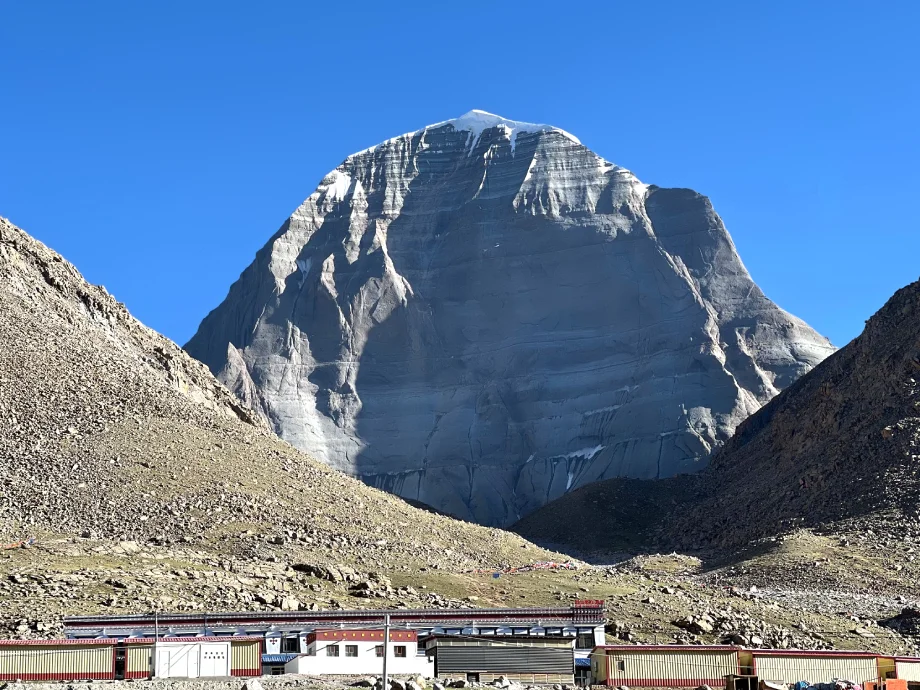
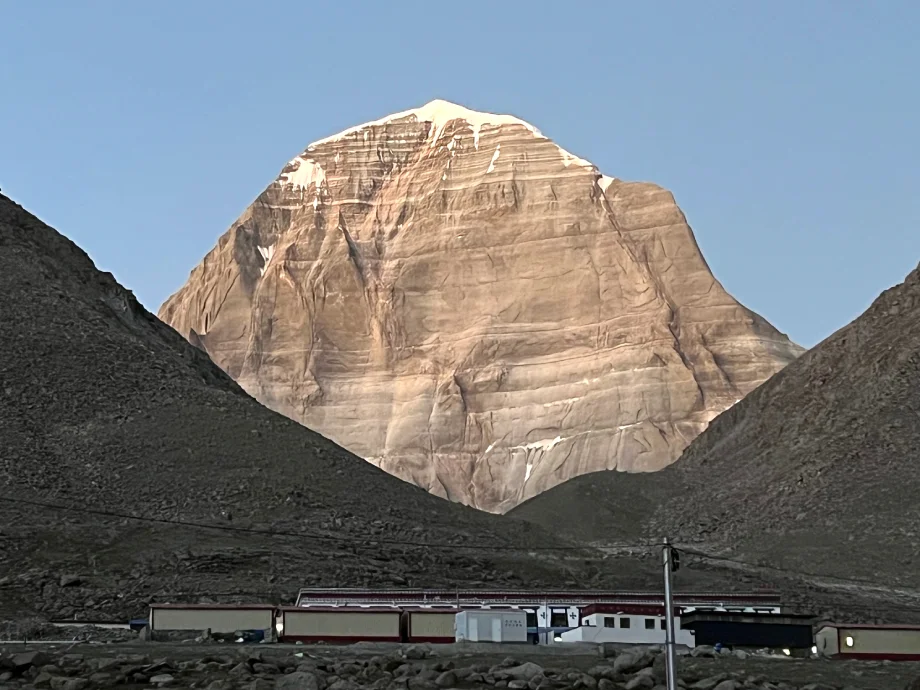
Great News, From June 2025 Mount Kailash is open for individuals holding Indian Passports

Bhutan in August: A Complete Travel Guide for Monsoon Travelers

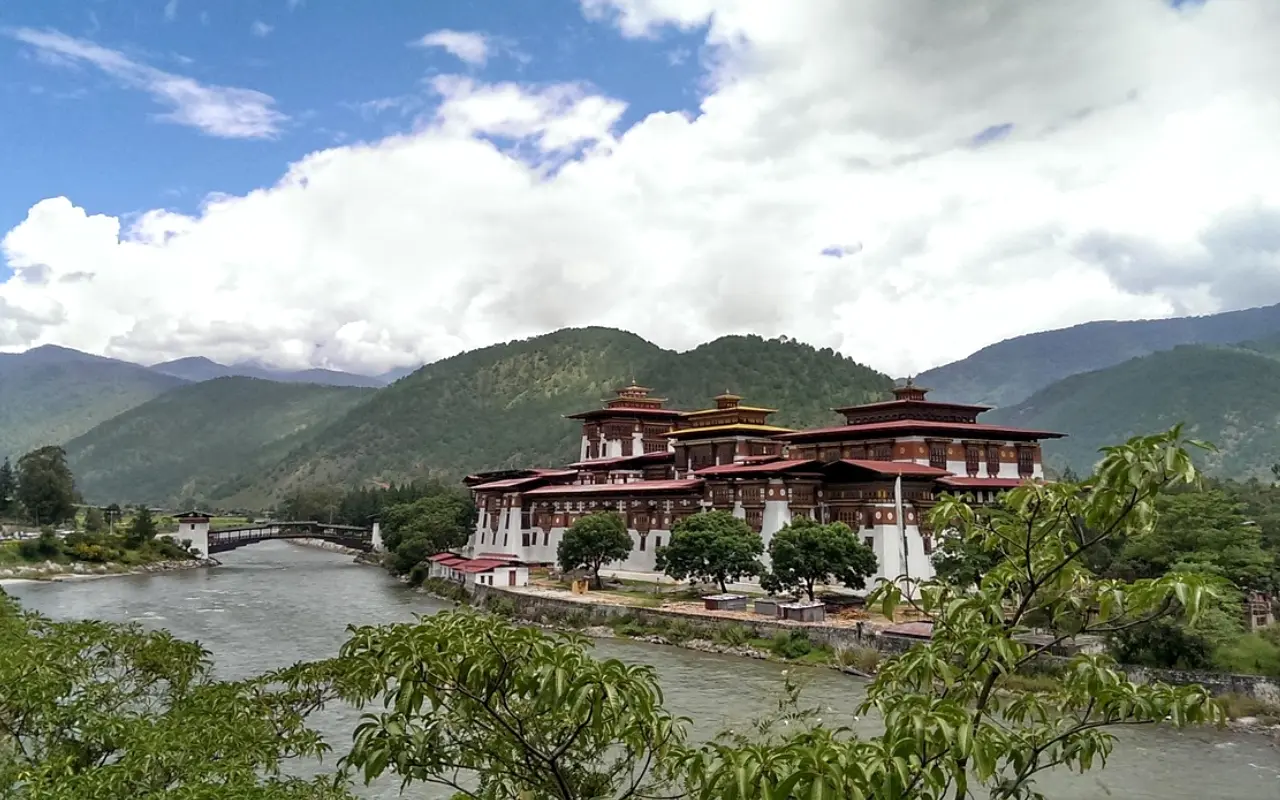
Punakha Dzong
Punakha Dzong

Bhutan in August greets tourists with dramatic mountains, lush valleys, and an astounding Buddhist culture. Nestled in the Eastern Himalayas, it offers stunningly pristine nature and a unique approach to Gross National Happiness, making certain that all visitors observe nature’s beauty, find peace, and enjoy adventure.

Bhutan in August invites the rain lover with beautiful scenery washed with rain and impressive flowers and plant growth. The vegetation and countryside are emerald green ribbons of valley and hills, and the waterfalls are rushing down the hillsides. The rain produces some incredible visual aesthetics that reveal the ferocious beauty of the Himalayan monsoon.

Bhutan in August is a good month for off-season travel, as it also caters to those interested in more natural experiences without crowds at a time when costs would be cheaper. Since most of Bhutan’s notable sites are less dense with people, it is much easier to see and experience local cultures, spiritualties, and natural wonders.

Bhutan in August appeals to cultural tourists as the rain is no barrier to participating in all of the religious festivals. Experience local masked dances at Buddhist sites throughout Bhutan, mindful ceremonies and celebrations initiated by local people that are untouched by the rain and weather, offer visitors an unbelievable and authentic opportunity to see Bhutanese life at its most magical, warts and all.

The Glimpse of Bhutan Tour is a culturally rich, short, crafted journey that introduces the traditions, beliefs, natural beauty, landscapes, […]
5 Days
Easy

US$ 1300

View Detail

Bhutan Weather in August

Bhutan in August means varying daytime temperatures. You will experience around 19 to 26 °C in Thimpu, 18 to 27 °C in Paro, and 20 to 28 °C in Punakha. Monsoon in Bhutan is characterized by heavy rain, and 70 to 73% of total annual rainfall occurs during this time. In a month, some areas record up to 1000 mm of rainfall, which offers stunning greenery for which Bhutan is famous.

There are pros and cons to going to Bhutan in the monsoon period of June to September. The pros include fewer tourists, vibrant scenery, and culture, such as festivals where the rain will not affect the celebration. Cons include nearly daily heavy rain, frequent heavy rain, flooding, and landslides.

The heavy seasonal rain during the monsoon does not prevent roads from being slippery due to mudslides. High, heavy water levels in streams and rivers, and mudslides might provide some inconvenient transportation delays, but the rain feeds to other spectacular sites like waterfalls, as well as super lush vegetation, which is stunning in itself.

Why Visit Bhutan in August?

August marks the season of lush green landscapes in Bhutan. With fresh rainfall daily, the countryside is always rejuvenated during August, making the scenes dramatically vibrant. You are more likely to run into much fewer tourists, allowing for facilitated exploration and relationship building with nature and the diverse culture and communities present in Bhutan.

August also provides for serene moments in peace, especially within peaceful monasteries and tranquil dzongs. As the season involves fewer tourists and the hustle of the high season, the sacred spaces feel even more meditative, and the spiritual atmosphere becomes more personal for visitors and explorers alike.

August in Bhutan means off-season deals. You’ll get discounts on flights, accommodations, and tour packages. In Bhutan, August is the best time to relocate dramatic weather into unique photo opportunities: swirling mist, drifting clouds, rushing waterfalls, and shimmering green rice paddies, which will excite and please any photo buff or nature lover.

Festivals & Events in August

Bhutan in August is full of cultural celebrations, including Merak Tshechu in Trashigang and Matsutake Mushroom Festival in Ura, Bumthang. You can witness the masked dances, mushroom foraging, and cultural celebrations in villages.

If you are planning to visit Bhutan during a cultural celebration, you can contact a registered tour operator or tourism website to research travel schedules.

Top Places to Visit in Bhutan in August

In August, Thimphu is fantastic, with vibrant museums, beautiful eateries, and a busy weekend market. The monsoon has rejuvenated the city; you will find life is centered on the daily lives of local Bhutanese, with far fewer tourists around, and the city is incredibly green.

In August, travelling throughout Bhutan makes Paro spectacular: You can visit Paro Dzong, the holy Kyichu Lhakhang, and you can hike to Bhutan’s most famous monastic mountain retreat, Tiget’s Taktshang, when the conditions are suitable. The views may demonstrate a ‘mysterious’ allure when obscured with mist.

Visiting Bhutan in August highlights the exploreable tranquil riverside setting of Punakha Dzong and its day hikes. The rivers will swell during the summer monsoon rains, and are stunning alongside rice fields, while the superstar Punakha Dzong remains majestic in the monsoon.

You can also experience a homestay and the tranquil Haa Valley in August. The woods are misty, the meadows are wide, and the local warmth provides respite from the regional monsoon crowds.

August is a great time for adventure to explore Bhutan’s East, where the villages are secluded, the forests are pristine, and the festivals are colorful. You can explore off the beaten path, surrounded by scenic sights and surreal mountain air, bumping into people who accommodate without being accosted.

Best Activities to Do in Bhutan in August

Tiger's Nest Monastery
Tiger’s Nest Monastery

Scenic drives through Bhutan in August are magnificent as once rolled, green houses and valleys sparkle with monsoon green. They are a treat while working your way around the kingdom to enjoy its phenomenal scenery as you pass flowing rivers, see mountains wrapped in mist, and catch glimpses of small rural villages that change quickly as you drive by.

Visiting dzongs, temples, and monasteries is a priority in Bhutan in August. These and many other spiritual sites can be crowded and sophisticated buildings, like Punakha Dzong or Kyichu Lhakhang, especially when the rain and mist create a magical calm in their interior spaces or sheltered courtyards.

Wellness is taken seriously in Bhutan in August. Taking part in a traditional hot stone bath or herbal wellness retreat is a type of deep-body and soul comfort. The hot stone baths with local medicinal herbs will relax your entire body and offer you a national flavor experience after a day spent discovering.

Sampling local foods, like Ema Datshi with red rice and butter tea, is a treat when you visit Bhutan in August. Indoors, you can also enjoy experiences like museum visits, handicraft workshops, or local textile weaving to offer you welcome distractions when the skies open and outdoor adventures are put on hold.

Trip not found.

Challenges & How to Prepare

In Bhutan, August is notoriously unpredictable in terms of rain, and if someone has travelled here, they’ll know it can change everything. Try to have waterproof gear and have a flexible itinerary, and check weather forecasts daily to ensure you are ready for changes.

In August, these rainfalls can lead to landslides, and because of the slippery roads, they can be a hazard, particularly in mountainous villages. It’s reasonable to ask local guides if certain routes are not safe, and always include extra time in case of disruptions.

In August, the clouds and mist can obscure the visibility of the magnificent Himalayas. Rather than feel disappointed, aim for the moody atmospherics of the day, and always plan for a day visit in clear visibility.

Some hiking trails can get muddy and slippery in Bhutan in August. Leeches and mosquitoes seem to thrive in wet forested areas. You can have success with repellent creams, and wear long socks and pants over trekking trousers when you are trekking to prevent insect bites.

Travel Tips for August Travelers

Pack waterproof footwear, a rain jacket, and dry bags for essentials and electronics.

• For unpredictable weather, make a flexible travel plan.

• Consider hiring a guide for safety, trail navigation, and cultural insights.

• Get an early start – morning is when you face the best chance of clear skies for sightseeing and photos.

Book hotels that include good indoor activities or good views for rainy weather.

Keep your documents and electronics in a secure place.

Wear clothes that cover your body and bring insect repellent with you.

What to Pack for Bhutan in August

Even in August, Bhutan rain gear should include an umbrella and a raincoat for daily showers. We would suggest bringing waterproof trekking boots or sandals for muddy trails.

Bring layering pieces to keep warm in the chilly high-altitude parts of the country. You will want to make sure you have a power bank, torchlight, and walking sticks.

You’ll also want to bring bug spray. When packing, don’t forget to check that your travel insurance policy covers any delays due to inclement weather.

Permits and Travel Requirements

If you are a traveler going to Bhutan in 2025 (excluding Indian, Bangladeshi, and Maldivian nationals), you will need a Bhutan visa. Visas can only be obtained by booking a tour or through a registered Bhutanese operator who will apply for the visa on your behalf to the Tourism Council.

Travel will only be possible by booking the travel through registered Bhutanese tour operators. This not only ensures that you will comply with Bhutan’s travel rules, for sustainable travel, and permits, but you will also be protecting the value of tours established without advancing the values of sustainable tourism. All tours must be prepaid before the issuance of visas.

All tourists will pay a Sustainable Development Fee (SDF) of $40 per day (added in 2023). When you are getting closer to your departure, you need to confirm any health or COVID requirements in advance from official Bhutan channels to help remain updated and prepared.

Trip not found.

Is Bhutan in August Right for You?

August in Bhutan is great for a cultural trip for those interested in tranquil temples and local festivals while admiring the lush green countryside. August will appeal to those looking to soak in a country’s culture without hiking mountains or physically taxing themselves.

Often, photographers will find August an excellent time to take pictures in Bhutan as the valleys are shrouded in mist and the scenery is colorful and lush. August tends to be a good time for couples and visitors, as places will have far fewer visitors, unique moods with the monsoon, and incredible cultural experiences.

August in Bhutan is discouraged for those who are high-altitude trekkers or travelers seeking sharp views of the Himalayas, as the rain and clouds hinder views, and the wet trail conditions render many of the hiking routes impassable. Those who wish for serious mountain exploration probably will not have their expectations met in August.

Conclusion

Bhutan is one of a kind in August with incredible green landscape, vibrant festivals, and a peaceful ambience. The monsoon brings life to nature, providing a different spirit to experience – conducive to peace and magic in a way that no other season presents.

Visiting Bhutan in August is quieter, so it is a great time to see Bhutan without others. Travelling in August will provide a sense of the character of the environment and a deeper experience with Bhutanese culture.

To travel in this peaceful, greener environment that has fewer tourists, work with a local operator who can develop your itinerary. They know the environment, the culture, and provide a level of safety while learning all about the unique charm that August in Bhutan provides.

FAQs

1. Will I see the Himalayas in August?

Yes, you can see the Himalayas in August, but they are frequently obscured by clouds and mist during the monsoon season.

2. Are roads safe to travel in Bhutan during the monsoon?

Yes, roads are safe to travel on in Bhutan, but you have to be careful of landslides and slippery roads.

3. Is the Tiger’s Nest hike possible in August?

If the weather allows you to walk, hiking to Tiger’s Nest is possible.

4. Do I need a guide for travel in August?

Yes, guides are highly recommended for safety, trail navigation, and cultural experience.

5. What’s the average cost of visiting Bhutan in August?

The expenses will depend on the nature of your tour package and the number of days you spend in Bhutan.

Is It Safe to Travel to Tibet in 2026? What Every Traveler Should Know

Introduction

Tibet is referred to as the “Roof of the World” because of its spiritual mysticism and stunning Himalayas. However, many travelers are concerned with a question: Is it safe to travel to Tibet in 2026? Because of its remoteness and political environment.

Let’s go with the question: Is it safe to travel to Tibet? Various areas in Tibet are safe to travel to and are considered a safe place to spend your holiday. You will rarely encounter theft and physical violence in Tibet. However, safety has some important conditions and regulations that all visitors should follow.

Most of the safety risks associated with Tibet do not come from criminal acts but from the natural aspects of Tibet, such as elevation, atmospheric conditions, severe weather, and rough roads. To maximize safety, travelers should beware of altitude sickness and unpredictable weather before traveling and secure their own health and travel plans.

In this blog post, we will explore “Is it safe to travel to Tibet?” in-depth and provide essential updates, changes in travel regulations, and best practice travel tips to help assure your travels will be safe and fun in 2026. Whether traveling solo, with kids, or in a group, this is what all travelers to Tibet need to know.

Tibet Group Joining Tour 2025 2026
Tibet-Group-Joining-Tour-2026-2027

Is Tibet Safe for Tourists in 2026?

Is it safe to travel to Tibet in 2026? Yes, for the most part. Tibet is still one of the safest places to visit in the world, with little crime and a calm environment for tourists looking to experience this culturally and geographically rich location. The dangers lie more from natural occurrences than crime.

Tibetan people are very friendly, polite, and hospitable. Their behavior is based on Buddhist values. You will be welcomed with warmth and feel respected without having a visitor feeling. This is supported by many travelers who have visited Tibet, adding a feeling of safety and comfort.

There are strict government restrictions regarding travel to Tibet. Travel for foreigners is not possible to a certain degree of independence. It is necessary to arrange travel in Tibet through registered local tour operators, who will arrange all of your travel permits, guides, and vehicles for you. This is necessary to ensure that your safety and requirements are met, while taking the logistical burden off the international traveler.

Traveling with a registered tour operator is mandatory. They will keep you safe, help minimize altitude sickness, and arrange all your permits. Guided travel will prevent you from traveling in an unauthorized manner and will ensure that you adhere to government rules and regulations.

Every traveler should anticipate higher elevation conditions and plan accordingly for their health. One should hydrate, ascend to higher elevation gradually, and sleep more upon arrival to minimize one’s risk of sickness. You should travel responsibly with guides that respect you and are competent about conditions in your local courses. It is the combination that makes visiting Tibet in 2026 safe and memorable.

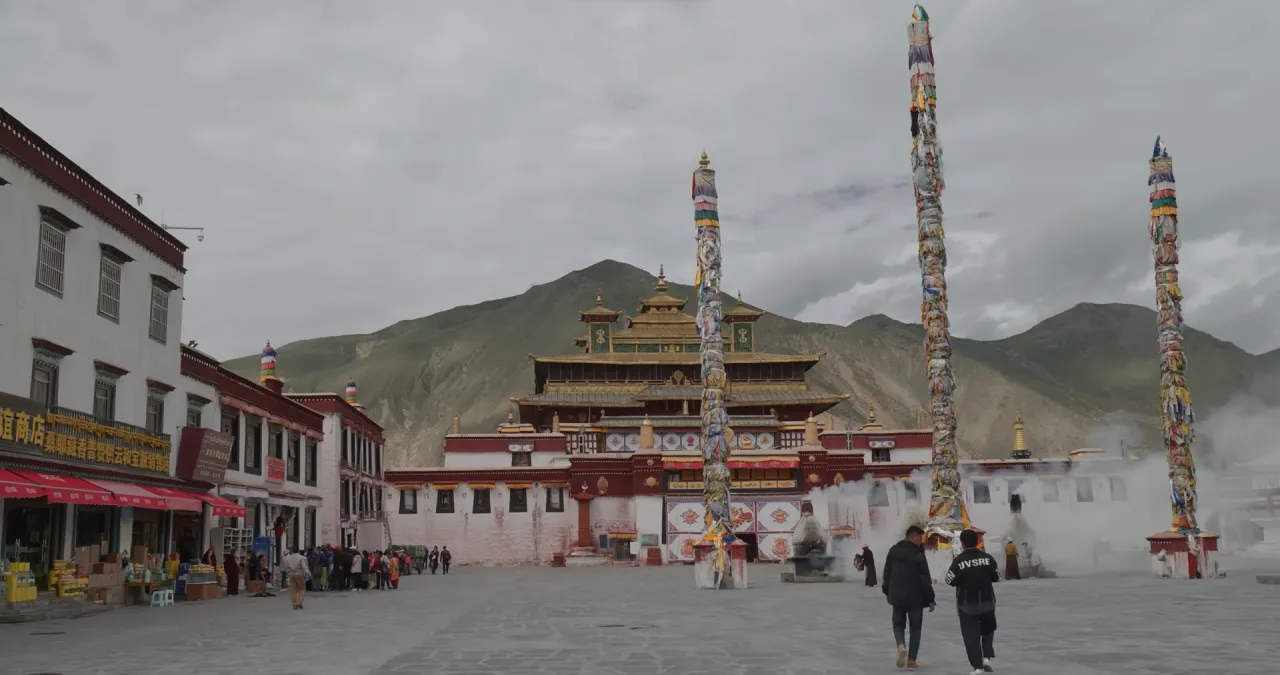
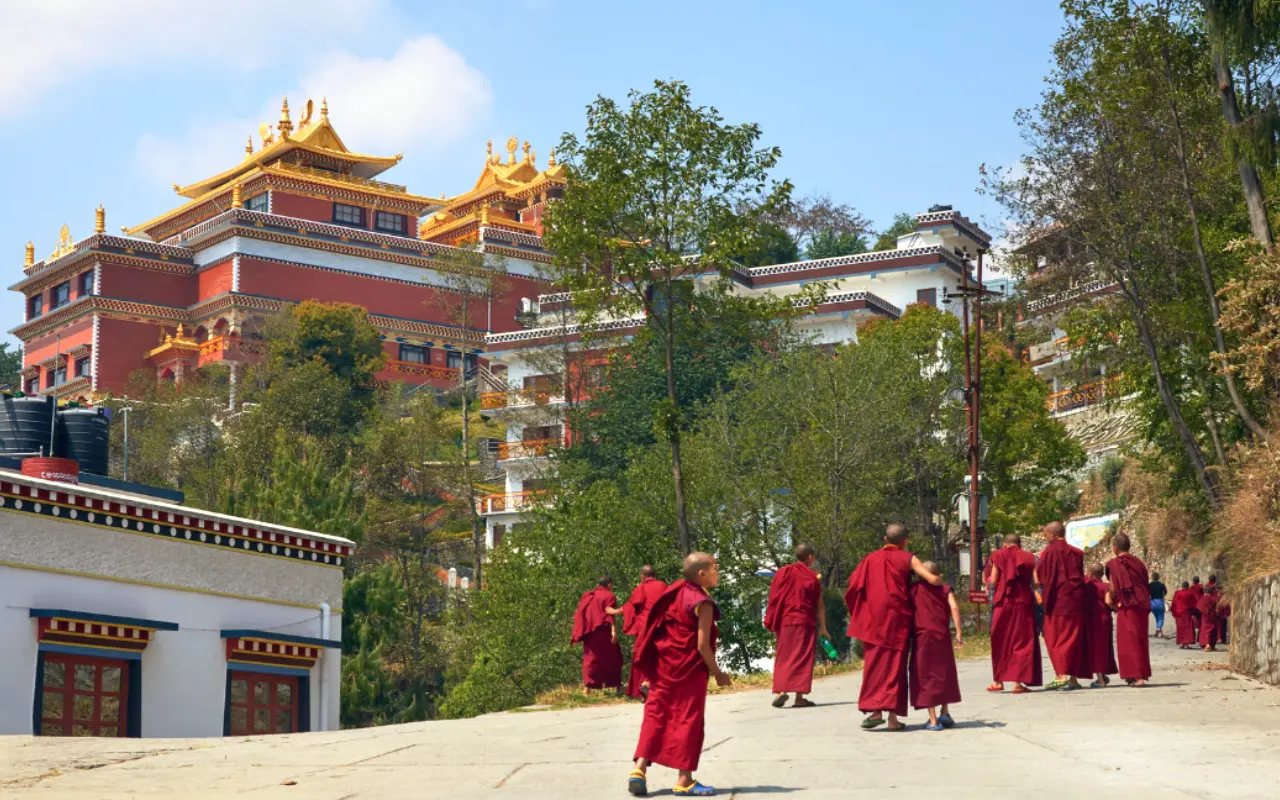
Tibet Monastery
Tibet Monastery

Political Sensitivity and Travel Restrictions

Many people have a question: Is it safe to travel to Tibet with its political Sensitivity and Travel Restrictions? The answer is that the country is still politically sensitive because of its history of Chinese control since 1950.

China annexed Tibet using the Seventeen Point Agreement, confirming that it held occupancy rights for Tibet and could establish sovereignty while promising Tibetan autonomy. Whether this is a political and social truth is still the subject of controversy.

The Chinese government governs Tibet directly through the Communist Party and firmly asserts direct control over political and social issues. Tibetans’ cultural and religious freedoms have been officially restricted to Tibetans with frayed autonomy. In addition, Tiananmen Square or Tank Man expresses sentiments of political and social grievance arising from the influx of Han Chinese into Tibet.

Travel is restricted for all foreigners. All individuals are prohibited from traveling independently in Tibet. Before arriving, all travelers must obtain a Tibet Travel Permit to enter the region and travel with registered tour operators.

There are restrictions on borders and politically sensitive areas. However, Lhasa, Shigatse, and Yamdrok Lake are safe areas to travel with tour operators, but the military buffer entry points and monasteries are restricted from entering.

Obtaining a Tibet Travel Permit is mandatory for all visiting foreigners. The Tibet Travel Permit is arranged through tour operators after submitting a valid Chinese visa. You cannot enter Tibet without this document.

Health and Altitude Safety in Tibet

Is it safe to travel to Tibet in 2026 regarding health and altitude? As already stated, Tibet’s height, especially Lhasa at 3,650 meters (12,000 feet), can be risky for travelers. You can get altitude sickness.

It is recommended to acclimatize by staying 2 to 3 days at intermediate altitudes such as Lhasa or Shigatse before ascending beyond. Refrain from sweating, drink an ample water supply, and eat carbohydrate-rich meals to keep energy up. Avoid alcohol and tobacco products, as these can dehydrate the traveler and hinder oxygen absorption.

You should bring medications such as Diamox during travel in case any emergencies occur. Additionally, also bring ibuprofen or paracetamol for Headaches. Visit a doctor before traveling for medical checkups.

Medical support and Emergency Services are scarce in remote areas in Tibet, so it’s even more important to keep an eye on your symptoms carefully. With severe altitude sickness, you will need to descend immediately and see a physician.

When travelling with professionals or a tour Group Company, a registered company with guides who have experience will have access to oxygen supplies and follow procedures in emergencies that assist with safety for travelers.

Is Solo Travel Allowed and Safe in Tibet?

Is it safe to travel to Tibet in 2026 solo? No, you cannot travel solo, the independent way in Tibet. All foreigners must travel with a group tour or be escorted by a registered and licensed guide. This is the law in Tibet, and there are strict government policies in place regarding this.

Both group tours and guided tours are very safe ways to travel. Private tours with a licensed guide offer preferential safety and convenience. In addition to the safety advantages, there is less risk of altitude sickness. In a group tour, you’re often safer traveling with other people, but a private guide is better for the overall travel experience.

The mandated guided-tour method keeps the traveler safe by making it much harder to break regulations, stray into restricted areas, or find oneself unassisted during an emergency. Licensed guides will manage your permits, provide cultural knowledge based on their expertise, and respond quickly if you have altitude or health issues. A professionally licensed guide will allow travel in Tibet to be more functional and safe.

Permits & Regulations You Must Know

It’s a requirement to obtain a Tibet Travel Permit before entering Tibet in 2026, which is to be obtained through a registered travel agency, as they apply and do all the paperwork. To apply for a Tibet Travel Permit, you must have a valid passport and a Chinese visa.

An Alien Travel Permit is another permit that you may need to visit any restricted region or area outside of Lhasa. You may also need a Military Permit for any remote areas along the border, primarily sensitive areas. A tour operator will organize every permit you are required to have.

As we’ve stated before, registered travel agencies will help manage any permits and paperwork required. They apply to the Tibet Tourism Bureau, arrange the itinerary, and keep track of the necessary regulations imposed by the government while traveling in Tibet. An independent trip to Tibet without a travel agency is illegal.

Traveling in Tibet without the proper permits is illegal, and you can be denied entry, fined, detained in jail, or sent back. There are checkpoints that are situated all throughout Tibet that monitor permits. Unauthorized travel without the necessary permits can have serious consequences. Always ensure you have the necessary permits before your trip to Tibet.

The Short Tibet Tour is a unique journey that will take you through awe-inspiring holy sites, ancient monasteries, fantastic landscapes, […]
5 Days
Easy

US$ 2500

View Detail

Safety Around Key Destinations

Lhasa is generally considered safe and tourist-friendly in 2026. There are a few secure places in Lhasa, including Barkhor Street and Potala Square. The hospitality from the locals, as well as heightened security checks for the protection of tourists, make Lhasa a suitable area for acclimation.

When traveling to Shigatse, Gyantse, and Namtso Lake with an Authorized guide or travel permit, they are generally considered safe places for tourists and will help keep you safe in the region. Compliance with these rules means that you will have a legitimate reason to enter a controlled area of China.

Tibet is an isolated place, so you need a guided tour to travel and a proper time for acclimatization. Additionally, carry documents, emergency snacks, and gear to help you while traveling.

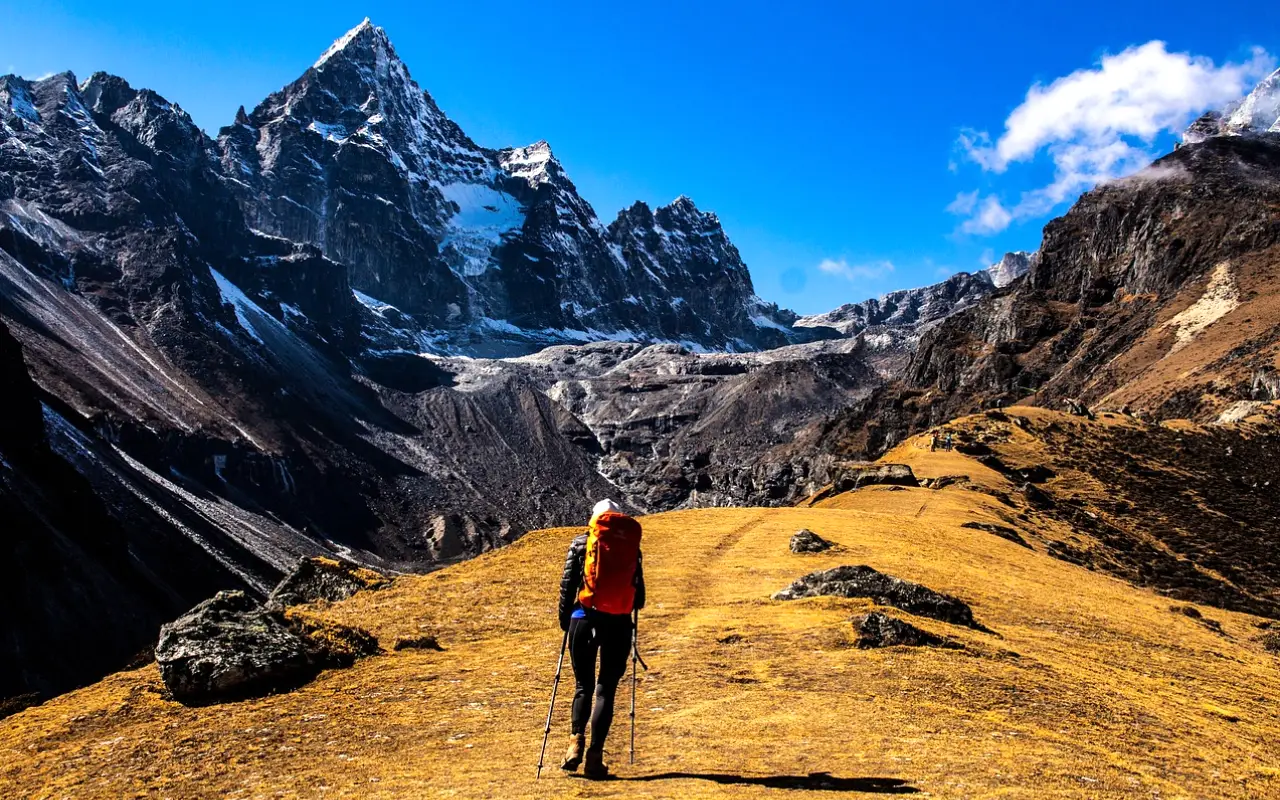
Weather, altitude, and logistics challenges make travel difficult in tourist areas such as Everest Base Camp (North). This is only possible with permits, guided tours, and physical preparations. Travel will be difficult in the remote area and at altitude; also, road conditions vary and are known to be rough.

The road conditions across Tibet will vary. Visitors will experience paved highways close to big cities, and rough, unpaved, and winding mountain roads in rural areas. Transportation can be slow and bumpy; reliable transportation and experienced drivers are a must. Plan for delays and a lack of transportation options and infrastructure for tourists, especially outside popular tourist areas.

Natural Risks & Climate Considerations

Are you wondering if it’s safe to travel to Tibet in 2026, considering natural risks and climate? Earthquake risks have not been a problem in Tibet in the recent past, and after such a long time with no seismic activity, earthquake risk is low for an adventure seeker such as you. The geological environment is a rugged terrain. Rugged terrain has some degree of tectonic stability.

The weather is extremely harsh in Tibet. Winter is very severe, often with heavy snow and freezing temperatures, which will disrupt travel plans. However, April to October offer a milder and calmer environment.

The monsoon season runs from July to September, and heavy rains typically bring landslides and sometimes damage to remote roads and infrastructure. Sources have stated that heavy rains can result in difficulties along unpaved and mountainous routes.

It is important to honor Tibetan Buddhism and the monasteries. You should always dress modestly by covering your shoulders and knees. As you travel, please be aware of local customs. For example, walk clockwise around sacred sites. Before photographing monks and ceremonies, be sure you ask permission, as they are not always open to photography.

Use care not to photograph people or rituals that could offend, unless you have permission. While in major religious sites, never use a flash, and if you are asked to take a photograph with a local, do not pay them. Paying someone for the photograph is disrespectful and perpetuates bad behavior.

The laws around political speech and protests are strictly regulated in Tibet. You should not discuss any publicly or online about Tibetan independence, the Dalai Lama, or any issues regarding the government. These actions could lead to legal problems for you and for locals, as the range of surveillance is serious.

The Internet and communications are heavily regulated and even more subject to government censorship. Many international sites are blocked, which include Facebook, Twitter, Google, and YouTube.

So are you searching for an adventure that is genuinely worthy of the name? Then here it is: our Tibet […]
8 Days
Easy

US$ 2400

View Detail

Travel Insurance & Emergency Contacts

Travel insurance is essential while traveling to Tibet to cover medical emergencies, evacuation, and trip cancellations. It will cover protection from altitude sickness, accidents, and unexpected changes, giving you peace of mind while traveling in an unpredictable terrain.

Insurance should have medical coverage, emergency evacuation, trip cancellations, loss of luggage, and altitude sickness. This travel insurance should be purchased before you travel from your home country to supplement any insurance that covers your time in Tibet.

If your situation has escalated to a legal problem or if it becomes necessary to contact a consulate, it is mandatory to have the number handy.

Emergency numbers:

Police: 110

Ambulance: 120

Weather emergency: 121

Final Safety Tips for a Worry-Free Tibet Journey

  • Book your tours with a registered tour company because they will get you all the necessary permits, licensed guides, and handle logistics.
  • Plan your tour in spring and fall.
  • Always keep your documents and permits with you to avoid legal risks during the tour.
  • Acclimatize, stay hydrated, and travel slowly to minimize altitude risks.
  • Learn a few basic Tibetan or Chinese phrases. This will help with communication, but it will also show that you respect the local culture

Conclusion

A visit in Tibet 2026 is safe if you follow the rules from the government, apply for and obtain the necessary permits for travel, and use approved guides. It is all about respecting the people and culture of Tibet, and if you are prepared for the altitude and complete all of the above, your trip to Tibet in 2026 can be a safe and pleasant experience.

Ultimately, the benefits of traveling to Tibet – the unique lifestyle and culture of the people, the extraordinary natural landscape, available adventures, and a very sacred spiritual place will outweigh any manageable risk. Don’t let the fear of travel deter you. Travel wisely, have the adventure of a lifetime, and experience the mystique of the Roof of the World this year!

Frequently Asked Question

Can Americans travel to Tibet in 2026?

Yes, Americans can travel to Tibet in 2026 as long as they have a valid Chinese visa and a Tibet Travel Permit obtained through a registered tour operator.

Is Everest Base Camp in Tibet safe to visit?

Yes, the Everest Base Camp in Tibet is safe if you join the guided tour and get proper permits.

Do I need a guide to travel in Tibet?

Yes, you need a guide to travel in Tibet to ensure your safety and comply with regulations and permit requirements.

What should I do if I get altitude sickness in Tibet?

Travel slowly, hydrate, rest, carry preventative medication (Acetazolamide), descend without delay, and get medical attention immediately if you are feeling worse.

Is Tibet safer than Nepal?

Tibet has strict rules, and you must travel with a guided tour for safety. Whereas in Nepal, there is more freedom to travel independently with less risk. Although both have risks from terrain and altitude, preparations will reduce the risks.

Explore Top 20 Nepal Landmarks: From the Himalayas to Ancient Temples

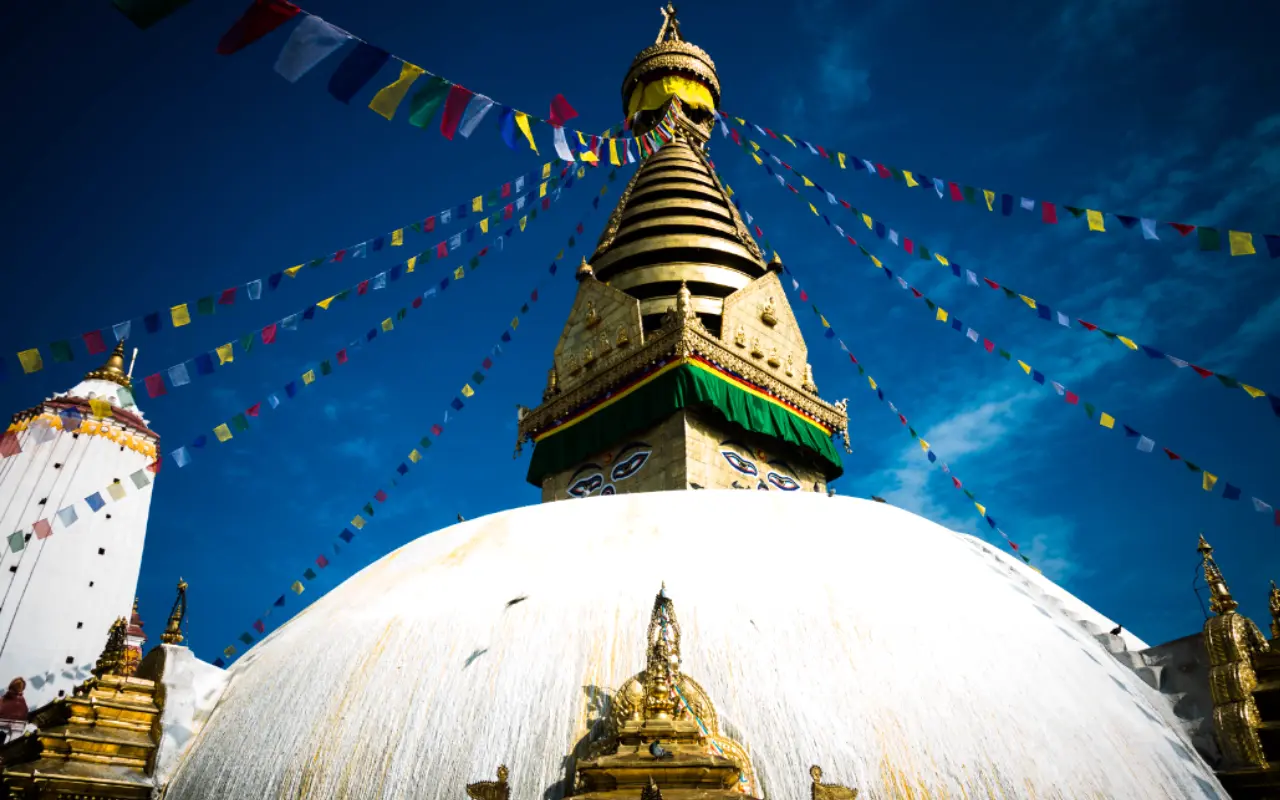
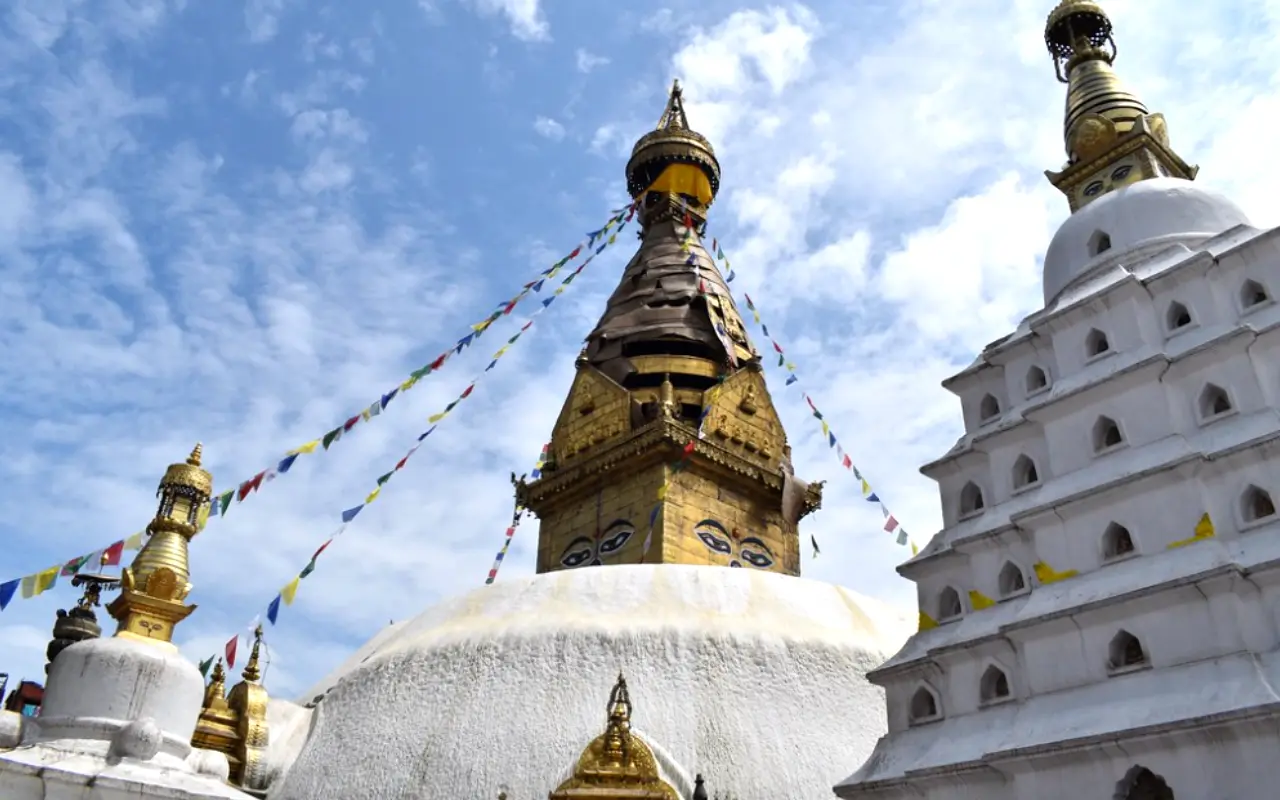
Swayambhunath Stupa
Swayambhunath Stupa

Nepal is a land of unparalleled diversity and the most captivating travel destination in South Asia, nestled in the lap of the Himalayas, rich in both geography and culture. From the world’s recorded highest mountain peaks to serene lakes, living heritage old cities to ancient temples, Nepal is a treasure house of both visible and spiritual collections. Nepal offers an immersive journey for adventure thrillers, spiritual and healing seekers, nature lovers, and history buffs alike.

The major attraction that draws travelers around the globe to Nepal landmarks is its vast collection of iconic and offbeat landmarks. Nepal’s landmarks are not just a travel destination but also a symbol of resilience, belief, and beauty that never fade. Many of the places in Nepal hold religious and historical importance for centuries, while others are filled with natural majesty.

Whether the spiritual energy that pulses through religious sites like Pashupatinath Temple (the temple of Lord Shiva), Bouddhanath Stupa with peace and acknowledgement, or the challenging Mount Everest Base camp, the tranquility found beside the shimmering blue water of Rara Lake, each landmark tells a story.

In the south and into the Kathmandu valley with its three royal cities—Kathmandu, Lalitpur, Patan, and Bhaktapur, you enter the heart of Nepal’s cultural and historical wealth. Kathmandu valley is a treasure trove of medieval architecture, intricate woodwork, and vibrant festivals, where one can walk through old Kingdom palaces from centuries, ancient durbar squares filled with ancient art and architecture, and witness living deities in sacred rituals.

Moving to the north from the valley, the snow-capped Himalayas dominate the skyline, offering both visual splendor and outdoor adventure. These trekking regions, like Everest and Annapurna, offer visitors the opportunity to connect with local mountain traditional communities as well as test endurance. This mountain region is not only a geological formation but also, they are revered and holds spiritual significance for local residents.

Nepal’s religious landmarks are equally compelling, spanning both Hindu and Buddhist traditions and cultures. The most visited and sacred sites in Nepal are Pashupatinath Temple, Bouddha, Janaki Mandir, and Maya Devi Temple in Lumbini, the birthplace of Gautam Buddha. These places not only reflect the religious devotion but also showcase the grand art, architecture, and local community life that have been unshakeable for generations.

Nepal boasts a range of biodiversity hotspots from the plain land and subtropical forest of the Terai region to alpine meadows in the north; the natural diversity of Nepal cannot be overstated. Chitwan National Park in the Terai region offers thrilling wildlife encounters, including Royal Bengal Tiger and one-horned rhinoceroses, while Gosaikunda Lake and Manakamana Temple in the Mountain region, amid tranquil alpine landscapes, are accessible to both trekkers and pilgrims.

This Blog on the Top 20 Nepal landmarks is designed to inspire travelers from around the world to explore both the off-the-beaten-paths and most celebrated jewels of the country. This travel guide covers all the natural wonders, spiritual sanctuaries, hidden retreats, and cultural hubs with detailed insights into each site. After reading this blog, you will find ideas for trekking, cultural immersion, pilgrimage, photography, and meditation for healing.

Let’s embark on a journey across the timeless landmarks of Nepal—a land where every step is a story, every mountain has a soul, and every temple echoes with the chants of centuries past.

Natural Nepal Landmarks

Home to the world’s highest mountains, serene lakes, and lush forests, Nepal’s natural beauty is unmatched. These natural Nepal landmarks draw thousands of adventure thrill seekers, spiritual and healing seekers, nature lovers, and history buffs alike every year.

1. Mount Everest:

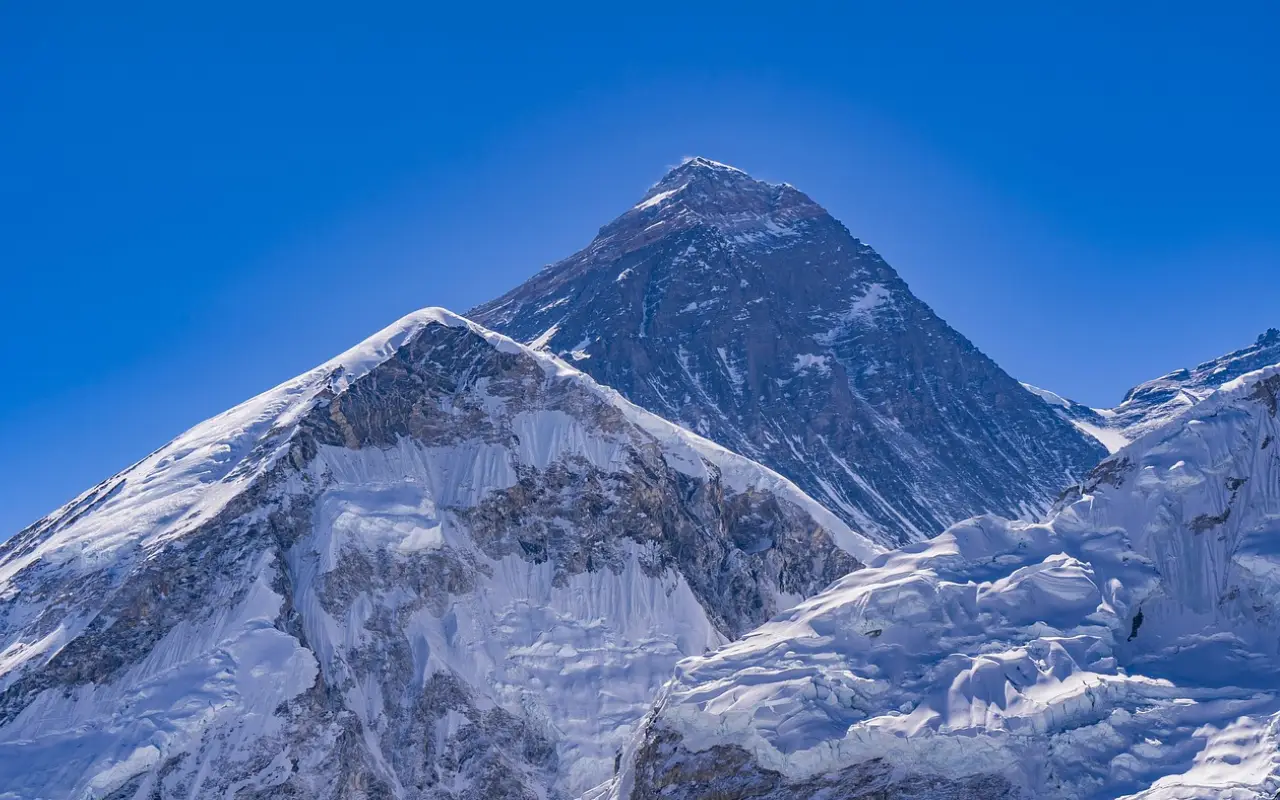
Mount Everest
Mount Everest

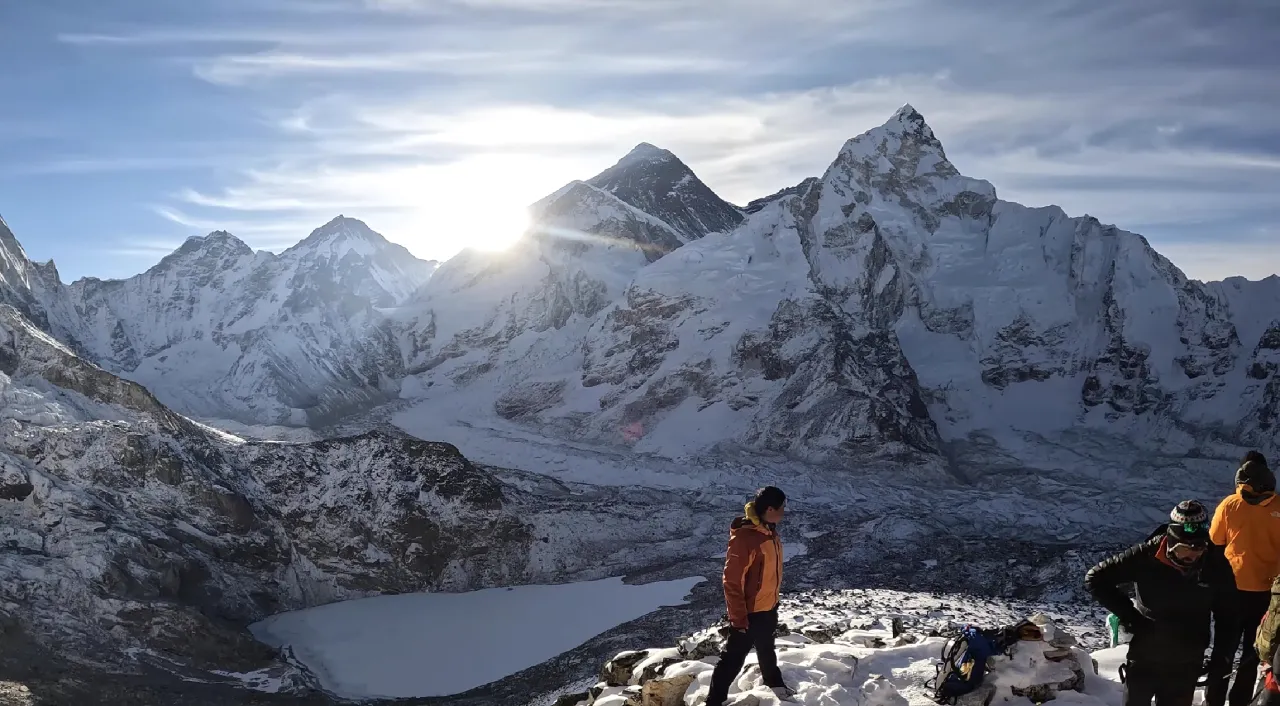
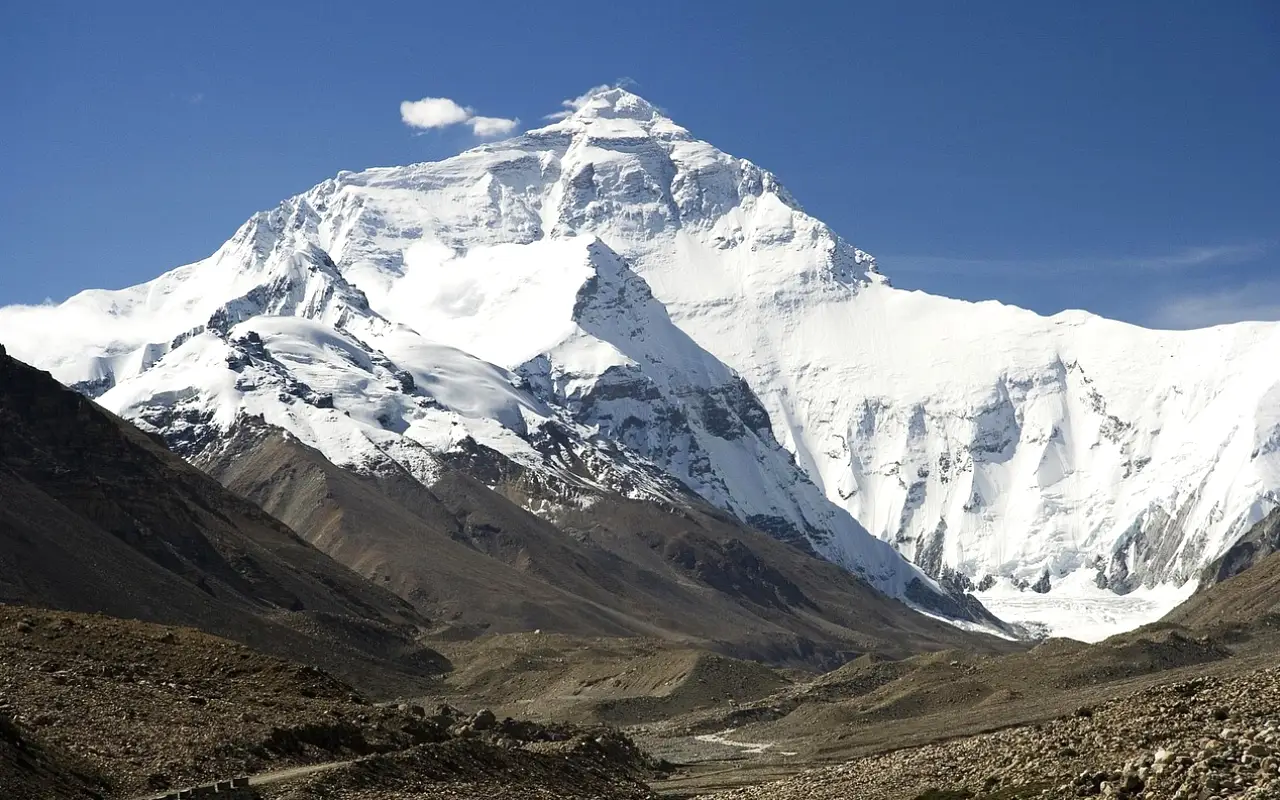
The crown jewel of Nepal stands at 8,848 meters, recorded as the tallest mountain on Earth, which is also known as Sagarmatha. Everest is revered both spiritually and geographically. Located within Sagarmatha National Park, a UNESCO World Heritage Site, which represents the ultimate challenge to the trekkers.

Everest Base Camp Trek is not an ordinary journey, and thus, you may have watched many films on YouTube about […]
14 Days
Moderate

US$ 1500

View Detail

Trekking to Everest Base Camp is a once-in-a-lifetime adventure. The surrounding areas offer stunning glaciers, small Sherpa villages, and alpine forests, making it a cultural ecosystem, not just a peak, so this mountain holds religious significance among local Sherpas, who consider it sacred.

2. Annapurna Range:

Annapurna, A Journey Through Nepal’s Majestic Himalayas
Annapurna: A Journey Through Nepal’s Majestic Himalayas

The Annapurna region in central Nepal is famed for its dramatic mountain scenery, deep gorges, and diverse flora and fauna, so this peak is often known as a trekkers’ paradise.

The Annapurna Circuit and Annapurna Base Camp treks are world-renowned, offering breathtaking views of peaks such as Annapurna I (8,091m), Machapuchare(6,993m), and Dhaulagiri (8,167 m). Passing through terraced farmlands, rhododendron forests, and quaint villages, the region is a celebration of both culture and nature.

3. Rara Lake:

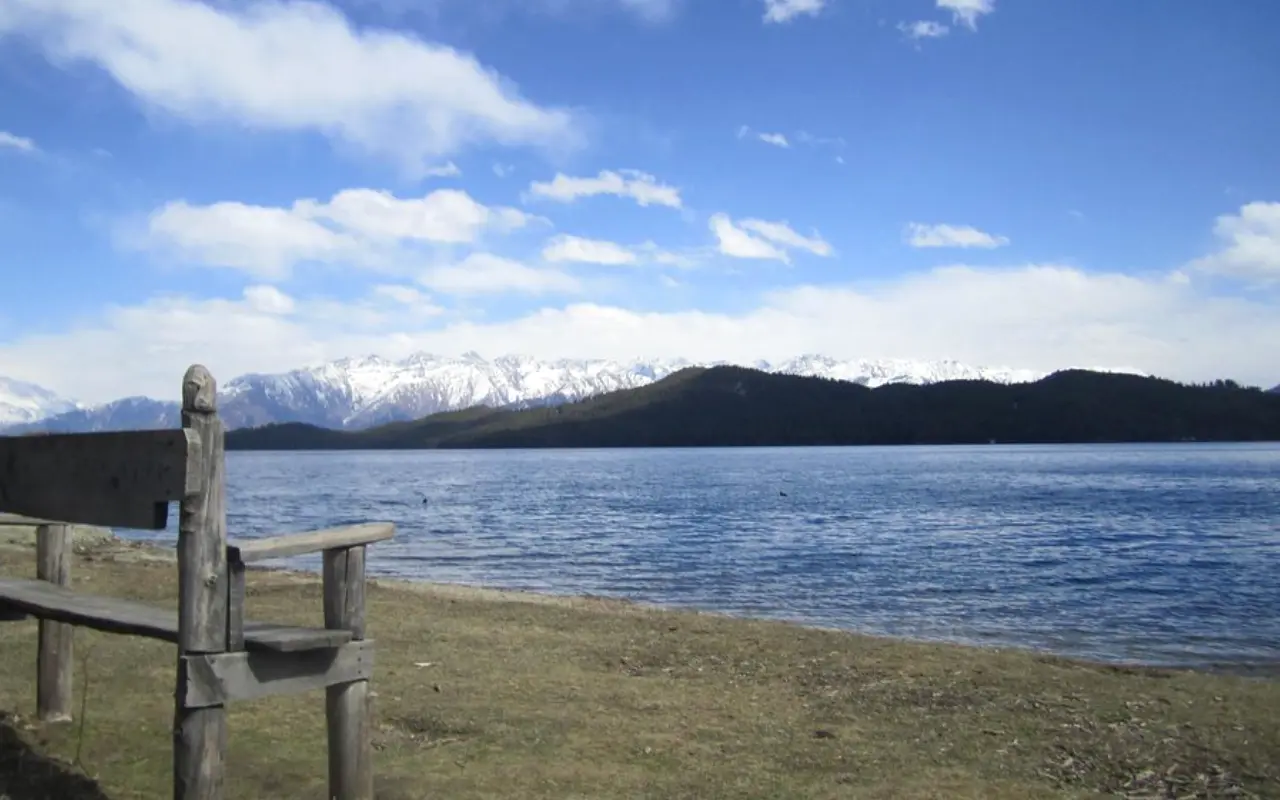
Rara lake
Rara lake

Nepal’s largest and deepest freshwater lake, that located in the northwest of Nepal’s remote Mugu District. Rara Lake lies within Rara National Park and is surrounded by forest hills and alpine meadows. It is often known as the most untouched and peaceful place in Nepal because of its remoteness, and only a few tourists venture here in a year.

The turquoise water of the lake reflects the snow-capped Himalayas and creates a surreal atmosphere. This place helps trekkers find solitude and inner peace. The silence in this lake is broken only by the sound of birds chirping, and the crystal-clear skies make everything perfect.

4. Phewa Lake, Pokhara:

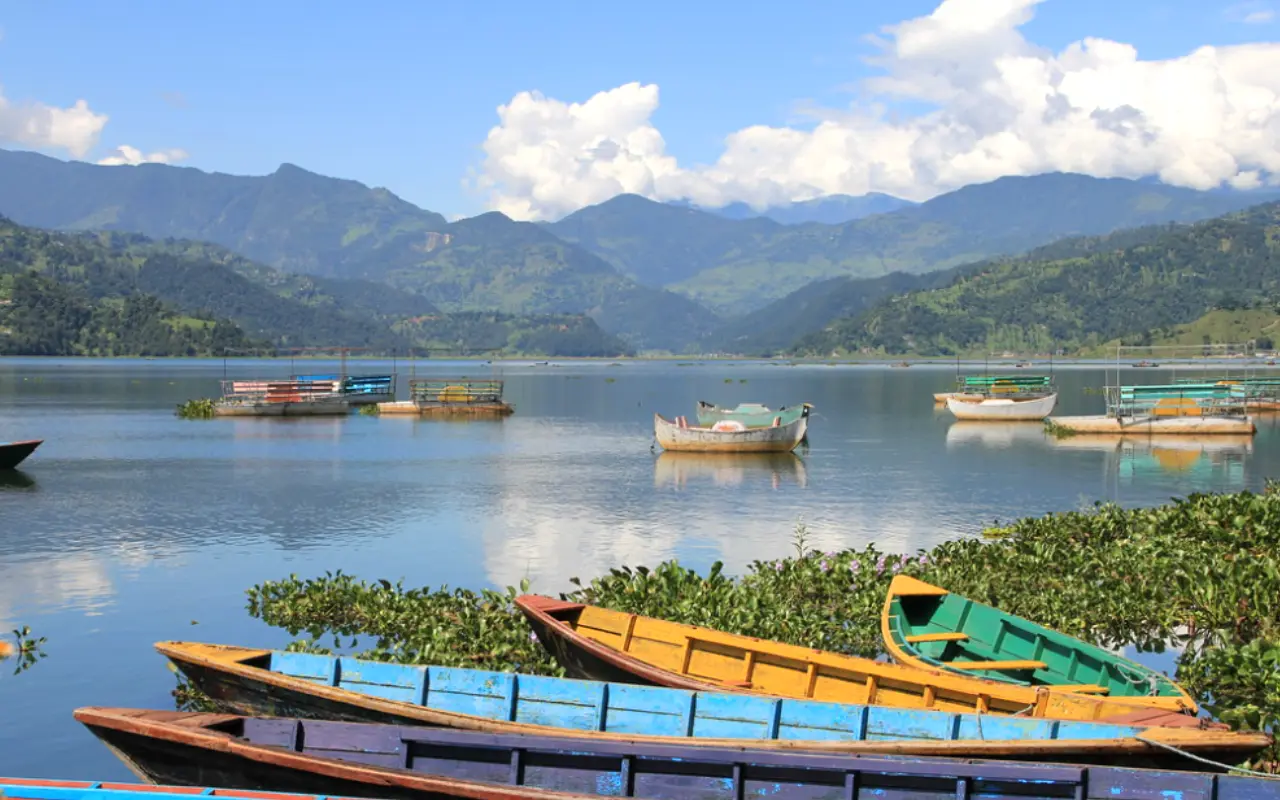
Phewa Lake
Phewa Lake

Phewa Lake is a serene freshwater lake in Pokhara, with millions of travelers a year. This is the second-largest lake in Nepal, nestled at the foot of the Annapurna range, offering water activities and kayaking.

The Tal Barahi Temple sits on a small island in the middle of the lake, adding a spiritual essence to the scenery. With stunning sunset spots, paragliding opportunities, and vibrant lakeside cafes, it remains one of the loved landmarks in Nepal for explorers.

5. Chitwan National Park:

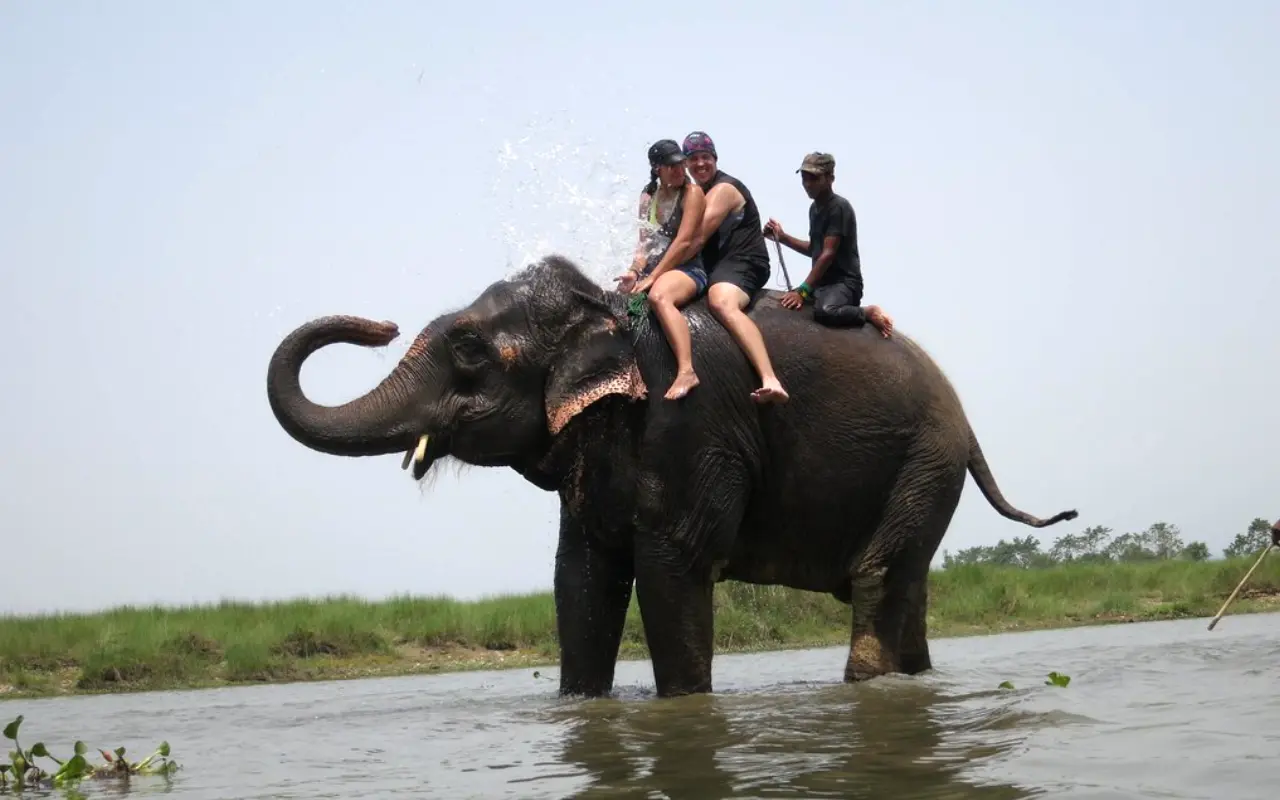
Foreign Couple Enjoying Elephant Safari in Chitwan National Park

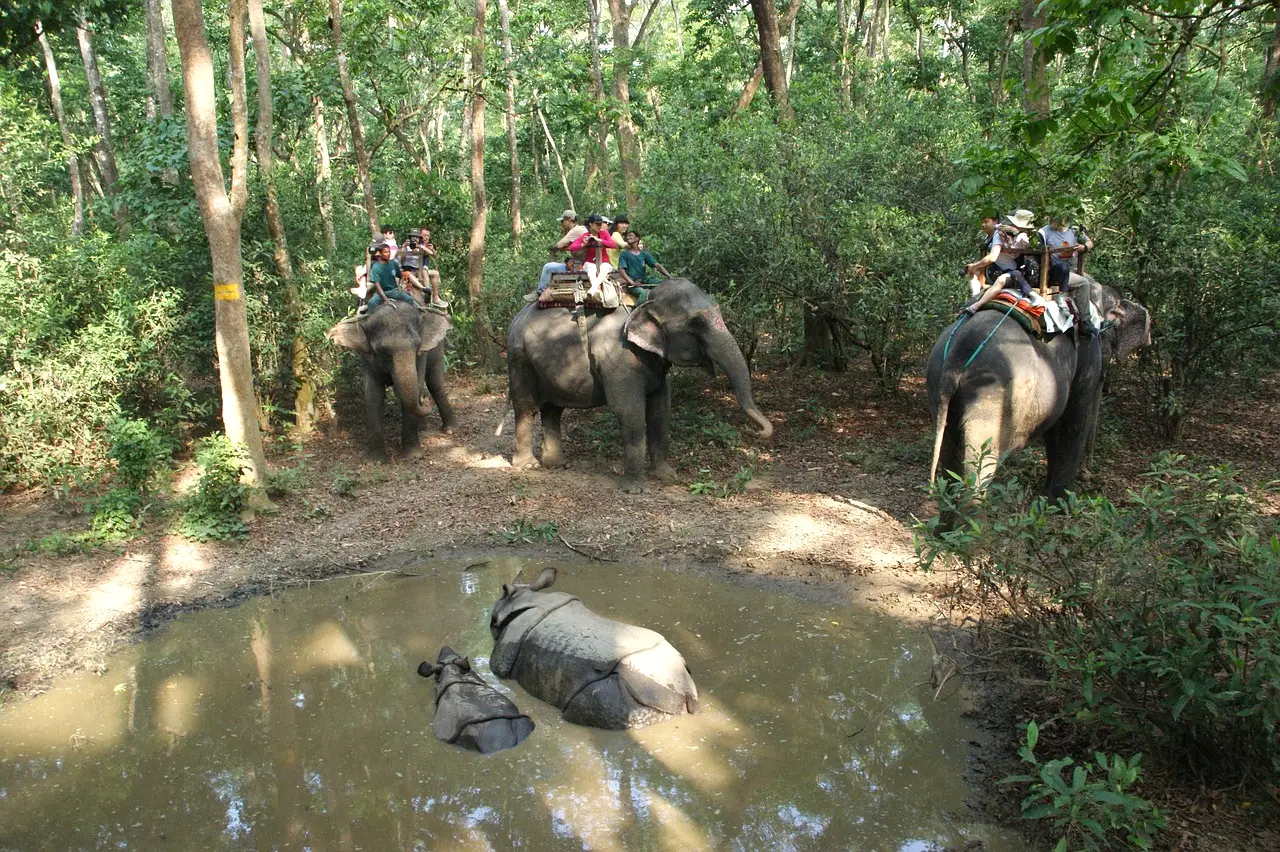
Chitwan National Park is a heaven for wildlife enthusiasts, lies in the southern part of Nepal. Chitwan National Park is listed as a UNESCO World Heritage Site, with the dense jungles and grassy plains contrasting beautifully with the mountainous north, Showcasing Nepal’s geographic diversity.

This park is home to endangered species like Royal Bengal Tigers, Gharials, One-Horned rhinoceros, and many more. This place offers an immersive experience of jungle safaris, bird watching, canoe rides, and Tharu Cultural performances (one of the ethnic groups of Nepal).

Religious and Spiritual Landmarks in Nepal

Nepal is a spiritual epicenter where two great world religions—Hinduism and Buddhism—intertwine in harmony. The following Nepal landmarks reflect the country’s deep devotion and sacred traditions, which make them significant not just for pilgrims but also for curious travelers seeking inner peace and insight.

6. Pashupatinath Temple:

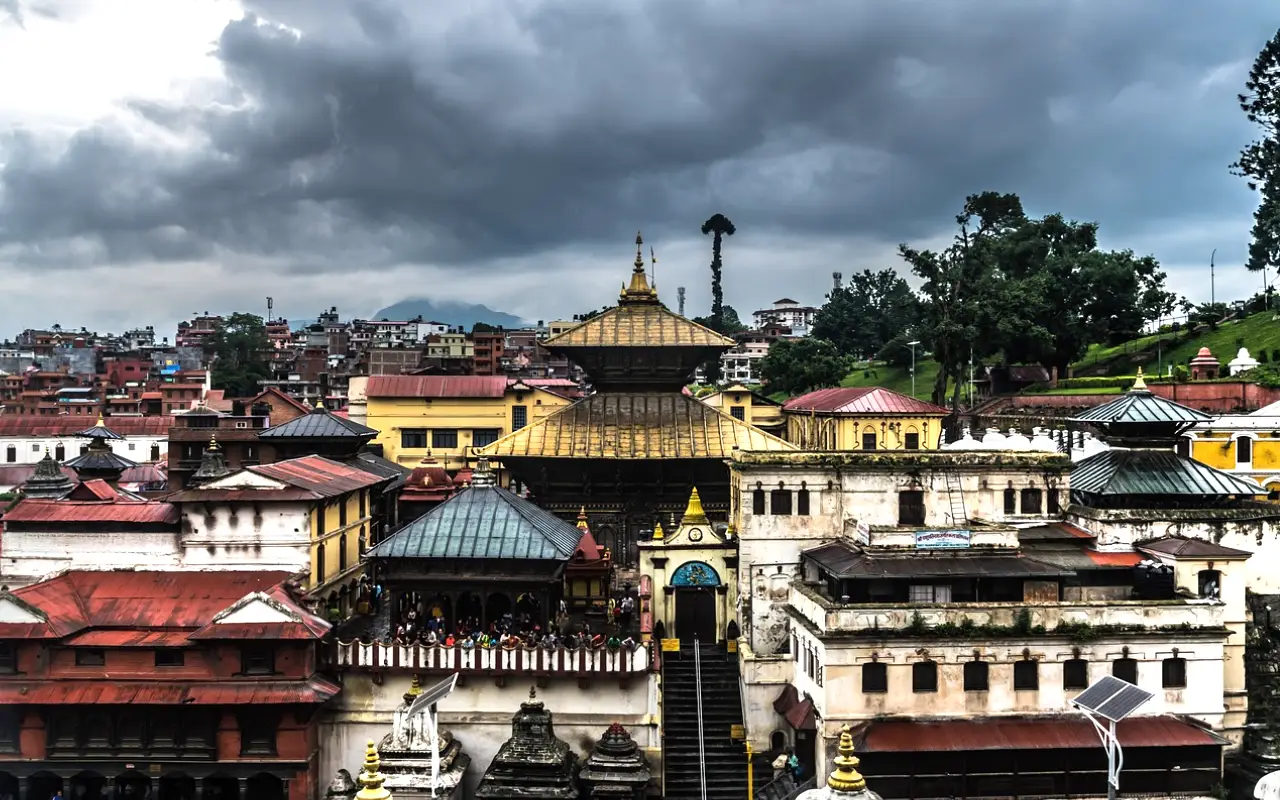
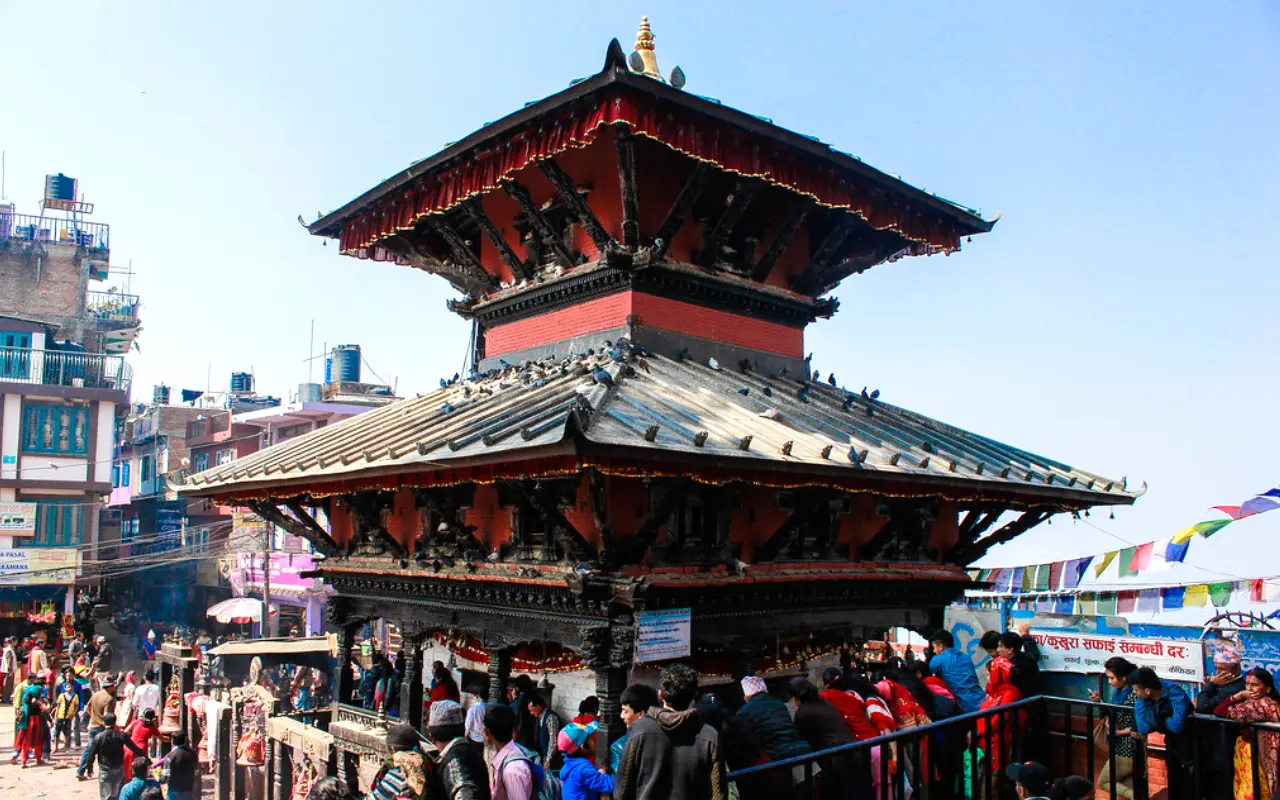
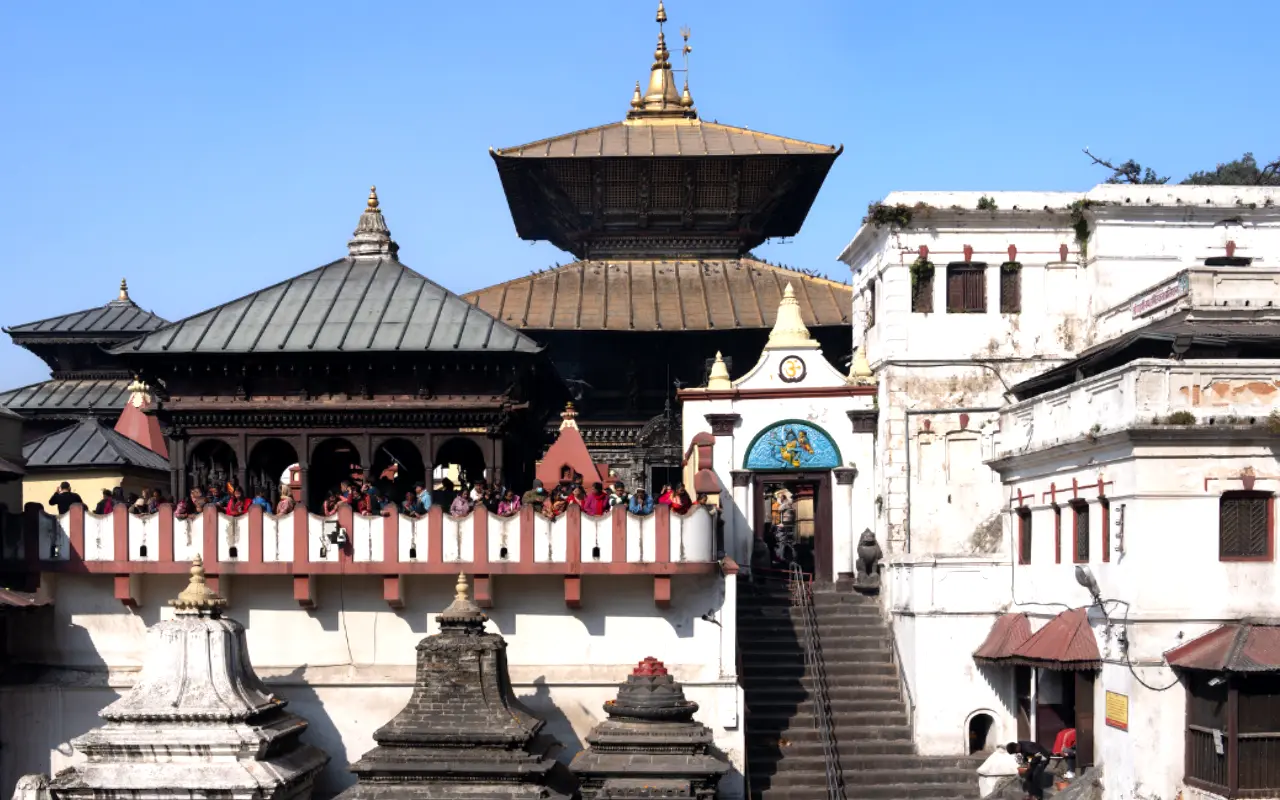
Pashupatinath Temple

The temple of Lord Shiva, located on the bank of the Holy Bagmati River. This is the most sacred Hindu Temple in the world, a sprawling complex of shrines, ghats, and ashrams.

Non-Hindus are not allowed to enter the main temple, but the surrounding area offers a moving experience, especially when witnessing open-air cremations– a reflection of Hindu Philosophy on life and death. Thousands of devotees from Nepal and India gather in this temple during Maha Shivaratri, the biggest festival of Lord Shiva.

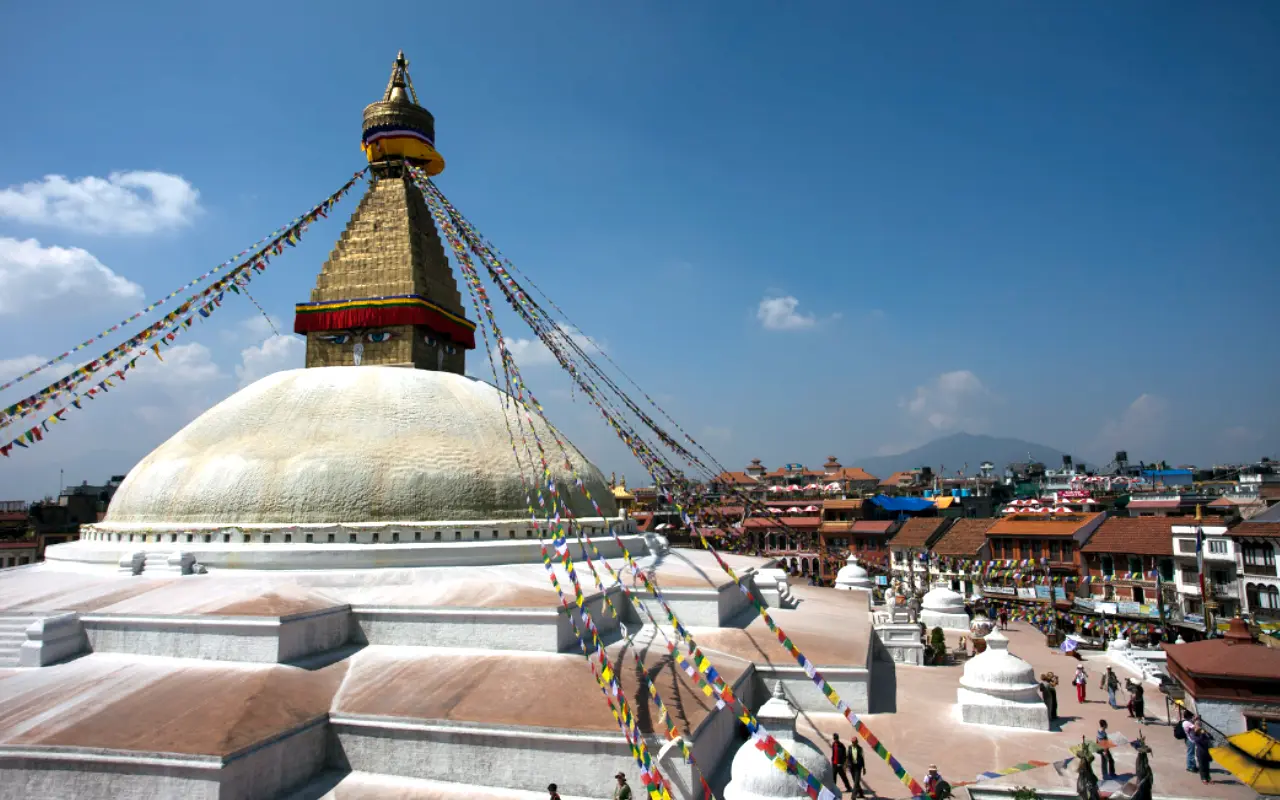
7. Boudhanath Stupa:

Boudhanath Stupa
Boudhanath Stupa

The biggest stupa in the world, located in Kathmandu, towers with serenity and symbolism. Its massive mandala and the ever-watchful eyes of Buddha make it a revered spot for Tibetan Buddhists. Bouddhanath is located in a Tibetan neighborhood, which used to be the Tibetan trade market center.

The area of this Stupa buzzes with monks in maroon robes, butter lamps, prayer flags, and chants of ‘Om Mani Padme Hum’. It is a living center of spiritual energy and Tibetan culture in Nepal, a predominantly Buddhist religious site.

8. Swyambhunath Temple:

Swayambhunath Temple

Swyambhunath Temple is also known as Monkey Temple, due to the many monkeys that inhabit the area. This temple is perched atop a hill overlooking the Kathmandu valley. It is an ancient stupa that blends both Hindu and Buddhist iconography.

The white dome, the gliding spire, and the painted eyes of Buddha create an aura of wisdom and timelessness. Climbing to the top of the temple rewarded with the magnificent views of the spiritual ambiance and stunning Kathmandu valley.

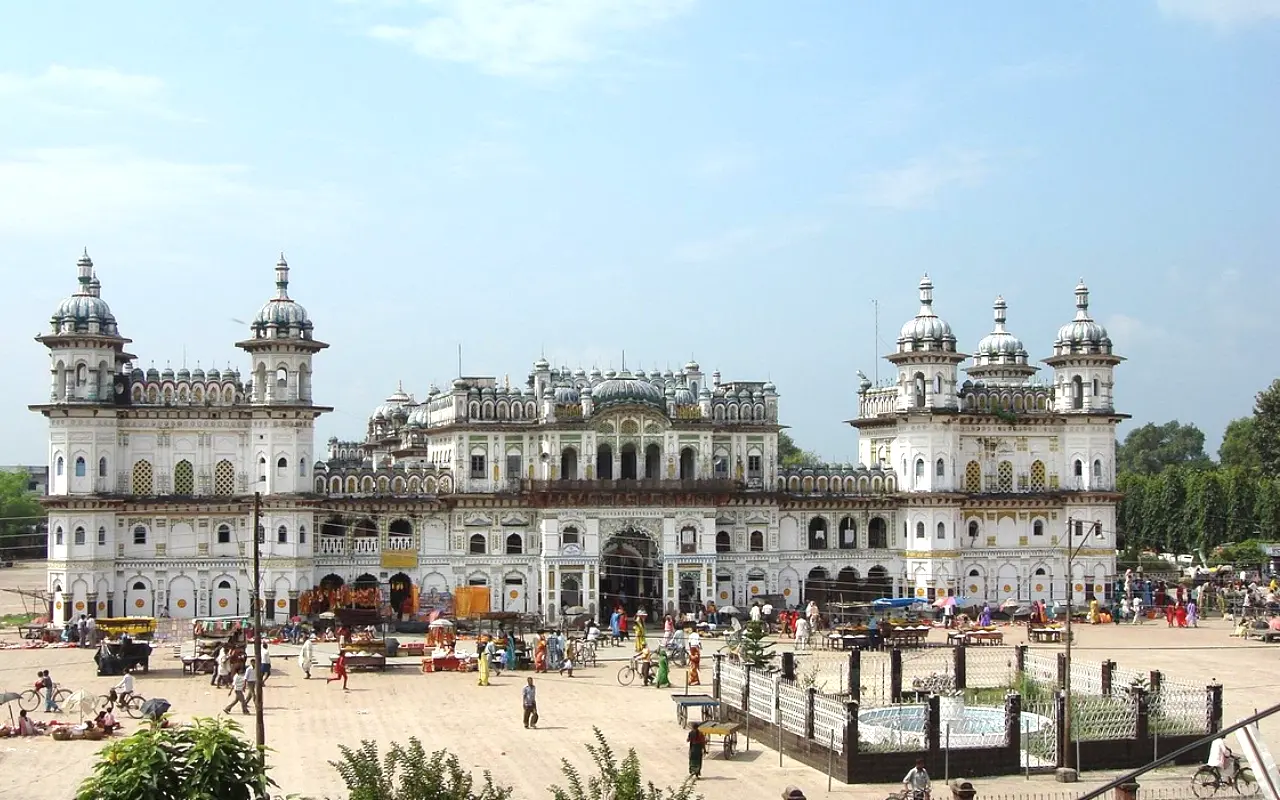
9. Janaki Temple:

Janaki Temple, A Sacred Shrine of Goddess Sita

A grand Hindu temple dedicated to Goddess Sita, who is believed to have been born in Janakpur district, the southern plains of Nepal. This temple is made of white marble and boasts stunning latticework and domes in, elaborate Mughal and Rajput style.

The temple reflects devotion, mythology, and Madhesi culture. This place is a vital pilgrimage site during Bibaha Panchami, which reenacts the marriage of Lord Ram and Goddess Sita.

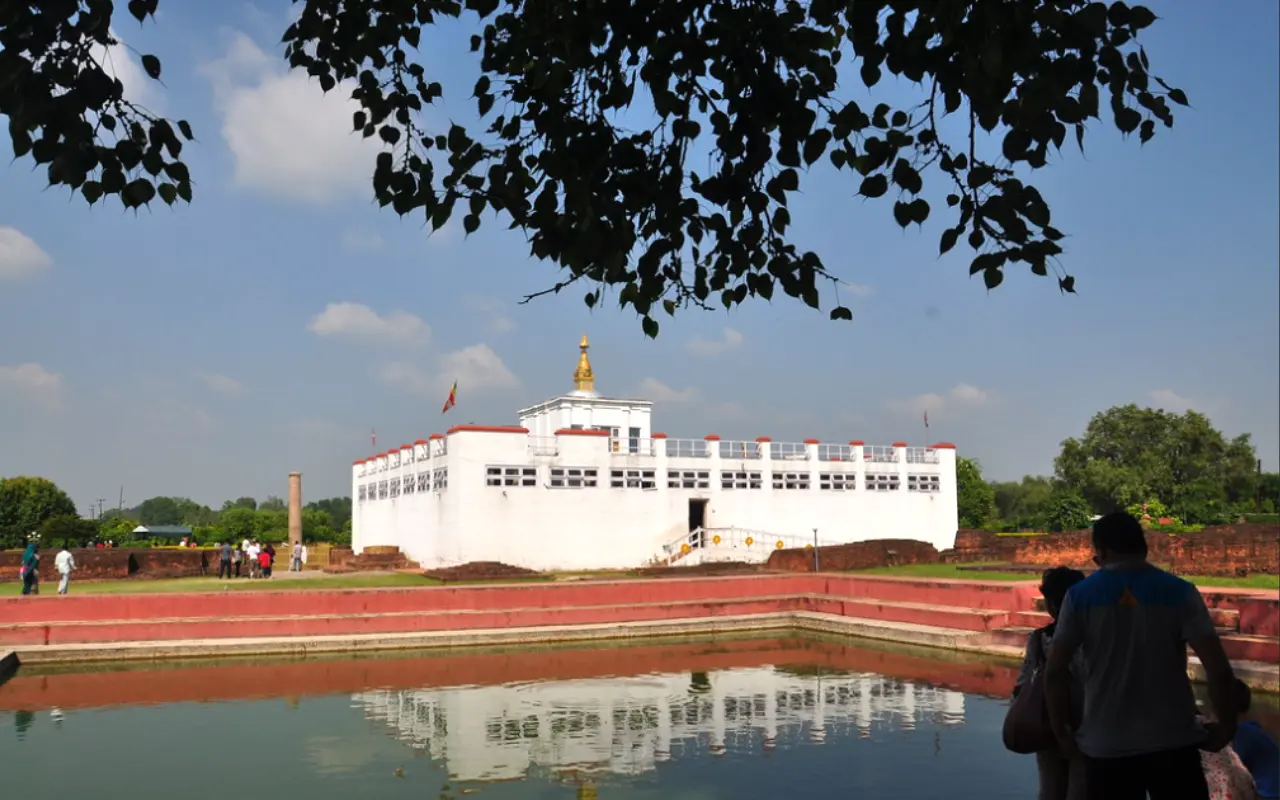
10. Maya Devi Temple:

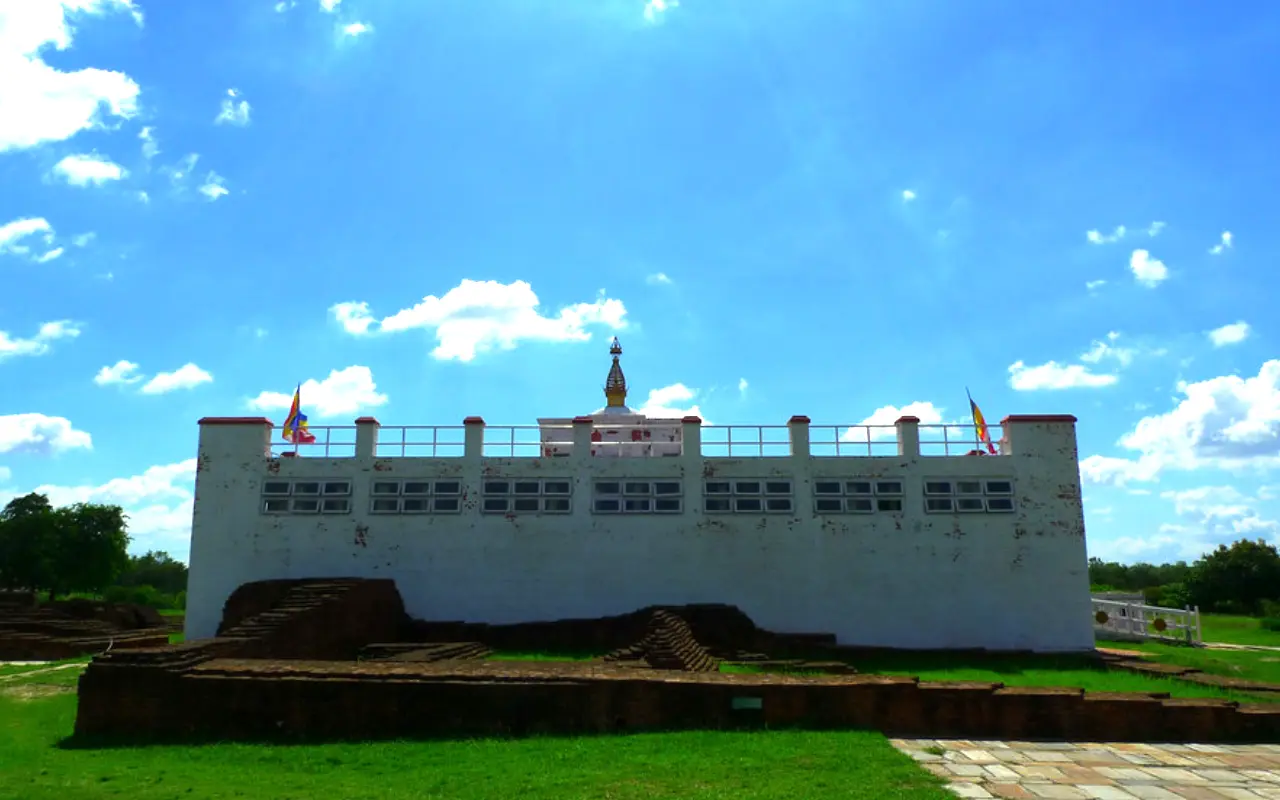
Maya Devi Temple
Maya Devi Temple

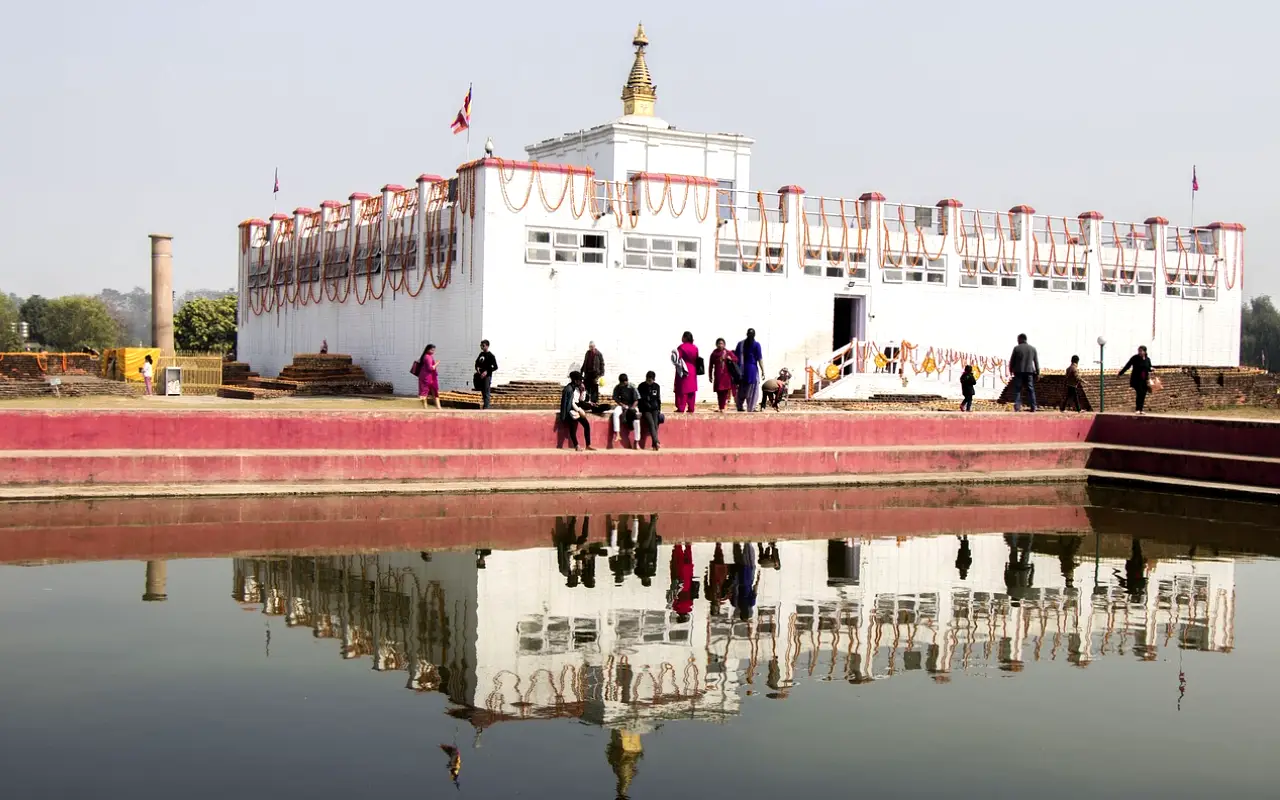
This sacred temple, located in Lumbini, marks the exact spot where Queen Maya Devi gave birth to Prince Siddhartha Gautama, who later attained enlightenment and became the Buddha. The temple is surrounded by monastic zones, Bodhi trees, and Ashokan pillars.

Lumbini is a tranquil UNESCO World Heritage Site, which attracts Buddhist pilgrims from around the world, offering an atmosphere of calmness ideal for reflection, meditation, and understanding of Buddhist philosophy.

Historical & Cultural Landmarks in Nepal

Nepal’s rich cultural history is evident in its traditional towns, royal palaces, and preserved architecture. These landmarks in Nepal reflect centuries of artistry, spiritual dedication, and community life.

11. Kathmandu Durbar Square:

Lively crowds fill Kathmandu Durbar Square, surrounded by ancient temples and timeless culture

Kathmandu Durbar Square used to be the royal palace complex of the Malla Kings. This palace is located in the heart of the capital city; Kathmandu Durbar Square is a living museum of Nepalese heritage. The square is home to intricately carved temples, courtyards, and statues.

The major sites of this palace are the Hanuman Dhoka Palace, Taleju Temple, and Kumari Ghar, the house of the living Goddess Kumari. Despite earthquake damage in 2015, the square retains its regal charm. This square is the center hub of festivals, rituals, and daily life of the locals.

12. Patan Durbar Square:

Patan Durbar Square
Patan Durbar Square

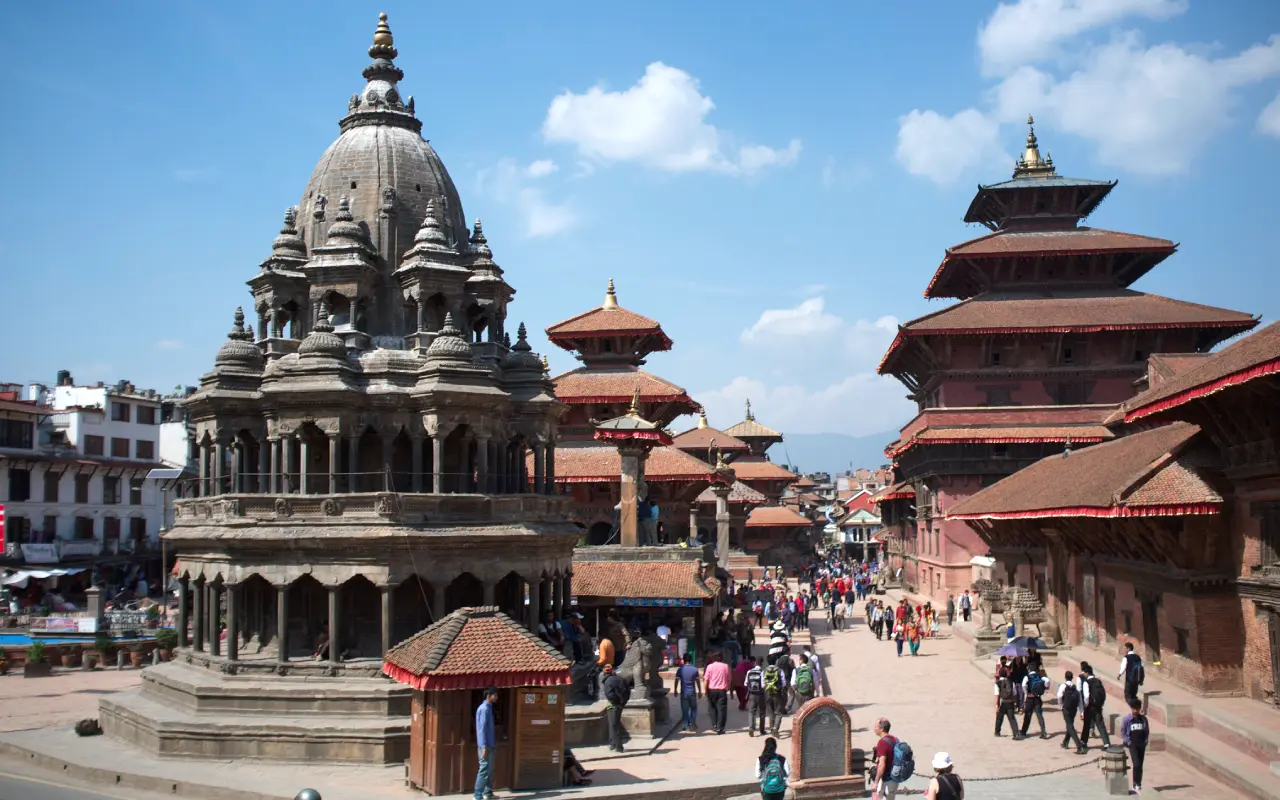
The palace, famed exquisite Newari art and architecture, is also known as the heart of Lalitpur, located just south of Kathmandu. This palace is smaller than its Kathmandu counterpart but even more artistically refined.

The square features temples like Krishna Mandir (built entirely of stone), Bhimsen Temple, and Hiranya Varna Mahavihar (Golden Temple). The history and art buffs will appreciate the Patan Museum, which houses an impressive collection of traditional Nepali art, metalwork, and iconography.

13. Bhaktapur Durbar Square:

Bhaktapur Durbar Square

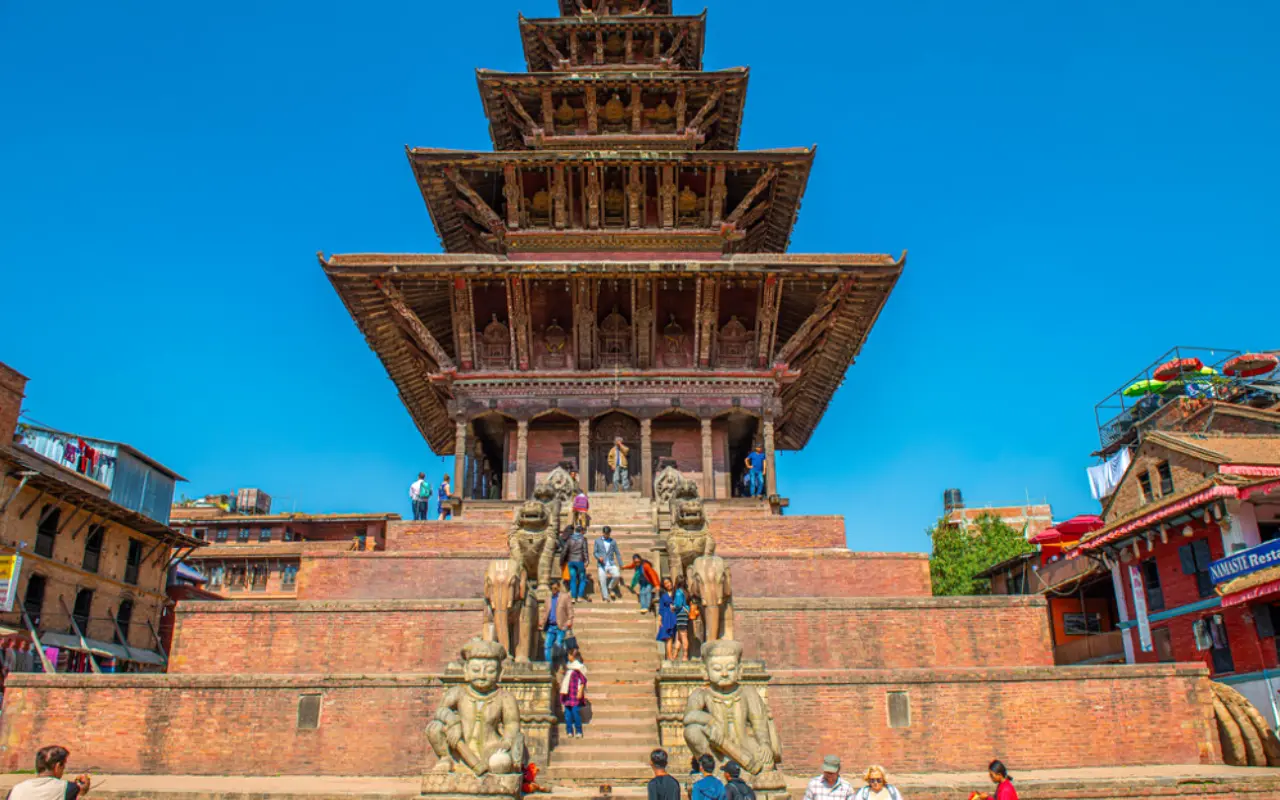
Bhaktapur Durbar Square, located in the Bhaktapur District of Nepal, just East of Kathmandu, is often known as the City of Devotees. This Square is arguably the most preserved and atmospheric of the three Valley Royal squares. The most highlighted area of this place is the 55-Window Palace, Nyatapola Temple (the tallest pagoda in Nepal), and Vatsala Temple.

It’s one of the most immersive cultural landmarks with Cobblestone streets, pottery squares, and artisans at work, making Bhaktapur a walkable time capsule of the past.

14. Tengboche Monastery:

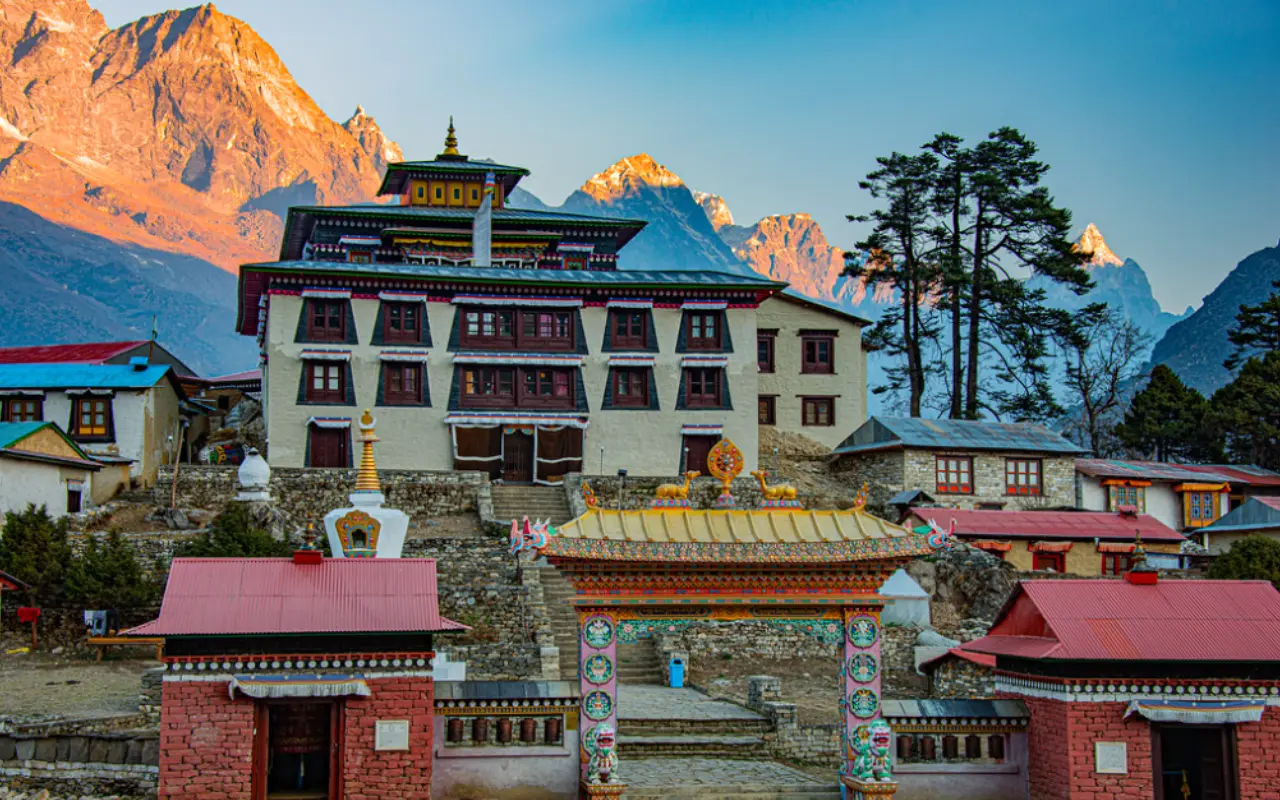
Tengboche Monastery
Tengboche Monastery

Tengboche Monastery is the most important Buddhist center in the Khumbu region, lies along the trail to Everest Base Camp. This monastery is one of Set against a breathtaking backdrop of Ama Dablam and other Himalayan peaks, it offers a deeply spiritual atmosphere. Trekkers often attend evening chants or morning prayers, soaking in the tranquility and timeless traditions of Sherpa Buddhism.

15. Bandipur:

Bandipur Village
Bandipur Village

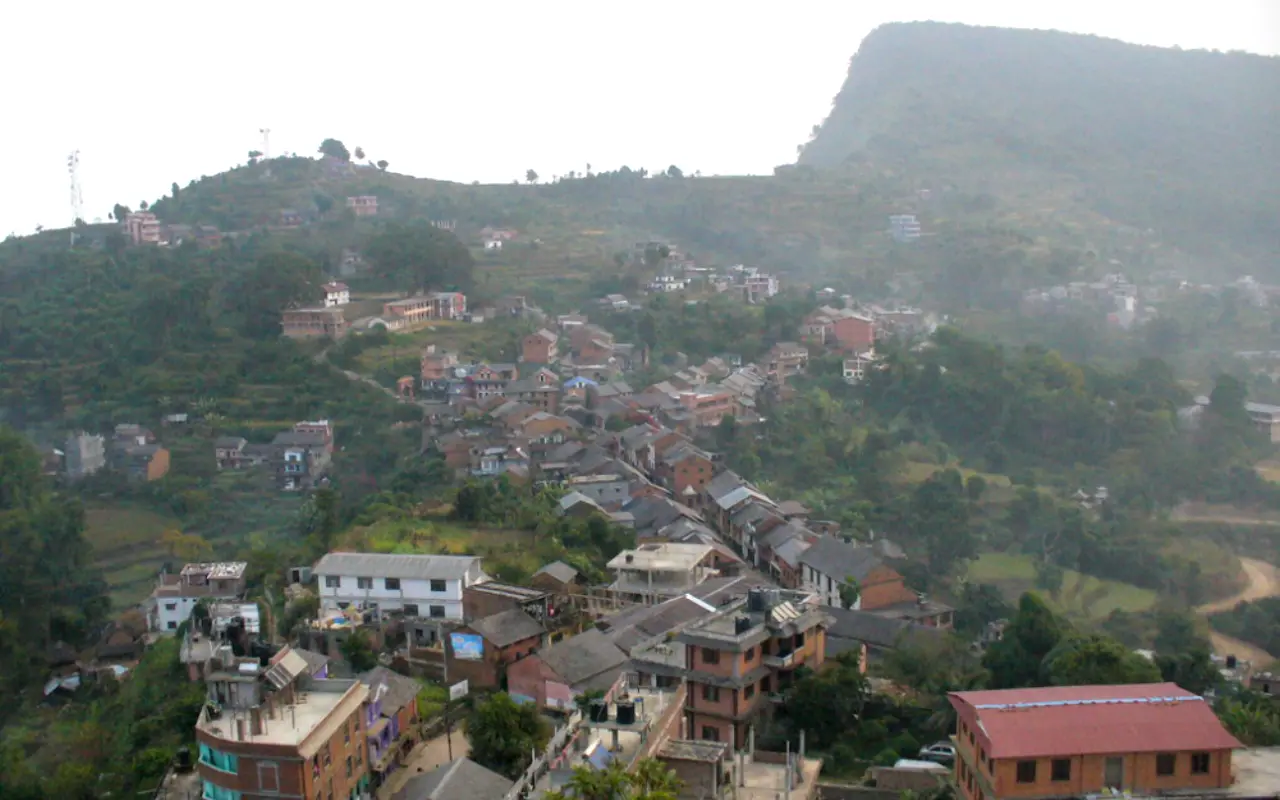
Bandipur is a hilltop settlement that seems untouched by time that perched on a ridge above the Marsyangdi River Valley. This is the town of preserved Newari culture, stone-paved streets, and restored buildings. This place used to be the trading hub between India and Tibet.

Travelers can witness incredible mountain views, explore caves like Siddha Gufa, or simply unwind in a culturally immersive setting. Explorers witness no cars in the main town area, enhancing the old-world charm

Off-the-Beaten-Path and Unique Landmarks in Nepal

While Nepal is globally renowned for Everest and the Kathmandu Valley, some of its most breathtaking experiences lie tucked away in less-traveled corners. These unique landmarks in Nepal offer solitude, spirituality, and a deep connection with local life and landscapes.

16. Manakamana Temple:

Manakamana Temple: Where Devotion Meets Tradition

The temple dedicated to the Hindu goddess Bhagawati sits on a hilltop with panoramic views of the snowcapped Himalayas, located in the Gorkha district of Nepal. It is believed that if any devotee makes a wish, it will be granted by the goddess Bhagawati.

The accessibility of Nepal’s first cable car, offering a scenic ride over hills, rivers, and forests, makes this temple stand out. Manakamana is famous among Pilgrims and tourists for both spiritual reasons and the memorable journey to reach it.

17. Gosaikunda Lake:

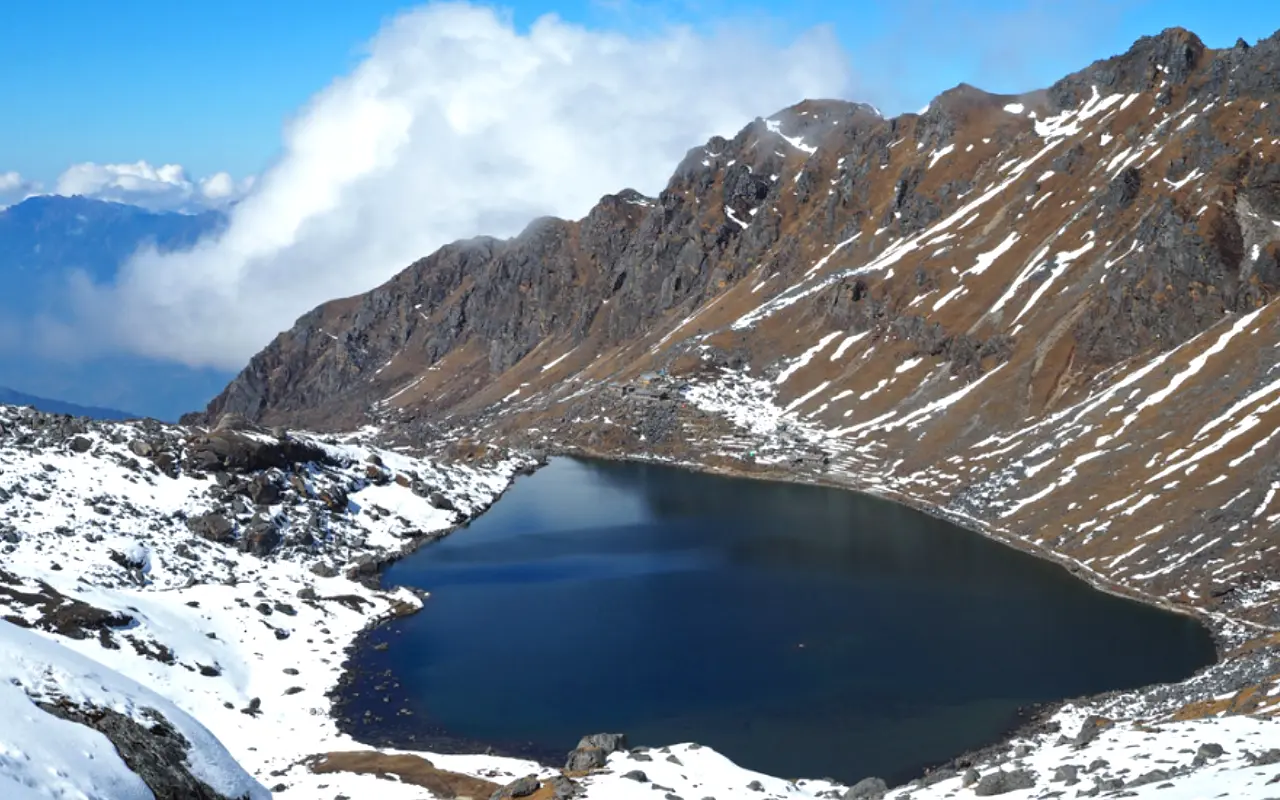
Gosaikunda Lake
Gosaikunda Lake

Gosaikunda is a sacred alpine lake revered by both Hindus and Buddhists, nestled at an altitude of about 4,380 meters in Langtang National Park. It is believed that Lord Shiva created this lake by thrusting his trident into a mountain to obtain water.

Thousands of pilgrims trek up to bathe in Gosaikunda Lake’s icy waters every year during Janai Purnima, seeking purification and release from sins. The surrounding Himalayan peaks and dramatic landscapes add to the mystical aura of this spiritual destination.

18. Upper Mustang’s Lo Manthang:

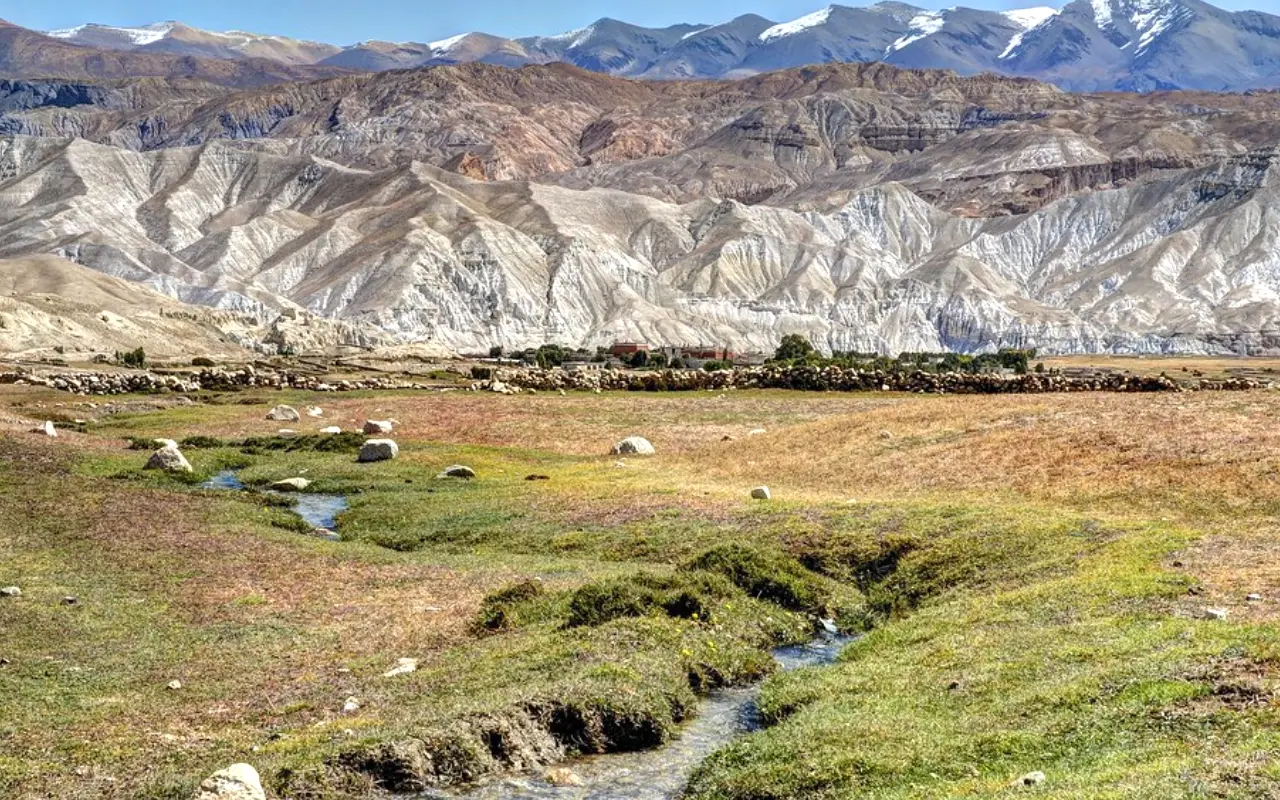
Lo Manthang
Lo Manthang

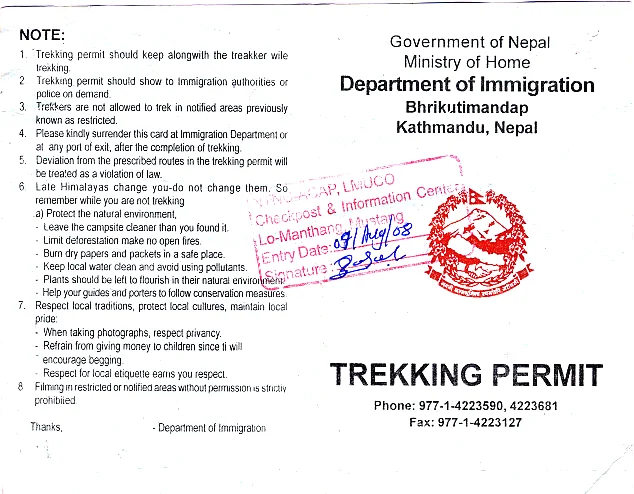
Upper Mustang is often referred to as the Last Forbidden Kingdom of Nepal, which is hidden in the rain shadow of the Himalayas. The walled city of Lo Manthang was once the capital of the Mustang Kingdom and still exudes Tibetan Buddhist culture and architecture.

Ancient caves, centuries-old monasteries, and barren yet beautiful terrain make this a dream for cultural adventurers. Reaching here requires a special permit, preserving its remoteness and authenticity.

19. Kopan Monastery:

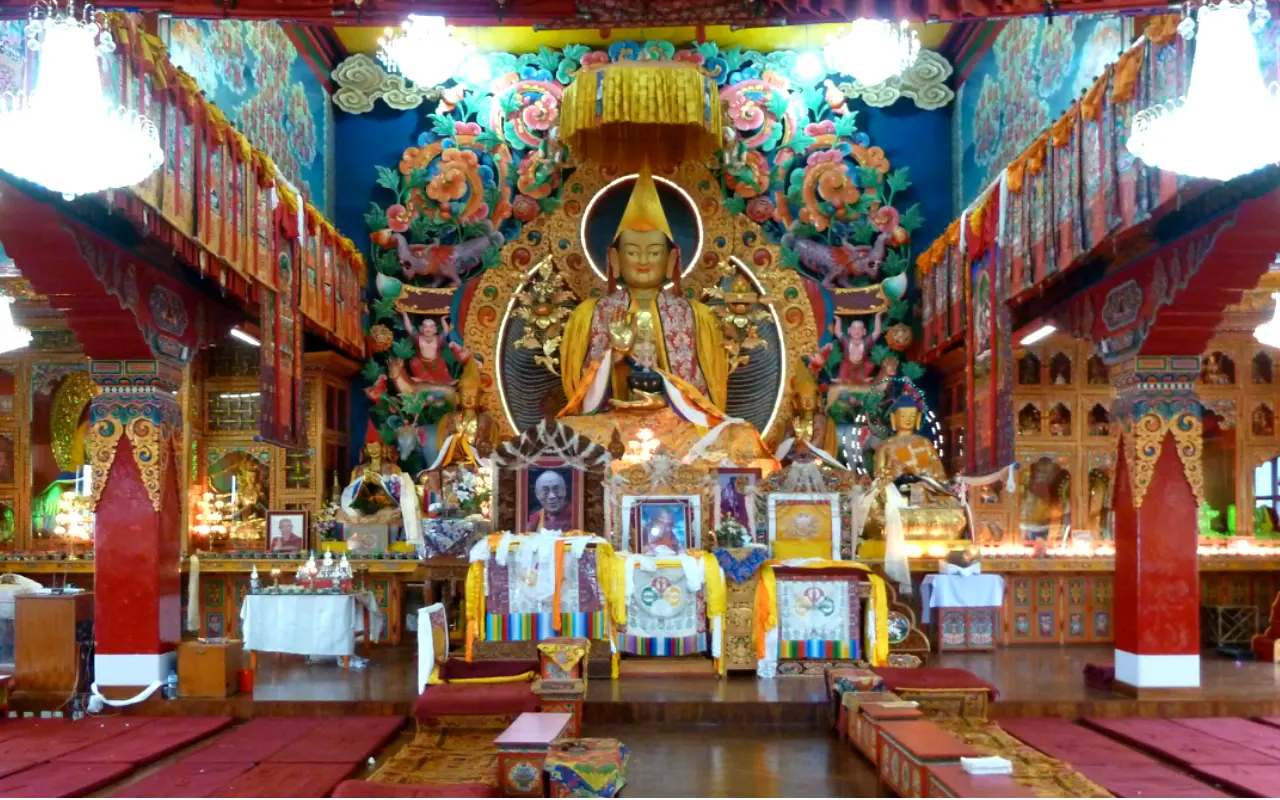
Inside Kopan Monastery: A Peaceful Glimpse into Tibetan Buddhist Life

Kopan Monastery is a Tibetan Buddhist monastery known for its meditation retreats and spiritual teachings. Kopan Monastery is located on a quiet hill near Boudhanath in Kathmandu.

The monastery gardens, prayer halls, and panoramic views of the valley offer a calm sanctuary away from the city’s hustle. Kopan Monastery attracts visitors all over the world to witness Buddhism, meditate, or simply enjoy the peaceful surroundings.

20. World Peace Pagoda:

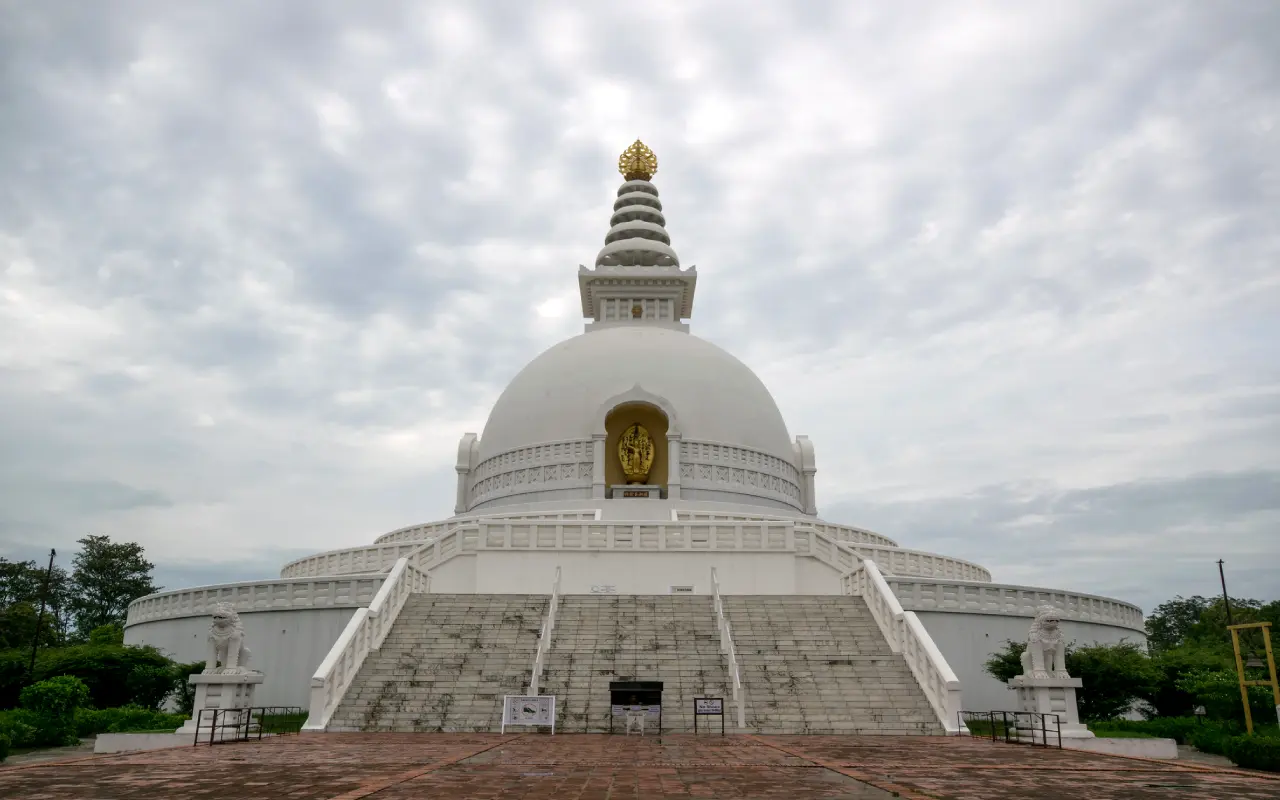
World Peace Pagoda also known as (Shanti Stupa)

The World Peace Pagoda (Shanti Stupa) is a gleaming white monument built by Japanese monks to promote peace, located on the hilltop of Pokhara overlooking Phewa Lake. It is not just a spiritual site but also a scenic viewpoint.

A short hike or boat ride followed by a climb leads to the stupa, which offers one of the best panoramic views of Pokhara city, Phewa Lake, and the Annapurna and Dhaulagiri ranges. This serene and symbolic site beautifully combines natural and spiritual elements.

Travel Tips for Visiting Nepal Landmarks

Visiting the diverse and enchanting landmarks in Nepal is a dream for many, but knowing when to go, how to get around, and what to expect makes the journey smoother and more enjoyable.

Best Time to Visit:

The ideal months to explore Nepal landmarks are from October to April. This period offers clear skies, pleasant weather, and the best mountain views. Spring (MarchMay) brings blooming rhododendrons and colorful festivals, while autumn (September–November) provides stable weather and vibrant cultural events.

Getting Around:

Nepal’s terrain varies from flat plains to high Himalayan trails. For long distances, domestic flights are available to major cities like Pokhara, Lukla, and Bharatpur. Within cities and towns, taxis, rickshaws, and local buses are commonly used. Trekking regions have well-marked trails, and for remote landmarks, hiring a local guide is highly recommended.

Entry Fees and Permits:

Many cultural and natural landmarks in Nepal require entry fees. UNESCO World Heritage Sites in the Kathmandu Valley have standard fees for foreign nationals. Treks in regions like Everest, Annapurna, and Mustang need permits such as TIMS (Trekkers’ Information Management System) and national park entry passes. Always check the latest permit requirements before you travel.

Cultural Etiquette:

Nepal is culturally rich and diverse, and respecting local customs enhances your experience. Dress modestly, especially when visiting religious sites. Remove your shoes before entering temples or homes. Ask permission before photographing people or private property. Greet withNamaste,” and show respect to elders and monks.

Conclusion

From the mighty Himalayas to peaceful lakes, ancient temples to sacred monasteries, the landmarks in Nepal reveal the incredible depth and diversity of this Himalayan nation. Each destination tells a story — of faith, history, nature, and human resilience. Whether you’re hiking to a remote spiritual retreat, standing before a centuries-old stupa, or simply marveling at the view of Everest, you’re witnessing pieces of Nepal’s soul.

Nepal landmarks aren’t just about sightseeing — they are gateways to experiences. Experiences that challenge, inspire, and connect us to something bigger than ourselves. This guide highlights 20 of the most unforgettable places to visit in Nepal, but there are countless others waiting for you to discover.

So, pack your bags, bring your sense of wonder, and get ready to experience the best of landmarks in Nepal. Whether you’re planning a spiritual retreat, a trekking adventure, or a cultural exploration, Nepal welcomes you with open arms and timeless stories.

Frequently Asked Questions (FAQs)

1. What are the most famous landmarks in Nepal?

Some of the most famous Nepal landmarks include Mount Everest, Pashupatinath Temple, Boudhanath Stupa, Kathmandu Durbar Square, and Chitwan National Park. These places highlight the country’s natural wonders, religious heritage, and historic charm.

2. Which is the highest natural landmark in Nepal?

Mount Everest, also known as Sagarmatha, is the highest natural landmark not only in Nepal but in the world, standing at 8,848 meters (29,029 feet).

3. Are Nepal’s landmarks open to tourists year-round?

Yes, most landmarks in Nepal are open to tourists year-round. However, accessibility to certain remote areas may vary depending on the season, especially during the monsoon (June–August) and winter months in high-altitude regions.

4. Do I need permits to visit cultural or natural landmarks in Nepal?

Yes. For many trekking areas and national parks, you’ll need permits such as TIMS, ACAP, or national park entry tickets. Urban cultural sites may charge entry fees, especially for foreign nationals.

5. What are the best cities in Nepal to explore landmarks?

Kathmandu, Pokhara, Lumbini, Bhaktapur, and Janakpur are some of the best cities to base yourself in for exploring various Nepal landmarks. Each offers a unique blend of cultural, spiritual, and natural attractions.

6. Are Nepal’s landmarks safe for solo travelers?

Yes, Nepal is generally safe for solo travelers. It’s recommended to stay in trusted accommodations, avoid isolated areas at night, and hire local guides when trekking or visiting remote sites.

Religious Places in Nepal: A Complete Pilgrimage Guide for Spiritual Travelers

Nepal, the holy land of Hinduism and Buddhism, exists in a special spiritual realm saturated with ancient mysticism and divine energy. Religious places in Nepal are a unique destination for people who are looking to experience religion and culture.

Pashupatinath Temple: A UNESCO World Heritage Site of Eternal Faith

Nepal is the religious destination of South Asia. Two of the world’s most famous religious destinations both exist in Nepal: Lumbini, the birthplace of Buddha, and Pashupatinath Temple, which are places where people around the world travel to refill and rejuvenate their spirit within. The Himalayas provide the perfect backdrop, which creates another layer of mystique and highlights the significant journey.

This guide is for spiritual pilgrims, cultural seekers, and heritage tourists to immerse themselves in the rich religious traditions and sacred spaces of Nepal. Whether you are following a Hindu or Buddhist spiritual path, just seeking or yearning for spiritual truth, each journey will create a state of transformation in your being.

In the year 2025, Nepal continues to make travel easier and accessible with existing tourism infrastructure as well as smoother permits. This will promote various vibrant festivals like Maha Shivaratri and Buddha Jayanti that keep pilgrimage sites alive and in action.

Continuing a pilgrimage that draws us deep into sacred practices in some of the most beautiful temples, stupas, and mountains in Nepal includes walking ancient spiritual pathways. You are about to receive ancient and inspired forms of spirituality mixed with cultural heritage and gracious host communities along your whole journey.

Understanding Nepal’s Religious Landscape

Nepal has a majority of Hindus and Buddhists, where both religions influence cultural practices and daily life. The interaction displays the shared history and the respect they have for each other.

Both religions have deep respect for pilgrims who visit the sacred places such as Pashupatinath and Swayambhunath. This will help to foster spiritual growth while engaging with their religious identity.

In Nepal, Hindus and Buddhists co-occupy several sacred sites, demonstrating the harmony of civilizations. For instance, both Hindus and Buddhists go on pilgrimage to Swayambhunath Stupa, which is still syncretic by respect across religions involving similar ritual and revering the same deity in different forms.

In Nepal, co-harmony is promoted and accepted rather than just tolerated, in terms of festivals and temple activities blend together, as in many social situations. The diversity in Nepal brings about a syncretism that enriches spiritualism and promotes peace and harmony.

Top Hindu Pilgrimage Sites in Nepal

▸ Pashupatinath Temple (Kathmandu)

Pashupatinath Temple

For Hindus, Pashupatinath temple is one of the religious places in Nepal because this place is dedicated to lord shiva, the protector of animals. It is believed to have originated during the fifth century CE, with the existing stone temple constructed in the 15th century CE.

The temple complex consists of alternate shrines and cremation ghats along the holy Bagmati River, where cremation in the river is considered to purify the soul. Of the temple events, Maha Shivaratri is the greatest festival celebrating the divine energy of Shiva and draws thousands of visitors to Kathmandu in February or March each year.

The inner sanctum is restricted to Hindus only, where they can have darshan, or sight, among the temples and participate in the daily rituals, including the evening aarati ceremony. Many foreign pilgrims and tourists can have darshan during the rituals or the temple activities that present a supremely spiritual experience.

▸ Muktinath Temple

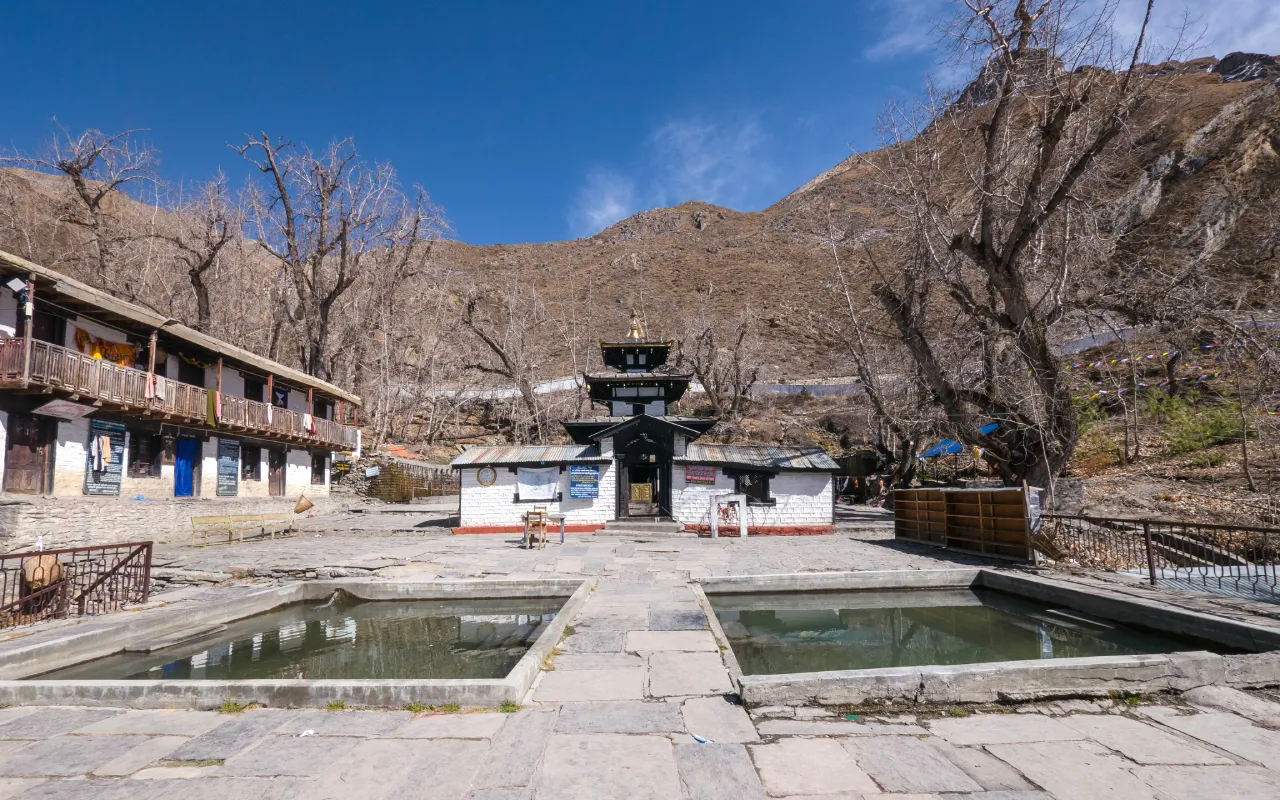
Muktinath Temple
Muktinath Temple

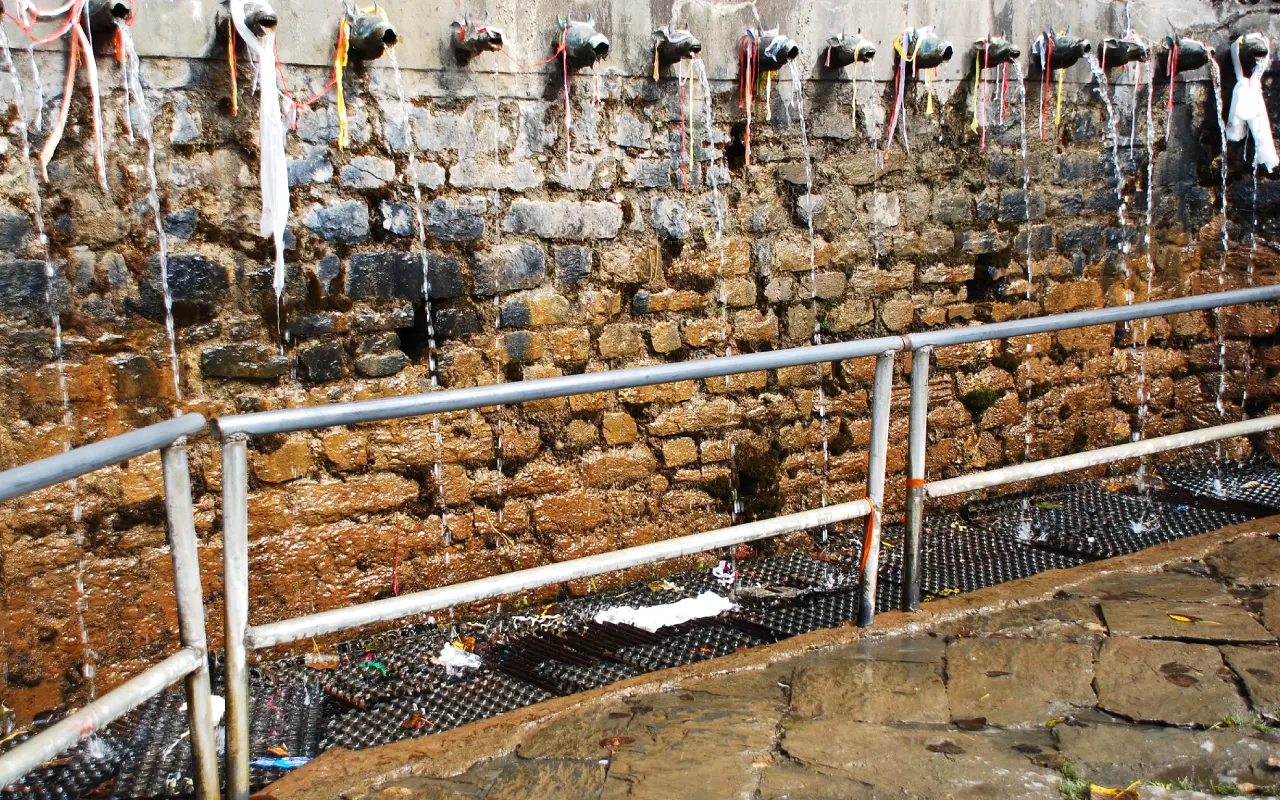
Muktinath temple, situated in the Mustang district, has great significance in Hinduism and Buddhism. Hindus call the temple “Mukti kshetra” while Buddhists call it “Chumig Gyatsa”.

The temple contains about 108 natural spouts of water, where pilgrims take ritual baths and devotees communicate with the divine and are believed to purify themselves of all sins. This temple attracts a large number of pilgrims who are looking for ritual cleansing and liberation.

This temple is located in the most rugged mountain trails. The journey combines physical challenges and spiritual reward, making it an important stop for trekkers and devotees

▸ Janaki Temple (Janakpur)

Janaki Temple, A Sacred Shrine of Goddess Sita

The Janaki Temple in Janakpur is dedicated to Goddess Sita (Janaki) and recognized as the consort of Lord Ram. This place holds deep, sacred value linked to the events in the life of Sita and provides an important spiritual landmark for devotees from Nepal and India.

The temple structure is a large mix of Mughal and Mithila architecture that is made of marble, featuring highly skilled carvings, and consists of 60 decorated rooms, decorated with colorful Madhubani paintings. The structure itself is of such a deep cultural reverence and showcases religious symbolism, which adds to the grand feeling associated with the temple.

The Janaki Temple gains popularity during the Bibaha Panchami festival as extreme celebrations are organized for the marriage of Sita and Rama, accompanied by divine ritualistic worship and festivities.

Many thousands visit the temple to celebrate the festival, and it is so valuable for devotees to feel the spiritual and religious culture that can only take place within the temple premises.

▸ Manakamana Temple

Manakamana Temple: Where Devotion Meets Tradition

The Manakamana Temple in Gorkha is known as the “goddess of wishes” and attracts pilgrims hoping to receive blessings from the goddess and fulfill their wishes. The temple can only be accessed via a beautiful cable car from the nearby hub of Kurintar. Once you arrive at the top, you experience stunning views of the Himalayas and an incredible spiritual atmosphere.

Sacrificial rites and offerings are made at the temple in honour of the goddess, and daily prayers and blessings in front of the goddess are important parts of the daily ritual. Pilgrims should dress appropriately and respect local customs; bring a few snacks and try not to go during peak times (Saturdays), such as a normal day if that’s possible.

▸ Guhyeshwari Temple (Kathmandu)

Guhyeshwari Temple is a highly esteemed Shakti Peetha associated with Goddess Parvati, which is believed to indicate the location where Sati fell apart. Although the temple is highly revered in both Tantric and Hindu traditions, it is especially known amongst seekers who wish to obtain spiritual powers or blessings.

Guhyeshwari Temple is only 1 km away from Pashupatinath Temple, which makes it relatively easy to visit both temples on the same pilgrimage trip. The unique mysteries of Guhyeshwari Temple’s Tantric rites, architecture, and inscrutable ambiance also warrant it as a priority destination during the festivals of Navaratri.

Top Buddhist Pilgrimage Sites in Nepal

▸ Lumbini

Lumbini, Birthplace of Lord Buddha

Lumbini is the birthplace of Lord Buddha. Many pilgrims draw to this place each year because this place is one of the most sacred sites for Buddhist pilgrimage in the world.

Lumbini has the Maya Devi temple, which is built in the same location where Queen Maya Devi gave birth to Siddhartha Gautama. The Ashoka Pillar nearby was inscribed a long time ago by Emperor Ashoka in 249 BC. It shows that Lumbini is at least 2500 years old and has a rich, historical Buddhist heritage.

The Monastic Zone of Lumbini has a large and diverse selection of different international monasteries, which all express beautifully the Buddhist architectural style from their respective countries, such as Thailand, Myanmar, and Germany. This Quiet Zone is an area where visiting pilgrims and tourists can spiritually uplift themselves, meditate, and experience different cultures.

▸ Swayambhunath Stupa

Swayambhunath Stupa
Swayambhunath Stupa

Swayambhunath Stupa, commonly referred to as the Monkey Temple, is located in the Kathmandu Valley on a hill. It is an important religious places in Nepal for both Hindus and Buddhists. This Stupa is filled with shrines, statues, prayer wheels, prayer flags, and monkeys, which show rare spiritual and cultural equilibrium.

The architectural forms include a highly symbolic structure. The stupa’s dome represents the earth, while its golden spire represents enlightenment. In addition to praying and spinning prayer wheels, devotees perform kora around the stupa.

The Kathmandu Valley was once a lake with Swayambhunath rising from a lotus that flowered in its waters, representing the creation of the valley. The stupa sits on top of a hill, providing views of Kathmandu that are expansive with a sense of timelessness – a beacon of faith and peace.

▸ Boudhanath Stupa (Kathmandu)

Boudhanath Stupa
Boudhanath Stupa

Boudhanath Stupa is the largest stupa in Nepal, and it serves as the spiritual centre for Tibetan Buddhism in Kathmandu Valley. The massive white dome and the Buddha’s all-seeing eyes create a sacred setting.

Monks and pilgrims walk around Boudhanath in a clockwise “kora” fashion daily. Each person sometimes spins prayer wheels and chants their mantras. The air fills with incense, and the collective hum of recitations becomes meditation for those absorbed within their “kora.” In Boudhanath, there is space for prayer, meditation, and creativity with positive intentions.

The monasteries near the Stupa attract visitors to watch, join the rituals, and learn about Buddhist practices. Visitors will find a peaceful and harmonious atmosphere that involves centuries of tradition available for tourists and spiritualists alike.

▸ Namo Buddha (Kavre District)

Namo Buddha
Namo Buddha

Namo Buddha in Kavre District is an important religious places in Nepal for Buddhists. It is believed that the place is where Buddha gave his life to save a starving tigress and her cubs.

Next to Stupa, Thrangu Tashi Yangtse Monastery sits on the hilltop, which draws a variety of visitors. It is also one of the hiking trails of Nepal that offers amazing views of the Himalayas, with the vivid day-to-day life of the monks. Annual rituals and festivals are celebrated in the monastery.

Namo Budhha trek provides an opportunity for meditation retreats, walking in tranquil trails, and enjoying the spiritual beauty. It is the best spot for peaceful spiritual rejuvenation.

Mixed-Faith Sacred Sites

▸ Muktinath Temple

Sacred Water Spouts of Muktinath Temple

Instinctively, we look for meanings that are derived from our experiences and attitudes toward life. From the outset, pilgrims identify with Muktinath as a common religious places in Nepal where faiths operate side by side.
Muktinath Temple is one of Nepal’s most prominent mixed-faith sacred places for practitioners of Hinduism and Buddhism. The accruing holy power of this site appeals to pilgrims who merge both traditions in this sacred landscape.

For the Hindus, Muktinath is “Mukti Kshetra,” a place of liberation associated with the god Vishnu; Buddhists see it as Chumig Gyatsa, paying homage to Avalokiteśvara and its associated “symbolism of compassion and enlightenment” through peculiar rituals.

The two faiths perform the ritual bathing at the 108 water spouts and venerate the eternal flame, emphasizing physical purification, spiritual purification, and the connection to merit salvation. Whether narrow-minded or open to more varied terms, dimensions, and perceptions, the multi-directional prism of Muktinath significantly influences various seeker groups into pilgrimage.

▸ Pathibhara Devi Temple (Taplejung)

The Pathibhara Devi Temple, located in Taplejung, is an important religious places in Nepal, primarily for Hindus, Buddhists, and Kiratis. Devotees believe that the goddess grants wishes, and the temple is regarded as one of the major Shakti Peeths of Nepal. The temple is deeply embedded as part of local legacies and spiritual traditions.

As it’s accessed on foot, the temple is reached by a wonderful trek offering both a religious engagement and scenic beauty that will stimulate your senses. The temple is located at 3,794 meters above sea level on the crest of a dramatic ridge, providing continuous mesmerizing scenes of Kanchenjunga as well as rich forests of rhododendron.

The rituals are ways of letting go in faith, whether it be through traditional Hindu-style sacrificial offerings, with Buddhist prayer flags, or Kirati tribal songs. You’ll experience a rich fabric of vibrant culture, shared worship, lively social engagement, and beautiful, serene mountain scenery. The sacred trek to Pathibhara Devi Temple is a once-in-a-lifetime experience.

Festivals That Enhance the Pilgrimage Experience

• Maha Shivaratri at Pashupatinath

During Maha Shivaratri, thousands of people spend the night worshiping Lord Shiva at Pashupatinath Temple. A vibrant atmosphere is created on the temple grounds through community rituals, religious observances, aartis which mesmerize, worship offerings, and chanting, all in a mystical ambiance, probably one of the best spiritual experiences on a pilgrimage.

• Buddha Jayanti at various sacred sites

The Buddha’s birth, enlightenment, and mahaparinirvana are commemorated on Buddha Jayanti. It is commemorated solemnly at Lumbini, Boudhanath, and Swayambhunath with visitors, candles, chants, sacred trees, and all in a congenial atmosphere with spiritual energy inscribing these three sacred sites.

• Ram Navami in Janakpur

In Janakpur, people celebrate Ram Navami, which commemorates the birth of Lord Rama. It turns the Janaki Temple into a colorful and vibrant hub of lights and flowers, allowing joyful devotees representing cultural richness to feast together, process together, or recite together.

• Chhath Puja in Janakpur & Terai

Chhath Puja is the most recognizable festival in the Terai, honoring the Sun God. Together at riverbanks at sunrise and sunset in ritual offerings and songs, devotees, made up of many sections of cultures and backgrounds, made this colorful aspect of pilgrimage just jaw-dropping yet comforting to see.

• Indra Jatra in Kathmandu

Indra Jatra turned Kathmandu into a huge celebration of extracting spiritual faith and energy with cultural resilience. The rituals and dances, the chariot procession, and showing off the living goddess Kumari transformed temples and squares of the old city into sites of bizarre fun that focus equally on both locals and welcoming pilgrims who come out to party.

Travel Tips for Spiritual Travelers in Nepal

  • Always cover shoulders and knees; wear no shorts or sleeveless tops, which won’t show respect.
  • Always remove your shoes before entering temples and holy places.
  • Follow the temple requirements, like not bringing leather items and never touching sacred items.
  • Always ask permission to take photos in temples or of worshippers.
  • Offer small gifts like flowers, fruits, or some money ($1 to $2).
  • Hire a local guide who can help you learn to participate in rituals and cultural contexts.
  • Do not point at people with your fingers or feet, and do not touch other people’s heads.

Conclusion

Nepal holds a promise as a spiritual voyage far more than its reputational trekking paths. Religious places in Nepal welcomes pilgrims to a disposition of sacred sites, in which ancient significance, living traditions, and natural beauty encourage a passion for letting go and spiritual meaning.

Moving through sacred ground in Nepal means we must find humility and emotional mindfulness to afford respect. With each temple, stupa, and ceremony, approaching with an open heart allows for a true connection to local ways and the surrounding pilgrimage to prevail.

Value every chance for cultural exploration along with spiritual exploration. Meet local people and learn their stories; find pity in the diversity of practices, in the unity of devotion that shapes Nepal as a place for admirers of faith and wonder seekers.

FAQS

1. What are the most famous religious places to visit in Nepal?

The most visited religious places in Nepal are the Pashupatinath Temple, Lumbini, the Swayambhunath Stupa, the Boudhanath Stupa, the Muktinath Temple, and Janaki Temple.

2. Do I need to follow a religion to visit Nepal’s pilgrimage sites?

No, it’s not necessary to be associated with a religion to visit the pilgrimage sites in Nepal, as they invite people of all faiths and those who simply wish to travel.

3. What should I wear while visiting temples or stupas in Nepal?

Dress modestly by covering your shoulders and knees; it’s also a good idea to carry either a shawl or a scarf to use for additional respect at temples and stupas.

4. Are foreigners allowed inside all Hindu temples in Nepal?

Visitors can’t usually go into the main sanctum of some of the Hindu temples, like, for example, Pashupatinath, but you can enter the surrounding areas.

5. When is the best time to visit religious places in Nepal?

The best time for visiting the sacred places is during spring (March-May) and autumn (September-November), when the weather is generally more pleasant and there are many festivals to enjoy being part of.

6. Is it safe to travel alone for religious or spiritual tourism in Nepal?

It is generally safe to travel alone in terms of spiritual tourism in Nepal, but be respectful and mindful when planning your trip.

7. Are there any entrance fees or permits for pilgrimage sites in Nepal?

Some pilgrimage sites also have entry fees or require permits, particularly UNESCO sites like Lumbini, so check on travel restrictions for each location.

8. Can I attend religious festivals as a visitor?

Visitors can also attend religious festivals such as Maha Shivaratri, Buddha Jayanti, and Ram Navami with the intention of being respectful during this time as well.

9. What is the etiquette for making offerings or donations at temples?

You may make modest offerings such as flowers, fruits, or some money ($1 to $2).

10. Can non-Hindus enter Pashupatinath Temple?

Non-Hindus may not enter some parts of Hindu temples, such as the inner sanctum of Pashupatinath; however, you may go outside and petition from there.

11. Is a guide necessary for visiting spiritual sites in Nepal?

A good way to have an idea of the rituals, histories, and ways to be respectful at temples is to hire a local guide.
12. Are there spiritual retreats or meditation centers near pilgrimage spots?

Yes, many spiritual retreats and meditation centers are located near many religious places in Nepal, such as Namo Buddha and Lumbini, which allow for further contemplation and practice.

13. What should I know about photography rules at religious sites?

The rules of photography can vary, so always ask permission before you take a photograph of any person, and if you are inside the temple, you must ask before taking a photograph. Note that some sites prohibit photography altogether.

14. Which pilgrimage sites are suitable for elderly or physically limited travelers?

Sites such as Pashupatinath and Boudhanath are easy enough for older people and people with physical limitations, as there are easy paths for access and parking nearby.

15. Are religious sites in Nepal open year-round?

Religious places in Nepal can be visited year-round, although some people want to avoid the heavy monsoon season (June-August) as it may limit your travel options.

Nepal Attraction Sites Entrance Fees 2026

Nepal Heritage Entrance fees – Fully Guided

Nepal is a landlocked country located in South Asia, nestled mainly in the Himalayas between China to the north and India to the south, east, and west. It is renowned for its stunning natural beauty, rich cultural heritage, and diverse geography that ranges from the towering peaks of the Himalayas to the flat, fertile plains of the Terai region. Nepal’s most famous natural landmark is Mount Everest, the world’s highest peak at 8,848 meters, attracting thousands of mountaineers and trekkers from across the globe every year.

The country’s unique geography offers a variety of landscapes, including snow-capped mountains, lush valleys, dense forests, and vast grasslands. Nepal’s biodiversity is remarkable, with numerous national parks and conservation areas protecting endangered species such as the Bengal tiger, one-horned rhinoceros, red panda, and snow leopard. Chitwan National Park, a UNESCO World Heritage site, is one of the best places to experience Nepal’s wildlife through jungle safaris and birdwatching.

Nepal is also known for its deep cultural and spiritual traditions. It is the birthplace of Lord Buddha in Lumbini, a site of immense religious significance and pilgrimage for Buddhists worldwide. Hinduism and Buddhism are the two dominant religions, and the country is dotted with thousands of temples, monasteries, stupas, and shrines. Kathmandu Valley alone houses seven UNESCO World Heritage sites, including ancient palaces, temples, and stupas that reflect Nepal’s rich history and architectural brilliance.
The people of Nepal are ethnically and linguistically diverse, with over 125 ethnic groups and more than 120 languages spoken. The major ethnic communities include the Sherpa, Gurung, Tamang, Newar, Tharu, and Magar, each with their own distinct customs, festivals, and traditional attire. Nepali is the official language, while English is widely spoken in tourist areas.
Nepal’s economy is primarily based on agriculture, tourism, and remittances. Tourism plays a vital role, especially adventure tourism, trekking, mountaineering, and cultural tours, which contribute significantly to the national income. Popular trekking destinations include the Annapurna Circuit, Everest Base Camp, Langtang Valley, and Mustang. The country is also developing new adventure activities such as white-water rafting, paragliding, mountain biking, and helicopter tours.

Despite its natural and cultural wealth, Nepal faces challenges such as political instability, infrastructure development, and poverty, especially in rural areas. However, in recent years, improvements in road networks, telecommunications, and energy projects have boosted connectivity and economic growth.

Nepalese cuisine reflects its multicultural heritage, with staples like dal bhat (lentil soup with rice), momos (Tibetan-style dumplings), and various curries. Festivals such as Dashain, Tihar, Holi, and Buddha Jayanti are celebrated with great enthusiasm, showcasing vibrant traditions and community spirit.

The country’s warm and hospitable people are known for their resilience and friendliness, welcoming millions of visitors who come to explore Nepal’s breathtaking landscapes and cultural treasures. Whether it’s trekking through alpine passes, exploring ancient temples, or experiencing rural village life, Nepal offers a unique and unforgettable experience for every traveler.

In summary, Nepal is a country of contrasts and harmony, where ancient traditions meet natural wonders, and diverse cultures coexist peacefully. Its breathtaking mountains, rich biodiversity, spiritual heritage, and vibrant communities make it a truly special destination in the heart of the Himalayas.

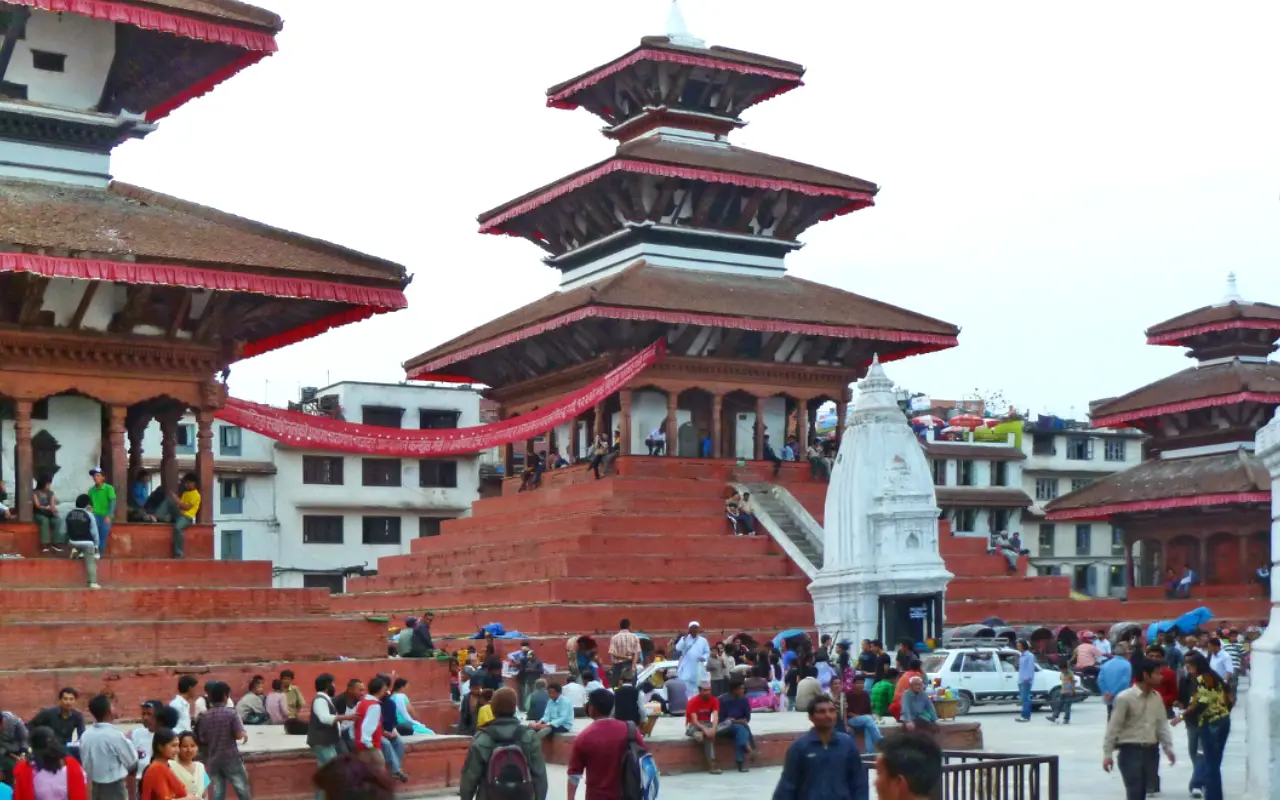
1. Kathmandu Durbar Square

Kathmandu Durbar Square, a UNESCO World Heritage Site, is the historic heart of the Kathmandu Valley. It was the royal palace of the Malla kings and later the Shah dynasty, showcasing exquisite Newari architecture, ancient palaces, and intricately carved wooden windows. The site features significant monuments like the Hanuman Dhoka Palace, Taleju Bhawani Temple, and Kumari Ghar (home of the Living Goddess Kumari). This heritage site reflects Nepal’s rich cultural and architectural traditions, making it a must-visit for history lovers and cultural tours enthusiasts.

2. Patan Durbar Square

Patan Durbar Square is located in the city of Lalitpur and is another jewel of the Kathmandu Valley. This UNESCO-listed heritage site is known for its artistic excellence, with stunning stone sculptures, bronze works, and traditional temples. Major attractions include Krishna Mandir, Hiranya Varna Mahavihar (Golden Temple), and the ancient royal palace complex. Patan is famous for its rich tradition of arts and crafts, attracting travelers interested in Nepal’s architecture and cultural heritage tours. The square represents the fusion of Hindu and Buddhist cultures.

3. Bhaktapur Durbar Square

Bhaktapur Durbar Square is a living museum of medieval art and architecture, preserved with minimal modern influence. This UNESCO heritage site features the 55-Window Palace, Vatsala Temple, and the famous Nyatapola Temple, which is one of the tallest pagodas in Nepal. Bhaktapur is well-known for its Newar culture, pottery squares, and traditional festivals. It is a prime destination for photography tours, heritage walking tours, and exploring Nepali culture.

4. Pashupatinath Temple

Pashupatinath Temple, situated on the banks of the Bagmati River, is one of the most sacred Hindu temples dedicated to Lord Shiva and a UNESCO World Heritage Site. The temple complex is an important pilgrimage destination and features numerous shrines, cremation ghats, and traditional ashrams. Spiritual travelers visit Pashupatinath to witness Hindu rituals and festivals like Maha Shivaratri. It is an iconic place for spiritual tourism in Nepal, religious tours, and Kathmandu temple sightseeing.

5. Boudhanath Stupa

Boudhanath Stupa is one of the largest spherical stupas in the world and a central hub for Tibetan Buddhism in Nepal. This UNESCO site attracts thousands of pilgrims and tourists seeking spiritual tranquility and cultural experiences. Surrounding the stupa are monasteries, prayer wheels, and traditional shops selling Tibetan artifacts. Boudhanath is a top destination for meditation tours, cultural photography, and heritage walks in Kathmandu.

6. Swayambhunath (Monkey Temple)

Swayambhunath, popularly known as the Monkey Temple, is an ancient Buddhist stupa perched on a hilltop overlooking the Kathmandu Valley. The site is symbolic of harmony between Hinduism and Buddhism and offers panoramic views of the valley. Visitors explore its whitewashed stupa, golden spires, prayer flags, and numerous shrines. It’s a favorite destination for heritage day tours, sunset views in Kathmandu, and Buddhist cultural exploration.

7. Changu Narayan Temple

Changu Narayan Temple, the oldest Hindu temple in Nepal, dates back to the 4th century and is dedicated to Lord Vishnu. This UNESCO World Heritage Site features stone inscriptions, intricate wooden carvings, and historic statues. Located near Bhaktapur, Changu Narayan is ideal for travelers interested in history, art, and religious traditions. The site is often included in Kathmandu valley heritage tours, temple exploration trips, and Nepali cultural tours.

Kathmandu Valley Heritage Sites (UNESCO) Entrance Fees for 2026

AttractionForeignersIndians/SAARCNotes
Kathmandu Durbar SquareUS$ 8 / NPR 1,000NPR 150Includes Hanuman Dhoka Palace
Patan Durbar SquareUS$ 8 / NPR 1,000NPR 250Ticket valid for 1 day
Bhaktapur Durbar SquareUS$ 12 / NPR 1,500NPR 500Ticket valid for multiple days
Swayambhunath (Monkey Temple)US$ 1.5 / NPR 200NPR 50Open 24 hrs, best at sunrise
Boudhanath StupaUS$ 3.5 / NPR 400NPR 100World’s largest stupa
Pashupatinath TempleUS$ 8 / NPR 1,000FreeCremation rituals on Bagmati River
Changu Narayan TempleUS$ 2.5 / NPR 300NPR 100Oldest Hindu temple in Nepal
Garden of DreamsUS$ 3.5 / NPR 400NPR 150European-style historical garden
Narayanhiti Palace MuseumUS$ 4.2 / NPR 500NPR 200Former Royal Palace

1. Phewa Lake (Fewa Lake)

Phewa Lake is the second-largest lake in Nepal and the most iconic attraction in Pokhara. Surrounded by green hills and overlooked by the majestic Annapurna and Machhapuchhre (Fishtail) mountains, the lake offers breathtaking reflections on its calm waters. Visitors can enjoy boating, kayaking, and lakeside walks, making it a prime spot for photography and relaxation. The Tal Barahi Temple, situated on a small island in the middle of the lake, adds spiritual significance. Phewa Lake is a must-see for Pokhara sightseeing tours, honeymoon trips, and nature lovers.

2. Davis Falls (Patale Chhango)

Davis Falls, locally known as Patale Chhango, is a fascinating waterfall where the water from Phewa Lake disappears into an underground tunnel. It is one of the most popular natural attractions in Pokhara, drawing visitors for its unique beauty and geological wonder. The roaring sound of water during the monsoon makes it even more spectacular. The nearby Gupteshwor Mahadev Cave and local handicraft shops add to the experience.

3. Gupteshwor Mahadev Cave

Located near Davis Falls, Gupteshwor Mahadev Cave is a sacred Hindu site dedicated to Lord Shiva. Inside the cave, visitors can find a holy Shiva lingam and a natural waterfall flowing through the cavern. The cave stretches for about 3,000 meters and offers a mystical experience for spiritual travelers and adventurers alike. It’s one of the best places for Pokhara sightseeing and religious tourism in Nepal.

4. World Peace Pagoda (Shanti Stupa)

The World Peace Pagoda, also called Shanti Stupa, is a beautiful white-domed Buddhist monument located on a hilltop overlooking Phewa Lake. It offers panoramic views of Pokhara city, Phewa Lake, and the Annapurna Himalayan range. The stupa symbolizes peace and harmony, attracting visitors interested in spiritual tourism and meditation. It’s a perfect spot for sunrise and sunset views in Pokhara.

5. Bindhyabasini Temple

Bindhyabasini Temple is one of the oldest and most sacred Hindu temples in Pokhara, dedicated to Goddess Bhagwati (a form of Durga). The temple is perched on a hilltop, providing excellent views of the Himalayas and the city. It is a popular pilgrimage site and also a cultural attraction for Pokhara heritage tours. Visitors often witness Hindu rituals and festivals like Dashain here.

6. Sarangkot Viewpoint

Sarangkot is the most famous viewpoint in Pokhara for stunning sunrise and sunset views over the Annapurna and Dhaulagiri ranges, including Machhapuchhre. It is also the hub for paragliding in Nepal, offering thrilling experiences with a backdrop of the Himalayas and Phewa Lake. Travelers visit Sarangkot for photography, hiking, and adventure sports.

7. International Mountain Museum

The International Mountain Museum in Pokhara is dedicated to the history of mountaineering and Himalayan culture. Exhibits include mountaineering gear, photographs, and information on the world’s highest peaks and famous climbers. It’s a perfect spot for those interested in adventure, history, and the mountaineering culture of Nepal.

8. Begnas Lake

Begnas Lake is a serene and less crowded alternative to Phewa Lake, located about 15 km east of Pokhara. Surrounded by lush hills, this lake offers peaceful boating experiences and picturesque views of the Annapurna range. It’s an excellent destination for nature lovers, offering birdwatching tours and day trips to Pokhara.

9. Mahendra Cave

Mahendra Cave is a natural limestone cave named after King Mahendra, located near Pokhara city. Known for its stalactites and stalagmites, the cave attracts adventure enthusiasts and geology lovers. It’s an ideal spot for Pokhara adventure tours and exploration of underground wonders. Keywords: Mahendra Cave Pokhara, Pokhara natural caves, adventure attractions Pokhara.

10. Seti River Gorge

The Seti River Gorge is a unique natural wonder where the river runs deep underground, creating a dramatic gorge. Visitors can view the river from suspension bridges and viewpoints in the city. It’s an interesting stop for those exploring Pokhara city tours and natural landscapes.

11. Pumdikot Shiva Temple (Pokhara)

Pumdikot Shiva Temple is one of the newest and most popular attractions near Pokhara, Nepal. It features a 51-feet-tall statue of Lord Shiva, making it one of the tallest Shiva statues in the country. Located on a hilltop at an altitude of around 1,500 meters, the temple offers 360-degree panoramic views of the Pokhara Valley, Phewa Lake, and the majestic Annapurna and Machhapuchhre (Fishtail) mountain ranges.

The temple complex also includes 108 Shiva lingams, a meditation center, and beautiful gardens, making it a spiritual and peaceful destination. It is an ideal spot for sunrise and sunset views, photography, and cultural exploration. The Pumdikot viewpoint is also becoming a trending destination for Pokhara day tours, religious tourism, and family outings.

Visitors usually combine Pumdikot with nearby attractions like the World Peace Pagoda, Davis Falls, and Gupteshwor Mahadev Cave. The place is accessible by a short drive or motorbike ride from Pokhara Lakeside, or a moderate hike for adventure lovers. The Pumdikot Shiva Temple is open to visitors free of charge, with no entrance fee applicable for any nationality, including both international and domestic travelers.

Pokhara Main Attractions points Entrance fees for 2026

AttractionForeignersIndians/SAARCNotes
International Mountain MuseumUS$ 3.5 / NPR 400NPR 150Info on mountains, climbers
Davis FallsUS$ 0.5 / NPR 50NPR 20Underground waterfall
Gupteshwor Mahadev CaveUS$ 0.9 / NPR 100NPR 30Sacred cave with Shiva temple
Tal Barahi TempleUS$ 0.9 / NPR 100NPR 30Boat ride extra
Gurkha Memorial MuseumUS$ 1.8 / NPR 200NPR 50Military history of Gurkhas
Sarangkot ViewpointUS$ 0.9 / NPR 100NPR 30Best sunrise view
Seti River GorgeUS$ 0.5 / NPR 50NPR 20Deep natural gorge
Bindhyabasini TempleFreeFreePopular Hindu temple

1. Lumbini – Birthplace of Lord Buddha

Lumbini is a UNESCO World Heritage Site and the sacred birthplace of Lord Buddha. It features the Maya Devi Temple, which houses the exact spot where Buddha was born. Surrounding the temple are ancient monasteries, the Ashokan Pillar, and the sacred Puskarini Pond. Lumbini is a global center for spiritual tourism, Buddhist pilgrimage, and meditation.

2. Maya Devi Temple

The Maya Devi Temple is the most important monument in Lumbini, marking the precise birthplace of Siddhartha Gautama (Lord Buddha). Inside the temple, visitors can see the sacred marker stone and ancient ruins. It is a key site for Buddhist pilgrims and history enthusiasts.

3. Ashokan Pillar

Erected by Emperor Ashoka in the 3rd century BCE, the Ashokan Pillar confirms the birthplace of Buddha with its historic inscriptions. It stands as a significant archaeological and historical landmark in Lumbini.

4. Monastic Zone

The Monastic Zone in Lumbini is divided into the Eastern and Western Monastic Zones, featuring stunning monasteries built by different countries like Thailand, Myanmar, and Japan. These monasteries represent unique Buddhist architecture and are ideal for photography, cultural tours, and spiritual exploration.

5. Lumbini Museum

The Lumbini Museum showcases artifacts, scriptures, and historical findings related to Lord Buddha and Buddhism. It’s a must-visit for history lovers and scholars exploring Buddhist culture.

6. Tilaurakot

Tilaurakot, located about 27 km west of Lumbini, is believed to be the ancient Kapilavastu, where Prince Siddhartha spent his early life. Excavations have revealed palace ruins, gates, and walls of this ancient city.

7. Gotihawa

Gotihawa is an important archaeological site where Krakuchhanda Buddha, an earlier Buddha, was believed to have been born. It features an Ashokan Pillar and ancient stupas, making it a key pilgrimage site.

8. Kudan

Kudan is where Buddha met his father, King Suddhodhana, after enlightenment. This site holds historical and spiritual significance, with remains of ancient monasteries and stupas.

9. Devdaha

Devdaha is the maternal home of Queen Maya Devi and an important cultural and religious site. It’s associated with Buddha’s maternal family and is part of Lumbini’s extended pilgrimage circuit.

10. Jagadishpur Reservoir

Located in Kapilvastu, Jagadishpur Reservoir is a Ramsar site and a popular destination for birdwatching in Nepal, especially during winter when migratory birds arrive.

Devdaha is the maternal home of Queen Maya Devi and an important cultural and religious site. It’s associated with Buddha’s maternal family and is part of Lumbini’s extended pilgrimage circuit.

Lumbini & Terai Sites Entrance Fees for 2026

AttractionForeignersIndians/SAARCNotes
Lumbini Sacred GardenUS$ 2 / NPR 200NPR 16UNESCO World Heritage Site
Maya Devi TempleIncludedIncludedBirthplace of Buddha
Lumbini MuseumUS$ 0.5 / NPR 50NPR 10Buddhist artifacts
Tilaurakot (Kapilvastu)US$ 1.5 / NPR 200NPR 30Historic ruins of Buddha’s palace

1. Chitwan National Park

Chitwan National Park is Nepal’s first national park and a UNESCO World Heritage Site. It covers 952 sq. km in the Terai region and is famous for jungle safaris, wildlife photography, and cultural tours. Visitors can spot one-horned rhinoceroses, Bengal tigers, gharials, and over 540 bird species. Popular activities include jeep safari, canoeing on the Rapti River, birdwatching, and Tharu cultural shows.

2. Sagarmatha National Park

Located in the Everest region, Sagarmatha National Park is a UNESCO World Heritage Site home to Mount Everest (8,848 m). The park features stunning landscapes of glaciers, deep valleys, and Himalayan peaks. Wildlife includes snow leopards, Himalayan tahr, and rare birds like the Impeyan pheasant. The park is best known for the Everest Base Camp Trek and Sherpa culture.

3. Langtang National Park

Langtang National Park, located north of Kathmandu, is known for its glaciers, high-altitude lakes (Gosaikunda), and Tamang culture. It offers scenic trekking routes like the Langtang Valley Trek and the Gosaikunda Lake Trek. The park is rich in biodiversity, hosting red pandas and Himalayan black bears.

4. Rara National Park

Rara National Park is home to Rara Lake, Nepal’s largest and most beautiful alpine lake, located at an altitude of 2,990 meters. The park offers tranquil landscapes, rare wildlife like red pandas and musk deer, and spectacular mountain views. Ideal for Rara Lake Trekking and off-the-beaten-path adventures.

5. Bardia National Park

Bardia National Park is the largest wilderness area in the Terai and is famous for its rich biodiversity, including Royal Bengal tigers, wild elephants, and gharials. It offers wildlife safaris, birdwatching, and cultural encounters with the Tharu community. It’s less crowded than Chitwan, making it perfect for a peaceful nature experience.

6. Shey Phoksundo National Park

Located in Dolpa, Shey Phoksundo National Park is Nepal’s largest national park, famous for Phoksundo Lake with its turquoise waters and surrounding Himalayan peaks. It’s a key destination for Upper Dolpo Treks, Tibetan culture, and rare wildlife like snow leopards and blue sheep.

7. Makalu-Barun National Park

This park lies in the eastern Himalayas, featuring the world’s fifth-highest mountain, Makalu (8,463 m). It’s known for rugged terrains, glaciers, and diverse ecosystems. Trekkers enjoy the Makalu Base Camp Trek, which is remote and less crowded.

8. Khaptad National Park

Khaptad National Park, in far-western Nepal, is known for its rolling green meadows, unique flora and fauna, and spiritual significance. It’s home to Khaptad Baba Ashram and is ideal for peaceful trekking and meditation.

9. Shivapuri Nagarjun National Park

Located on the northern rim of Kathmandu Valley, this park is popular for day hikes, birdwatching, and nature walks. Attractions include Bagdwar (source of the Bagmati River) and Buddhist monasteries.

10. Koshi Tappu Wildlife Reserve

Though officially a wildlife reserve, Koshi Tappu is a birdwatcher’s paradise, hosting over 500 bird species and the rare wild water buffalo (Arna). It’s ideal for eco-tourism and nature tours in eastern Nepal. Keywords: Koshi Tappu birdwatching, Nepal wildlife reserves, nature tourism in Nepal.

National Parks & Conservation Areas Entrance Fees for 2026

Park/AreaForeignersIndians/SAARCNotes
Chitwan National ParkUS$ 18 / NPR 2,000 + 13% VATNPR 1,000Famous for jungle safari
Bardia National ParkUS$ 13 / NPR 1,500NPR 750Bengal tigers, wildlife
Sagarmatha NP (Everest)US$ 26 / NPR 3,000NPR 1,500Gateway to Everest Base Camp
Annapurna Conservation AreaUS$ 26 / NPR 3,000NPR 1,000Trekking permit
Langtang NPUS$ 26 / NPR 3,000NPR 1,500Near Kathmandu
Manaslu Conservation AreaUS$ 26 / NPR 3,000NPR 1,000Restricted permits needed

1. Annapurna Conservation Area (ACA)

The Annapurna Conservation Area is the largest protected area in Nepal, covering 7,629 sq. km in the Annapurna region. It is world-famous for the Annapurna Circuit Trek, the Annapurna Base Camp (ABC) Trek, and scenic mountain views of Annapurna, Machhapuchhre (Fishtail), and Dhaulagiri. ACA includes diverse landscapes, from subtropical forests to high Himalayan deserts, and is home to ethnic villages like Gurung and Thakali. Popular attractions include Tilicho Lake, Muktinath Temple, and Ghorepani Poon Hill.

2. Manaslu Conservation Area (MCA)

Located in the Gorkha district, MCA spans 1,663 sq. km around Mt. Manaslu (8,163 m), the eighth-highest mountain in the world. The region offers the famous Manaslu Circuit Trek, a remote and challenging trail through alpine landscapes, monasteries, and Tibetan-influenced villages. Wildlife includes snow leopards and Himalayan tahr. Keywords: Manaslu trekking, Manaslu Circuit permits, remote trekking in Nepal.

3. Kanchenjunga Conservation Area (KCA)

KCA lies in eastern Nepal, covering 2,035 sq. km around Mount Kanchenjunga (8,586 m), the third-highest peak in the world. Known for its untouched wilderness and cultural diversity, this area is perfect for the Kanchenjunga Base Camp Trek, offering views of massive glaciers and remote villages.

4. Gaurishankar Conservation Area

Located between Langtang and Everest regions, this 2,179 sq. km area is named after Mount Gaurishankar (7,134 m). It features diverse ecosystems, glacial rivers, and traditional Sherpa and Tamang villages. Trekkers visit the region for cultural experiences and less crowded trails like Rolwaling Valley Trek.

5. Api Nampa Conservation Area

Situated in the far-western region, this 1,903 sq. km area is named after Mt. Api (7,132 m) and Mt. Nampa. It offers spectacular natural beauty, waterfalls, and alpine meadows, ideal for off-the-beaten-path trekking and exploring unique biodiversity.

6. Blackbuck Conservation Area

This small conservation area in Bardia is dedicated to protecting the endangered blackbuck antelope. It provides an opportunity for eco-tourism and wildlife photography in Nepal’s lowlands.

7. Krishnasaar Conservation Area

Located in the southern plains (Terai), this conservation area also focuses on the protection of blackbucks and other endangered species. It is an important site for biodiversity conservation and local eco-tourism.

8. Ghodaghodi Lake Area

Although classified as a Ramsar site rather than a conservation area, Ghodaghodi Lake in far-western Nepal is important for migratory birds and aquatic biodiversity. It is ideal for birdwatching and nature tours.

Official Entrance fees for the major conservation areas in Nepal:

Conservation AreaForeigner (USD / NPR)SAARC Nationals (incl. India)Nepali CitizenChild (under 10)
Annapurna Conservation AreaUSD ≈ 22 / NPR 3,000NPR 1,000NPR 100Free
Manaslu Conservation AreaUSD ≈ 22 / NPR 3,000NPR 1,000NPR 100Free
Kanchenjunga Conservation AreaUSD ≈ 15 / NPR 2,000NPR 500NPR 100Free

1. Upper Mustang (Lo Manthang)

Upper Mustang is a remote, arid region north of the Annapurna range, often called the “Last Forbidden Kingdom.” Trekkers need a Restricted Area Permit (RAP) to enter. The area features ancient Tibetan Buddhist culture, walled villages, desert-like landscapes, and sacred caves. Popular treks include the Lo Manthang Trek and Upper Mustang Trek.

2. Manaslu Restricted Area

The Manaslu region, surrounding the world’s eighth-highest peak, requires a Restricted Area Permit for trekkers to access the Manaslu Circuit Trek. The permit controls visitor numbers to protect the fragile ecosystem and local culture. Highlights include traditional Tibetan villages, pristine mountain scenery, and the chance to witness rare wildlife.

3. Kanchenjunga Conservation Area

Kanchenjunga in eastern Nepal is designated a conservation and restricted area. Trekkers require a special permit to explore this remote region known for its rugged terrain, high-altitude wilderness, and rich biodiversity. The area offers the Kanchenjunga Base Camp Trek, one of Nepal’s most challenging and pristine routes.

4. Dolpa (Shey Phoksundo National Park)

Dolpa district, home to the vast Shey Phoksundo National Park, requires special permits for trekking. The area is famous for Phoksundo Lake, stunning Himalayan landscapes, Tibetan Buddhist culture, and rare wildlife such as snow leopards. The permit helps regulate tourism in this fragile ecosystem.

5. Humla and Mugu Districts

These remote northwestern districts bordering Tibet require special permits for trekkers and travelers. The region features untouched Himalayan wilderness, ancient trade routes, and unique cultural heritage. Treks include the Humla Trek and Mugu trekking routes, suitable for experienced adventurers.

6. Rara National Park and Surroundings

While Rara National Park itself is not fully restricted, certain areas around it may require special permits, especially during off-season or for certain routes. Rara Lake, the largest alpine lake in Nepal, is a stunning destination for those seeking less crowded trekking experiences.

7. Langtang National Park (Special Restricted Zones)

Langtang is mostly open to trekkers but contains some special restricted zones where permits are required to protect sensitive wildlife habitats. These areas are closely monitored to maintain ecological balance.

Restricted/High Himalayan Areas (Special Permits) Entrance fees for 2026

RegionForeignersIndiansNotes
Upper MustangUS$ 500 for 10 daysN/AExtra US$ 50/day after 10 days
Upper DolpoUS$ 500 for 10 daysN/ARemote trekking
Manaslu Restricted AreaUS$ 75/week (Sep–Nov)N/ASpecial permit required

1. Chandragiri Cable Car (Kathmandu Valley)

Chandragiri Cable Car offers a scenic ride up to the Chandragiri Hills, located southwest of Kathmandu. The cable car covers about 2.5 km and takes visitors to the hilltop where the Bhaleshwor Mahadev Temple is situated. From the top, panoramic views of the Kathmandu Valley, the Himalayan mountain ranges, and sunset views are breathtaking. It’s popular for day trips from Kathmandu, family outings, and nature lovers.

2. Manakamana Cable Car (Gorkha District)

The Manakamana Cable Car is a well-known cable car that transports pilgrims and tourists to the famous Manakamana Temple, dedicated to the goddess Bhagwati. The ride lasts about 10 minutes and ascends 2,100 meters, making the pilgrimage accessible to all ages and physical conditions. It’s one of the most visited religious sites in Nepal and attracts both devotees and tourists.

3. Sarangkot Cable Car (Pokhara) [Planned/Future]

A cable car project is underway at Sarangkot, Pokhara’s famous viewpoint, aimed at providing easier access to the hilltop. Once completed, it will allow visitors to enjoy panoramic views of Phewa Lake and the Annapurna Himalayan range without the hike. It is expected to boost tourism by facilitating sunrise and sunset tourism.

4. Godavari Cable Car (Lalitpur) [Planned/Future]

Proposed for the Godavari area near Lalitpur (Patan), this cable car will connect Godavari Botanical Garden with nearby tourist spots, easing visitor access and promoting eco-tourism. It’s part of Nepal’s efforts to develop modern transport for remote sightseeing spots.

5. Everest Helicopter Ride (Kathmandu/Everest Region)

Though not a cable car, helicopter rides to Everest Base Camp or scenic flights over the Himalayas offer aerial views of Mount Everest, Lhotse, and surrounding peaks. These tours provide unmatched views for those who cannot trek but want to experience Everest up close.

6. Rara Cable Car (Proposed)

The Rara Lake area is considering cable car development to promote eco-friendly tourism, easing access to viewpoints around the lake. This will enhance nature tourism in the remote far-western region.

Cable Cars & Rides Entrance Fees for 2026


RideForeignersIndians/SAARCNotes
Chandragiri Cable CarUS$ 8 / NPR 999NPR 799Round trip
Manakamana Cable CarUS$ 6 / NPR 750NPR 550Round trip
Annapurna Cable Car (Pokhara)US$ 12 / NPR 1,650NPR 700Stunning mountain views

Lord Shiva Mount Kailash Yatra: What Every Devotee Must Know

Mount Kailash, known as Lord Shiva’s abode, rises above the Tibetan plateau as a mountain revered for its divine energy. Mount Kailash is much more than a geographic marvel – it is truly a divine peak, purportedly the cosmic center for millions of Hindus worldwide, where Lord Shiva resides, alongside Goddess Parvati.

For millions of devotees, the Lord Shiva Mount Kailash yatra is a pilgrimage that goes beyond physical travel and serves as a spiritual transformation that continues to connect people with divine consciousness. Traditionally, the trek is undertaken by those wishing to seek blessings and spiritual purification while acknowledging Kailash to be a remarkable landscape that unites heaven and earth.

However, Mount Kailash has a wonderful religious and spiritual significance beyond just Hinduism, particularly in Buddhism, Jainism, and Bon traditions. It is worshipped as a cosmic mandala, the sacred abode of supreme deities, and where enlightened people attain liberation, demonstrating a convergence of faiths.

Walking the pilgrimage for the Lord Shiva Mount Kailash yatra is not merely going to a holy place. It is a sacred passage to resolve your inner awakening, devotion to the divine, and for the passage into full and ultimate surrender unto the divine presence represented in the mountain of timelessness.

Everything Devotees Must Know About Lord Shiva Mount Kailash Yatra

Who is Lord Shiva, and Why Mount Kailash?

Lord Shiva is a major Hindu god who is known as the destroyer and transformer. He lives eternally on Mount Kailash, which represents his divine presence while he is in deep meditation. Mount Kailash represents the power of the cosmos and spiritual energy.

In mythology, Shiva has deep ties to Mount Kailash. The mountain is illustrated as his flawless, peaceful, and indelible seat of meditation in the Hindu texts, and specifically the Shiva Purana.

The legend, suffice it to say, tells a story of Ravana shaking Kailash and Shiva using his toe to trap him. This story illustrates both Shiva’s supreme mastery and also compassion. This story frames the mountain in a sacred way.

Mount Kailash exemplifies the eternal nature of meditation as well as the significance of meditation for cosmic equilibrium. The mountain is the spiritual axis of the world and serves as a portal to enlightenment for seekers of Lord Shiva.

Significance of the Kailash Yatra

The Lord Shiva Mount Kailash yatra has important religious significance to Hindus, Buddhists, Jains, and Bons because all of these traditions call the mountain holy. These religions believe the mountain is the center of the spiritual universe and a place of divine power.

It is believed that the Lord Shiva Mount Kailash circumambulation cleanses the sins and karma to seek liberation from the cycle of birth and death. This walk is said to purify the pilgrims’ souls and allow them to break free from the cycle of Karma and attain spiritual freedom and renewal.

The act of circling Mount Kailash is seen as a ceremonial act and a way to connect with universal cosmic energies. Pilgrims believe that the intended journey helps them to develop spiritually, provides a greater understanding for inner growth, resulting in spiritual awakening and achievement of the most profound communion with the sacred divine presence of Lord Shiva.

The journey of yatra is not only a physical journey of completion, but rather a deeply metaphysical or psyche journey of obtaining life-changing insights of one’s true purpose and reality.

Thousands of pilgrims complete a circuit around Mount Kailash and believe this to be an indispensable step towards eternal peace, and ultimate liberation from bodily existence and separating from the cycle of rebirth.

The Route to Mount Kailash

The most common routes entering Mount Kailash originate from arriving in Kathmandu. From here, you will travel either over land to the Kerung border or by flight directly to Lhasa, Tibet. These points are a few access points to allow pilgrims to start their sacred journey.

At the core of the Lord Shiva Mount Kailash Yatra, the trek is called the parikrama or kora, which encompasses a total circumambulation of 52 km around the mountain. The kora begins at Tarboche and continues to Dirapuk, Zuthulpuk, and ends at Chongdo. All these locations have comparable stops on the rim of the mountainous area.

Darchen is an important stop in the Lord Shiva Mount Kailash trek, which is also known as the base for the pilgrimage. From Darchen, you will move forward and get an opportunity to see Dirapuk Monastery, Dolma La Pass, and Zuthulpuk Monastery on the way. Along the trail, you can do meditation, rest, and enact rituals for the completion of the parikrama.

Kailash pilgrimage generally involves high levels of altitude and challenging terrain for the trek, with the highest elevation at Dolma La Pass (5,630 m). Along the way, pilgrims mostly walk; however, yaks, pack animals, and porters are other options for cargo and hauling one’s body.

The physical demands of the trek also reflect the symbolic spiritual development, as the difficulty and challenges are indicative of the Lord Shiva Mount Kailash Yatra pilgrimage.

Permits and Documentation required for Lord Shiva Mount Kailash Yatra

The Lord Shiva Mount Kailash yatra requires special permits for all nations, including India. However, Indians need a Chinese Group Tourist Visa, and foreign nationals need an individual Chinese visa and other permits for travel into Tibet.

The Tibet Travel Permit (TTP) is what every person needs to travel to Tibet, including Mount Kailash. The Tibet Travel Permit can only be acquired by authorized travel agencies and cannot be obtained individually by pilgrims.

Book a travel package through an authorized operator. The authorized travel operator will process the visa paperwork for you, process your Tibet permits, and handle any special permits if you wish to access restricted areas in Tibet to ensure a smooth pilgrimage.

While going on the Lord Shiva Mount Kailash Yatra, you must bring documents such as a valid passport and a medical fitness certificate. It is also important to plan your trek in advance because it will take months to proceed and get the permits and approvals. There is zero tolerance for unauthorized entry. Unauthorized travel into restricted areas can lead to severe legal consequences.

Physical & Mental Preparation

You will reach the highest elevation of the Lord Shiva Kailash Mountain trek in Dolma La Pass, which is at 5634 meters. Therefore, you will need good cardiovascular fitness, stamina, and leg strength because of steep slopes, dust, and rocky terrain.

At these high altitudes, altitude sickness is very common on the Dolma La Pass. To cope with potential altitude sickness, acclimate slowly, drink lots of fluids, avoid drinking alcohol, and move at a slow pace.

Early signs may present as having a headache, loss of appetite, nausea, and tireless fatigue. Call for help if you reach this stage. As a Safety precaution, you should carry medication such as Diamox and consult with the guide for advice on safety during the duration of the trek.

Preparing mentally and physically is important to complete this spiritual journey. You may face extreme weather, physical exhaustion, and solitude in many stages. It is important to cultivate patience, determination, and a positive mindset to have resilience and spiritual development in the Lord Shiva Mount Kailash yatra.

Packing Essentials for the Lord Shiva Mount Kailash Yatra

With the Lord Shiva Mount Kailash yatra, clothing is very important. Layered clothing, including thermal wear for warmth, and a windproof and waterproof jacket to protect against unpredictable weather. For cold weather, warm gloves, hats, and moisture-wicking socks are important.

The important trekking items include a pair of sturdy, well-broken-in hiking boots that support the ankles. Trekking poles can improve stability a lot when walking on rough terrain. A sleeping bag rated for -10°C temperature or less will be important for warmth while in a camp or monastery at night.

Some other key essentials will include altitude sickness medication such as Diamox, high energy snacks and dry fruits that can keep your energy while trekking, a reusable water bottle so that you can stay hydrated, a torch or headlamp that allows for night travel, potentially a multi-tool or Swiss Army knife, a small first aid kit and hygiene essentials.

When to Go: Best Time for the Lord Shiva Mount Kailash Yatra

May to September and July to August are the best times for the Lord Shiva Mount Kailash Yatra because of the favorable trekking conditions. Clear skies and good visibility are generally best for high-altitude pilgrimage.

Expect the day temperature to be moderate with chilly or cold nights. The days are sunny with little to no rainfall, increasing the visibility and decreasing the overall trekking risk around Mount Kailash.

It will be best to avoid the jet stream season and heavy snowfall, as this could take place at different times outside of this window. In the bad weather, Dolma la Pass could be dangerous or impassable.

Key Rituals and Spiritual Practices

Kora around Mount Kailash is a sacred and spiritual act that symbolizes the entirety of the cosmic cycle of life concerning Lord Shiva. Kora is regarded as the ultimate purifying act by washing away one’s sins, aligning the practitioner to divine energy, and freeing one from the bondage of the soul.

A holy wash in Lake Manasarovar is another important sacred and spiritual act. Practitioners believe the holy pure waters wash away previous karma. Moreover, the offerings that practitioners perform in Lake Manasarovar are important outward acts of gratitude and devotion to God.

Additionally, throughout the yatra, there are elements of silent reflection and meditation as well as chanting. These acts are not solely intended to convey thoughts of the devotee to God, but also to support the practitioner to maintain a degree of peace to progress through the physical and emotional obstacles that can arise throughout the journey.

Challenges and How to Overcome Them

Challenges accompanying the Lord Shiva Mount Kailash yatra include extreme weather conditions, altitude sickness, and long trekking days. To prepare to meet these challenges requires significant physical fitness, proper acclimatization, slowly pacing your trekking, and having altitude sickness medication just in case.

Large emotional fatigue can be deeply felt, but knowing that fellow companions can provide motivation and support transforms the anxiety and makes it manageable. Faith and determination are critical as they enable pilgrims to endure the pain, struggles, and deprivations to find something much deeper and more meaningful from the entire spiritual experience during this journey.

Travel Tips for First-Time Devotees

  • When participating in the Lord Shiva Mount Kailash yatra, travel as part of a group led by experienced guides to guarantee you are safe and have sufficient guidance.
  • Acclimate in Lhasa to allow your body to adapt to the high altitude before starting the trek.
  • Respect the local customs, traditions, and Tibetan culture, and ask permission before taking photographs of pilgrims and any sacred rituals.
  • Take necessary trekking gear with you, including hiking boots, layered clothing, reusable water bottles, and altitude-related medicine to have a smooth journey.
  • Plan your itinerary and book a package through a registered agency to help with all permits and support you on the journey.

Conclusion

Lord Shiva Mount Kailash Yatra is a great spiritual yatra where one connects oneself with the divine energy, which paves the way for inner metamorphosis. The yatra gives devotees an exclusive chance to experience sacredness beyond mere physical boundaries.

To those who consider the yatra, have complete faith and fully prepare themselves for the devotees. The challenges of the yatra are the fuel and will ensure one’s spirit does not become famished, and the yatra ends up being neither a test of faith nor human endurance, but a sacred passage to self-realization and peace of mind.

Do not forget that the destination is divine, but the journey is the true awakening, and with every turn around Mount Kailash, one’s devotion will deepen further, while the profound truths of spirituality are revealed to you.

How Long is the Everest Base Camp Trek Duration, Routes & Tips (2026 Update)

The Everest Base Camp Trek is one of the most popular Himalayan adventures, drawing thousands of trekkers each year. Many people have queries about how long the Everest Base Camp trek is; the answer is 12 to 14 days. The standard routes to Everest Base will take around 12 to 14 days, but the duration severely depends on the chosen routes.

The standard route will cover the distance from Lukla to Everest Base Camp; however, there are other routes, such as the Jiri to Everest Base Camp route and the Helicopter return route. The duration of each route varies. All the routes have enough acclimatization, which allows you to rest during the walk.

The standard Everest Base Camp trek route is used by many trekkers, and this route covers 80 miles in a round trip. The trek takes a good chunk of the possible days for the proper acclimatization of trekkers, slightly in advance of the big altitude gain. This route will take about 8 days to reach Everest Base Camp and then 4 to 5 days to trek back to Lukla.

For 2026, the classic trek route to Everest Base Camp will still be most popular, starting from Lukla after flying from Kathmandu. This trek will take you to various Sherpa villages such as Phakding, Namche Bazaar, Dingboche, and Tengboche, where you can take days for acclimatization.

The total trekking distance on the classic route is approximately 130 km (round trip). There are no major new routes and no changes to flight conditions to highlight, specifically in 2026-2027; however, acclimatization and planning are vital to complete a good and safe experience with the trek to Everest Base Camp (EBC). 

Everest Base Camp Trek is not an ordinary journey, and thus, you may have watched many films on YouTube about […]
14 Days
Moderate

US$ 1500

View Detail

Standard Duration of the Everest Base Camp Trek

The main duration for trekking to Everest Base Camp is often 12 to 14 days – this includes all trekking days and days of rest for acclimatization. Most itineraries will spend 8 to 9 days trekking to Everest Base Camp (EBC) from Lukla, and we suggest a Slow and Easy ascent to avoid the potential for Acute Mountain Sickness.

The return trip will be in the 3 to 4 day range since going down takes less time and is not as taxing on the body. There are acclimatization days, generally taken at Namche Bazaar and Dingboche, which are essential to rest the body and also give you time to acclimatize to thin air and help your body adapt to lower oxygen levels and improve safety at high altitude.

Everest Base camp Trek
Everest Base Camp Trek

Rest days are likely to affect the total duration, and it is important for you to understand that if you add just one acclimatization day, possibly two, you have added two days to your journey and received safety and comfort. If you omit these days, it cuts days off the journey but increases the likelihood of altitude sickness and has an overall impact to reduce your enjoyment factor.

Overall, the long Everest Base Camp trek differs because of the itinerary; however, it will be completed in between 12 to 14 days. These days will allow for a balance of trekking pace, acclimatization, and enjoyment.

Route Options and Duration Variations

Classic Route (Lukla to EBC and back)

The Classic route to Everest Base Camp can be completed in 12 to 14 days. These routes have acclimatization stops in Namche Bazaar and Dingboche, which reduce the likelihood of altitude sickness.

You will get an opportunity to explore the Sherpa village, monasteries, and their culture. You will walk in a variety of terrains on this trek, covering about 130km. The trek provides steady altitude gains and then descents while providing safety and comfort.

EBC Trek with Helicopter Return

This option can be done in an 8 to 11 days trek, providing trekkers with 3-4 fewer testing days than a standard round trip. The trekker will trek from Lukla to EBC and then will be flown via helicopter, scenic flight back to Lukla or Kathmandu.

Selecting a helicopter back is good for trekkers who are short on time and want to eliminate extra exhaustion and trepidation. Although it may be more expensive to fly back from base camp via helicopter, especially if compared with a traditional trek, the opportunity for comfort and convenience is unrivaled.

Helicopter exit eliminates retracing steps and has the added benefit of lower fatigue after a night at base camp. This trend has become increasingly popular with trekkers who are short on time.

Jiri to Everest Base Camp Route

From Jiri, this itinerary will take about 18-22 days compared to 11-14 days on the classic route, essentially adding a week on the classic path. Comparatively, this is a longer route but is less less-travelled routes, takes you to different cultural areas and diverse landscapes.

However, this trekking route requires good physical stamina and endurance. This trek will end with a return flight to Kathmandu from Lukla with lifelong memories.

Gokyo Lakes + EBC via Cho La Pass

This trek consists of many side trips and is intended for trekkers in the 17-20 day range, with beautiful alternate routes at the Gokyo Lakes and the glacier route at Cho La Pass.

The expedition is not only visually stunning, but also has challenges that require some added acclimatization. You are rewarded with amazing mountain capes and unique high-altitude glacial lakes. You will pass through sections along glaciers, which is exciting, but certainly requires good balance and proper footwear.

You ultimately navigate to Everest Base Camp and then descend using the classic route, elevating this experience from the average trek and allowing for a distinctive experience from the average itinerary.

Three Passes Trek including EBC

For having an amazing journey, you can take the Three Passes Trek, which is an 18 – 21+ day trek consisting of three Passes – Renjo La, Cho La, and Kongma La. Expect steep ascents, exposed ridgelines, and total immersion in every major valley in the Everest region. Trekkers will require excellent fitness and acclimatization for this trek.

The Three Passes trek brings together the best of remote trails and main trading routes, and highlights, as well as outstanding views. It has all the elements for experienced, adventurous trekkers.

The Everest Three High Passes Trek is one of the most exciting and complete trekking adventures in the Everest region […]
19 Days
Difficult

US$ 1600

View Detail

Factors Affecting Trek Duration

Altitude acclimatization needs are an important factor in how long the Everest Base Camp trek; extra rest days at altitude will help avoid altitude sickness and will help guarantee safety and peace of mind when doing the trek. A good adaptation to high altitude will help most trekkers feel comfortable and enjoy the journey.

Similarly, your prior mountaineering experience and physical fitness will also affect how long the Everest Base Camp trek is. Experienced trekkers can walk at a faster pace compared to inexperienced trekkers, and the inexperienced trekker may need a longer time to recover and adapt in the Himalayas.

Weather and trail conditions also determine the duration to complete the Everest Base Camp trek. Mountain weather is erratic and changes frequently, which causes flight delays and, therefore, indirectly contributes to how long the Everest Base Camp trek takes.

Lastly, flight delays, walking pace, and side trips also affect the duration to complete the trek. It is important to stay flexible in planning to have successful outcomes for trekkers.

View from Kalapatthar

Sample Itineraries

14-Day Standard Itinerary (Lukla – EBC – Lukla)

Day 1:  Arrived in Kathmandu

Day 2: Fly to Lukla from Kathmandu and trek to Phakding (2,652m)

Day 3: Trek to Namche (3,440m) from Phakding

Day 4: Acclimatization day at Namche Bazaar.

Day 5: Trek to Tengboche (3,870m) from Namche

Day 6: Trek to Dingboche (4,360m) from Tengboche

Day 7: Acclimatization day at Dingboche

Day 8: Trek to Lobuche (4,940m) from Dingboche

Day 9: Trek from Lobuche to Gorekshep, visit to Everest Base Camp (5,364m), and return to Gorekshep

Day 10: Trek in the morning to 8,545-meter Kala Patthar and then descend to 4,240-meter Pheriche

Day 11: descend to Namche

Day 12: Descend to Lukla

Day 13: fly from Lukla to Kathmandu

Day 14: Departure

11-Day EBC Trek with Helicopter Return

Day 1: Arrive Kathmandu

Day 2: Fly to Lukla from Kathmandu and trek to Phakding (2,652m)

Day 3: Trek from Phakding to Namche Bazaar

Day 4: Acclimatization day in Namche Bazaar

Day 5: Trek from Namche Bazaar to Tengboche

Day 6: Trek from Tengboche to Dingboche

Day 7: Acclimatization day in Dingboche

Day 8: Trek from Dingboche to Lobuche

Day 9: Trek from Lobuche to Gorak Shep, visit Everest Base Camp

Day 10: Fly from Gorekshep to Kathmandu (via Kala Patthar or direct)

Day 11: Depart from Kathmandu

Are you looking for something unique when going to the timeless Everest Base Camp? If yes, then come with us […]
12 Days
Moderate

US$ 2800

View Detail

21-Day Three Passes Trek with EBC

Day 1: Arrive in Kathmandu

Day 2: Fly to Lukla from Kathmandu and trek to Phakding (2,652m)

Day 3: Trek from Phakding to Namche Bazaar

Day 4: Acclimatization day in Namche Bazaar

Day 5: Trek to Thame (3,800m)

Day 6-7: Trek and acclimatization in Lungden (4,380m)

Day 8: Cross Renjo La Pass (5,360m) to Gokyo

Day 9: After reaching Gokyo Ri peak (5,360m), trek to Thagnak

Day 10: Cross Cho La Pass (5,420m) to Dzongla

Day 11: Trek from Dzongla to Lobuche

Day 12: Trek to Gorak Shep and visit Everest Base Camp

Day 13: Hike in the morning to Kala Patthar to witness the sunrise, then descend to Lobuche

Day 14: Trek from Kongma La Pass (5,535m) to Chhukung

Day 15: Trek from Chhukung to Dingboche

Day 16: Trek from Dingboche to Tengboche

Day 17: Trek from Tengboche to Namche Bazaar

Day 18: Descend to Lukla

Day 19: Fly from Lukla to Kathmandu

Day 20: Backup extra day in Kathmandu (flights and rest)

Day 21: Depart

Tips for Choosing the Right Trek Duration

  • Take your schedule at a relaxed pace and leave some extra days in case you have to adjust to altitude or unexpected circumstances.
  • Include at least one, if not two, days of travel buffer for delays.
  • Be realistic about your present fitness and previous trekking experience; it will help you determine the best itinerary and pace for your abilities.
  • Consider your trekking goals, whether you want a scenic trek, a tough adventure, or just a fast summit to Everest Base Camp, and let this inform your route and timing.
  • Think about whether you want to add rest or acclimatization days at high-altitude locations like Namche Bazaar or Dingboche to heighten your chances of a successful trek.
  • Look at a number of options in advance if you are thinking about alternative options to the trail, such as the Three Passes or Gokyo lakes, as they will require more time and stamina.
  • Listen to your body and adjust your trek duration as needed for a safer and more enjoyable Everest Base Camp trek experience.

Conclusion

The Everest Base Camp trek can be done anywhere from 8 to 21 days by taking different routes. No matter what type of Comfort & Challenges you want Everest Base Camp tour package also offers you helicopter rides and trekking.

Nevertheless, you need to plan out the itinerary that will suit your Objectives, Time, and Fitness level. Whatever routes you take for your Everest Base Camp trek, you will make lifelong Himalayan memories on each different route.

Frequently Asked Questions (FAQs)

How many days does the Everest Base Camp trek take?

The Everest Base Camp trek takes approximately 12 to 14 days, and that includes acclimatization days and travel days.

What is the shortest duration to complete the Everest Base Camp trek?

The shortest duration is around 8 to 10 days, but usually with a helicopter return to bypass the trek time.

Can I complete the EBC trek in 10 days or less?

Yes, the EBC trek can be done in 10 days or less by speeding up the itinerary and by taking a helicopter back from Base Camp.

What’s the best duration for proper acclimatization?

The best duration for doing the EBC trek is 12 to 14 days. You will have acclimatization rest days in Namche Bazaar and Dingboche which will give you the best chance for safe acclimatization.

How long is the actual walking distance to Everest Base Camp?

The real distance you trek to Everest Base Camp is about 130 kilometers (return trip), and daily walking distances are on average 10 to 15 km in total.

How many hours per day do you walk on the EBC trek?

Trekkers walk an average of 5 to 7 hours per day, 10 to 15 kilometers per day on variable terrain and altitude.

Does taking a helicopter back reduce the trek duration?

Yes, you could save 3 to 4 days off the trek if you were to have a helicopter return from Everest Base Camp, but that would take you over your original trek cost.

What’s the duration of the Three Passes Trek, including Everest Base Camp?

The Three Passes Trek, including Everest Base Camp, usually takes about 18 to 21+ days, as there are three high passes.

How long does the Jiri to Everest Base Camp route take?

The route takes about 18 to 22 days.

Is 14 days enough for a comfortable EBC trek?

Yes, 14 days is usually plenty of time to do a comfortable Everest Base Camp trek based on proper acclimatizing over 14 days at a reasonable walking pace.

Is Nepal Safe for Solo Female Travellers – A Complete Safety Guide

Is Nepal safe for solo female travellers? With an increase in their number, many visitors are curious about this question. The answer to this question is yes, Nepal can be visited by a solo female traveler. Each year, Nepal welcomes a huge number of travelers, including female travelers. In recent years, the number of solo female travelers has also increased.

Nepal is situated in the Himalayas, surrounded by natural beauty, vibrant culture, and rich spiritual heritage. These features of Nepal are what attract several trekkers, adventurers, and enthusiasts around the world, making Nepal popular for those seeking memorable experiences.

This blog aims to address the question, “Is Nepal safe for solo female travelers?” Answering these questions is essential for anyone considering a trip. This blog is aimed at giving an honest effort to provide insight, tips, and experiences that will help prepare female travelers.

The blog answers the question “Is Nepal safe for solo female travelers?” as we consider local customs, precautions for safety, and provide some real experiences. By addressing these concerns about safety and giving practical advice, female travelers can feel educated about their choices and enjoy their experience in Nepal.

Is Nepal Safe for Solo Female Travelers?

Nepal is safe for tourists, including solo female travelers. Although some tourists have had bad experiences in Nepal but this is a rare case. The welcoming nature of the Nepalese, their amazing hospitality, and friendliness are some of the country’s attractions. Safety, like you might find globally, is a matter of using caution and common sense.

Respect for women in Nepal is complex, rooted in traditional values where modesty and conservative clothing are highly valued. The generally modest expectations for women in the context of covering shoulders and knees form the basis for a degree of feminine expected modesty that is also rooted in tradition. In rural areas and in religious contexts, modesty means covering knees and shoulders to prevent unwanted attention and acting respectfully in line with local customs.

Every solo female traveler is going to be subject to concern regarding local attitudinal practices, such as getting stared at, or possibly comments made. Physical harassment of females is generally rare because the local people are polite and welcoming. However, if you are a traveler as solo female traveler, then it is important to respect local culture for smoother cultural interactions.

While Nepalese society is patriarchal, gender equality is being noticed more in urban areas, and women have a significant presence in many aspects of society. As travelers, the Nepalese will welcome you with warmth, with most hosts exhibiting considerable hospitality.

It is a good idea to learn some basic phrases in Nepali, and if you can show some cultural comprehension about attitudes toward some discernible baggage, travelers will provide opportunities for safe and fulfilling travel.

Overall, Nepal is safe for you if you respect the culture, ethical considerations, and make yourself adapt to the given scenario, and are aware of your surroundings. To minimize the travel risk and have a memorable experience in this beautiful country, you need to learn local etiquette and respect it.

Places in Nepal That Are Safe for Solo Female Travelers

The capital city of Nepal, Kathmandu, is safe for solo female travelers, especially in areas such as Thamel and Bouddha. There are options for using a ride-sharing app if you want to travel alone to increase your safety. Locals here are friendly, and if you need any help, you can call the police.

Another safe place in Nepal with vibrant scenery is Pokhara, the city by the Lake. The lakeside area of Pokhara is very welcoming, which is safe for a solo female traveler wanting to relax and have an adventure here. In addition to a safe place, Pokhara is a great place for outdoor activities, lodging, and a lively atmosphere.

You can also go on famous trekking routes in Nepal if you travel as a solo female. But you have to hire a guide to make the trek safe and comfortable. Guides will help you navigate the trails and offer you some cultural insights, making your trek an amazing experience.

The trekking communities here in Nepal are supportive and are willing to assist both men and female travelers. You will not likely feel threatened or unsafe in these safe, amazing areas of the world.

Additionally, you can visit the Chitwan district, known for its national park and wildlife safaris, which is also safe for solo female travelers. This area provides amazing tourist hospitality and safaris with expert professional guides, which makes the trip an enjoyable and safe experience.

Lumbini, the birthplace of the Buddha, attracts spiritual travelers and is also considered safe for solo women travelers. Lumbini is a peaceful place with a culture of respectfulness, and with tours organized and carried out for the visitor traveler market, a female traveler can explore the place as comfortably and confidently as any other traveler.

The name Nepal often evokes the images of the majestic Himalayas and their wondrous beauty, yet this enchanting land has […]
12 Days
Easy

US$ 1350

View Detail

Solo Trekking in Nepal – Is It Safe?

As of 2025, Nepal has officially prohibited solo trekking in many of Nepal’s most popular trekking areas, including Everest, Annapurna, and Langtang, because of safety concerns. Therefore, to obtain a permit, trekkers will need to hire a licensed Guide and join an organized trekking group to access the trails.

The best treks for solo female travelers are Annapurna Base Camp and Poon Hill, but with a certified guide. Both treks have well-marked trails and lodges exist along the way, so they are likely good options for solo trekking with a Guide, especially for solo women.

Female Travaler Posing Amid beautiful Views
Female Traveler Posing Amid Beautiful Views

Going with a certified female guide or female porter is always recommended, as it allows for good communication, better cultural knowledge, and overall more personal security. Female guides also allow for good back-up and travel in the local area, which could help you feel more secure and supported, and less vulnerable as a solo woman.

This new rule is designed to help reduce the accidents and missing persons that happen to solo trekkers in Nepal, particularly in, the remote and challenging terrains. Following these rules ensures that you operate within the required legal framework. But you should also be aware that using a Guide for a more enriching trek, in that case, you have a local to share experiences with, and your safety and protection are greatly enhanced.

Tips to Stay Safe as a Solo Female Traveler

To keep safe as a woman traveling alone in Nepal, dress appropriately and respect the expected norms of practice. When in doubt, cover the shoulders and knees to avoid drawing unwanted attention in general and to show cultural respect where appropriate. This holds especially in the more rural villages as well as religious sites, where some more than others can be very strict on dress codes and customs.

Don’t walk by yourself after dark when possible, especially in places that could have dim lighting or empty sections of bigger cities like Kathmandu. Try to walk with groups of tourists at night or take taxis so you will feel much safer, even when travelling at late hours.

Use registered ride-sharing apps and registered vehicles when travelling alone at night. Before taking taxis or any transportation, note the registration number of the vehicle and don’t take an unregistered service.

Keep your family and friends updated about what you are doing and where you are going. Use a local SIM card to get in touch if any situations arise, because it will assure your peace of mind.

Always trust your instincts and avoid very remote areas when travelling by yourself. If you feel uncomfortable in any situation, then kindly leave without any explanations. Additionally, always look for accommodation and guided tours that have good reviews rather than experimental experiences.

What to Do in Case of Emergency

If you get into any emergency, you can call 100 for the police, 1144 for tourist police, and 102 for an ambulance. Tourist police will help you in case if you lose your passport, get scammed, or get into unnecessary problems.

Common scams to watch out for in major cities of Nepal are taxis overcharging, fake trekking guides, and inflated prices in tourist areas. You can choose registered guides, agree price ahead of service, and book tours from registered agencies to avoid scams and problems. If you get any fraud or harassment, then the tourist police here in Nepal are for your help.

Sometimes, a language barrier can create some problems, so you can learn some Nepali phrases or use translation apps on your mobile phone. Tourist police will be able to speak English and help you in any emergency. It is best to bring some emergency contacts, such as embassy information and local emergency numbers, which will help you in any emergency.

Real Stories and Testimonials

Solo female travelers often regard Nepal as a welcoming and safe country to visit. One traveler shared, “I got zero unwanted attention for traveling solo, even in Kathmandu,” referencing the country’s unique combination of both culture and landscape that makes traveling solo an awesome experience. Another female traveler stated that she found Nepal peaceful, and that it allowed her to breathe easier and worry less.

One solo trekker recalled her transformational Annapurna Base Camp trek, emphasizing the empowering solitude as well as the breathtaking natural beauty during her twenty days away from home. Likewise, female travelers often reflect on the supportive spirit when traveling with local female guides that provides a sense of safety, but also a cultural insight that pairs so easily with the overall experience of traveling solo in Nepal.

Solo female travelers who desire to have company while remaining safe would benefit from considering any number of small groups that are available with many Nepalese travel agencies. Most travel agencies have group joining options where they will allow solo female travelers to join existing groups, thus providing valuable social contact and increased security in popular trekking and tourism hot spots such as the Annapurna or Everest routes.

Numerous female-run agencies are offering women-only travel and tour packages, such as Female Guide Holidays Pvt. Ltd, 3 Sisters Adventure Trekking, and Himalayan Dream Team. Women-only treks and tours led by female guides provide enhanced feelings of comfort and empowerment and potential cultural insight into the life of a female trekker in Nepal.

Solo female travelers will want to travel in the very best weather conditions, which would naturally include the spring (March to May) and fall (September to November) trekking seasons. These two seasons provide pleasant weather, good visibility, and the best possible trekking conditions, which lower weather-related risks and ultimately improve the comfort of the traveler.

Trip not found.

Final Thoughts: Is Nepal Worth Visiting Alone as a Woman?

Nepal is widely regarded as a very safe place for women traveling alone. The locals are very friendly and hospitable, and the tourist police are also very supportive. Although it is a place where petty crime rarely occurs rarely, if you respect the local people and dress modestly, you will feel safe and comfortable.

It is quite evident that Nepal is a friendly and safe place for solo female travelers to go on their first trip. It is generally safe with proper planning and the right mindset. The presence of female-led tours, group options, and reliable guides provides strong support systems. Taking some simple precautions, solo female travelers in Nepal can experience Nepal’s unique culture, beautiful nature, and hospitable people without any fear.

FAQs Section

Can I travel in Nepal without a guide as a woman?

No, you cannot trek solo without a guide along the most popular treks, such as the Annapurna and Everest regions. It is compulsory to hire a licensed guide for safety as well as a permit requirement, especially as a solo female traveler.

Is Nepal safe for solo female travellers at night?

Nepal is generally safe, and women should not walk alone at night, especially in dark and secluded areas. Registered taxis are recommended for women who travel alone or use ride-sharing apps after dark.

Are there female-only hostels in Nepal?

Yes, there are a few guesthouses and hostels within tourist areas that offer female dorms or rooms, which is an added comfort and security to solo women travelers. Pre-booking these places is advisable.

What’s the safest trek for solo females?

Established and popular trekking routes like Annapurna Base Camp and Poon Hill routes are the safest treks for solo females when you go with a certified guide. This means there will be good infrastructure for you, and people trekking these routes often to help you as well.

Is it better to travel in a group as a woman?

Traveling alone has its benefits, yet it can provide a level of security, companionship, and support if you are traveling in a group, especially if you are a first-time solo female traveler. Naturally, you can always arrange your travel and hire women, and many agencies will schedule women-only group tours and female-led treks to add more comfort and safety for women travelers.

Planning a trip to Nepal? These 10 interesting facts about Nepal will inspire you.

Nepal has always been at the top of the bucket list of natural lovers, adventure seekers, and cultural enthusiasts alike. One of the interesting facts about Nepal is that it is situated in the Himalayas, where you can see stunning landscapes and vibrant customs, making it a more special place to visit.

Additionally, Nepal has it all, as it is home to eight of the fourteen highest peaks in the world, including Mount Everest. The landscapes are playgrounds for adventure, which attract trekkers and adventurers from every corner of the world. Nepal is guaranteed to inspire the imagination of adventurers and travelers alike, from the Annapurna Circuit to ancient temples.

Although over 70% of Nepal is a geological marvel in the form of mountain ranges, jungles, lakes, and wildlife, along with nature, there are other fun things that nature lovers can appreciate. Amazing jungle safaris, beautiful national parks to observe and experience wildlife, or colorful festivals featuring local heritage are available.

The 10 interesting facts about Nepal shared here demonstrate what makes this land of the Himalayas remarkable. These ten facts will inspire travelers to experience the mountains, culture, and adventure, and to add wonder to their journey.

Top 10 Interesting Facts about Nepal

1. Nepal Is Home to the Majestic Mount Everest

Mount Everest
Mount Everest

Nepal is home to many towering peaks, including Mount Everest, which is the tallest Peak in the world with an elevation of 8,848 meters. This towering peak offers a great source of adventure and scenery for climbers all around the world. It stands for true nature’s magnificence; all thrill-seeking nature lovers and true adventurers need to visit this natural wonder.

Another interesting fact about Nepal is the Everest Base Camp Treks, which pass Sherpa villages. This trek can be made shorter by combining a helicopter trek, making it accessible to a wide range of travelers. This can be a perfect adventure for anyone seeking to go on foot in the Mountains.

The Everest area is not only for experienced hikers but also for inexperienced hikers who want to see the close-up view of the Himalayas, one of the interesting facts of the Nepal trek. For those who want to go for the Everest Base Camp trek, you will have to cross three high passes to witness an amazing panoramic view of Everest.

This trek is more challenging as you will have to be fit and have endurance; however, the views and scenery of the Himalayas will be worth all the effort, and you will have unforgettable experiences.

Another option to see Everest Base Camp is by helicopter. Helicopter tours to Everest Base Camp offer a unique perspective of Everest and the surrounding area from the air.

If you are short on time and still want to see Everest, then the helicopter and trekking combination is great because of its exciting and memorable experience. Mount Everest in Nepal continues to inspire and attract adventurers and mountain climbers from all over the world.

2. It’s the Birthplace of Lord Buddha

Lumbini is where Lord Buddha was born and is a UNESCO World Heritage Site, known to be one of the holiest spiritual places in Nepal. Lumbini has different monuments, and the beautiful garden attracts many tourists and pilgrims from all over the world, and has some interesting facts about Nepal to share.

As one of the major spiritual pilgrimage sites, Lumbini has high religious importance to Buddhists all around the world. This area has monuments like Mayadevi Temple and Ashoka Pillar, which distinguish Nepal for its historical and archeological background, among many interesting facts about Nepal.

Lumbini, birth place of Gautam Budhha

The Sacred Garden is surrounded by monasteries that represent a range of Buddhist traditions, creating a serene atmosphere for meditation and worship. It is this combination of spirituality and history that is a key contributor to formulating the interesting facts about Nepal that encourage travelers to visit.

There have been and continue to be several ongoing conservation and sustainable tourism projects run by the Nepalese government and non-governmental organizations that ensure the preservation and protection of Lumbini’s heritage as a living spiritual center and valuable component of the construction of interesting facts about Nepal to receive pilgrims and travelers alike.

3. Eight of the World’s 14 Highest Peaks Are in Nepal

Nepal is a country with eight of the world’s 14 tallest mountains, including:

  • Mount Everest
  • Kanchenjunga
  • Annapurna I
  • Dhaulagiri
  • Lhotse
  • Makalu
  • Cho Oyu
  • Manaslu

No wonder these remarkably high peaks make Nepal a mountaineer’s dream, and it wouldn’t be one of the most interesting facts about Nepal to share with an adventure seeker.

Mount Everest, Nepal

Mount Everest is certainly Nepal’s crown jewel at 8,848.86 meters, but there are other equally interesting peaks like Annapurna (8,091m) and Dhaulagiri (8,167m). These peaks represent some interesting facts about Nepal’s high mountain nature.

Unsurprisingly, for adventure enthusiasts and photographers, the high mountains in Nepal offer stunning landscapes and unique cultural experiences. The collapse of incredible mountain scenery and the local Sherpa culture make for one of the unique and interesting facts about Nepal, which inspires many travelers across the world.

Beyond climbing Nepal’s eight tallest peaks, they also provide populations of varied ecosystems and trekking routes in Nepal. This blend of adventure and natural beauty makes Nepal one of the best places to visit on the planet, and adds to the many interesting facts about Nepal that all travelers and lovers of nature alike should experience

4. Nepal Has Never Been Colonized

Nepal is unique in South Asia as it has never been colonized, making it a very unique and special place that lends itself to a strong cultural identity. That sovereignty has allowed Nepal to maintain its traditions and heritage, which makes these interesting facts about Nepal a point of pride for Nepalese and visitors alike.

Since Nepal was never colonized, its cultural heritage is culturally authentic. The civilizational customs, languages, and religious traditions of Nepal have been preserved for centuries. There are rich and diverse interesting facts about Nepal that appeal to travelers.

This pride of sovereignty is demonstrated through Nepal’s many festivals, traditions, and arts, which thrive without foreign influence; their preservation enables a clear prism reflecting the aspects of a culture. Above all, this brings meaning to Nepal being one of the most interesting facts about Nepal for all cultural explorers.

Nepal’s history of non-colonialism and commitment to a national identity that values freedom and cultural preservation uniquely contributes to its national resilience.

This legacy allows visitors to experience a world with a shared heritage and where traditions are displayed, which makes these interesting facts about Nepal necessary to incorporate into understanding the spirit of Nepal as a remarkable nation.

5. It’s a Biodiversity Hotspot

Nepal is a recognized part of the biodiversity hotspot globally and is home to some of the world’s most iconic species of wildlife, such as Rhinos, Tigers, Elephants, and the elusive Red Panda.

The interesting species are all part of the wonderful biodiversity of Nepal and demonstrate why these interesting facts about Nepal are of importance to nature lovers and conservationists.

Various National parks such as Chitwan National Park, Bardiya National Park, Dhorpatan Hunting Reserve, etc., serve as a crucial habitat for endangered species and show Nepal’s commitment to preserving the natural heritage of its country. All of the interesting facts about Nepal allow eco-tourists to see the biodiversity hotspot of Nepal.

Chitwan Elephant Safari

Jungle safaris in the Chitwan National Park offer thrilling opportunities for adventurers and wildlife observers to observe wildlife in their natural habitat.

As visitors travel through the dense forests of the pothole jungles, they will have opportunities to see rare wild animals in their natural habitat and additional wildlife while birdwatching.

Nepal is the ideal destination to create incredible experiences in advanced wildlife photography, as there is a wealth of opportunities for animal, environmental adventure, and nature photography. All the interesting facts about Nepal often lead many travelers to visit and explore.

6. Kathmandu Valley Boasts 7 UNESCO World Heritage Sites

The Kathmandu Valley is home to 7 UNESCO World Heritage Sites where ancient temples, stupas, and royal palaces exemplify the country’s rich history. They also represent some of the more interesting facts about Nepal, where the exploration of medieval art and architecture attracts eager travelers.

Pashupatinath Temple

Highlights of the heritage sites, to name a few, include Pashupatinath Temple, Swayambhunath Stupa (Monkey Temple), Boudhanath Stupa, and Bhaktapur Durbar Square, all of which offer one-of-a-kind spiritual and historical experiences that exemplify the depth of Nepalese culture, with More interesting facts about Nepal motivating cultural tourism.

Three important Durbar Squares: Kathmandu Durbar Square, Patan Durbar Square, and Bhaktapur Durbar Square, used to be royal palaces in the Malla region.

Now, they are lively cultural centers filled with amazing intricate carvings and are also lined with the full energy and life of street stalls and shops. This also contributes to more interesting facts about Nepal’s context of living traditions.

If you are interested in exploring Nepal’s ancient history, wooden crafts, and historical temples, then you can choose the Kathmandu valley. This will help you gain a deeper understanding of this beautiful valley.

7. A Global Hub for Spiritual Retreats and Yoga

Nepal is a world destination for spiritual retreats and yoga. Throughout the country, there are many meditation centers and monasteries in mountain areas dedicated to helping practitioners find serenity and peace and recover from or process life’s difficulties.

Meditation
Meditation

You can see many tours in Nepal that combine yoga, such as the Mardi Himal Yoga Trek, the Everest View Yoga Trek, and the Langtang Yoga Trek. You can choose these tour packages if you want to experience the relaxation of body and mind in the foothills of the Himalayas.

These peaceful, amazing places are worthy of consideration by our global community of spiritual seekers and contribute to interesting facts about Nepal. Many of the retreat centers will run programs with formal schedules that combine meditation, yoga, and mindfulness workshops.

This mix of retreat-based practices can nurture inner peace and self-development. These interesting facts about Nepal are, of course, even more compelling against the backdrop of gorgeous landscapes. The compatibility of Buddhist and Hindu cultures likewise informs the spiritual experience visitors will have in Nepal.

You can visit ancient temples and engage in rituals that highlight this particular compatibility. You can visit the museums of Kathmandu Durbar Square and Patan Durbar Square to blend spirituality into your tour. It should be noted that this is also a part of the interesting facts about Nepal’s various religious traditions.

Whether your travel will take you to Kathmandu, Pokhara, or remote mountain retreats, there are transformative experiences available to you if you seek healing or spiritual personal development. These interesting facts about Nepal’s spirituality are elevated by the startlingly peaceful atmosphere and longstanding traditions available to you on your visit.

8. Nepal Offers Treks for All Levels

Nepal has treks for everyone, from short scenic walkways to challenging high-altitude treks. This meant trekking is one of the most sought-after activities here, and one of the many interesting facts about Nepal that attracts novices to experts.

Easily accessed routes like Poon Hill Trek, Mardi Himal Base Camp Trek, and Langtang trek, are popular beginner-friendly treks that have amazing scenery without having to work too hard. These treks are a showcase of teahouse trekking culture, and the many interesting facts about Nepal are great for first-time trekkers or families.

Tourist on the way to Everest Base Camp

Trekkers can also witness the challenging Everest base camp trek, the Annapurna base camp trek, to bike riding in the Mustang area of Nepal. Where the way of living has been preserved from generation to generation, which is also an interesting fact about Nepal.

The teahouse trekking culture permits trekkers to stay in local lodges along the way, which offers trekkers the opportunity to experience Nepali hospitality and food, whilst trekking.

This system supports local communities whilst making the experience better for trekkers, and is probably one of the most interesting facts about Nepal for today’s travelers. For seasoned adventurers, treks like Everest Base Camp and Annapurna Circuit are far more demanding and will require capacity, stamina, and endurance.

These are not only some of the more demanding, but also offer spectacular views of the majestic Himalayas, and help to further cement some of the interesting facts about Nepal that outdoor enthusiasts have worldwide.

9. Nepalese Hospitality Is Warm and Welcoming

The Nepalese are very, very hospitable, based on the concept of “Atithidevo bhava,” which means “The guest is god”. This wonderful cultural value creates respect and kindness for their guests and is one of the fascinating facts about Nepal.

Local people are friendly to travelers, offering homestays and personalized guided tours in a community spirit that creates sincere connections – another interesting aspect of Nepal that elevates your journey.

Elderly Nepali man
An elderly Nepali man

Nepal has a strong guiding culture, and having expert and supportive guides boosts safety and enjoyment. Guides assist visitors through urban and remote environments, connecting visitors to important and interesting facts about Nepal and tourism.

Solo travelers, particularly women, often feel safe and welcomed in Nepal. The culture in Nepal and warm local customs make it easy to feel safe, an easy one to call one of the noteworthy and interesting facts about Nepal for independent travelers.

10. It’s one of the Most Affordable Travel Destinations

Nepal is one of the cheapest travel destinations in the world, and one of the best fun facts about Nepal for backpackers on a budget. With cheap accommodation, food, and transportation, travelers can visit many places without going over budget.

Nepal has a wealth of luxury options that are cheaper than other countries and regions. There are premium lodges, guided walks, and exclusive treks that offer luxurious comfort and adventurous activities. This expands the range of Kathmandu fun facts for all types of travelers.

Momo: Nepal’s Favorite Dumpling Dish You Must Try

Nepali food is not only delicious but also affordable. Nepal’s rich culinary heritage includes two iconic dishes: Dal Bhat and Momo. There are lots of local places serving authentic meals at a very low price. The same affordability applies to modes of transport, such as buses, jeep sharing, and other forms of travel, all of which are among the best facts about Nepal you can share.

Tours and adventure activities, including trekking and wildlife safaris, are priced reasonably, allowing visitors to have rich experiences at a fraction of the cost of other parts of the world. This combination of affordability and a rich experience creates more interesting and fun facts about Nepal for travelers from all over the world.

Conclusion

Nepal is an incomparable journey of adventure, spirit, serenity, and beautiful culture. A small country tucked away in the heart of the Himalayas, Nepal embraces every traveler in its unique way with amazing places to see, mountains, monasteries, temples, and colorful traditions.

You may be surprised how this relatively small country can have such a big character as well as boundless wonders to experience. The wondrous landscapes, exotic wildlife, and welcoming people make incredible memories that bring these interesting facts about Nepal alive for visitors.

What are you waiting for? Plan your amazing trip to Nepal today! Whether it’s exotic adventures, transcendental experiences, or cultural exchanges, the opportunity will abound on the perfect booming journey waiting for you! Don’t miss the chance to appreciate Nepal as one of the most truly magnificent destinations in the world.

How to Reach Mount Everest Base Camp: Complete Travel Guide from Kathmandu

Mount Everest Base Camp Trek is a dream destination for trekkers and adventure seekers across the globe as it offers an amazing view of the world’s tallest mountain. Located at an elevation of 5,364 meters, the Everest Base Camp trek is the starting point for climbing the highest peak in the world.

Trekkers outside Nepal come to Kathmandu, which serves as an entry point for the Everest Base Camp Trek. After landing in Kathmandu, trekkers catch the next flight to Lukla, where they start their journey. Trekkers start ascending to Everest Base Camp while acclimatizing and resting.

To reach Everest Base Camp, trekkers will either fly from Kathmandu to Lukla or take road transportation. After resting in Lukla, they start their trek from there for several days through Sherpa Villages. Trekkers can also take a flight to Lhasa and travel overland to the North Base Camp to reach EBC, but this requires special permits and is a less-traveled route.

This guide will go over all of the travel options to reach Everest Base Camp from the city of Kathmandu, including route planning and tips that will help you safely and enjoyably make your trip to this remote and exhilarating part of the world.

Everest Base camp Trek
Everest Base Camp Trek

Step 1: Arrive in Kathmandu, Nepal

Tribhuvan International Airport (TIA) in Kathmandu stands as Nepal’s only international airport, located roughly 5.6 km from the city Centre at an elevation of 1,338 m. It connects Nepal to more than 40 destinations across 17 countries and is the prime route for people traveling to Nepal.

Upon arrival at TIA, most people can get a visa on arrival, which makes for an easier flow through immigration. Immigration has counters to issue visas and it involves checking the passport and paying the visa fee, making it easy for tourists to get through.

Kathmandu presents a lively cultural experience and offers a great deal of information and services to support Everest Base Camp trekkers. Travelers are well advised to spend at least 2-3 days in Kathmandu to rest, start acclimatizing, obtain permits, and get their gear sorted before trekking so that they will be ready for a safe and well-organized trek.

Recent upgrades to TIA include an extended runway and improved terminal facilities, which improve the experience of all passengers given the heavy traffic in Nepal. TIA is still the main point of entry and exit for all international travelers, and it continues to be essential for Nepal’s tourism and trekking industries.

Step 2: Fly from Kathmandu to Lukla (Gateway to the Everest Region)

Flying from Kathmandu to Lukla is the common and easiest way to start the Everest Base Camp Trek. Usually, flights depart in the early morning between 6:15 AM and 9:00 AM. Including Tara Air, Summit Air, and Sita Air, many airlines depart on a daily basis to Lukla. Depending on the airlines, flight time may vary from 30 to 40 minutes with an amazing aerial Himalayan view.

Due to unpredictable weather and air traffic in the Lukla air route, flights to Lukla will sometimes operate from Ramechhap-Manthali Airport instead of Kathmandu. This is common in busy trekking seasons of mid-March to mid-May and mid-September to mid-November. If your flight operates from Ramechhap, it will require a 3 to 4-hour transfer from Kathmandu.

These small aircraft have strict baggage allowances, usually ~15 kg per passenger, all in the name of safety because Lukla airport has a very short, steep runway and it is down to the pilots and safety officers not to exceed any weight restrictions. In addition to packing less, travelers should get ready for safety and boarding instructions.

Flight delays and cancellations in Lukla are common due to unpredictable mountain weather, so buffer days are recommended. Helicopter flights from Lukla to Kathmandu are more reliable and do not involve long waits, getting you there on time but at a higher cost.

It is important to book flights in advance since there are peak seasons when tourists are in need of flights. In general, the earlier the flights, the better the weather. Travelers also need to be flexible and ready for last-minute changes to keep their plans on track. Alternative plans will help keep things as smooth as they embark on their Everest adventure.

Lukla Airport
Lukla Airport

Step 3: Trek from Lukla to Everest Base Camp

The classical Everest Base Camp Trek starts in Lukla and traverses through Phakding, Namche Bazaar, Tengboche, Dingboche, Lobuche, and Gorakshep before heading to Base Camp.

These places along the way showcase all the scenery that the Himalayas have to offer, along with the vibrant Sherpa culture of Khumbu Valley. Bustling Namche Bazaar, the spiritually tranquil Tenboche Monastery, and spectacular vistas near Gorakshep and Kala Patthar are some Key highlights of the treks.

The trek starts out in lush forests and river valleys, then it gradually climbs up to alpine terrain through glacial moraines. You will get a chance to walk through notable suspension bridges and rugged mountain villages from where you can witness the soaring peaks of Ama Dablam, Lhotse, and Everest itself.

You will not only have stunning scenery to feast your eyes on while trekking but also an immersive cultural encounter along the way. For this reason, the Everest Base Camp trek is one of the most popular treks in the entire Himalayan region and the world.

The average round-trip hike duration is 12 to 14 days, with some of those days as resting and acclimatization. A few trekkers will spend roughly 9 to 10 days actually hiking, and the rest acclimatizing and doing activities in the area. This time schedule allows a careful pace of travel while still being safe and enjoying the trek.

During this type of trek, acclimatization is important because the elevation changes quickly while walking in a short period of time. In order to give their bodies time to acclimate to high altitude and prevent altitude sickness, trekkers typically acclimate at significant stops such as Namche Bazaar and Dingboche.

Acclimatization will ensure a safer and more enjoyable trek to Everest Base Camp.

Alternate Options to Reach EBC

Helicopter rides to Everest Base Camp can be taken straight from Kathmandu or from Namche or Gorakshep, depending on your travel preferences. The helicopter ride is a very quick and scenic flight with beautiful mountain views. This option complements the complete trek while bypassing the arduous trip. Nevertheless, helicopter rides are expensive and do not allow for the trek experience.

Driving from Kathmandu to Jiri or Phaplu adds several days of trekking before arriving at Lukla. This option is the classic route and provides for gradual acclimatization and deeper cultural exposure, but takes more time and physical effort. The adverse road conditions can make the journey longer; however, this option is rewarding for those looking for authenticity.

A comparison of the different options demonstrates that the helicopter choice is the fastest and easiest, but is not cheap. Driving and then trekking is the longest and most physically challenging option; however, the cultural experience is superb.

Flying to Lukla and then trekking allows for the best balance of time, cost, and difficulty and is the option most people choose when traveling to Everest Base Camp.

Permits Required for the Trek

In order to trek to Everest Base Camp, you will need to obtain two main permits: the Sagarmatha National Park Entry Permit and the Khumbu Pasang Lhamu Rural Municipality Entry Permit. These two permits ensure access to the protected Everest region and help conserve the region and local communities.

The Sagarmatha National Park Entry Permit can be obtained in Kathmandu at the either Nepal Tourism Board or Monju, which is the entrance of Sagarmatha National Park. The permit costs about NPR 3,000 for foreign nationals and NPR 1,500 for SAARC citizens. A UNESCO World Heritage Site, Sagarmatha National Park is accessible with this Sagarmatha National Park Entry Permit.

Trekking in the Khumbu region also requires a Khumbu Rural Municipality Permit, which is not available in Kathmandu. The Khumbu permit can be obtained after arrival in Lukla or Monjo. Alternatively, you can obtain the permit before travel through your trekking agency if you ask at the time of booking.

What to Pack & Prepare Before Leaving Kathmandu

Before heading off to Everest Base Camp from Kathmandu, pack essential items. Remember, you need warm clothing, durable trekking boots, a waterproof jacket and trousers, mid and base layers, warm gloves, sunglasses, a warm hat, trekking poles, and your 30L-40L day pack. You may also want to include a good sleeping bag liner and a water hydration system for extra comfort and peace of mind.

Kathmandu’s Thamel area is the best place to buy or rent anything you need in terms of trekking gear for a fraction of the price. Many stores will stock reasonably quality trekking boots, jackets, and gear suitable for Everest conditions. You can rent items like down jackets, sleeping bags, trekking poles, etc., to reduce the weight of your luggage and trekking costs.

Trekking agencies in Kathmandu can arrange experienced guides, porters, travel insurance, permits, and accommodation bookings. They may also even arrange your monkey surfboard rucksack if you would like.

Agencies generally have a good understanding of the difficulties and challenges involved and can provide ample support for first-time trekkers or those who want peace of mind for the greater trekking experience.

Kathmandu Durbar Square

Accommodation and Food on the Trail

Teahouses are the primary lodging choice along the Everest Base Camp trek, ranging from basic to more comfortable lodges. They typically provide simple rooms with beds, blankets, and shared bathrooms. The common rooms are cozy and heated by traditional stoves, creating a welcoming atmosphere for trekkers to congregate.

Food is commonly typical hearty local fare, such as dal bhat, soups, noodles, and local Tibetan bread, with vegetarian options available in most teahouses. Meals are made fresh, so be prepared to refuel after a long day of trekking! Not all teahouses provide hot showers and electricity, but often they are available if atrocious; it all depends on the teahouse as the available amenities often vary from teahouse to teahouse.

Hygiene levels can be typically basic, so it is always smart to carry some hand sanitizer and wet wipes. All water should be purified – either by tablets, filters, or boiling- to avoid getting sick. Many trekkers take reusable water bottles and treat water at the teahouses to guarantee water safety and hydration.

Pro Tips for a Successful EBC Journey

If you’re hiking, then it is best to get on the trail early, usually 6 – 7 AM. This earlier start allows you to take advantage of better weather and light. If you delay until after breakfast to get on the trail, often you will run into afternoon clouds and wind in mountainous areas.

Where possible, I advise getting on the trail early to allow plenty of time to get to your destination safely and to avoid some of the poor weather conditions.

Another important key to avoiding altitude sickness is to drink 4 – 5 liters of water, depending on your size, while training at altitude. If you notice that you are developing a headache, dizziness, or nausea while you are hiking, then you must act immediately. You must immediately slow your pace, take rest days to acclimatize, and listen to your body to ensure a safe climb.

It is essential to be conscious of changes in weather in the Himalayas – weather can change dramatically and very quickly. Please have a flexible itinerary to accommodate any flight delays or rest days you consider suitable. Pack multiple clothes layers on each trip, and use waterproof gear to prepare for rain and snow, with sunny conditions in between, so that you are comfortable and safe hiking the trail.

Conclusion

In conclusion, the traveling distance from Kathmandu to Everest Base Camp is truly an admirable short trip that begins with a flight from Kathmandu. This journey is then followed by multiple days of treks through stunning Himalayan scenery and a beautiful Sherpa village. The trek can be safely enjoyed if you plan, get permits, pack appropriate gear, and prepare your body to acclimatize.

Planning and preparation are the greatest keys in creating the trek of a lifetime, and with good mental fortitude and hydration, and a little flexibility with your schedule, most people will be able to experience one of the most stunning places on the planet, as well as discovering the local culture in the Everest region.

So go ahead and get started; you’ll take care of the rest and enjoy the ride.

Free Travel Guide
Your Perfect, Personalized Journey Awaits
profile
Bhagwat Simkhada Seasoned Travel Expert with Years of Experience